Choosing the right Pure Sine Wave Inverter can seem overwhelming. With numerous options available, understanding your unique needs is essential. A Pure Sine Wave Inverter ensures smooth and efficient operation of your electronic devices. It mimics the power you receive from the grid, making it ideal for sensitive equipment.
When selecting a Pure Sine Wave Inverter, consider wattage and peak load. Make a list of appliances you plan to run. This will help you gauge the capacity you need. Think about portability if you plan to use it outdoors or in a vehicle. Weight and size can impact your decision.
Research is crucial. Reliable brands often provide better performance and warranties. Read user reviews to learn from others' experiences. Beware of overly cheap options, as they may compromise safety and reliability. Reflect on your priorities—performance, cost, or brand loyalty? Each choice carries weight, encouraging a thoughtful decision.
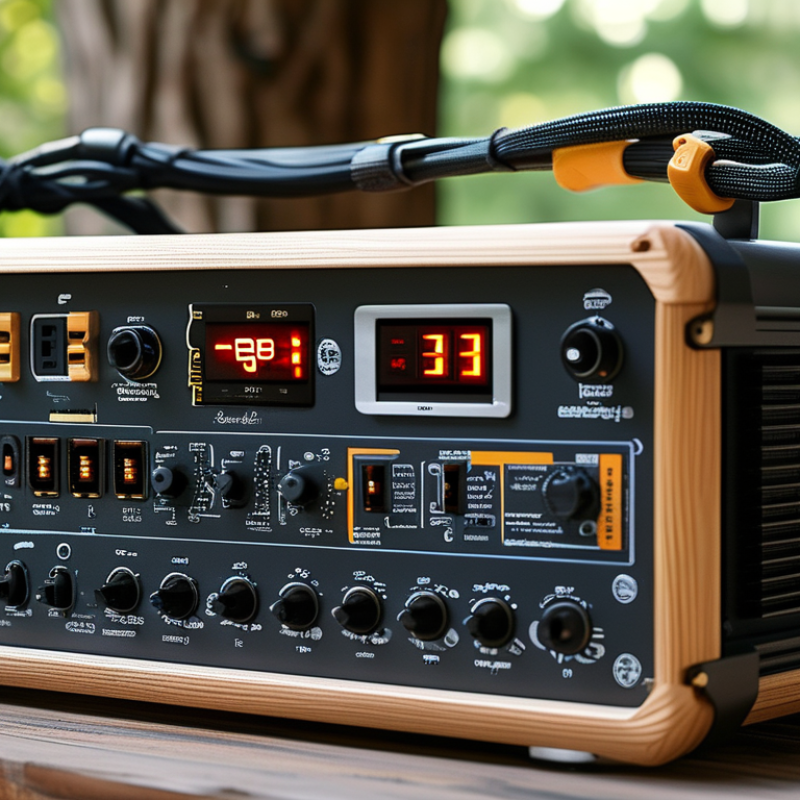
Understanding Pure Sine Wave Inverters: Definition and Benefits
Pure sine wave inverters are essential for powering sensitive electronics. They produce a smooth, consistent wave, similar to grid power. This quality helps protect devices such as computers and medical equipment.
One key benefit of pure sine wave inverters is their efficiency. They convert DC power to AC power effectively. Devices powered by these inverters run quieter and perform better. They also reduce the risk of overheating, extending the lifespan of electronics.
**Tips:** When selecting an inverter, consider your total power needs. Overestimate a bit to ensure you have enough capacity. Check the inverter's continuous and peak power ratings carefully. Also, research the manufacturer for reliability. Look for customer reviews that speak to actual performance. Each small detail can make a significant difference in your experience.
Factors to Consider When Selecting a Pure Sine Wave Inverter
When selecting a pure sine wave inverter, several factors need close consideration. The inverter’s power rating is crucial. Assess your appliances' wattage to determine the inverter size you require. Inverters come in various capacities, and choosing one too small can lead to overloading issues. It's vital to ensure your inverter can handle the peak loads of your devices.
Another key factor is efficiency. Look for inverters that boast high efficiency ratings. This reduces energy losses and ensures more usable power. Consider the inverter's features as well. Some models include built-in displays for real-time feedback. Others may offer multiple outlets, making it easier to connect various devices.
Lastly, don't neglect the importance of reliability. Research the inverter's build quality and warranty. A reliable unit will save you frustration in the long run. Remember, a poor choice now could lead to more significant regrets later. Reflect on your specific power needs and weigh your options carefully.
Comparing Power Ratings: Watts, Amps, and Surge Capacity
When selecting a pure sine wave inverter, understanding power ratings is crucial.
Watts measure the inverter’s power output.
This measure indicates how much energy can be drawn at one time. For example, a
1000-watt inverter can power several small devices simultaneously. Knowing the total wattage requirement of your devices helps avoid overloading the inverter.
Amps reflect the electrical current flowing from the inverter to the devices.
It's essential to match the inverter’s amp rating with your devices' needs. For instance, a device needing
10 amps will require an inverter capable of supporting that load. Surges, like those during startup, require even more attention.
Some devices can demand twice their running amps briefly. Selecting an inverter with adequate surge capacity is critical to prevent damage and ensure reliability.
Reports indicate that overloading can lead to inverter failure, highlighting the need for careful calculation of total wattage, running amps, and surge capacity.
Some users miscalculate their needs, leading to underperformance. For example, an insufficient inverter may shut down or output unstable power. Research by industry experts suggests a
20-30% buffer in power rating for surge demands is a good practice.
This extra capacity provides a safety net for your devices during startup and peak usage.
Understanding these nuances ensures a reliable power supply and protects your investments.
Identifying Features and Specifications That Suit Your Needs
When selecting the best pure sine wave inverter, it's essential to consider a few key features and specifications. The inverter's output power rating is crucial. It should match your power needs. Many experts suggest that a good rule of thumb is to choose an inverter with a power rating 20% higher than your device requirements for efficiency. This accounts for power surges in devices like refrigerators.
Another vital specification is the inverter's efficiency rating. Look for units with over 90% efficiency to minimize energy loss. A recent industry report highlighted that higher efficiency can save users up to 15% on their energy bills over time. Additionally, ensure the inverter includes necessary safety features, such as overload protection and short circuit prevention. These features boost reliability and prevent potential hazards.
Tip: Assess your power needs accurately. List all devices and their wattages. This will help you choose the right inverter.
Battery compatibility is another factor often overlooked. Consider the type of batteries you plan to use. Not all inverters work well with every battery type. Understanding battery compatibility can enhance performance and lifespan.
Tip: Research various inverter types. Each has different advantages. Find the right match for your setup.
Budgeting for Your Pure Sine Wave Inverter Purchase: Cost vs. Value
When purchasing a pure sine wave inverter, budgeting is critical. Costs can vary widely, so understanding the balance between cost and value is essential. A cheaper inverter may save money upfront but could lead to more expenses later. Reliability and quality should be prioritized. This is especially true for sensitive electronic devices, which require pure sine waves for optimal performance.
Tips: Always compare features like wattage and efficiency. Understanding your power needs helps in selecting the right model. Don't be swayed only by the price.
Inverters come with various features that affect their price. For instance, advanced models may include safety features or remote monitoring capabilities. Consider what you truly need. It’s easy to fall into the trap of overbuying. Reflect on your power usage habits before making a decision.
Tips: Read reviews and seek expert opinions. This can guide you towards making an informed choice. Sometimes, cheaper options can perform surprisingly well. Balancing these factors helps you find the best fit for your needs.
How to Choose the Best Pure Sine Wave Inverter for Your Needs?
| Feature |
Description |
Estimated Cost |
Value for Money (1-5) |
| Wattage |
Determines the load capacity of the inverter. |
$150 - $500 |
4 |
| Efficiency |
Measured as a percentage of energy converted to output. |
N/A |
5 |
| Total Harmonic Distortion (THD) |
Indicates the purity of the output waveform. |
N/A |
5 |
| Cooling System |
Active vs. passive cooling systems impact performance. |
$50 - $100 |
4 |
| Waveform Type |
Pure sine wave vs. modified sine wave; affects appliance compatibility. |
$100 - $300 |
5 |
| Input Voltage Range |
Range that the inverter can accept for operation. |
N/A |
4 |
| Portability |
Weight and size for easy transportation. |
$50 - $150 |
3 |
| Warranty |
Length and coverage of warranty provided. |
N/A |
5 |
FAQS
: The inverter's power rating is crucial. Assess your appliances' wattage to find the right size.
Look for inverters with over 90% efficiency. This helps reduce energy loss significantly.
Features like built-in displays and multiple outlets can enhance usability and convenience.
Different inverters work with various battery types. Ensure compatibility to improve performance.
Yes, reliability and quality are important. Cheaper options may cost more in the long run.
List all devices and their wattages. This will guide your inverter selection process.
Yes, overload protection and short circuit prevention are essential for reliability and safety.
No, prioritize features and quality over just the cost.
A good rule is to select an inverter 20% higher than your total wattage needs.
Overbuying features you don't need can lead to unnecessary expenses. Reflect on your habits.
Conclusion
When selecting the best Pure Sine Wave Inverter for your needs, it's essential to understand what distinguishes it from other types of inverters. Pure sine wave inverters provide clean and stable power output, making them ideal for sensitive electronics, appliances, and tools. The article outlines several critical factors to consider, such as power ratings—including watts, amps, and surge capacity—along with specific features and specifications that align with your intended use.
Additionally, budgeting is a vital aspect of the purchasing process. By weighing the cost against the value provided, you can make an informed decision that ensures you invest in a Pure Sine Wave Inverter that meets your power requirements without overspending. Understanding these elements will help you make a choice that enhances your energy management and supports your devices effectively.

 Myami Power