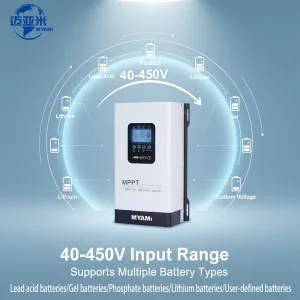
Engineered for high-voltage off-grid and battery storage systems (LiFePO4, Lithium, and Lead-Acid compatibility).
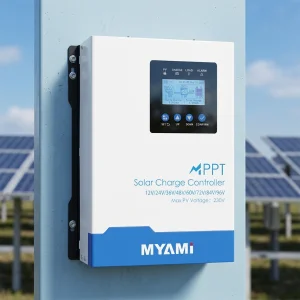

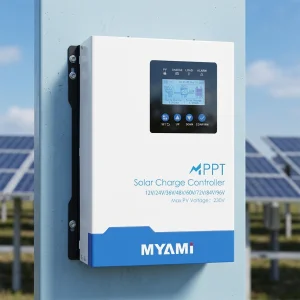


As commercial, industrial, and residential energy systems pivot toward greater efficiency and resilience, the demand for smart, high-performance Maximum Power Point Tracking (MPPT) solar charge controllers has reached unprecedented heights. Global engineering procurement contractors (EPCs), industrial developers, and regional distributors require more than just standard components—they demand comprehensive, highly integrated control solutions that can mitigate transmission losses, guarantee thermal reliability, and support hybrid storage chemistries.
For modern commercial off-grid microgrids, remote telecommunication base stations, and localized industrial solar systems, the charge controller serves as the system's brain. By adjusting input voltages dynamically to match the maximum output point of the PV array, high-end controllers ensure optimal performance regardless of solar fluctuations. Choosing a verified supplier ensures that safety metrics, protocol integration, and component life cycle are systematically guaranteed.
How MYAMI addresses critical energy efficiency constraints and communication protocol challenges in high-load renewable systems.
Unlike standard PWM controllers which simply pull the solar array down to the battery voltage, MYAMI's true MPPT algorithms constantly sweep and lock onto the maximum power point. This design achieves up to 30% more energy yield compared to PWM units under shifting cloud conditions or dynamic temperatures. Built-in high-precision DC-DC buck converters adjust the step-down ratio, matching high-voltage PV arrays (up to 450V) with diverse battery configurations.
Industrial off-grid networks frequently utilize high-voltage battery arrays to minimize transmission losses. MYAMI controllers support auto-detection and adjustable parameter options spanning from standard 12V/24V/48V up to massive 96V/192V systems. Supported with specialized charge tracking configurations, our devices operate across LiFePO4, AGM, Flooded, Gel, and customizable Lithium-ion formulations with active temperature-compensated curves.
In modern industrial IoT infrastructures, central control rooms must monitor energy generation in real-time. MYAMI integrates standardized RS485 and CAN communication interfaces running Modbus protocols. This allows seamless telemetry routing into SCADA systems, centralized PC programs, or remote cloud systems, giving complete control over state of charge (SoC), operational temperature, and PV performance parameters.
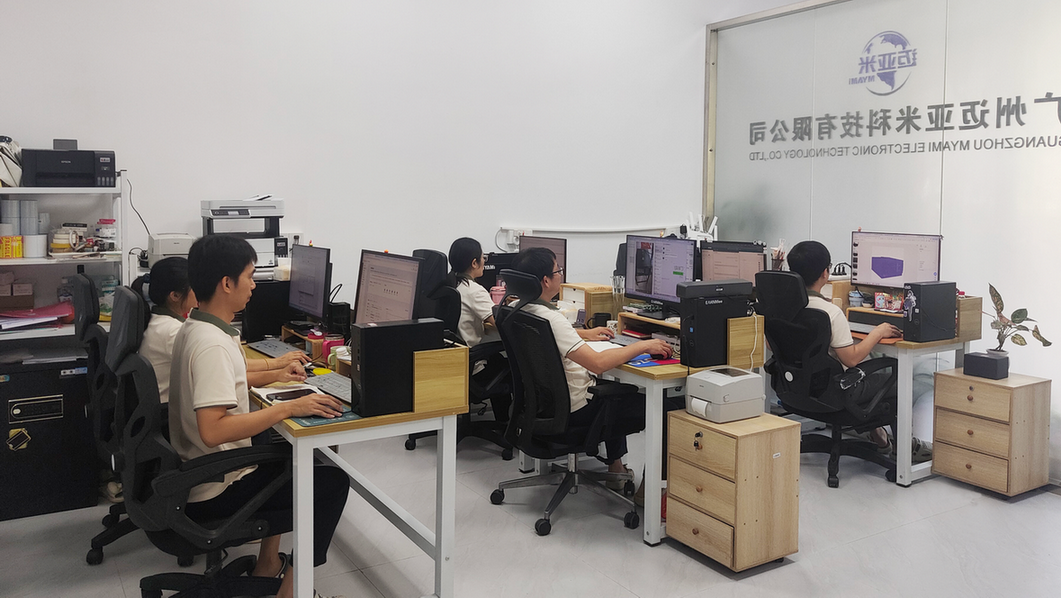
Headquartered in Shenzhen, China, Shenzhen Myami Power Technology Co., Ltd. (MYAMI) is a technology-driven manufacturer and solution provider specializing in high-precision, industrial-grade power supplies and electrical test equipment. Designed for engineering rigor, MYAMI bridges the gap between complex electronic research, high-voltage component testing, and scalable industrial automation.
Our specialized engineering portfolio focuses on four core operational pillars:
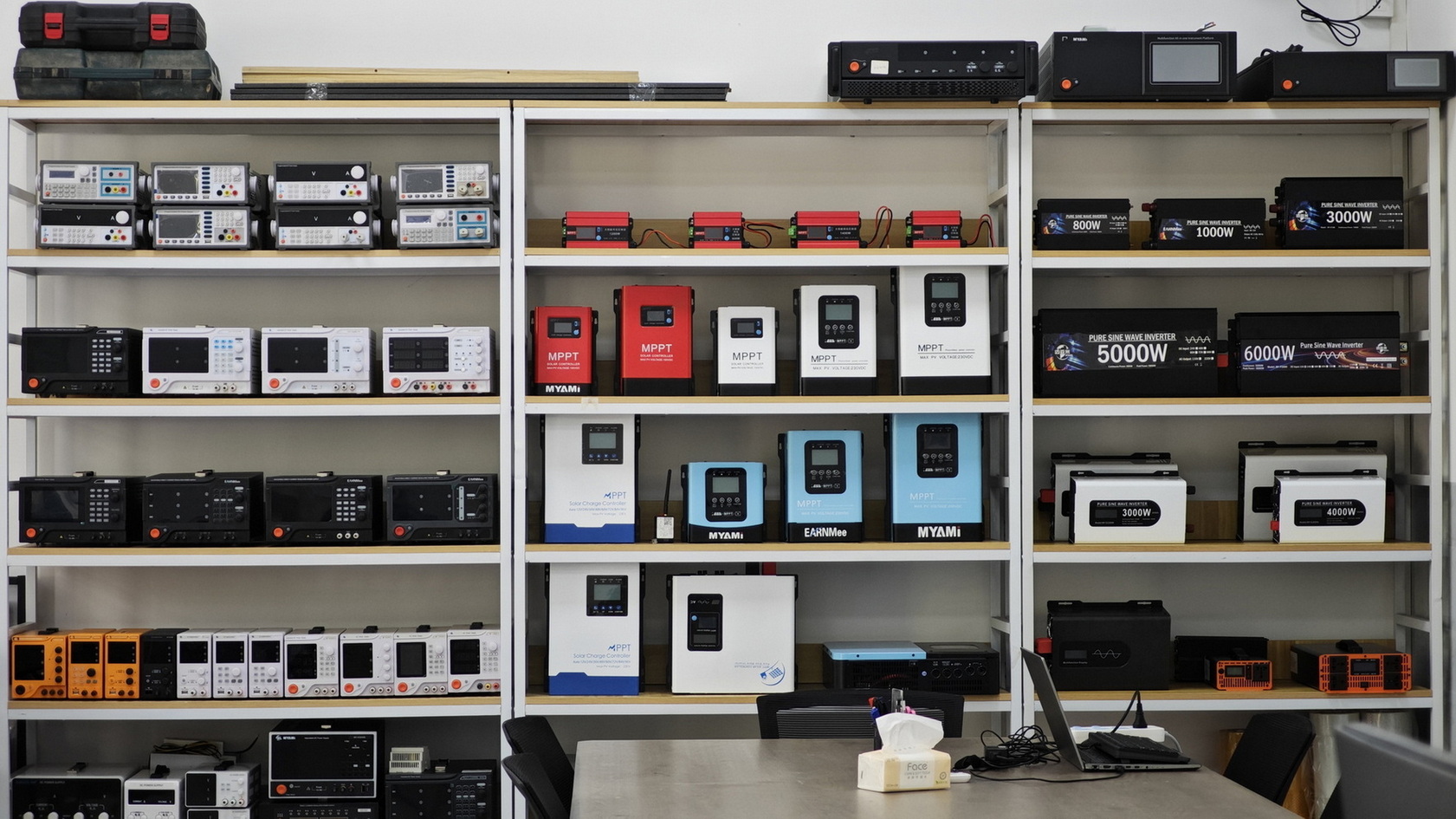
Every MYAMI system is engineered with strict multi-layer protection protocols (OVP, OCP, OTP, and short-circuit safeguards) and complies with international safety and quality standards, including CE, RoHS, and ISO9001. Integrated with standard industrial control protocols (RS485, RS232, and CAN communication), our equipment seamlessly connects to automated production lines and central PC control systems.
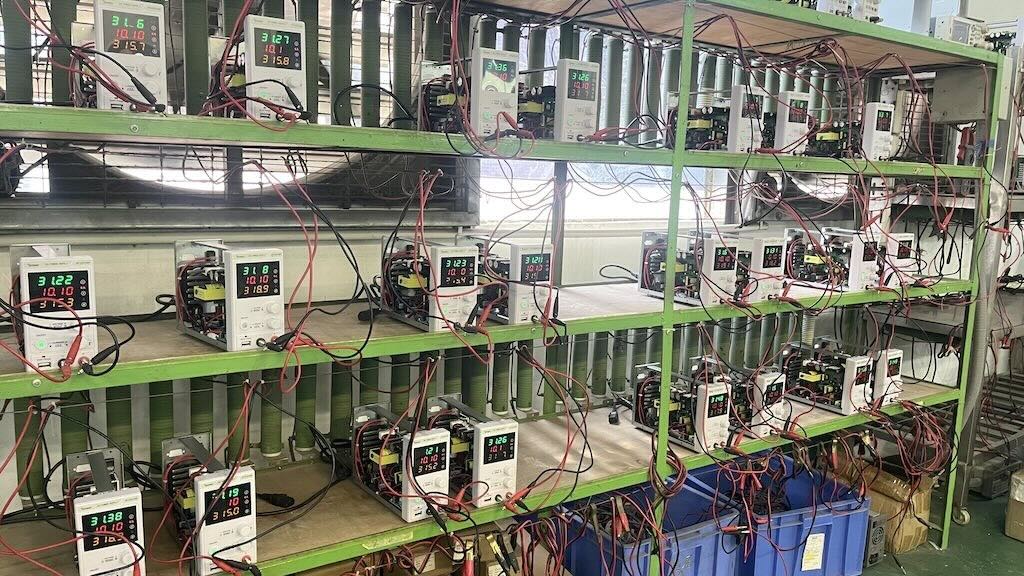
Underpinning our E-E-A-T status as a premier solar charge controller exporter is our meticulous manufacturing and testing methodology. In our Shenzhen facility, every unit undergoes multiple validation steps, leveraging high-end instrumentation to guarantee reliability under severe operating conditions.
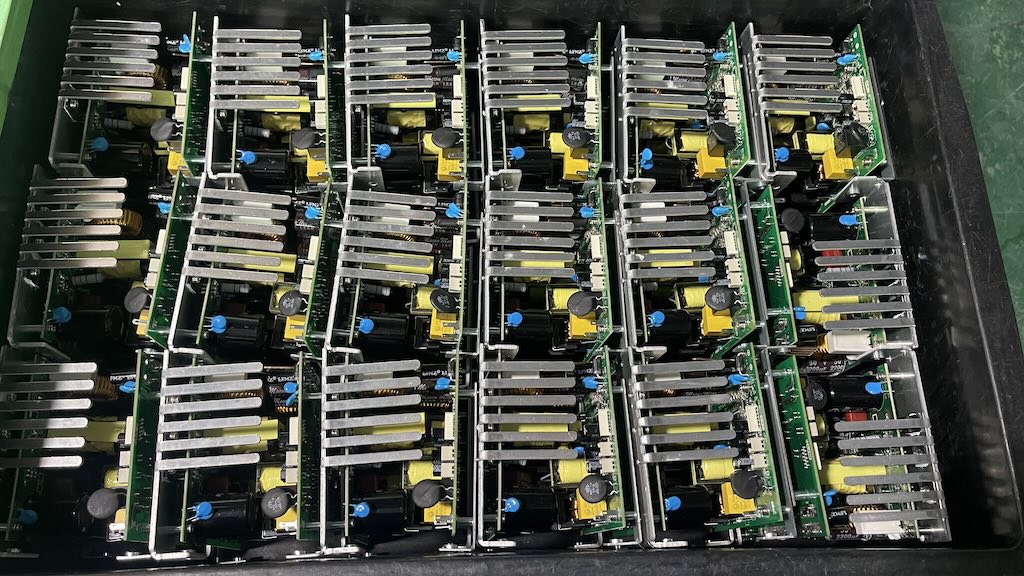 Raw Material
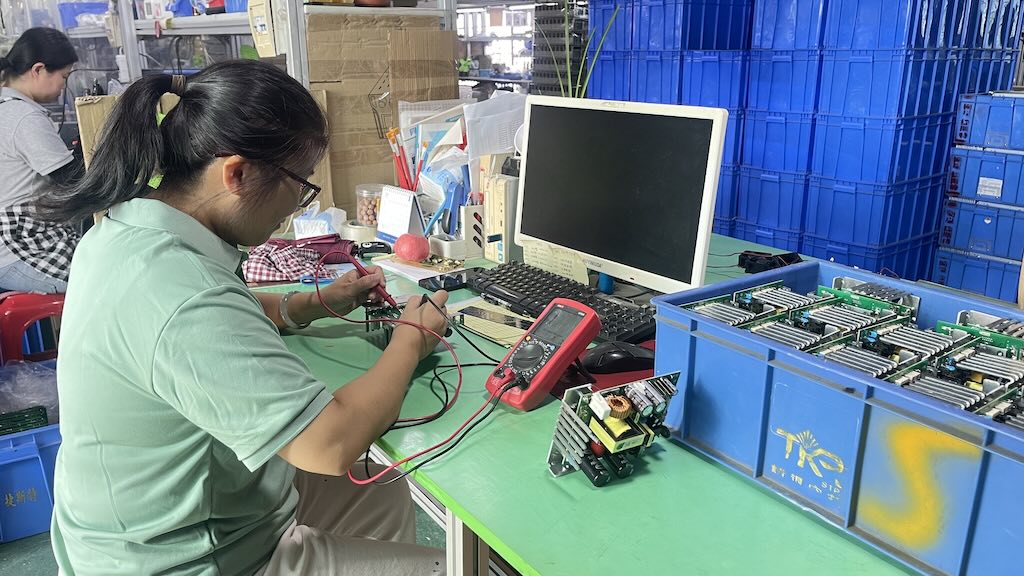 PCB Checking
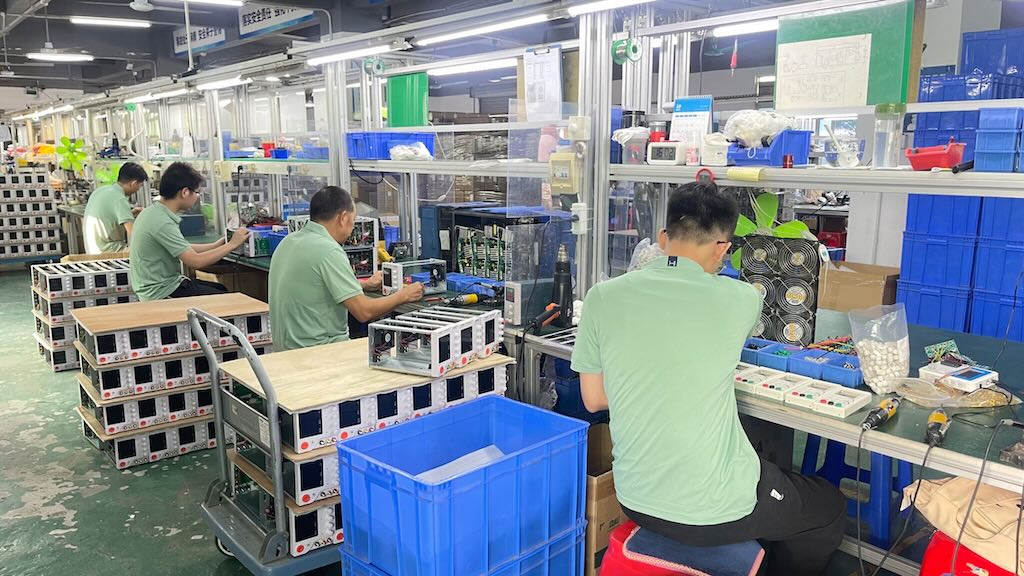 Assembling
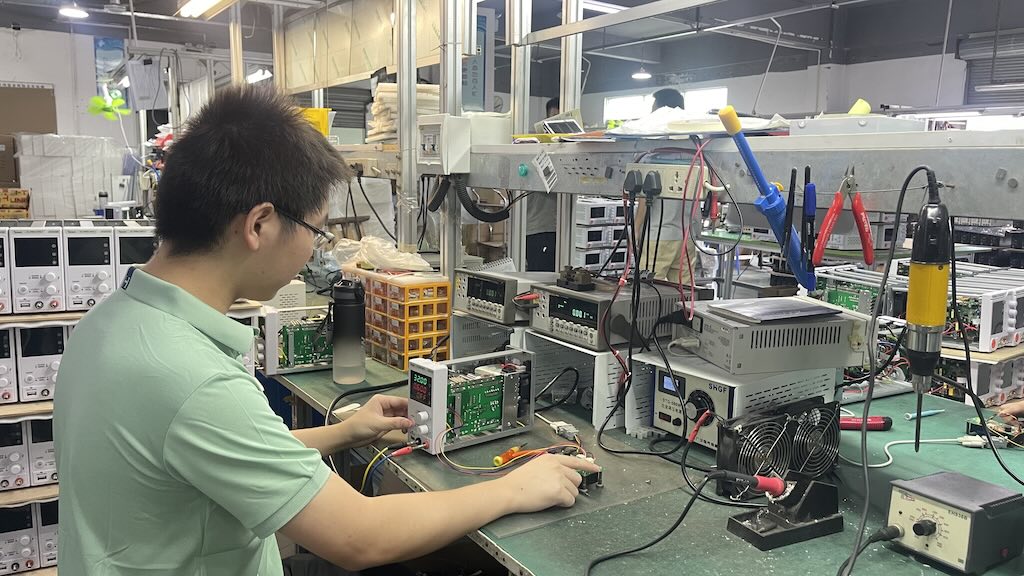 Debug
Debug
 Aging
Aging
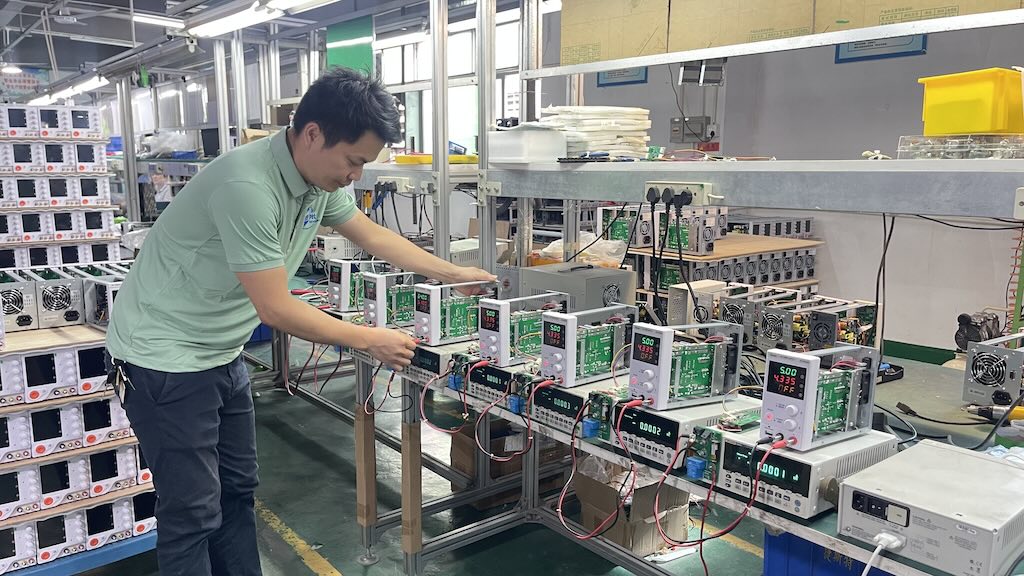 Calibration
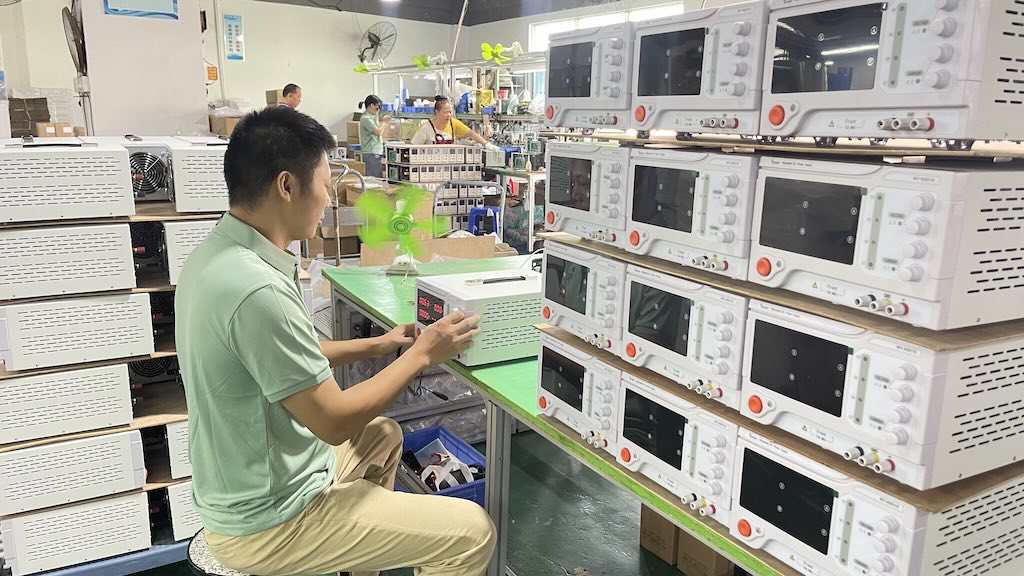 QC checking
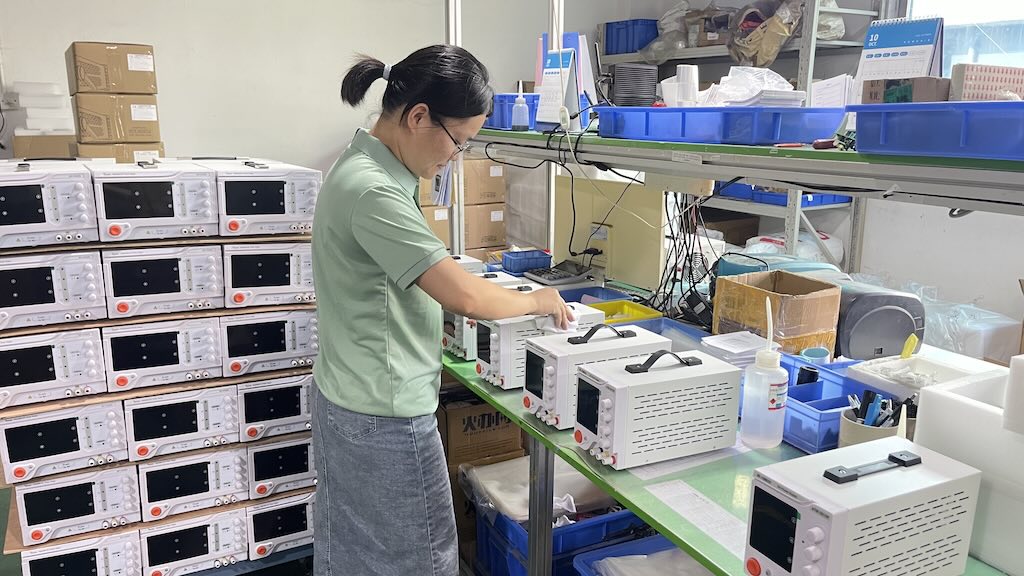 Packing
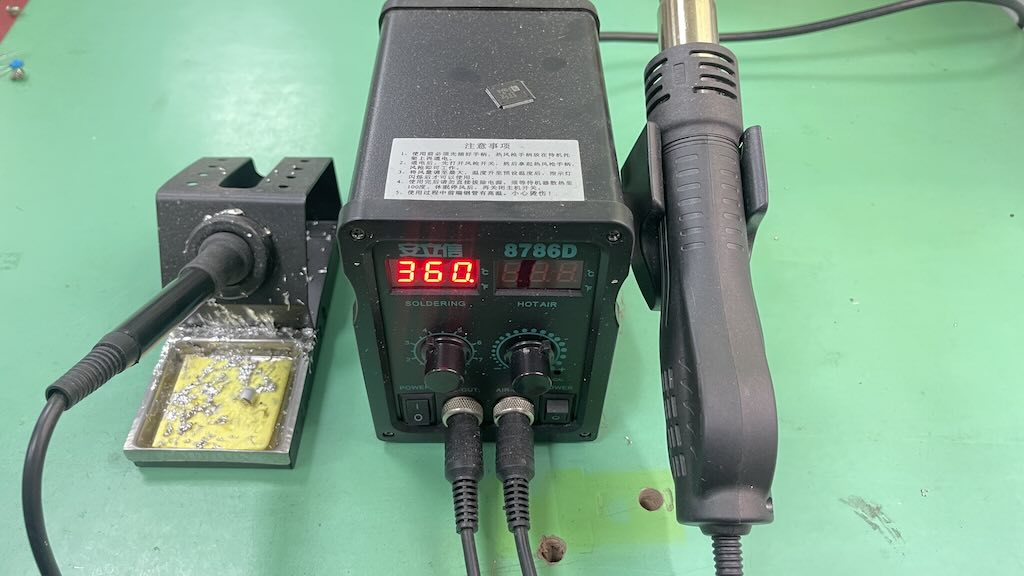 Soldering Station
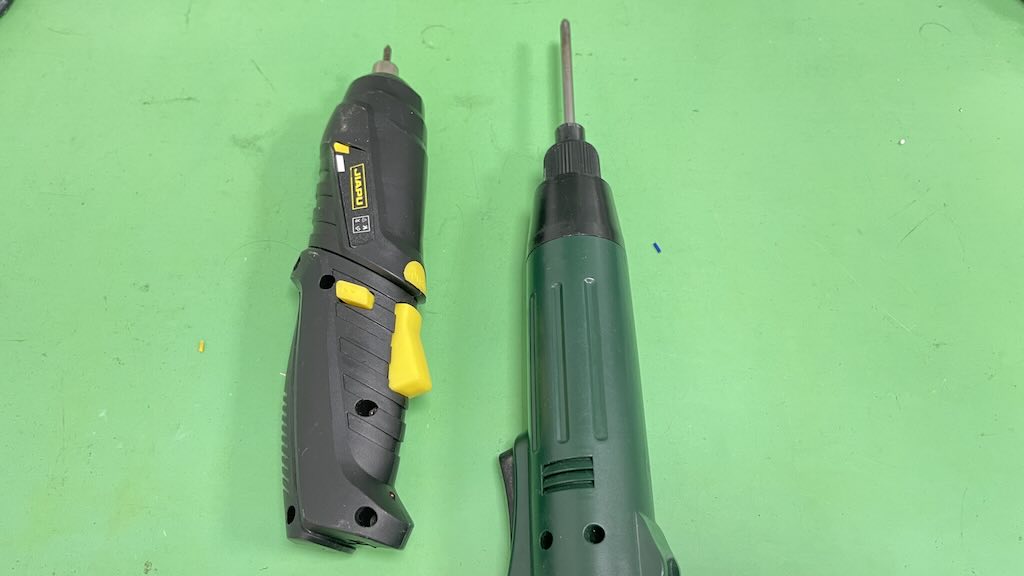 Electronic Screwdriver
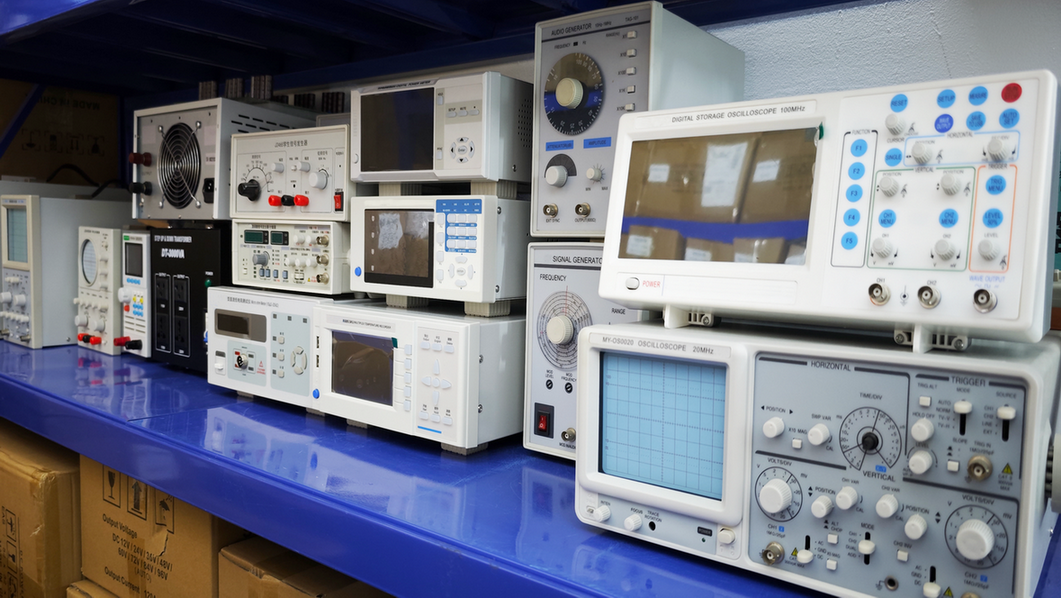
To assure perfect step-down capabilities, minimal ripple, and continuous conversion efficiency, our engineering teams rely on standard-setting laboratory test kits during development and final QA checks.
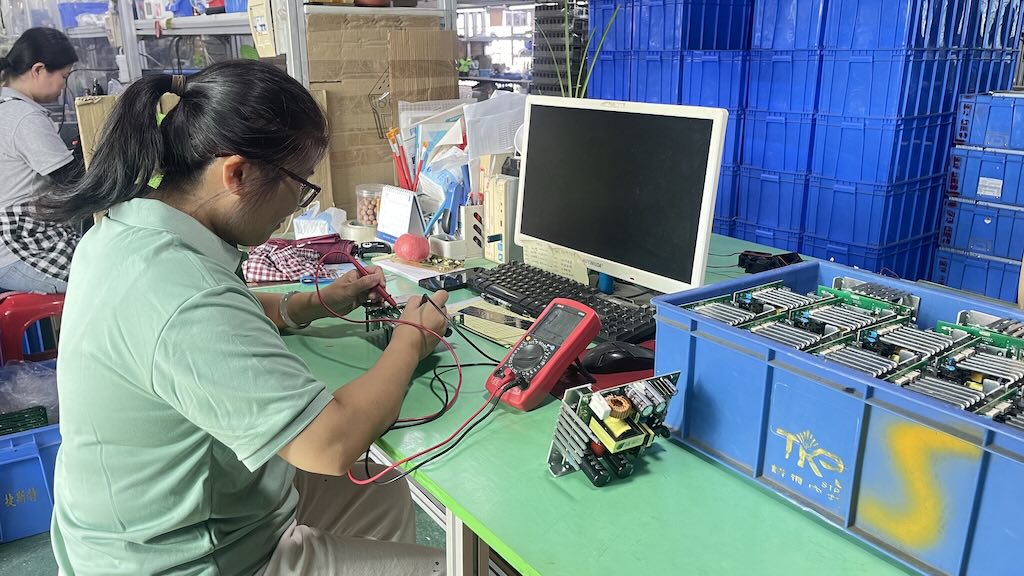 PCB Check
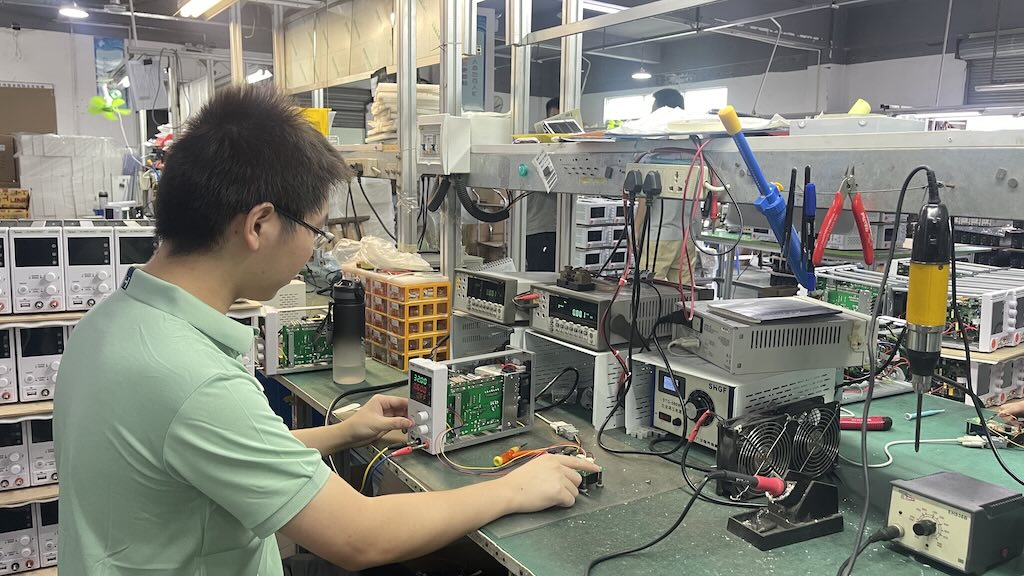 Debug
Debug
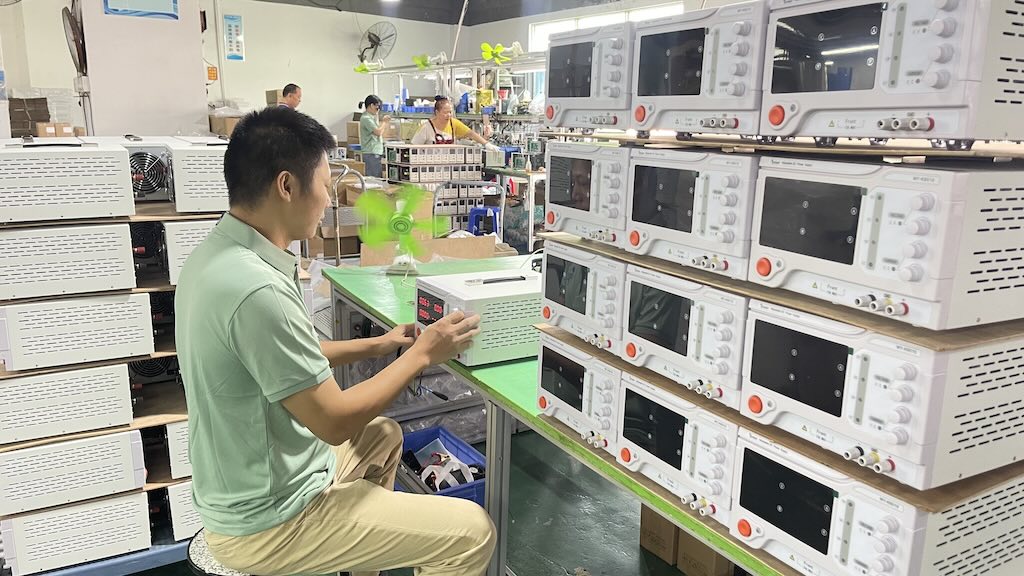 QC check
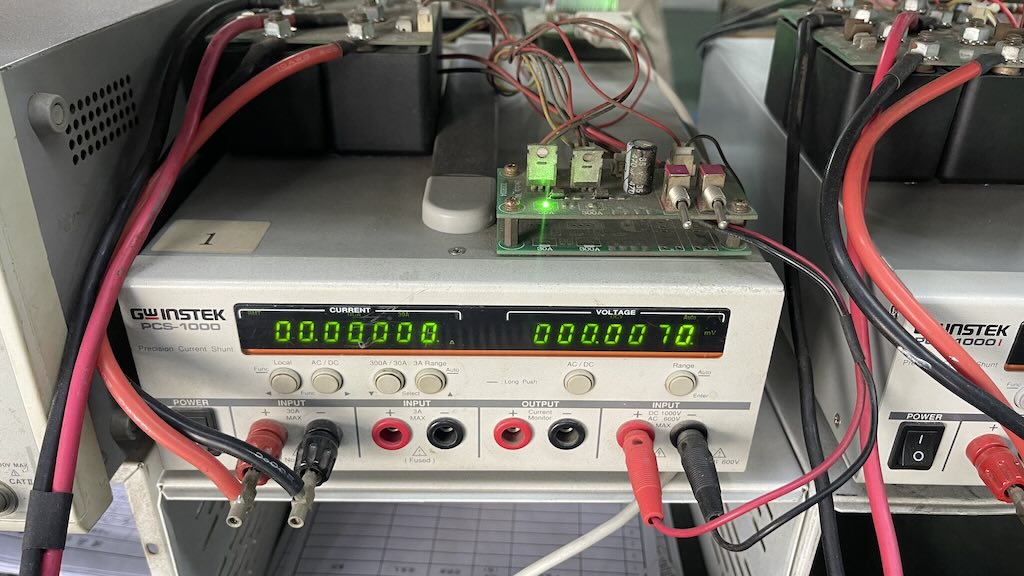 Multimeter
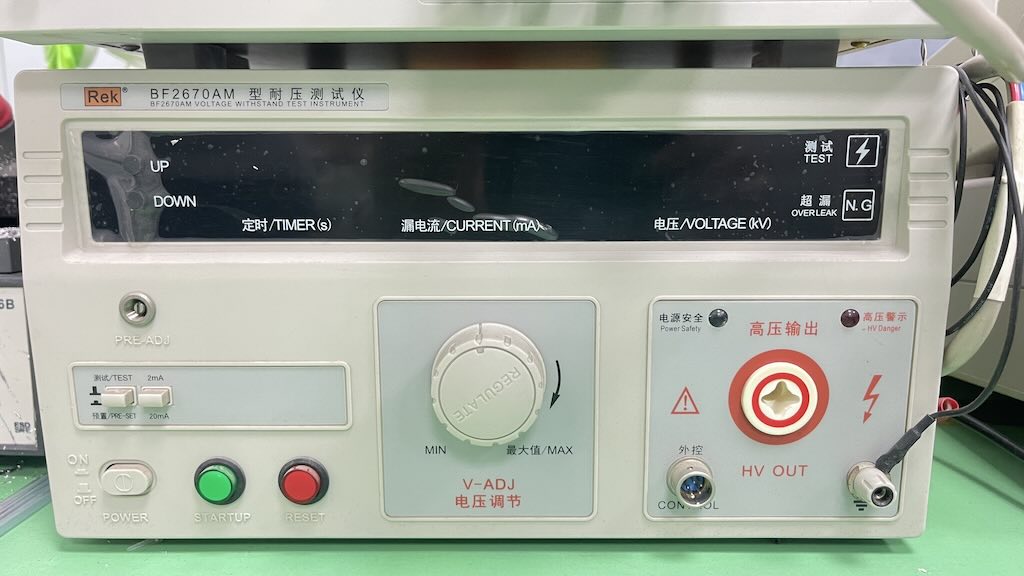 Hi-pot Tester
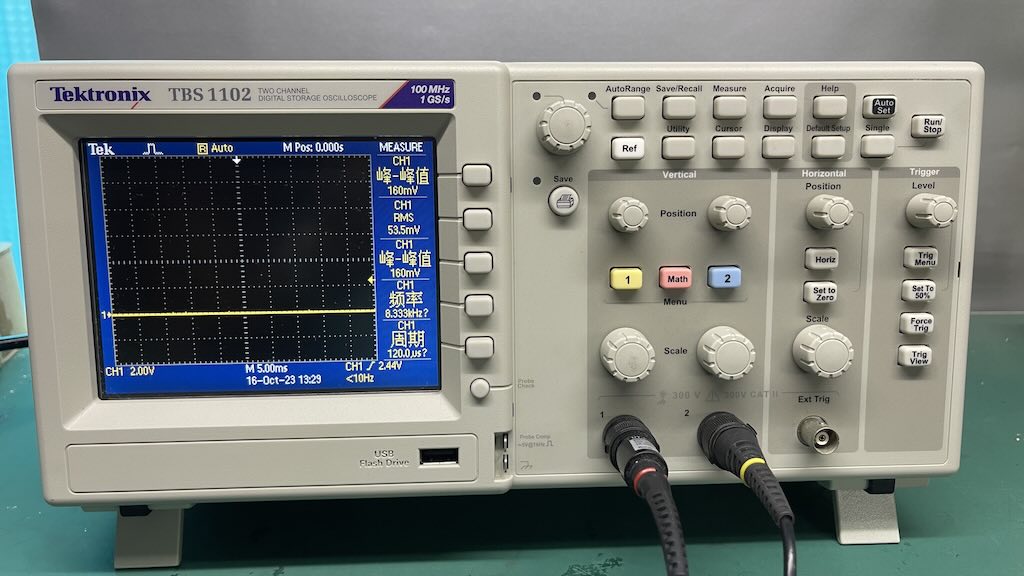 Oscilloscope
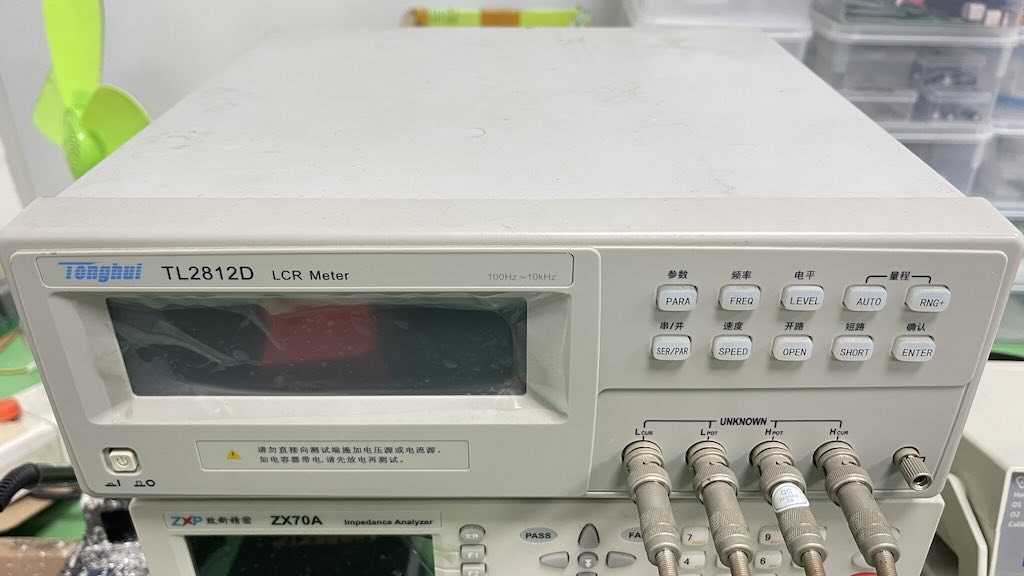 LCR Meter
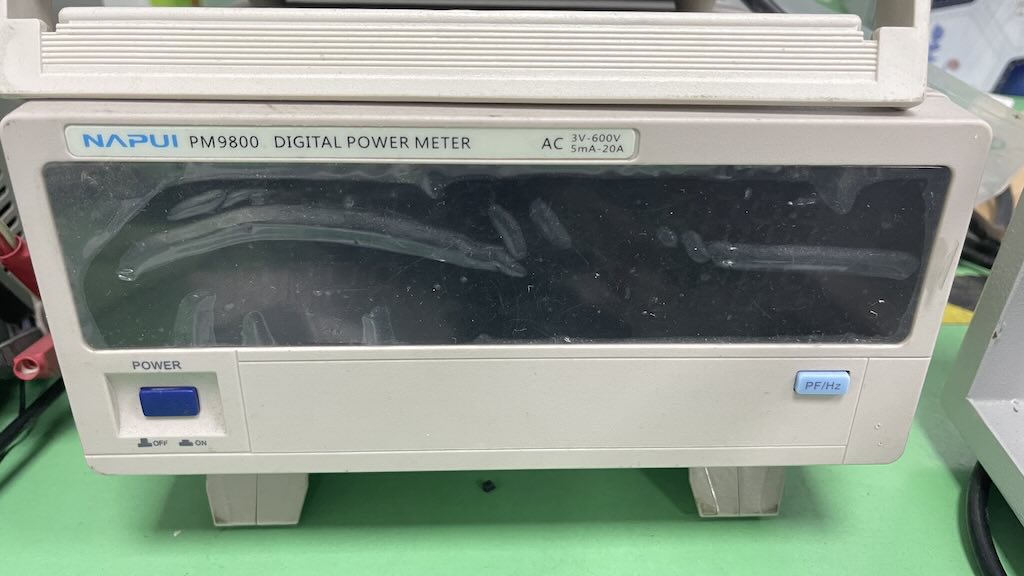 Digital power meter
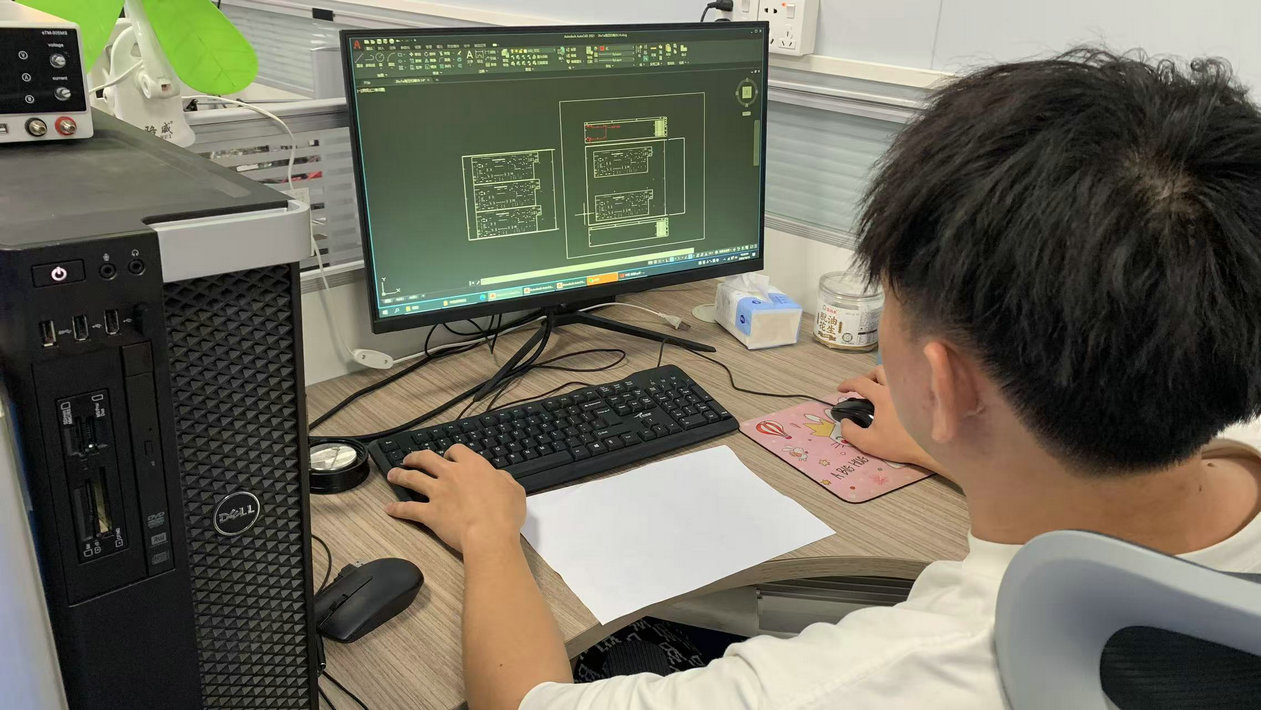 Design
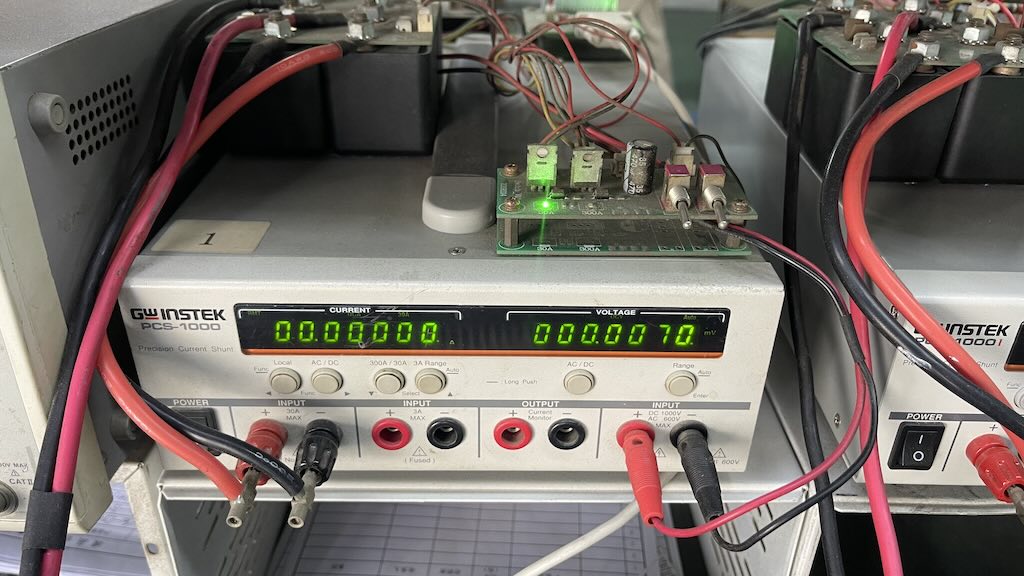 Multimeter
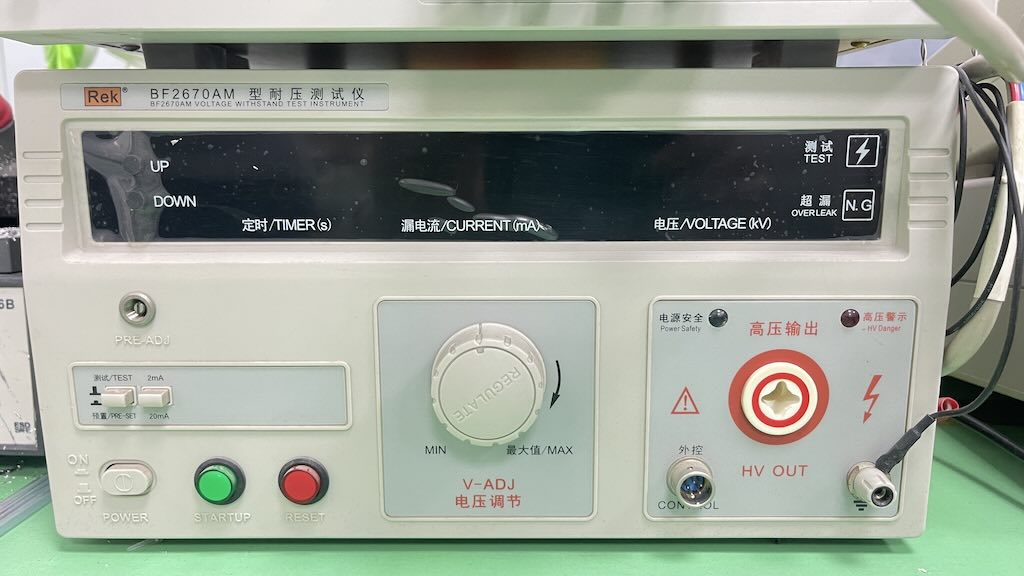 Hi-pot Tester
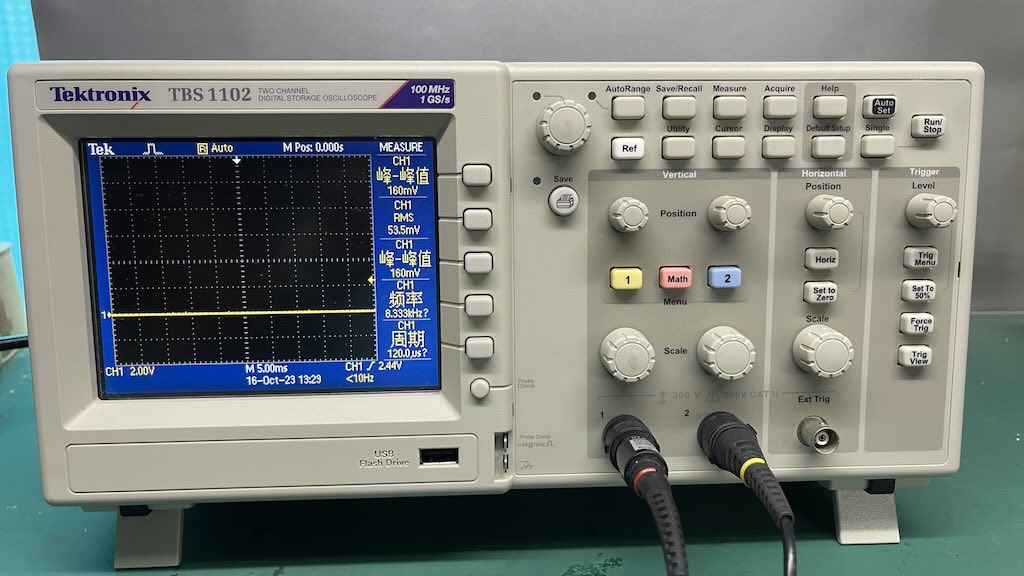 Oscilloscope
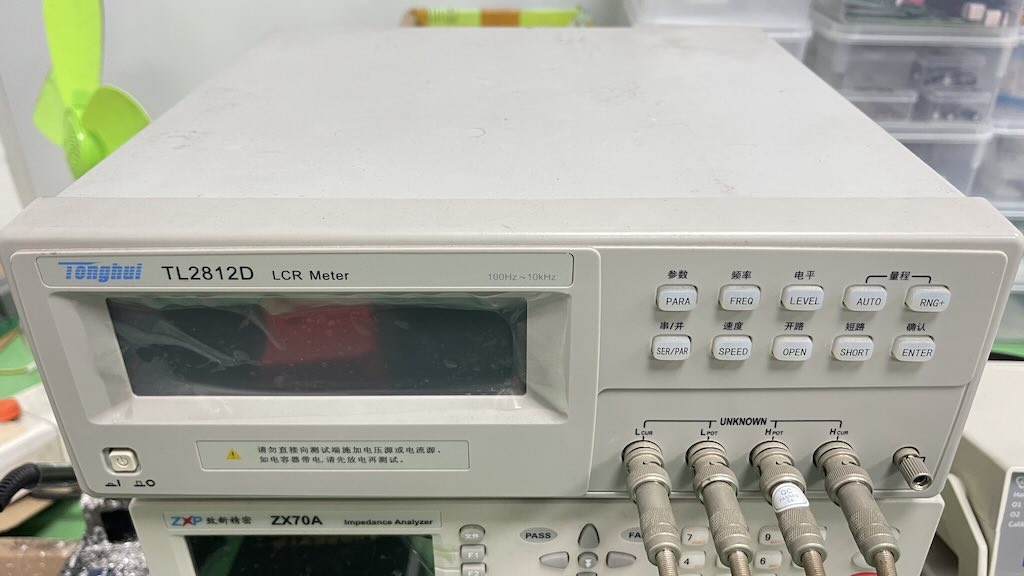 LCR Meter
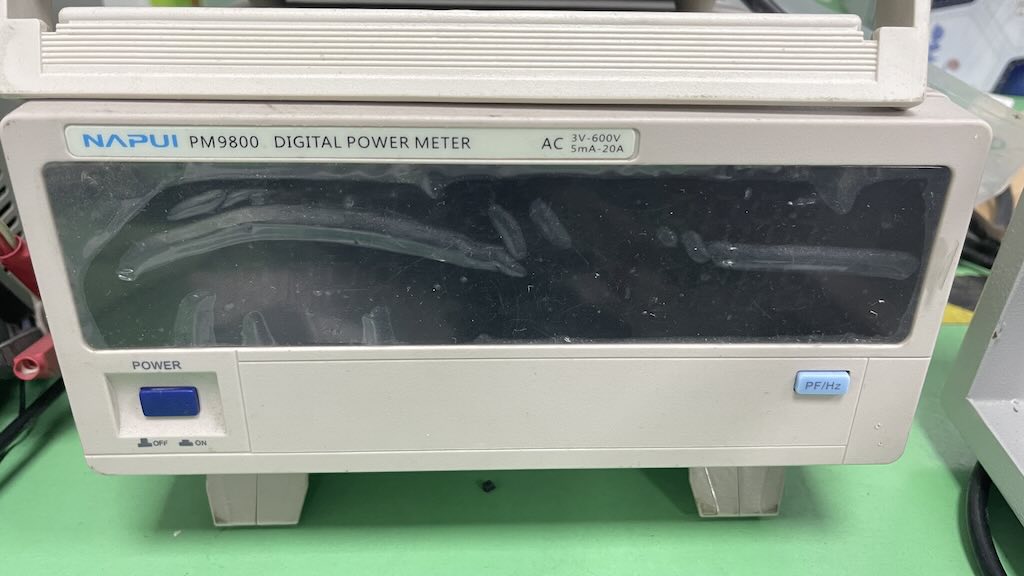 Digital power meter
MYAMI's manufacturing facilities align with strict international compliance structures. By utilizing localized testing and continuous validation, we ensure that every exporting system is ready for immediately deployment in harsh industrial sites.
Professional answers to core procurement queries concerning MPPT controllers, compliance, and systems configuration.
Maximum Power Point Tracking (MPPT) dynamically adjusts the operating point of the solar array to extract maximum power, regardless of battery voltage. Unlike Pulse Width Modulation (PWM) controllers, which constrain the solar panel to battery voltage limits, MPPT can boost system efficiencies by 10% to 30%, which translates directly to faster returns on investment (ROI) for large-scale B2B off-grid arrays.
Higher maximum PV DC inputs (such as 450V) enable engineers to configure longer series strings of solar panels. Longer series connections minimize the current (amperage) flowing through the lines, reducing standard I²R cable losses and enabling installers to use thinner, more cost-effective DC wiring while improving overall safety.
Yes. Our controllers feature comprehensive configurations. Operators can program user-defined voltage limits, bulk/absorption charge settings, and temperature coefficient curves, ensuring native compatibility with lithium iron phosphate (LiFePO4), ternary lithium, lead-acid, and gel energy storage solutions.
MYAMI controllers natively support RS485 and CAN physical interfaces utilizing Modbus protocols. This allows external control units, industrial RTUs, or centralized SCADA software to query diagnostic details such as charge current, battery state of charge (SoC), active faults, and total daily energy yields.
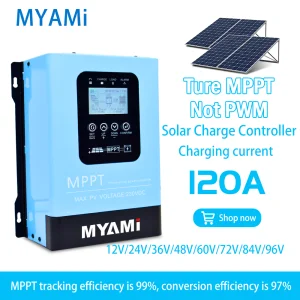
Reliable high-current solutions featuring smart thermal dissipation, RS485 communication, and robust DC-DC conversions.





 Myami Power

