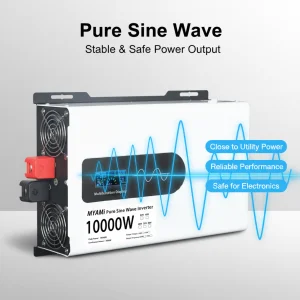
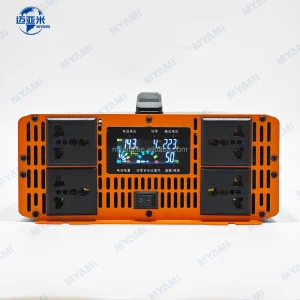
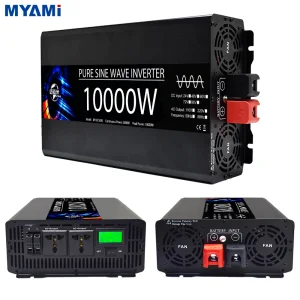
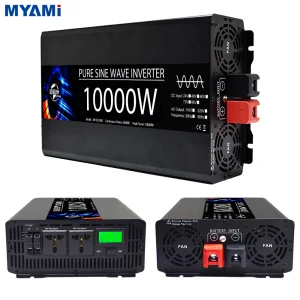
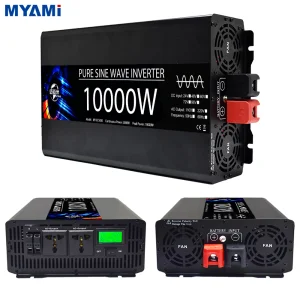
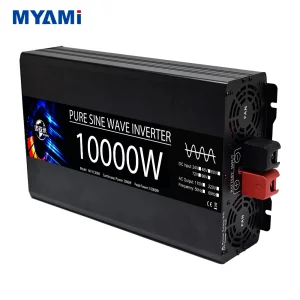
Engineered for high thermal performance, transient-free voltage delivery, and seamless integration with industrial battery arrays.
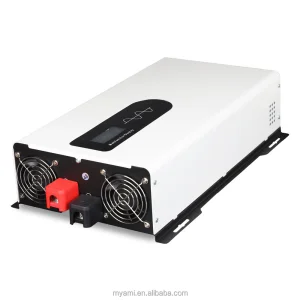
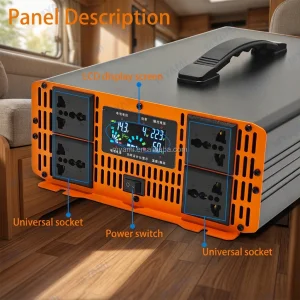
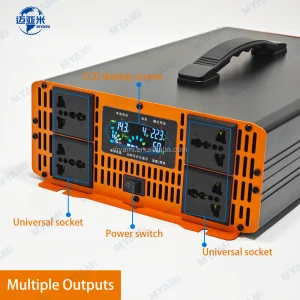
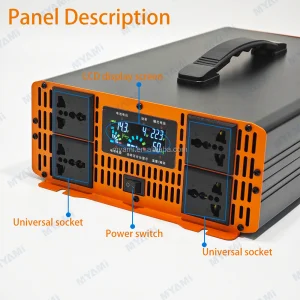
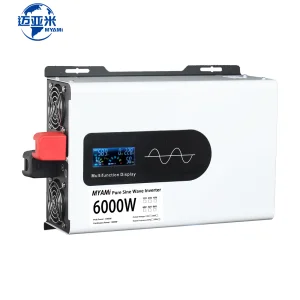
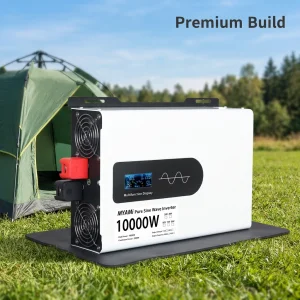
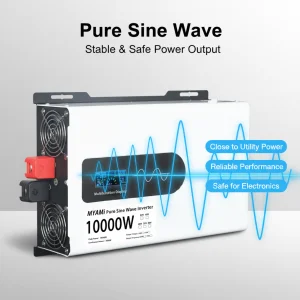
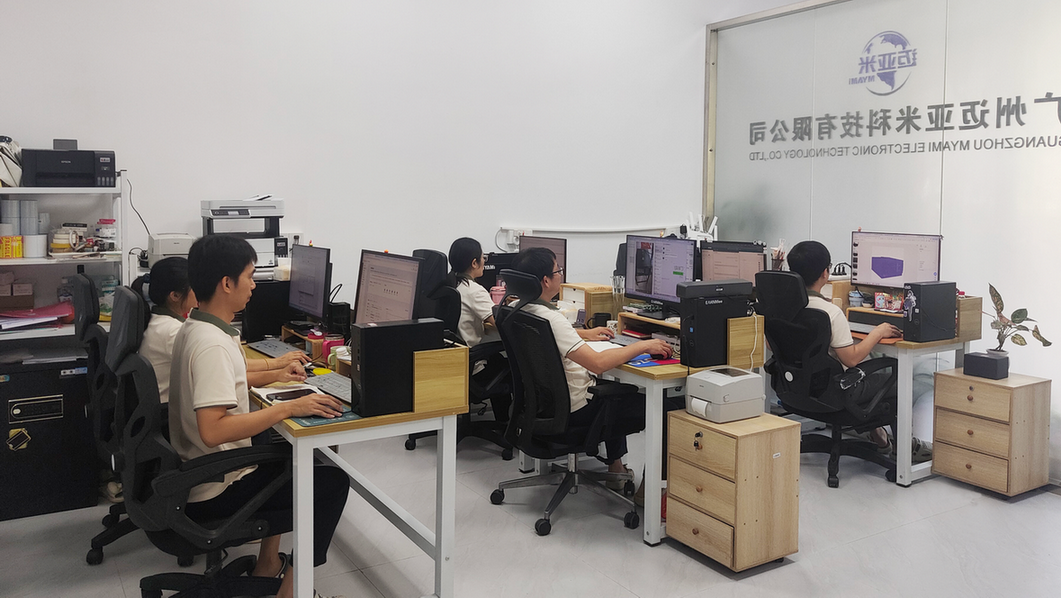
Headquartered in Shenzhen, China, Shenzhen Myami Power Technology Co., Ltd. (MYAMI) is a technology-driven manufacturer and solution provider specializing in high-precision, industrial-grade power supplies and electrical test equipment. Designed for engineering rigor, MYAMI bridges the gap between complex electronic research, high-voltage component testing, and scalable industrial automation.
Through persistent technology iteration, we have structured our engineering roadmap to serve the demanding requirements of global clean power conversion. From low-harmonic pure sine wave inverters deployed in rugged environments to programmable laboratory power systems, MYAMI is a hallmark of reliability and modern energy management.
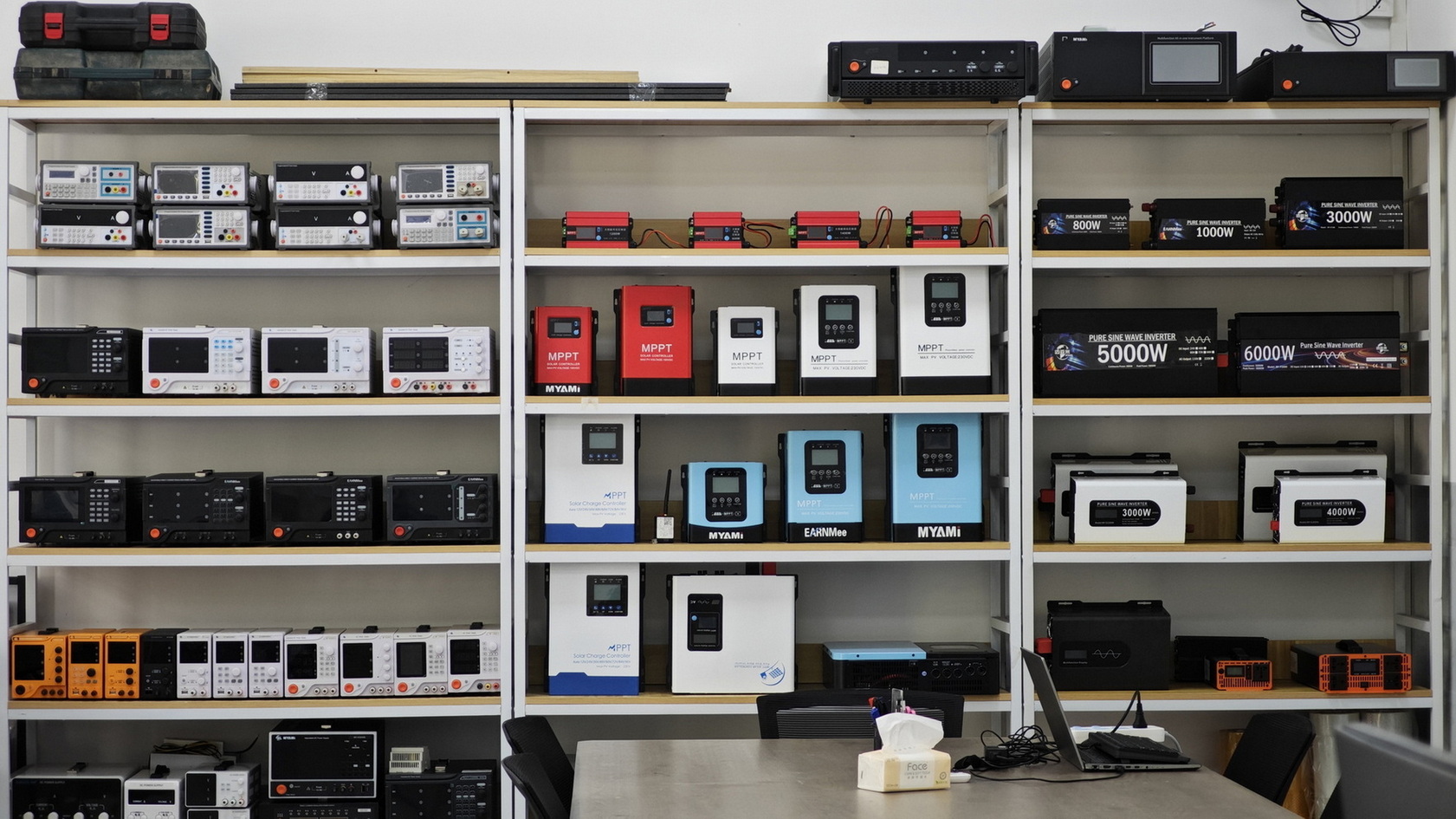
Featuring multi-digit LED displays, ultra-low ripple, and rapid transient response, engineered for precision electronic R&D, semiconductor evaluation, and PCB debugging.
Delivering high-current, high-voltage DC/AC regulated power supplies (ranging up to hundreds of volts and amperes) built for industrial motor drives, electroplating rectifiers, and heavy-duty component burn-in testing.
Providing specialized DC power units, battery simulators, and variable AC power sources engineered for Electric Vehicle (EV) On-Board Chargers (OBC), BMS evaluation, and solar inverter testing.
Supplying complementary test bench solutions, including digital oscilloscopes, multimeters, and specialized AC voltage regulators for global laboratories and technical institutes.
Every MYAMI system is engineered with strict multi-layer protection protocols (OVP, OCP, OTP, and short-circuit safeguards) and complies with international safety and quality standards, including CE, RoHS, and ISO9001. Integrated with standard industrial control protocols (RS485, RS232, and CAN communication), our equipment seamlessly connects to automated production lines and central PC control systems.
Understanding the electrical architecture of clean power conversion: Why MYAMI Pure Sine Wave systems lead the industry in total efficiency and component lifespan.
Modified sine wave inverters run the risk of generating high harmonic currents, leading to excessive heat generation and failure of inductive loads. MYAMI pure sine wave systems generate smooth, low-distortion alternating current comparable to utility-grid quality, ensuring high efficiency for sensitive electronics, laboratory apparatus, and diagnostic medical equipment.
Our intelligent system control MCU tracks internal thermal thresholds, input voltage drift, and load transients. Integrated over-voltage protection (OVP), over-current protection (OCP), over-temperature protection (OTP), and short-circuit protection guarantee uninterrupted operations under extreme field settings.
By offering specialized high-frequency configurations for mobile/vehicular applications (RV, passenger cars, light trucks) and low-frequency options for heavy industrial inductive loads (solenoids, compressors, refrigeration), we optimize unit mass, transient capability, and total cost of ownership (TCO).
| Electrical Parameter | MYAMI Pure Sine Wave Inverter | Modified / Quasi Sine Wave Inverter | Operational / System Impact |
|---|---|---|---|
| Total Harmonic Distortion (THD) | < 3.0% (Utility Grade) | 30% - 40% (High Harmonic Noise) | Low THD preserves coil life, prevents motor hum, and prevents screen flicker. |
| Conversion Efficiency | Up to 94.0% | 70% - 85% | High efficiency reduces battery drainage and heat footprint within enclosure. |
| Inductive Load Support | Excellent (Pumps, Compressors, Drills) | Poor (Causes overheating, circuit trip) | Protects expensive motorized tools and medical hardware from phase failures. |
| Transient Surge Ratio | 2:1 (Peak to Nominal power ratings) | Low / Unstable | Allows high-current starting for dynamic inductive startup loads. |
Analyzing key structural factors that procurement managers, EPC contractors, and system integrators must evaluate when acquiring high-capacity inversion systems.
Modern commercial operations require stable off-grid power solutions that function reliably without grid connections. Across Europe, North America, and emerging markets, telecom towers, remote oil fields, and logistics networks depend heavily on DC-to-AC conversion. MYAMI engineers customize system configurations for specific regional voltages (110V/120V versus 220V/230V/240V) to comply with local utility criteria.
A key procurement challenge is ensuring safe battery integration. With the rapid growth of Lithium Iron Phosphate (LiFePO4) battery packs, modern inverters must have wide DC input ranges (12V, 24V, 48V, 60V, 72V, 96V) to handle different state-of-charge voltages. MYAMI's adjustable low-voltage disconnect (LVD) and high-voltage disconnect (HVD) points prevent battery damage, ensuring long-term system health.
Furthermore, industrial automation projects require integrated communication ports. Through RS485, RS232, and CAN communication bus configurations, MYAMI inverters connect to centralized SCADA systems and building management systems (BMS), enabling real-time telemetry tracking of active loads, efficiency levels, and system alarms.
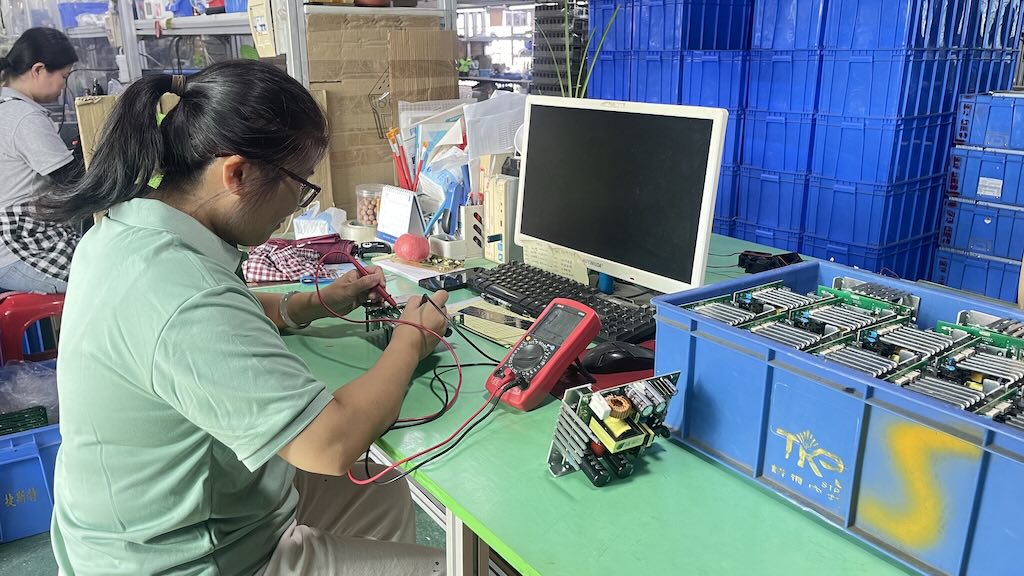
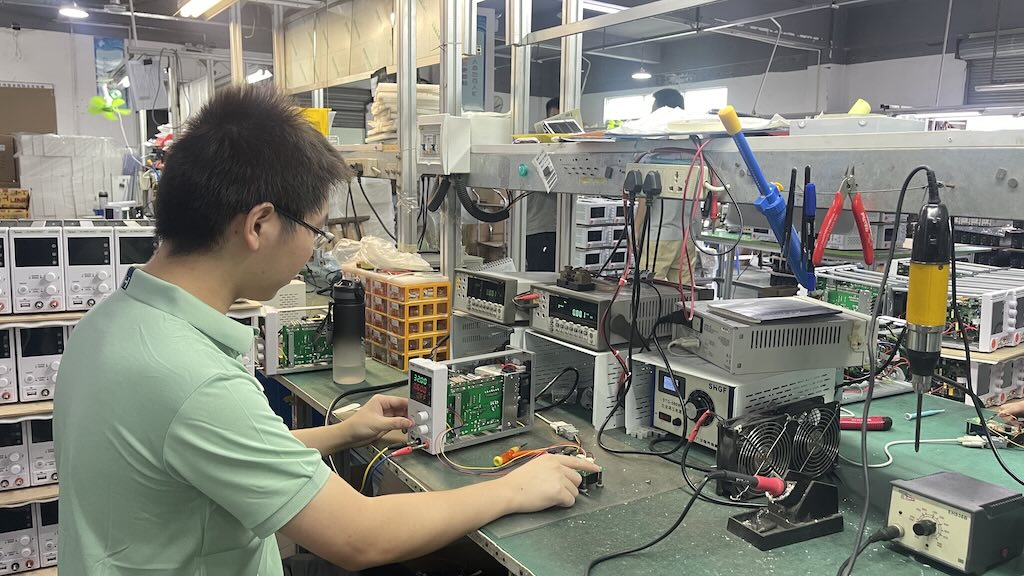
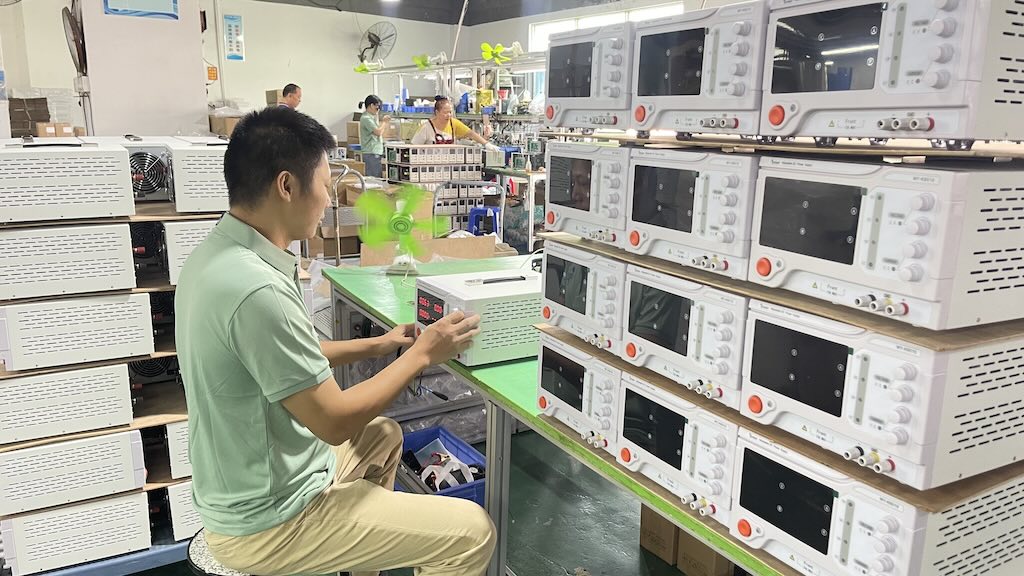
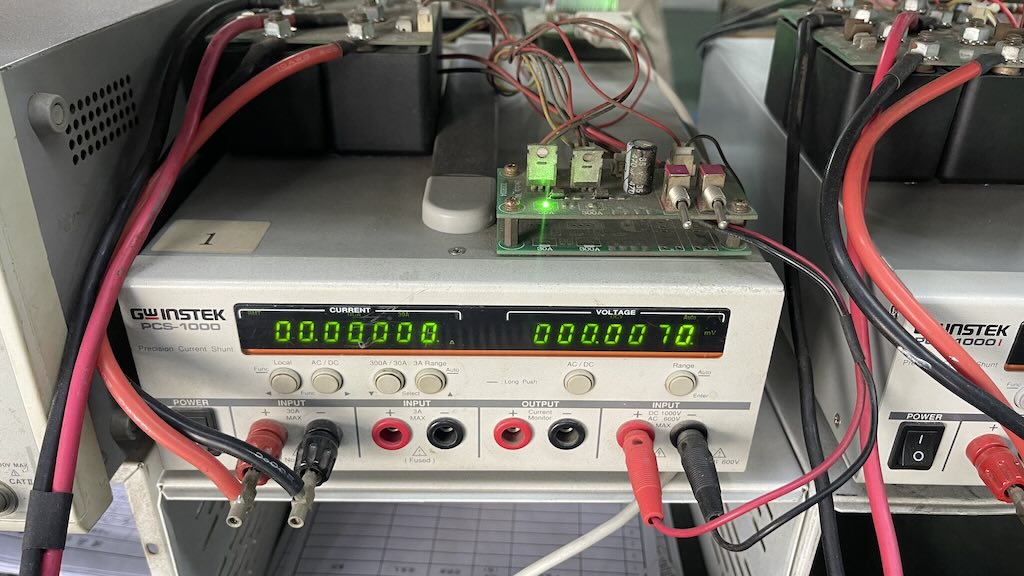
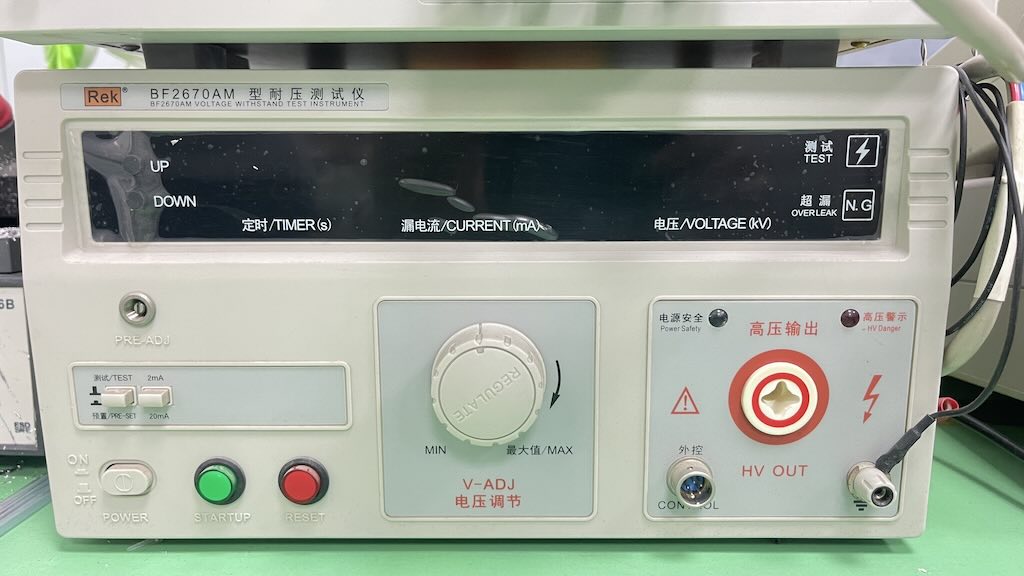
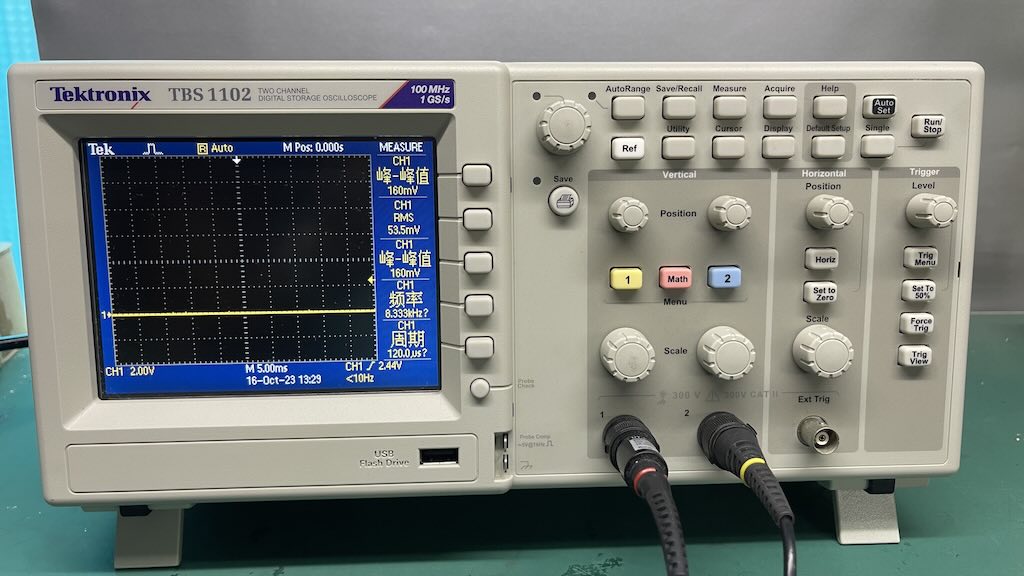
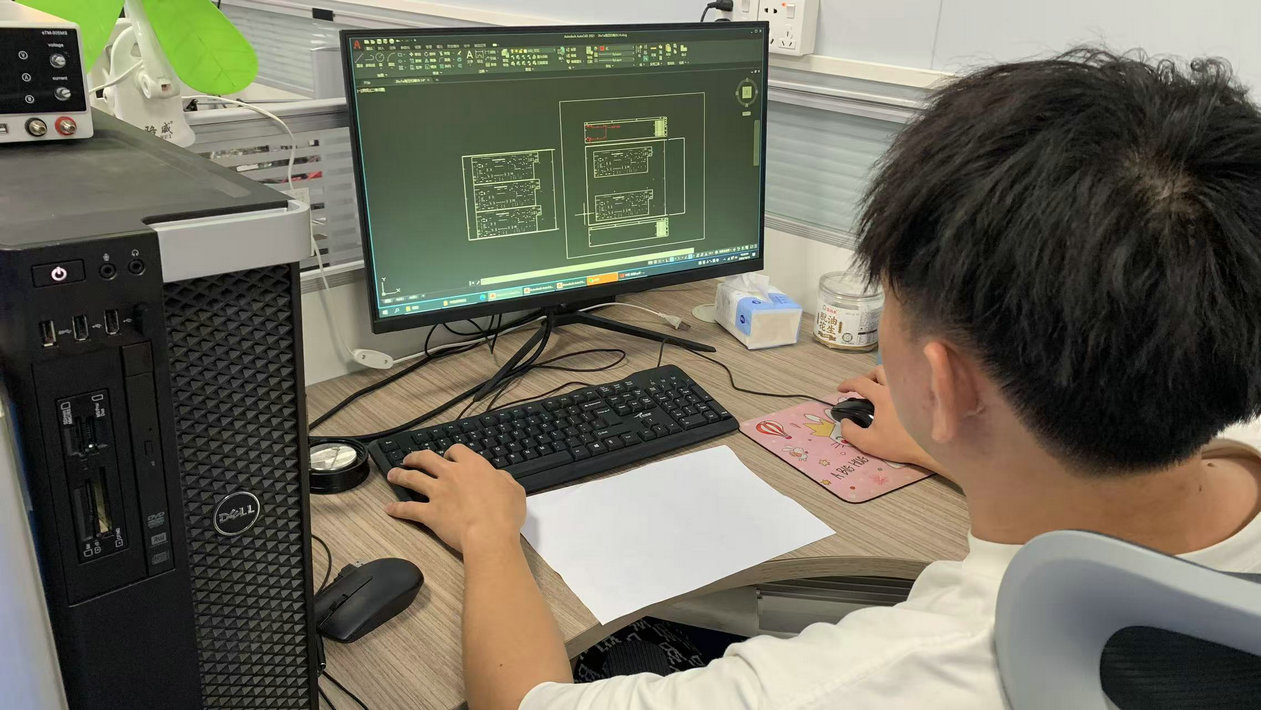
A step-by-step overview of the testing, assembly, and calibration procedures that ensure every MYAMI system is built to last.
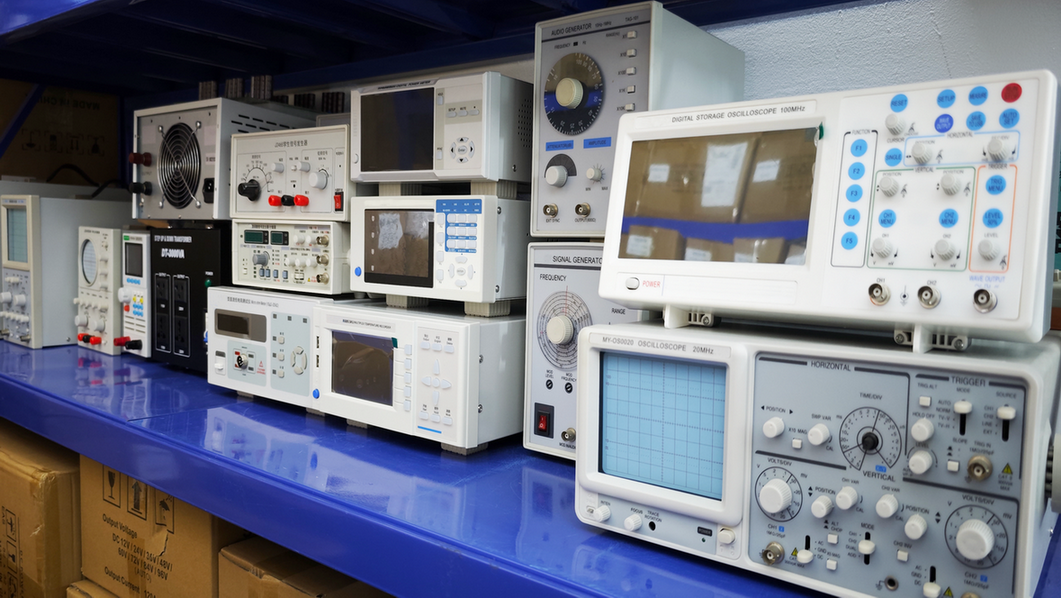
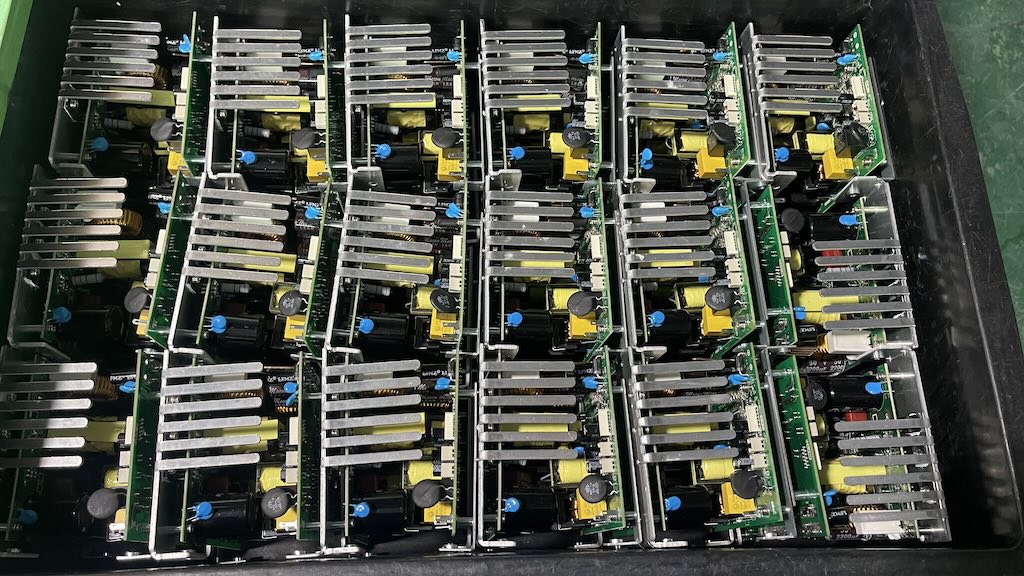
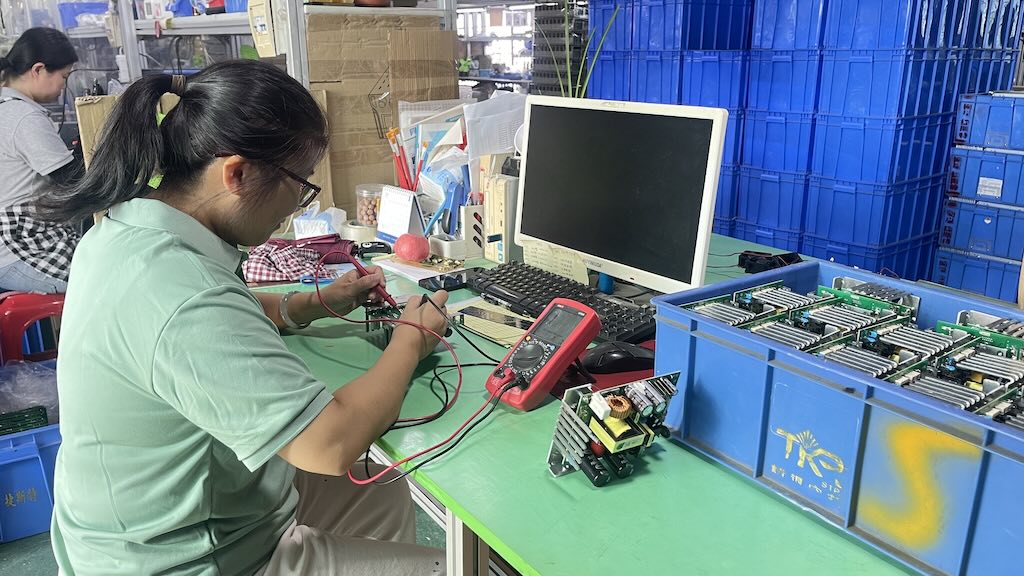
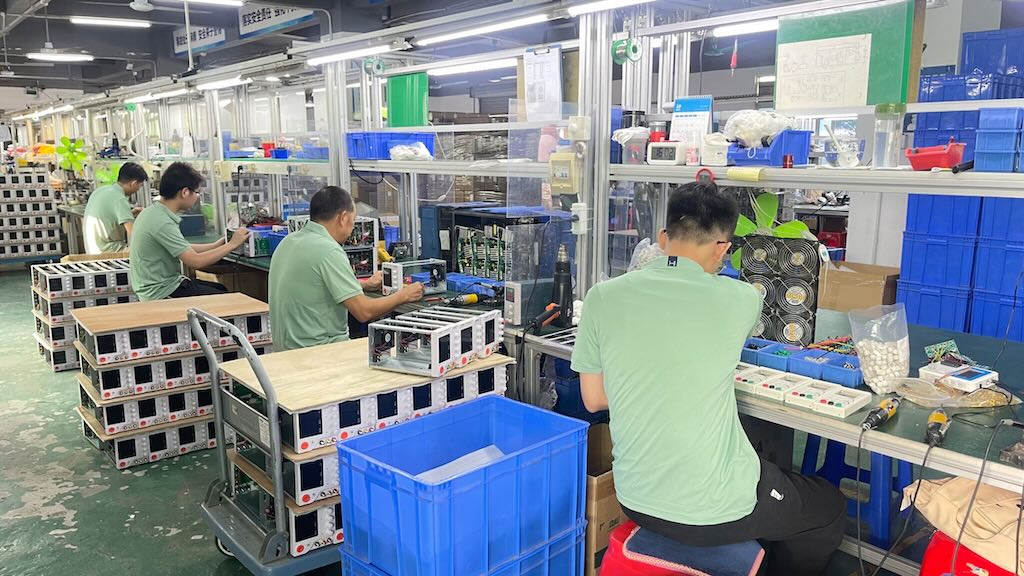
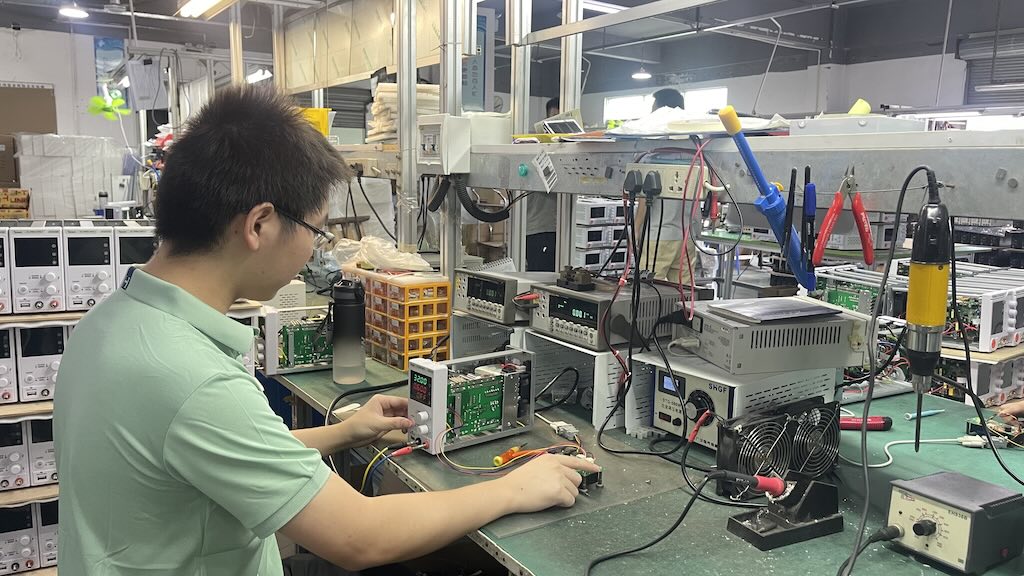
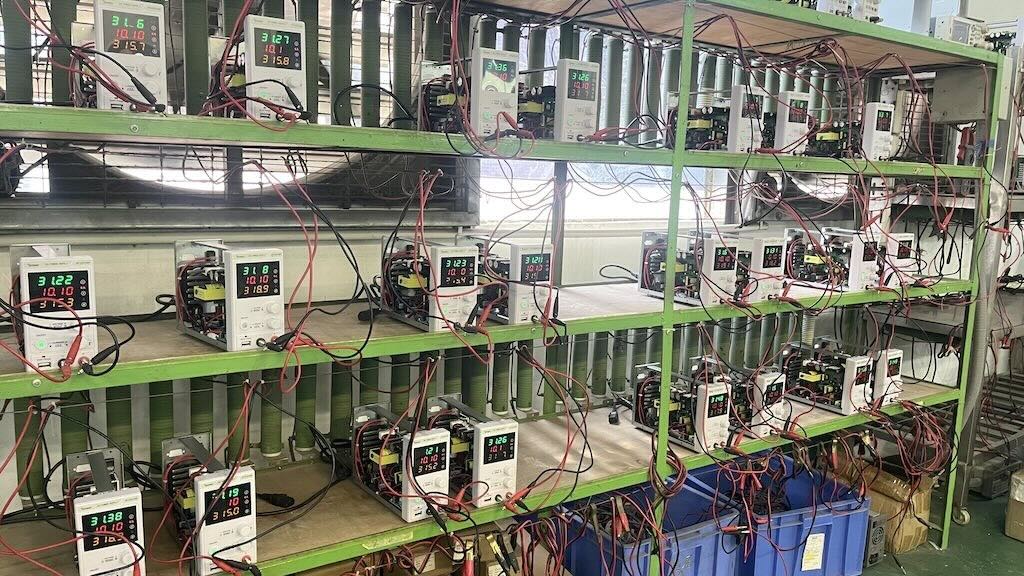
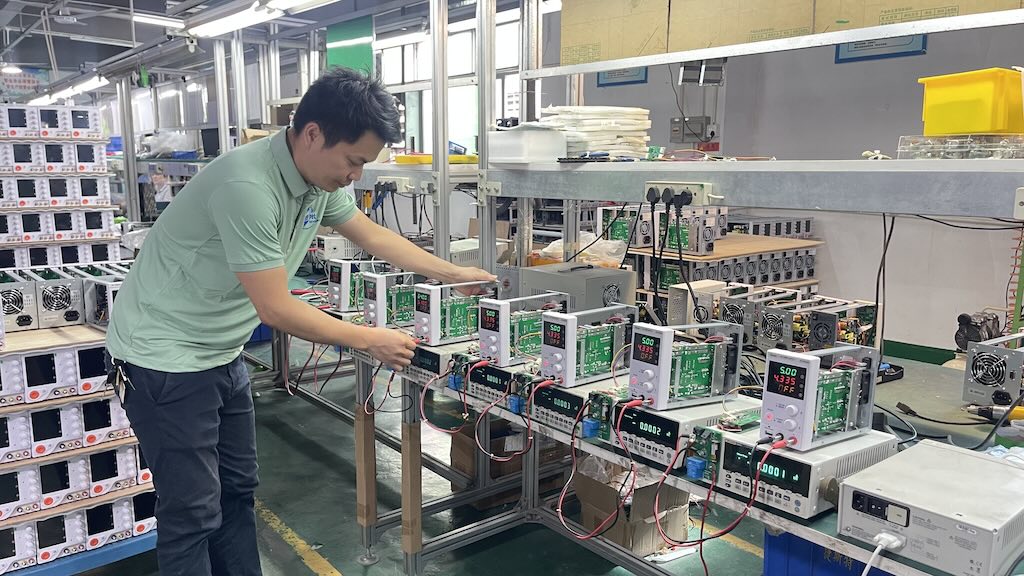
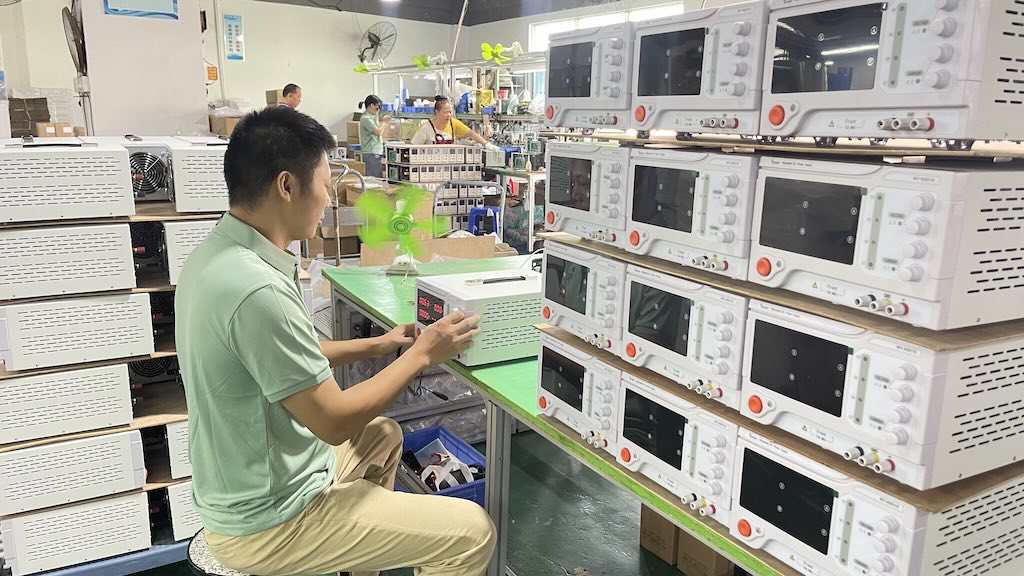
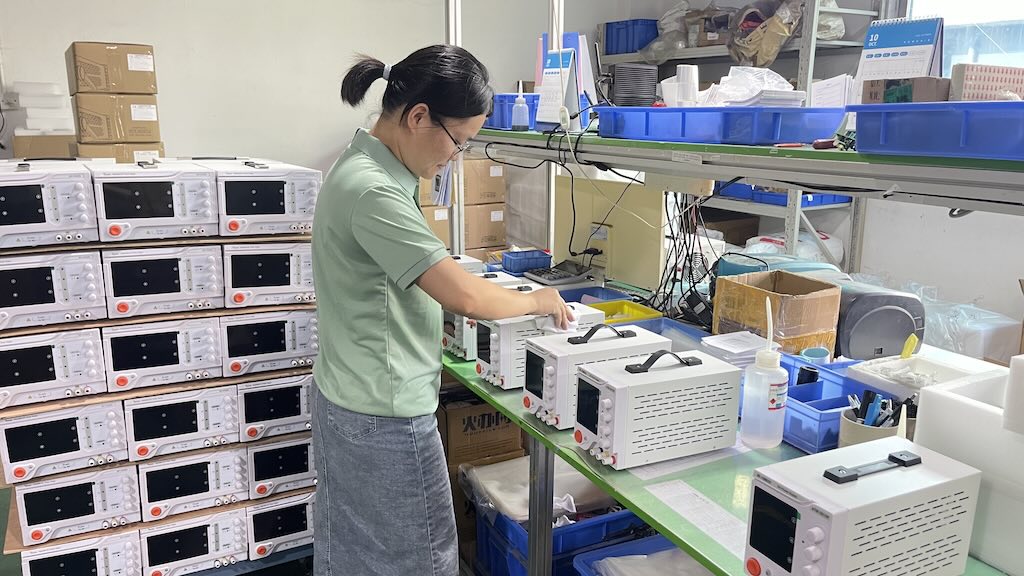
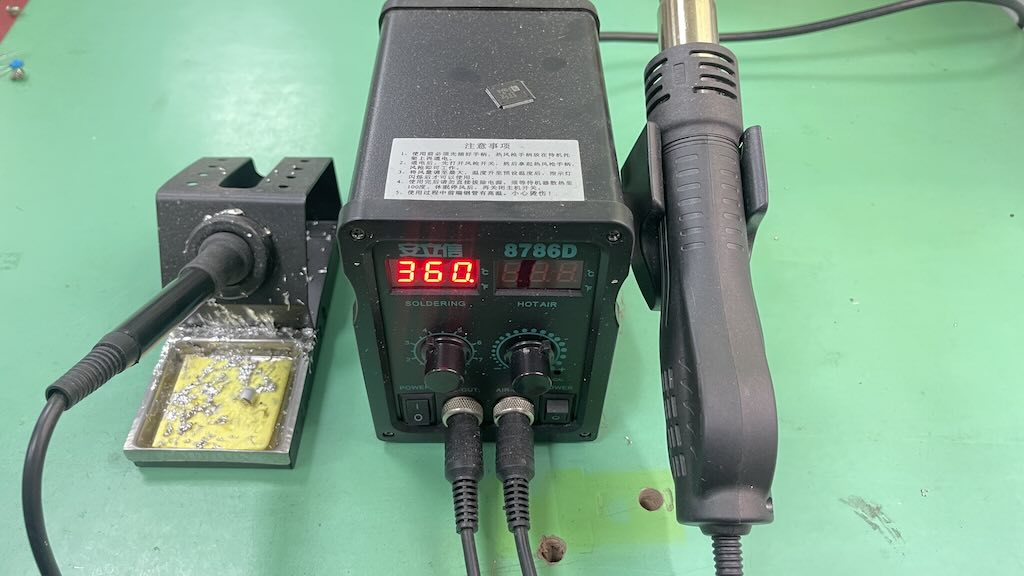
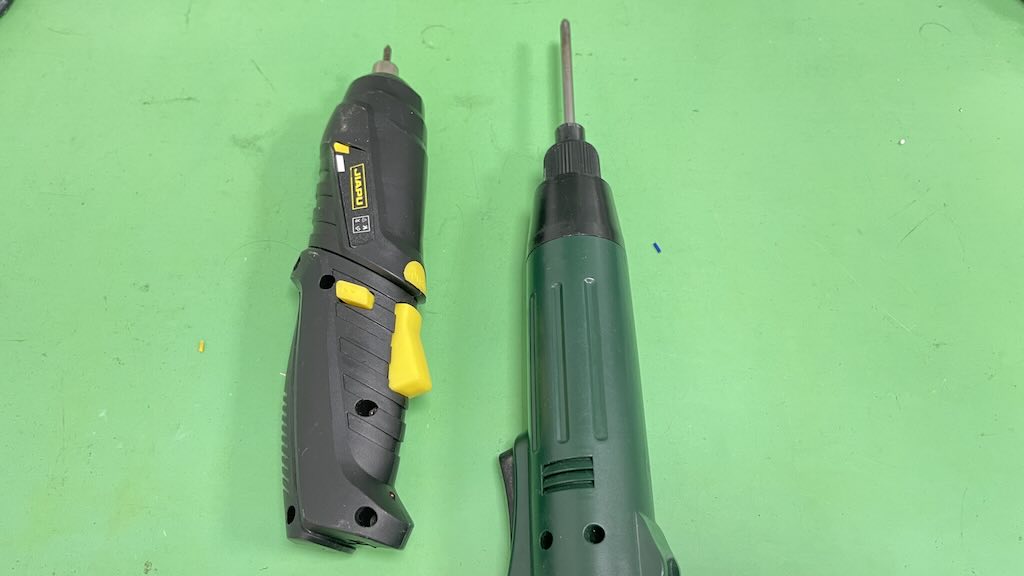
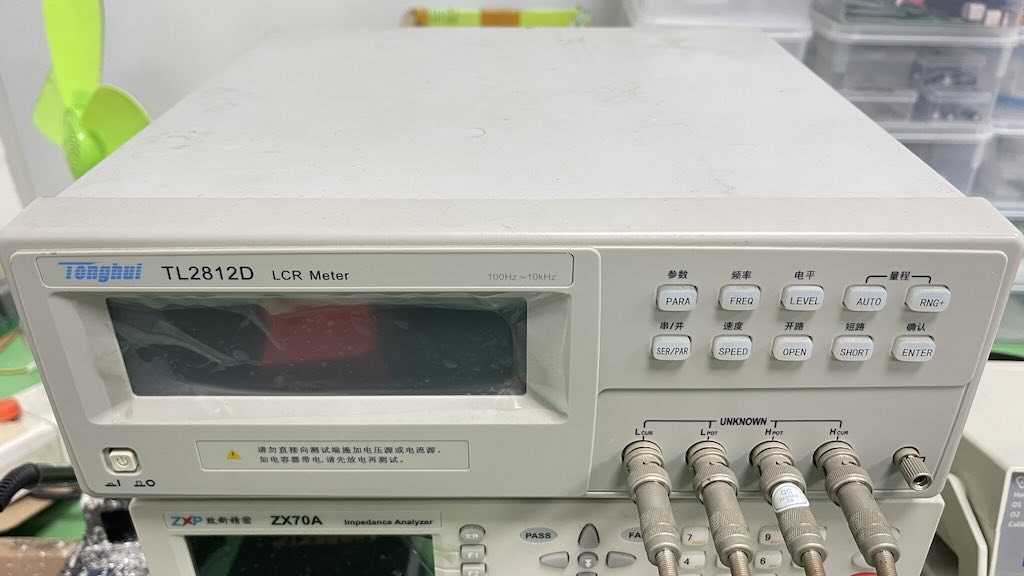
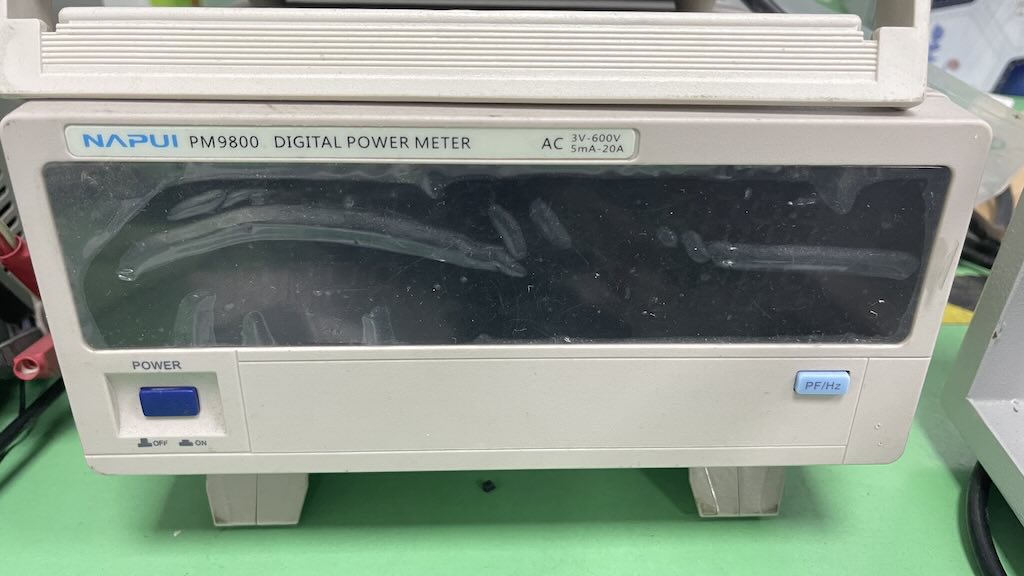
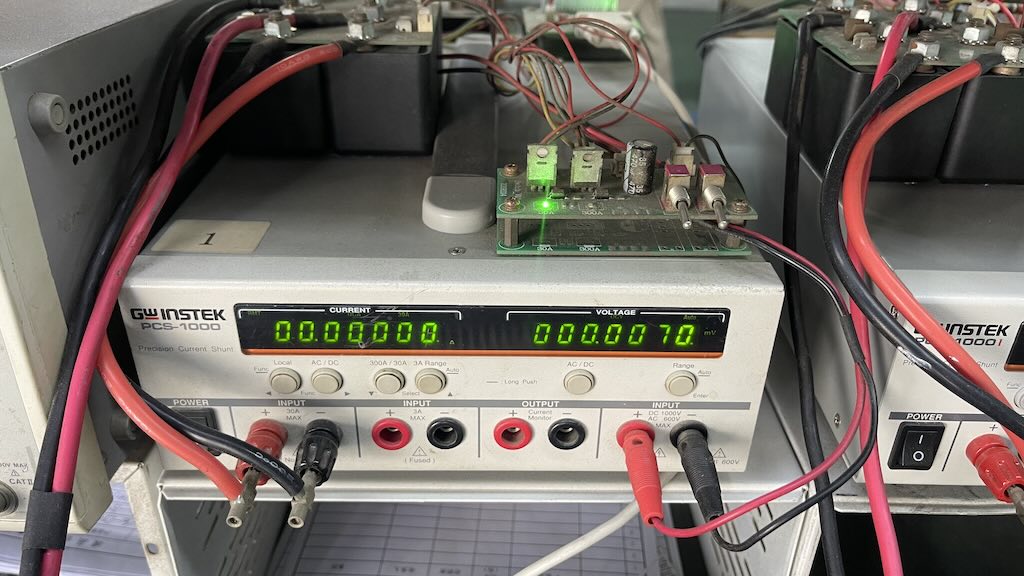
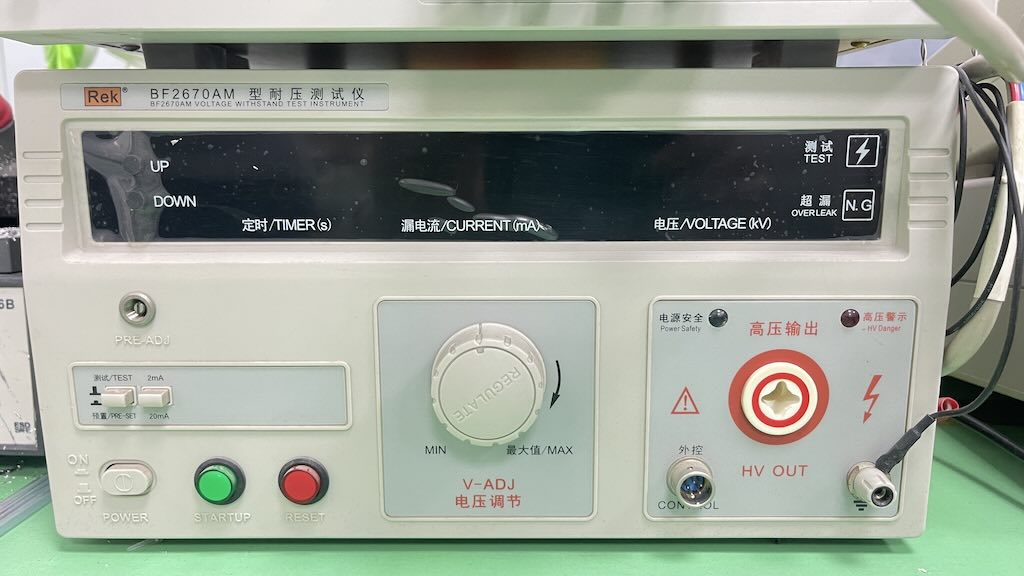
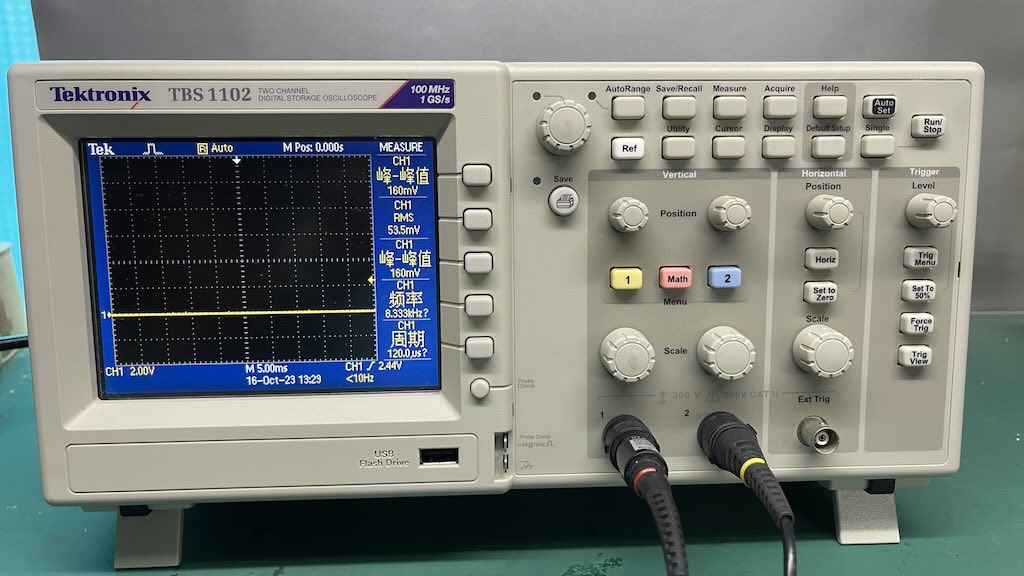
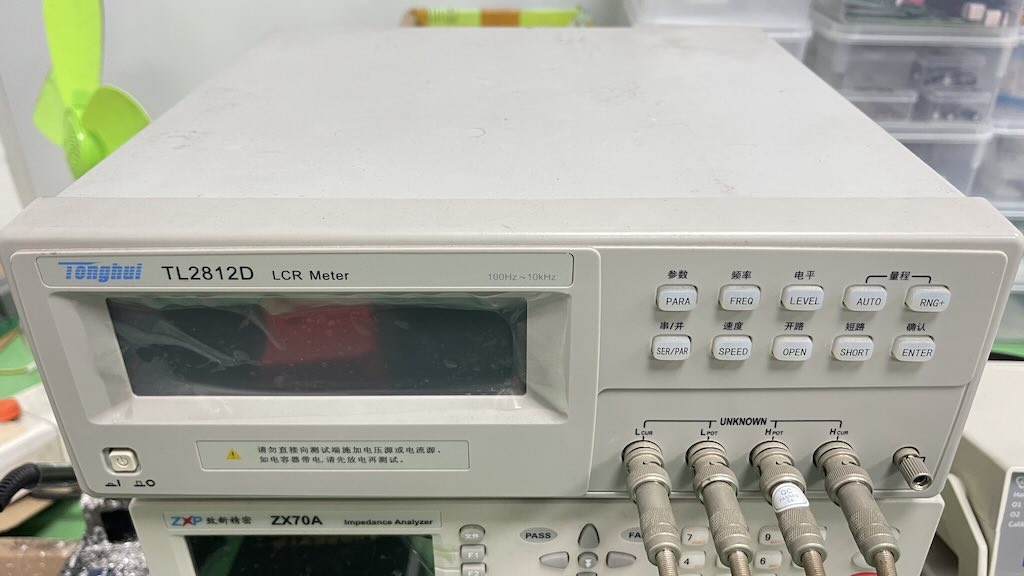
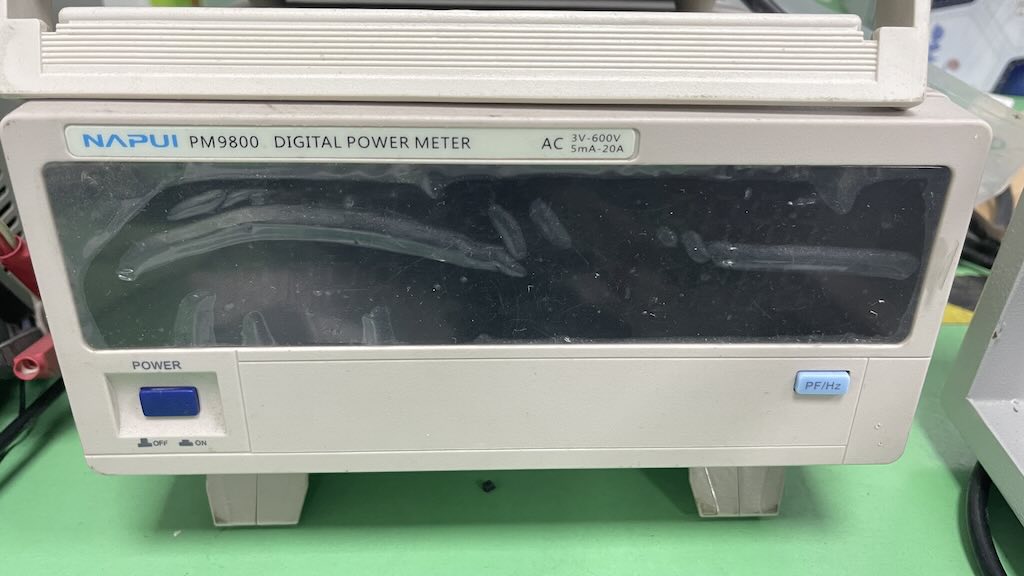
We utilize high-precision testing equipment at every stage of the manufacturing cycle, ensuring stable power delivery across all operational modes.
How next-generation materials and topologies are shaping the future of clean power conversion.
We are shifting from traditional silicon MOSFETs to Silicon Carbide (SiC) and Gallium Nitride (GaN) switching components. This allows for significantly higher switching frequencies, reducing filter inductor size, minimizing thermal losses, and increasing efficiency beyond 96%.
Next-generation software integration enables real-time temperature prediction based on load profile patterns. Instead of reactive thermal cooling, the inverter dynamically adjusts carrier frequencies to control heat dissipation, significantly extending component life.
With the rise of local energy storage, off-grid solar inverters must act as virtual synchronous generators. We are upgrading our DSP software architecture to support faster response to transient load fluctuations and seamless load sharing in parallel configurations.
Direct technical guidance on system selection, performance integration, and electrical configuration.
Total Harmonic Distortion (THD) measures how closely the output waveform matches a pure sine wave. High harmonic distortion (as found in modified sine wave systems) introduces extra heat into inductors and motors, causing them to hum and run hot. This can lead to system shutdowns and premature component failure. A THD under 3% ensures clean, utility-grid-quality power, protecting sensitive components like medical monitors, telecommunication systems, and laboratory instruments.
Inductive loads, such as electric pumps, heavy tools, and compressors, draw up to 5 to 7 times their rated running current during startup. If an inverter cannot handle this initial surge, it will shut down due to over-current. MYAMI's pure sine wave inverters feature a 2:1 peak-to-nominal surge ratio, providing the necessary headroom to start demanding motorized loads without voltage drops or system faults.
MYAMI inverters support standard industrial communication interfaces, including RS485, RS232, and CAN bus. This allows users to integrate our systems with battery management units (BMS) and automated control networks, enabling real-time remote monitoring of critical metrics like input battery voltage, current output load, thermal status, and system faults.
High ambient temperatures reduce an inverter's ability to dissipate internal heat, which can lead to thermal derating. MYAMI inverters utilize multi-point temperature sensors and smart variable-speed fans to optimize airflow. In extremely hot environments, the system adjusts its performance profile to prevent overheating while maintaining continuous power delivery.
High-efficiency conversion systems designed for grid-tied testing, solar backup setups, and high-capacity industrial power distribution.
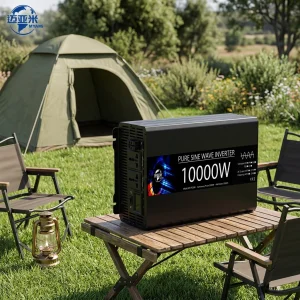
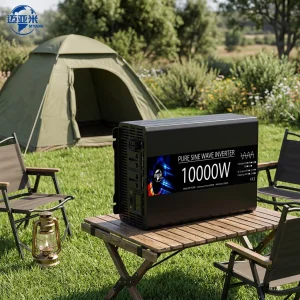
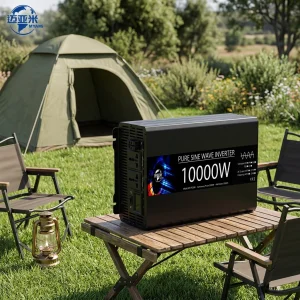
 Myami Power