Industrial-grade power solutions built with precision core geometry and robust copper windings for ultra-stable transmission efficiency.



Headquartered in the global electronics capital of Shenzhen, China, Shenzhen Myami Power Technology Co., Ltd. (MYAMI) stands as a technology-driven pioneer, manufacturer, and solution architect in high-precision, industrial-grade power supplies and magnetic components. Bridging the critical gap between research-grade lab experimentation, high-voltage component validation, and continuous heavy industrial automated manufacturing, MYAMI produces systems that meet the rigorous needs of international infrastructure builders.
Our engineered product line spans programmable AC/DC power sources, isolated step-down transformers, voltage stabilization devices, and industrial heat testing devices designed under strict ISO 9001 frameworks. Every component that exits our factory floor undergoes severe quality checkpoints, assuring stable voltage control, thermal protection, and low electromagnetic interference (EMI) profiles that comply with stringent global safety structures.
MYAMI develops its hardware assets across four fundamental pillars of industrial electronics to deliver cohesive system compatibility:
Insights into grid modernization, material science, and the industrial transition to high-efficiency, customized magnetics.
The global transformer market is undergoing an era of change driven by renewable integration, the rise of megawatt-class EV fast-charging stations, and high-density artificial intelligence (AI) data centers. Traditional copper-and-iron wound transformers are no longer sufficient for systems that require high harmonic tolerance, low noise, and minimal losses. Silicon steel laminations are increasingly yielding to amorphous alloys and nanocrystalline core structures, which drop no-load core losses by up to 75%.
In addition, modern transformers must function under severe electrical conditions. Heavy harmonic distortion introduced by solid-state switching components (such as variable frequency drives and solar inverters) requires isolation units with specific K-factor ratings (e.g., K-4, K-13, or K-20) to prevent thermal degradation. At MYAMI, our design team builds isolation systems featuring double electrostatic shields, effectively limiting inter-winding capacitance and blocking high-frequency noise transients before they can affect delicate downstream diagnostic equipment.
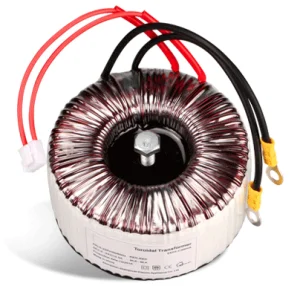
Selecting the proper magnetic core topology is essential to maximizing system efficiency. In high-density applications, toroidal transformers are highly effective. A toroidal core is constructed from a continuous strip of grain-oriented silicon steel wrapped tightly like a clock spring. Because there are no air gaps in the magnetic flux path, toroidal systems offer key performance advantages over standard E-I laminated cores:
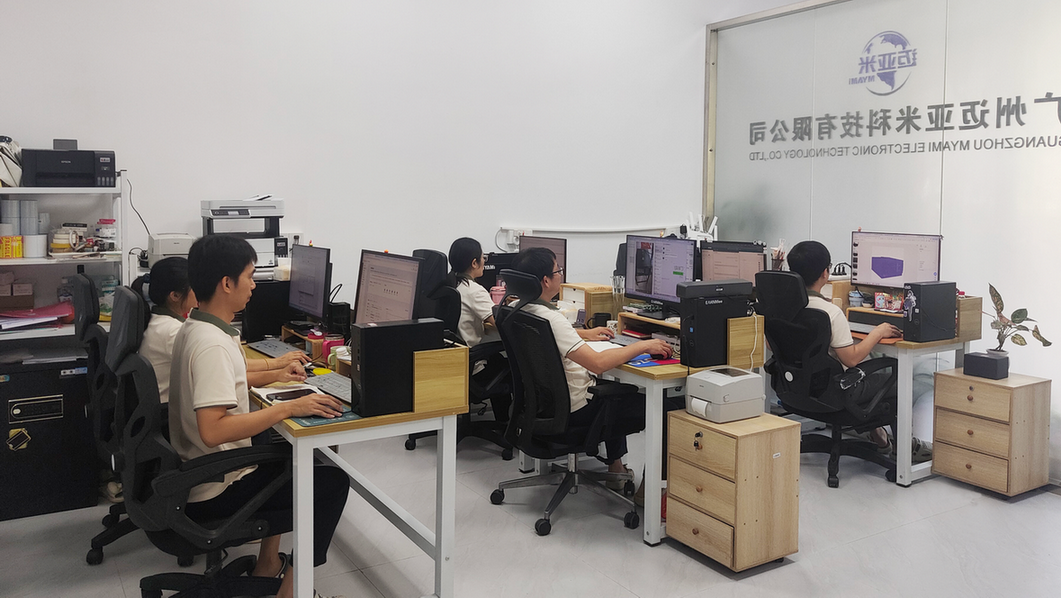
A step-by-step look at our Shenzhen facility, showing how raw materials are transformed into certified industrial systems.
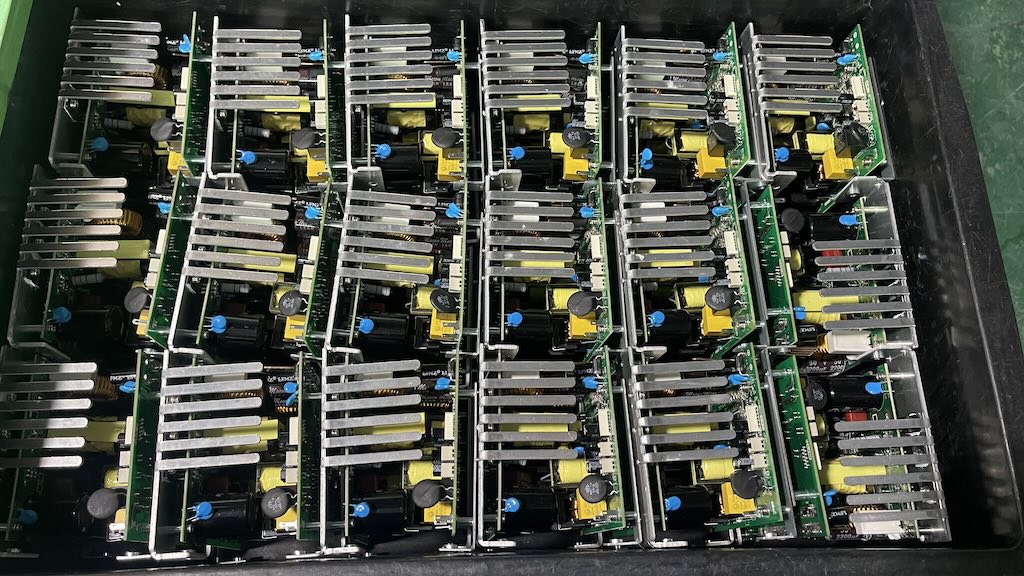
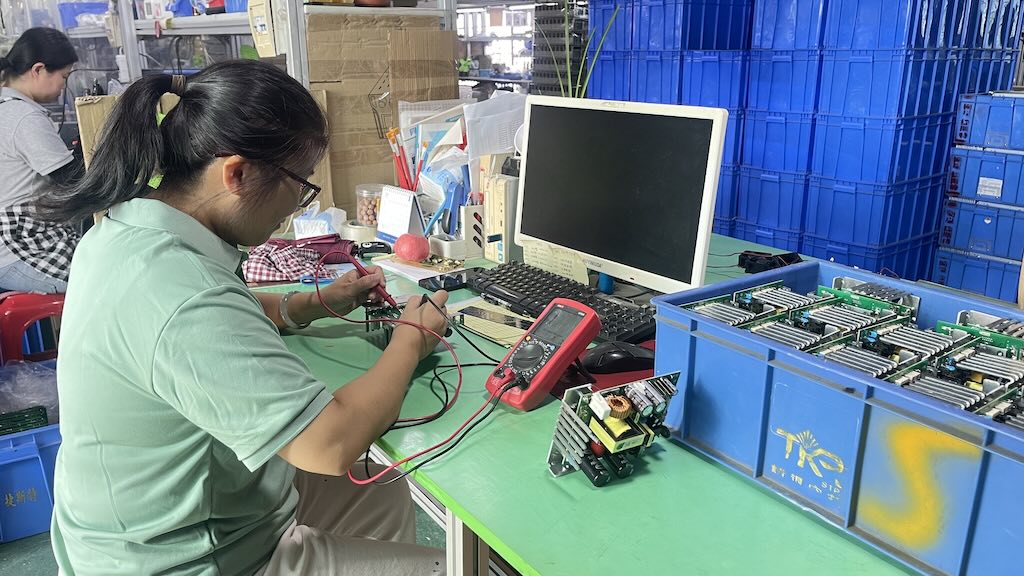
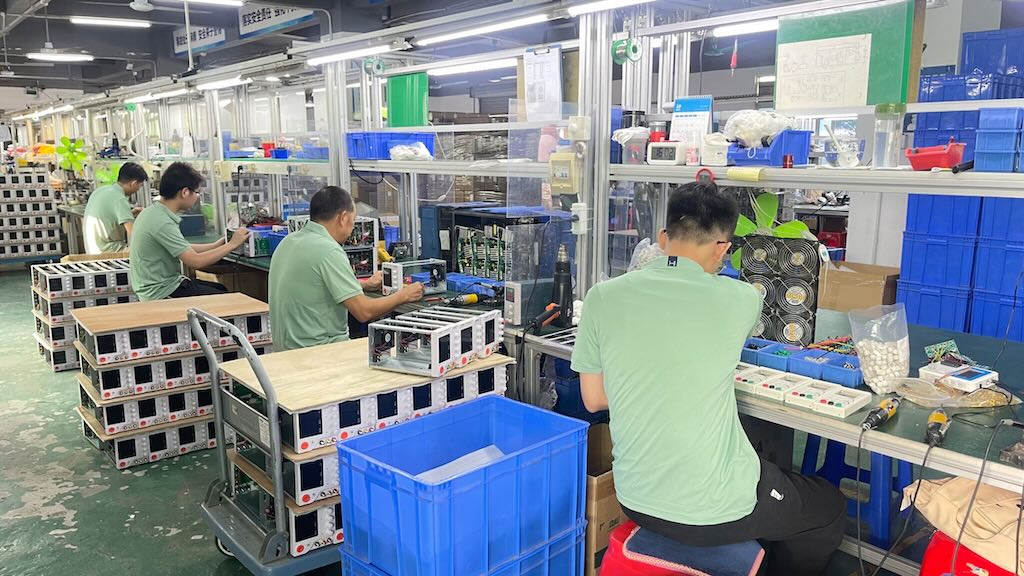
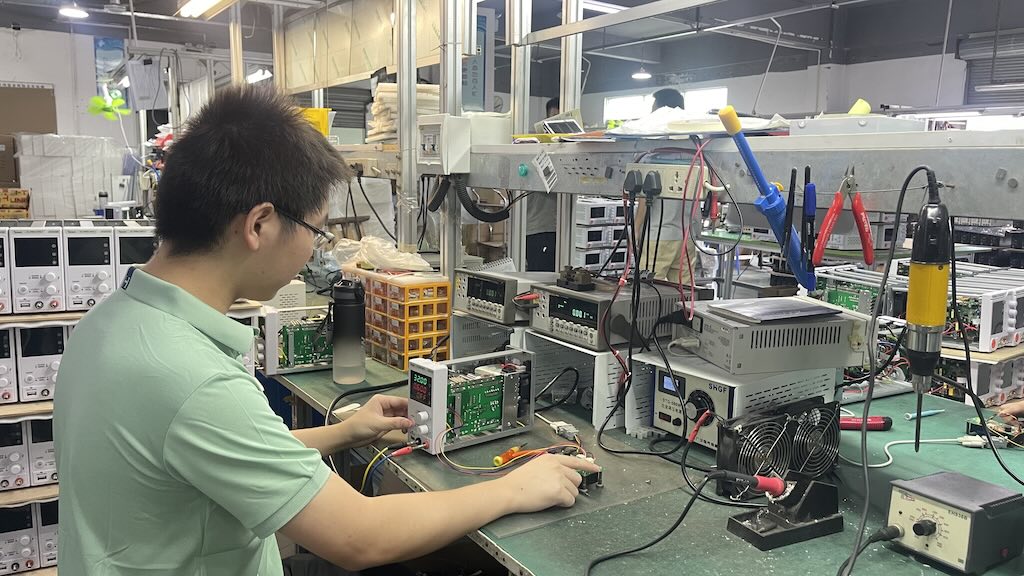
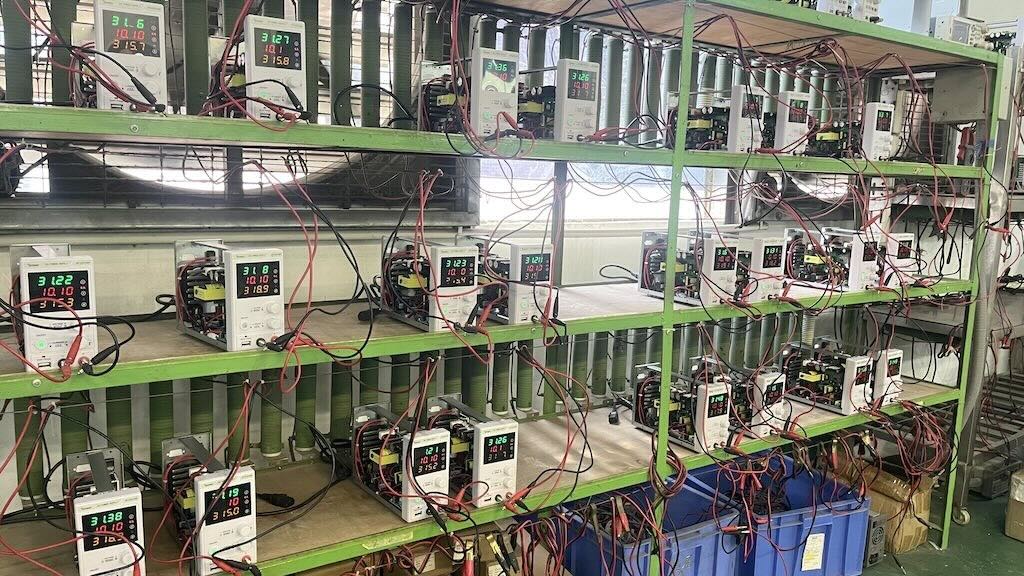
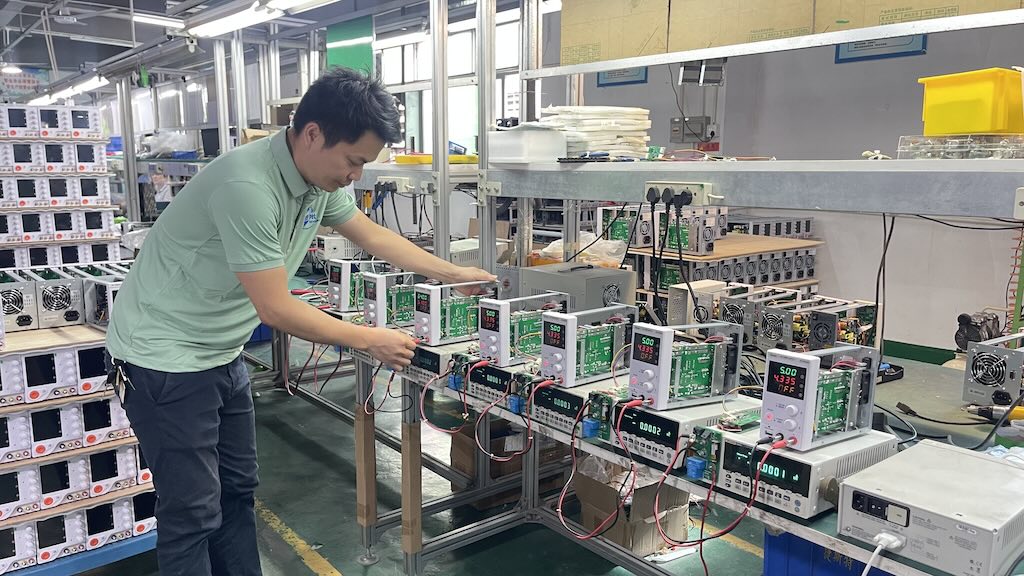
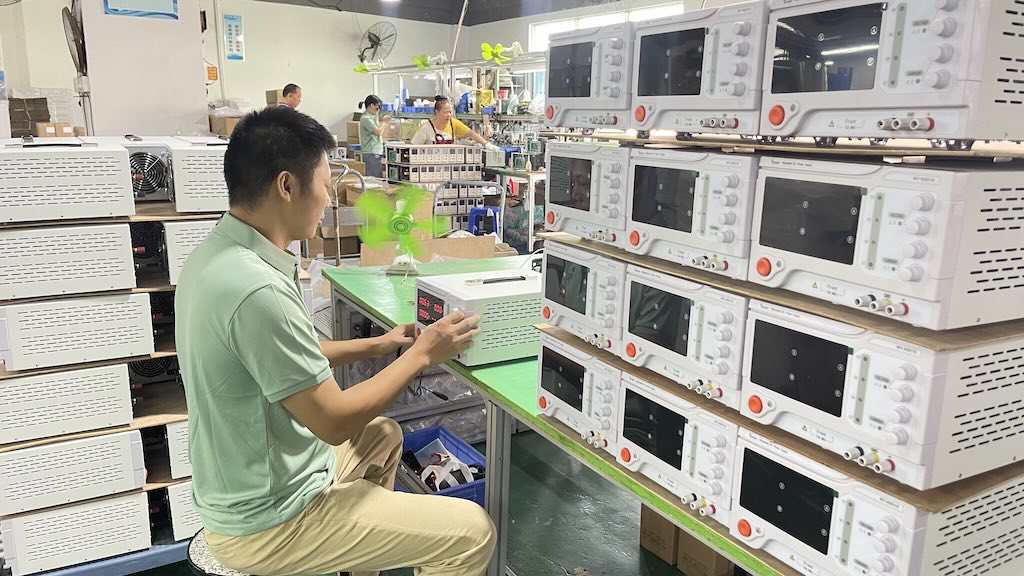
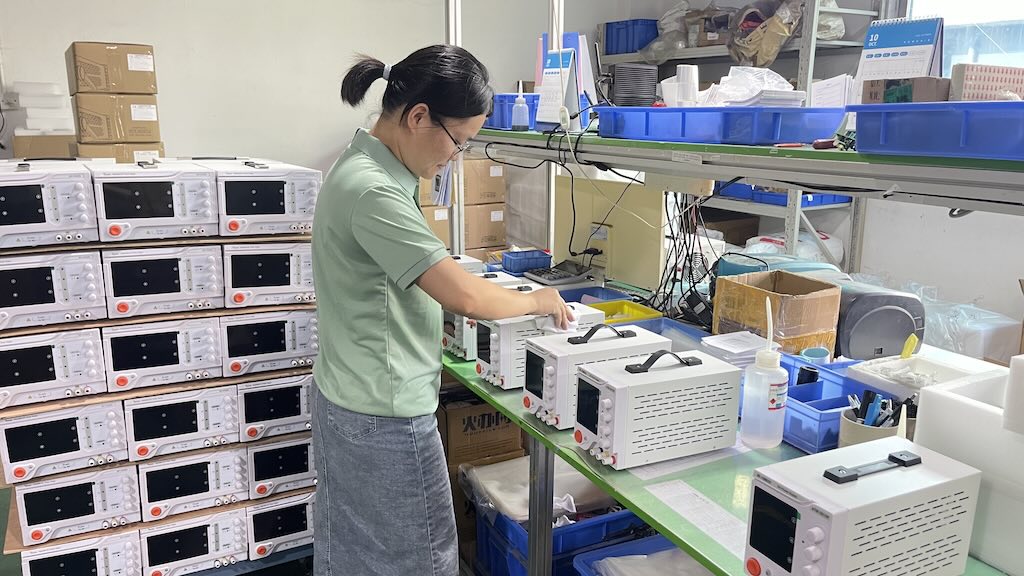
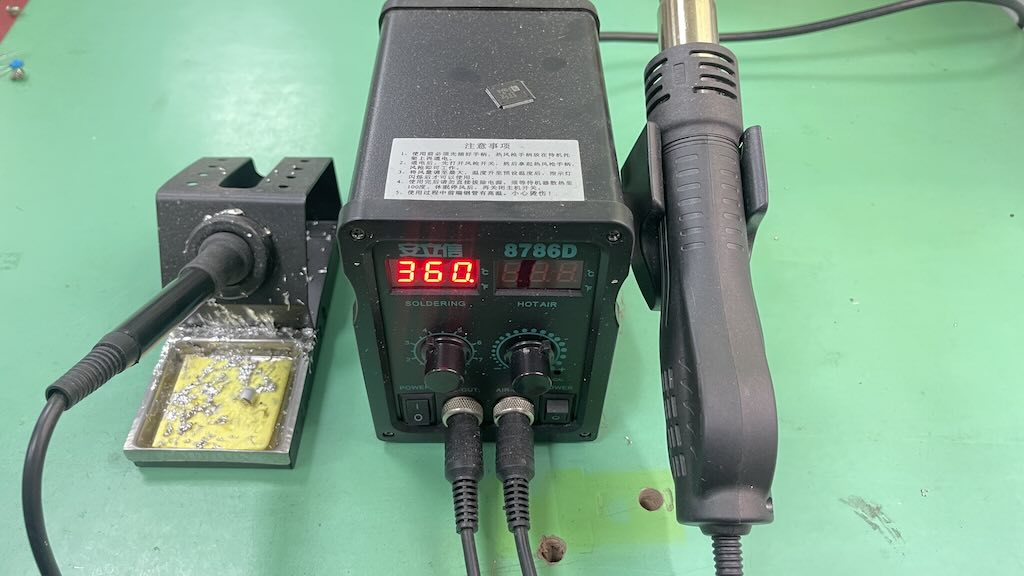
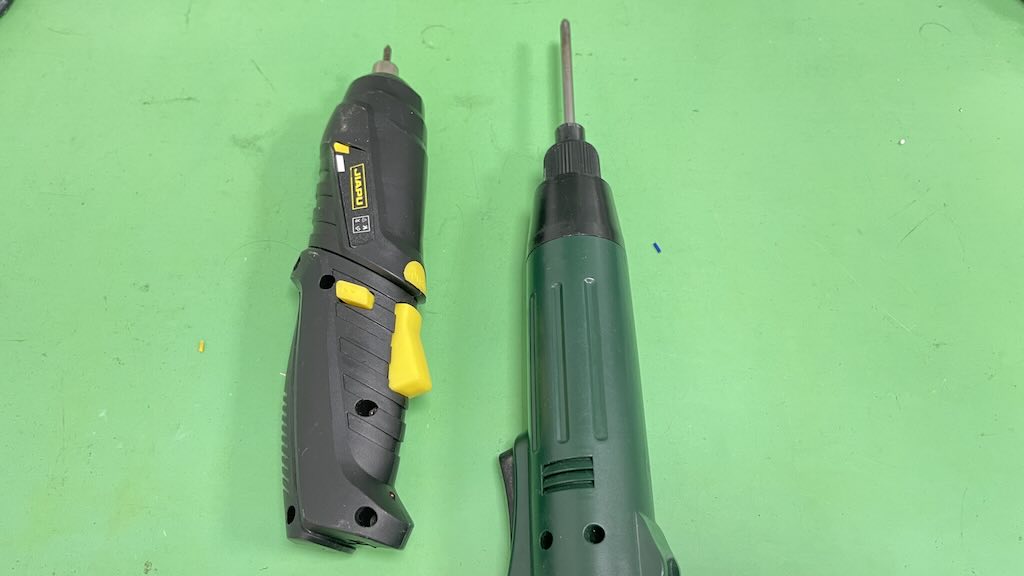
Our quality management workflow is structured around complete traceability. Each magnetic assembly begins with raw material classification, where copper wire purity is validated via resistance testing, and magnetic steel is checked for core loss properties. The PCBs for our programmable control modules are inspected using automated optical scanners prior to components being soldered.
After manual assembly by our technicians, every device undergoes a 4-hour high-voltage dynamic aging cycle. Under full load conditions, we monitor core thermal properties to identify and correct any early faults before final packaging and delivery.
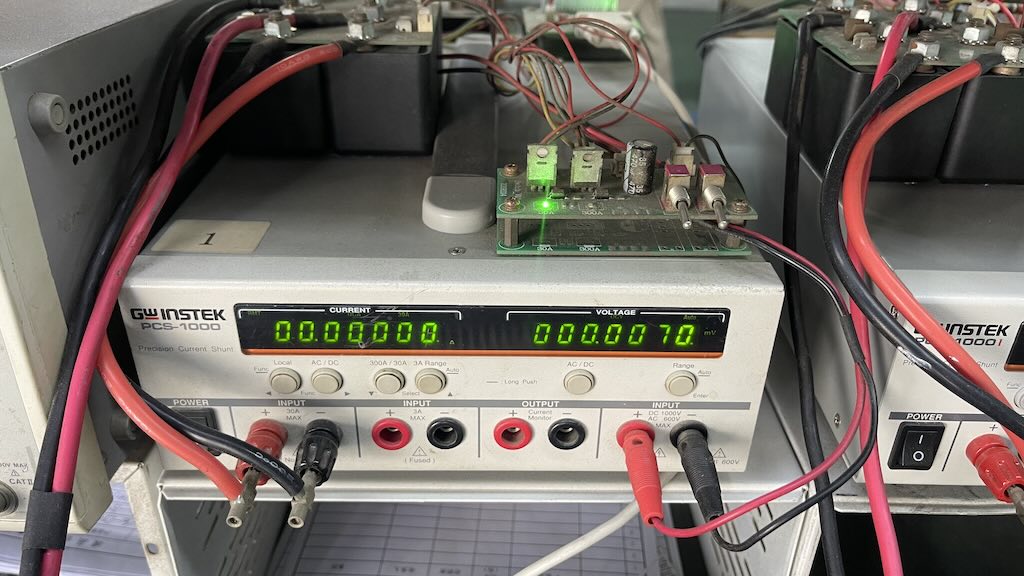
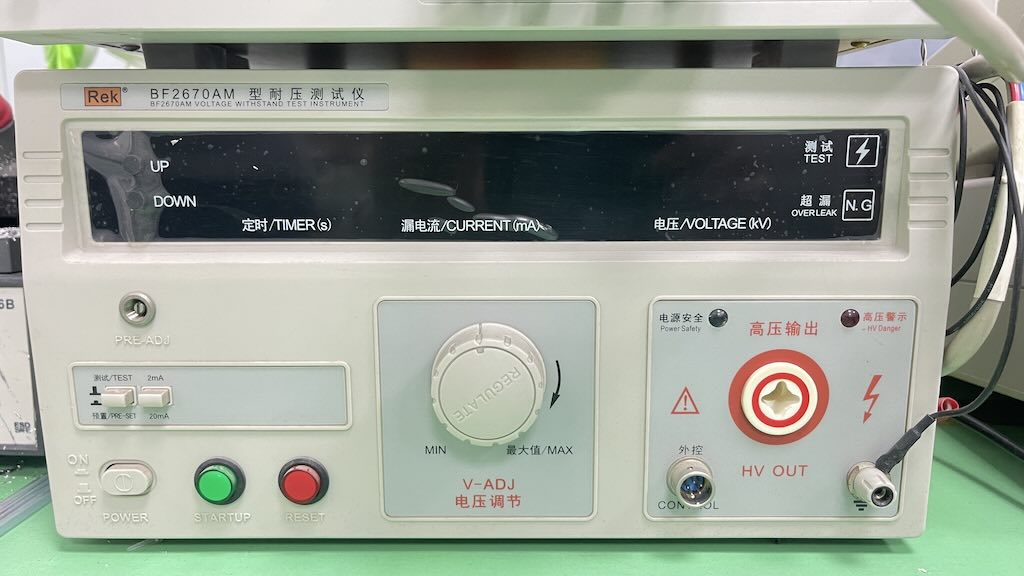
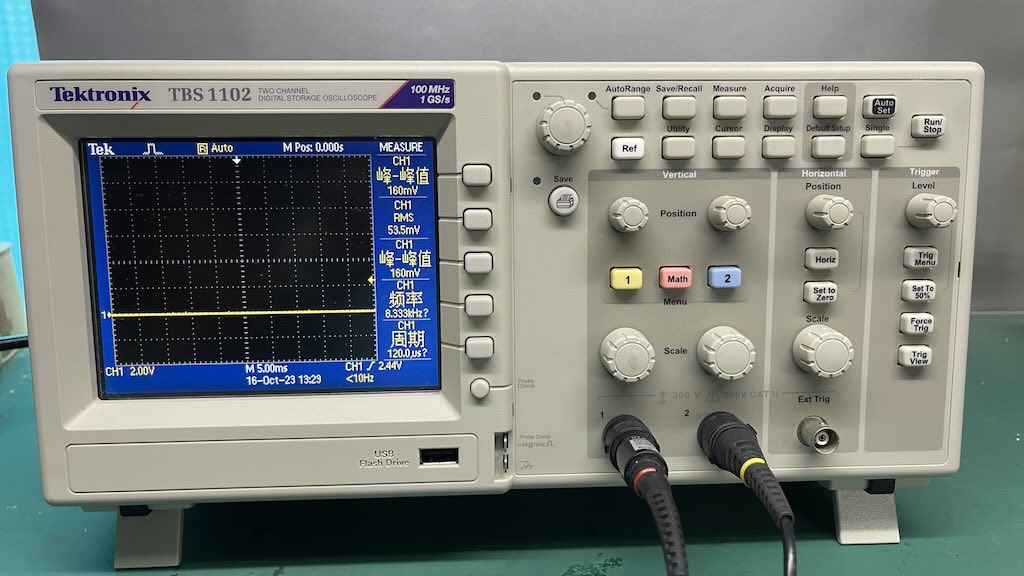
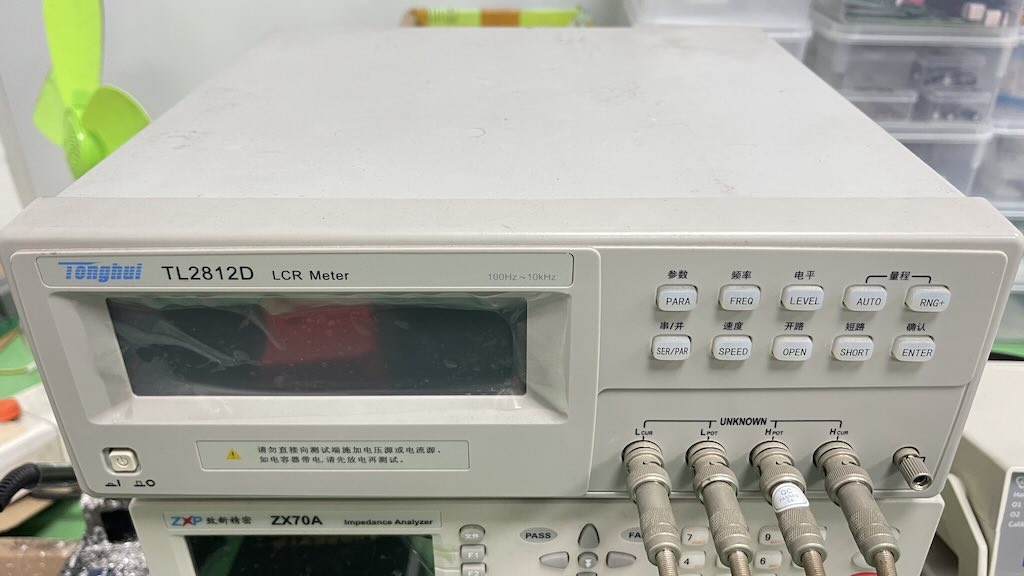
Precision calibration utilizing advanced diagnostic tools to ensure every power source and transformer exceeds design tolerances.
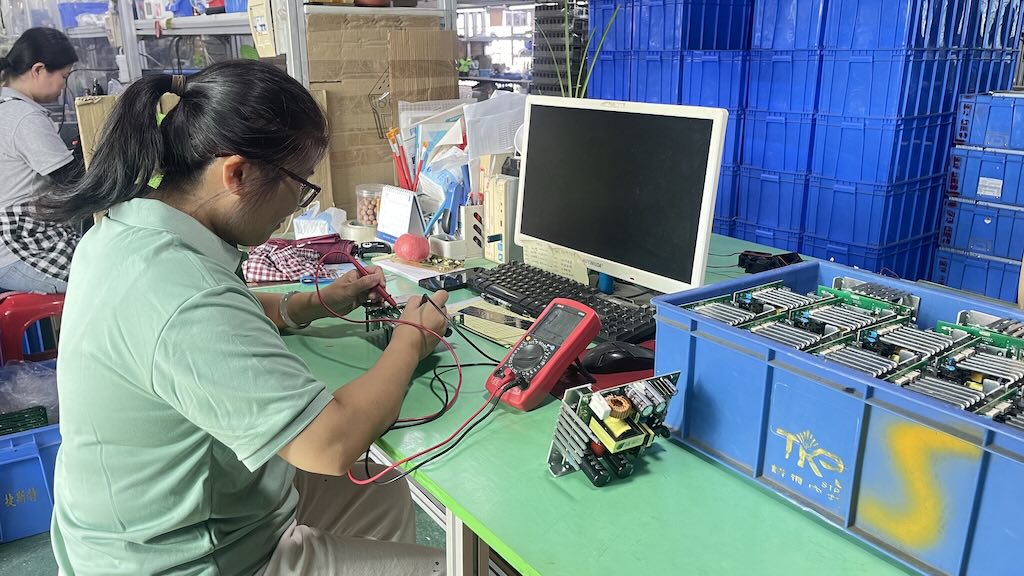
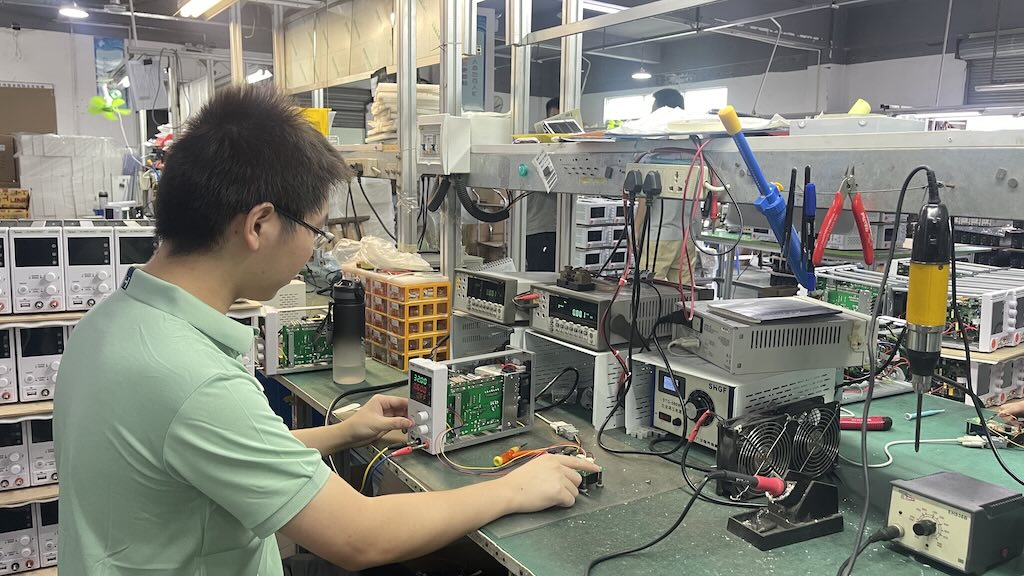
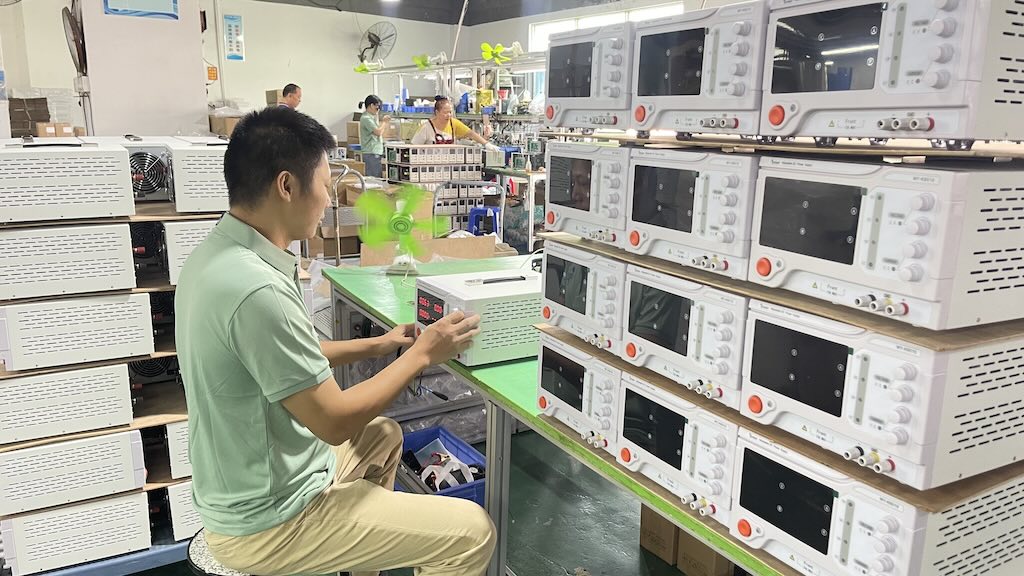
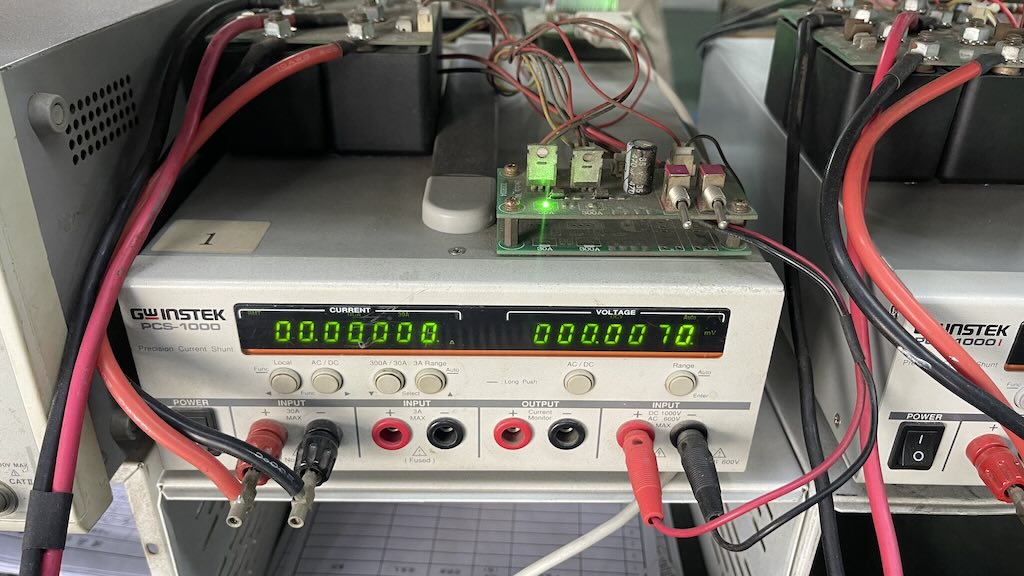
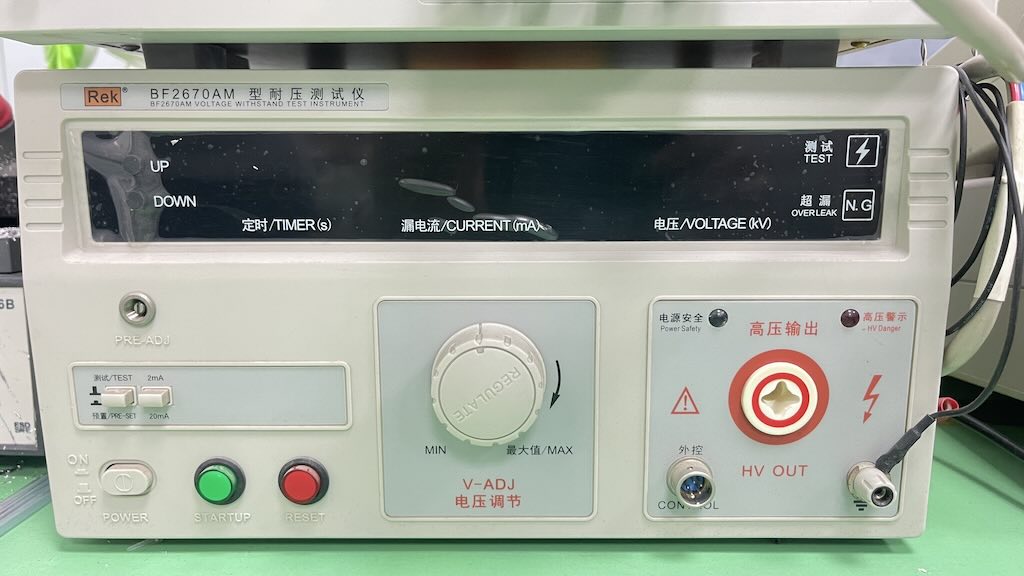
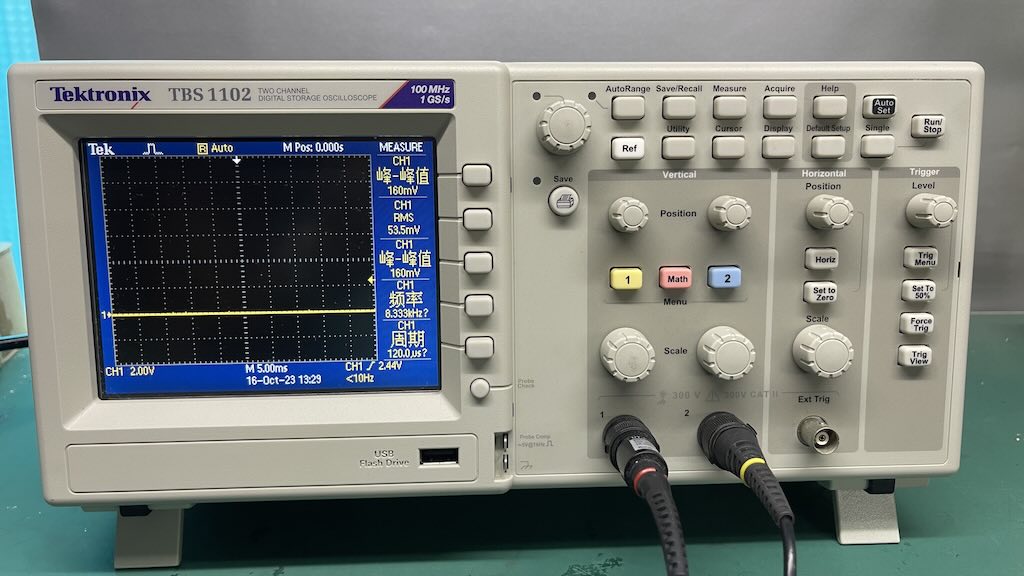
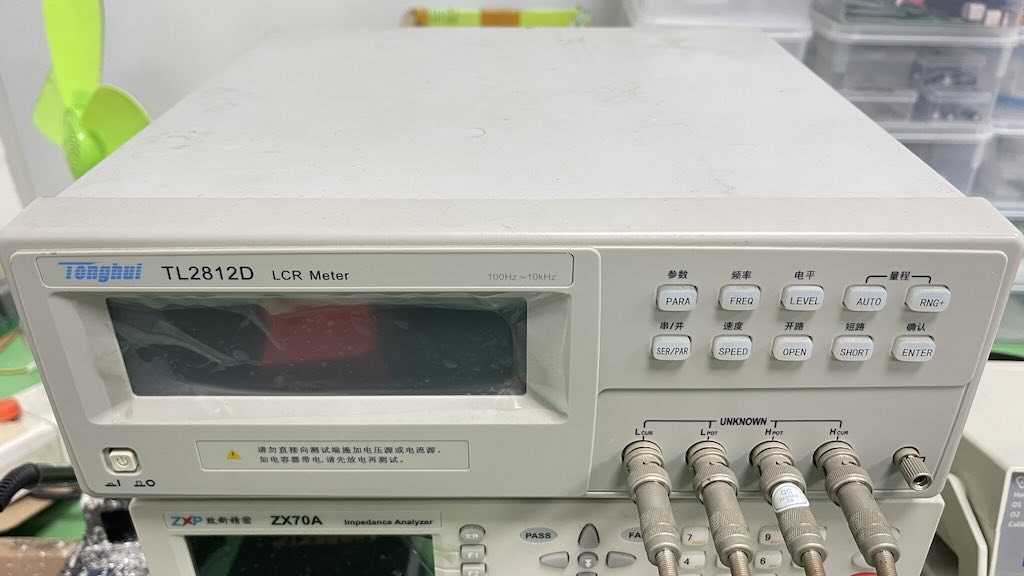
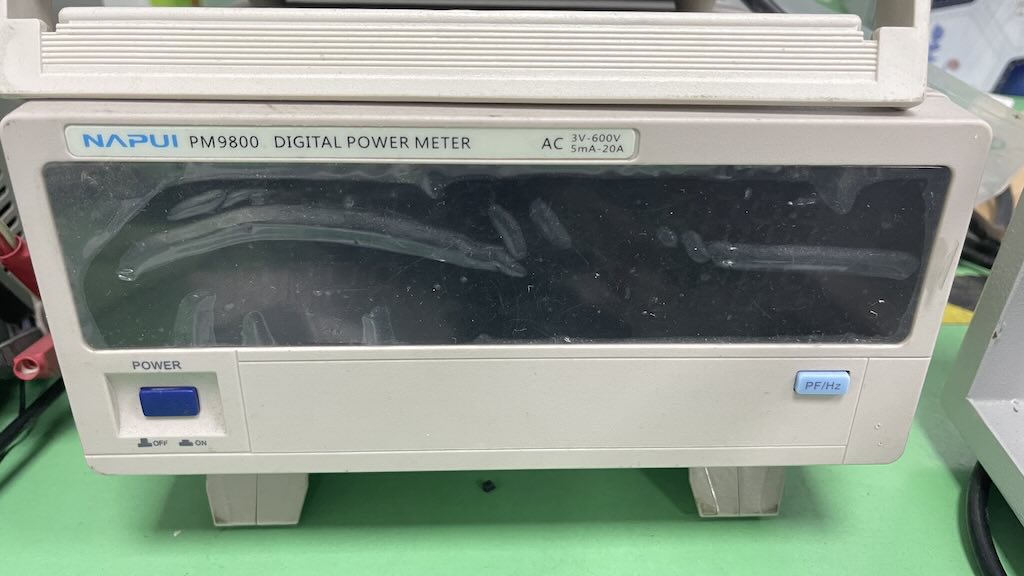
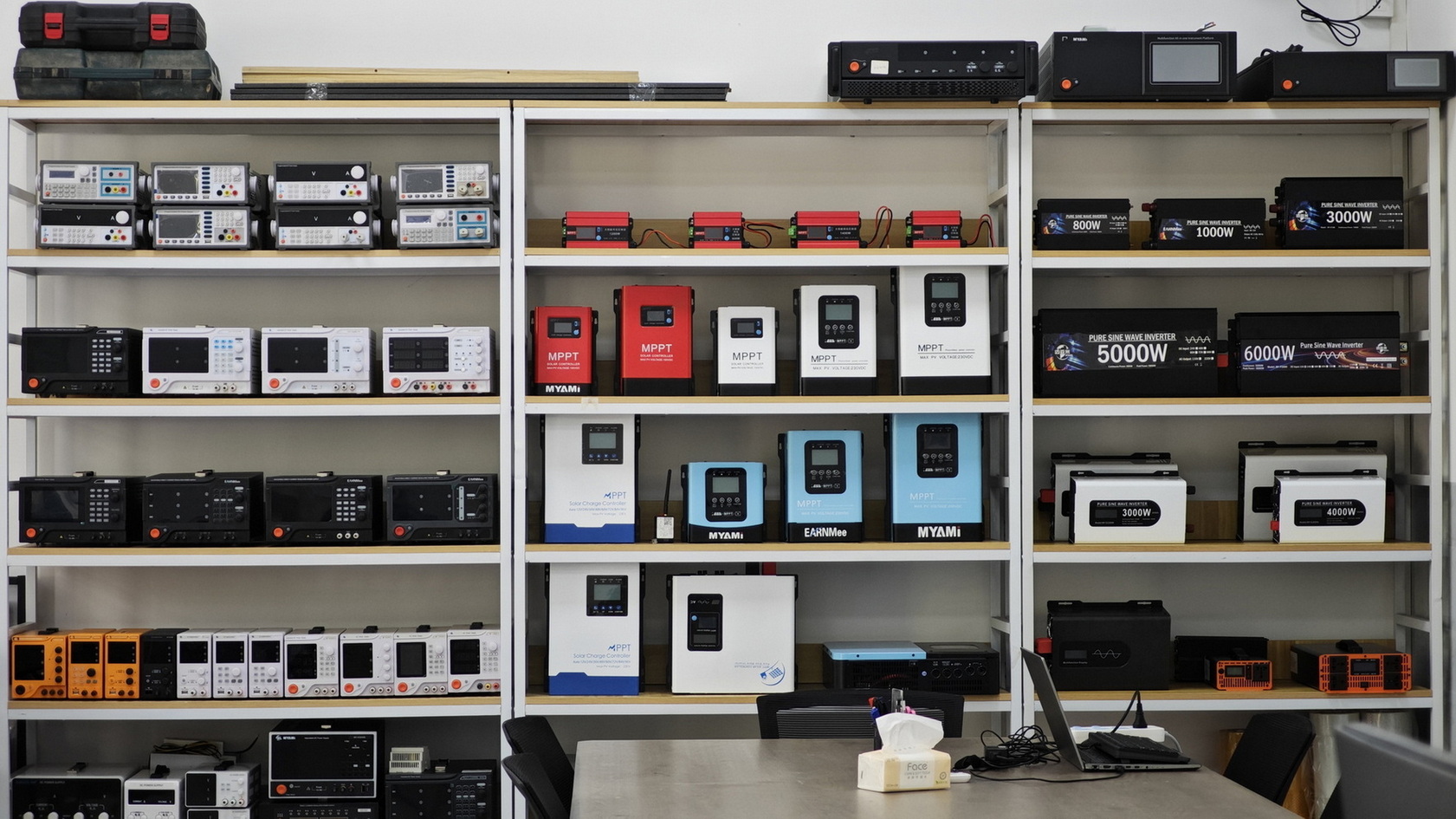
Our dedicated engineering labs transform complex system concepts into field-ready power topologies.
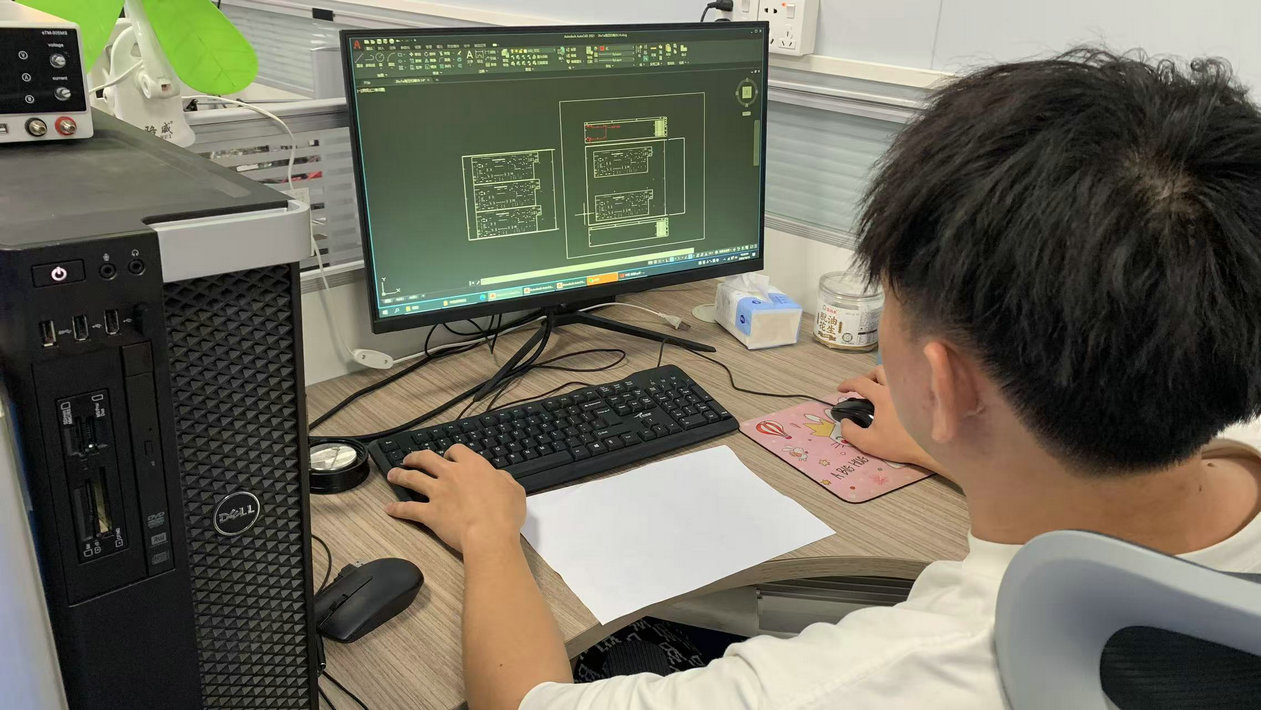
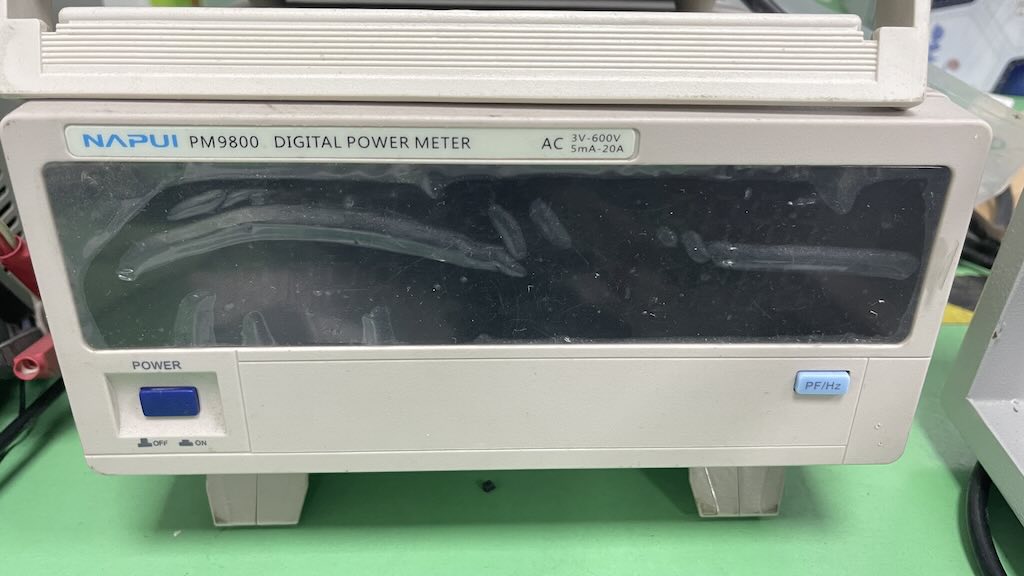
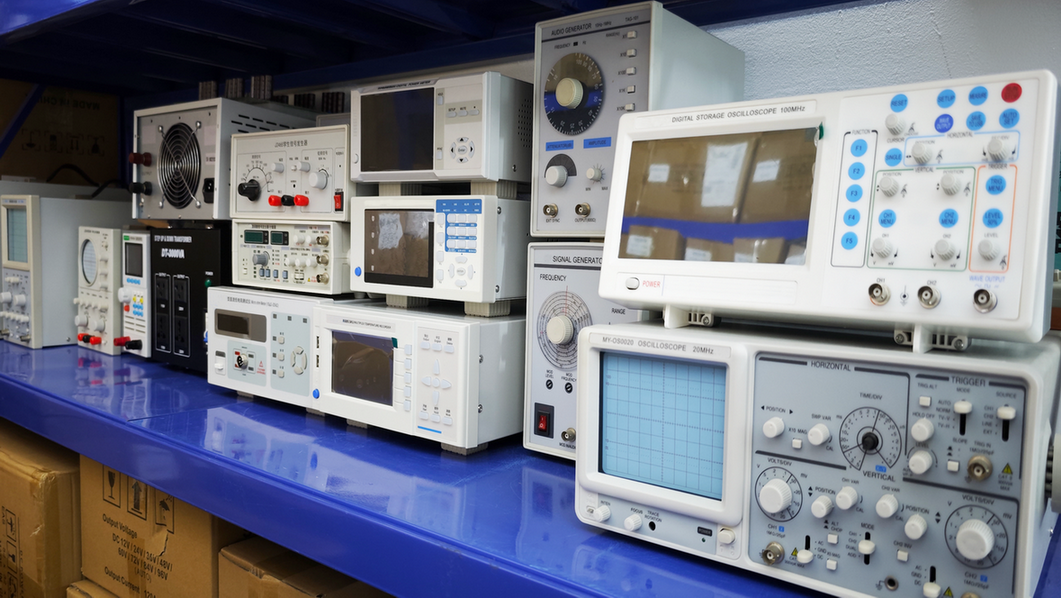
No two industrial operations share identical power requirements. When matching electrical supplies to automated production systems, factors such as localized voltage sags, harsh operating temperatures, and transient high-current demands must be considered.
Our custom engineering process focuses on matching design parameters to your specific load profiles. By optimizing the configuration of the copper windings, selecting the core material, and engineering effective enclosures (up to NEMA 4X / IP66), we ensure your power systems run reliably for decades, even in demanding environments.
Enabling reliable power transformation and system compliance across global markets.
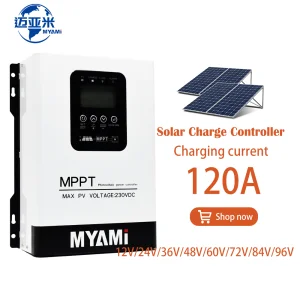
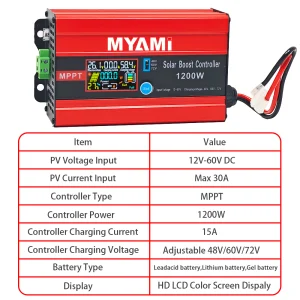
Highly robust isolation transformers and high-amperage MPPT solar charge controllers developed to link battery arrays with municipal power grids safely.
Programmable AC power sources and custom step-up transformers simulating complex line disruptions, helping automotive suppliers test on-board chargers (OBC) and BMS safety parameters.
Three-phase step-down systems coupled with automatic servo voltage stabilizers. This setup protects sensitive CNC routers, assembly robotics, and cleanroom tools from micro-surges.
Global operations require adherence to diverse international electrical standards. To ensure safety and performance, our manufacturing division builds products to meet key regulatory frameworks:
By using premium components—such as class H thermal insulation (rated to 180°C) and self-extinguishing epoxy compounds—our hardware maintains high dielectric strength under challenging operating conditions.
Addressing design challenges, system integration, and magnetic performance optimization.
The K-factor represents a transformer's capability to handle harmonic currents without overheating. Standard linear loads draw sinusoidal currents, but non-linear loads (such as server power supplies or variable frequency drives) generate harmonic frequencies that increase eddy-current and stray losses. When designing for harmonic environments, we utilize K-rated isolation transformers (typically K-13 or higher). This design includes oversized neutral conductors (often rated at 200% of the phase current) and custom winding layouts to limit thermal buildup without necessitating derating.
Toroidal transformers feature a continuous, gap-free core design, which contains the magnetic flux within the steel ring. In contrast, standard laminated EI cores have joint gaps that permit flux leakage, generating electromagnetic field emissions. Additionally, the symmetrical, distributed windings of a toroidal transformer lead to self-cancellation of magnetic radiating fields. This design makes toroidal options ideal for EMI-sensitive environments like medical diagnostics, high-fidelity audio equipment, and laboratory instrumentation.
Galvanic isolation physically separates the input and output circuits, preventing direct electrical current pathing between the primary supply grid and downstream equipment. Energy is transferred purely via electromagnetic coupling. This separation prevents ground loop currents, which can introduce noise into measurement lines. It also protects delicate diagnostic components from transient voltage spikes and provides safety protection for engineering operators against ground-fault hazards.
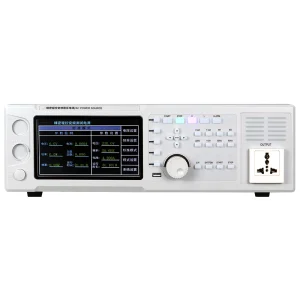
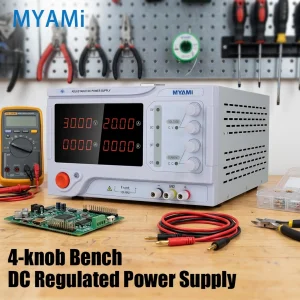
Every programmable AC and DC source developed by MYAMI incorporates multi-layer protection protocols: Over-Voltage Protection (OVP), Over-Current Protection (OCP), Over-Temperature Protection (OTP), and Short-Circuit Protection (SCP). OVP and OCP levels can be programmed via the interface, with shutdown response times under 10 milliseconds. This quick response ensures protection for both the power source and the connected load during testing or automation processes.
An SVC (Servo Voltage Stabilizer) features a toroidal auto-transformer, a motorized carbon brush mechanism, and a microcontroller board. The controller continuously samples the incoming line voltage. If it detects a voltage drop or surge, it drives the servo motor to adjust the position of the carbon brush along the auto-transformer windings. This adjustment corrects the output voltage to within ±1-3% of the target level, ensuring stable power delivery to sensitive downstream machinery.
Speak directly with our technical application engineers in Shenzhen to configure custom windings, specify safety enclosures, or request formal industrial quotes.
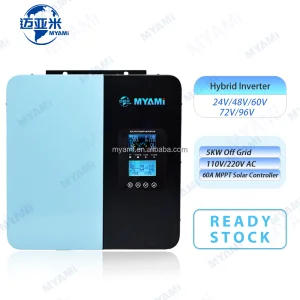
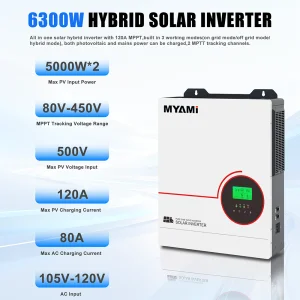
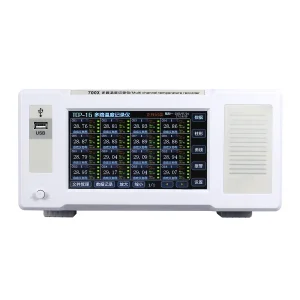
Consult Our Engineering TeamExplore our hybrid solar power converters, precision data logging devices, and RF signal generation systems.


 Myami Power