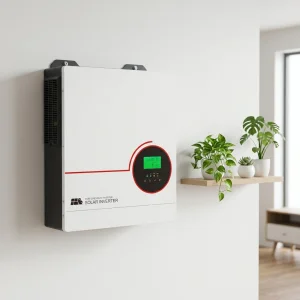
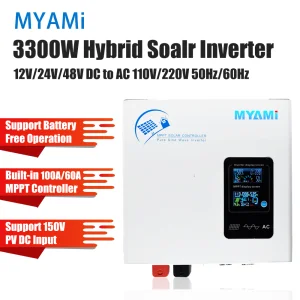
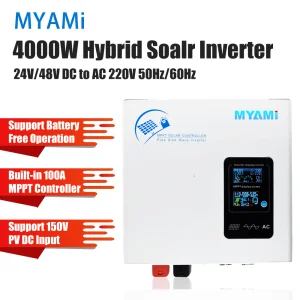
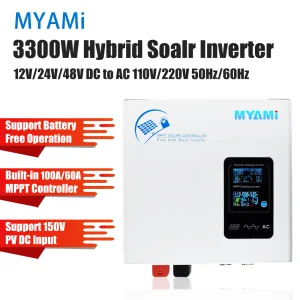
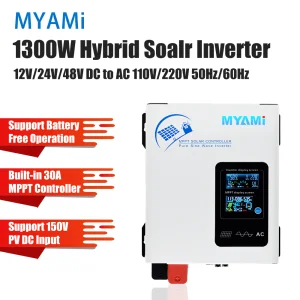
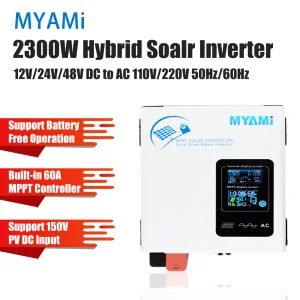
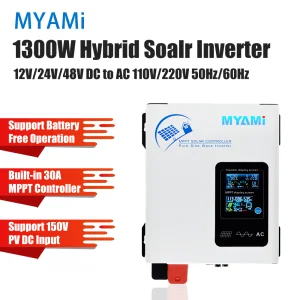
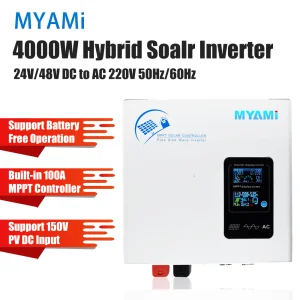
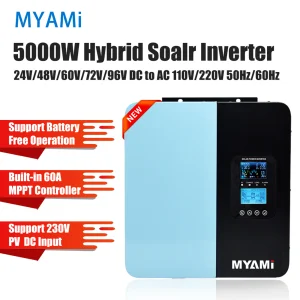
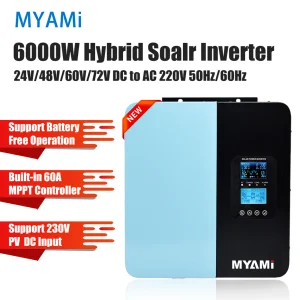
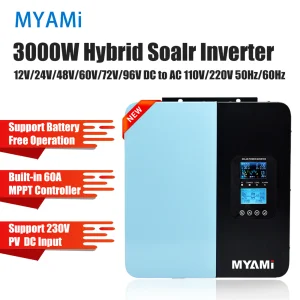
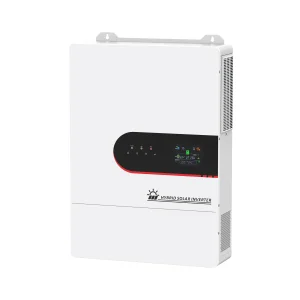
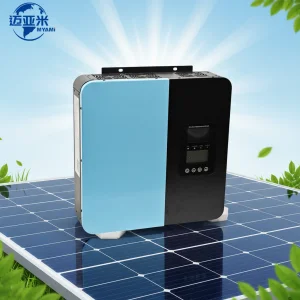
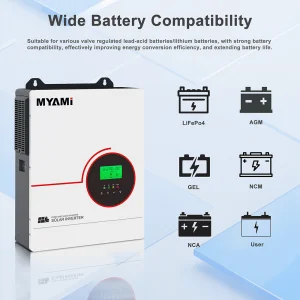
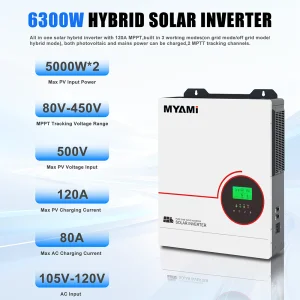
Modern electrical networks demand rapid adaptability. Unlike traditional uni-directional grid-tied string inverters, a hybrid inverter acts as the central intelligence of a microgrid system. It concurrently regulates solar PV generation, manages battery bank storage chemistry (integrating LiFePO4, LTO, or lead-acid setups), executes peak-shaving maneuvers, and interacts bidirectionally with the public utility grid.
For B2B procurement networks, choosing a high-voltage hybrid solar inverter involves prioritizing grid safety, thermal stabilization, and long-term cost reduction (LCOE). Dynamic energy costs require equipment with intelligent export limits, load shedding capabilities, and seamless transitions between off-grid UPS backup and utility-connected systems.
By pairing advanced DSP (Digital Signal Processing) loops with fast switching topologies, MYAMI's hybrid platform manages power shifting in under 10 milliseconds, protecting sensitive loads in industrial facilities, commercial real estate, and residential spaces.
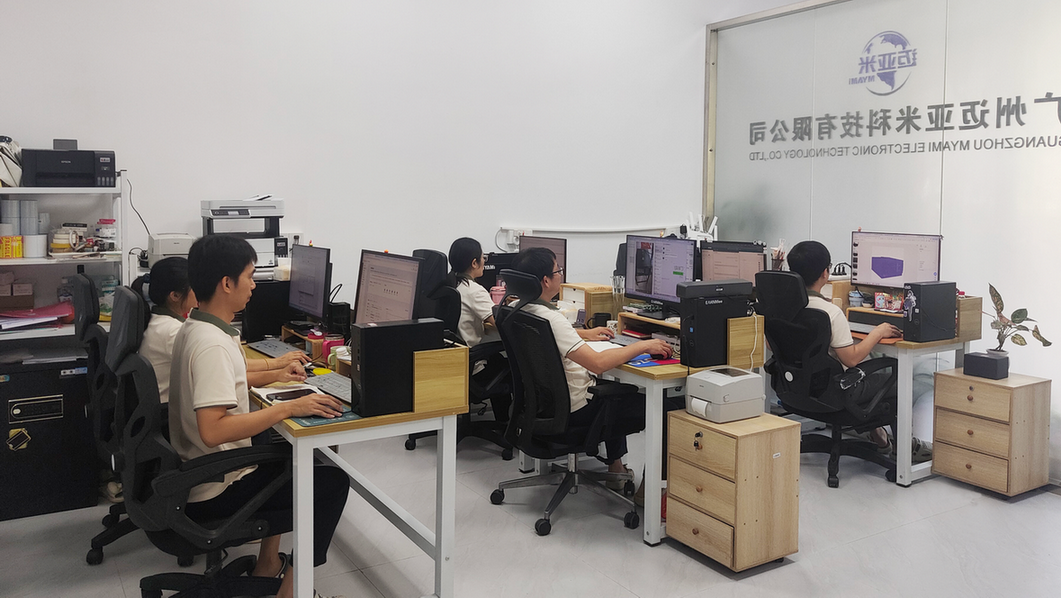
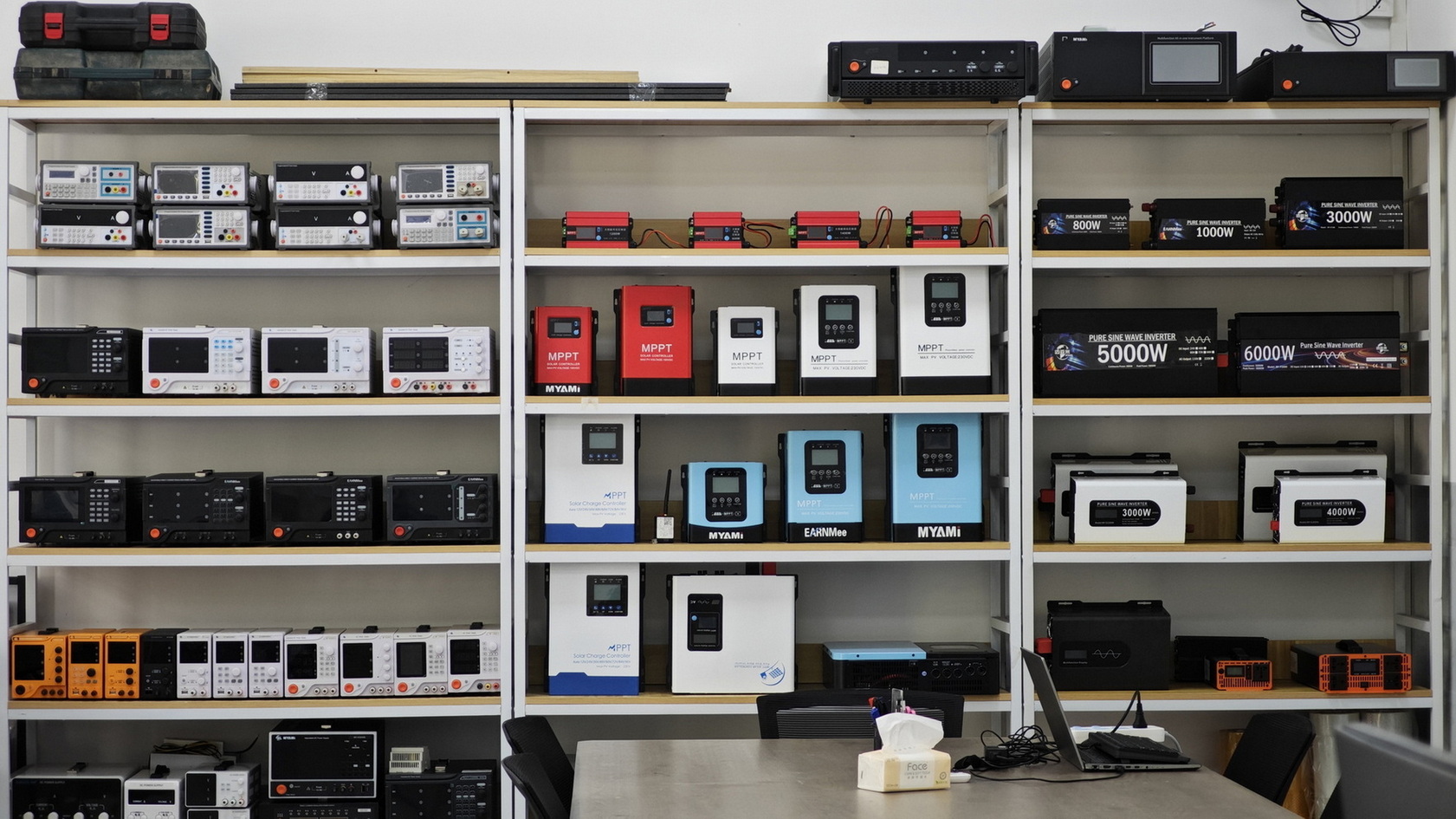
Headquartered in Shenzhen, China, Shenzhen Myami Power Technology Co., Ltd. (MYAMI) is a technology-driven manufacturer and solution provider specializing in high-precision, industrial-grade power supplies, custom solar inverters, and electrical test equipment.
Featuring multi-digit LED displays, ultra-low ripple, and rapid transient response. Engineered for precision electronic R&D, semiconductor evaluation, and PCB debugging.
Delivering high-current, high-voltage DC/AC regulated power supplies built for industrial motor drives, electroplating rectifiers, and heavy-duty component burn-in testing.
Providing specialized DC power units, battery simulators, and variable AC power sources engineered for Electric Vehicle (EV) On-Board Chargers (OBC), BMS evaluation, and solar inverter testing.
Supplying complementary test bench solutions, including digital oscilloscopes, multimeters, and specialized AC voltage regulators for global laboratories and technical institutes.
Every MYAMI system is engineered with strict multi-layer protection protocols—including Over-Voltage Protection (OVP), Over-Current Protection (OCP), Over-Temperature Protection (OTP), and short-circuit safeguards. These systems comply with international safety and quality standards, including CE, RoHS, and ISO9001. Integrated with standard industrial control protocols (RS485, RS232, and CAN communication), our equipment seamlessly connects to automated production lines and central PC control systems.
Today, MYAMI serves research institutions, automotive OEMs, aerospace contractors, and electronics manufacturers across North America, Europe, East Asia, and the Middle East. Whether you require a single benchtop lab power supply or a custom high-power aging system, MYAMI is your ultimate partner for precision power and uncompromised testing reliability.
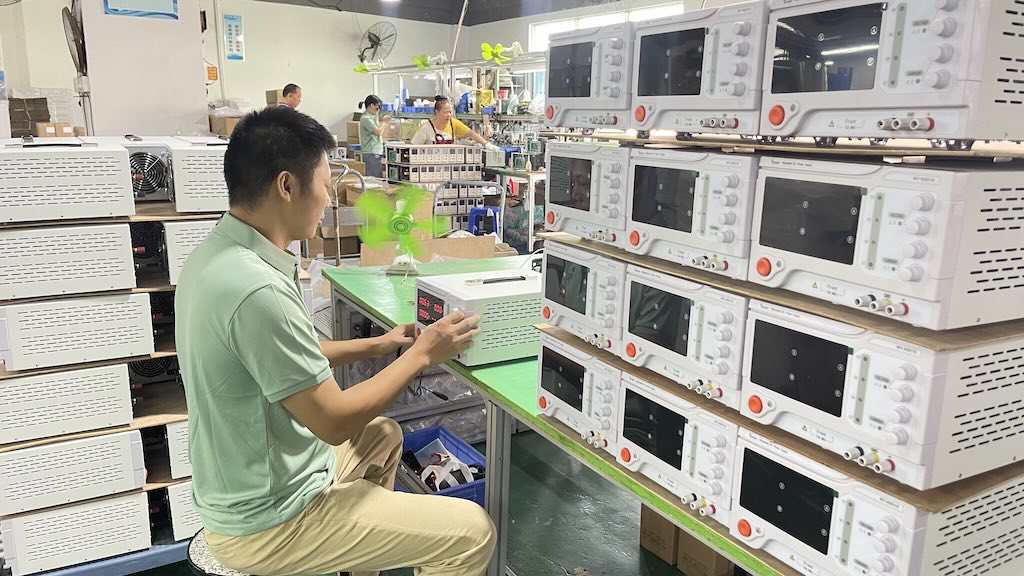
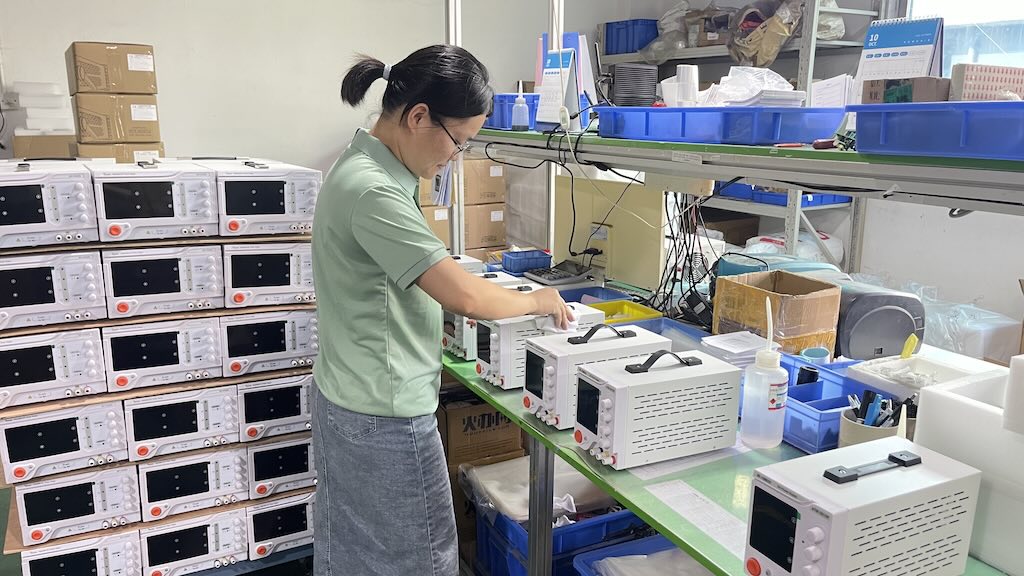
Our manufacturing facility in Shenzhen leverages advanced automation and strict testing procedures to ensure every hybrid inverter meets rigorous performance and reliability requirements.
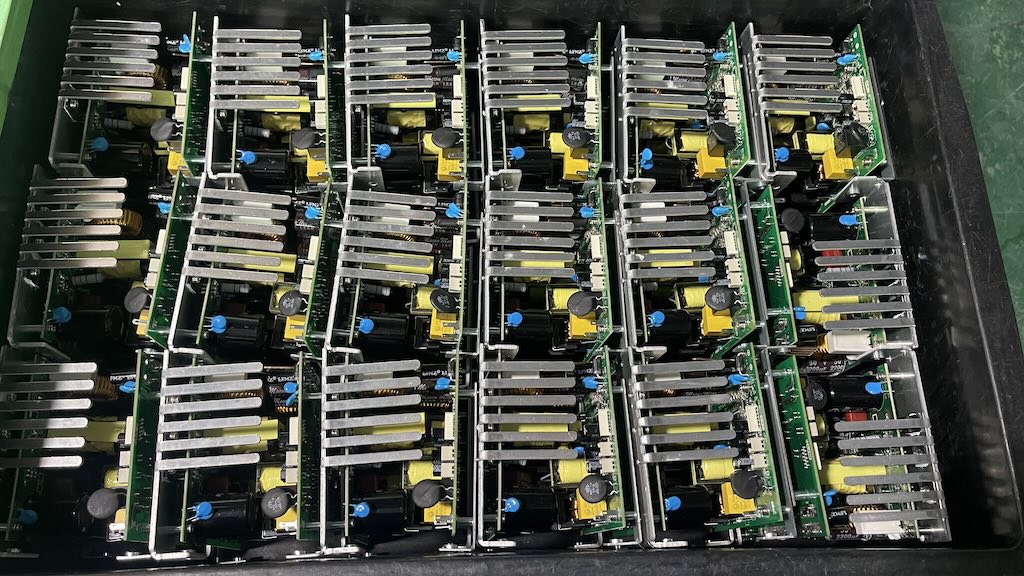
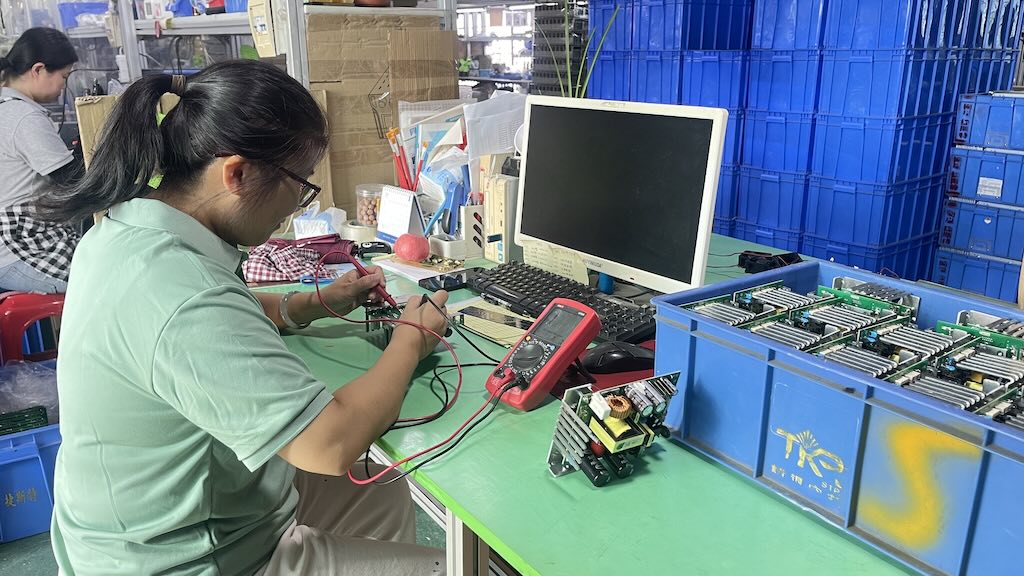
From initial inspection of incoming raw materials to final packaging, MYAMI maintains trace documentation for all components. The integration of automatic optical inspection (AOI) and manual test verification at key stages helps minimize defect rates.
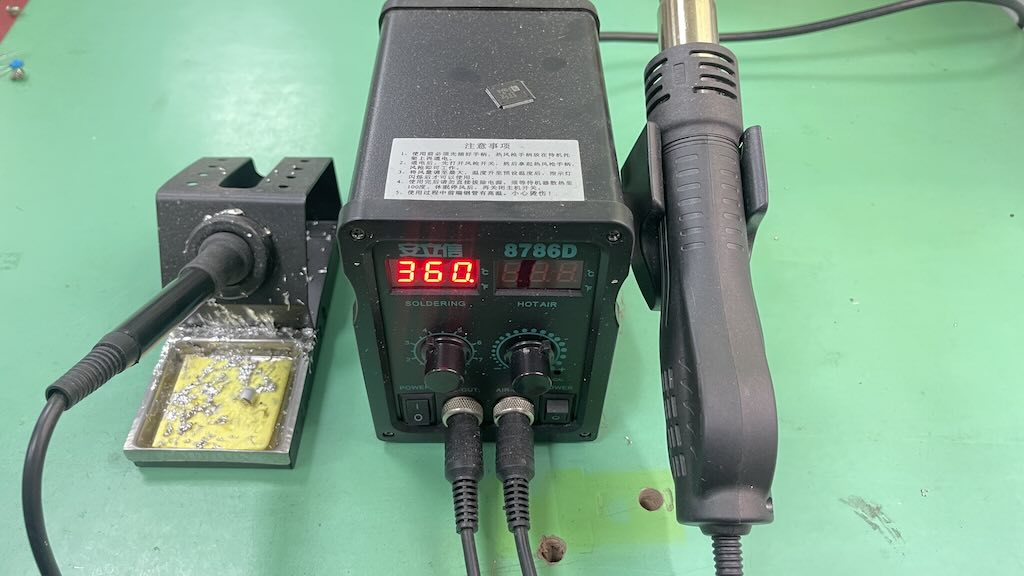
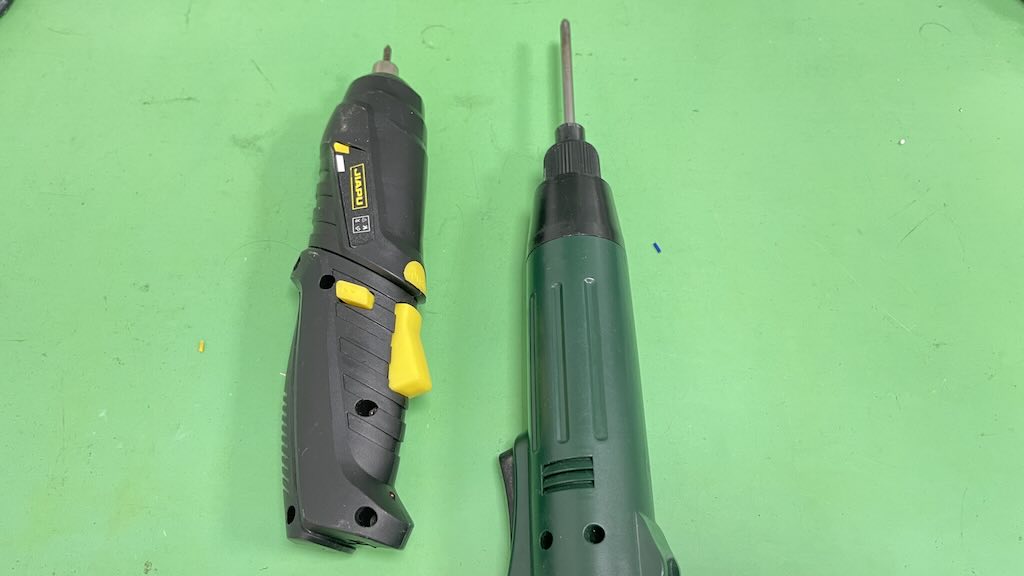
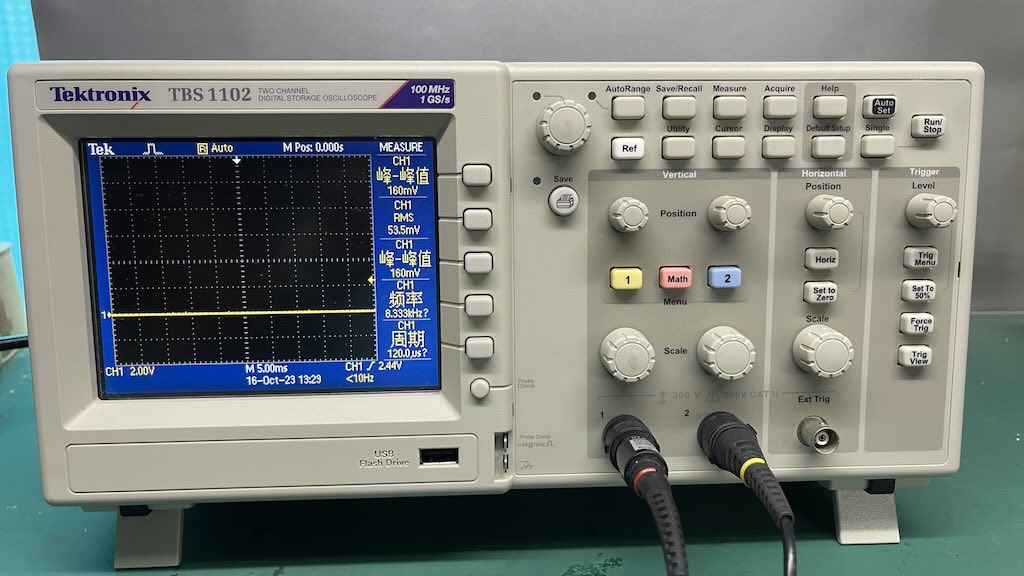
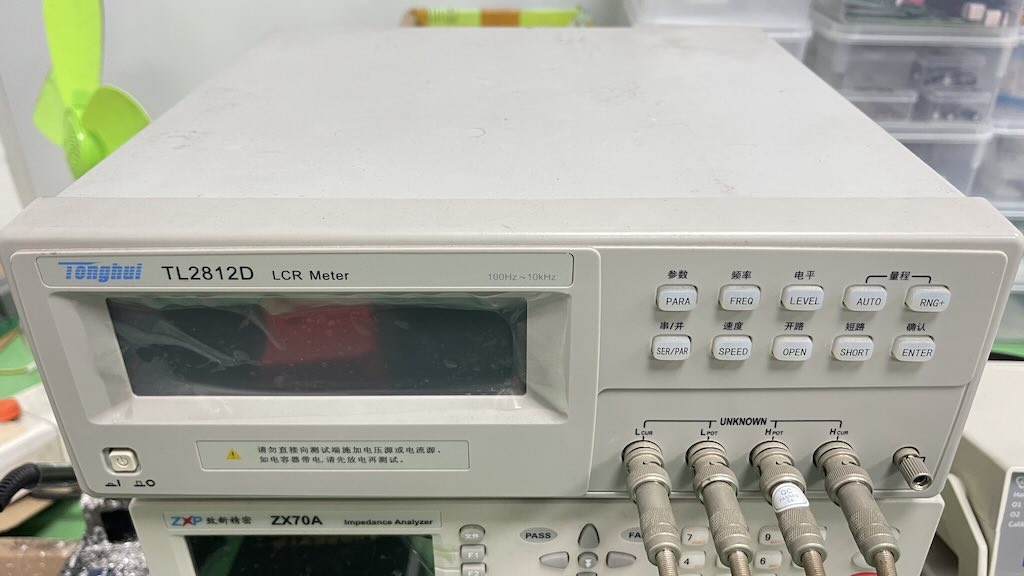
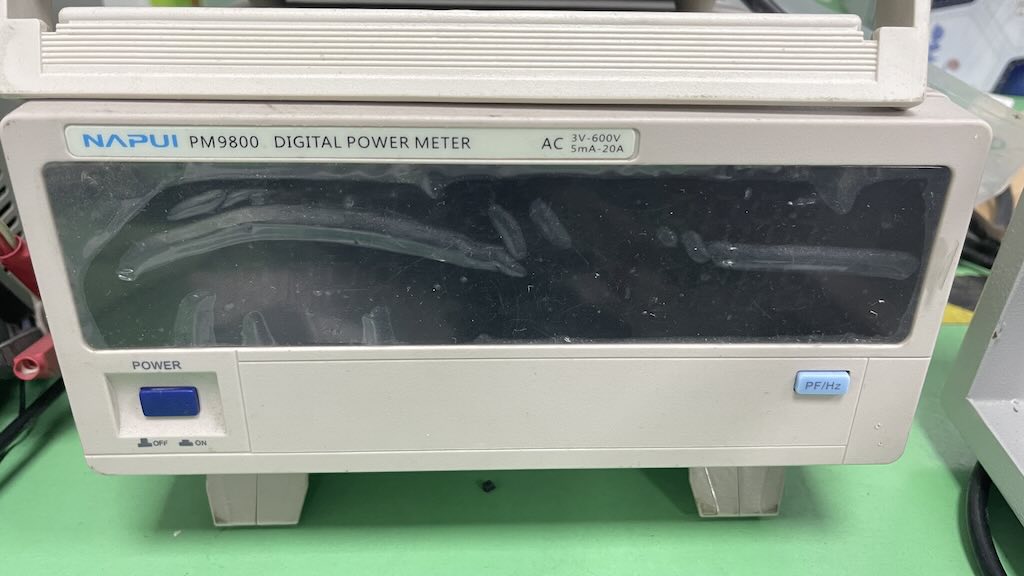
Our manufacturing processes utilize specialized tools, including advanced soldering stations and electric screwdrivers. Component performance is verified using precise testing instruments such as multimeters, high-potential (Hi-pot) testers, digital oscilloscopes, LCR meters, and digital power meters to ensure strict compliance with international standards.
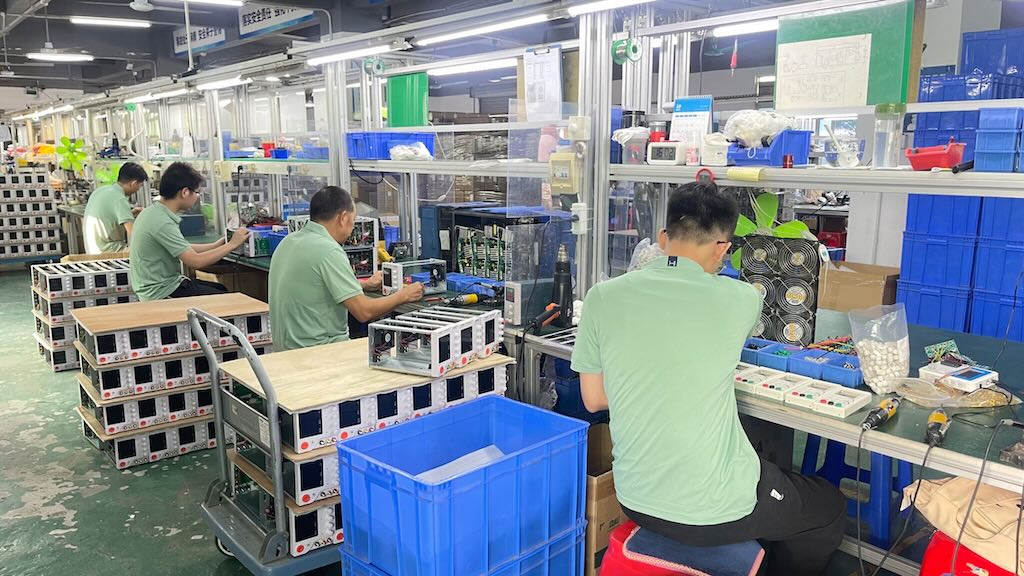
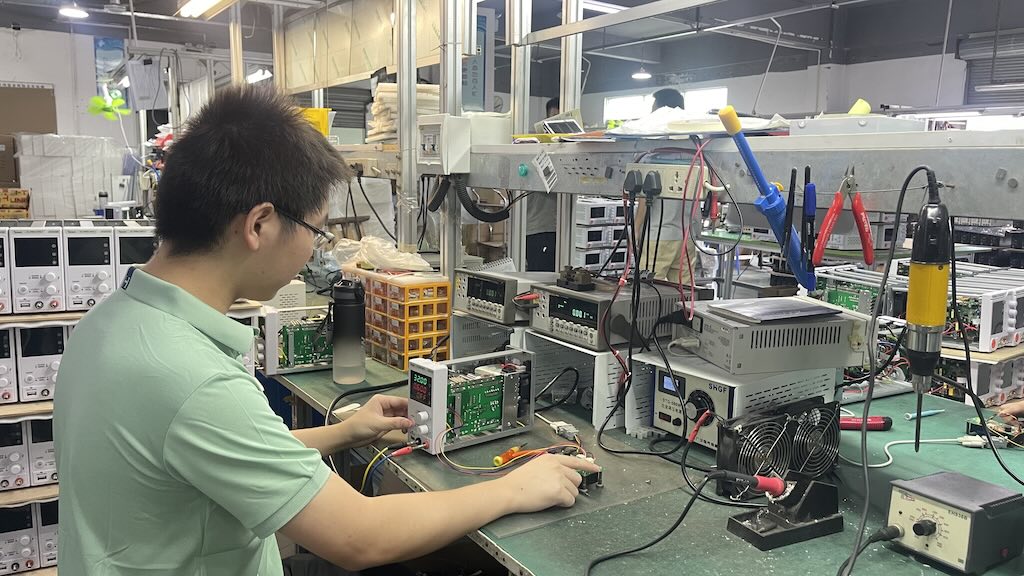
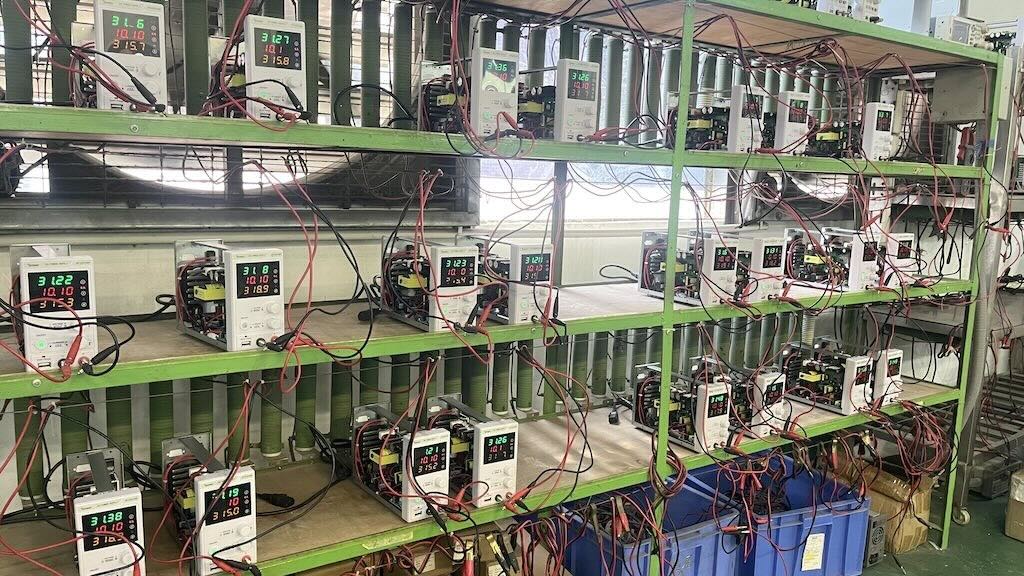
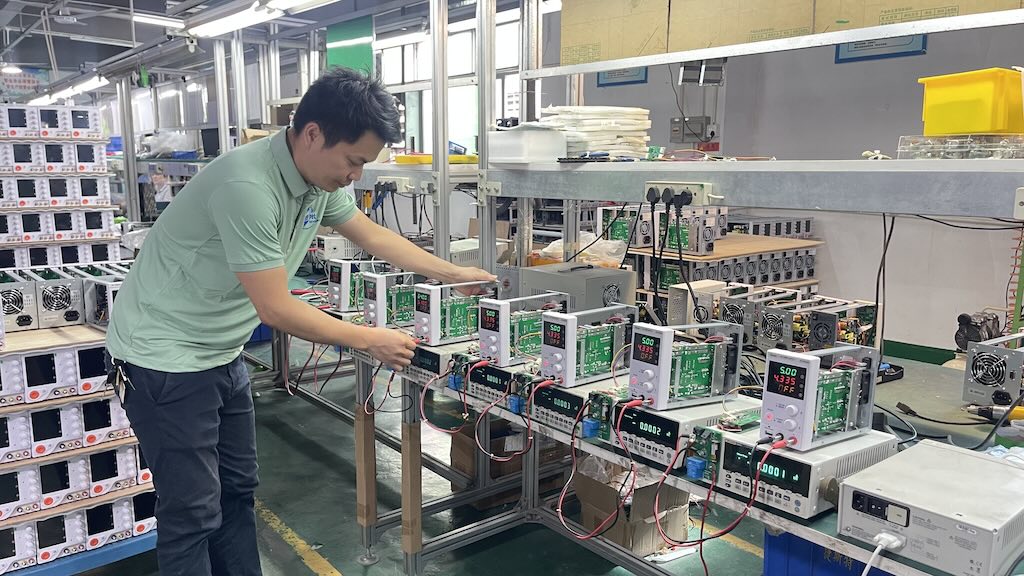
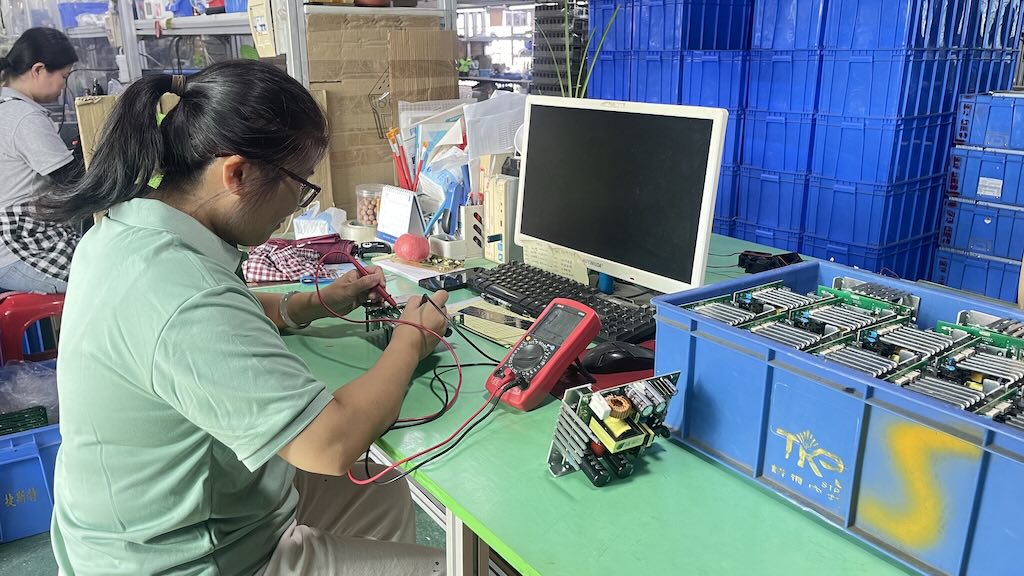
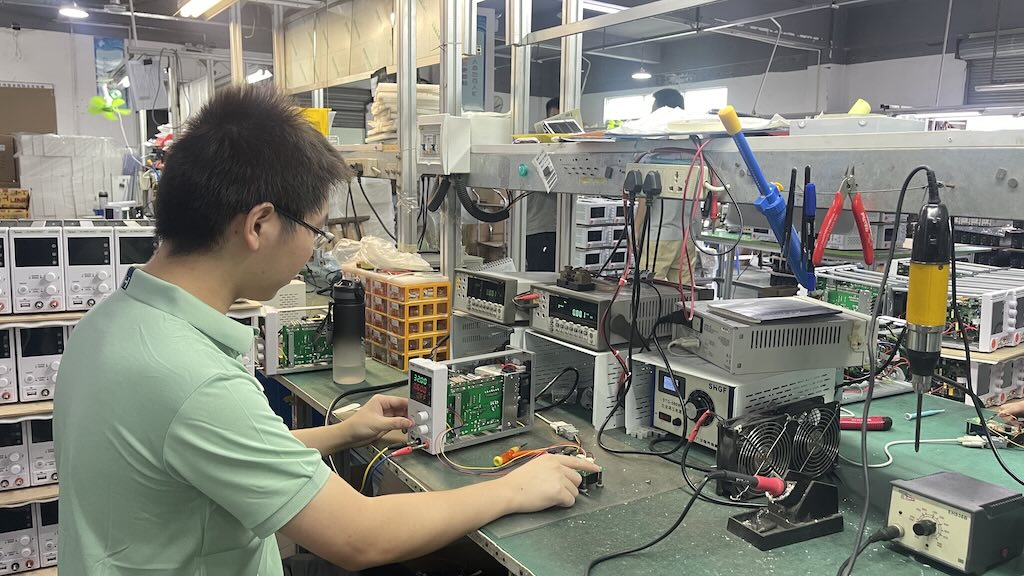
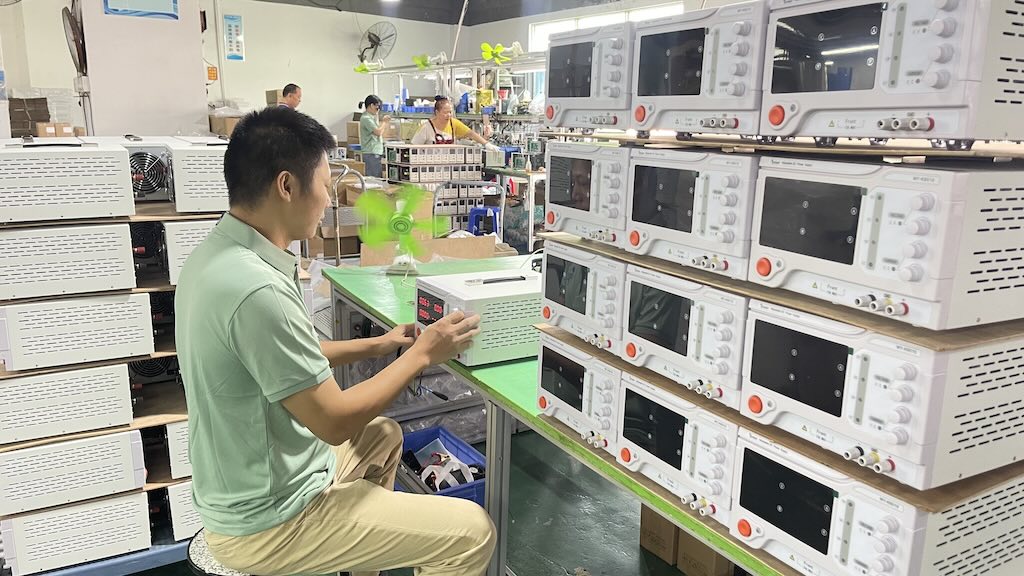
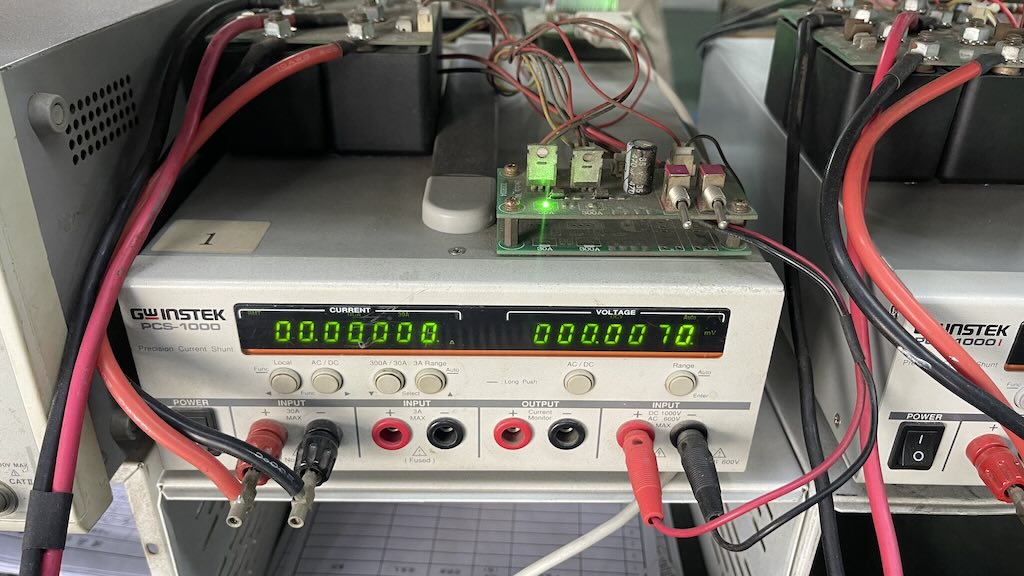
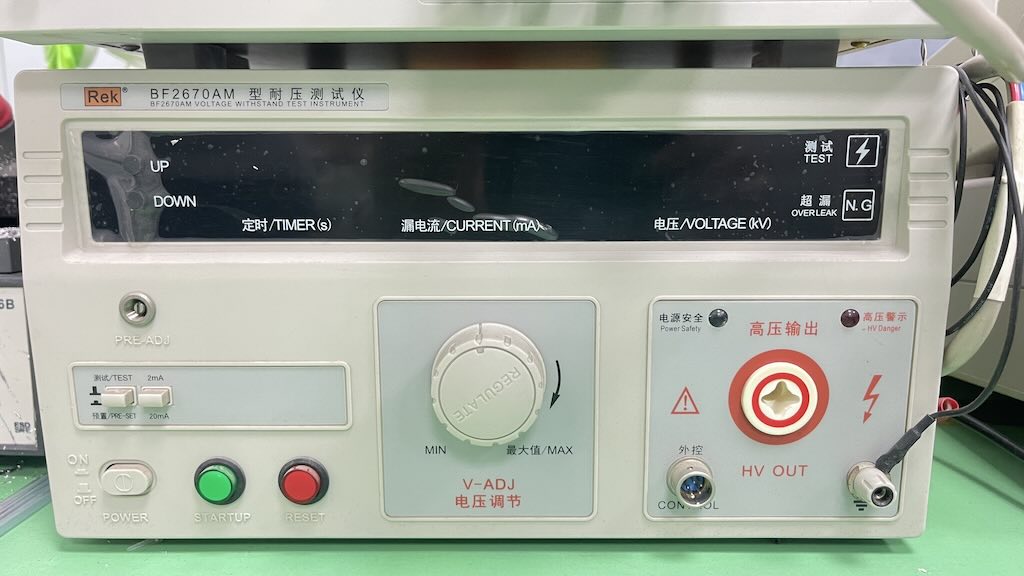
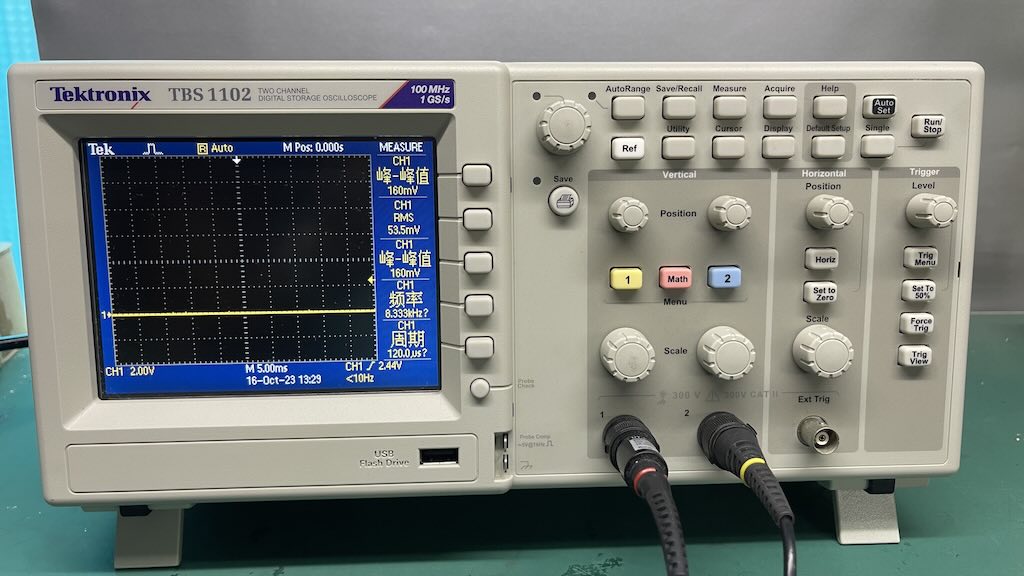
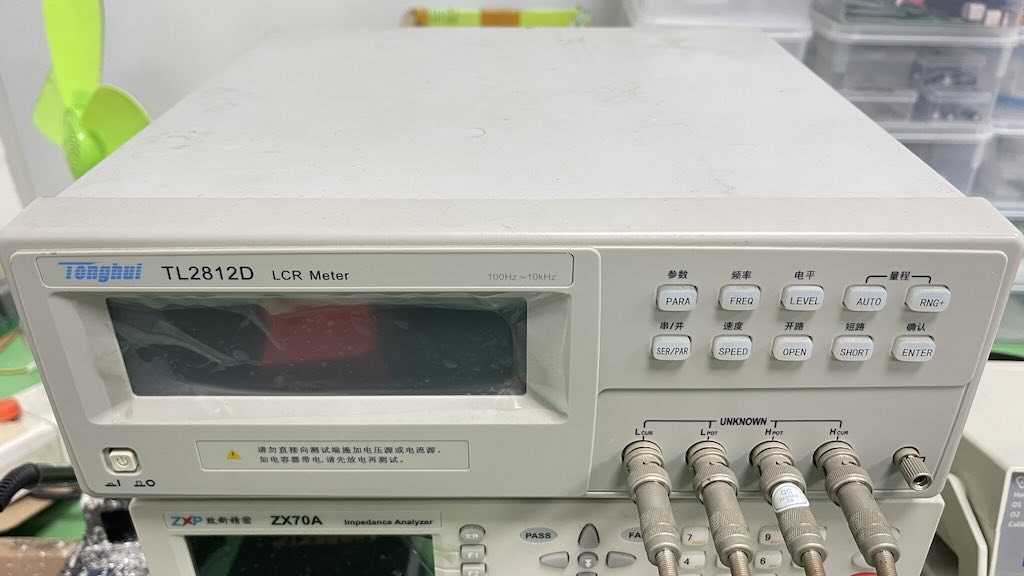
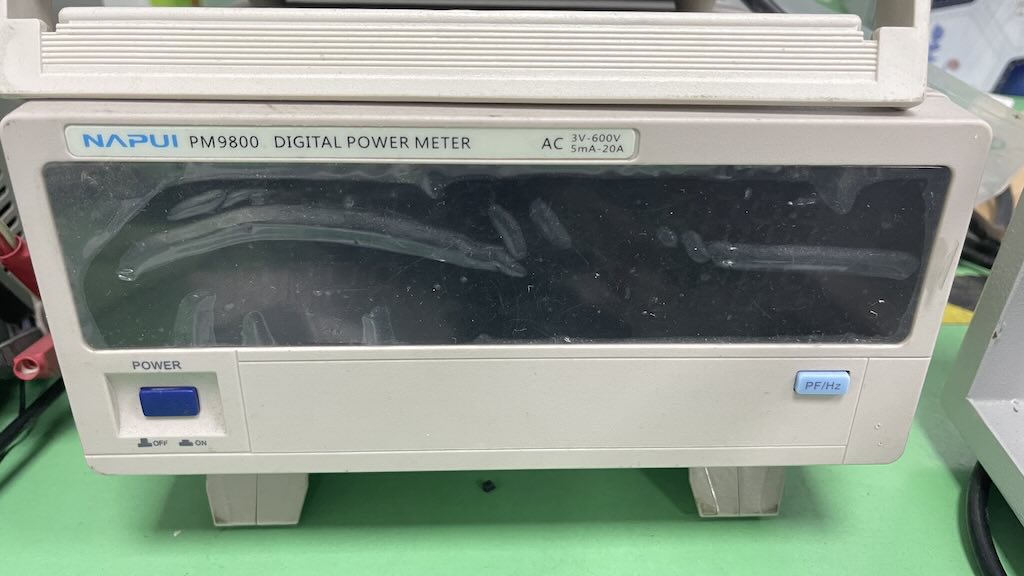
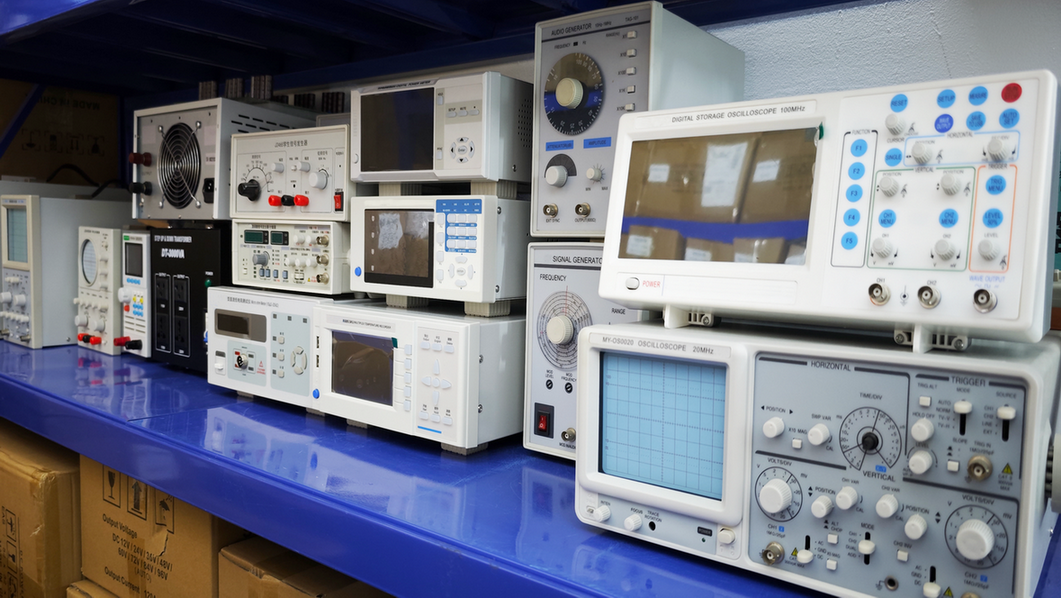
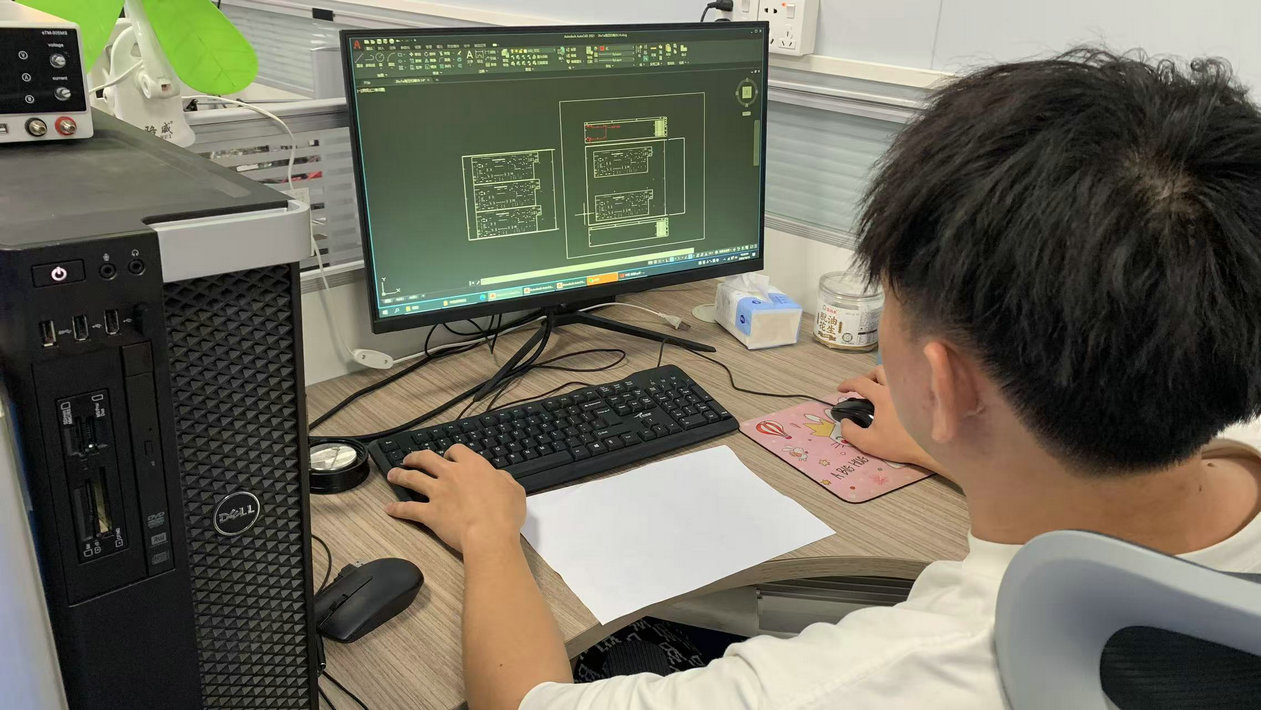
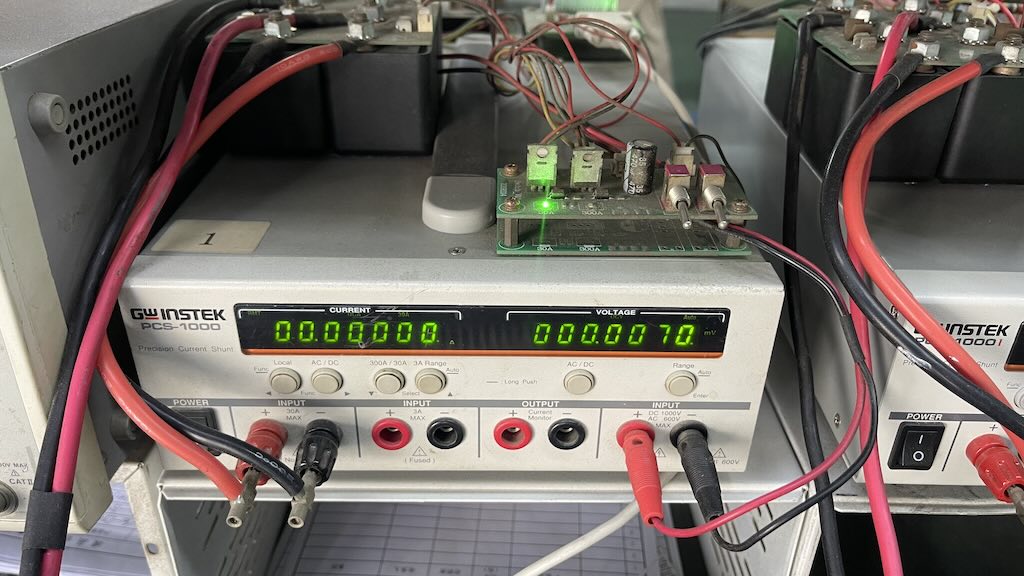
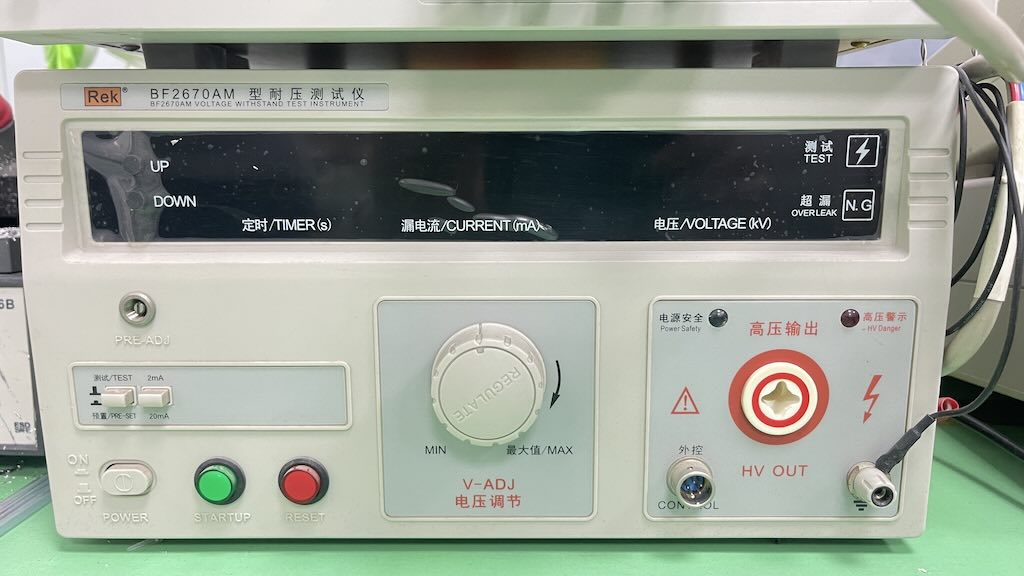
Our engineering team focuses on developing power conversion technologies designed to optimize thermal performance and system efficiency.
Integrating Silicon Carbide (SiC) and Gallium Nitride (GaN) switching components into our high-frequency inverters to lower switching losses and improve overall efficiency.
Transitioning battery systems from 48V nominal systems to high-voltage (300V–800V DC) battery arrays, helping reduce copper consumption and system wiring losses.
Implementing Vehicle-to-Home (V2H) and Vehicle-to-Grid (V2G) standard interfaces, enabling hybrid platforms to use electric vehicles as mobile battery storage units.
Developing AI-driven firmware protocols that run directly on DSP units to forecast local solar generation profiles and optimize battery usage based on real-time grid prices.
Our solutions are designed to support complex microgrids, off-grid industrial systems, and high-capacity residential setups.
For processing facilities and agricultural systems, MYAMI's high-efficiency split-phase and three-phase inverters support parallel connections. These configurations handle the high startup currents required by heavy machinery while helping lower demand charges.
Providing power solutions for remote cellular towers, mining operations, and military installations. Featuring rugged enclosures and operating temperatures from -25°C to +60°C, these systems deliver reliable AC and DC power in demanding environments.
Integrated home energy systems utilizing dual MPPT tracking controllers, offering user-friendly LED/LCD interfaces and seamless, safe integration with low-voltage and high-voltage lithium storage chemistries.
Integrating hybrid power systems into municipal utility grids requires compliance with national and regional interconnection standards. MYAMI's design engineering complies with international certification standards to ensure safe, stable grid operation.
Our platforms support standard safety requirements, including European EN50549, German VDE-AR-N 4105, North American UL1741 / IEEE1547, and Australian AS4777.2 codes. This compliance ensures reliable grid disconnection, rapid shutdown operation, anti-islanding protection, and dynamic reactive power control (Var control) during grid transients.
Additionally, we work with distribution partners in North America, Europe, and Australia to offer localized technical support, fast replacement programs, and design consulting for large-scale projects.
Looking to develop custom products or secure reliable wholesale inverter supply chains?
Partner with MYAMI Power Engineering today.
Selecting the right manufacturing partner involves evaluating both electrical compatibility and long-term production quality.
For inductive and high-precision scientific loads, specifying a pure sine wave inverter is essential to avoid thermal stress and harmonic distortion (THD < 3%). High-frequency switching topologies allow for more compact units, while low-frequency transformer topologies offer higher surge capabilities for starting heavy motors.
Modern lithium batteries (LiFePO4) require active communication with the inverter via RS485 or CAN bus. The inverter's firmware must support handshake protocols with the battery management system (BMS) to coordinate charge voltages, state of charge (SoC), and temperature cut-offs.
Outdoor installations require IP65 or NEMA 3R configurations with optimized heat dissipation. For indoor utility rooms, quieter systems with intelligent fan control or passive cooling options are often preferred to reduce operational noise.
Answers to common technical queries about hybrid inverter deployment, testing, and customization.
A: An off-grid inverter relies solely on batteries and solar panels to power loads, operating independently of the utility grid. A hybrid inverter integrates solar power, battery storage, and utility grid connections. It dynamically switches power sources depending on energy costs and availability, and can feed surplus energy back into the grid.
A: Yes, MYAMI manufactures high-frequency hybrid inverters specifically engineered for split-phase setups (delivering both 110V/120V and 220V/240V AC outputs from a single unit). These models feature dual MPPT inputs and are designed for residential and light commercial applications.
A: Our QC process includes multiple stages, starting with incoming raw material inspection, followed by automated optical inspection (AOI) on PCB assemblies. Units undergo high-potential (Hi-pot) isolation testing, precision calibration, thermal aging chamber cycles, and final load checks using digital power meters and oscilloscopes prior to packaging.
A: Yes. Our systems include standard RS485, RS232, and CAN communication interfaces. We work with B2B customers to customize firmware and protocols to match specific lithium battery BMS communication systems, ensuring safe charging and discharging operations.
 Myami Power