Signal Generator Manufacturers & Suppliers

Industrial-Grade Waveform Synthesizers & Precision Test Solutions for Global Electronics, Aerospace, & Advanced Research Labs

Understanding Modern Waveform Synthesis: A Professional Whitepaper

In high-stakes electrical engineering, the fidelity of synthesized wave patterns governs the validation process of complex circuitry. Signal generators, functioning as programmable voltage sources that vary over time, serve as the reference standard against which unknown devices are compared. Without signal integrity, low phase noise, and flat frequency responses, error rates propagate downstream, jeopardizing product reliability and engineering metrics.

As a leading authority in industrial power solutions and advanced test instrumentation, Shenzhen Myami Power Technology Co., Ltd. (MYAMI) bridges the critical path between electronic design concept and reliable high-scale output. Backed by rigorous material screening, specialized ISO calibration, and multi-tier electronic protections, our technical hardware guarantees accuracy under strenuous operating environments.
Our Core Operational Pillars

  • Programmable DC Power Supplies: Featuring multi-digit LED displays, ultra-low ripple, and rapid transient response, engineered for precision electronic R&D, semiconductor evaluation, and PCB debugging.
  • High-Power & High-Voltage Testing Sources: Delivering high-current, high-voltage DC/AC regulated power supplies (ranging up to hundreds of volts and amperes) built for industrial motor drives, electroplating rectifiers, and heavy-duty component burn-in testing.
  • EV & Renewable Energy Testing: Providing specialized DC power units, battery simulators, and variable AC power sources engineered for Electric Vehicle (EV) On-Board Chargers (OBC), BMS evaluation, and solar inverter testing.
  • Benchtop Test & Measurement Instruments: Supplying complementary test bench solutions, including digital oscilloscopes, multimeters, and specialized AC voltage regulators for global laboratories and technical institutes.
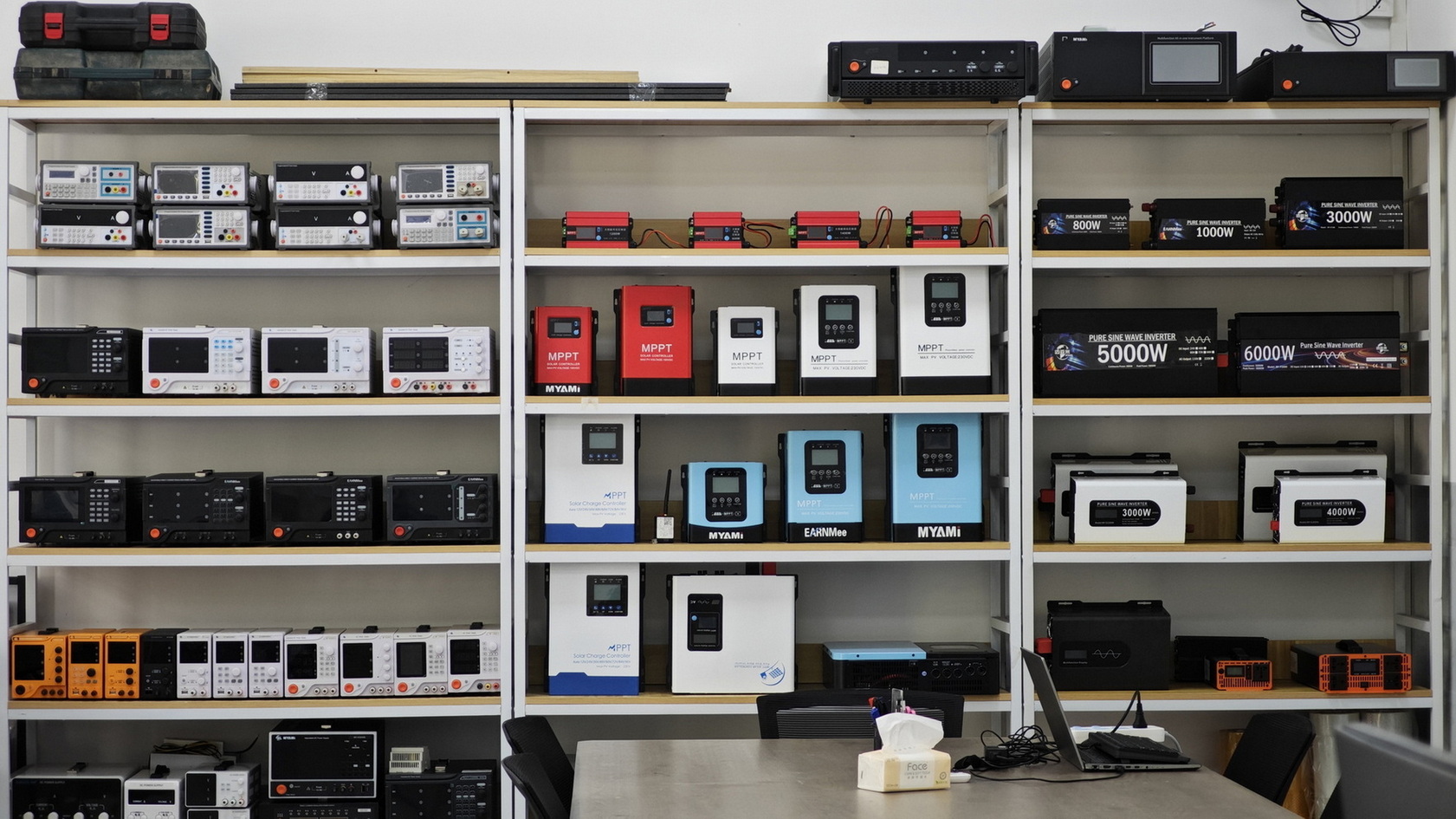
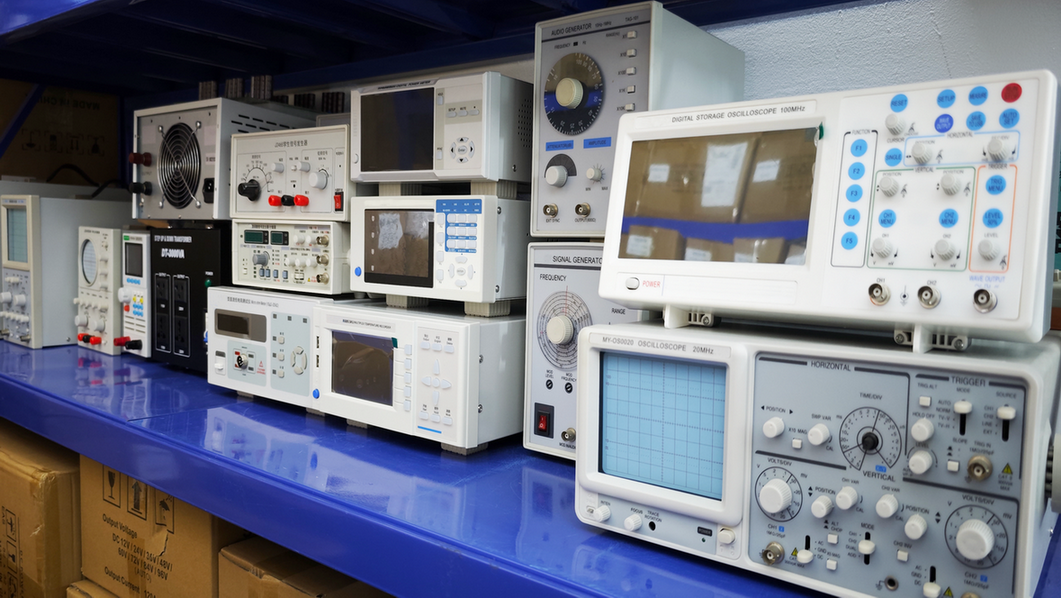
MYAMI Industrial Test Equipment and Capabilities

Technological Trends in Signal Generation

The transition from analog sweep generators to highly integrated software-defined arbitrary waveform synthesizers.

Direct Digital Synthesis (DDS) Dominance

Unlike traditional PLL methods, DDS generates high-frequency waveforms via digital-to-analog conversion. This technology ensures rapid frequency switching, sub-hertz resolution, and minimal phase noise, which are essential for testing high-speed communication interfaces.

Arbitrary Waveform Evolution (AWG)

Modern testing environments require custom, user-defined waveforms to simulate real-world channel degradation, noise, and complex protocol states. Modern AWG software integration enables engineers to load user CSV data directly onto the equipment.

Multi-domain Interfacing & Safety Protocols

With test automation taking over production floors, signal generators must interface natively with computers via USB, RS232, and GPIB. Safety controls (short circuit and overvoltage protection) protect delicate devices under test (DUT) from hardware failure.

Macro Industry Solutions & Application Scenarios

How global enterprises employ precision signal sources to streamline verification, qualification, and automated manufacturing.

1. Electric Vehicle (EV) and Smart Battery Testing

Electric vehicles operate on complex controller area networks (CAN bus) and high-voltage BMS systems. Signal generators are used here to mimic pulse width modulation (PWM) signals, simulate wheel speed sensors, and feed thermal management controls with false analog states, verifying system fail-safes without requiring real vehicle dynamic risks.

2. Consumer Electronics Verification and RF Tuning

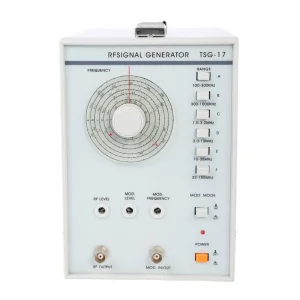
Modern consumer electronics require strict compliance checks. From low-frequency audio amplifiers to high-frequency Bluetooth modules, engineers rely on stable signal generators (such as the TAG-101 and TSG-17 series) to inject controlled frequencies, isolate noise margins, test system distortions (THD), and tune acoustic transducers.

3. High-Education Labs and Engineering Training

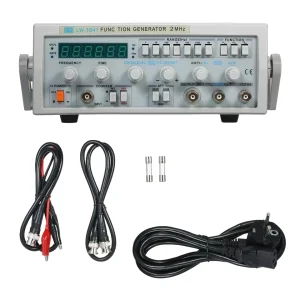
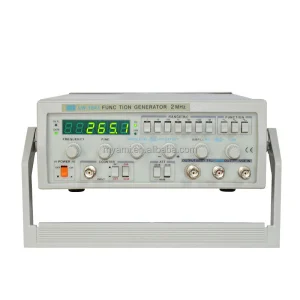
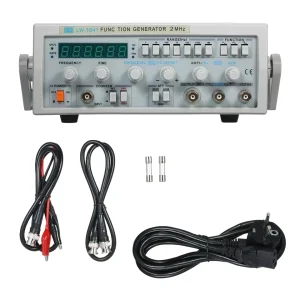
Educational institutes prioritize reliability, longevity, and affordability. Our benchtop instruments, like the LW-1641 series, offer intuitive panel operations, functional frequency meters, and customizable waveform output, making them ideal training tools for upcoming engineers globally.

4. Automated Production Line Integration (ATE)

In high-throughput manufacturing, cycle time determines profitability. Integrated signal generators configured with remote protocols (RS485, CAN) allow engineers to automate stimulus injection. This capability speeds up the pass/fail assessment of sensory components, power supplies, and printed circuit board assemblies (PCBA).
0.1Hz
Min Tuning Step
150MHz
RF Range Capable
100%
CE/RoHS Compliant
3+
Global Support Hubs
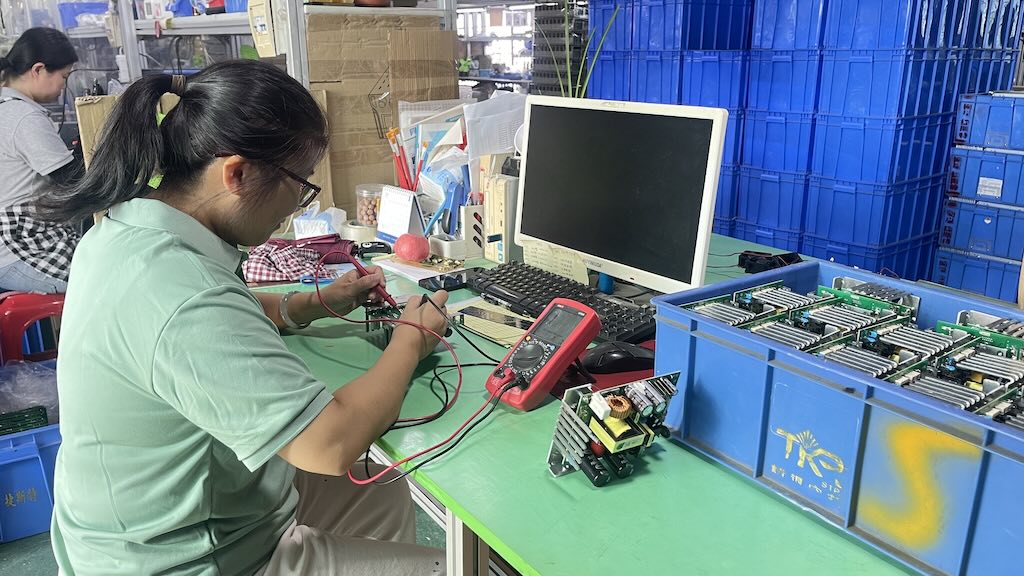
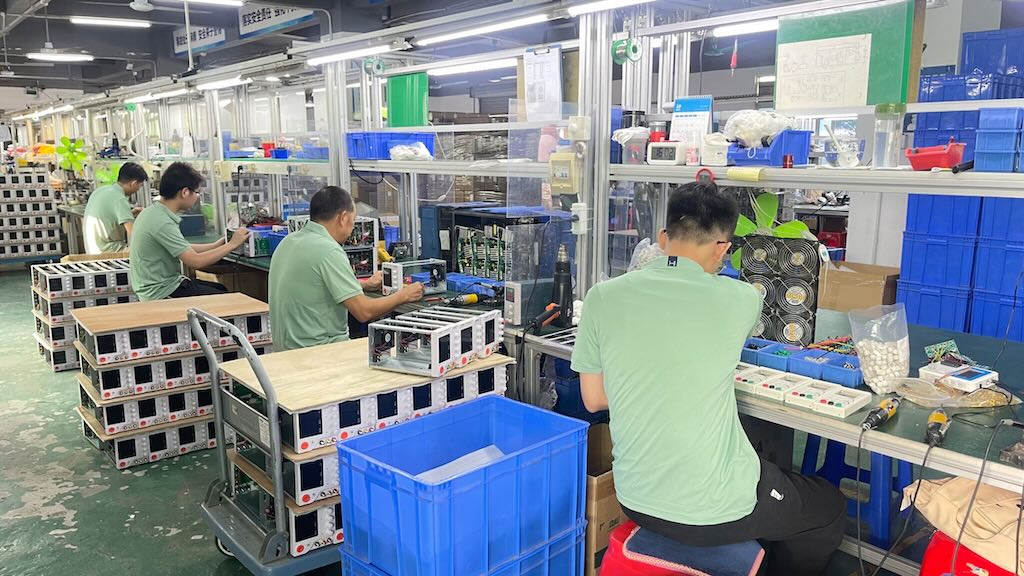
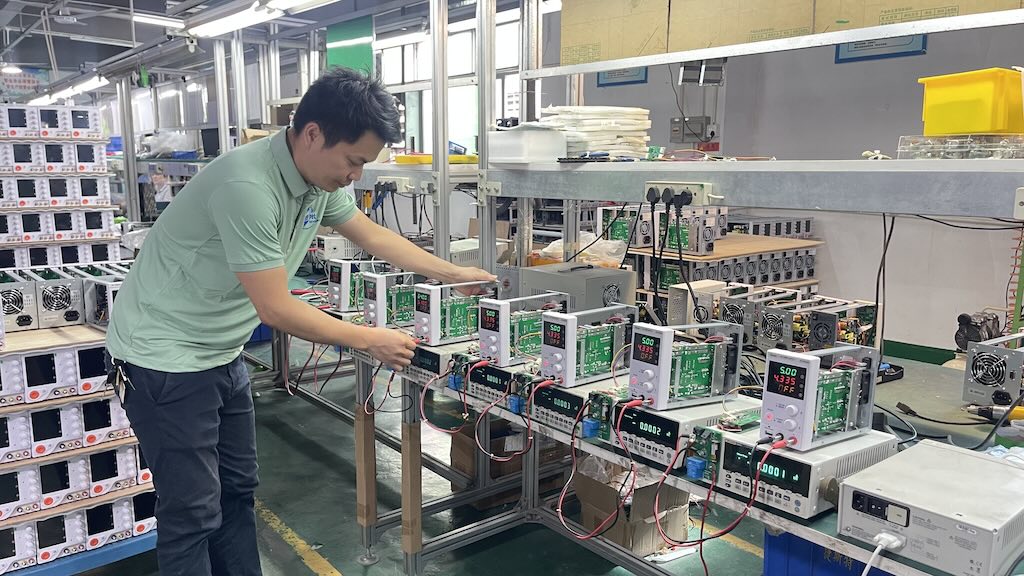
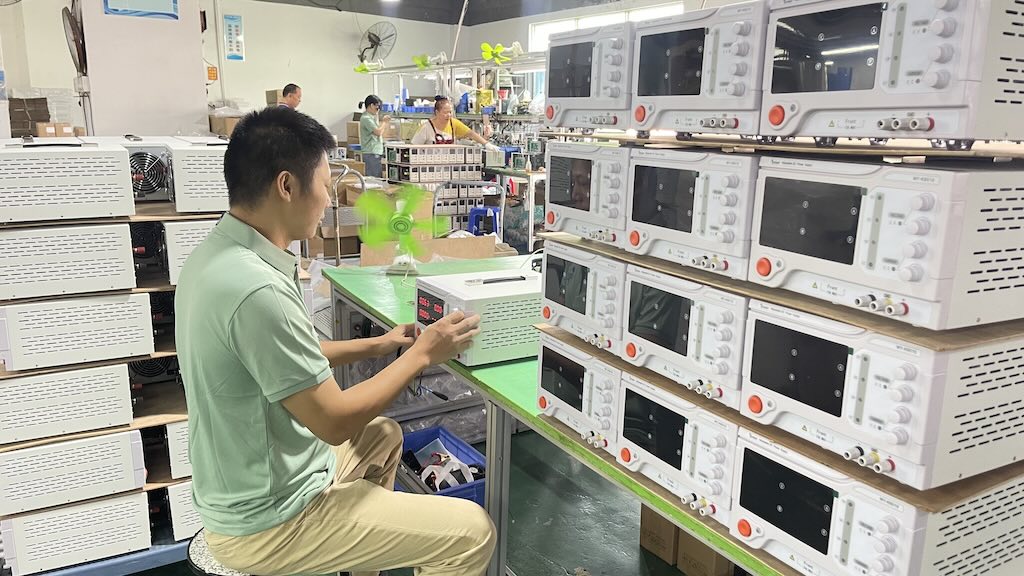
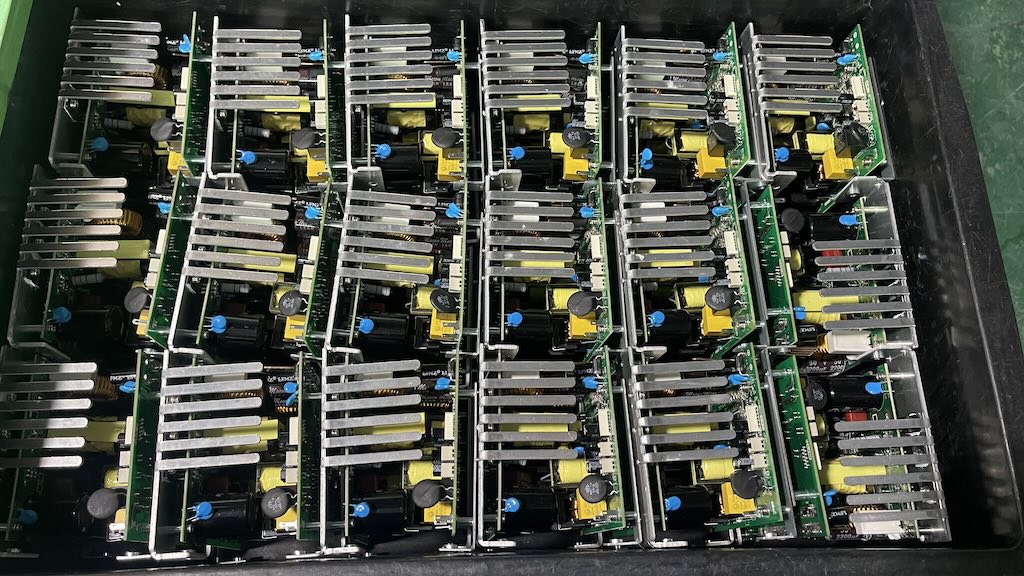
Shenzhen Myami Power Factory Assembly Line

Why Source Signal Generators from Shenzhen, China?

Shenzhen, China stands as the global epicentre of electronic hardware prototyping, engineering, and manufacturing. Choosing a partner like MYAMI provides access to optimized supply chains, rapid material sourcing, and specialized calibration laboratories. This efficiency reduces overall manufacturing costs without compromising structural build quality or functional parameters.

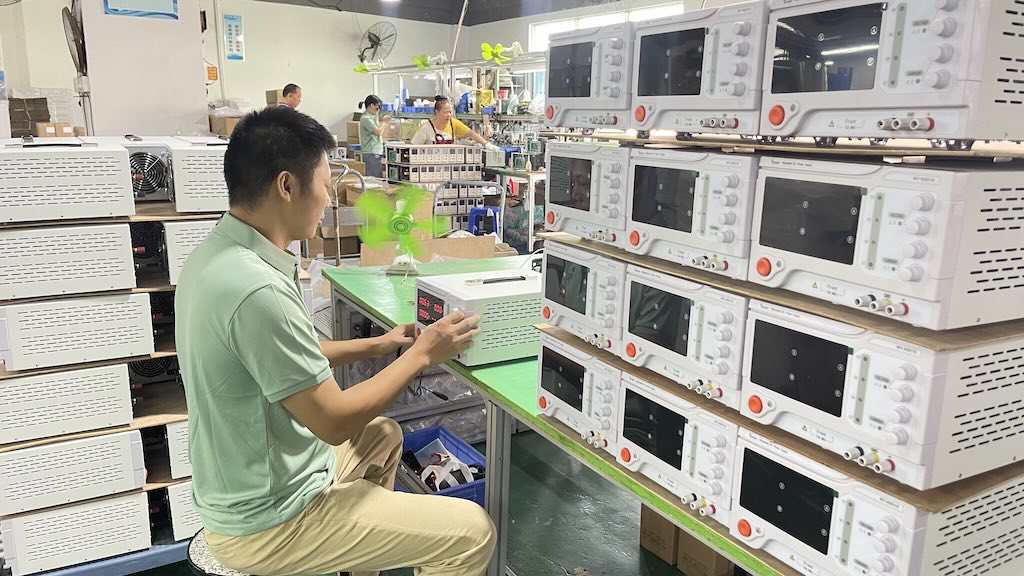
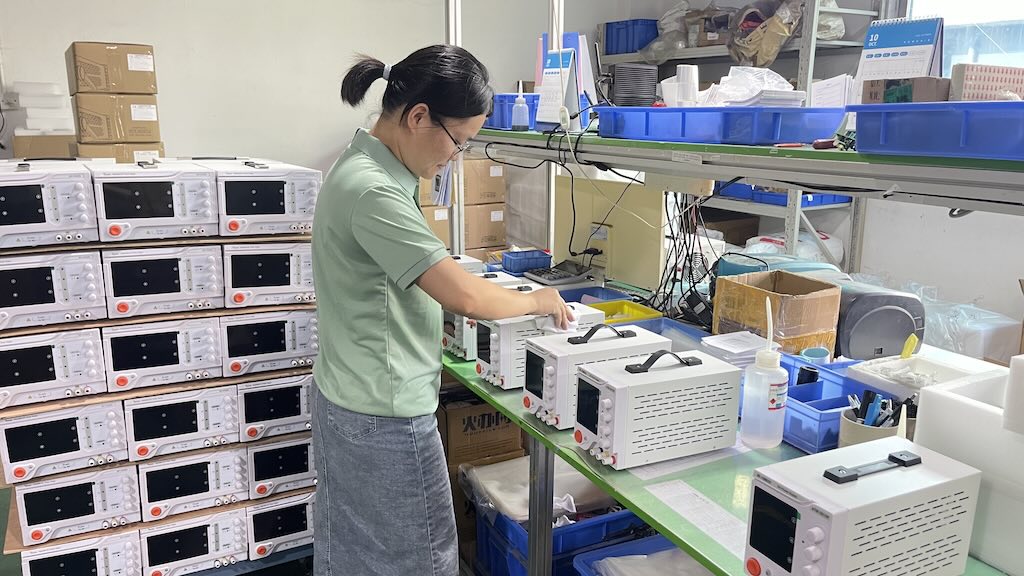
At Shenzhen Myami Power Technology Co., Ltd., we combine the speed of localized component sourcing with global safety practices. Our production facilities deploy a multi-stage QA/QC pipeline that subjects every single waveform generator to thermal tests, performance aging, high-voltage insulation tests (Hi-pot), and precise LCR verification before packaging.

This strict oversight ensures that whether you're purchasing a simple analog source or an advanced DDS arbitrary waveform generator, each unit delivers performance that matches international lab standards.

End-to-End Production & Quality Control Process

Every signal source conforms to strict international norms (CE, RoHS, ISO9001) throughout the assembly, calibration, and testing stages.
MYAMI Facility Certification
ISO Facilities
Raw Material Inspection
Raw Material
PCB Checking Process
PCB Checking
Assembling Phase
Assembling
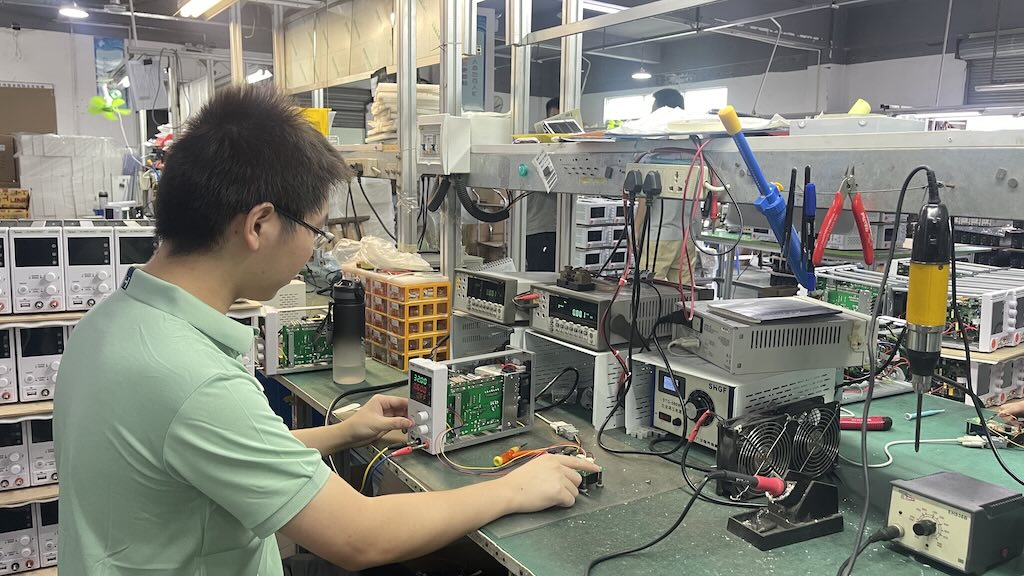
System Debugging
Debug
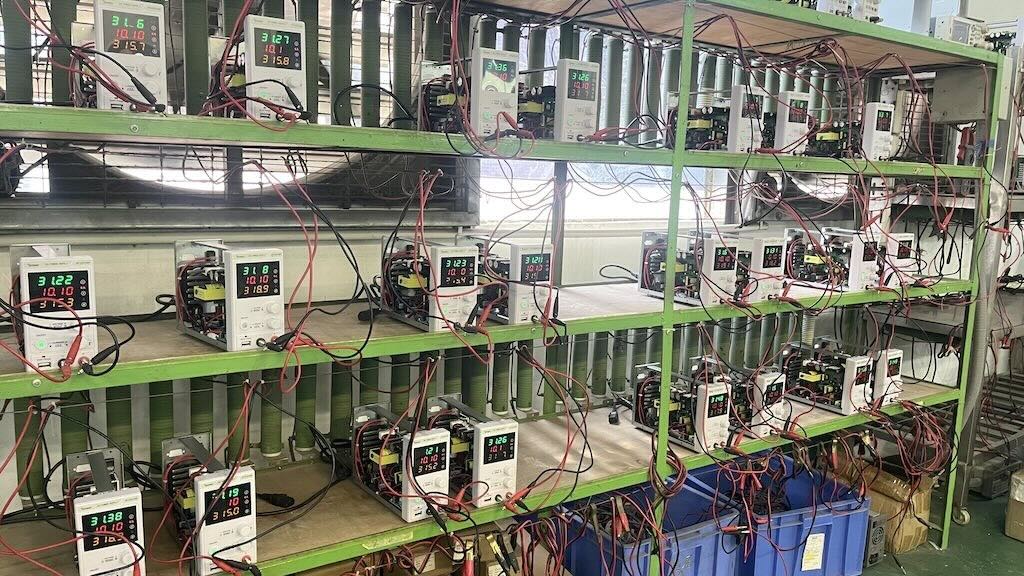
System Thermal Aging
Aging
Precision Calibration
Calibration
QC Verification
QC Checking
Packaging Line
Packing
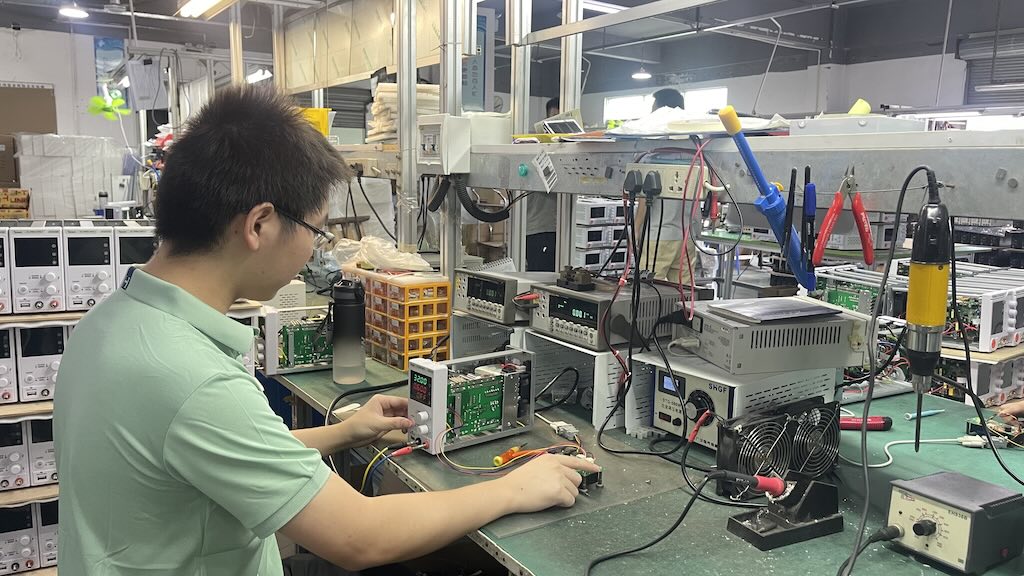
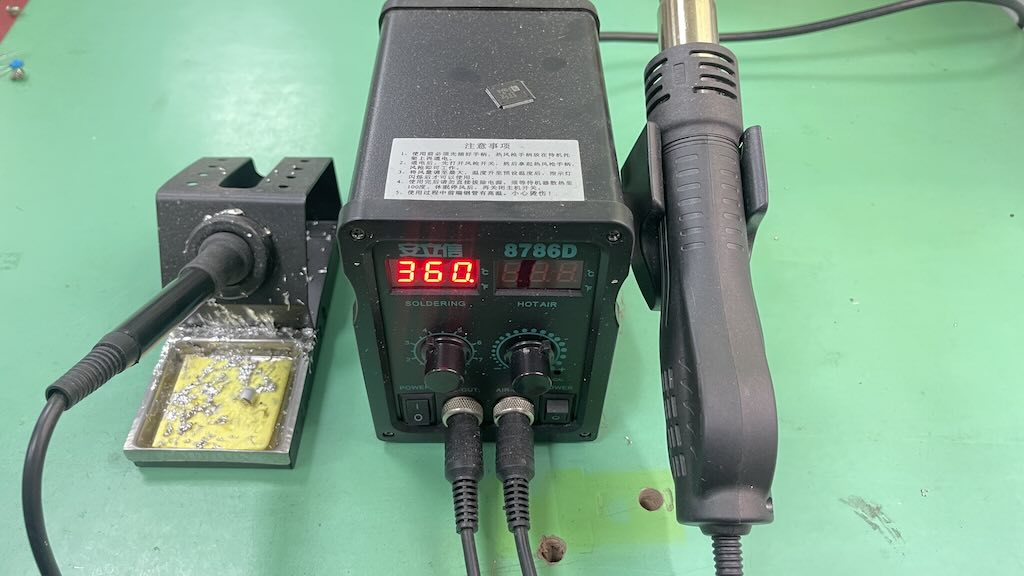
Soldering Station Stage
Soldering Station
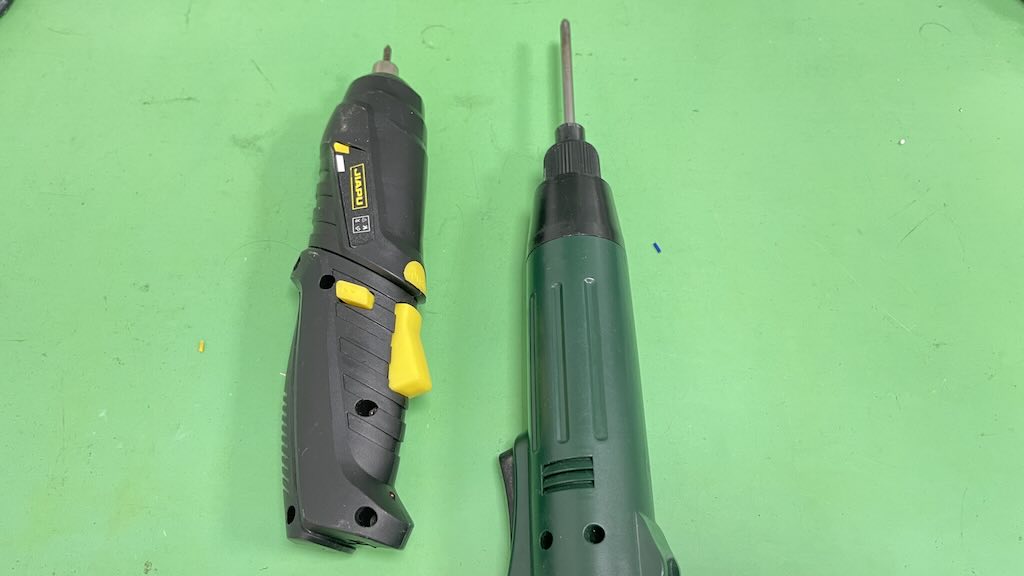
Precision Screwing
Screwdriver Tech
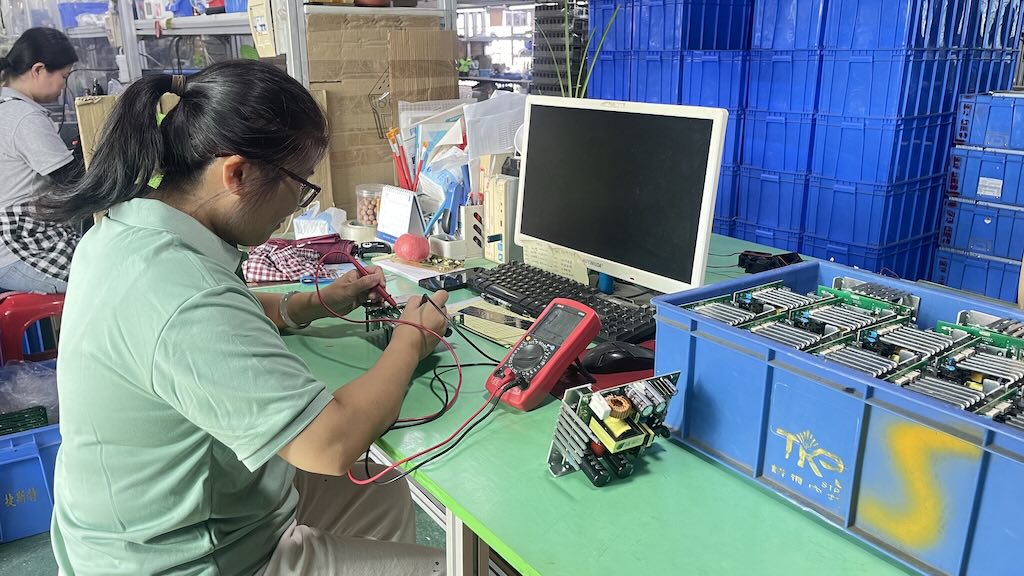
Post-assembly PCB Check
PCB Check
System Debugging 2
Debug Level 2
Final QC checking
QC Check 2
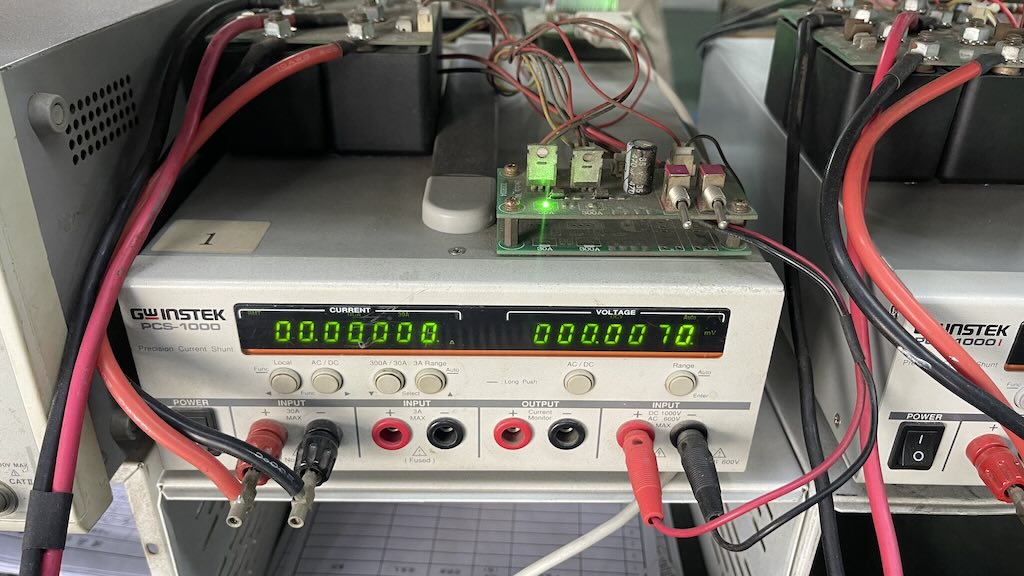
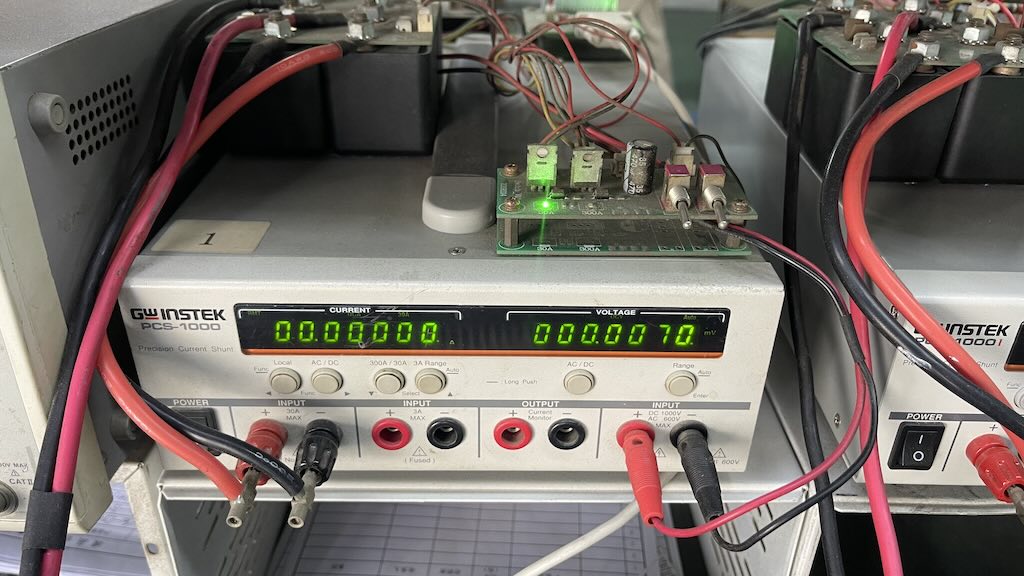
Precision Multimeter calibration
Multimeter Calibration
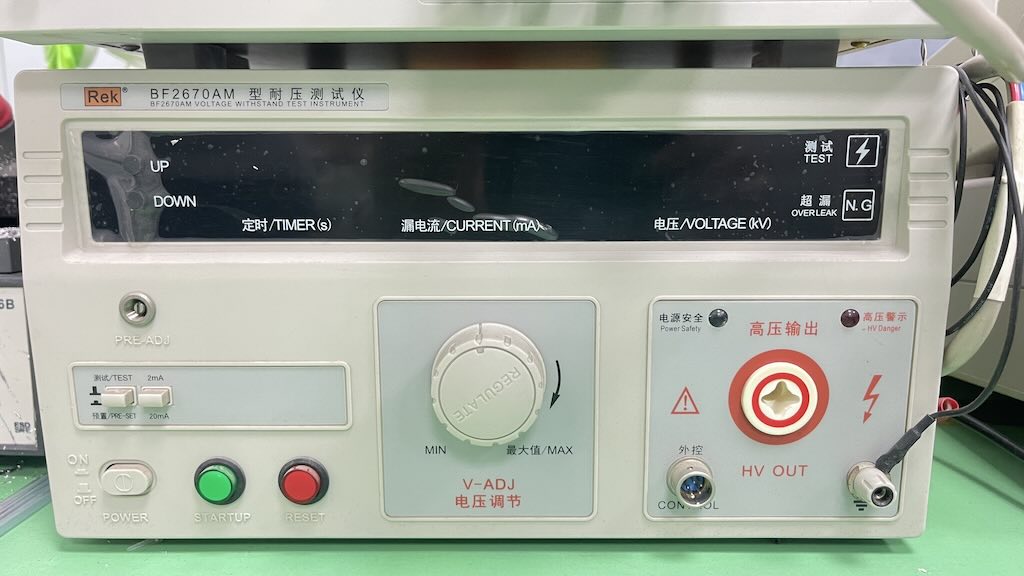
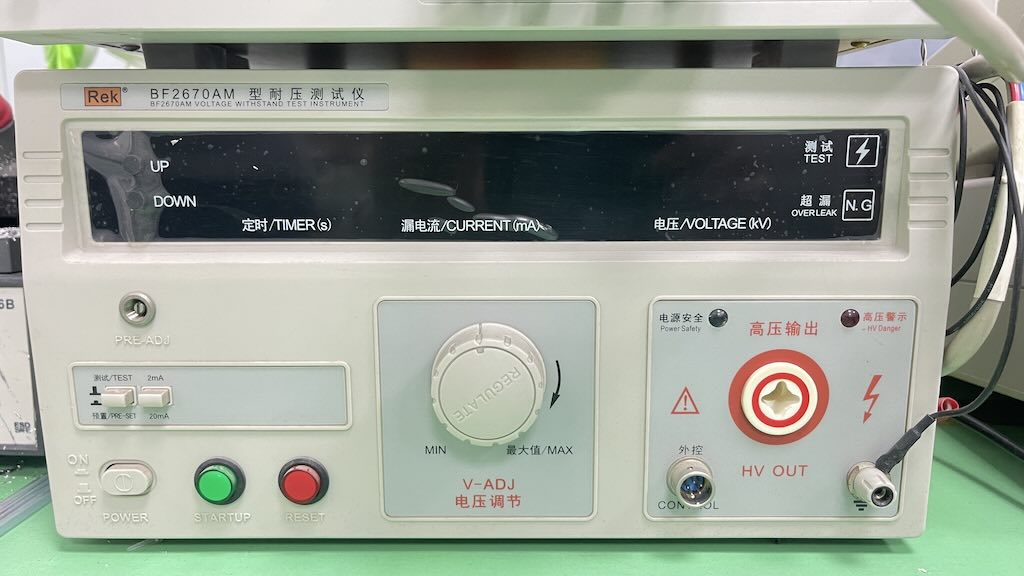
Hi-pot Insulation Testing
Hi-pot Tester
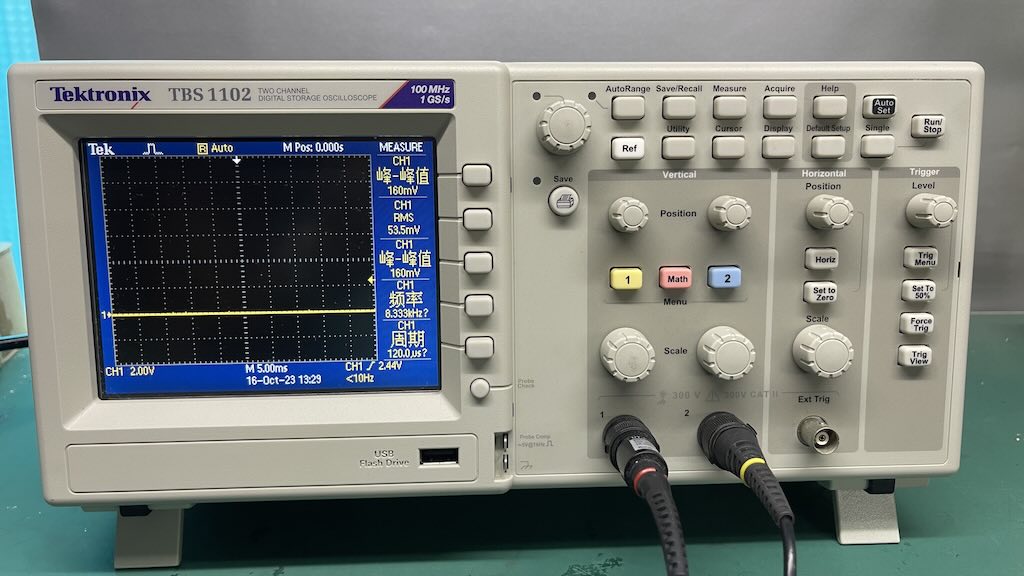
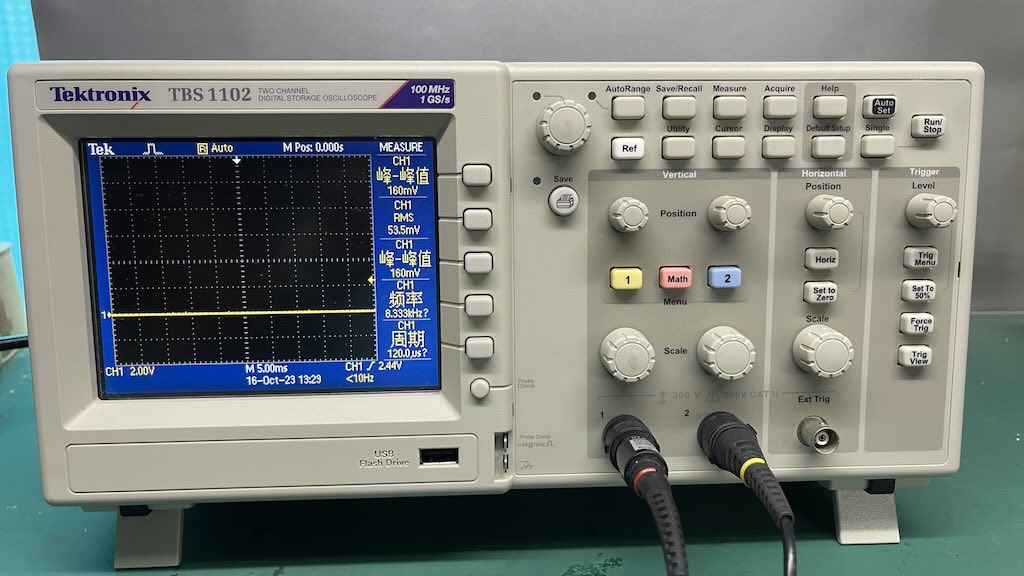
Waveform Oscilloscope Check
Oscilloscope Verification
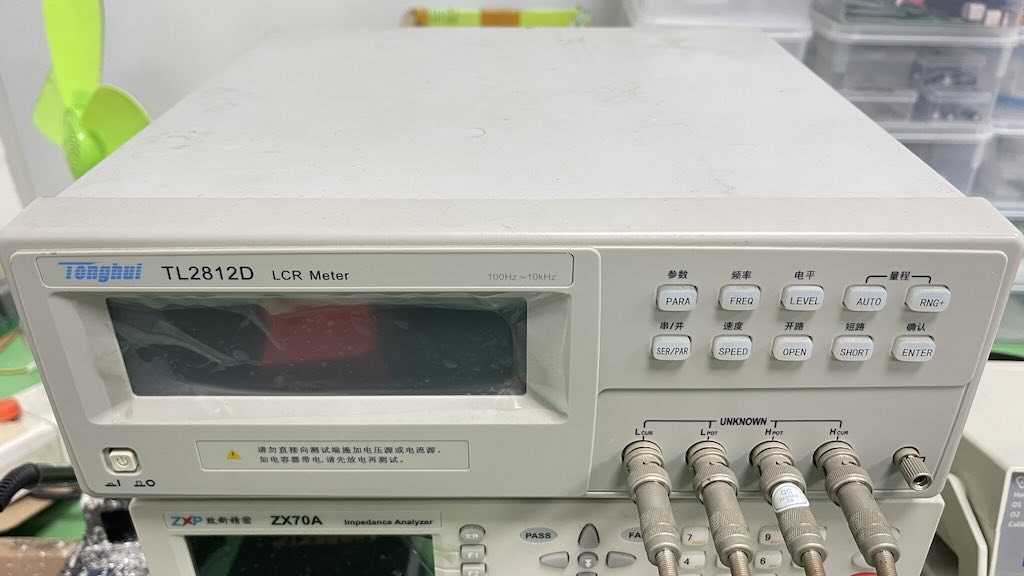
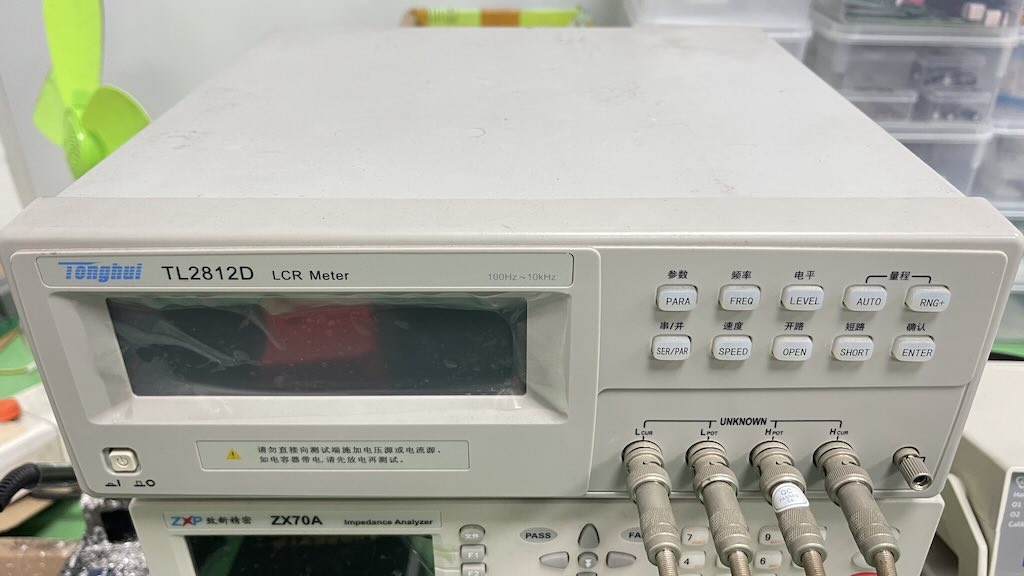
LCR Meter Impedance Verification
LCR Meter
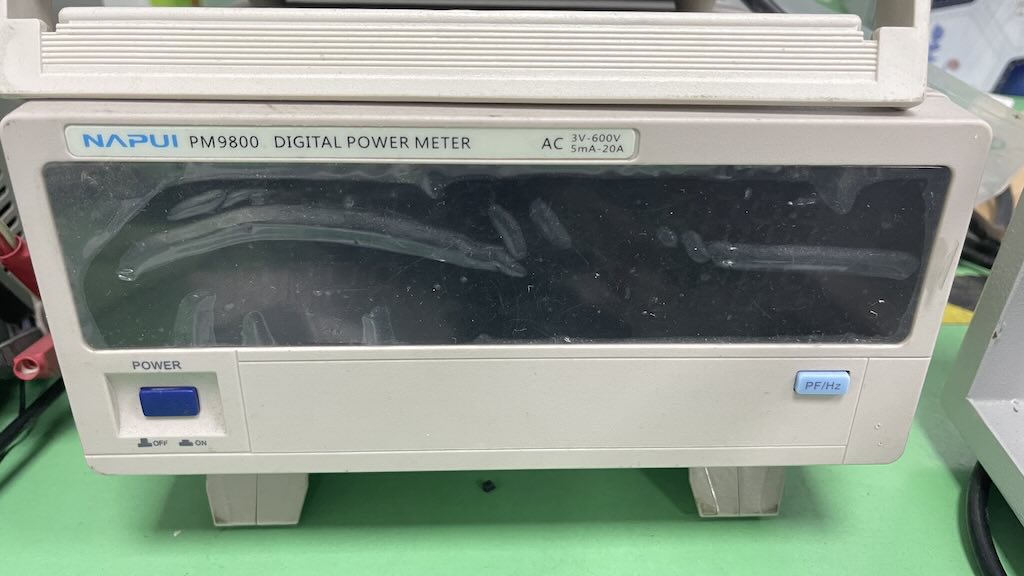
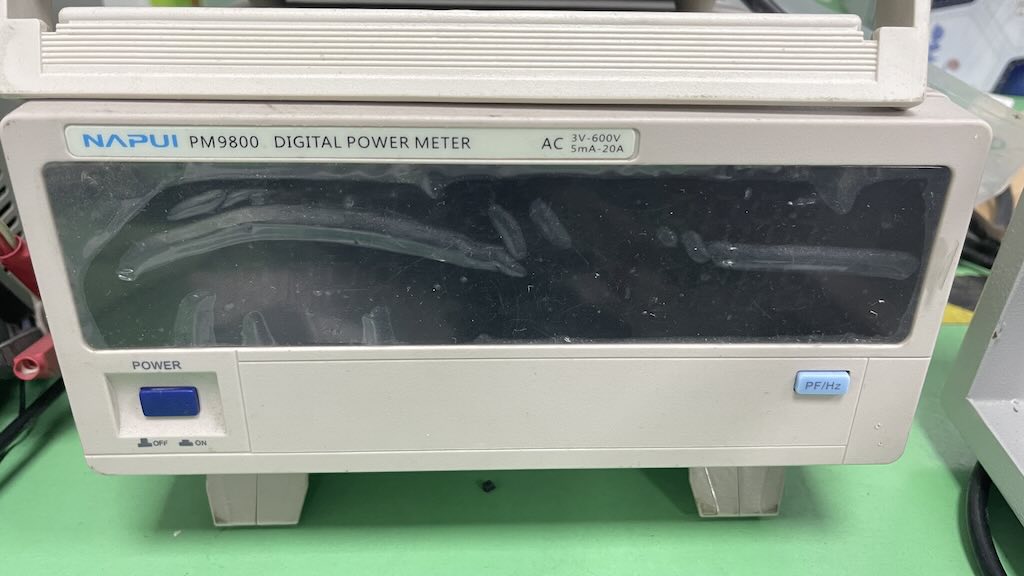
Digital Power Meter Measurement
Digital Power Meter
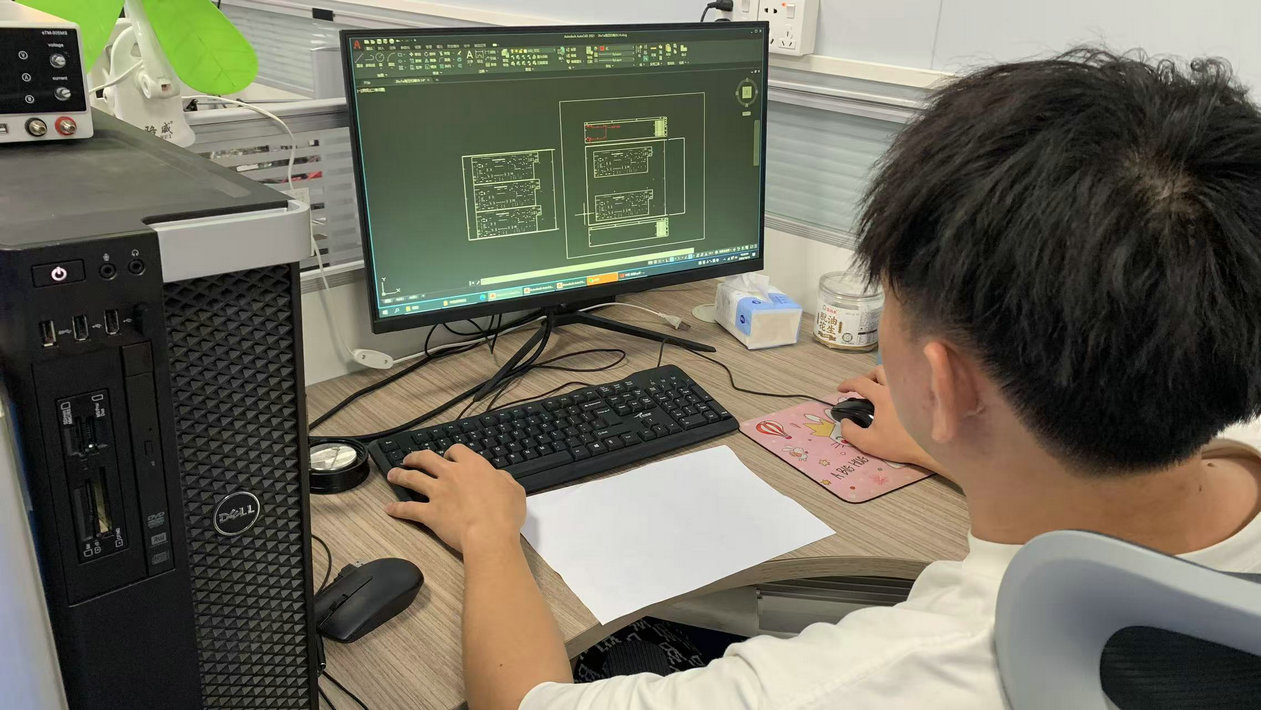
R&D Schematic Design
Engineering Design
R&D Multimeter Station
R&D Multimeter
High Voltage Hi-pot check
Safety Hi-pot
Deep Bench Oscilloscope Analysing
R&D Oscilloscope
Component LCR Parameter check
R&D LCR Meter
Digital Power Waveform Analysis
R&D Power Meter

Global Procurement Requirements for Industrial Buyers

Key checkpoints procurement managers must evaluate when selecting signal generator suppliers for large-scale operations.

1. Quality and Certification Compliance

Ensure your supplier maintains certifications like CE, RoHS, FCC, and ISO9001. Regulatory compliance ensures that the testing equipment does not introduce electromagnetic noise into the lab space and conforms to workplace safety requirements.

2. Signal Fidelity and Output Specifications

Always review technical specifications like total harmonic distortion (THD), phase noise levels, frequency accuracy, and transient recovery times. High-quality DDS synthesizers should exhibit output stability across their entire operating temperature range.

3. Communication Interfaces for Automated Environments

To future-proof your production lines, ensure that the signal source supports SCPI commands via standard interfaces (USB, GPIB, RS232, or RS485). This integration enables custom software scripts to run automated sweeps, diagnostic loops, and test patterns without human intervention.

4. OEM/ODM Customization & Technical Support

A reliable supplier doesn't just sell off-the-shelf catalog products. The ability to customize frequency limits, modify casing dimensions, integrate specific input protection modules, and offer local calibration support ensures a smooth product integration process.

Technical Questions & Detailed Answers

Practical troubleshooting and specifications advice from MYAMI’s leading instrumentation engineering department.

Q1: What is the main difference between a Function Generator and an Arbitrary Waveform Generator (AWG)?
A standard Function Generator outputs pre-defined periodic waveforms (such as sine, square, triangle, and ramp) using analog circuitry or fixed digital algorithms. An Arbitrary Waveform Generator (AWG) allows the engineer to define, program, and load custom waveforms sample-by-sample. This capability is crucial for simulating non-periodic sensor signals or complex real-world signal distortions.
Q2: How does Direct Digital Synthesis (DDS) technology improve waveform generation?
DDS technology stores waveform points in digital memory and recalls them sequentially at programmable speeds using a precise phase accumulator. This digital approach enables fast frequency switching, high frequency resolution, and stable output frequencies that are less affected by component aging and temperature drift.
Q3: Why is frequency stability and accuracy critical in high-frequency signal generators?
If a signal generator's base oscillator drifts, all test data collected from the Device Under Test (DUT) becomes inaccurate. For narrow-band communication, RF filter calibration, and timing circuits, frequency drift can lead to incorrect alignment and failed testing parameters.
Q4: What role do output impedance ratings (e.g., 50 Ohms vs. 600 Ohms) play in signal injection?
To prevent signal reflections and ensure maximum power transfer, the generator's output impedance must match the input impedance of the target system. RF systems typically standardize on 50 Ohms, while telecom and audio systems often utilize 600 Ohms. Using mismatched impedances can distort the waveform shape.
Q5: Can MYAMI Signal Generators be integrated into automated ATE test systems?
Yes. Many of our models (such as the LWG-3060 and LW-1641 series) feature USB, RS232, or RS485 communication interfaces. These ports allow integration with test automation software like LabVIEW or custom Python scripts, enabling automated sweeping and testing.
Q6: What certifications are standard across MYAMI testing equipment?
All MYAMI products comply with CE, RoHS, and ISO9001 guidelines. Our manufacturing facilities are equipped with standardized insulation testers (Hi-pot) and LCR meters to verify compliance with international electrical safety standards.
Q7: How do built-in protections like OVP and OCP protect the test instruments and the user?
Overvoltage Protection (OVP) and Overcurrent Protection (OCP) instantly disconnect the output if a short circuit or external voltage feedback is detected. This feature prevents damage to the signal generator's output stage and protects the device under test (DUT).
Q8: How often should high-frequency signal sources be calibrated?
For standard laboratory and educational environments, an annual calibration is recommended. In aerospace, automotive, or medical manufacturing plants, bi-annual or quarterly calibration is often required to comply with internal ISO audit protocols.
Q9: What is Phase Noise, and how does it affect signal analysis?
Phase noise represents short-term phase fluctuations in a signal, visible as sidebands on a spectrum analyzer. Low phase noise is crucial for modern RF applications because excessive noise can obscure weak signals in adjacent frequency bands.
Q10: What customization options are available for industrial OEM buyers?
We offer custom chassis designs, localized panel layouts, modifications to voltage and frequency ranges, and custom firmwares to support specific remote communication protocols. Contact our sales department to discuss your custom project requirements.
All Signal Generator Products