In the evolving landscape of renewable energy, the Hybrid Inverter has emerged as a vital component. This innovative technology combines the functions of both a solar inverter and a battery inverter. It allows users to harness solar energy while storing excess power for later use. As demand for sustainable energy solutions grows, understanding the Hybrid Inverter becomes crucial.
A Hybrid Inverter not only enhances energy efficiency, but it also provides backup power during outages. This versatility appeals to homeowners and businesses alike. However, many may not realize its full potential. There can be limitations in installation and compatibility with existing systems. It’s important to assess your energy needs carefully.
Educating yourself about the Hybrid Inverter can lead to more informed decisions. Accurate information ensures you choose the right system for your situation. Thus, recognizing both its advantages and challenges is essential. Investing time in understanding this technology can pay off in the long run, ultimately contributing to a more sustainable future.
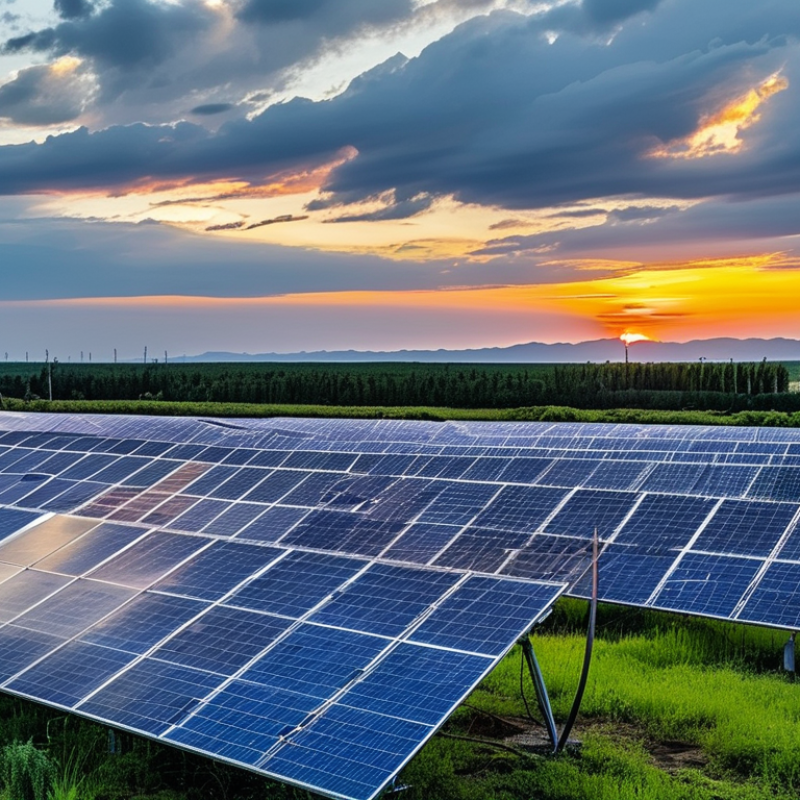
Hybrid inverters are versatile devices that combine the functions of a traditional inverter and a battery inverter. They manage energy from solar panels and stored battery power. This integration allows homeowners to use renewable energy more efficiently. Hybrid inverters can draw power from multiple sources. They can switch between the grid, solar, and battery based on demand.
Key features of hybrid inverters include their ability to store excess energy. They charge batteries when solar output is high and discharge them during peak demand. This results in energy independence. Many users appreciate the grid support feature. It helps maintain a stable power supply during outages. However, this technology can be complex. Users must understand operating modes and settings.
Installation has its challenges, too. Proper configuration is essential for optimal performance. Some individuals may find it overwhelming to navigate these systems. Additionally, the upfront cost can be a barrier. However, long-term savings on energy bills may outweigh initial expenses. These factors make hybrid inverters both a practical and a thought-provoking choice for many households. Understanding their features is crucial for effective utilization.
| Feature | Description |
|---|---|
| Definition | A hybrid inverter is a device that integrates multiple energy sources, such as solar panels and battery storage systems, to optimize energy usage. |
| Power Management | Allows for efficient distribution of energy from solar panels, grid, and batteries based on demand and availability. |
| Grid Interaction | Can operate in grid-tied and off-grid modes, assisting in reducing electricity costs and providing backup power during outages. |
| Efficiency | Typically offers higher efficiency rates compared to conventional inverters by managing power flow intelligently. |
| Battery Storage | Supports integration with battery systems, enabling energy storage for use during peak demand or outages. |
| Monitoring | Usually equipped with monitoring systems to track energy production and consumption, often accessible via mobile apps. |
| Installation | Installation can be more complex than traditional inverters due to the additional components and configurations required. |
: A hybrid inverter combines traditional and battery inverter functions. It manages energy from solar panels and batteries.
They store excess energy during peak solar output and provide power during high demand. This promotes energy independence.
Yes, there are grid-tied, off-grid, and battery-based systems. Each type serves specific energy needs and goals.
Proper configuration is essential. Users may find the system complex and navigating settings can be overwhelming.
Efficiency ratings differ based on construction and conditions. Performance metrics include energy conversion, self-consumption, and battery efficiency.
Factors like temperature and component aging can impact efficiency. Extreme heat may degrade inverter performance over time.
Yes, the grid support feature maintains stable power during outages, benefiting many users who rely on consistent energy supply.
While upfront costs can be high, long-term savings on energy bills may outweigh initial expenses. It's worth evaluating.
Regular maintenance and monitoring help maintain optimal performance levels. It's essential for sustained efficiency over time.
Yes, users must understand different modes and settings for effective utilization of hybrid inverters, which can be complex.
A Hybrid Inverter is an advanced energy management device that integrates various energy sources, including solar and battery storage, to optimize power generation and consumption. These inverters come in several types: grid-tied, which connects to the utility grid; off-grid, which operates independently; and battery-based systems, which store energy for later use. The main features of Hybrid Inverters enable them to efficiently convert and manage energy from diverse sources, providing greater flexibility and reliability in energy usage.
In addition to their functionality, Hybrid Inverters are evaluated through efficiency ratings and performance metrics, highlighting their effectiveness in renewable energy systems. They are particularly beneficial for smart homes that seek to maximize energy efficiency and sustainability. By seamlessly managing electricity flow, Hybrid Inverters enhance the integration of renewable energy technologies, contributing to a greener and more resilient energy landscape.

 Myami Power