Top 10 Reasons to Choose Linear Power Supply Solutions?

Time:2026-08-06 Author:Henry
0%

In today's fast-paced technological landscape, the demand for reliable and efficient power supply solutions is crucial. Linear Power Supply systems have been gaining attention due to their proven performance characteristics. A report from the Global Power Supply Market Insights highlighted that linear power supplies maintain an impressive voltage regulation stability of around 1% compared to their switching counterparts. This quality is essential for sensitive electronic devices, ensuring optimal operation without noise interference.

Experts like Dr. Emily Carter, a leading figure in power supply technology, remarked, "Linear Power Supply designs are often the best choice for precision applications." This expert insight underscores the importance of choosing the right power supply solution. Users must weigh options carefully, considering efficiency, cost, and application requirements. While linear power supplies offer significant advantages in terms of stability and noise reduction, they also come with certain drawbacks, such as lower efficiency in high power scenarios. Assessing these factors is key to making informed decisions in power supply selection.
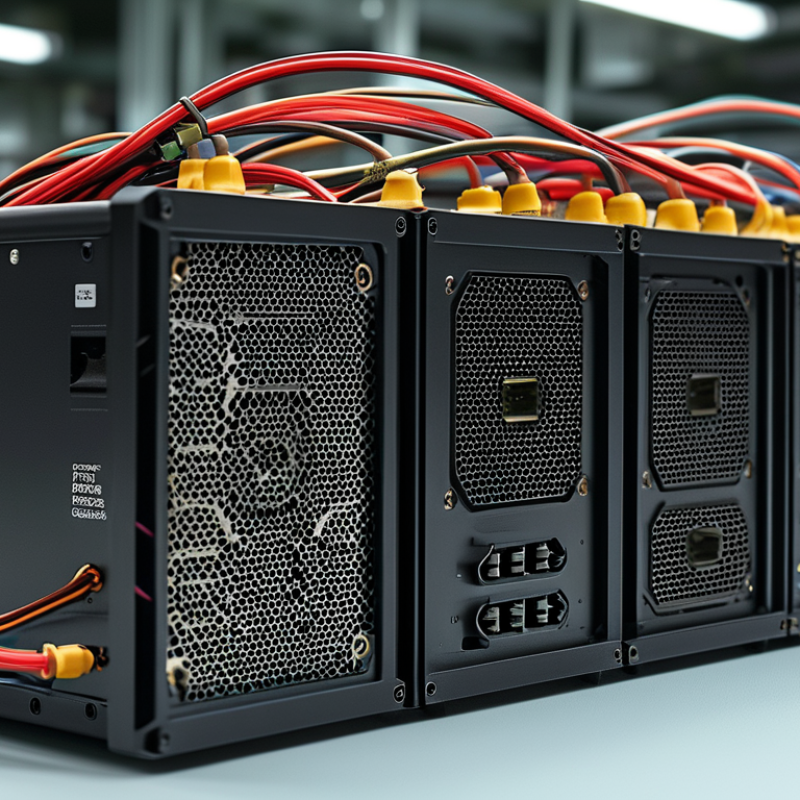
Top 10 Reasons to Choose Linear Power Supply Solutions?

Benefits of Linear Power Supplies Over Switching Solutions

Linear power supplies present several advantages over their switching counterparts. One significant benefit is their noise level. Linear supplies generate less electromagnetic interference. This feature is crucial in sensitive applications, such as communication devices or medical equipment. Users often appreciate clean power. This reliability leads to better performance and fewer issues.

Temperature regulation is another key aspect. Linear power supplies maintain a stable output even under varying loads. This stability enhances overall system longevity. The design of linear supplies allows for easier heat dissipation. This characteristic can lead to quieter operation since fans are not required as often.

Tip: When choosing a power supply, evaluate the specific needs of your application. Consider factors like needed voltage regulation and thermal management. Another consideration is the physical layout of your system. Insufficient space can make heat dissipation more challenging. Reflect on these elements to ensure optimal performance.

Top 10 Reasons to Choose Linear Power Supply Solutions

Reason Description Benefit
Low Noise Linear power supplies produce minimal electrical noise due to their simple design. Ideal for sensitive audio and RF applications.
Stable Output They provide a steady output voltage with little fluctuation. Ensures consistent performance in critical applications.
Ease of Use Simple design and easy to integrate into circuits. Reduces engineering time and cost.
Wide Input Voltage Range Can accept a broad range of input voltages. Offers versatility in various environments.
Less Heat Generation Generally, linear power supplies operate cooler than their switching counterparts. Enhances the longevity of the components.
High Reliability Their fewer components lead to higher reliability and fewer points of failure. Ensures long-lasting operation.
Thermal Performance Better thermal performance in most cases which prevents overheating. Suitable for precision devices.
Simple Power Management Power management solutions are often less complex. Simplifies system design.
Good Regulation They provide very good voltage regulation under varying load conditions. Ensures performance consistency.
Cost-Effective for Low Power Typically less expensive for low power applications. Cost saving for simpler systems.

Key Characteristics Defining Linear Power Supply Performance

Linear power supplies are essential for many applications. Their performance is influenced by a few key characteristics. One critical aspect is voltage regulation. A stable output voltage is crucial in sensitive devices. Variations can lead to equipment failure and data loss.

Another defining feature is low noise levels. Linear power supplies generate less electromagnetic interference compared to switch-mode variants. This makes them ideal for precision equipment. According to industry reports, noise levels can drop by up to 30% in linear setups. This reduced noise enhances reliability and performance in audio and medical applications.

Tips: Always consider load regulation when selecting a power supply. A supply with better load regulation maintains voltage stability under different loads. Also, evaluate thermal performance. Linear supplies often require heat sinks which can affect placement in your design. Understanding these factors helps ensure optimal operation and equipment longevity.

Applications Where Linear Power Supplies Excel

Linear power supplies are essential in various applications due to their reliability and precision. For instance, they shine in laboratory settings. Precise voltage is crucial in research work. A linear power supply provides stable and low-noise output. This feature is vital for sensitive experiments. Engineers often require consistent performance during testing phases.

In audio applications, linear power supplies excel as well. They deliver cleaner power, minimizing interference. Audiophiles benefit from clearer sound quality. The design of linear supplies helps in reducing harmonic distortion. This aspect proves advantageous for high-fidelity audio equipment. However, they can be less efficient than switch-mode power supplies. This inefficiency might raise concerns for some projects.

Medical devices serve as another significant application area. Safety and stability are non-negotiable in healthcare equipment. Linear power supplies enhance the performance of critical devices. From imaging systems to monitoring tools, consistency is paramount. Despite their limitations in size and weight, the overall benefits can outweigh these drawbacks. Users must evaluate their specific needs to make informed decisions.

Reliability and Longevity: Advantages of Linear Power Supplies

Linear power supplies are valued for their reliability and longevity. Unlike switching power supplies, they provide consistent output with minimal noise. This is particularly crucial in sensitive applications. Engineers often choose linear options for medical, audio, and scientific equipment. In these fields, precision is non-negotiable.

The construction of linear power supplies contributes to their durability. They typically use fewer components compared to other designs, reducing the risk of failure. Heat generation is lower, which lessens wear on internal parts. Over time, this translates to long-term performance. However, they can be bulkier, requiring more space. This is a trade-off to consider in certain setups.

Moreover, linear supplies have a straightforward design, which simplifies troubleshooting. Technicians can quickly identify issues, ensuring swift maintenance. While they may not be the most energy-efficient, the benefits often outweigh the drawbacks for critical applications. Ultimately, the reliability of linear power supplies continues to make them a trusted choice for many engineers.

Top 10 Reasons to Choose Linear Power Supply Solutions

Cost Considerations: Initial Investment vs. Long-term Value

When evaluating linear power supply solutions, cost considerations play a crucial role. The initial investment for linear power supplies tends to be higher than for switching supplies. According to industry reports, the upfront costs can be as much as 30% more. However, it's important to weigh these initial costs against long-term value. Linear power supplies often have a longer lifespan and require less maintenance, which can save money over time.

In terms of reliability, studies show that linear power supplies offer better voltage regulation and lower noise levels. These factors can lead to improved performance in sensitive electronic applications. The operating efficiency of linear power supplies also contributes to energy savings. For example, data from the Electric Power Research Institute indicates that they can reduce energy consumption by up to 15%, leading to lower utility costs.

While the upfront costs may deter some, businesses should consider the total cost of ownership. The reduced maintenance needs and lower failure rates of linear supplies can lead to significant savings over their operational life. Reflecting on these aspects, one might question whether the initial expense is justified in pursuit of long-term reliability and efficiency.

FAQS

: What are the main advantages of linear power supplies?

: They produce less noise and electromagnetic interference. This is important for sensitive devices.

How do linear power supplies manage temperature?

They maintain stable output under varying loads. This stability helps increase the lifespan of systems.

In what environments do linear power supplies perform best?

They excel in laboratory settings and audio applications. Precise voltage is often essential for experiments.

Why are linear power supplies favored for audio devices?

They provide cleaner power and reduce interference. This leads to clearer sound quality for users.

Are linear power supplies efficient compared to switching supplies?

They can be less efficient, which may raise concerns. However, their benefits can outweigh this for certain projects.

What should users consider when selecting a power supply?

Evaluate specific application needs, including voltage regulation and thermal management. Space availability is also important.

Conclusion

Linear Power Supplies offer several compelling advantages over switching solutions, making them an attractive choice for various applications. One of the primary benefits is their ability to deliver clean, stable power with minimal noise, which is essential for sensitive electronic equipment. Additionally, the key characteristics that define their performance, such as low ripple and excellent load regulation, further enhance their suitability in demanding environments.

Moreover, Linear Power Supplies excel in applications requiring high reliability and longevity, as they tend to have fewer components that can fail. While the initial investment may be higher compared to switching power supplies, the long-term value due to lower maintenance costs and extended lifespan often justifies the expense. This combination of efficiency, performance, and durability makes Linear Power Supplies a preferred solution for engineers and designers seeking dependable power supply systems.

Henry

Henry

Henry is a dedicated marketing professional with a profound expertise in the company's offerings. With years of experience in the industry, he possesses an impressive understanding of the market dynamics and consumer behaviors that drive success. Henry is committed to sharing his insights through......