Choosing the right Transformer can shape a project’s safety, efficiency, budget, and delivery schedule. Global sourcing makes this decision more complex. Buyers may compare voltage requirements, frequency, insulation class, cooling methods, enclosure ratings, and expected load conditions. A factory in Vietnam may offer a compact dry-type unit, while a European supplier may specialize in oil-immersed designs. Both can be suitable, but only under the right operating conditions.
This guide examines ten common transformer types used across industrial, commercial, renewable-energy, and electronic applications. It covers power transformers, distribution transformers, isolation transformers, autotransformers, toroidal transformers, dry-type transformers, oil-immersed transformers, current transformers, potential transformers, and high-frequency transformers. Each type serves a different purpose. Some prioritize low maintenance. Others support precise measurement or compact installation.
Details matter.
From practical sourcing experience, a reliable comparison should begin with verified technical drawings, test reports, material specifications, and production records. Buyers should also review supplier quality systems, sample performance, warranty terms, spare-parts support, and shipping protection. Certifications must match the destination market and the equipment’s intended use. However, paperwork alone cannot prove consistent manufacturing quality. Factory audits and independent inspections can reveal winding damage, weak terminals, poor labeling, or inadequate moisture protection.
There is no universal “best” Transformer. A low-cost quotation may hide higher installation or maintenance expenses. Even experienced buyers can overlook harmonics, ambient temperature, or future capacity growth. This article offers a practical framework, but final selection should involve qualified electrical engineers and documented project requirements. The ranking may not fit every application. That is worth remembering.
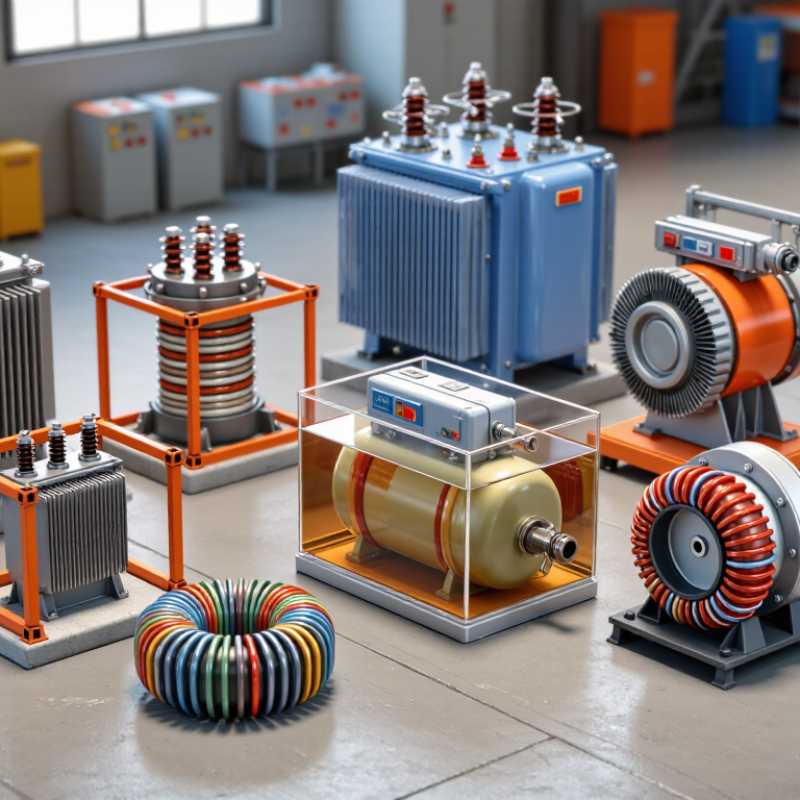
A transformer transfers electrical energy between circuits through magnetic induction. It can raise voltage, reduce voltage, or separate circuits safely. Common types include power, distribution, dry-type, oil-immersed, toroidal, autotransformer, isolation, current, potential, and traction transformers. Each design serves a different operating condition.
Start with the load. Confirm rated power, primary and secondary voltage, frequency, phase, impedance, and expected duty cycle.
Temperature rise matters in a hot warehouse or poorly ventilated room. Dry-type units suit indoor locations with strict fluid controls. Oil-immersed units often support higher capacity, but they require suitable installation planning.
Noise, dimensions, cooling method, and maintenance access deserve equal attention.
Global sourcing requires more than comparing prices. Request verified test reports, material details, production samples, and traceable quality records.
Check applicable electrical standards, import documents, local certification, and factory inspection procedures. A supplier should explain winding materials, insulation class, efficiency, and short-circuit performance clearly. Vague answers are warning signs.
My early checklists were too general. They missed spare-part availability and packaging strength.
Measure twice. Ask how the unit will survive long-distance transport, humidity, vibration, and delayed installation.
A practical evaluation should score technical fit, documentation, quality consistency, delivery reliability, communication, and total ownership cost. The cheapest quotation may become expensive after rework, testing, or site modifications.
Confirm rated power, primary and secondary voltage, frequency, phase, impedance, and duty cycle. Check temperature rise, cooling method, dimensions, noise, and maintenance access. A factory drawing may reveal hidden mismatches.
Dry-type units suit indoor rooms with strict fluid controls, such as hospitals and workshops. They use air or solid insulation instead of liquid dielectric. Cast-resin designs often handle dust and moisture better, but they may be larger and louder.
An autotransformer uses one continuous winding with shared sections. It can save copper, space, and energy when voltages are closely matched. It does not provide galvanic isolation. That limitation matters.
Compare technical fit, test evidence, delivery reliability, documentation, and total ownership cost. Review losses at 25%, 50%, and 100% load. The lowest price may hide weaker accessories or higher operating losses.
Request verified routine-test reports, material details, production samples, and traceable quality records. Useful tests include winding resistance, voltage-ratio verification, insulation resistance, and applied-voltage testing. Paperwork is not proof. Consider an independent inspection.
Confirm fluid type, moisture limits, breakdown voltage, oil-level monitoring, and maintenance requirements. Inspect tanks, radiators, bushings, conservators, and pressure-relief devices. Also check sealed-tank construction and expected oxidation control.
Confirm shipping weight, lifting points, package strength, dimensions, and spare-part availability. Long transport exposes equipment to humidity, vibration, coastal corrosion, and delayed installation. Small omissions hurt.
Hot rooms and poor ventilation can increase temperature rise and shorten equipment life. Cold regions may require suitable fluid viscosity and starting provisions. Also review harmonics, seismic conditions, short-circuit levels, and local certification needs.
An engineer can challenge unrealistic assumptions about load patterns, heating, impedance, and insulation. Nonlinear loads may create harmonic currents and extra heating. My earlier checklists were too general. A second review can catch expensive mistakes.
This guide explains the fundamentals of Transformer technology and the key criteria for global sourcing, including voltage requirements, power ratings, efficiency, insulation, cooling methods, safety standards, and environmental conditions. It introduces the main categories used in electrical systems, such as power transformers, distribution transformers, oil-immersed transformers, dry-type transformers, and autotransformers. Each design is considered according to its operating environment, maintenance needs, installation space, energy performance, and total ownership cost.
The guide also reviews specialized solutions, including isolation transformers for electrical separation, instrument transformers for measurement and protection, control transformers for reliable low-voltage circuits, welding transformers for demanding industrial applications, and grounding transformers for system stability and fault management. For international procurement, buyers should evaluate technical documentation, testing procedures, quality consistency, certifications, delivery capability, warranty terms, after-sales support, and compatibility with local grid requirements. A structured comparison of these factors can help organizations select safe, efficient, and cost-effective transformers for diverse global projects.

 Myami Power