E-E-A-T Certified OEM/ODM Supplier

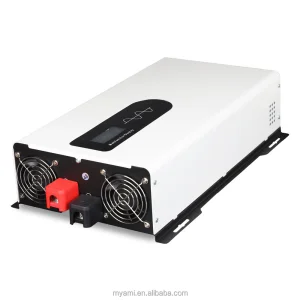
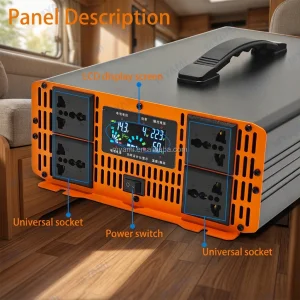
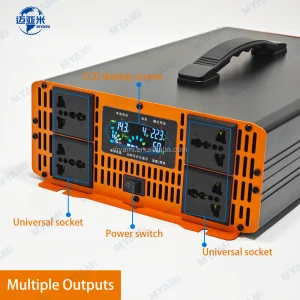
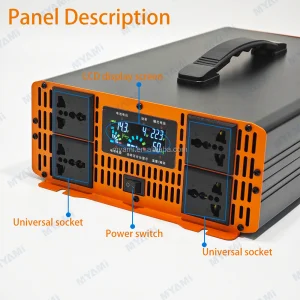
Pure Sine Wave Inverter Factories & Suppliers serving Japan

High-Precision Industrial Grade Power Electronics Configured for 50Hz/60Hz Grid Systems and JIS Standards

Send Inquiry Now

The Japanese Grid Paradigm & Inverter Requirements

Navigating the complex landscape of Japan's split-frequency grid, strict JET/METI guidelines, and high-reliability industrial applications.

Understanding Japan's Dual-Frequency Grid Paradox

Unlike most unified national power infrastructures, Japan is split into two distinct frequency regions: 50 Hz in Eastern Japan (served by TEPCO and other regional utilities, utilizing Tokyo area transmission lines) and 60 Hz in Western Japan (served by KEPCO and others). For foreign procurers and domestic system integrators, utilizing a pure sine wave inverter that lacks a robust, crystal-controlled frequency switch is a recipe for system instability or catastrophic load failure.

Furthermore, standard domestic voltage is 100V AC, and commercial split-phase distribution supplies 100V/200V. Standard global 110V/220V inverters may operate outside the tolerance thresholds of highly sensitive Japanese semiconductor assembly machinery, medical hardware, and commercial telecommunication hubs. MYAMI’s dedicated Japanese-spec pure sine wave inverters are precision-tuned to provide clean, stable 100V AC power with harmonic distortion (THD) below 2.5%, ensuring compliance and maximum longevity for high-precision components.

< 2.5%

Total Harmonic Distortion (THD)

50/60 Hz

Smart Switchable Output

100V/200V

Native Japanese Voltage

94.2%

Peak Conversion Efficiency

Industrial & Commercial Landscape in Japan

Japan is currently in the midst of a massive transition toward renewable decentralization and strict Business Continuity Planning (BCP) directives mandated by the government for critical facilities. Industrial sites, chemical processing centers, and telecommunications towers throughout Tokyo, Osaka, and Nagoya are legally required to integrate robust localized backup systems. Pure sine wave inverters act as the foundational gateway between DC-battery backup banks (or commercial PV systems) and critical AC infrastructure.

In the industrial manufacturing sector, the rise of factory automation (FA) utilizes servo motors, PLC arrays, and complex robotic arms. Modified sine wave inverters, characterized by high-frequency square wave steps, generate excessive high-frequency noise and thermal stress. This ruins sensitive inductive loads, triggering expensive downtime. Hence, sourcing high-efficiency, industrial-grade pure sine wave inverters is not a luxury, but a necessity for Japanese OEMs.
Engineering Rigor

About Shenzhen MYAMI Power Technology Co., Ltd.

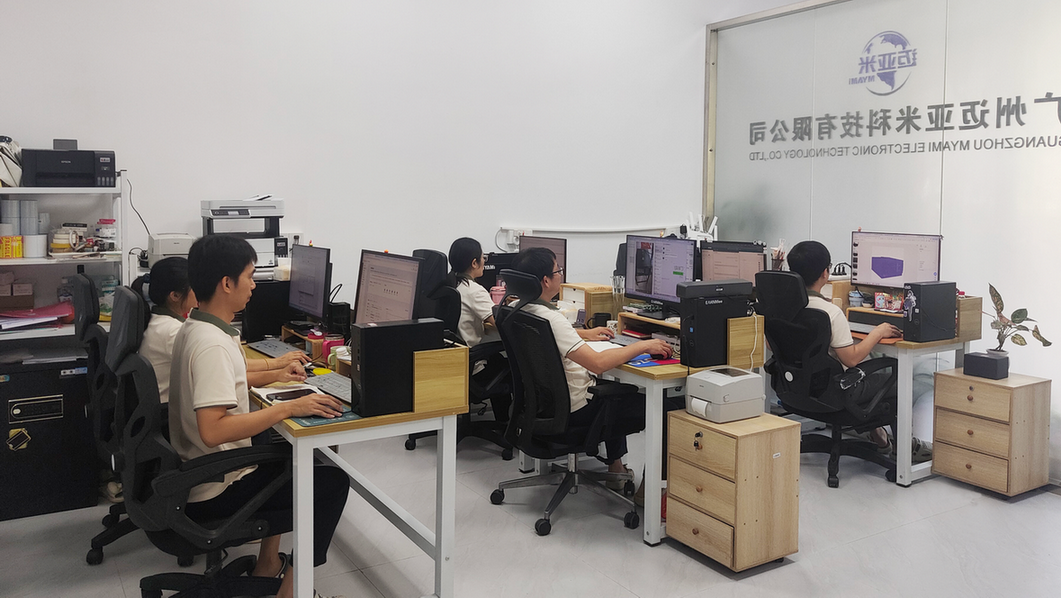
Headquartered in Shenzhen, China, Shenzhen Myami Power Technology Co., Ltd. (MYAMI) is a technology-driven manufacturer and solution provider specializing in high-precision, industrial-grade power supplies and electrical test equipment. Designed for engineering rigor, MYAMI bridges the gap between complex electronic research, high-voltage component testing, and scalable industrial automation.

Our systems incorporate multi-layer protection protocols (OVP, OCP, OTP, and short-circuit safeguards) complying with international safety standards including CE, RoHS, and ISO9001. Integrated standard industrial protocols like RS485, RS232, and CAN communication allow seamless telemetry integration with automation control rooms and microgrid systems across Japan.

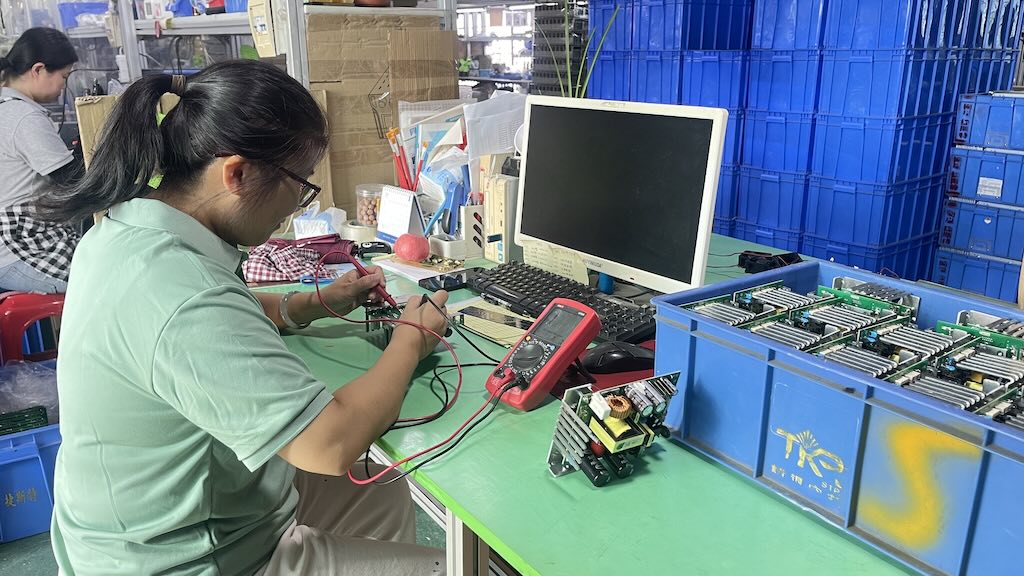
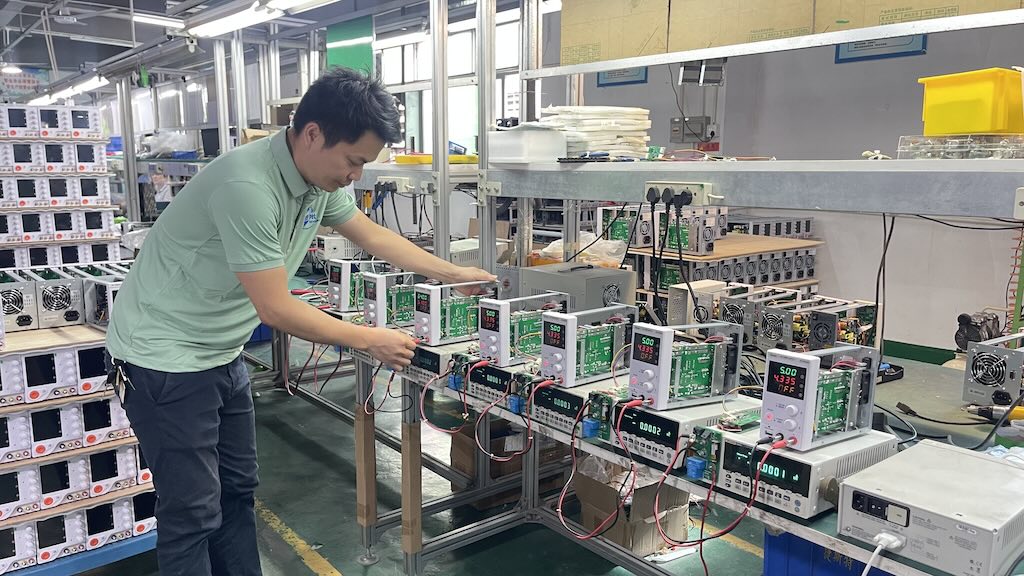
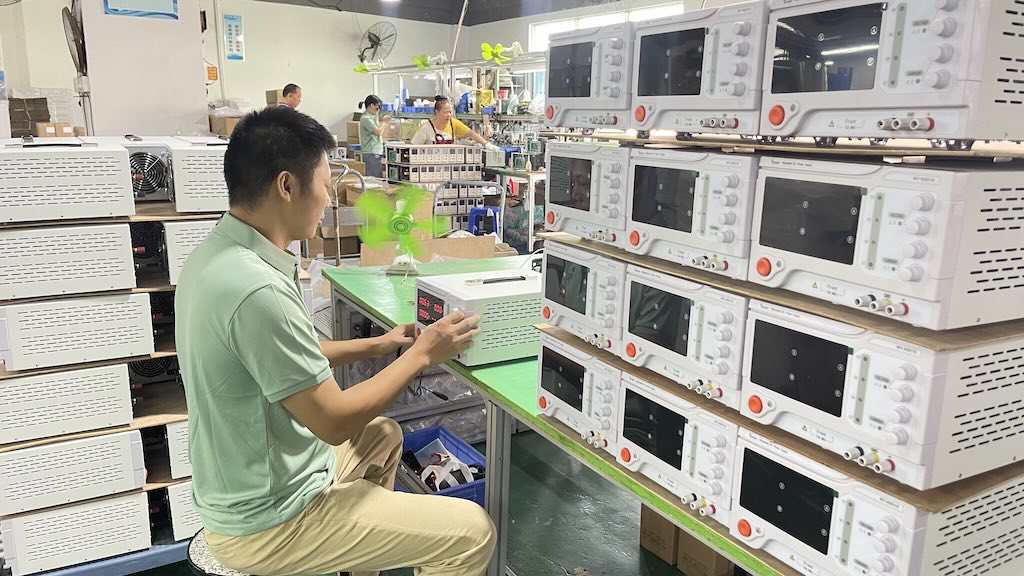
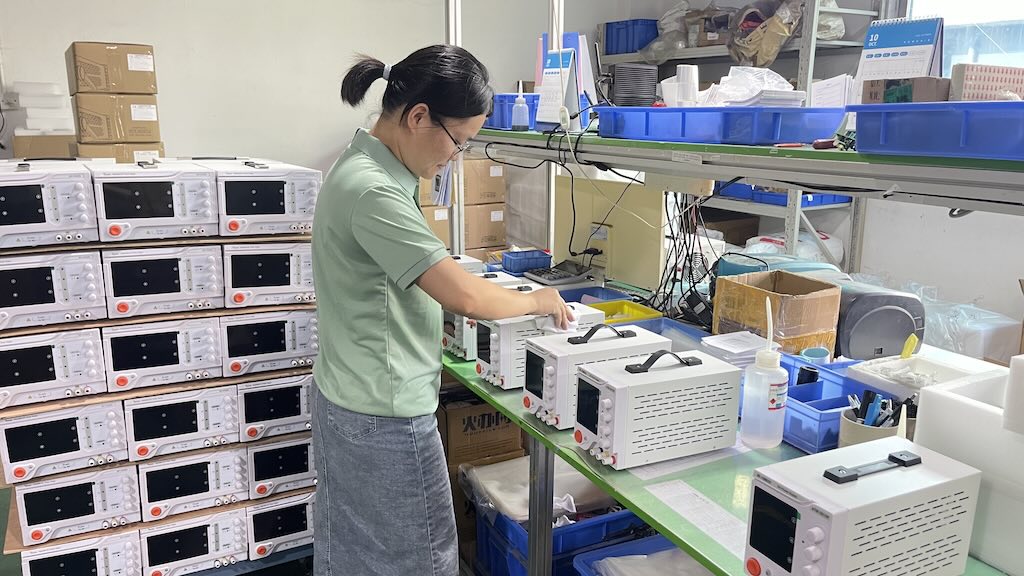
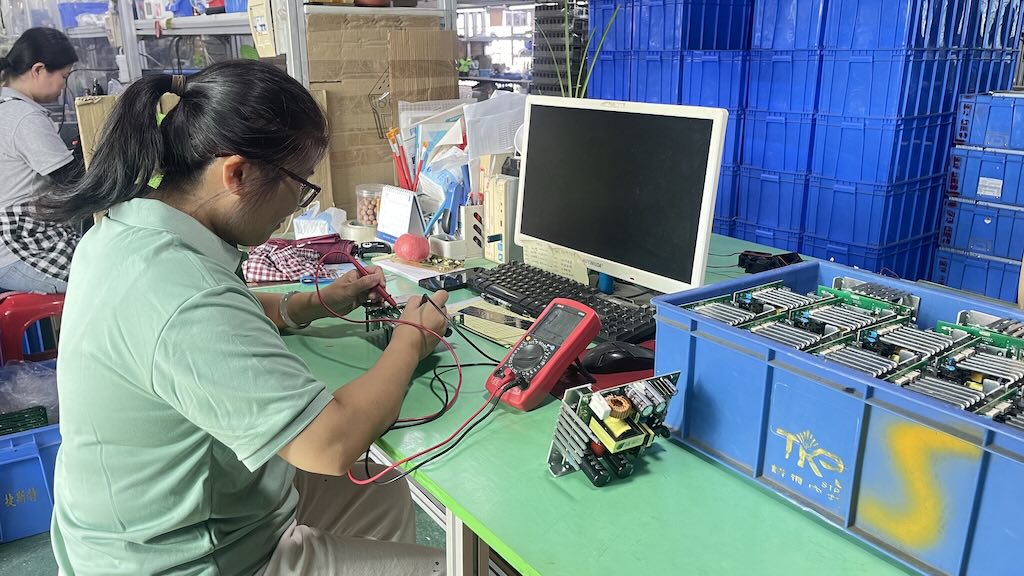
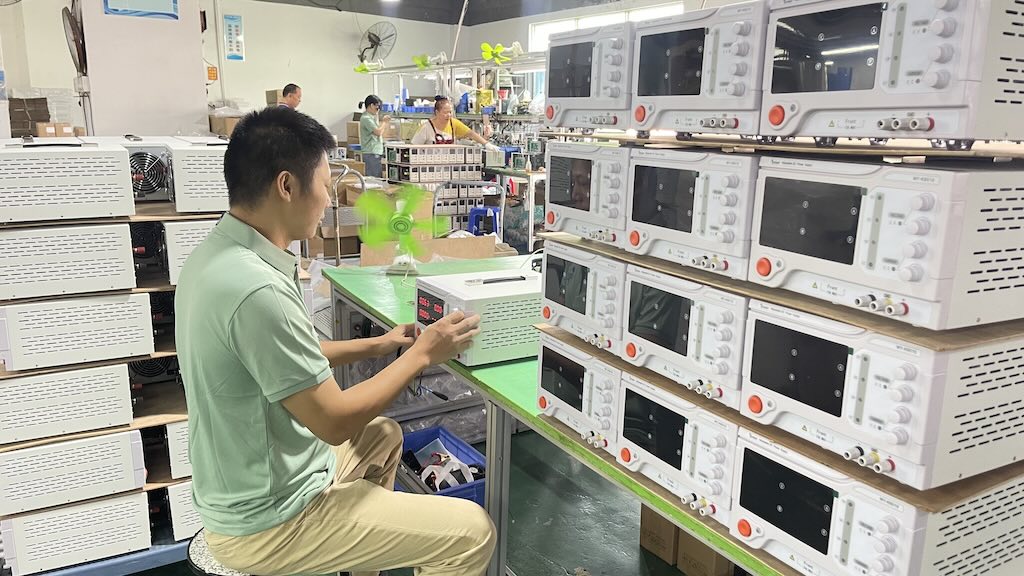
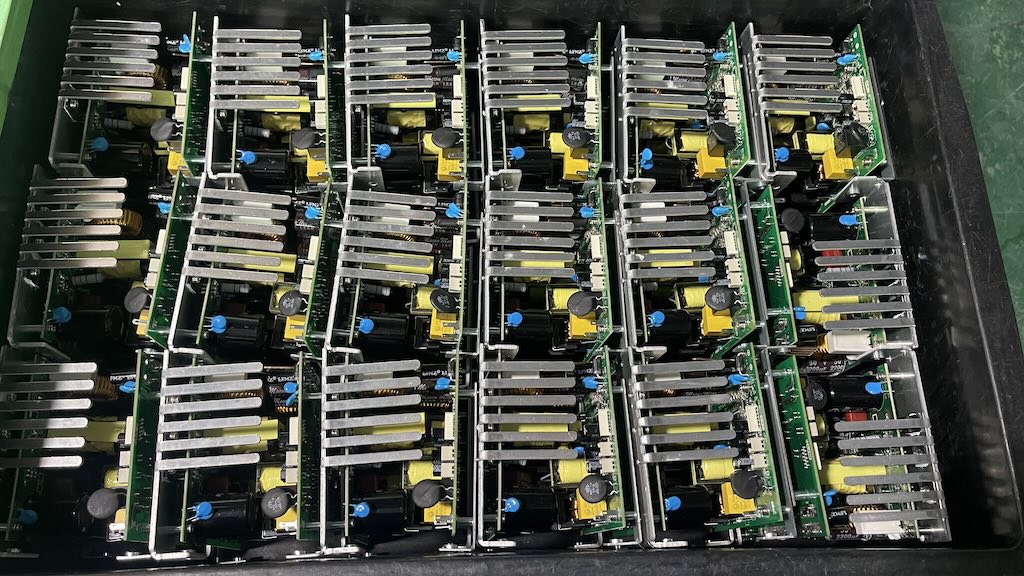
MYAMI Power Factory Production Line

Quality Control & Testing Methodology

Each unit undergoes strict Japanese industrial standard verification before dispatch. Every phase of production is fully documented and traceable.

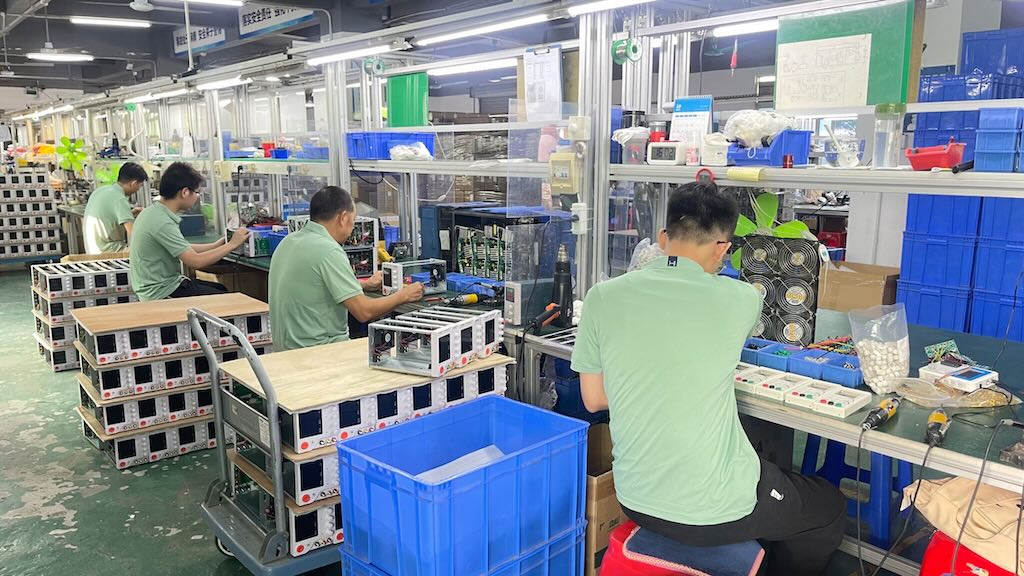
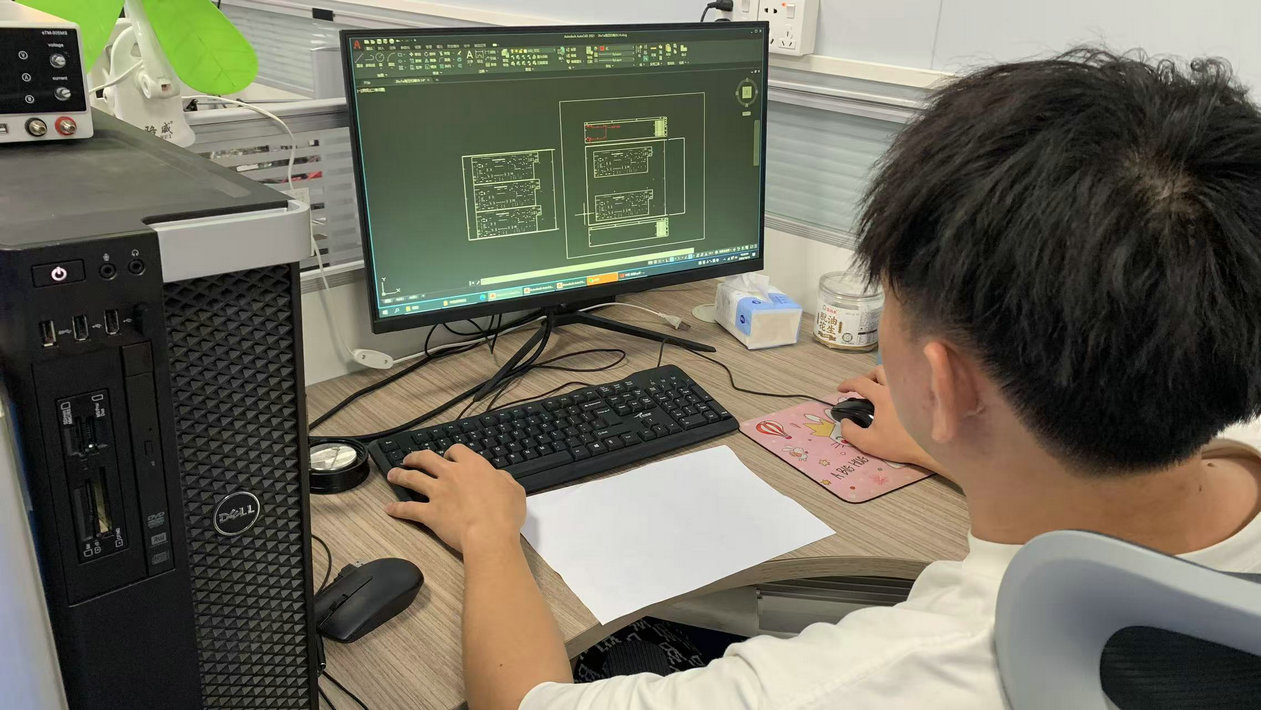
Manufacturing Workflow

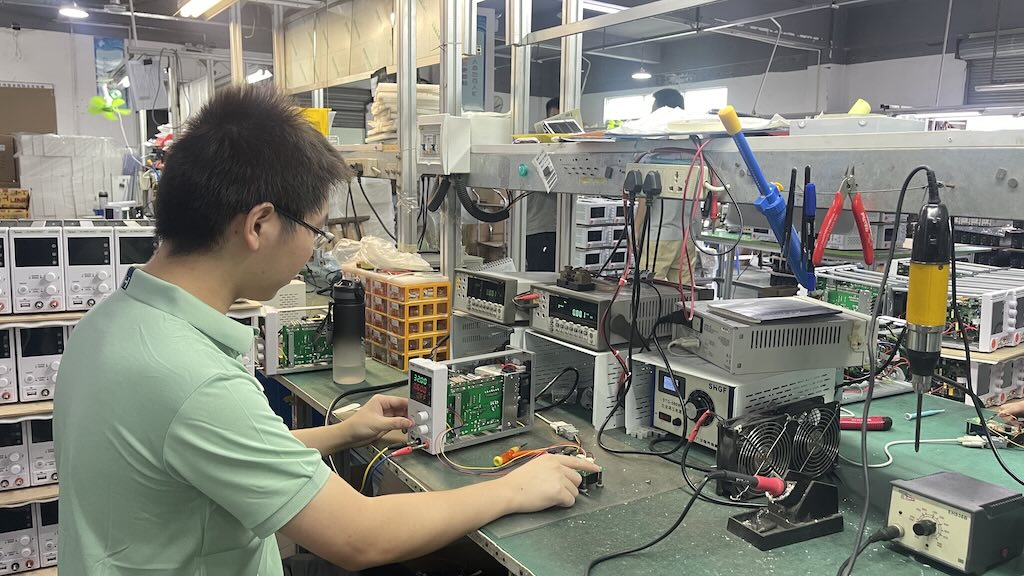
MYAMI Factory Production Line Floor

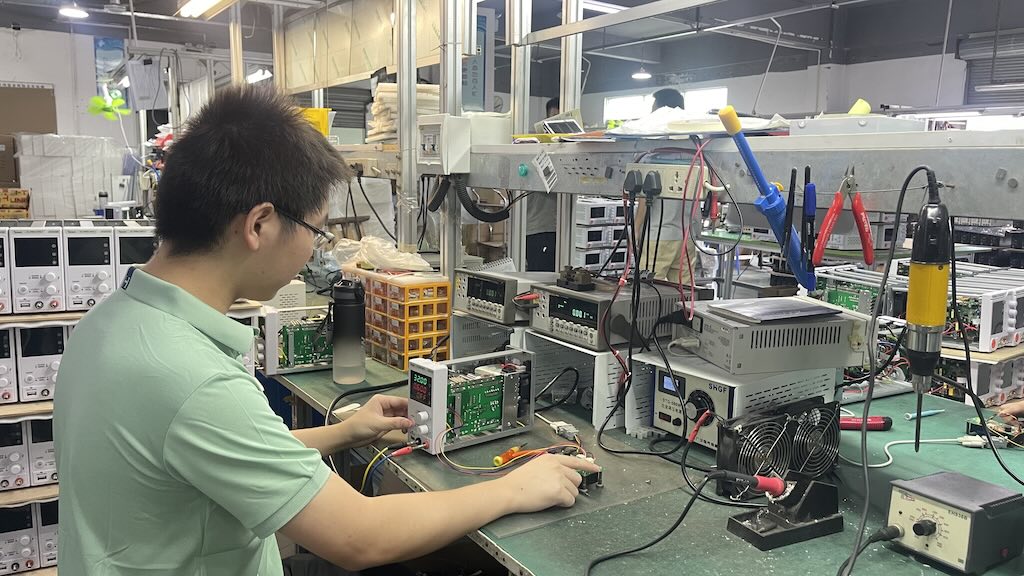
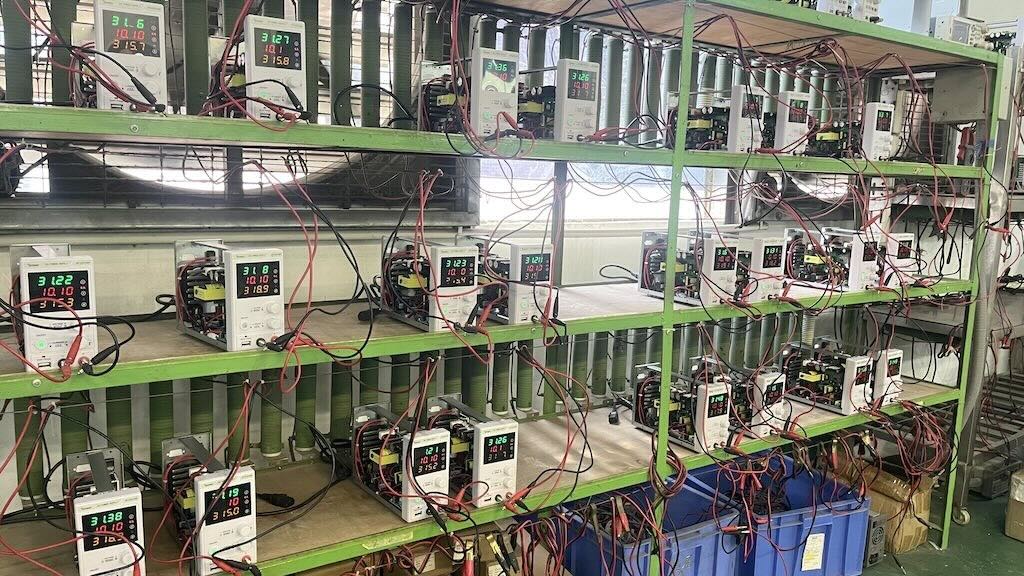
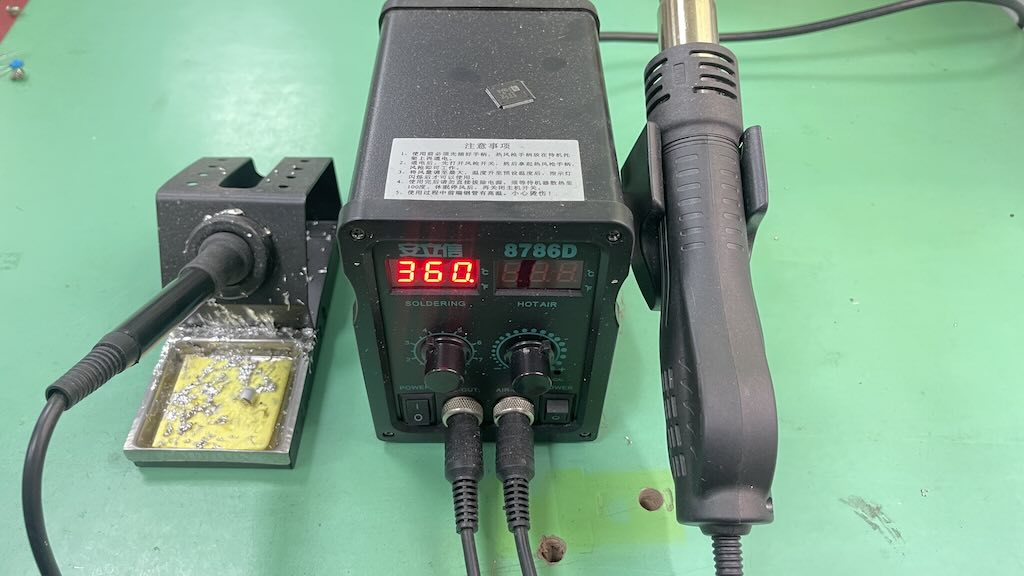
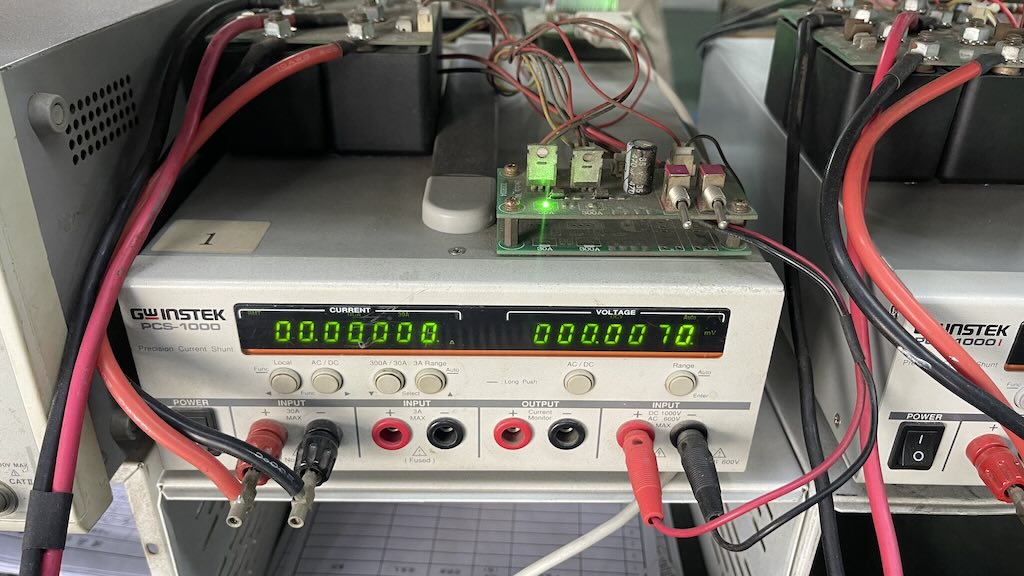
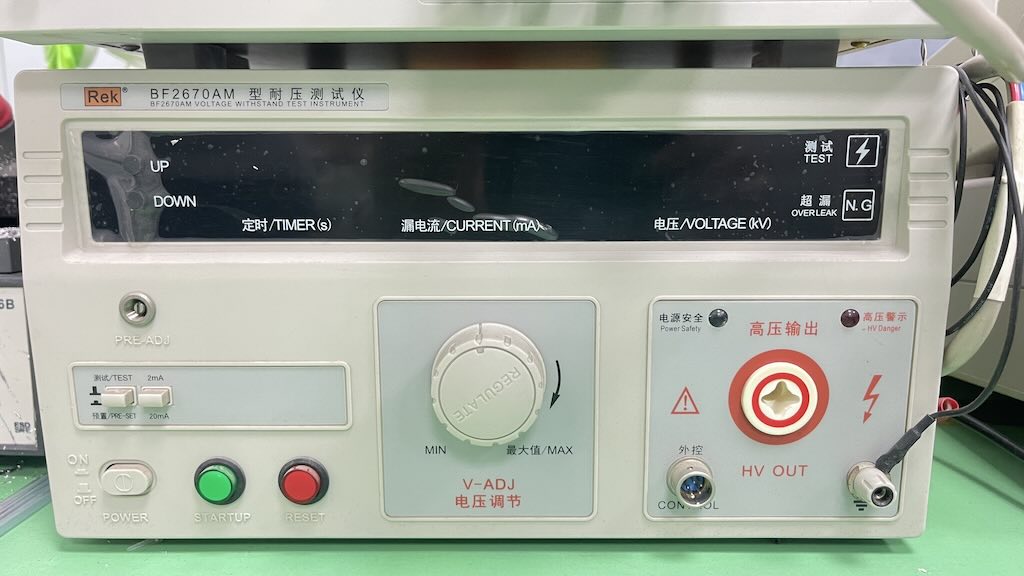
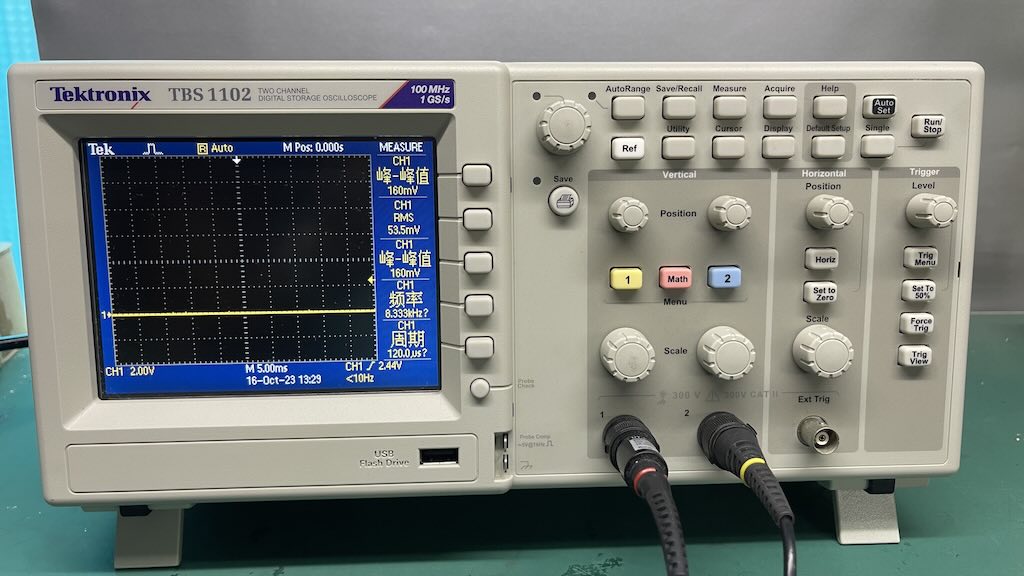
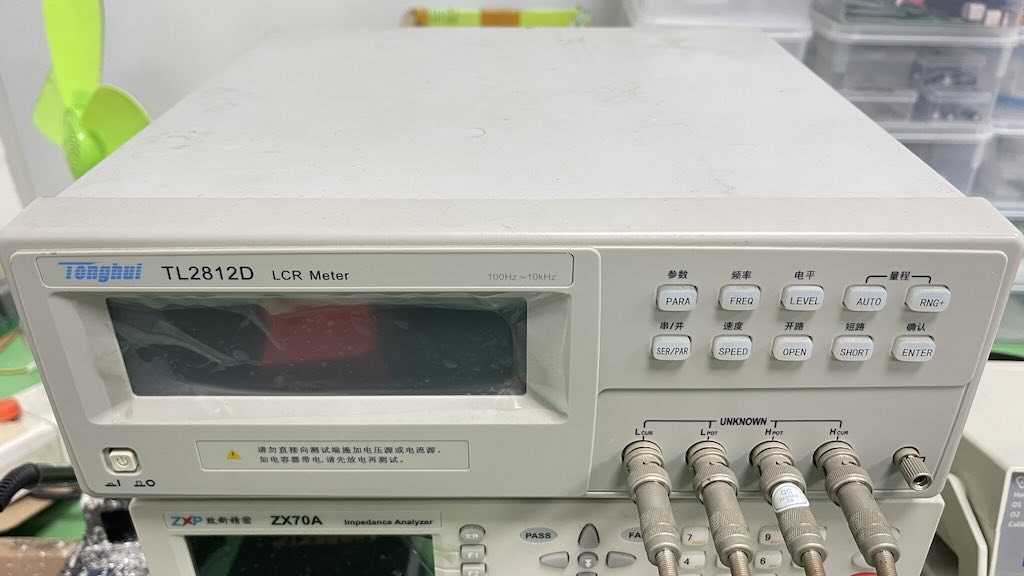
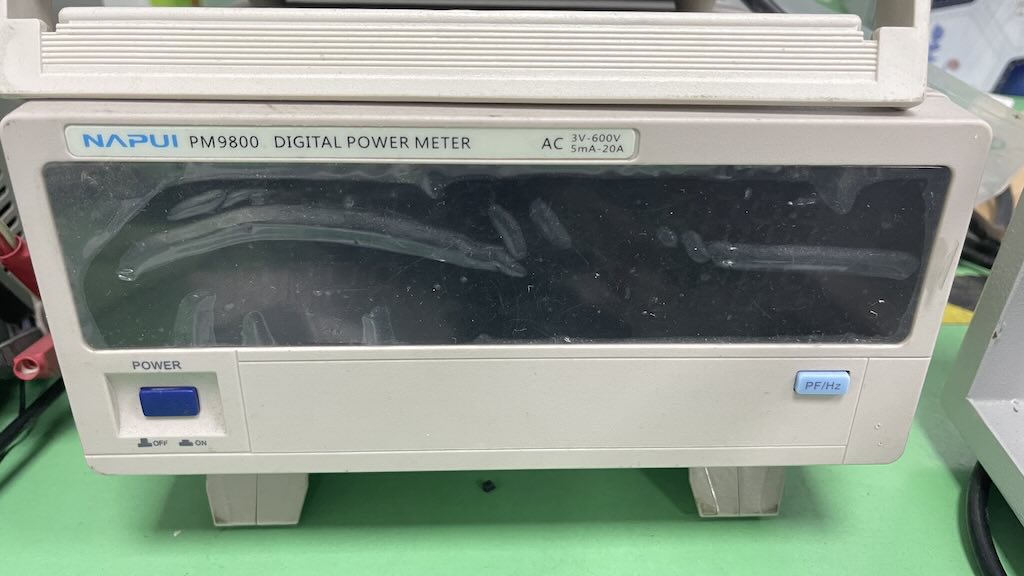
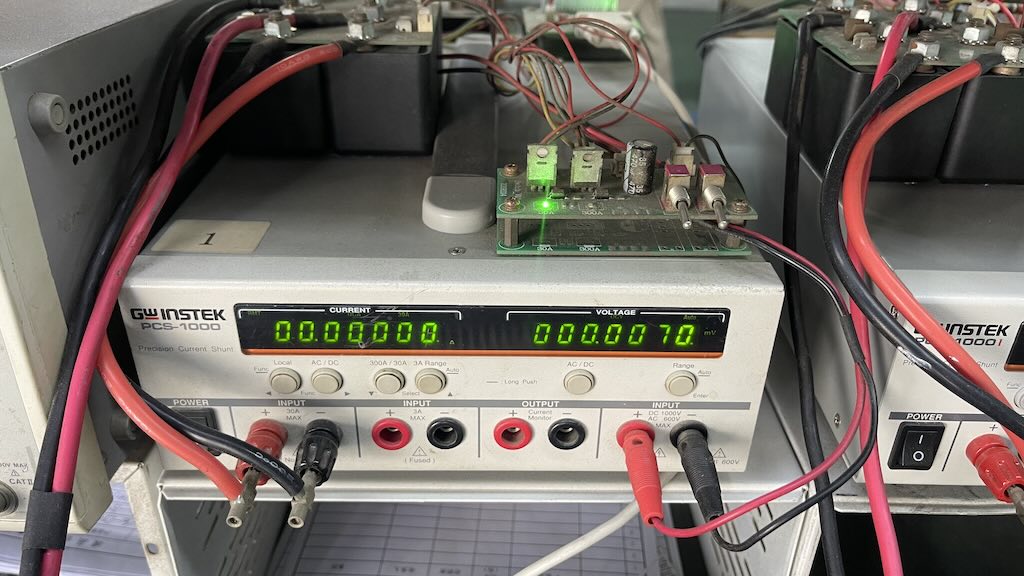
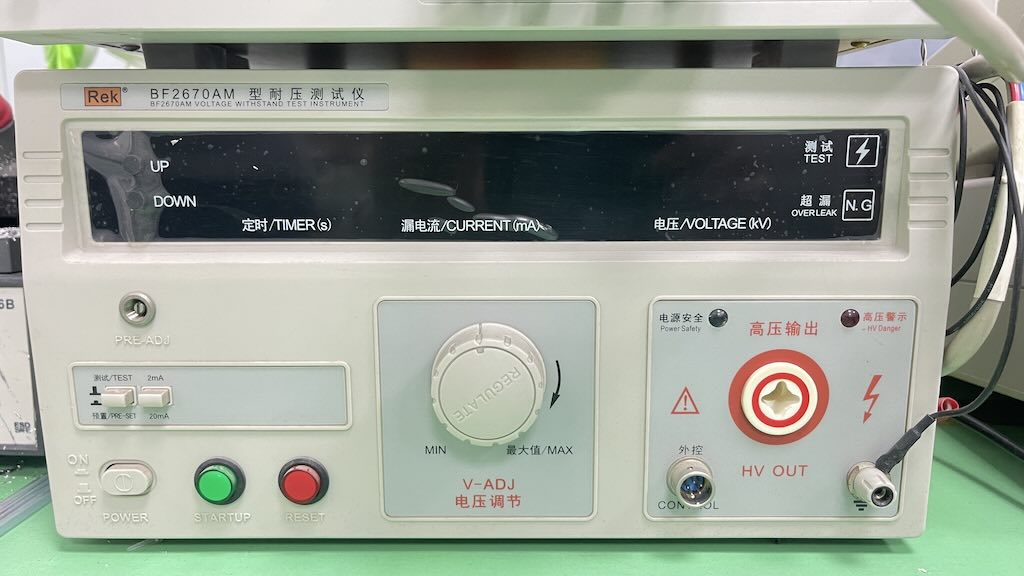
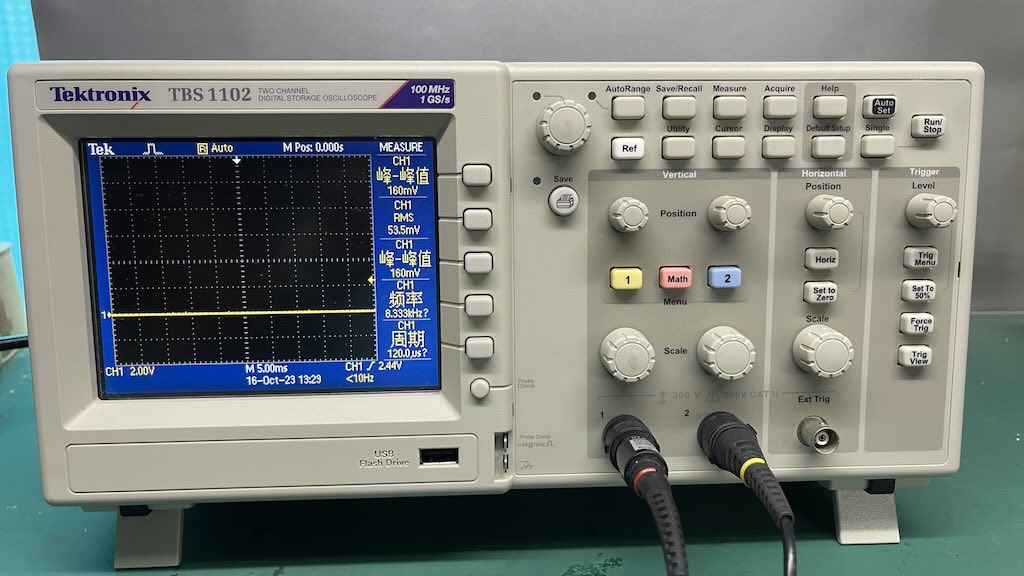
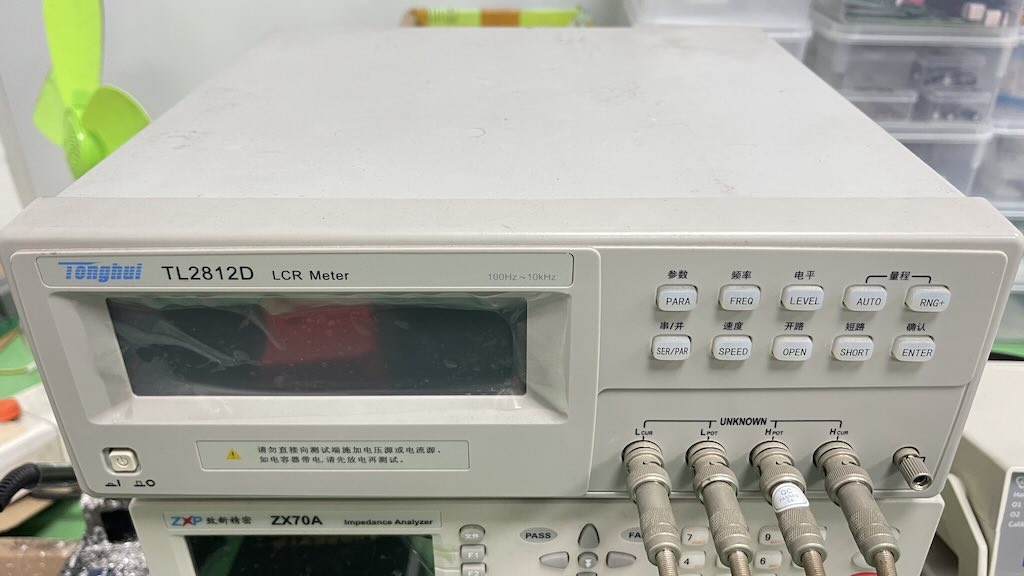
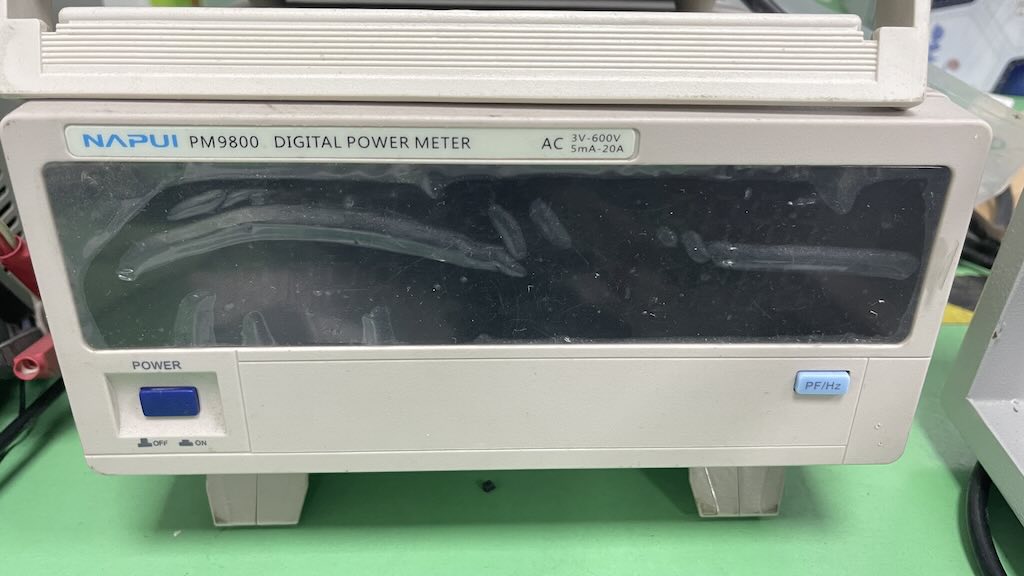
Testing & Measurement Assets

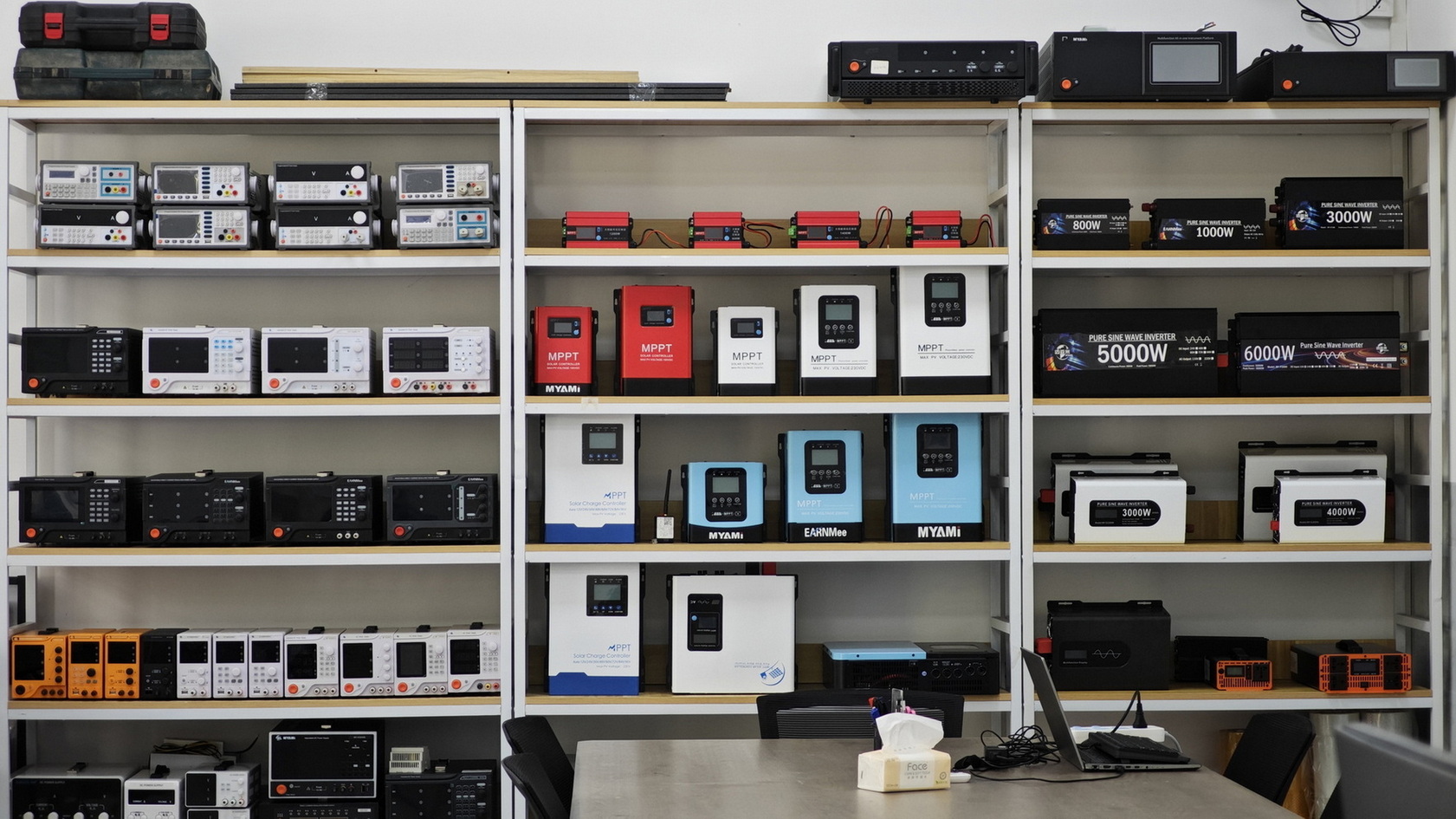
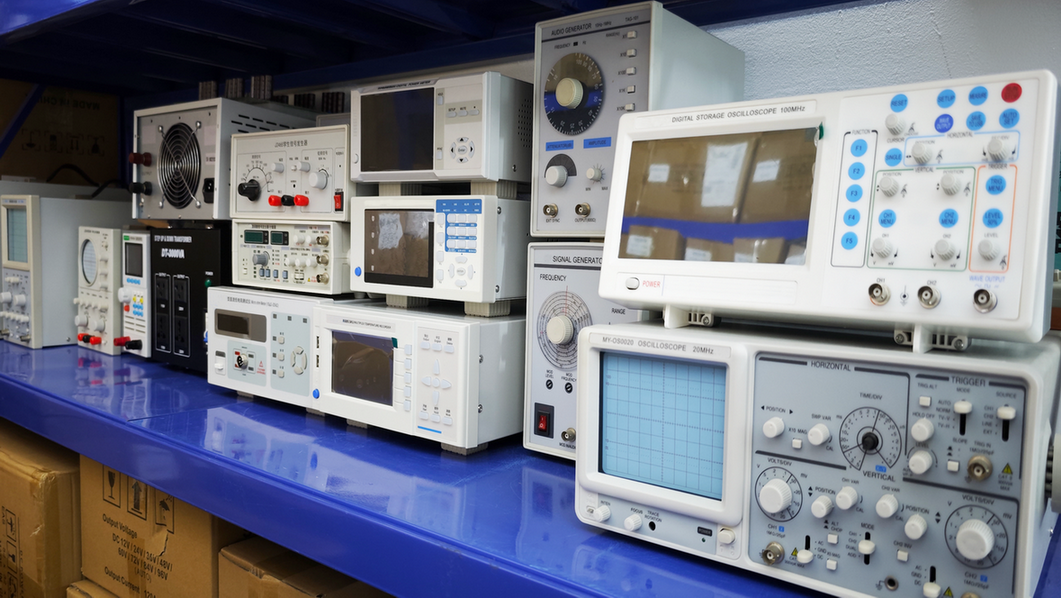
MYAMI R&D Testing Center Overview

Technical Roadmap & High-Frequency Semiconductor Integration

Deploying advanced Silicon Carbide (SiC) and Gallium Nitride (GaN) technologies to drive higher thermal reliability and power densities.
Next-Generation Wide Bandgap Power Electronics

The global pure sine wave inverter landscape is undergoing a massive paradigm shift. Standard Silicon-based IGBTs are hitting their physical limits regarding maximum switching frequencies, magnetic footprint, and heat dissipation capabilities. MYAMI's technology roadmap leverages Silicon Carbide (SiC) MOSFETs and Gallium Nitride (GaN) switching bridges.
By switching at frequencies exceeding 100 kHz (up to 3x higher than classical industrial inverters), our magnetic filter elements are dramatically downsized. This reduces the size and weight of high-power inverters by 40%, which is ideal for Japanese space-constrained setups in residential microgrids and backup rooms. Furthermore, SiC components boast significantly lower switching losses, allowing our high-frequency inverters to achieve peak efficiency curves of up to 96% under heavy continuous load profiles.

Macro Industry Solutions & Japan Localization Support

  • Disaster Recovery & Public BCP: Engineered with dynamic overload capability (200% surge capacity for 3-5 seconds) to start heavy compressor pumps, commercial refrigerators, and heavy ventilation fans during grid failures in seismic zones.
  • Grid Interconnection & Zero Export Controls: Equipped with bidirectional communication APIs that allow remote curtailment settings, perfect for Japanese utilities implementing strict grid feedback quotas.
  • JIS and PSE Conformity: Built to pass METI guidelines and strict JET leakage current limits (< 0.25 mA for human-interface devices), ensuring hassle-free installation approvals.

Commercial Off-Grid & Hybrid Inverter Catalog

Browse our extensive line of pure sine wave solutions optimized for Japanese industrial, residential, and transport installations.

Expert Procurement FAQ for the Japanese Inverter Market

In-depth technical answers addressing critical grid conformity, certifications, and operational parameters.

1. What are the key differences between using an inverter in eastern (50Hz) vs. western (60Hz) Japan?

Eastern Japan (Tokyo/TEPCO) operates at 50Hz, while Western Japan (Osaka/KEPCO) operates at 60Hz. If an inverter is locked to a single frequency, it can cause induction motors, clocks, and older control panels to run too fast or slow, potentially causing damage or triggering automatic system shutoffs. MYAMI’s inverters feature a digital PLL frequency stabilizer, allowing seamless toggle selectability between 50Hz and 60Hz with frequency stability variance below 0.05%.

2. Do these pure sine wave inverters meet Japan's PSE and METI compliance requirements?

Yes. For electrical devices sold or deployed in Japan, standard models fall under the Electrical Appliances and Materials Safety Act (DENAN/PSE guidelines). While grid-tied solar systems require detailed JET inspections, off-grid systems and EV/backup battery modules require compliance filings under METI rules. Our manufacturing facilities are certified to ISO9001, and our customized series are engineered to pass DENAN (both Circle and Diamond PSE markings depending on application class).

3. Why is Total Harmonic Distortion (THD) critical for automated Japanese CNC and factory lines?

Standard modified sine wave inverters produce a THD of up to 30%, creating severe electromagnetic noise and thermal stresses that can lead to diagnostic errors in Japanese PLC systems, servo controller failures, or noise interference on high-precision laboratory test benches. MYAMI's pure sine wave inverters feature an advanced multi-stage LC filter layout, compressing THD to under 2.5%, producing a waveform cleaner than the utility grid itself.

4. Can we customize the input and output voltages for EV battery simulation systems?

Absolutely. MYAMI is not just an assembly factory, but a technology-driven solution provider. We supply high-power programmable DC power sources, bidirectional simulator modules, and customized AC output configurations (e.g., split-phase 100V/200V or 3-phase 202V delta arrays) to perfectly match EV automotive OEMs, BMS diagnostic rigs, and photovoltaic aging setups.

5. How does the low transient response protect equipment during heavy load changes?

Industrial machinery often triggers massive inrush currents when starting up. A slow transient response causes the voltage to drop below critical thresholds, causing adjacent controllers to reset. MYAMI's control circuitry uses high-speed digital feedback loops to ensure voltage restores to target values within less than 2 milliseconds, maintaining system stability across complex industrial networks.