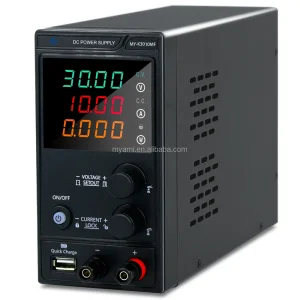
Power Factor Correction (PFC) stands as the cornerstone of contemporary industrial energy conservation and grid stabilization. By adjusting phase displacements and resolving harmonic distortion, custom PFC solutions transform wasted apparent power into productive active work. Shenzhen Myami Power Technology Co., Ltd. (MYAMI) bridges the gap between sophisticated laboratory R&D and complex electrical utility requirements.
Engineered for real-time load diagnostics, automated test cycles, and high-stability testing environments
Technical parameters governing modern energy transmission systems and large-scale industrial operations
Global utilities enforce strict penalties for lagging power factor profiles. Modern operations utilize Active Power Factor Correction (APFC) networks to meet local utility mandates, helping companies avoid recurring peak demand charges.
Switched-mode power supplies, variable frequency drives, and heavy induction equipment introduce line harmonics. Implementing PFC solutions restricts Total Harmonic Distortion (THD) to under 5%, protecting adjacent electronics from micro-faults.
Optimizing power factor from 0.70 to 0.98 reduces overall system current demand. This change frees up transformer capacity, allows for smaller gauge cabling, and lowers capital expenses for commercial expansions.
Uncorrected power factors generate substantial losses in inductive systems. Industrial facilities containing extensive arrays of medium-voltage induction motors and rectifiers draw reactive current that does not yield mechanical work but stresses local transmission networks. The implementation of fast-switching thyristor-controlled capacitor banks or Active Front End (AFE) rectifiers stabilizes terminal voltage and balances system phases. This design prevents phase drops and protects equipment from the heat stress caused by circulating harmonic currents.
Shenzhen's industrial benchmark for programmable power systems and high-precision diagnostic gear
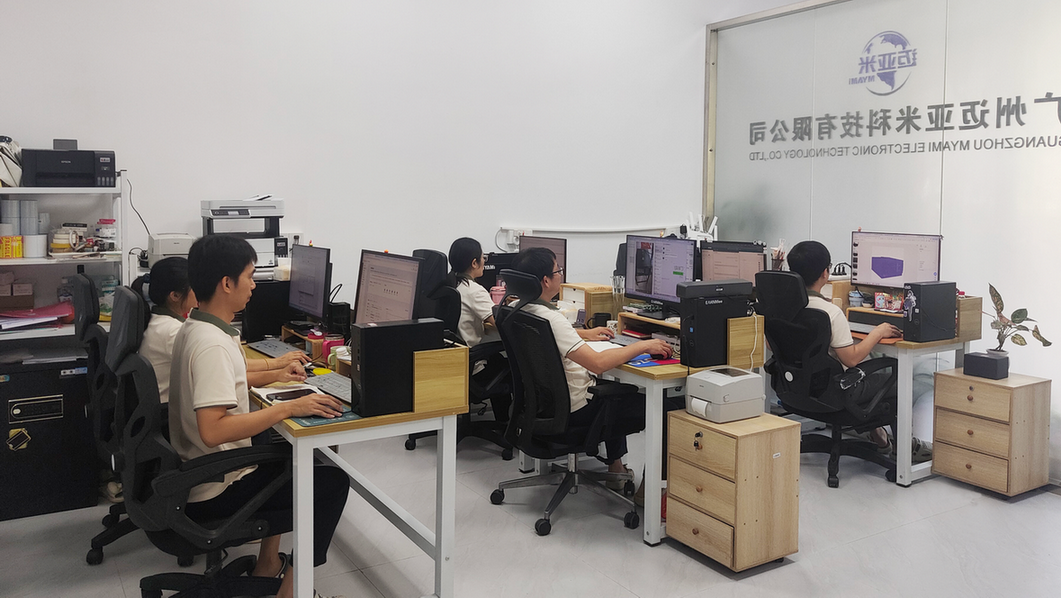
Headquartered in the manufacturing hub of Shenzhen, China, Shenzhen Myami Power Technology Co., Ltd. (MYAMI) is a technology-driven manufacturer and solution provider specializing in high-precision, industrial-grade power supplies and electrical test equipment. Designed for engineering rigor, MYAMI bridges the gap between complex electronic research, high-voltage component testing, and scalable industrial automation.
Our systems feature multi-layer safety architectures (OVP, OCP, OTP, and short-circuit safeguards) and carry certifications including CE, RoHS, and ISO9001. Equipped with industrial control communication interfaces (RS485, RS232, and CAN), our systems integrate smoothly with factory automation and remote monitoring stations.
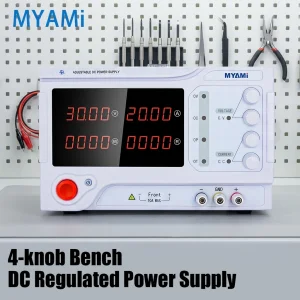
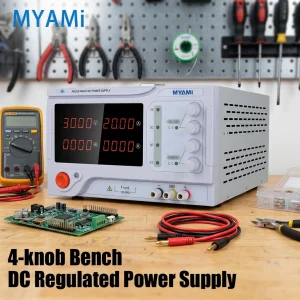
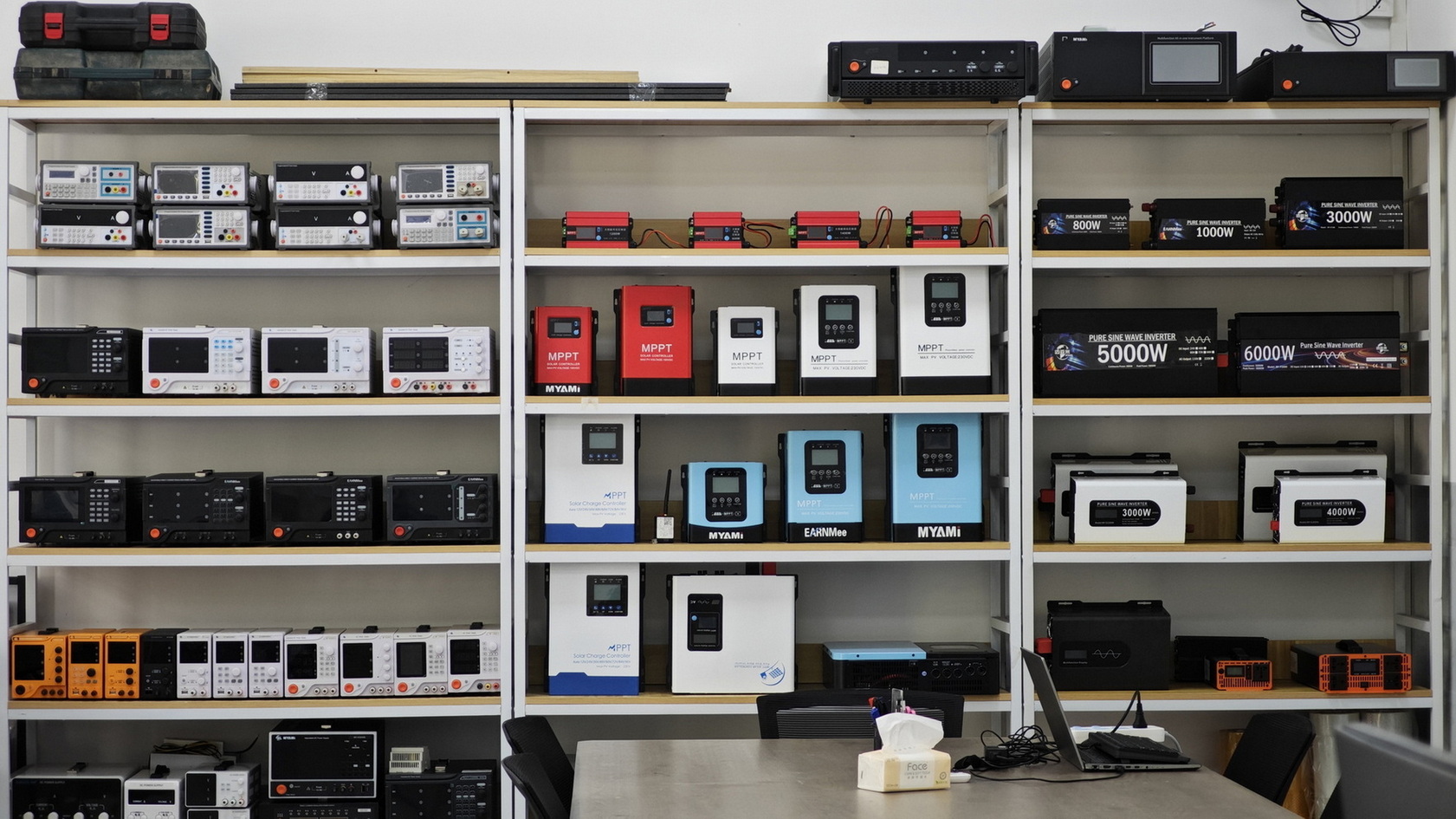
Featuring multi-digit LED displays, ultra-low ripple, and rapid transient response, engineered for precision electronic R&D, semiconductor evaluation, and PCB debugging.
Delivering high-current, high-voltage DC/AC regulated power supplies (ranging up to hundreds of volts and amperes) built for industrial motor drives, electroplating rectifiers, and heavy-duty component burn-in testing.
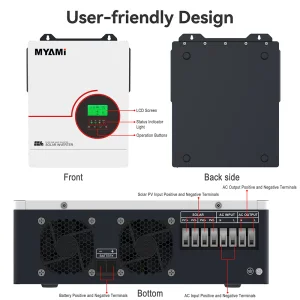
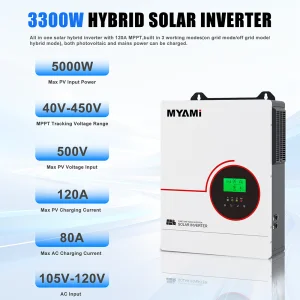
Providing specialized DC power units, battery simulators, and variable AC power sources engineered for Electric Vehicle (EV) On-Board Chargers (OBC), BMS evaluation, and solar inverter testing.
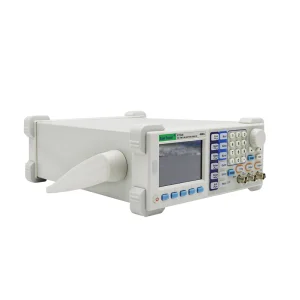
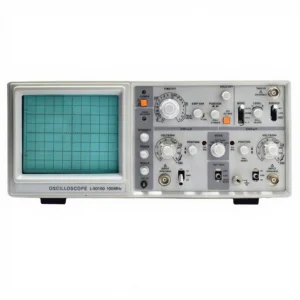
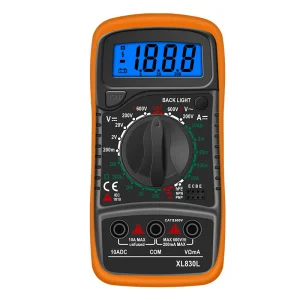
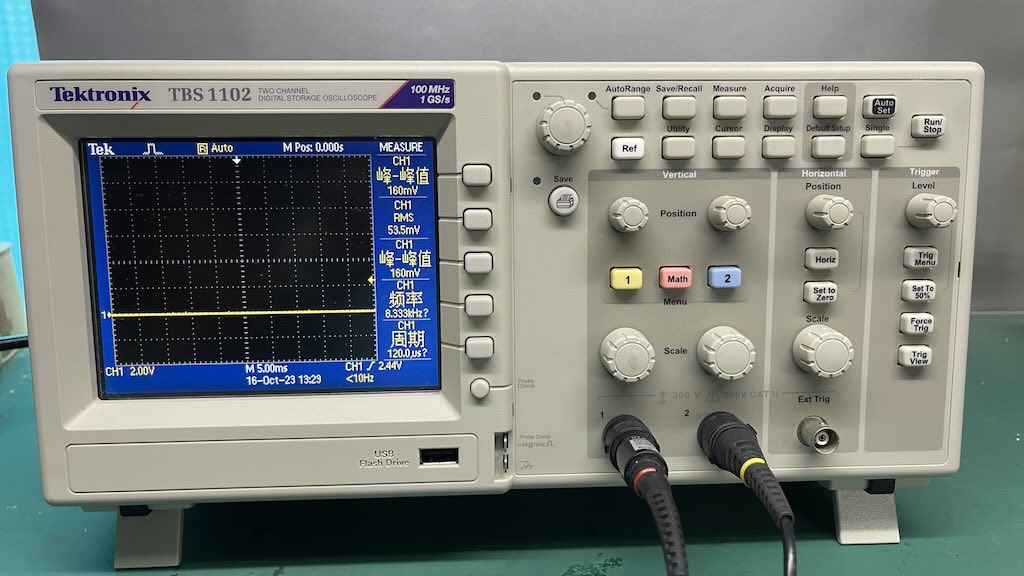
Supplying complementary test bench solutions, including digital oscilloscopes, multimeters, and specialized AC voltage regulators for global laboratories and technical institutes.
Every stage, from incoming material screening to calibration, is monitored for reliable power delivery
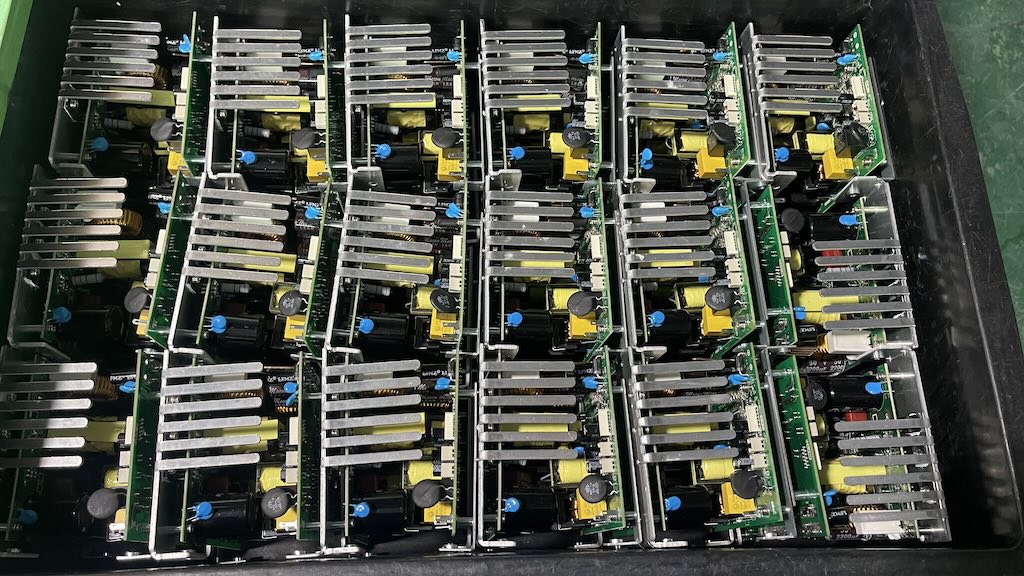
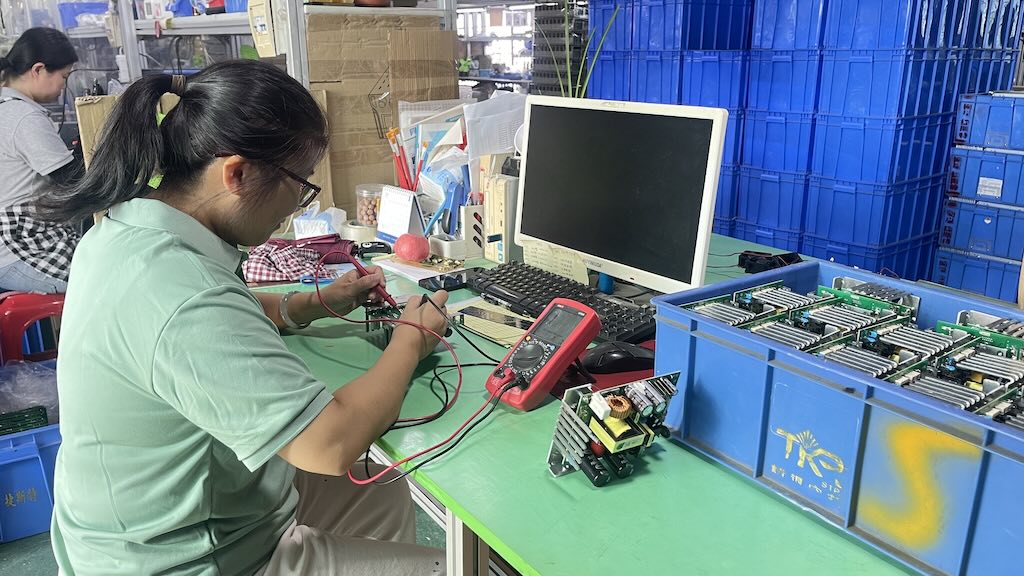
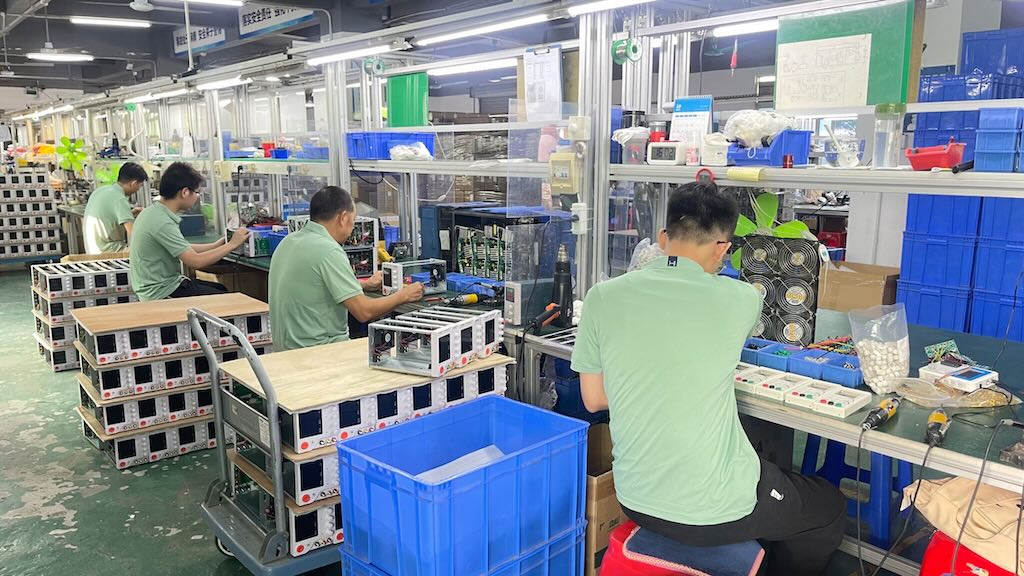
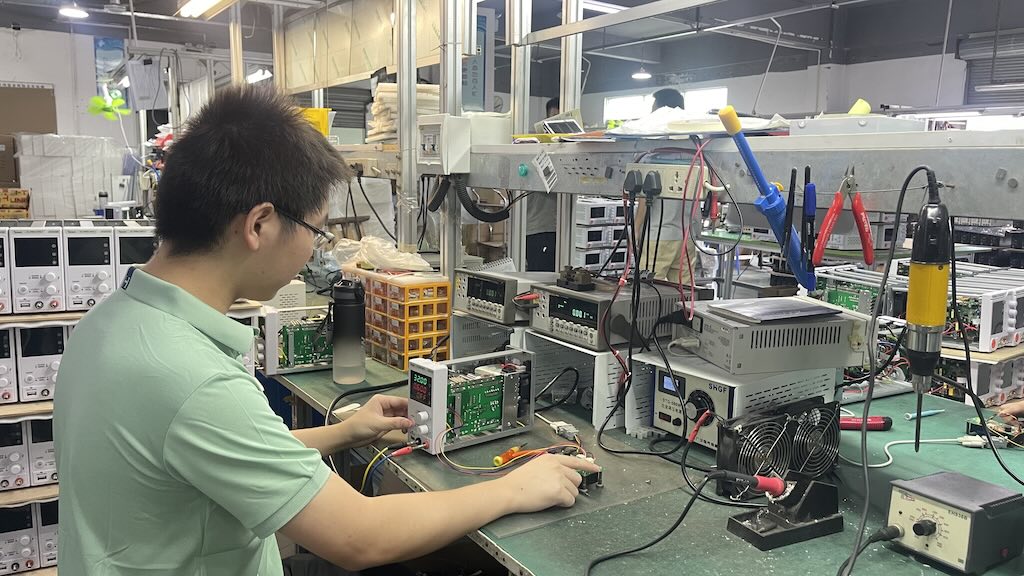
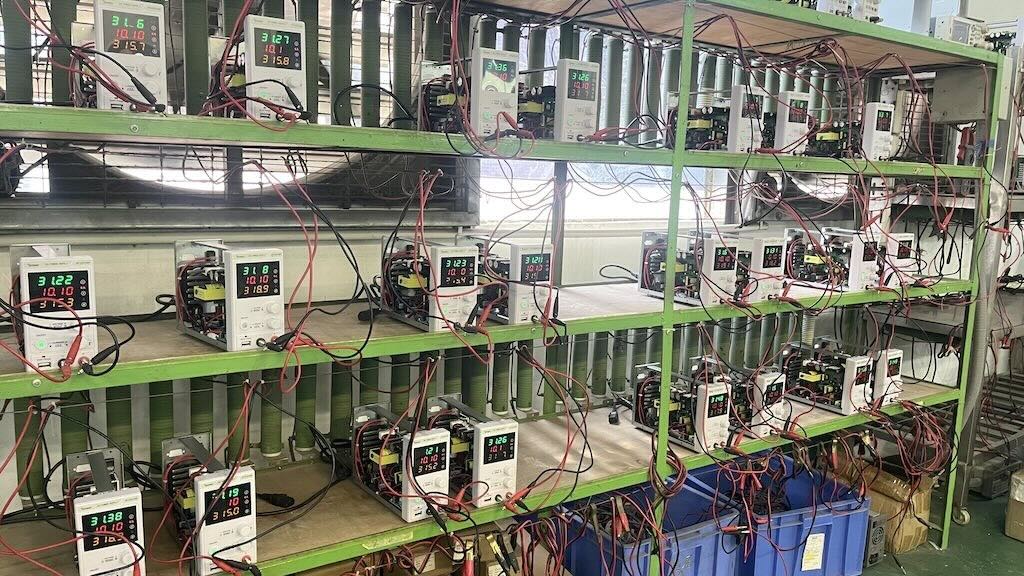
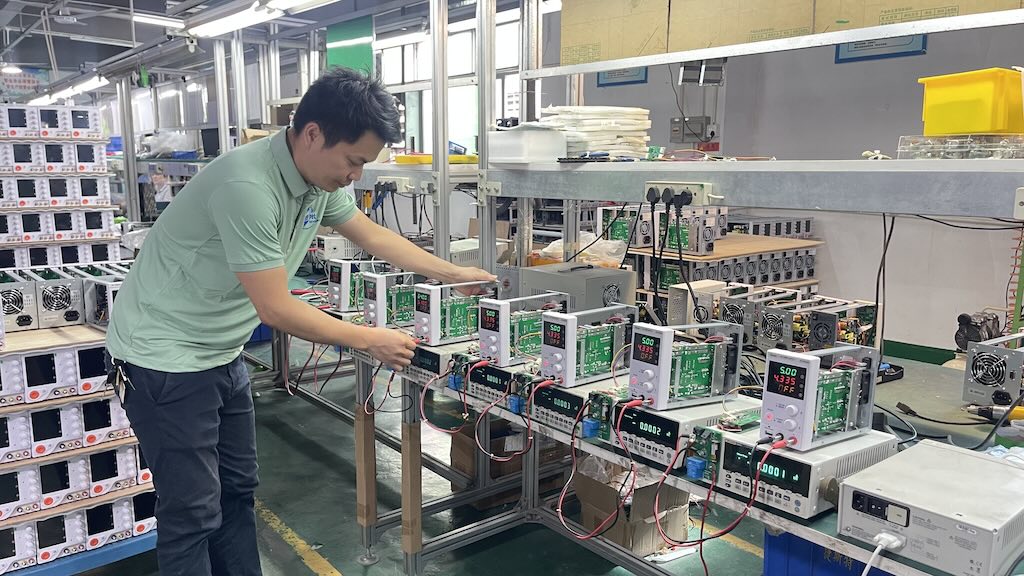
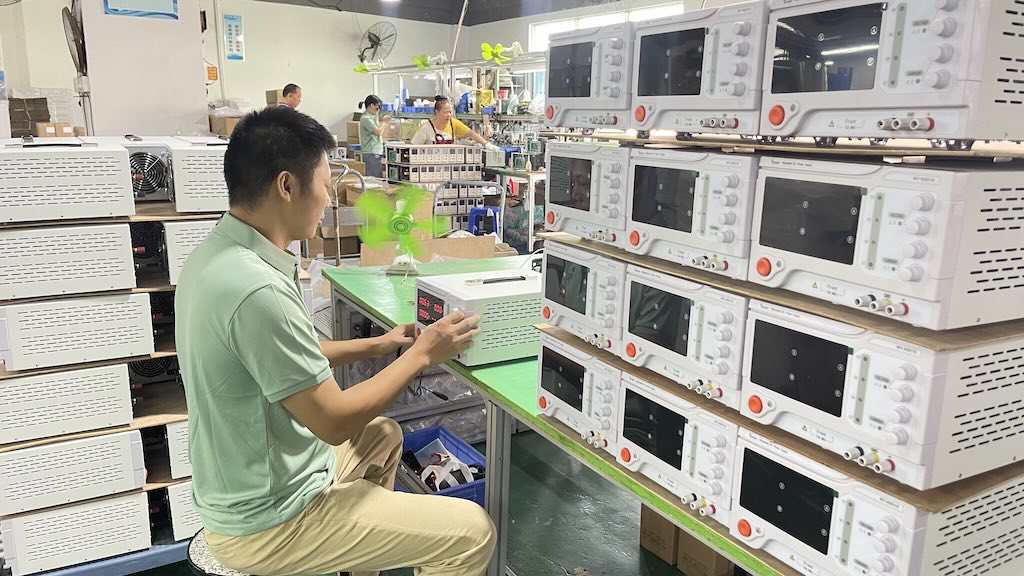
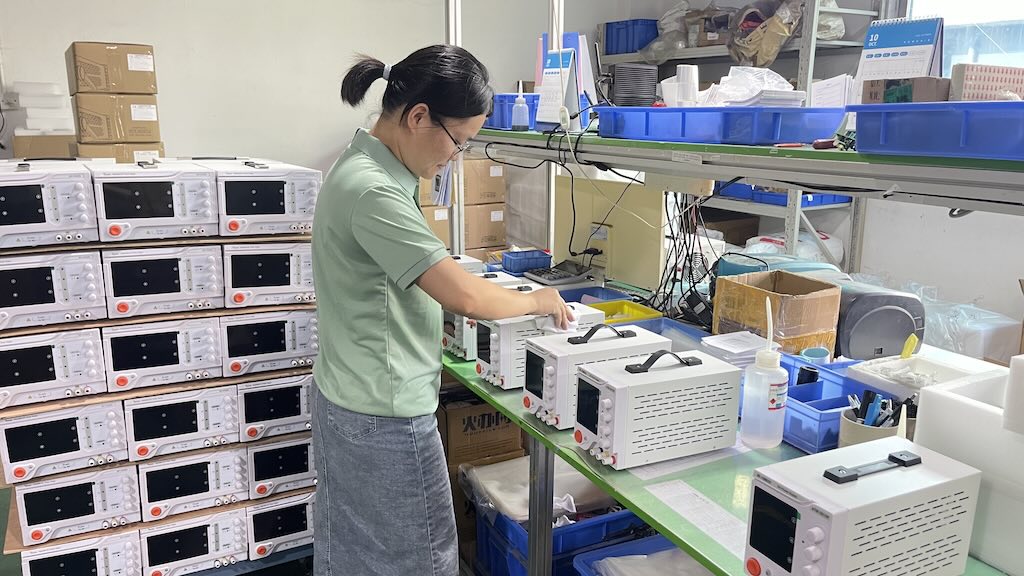
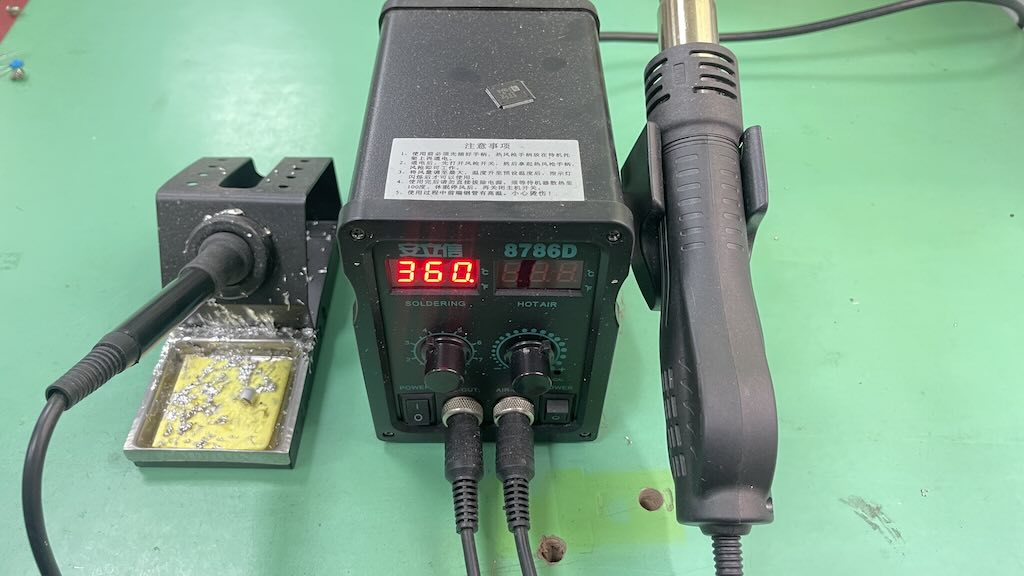
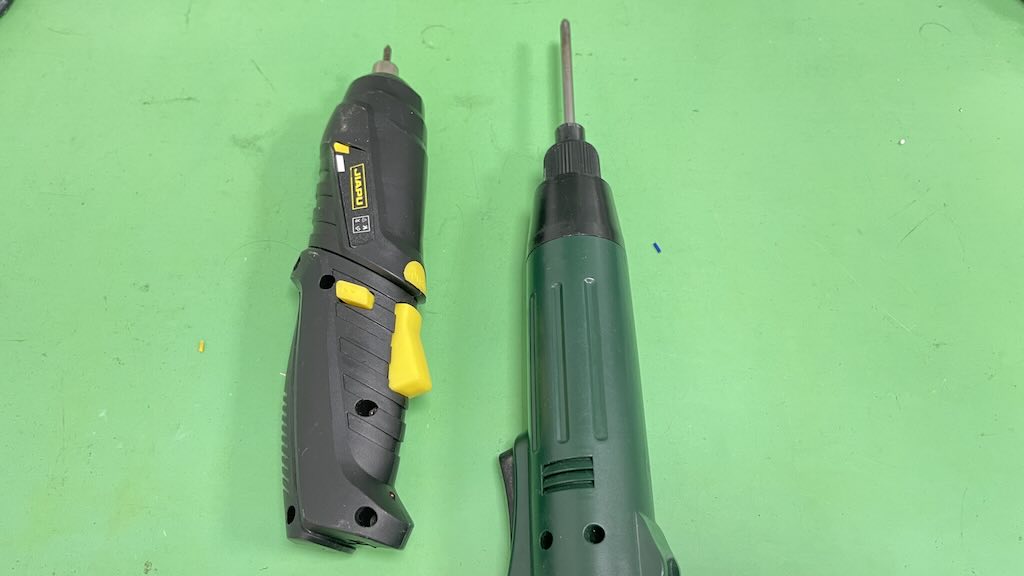
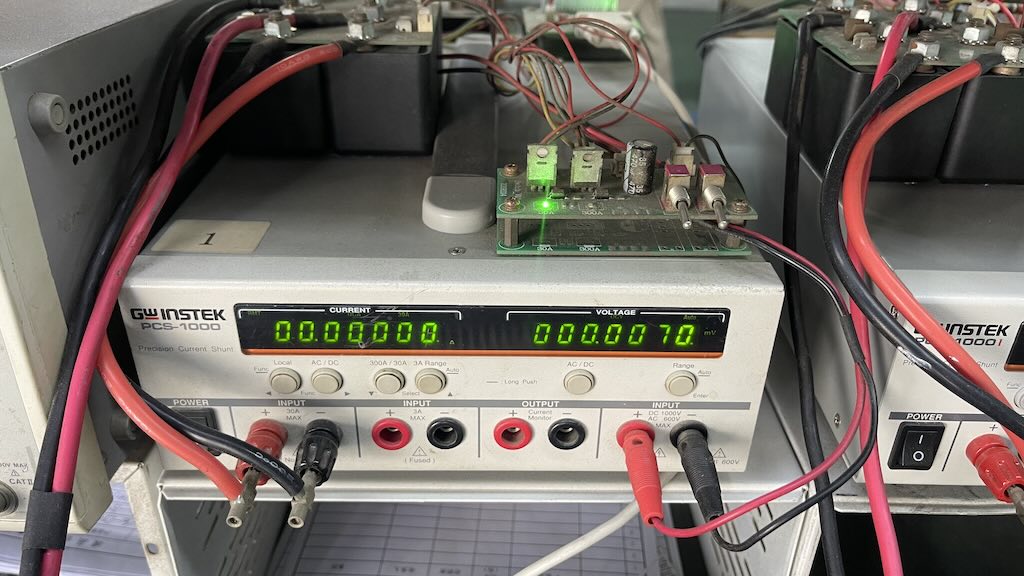
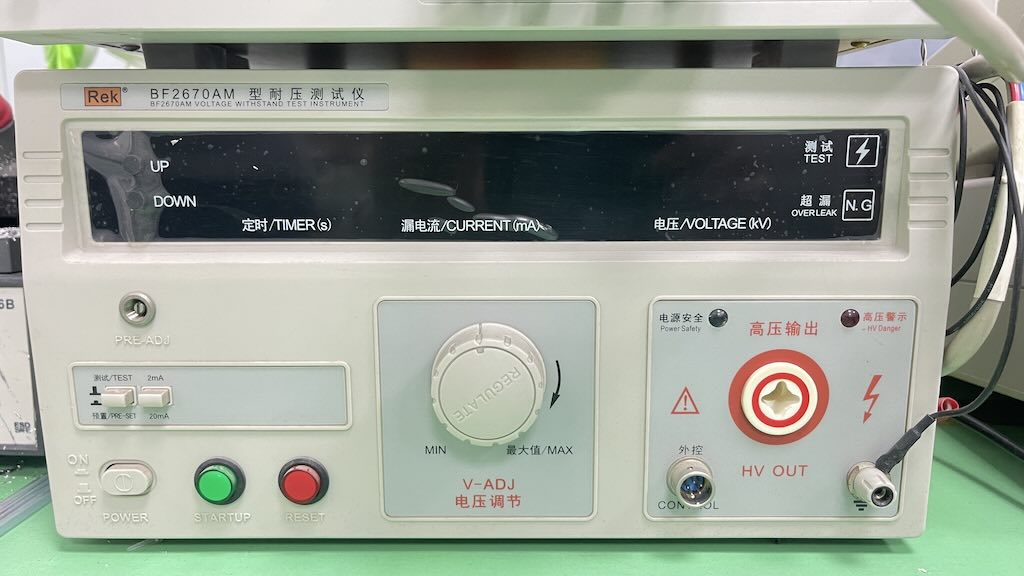
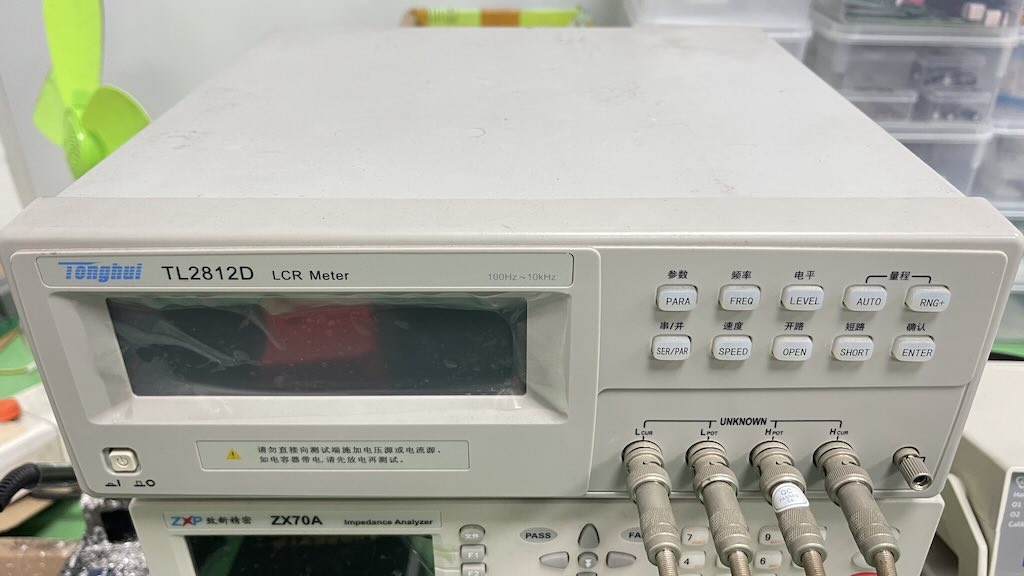
Deploying advanced electronic diagnostic tools to verify component performance limits
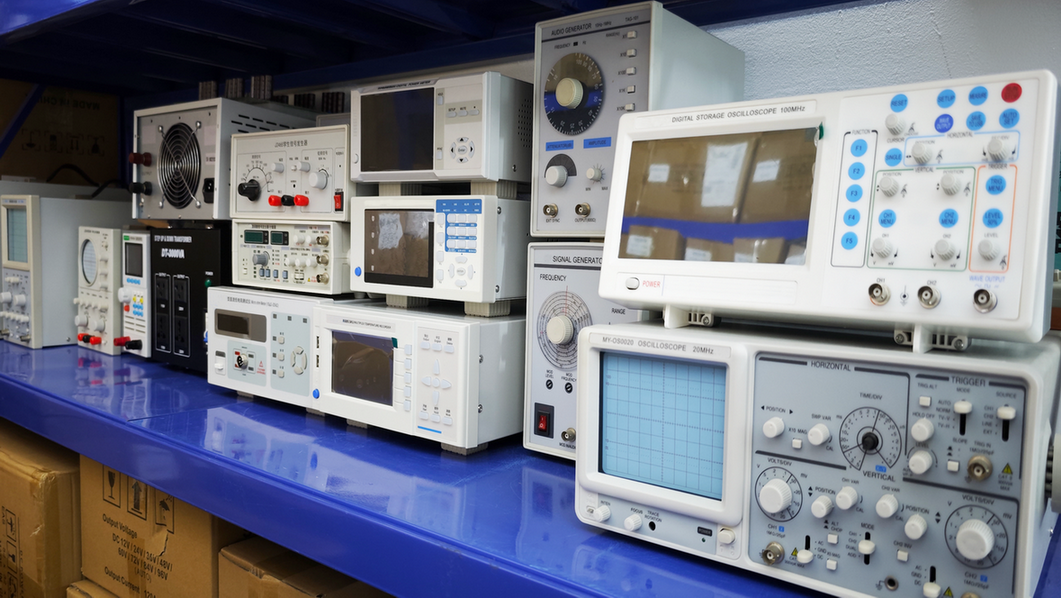
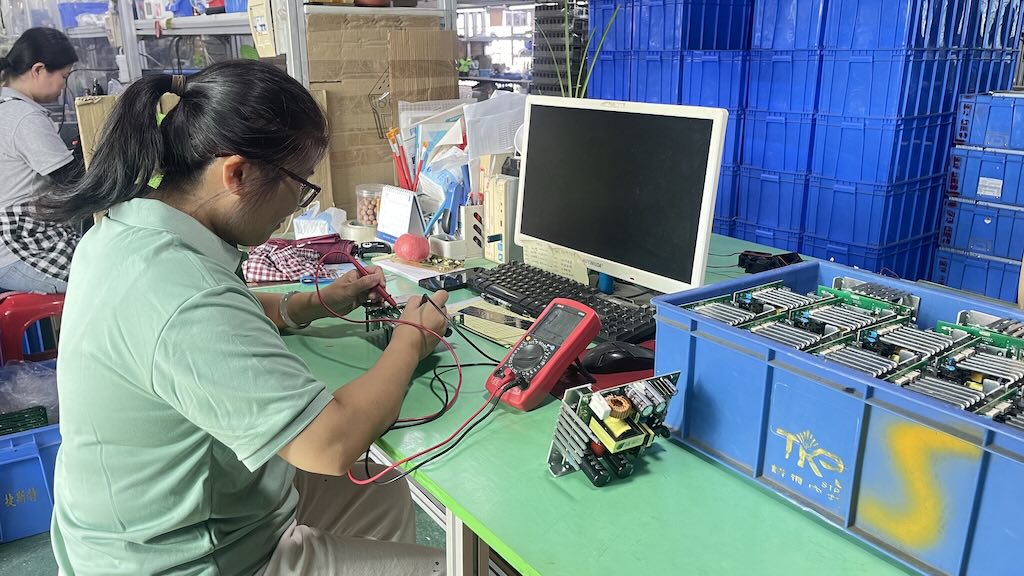
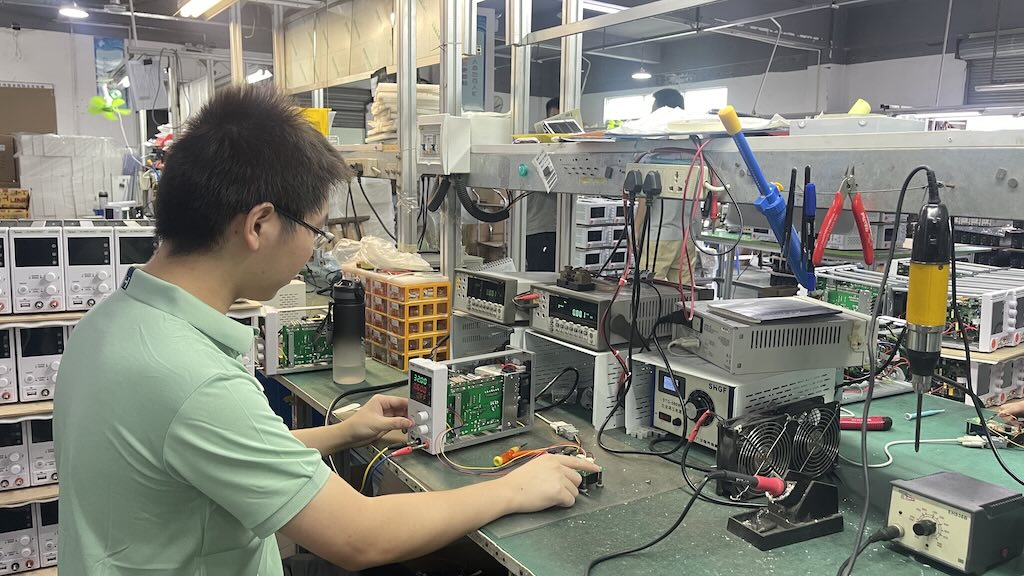
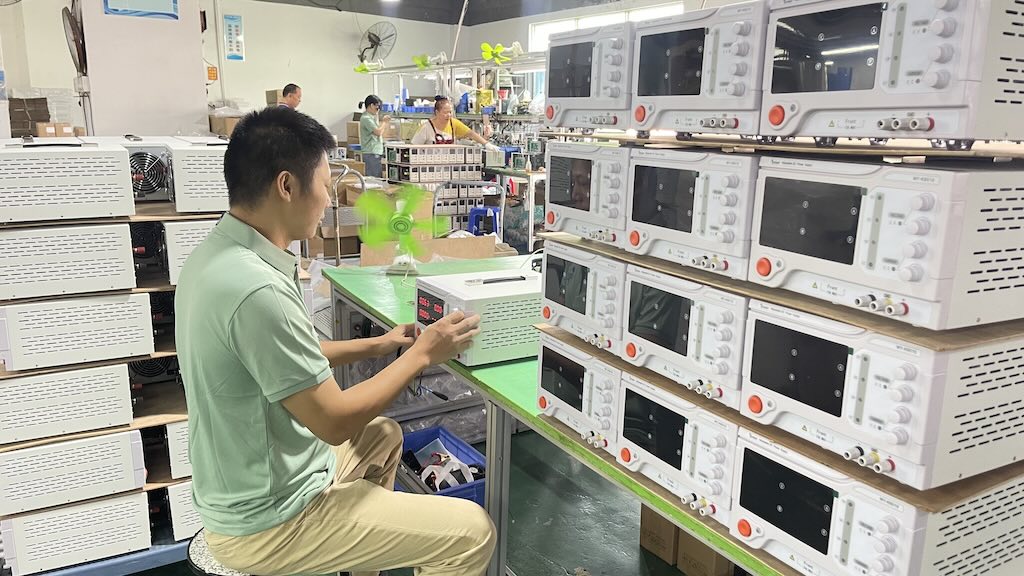
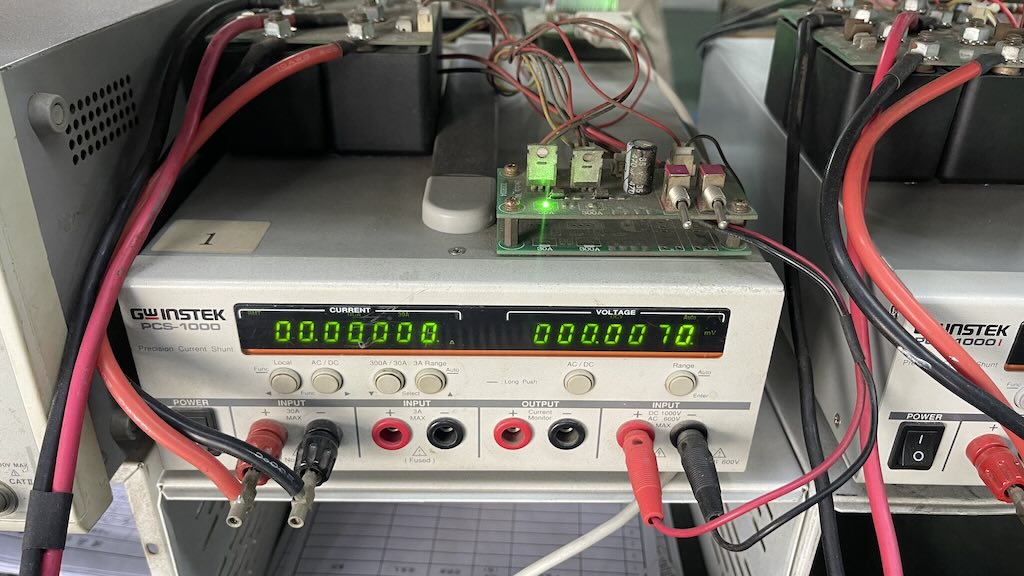
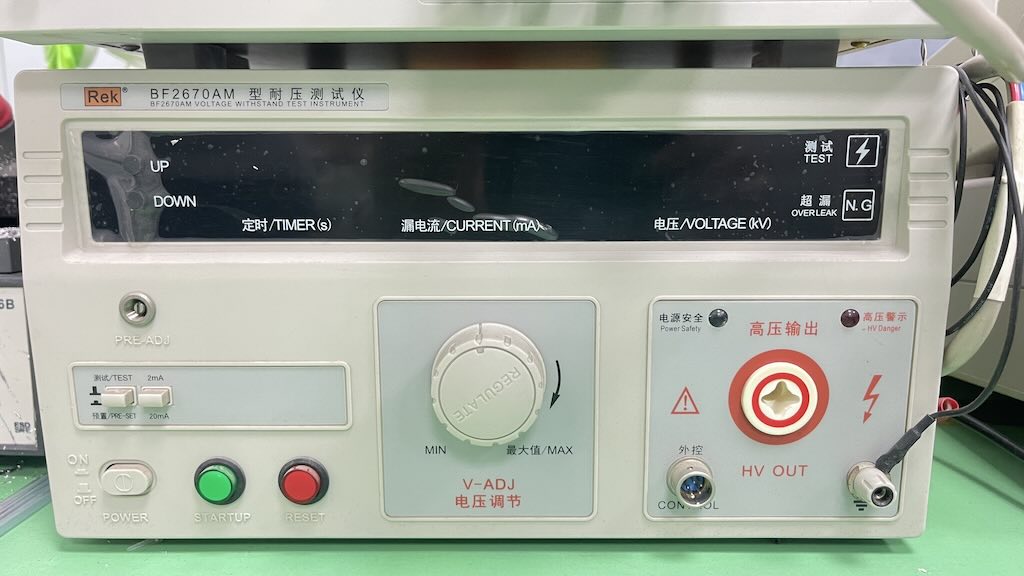
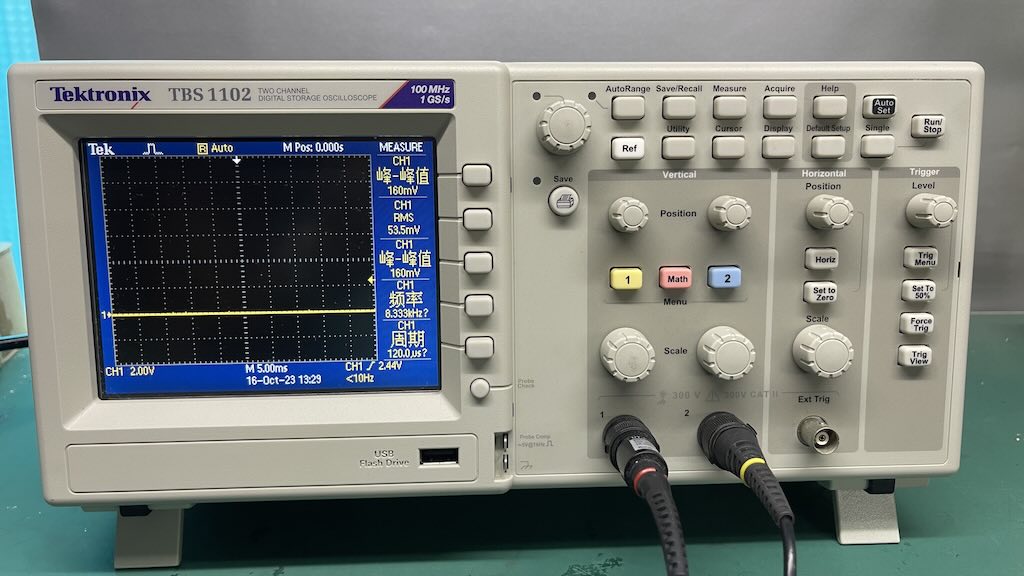
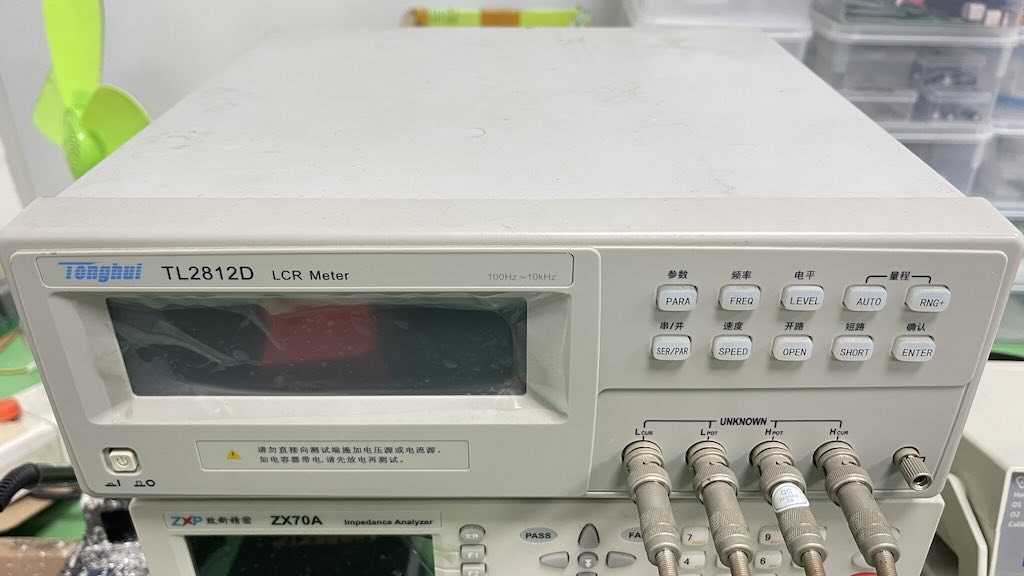
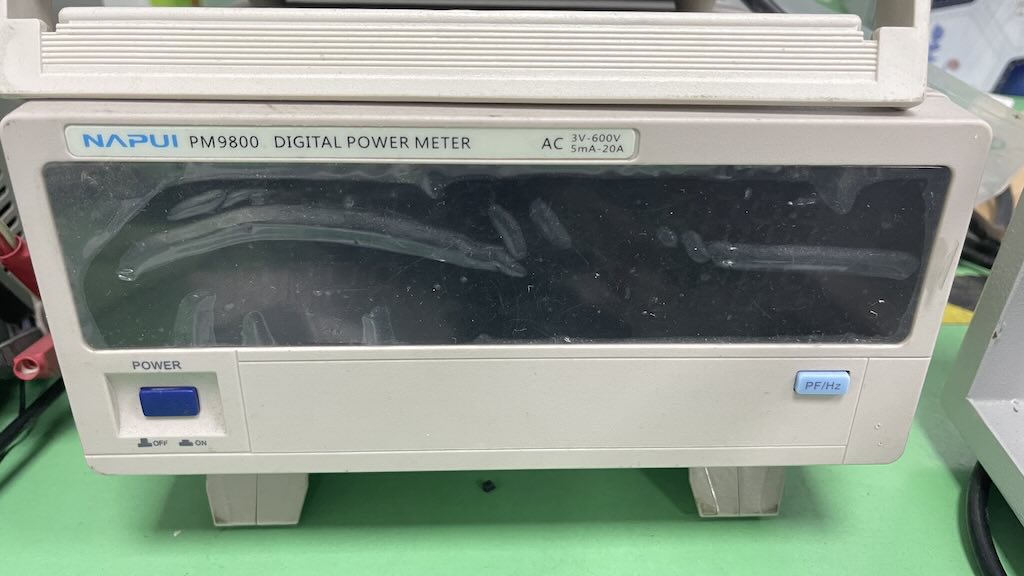
Behind-the-scenes verification parameters for advanced design modeling and electrical compliance testing
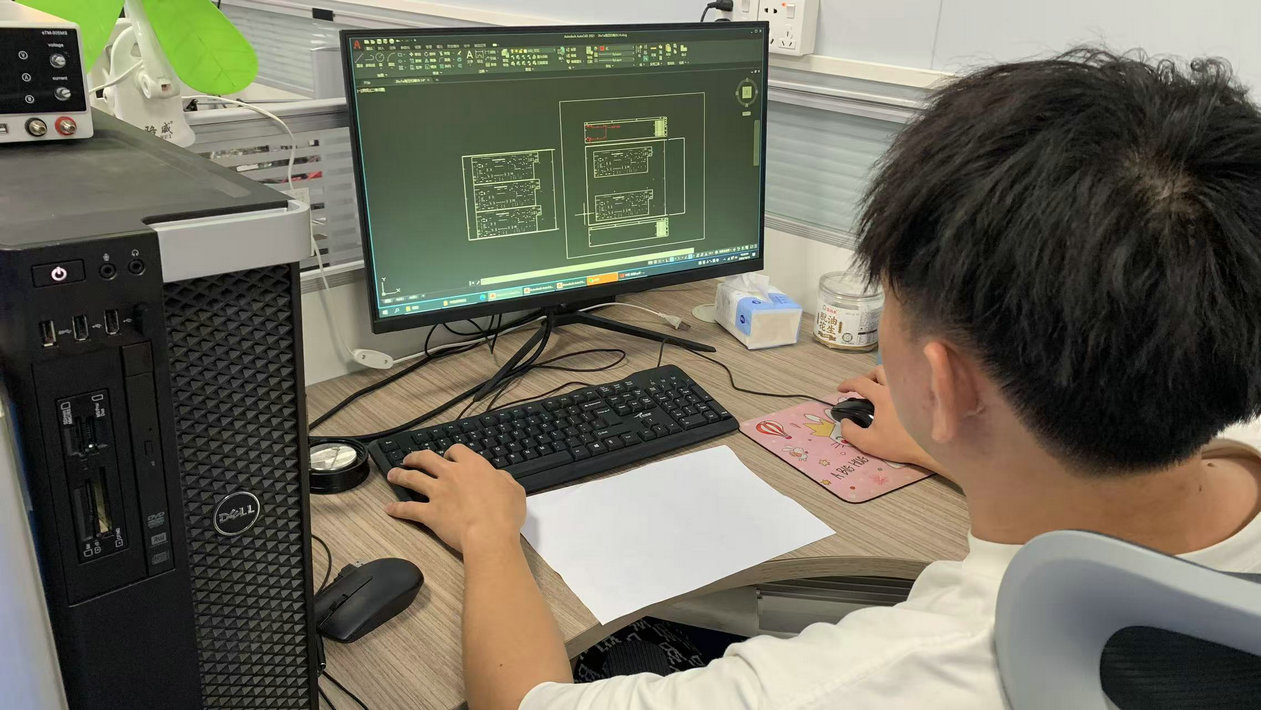
Why global OEMs rely on the Shenzhen supply chain ecosystem for strategic energy components
The Chinese power electronics manufacturing ecosystem, centered in Shenzhen, provides a unique concentration of raw materials, silicon processing, and skilled engineers. This ecosystem allows manufacturers to manage costs effectively while maintaining short design-to-production timelines. These factors enable companies like MYAMI to scale custom orders from initial prototype drawing to containerized export shipments faster than traditional international suppliers.
By sourcing semiconductors, high-frequency transformers, and heat-sink extrusions locally, we eliminate the supply delays common with international transshipments.
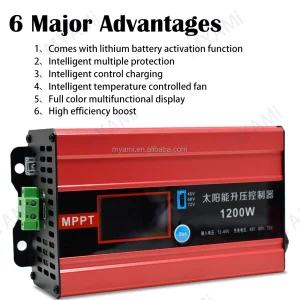
Our proximity to semiconductor fabrication lines allows us to quickly integrate Silicon Carbide (SiC) and Gallium Nitride (GaN) components into our active PFC switching networks, increasing power density.
Our production facilities adapt quickly to both small-batch custom configurations for research laboratories and high-volume runs for heavy industrial clients.
Deploying active and passive PFC systems across global industrial environments
In steel mills, plastics processing, and assembly plants, fluctuating inductive loads from large motors can destabilize local voltages. Automatic PFC capacitor systems dynamically balance reactive demand, helping to prevent equipment downtime.
High densities of switched-mode power supplies generate substantial harmonic currents. Active PFC systems neutralize these harmonics, improving Power Usage Effectiveness (PUE) and protecting network hardware.
Utility-scale solar inverters and fast EV charging hubs place dynamic loads on the local grid. Our high-voltage testing sources help design and evaluate the robust input filtering needed for these systems.
Technological shifts and compliance benchmarks for international procurement teams
The power management industry is moving away from large passive capacitor networks toward digital active filter networks. These digital systems adjust to varying electrical loads in real time, preventing issues like over-correction or resonant feedback. Modern Active Power Factor Correction (APFC) designs use high-speed DSP microcontrollers to calculate current compensation curves within microseconds.
DSP-based active filters enable remote tuning of compensation characteristics, allowing operators to update operating parameters via central SCADA networks without modifying physical hardware.
High-density power electronics require effective cooling. Modern systems use advanced thermal interfaces and variable-speed fan arrays to maintain safe temperatures during continuous operation.
Global projects demand verified safety standards. Compliance with CE, RoHS, and ISO9001 guarantees that systems meet safety and quality guidelines across international markets.
High-efficiency systems designed to optimize input energy and maintain signal purity under continuous loads
Technical answers about Power Factor Correction systems and industrial integration
Passive PFC uses heavy inductors and capacitors to filter harmonics, operating only within a narrow frequency band. Active PFC (APFC) uses switching converters, such as a boost regulator, to shape the input current waveform to match the mains voltage. This active approach allows for a power factor of up to 0.99 with lower overall weight and volume.
Utilities bill commercial and industrial customers based on Apparent Power (kVA) rather than Active Power (kW). When the power factor is low, the system draws more reactive current, which increases the required kVA demand and leads to higher utility charges.
Most industrial facilities see a full return on investment (ROI) within 12 to 24 months. The payback period depends on local utility tariff structures and the percentage of inductive load in the plant.
Standard PFC capacitor systems are designed for steady-state phase correction rather than surge suppression. However, active harmonic filters and systems with integrated transient voltage surge suppressors (TVSS) help protect sensitive electronics from voltage spikes and harmonics.
Our industrial power supplies and test systems support RS485, RS232, and CAN interfaces, enabling integration with Modbus or custom industrial SCADA setups.
Unfiltered harmonics can cause resonance in standard capacitor banks, leading to overheating and premature failure. To prevent this, tuning reactors should be installed in series with the capacitors to block harmonic currents.
Every product goes through our standard quality protocol, which includes raw material inspections, automated optical PCB inspections, high-voltage insulation tests, functional calibration, and full-load burn-in testing.
Yes. We offer customization for voltage ranges, current capacities, safety configurations, control software, and mechanical enclosures to suit specific laboratory or integration requirements.
 Myami Power