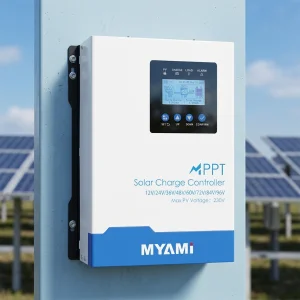
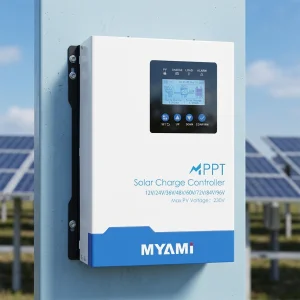
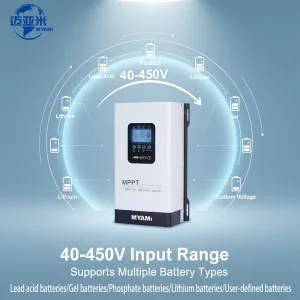
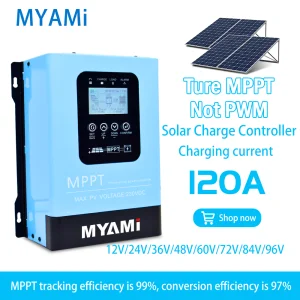
Deploy precision regulation in demanding industrial projects. These four core models provide superior tracking under fluctuating North Sea weather conditions, fully optimized for marine and utility scale demands.
As Northern Germany’s paramount economic engine and Europe’s third-largest port, Hamburg is accelerating its transition to renewable energy systems. Driven by the Hamburg Climate Plan (Hamburger Klimaschutzgesetz), which mandates solar installations (Solarpflicht) on commercial, industrial, and renovated roof spaces, local businesses face severe technical demands. In this maritime climate, PV systems must contend with dynamic low-light angles, dense coastal cloud cover, and corrosive salty atmospheres.
Standard PWM controllers are fundamentally insufficient for this high-latitude environment. To capture maximum energy yield during the short winter days and low solar elevation angles (which often fall below 15 degrees in mid-winter), Hamburg's design engineers rely heavily on Maximum Power Point Tracking (MPPT) technology. MYAMI’s industrial-grade controllers leverage high-speed digital signal processors (DSP) to achieve a continuous 99% tracking rate, guaranteeing that peak electrical capacity is transferred directly into energy storage systems.
Operating in Hamburg means adhering strictly to national and European safety standards. Our production lines ensure that all devices delivered to the German market feature CE and RoHS certifications. Additionally, our high-power MPPT charge controllers support VDE-AR-N 4105 compliance frameworks, ensuring flawless integration into low-voltage grid-connected battery systems or localized smart microgrids.
The harsh environment of the Port of Hamburg also demands robust electromagnetic compatibility (EMC) and physical protection. Every unit undergoes strict multi-layer electrical safety testing, featuring Overvoltage Protection (OVP), Overcurrent Protection (OCP), Over-Temperature Protection (OTP), and robust short-circuit safeguards. These features prevent costly downtime in crucial industrial applications such as maritime container tracking sensors, marine logistics hubs, and electric vehicle fleet charging simulators.
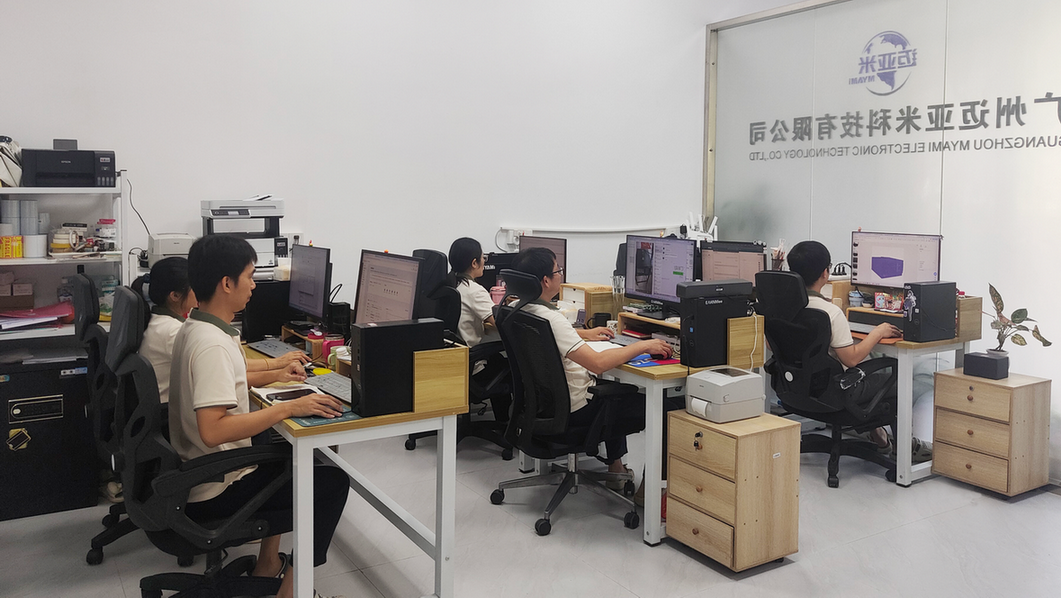
Headquartered in Shenzhen, China, Shenzhen Myami Power Technology Co., Ltd. (MYAMI) is a technology-driven manufacturer and solution provider specializing in high-precision, industrial-grade power supplies and electrical test equipment. Designed for engineering rigor, MYAMI bridges the gap between complex electronic research, high-voltage component testing, and scalable industrial automation. Our manufacturing prowess enables us to craft solar charge controllers with lab-grade precision component selection and military-grade durability.
Featuring multi-digit LED displays, ultra-low ripple, and rapid transient response, engineered for precision electronic R&D, semiconductor evaluation, and PCB debugging.
Delivering high-current, high-voltage DC/AC regulated power supplies (ranging up to hundreds of volts and amperes) built for industrial motor drives, electroplating rectifiers, and heavy-duty component burn-in testing.
Providing specialized DC power units, battery simulators, and variable AC power sources engineered for Electric Vehicle (EV) On-Board Chargers (OBC), BMS evaluation, and solar inverter testing.
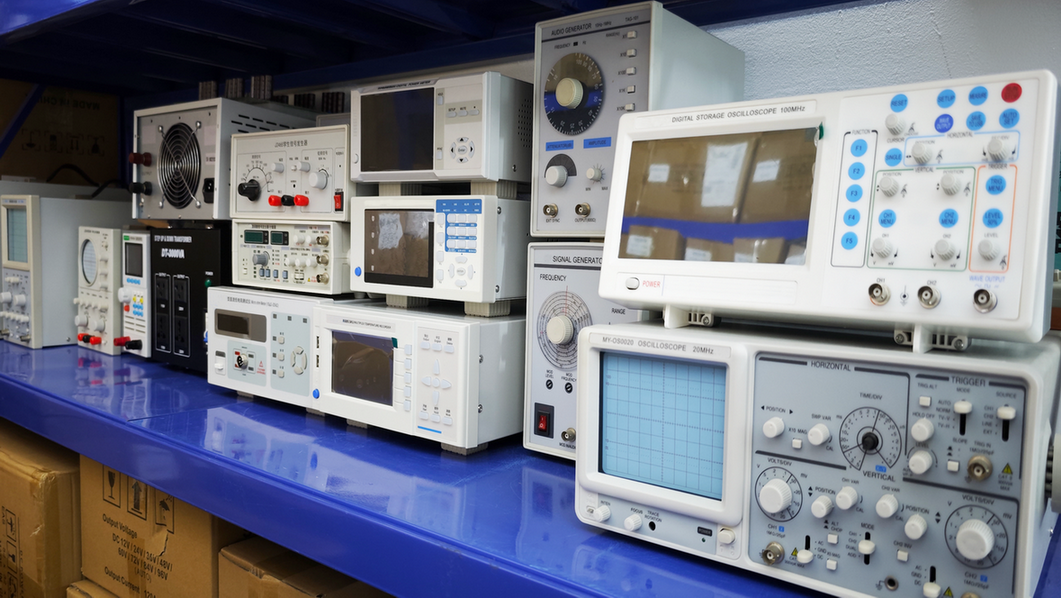
Supplying complementary test bench solutions, including digital oscilloscopes, multimeters, and specialized AC voltage regulators for global laboratories and technical institutes.
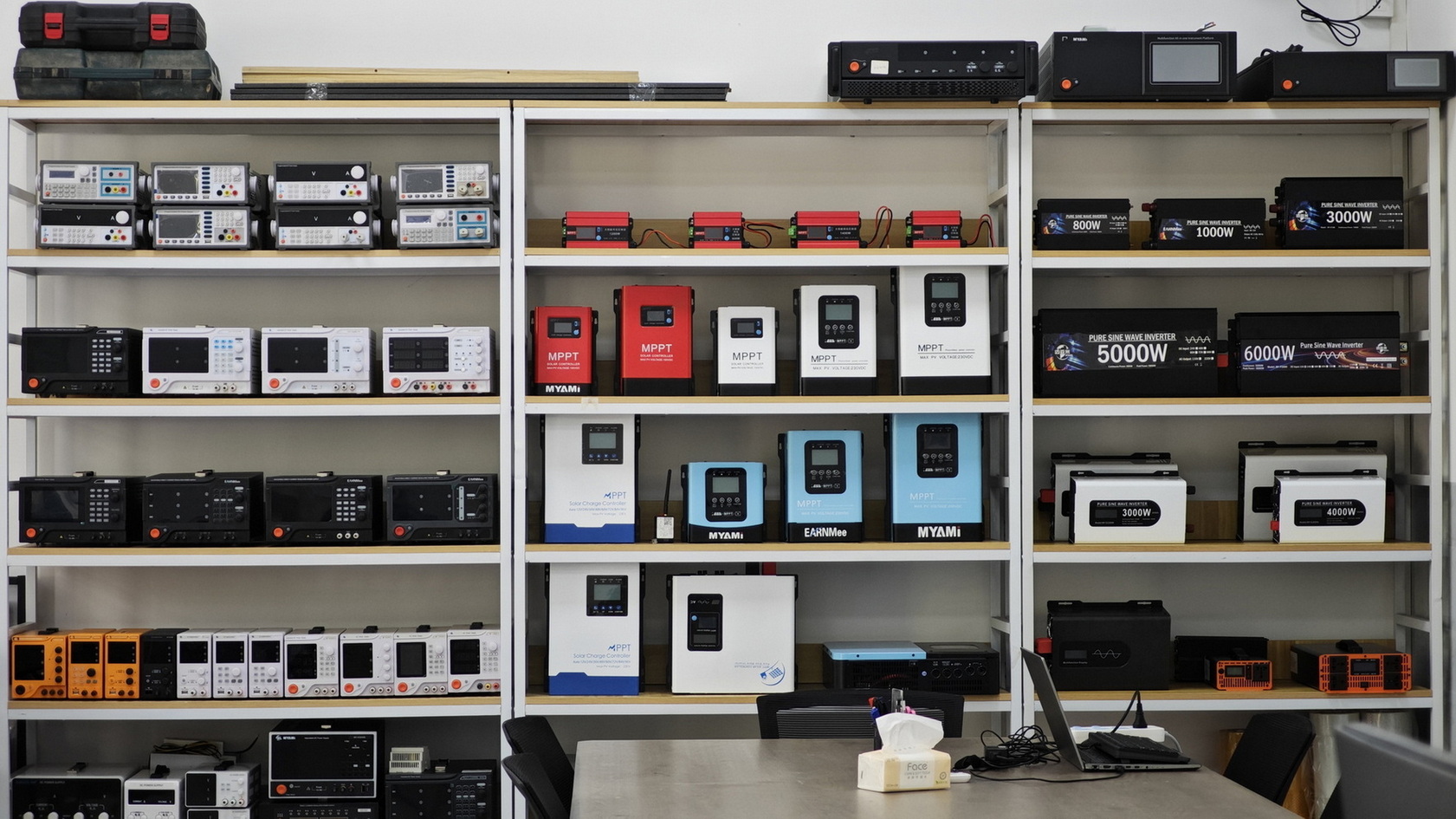
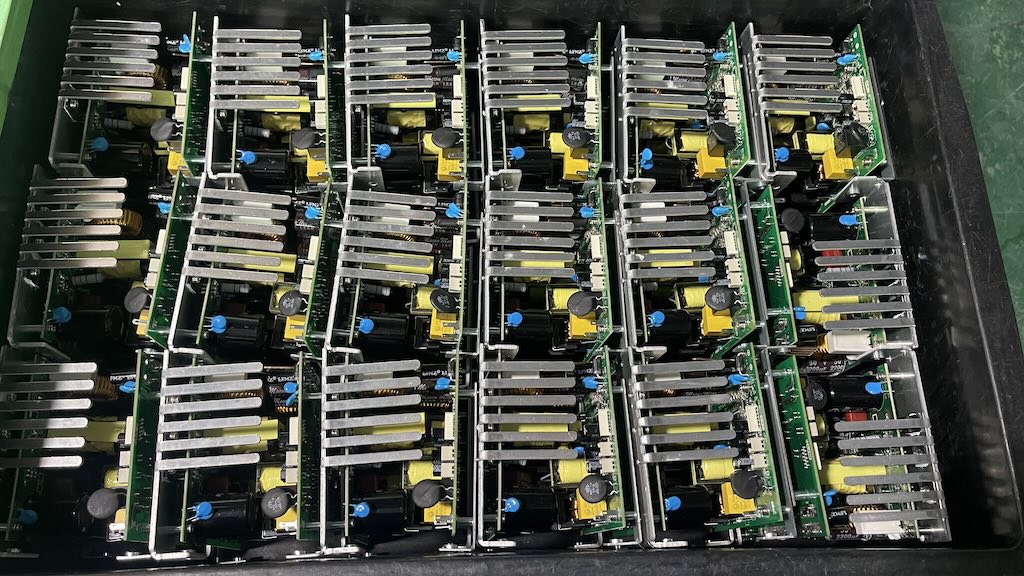
Every single MPPT controller and power supply unit leaving our factory goes through a rigorous multi-stage pipeline, assuring zero defects upon delivery to German ports and engineering projects.
 Raw Material
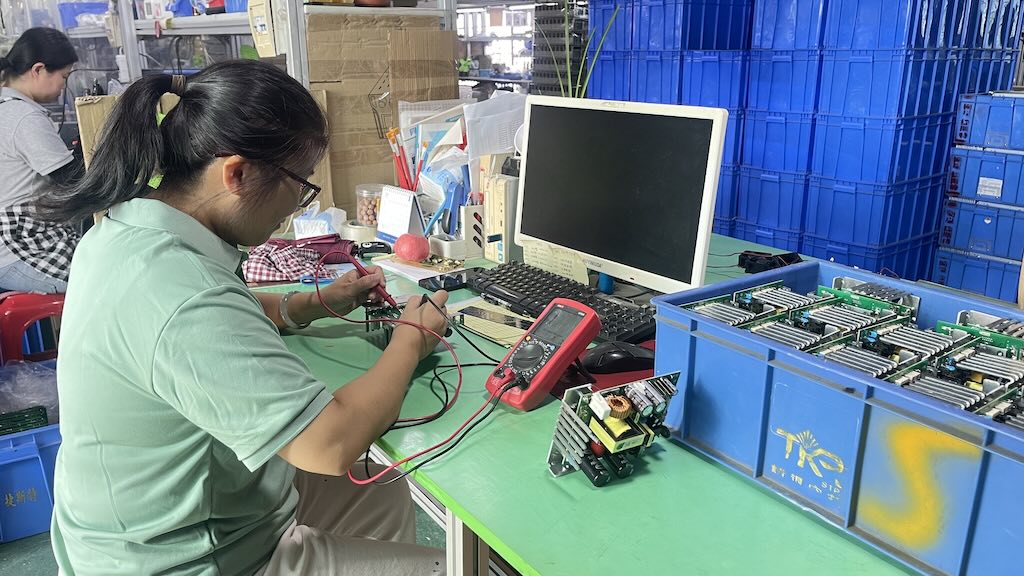 PCB Checking
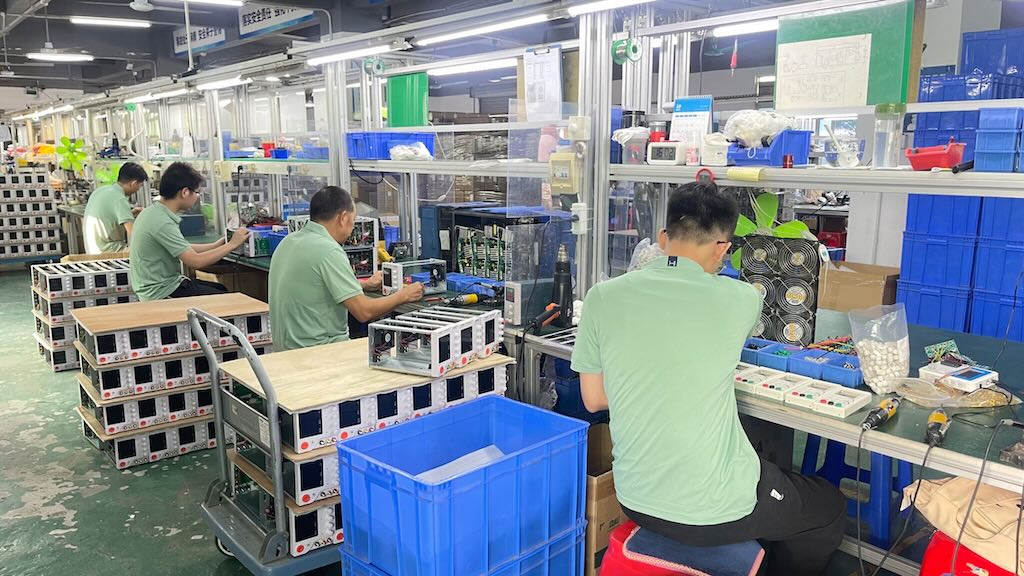 Assembling
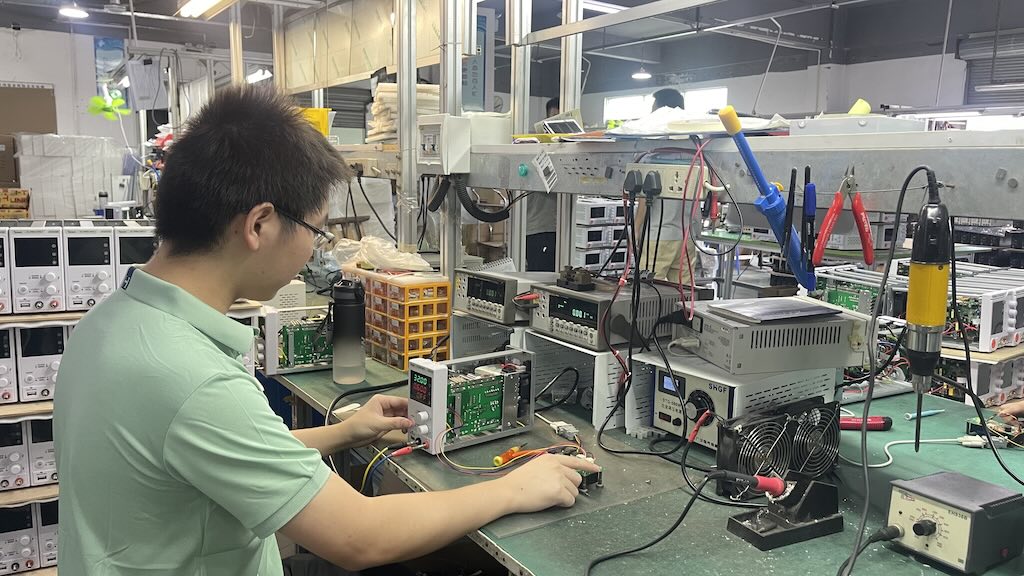 Debug
Debug
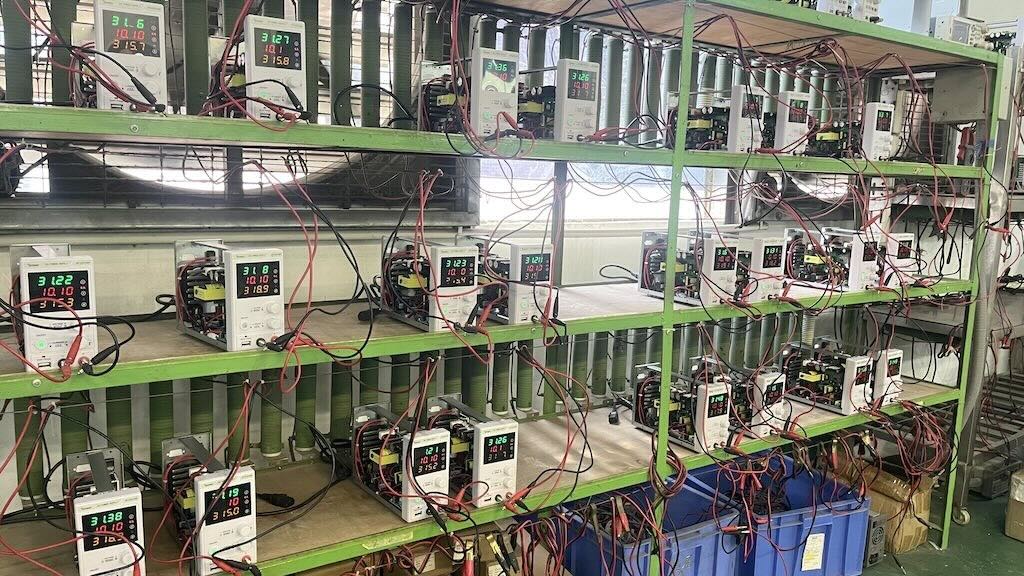 Aging
Aging
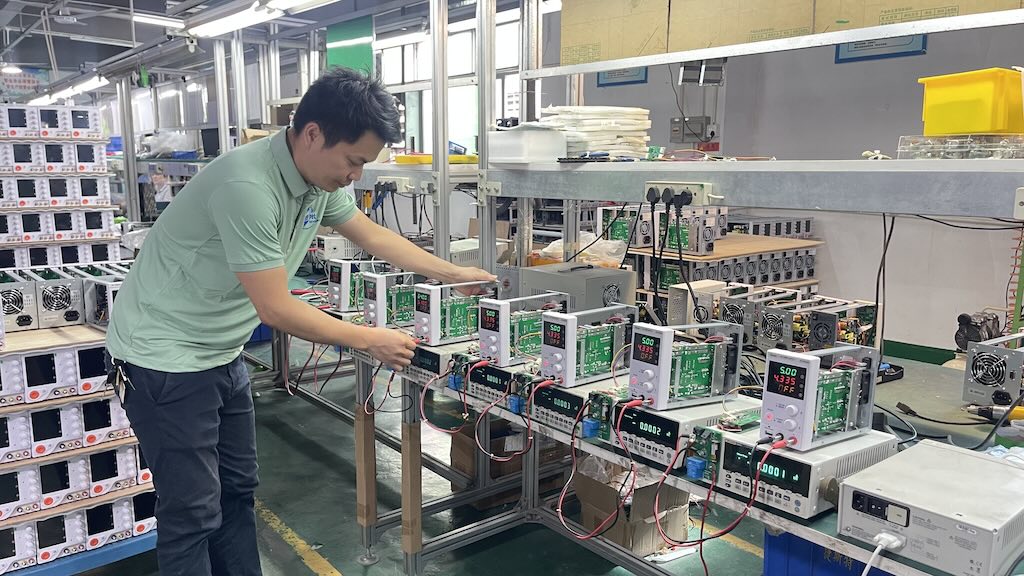 Calibration
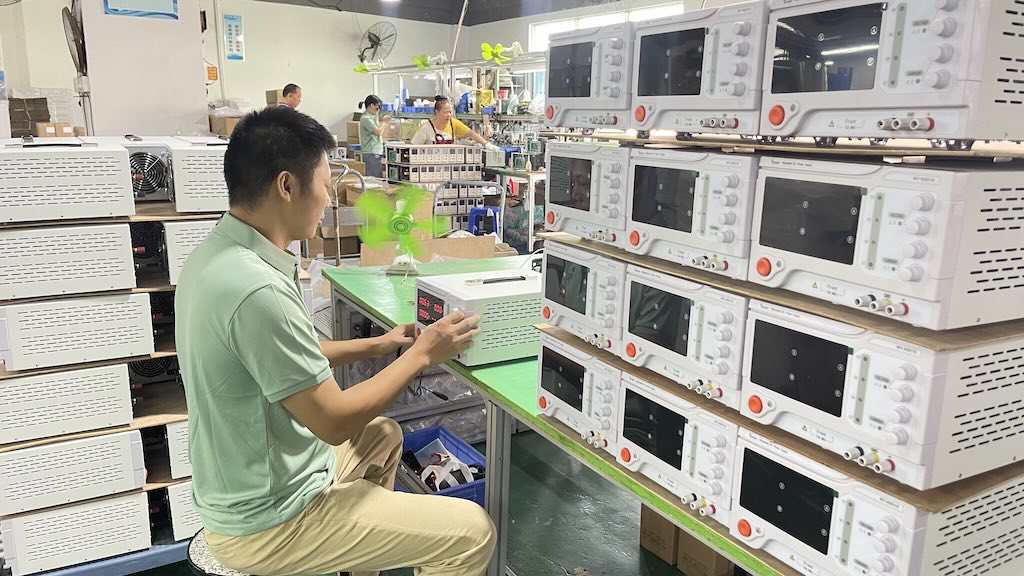 QC checking
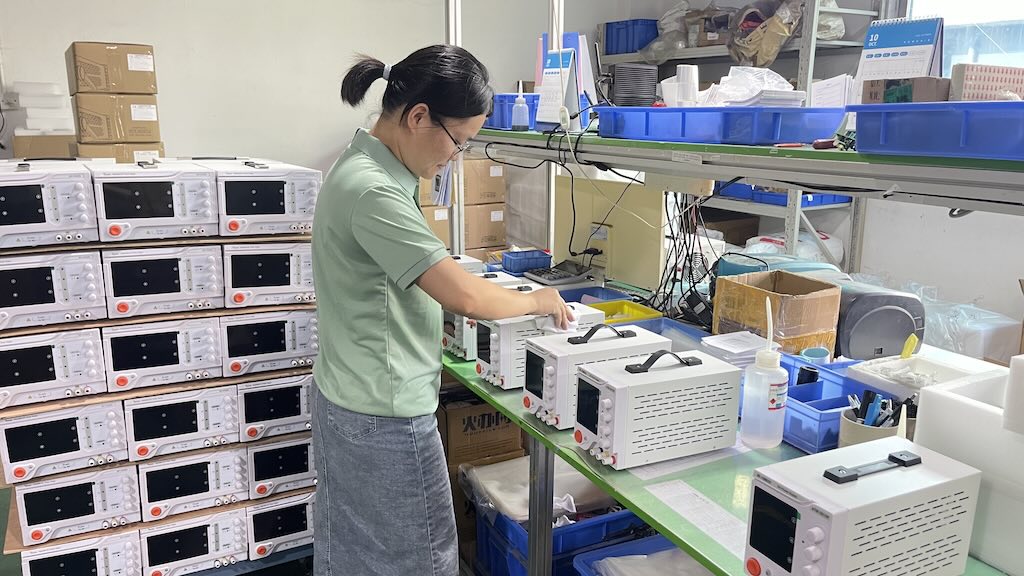 Packing
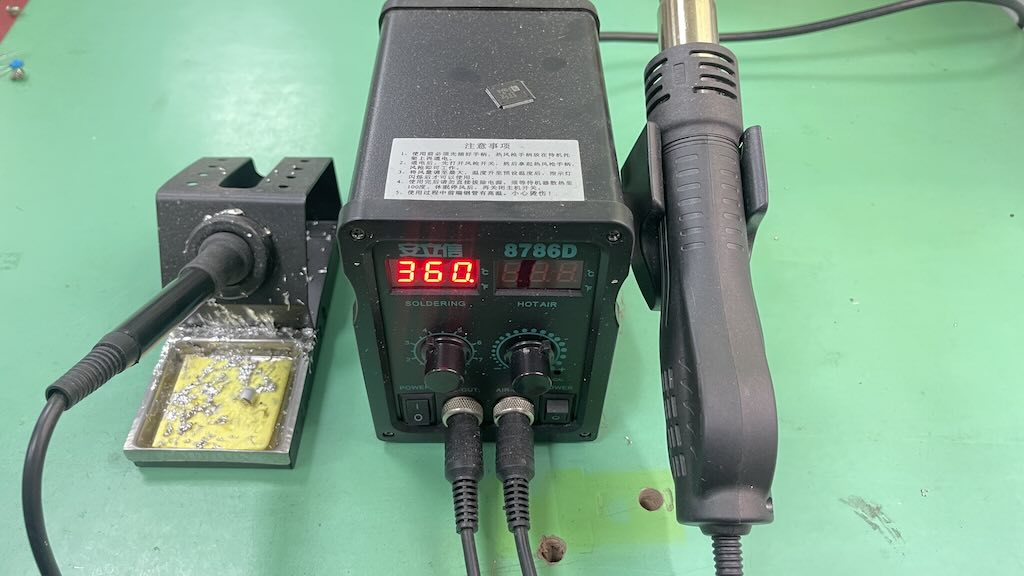 Soldering Station
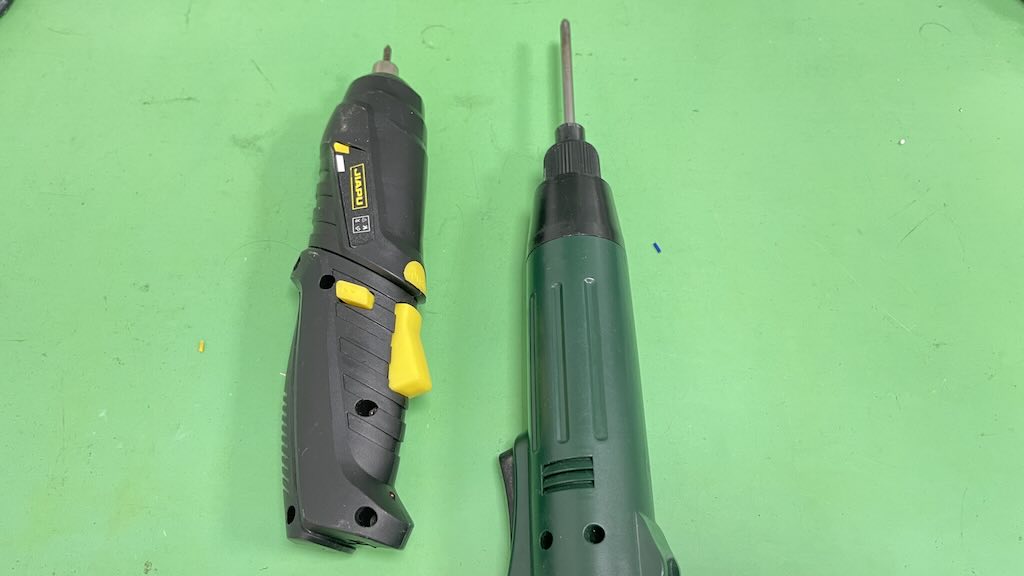 Electronic Screwdriver
To secure unmatched reliability, our technicians utilize specialized instruments during R&D debugging and final validation stages. This mirrors the high standards expected by German electrical engineers.
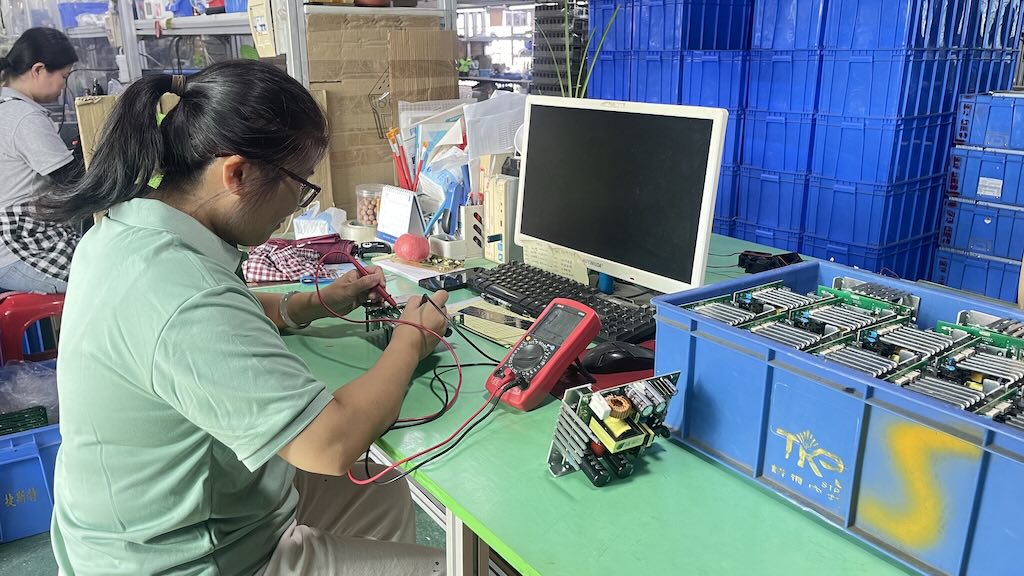 PCB Check
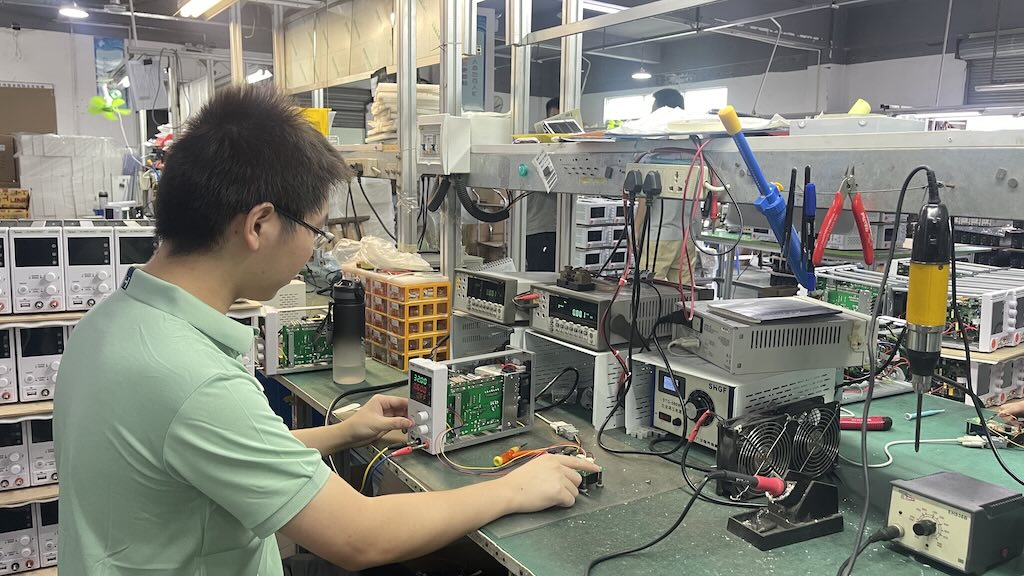 Debug
Debug
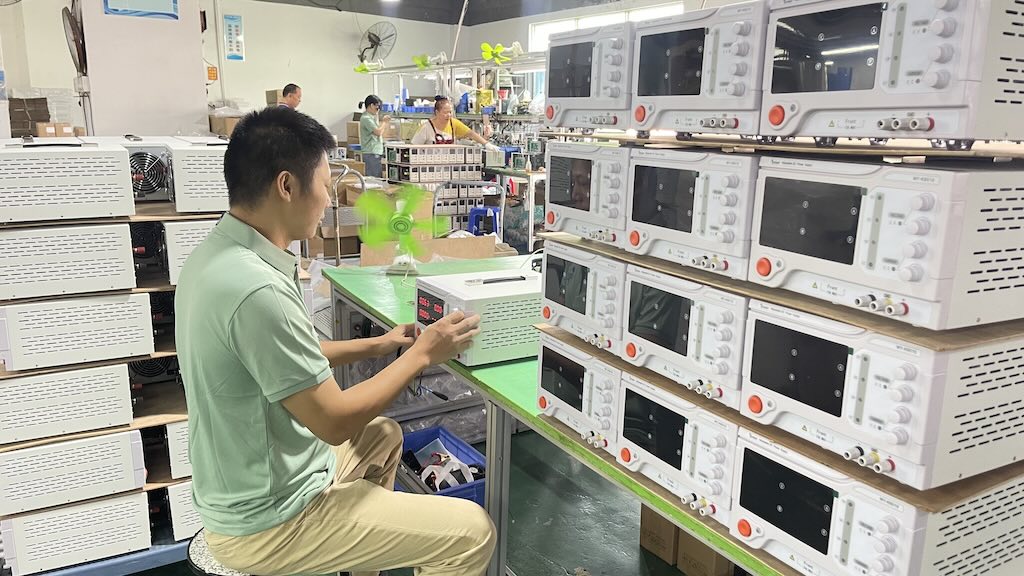 QC check
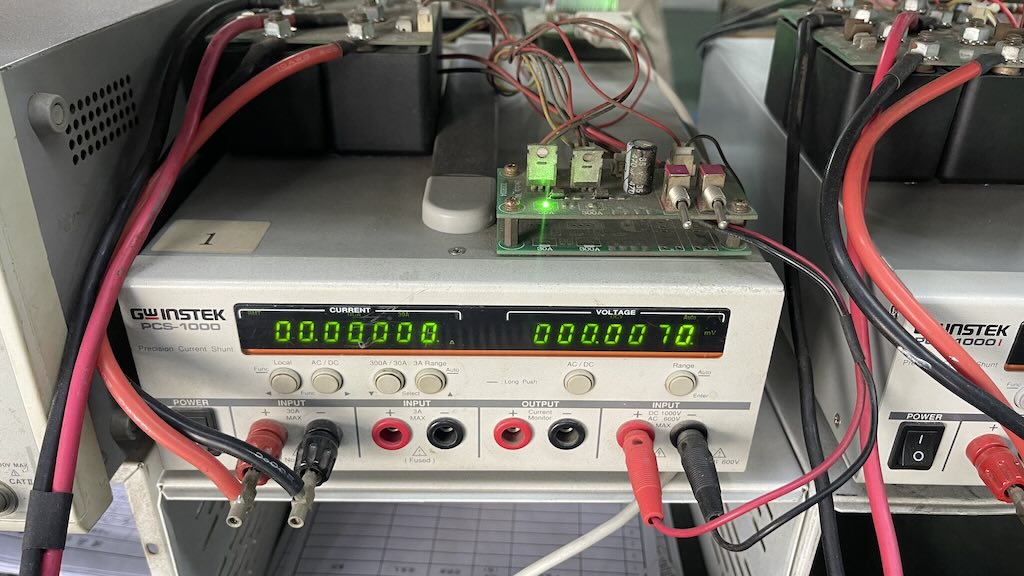 Multimeter
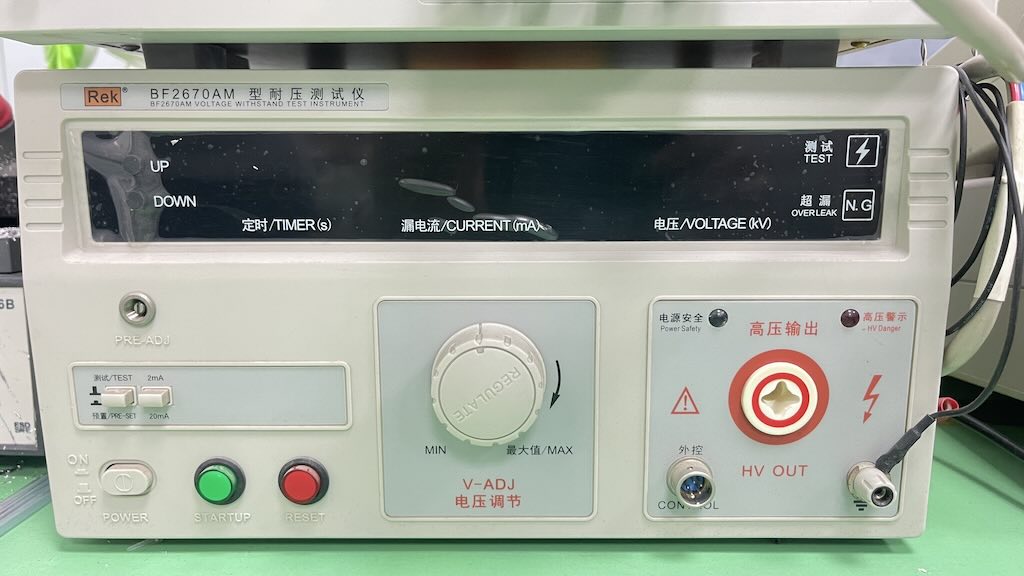 Hi-pot Tester
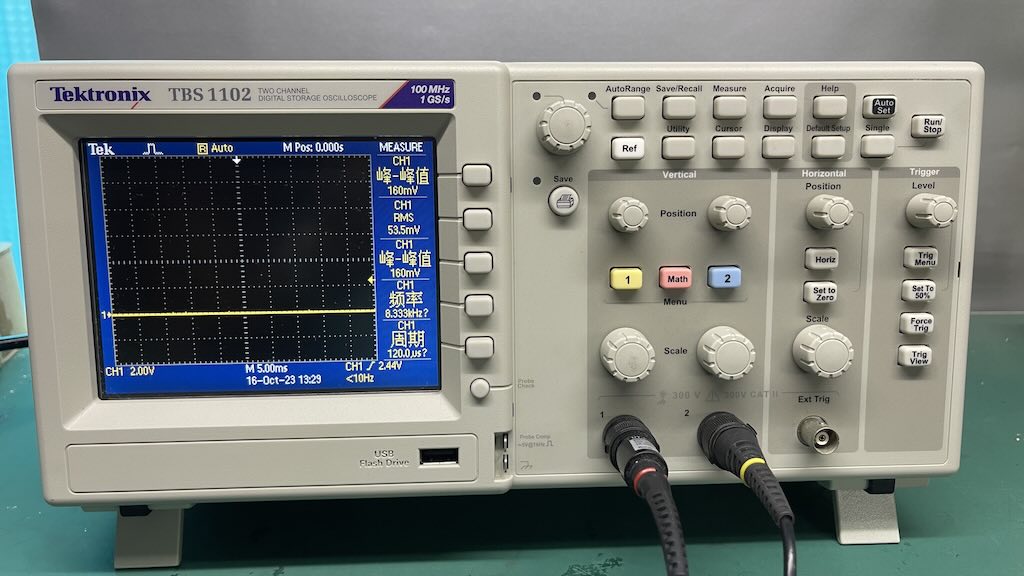 Oscilloscope
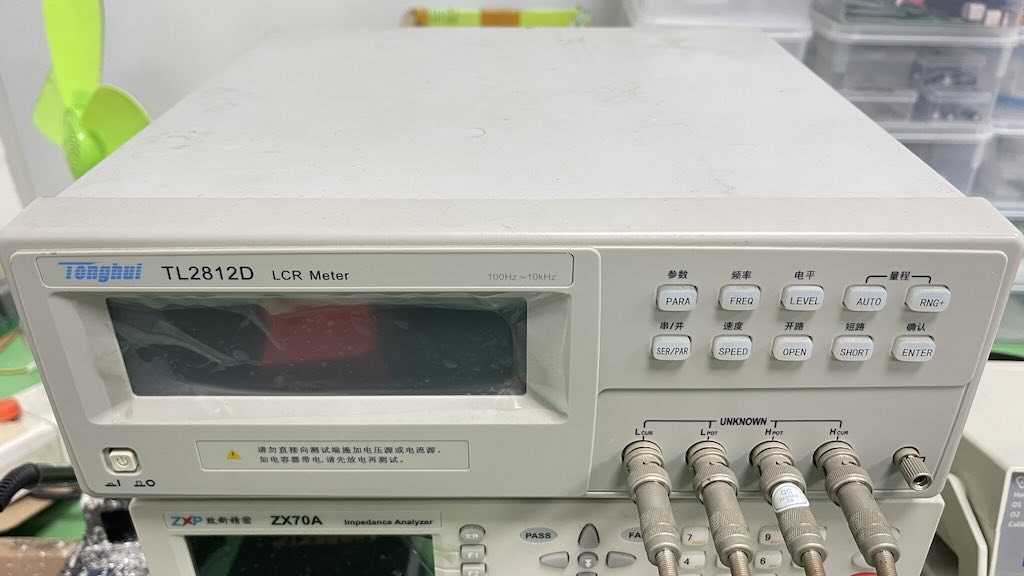 LCR Meter
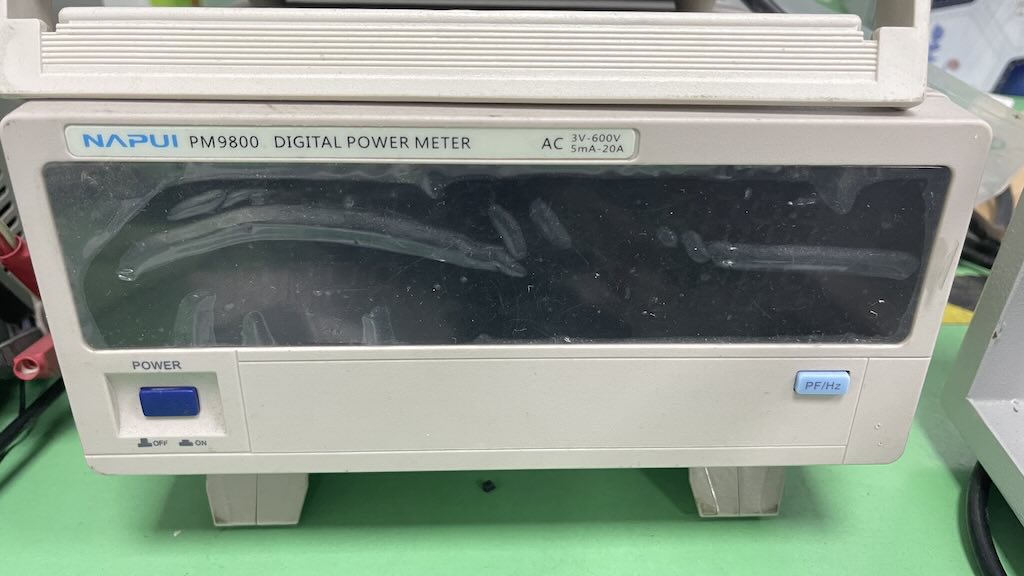 Digital power meter
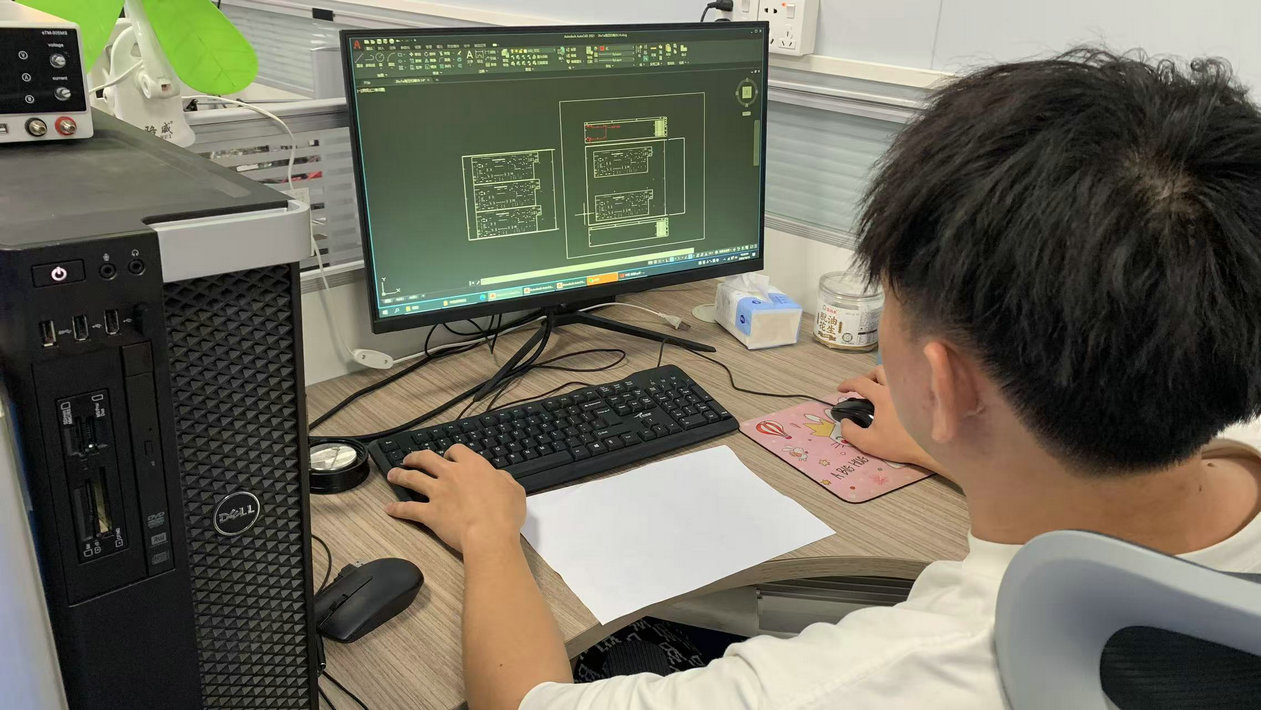 Design
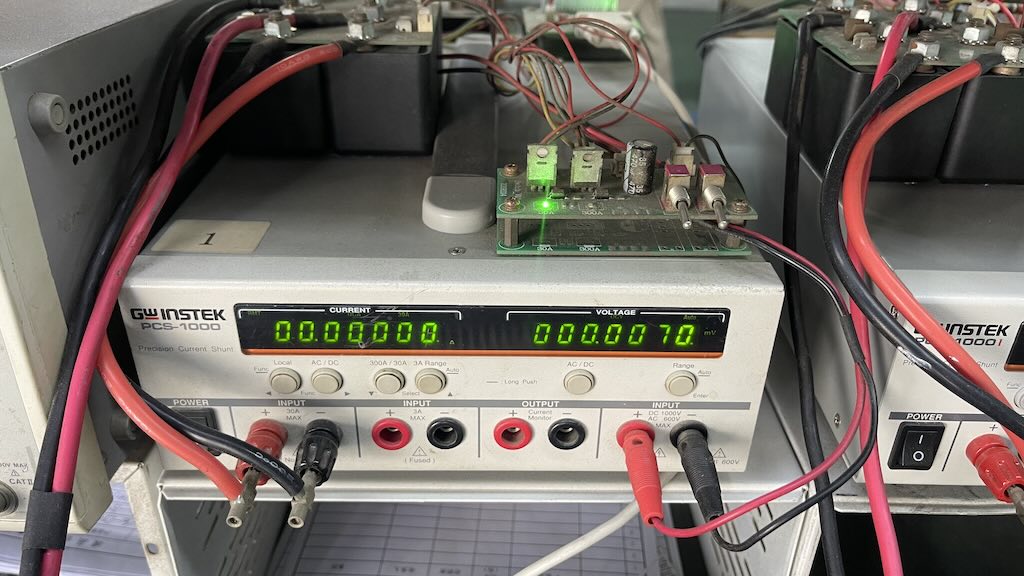 Multimeter
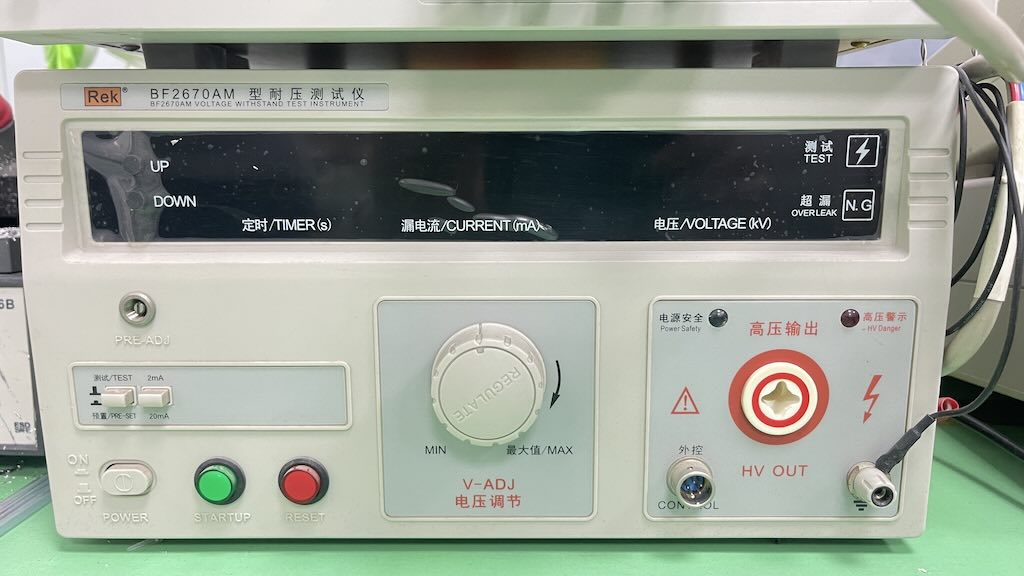 Hi-pot Tester
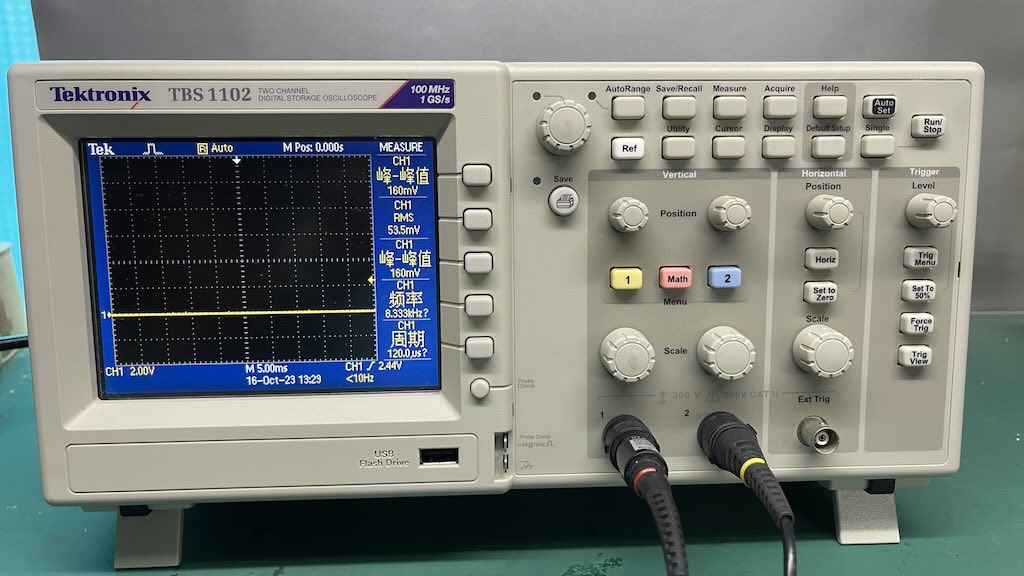 Oscilloscope
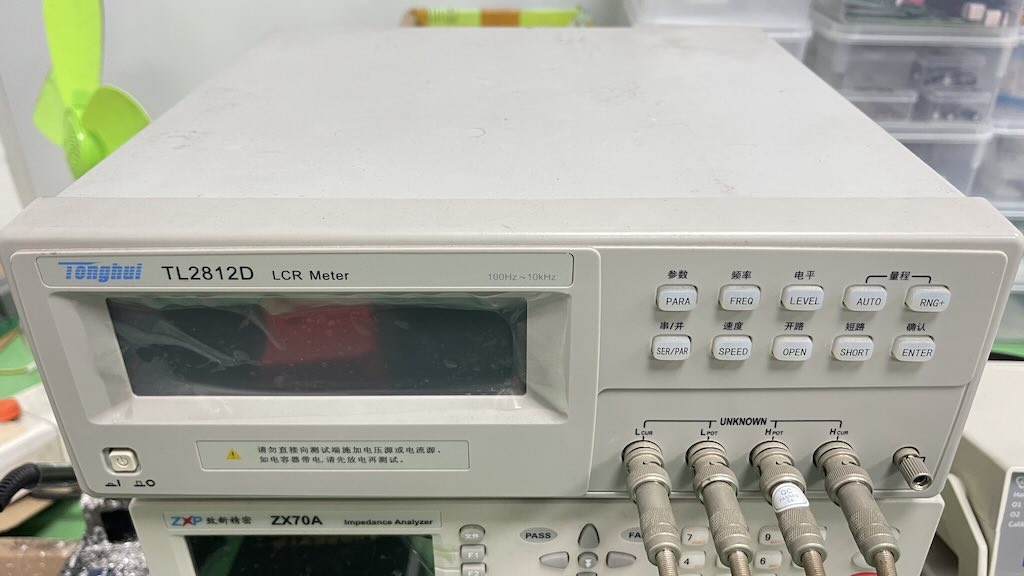 LCR Meter
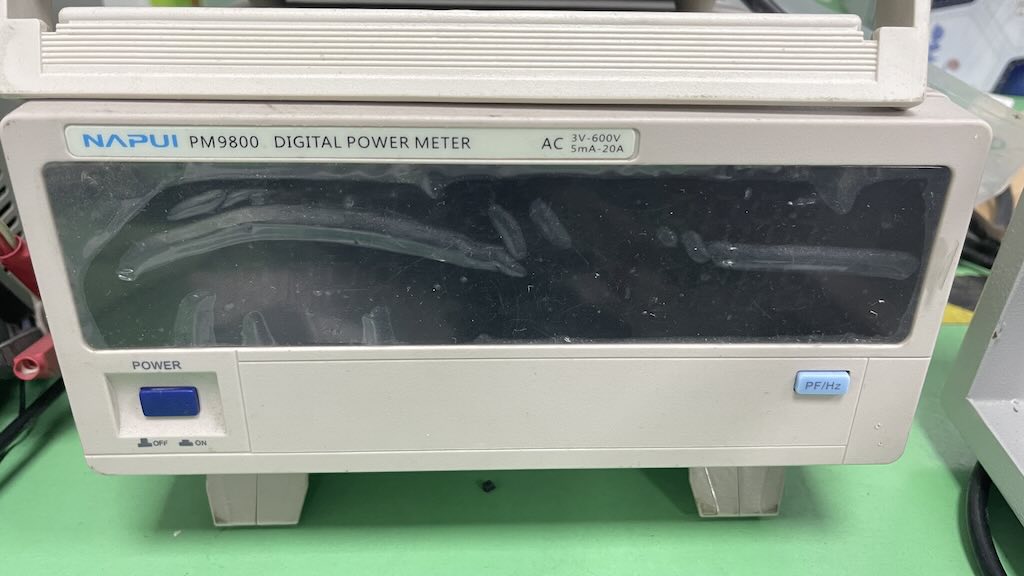 Digital power meter
Our industrial MPPT solar charge controllers are engineered to address the specific, harsh infrastructure environments of Hamburg and its surrounding Baltic and North Sea trade corridors:
Modern port operations rely heavily on off-grid monitoring, container-tracking, and remote automated guidance systems. These remote telemetry installations are constantly exposed to high humidity and salt fog. Our controllers utilize robust conformally coated PCBs and sealed aluminum heat sinks to counter galvanic corrosion. Integrated with RS485 Modbus RTU communication networks, the controllers send real-time system metrics directly to the port's central SCADA databases.
Under the latest regional solar legislation, new warehouse and commercial structures must build rooftop PV arrays. Often, these installations feature decentralized battery energy storage systems (BESS) using LiFePO4 chemistry. The wide range of our MPPT selection (from 12V up to 192V battery voltages) allows commercial system designers to build highly efficient configurations, reducing balance-of-system (BOS) cabling costs.
With logistics hubs transitioning to zero-emission operations, high-voltage battery storage banks are required. Our 450V PV input series acts as a robust DC-to-DC buck converter, enabling high-voltage solar panels to charge fleet battery banks without the losses of traditional AC-inversion pathways.
Review our full range of high-efficiency controllers, featuring adjustable voltage parameters, advanced system telemetry, and robust warranties. Ideal for integration into customized OEM distribution configurations.
Understand the core differences in thermal engineering, electrical topologies, and installation compliance regulations required for Northern Germany microgrids.
 Myami Power