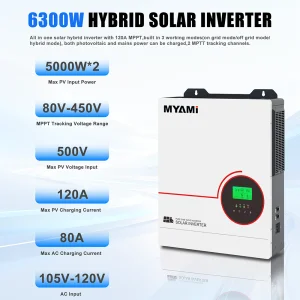
Ensuring ultra-stable excitation voltage and clean signal verification for high-precision analog sensors.
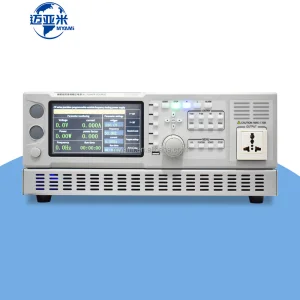
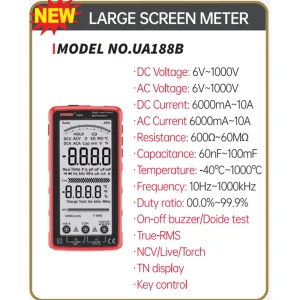
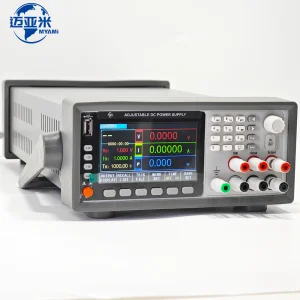
Analysing the critical role of China's component supply chains in global precision automation.
In the age of industrial digitisation, IoT integration, and automated manufacturing, the physical-to-digital bridge relies entirely on sensors. Analog sensors—devices that output a continuous, real-time electrical signal (such as voltage, current, or resistance) proportional to a physical quantity—remain the primary sensing modality for high-frequency dynamic measurements. From pressure transducers and strain gauges in automotive safety systems to thermocouple-based thermal controls in semiconductor chambers, analog signals provide the absolute raw fidelity required before digitization.
The global commercial landscape of analog sensors is undergoing a profound transformation. Traditionally dominated by Tier-1 automotive and industrial contractors in North America and Central Europe, the manufacturing center of gravity has shifted. China's analog sensor suppliers have developed advanced fabrication and calibration capabilities, matching western precision specifications while offering unprecedented supply chain agility. This advancement is heavily driven by the co-development of high-performance calibration instrumentation and programmable power supplies within domestic engineering clusters such as Shenzhen.
Discover Shenzhen Myami Power Technology Co., Ltd. (MYAMI)
Headquartered in Shenzhen, China, Shenzhen Myami Power Technology Co., Ltd. (MYAMI) is a technology-driven manufacturer and solution provider specializing in high-precision, industrial-grade power supplies and electrical test equipment. Designed for engineering rigor, MYAMI bridges the gap between complex electronic research, high-voltage component testing, and scalable industrial automation.
Every MYAMI system is engineered with strict multi-layer protection protocols (OVP, OCP, OTP, and short-circuit safeguards) and complies with international safety and quality standards, including CE, RoHS, and ISO9001. Integrated with standard industrial control protocols (RS485, RS232, and CAN communication), our equipment seamlessly connects to automated production lines and central PC control systems.
Today, MYAMI serves research institutions, automotive OEMs, aerospace contractors, and electronics manufacturers across North America, Europe, East Asia, and the Middle East. Whether you require a single benchtop lab power supply or a custom high-power aging system, MYAMI is your ultimate partner for precision power and uncompromised testing reliability.
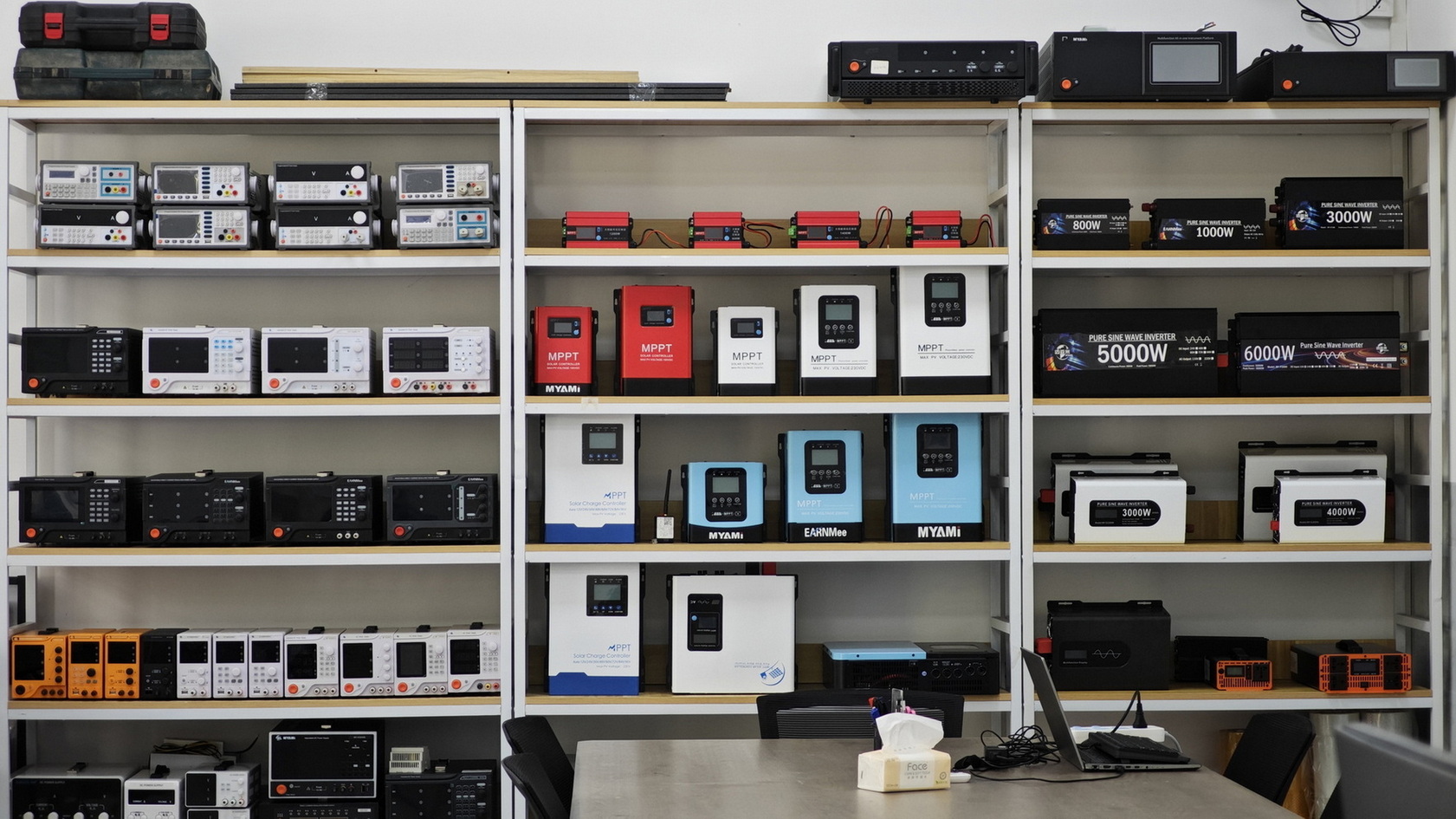
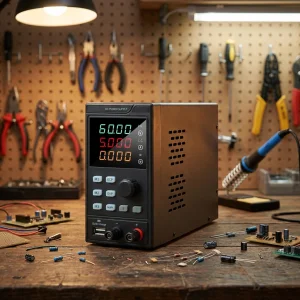
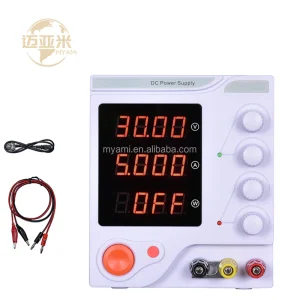
Featuring multi-digit LED displays, ultra-low ripple, and rapid transient response, engineered for precision electronic R&D, semiconductor evaluation, and PCB debugging.
Delivering high-current, high-voltage DC/AC regulated power supplies built for industrial motor drives, electroplating rectifiers, and heavy-duty component burn-in testing.
Providing specialized DC power units, battery simulators, and variable AC power sources engineered for Electric Vehicle (EV) On-Board Chargers (OBC), BMS evaluation, and solar inverter testing.
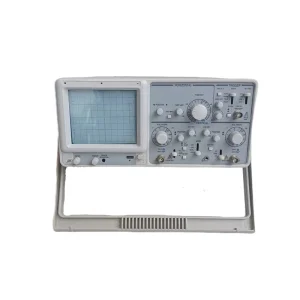
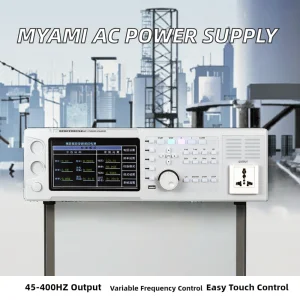
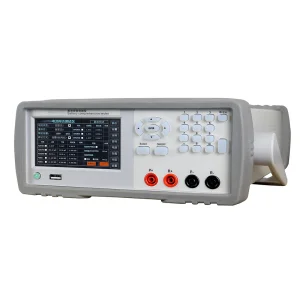
Supplying complementary test bench solutions, including digital oscilloscopes, multimeters, and specialized AC voltage regulators for global laboratories and technical institutes.
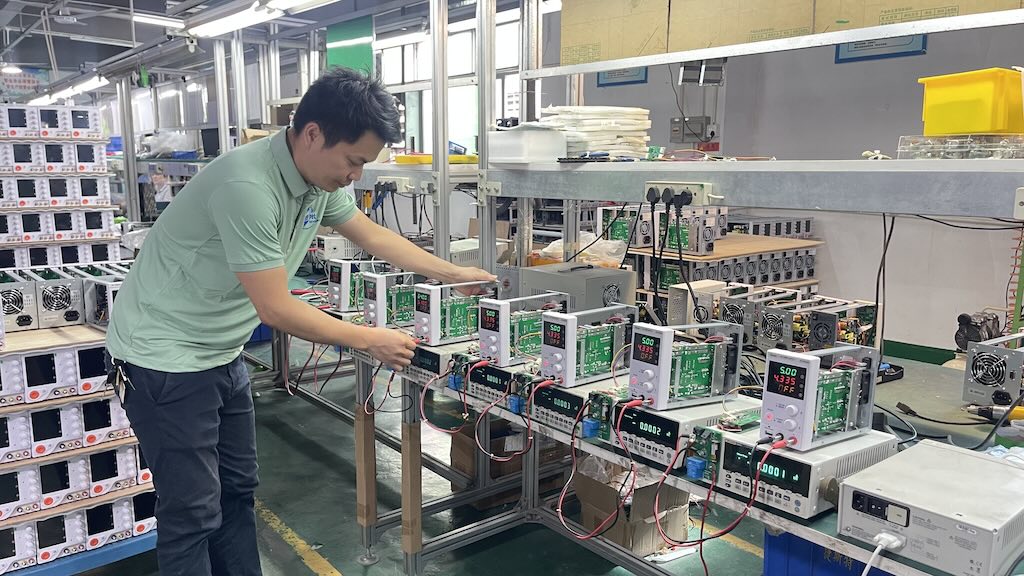
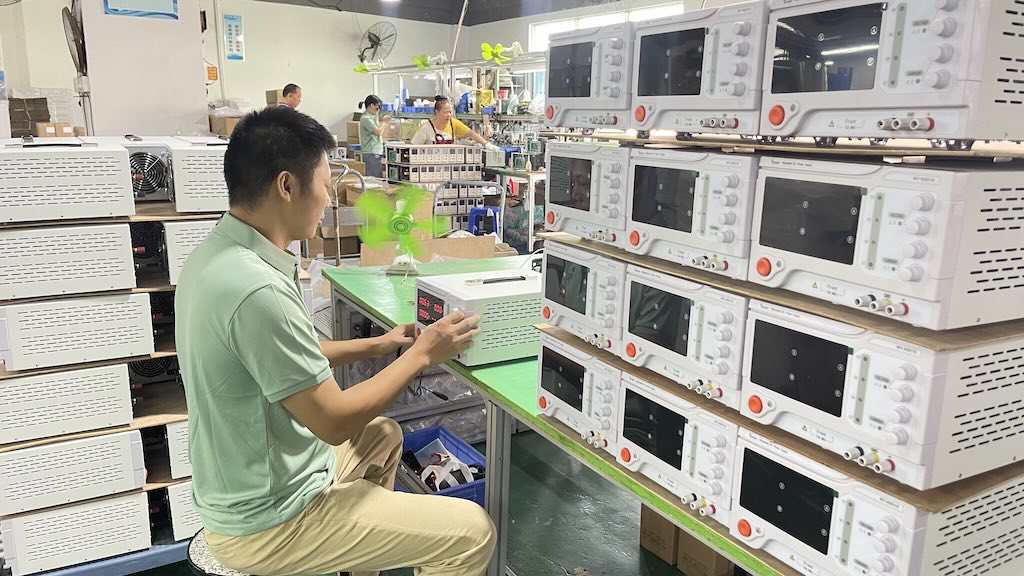
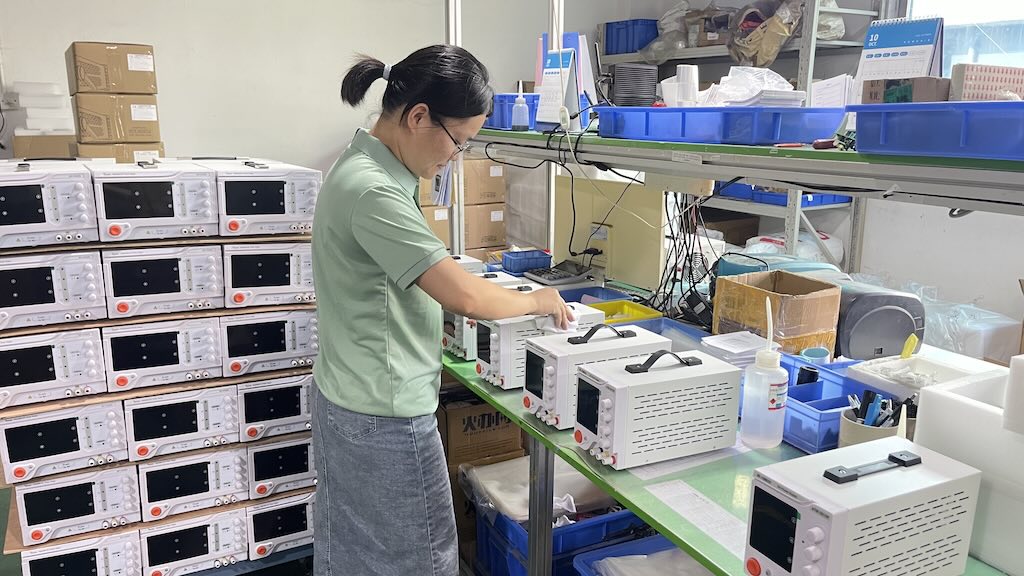
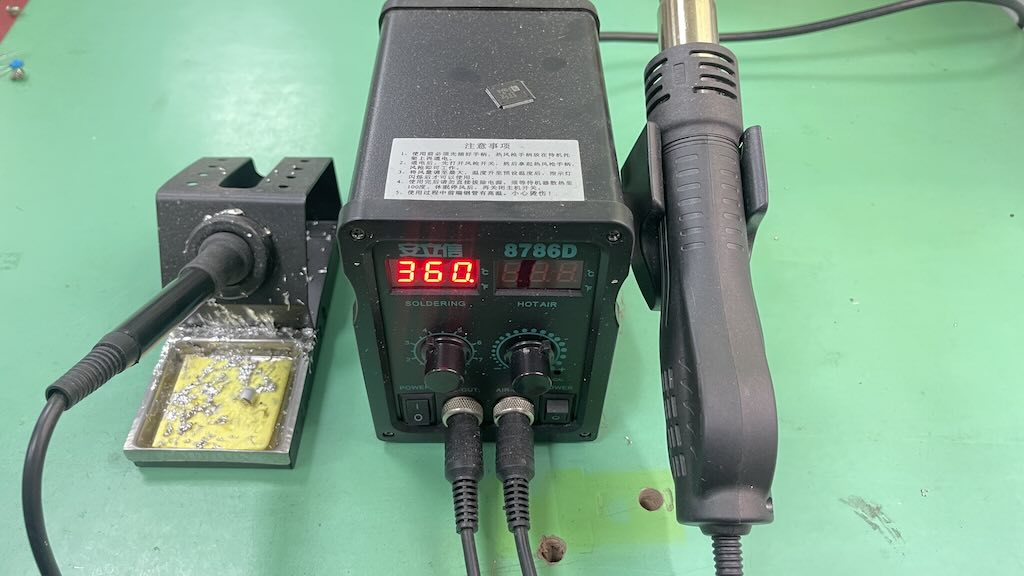
Industrial components require step-by-step assembly, verification, and precision testing.
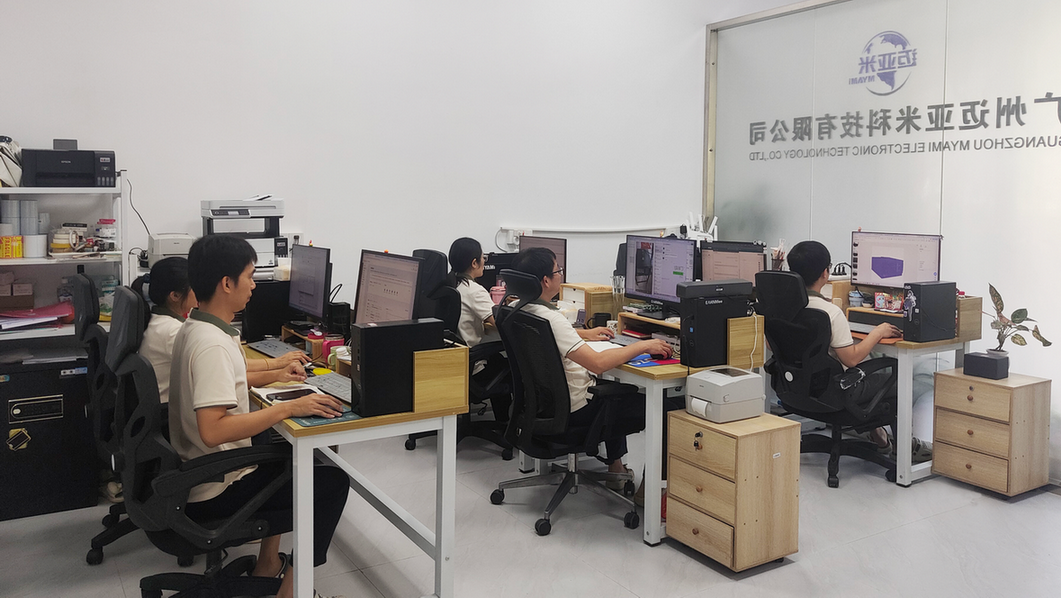
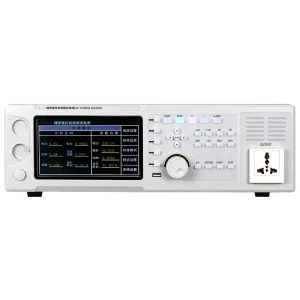
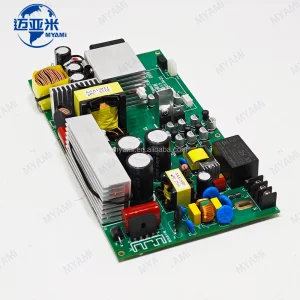
To guarantee E-E-A-T reliability, our manufacturing center processes each unit under strict quality control. Below is our visual pipeline illustrating the design, assembly, debugging, and systematic calibration of our instrumentation.
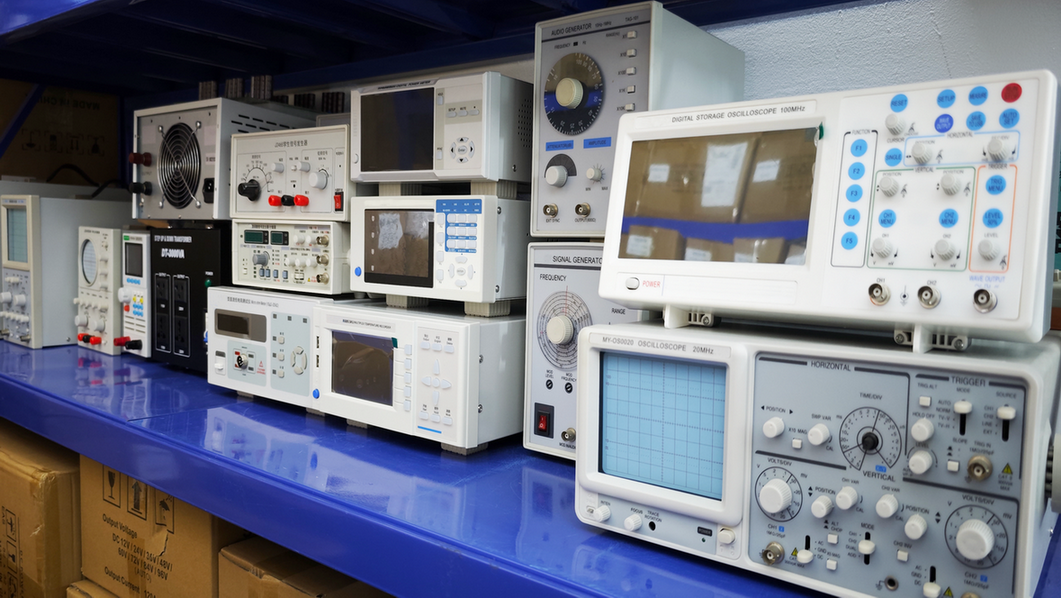
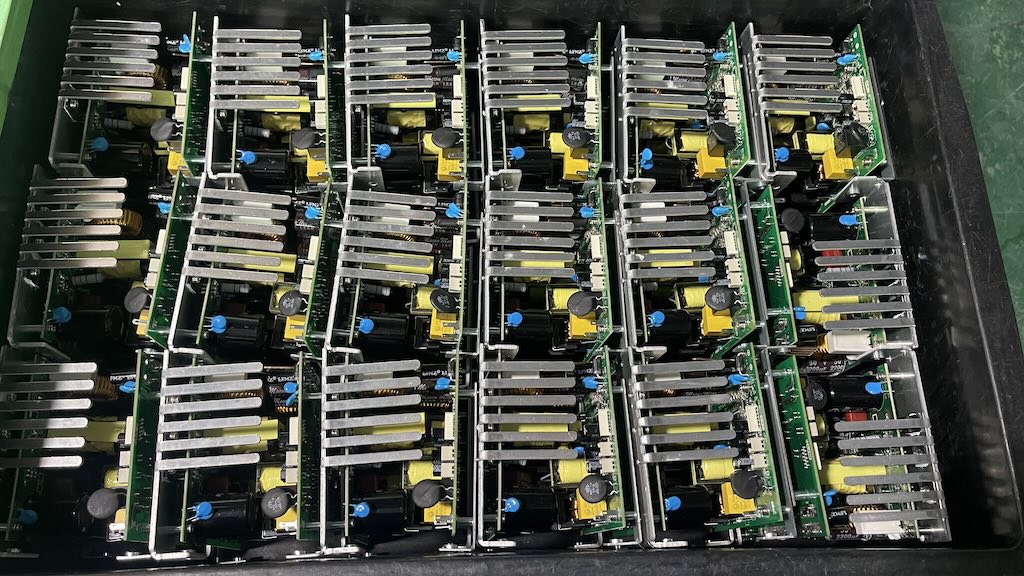
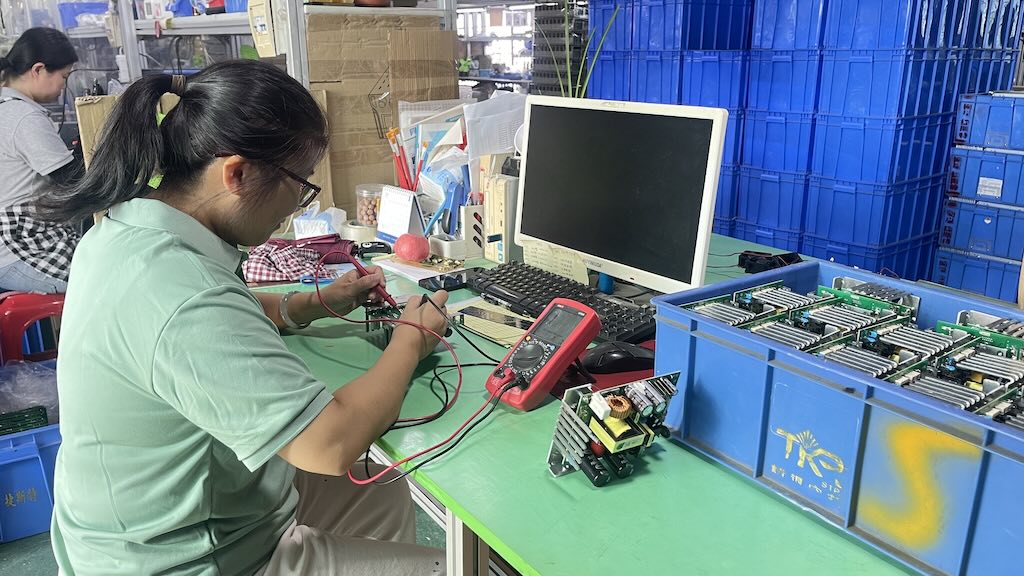
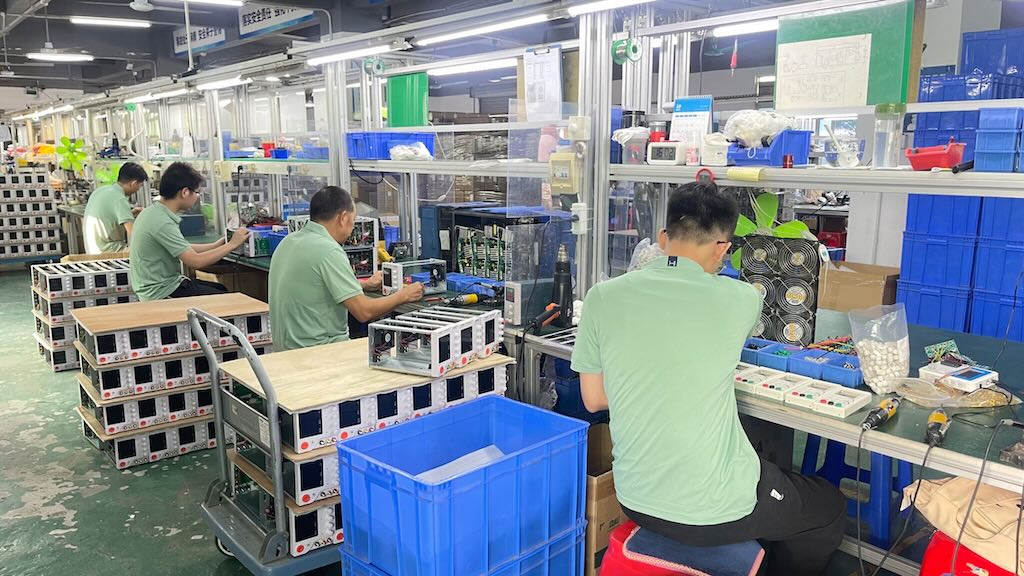
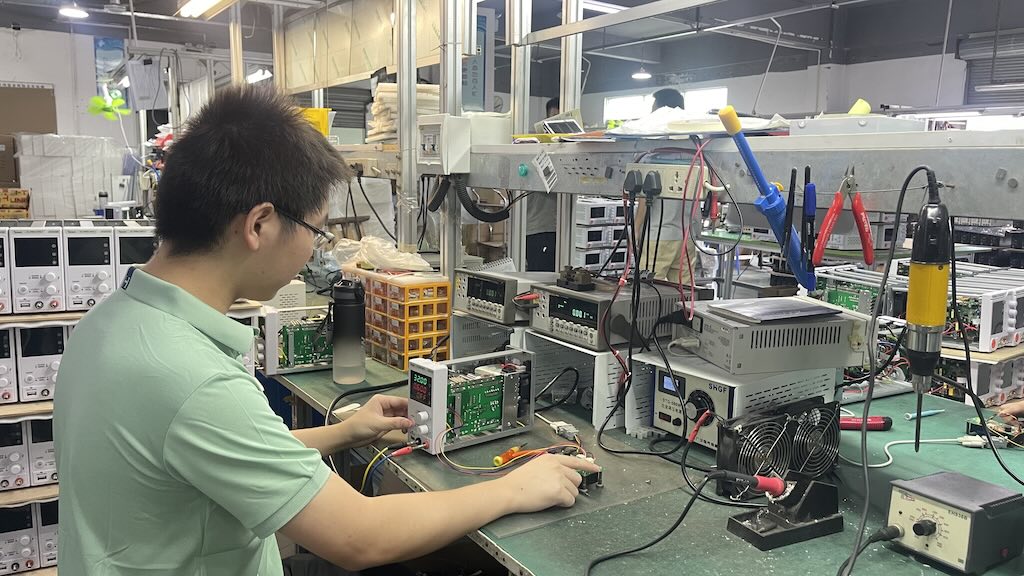
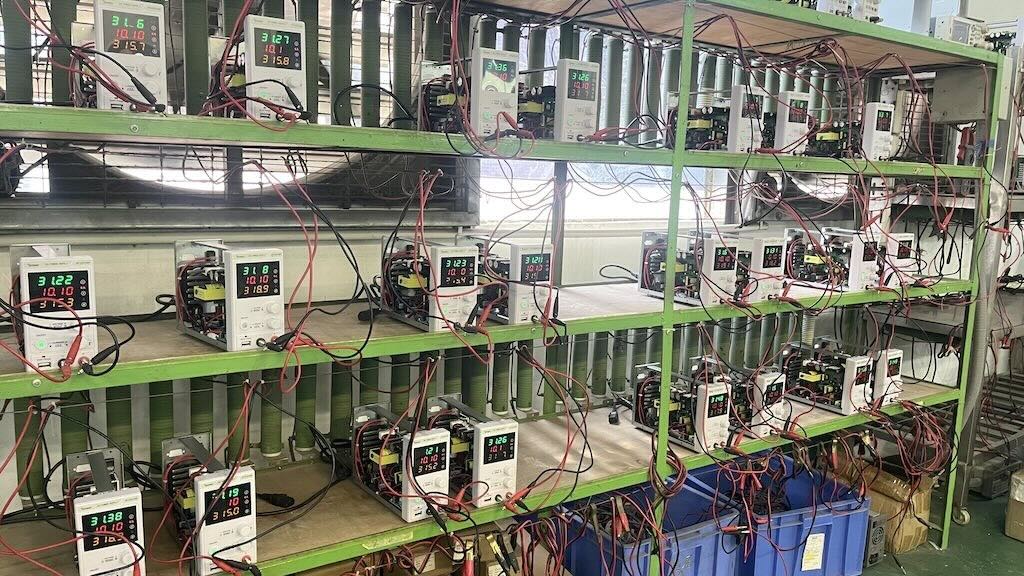
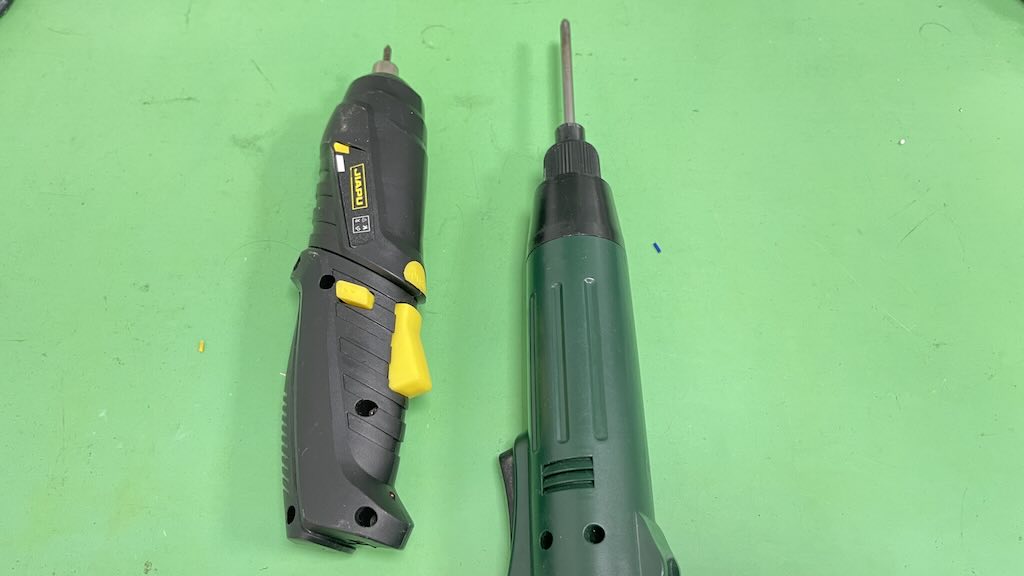
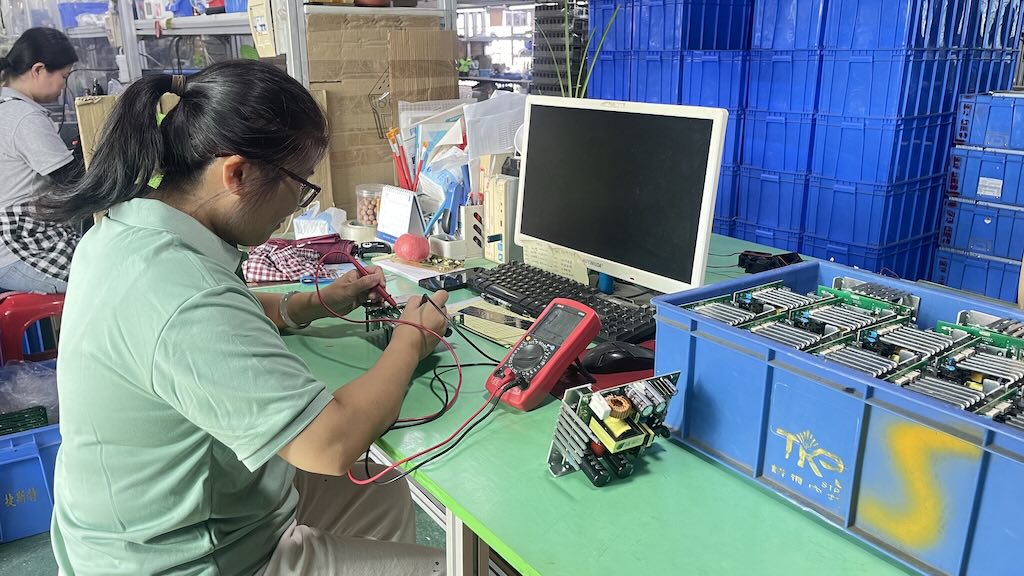
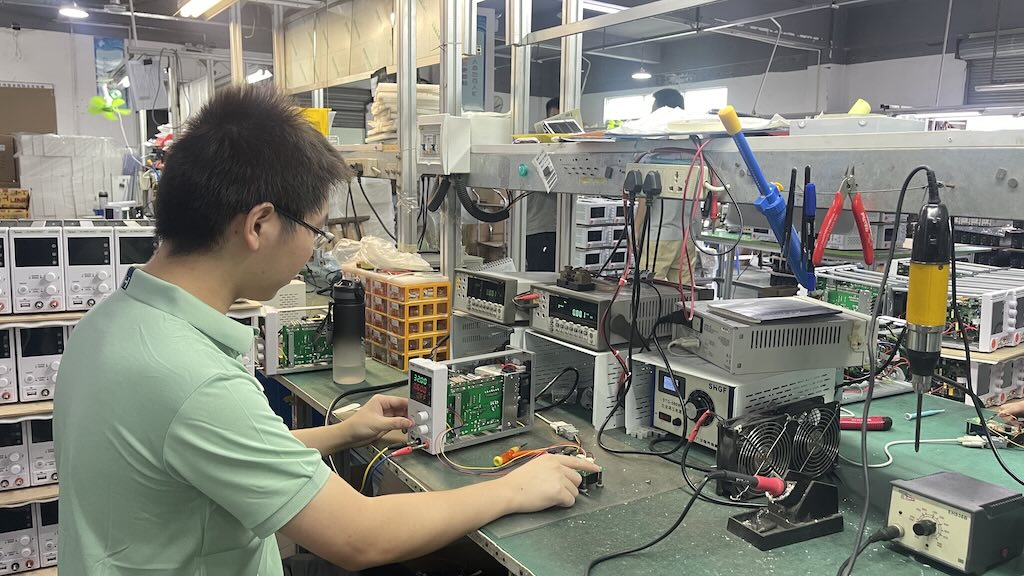
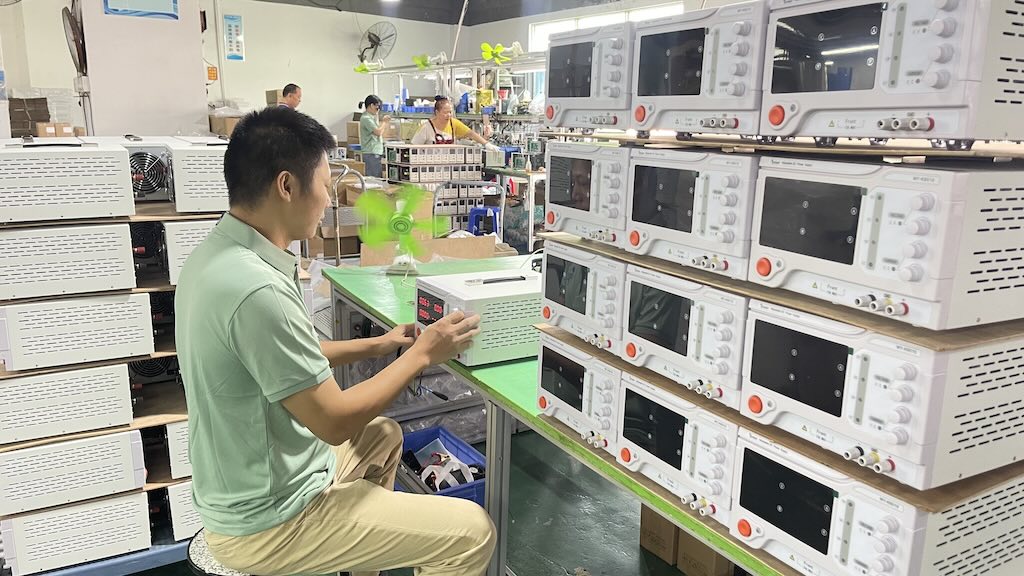
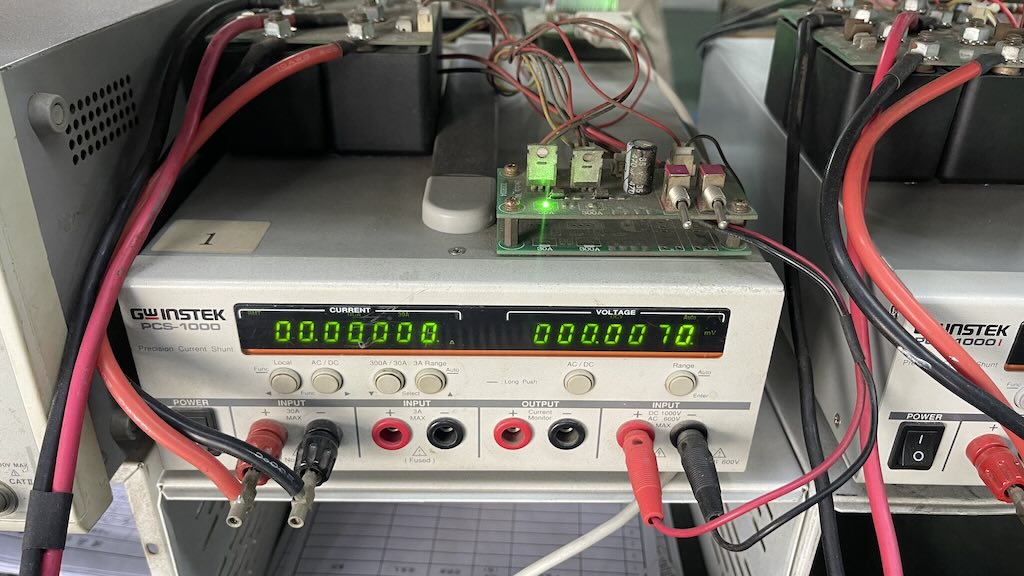
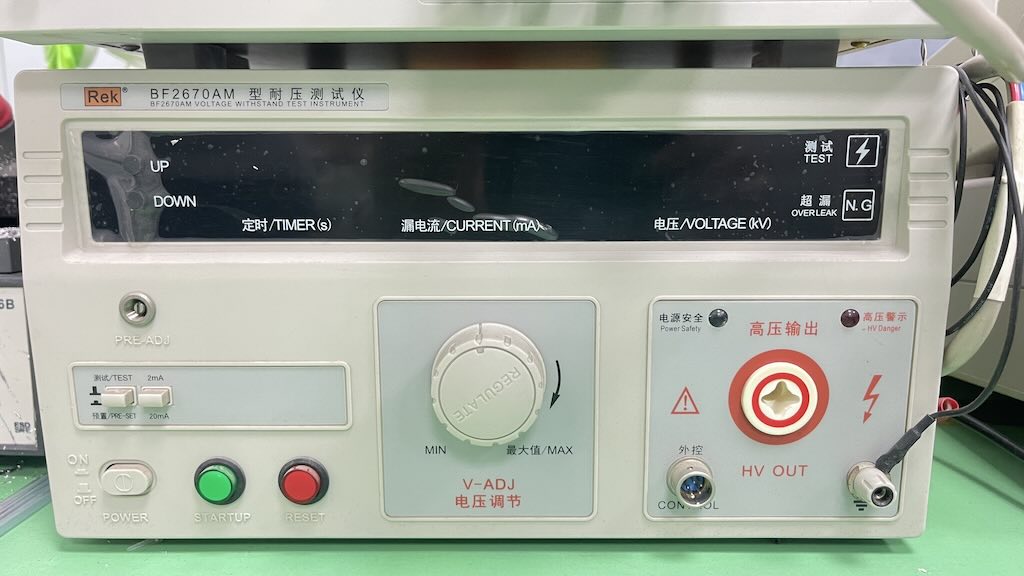
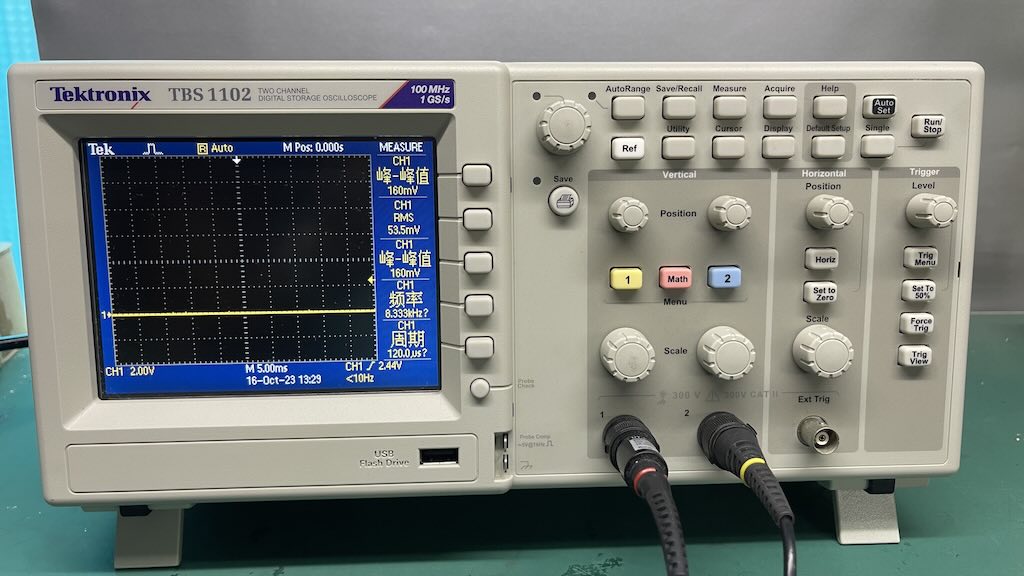
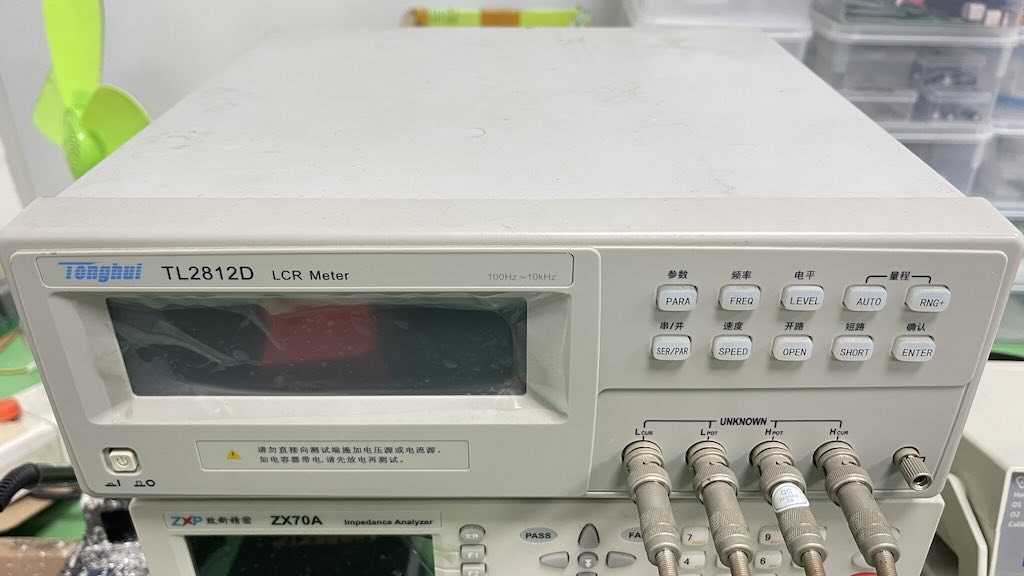
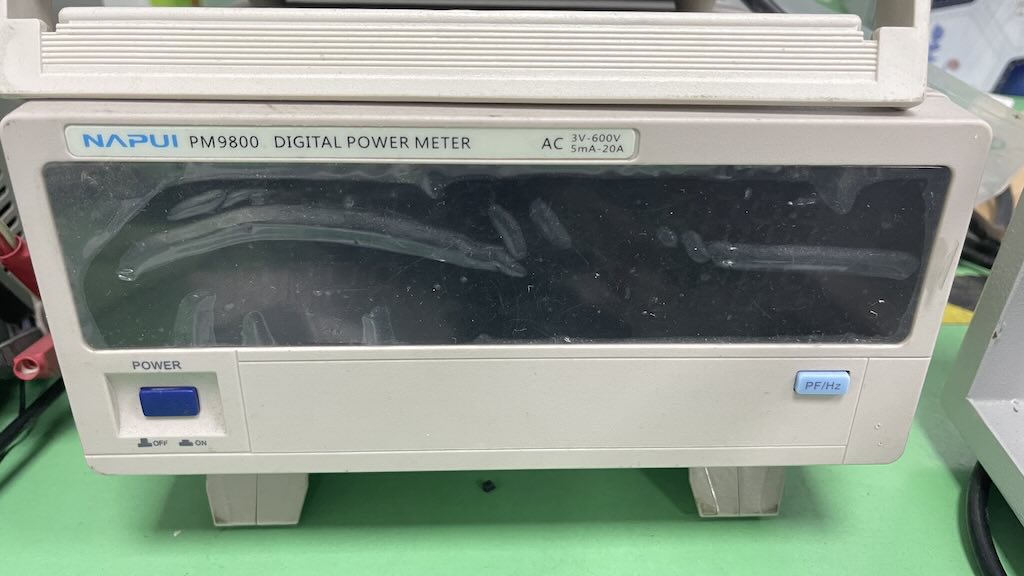
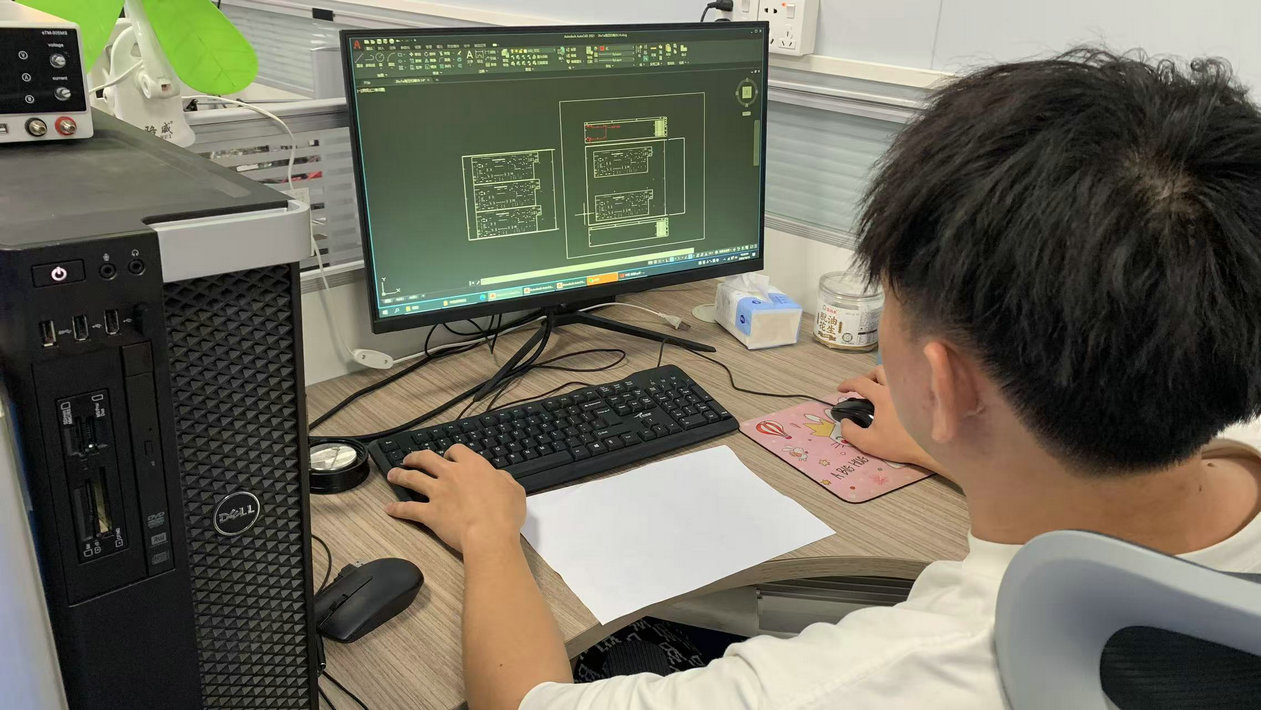
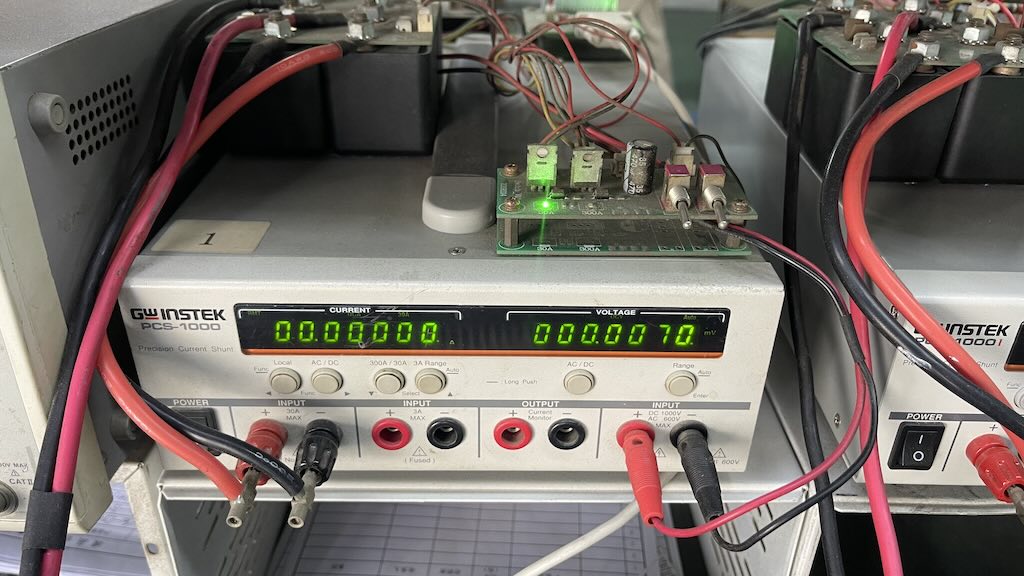
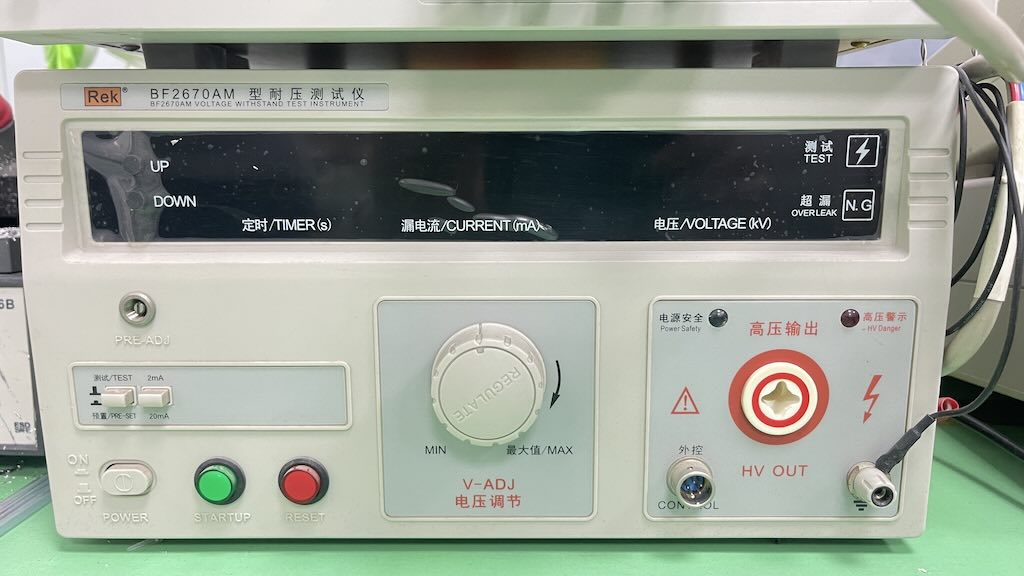
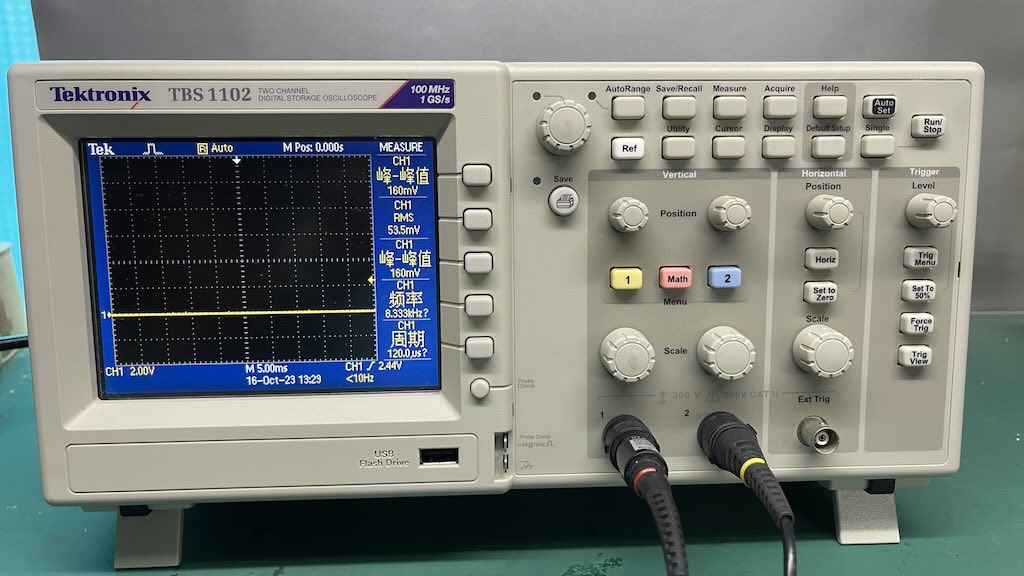
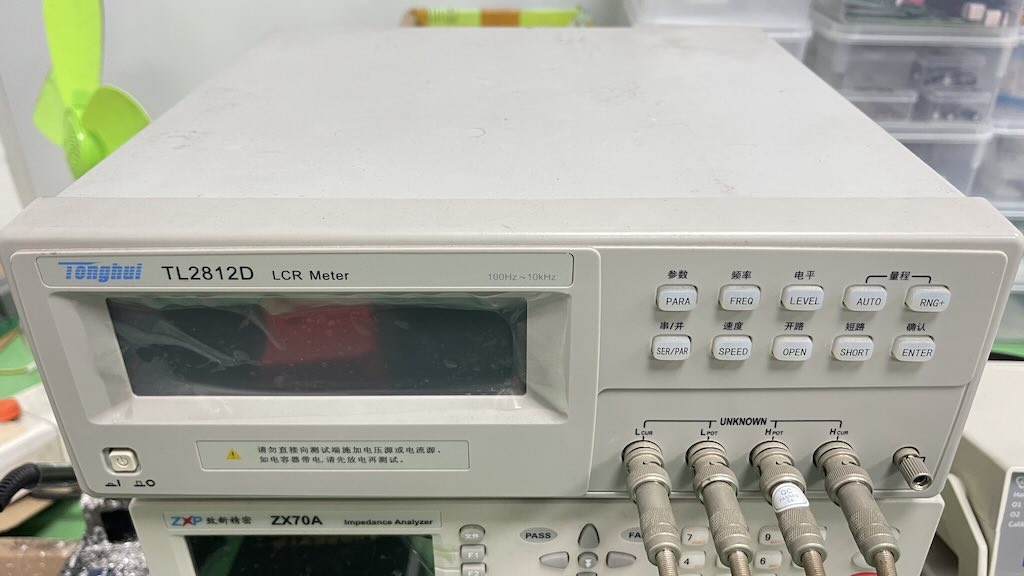
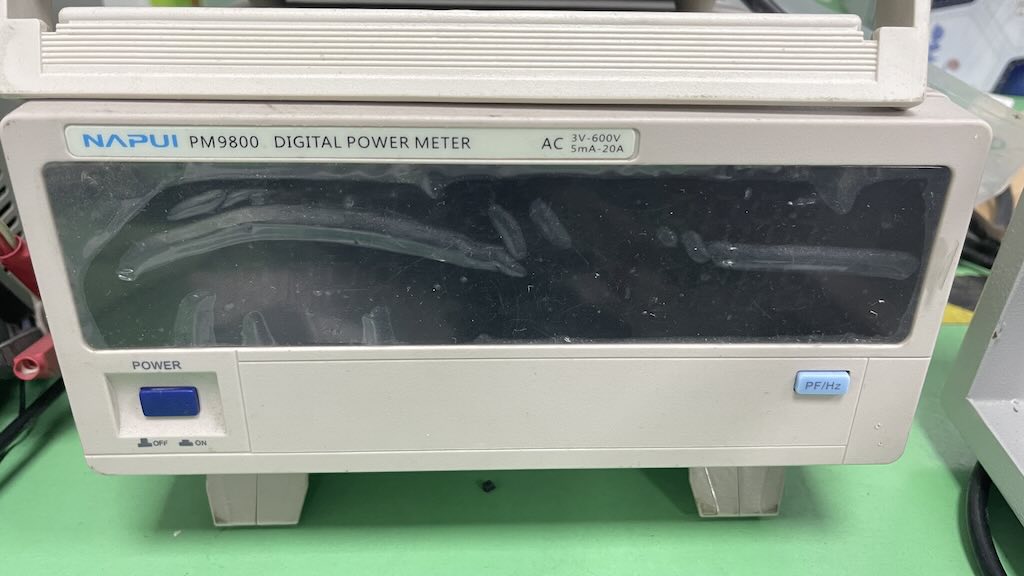
Engineering analog sensing architectures for the industrial demands of 2025 and beyond.
Developing analog sensor hardware requires a dual commitment to physical sensor engineering and external support hardware. Since analog sensors output continuous electrical values, they are highly vulnerable to system-level noise, impedance mismatching, and thermal fluctuation. To solve these challenges, MYAMI’s technology roadmap integrates key engineering focuses designed to assist manufacturers in securing optimal performance.
High-precision strain gauges and piezo-resistive pressure sensors rely on an excitation voltage. If the excitation source exhibits ripple, this translates directly to signal noise. MYAMI's linear DC power supplies provide ultra-low noise levels to prevent sensor degradation.
During heavy dynamic loading, sensor arrays experience rapid voltage drops. Power systems must stabilize within microseconds. Our advanced control loops respond quickly to load variations, ensuring consistent reference voltages.
Sensors deployed in automotive engines or aerospace systems must withstand wide temperature ranges. MYAMI's customizable high-power programmable AC/DC sources provide reliable stress-testing platforms for thermal aging chambers.
Modern calibration setups require complete software integration. By supporting RS485, RS232, and CAN protocols, our power platforms integrate with SCADA and automated calibration software to automate the testing process.
In practice, analog sensor manufacturers utilize MYAMI's equipment to address critical quality verification needs:
Technical insights on selecting industrial calibration equipment for analog sensor systems.
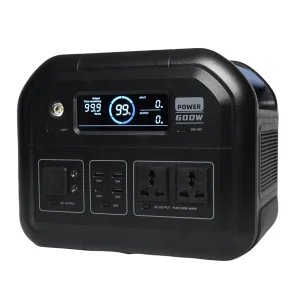
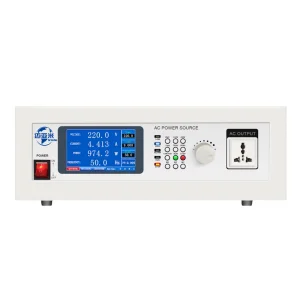
Professional energy management, calibration, and power inversion platforms for industrial operations.

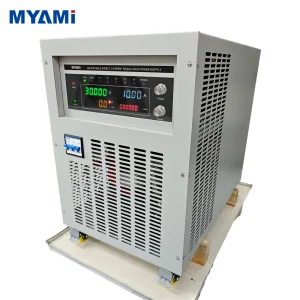
 Myami Power