Industrial-grade solutions powering international 3D printer calibration and manufacturing pipelines.
The additive manufacturing landscape has transitioned from rapid prototyping tools to vital nodes in global supply chains. Globally, industries demand high-performance industrial 3D printers that run 24/7 with zero downtime. From polymer extrusion to metal powder bed fusion, 3D printers rely heavily on precise power distribution systems, dynamic motor controllers, and clean electronic noise profiles.
Enterprises now prioritize 3D printers that are equipped with advanced diagnostic tools. Key components such as high-temperature hotends and heated chambers require stable electrical environments to maintain critical temperatures, preventing warp and delamination. This shift highlights the need for reliable ODM/OEM electronics suppliers to stabilize industrial hardware performance.
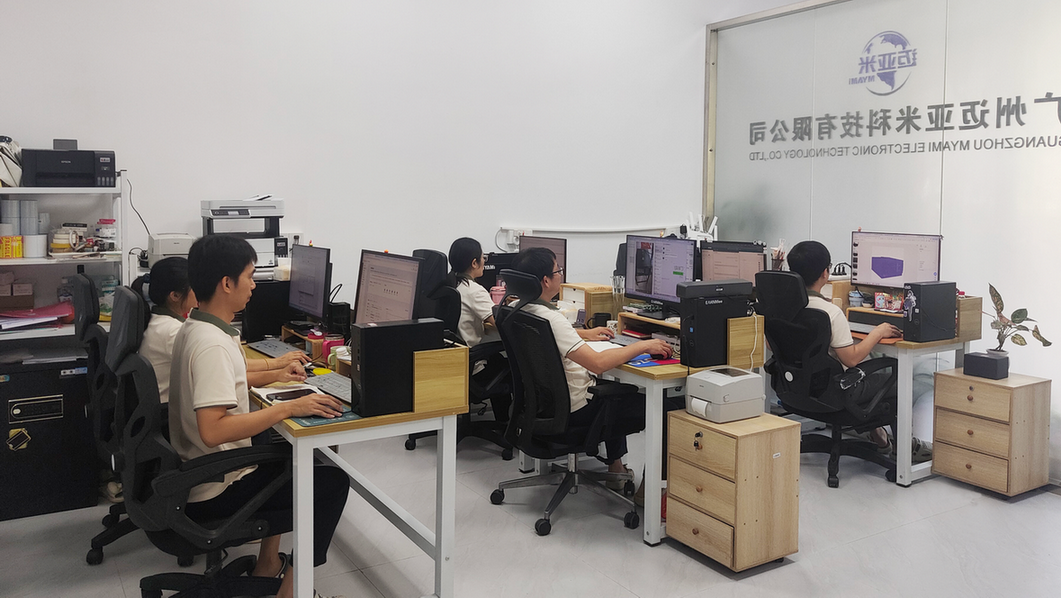
Analyzing the geographical and structural advantages of Shenzhen in electronics and machine assembly.
Shenzhen acts as the epicenter of additive manufacturing hardware. Here, structural metal processing, stepper motor fabrication, and controller board assembly are co-located. This allows rapid hardware iterations to occur in days rather than months.
Design for Manufacturing (DFM) guidelines ensure parts are optimized for low-cost, high-speed assembly. Leveraging advanced automated surface-mount technology (SMT) lines, Chinese factories produce resilient component stacks at low cost.
From raw materials inspections to high-voltage component burn-in phases, production processes follow quality standards such as ISO 9001 and CE compliance. This guarantees hardware longevity.
The engineering backbone providing critical instrumentation and calibration solutions to top-tier 3D printer factories.
Headquartered in Shenzhen, China, Shenzhen Myami Power Technology Co., Ltd.(MYAMI) is a technology-driven manufacturer and solution provider specializing in high-precision, industrial-grade power supplies and electrical test equipment. Designed for engineering rigor, MYAMI bridges the gap between complex electronic research, high-voltage component testing, and scalable industrial automation.
Our specialized engineering portfolio focuses on four core operational pillars:
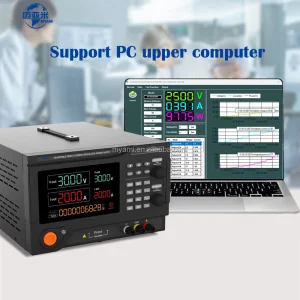
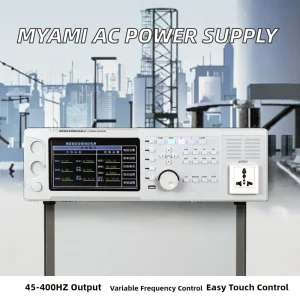
Every MYAMI system is engineered with strict multi-layer protection protocols (OVP, OCP, OTP, and short-circuit safeguards) and complies with international safety and quality standards, including CE, RoHS, and ISO9001. Integrated with standard industrial control protocols (RS485, RS232, and CAN communication), our equipment seamlessly connects to automated production lines and central PC control systems.
Today, MYAMI serves research institutions, automotive OEMs, aerospace contractors, and electronics manufacturers across North America, Europe, East Asia, and the Middle East. Whether you require a single benchtop lab power supply or a custom high-power aging system, MYAMI is your ultimate partner for precision power and uncompromised testing reliability.
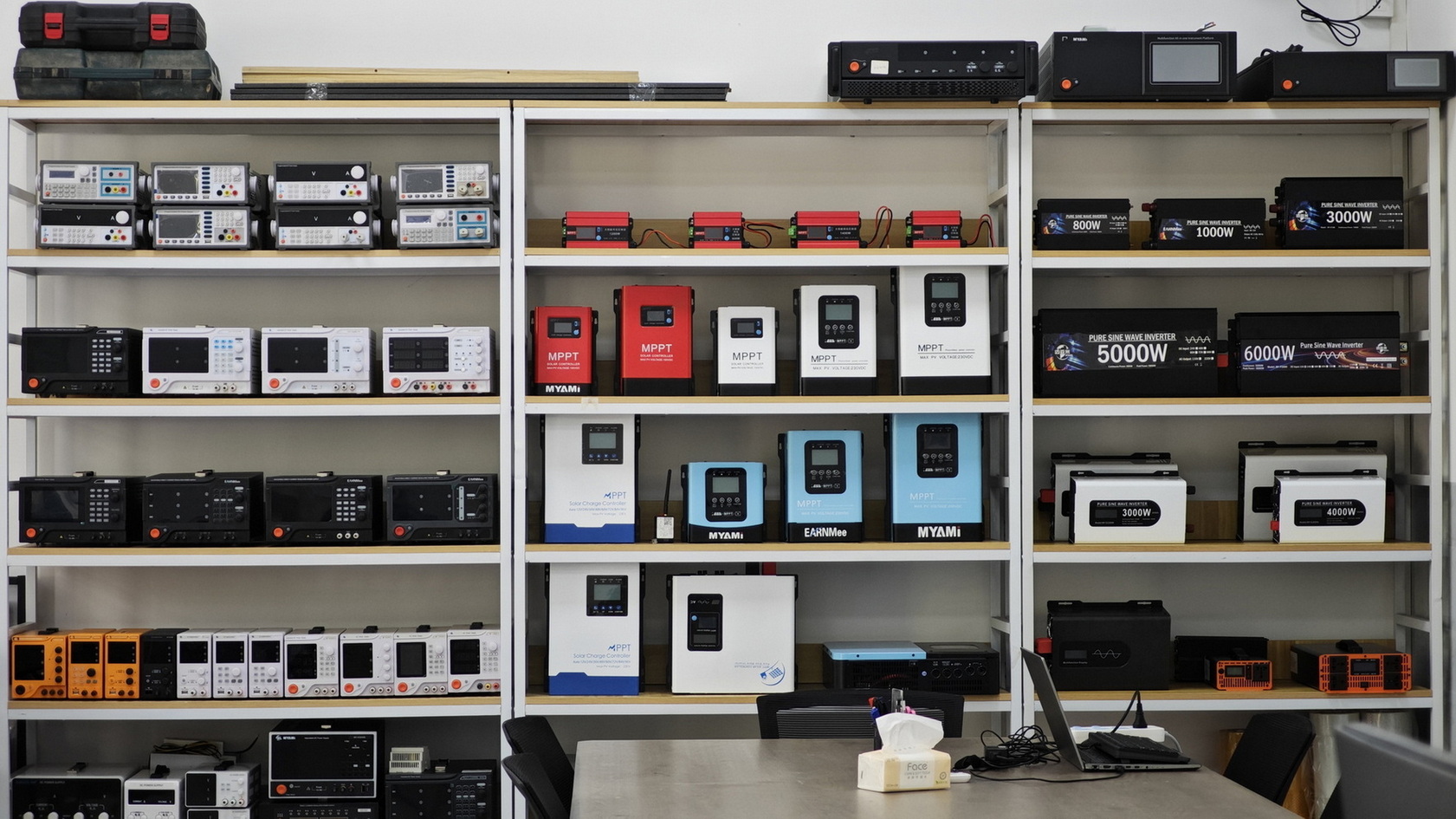
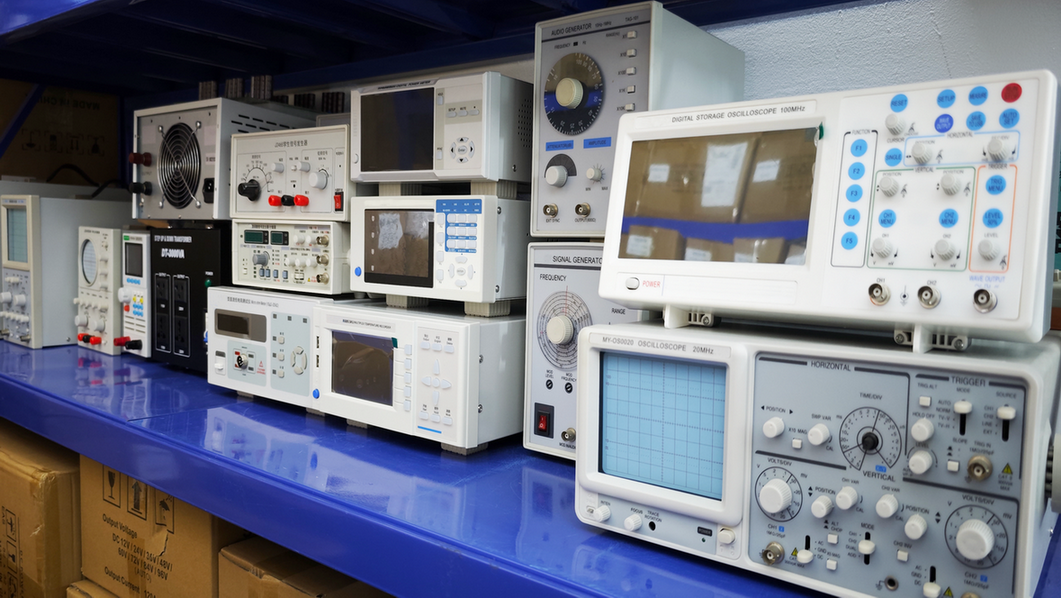
A granular look at the specialized stages of production, verification, and instrumentation used in our OEM/ODM facilities.
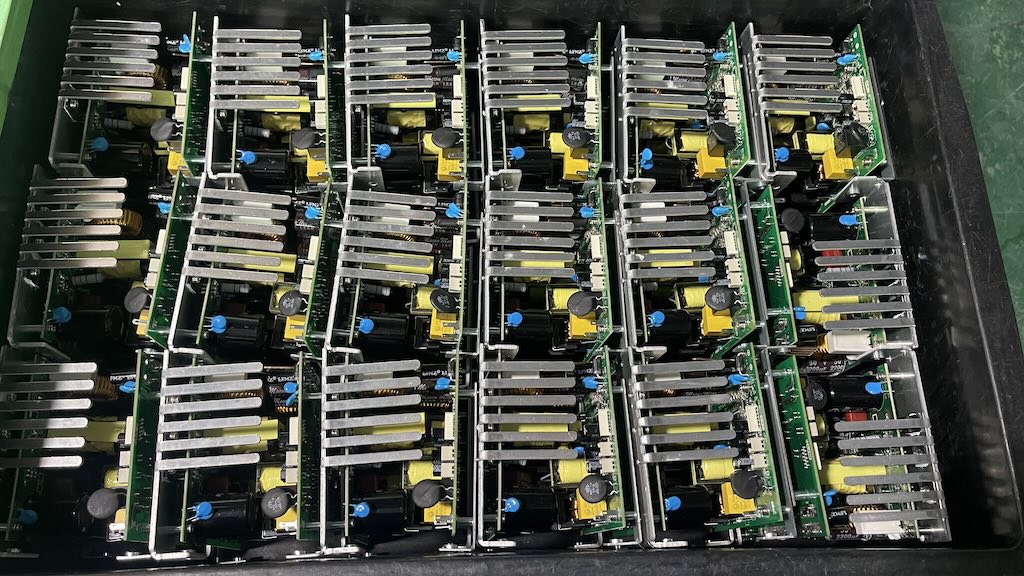 Raw Material
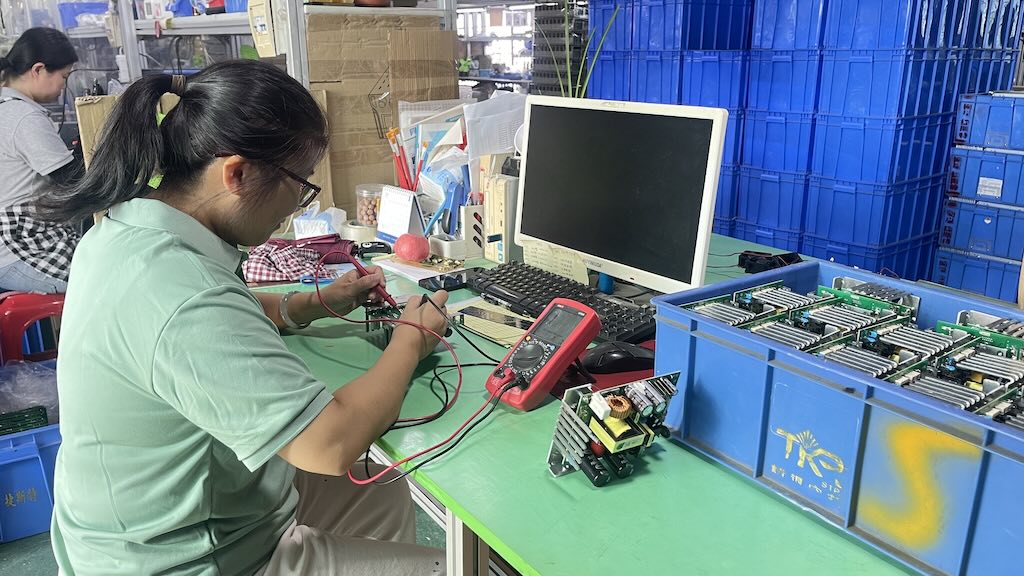 PCB Checking
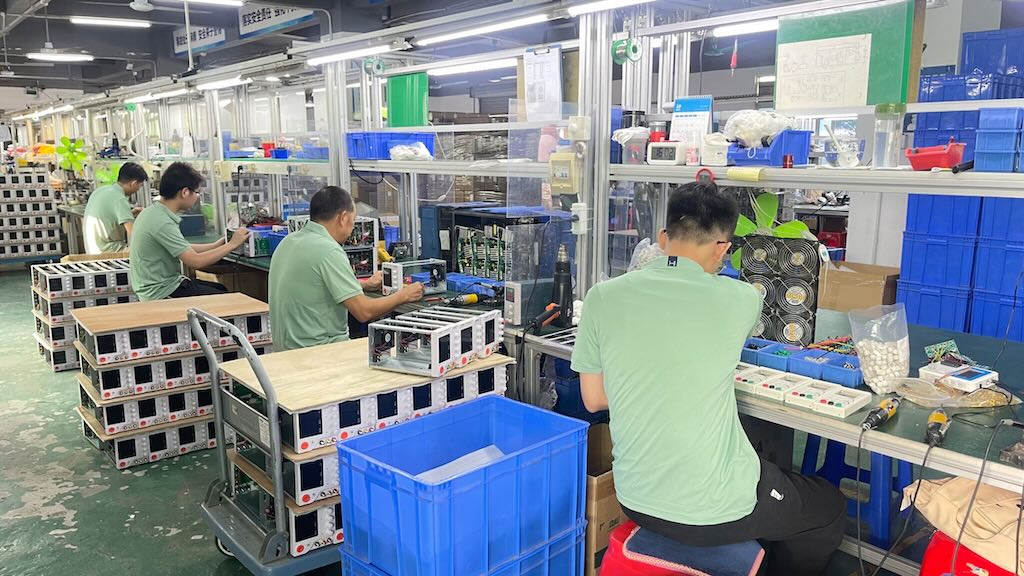 Assembling
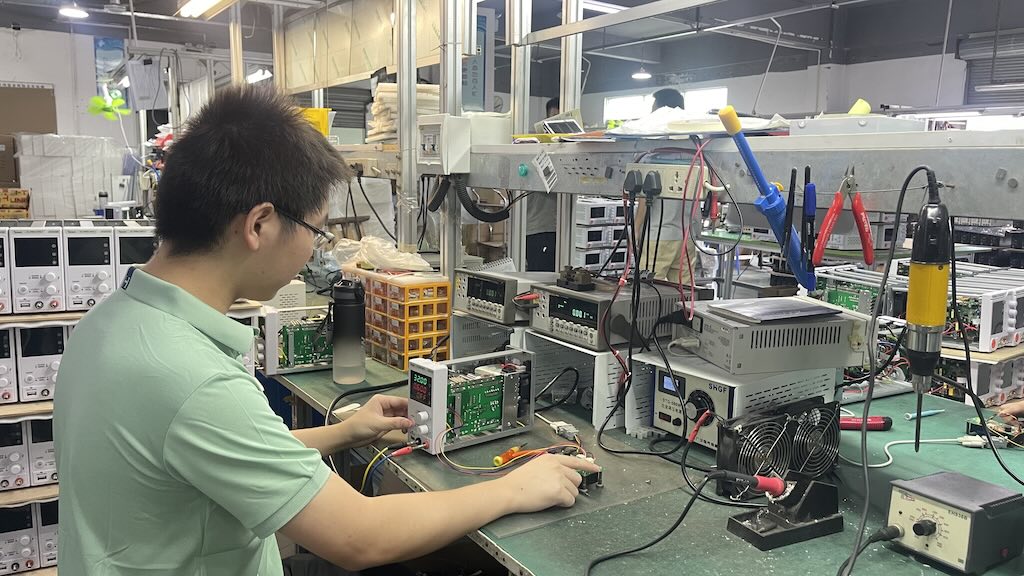 Debug
Debug
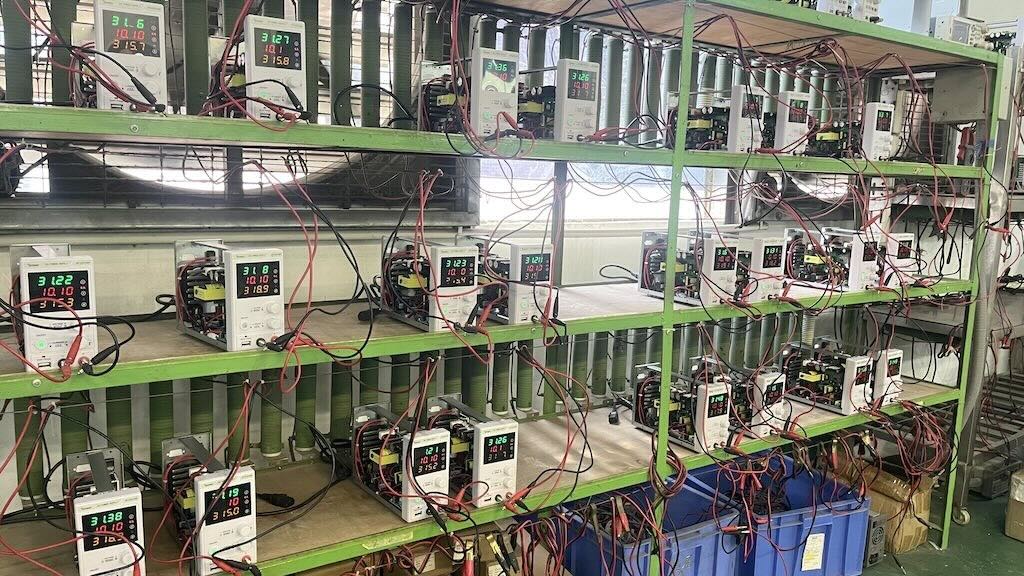 Aging
Aging
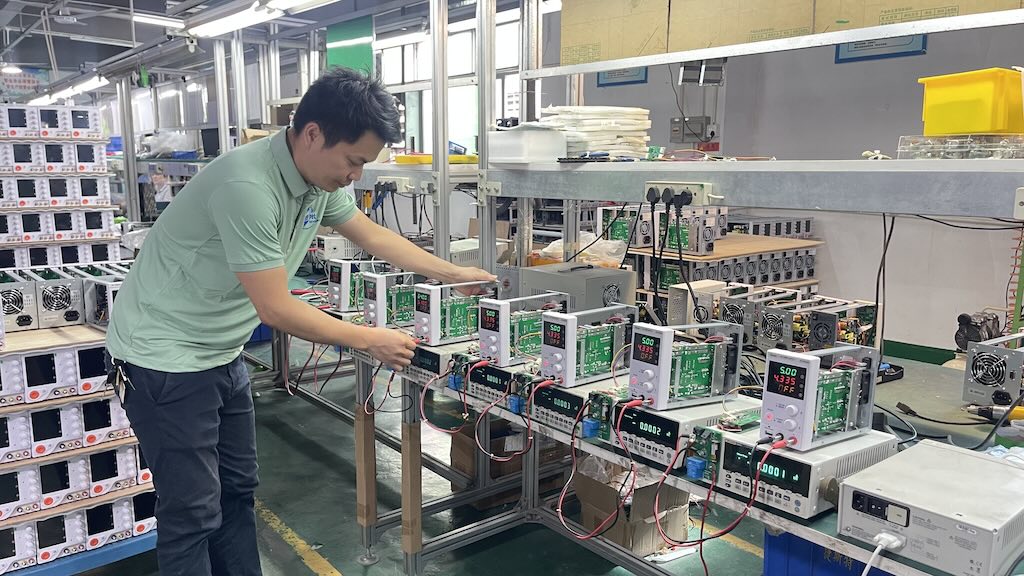 Calibration
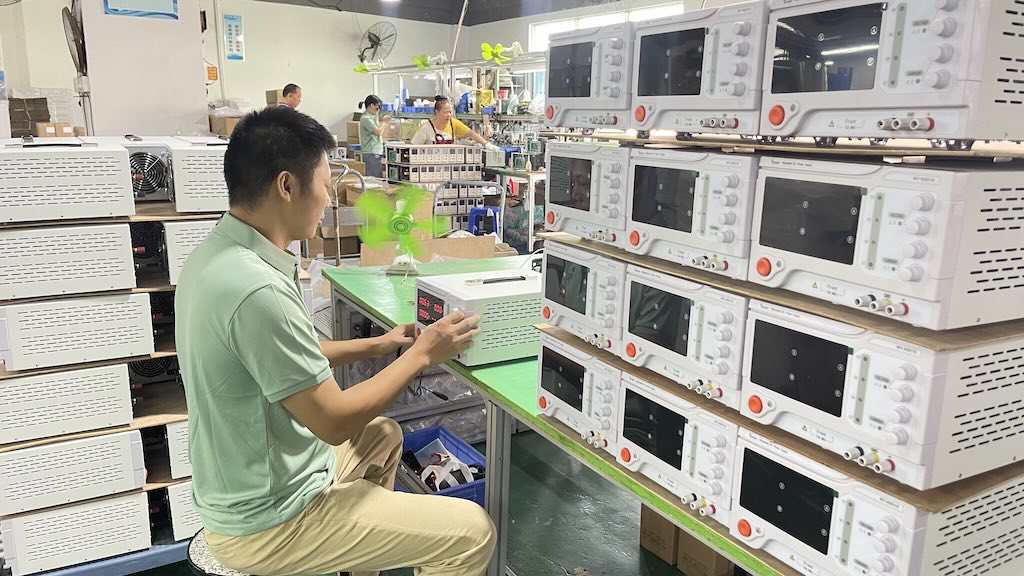 QC checking
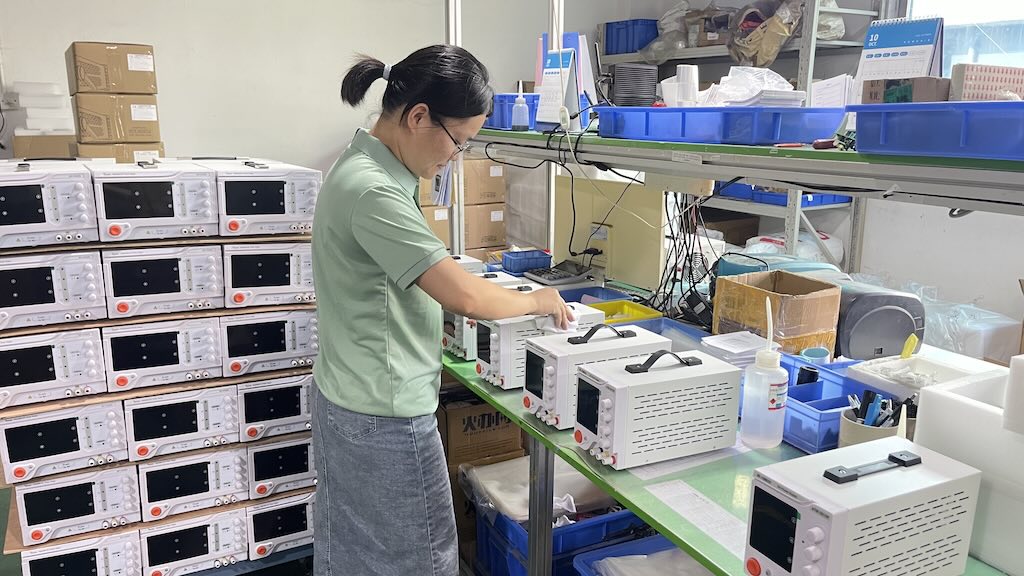 Packing
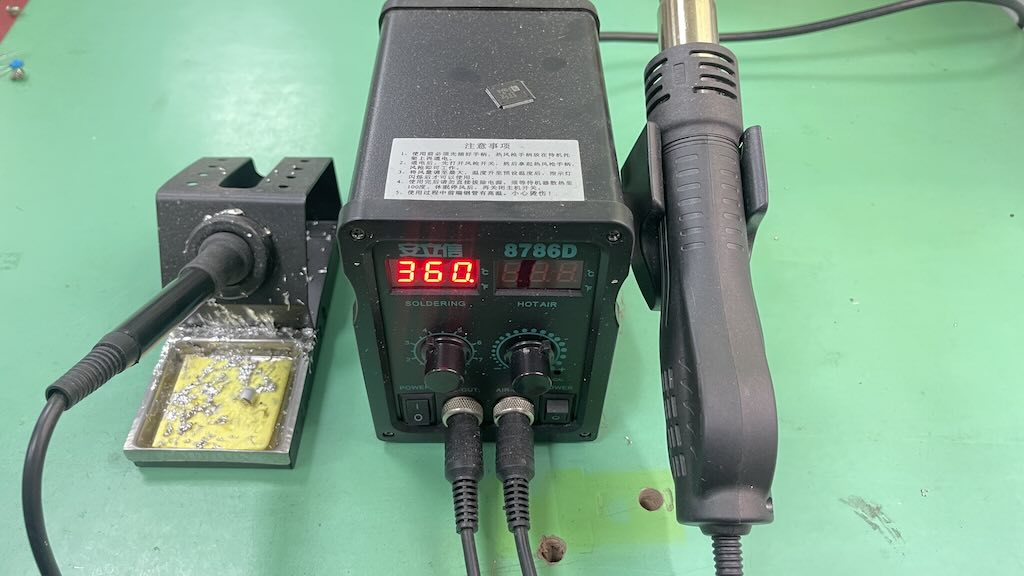 Soldering Station
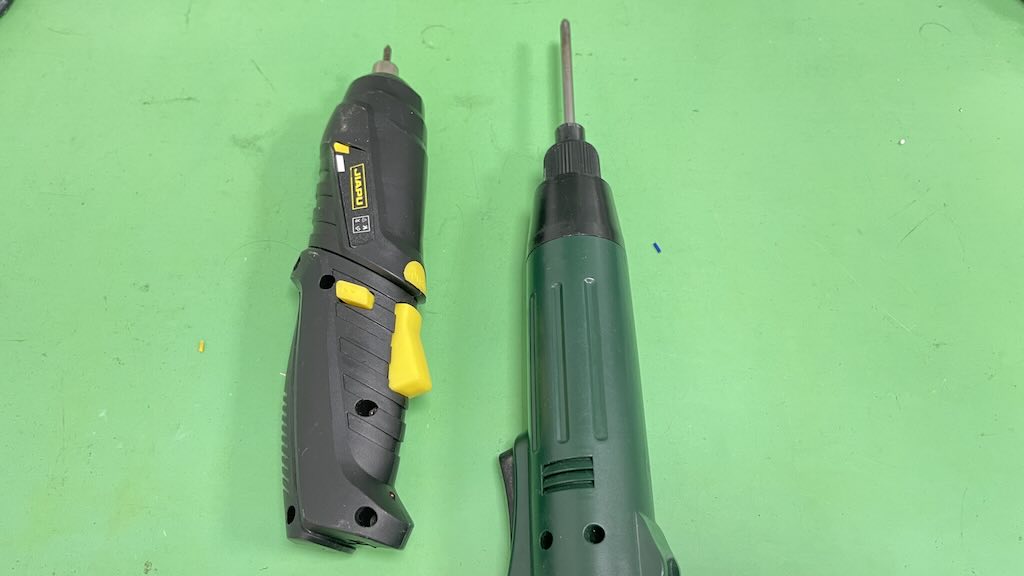 Electronic Screwdriver
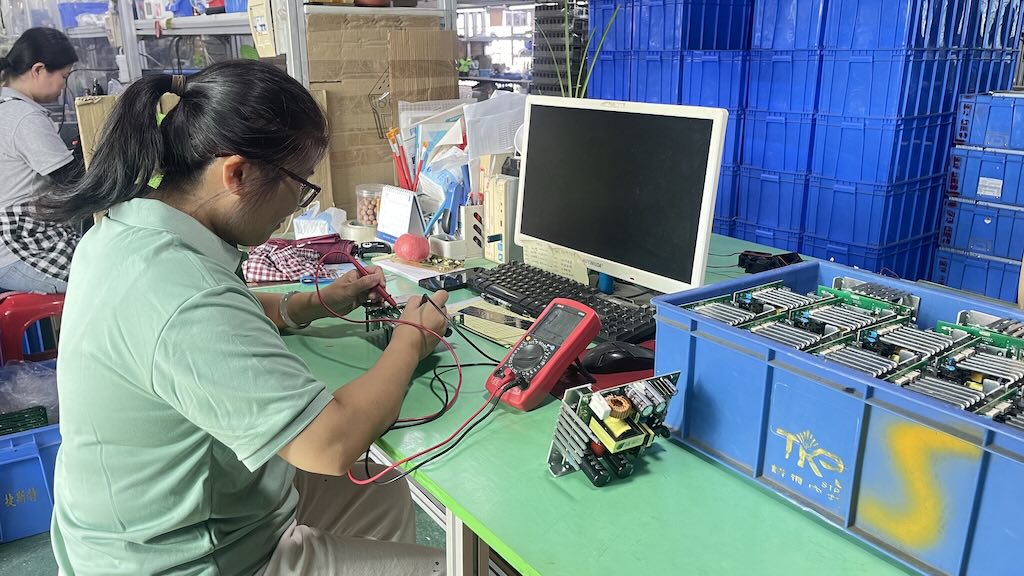 PCB Check
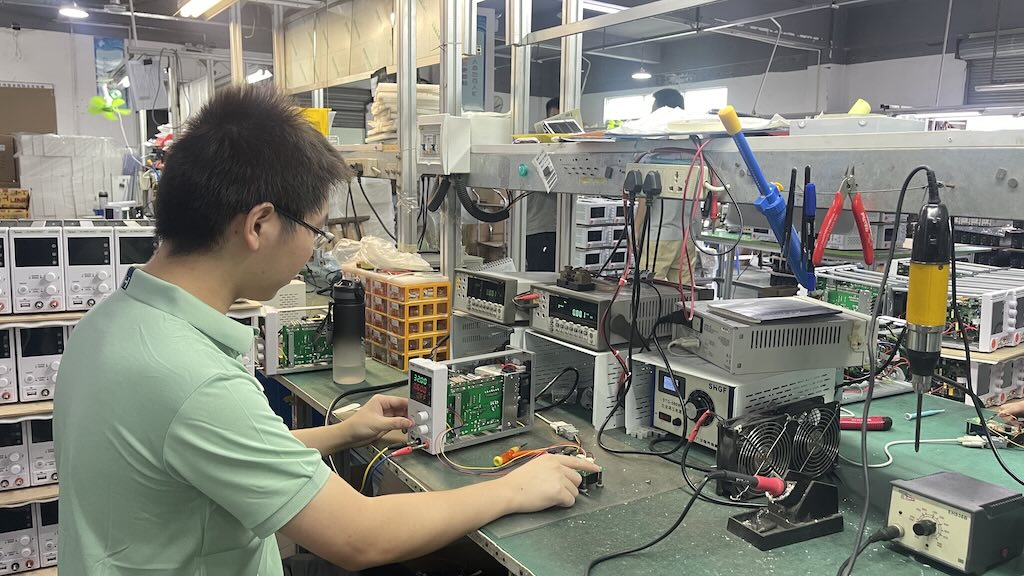 Debug
Debug
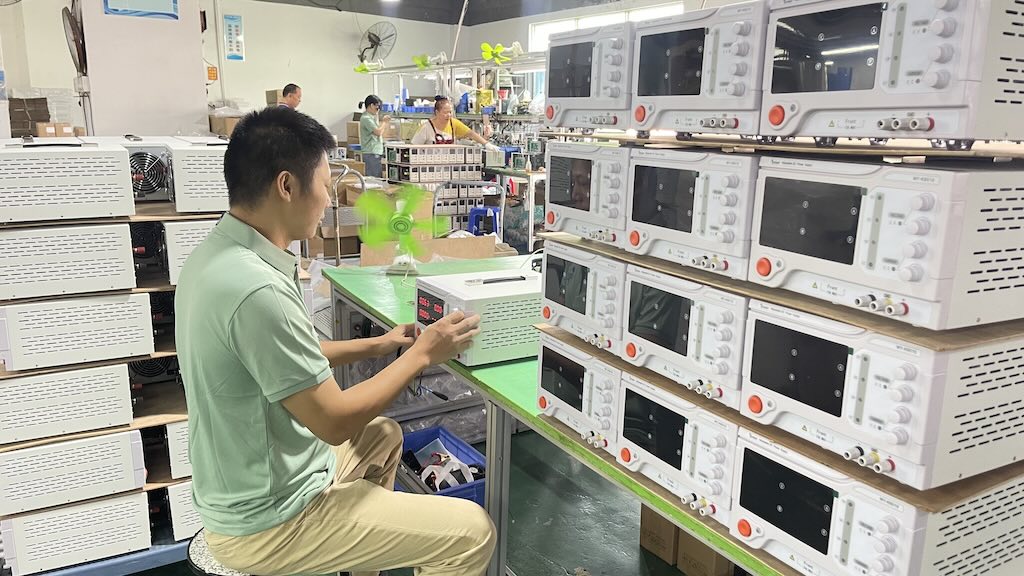 QC check
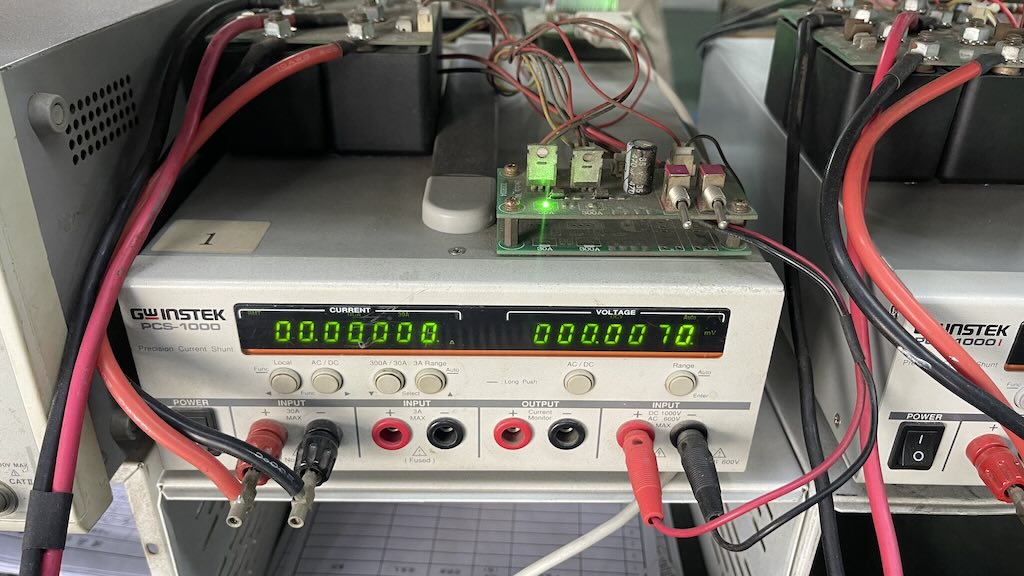 Multimeter
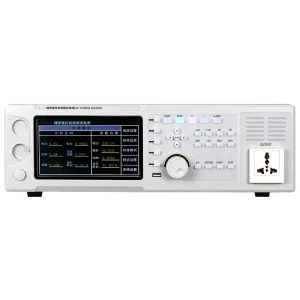
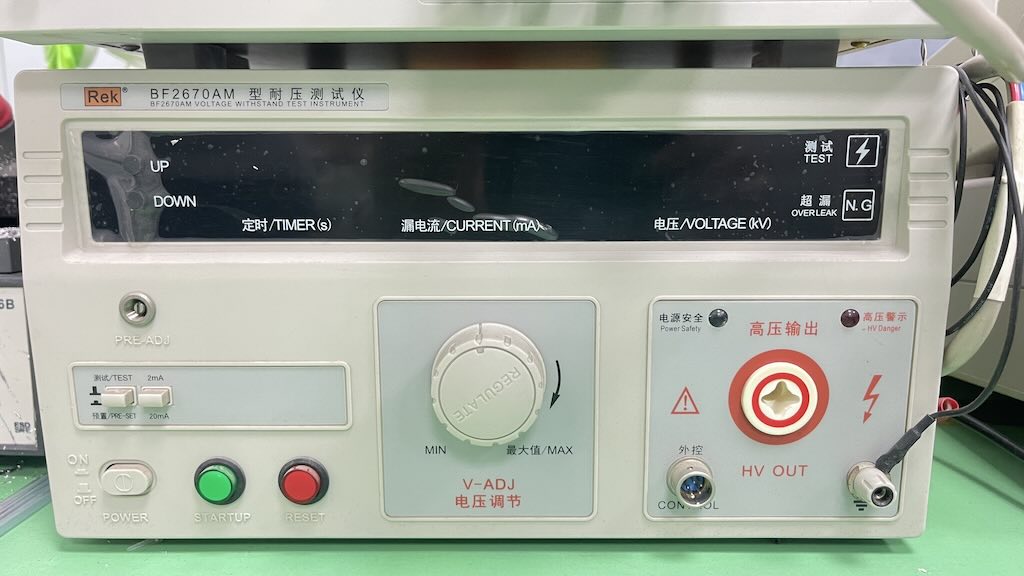 Hi-pot Tester
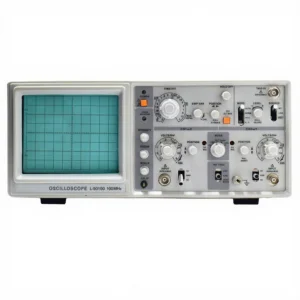
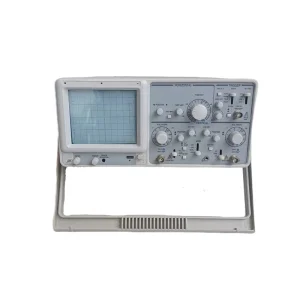
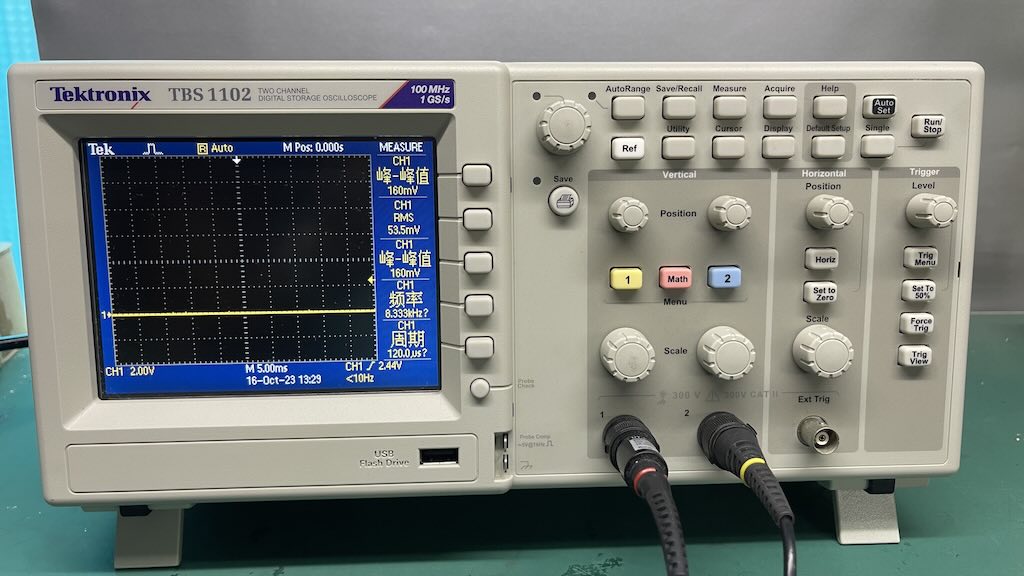 Oscilloscope
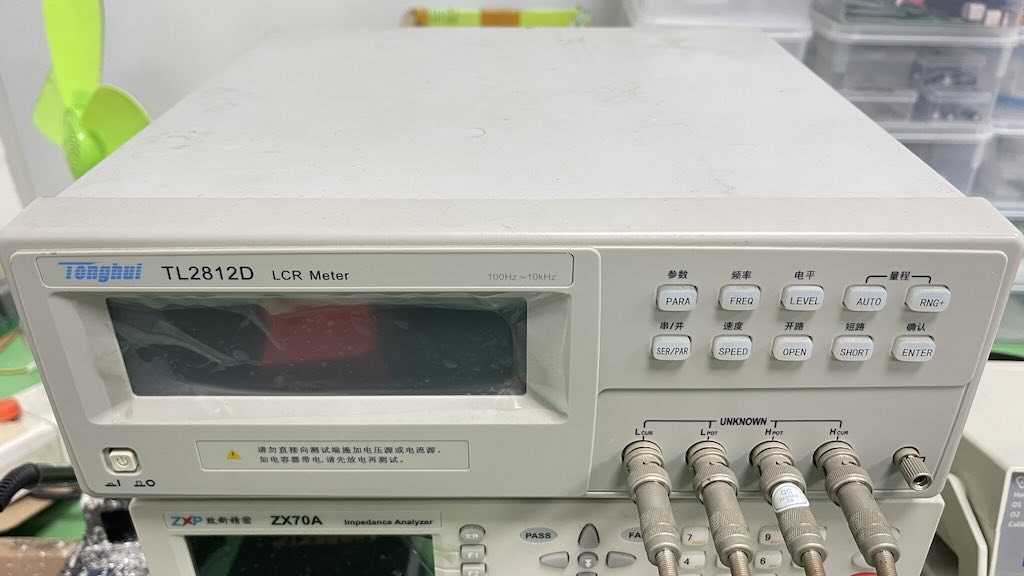 LCR Meter
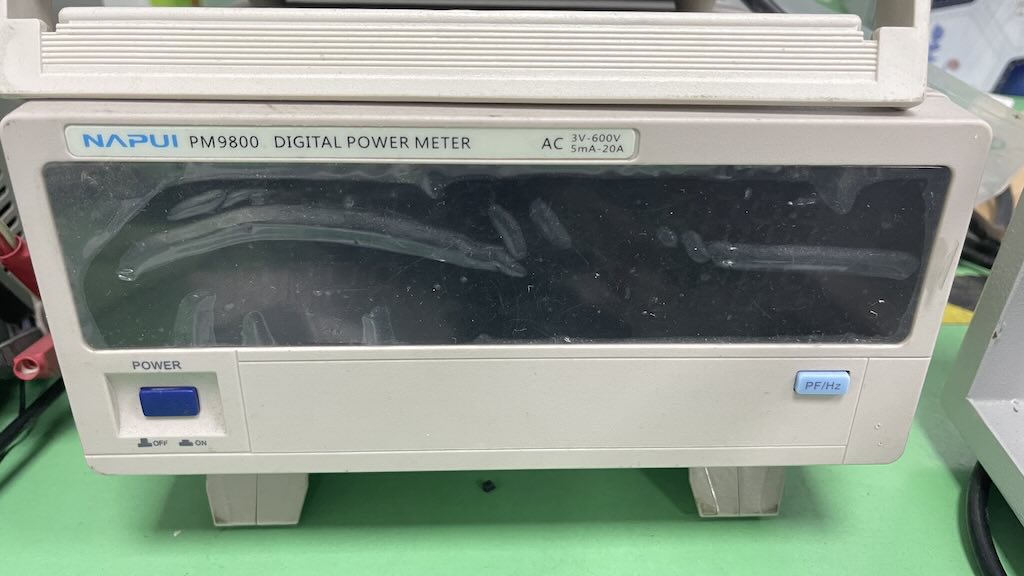 Digital power meter
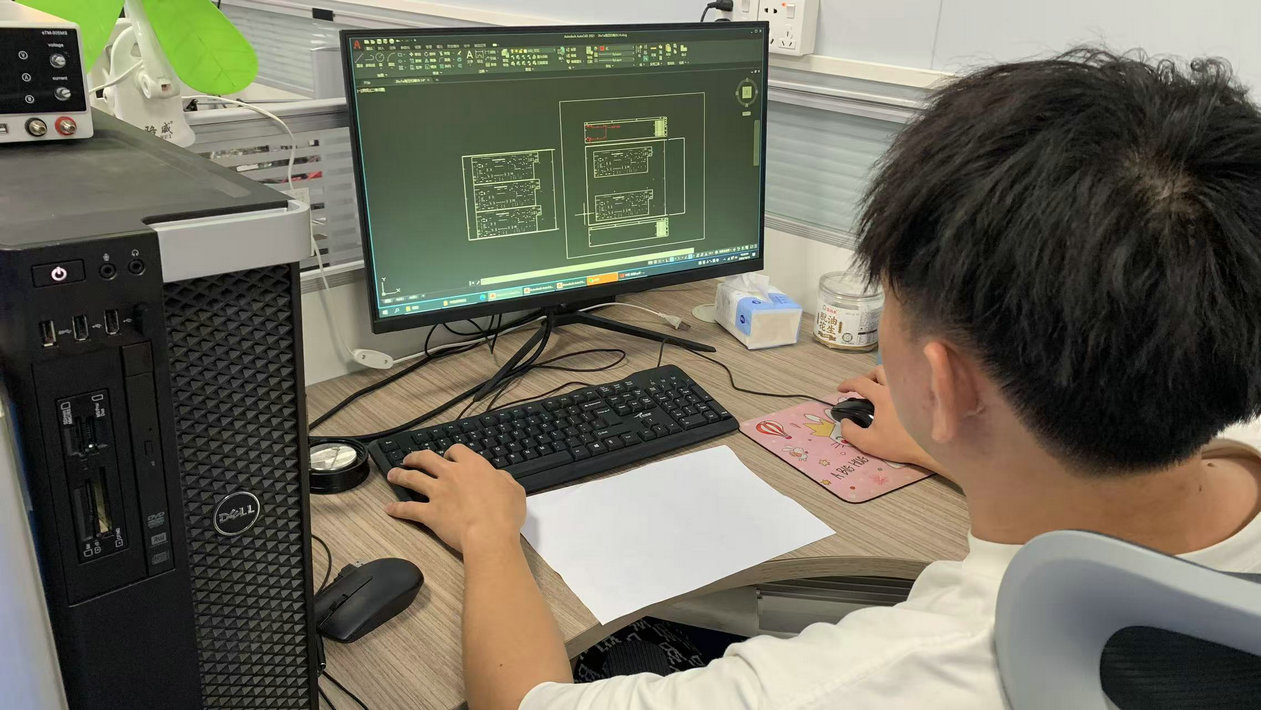 Design
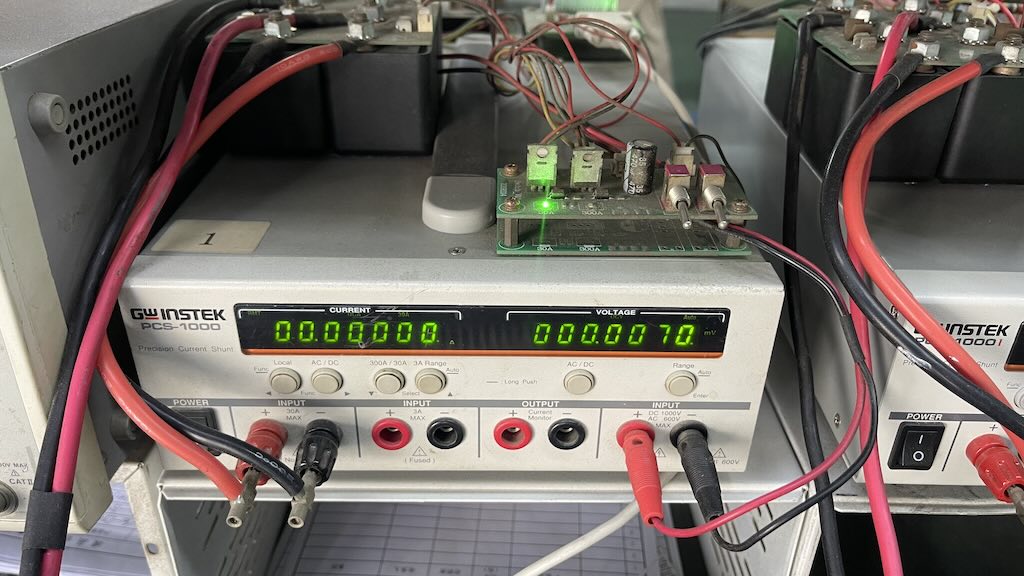 Multimeter
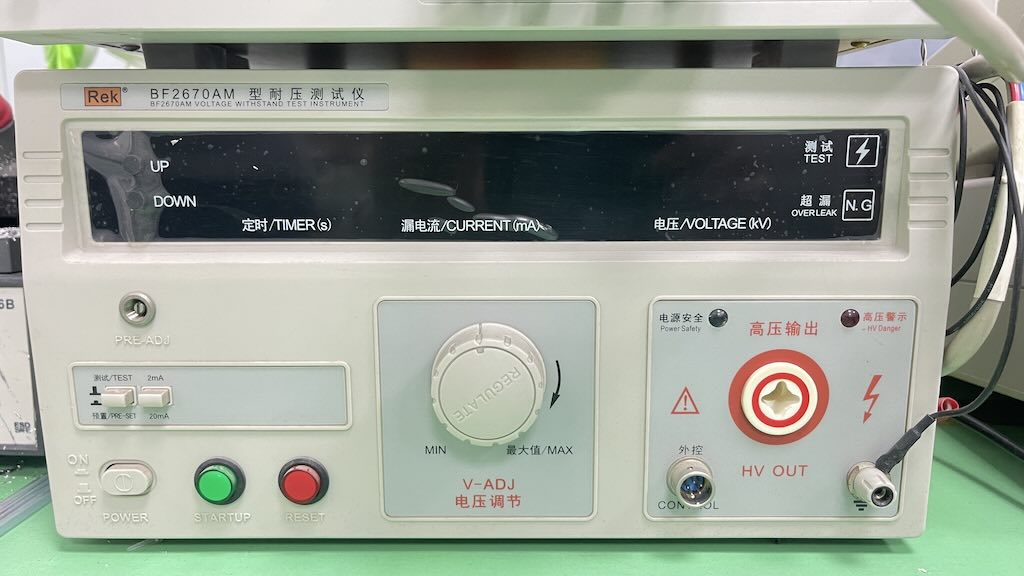 Hi-pot Tester
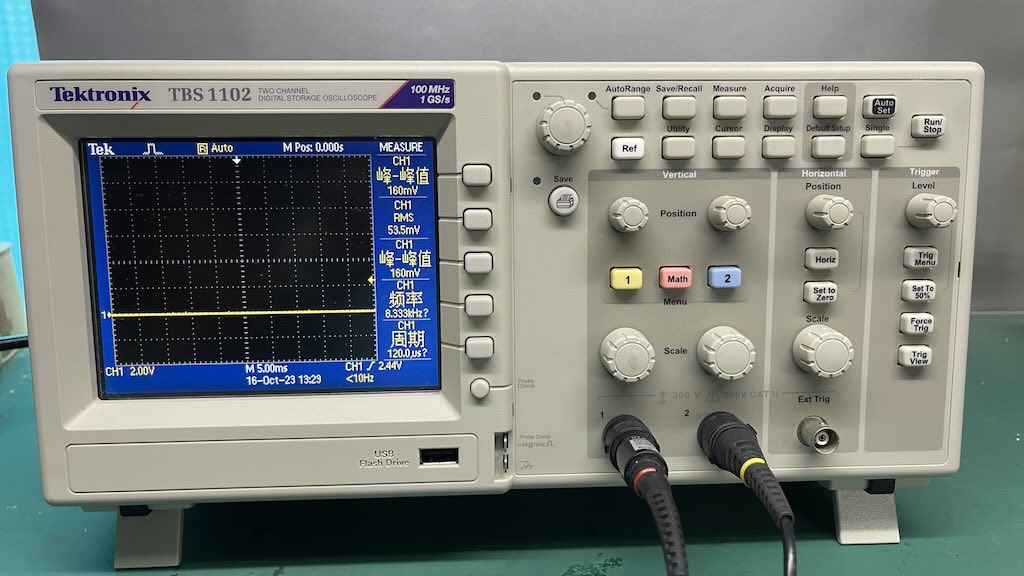 Oscilloscope
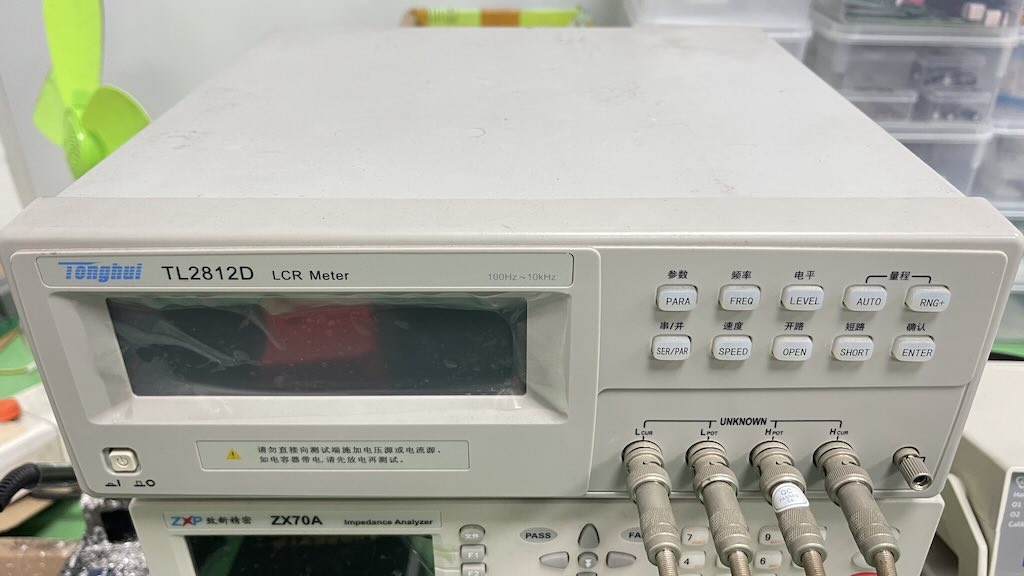 LCR Meter
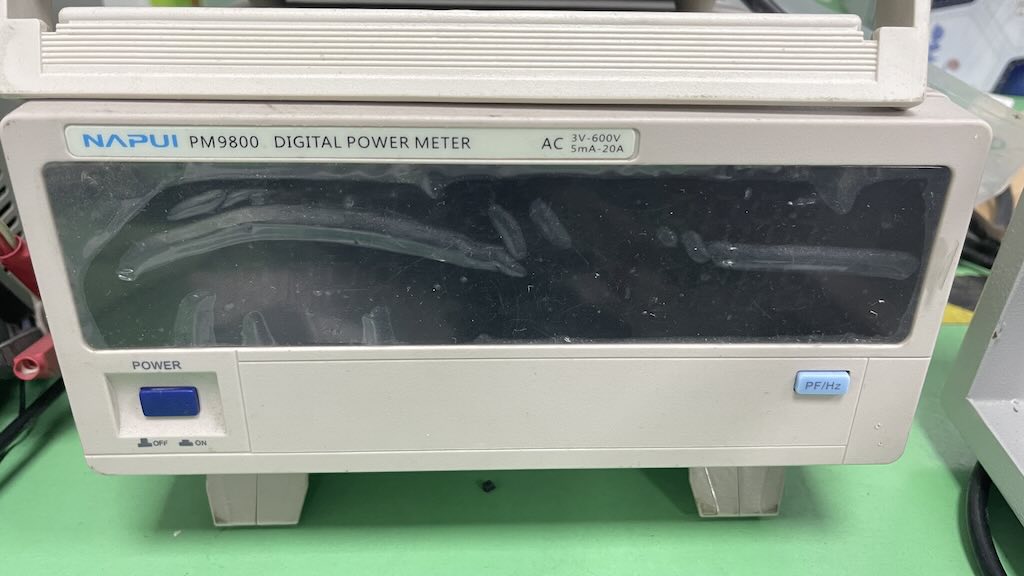 Digital power meter
Understanding how precision electrical control optimizes performance across industries.
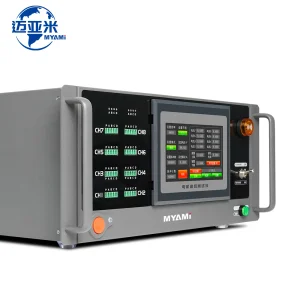
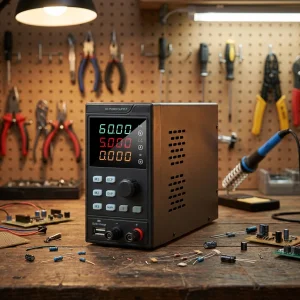
Industrial-grade printers produce large polymer parts over multi-day print runs. To prevent mid-print failure, the heated beds and extruders require reliable thermal regulation. Utilizing MYAMI's low-ripple programmable DC power units, developers isolate stepper drivers from voltage spikes, ensuring smooth print surfaces.
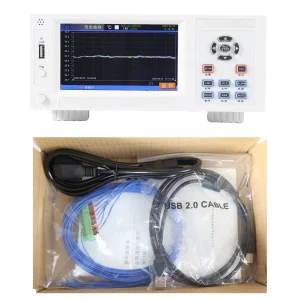
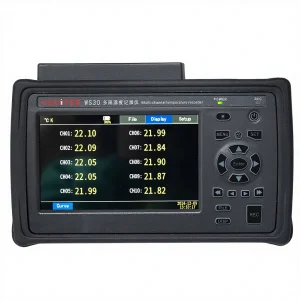
Printing lightweight aerospace parts using PEKK or PEEK requires chamber temperatures above 100°C. MYAMI's multichannel data loggers continuously monitor critical thermal zones, ensuring the printed components meet mechanical criteria.
Automotive plants rely on 3D printed jigs, fixtures, and end-use parts. Here, reliability is essential. By deploying stepper motor driver power supplies equipped with CAN and RS485 communication, production lines integrate machine health checks directly into central manufacturing execution systems (MES).
What the next generation of hardware engineering holds for global enterprises.
Future machines will combine conductive, soft, and structural polymers in a single print run. This requires independent voltage lines for multiple hotends, driving the need for multi-channel DC power supplies.
Real-time optical inspection and sensor arrays detect failures early. This hardware integration requires clean power grids to protect delicate sensors and edge-computing modules from signal interference.
Systems that combine deposition with subtractive machining require power architectures that handle high-current spindle motors and laser heads on a single control network.
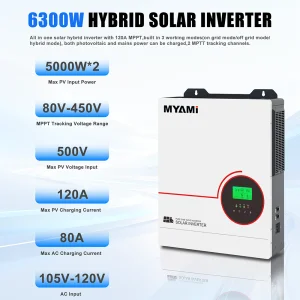
Factories are moving toward solar-supported microgrids. Interfacing equipment with off-grid hybrid solar inverters reduces carbon footprints while securing backup power during grid instability.
A technical guide for industrial procurement officers establishing reliable OEM/ODM partnerships.
When sourcing power systems for stepper motors, confirm the ripple and noise ratings are under 10-15mV peak-to-peak. Excessive noise causes step loss and surface defects.
Ensure the equipment integrates RS485 Modbus, CAN-bus, or Ethernet. This allows the master controller to adjust parameters on the fly and monitor status during production.
Validate the over-temperature protection (OTP) response times. Heated components in closed chambers pose fire hazards if thermistors fail or power switches freeze in the ON state.
Expert answers to critical manufacturing and electrical engineering integration inquiries.
Essential components for production line integration, testing, and power stability.

 Myami Power