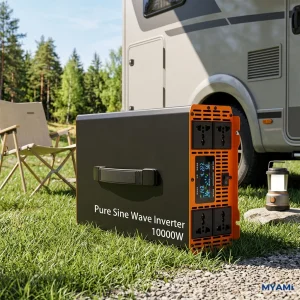
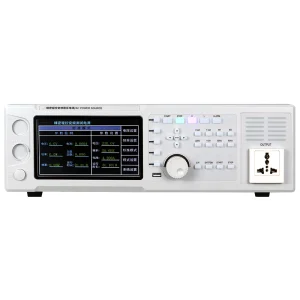
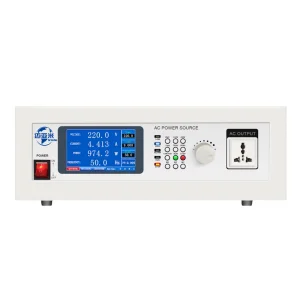
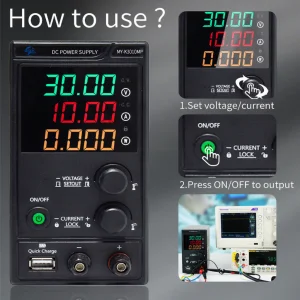
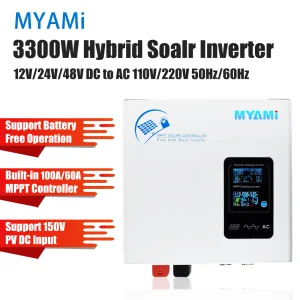
Industrial-grade instrumentation, regulatory hardware, and power conversion topologies engineered for integration with modern thermal control loops.
Headquartered in Shenzhen, China, Shenzhen Myami Power Technology Co., Ltd. (MYAMI) is a technology-driven manufacturer and solution provider specializing in high-precision, industrial-grade power supplies and electrical test equipment. Designed for engineering rigor, MYAMI bridges the gap between complex electronic research, high-voltage component testing, and scalable industrial automation.
Every MYAMI system is engineered with strict multi-layer protection protocols (OVP, OCP, OTP, and short-circuit safeguards) and complies with international safety and quality standards, including CE, RoHS, and ISO9001. Integrated with standard industrial control protocols (RS485, RS232, and CAN communication), our equipment seamlessly connects to automated production lines and central PC control systems.
Today, MYAMI serves research institutions, automotive OEMs, aerospace contractors, and electronics manufacturers across North America, Europe, East Asia, and the Middle East. Whether you require a single benchtop lab power supply or a custom high-power aging system, MYAMI is your ultimate partner for precision power and uncompromised testing reliability.
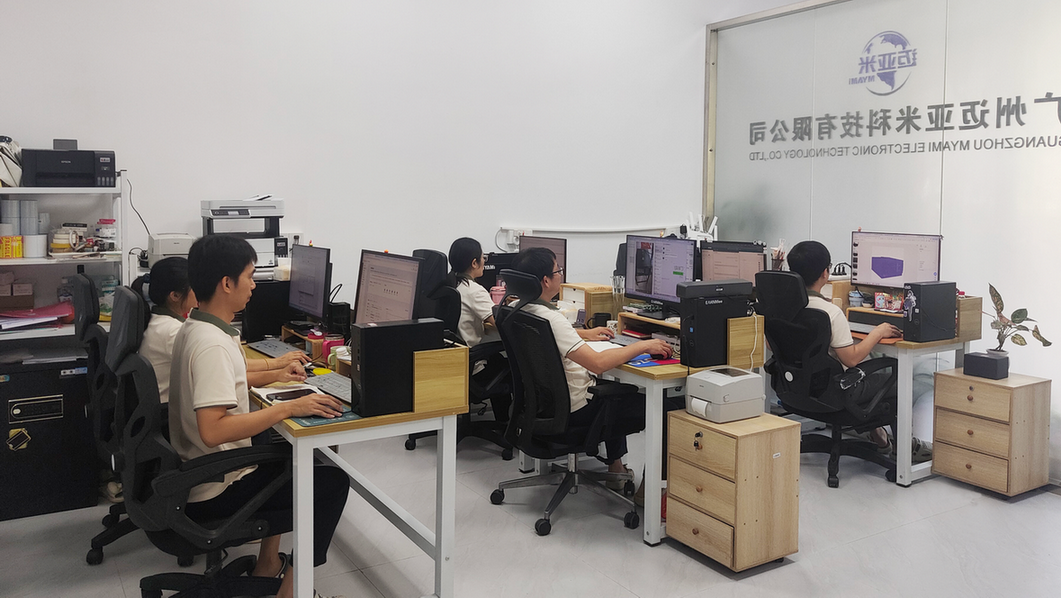
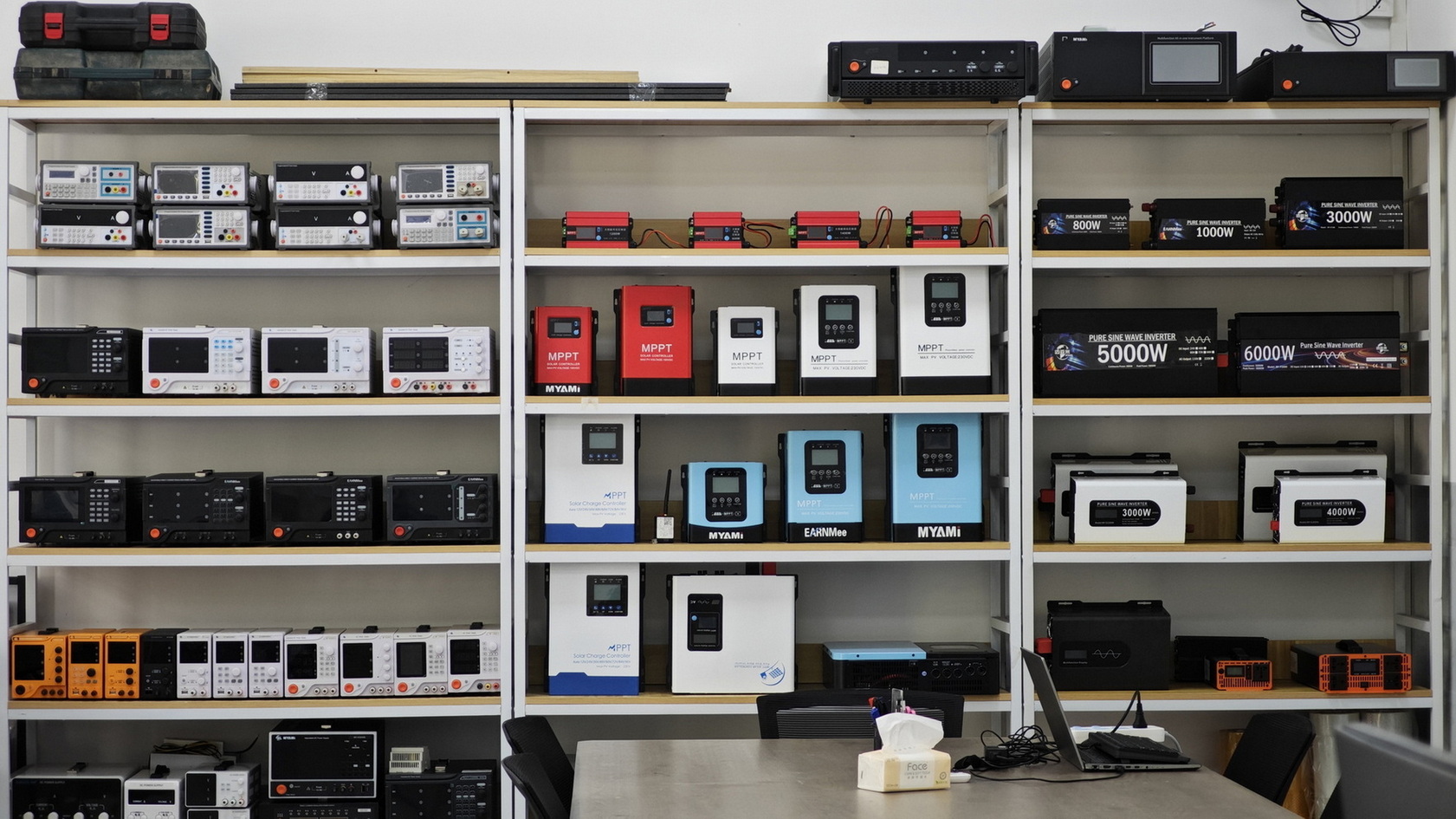
Our operational pillars deliver targeted hardware solutions to optimize thermal, electrical, and mechanical processes worldwide.
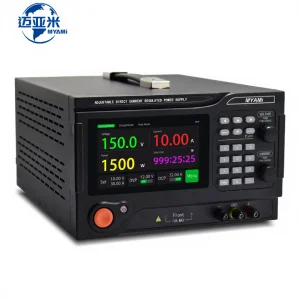
Featuring multi-digit LED displays, ultra-low ripple, and rapid transient response, engineered for precision electronic R&D, semiconductor evaluation, and PCB debugging.
Delivering high-current, high-voltage DC/AC regulated power supplies built for industrial motor drives, electroplating rectifiers, and heavy-duty component burn-in testing.
Providing specialized DC power units, battery simulators, and variable AC power sources engineered for Electric Vehicle (EV) On-Board Chargers (OBC), BMS evaluation, and solar inverter testing.
Supplying complementary test bench solutions, including digital oscilloscopes, multimeters, and specialized AC voltage regulators for global laboratories.
Modern industrial operations require highly integrated, reliable, and communicable temperature control systems. As manufacturing processes migrate toward cyber-physical frameworks, standard standalone temperature controllers no longer suffice. Global procurement departments look for key architectures that support continuous operations, complex heating/cooling curves, and open communication protocols.
Key pain points in global procurement include the reduction of thermal overshoot, cross-talk in multi-zone systems, and fieldbus compatibility. Systems must ensure deterministic performance down to ±0.1°C or better to preserve yields in microelectronics fabrication, bio-chemical synthesis, and battery chemistry curing. OEM/ODM partnership models represent the primary strategy for system integrators seeking customized form factors, unique sensor inputs, and specialized firmware features.
Control Precision
Global Target Markets
Burn-In Calibration
Safety Compliant
Bridging basic thermal mechanics with cutting-edge microprocessing, communication interfaces, and power regulation.
Integrating adaptive PID logic algorithms that continuously monitor heat dissipation parameters. Minimizes transient thermal overshoot while optimizing stabilization settling time under variable load conditions.
Support for RS485 (Modbus RTU), CANopen, EtherCAT, and Profinet protocols. Ensures native integration into SCADA systems, PLCs, and high-level enterprise IoT monitoring dashboards.
Bi-directional current architectures utilizing H-bridge driver topologies to manage thermoelectric coolers (TECs) for precise cooling and heating cycles required in laboratory environments.
OEM/ODM developments are driven by high-accuracy analog-to-digital converters (24-bit delta-sigma ADCs) that support a wide range of temperature sensors. Designers specify compatibility with platinum RTDs (Pt100, Pt1000) for high-accuracy applications, alongside standard K, J, T, and E type thermocouples for high-temperature kilns, ovens, and metal processing machinery.
Furthermore, galvanic isolation between input sensors, micro-controllers, communication buses, and output load circuits protects fragile logic circuits against massive high-voltage transients. This isolation, combined with solid-state relay (SSR) driver outputs or direct analog control outputs (4-20mA, 0-10V), delivers a safe, rugged solution tailored to severe industrial environments.
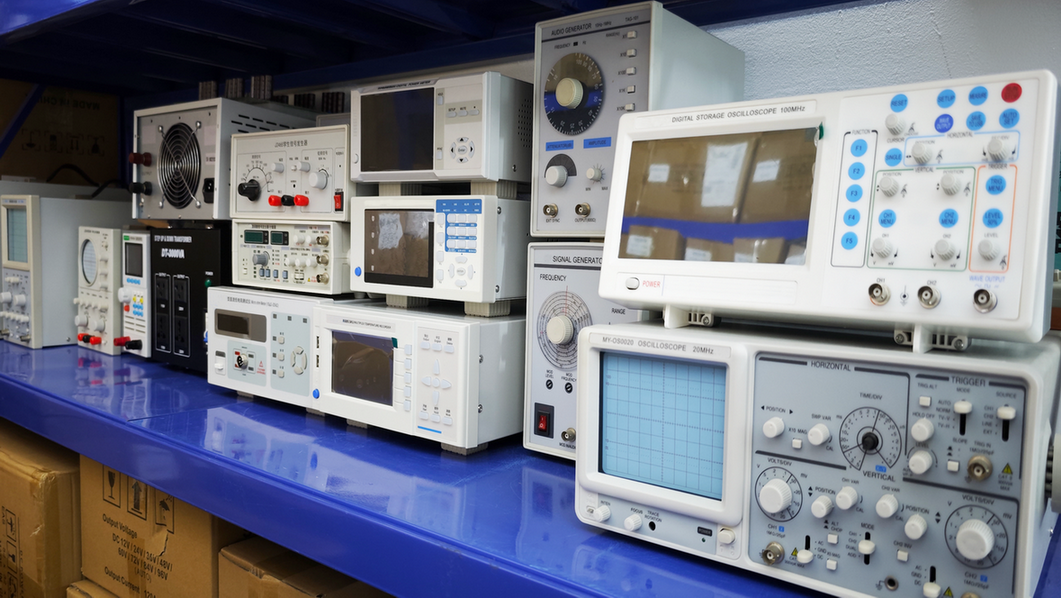
From raw materials and PCB layouts to precise instrument calibration and final validation.
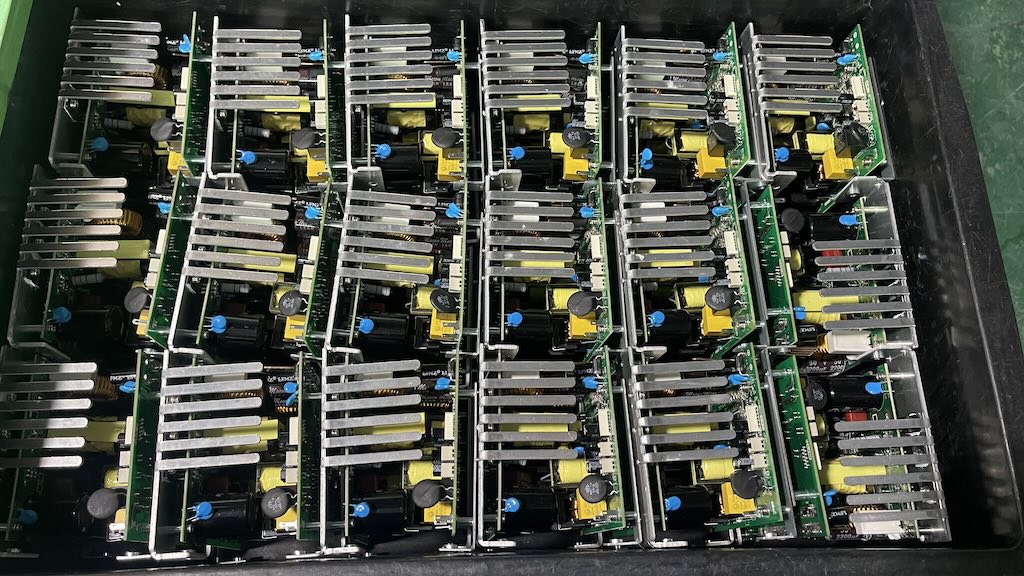 Raw Material
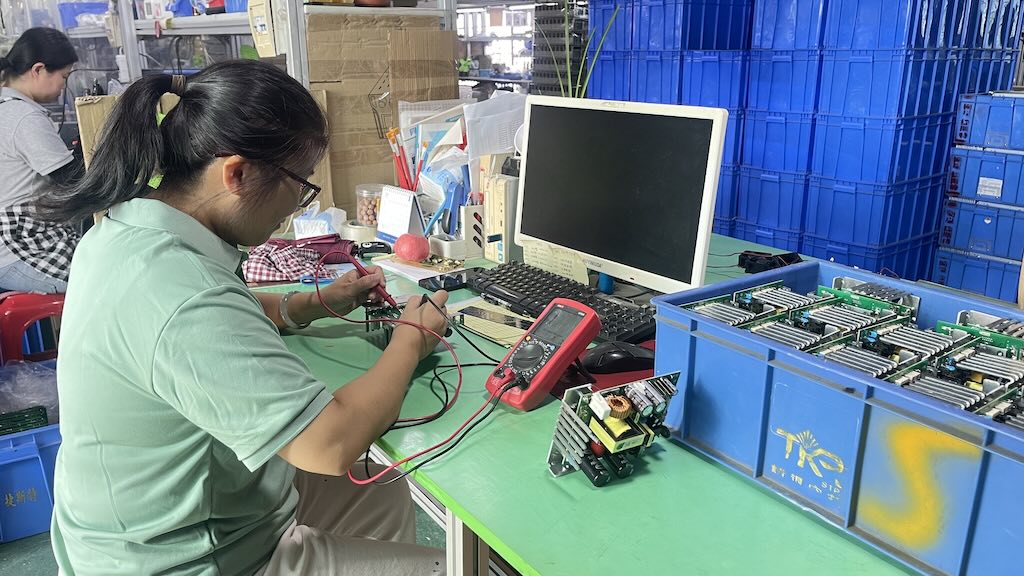 PCB Checking
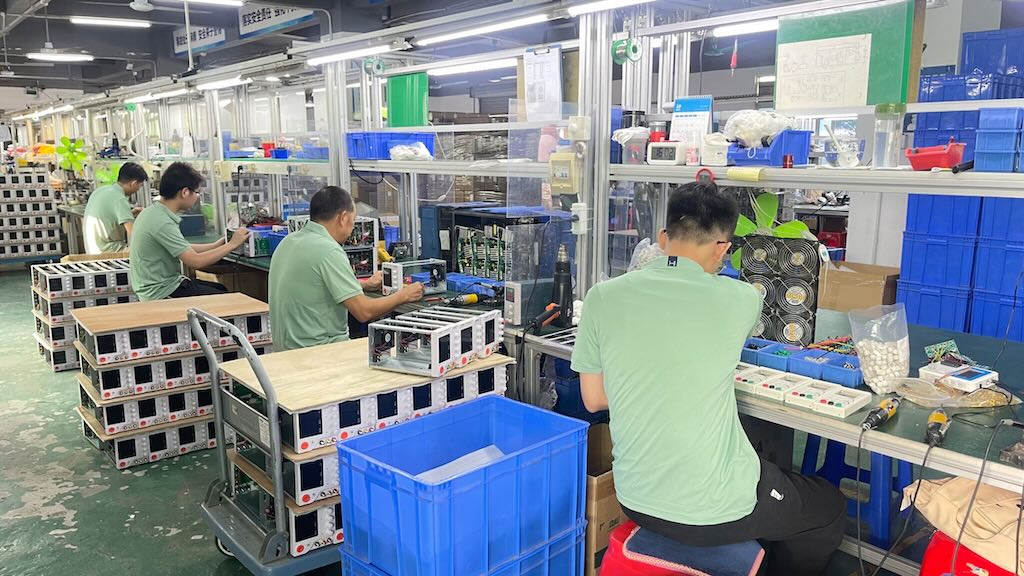 Assembling
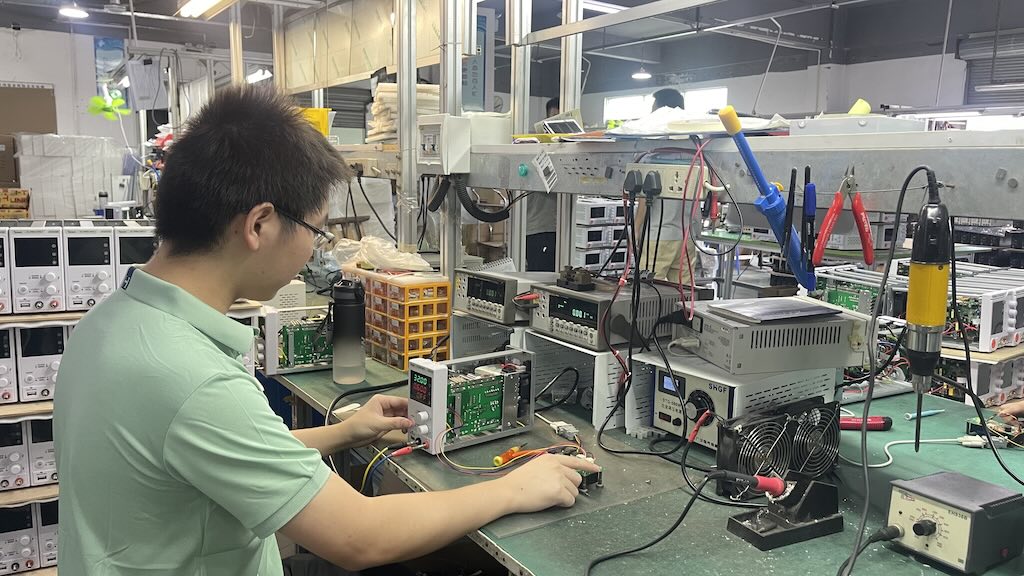 Debug
Debug
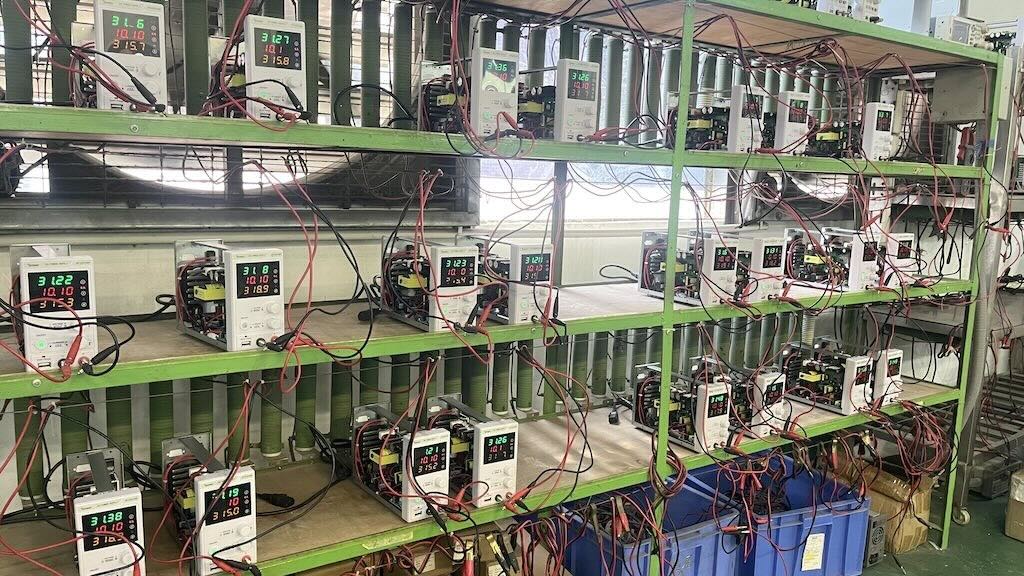 Aging
Aging
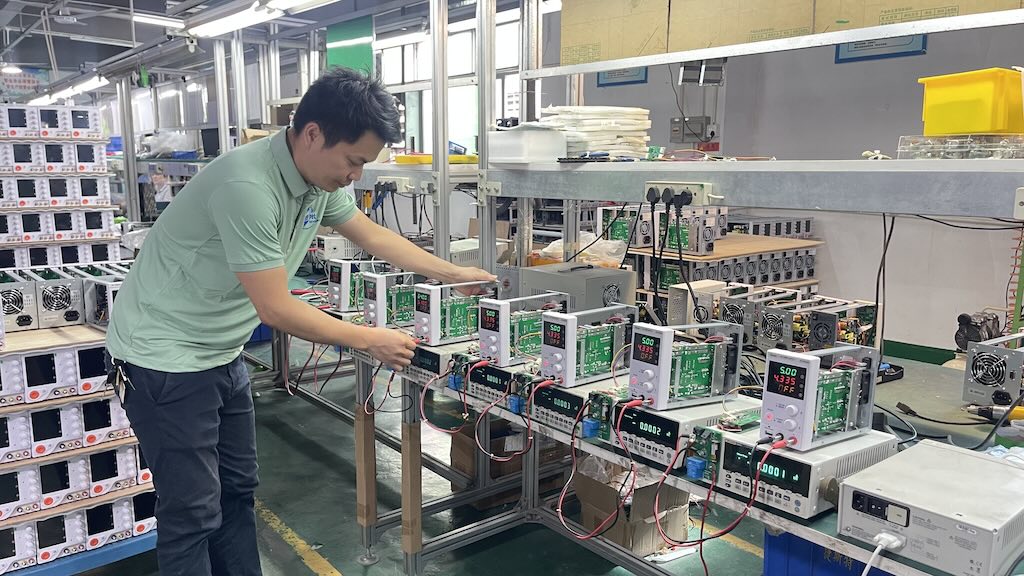 Calibration
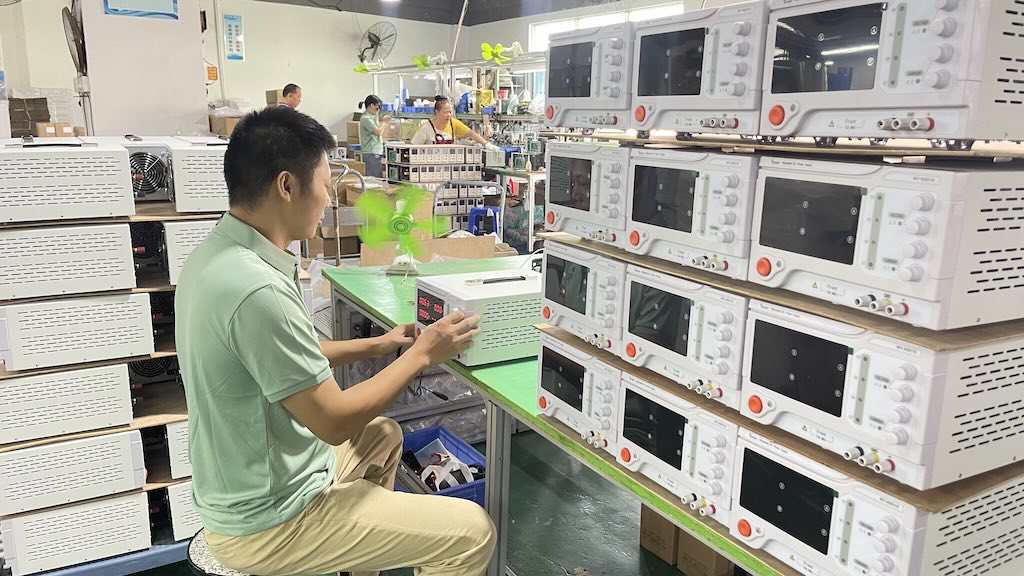 QC checking
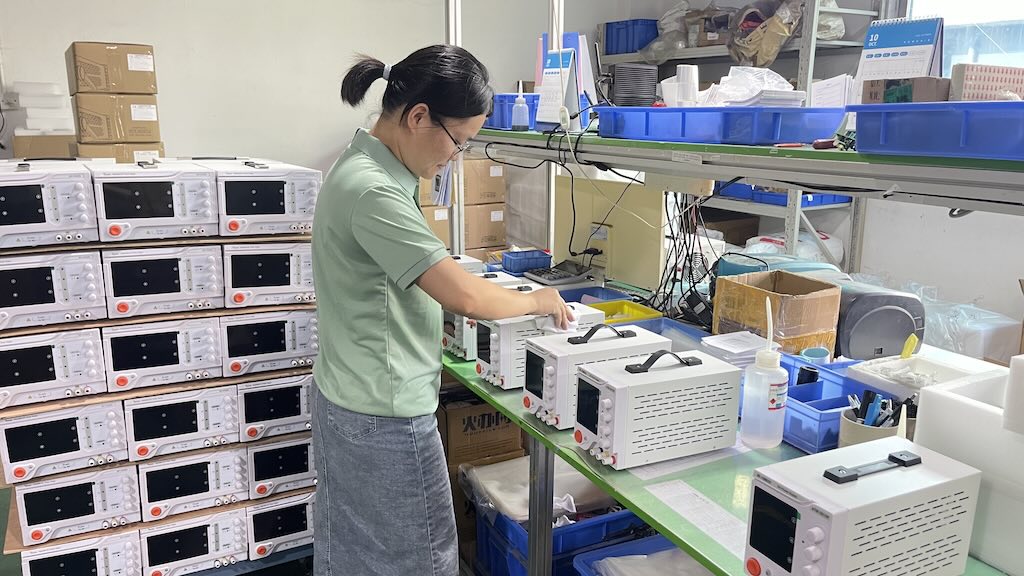 Packing
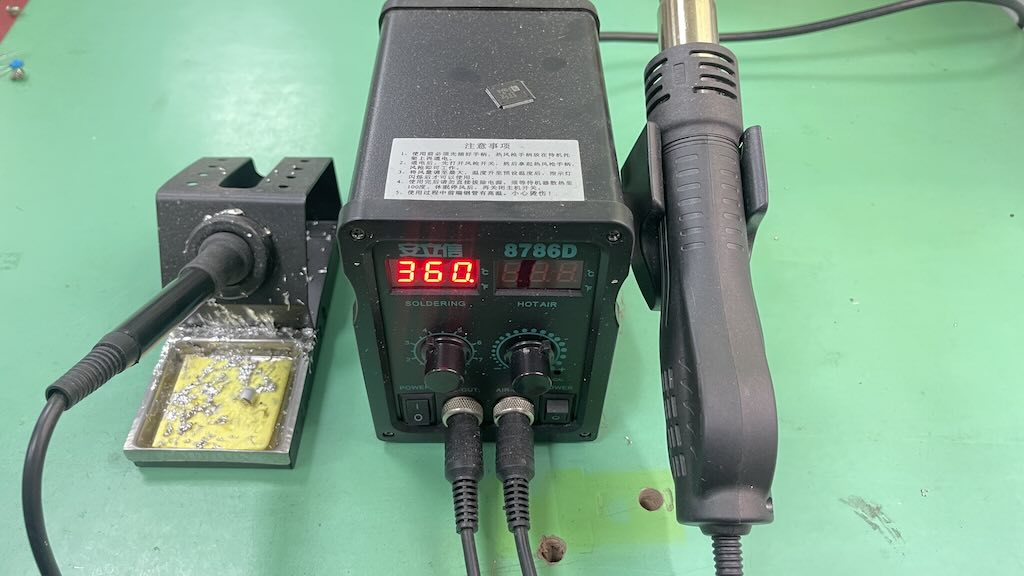 Soldering Station
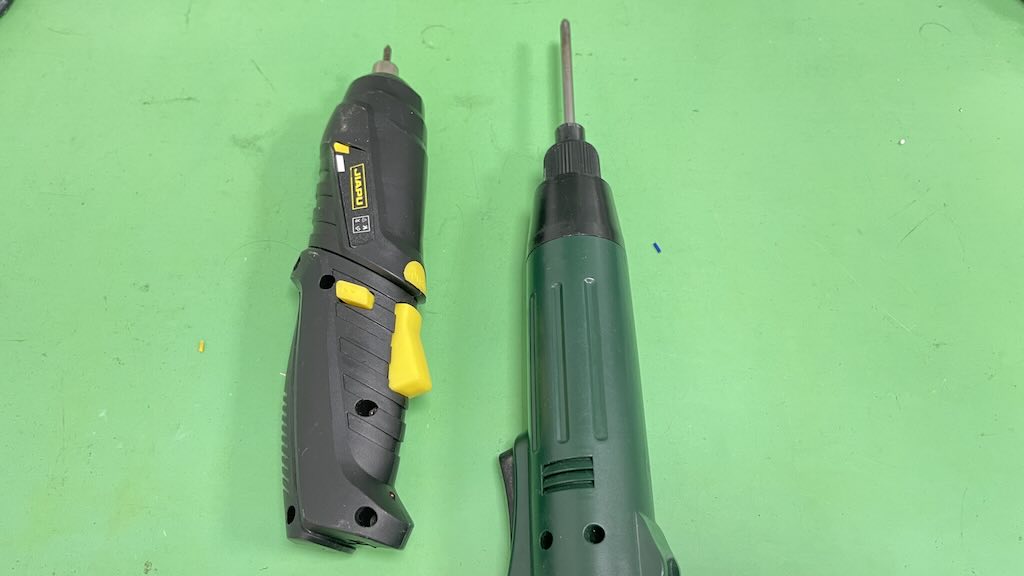 Electronic Screwdriver
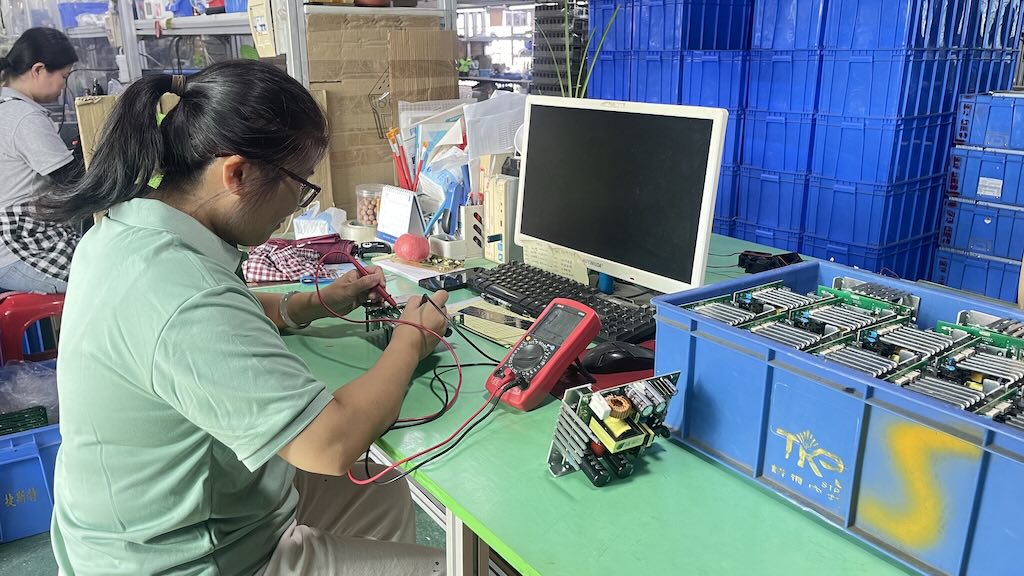 PCB Check
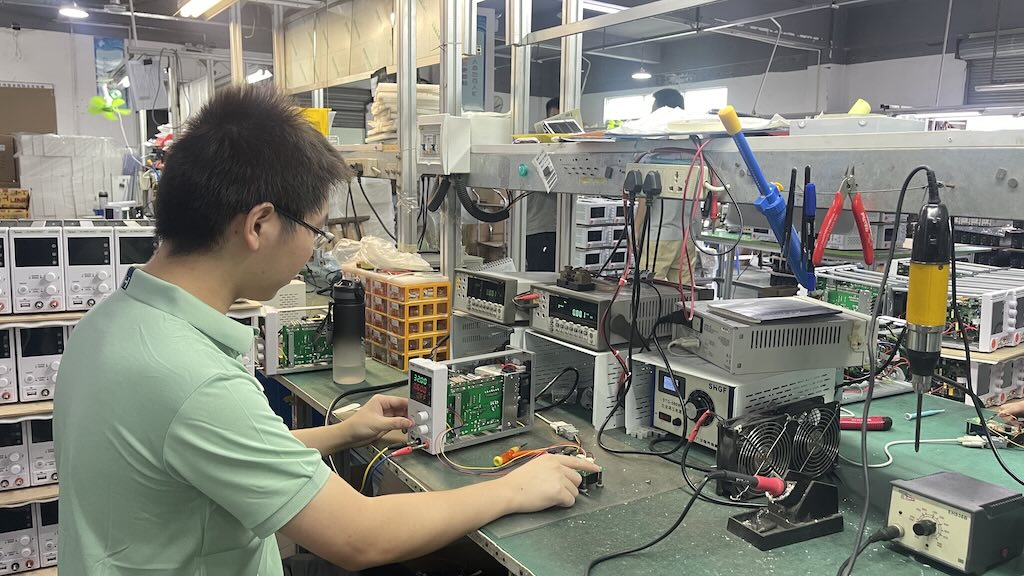 Debug
Debug
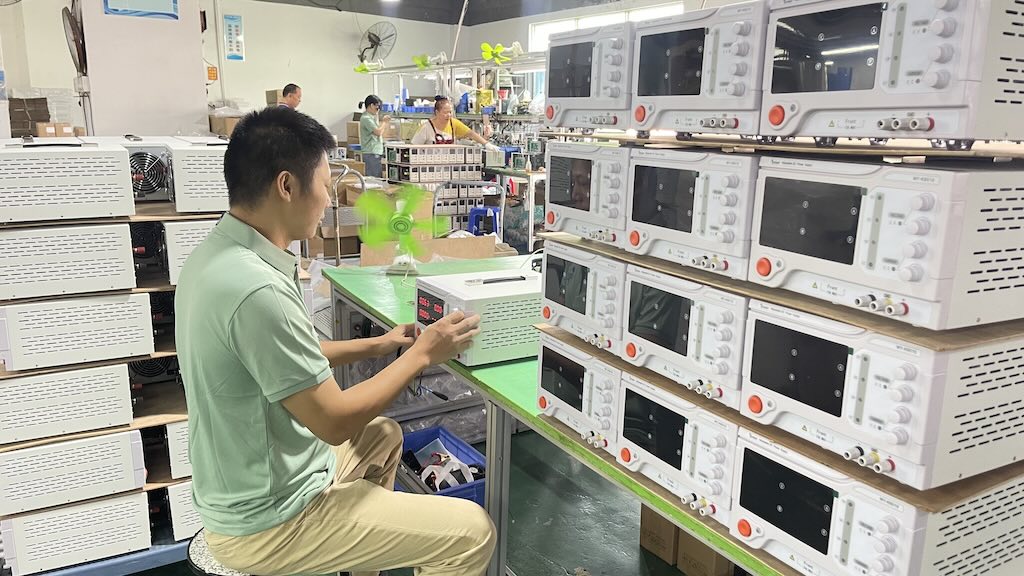 QC check
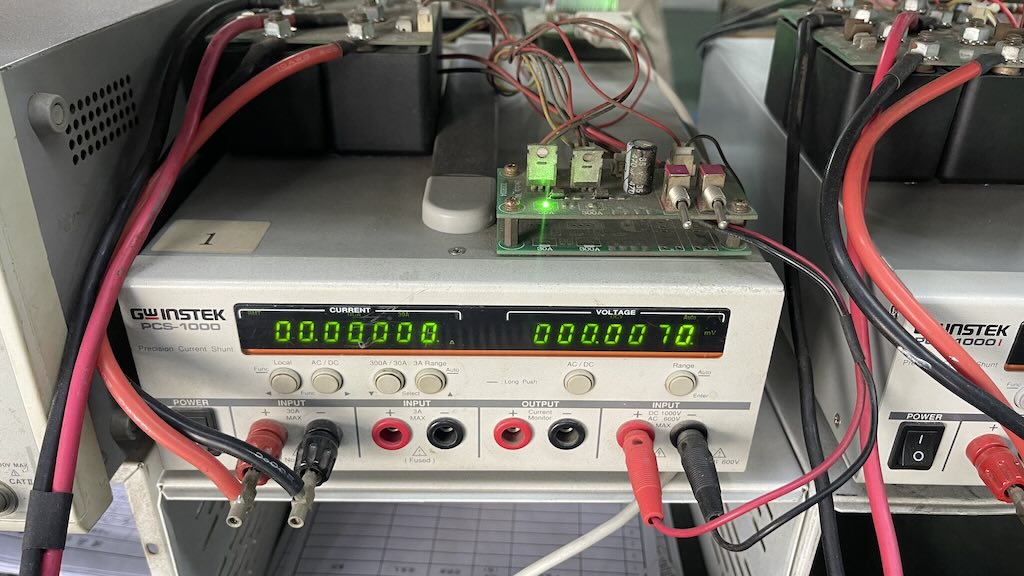 Multimeter
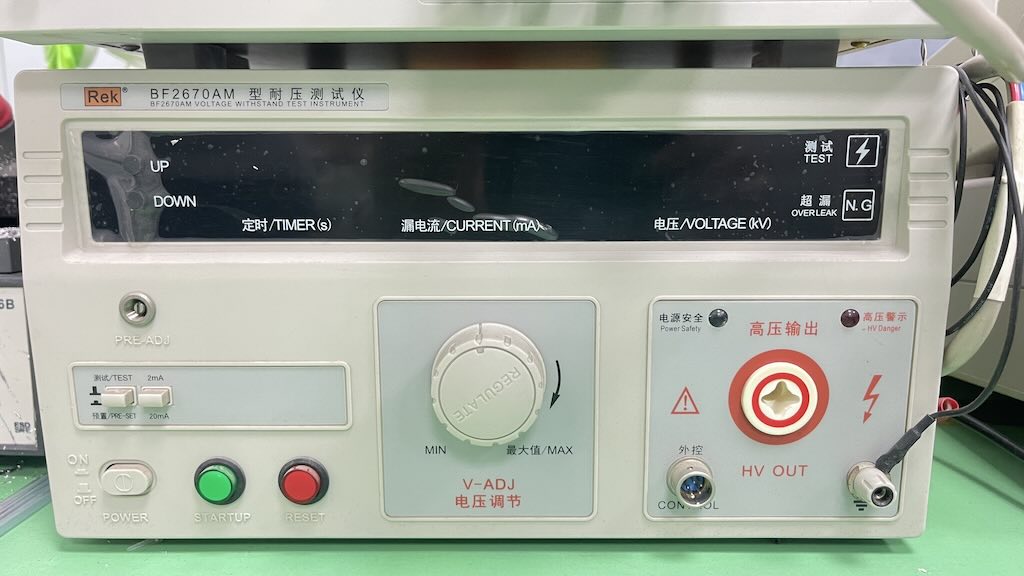 Hi-pot Tester
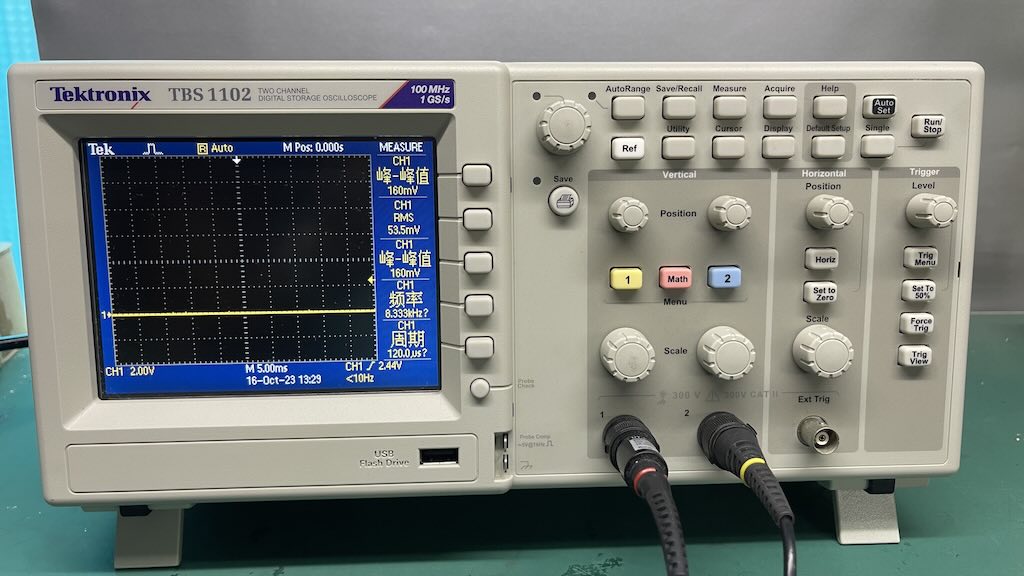 Oscilloscope
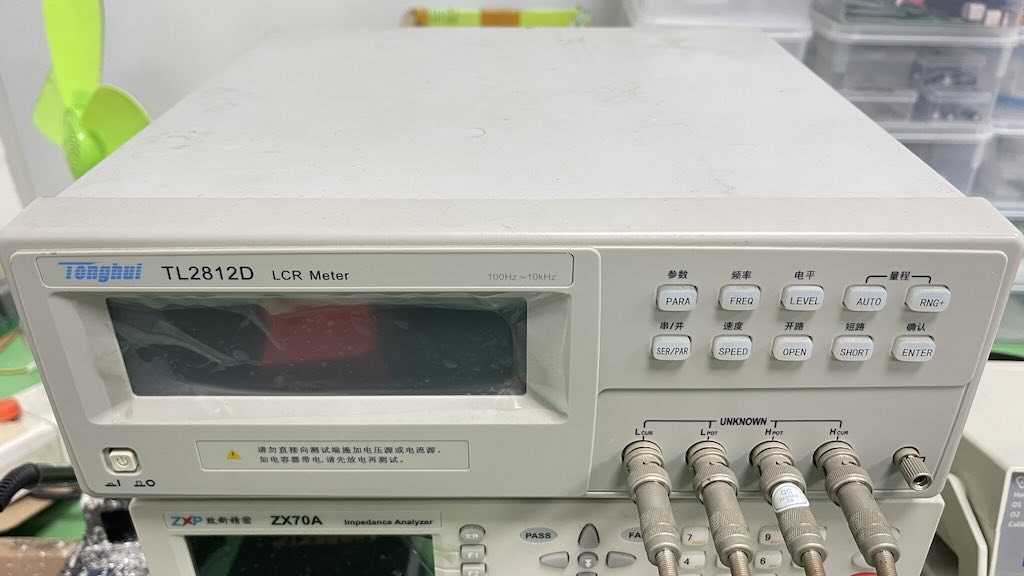 LCR Meter
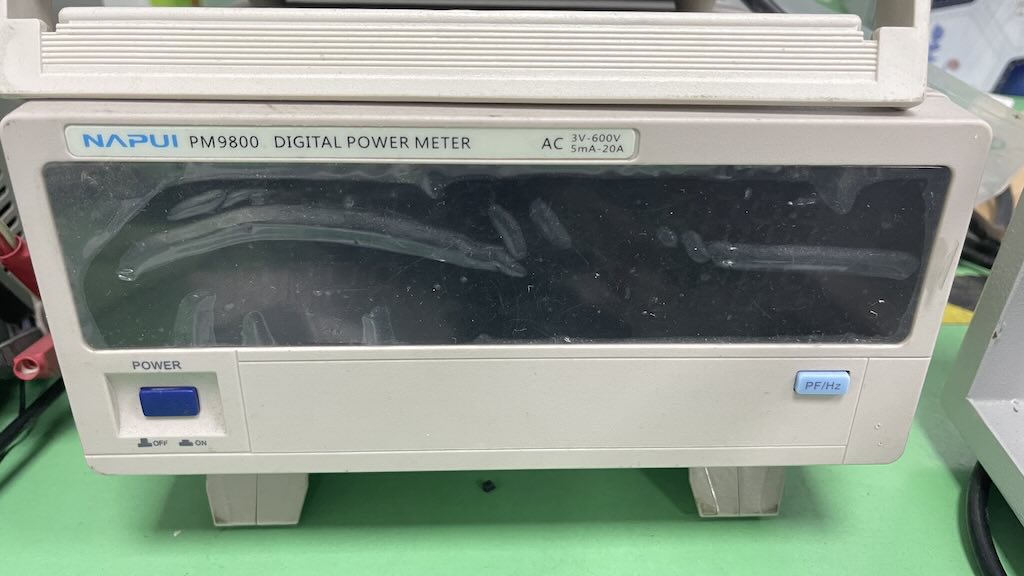 Digital power meter
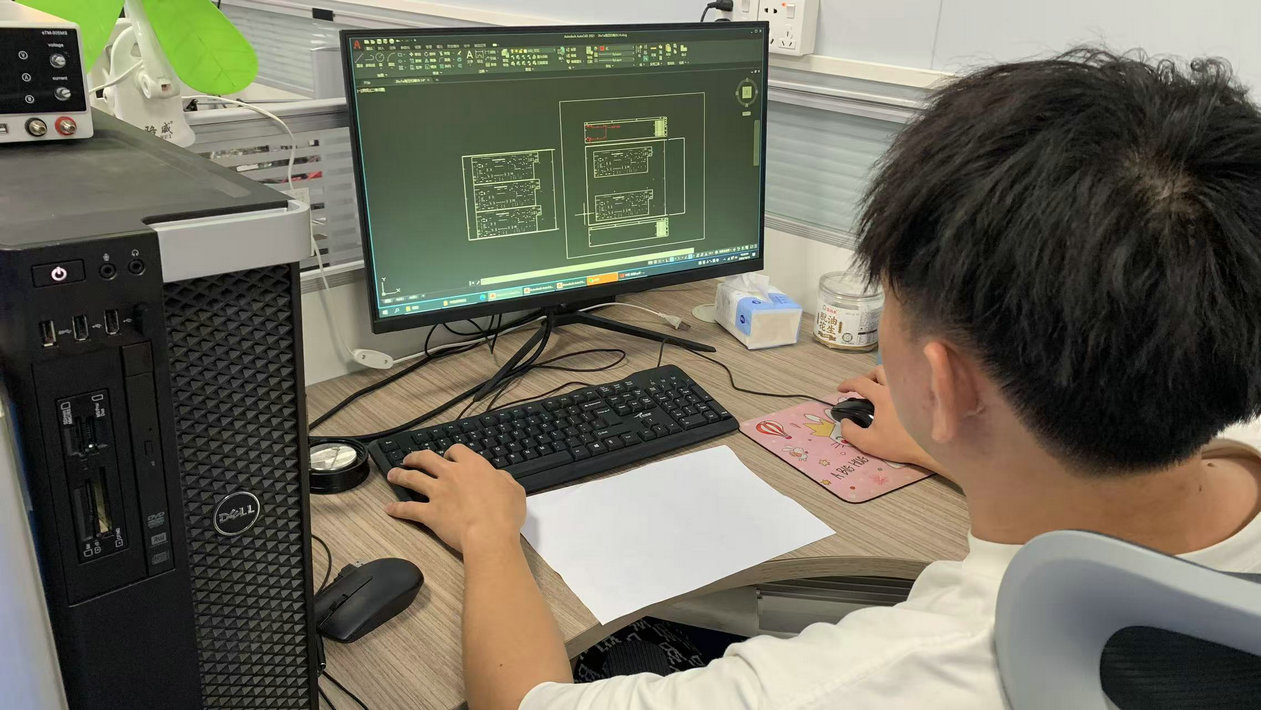 Design
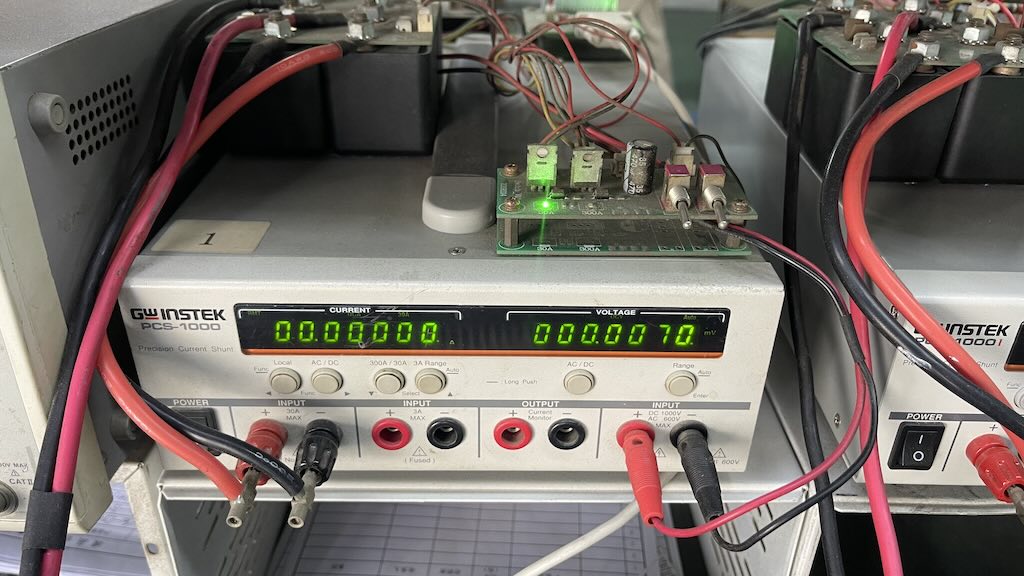 Multimeter
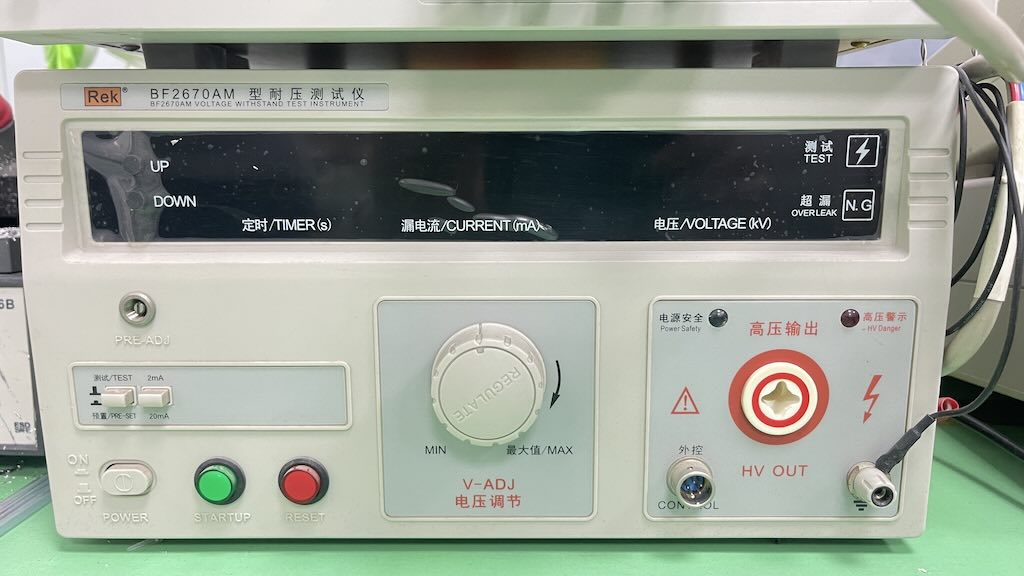 Hi-pot Tester
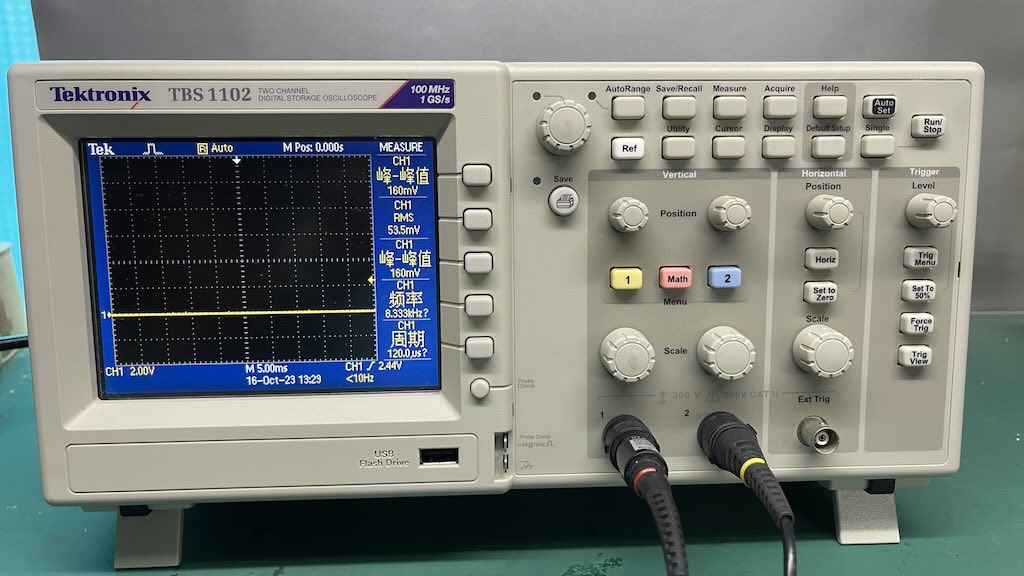 Oscilloscope
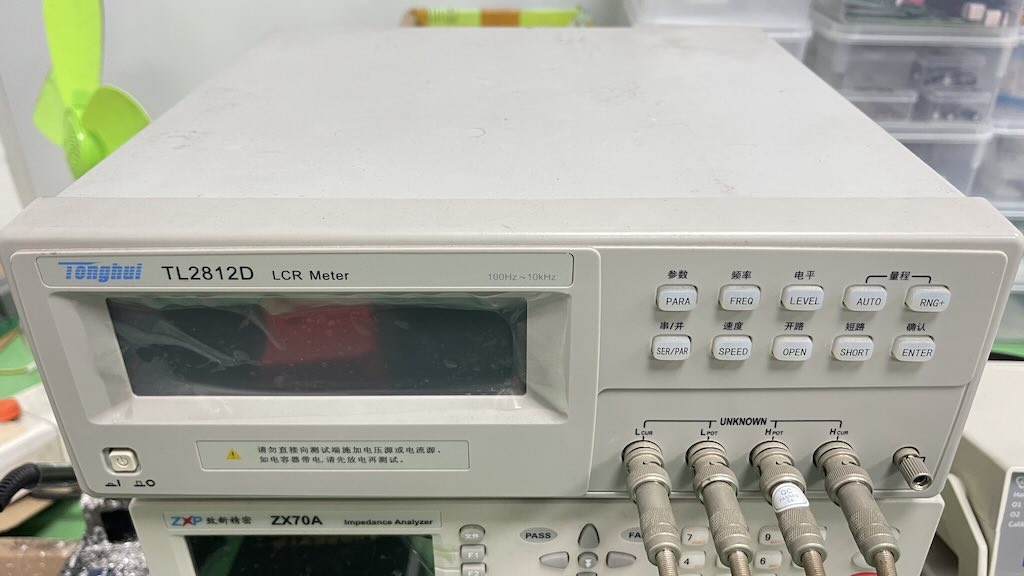 LCR Meter
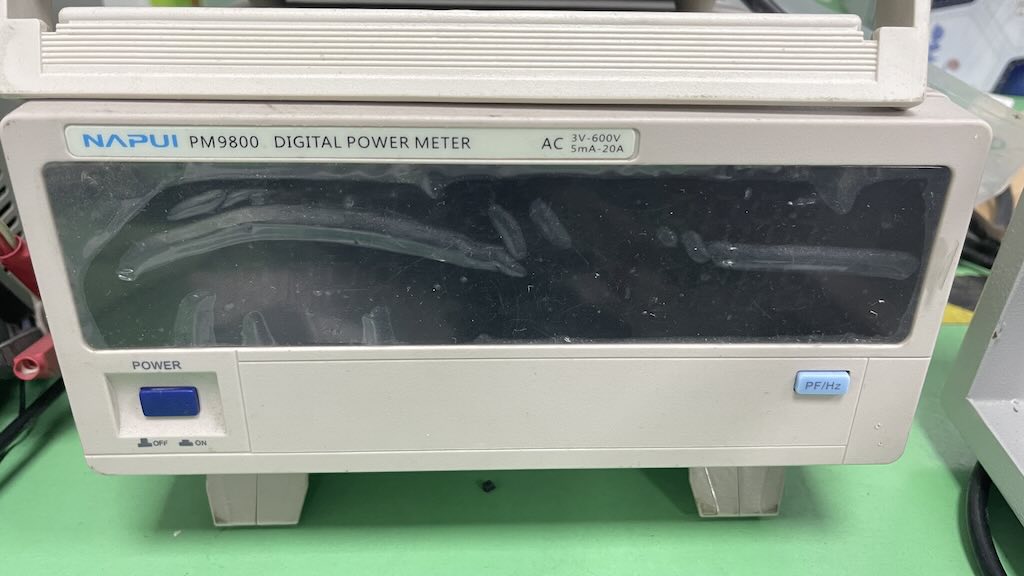 Digital power meter
Our ongoing R&D directions address the converging requirements of power electronics and precise thermal systems.
Modern SiC (Silicon Carbide) and GaN (Gallium Nitride) switching devices require thermal management units capable of reacting to rapid temperature transitions. Our designs focus on ultra-fast transient responses, ensuring instantaneous current regulation to offset dynamic thermal dissipation curves.
By shifting from standard reactive PID math to predictive machine learning algorithms, our controllers model system load trends and thermal inertia. This predictive approach minimizes energy usage in heavy-duty commercial autoclaves and clean-room HVAC systems.
High-precision semiconductor process chambers demand multi-zone control. Our upcoming designs feature multi-channel distributed controllers that sync with peripheral power systems over high-speed networks to prevent thermal gradients across wafer surfaces.
As carbon-neutral targets reshape global factories, temperature controller architectures must incorporate energy-efficiency profiles. By utilizing solid-state proportional control rather than mechanical contactors, we minimize structural energy loss and electrical noise.
Furthermore, our manufacturing processes follow RoHS standards to restrict lead and dangerous substances in our hardware. We leverage advanced power factor correction (PFC) circuitry in all testing systems, reducing overall reactive power consumption and ensuring clean power grid integration.
Delivering high-precision instrumentation requires rigorous local support and strict alignment with regional safety and utility guidelines. MYAMI products are designed, tested, and certified for international deployment, simplifying importation and integration for Tier-1 system contractors.
Our regulatory certifications verify electrical isolation, electromagnetic compatibility (EMC), and operational safety. In addition, our field engineers collaborate directly with customer engineering teams to coordinate software updates, calibrate sensor elements, and troubleshoot complex communications, mitigating project delays and scaling risks.
Our global delivery pipeline guarantees secure shipping configurations and complete documentation packets, including functional testing certificates.
Answers to critical questions regarding hardware implementation, calibration, and customization capabilities.
Our temperature controllers feature galvanic isolation (up to 3000V AC) between sensor input stages, processing units, and power switching modules. This design prevents electrical transients and ground loops from impacting analog-to-digital signal conversions, ensuring stable temperature readouts in close proximity to high-frequency inverters or high-voltage lines.
Yes. Through our ODM services, we offer customized PID auto-tuning algorithms designed for highly non-linear or asymmetric thermal loads (e.g., rapid Peltier cooling combined with slower resistive heating element cycles). We can pre-load specific loop parameters during production testing to streamline commissioning on-site.
Out-of-the-box support includes RS-485 Modbus RTU interface connections. For advanced automated integrations, we offer custom development options for CANopen, CAN Bus (for automotive thermal chambers), and EtherCAT protocols via optional modular expansion boards.
Every controller undergoes automated metrology calibration using high-precision reference signal generators. This step aligns the internal 24-bit delta-sigma ADC with known voltage inputs, ensuring conformity with ITS-90 temperature curves for RTDs and standard thermocouples.
Yes, our ODM workflow offers full faceplate customization, incorporating private brand logos, color themes, specific key placements, and display orientations (LED, LCD, or high-definition touchscreens) to fit panel cutout dimensions.
High-capacity testing solutions, single-phase variable AC power sources, and electronic loads for rigorous electrical evaluation.
 Myami Power