Engineered high-performance automation components and controllers designed for seamless system integration

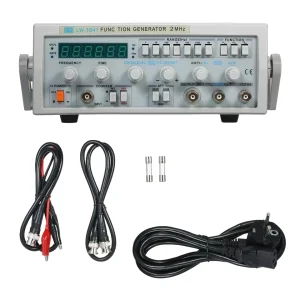


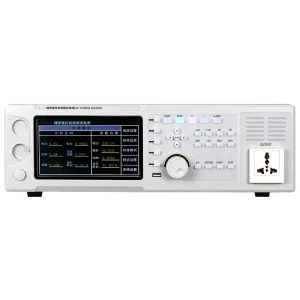
High-end supply chain integration, raw material optimization, and global market dynamics
The global electromagnetic relay industry is undergoing a structural paradigm shift. As key switching units deployed in electrical isolation, control systems, and power distributions, electromagnetic relays are critical across industrial automation, renewable energy infrastructure, smart grids, and electric vehicles (EV). China remains the epicenter of this industry, manufacturing over 65% of the world's relays. However, the focus of top Chinese manufacturers has shifted from low-cost mass production to high-precision engineering, raw material control, and zero-defect validation methodologies.
This whitepaper details the criteria for evaluating the premium tier of China's electromagnetic relay factories. Standard procurement models that focus strictly on price often lead to critical field failures caused by contact resistance degradation, contact bounce erosion, or dielectric breakdown. Modern system designers require suppliers with deep expertise in contact materials (such as Silver Tin Oxide - AgSnO2 vs. Silver Nickel - AgNi), mechanical architecture, gas-fill arc suppression, and comprehensive electrical testing capabilities.
Adapting to high-voltage, direct current (HVDC) power routing and high-density packaging
With the rise of 800V EV architectures and solar PV storage banks, relays must interrupt high-voltage DC arcs safely. Leading factories utilize hydrogen/nitrogen gas-filled sealed ceramic chambers and magnetic blowouts to extinguish arcs dynamically.
Modern telecommunication and IoT nodes require ultra-low profile signal relays. Achieving a mechanical footprint under 15x10mm while maintaining 2kV dielectric strength and low magnetic interference is the new engineering benchmark.
Smart meters and smart home appliances drive demand for single or dual-coil magnetic latching relays. These devices use zero power once switched, dramatically lowering system-level power consumption and reducing thermal load.
The selection of contact material is the single most critical factor for relay lifecycle endurance. AgSnO2 (Silver Tin Oxide) has largely replaced hazardous AgCdO (Silver Cadmium Oxide) due to RoHS compliance; it offers exceptional resistance to material transfer and weld-on characteristics under high inrush currents. For inductive AC loads, AgNi (Silver Nickel) is widely used due to its excellent electrical conductivity and resistance to contact wear at lower switching thresholds.
Key electrical and mechanical parameters to verify prior to factory commissioning
For international buyers looking to source directly from Chinese relay manufacturers, creating a robust component specification document is essential. Below are the core technical parameters that must be evaluated and verified through standardized lab testing:
| Technical Parameter | Evaluation Method / Test Standard | Acceptable Quality Level (AQL) / Target Range | Impact on System Reliability |
|---|---|---|---|
| Contact Resistance | Four-wire Kelvin test method (MIL-STD-202) | ≤ 30 mΩ to 50 mΩ (initial rating) | High contact resistance leads to thermal runaway and contact welding. |
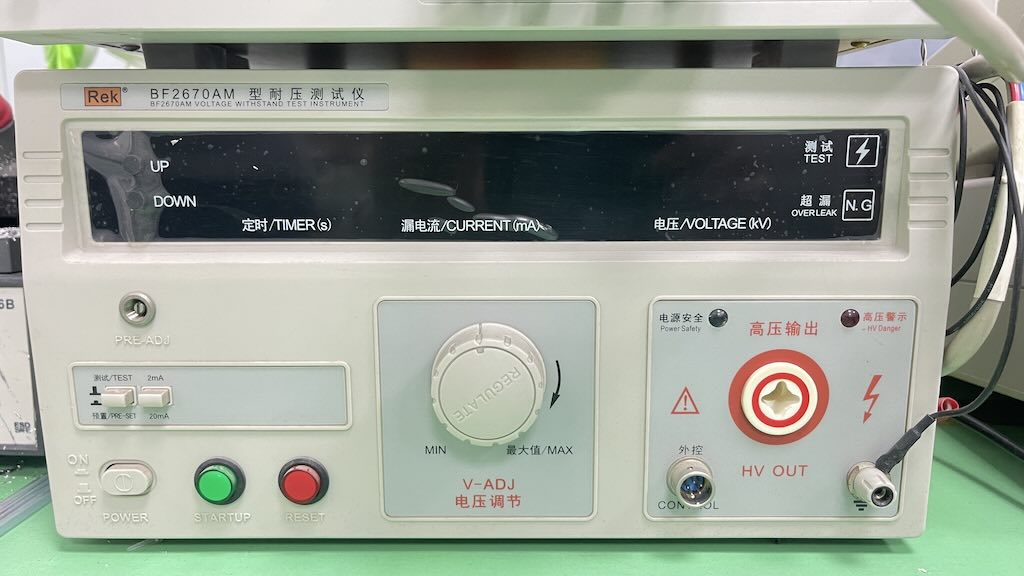
| Dielectric Strength | Voltage ramp method (500V/s, IEC 60255-5) | ≥ 1,000 V AC (Signal); ≥ 4,000 V AC (Power/HVDC) | Ensures isolation between low-voltage control circuits and high-power lines. |
| Contact Bounce Time | High-speed digital storage oscilloscope monitoring | ≤ 1.5 ms (Bounce during make/break cycles) | Extended bounce time generates high electrical wear and EMI. |
| Coil Power Consumption | Precision DC power supply voltage/current sweep | 150mW (Sensitive coils) to 400mW (Standard coils) | Directly affects control board power distribution design and thermal build-up. |
| Operating & Release Time | Time interval counter under nominal voltage | Operate: ≤ 10ms; Release: ≤ 5ms | Critical for fast-acting protection systems and phase synchronization. |
Headquartered in Shenzhen, China, Shenzhen Myami Power Technology Co., Ltd. (MYAMI) is a technology-driven manufacturer and solution provider specializing in high-precision, industrial-grade power supplies and electrical test equipment. Designed for engineering rigor, MYAMI bridges the gap between complex electronic research, high-voltage component testing, and scalable industrial automation.
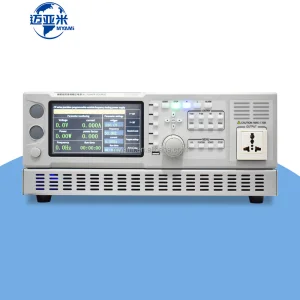
When verifying the performance of electromagnetic relays under load, standard testing gear fails to provide the stable, programmable sweeps required for validation. Our products are widely utilized by top-tier electromagnetic relay factories to cycle test coils, run high-voltage contact validation, and calibrate magnetic pick-up and drop-out thresholds.
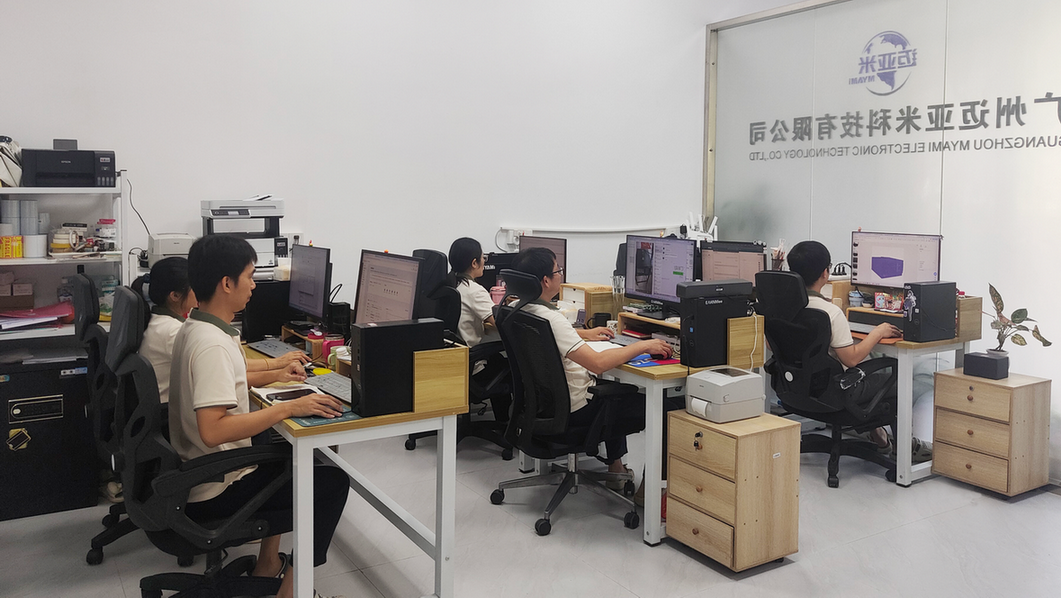
Four core operational pillars engineered to support precision R&D and electrical component testing
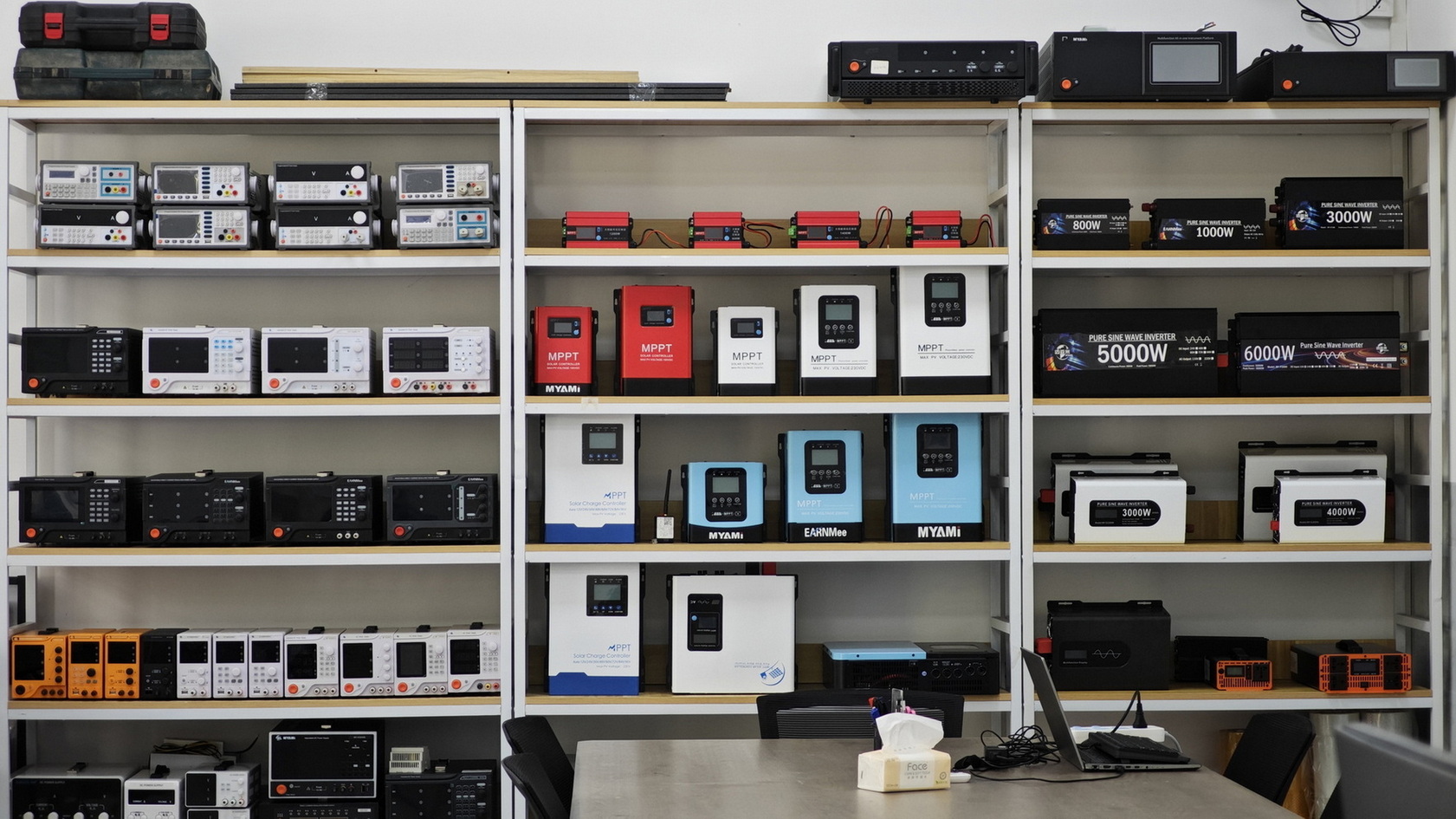
Featuring multi-digit LED displays, ultra-low ripple, and rapid transient response, engineered for precision electronic R&D, semiconductor evaluation, and PCB debugging.
Delivering high-current, high-voltage DC/AC regulated power supplies (ranging up to hundreds of volts and amperes) built for industrial motor drives, electroplating rectifiers, and heavy-duty component burn-in testing.
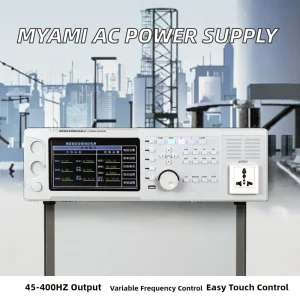
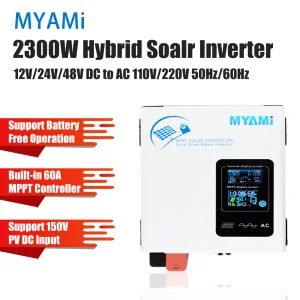
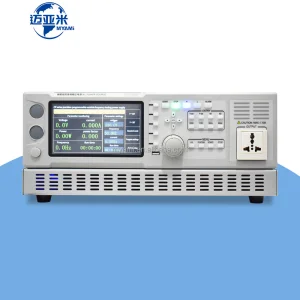
Providing specialized DC power units, battery simulators, and variable AC power sources engineered for Electric Vehicle (EV) On-Board Chargers (OBC), BMS evaluation, and solar inverter testing.
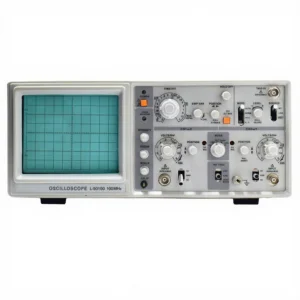
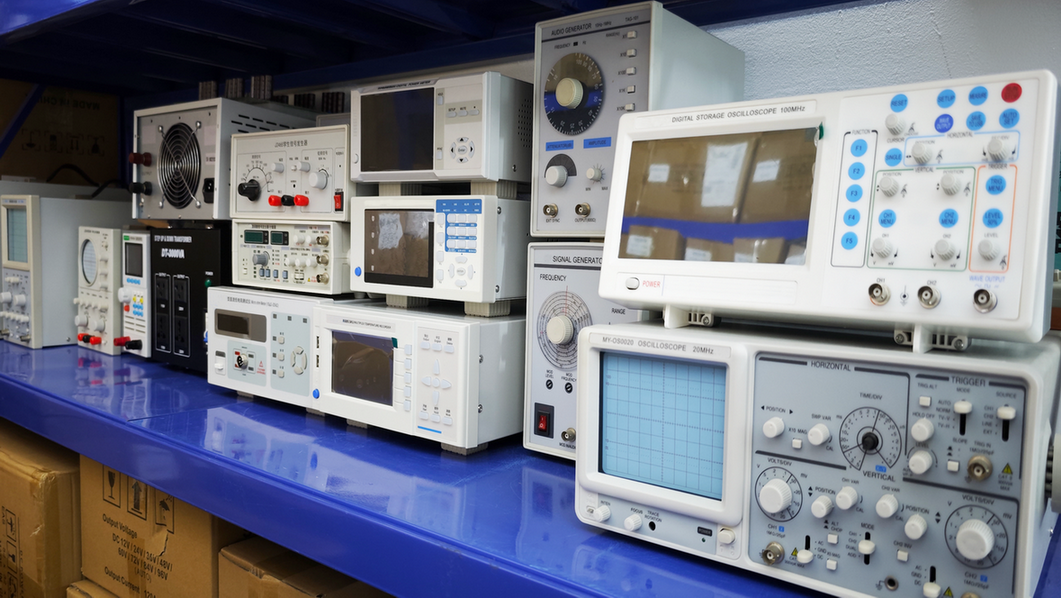
Supplying complementary test bench solutions, including digital oscilloscopes, multimeters, and specialized AC voltage regulators for global laboratories and technical institutes.
Ensuring zero-defect manufacturing through rigorous quality checks and systematic calibration
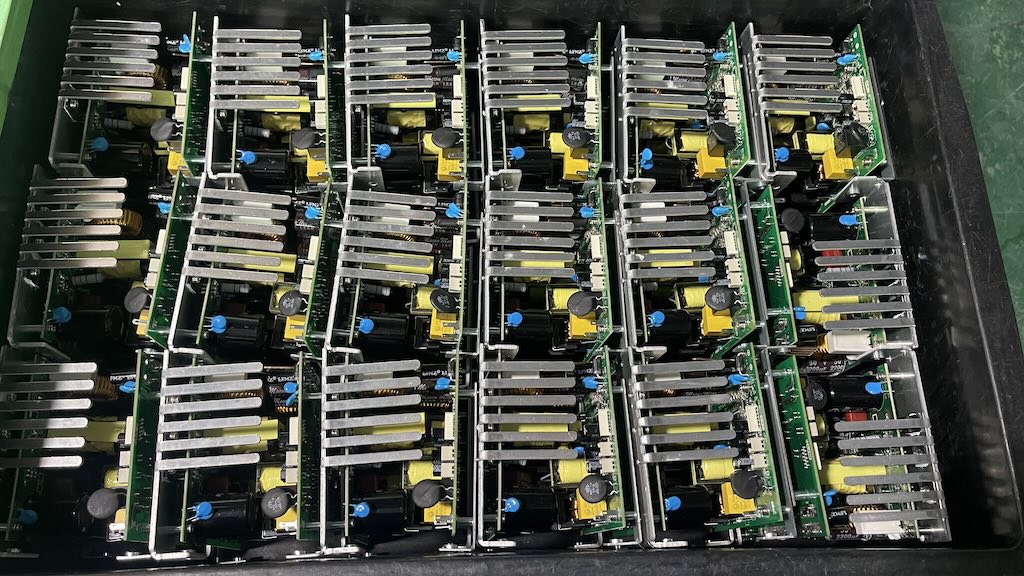
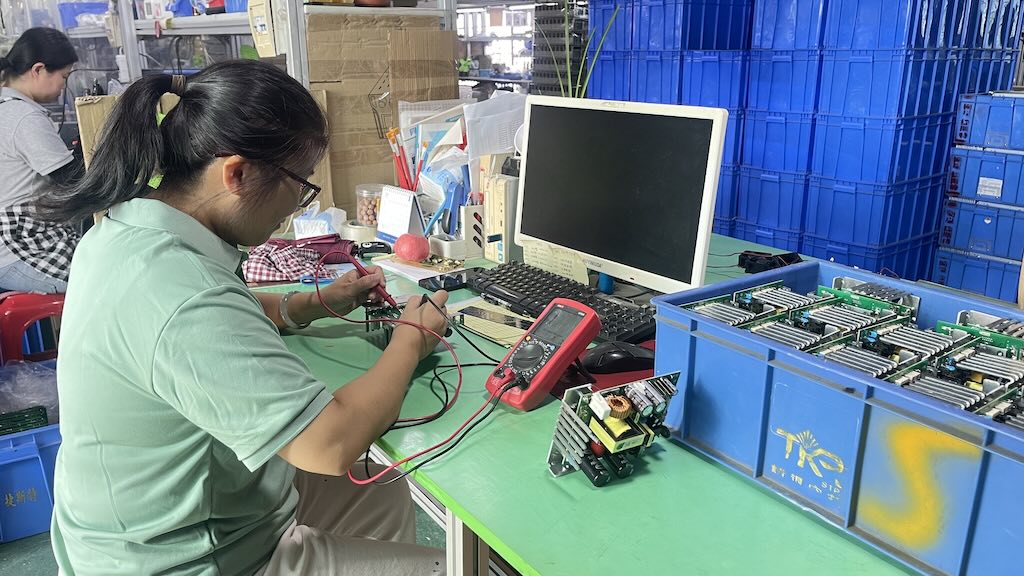
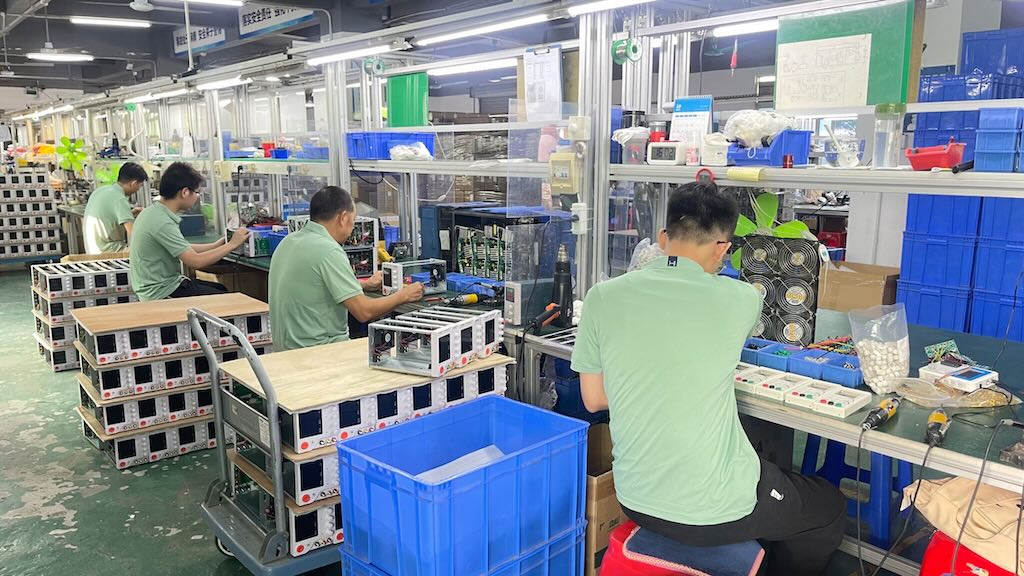
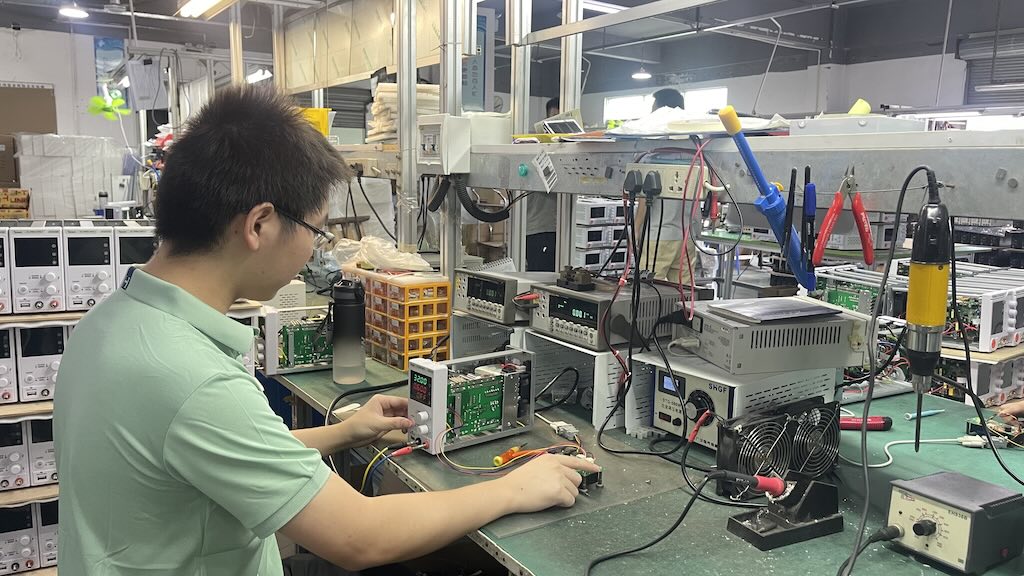
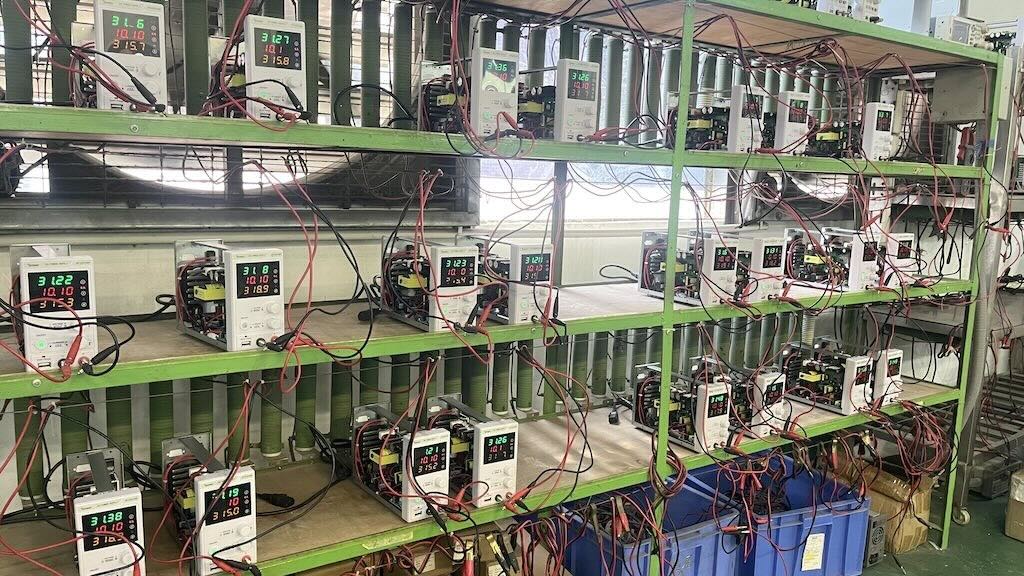
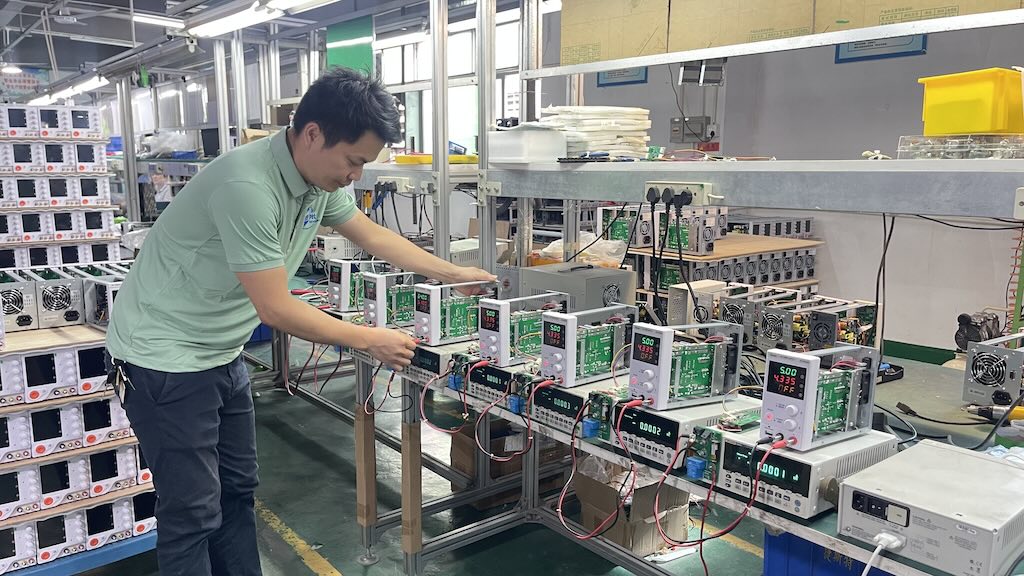
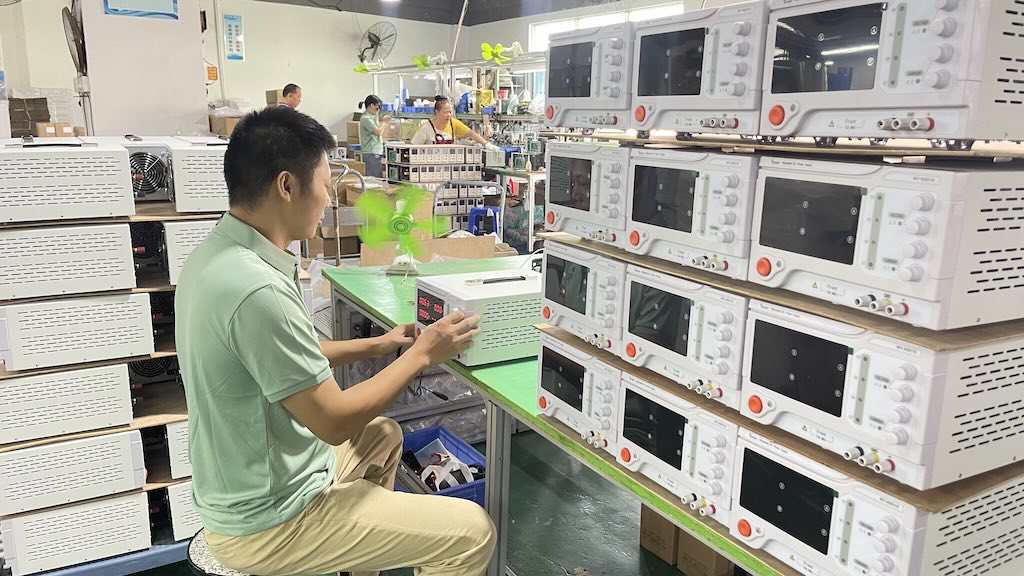
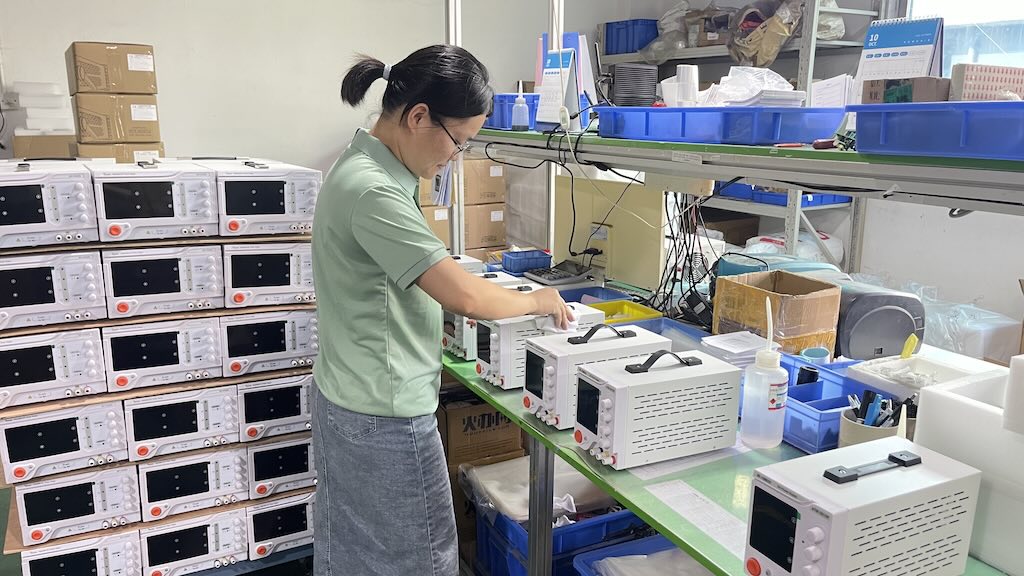
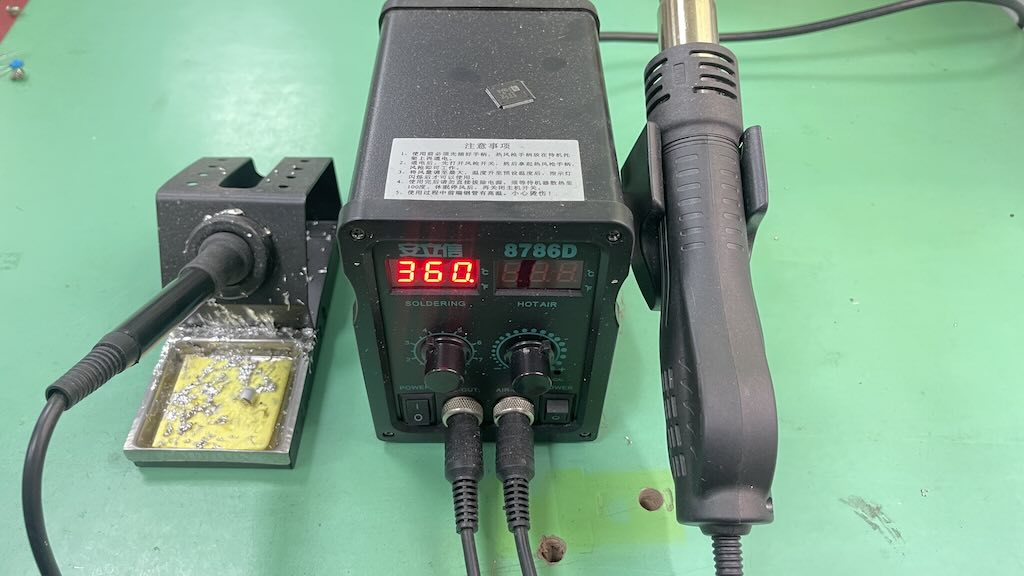
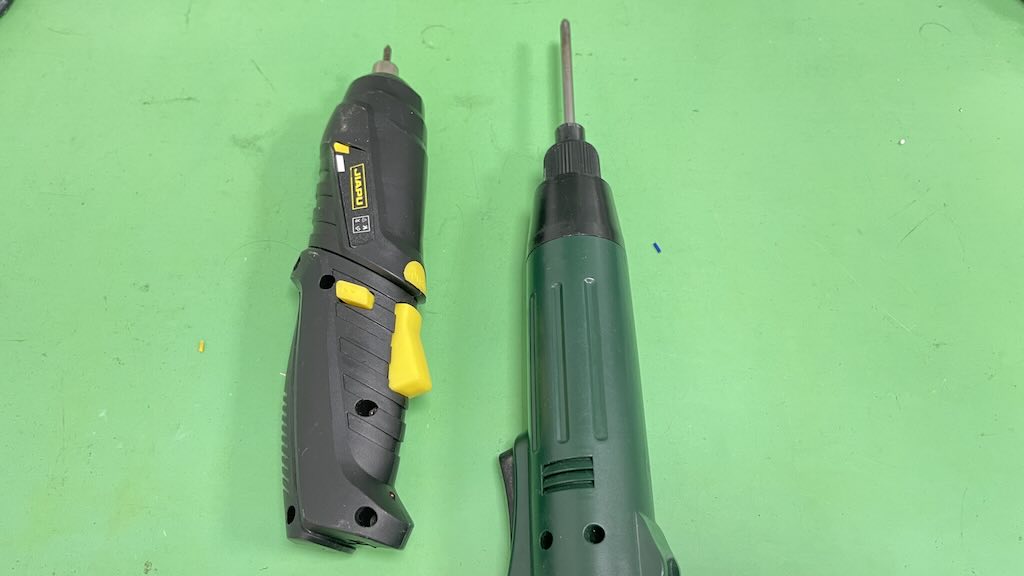
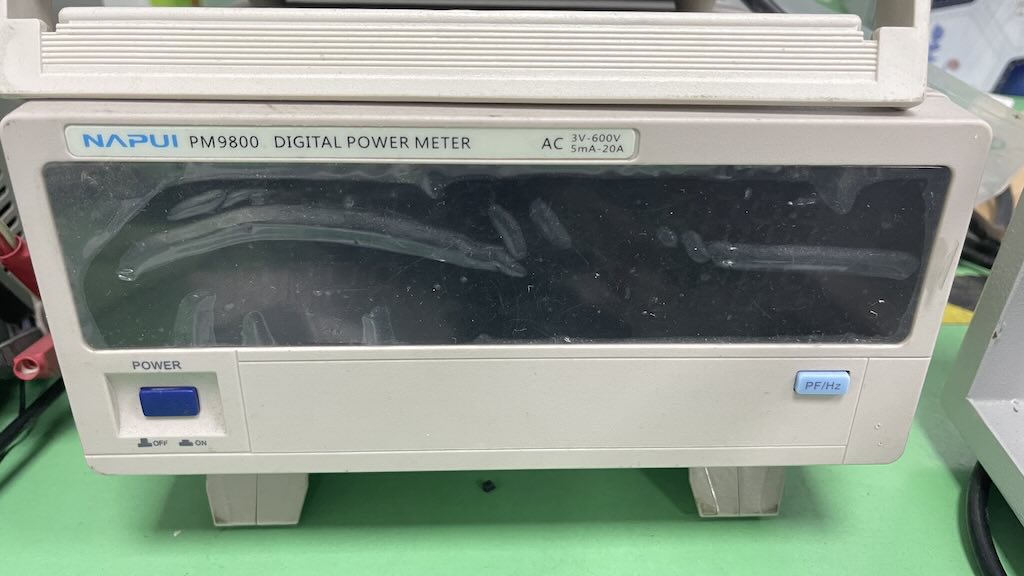
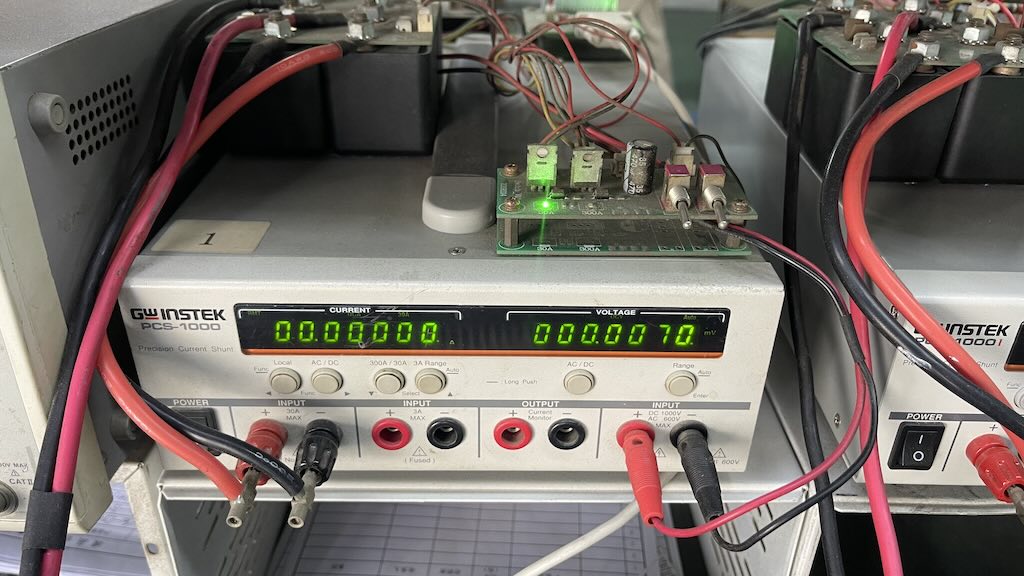
Testing electromagnetic relays requires static and dynamic analysis. The production workflow is validated through dedicated test stations using high-stability laboratory equipment to ensure mechanical performance meets international standards.
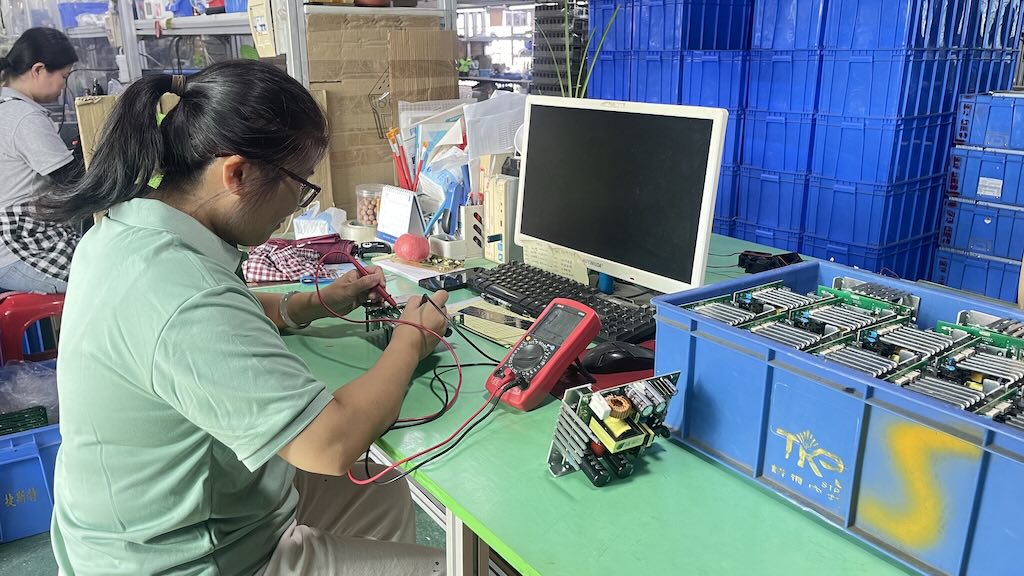
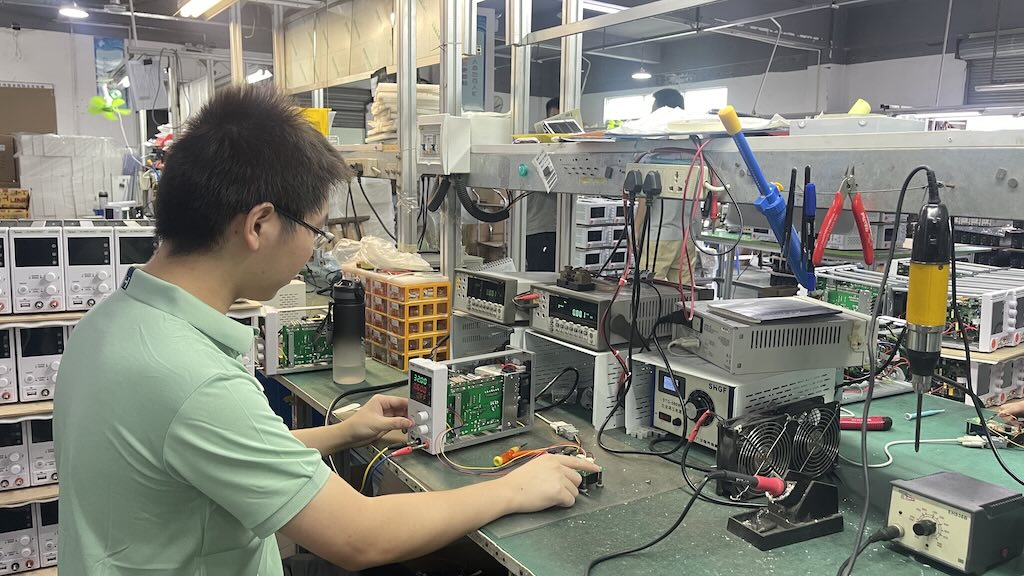
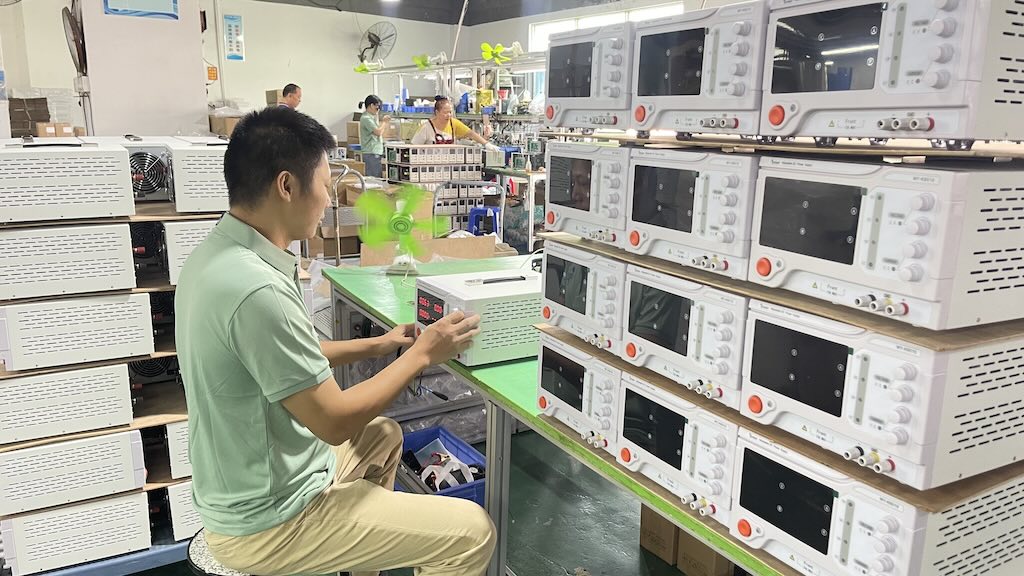
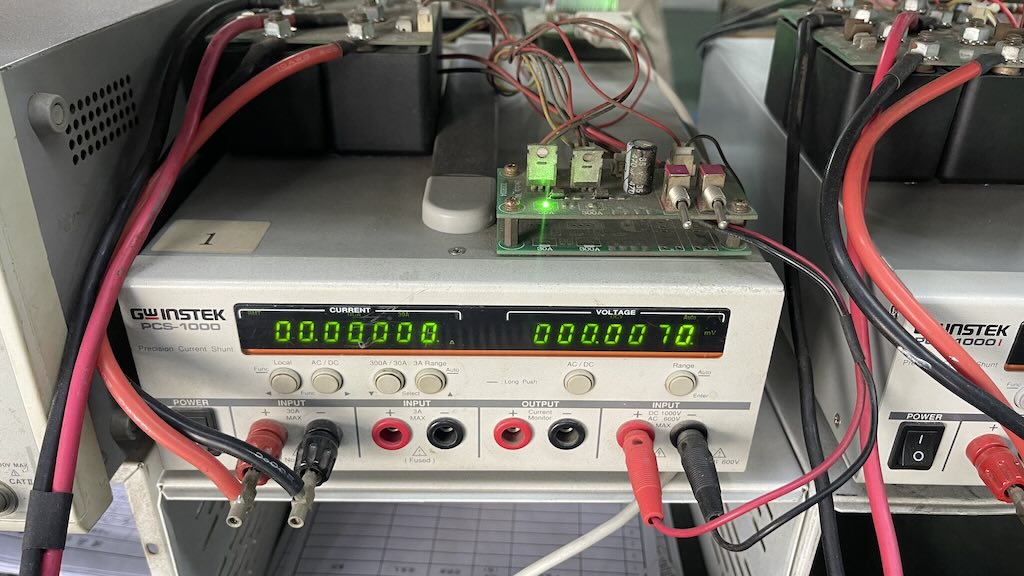
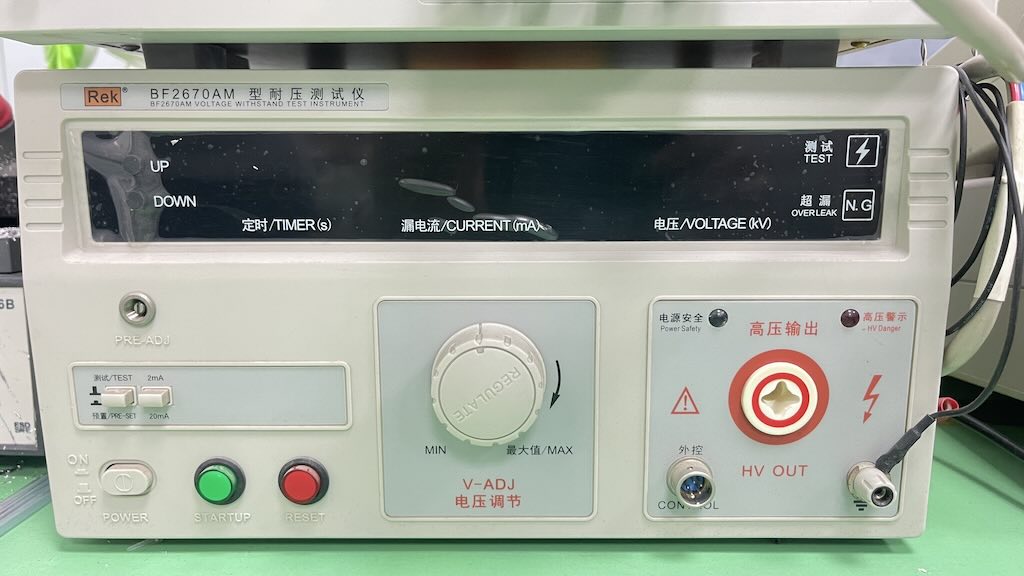
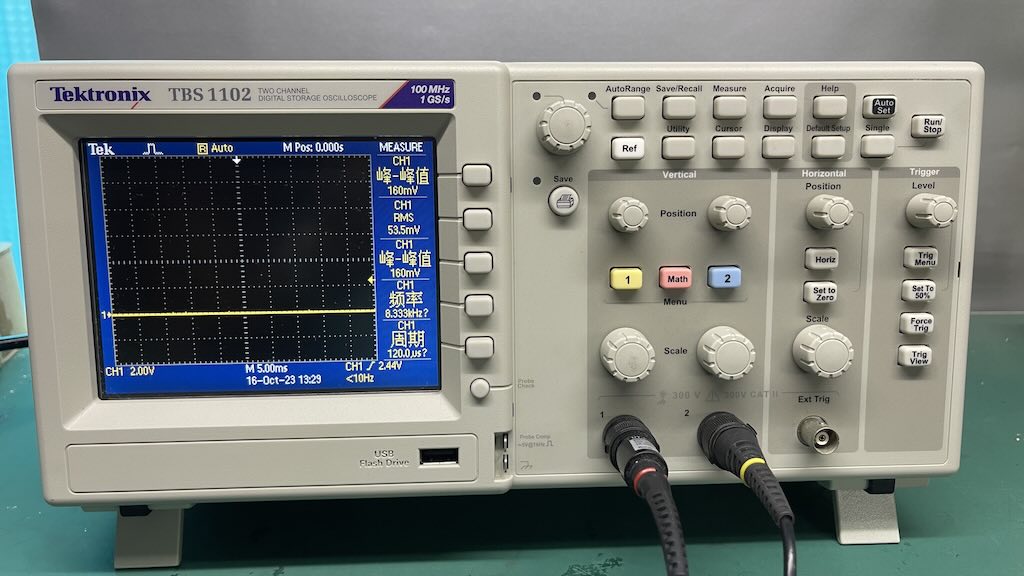
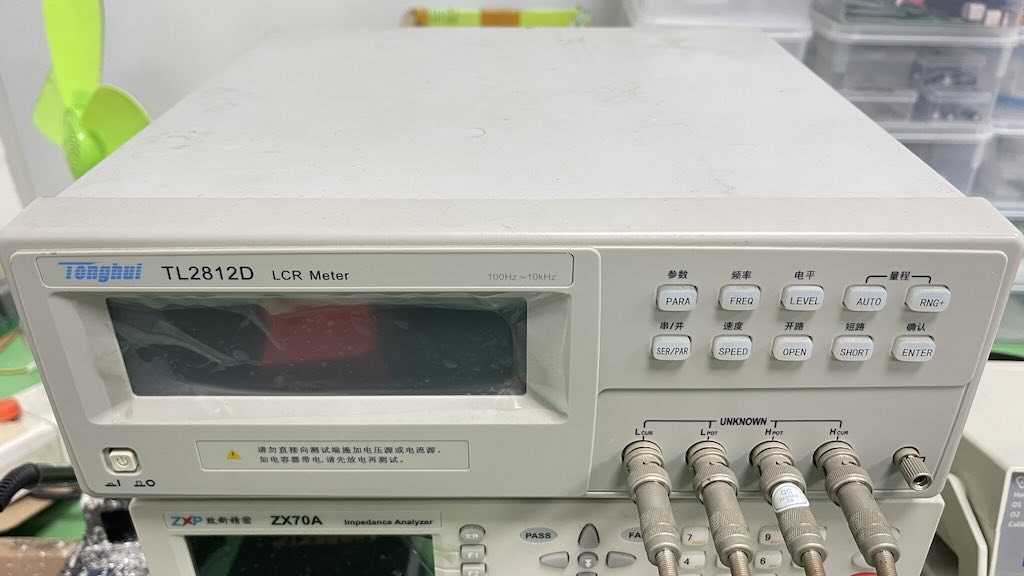
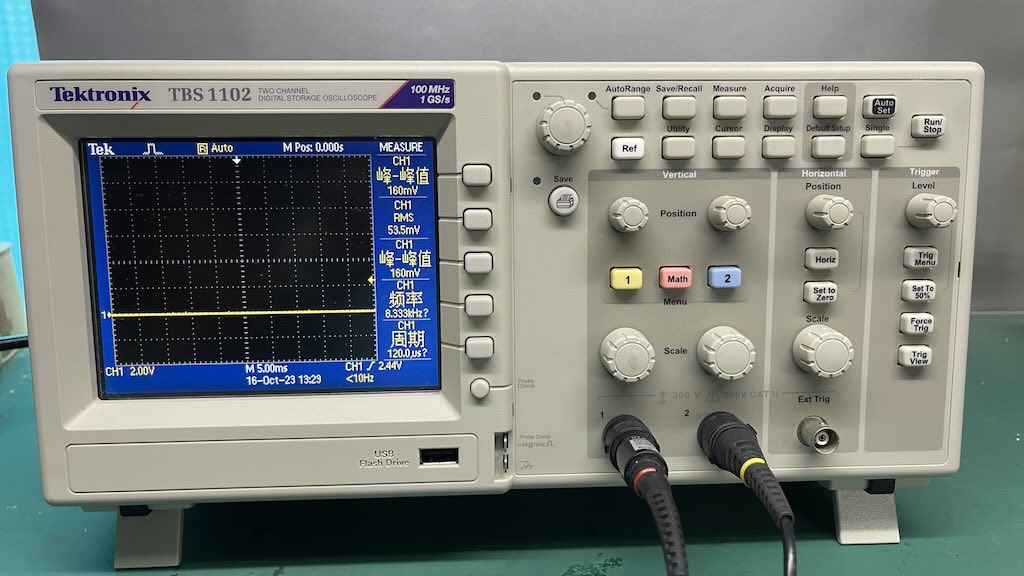
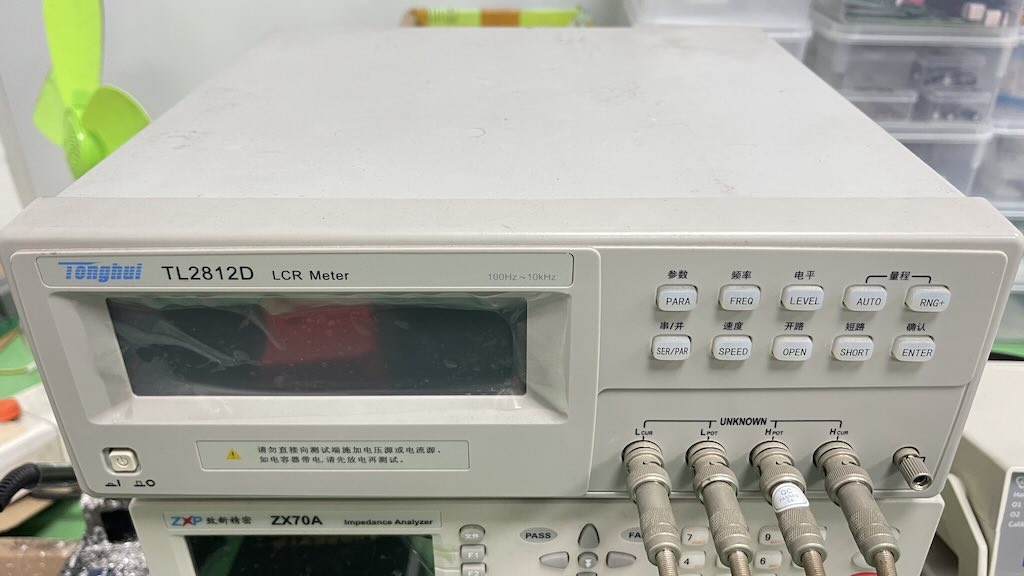
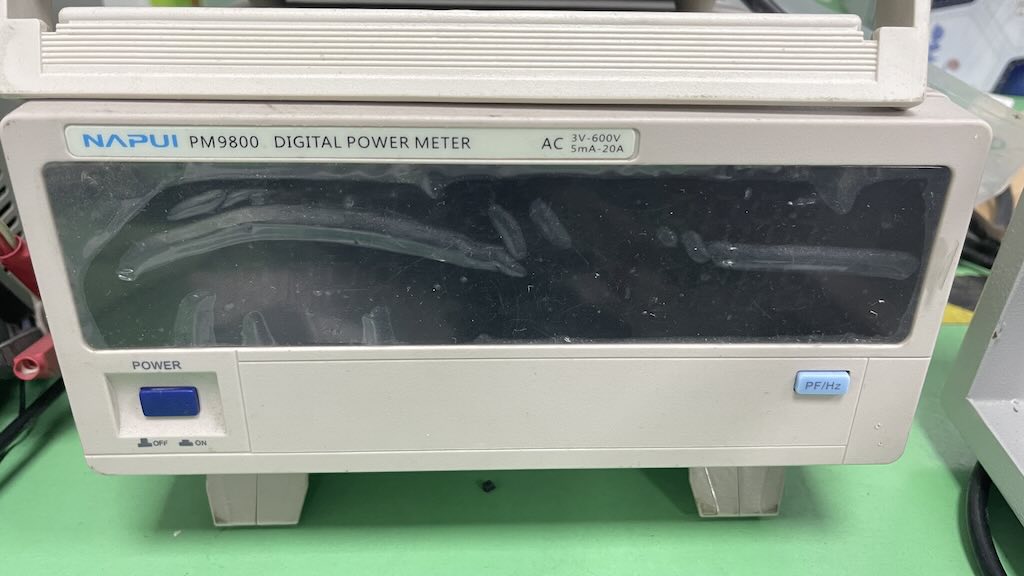
Customized electromagnetic control and testing integrations for industrial systems
We supply the dynamic power supplies and AC simulators required to test grid-tied PV inverters and anti-islanding protection. In these installations, heavy-duty latching and power relays switch up to 100A at 1000V DC safely.
Ensuring residual current protection and safe galvanic isolation inside Level 2 and Level 3 DC fast chargers requires relays coupled with precision sensing. Our DC sources test EV contactors under high-load switching conditions.
Factory automation loops rely on DIN-rail mounted relay modules to buffer PLC outputs. Testing these relays for contact bounce, switching speed, and insulation safety ensures zero downtime in fast-cycle automation processes.
Navigating international requirements to guarantee electrical system safety and environmental compliance
Procuring electronic components internationally introduces standard compliance challenges. To satisfy regulatory authorities in North America, Europe, and Asia-Pacific, electromagnetic relays must possess distinct safety certifications. Top-tier manufacturers from China ensure compliance with the following international frameworks:
Ensures that relays operate safely within the standard 50V to 1000V AC range, presenting no electrical hazard or structural safety risks under typical environmental operational cycles.
Essential for North American commercial deployment. Evaluates plastic housing flammability (UL 94 V-0 rating), internal creepage clearance distances, and high-temperature performance.
Eliminates hazardous substances such as lead, cadmium, hexavalent chromium, and mercury from contact alloys and plastic components, protecting end-users and the environment.
When reviewing factory-provided certification documents, do not rely on standard copy-paste certificates. Request the CB Test Reports (IECEE CB Scheme) and match the registered certification number against official databases. Verify that the testing labs possess ISO/IEC 17025 accreditation to ensure the validity of test results.
Expert answers to common engineering questions regarding electromagnetic relay testing, application, and life cycles
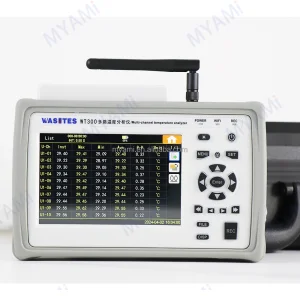
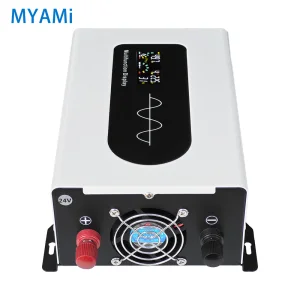
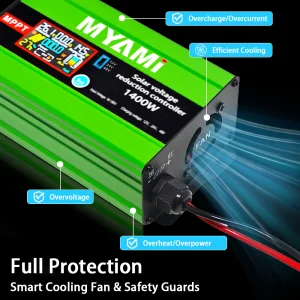
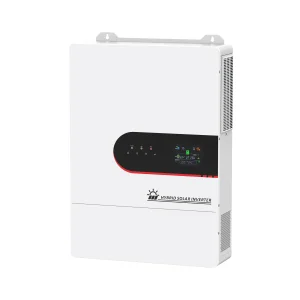
High-end power sources and digital diagnostic equipment designed to support automated component verification


 Myami Power