Myami Power
1 / 5
Voltage reduction through transformer → rectification and filtering into DC → regulator stabilization (similar to "wide inlet and narrow outlet of water pipe").
Features: Small adjustable current range, low output ripple (suitable for precision equipment).
Convert DC to high-frequency AC → Quickly switch through switching tubes → Step down with transformers → Rectify and filter into DC (similar to "repeated voltage regulation by electronic switches").
Features: High efficiency but slightly higher ripple (suitable for high current scenarios).
Switching power supply crushes linear power supply! Linear power supply requires a large transformer and rectifier filter circuit, making the volume large (such as a 220V to 5V linear power supply of about 10cm × 5cm × 3cm) and heavy (over 1kg). Switching power supply uses a high-frequency circuit and integrated design, resulting in a small size (only 1/3 of the same power) and lightweight (within 500g). It is preferred for portable devices such as drones and laptop power supplies.
Switching power supplies are more energy-efficient! Linear power supply energy conversion relies on resistance heating, with an efficiency of about 60% (such as 220V to 5V input of 100W, output of only 60W). Switching power supply features high conversion efficiency (80% - 95%) and almost no heat generation (input 100W, output above 90W), saving electricity costs in long-term use.
Linear power supplies are more resistant to ripple! Linear power supply output ripple is very small (<10mV), making it suitable for equipment sensitive to voltage fluctuations (such as medical instruments and laboratory equipment). Switching power supply high-frequency switching may introduce ripple (>20mV), but modern switching power supplies are stabilized through optimization (such as high-frequency filtering) which is acceptable for most devices.
Linear power supply is faster! The regulator in a linear power supply directly responds to voltage changes, providing a fast transient response (microsecond level), suitable for scenarios that require rapid power adjustment (such as precision experiments). Due to delayed switching of the switching tube, the switching power supply transient response is slightly slower (in milliseconds), but the impact on most devices can be ignored.
| Scenario Requirements | Preferred Choice | Core Reasons |
|---|---|---|
| Portable devices (mobile phones, laptops) | Switching Power Supply | Small size, high efficiency, wide voltage input |
| High power equipment (servers, motors) | Switching Power Supply | High efficiency, low cost, low heat dissipation pressure |
| Precision instruments (oscilloscope, mass spectrometer) | Linear Power Supply | Low ripple, low noise, and stable voltage |
| Low power fixed scenario (router, microcontroller) | Linear Power Supply | Low cost, high reliability, and simple circuit |
| Audio equipment (amplifier, DAC) | Linear Power Supply | No switch noise, avoiding interference with sound quality |
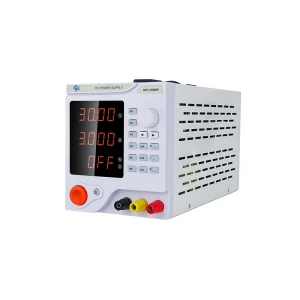
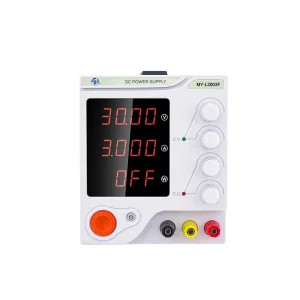
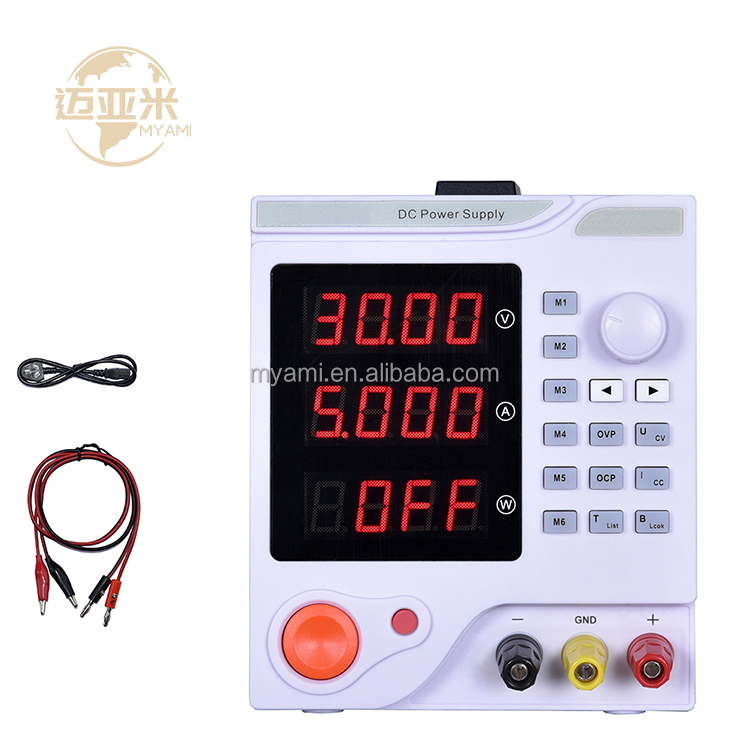
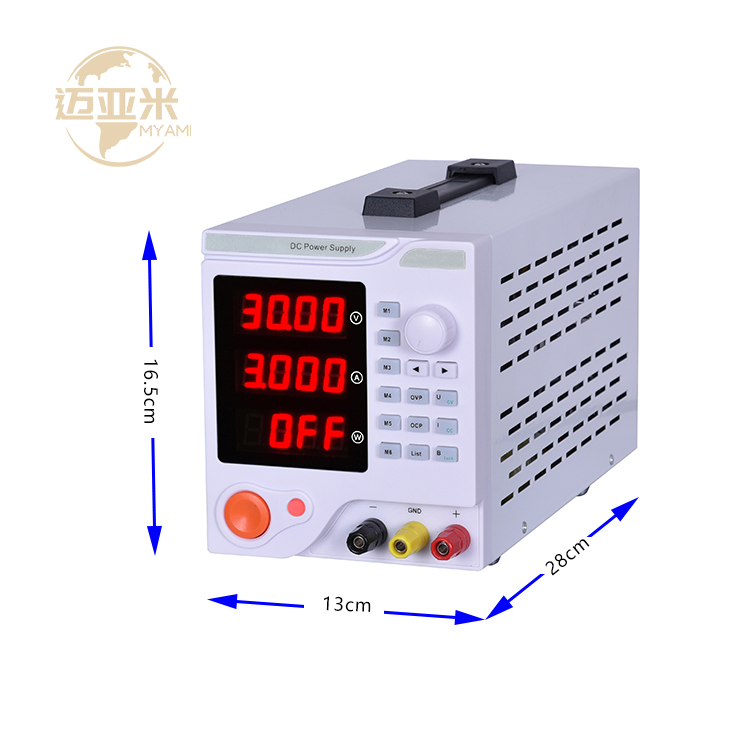
| Model | Voltage | Current | Display | Accuracy |
|---|---|---|---|---|
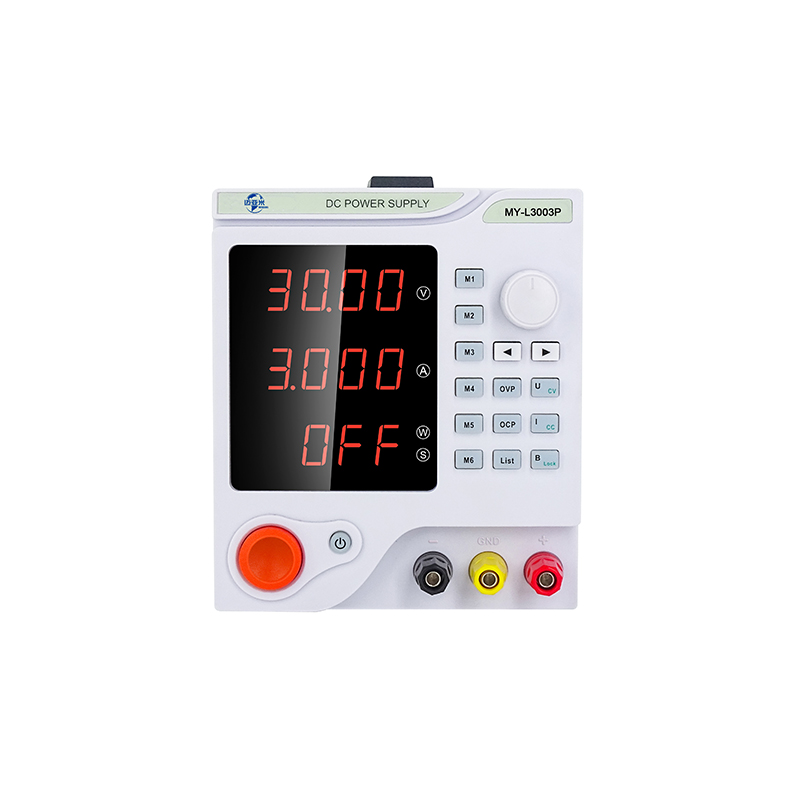
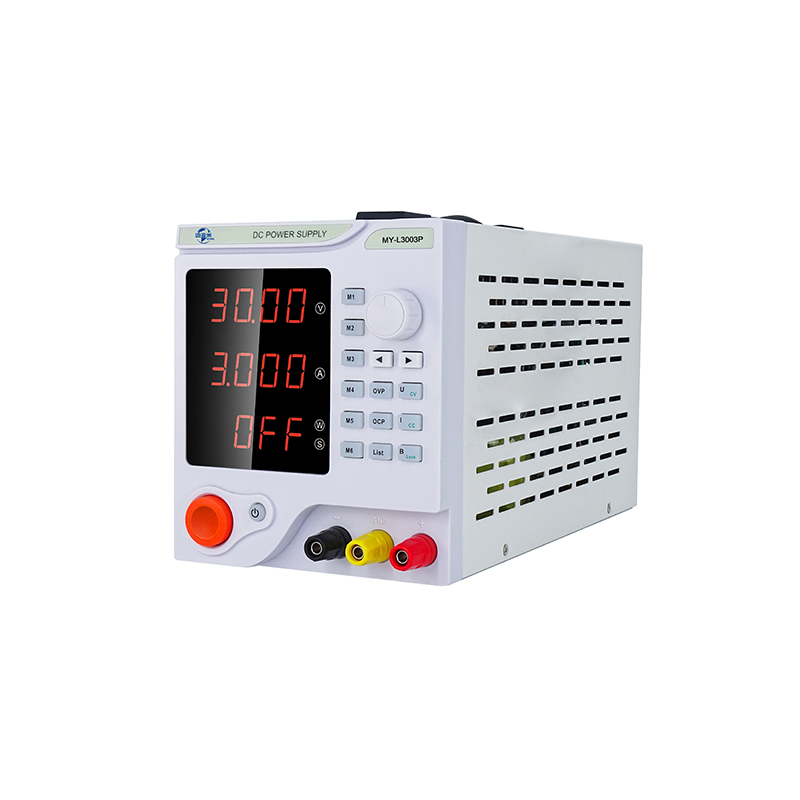
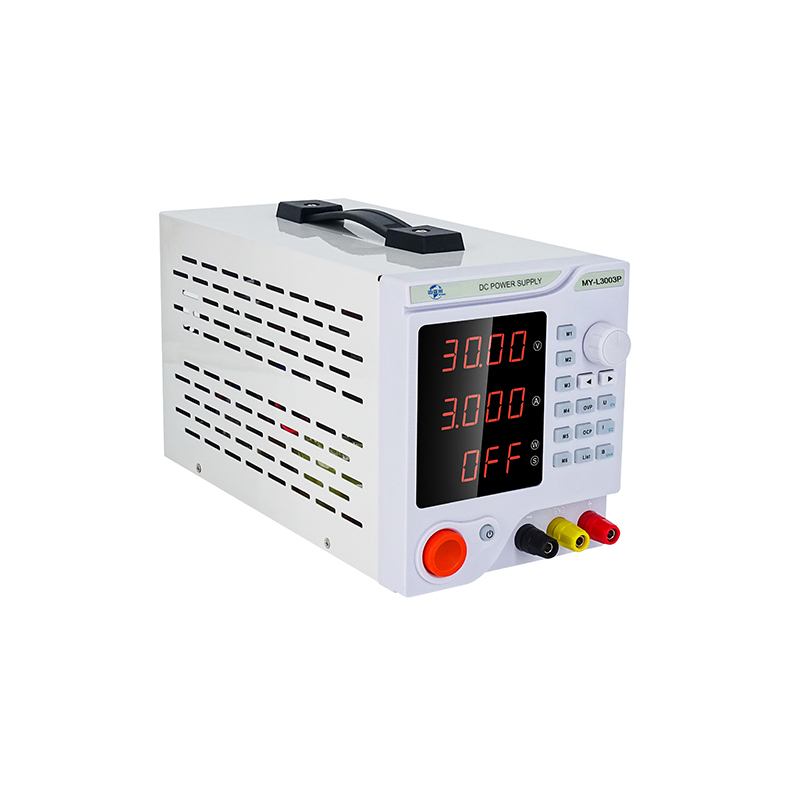
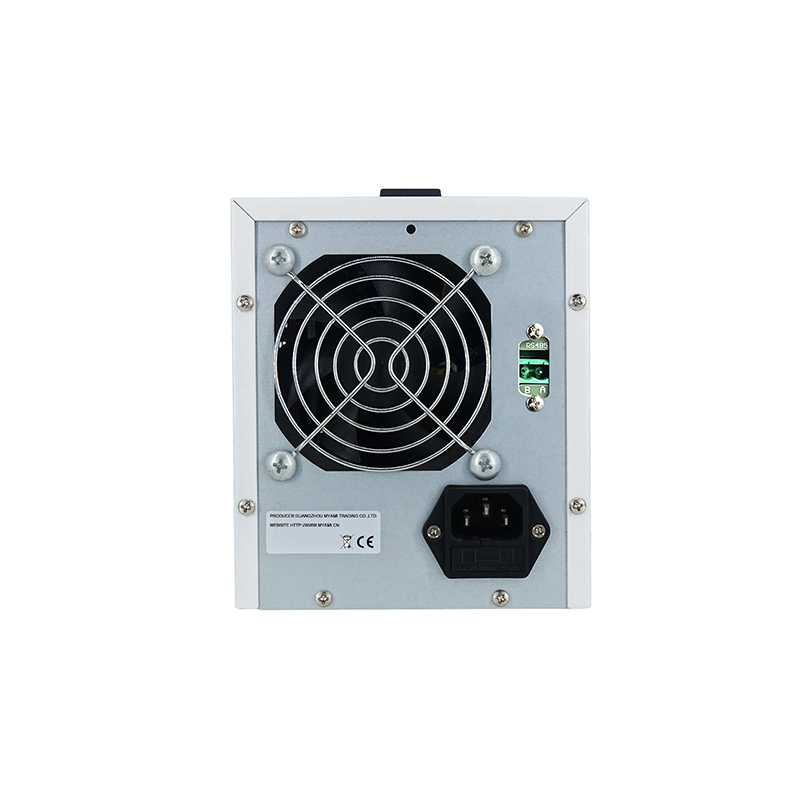
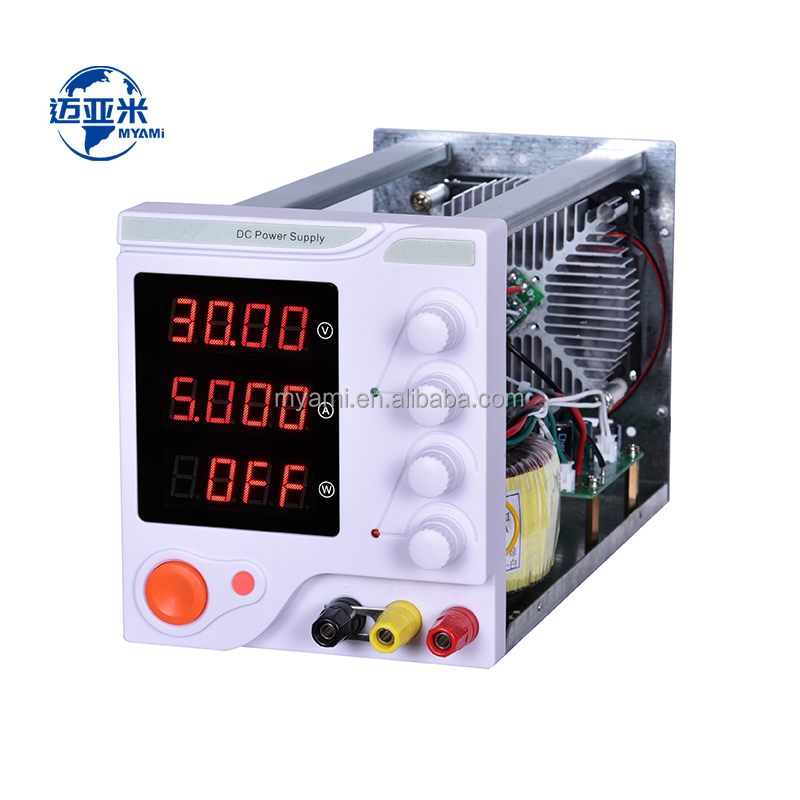
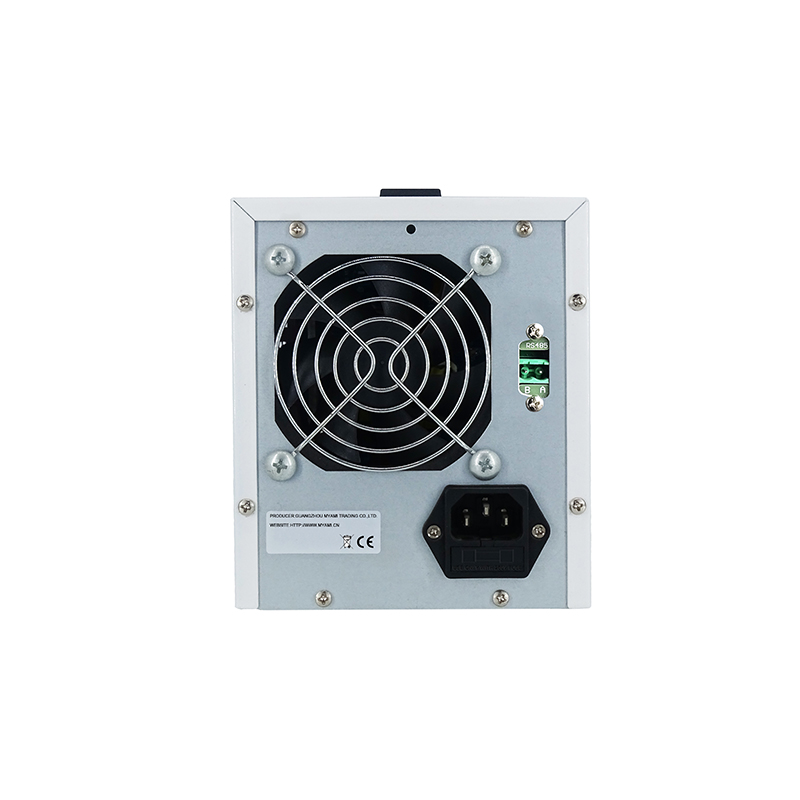
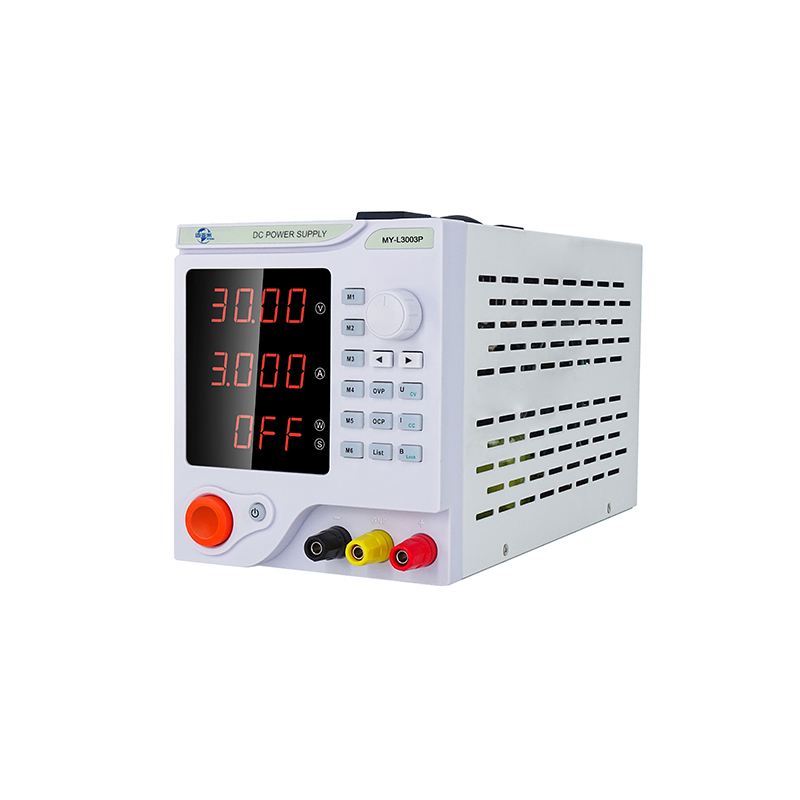
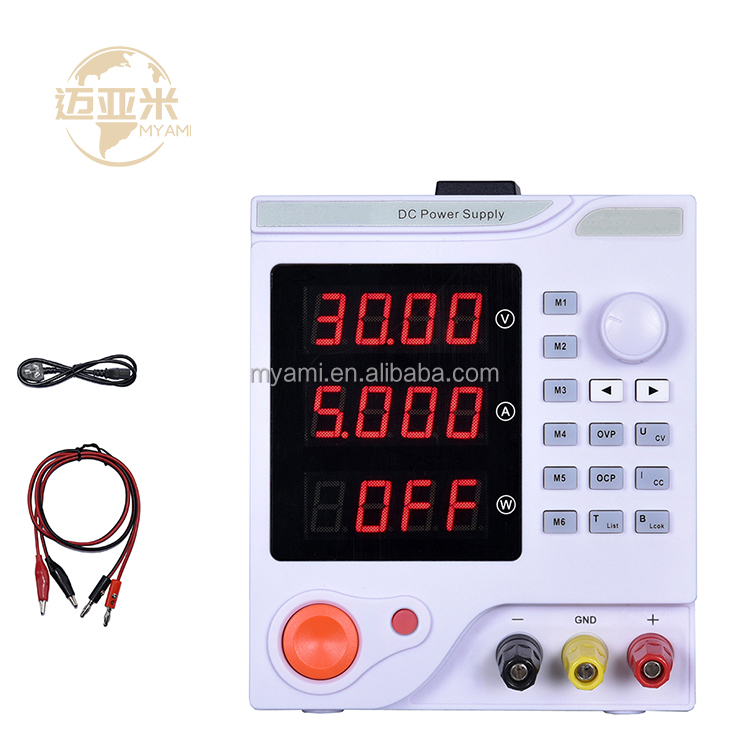
| MY-L3003P | 0-30V | 0-3A | 4-bit led display | 0.1mV 0.01mA |
| MY-L3005P | 0-30V | 0-5A | 4-bit led display | 0.1mV 0.01mA |
| MY-L6003P | 0-60V | 0-3A | 4-bit led display | 0.1mV 0.01mA |
| MY-L15001P | 0-150V | 0-1A | 4-bit led display | 0.1mV 0.01mA |
| MY-L6005P | 0-60V | 0-5A | 4-bit led display | 0.1mV 0.01mA |