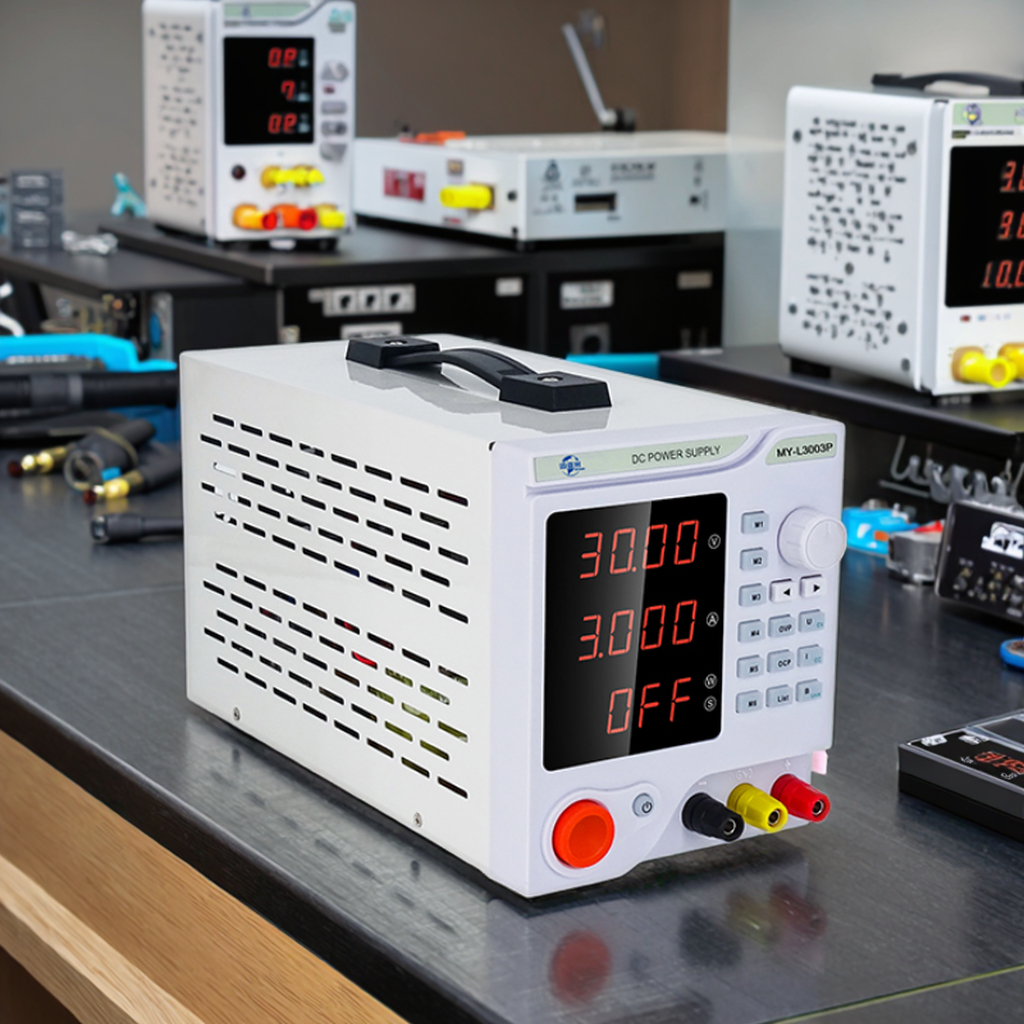
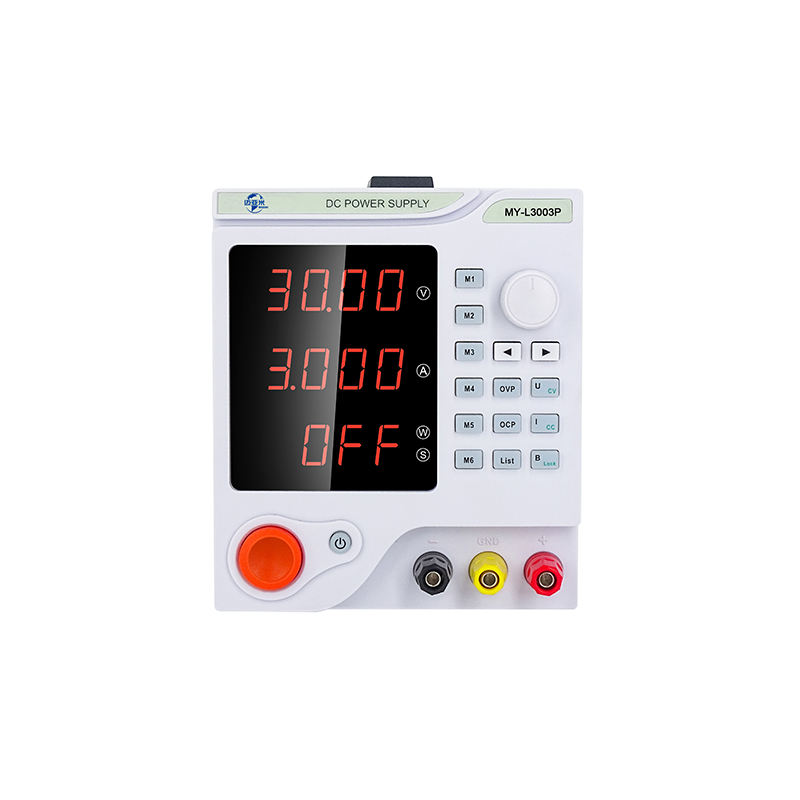
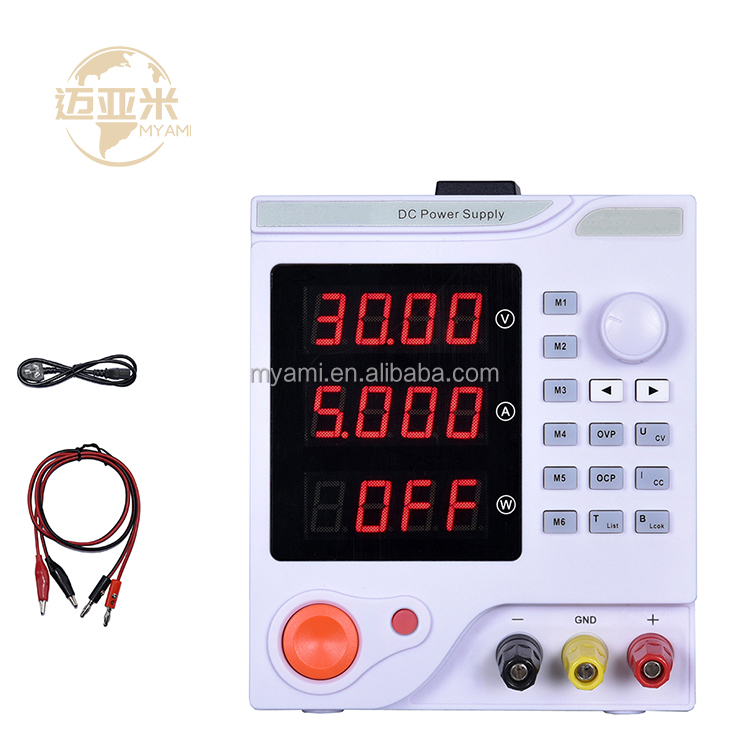
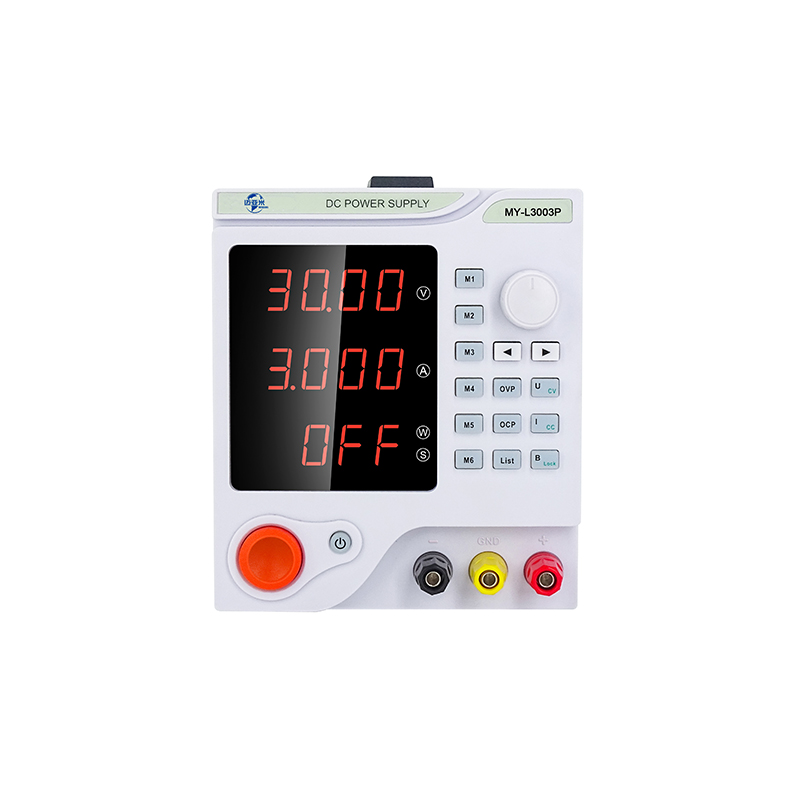
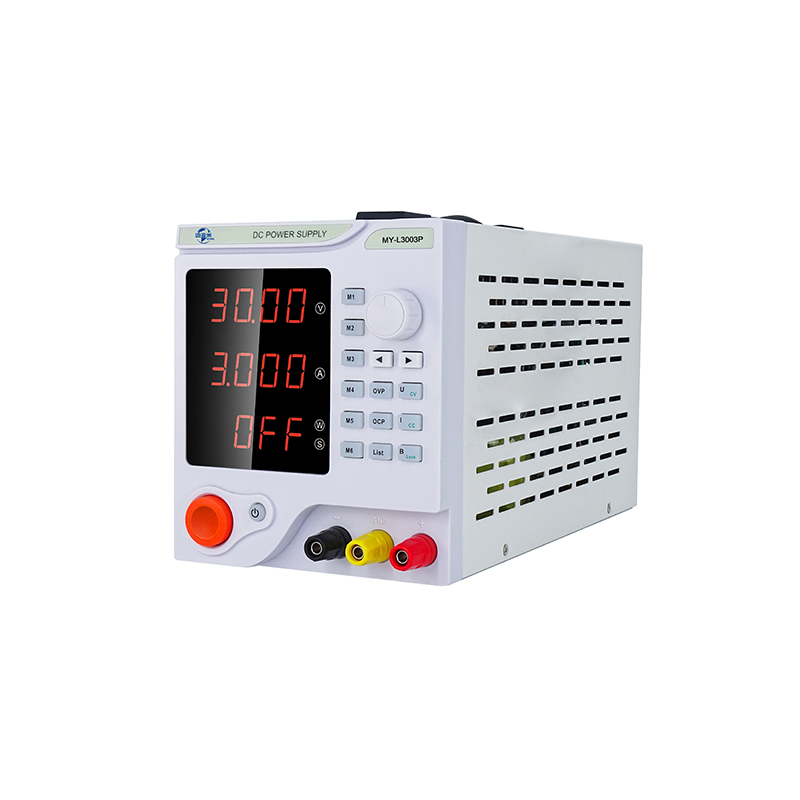
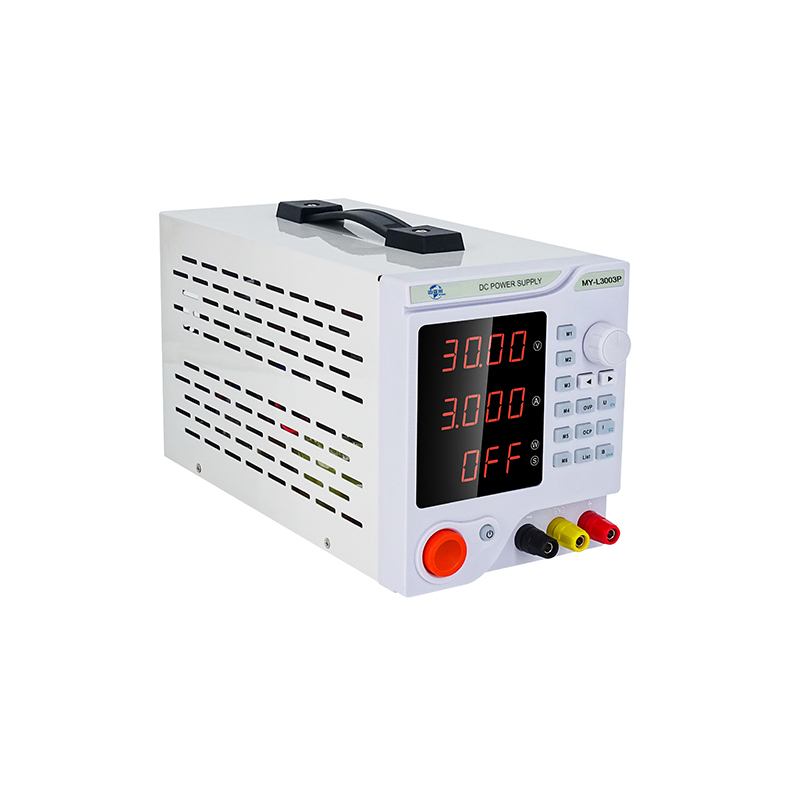
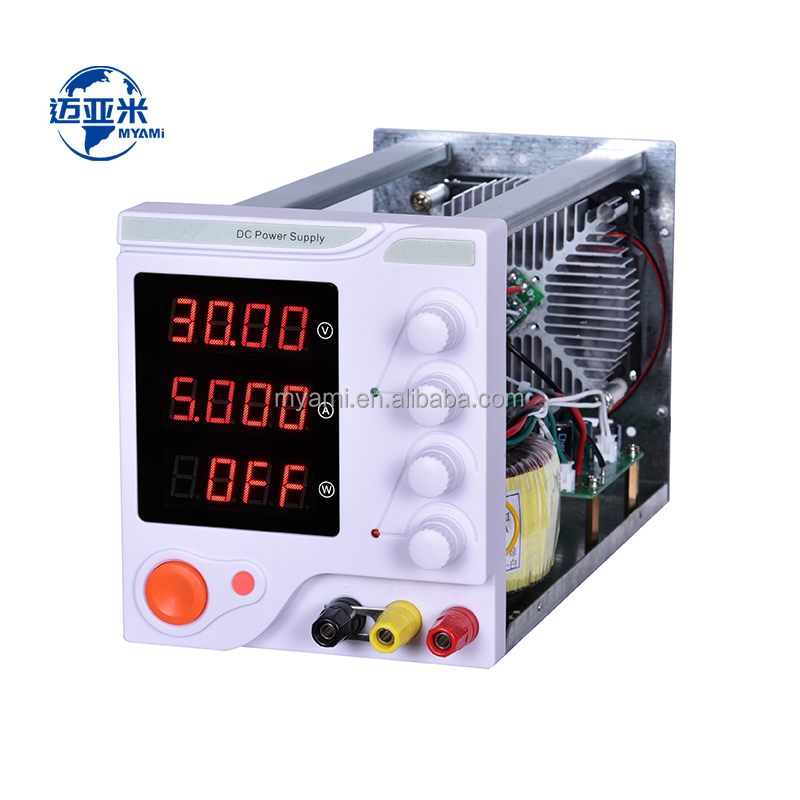
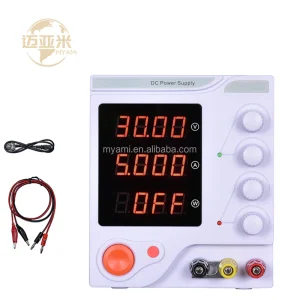
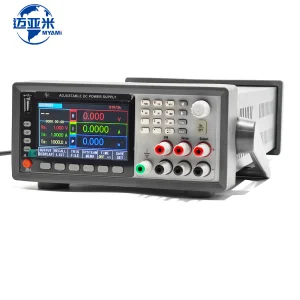
MYAMi Hot Sale 24v 30V 5A Linear Dc Power Supply 1a Adjustable Bench Industrial Lab Power Supply Short Killer for Phone Repair

Product Description

The Difference Between Switch Mode Power Supply and Linear Regulated Power Supply

1Working Principle

Linear power supply: voltage reduction through transformer → rectification and filtering into DC → regulator stabilization (similar to "wide inlet and narrow outlet of water pipe").
Features: Small adjustable current range, low output ripple (suitable for precision equipment).
Switching power supply: Convert DC to high-frequency AC → Quickly switch through switching tubes → Step down with transformers → Rectify and filter into DC (similar to "repeated voltage regulation by electronic switches").
Features: High efficiency but slightly higher ripple (suitable for high current scenarios).
Example: Choose a linear power supply (with stable voltage) to power the microscope, and choose a switch power supply (with light, small, and high efficiency) to charge the phone.

2Performance Comparison

1. Volume and weight: Switching power supply crushes linear power supply!
Linear power supply: Due to the need for a large transformer and rectifier filter circuit, the volume is large (such as a 220V to 5V linear power supply of about 10cm × 5cm × 3cm) + weight (over 1kg).
Switching power supply: high-frequency circuit + integrated design, small size (only 1/3 of the same power) + lightweight (within 500g), preferred for portable devices such as drones and laptop power supplies.
2. Efficiency: Switching power supplies are more energy-efficient!
Linear power supply: Energy conversion relies on resistance heating, with an efficiency of about 60% (such as 220V to 5V input of 100W, output of only 60W).
Switching power supply: High conversion efficiency (80% -95%), almost no heat generation (input 100W, output above 90W), long-term use saves electricity costs.
3. Stability: Linear power supplies are more resistant to manufacturing!
Linear power supply: with small output ripple (<10mV), suitable for equipment sensitive to voltage fluctuations (such as medical instruments and laboratory equipment).
Switching power supply: High frequency switching may introduce ripple (>20mV), but modern switching power supplies are already stable through optimization (such as high-frequency filtering) (acceptable for most devices).
4. Transient response: Linear power supply is faster!
Linear power supply: The regulator directly responds to voltage changes, with fast transient response (microsecond level), suitable for scenarios that require rapid power adjustment (such as precision experiments).
Switching power supply: Due to delayed switching of the switching tube, the transient response is slightly slower (in milliseconds), but the impact on most devices can be ignored.

3How to choose?

Scenario requirements Preferred choice Core reasons
Portable devices (mobile phones, laptops) Switching power supply Small size, high efficiency, wide voltage input
High power equipment (servers, motors) Switching power supply High efficiency, low cost, no heat dissipation pressure
Precision instruments (oscilloscope, mass spectrometer) Linear power supply Low ripple, low noise, and stable voltage
Low power fixed scenario (router, microcontroller) Linear power supply Low cost, high reliability, and simple circuit
Audio equipment (amplifier, DAC) Linear power supply No switch noise, avoiding interference with sound quality

Product Parameters

Linear DC Power Supply
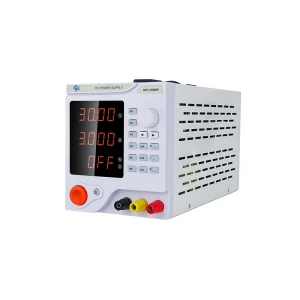
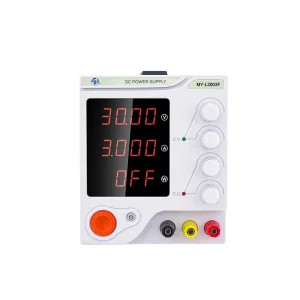
Linear DC Power Supply 30V 60V 150V 1A 3A 5A Adjustable Programmable Bench Power Supply Variable Lab Short Killer Phone Repair
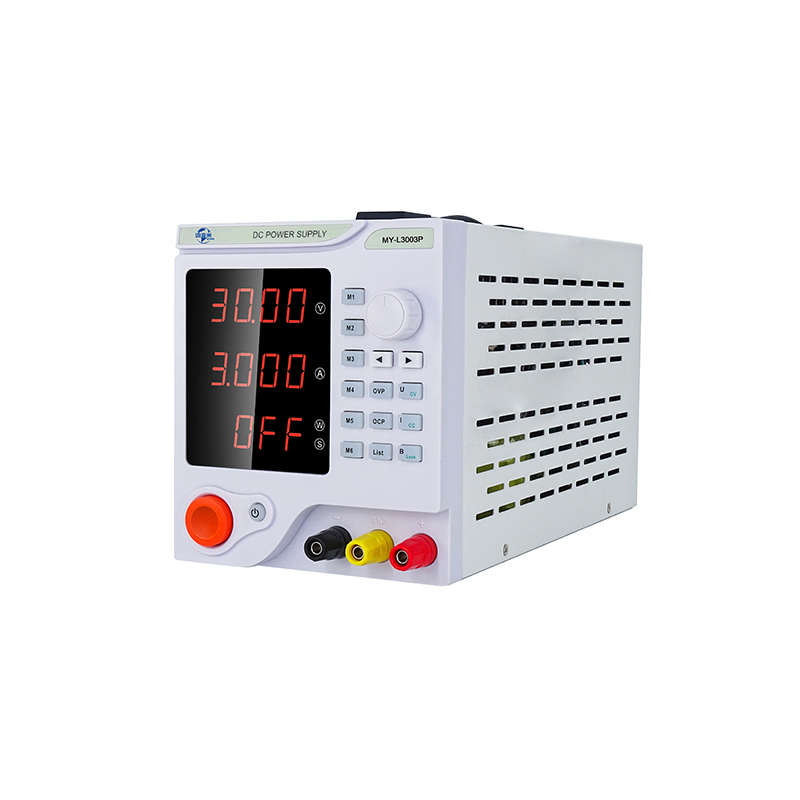
(1) Voltage and current can be preset;
(2) 4 high precision display for voltage, current, power;
(3) Five powerful protection for over voltage, over current, over power, over temperature, short circuit;
(4) ON/OFF output switch;
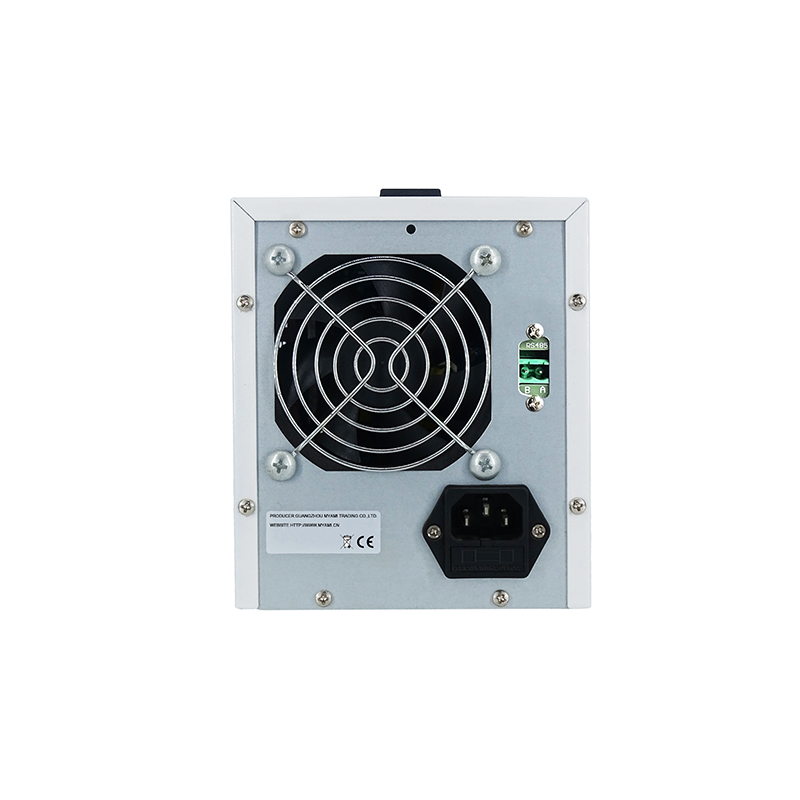
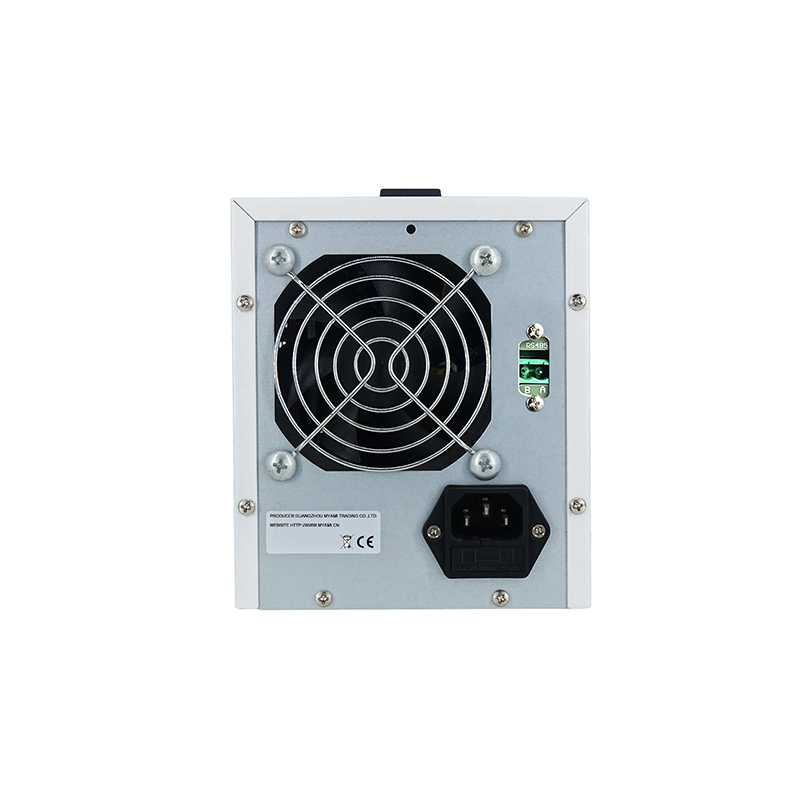
(5) Optional RS232, RS485, and USB serial communication, supporting MODBUS RTU protocol;
(6) 6 sets of data storage, can set up any voltage and current output.
Model Voltage Current Display Accuracy
MY-L3003P 0-30V 0-3A 4-bit LED display 0.1mV 0.01mA
MY-L3005P 0-30V 0-5A 4-bit LED display 0.1mV 0.01mA
MY-L6003P 0-60V 0-3A 4-bit LED display 0.1mV 0.01mA
MY-L15001P 0-150V 0-1A 4-bit LED display 0.1mV 0.01mA
MY-L6005P 0-60V 0-5A 4-bit LED display 0.1mV 0.01mA
Detail Image 1
Detail Image 2
Detail Image 3
Detail Image 4
Detail Image 5
Detail Image 6
Specifications Diagram

Who We Are

Company Showcase 1
Company Showcase 2
Company Showcase 3
Company Showcase 4
Company Showcase 5

Frequently Asked Questions (FAQ)

Q What is the main difference between a linear and a switching power supply?
Linear power supplies step down voltage continuously through a transformer, offering clean and low-ripple power ideal for sensitive gear. Switching power supplies rapidly switch transistors to regulate voltage at high frequencies, which provides higher efficiency and smaller sizing but with slightly more noise.
Q Why are switching power supplies so much lighter and smaller?
Switching power supplies utilize high-frequency circuits and integrated designs, which eliminates the requirement for heavy and bulky transformers. This layout saves about two-thirds of the size and weight compared to standard linear options.
Q Which power supply is more energy-efficient?
Switching power supplies are significantly more efficient, converting 80% to 95% of energy with minimal heat dissipation. In contrast, linear regulated power supplies operate at roughly 60% efficiency, generating substantial heat from conversion resistance.
Q How does output ripple affect precision lab equipment?
High output ripple introduces electrical noise that can interfere with sensitive readings. Linear power supplies generate ultra-low ripple voltage (under 10mV), ensuring stable signals for precision gear like oscilloscopes and medical tools.
Q What is transient response and which option offers better performance?
Transient response refers to how quickly a power supply stabilizes during rapid load shifts. Linear power supplies react instantly on a microsecond level, whereas switching power supplies react on a millisecond level.
Q Why should I choose a linear power supply for audio gear?
Linear power supplies do not suffer from the high-frequency switching noise typical of switching supplies. This preserves clean sound signals, preventing background interference or hum in amplifiers and digital-to-analog converters (DACs).

Related Products