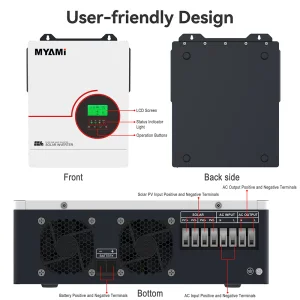
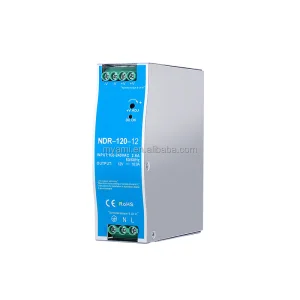
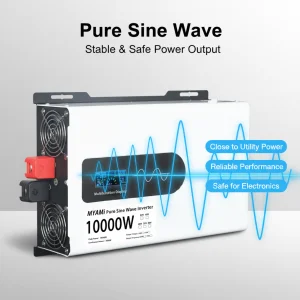
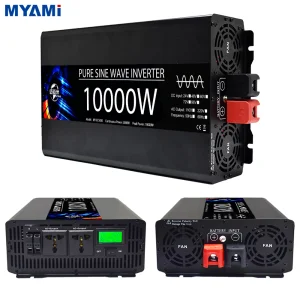
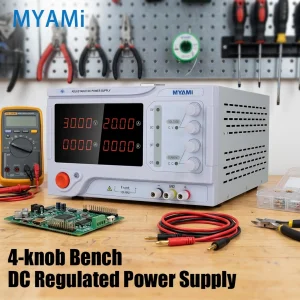
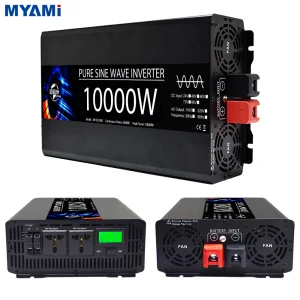
Explore our specialized, high-performance solar controllers, high-frequency hybrid solar inverters, adjustable lab power supplies, and DIN rail modules engineered for modern industrial power architectures.
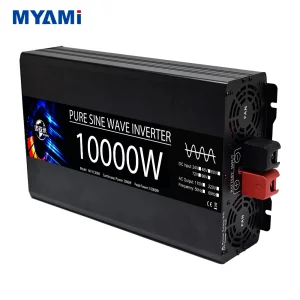
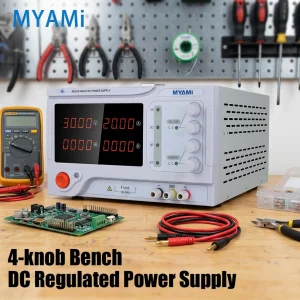

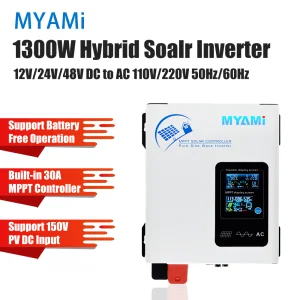
In high-power industrial installations, current sensors are not merely diagnostic add-ons; they act as the neurological receptors of modern power distribution networks. High-precision current sensors, certified to CE specifications, are integral to the optimization of industrial infrastructure. They facilitate precise measurements of electrical flow, ensuring that loop feedback signals dynamically govern the output of precision switching modules, DC-DC converter blocks, and large-scale industrial inverters.
At MYAMI (Shenzhen Myami Power Technology Co., Ltd.), our development framework bridges the gap between raw power output and delicate control interfaces. Whether evaluating automotive battery management systems (BMS) or configuring high-capacity solar installations, our industrial topologies rely on real-time current telemetry. This data prevents phase displacement, protects systems against short-circuit spikes, and guarantees thermal safety in extreme environments.
Headquartered in Shenzhen, China, MYAMI is a technology-driven manufacturer and solution provider specializing in high-precision, industrial-grade power supplies and electrical test equipment.
Featuring multi-digit LED displays, ultra-low ripple, and rapid transient response, engineered for precision electronic R&D, semiconductor evaluation, and PCB debugging. These units integrate seamlessly with advanced sensor interfaces to provide fine-grained calibration curves.
Delivering high-current, high-voltage DC/AC regulated power supplies (ranging up to hundreds of volts and amperes) built for industrial motor drives, electroplating rectifiers, and heavy-duty component burn-in testing where continuous telemetry monitoring is critical.
Providing specialized DC power units, battery simulators, and variable AC power sources engineered for Electric Vehicle (EV) On-Board Chargers (OBC), BMS evaluation, and solar inverter testing, utilizing real-time shunt and Hall-effect sensor algorithms.
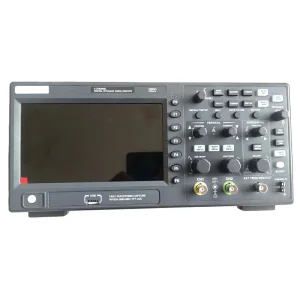
Supplying complementary test bench solutions, including digital oscilloscopes, multimeters, and specialized AC voltage regulators for global laboratories and technical institutes, ensuring complete signal validation of all current sensor arrays.
Every device undergoes strict multi-layer protection protocols (OVP, OCP, OTP, and short-circuit safeguards) and complies with international safety and quality standards (CE, RoHS, and ISO9001).

Our production facilities utilize modern surface-mount assembly pipelines coupled with computerized high-precision calibration workstations. When calibrating current sensor circuits and power control modules, even fractional variations in ambient temperature can introduce sensor drift.
To eliminate these systemic variables, MYAMI's thermal chambers isolate sensors across their full operational profiles (-40°C to +85°C). By storing micro-calibration parameters directly in non-volatile EEPROM memory, our current sensors and power units maintain outstanding accuracy over years of continuous field operation.
High-voltage switching environments are naturally prone to generating significant electromagnetic interference (EMI). Under our CE compliance guidelines, every current sensor and power supply circuit board design must pass stringent noise immunity metrics.
Our engineers test each iteration in specialized anechoic chambers to confirm that transient high-frequency currents do not trigger signal anomalies or disrupt the accuracy of feedback loops. This ensures reliability in environments such as electric vehicle motor drives and high-power industrial rectifiers.
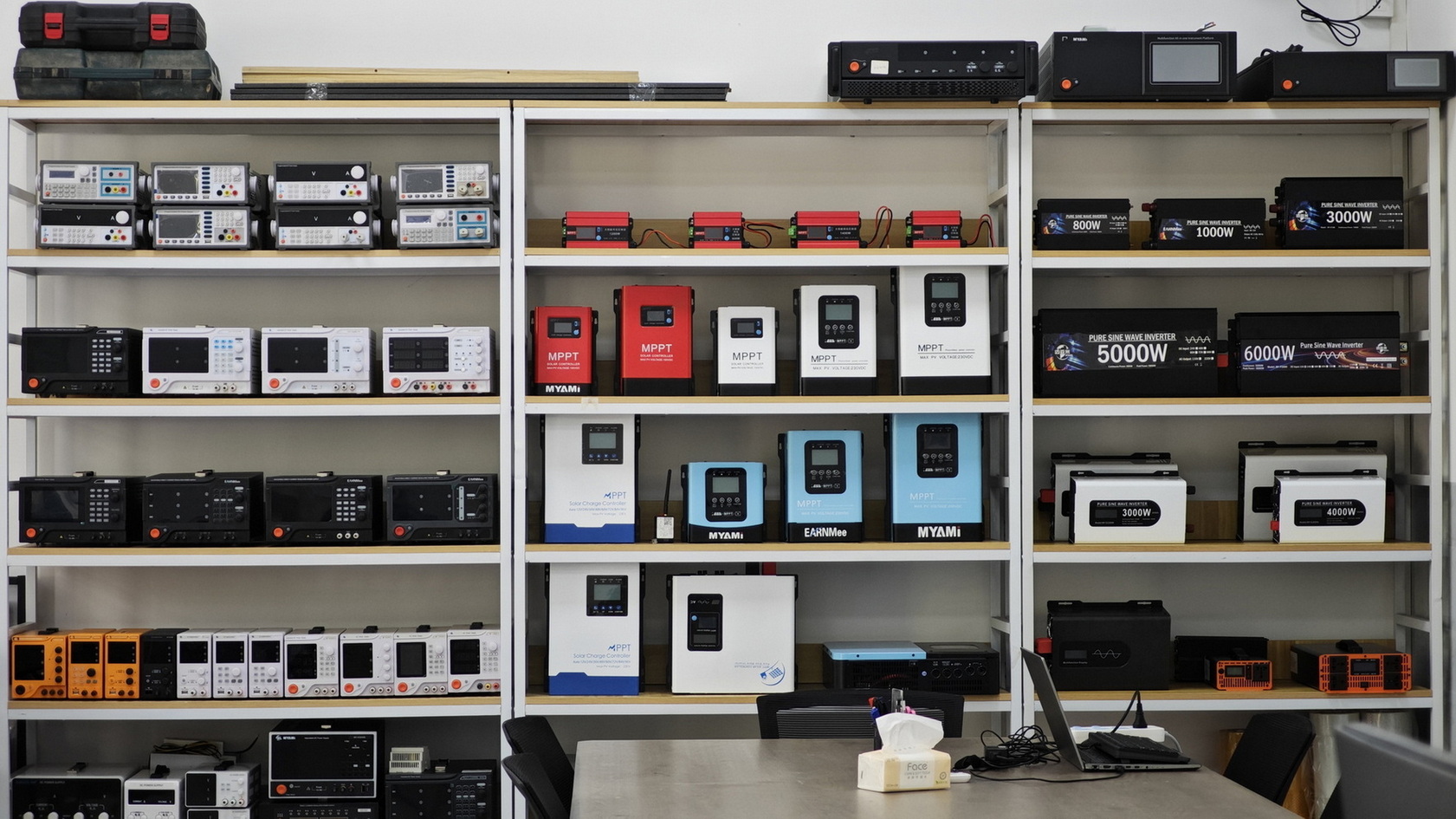
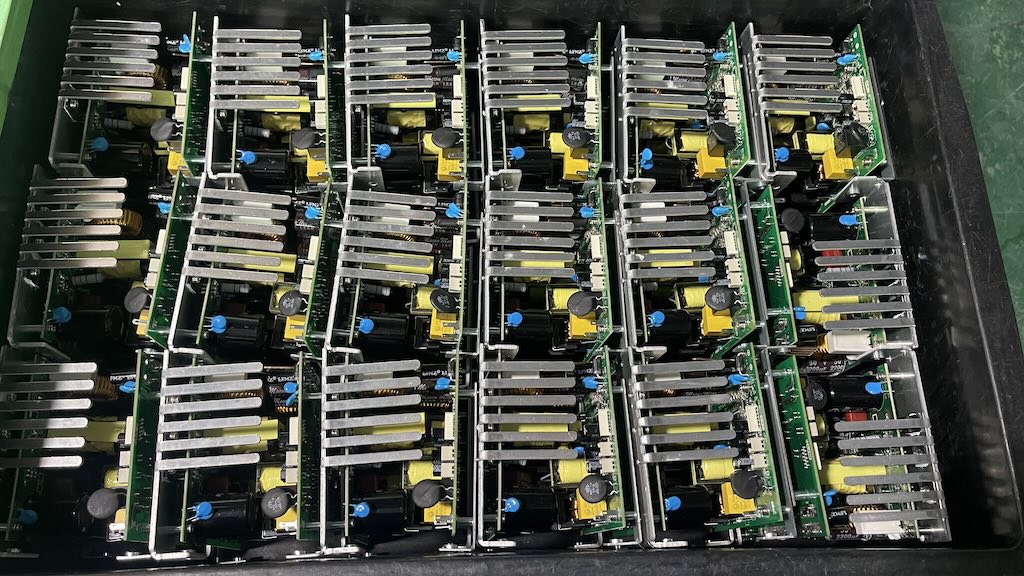 Raw Material
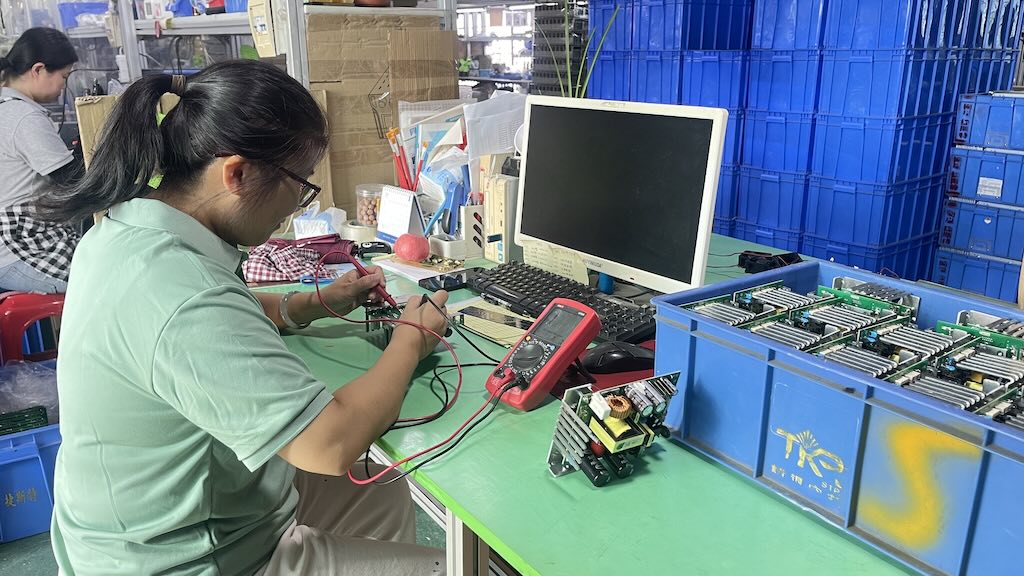 PCB Checking
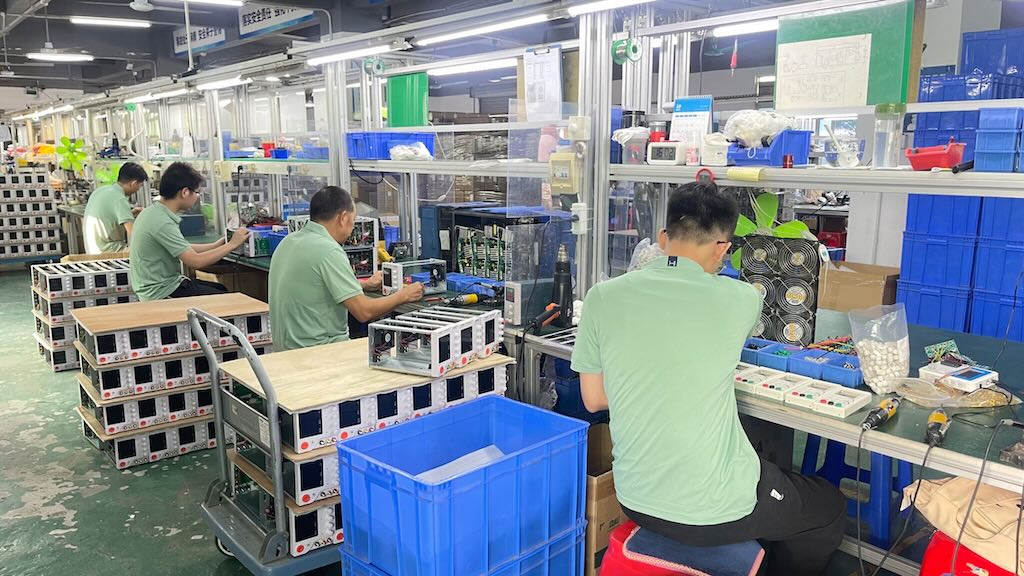 Assembling
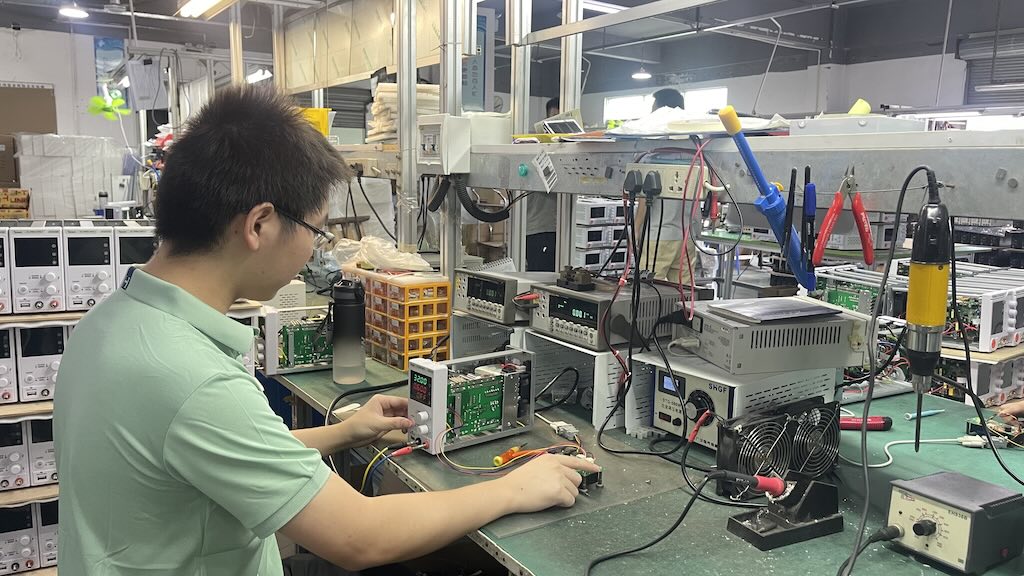 Debug
Debug
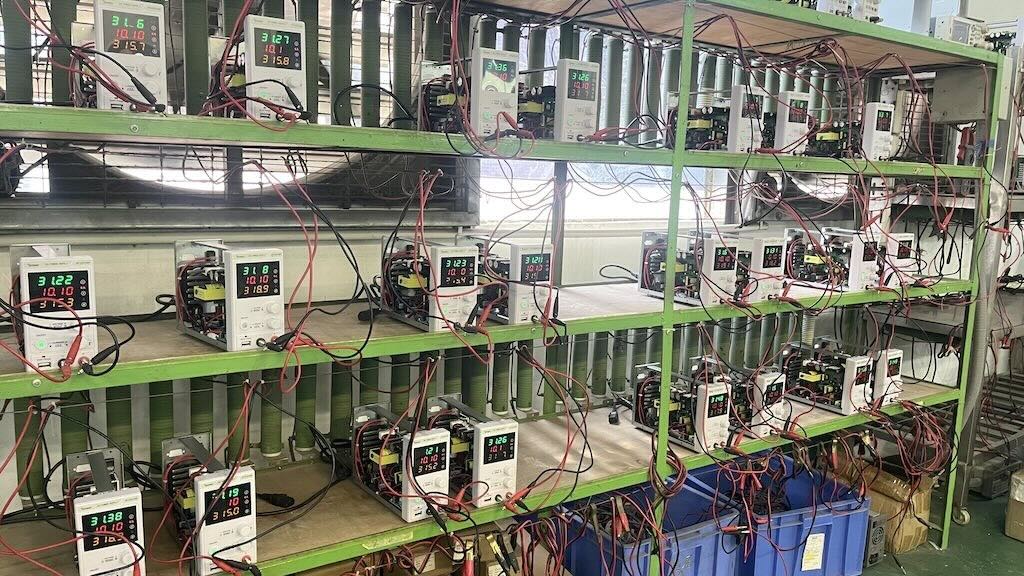 Aging
Aging
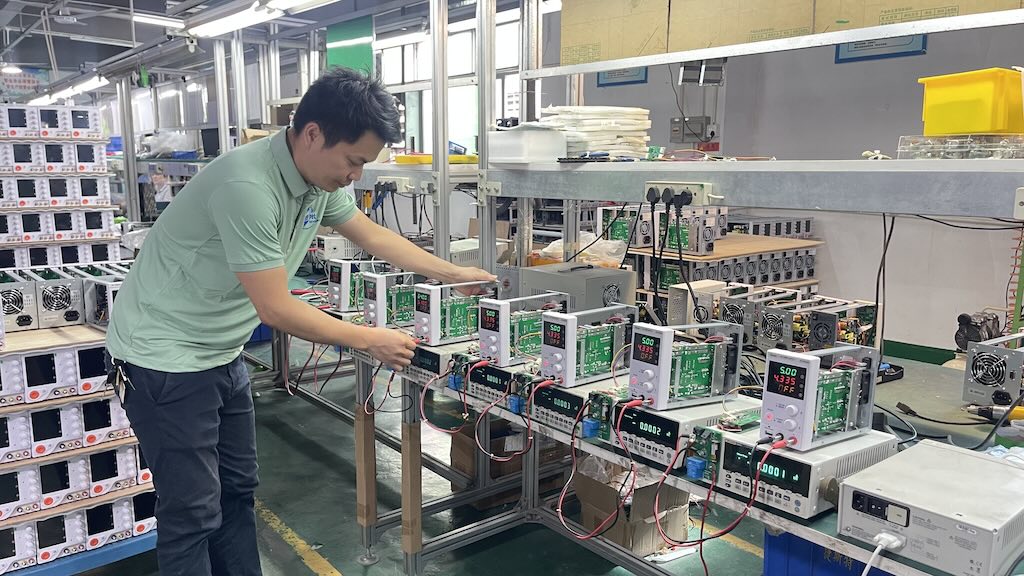 Calibration
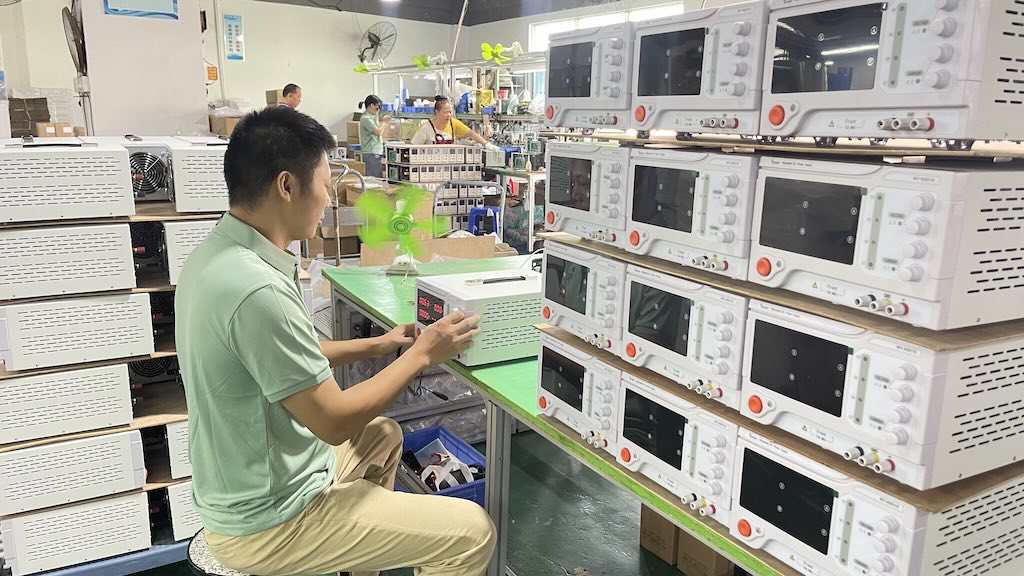 QC checking
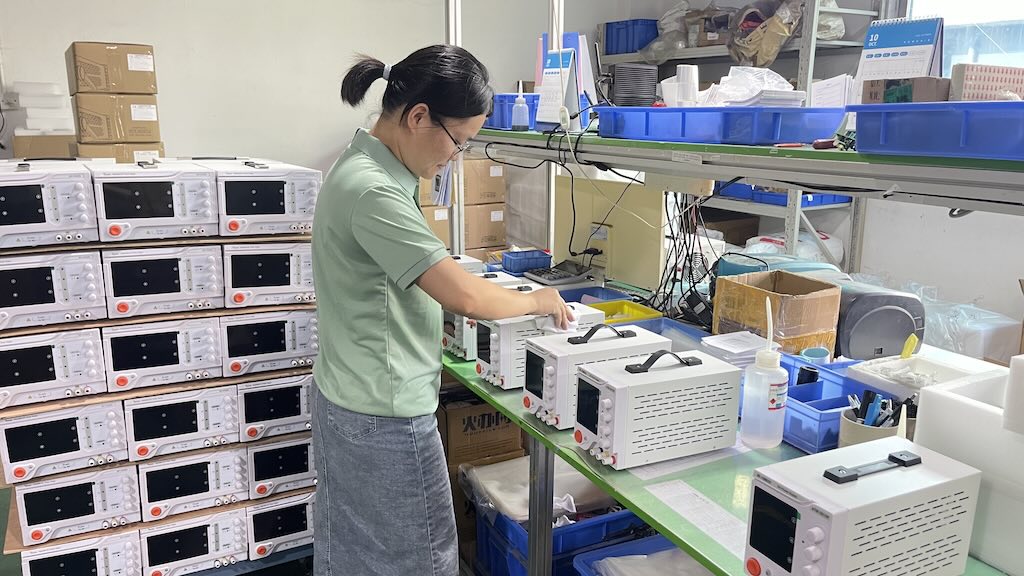 Packing
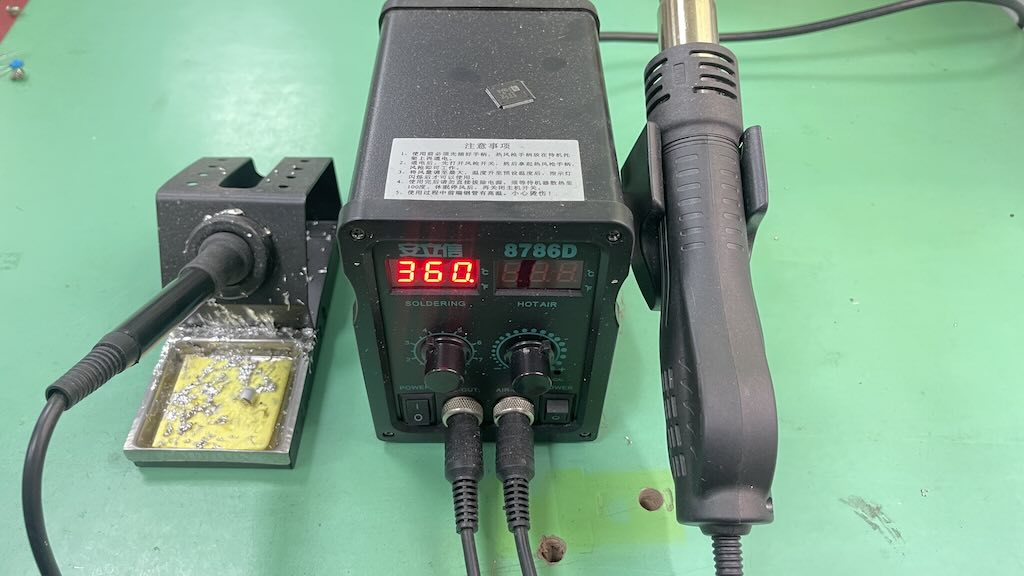 Soldering Station
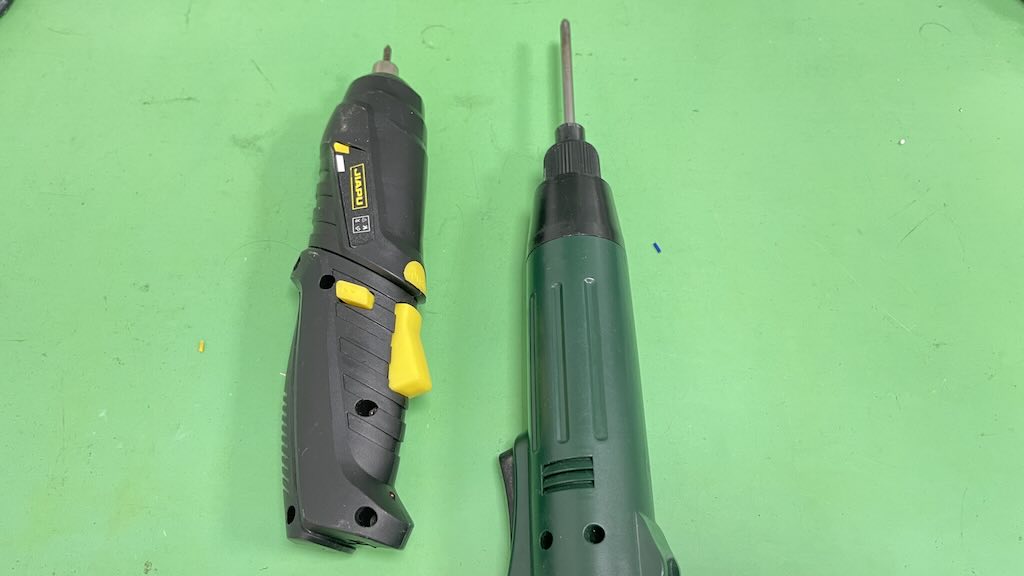 Electronic Screwdriver
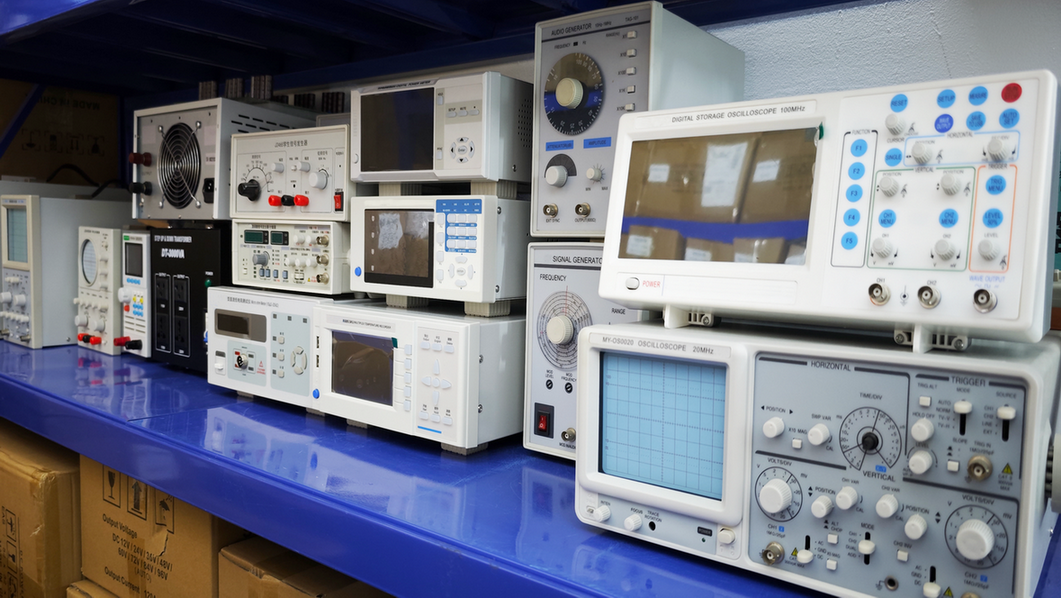
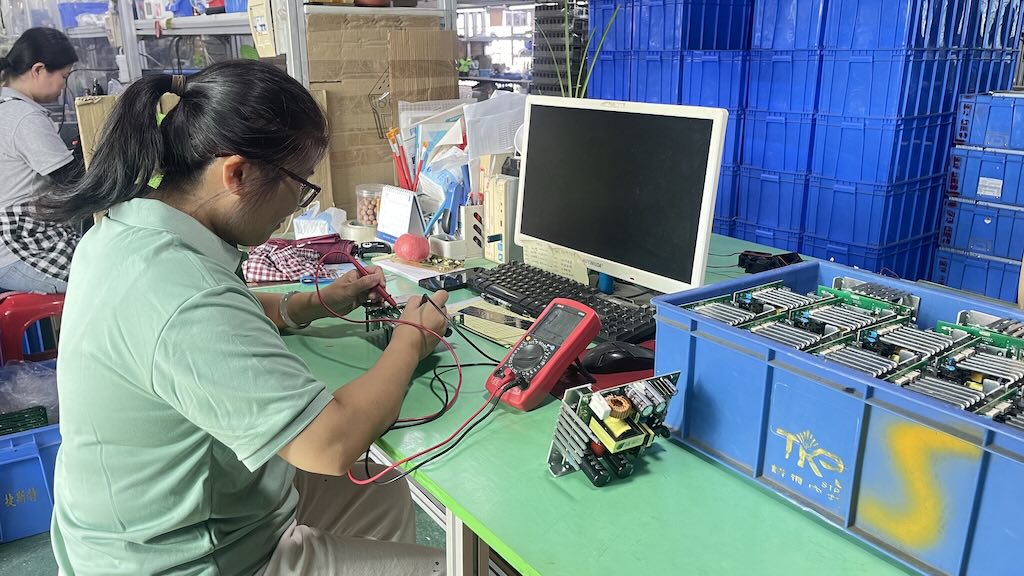 PCB Check
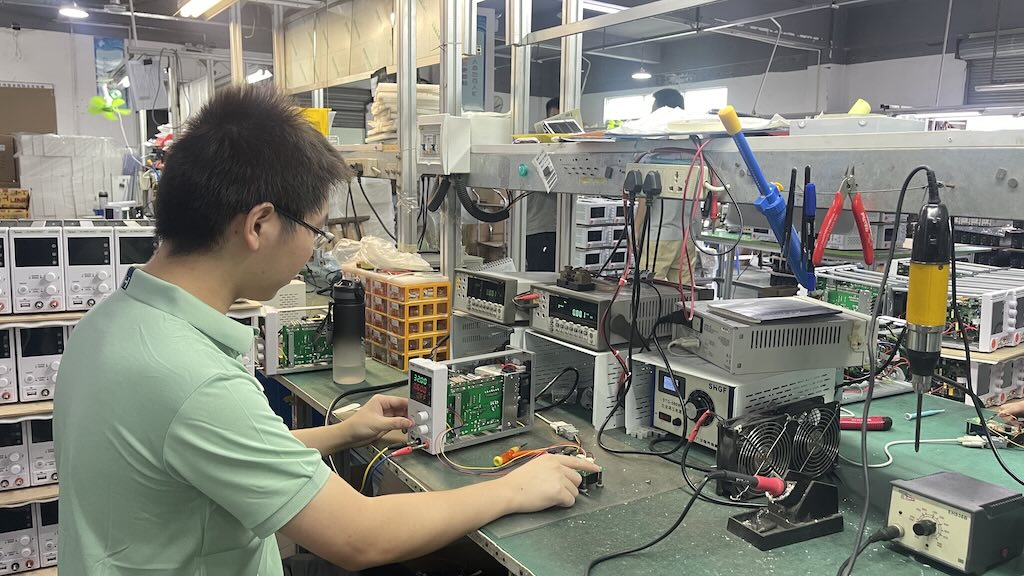 Debug
Debug
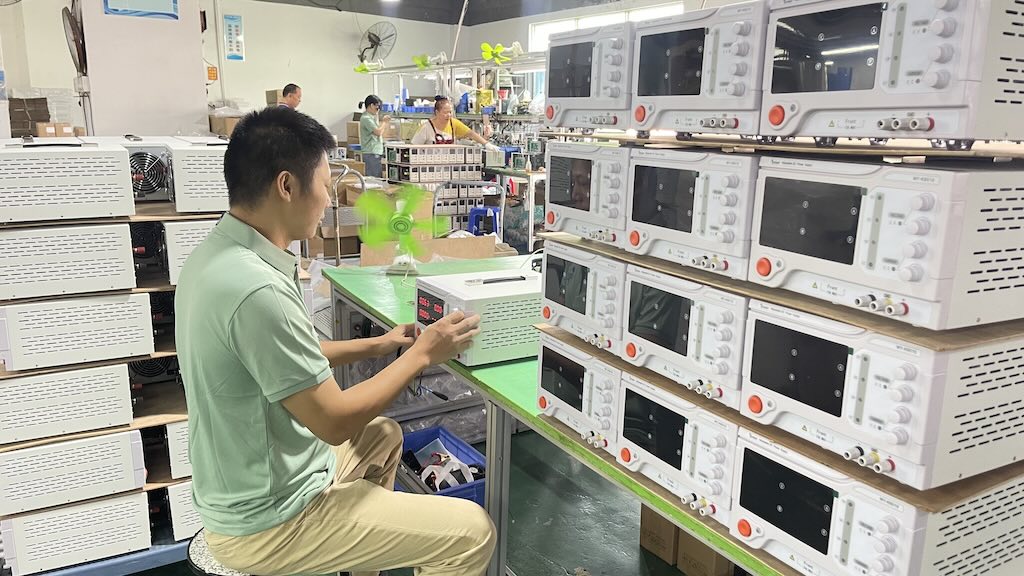 QC check
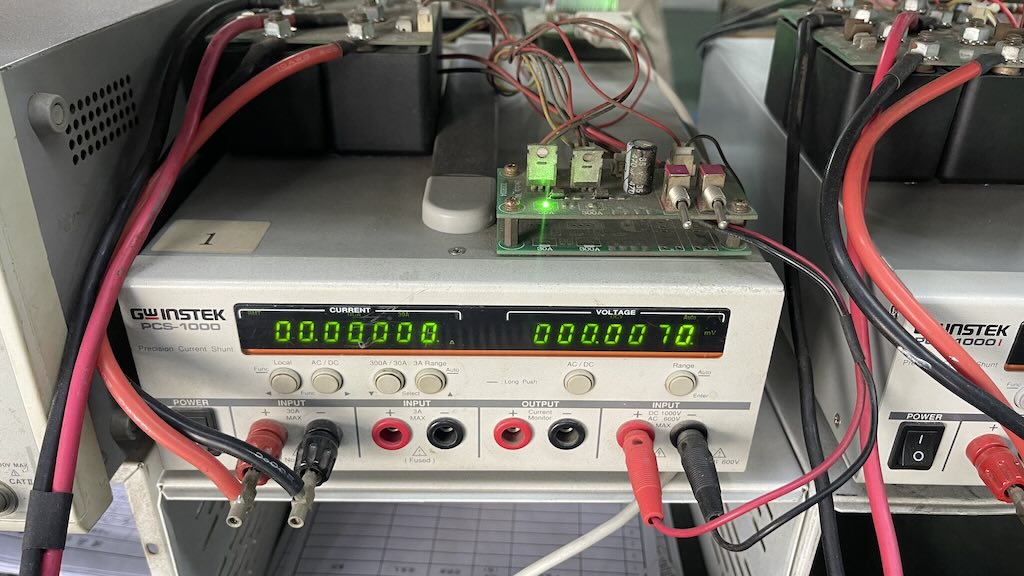 Multimeter
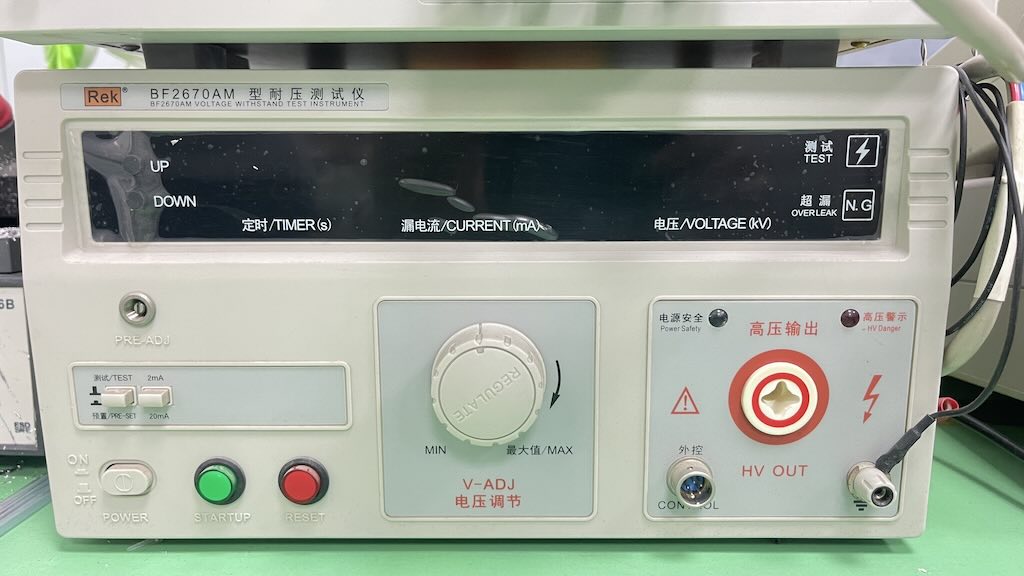 Hi-pot Tester
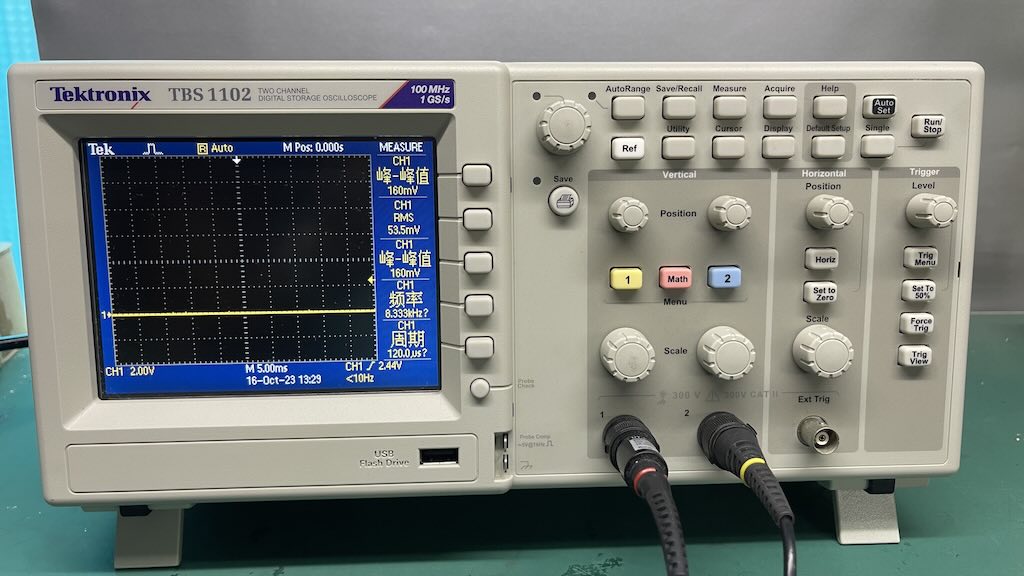 Oscilloscope
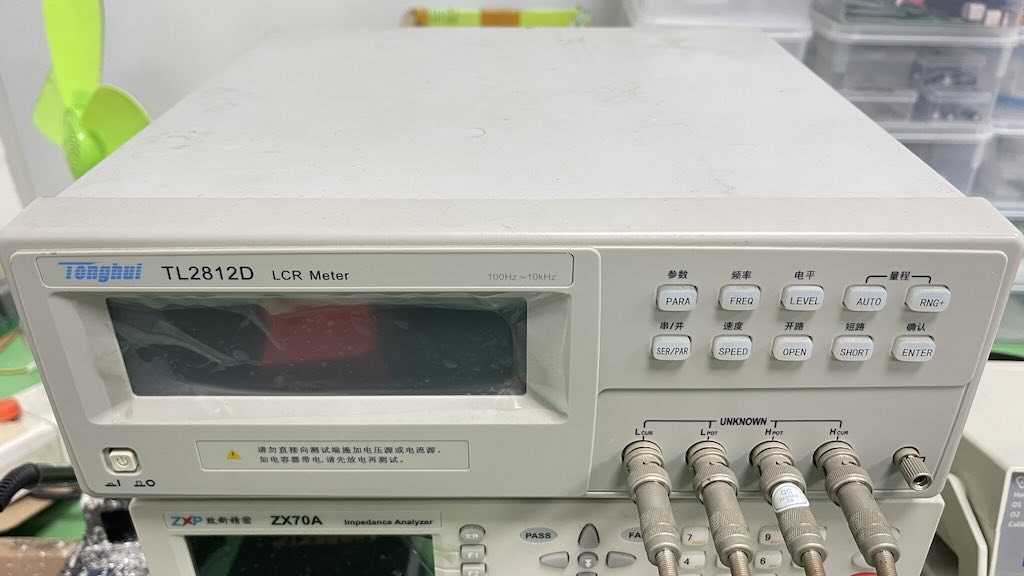 LCR Meter
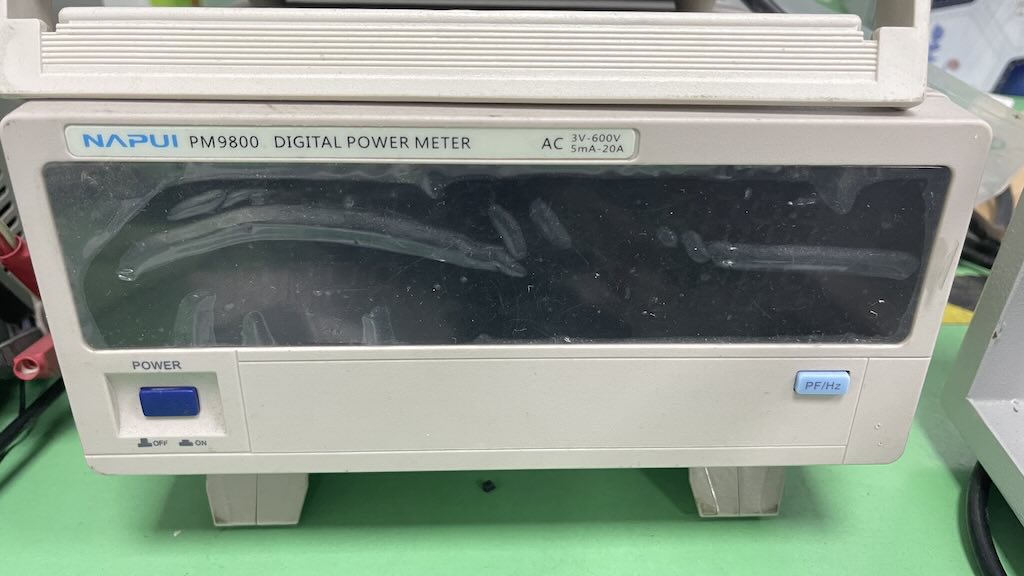 Digital power meter
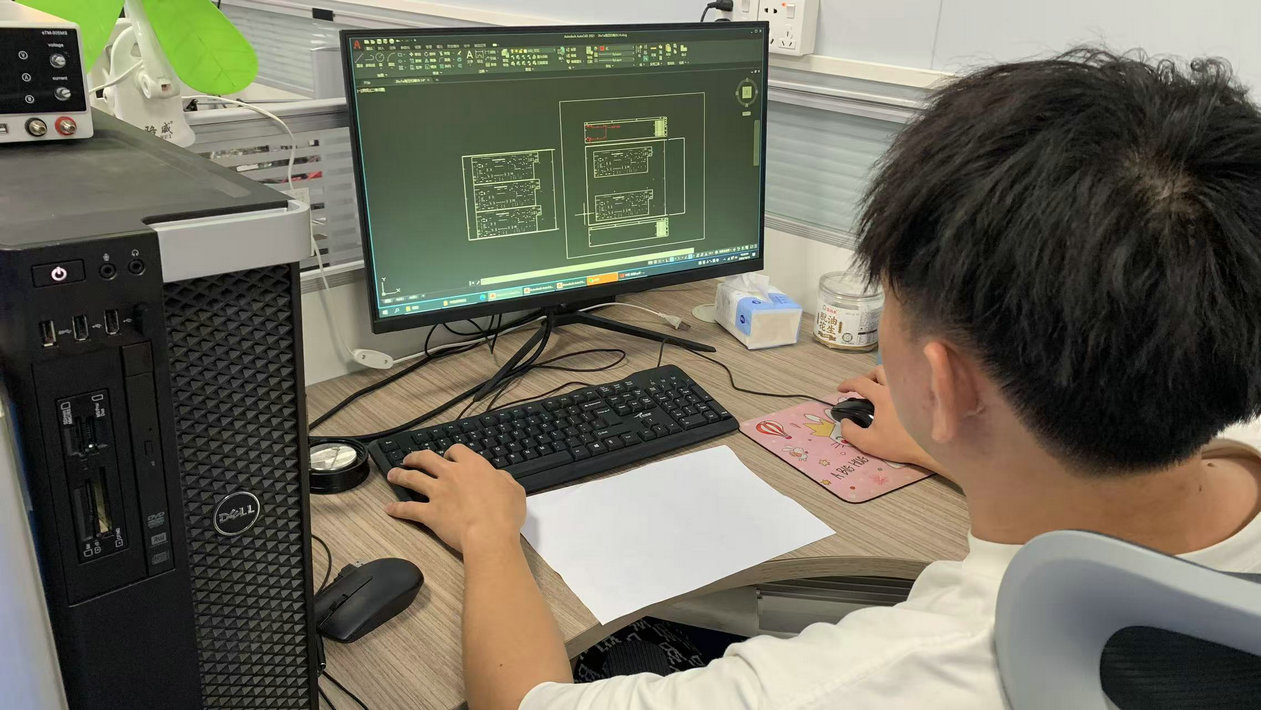 Design
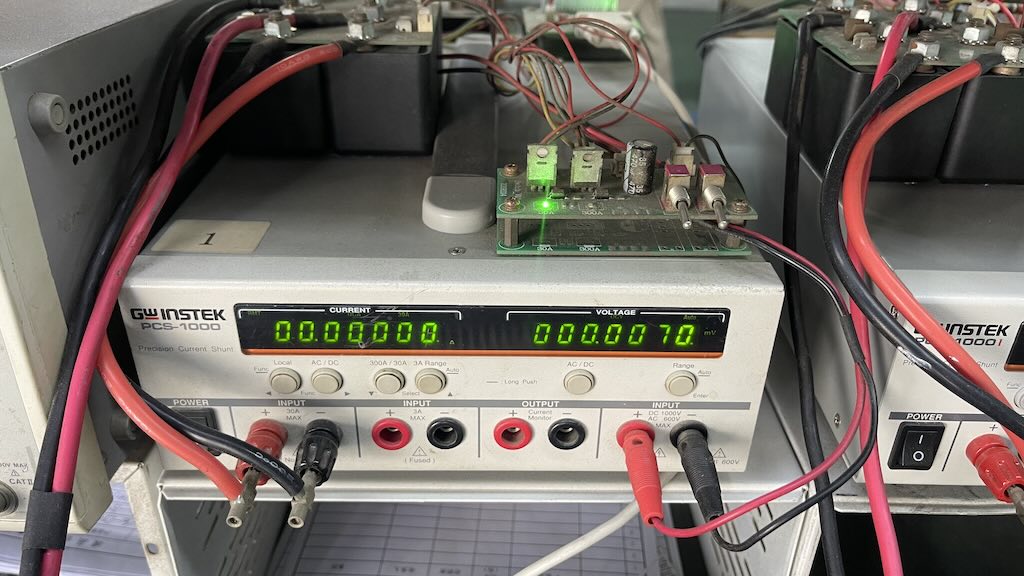 Multimeter
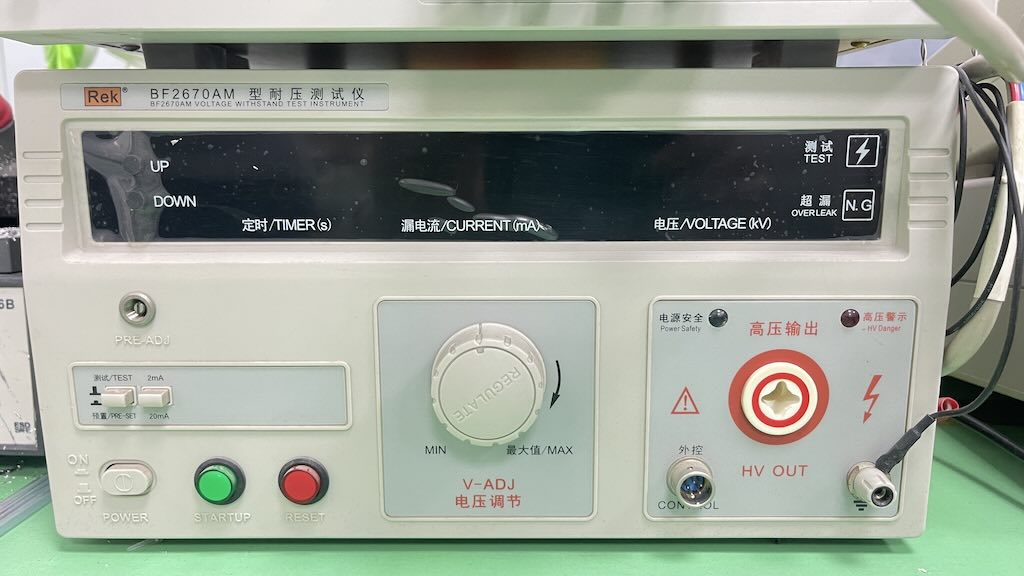 Hi-pot Tester
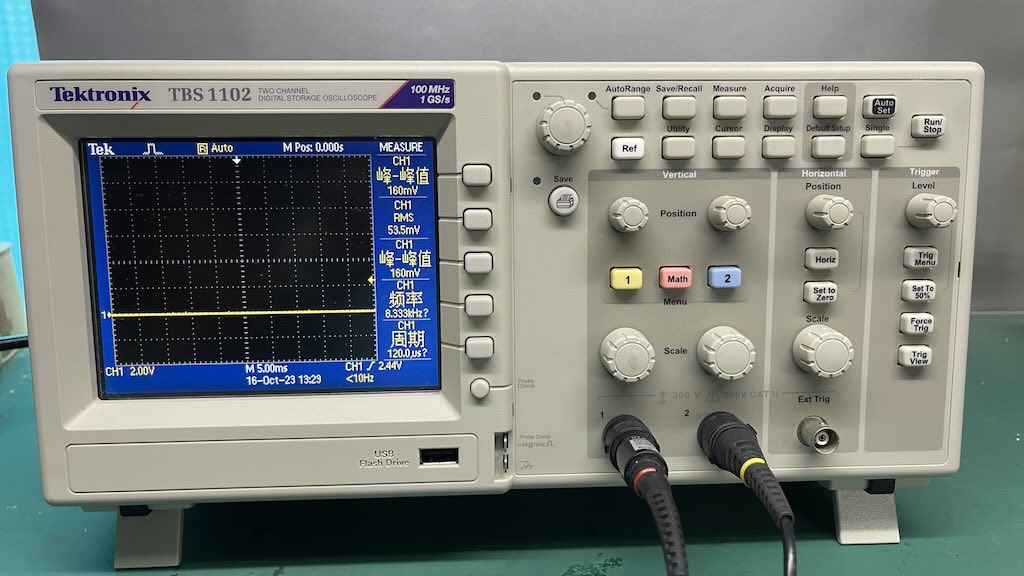 Oscilloscope
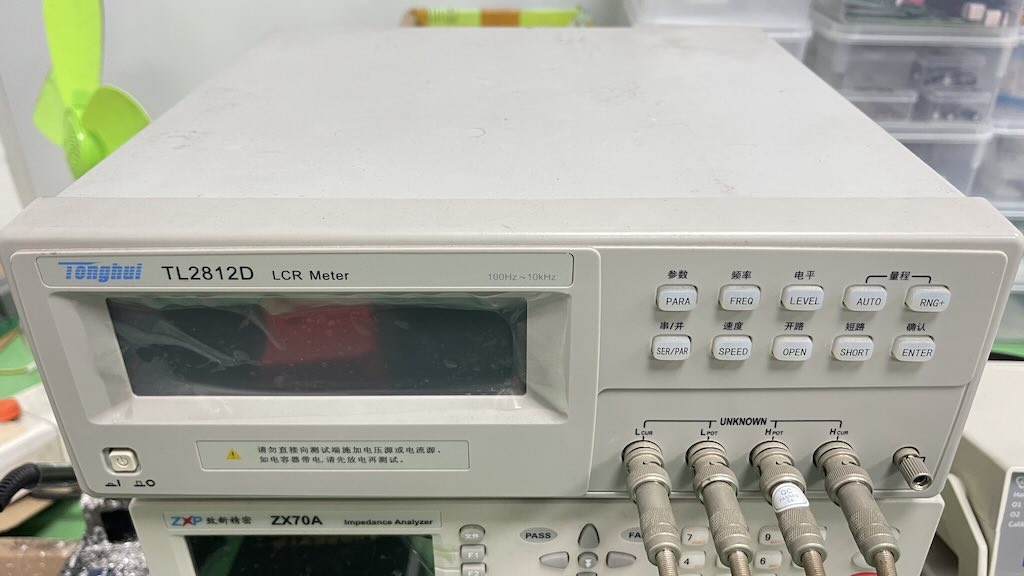 LCR Meter
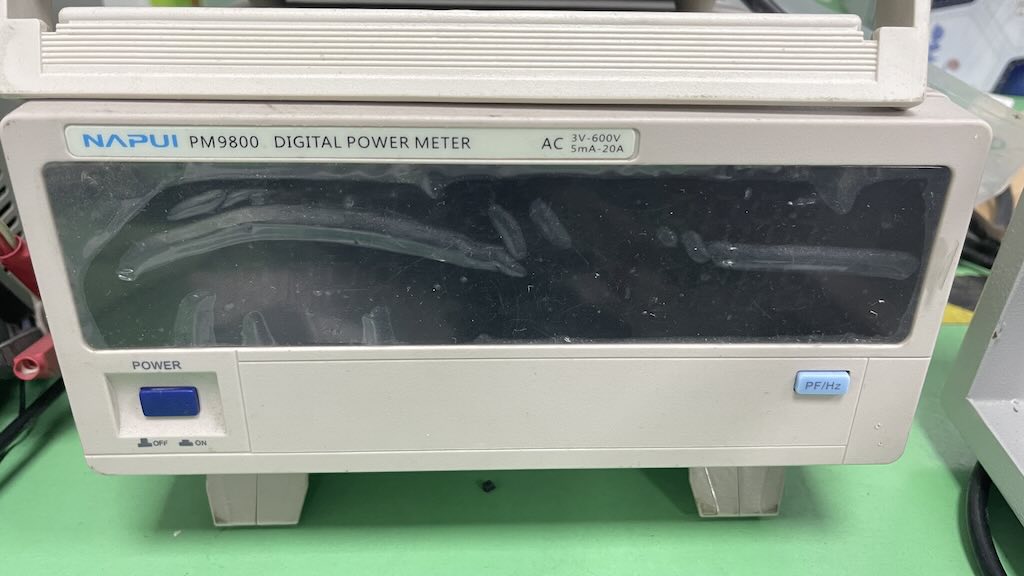 Digital power meter
Industrial electrification requires current sensors to deliver higher bandwidth, lower thermal drift, and improved galvanic isolation. Traditional current detection relied on basic resistive shunts, which had disadvantages regarding heat dissipation and insertion loss. While shunts remain highly effective for low-current applications requiring precision, higher power levels necessitate the use of active current sensors, such as Hall effect and fluxgate sensors.
Open-loop Hall effect sensors work by focusing magnetic flux within a magnetic core, which is measured by a Hall cell. These sensors are compact, cost-effective, and suitable for general monitoring. Closed-loop Hall effect sensors use a feedback loop to generate a compensation current in a secondary winding, neutralizing the flux in the core. This approach reduces core saturation and non-linearity, delivering high precision, wide temperature stability, and fast response times suitable for demanding industrial applications.
Fluxgate sensors use a saturable core driven by an alternating excitation current to measure external magnetic fields with extremely high resolution. This design provides exceptional accuracy and minimal offset drift, making it suitable for high-precision laboratory test benches and advanced medical imaging equipment.
In high-power environments, current sensors function as the key telemetry links within automated feedback control loops. Standard industrial communication networks, including RS485, RS232, and CAN, allow these sensors to send real-time data back to central processing units, programmable DC power sources, or battery management systems. This integration enables several important capabilities:
Procuring electronic components for global projects requires careful adherence to regulatory compliance, particularly when integrating systems across different regions. For European installations, current sensors must comply with relevant CE directives, including the Electromagnetic Compatibility (EMC) Directive 2014/30/EU and the Low Voltage Directive (LVD) 2014/35/EU. These standards help ensure that equipment operates safely and reliably under typical electromagnetic conditions.
In addition, compliance with RoHS (Restriction of Hazardous Substances) is necessary to ensure that components do not contain restricted materials, supporting safety and environmental initiatives. Industrial systems also require robust galvanic isolation. High-voltage systems require appropriate insulation distance and creepage parameters to prevent leakage currents and protect operators from high-voltage hazards.
The transition toward Silicon Carbide (SiC) and Gallium Nitride (GaN) wide-bandgap semiconductors is changing the requirements for industrial power systems. These materials allow power supplies and hybrid inverters to operate at higher switching speeds and frequencies. This shift reduces system size and weight but requires current sensors with wider operational bandwidths to capture fast transient currents without distortion.
To meet these requirements, current sensor design is moving toward magnetoelectric, integrated coreless designs, and high-frequency fluxgate arrays. Eliminating the magnetic core helps prevent high-frequency magnetic loss and core saturation, helping to reduce physical space requirements while maintaining accuracy. MYAMI continues to incorporate these new technologies into our line of programmable DC power supplies, high-voltage testing sources, and renewable energy simulation platforms.
Answers to common technical questions about current sensor integration, regulatory compliance, and system design.
Industrial installations typically require CE certification, which covers compliance with the Low Voltage Directive (LVD) and the Electromagnetic Compatibility (EMC) Directive. In North American markets, UL certification is often required. These standards confirm that components can withstand high voltage limits and prevent electrical noise from disrupting nearby equipment.
Closed-loop current sensors use an internal feedback mechanism to generate a compensation current that balances the magnetic flux in the core. This approach reduces core saturation and non-linearity, providing higher measurement accuracy, lower temperature drift, and faster response times compared to open-loop designs.
Isolation voltage measures a sensor's ability to isolate primary high-power circuits from sensitive low-power control electronics. Maintaining proper isolation prevents high-voltage spikes from damaging microcontrollers and helps protect operators from electrical hazards.
Temperature changes can cause magnetic cores and electronics to expand or shift electrically, leading to measurement drift. To address this, high-performance sensors utilize temperature compensation circuits or calibration algorithms to maintain accuracy across their full operating range.
Industrial systems typically use digital buses like RS485, RS232, and CAN communication to transmit sensor data to programmable power supplies, enabling real-time voltage and current adjustments in automated systems.
Explore our technical catalog, featuring portable desktop oscilloscopes, smart lithium battery chargers, dual-channel analog systems, and programmable high-voltage DC power units.


 Myami Power