Industrial components demand rigorous validation. Our primary testing and calibration instruments ensure maximum reliability for electronic assembly lines globally.

Modern industrial automation and EV architectures demand components that exhibit absolute reliability. The reed switch, a critically simple yet highly sensitive hermetically sealed mechanical switch, remains indispensable. Choosing the right China-based exporter requires evaluating both manufacturing automation and rigorous electrical testing capabilities.
In the era of smart electronics and rapid automation, the demand for high-reliability switching mechanisms has surged. The global reed switch market is expanding due to its irreplaceable role in environments prone to dust, moisture, and volatile atmospheres. Unlike semiconductor switches, reed switches provide absolute physical isolation without leak currents, making them essential for failsafe sensors in safety-critical circuits.
Across North America, Europe, and the Asia-Pacific region, the main consumption drivers include:
China represents the epicenter of reed switch manufacturing, housing advanced industrial clusters that control the entire raw material to finished product value chain. Key advantages of partnering with top-tier Chinese manufacturers include:
Advanced Metallurgy & Glass Technology: The fundamental performance of a reed switch depends on the quality of its reed blades (typically nickel-iron or Mu-metal alloys) and the precious metal plating (rhodium, ruthenium, or iridium) at the contact points. Chinese factories sit at the core of specialized metallurgy supplies, reducing raw material procurement latency.
Glass-to-Metal Sealing Precision: Achieving a true hermetic seal requires matching the thermal expansion coefficients of the glass envelope and the alloy leads. Chinese exporters utilize computer-controlled infrared heating and laser sealing lines, ensuring uniform gas filling (typically nitrogen or helium under vacuum) to guarantee high dielectric breakdown voltages.
The integration of smart IoT technologies requires modified reed switch characteristics. In smart grid meters, reed switches act as anti-tampering sensors, detecting external magnetic fields. In high-power Electric Vehicle (EV) charging stations, high-voltage reed relays (capable of isolation up to 10kVDC) monitor ground isolation levels before high-current power transfer starts.
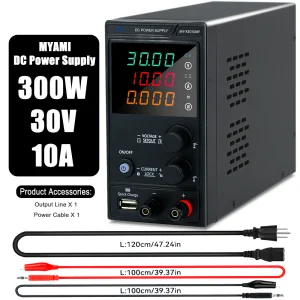
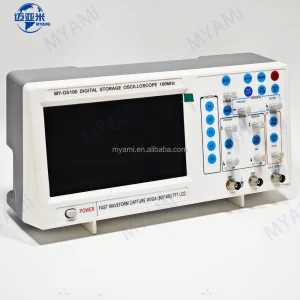
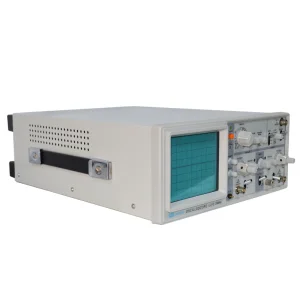
This transition requires sophisticated hardware verification. Testing contact parameters under high voltage requires programmable DC power supplies and oscilloscopes that capture transient contact bounce profiles down to microsecond resolutions.
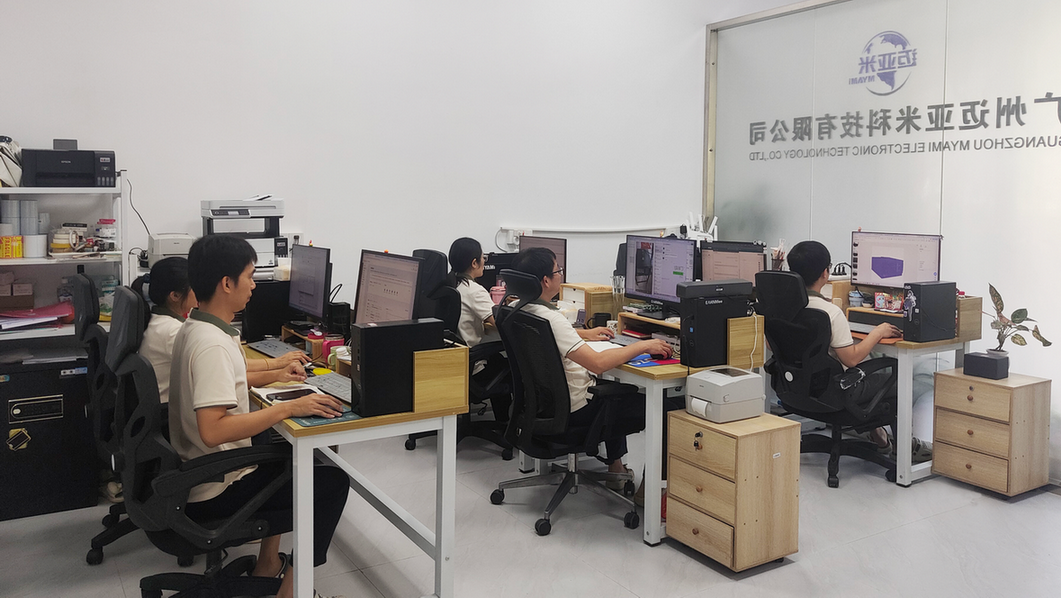
Headquartered in Shenzhen, China, we specialize in high-precision, industrial-grade power supplies and electrical test equipment engineered to support components manufacturing and automation ecosystems.
Shenzhen Myami Power Technology Co., Ltd. (MYAMI) bridges the gap between complex electronic research, high-voltage component testing, and scalable industrial automation. Our systems are designed for high accuracy and engineered with multi-layer safety protections (OVP, OCP, OTP) that comply with international standards including CE, RoHS, and ISO9001.
Whether testing passive sensors, reed switches, relays, or high-power solar arrays, our equipment seamlessly connects to automated production lines via standardized RS485, RS232, and CAN communication protocols.
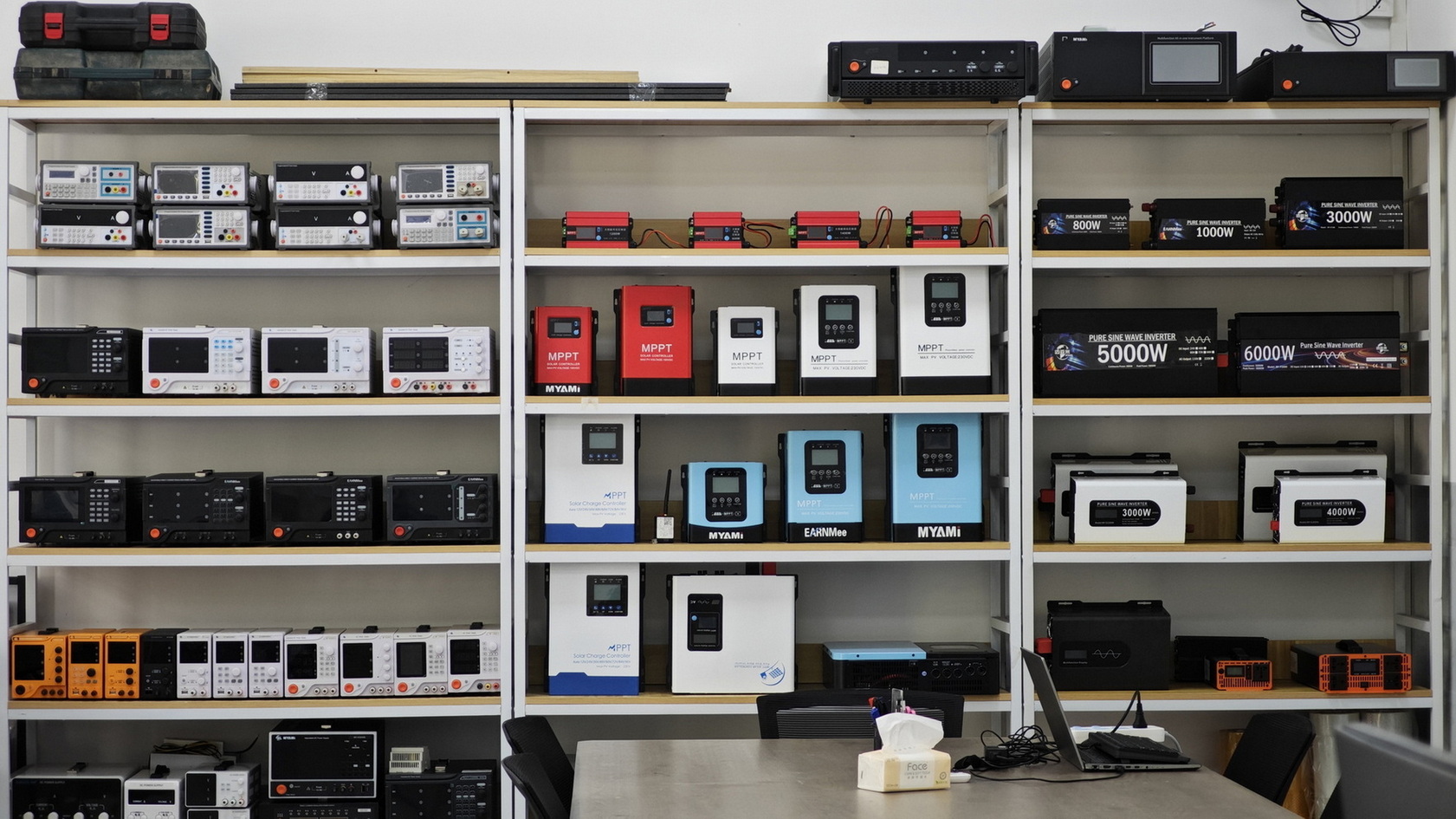
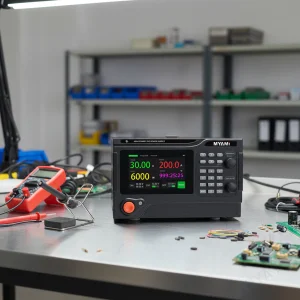
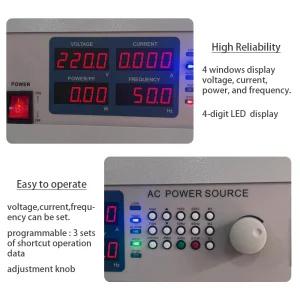
Featuring multi-digit LED displays, ultra-low ripple, and rapid transient response. Engineered for precision electronic R&D, semiconductor evaluation, and PCB debugging.
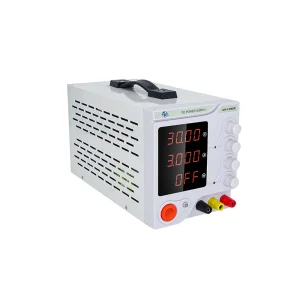
Delivering high-current, high-voltage DC/AC regulated power supplies built for industrial motor drives, electroplating rectifiers, and heavy-duty component burn-in testing.
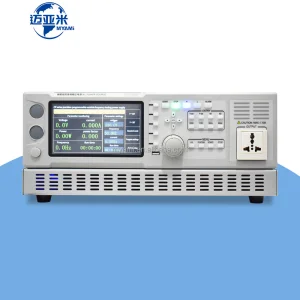
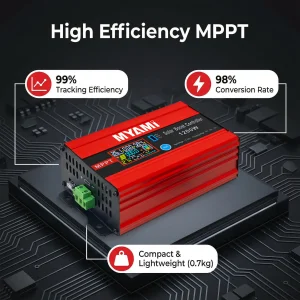
Providing specialized DC power units, battery simulators, and variable AC power sources engineered for Electric Vehicle (EV) On-Board Chargers (OBC), BMS evaluation, and solar inverter testing.
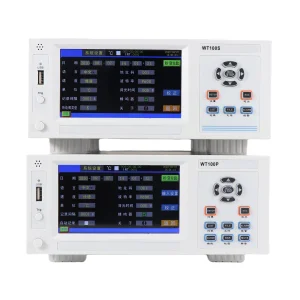
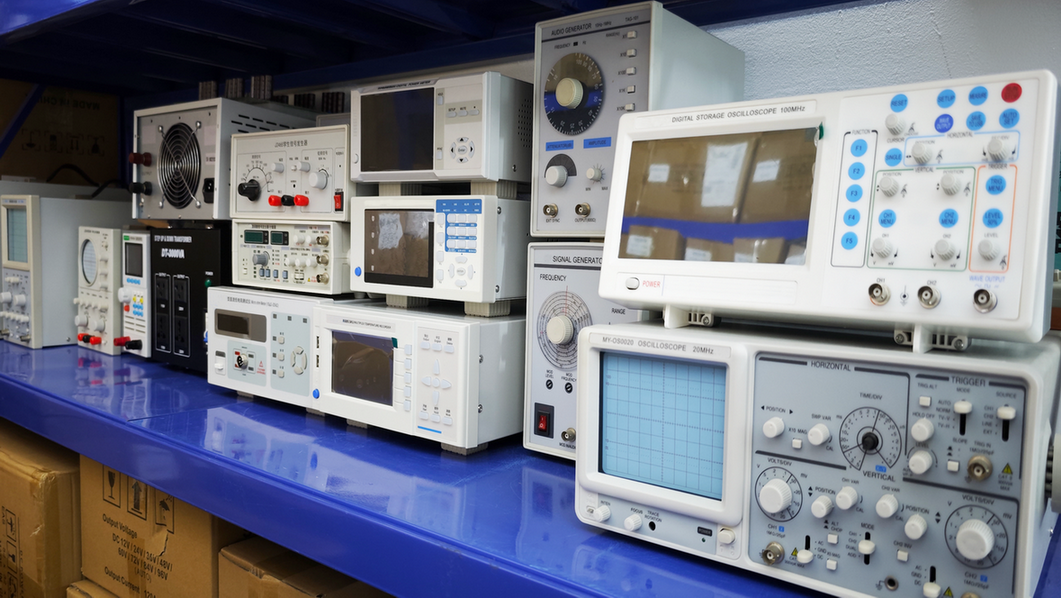
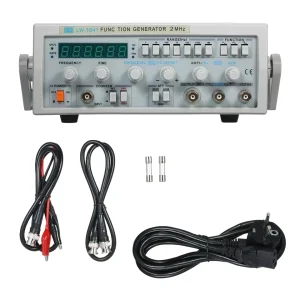
Supplying comprehensive test bench solutions, including digital oscilloscopes, function generators, multimeters, and specialized AC voltage regulators for global testing laboratories.
From raw material incoming inspection to final shipping calibration, every step of our manufacturing workflow is monitored for quality control.
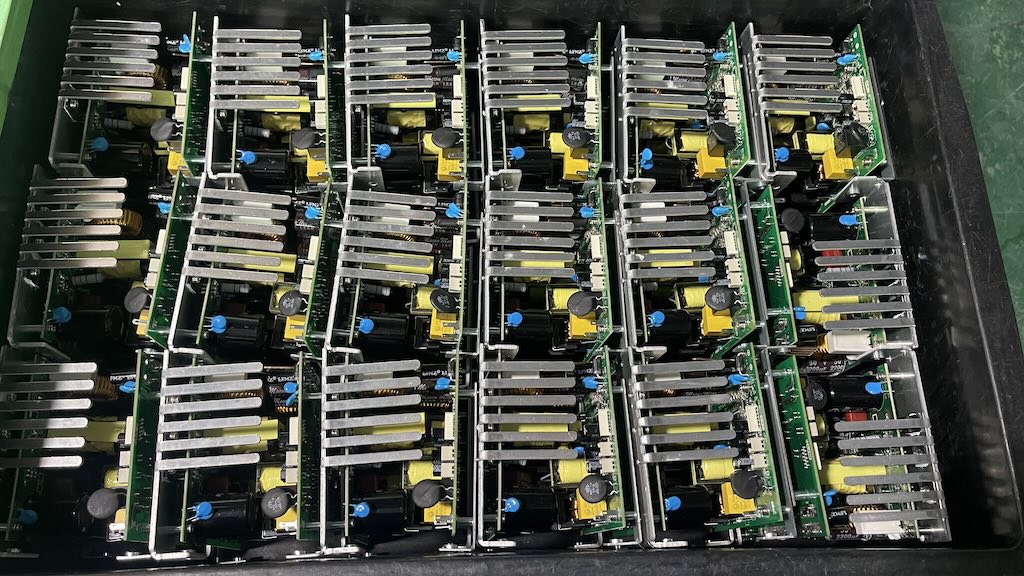 Raw Material
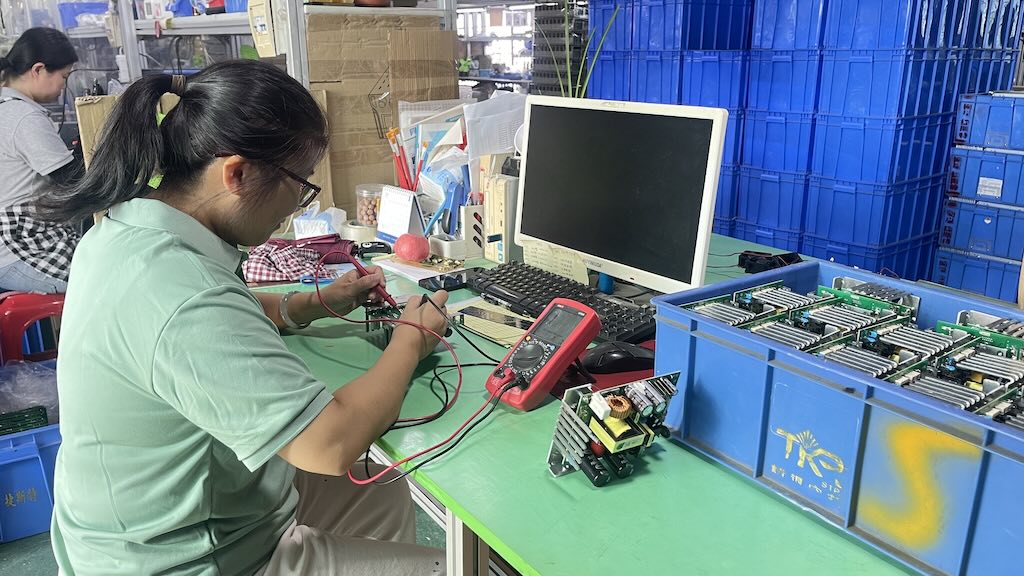 PCB Checking
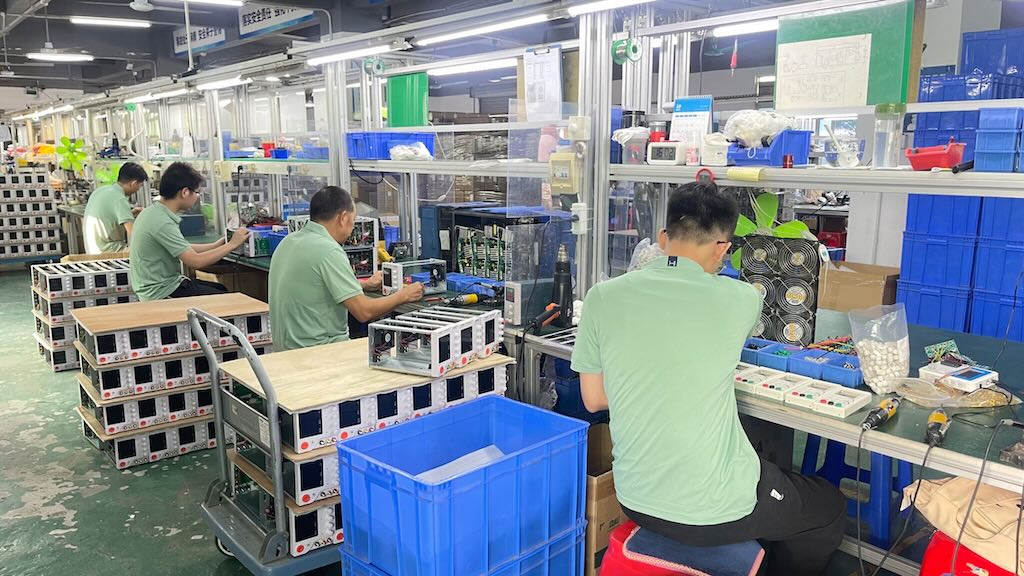 Assembling
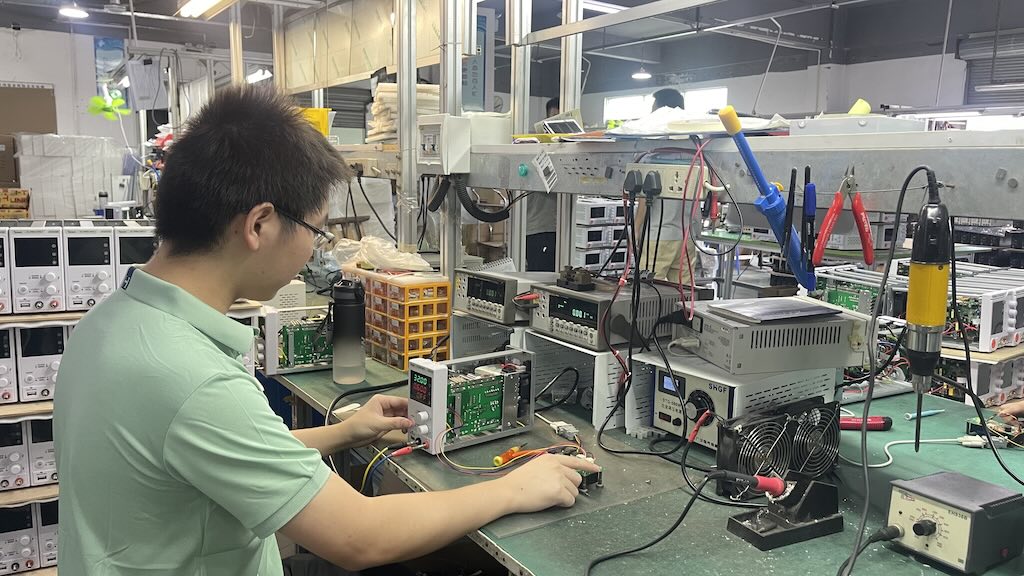 Debug
Debug
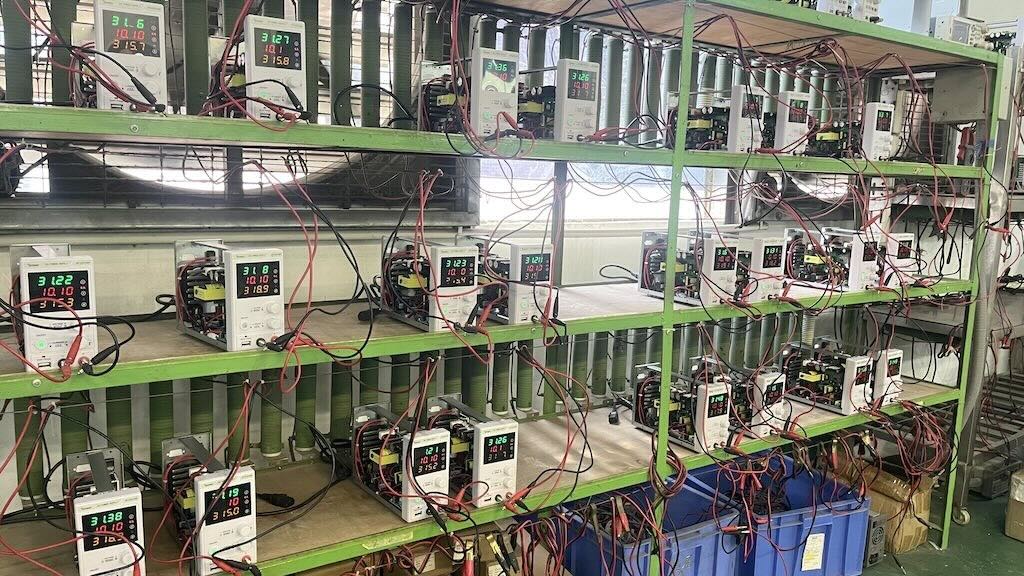 Aging
Aging
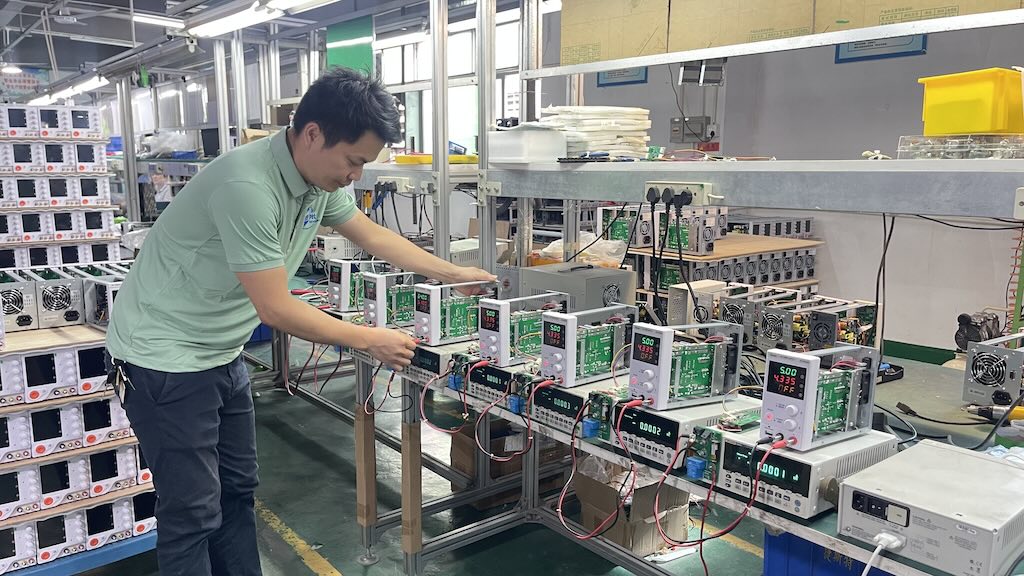 Calibration
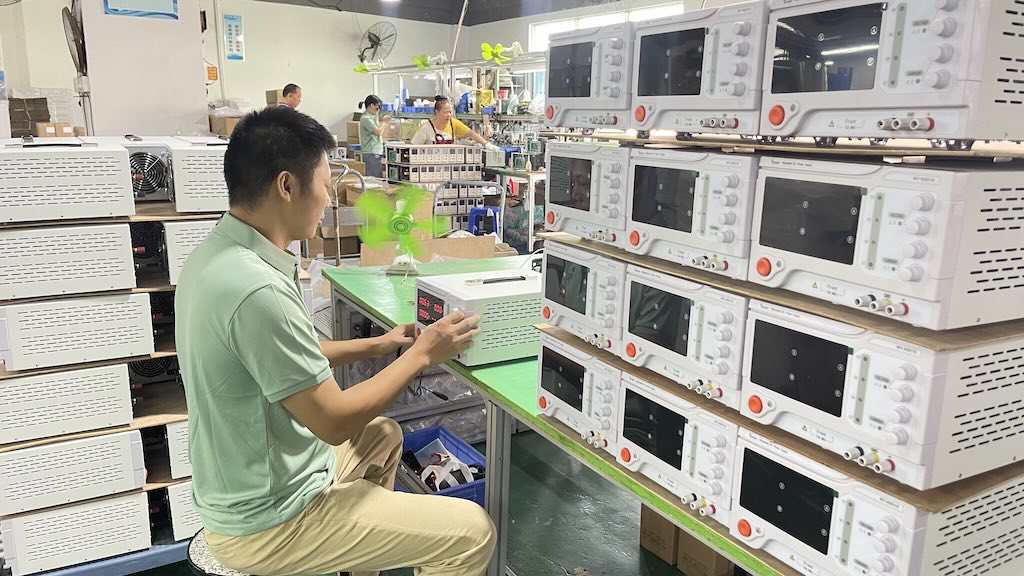 QC checking
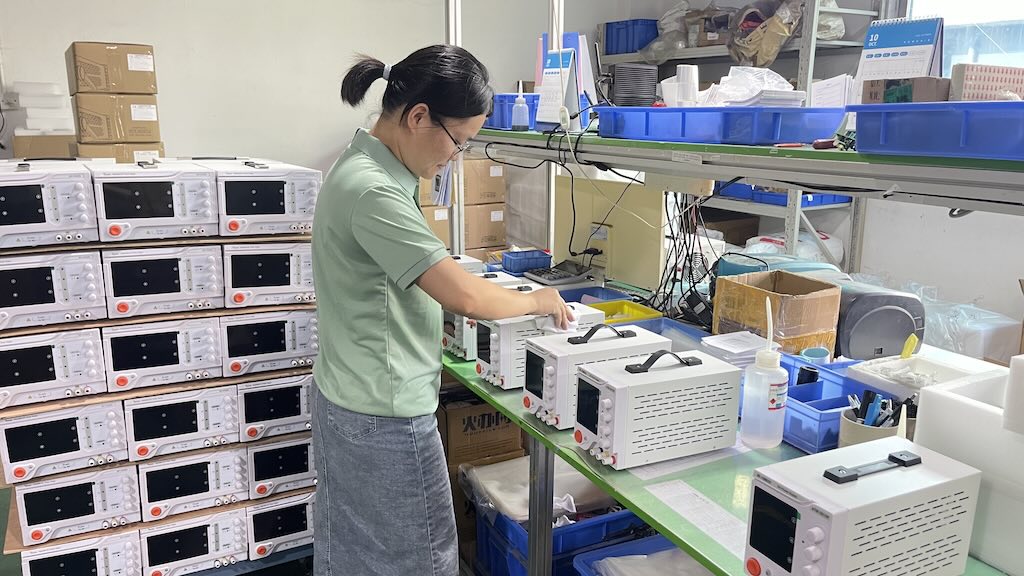 Packing
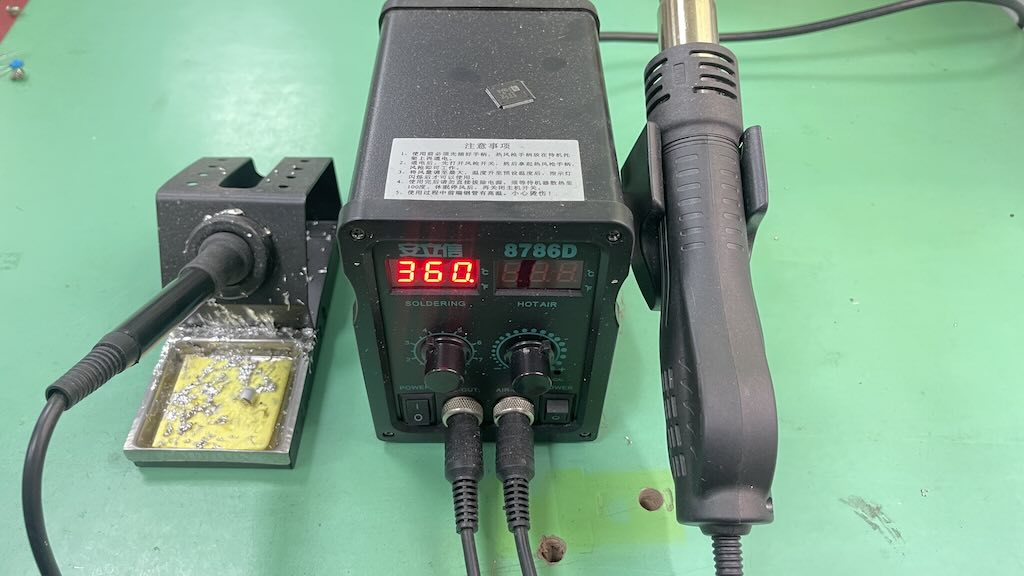 Soldering Station
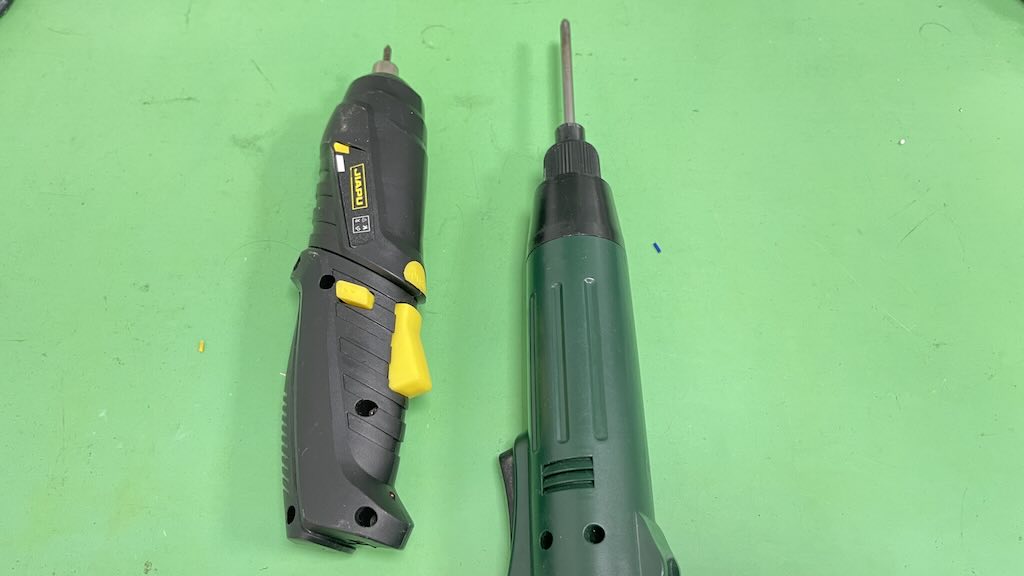 Electronic Screwdriver
When procurement departments from Europe and North America evaluate China-based suppliers, they utilize strict metrics to identify high-performing partners:
Sensitivity (Ampere-Turns Range): The sensitivity of a reed switch is measured in Ampere-Turns (AT), representing the magnetic force required to close the contacts. High-quality exporters offer precise sorting and grading to prevent unit-to-unit variance in the field.
Contact Material Sputtering Quality: Traditional plating can lead to micro-cracks. Top suppliers use advanced vacuum sputtering techniques to deposit Ruthenium or Rhodium coatings, resulting in stable contact resistance and minimized contact wear.
Ensuring minimum contact bounce time (<100µs) and high breakdown insulation levels (>250VDC to 10,000VDC) is essential. Our testing equipment provides the high speed and resolution necessary to detect these minute characteristics during component validation.
Advanced testing is key to ensuring zero-defect quality control. Our quality assurance framework utilizes specialized test equipment to verify electrical properties, dielectric isolation, and signal profiles across all manufacturing stages.
Every product undergoes a multi-point inspection process using high-precision instruments to ensure electrical performance and safety compliance.
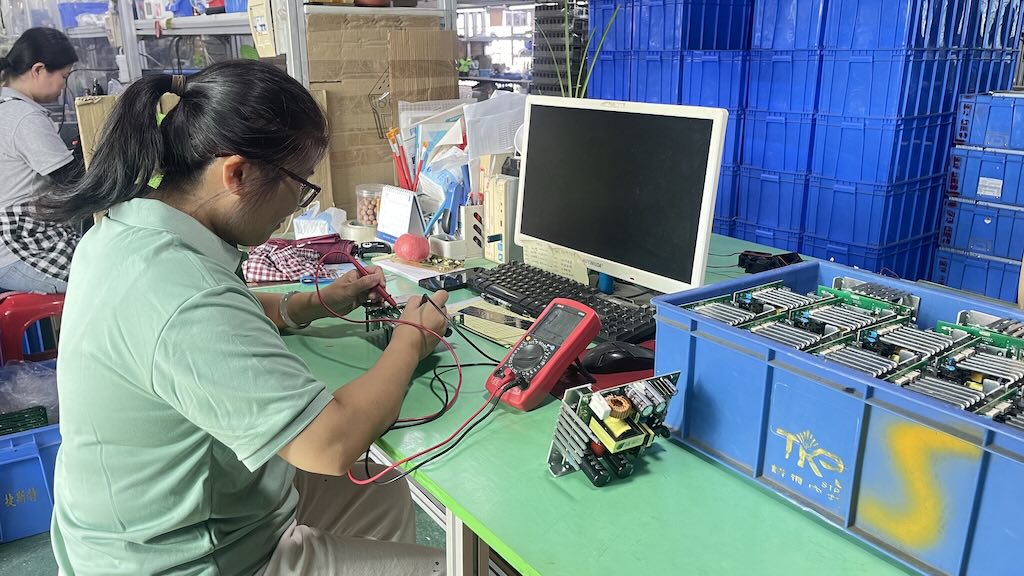 PCB Check
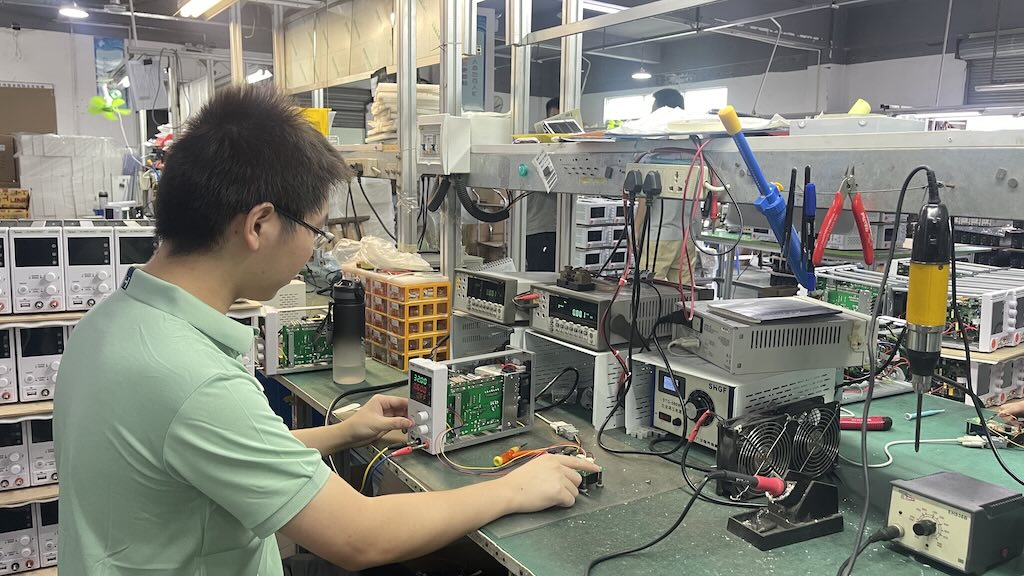 Debug
Debug
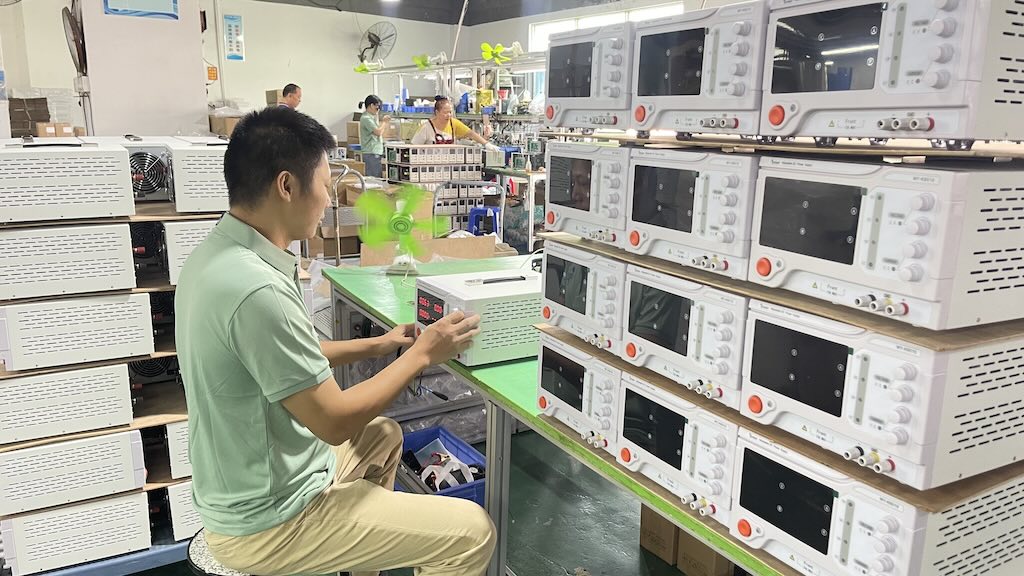 QC check
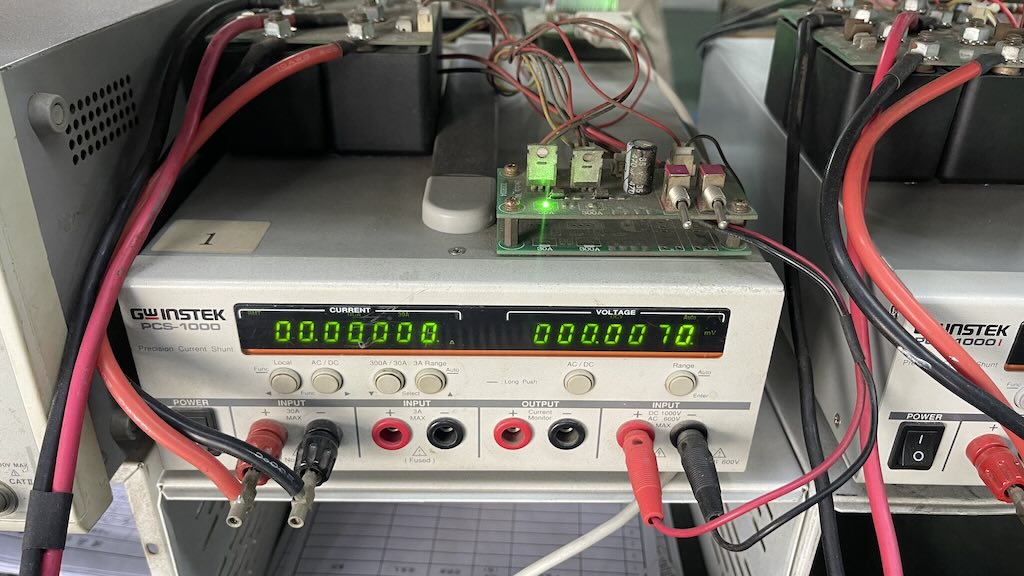 Multimeter
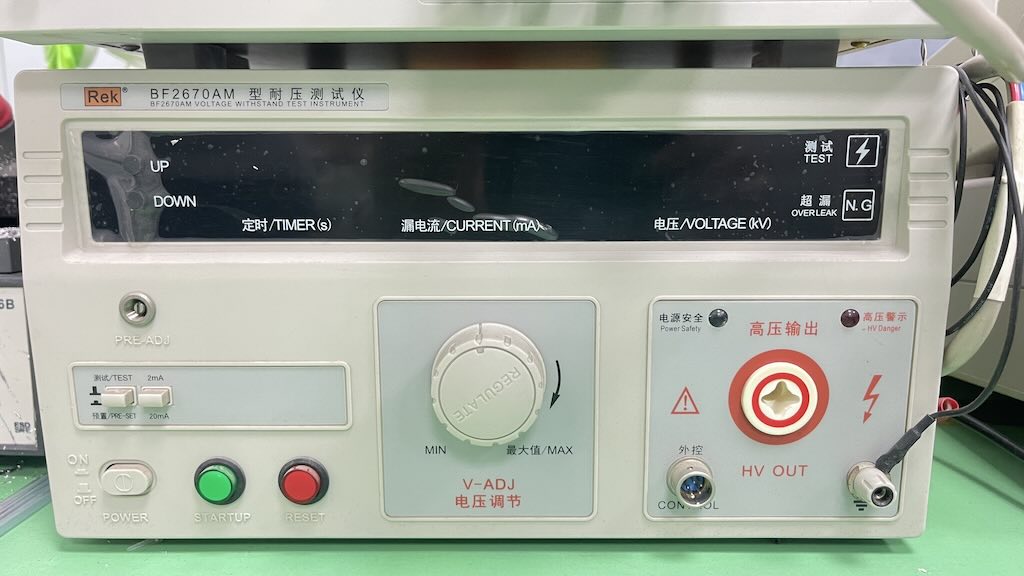 Hi-pot Tester
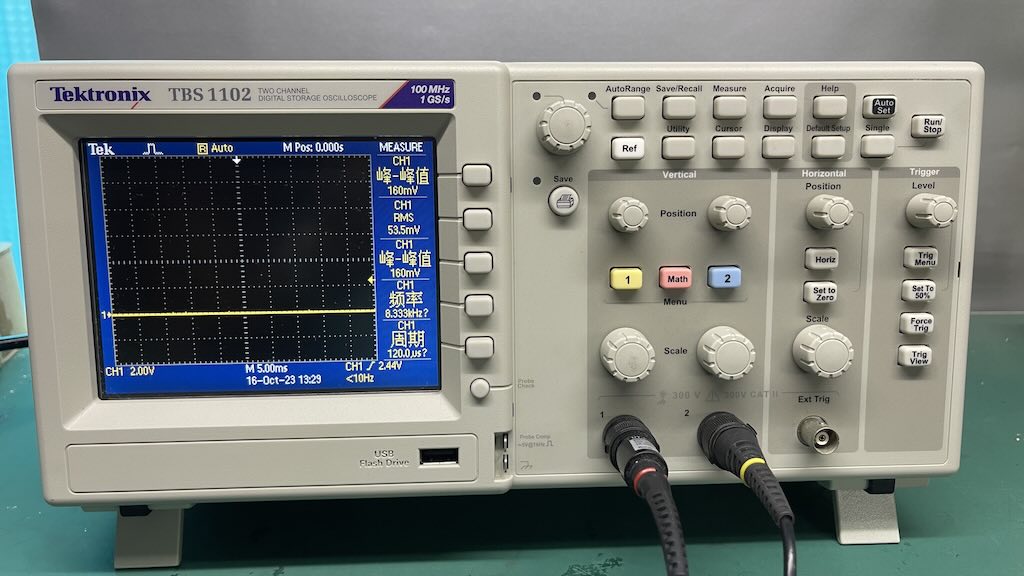 Oscilloscope
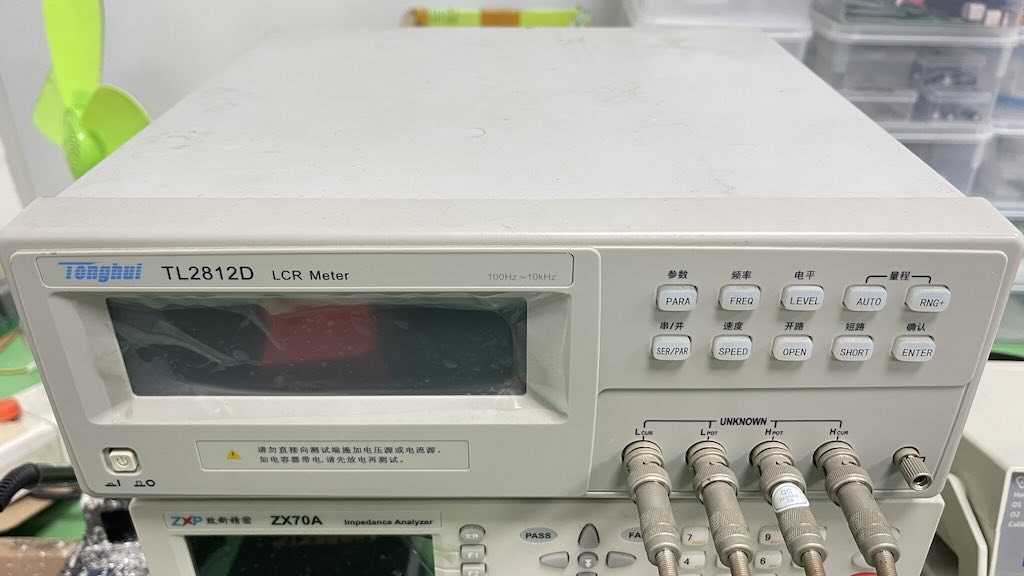 LCR Meter
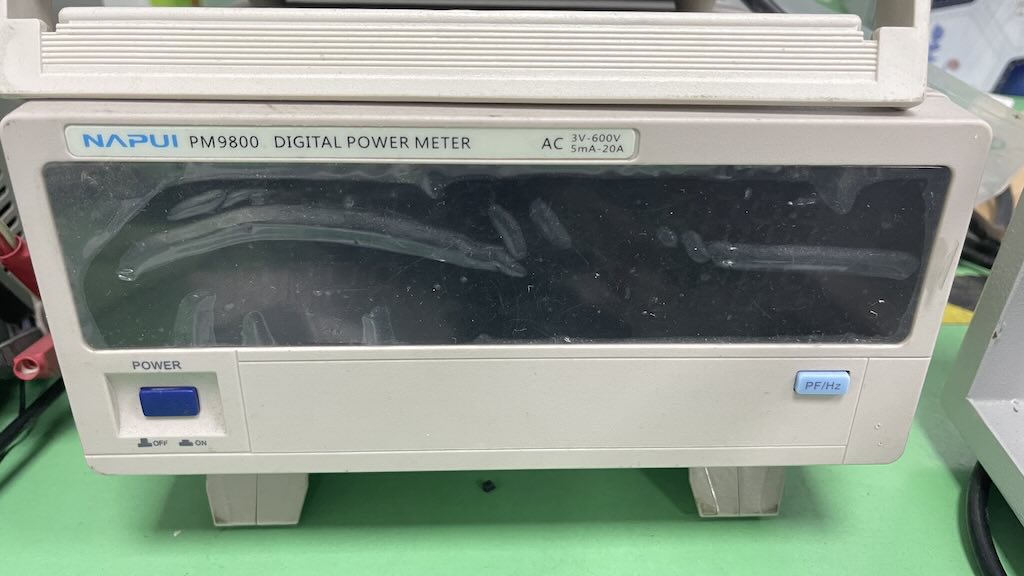 Digital power meter
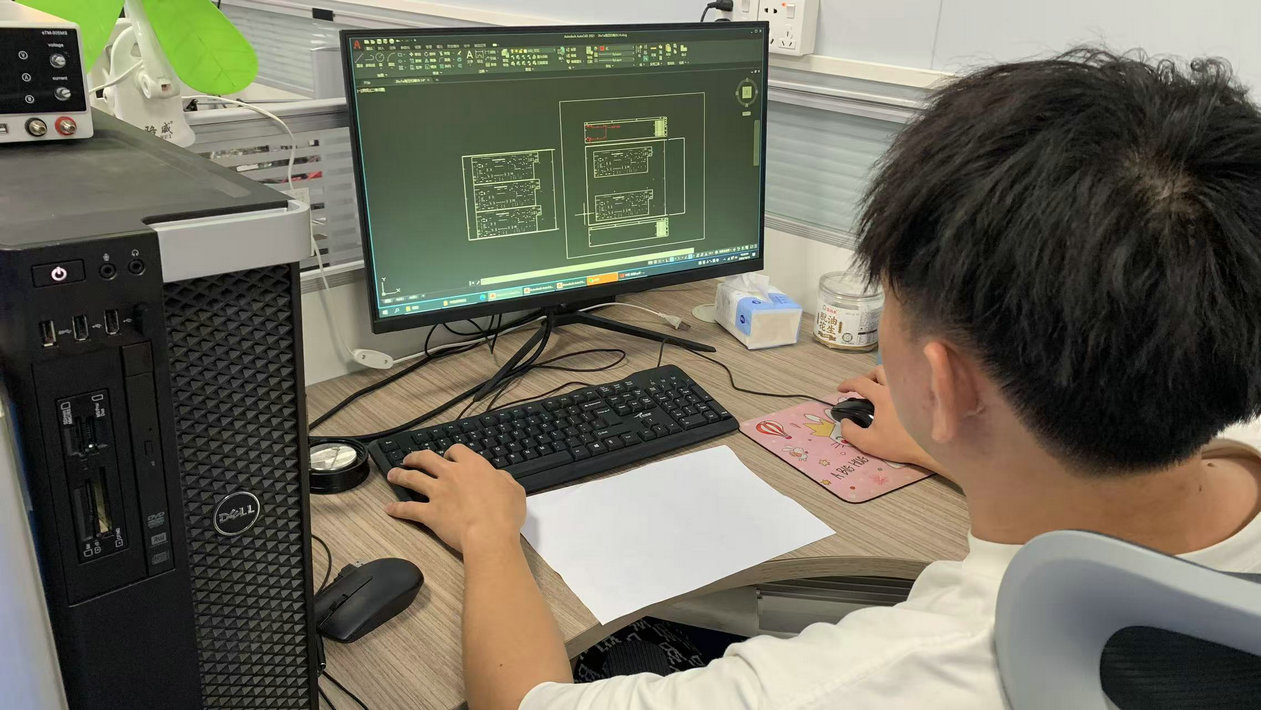 Design
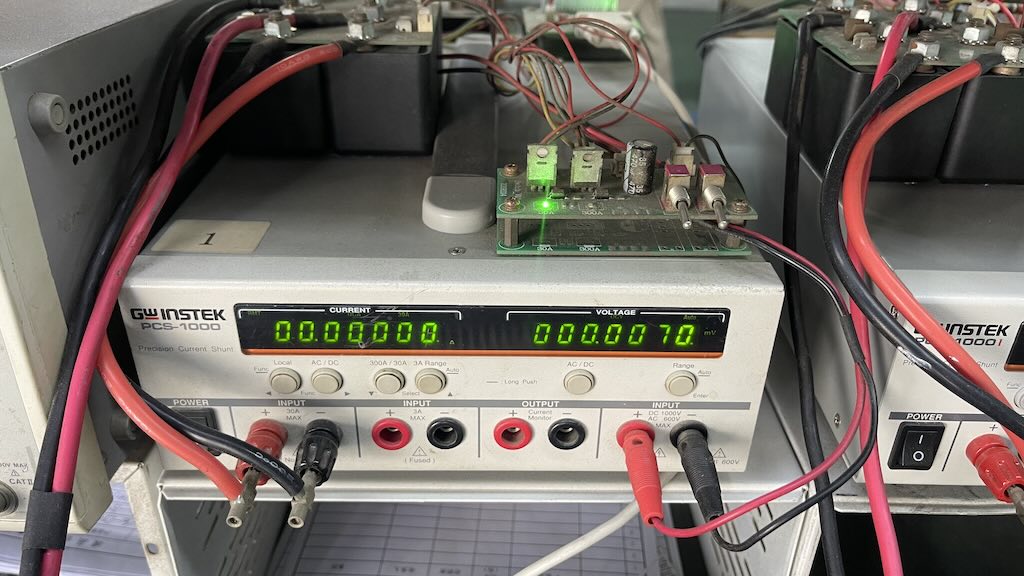 Multimeter
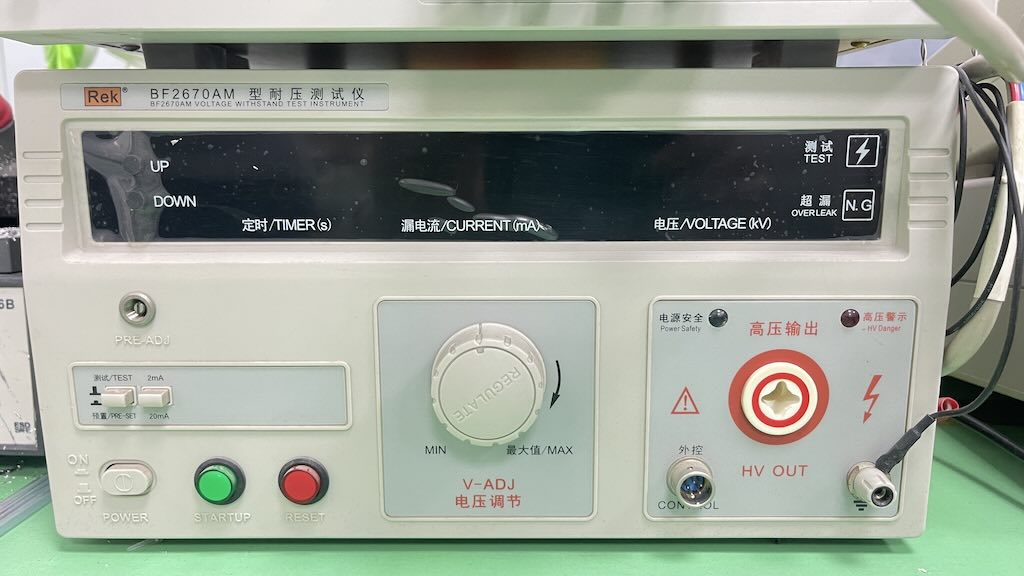 Hi-pot Tester
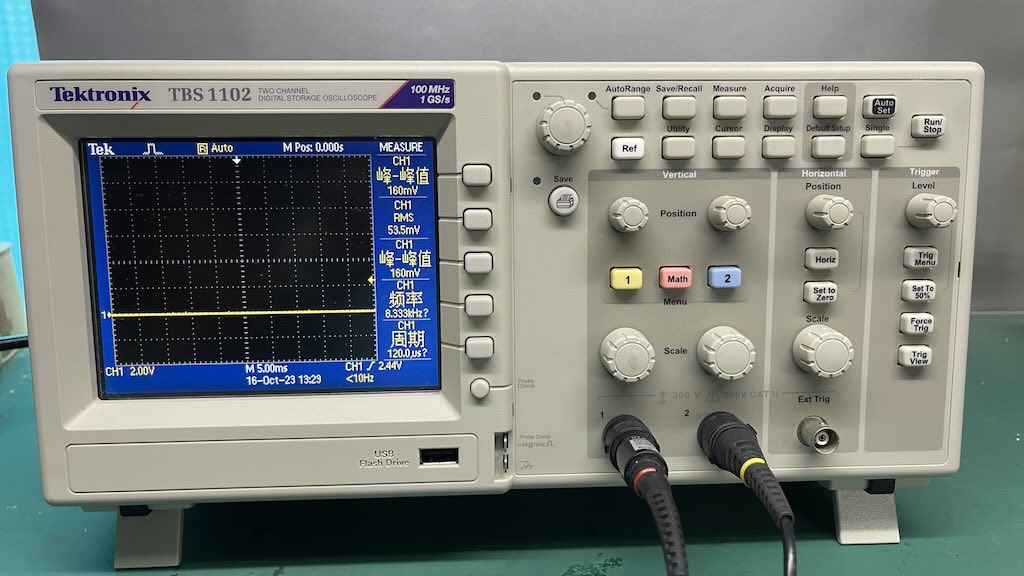 Oscilloscope
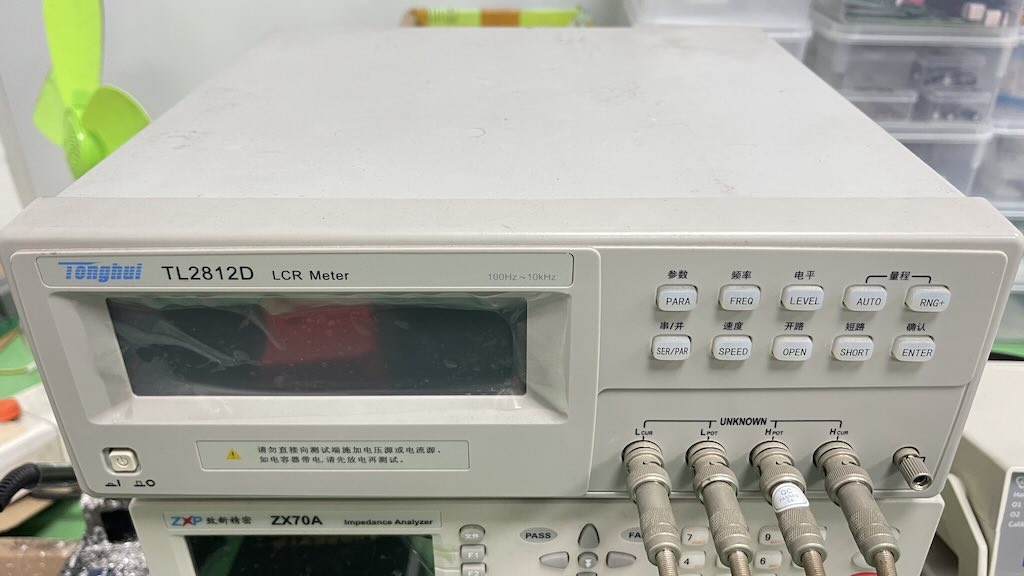 LCR Meter
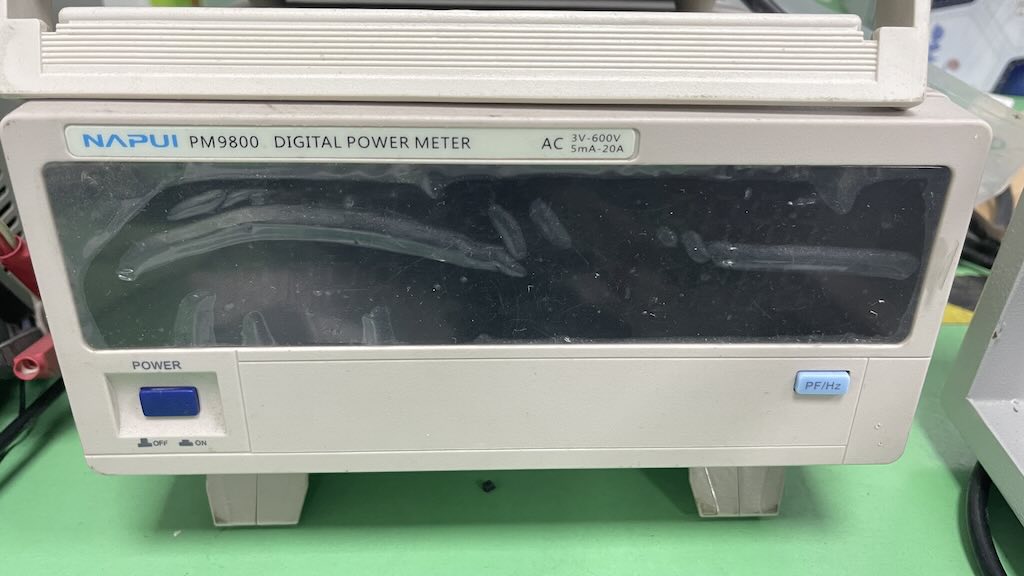 Digital power meter
Get authoritative answers regarding Reed Switch sourcing, contact chemistry, mechanical sizing, and electrical calibration procedures.
For low-signal and dry circuits, Rhodium or Ruthenium-plated contacts are highly recommended. These materials offer very stable, low contact resistance (typically <50 milliohms) and resist mechanical wear better than traditional gold plating. Ruthenium is particularly suited for medium-power applications due to its higher melting point, which reduces the risk of micro-welding during contact bounce.
Ampere-Turns (AT) measures the magnetic sensitivity of a reed switch. It is calculated by placing the switch inside a standard test coil and measuring the product of the electrical current and coil turns required to actuate the contacts. Proper sorting is essential because variations in AT affect the required magnetic field strength and alignment in localized applications, potentially causing sensor failures if not matched.
Capacitive loads generate high inrush currents upon switch closure, even at low voltages. This surge can melt the contact material, leading to sticking or micro-welding. To protect the contacts, place a series resistor close to the switch to limit inrush current, or use an RC snubber network to suppress voltage spikes across inductive loads.
High-precision programmable DC power supplies are used to apply regulated voltages across the contacts during resistance testing. They simulate inductive and capacitive load profiles to evaluate switch lifespan, contact resistance stability, and electrical isolation thresholds under varying operating conditions.
Dry reed switches feature hermetically sealed contacts in an inert gas atmosphere. Mercury-wetted versions utilize a thin film of mercury that continuously coats the contacts via capillary action, eliminating contact bounce and providing low contact resistance over millions of operations. However, due to environmental regulations (RoHS), dry reed switches are preferred for most modern applications.
Complete your testing bench setup with our heavy-duty programmable power modules and wave calibration tools.

 Myami Power