Myami Power
1 / 5
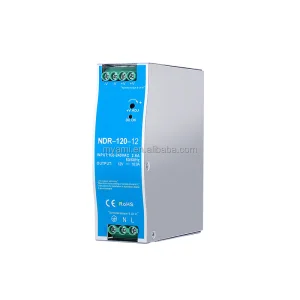
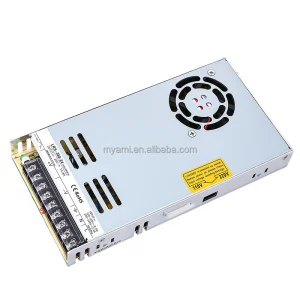
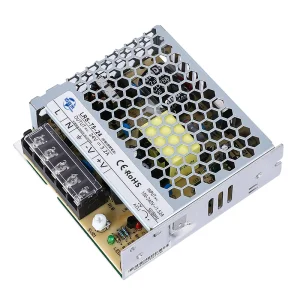
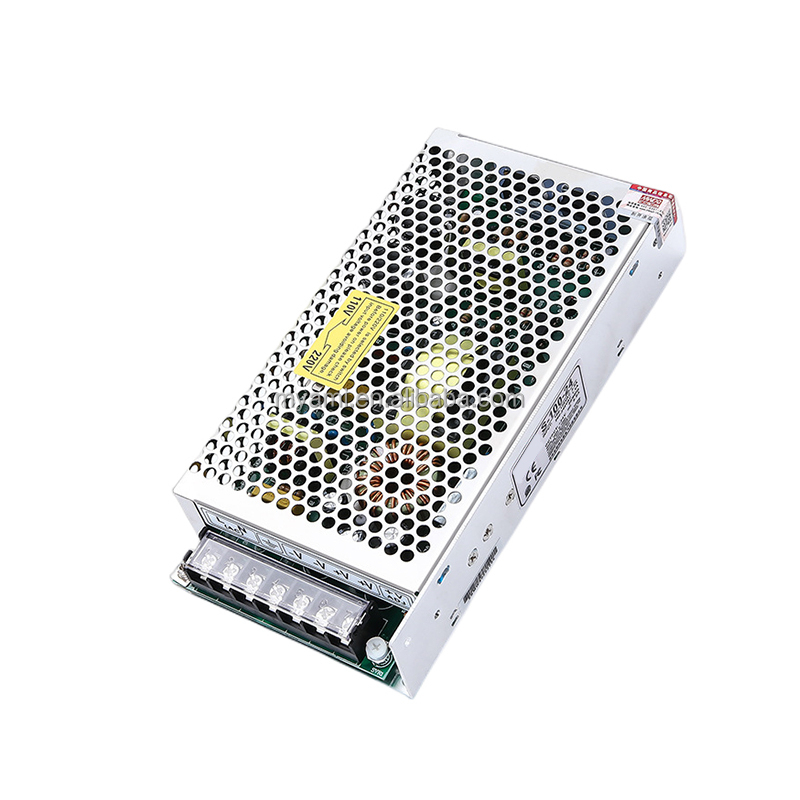
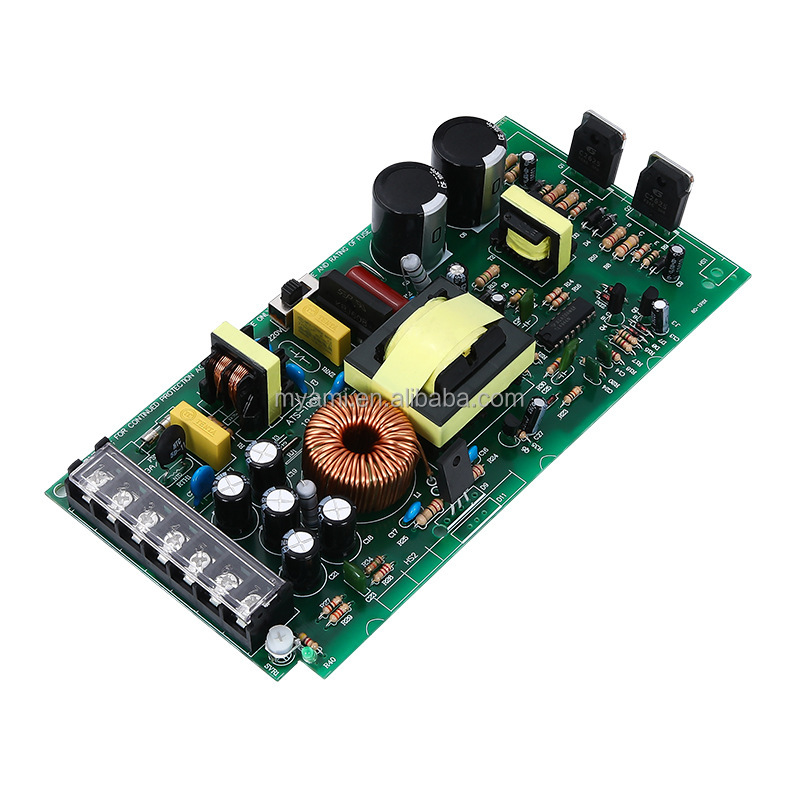
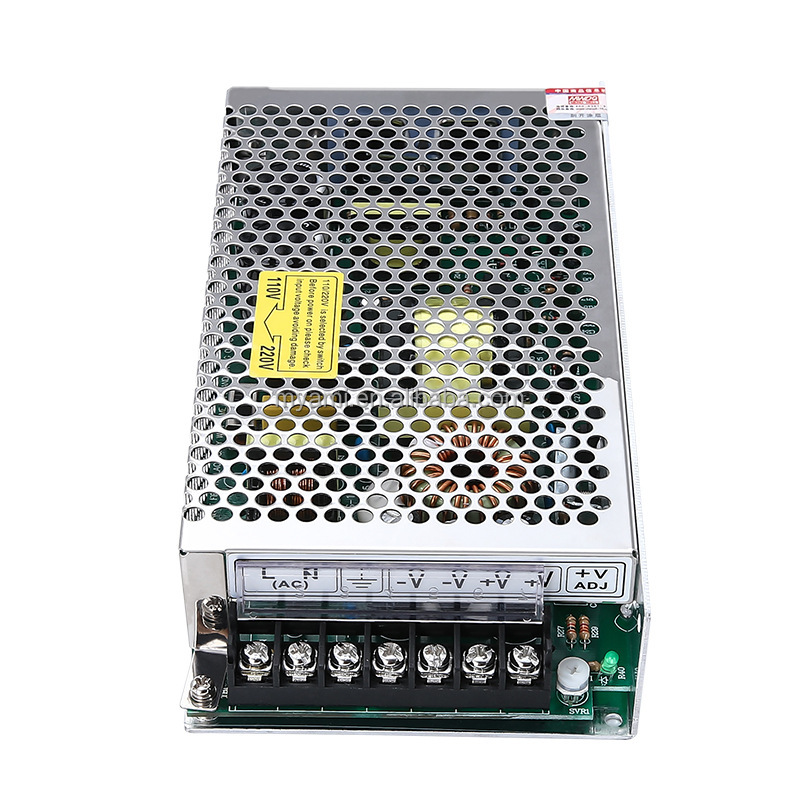
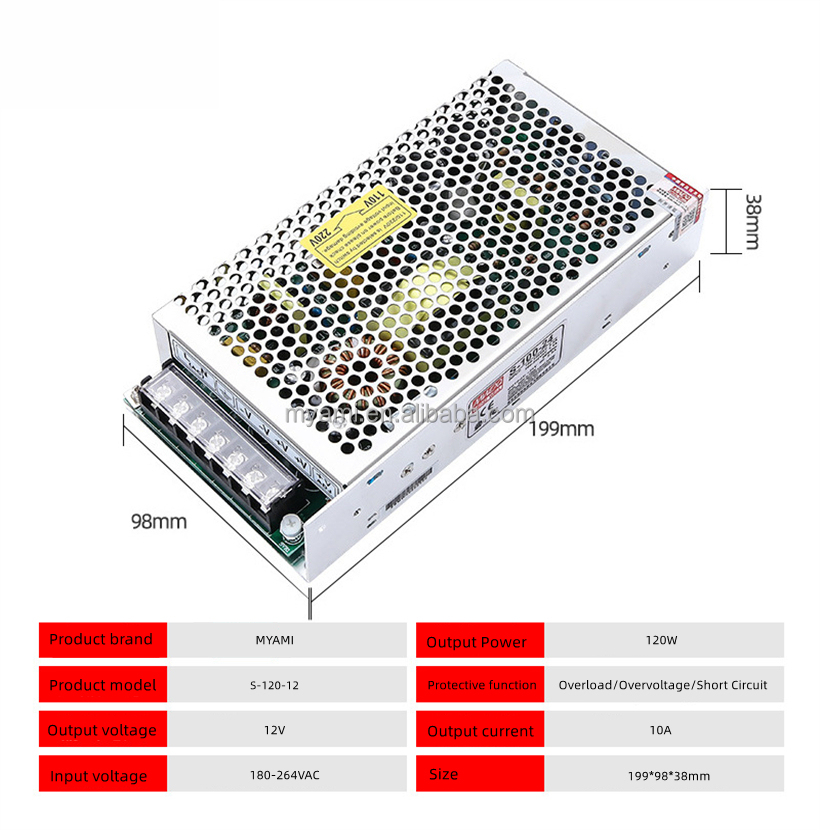
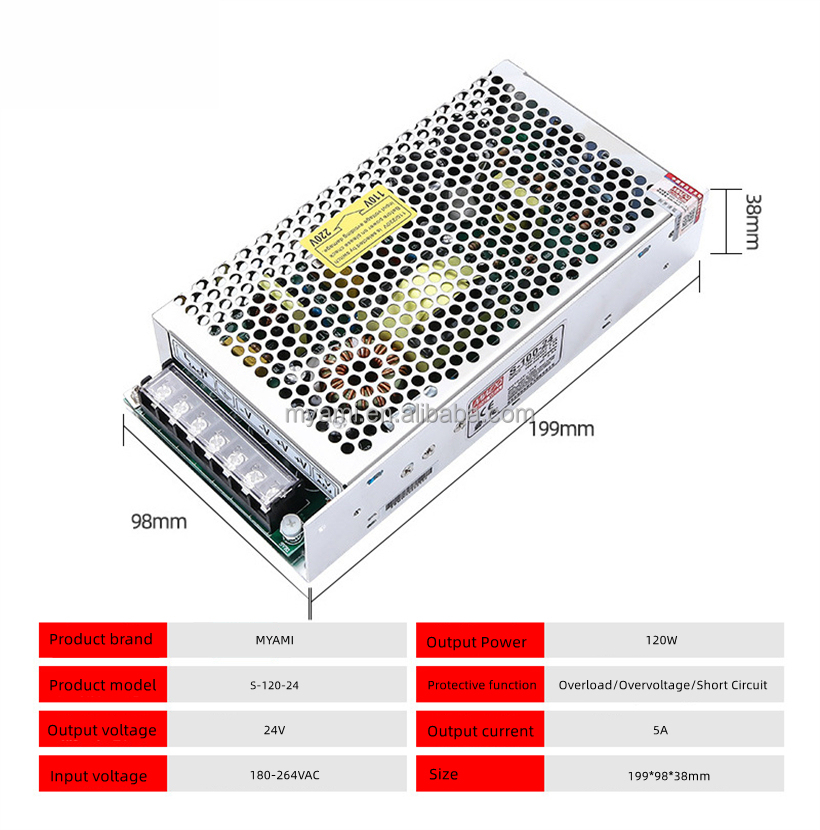
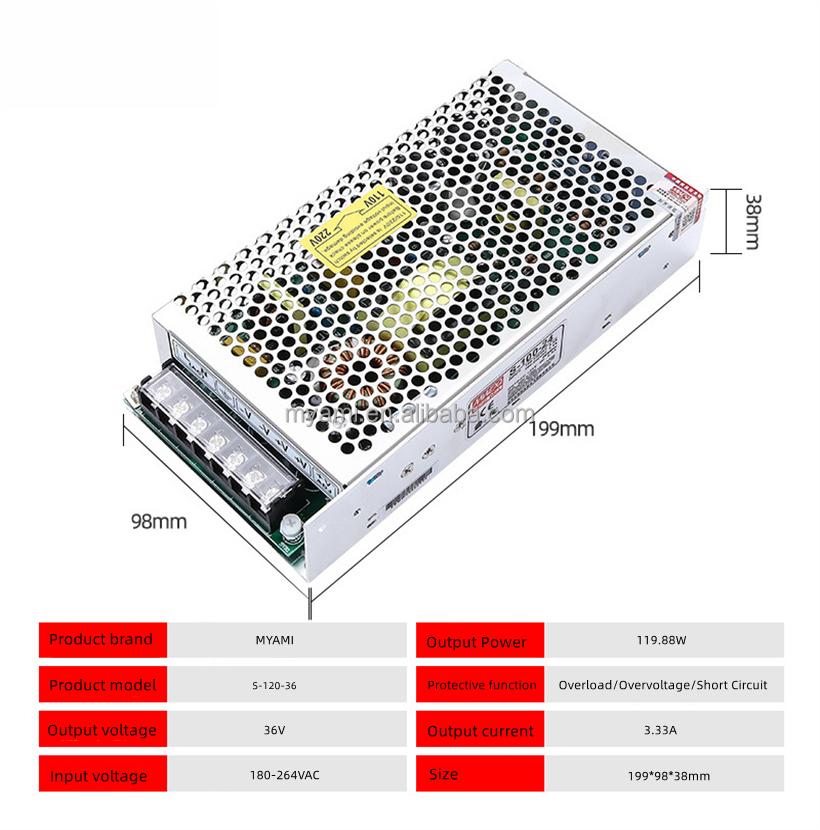
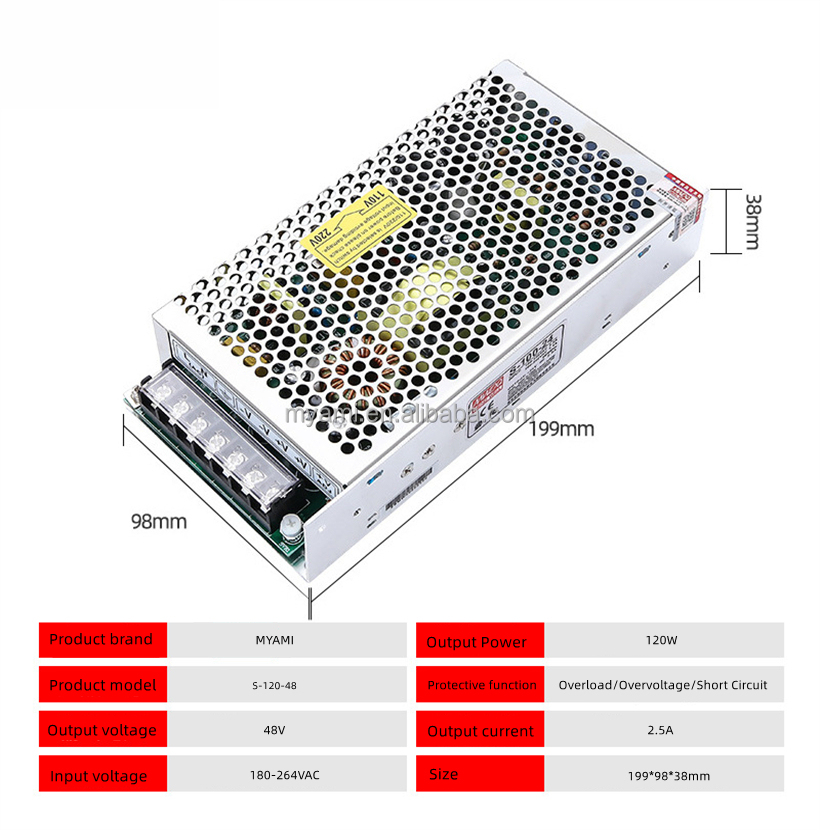
| S-120 120W Switching Power Supply Specification Sheet | ||||||
|---|---|---|---|---|---|---|
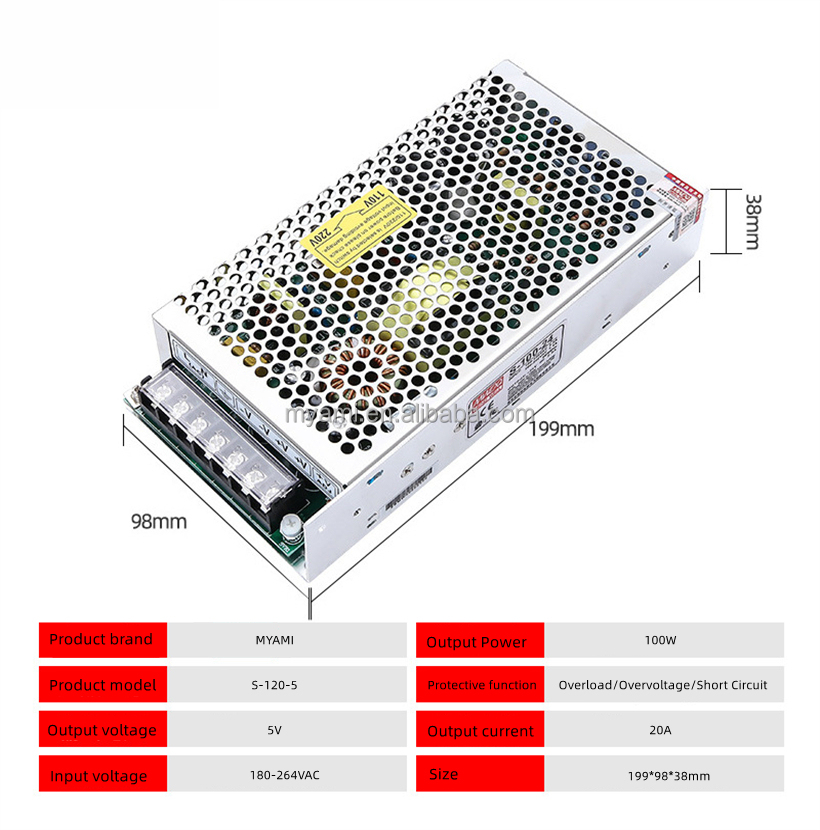
| Model Number | S-120-5 | S-120-12 | S-120-24 | S-120-36 | S-120-48 | |
| Output | DC Voltage | 5V | 12V | 24V | 36V | 48V |
| Rated Current | 20A | 10A | 5A | 3.33A | 2.5A | |
| Power Rating | 100W | 120W | 120W | 119.88W | 120W | |
| Ripple & Noise | < 75mV | < 120mV | < 150mV | < 240mV | < 240mV | |
| Voltage Accuracy | ±2% | ±1% | ||||
| Output Voltage Regulation | ±10% | |||||
| Load Regulation Rate | < ±1.5% | < ±0.5% | ||||
| Linear Adjustment Rate | < ±0.5% | |||||
| Input | Voltage Range | 180-264VAC 47Hz - 63Hz (254VDC - 370VDC) | ||||
| Efficiency (Typical) | > 75% | > 82% | > 84% | |||
| Operating Current | < 1.2A 220VAC | |||||
| Impulse Current | 220VAC 50A | |||||
| Start-up, Rise, Hold Time | 200ms, 50ms, 20ms at 220VAC | |||||
| Protection | Overload Protection | 105%-150% limit; output cuts off when +VO drops to under-voltage point. Reset by cycling power. | ||||
| Short-Circuit Protection | Output turns off when +VO drops to the undervoltage point. | |||||
| Environment | Operating Temp & Humidity | -10°C ~ +50°C; 20% ~ 90% RH | ||||
| Storage Temp & Humidity | -20°C ~ +85°C; 10% ~ 95% RH | |||||
| Safety Standards | Withstand Voltage | I/P-O/P: 1.5KVAC, I/P-FG: 1.5KVAC, O/P-FG: 0.5KVAC for 1 minute | ||||
| Leakage Current (1.5KVAC) | Input-Output < 5mA at 1.5KVAC | |||||
| Leakage Current (220VAC) | Input-Output < 1mA at 220VAC | |||||
| Isolation Resistance | I/P-O/P, I/P-FG, O/P-FG: 500VDC / 100MΩ | |||||
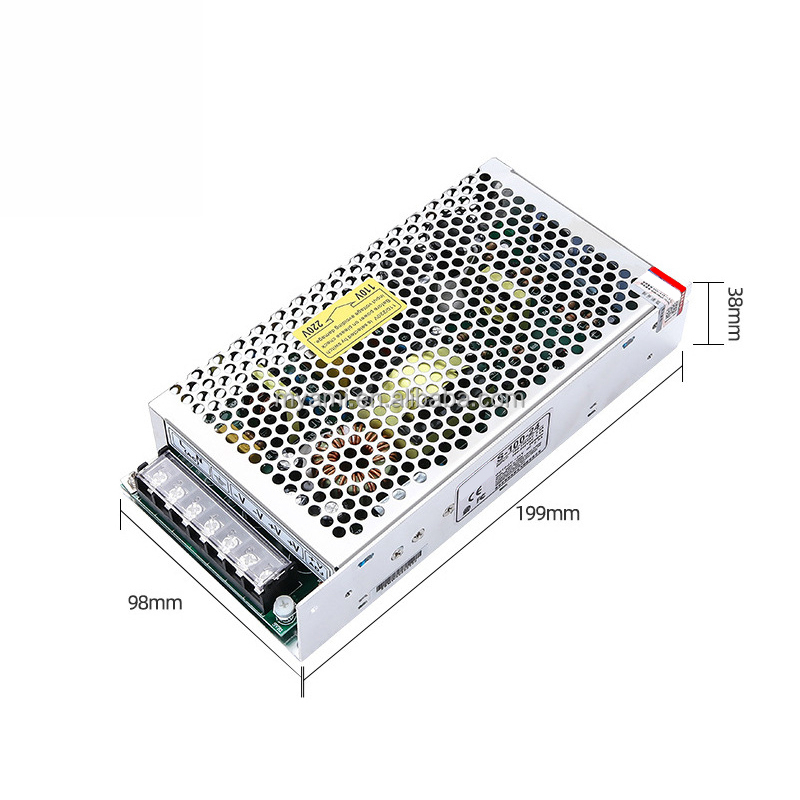
| Dimensions & Wt. | Size Dimensions | 199mm * 98mm * 38mm | ||||
| Net / Gross Weight | 536.7g / 598.8g | |||||



Re: It is a power source with an output voltage that the user can vary. Variable DC power supplies allow you to change the voltage and the current to the Device Under Test (DUT).
Re: A DC power source provides a constant biasing voltage or current to electrical devices, components, or circuits, and ensures that the DUT operates as expected.
Re: A DC power source connects to a DUT via leads that attach to the DC power supply panel. Engineers can set voltages or current levels to power the device for testing purposes.
Re: A DC power source converts alternating current (AC) power into DC power using either a linear or switching methodology. A switching power supply has higher efficiency, reduced weight, and smaller size. Linear power supplies can achieve lower noise, but modern switching supplies have minimized or eliminated this advantage.
Re: A bench DC power supply is designed to sit on an engineer's work bench. It typically features a large, legible display and user interface so engineers can easily control all aspects of the power supply from the front panel. Users can also control modern bench power supplies via software. Additionally, the output terminals are easily accessible from the front, making them handy tools for adjusting voltage on the fly.
Re: They typically feature overvoltage, short-circuit, overcurrent, and overload protection to prevent damage to both the power supply unit and the connected electronic devices under load conditions.