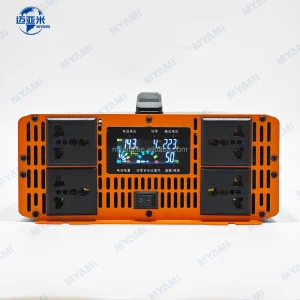
Essential laboratory and production-line hardware utilized by leading communication module manufacturers to run continuous stress, voltage regulation, and signal analysis testing.
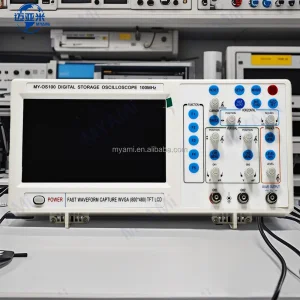
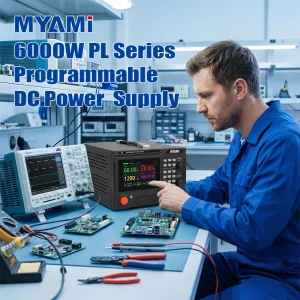
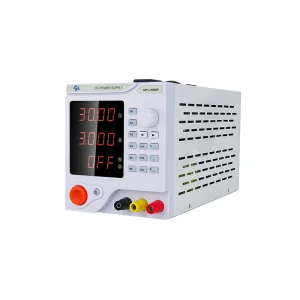
Deciphering the critical link between stable signal telemetry and specialized test power systems.
In the era of hyper-connectivity, industrial wireless communication modules (spanning 5G, LTE-M, LoRa, Wi-Fi 6/7, Zigbee, CAN-Bus, and Bluetooth Low Energy) serve as the vital nervous system for smart grids, autonomous transport, global supply chains, and industrial automation. According to recent market analysis, the global market for cellular IoT and industrial-grade communication modules is expected to experience double-digit compound growth through 2030, driven by the rollout of smart cities and vehicle-to-everything (V2X) platforms. However, the reliability of these communication modules hinges on a critical factor: the absolute stability and noise-free performance of their power systems during transmission spikes.
As communication modules migrate toward high-frequency bands and complex protocol stacks, they become highly sensitive to supply-line impedance, voltage drops, and electromagnetic interference (EMI). During active radio frequency (RF) transmit cycles, modules can pull instantaneous peak currents that trigger severe voltage sags if powered by lower-grade benches. This is where Shenzhen Myami Power Technology Co., Ltd. (MYAMI) enters the equation. Headquartered in Shenzhen, China, MYAMI is a technology-driven manufacturer and solution provider specializing in high-precision, industrial-grade power supplies and electrical test equipment. Designed for engineering rigor, MYAMI bridges the gap between complex electronic research, high-voltage component testing, and scalable industrial automation.
What differentiates industry leaders from standard assembly lines? A deep dive into rigorous validation standards.
To assist global procurement directors, hardware architects, and systems integrators, we have defined the four core operational pillars that a premier communication modules manufacturer must demonstrate. The evaluation is built upon strict E-E-A-T (Experience, Expertise, Authoritativeness, and Trustworthiness) metrics:
Top manufacturers implement high-frequency simulation modeling to optimize antenna impedance match and microstrip layouts. Power integrity simulation ensures that internal Low-Dropout (LDO) regulators receive stable inputs, preventing RF signal distortion.
Uncompromised safety standards are non-negotiable. Leading products incorporate Over-Voltage Protection (OVP), Over-Current Protection (OCP), Over-Temperature Protection (OTP), and robust ESD protection. Full compliance with CE, RoHS, FCC, and ISO9001 guarantees global market entry.
Mass production requires rapid calibration and test automation. Quality manufacturers leverage standard communication interfaces like RS485, RS232, and CAN communication. This enables test platforms to dynamically control voltages, capture real-time current profiles, and script hardware-in-the-loop (HIL) sweeps.
From harsh oilfields to modern urban telemetry networks, here is how communication modules execute vital operations globally.
Modern communication hardware does not operate in isolation. It relies on a rigorous network of power regulation, stabilization, and logging. MYAMI's specialized engineering portfolio directly addresses the testing and operation requirements of these systems across four core operational pillars:
Providing specialized DC power units, battery simulators, and variable AC power sources engineered for Electric Vehicle (EV) On-Board Chargers (OBC), BMS evaluation, and solar inverter testing. High-performance communication modules installed within solar inverters transmit real-time diagnostic telemetry. These modules require clean DC rails to maintain signal lock amidst intense electrical noise.
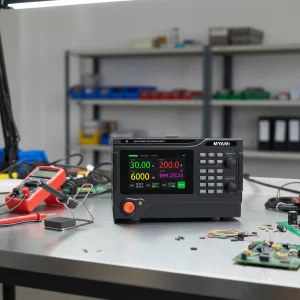
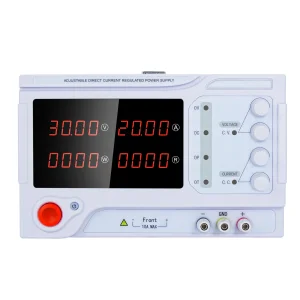
Programmable DC Power Supplies featuring multi-digit LED displays, ultra-low ripple, and rapid transient response, engineered for precision electronic R&D, semiconductor evaluation, and PCB debugging. These systems allow RF engineers to simulate battery degradation and voltage-margin limits on newly designed IoT RF modules.
Delivering high-current, high-voltage DC/AC regulated power supplies (ranging up to hundreds of volts and amperes) built for industrial motor drives, electroplating rectifiers, and heavy-duty component burn-in testing. For modules using RS485 or CAN-bus controls in physical automation lines, robust shielding and isolated power circuits are essential to survive spike loads.
Exploring Shenzhen's unmatched electronic supply chain speed, scaling advantages, and rigorous manufacturing stages.
Shenzhen represents the heart of the global electronics supply chain, enabling unmatched component sourcing speeds, prototyping, and swift volume scaling. MYAMI leverages this structural advantage to achieve vertical integration across every phase of production. By maintaining complete oversight from the raw component phase up to the final packed cargo container, we control quality variations down to the single-digit parts-per-million (PPM) scale. This continuous quality assurance loop guarantees that all industrial power components, digital oscilloscopes, and voltage regulators meet extreme environmental tolerances.
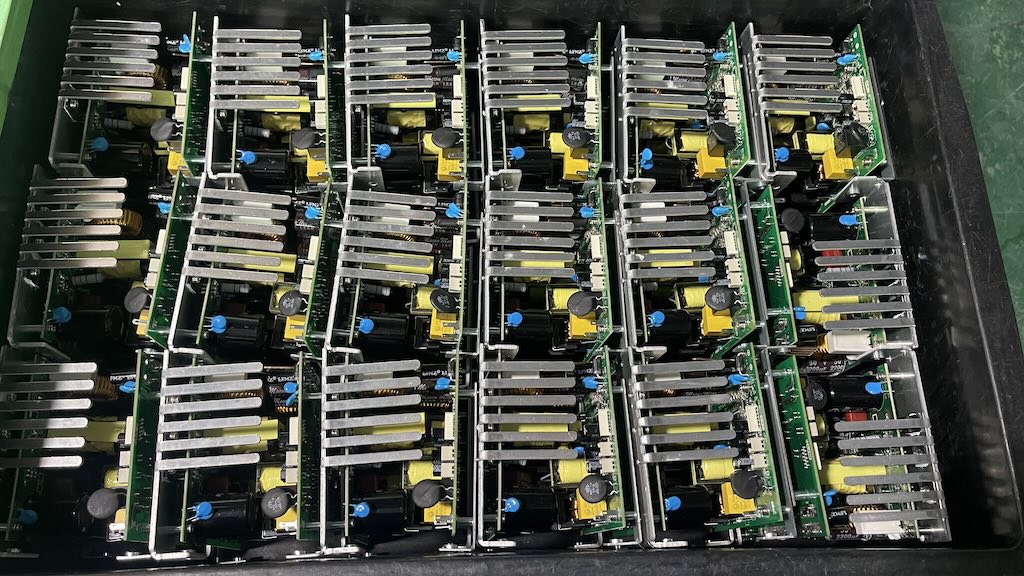 Raw Material
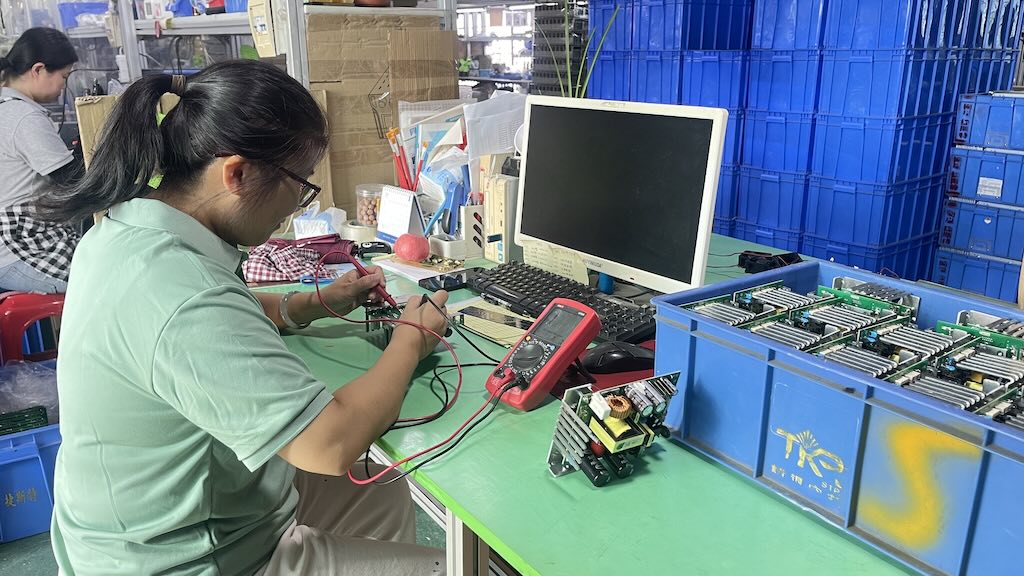 PCB Checking
 Assembling
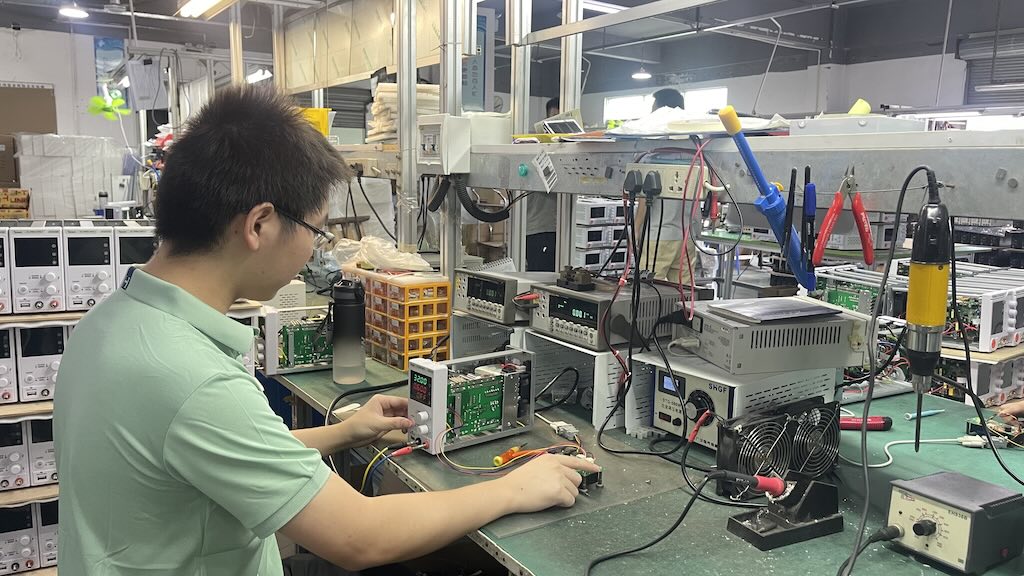 Debug
Debug
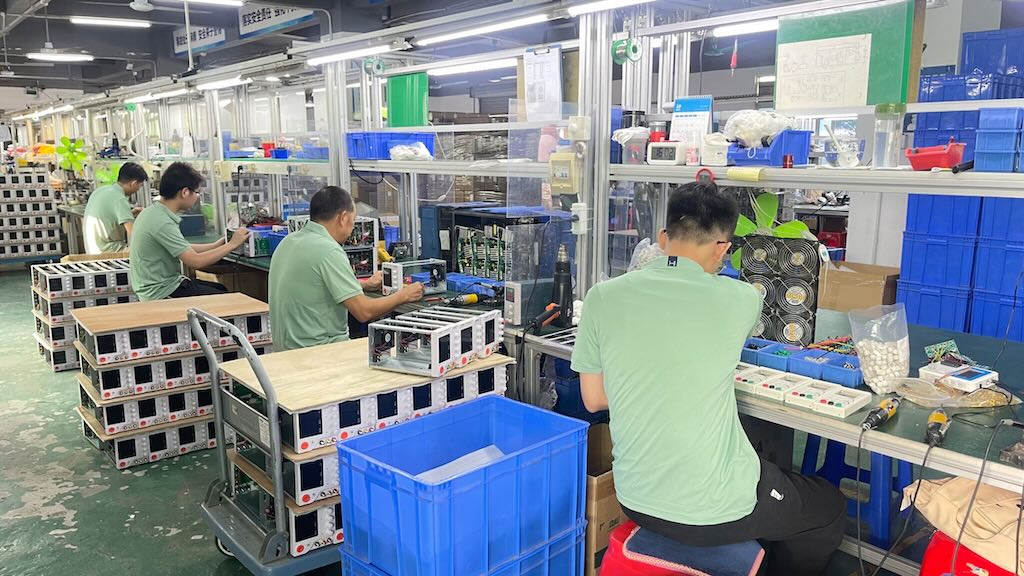
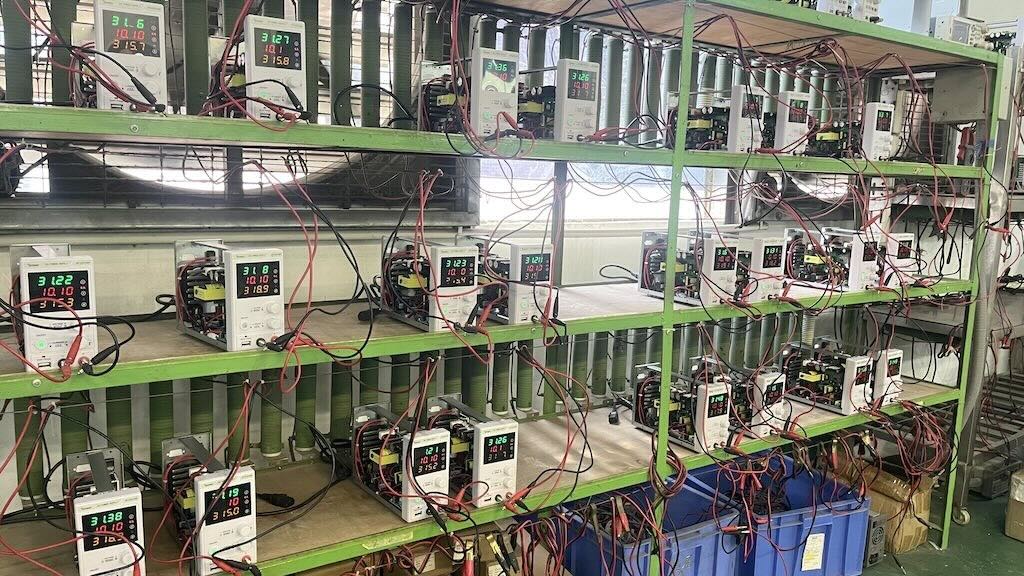 Aging
Aging
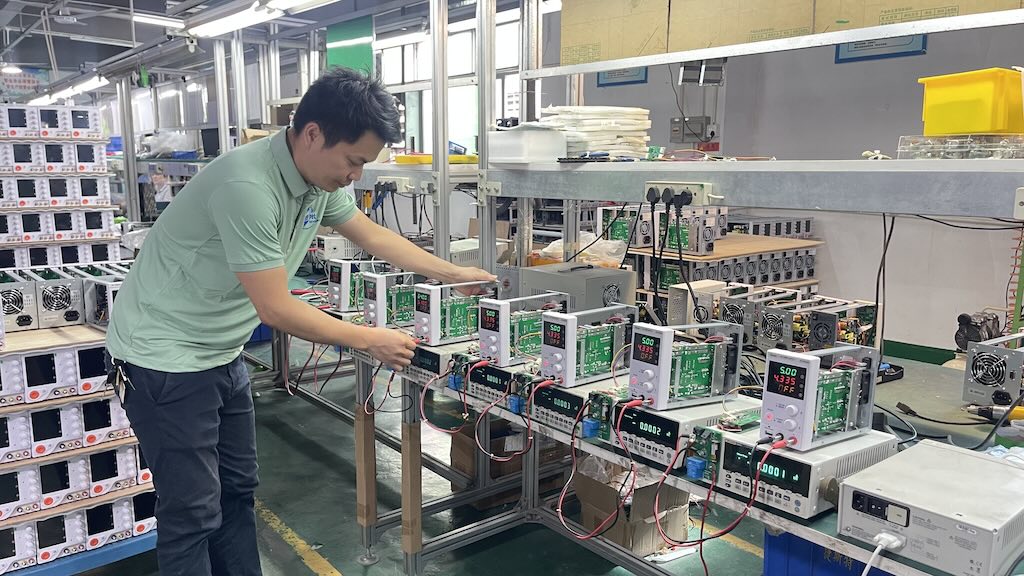 Calibration
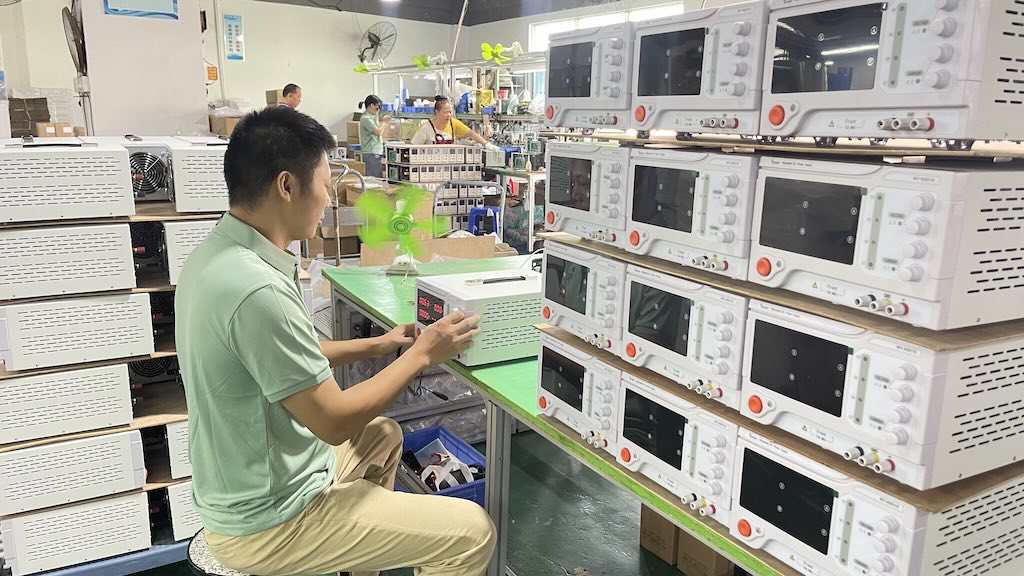 QC checking
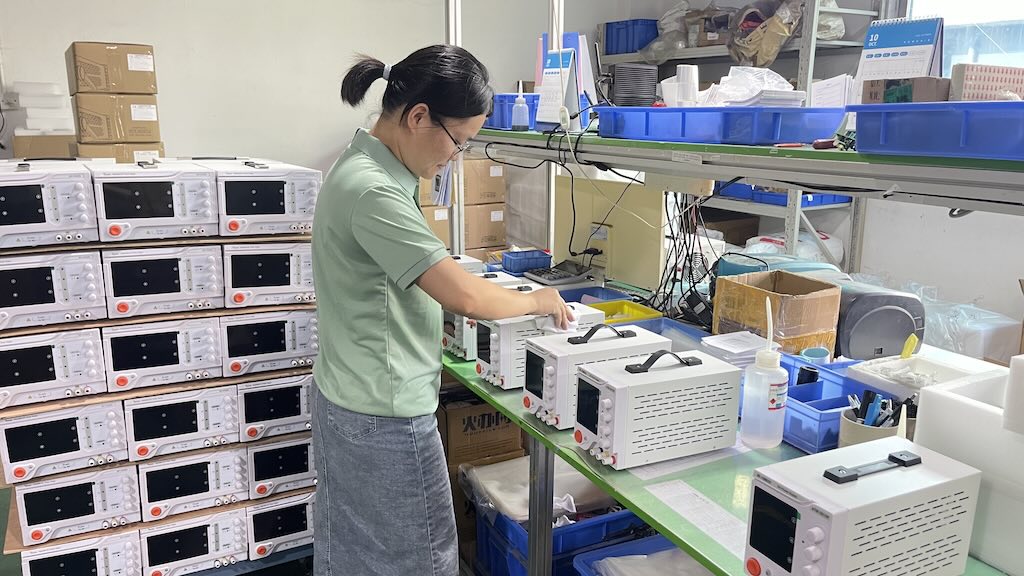 Packing
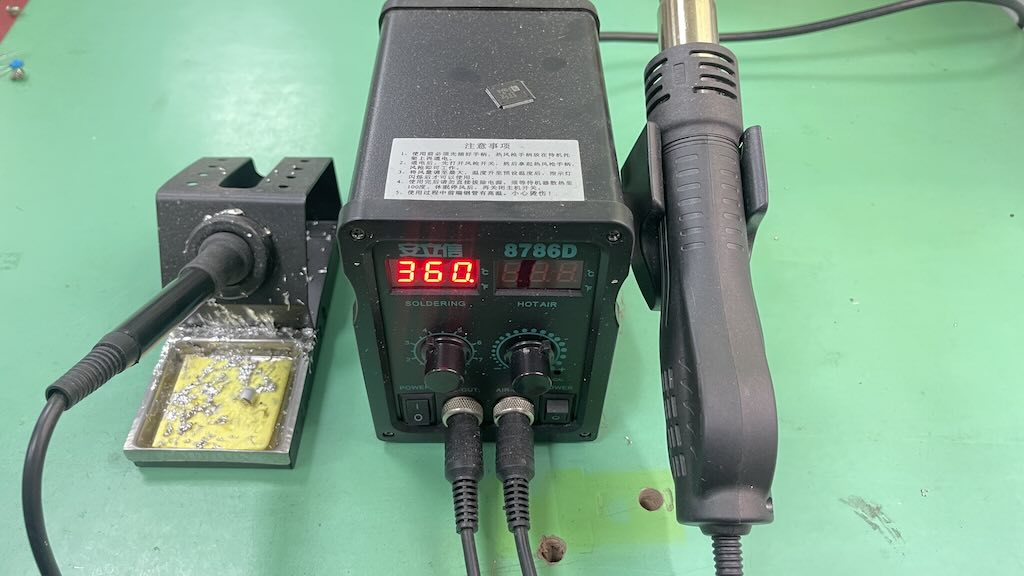 Soldering Station
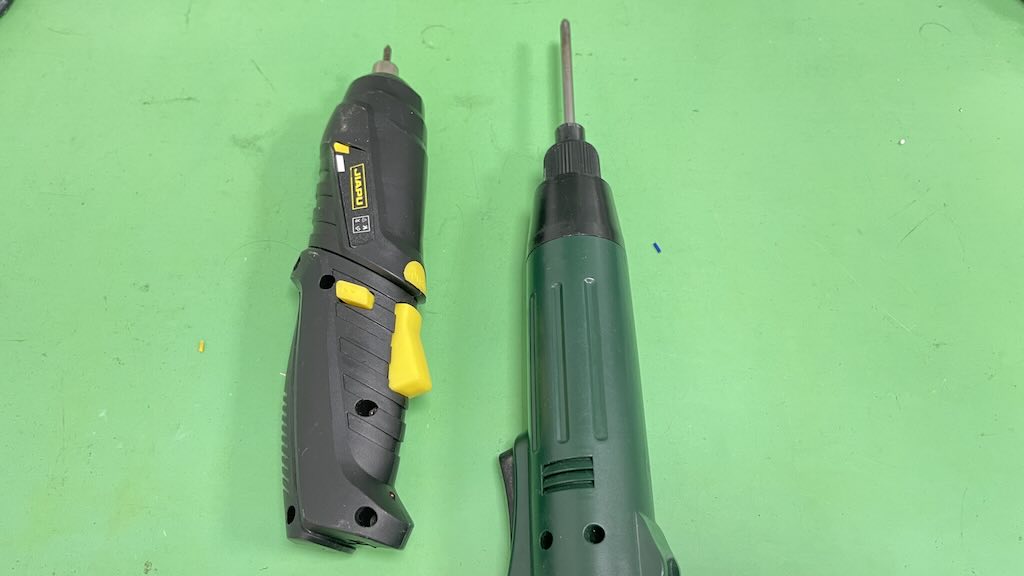 Electronic Screwdriver
Every single piece of equipment we design undergoes an rigorous multi-point validation workflow to guarantee accuracy under prolonged operational stress. Key process stages include precise PCB visual diagnostics, real-time debugging utilizing high-sample-rate oscilloscopes, extended thermal chamber burn-in (Aging), and final digital calibration against national metrology standards. The images below detail the exact inspection equipment, testing arrays, and specialized layout processes deployed at our manufacturing facilities:
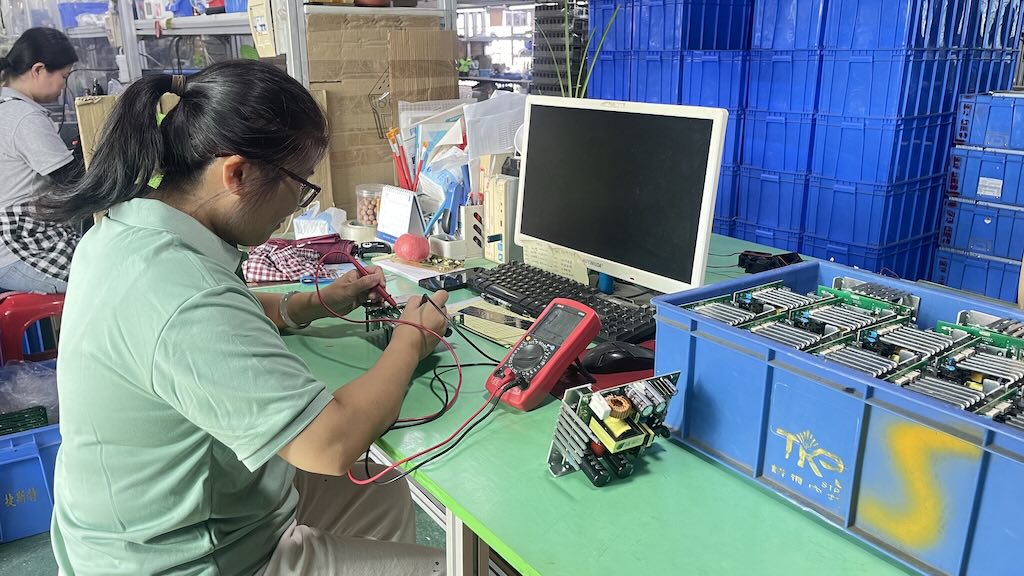 PCB Check
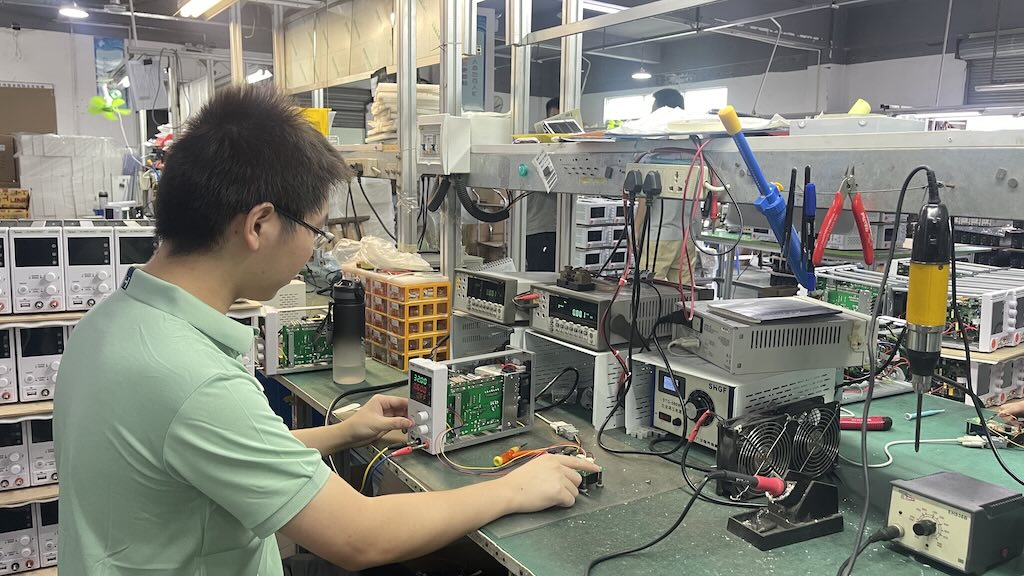 Debug
Debug
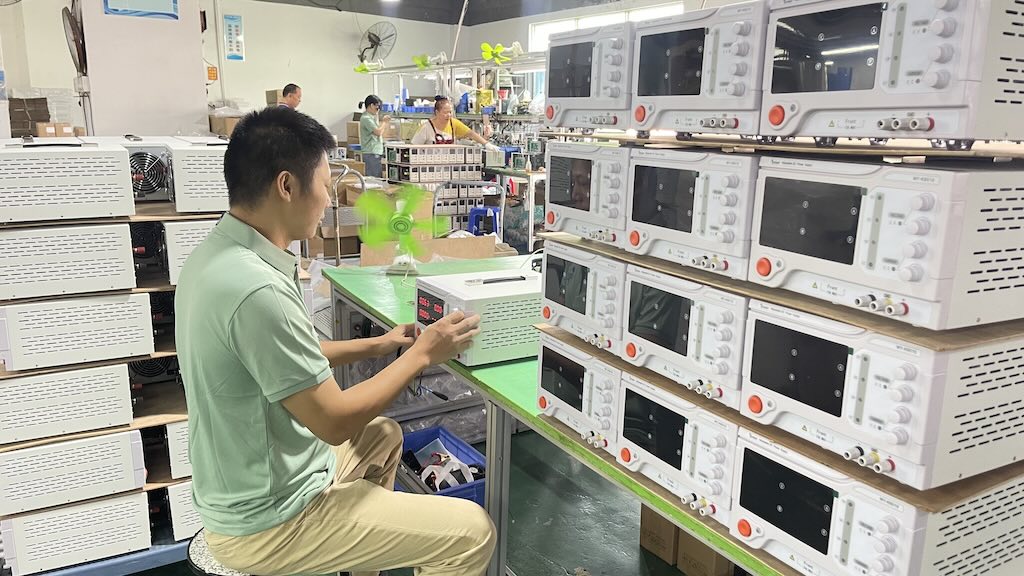 QC check
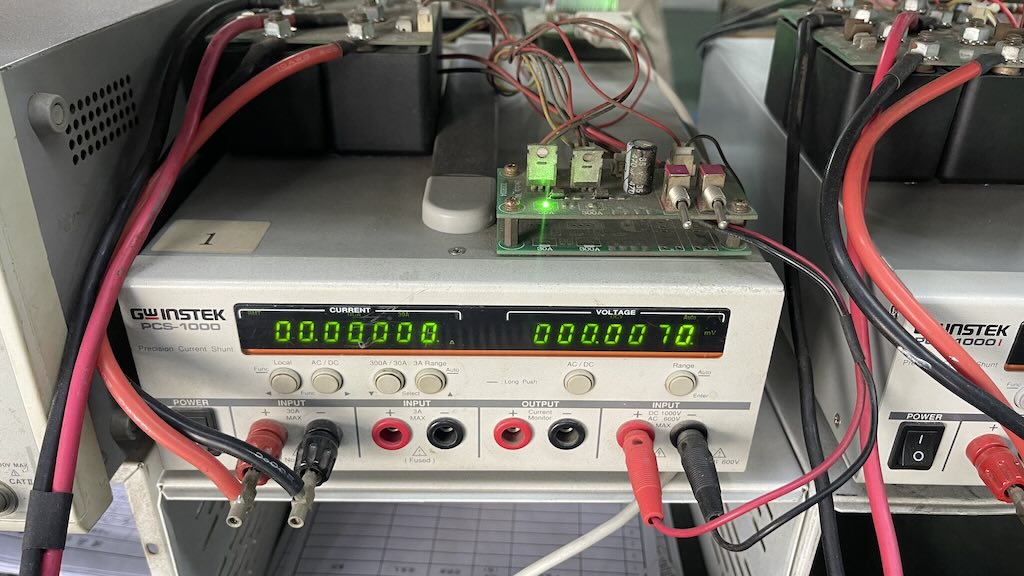 Multimeter
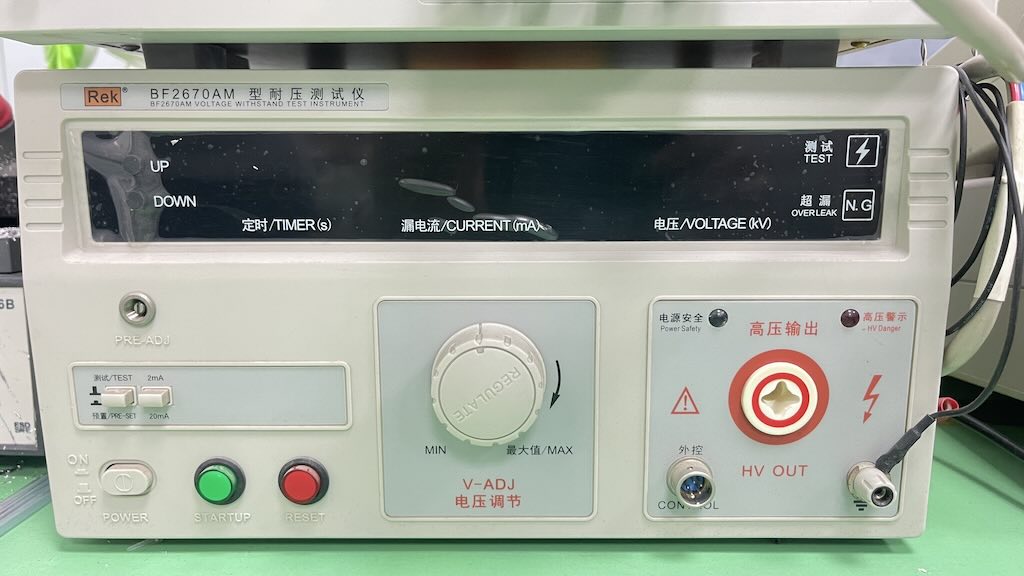 Hi-pot Tester
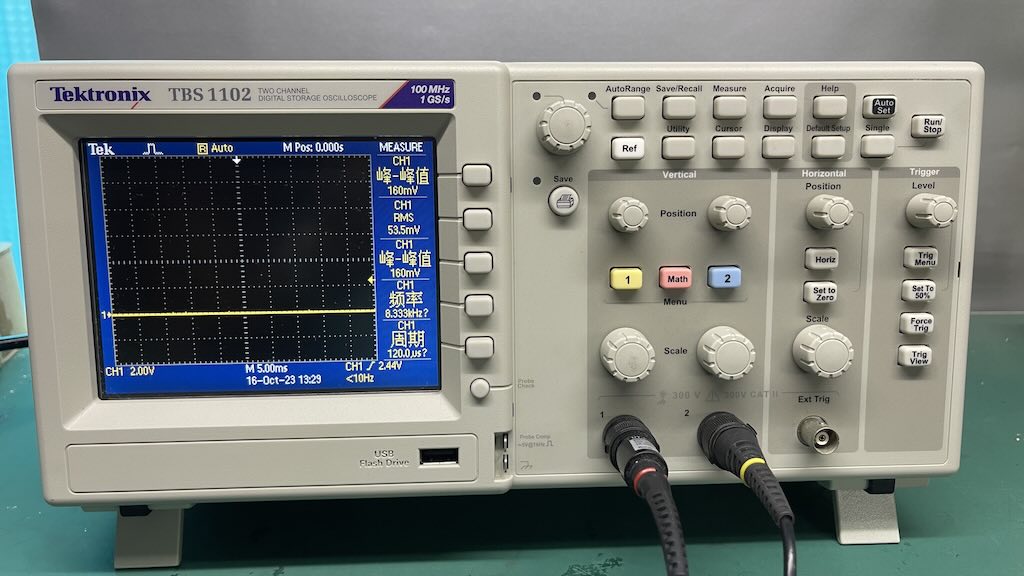 Oscilloscope
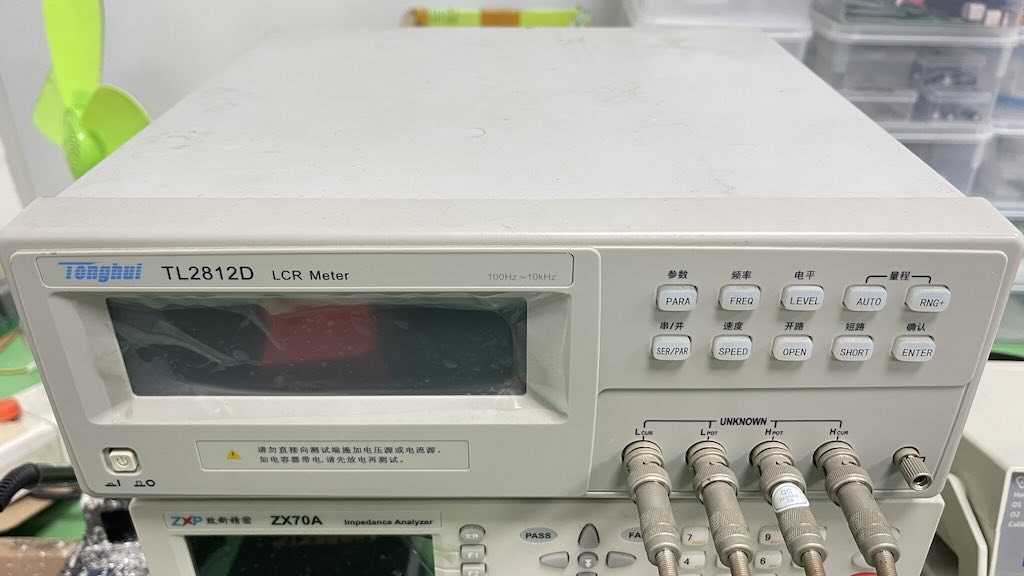 LCR Meter
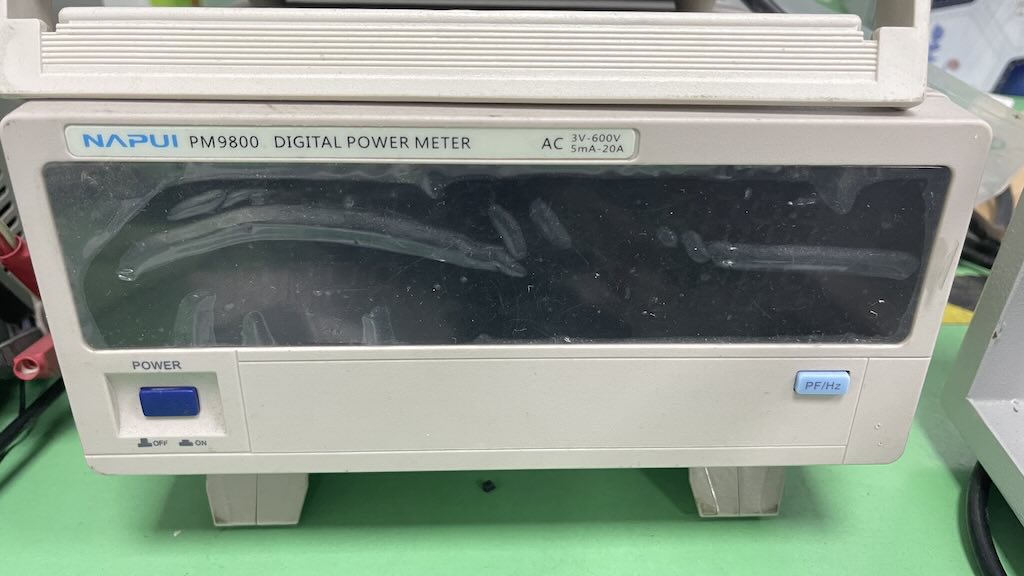 Digital power meter
Behind every hardware system lies a dedicated engineering design team. By merging schematic layout planning, simulation, and manual validation, MYAMI ensures that every piece of instrumentation—whether it is a handheld temperature logger or a multi-kilowatt programmable DC supply—exhibits absolute linear response curves and minimal parasitic induction. Below is a closer look at our hardware design desks and internal measurement arrays:
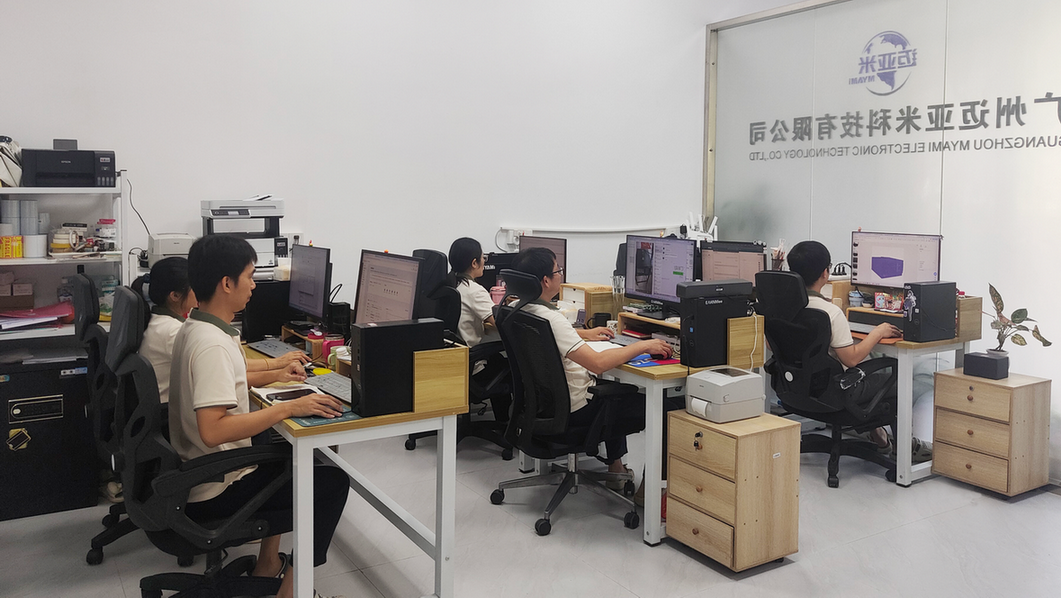 Schematic Layout
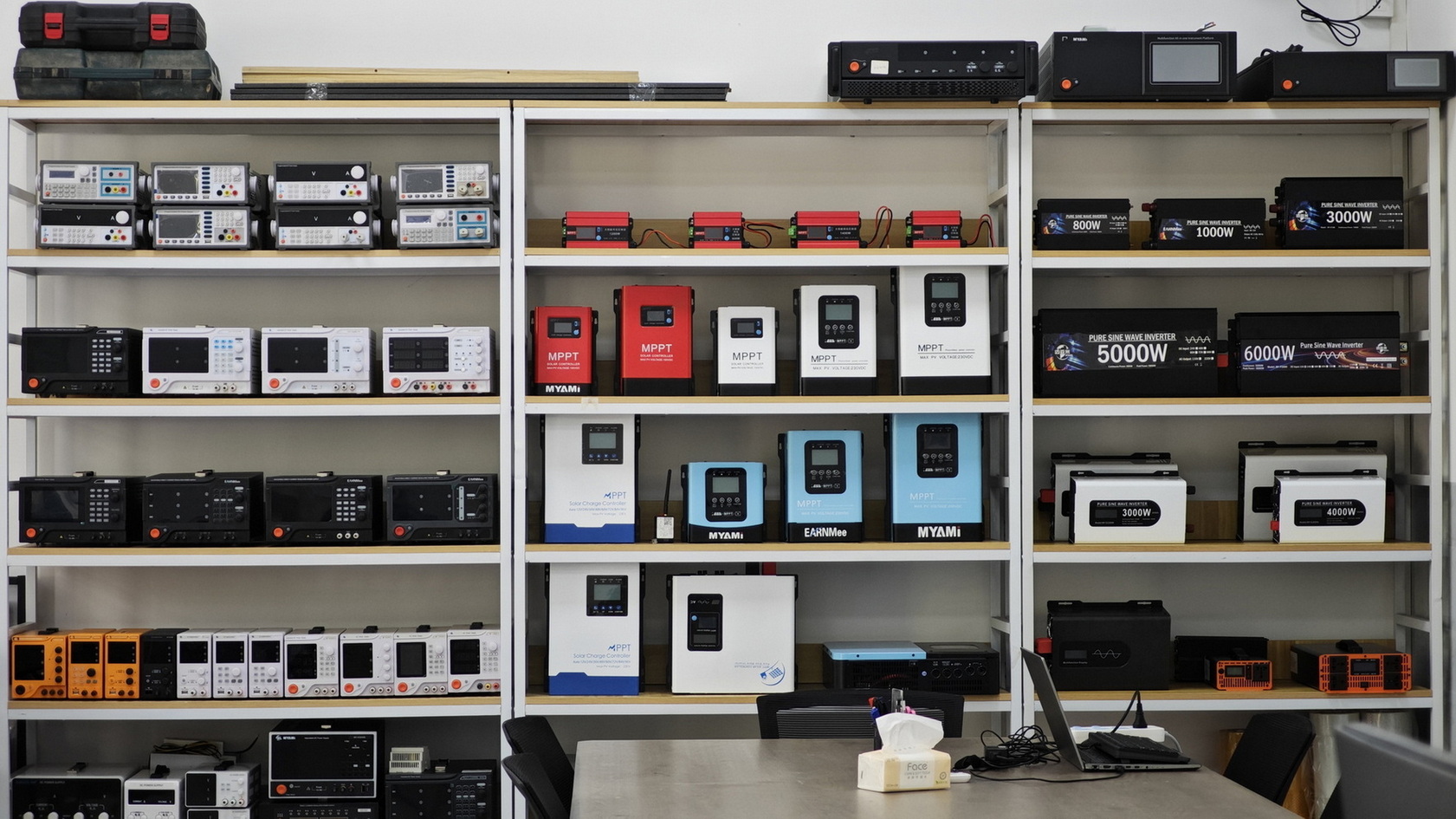 Aging Chamber Control
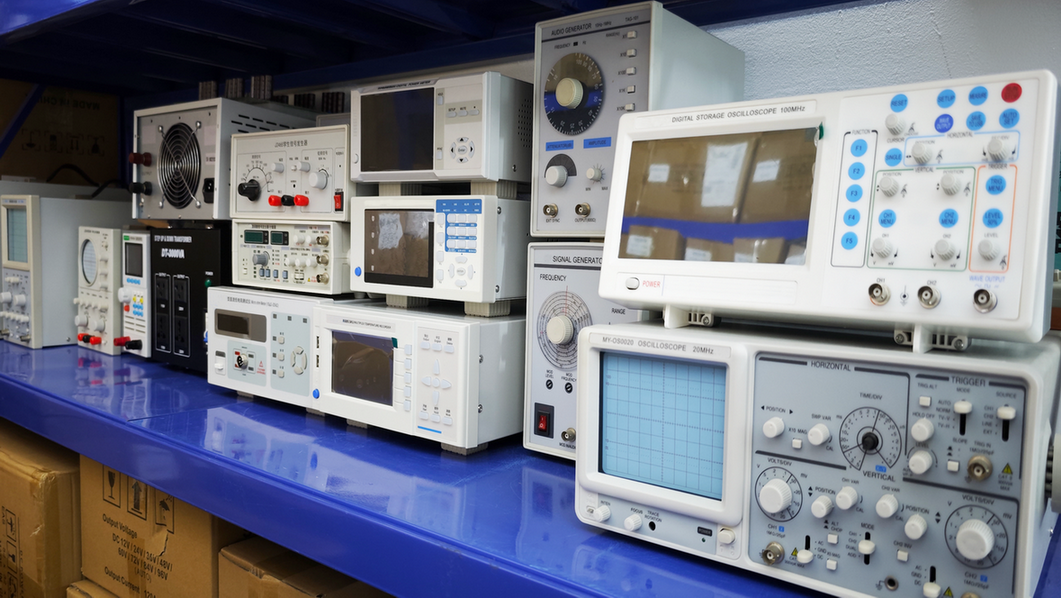 System Cabinets
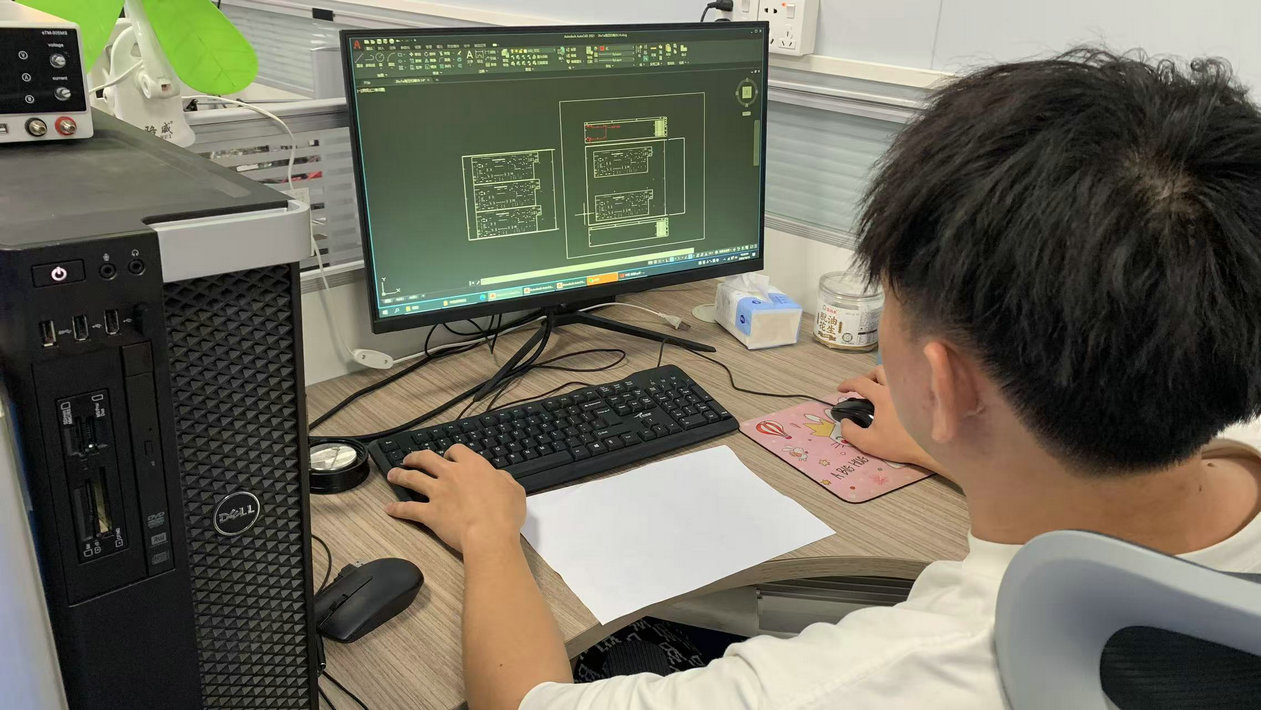 Design Office
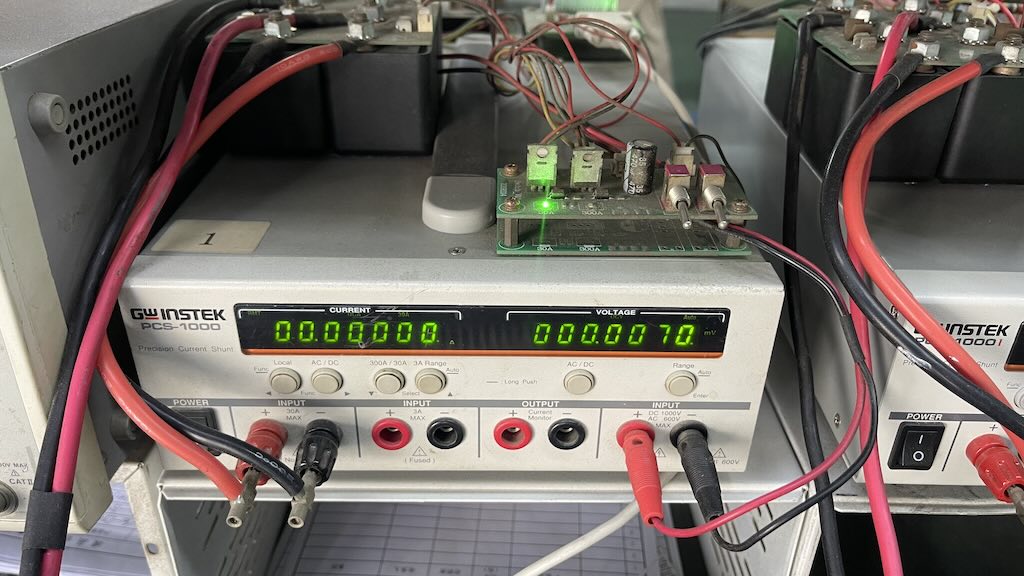 Multimeter Calibration
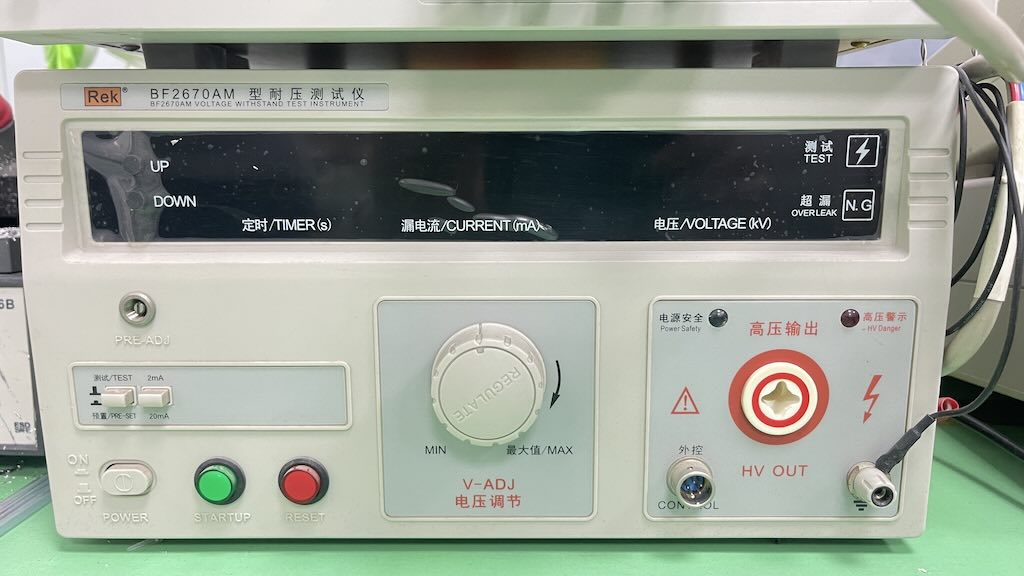 Hi-pot Verification
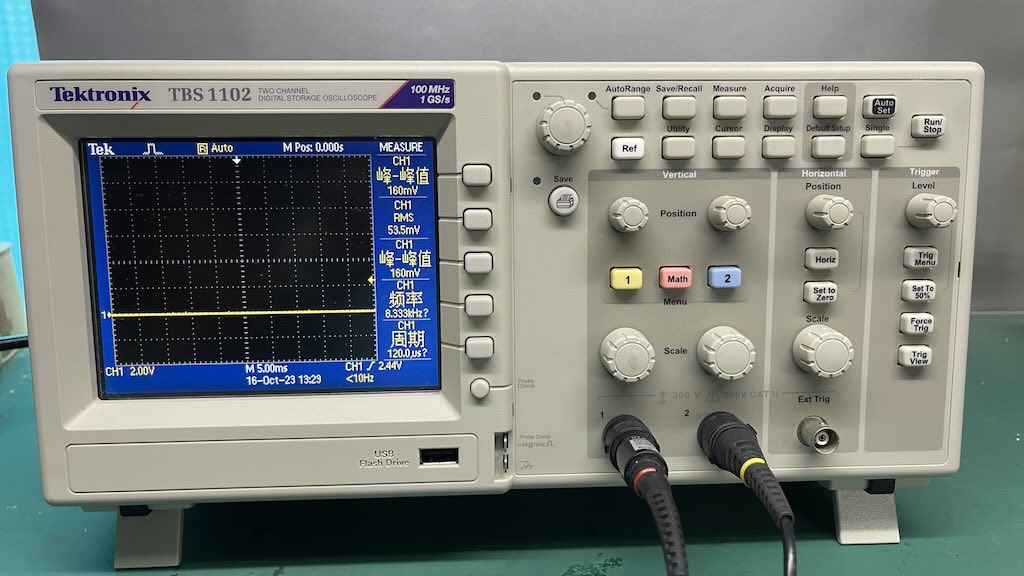 Oscilloscope Tuning
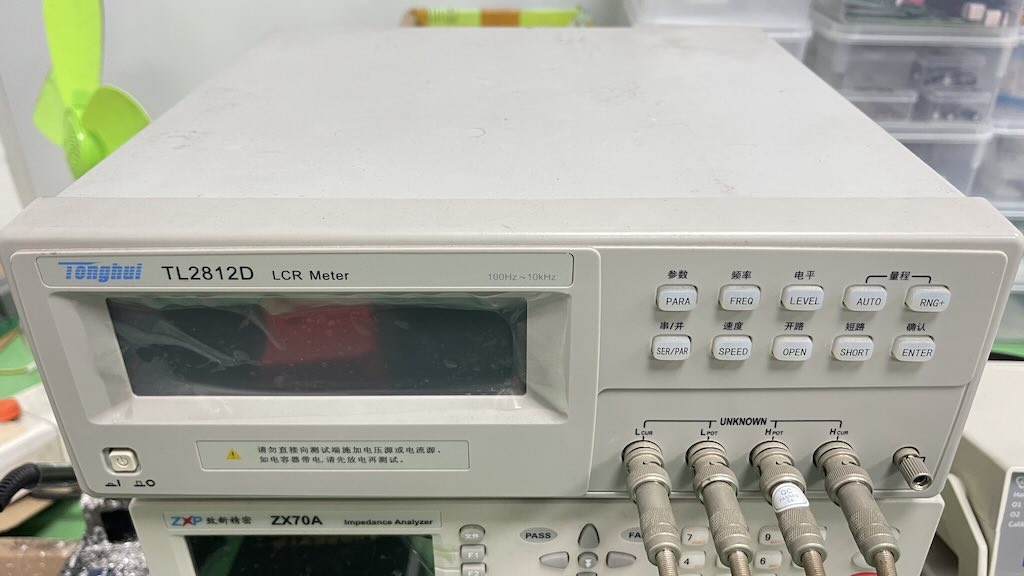 LCR Scanning
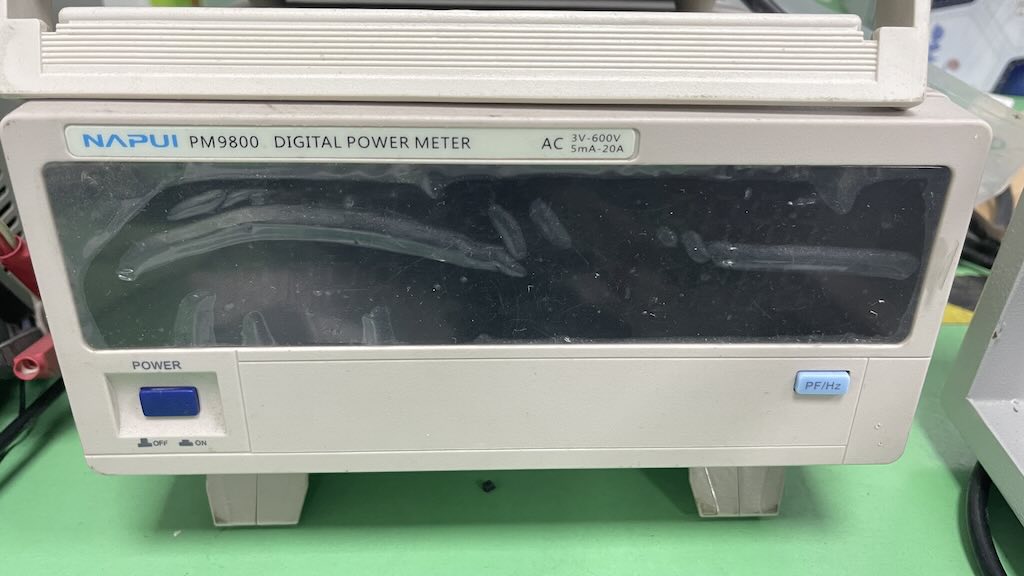 Power Meter Check
Preparing communication systems and testing methods for the arrival of Wi-Fi 7, 5G RedCap, and ultra-high voltage CAN-Bus structures.
The telecommunications landscape is undergoing a structural paradigm shift. The implementation of 5G Reduced Capability (RedCap) modules is lowering the cost and energy barriers for massive IoT deployments, while Wi-Fi 7 is pushing the boundaries of ultra-wide channel bandwidths and high-order QAM modulations. Additionally, automotive systems are migrating to high-voltage CAN networks. These emerging formats present unique hardware challenges:
Next-gen 5G modules switch from sleep states to full-power transmission in microseconds. Testing systems must possess transient recovery speeds of less than 150μs to ensure the module's internal voltage does not fall below its brownout threshold.
Energy efficiency is crucial for battery-powered LoRaWAN modules designed to last 10 years. Designers rely on high-precision multimeters and data loggers featuring micro-amp measurement resolutions to accurately profile standby current draw.
Modern production testing demands software integration. By incorporating standard RS485 and Modbus protocols directly into power units, manufacturers run automated calibration scripts without needing custom driver stacks.
Understanding regional demand dynamics and structural shifts across global export markets.
The deployment of industrial communication hardware varies significantly by region. In North America and Europe, stringent energy efficiency mandates are driving the development of highly efficient smart grids and connected HVAC systems, creating demand for ultra-low-power modules. In East Asia and the Middle East, large-scale industrial IoT and smart infrastructure projects demand rugged hardware capable of operating reliably in extreme temperatures. Modern testing labs must deploy systems that comply with global standards like CE and RoHS to successfully service these diverse global markets.
How MYAMI guarantees uncompromised quality, robust product design, and direct local alignment.
Operating a global research lab or automated factory line requires more than high-spec hardware. It demands compliance validation, long-term calibration stability, and direct engineering support. Every MYAMI system is engineered with strict multi-layer protection protocols (OVP, OCP, OTP, and short-circuit safeguards) and complies with international safety and quality standards, including CE, RoHS, and ISO9001. Integrated with standard industrial control protocols (RS485, RS232, and CAN communication), our equipment seamlessly connects to automated production lines and central PC control systems.
Today, MYAMI serves research institutions, automotive OEMs, aerospace contractors, and electronics manufacturers across North America, Europe, East Asia, and the Middle East. Whether you require a single benchtop lab power supply or a custom high-power aging system, MYAMI is your ultimate partner for precision power and uncompromised testing reliability.
Answers to key engineering questions regarding ripple suppression, transient profiling, and industrial test interfaces.
Communication modules rely on high-frequency, low-amplitude RF signals. If the input DC power source has high ripple noise (exceeding 50mV), this noise can modulate onto the RF carrier signal, degrading the Error Vector Magnitude (EVM) and causing signal loss or packet drops during data transmissions.
By offering native RS485 and CAN-bus control interfaces, MYAMI power supplies can be directly integrated into Automated Test Equipment (ATE) software stacks. Test engineers can send digital commands to adjust output voltages, program current limits, and log telemetry data in real time without needing analog control lines.
During long-term component burn-in, Over-Voltage Protection (OVP) and Over-Current Protection (OCP) are essential. If a component fails or shorts, the power supply must shut down its output channel within milliseconds to prevent damage to the test rig or surrounding components.
Yes. By utilizing our programmable DC sources with adjustable output resistance and voltage sweeps, developers can program the supply to mimic the internal resistance and voltage drop profiles of Lithium-Ion or Alkaline batteries under load, allowing for accurate battery-life estimation.
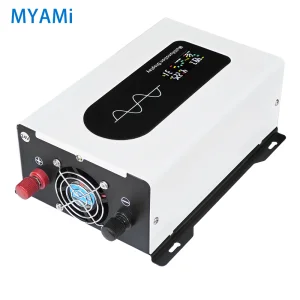
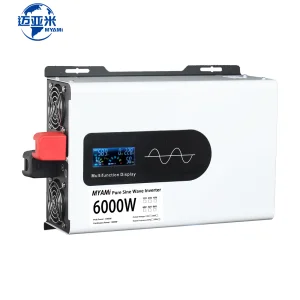
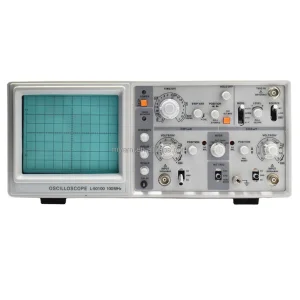
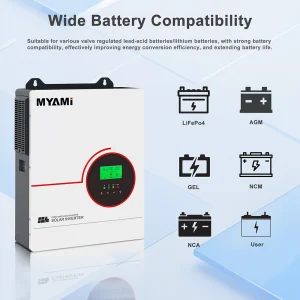
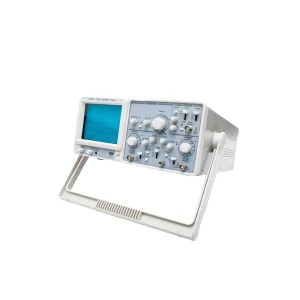
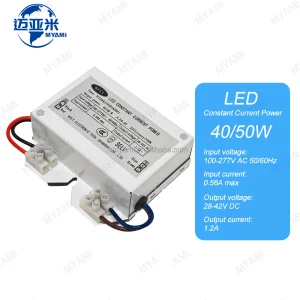
Premium off-grid inverters, portable oscilloscopes, multi-channel data loggers, and hybrid power systems engineered for industrial networks.

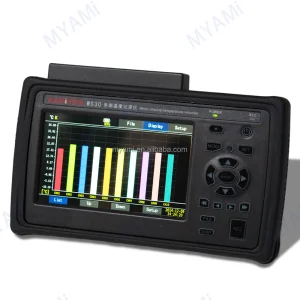
 Myami Power