Essential laboratory and industrial equipment deployed globally in leading telemetry, sensor calibration, and data acquisition facilities.


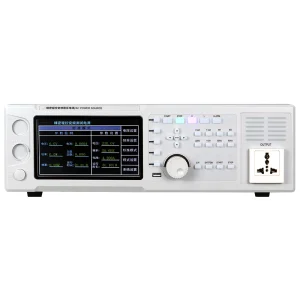
In modern industrial automation, pharmaceuticals, cold chain logistics, and environmental tracking, data loggers act as the primary neural nodes. These devices capture physical variables—such as temperature, humidity, pressure, voltage, and vibration—and convert them into calibrated digital telemetry. However, the absolute measurement integrity of any data logging system is directly constrained by the quality of its manufacturing calibration, validation processes, and component stress testing.
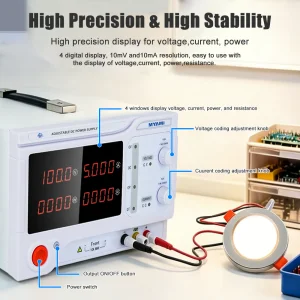
Leading global data logger factories rely on advanced power electronics to simulate real-world battery discharge profiles, test voltage regulator efficiency under severe transient loads, and perform high-resolution Analog-to-Digital Converter (ADC) characterization. A minute fluctuation or high-frequency ripple in the supply line during factory calibration can result in sensor offset errors, rendering downstream regulatory compliance (such as FDA 21 CFR Part 11 or GAMP 5) completely void.
"The accuracy of a telemetry system is only as reliable as the reference standards used to calibrate its sensor pathways. Low-ripple DC power sources and stable AC frequency inputs are the foundational bedrock of modern sensor instrumentation manufacturing."
When selecting a partner from the top data logger manufacturers globally, procurement managers and instrumentation engineers must evaluate candidates against rigorous validation benchmarks. Below are the key evaluation pillars that distinguish tier-1 factories:
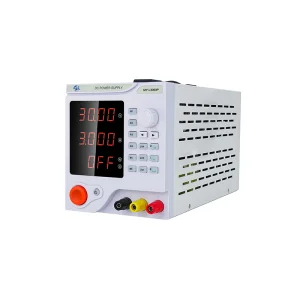
Factories must utilize NIST or DKD traceable calibration setups utilizing programmable low-noise DC standard units to verify measurement channels.
IoT-enabled data loggers rely on micro-ampere sleep cycles. Production validation requires linear power supplies capable of micro-resolution monitoring.
Modern suppliers must support data pipelines including RS485 (Modbus RTU), Ethernet, CAN-bus, NB-IoT, and LoRaWAN for scalable plant telemetry.
Globally recognized hubs in North America, Europe (specifically Germany), Japan, and Shenzhen (China) host the most advanced fabrication lines. Shenzhen, in particular, integrates deep supply-chain agility with advanced test laboratories, enabling rapid custom design pathways. The Top 10 suppliers are selected based on their engineering rigor, environmental chamber compliance testing, internal PCB stress-screening methodologies, and automated calibration workflows.
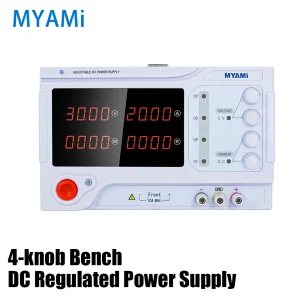
Headquartered in Shenzhen, China, Shenzhen Myami Power Technology Co., Ltd. (MYAMI) is a technology-driven manufacturer and solution provider specializing in high-precision, industrial-grade power supplies and electrical test equipment. Designed for engineering rigor, MYAMI bridges the gap between complex electronic research, high-voltage component testing, and scalable industrial automation.
Our specialized engineering portfolio focuses on four core operational pillars:
Every MYAMI system is engineered with strict multi-layer protection protocols (OVP, OCP, OTP, and short-circuit safeguards) and complies with international safety and quality standards, including CE, RoHS, and ISO9001. Integrated with standard industrial control protocols (RS485, RS232, and CAN communication), our equipment seamlessly connects to automated production lines and central PC control systems.
Today, MYAMI serves research institutions, automotive OEMs, aerospace contractors, and electronics manufacturers across North America, Europe, East Asia, and the Middle East. Whether you require a single benchtop lab power supply or a custom high-power aging system, MYAMI is your ultimate partner for precision power and uncompromised testing reliability.
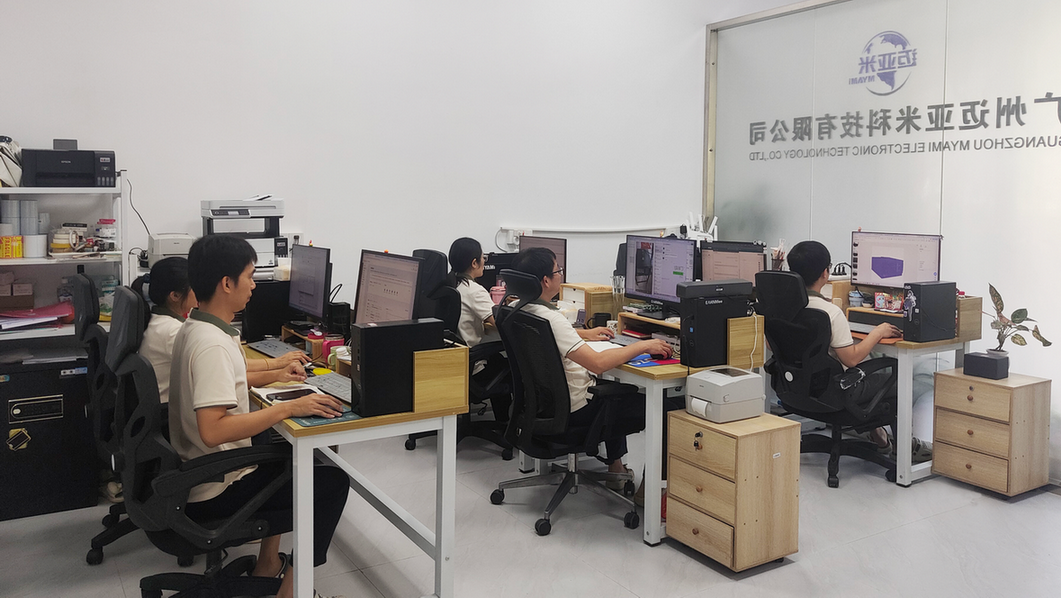
The telemetry and data logging sector is currently undergoing a structural shift driven by the expansion of Cold Chain Logistics (for biologics and vaccine transportation) and the rapid growth of PV Solar and Lithium Battery Storage systems.
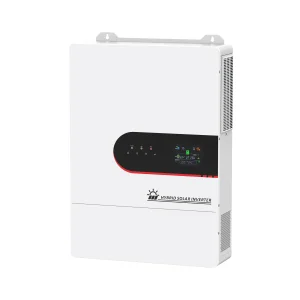
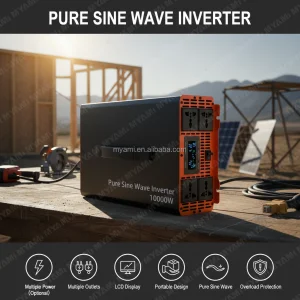
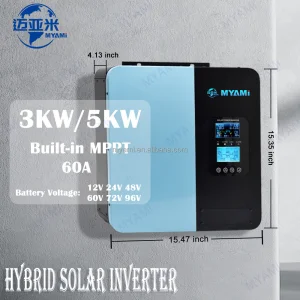
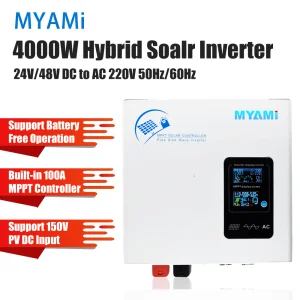
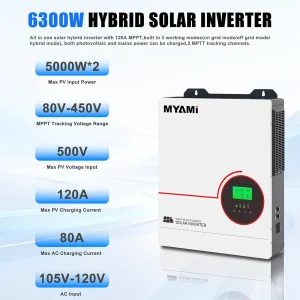
These trends require data logging modules to operate under extreme environmental constraints (-80°C ultra-deep freeze zones up to +150°C engine test bays). Consequently, factories require flexible industrial infrastructures, including 3-Phase step-down transformers and high-efficiency hybrid inverters, to maintain consistent operation on manufacturing lines.
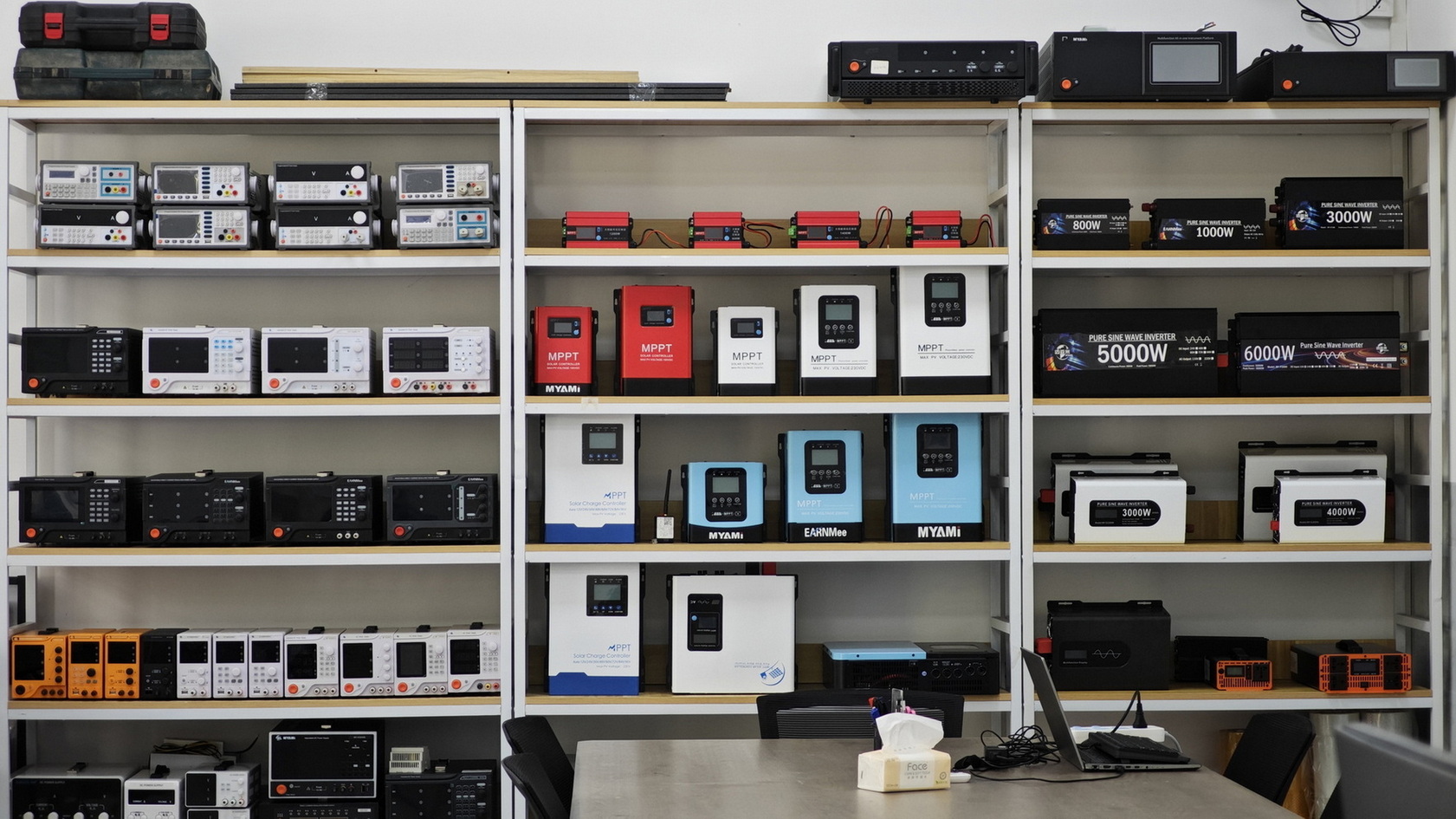
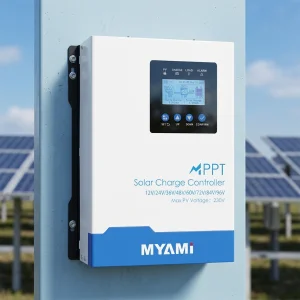
Industrial centers across the United States, Germany, Japan, and East Asia are demanding localized backup support systems. Power fluctuations in the utility grid can crash high-volume chip calibration routines. Therefore, smart factories rely on solar-backed hybrid energy systems with MPPT control units to insulate high-precision telemetry assembly areas from utility anomalies.
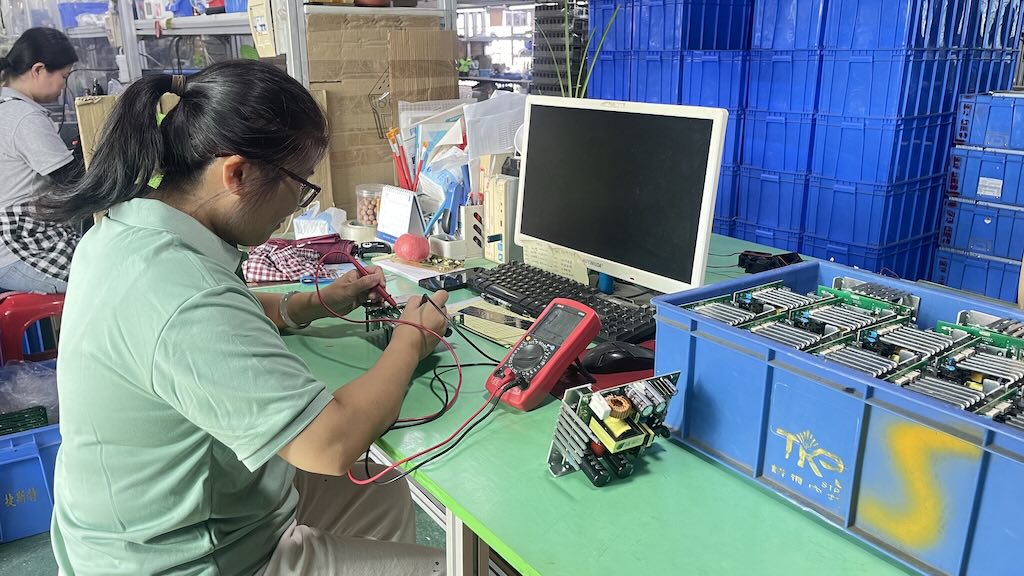
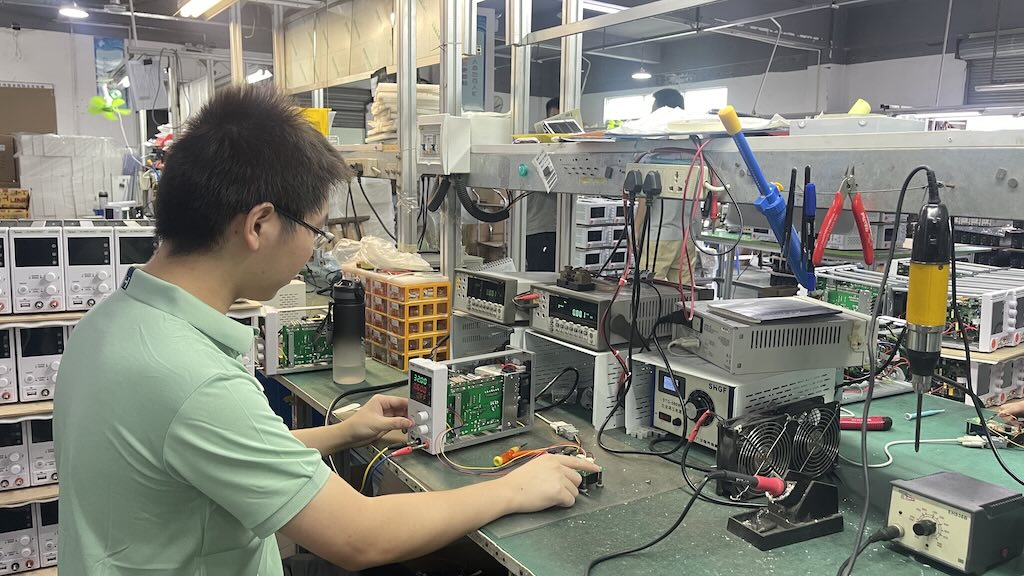
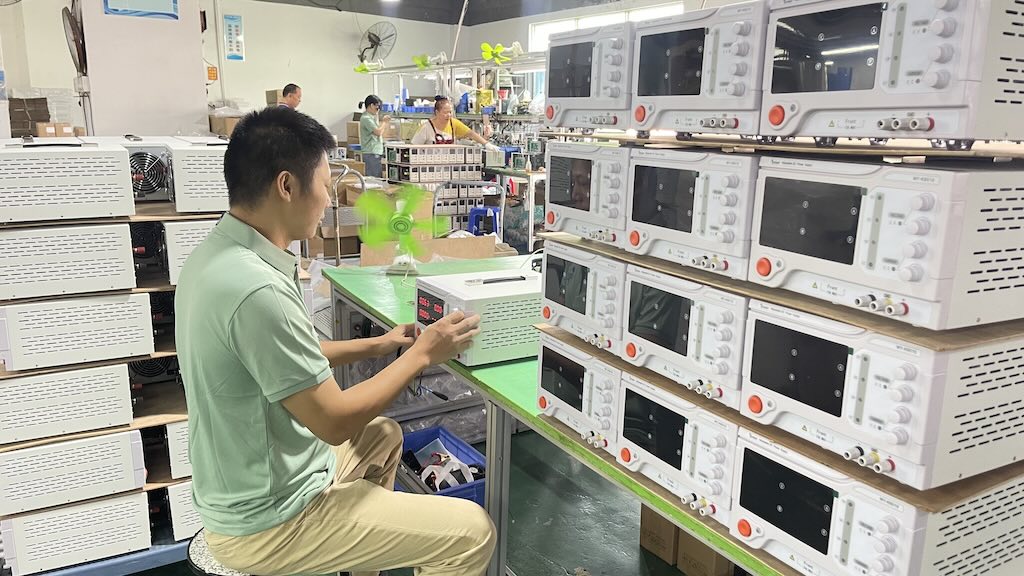
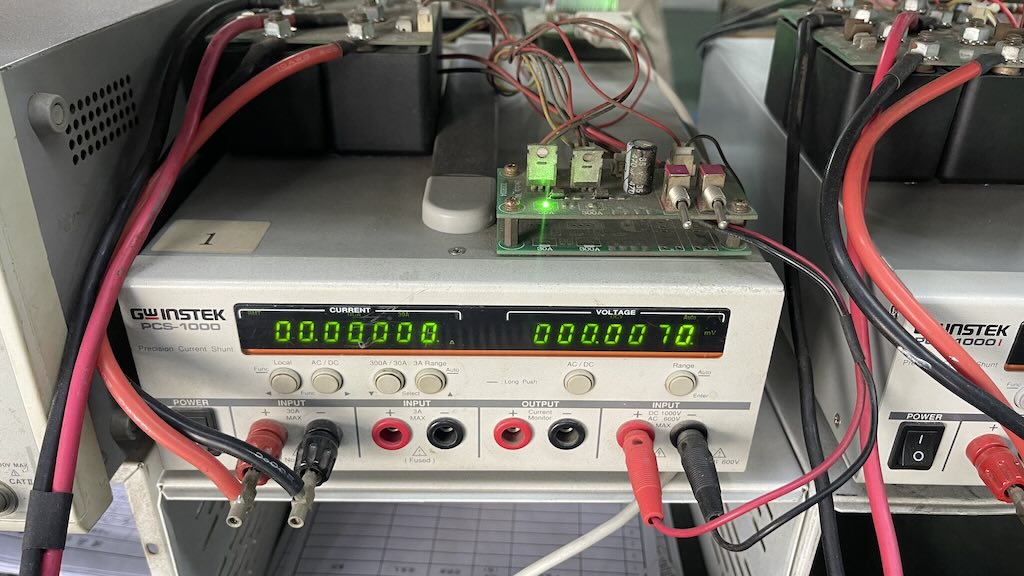
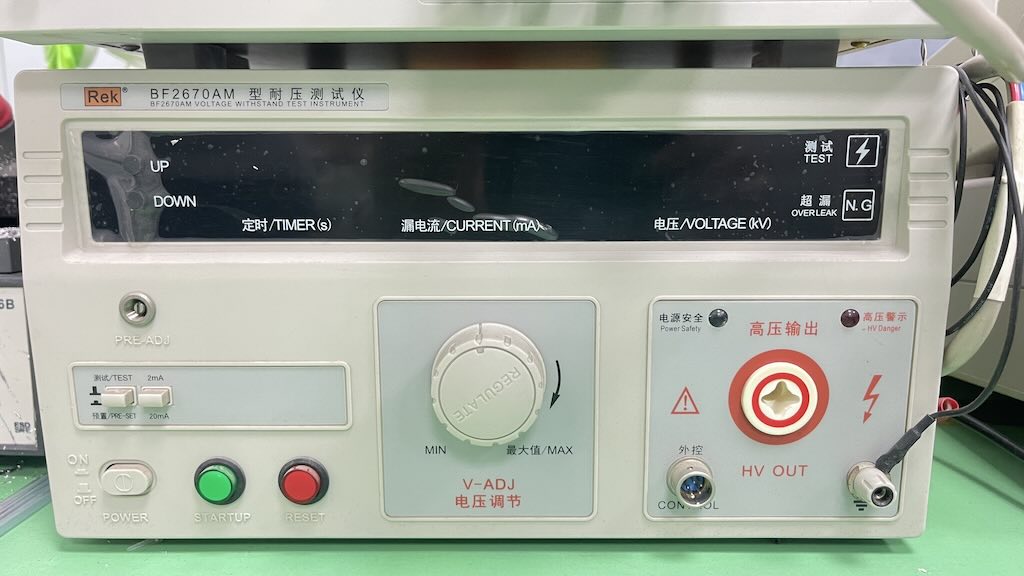
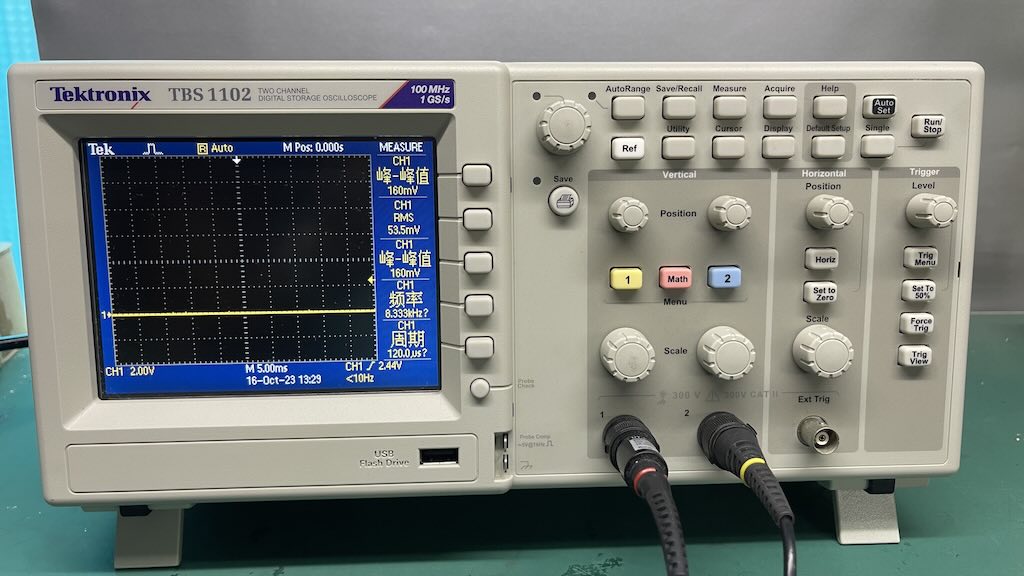
Achieving certified reliability requires strict verification at every stage of the manufacturing life cycle. Below is the automated, component-level quality validation process executed in our ISO9001-certified Shenzhen facility.
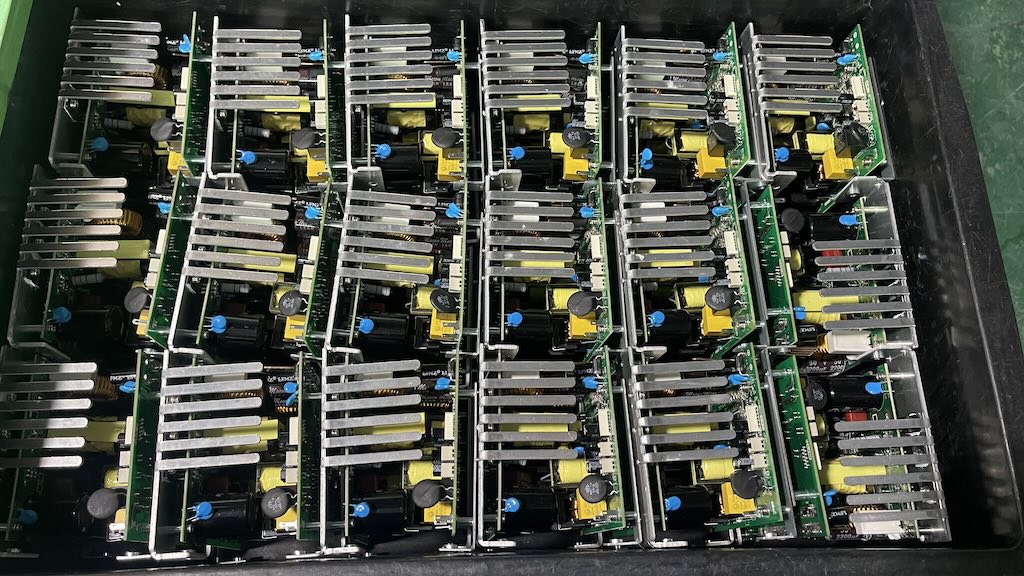
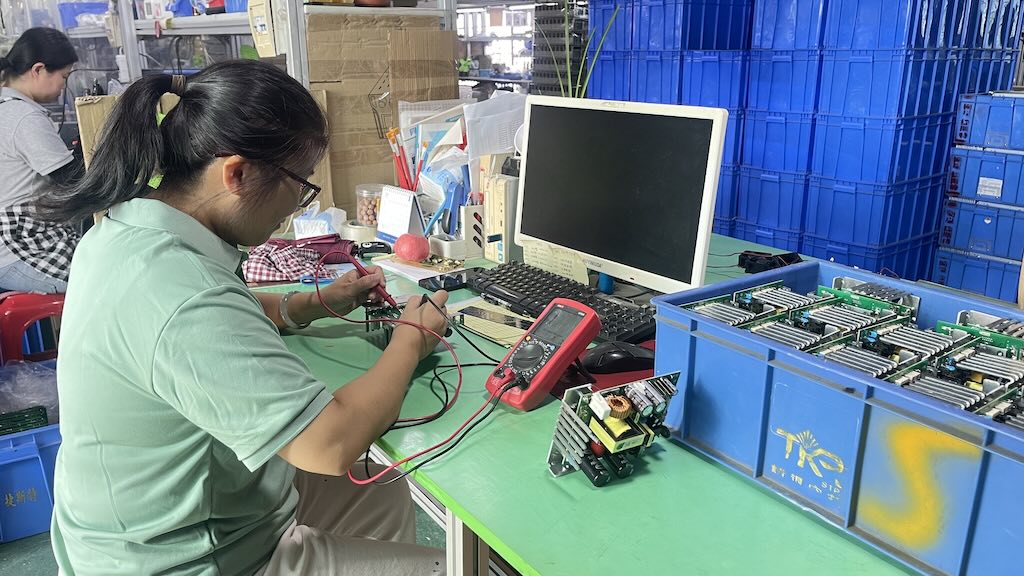
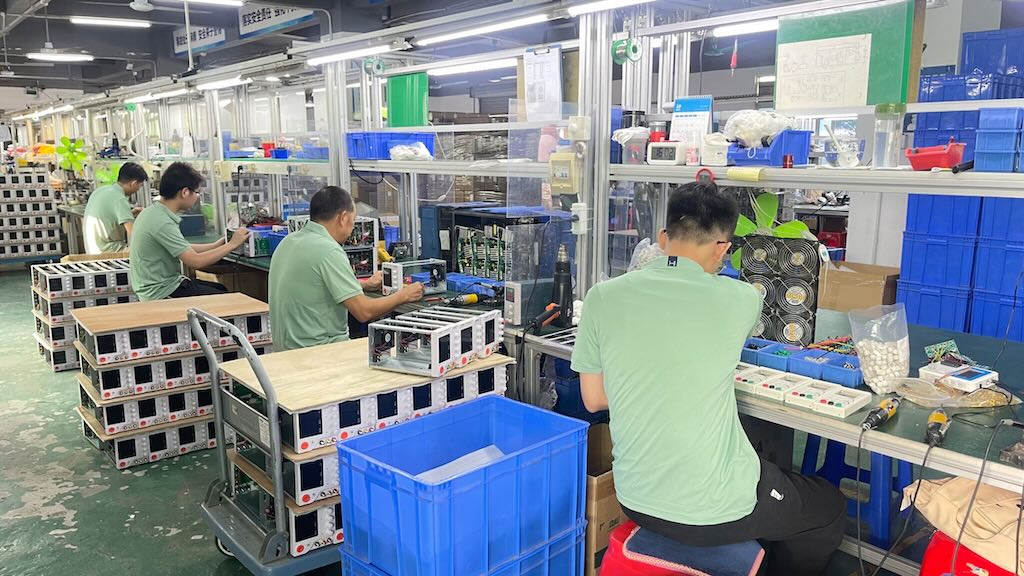
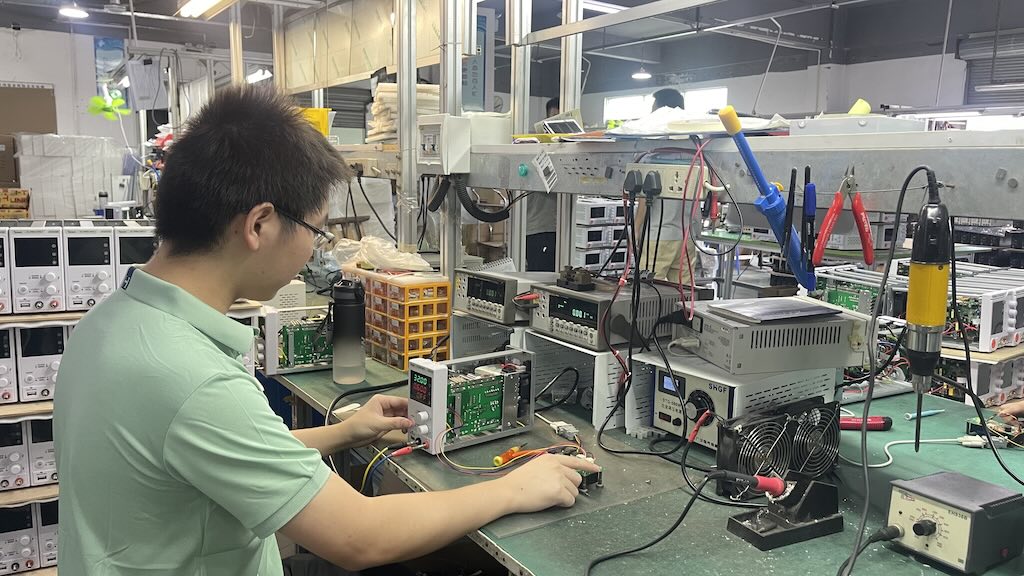
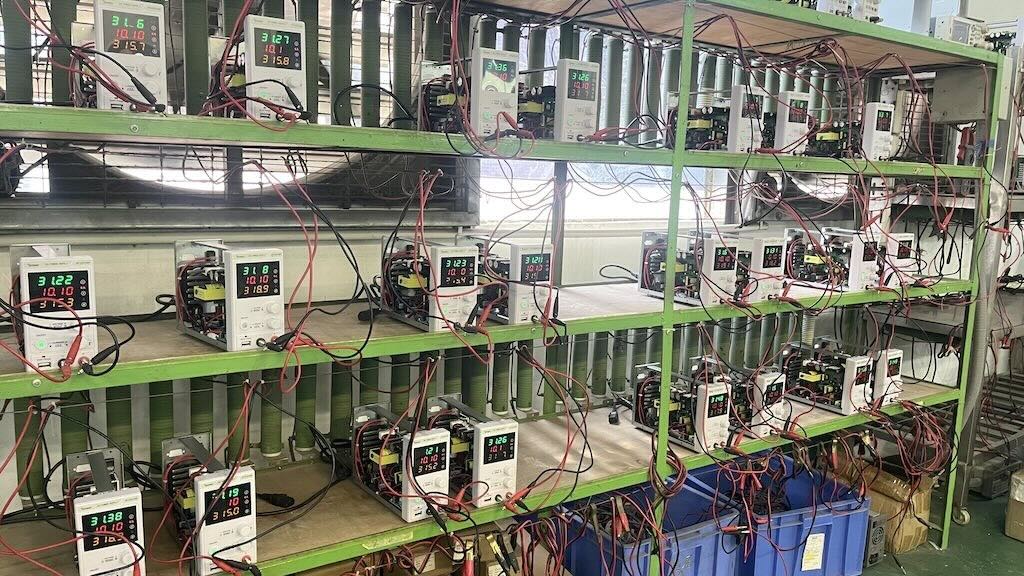
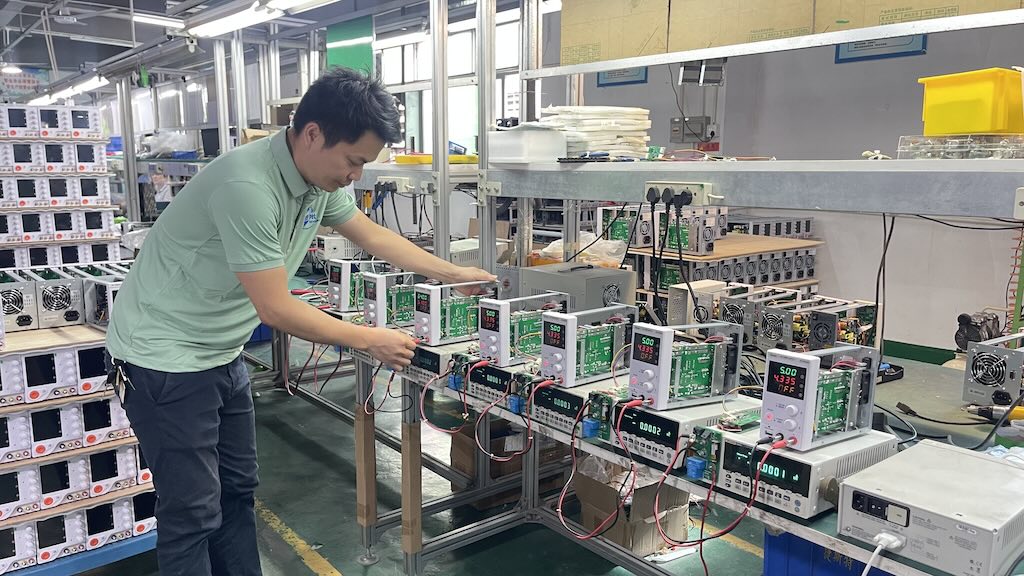
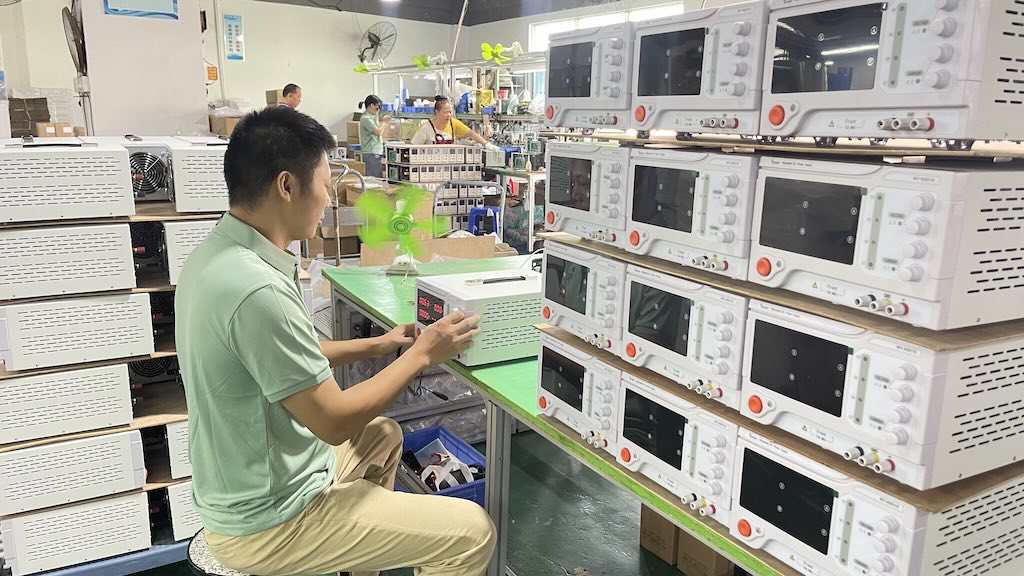
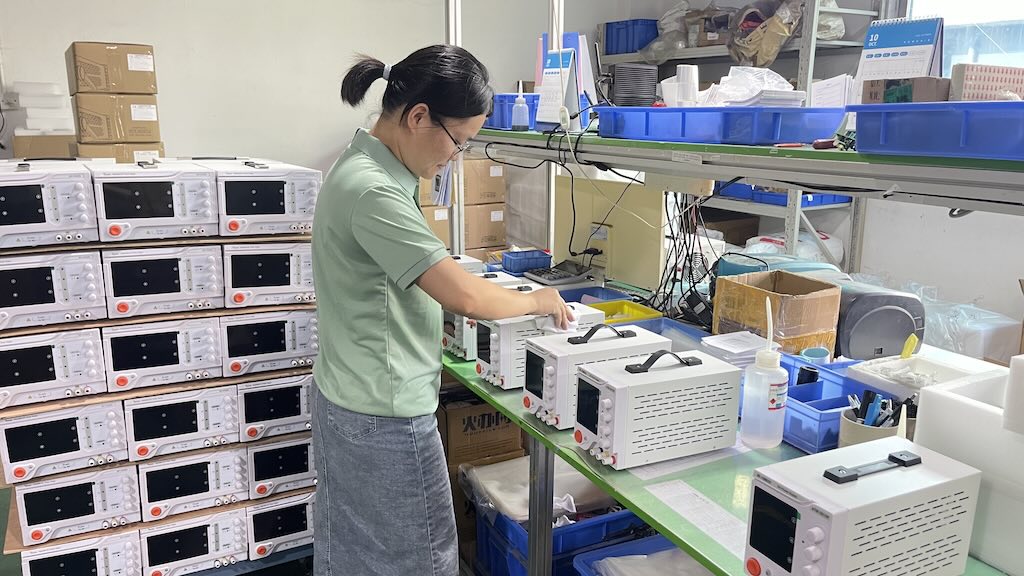
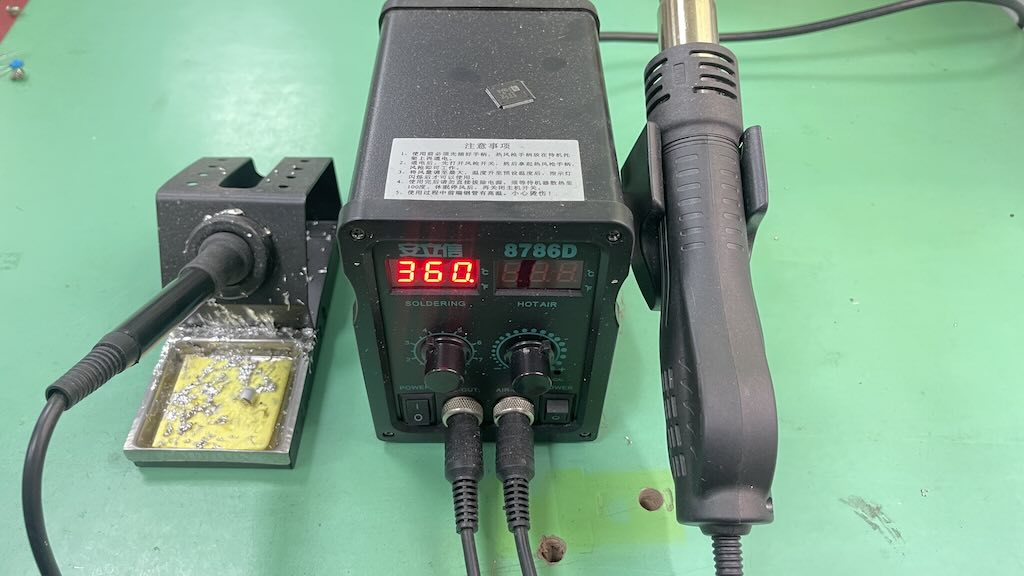
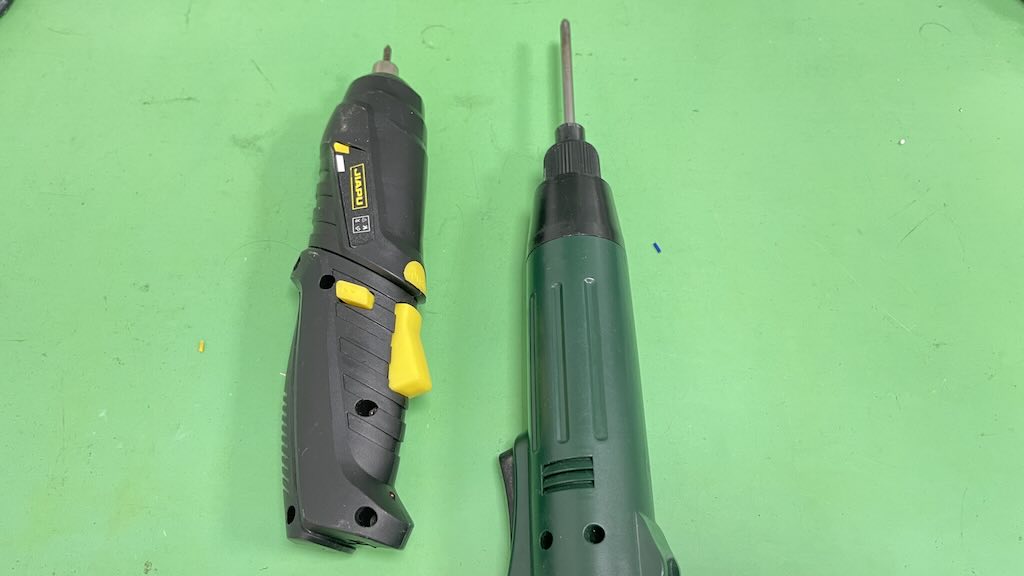
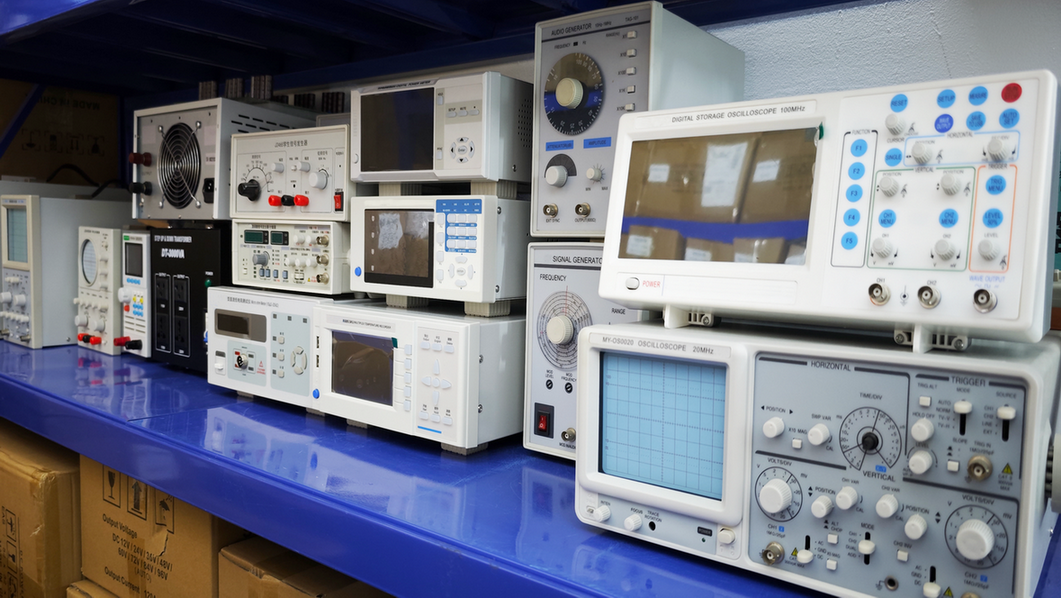
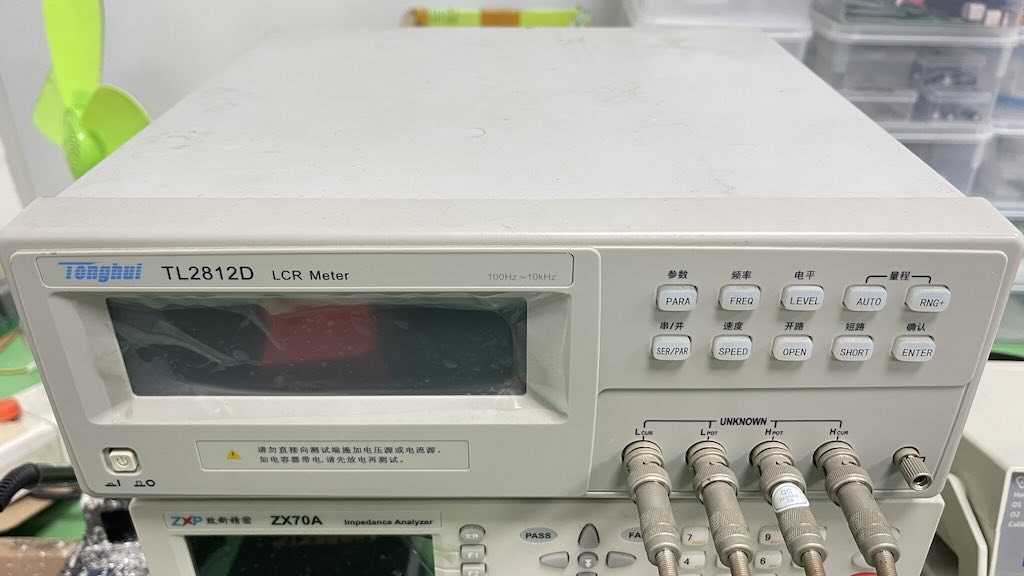
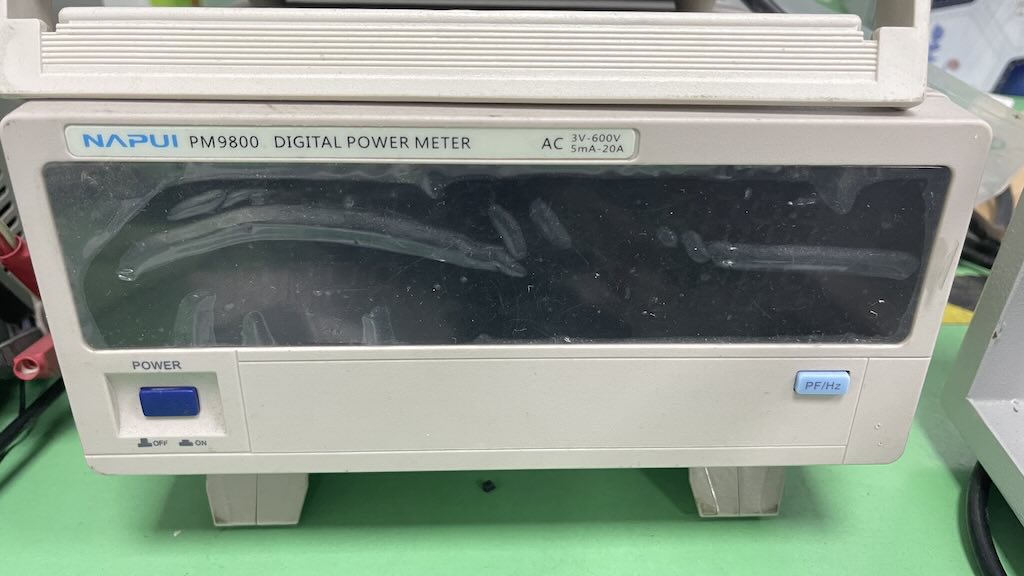
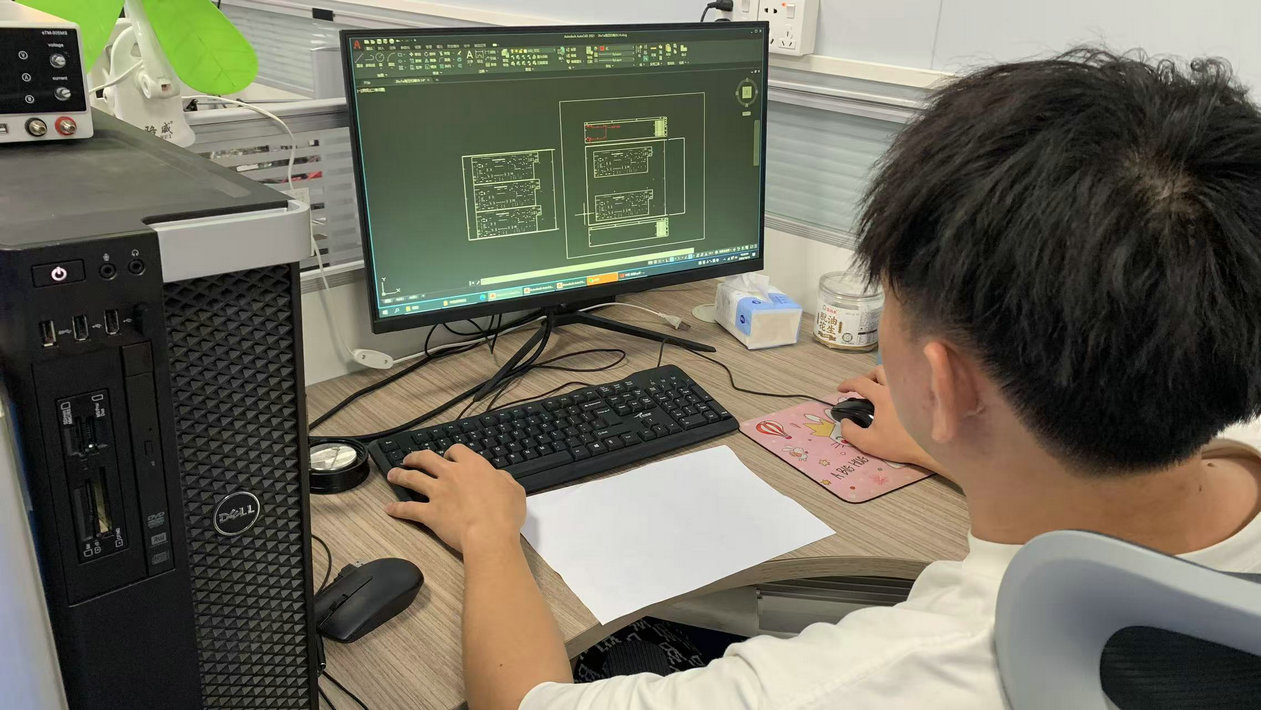
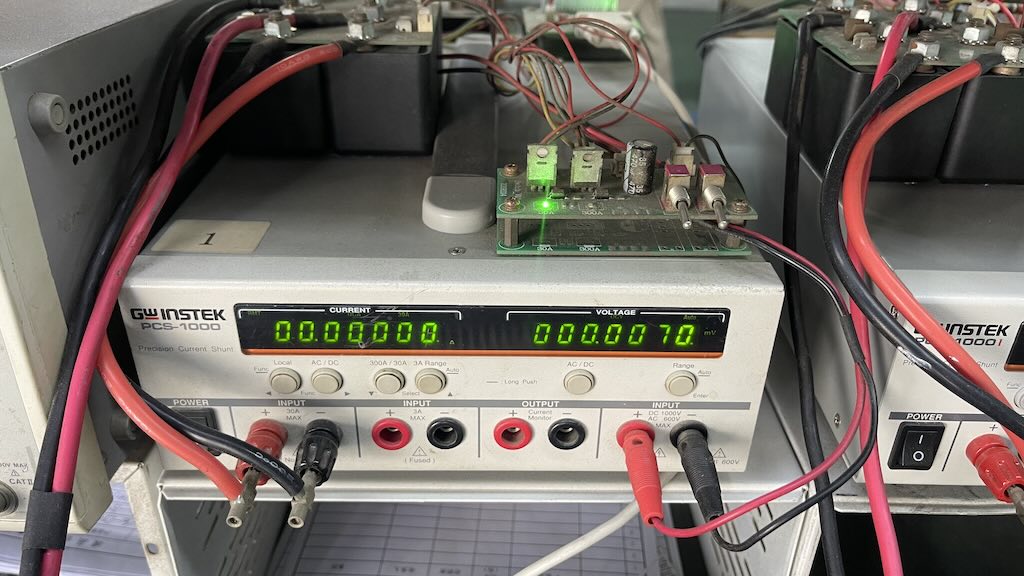
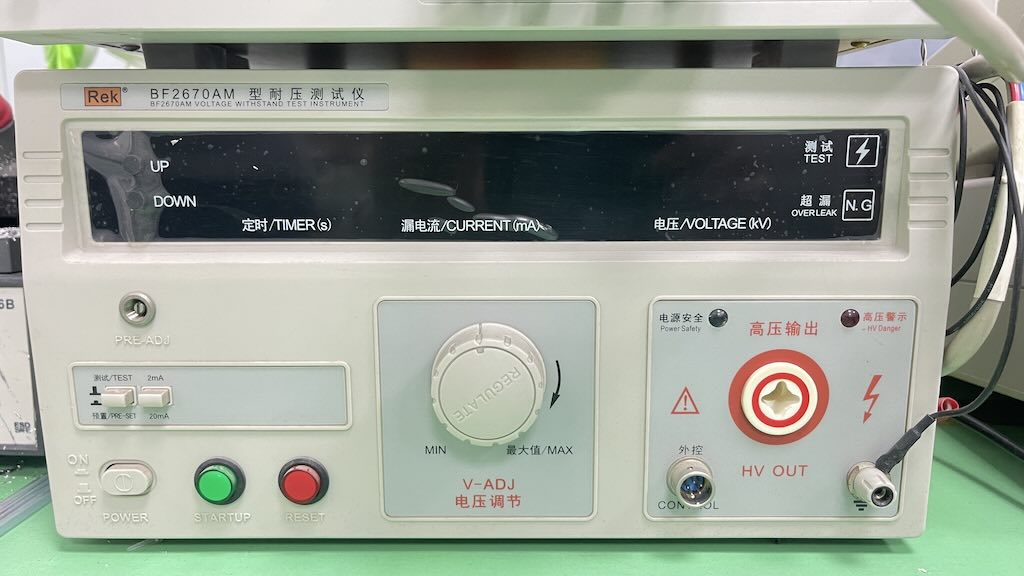
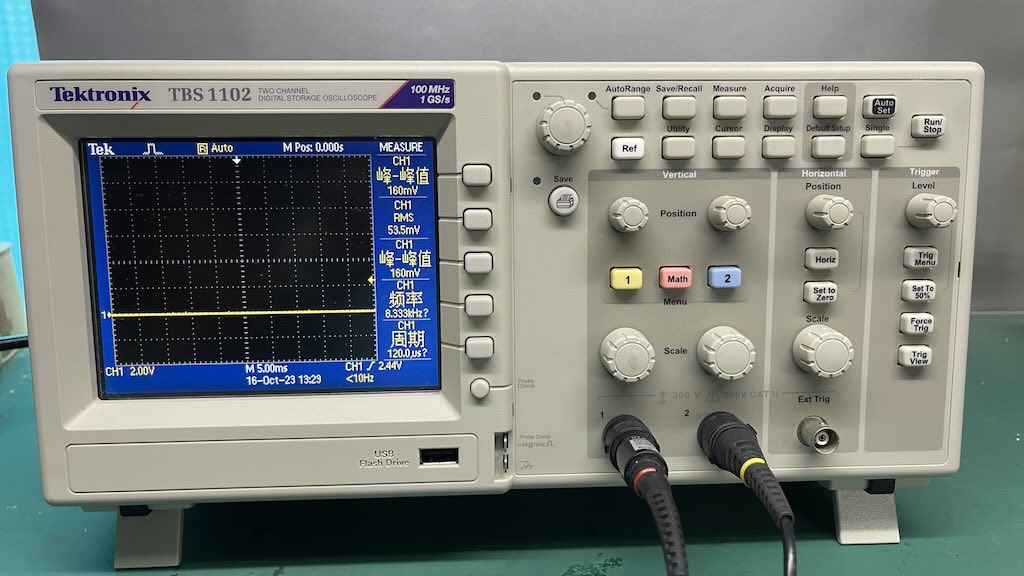
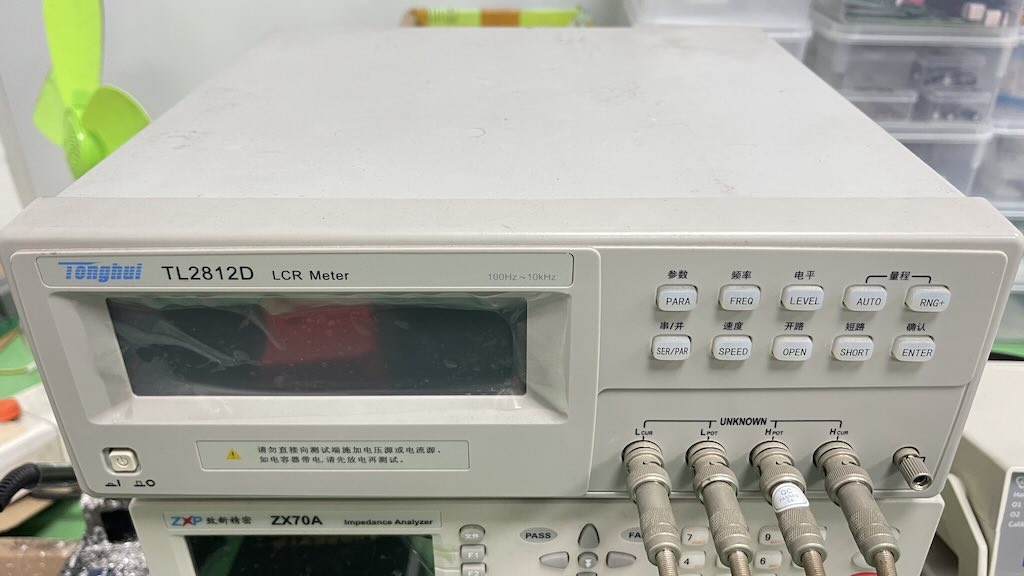
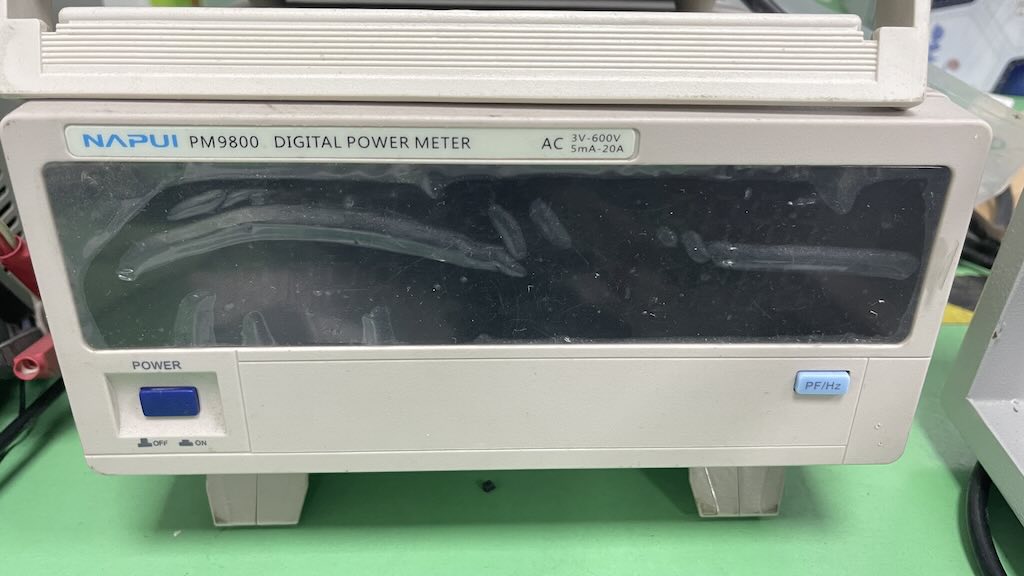
Our testing engineers utilize standardized instrumentation stations to inspect, debug, verify dielectric breakdown limits, and tune line parameters. Every workstation is configured to ensure that final performance matches the target technical specifications.
As industrial IoT continues to evolve, the integration of advanced technologies will shape the future of telemetry calibration:
Heavy-duty power management modules, solar inverters, and multi-phase transformers supporting high-capacity industrial environments.



 Myami Power