Precision testing systems configured for dynamic electric motor diagnostics, power supply qualification, and high-efficiency automation control lines.

The global industrial ecosystem is undergoing an unprecedented transition. High-efficiency electric motors are no longer simple electromechanical energy converters; they are the heart of smart manufacturing, electric mobility, and clean energy systems. As regulatory bodies enforce strict efficiency classes, such as IE3, IE4, and IE5 standards under IEC/EN 60034-30-1, top-tier global motor manufacturers and exporters must optimize performance through advanced materials, smart drives, and rigorous quality testing.
In industrial operations, electric motors consume over 60% of total electrical energy. Consequently, the commercial push toward minimizing carbon footprints has forced engineering groups to demand high power density, thermal resilience, and integrated variable frequency controllers. Selecting the right motor supplier requires verifying their electromechanical layout and examining the validation infrastructure they use to certify torque curves, high-voltage load tolerances, and heat limits.
To help global procurement teams looking for high-quality industrial components, we have analyzed the top 10 electric motor manufacturers and exporters. These companies are evaluated based on their engineering capacity, quality assurance testing infrastructure, global logistics, and technological innovation:
A global leader in small precision motors to heavy-duty industrial systems. Nidec dominates the brushless DC (BLDC) and EV traction motor segments through intensive R&D and precision engineering.
Pioneering the transition to IE5 synchronous reluctance motors (SynRM). ABB integrates motor hardware with advanced variable speed drives (VSD) to maximize industrial energy efficiency.
A leader in industrial digitalization. Siemens' Simotics motor range is designed for Factory 4.0, integrating thermal sensors and predictive maintenance diagnostics.
A top international exporter of industrial electric motors, power transformers, and drives. WEG's key strength lies in its vertically integrated steel and foundry operations, ensuring high quality control.
Combining Marathon Motors and Leeson brands, they supply highly efficient HVAC blowers, commercial pumps, and custom variable-speed fractional electric motors.
One of Asia's largest motor exporters, Wolong manufactures large-scale synchronous generators, low/high voltage AC motors, and complete traction drives for light rail systems.
Famous for durable NEMA-frame motors across North America. Baldor provides custom-engineered industrial designs for heavy industries like mining, oil and gas, and wastewater treatment.
Highly regarded for severe duty motors, featuring cast-iron frames and Class H insulation. Toshiba's motors are widely used in critical industrial environments.
Providing heavy industrial induction motors, subsea drive configurations, and high-efficiency smart motors for global processing plants.
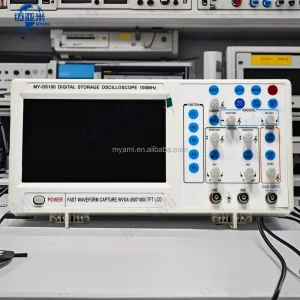
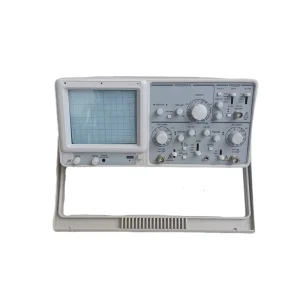
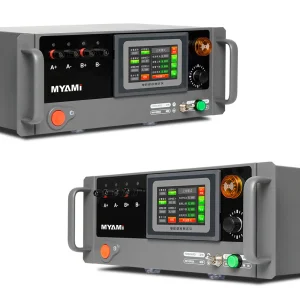
Strategic Insight: The difference between top-tier manufacturers and standard suppliers lies in their validation capabilities. Top manufacturers use high-precision programmable DC power systems, variable-frequency AC sources, and multi-channel recorders to verify every motor under dynamic load conditions before shipment.
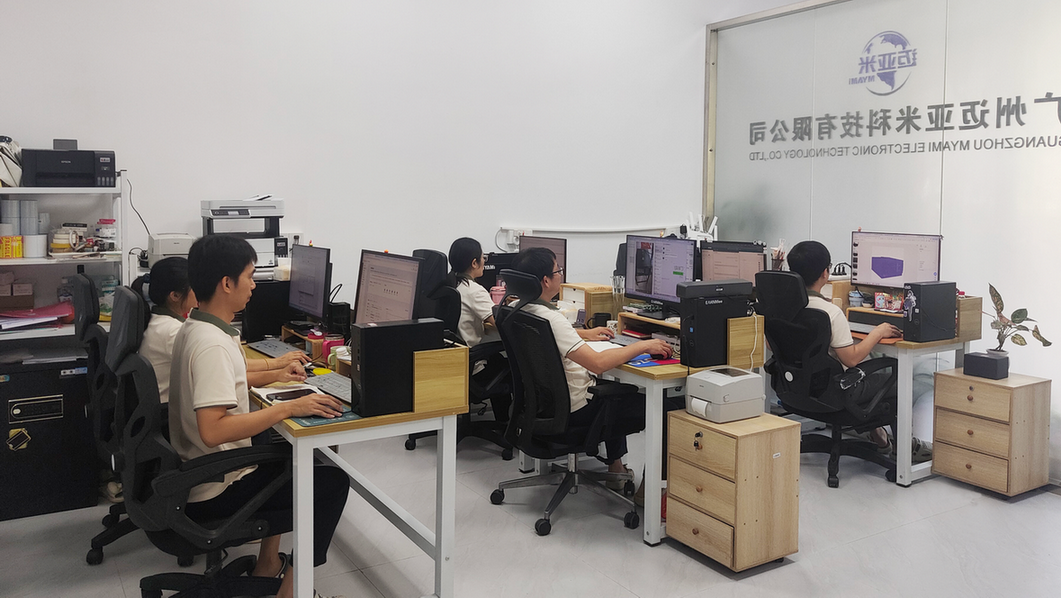
Headquartered in Shenzhen, China, Shenzhen Myami Power Technology Co., Ltd. (MYAMI) is a technology-driven manufacturer and solution provider specializing in high-precision, industrial-grade power supplies and electrical test equipment. Designed for engineering rigor, MYAMI bridges the gap between complex electronic research, high-voltage component testing, and scalable industrial automation.
Our engineering solutions are designed to meet the strict demands of electric motor developers, automation systems builders, and laboratory researchers worldwide. We focus on delivering precise power control, system reliability, and advanced communication interfaces.
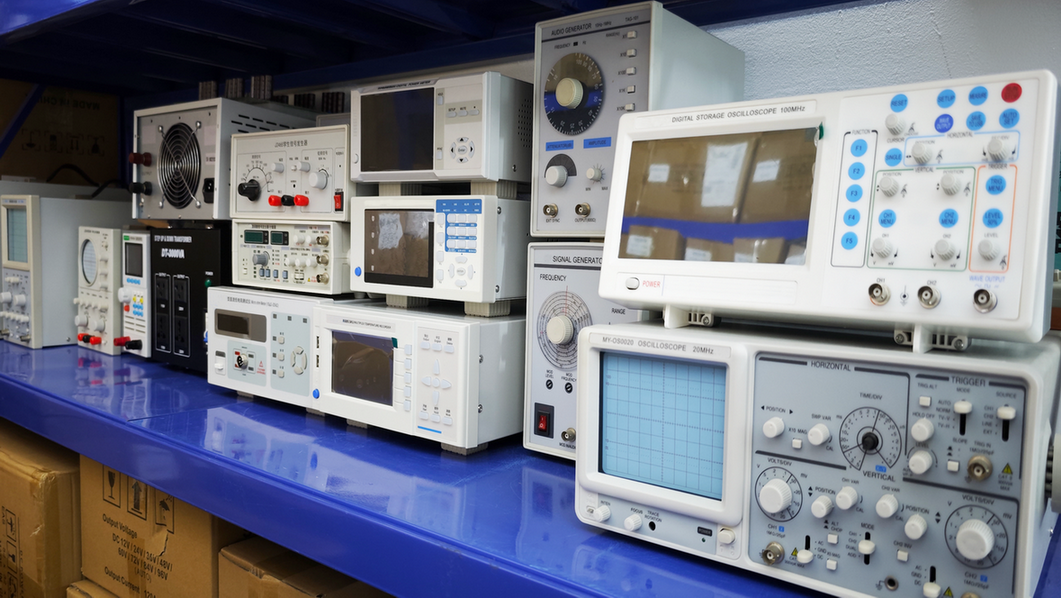
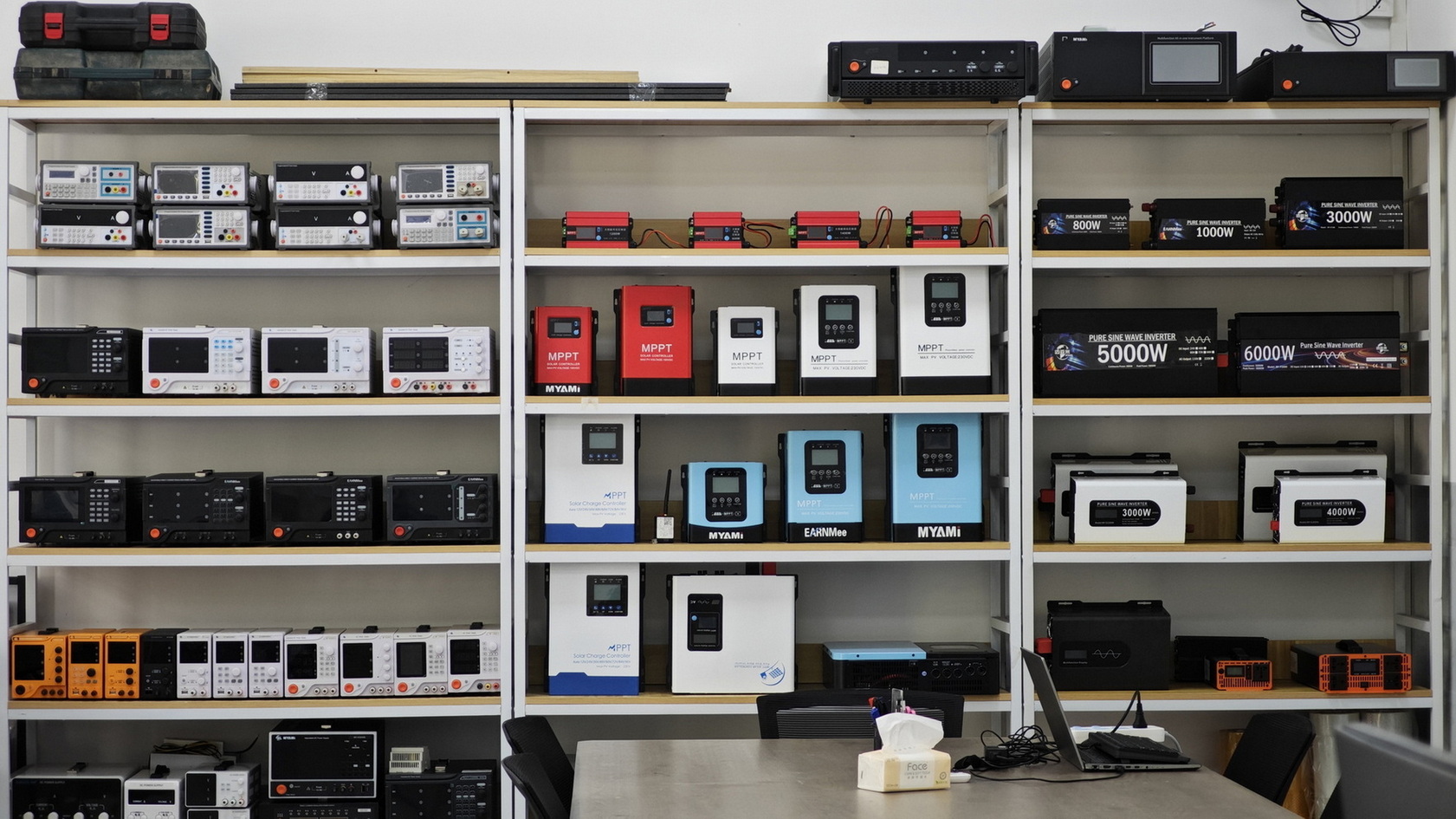
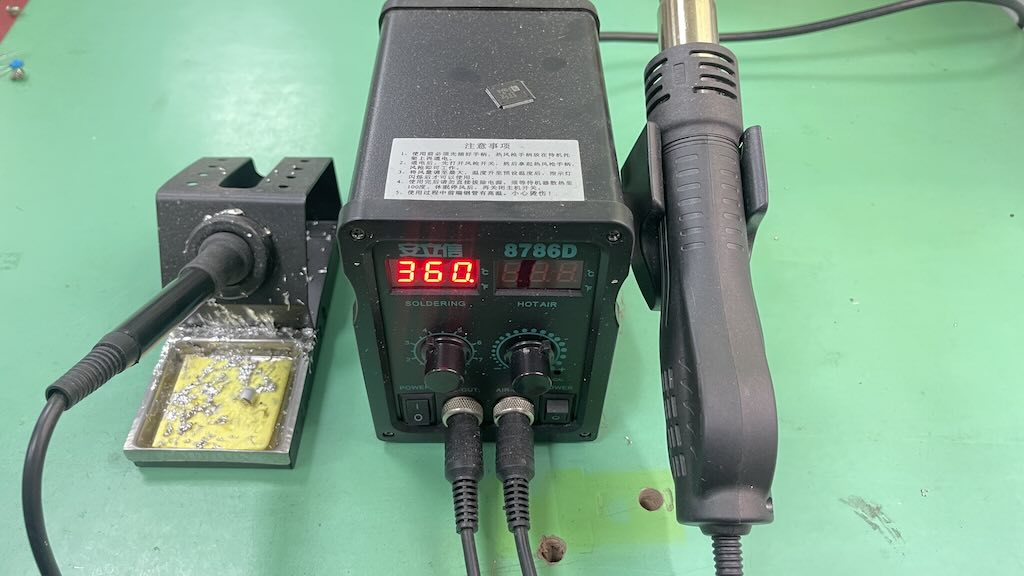
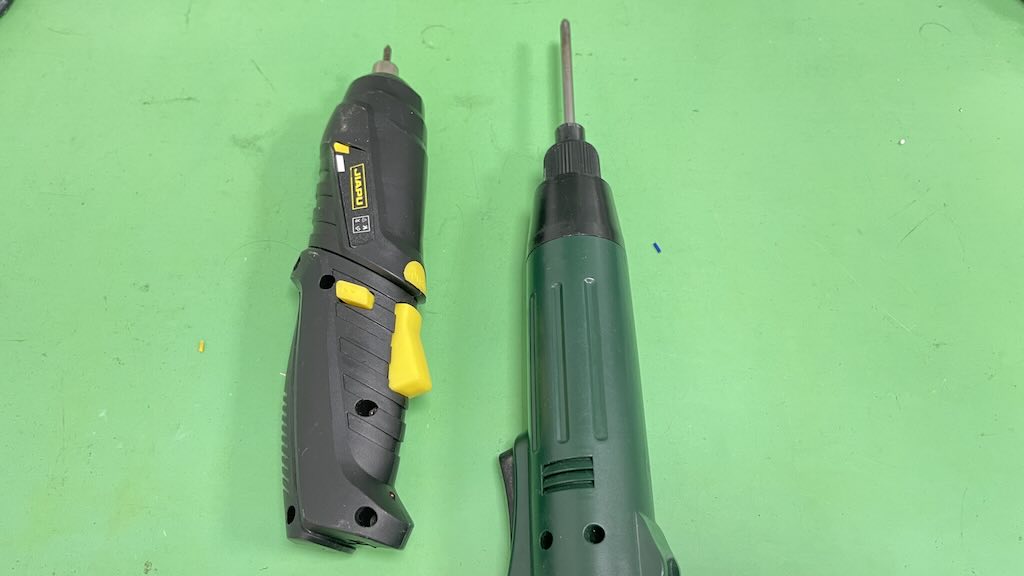
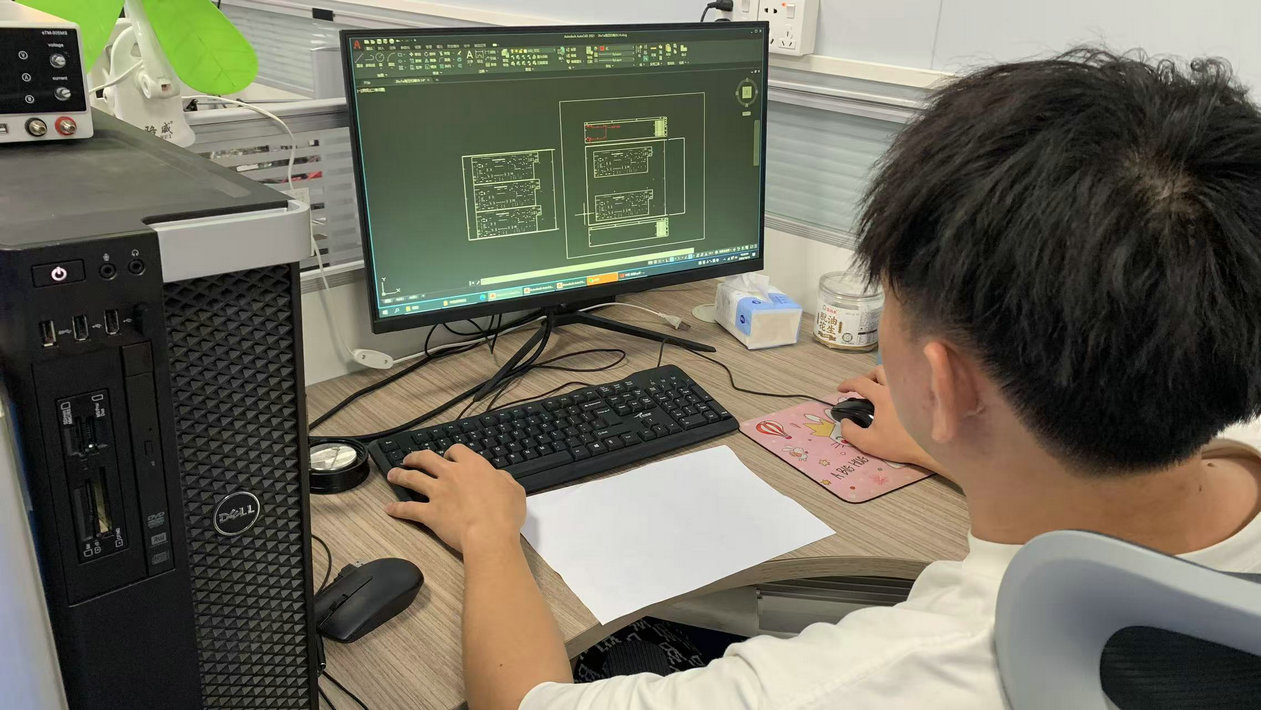
Our production line combines precision assembly, automated testing, and long-duration thermal stress testing to ensure every diagnostic instrument and power unit meets international quality standards.
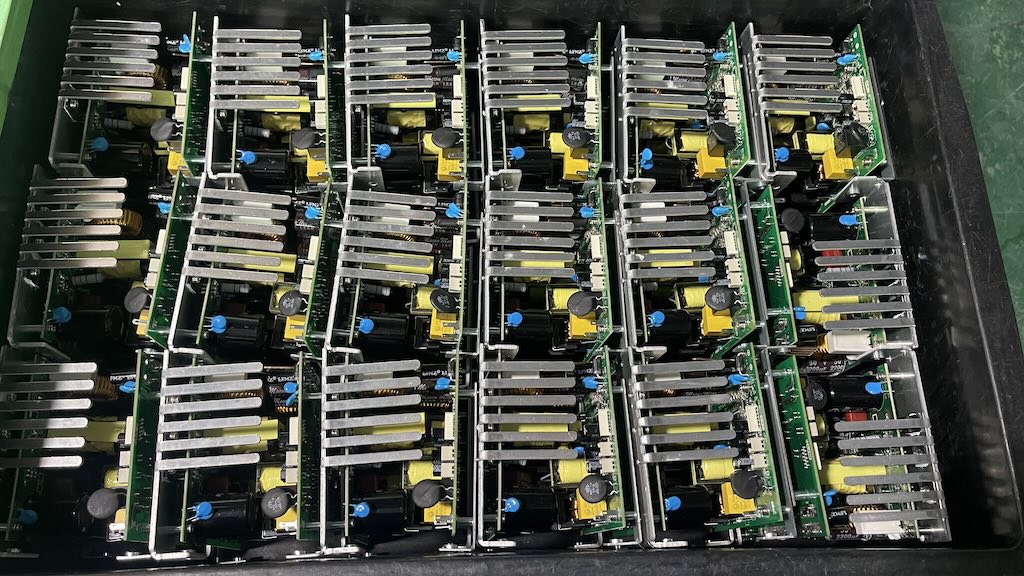
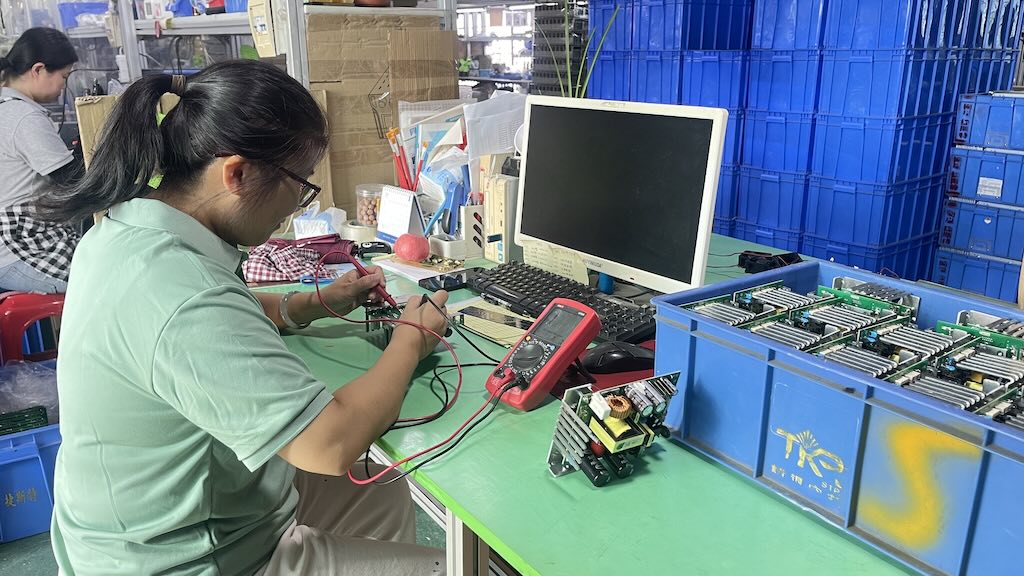
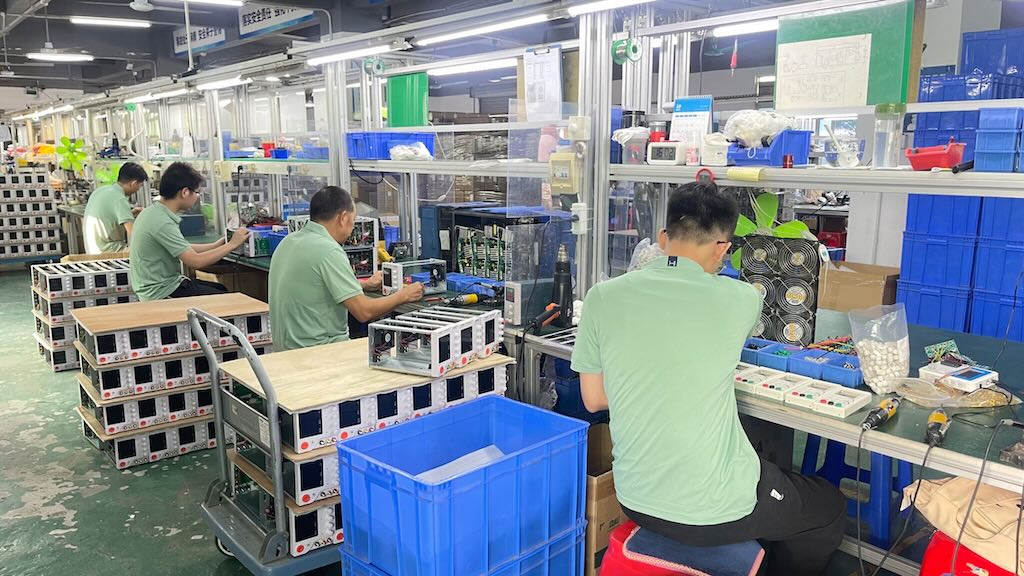
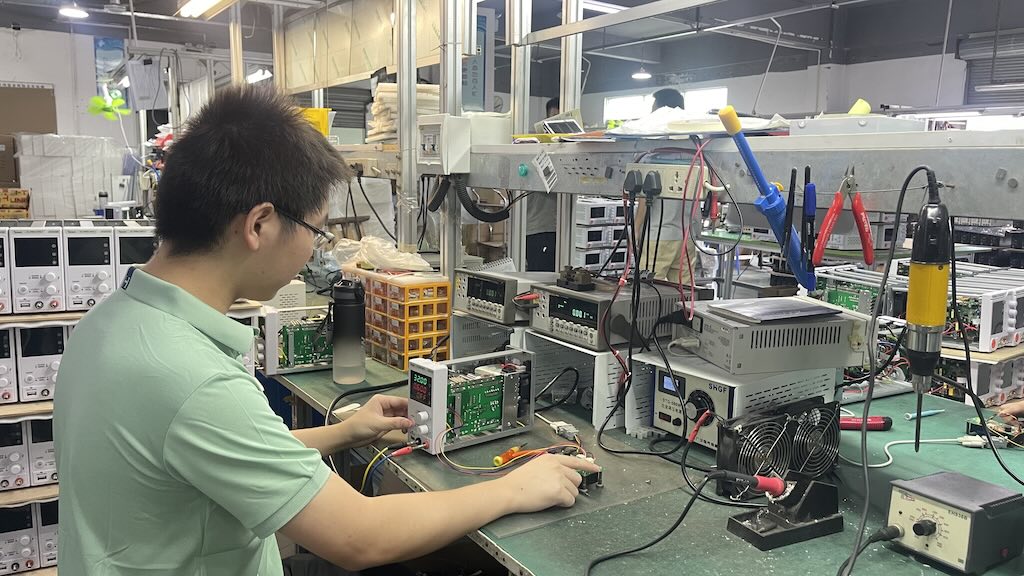
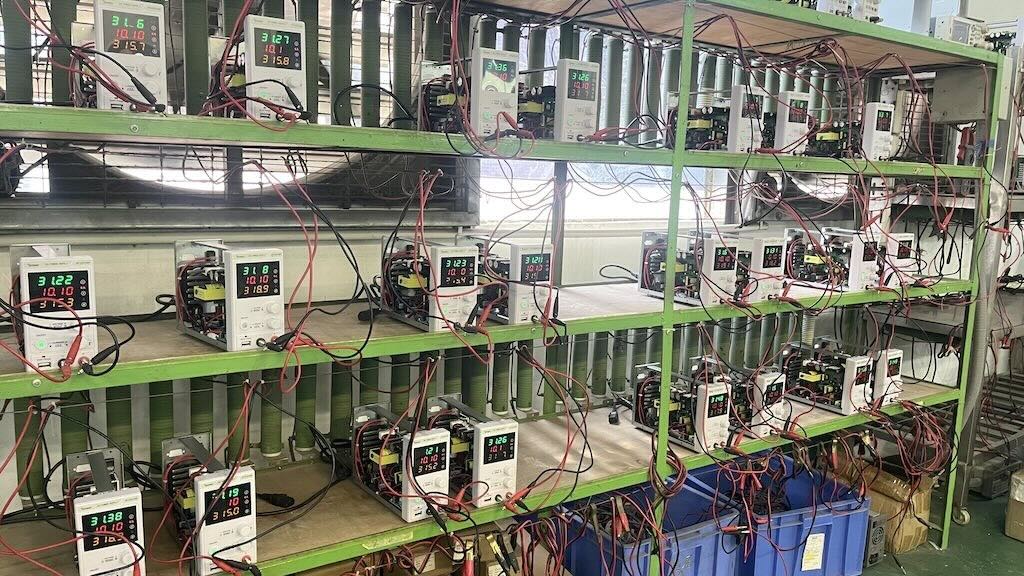
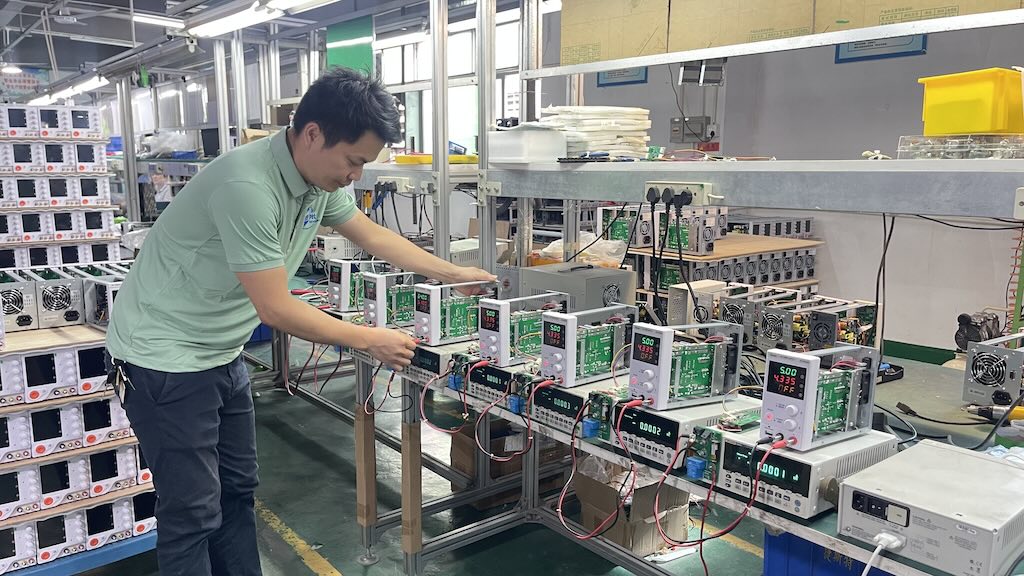
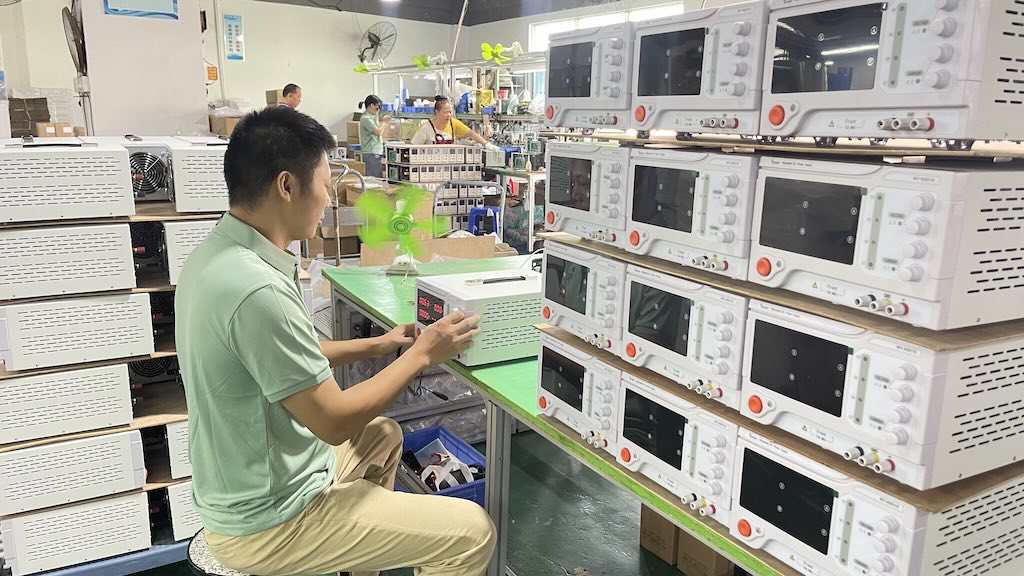
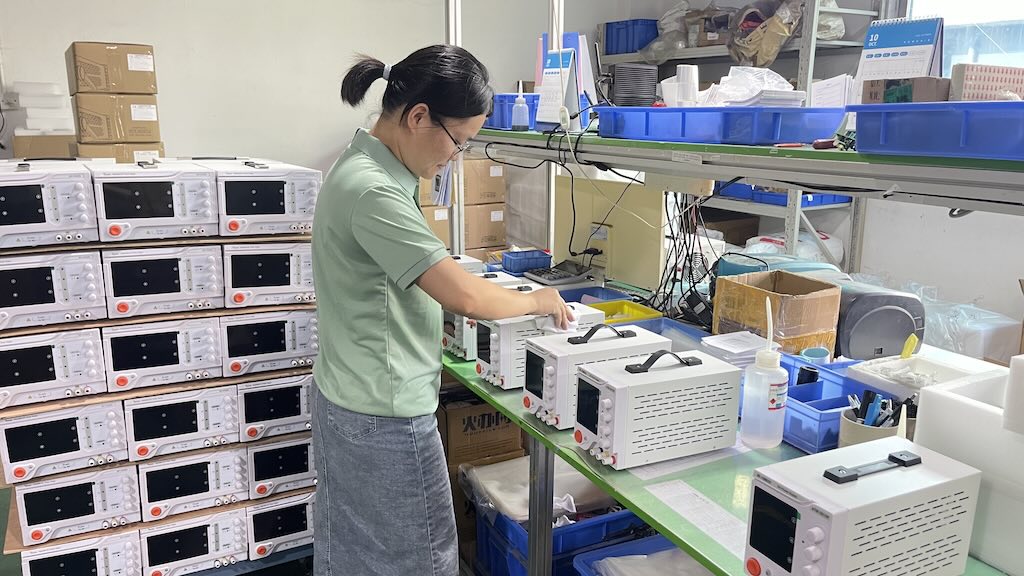
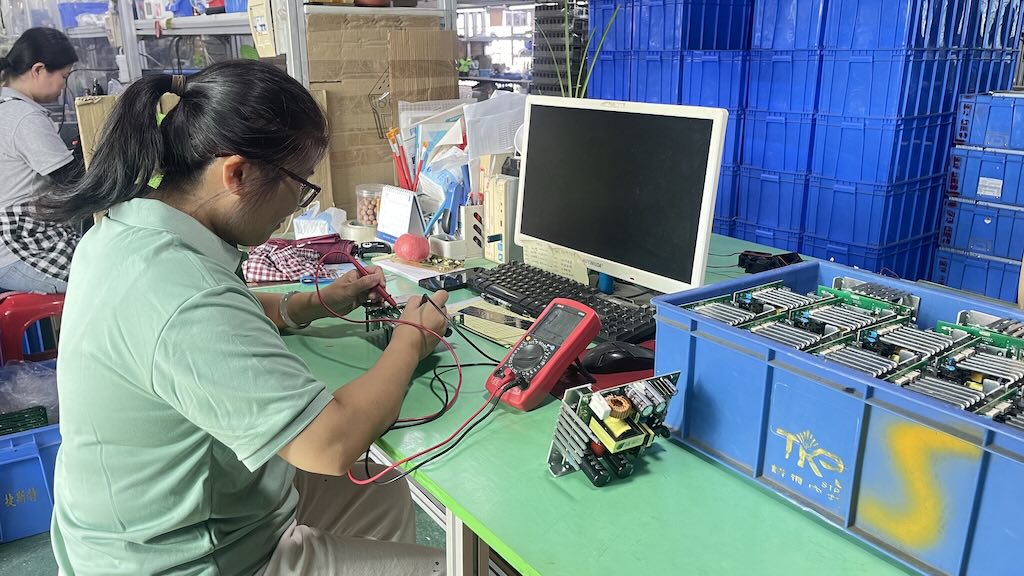
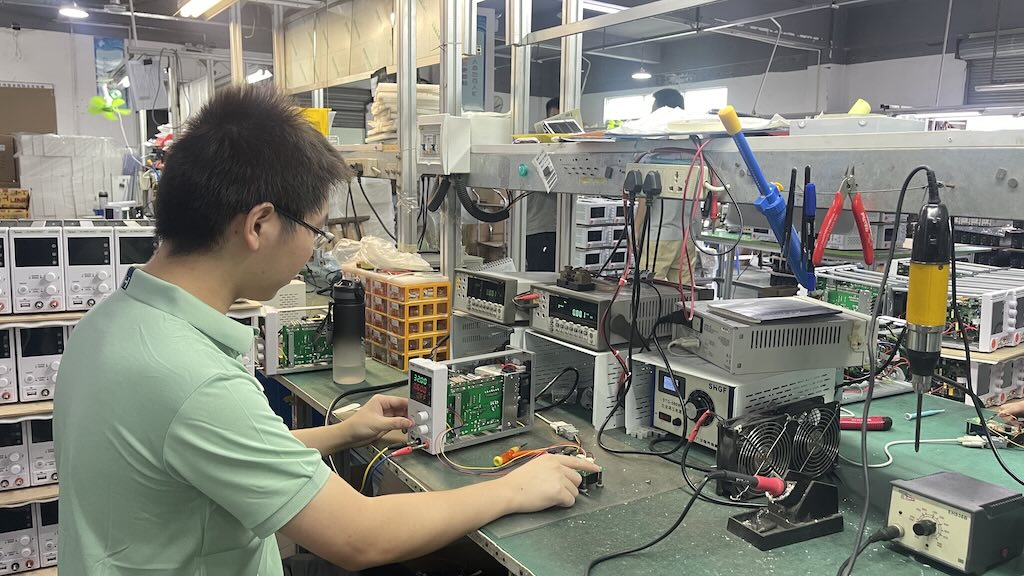
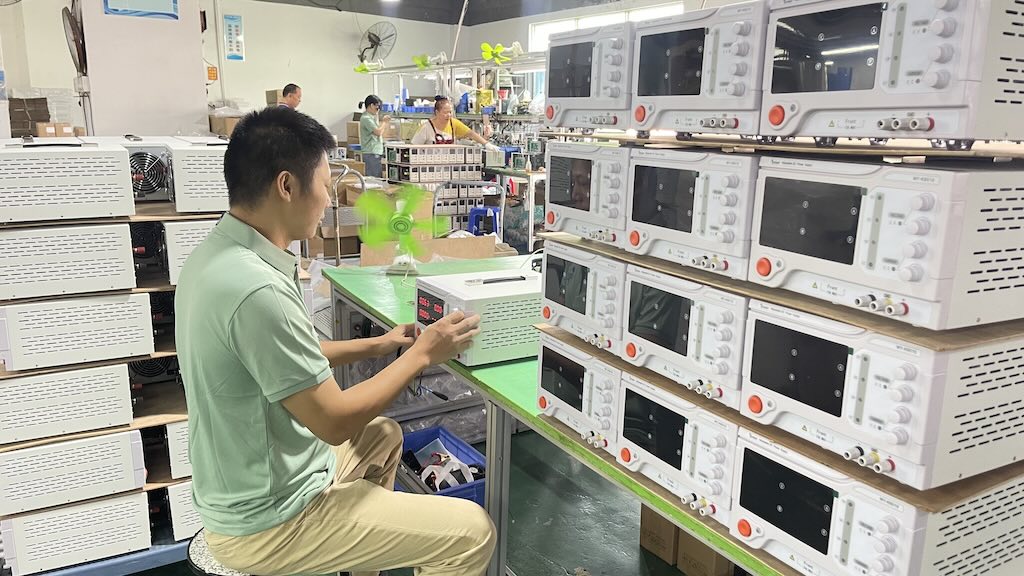
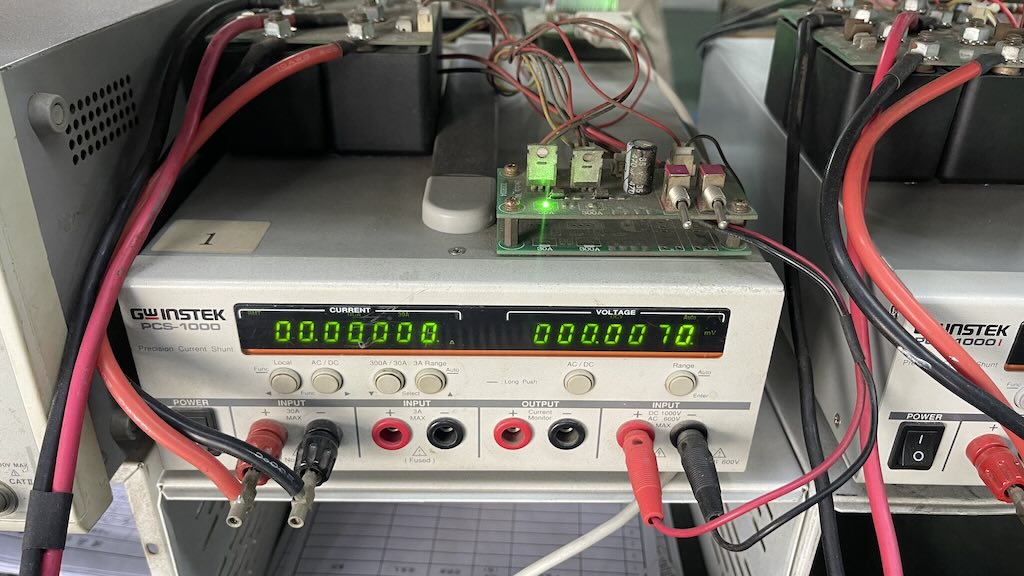
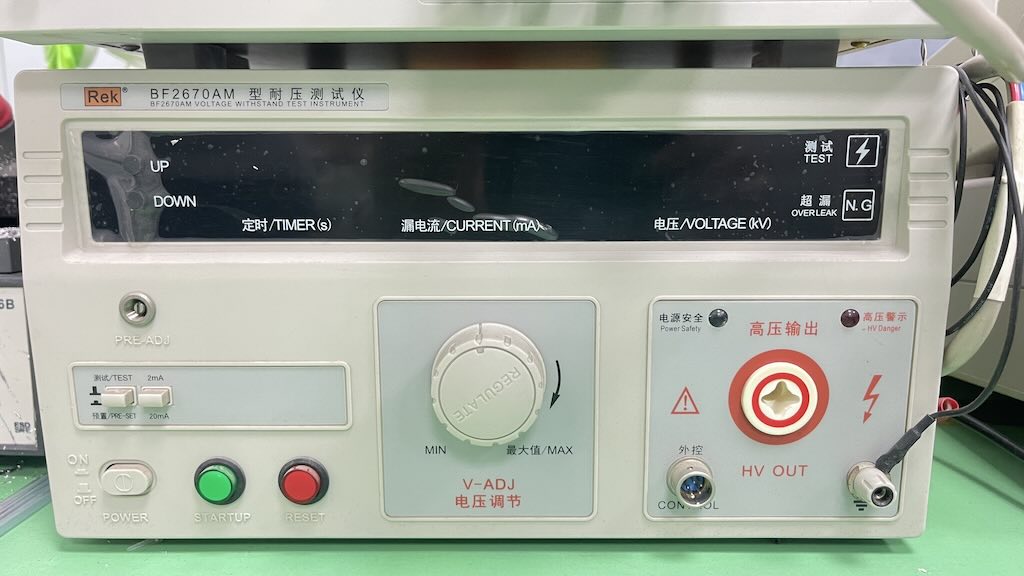
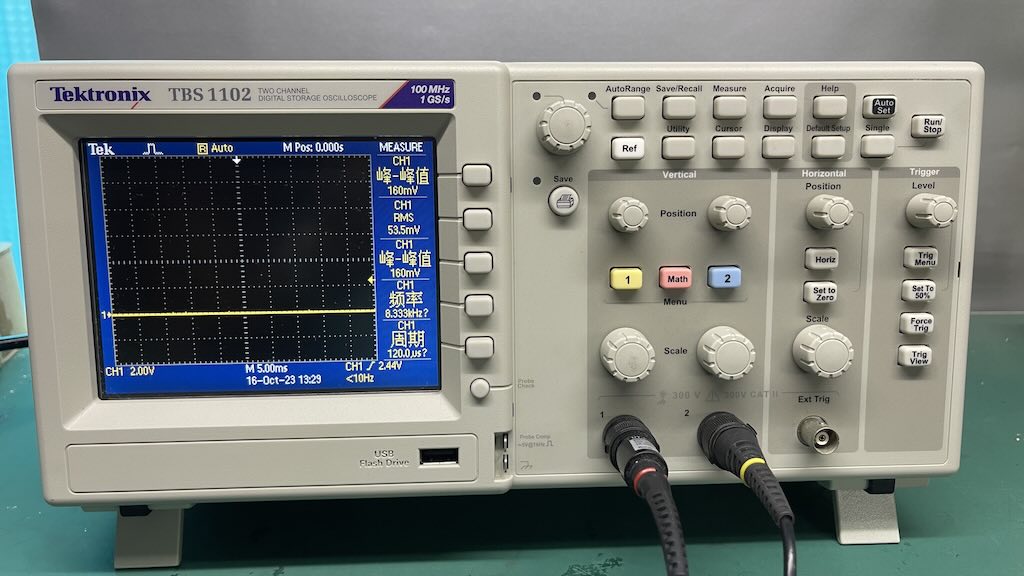
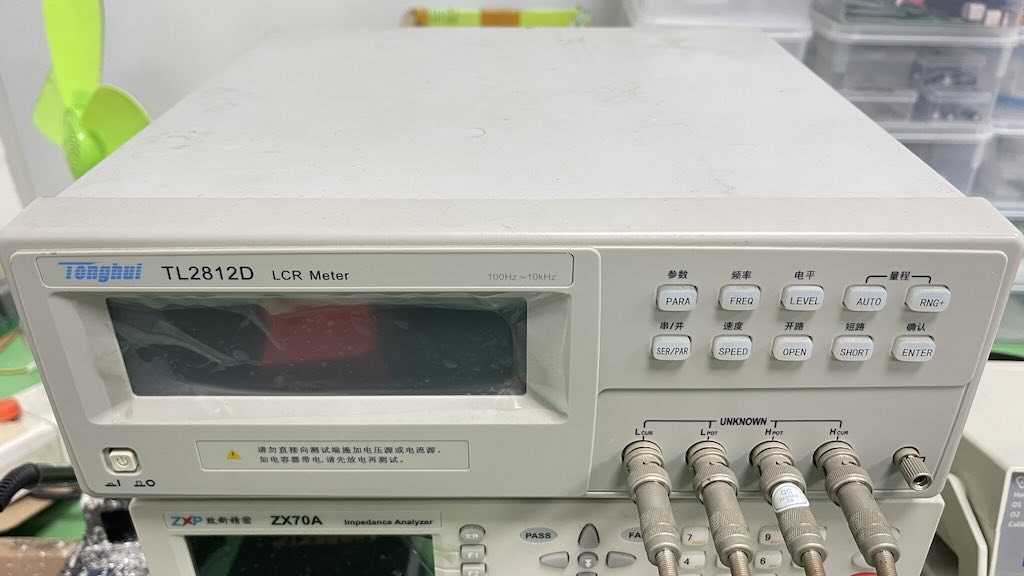
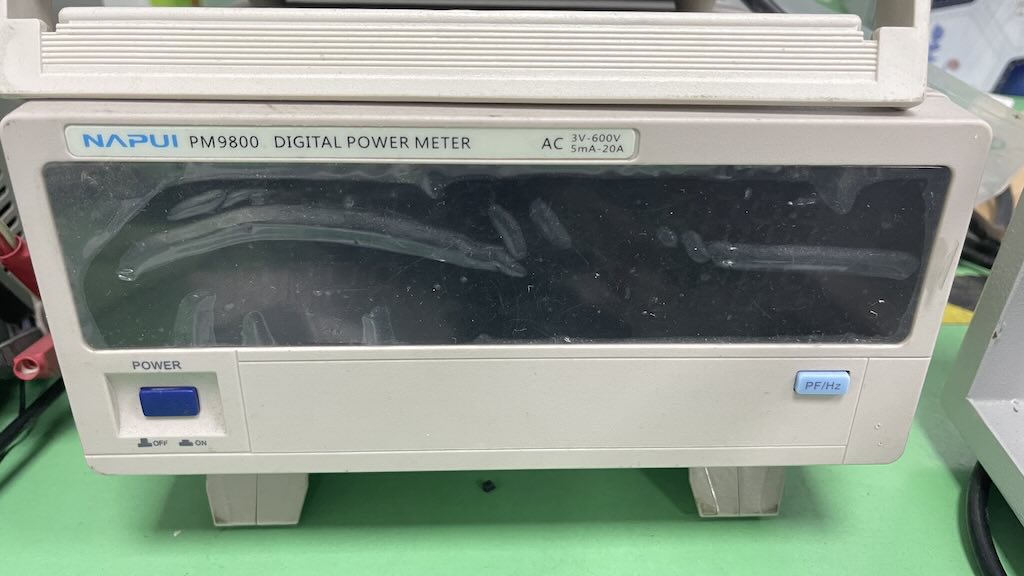
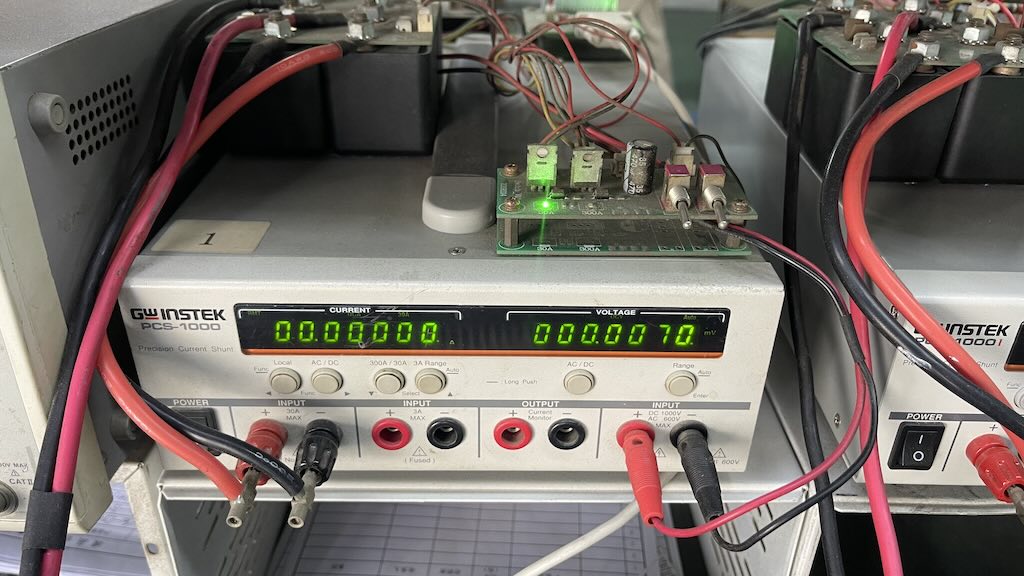
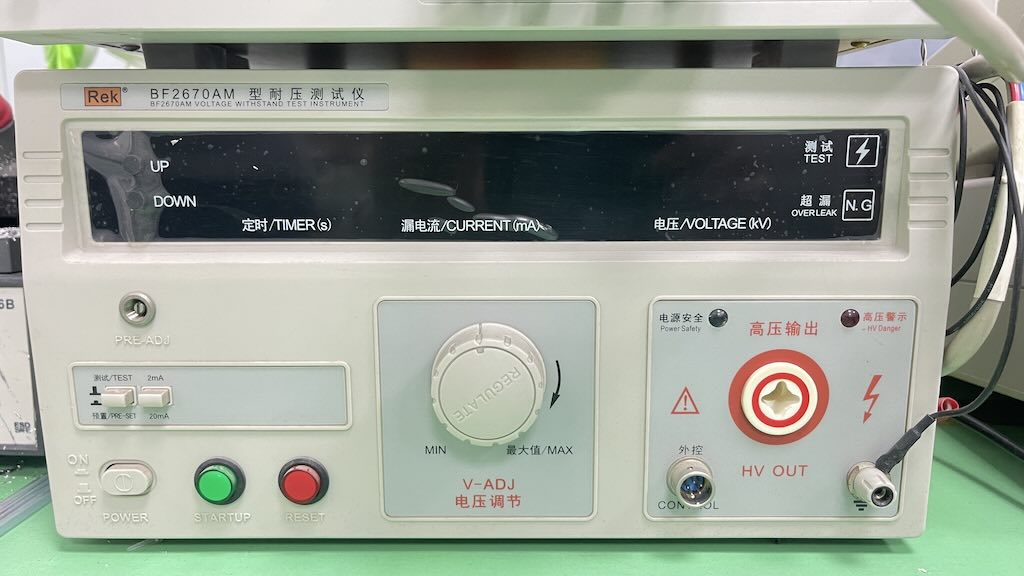
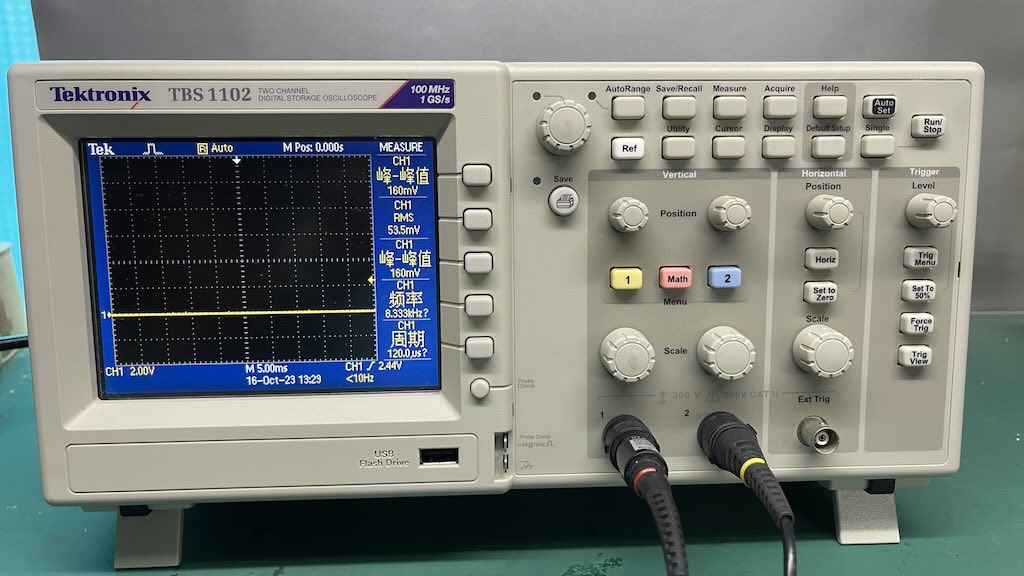
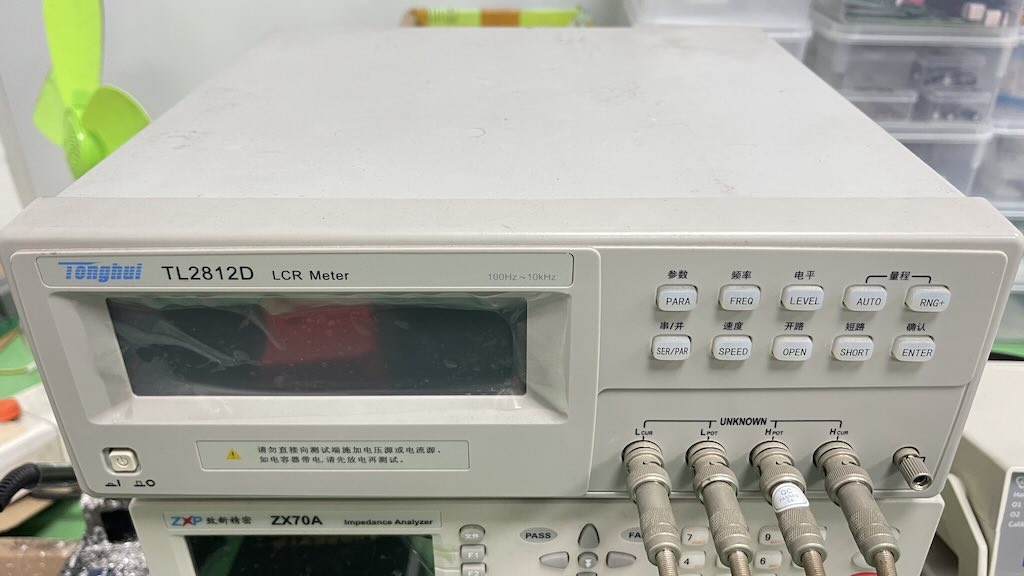
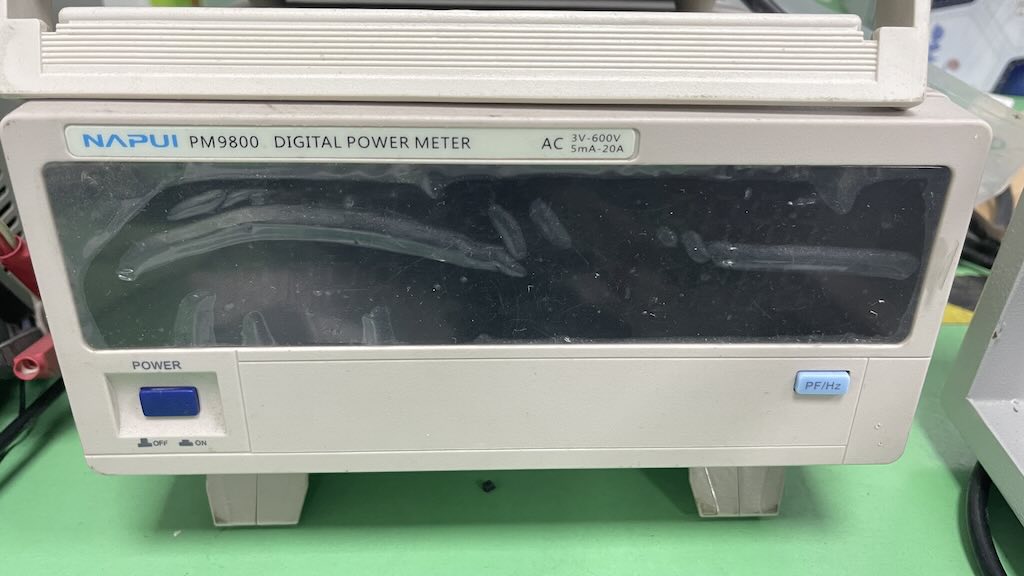
Every system engineered by MYAMI is built with multi-layer protection protocols, including Over-Voltage Protection (OVP), Over-Current Protection (OCP), Over-Temperature Protection (OTP), and short-circuit safeguards. These designs meet international safety and quality standards, including CE, RoHS, and ISO9001. Integrated with standard industrial control protocols like RS485, RS232, and CAN communication, our equipment integrates with automated production lines and central PC control systems.
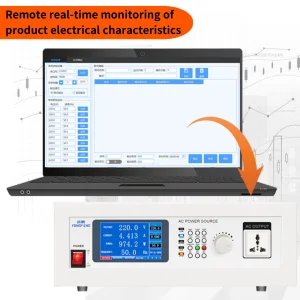
Electric motor design is shifting toward higher frequencies, multi-phase systems, and integrated electronic drives (such as Variable Frequency Drives - VFDs). Because motors must handle complex electrical loads, standard power grids cannot supply the stable, variable-frequency waveforms required for R&D and production validation. This is where programmable AC/DC power supplies play a crucial role.
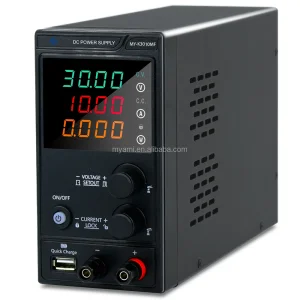
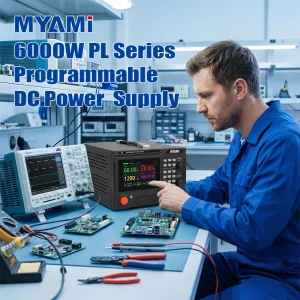
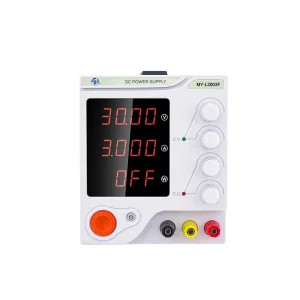
Testing torque-speed curves requires simulating load variations. Using programmable DC power supplies helps mimic battery systems or industrial rectifiers, providing clean power with minimal ripple for accurate test data.
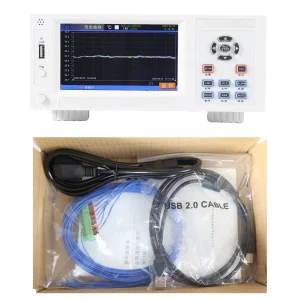
Overheating is a common cause of motor failure. Multichannel data loggers monitor temperature changes across stater windings and bearings to help verify cooling designs before mass production.
EV drivetrains require bidirectional power flows to test regenerative braking. Using high-power programmable DC systems allows testing departments to safely simulate both high-current charging and discharging.
Today, MYAMI serves research institutions, automotive OEMs, aerospace contractors, and electronics manufacturers across North America, Europe, East Asia, and the Middle East. Whether you require a single benchtop lab power supply or a custom high-power aging system, MYAMI is your partner for precision power and testing reliability.
Industrial buyers face different testing challenges depending on their regional power grids and regulatory environments:
High-voltage and bidirectional power equipment engineered for EV testing, solar inverter verification, and heavy-duty factory motor burn-in runs.
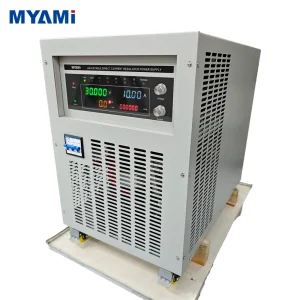
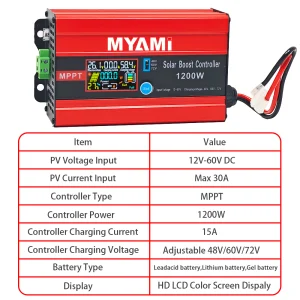

 Myami Power