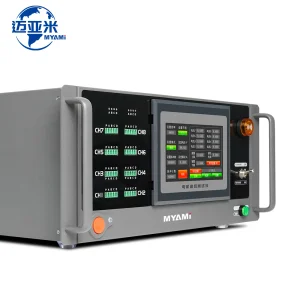
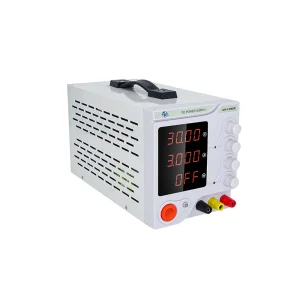
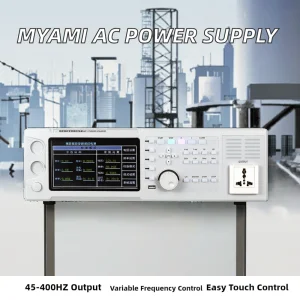
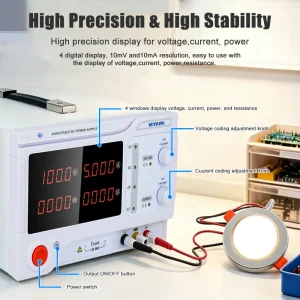
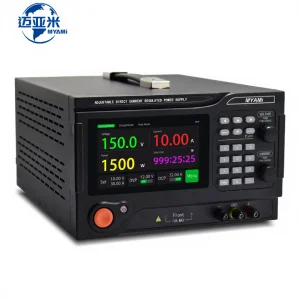
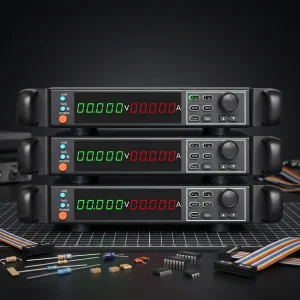
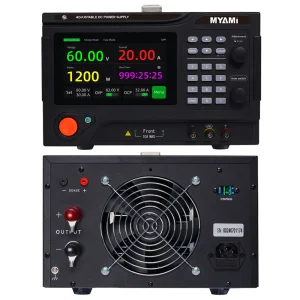
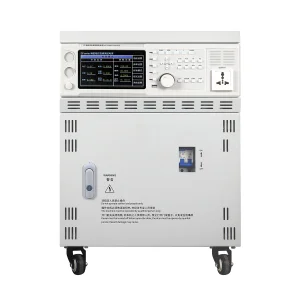
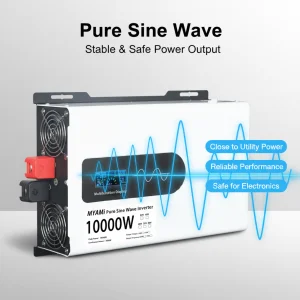
Deploying high-precision electrical systems is paramount for laser machine alignment, motion control, and high-frequency beam output. Explore our key catalog supporting premium engineering installations.
The global industrial manufacturing ecosystem is witnessing an unprecedented transition from mechanical processing to high-velocity, light-speed thermal fabrication. Today's laser cutting machines are no longer standalone cutting devices; they are fully integrated IoT nodes operating within automated smart factories. By utilizing fiber lasers, ultra-fast CO2 resonators, and diode-pumped solid-state systems, manufacturers achieve tolerances measured in microns.
Modern laser factories utilize intelligent CAD/CAM software to optimize nesting routines, lowering sheet metal waste metrics by up to 25%. Integration with automatic loading towers enables 24/7 lights-out production.
In the industrial sphere, the demand for 12kW, 20kW, and even 40kW fiber lasers has risen sharply. High-power systems allow for cleaner cuts on thicker materials, rivaling traditional plasma systems in speed.
Stable voltage control is the lifeblood of structural lasers. Voltage ripples or sudden drops directly damage resonant cavities or laser source modules, emphasizing the need for high-frequency testing equipment.
From an enterprise procurement perspective, optimizing the total cost of ownership (TCO) means assessing not only the laser source but the secondary electrical layout. Highly stable programmable DC power sources and step controllers are critical components that keep the multi-axis motion controller operating with repeatable precision.
The global landscape of industrial laser systems is dominated by major engineering conglomerates in Germany, Japan, Switzerland, the United States, and China. Below is a detailed analysis of the top ten global laser machine suppliers, outlining their key strengths, target sectors, and technological innovations.
Specialization: Ultra-high-power fiber lasers, 3D laser processing machines, and automated storage integration.
TRUMPF is widely recognized as the market leader in high-tech laser fabrication technology. Headquartered in Ditzingen, Germany, TRUMPF produces industrial TruLaser machines configured for automotive production, aerospace tooling, and heavy machine assembly. Their systems rely on advanced digital communication protocols and state-of-the-art power distribution cabinets to guarantee beam consistency across multi-kilowatt outputs.
Specialization: Fiber laser cutting, press brakes, and sophisticated material handling automation systems.
Bystronic excels in providing end-to-end processing lines. Based in Niederönz, Switzerland, they focus on automation systems where raw sheets are loaded, laser-cut, sorted, and bent using software-linked press brakes. Bystronic focuses on smart diagnostics, requiring stable linear testing power setups during product engineering phases to ensure all optical sensors operate without interruption.
Specialization: LCG fiber laser series, rotary index tube cutting, and custom sheet metal solutions.
AMADA is a powerhouse in the sheet metal equipment sector. Their ENSIS technology changes the laser beam profile dynamically based on material thickness, minimizing setup times. AMADA machines require high-capacity, low-noise power inputs to protect their sensitive NC focus sensors and variable optical paths.
Specialization: Multi-axis 3D laser processing and CNC machine-tool fusion systems.
Mazak's Optiplex series is highly valued in structural steel manufacturing. They produce advanced multi-axis cutting units designed for structural profiles, pipes, and complex geometric designs. Mazak structures focus heavily on rigid mechanical designs paired with high-performance digital servos, where high-precision power supplies prevent micro-deviations during high-velocity directional changes.
Specialization: Fiber laser sources, custom scan heads, and hand-held laser welding systems.
Unlike other machine builders, IPG is the primary source provider that supplies the laser diodes and laser engines to many other factories. Because they control the semiconductor gain media, they dictate progress in efficiency. Their testing benches utilize programmable DC power units to run continuous aging cycles on thousands of laser pump diodes simultaneously.
Specialization: Large-format gantry laser cutters, automated production lines, and PCB laser drills.
Han's Laser has grown to become one of the largest laser machine factories globally. Operating out of Shenzhen, they benefit from an incredibly robust local supply chain. Han's Laser manufactures a vast array of machines ranging from micromachining tools for smartphones to high-power gantry systems for shipyards, relying heavily on local power supply manufacturers to feed their complex electrical arrays.
Specialization: Desktop and cabinet CO2/Fiber engraving systems for hobbyists and light industrial shops.
Epilog Laser is synonymous with entry-level and mid-range engraving systems. Based in Colorado, USA, Epilog provides systems utilizing air-cooled RF metal tubes. These machines require exceptionally stable DC power adapters to ensure constant current output for consistent engraving depth and pixel placement.
Specialization: Flatbed laser plotters, high-speed galvo markers, and advanced exhaust extraction units.
As a subsidiary of Trodat, Trotec designs premium laser plotters used in sign-making, acrylic display manufacturing, and plastic marking. Their Speedy series is designed for speed (up to 4.3 m/s), which demands powerful and highly responsive stepper motor drives, and precise DC power supply systems to prevent steps from dropping during high-g acceleration.
Specialization: Flexible Manufacturing Systems (FMS), sheet-metal panel benders, and fiber laser integration.
Salvagnini approaches metal fabrication with a systemic perspective. Their L3 and L5 fiber lasers are engineered to run within continuous lines directly linked to automated sheet feeding towers and downstream panel bending systems. Their industrial infrastructure requires high-voltage AC frequency converters and robust protection logic to handle factory-wide power surges.
Specialization: 3D laser processing for automotive applications, punch-laser combination machines.
Prima Power is a leader in spatial 3D laser processing, vital for automotive structural components like hot-formed pillars. Their mechanical assemblies utilize complex multi-axis arms controlled by high-speed CNC processors. The integrity of these assemblies depends on precise, multi-channel testing modules during initial calibration and factory testing phases.
Procuring industrial laser cutters requires a thorough understanding of technical parameters, operational demands, and financial realities. The ultimate objective is high operational reliability (uptime) paired with precision processing output. Sourcing directors focus on several key pillars during their selection process:
The beam quality factor, indicated by M², determines how tightly the laser can be focused. High beam stability demands clean, ripple-free power supplies feeding the excitation modules, keeping focal points consistent.
Modern factories demand machines that speak industrial languages: RS485, RS232, and CAN communication protocols. High-performance power components must interface seamlessly with central PLC platforms for remote diagnostics.
Laser sources require massive amounts of power. Minimizing reactive power losses requires power supply units with active Power Factor Correction (PFC), directly affecting utility costs.
China has transitioned from low-cost assembly lines to the world's most resilient industrial hub. Under the Industry 4.0 roadmap, Chinese manufacturers have vertically integrated sub-component supply chains, reducing turnaround times for custom machine production. This resilience is exemplified by Shenzhen's advanced electronics ecosystem, which provides the critical testing instruments, PCB manufacturing, and programmable power modules that drive laser machines worldwide.
Shenzhen Myami Power Technology Co., Ltd. (MYAMI) stands at the forefront of this industrial upgrade, engineering the critical high-precision DC sources, testing benches, and stepper drive power systems that empower the global laser industry.
Headquartered in Shenzhen, China, Shenzhen Myami Power Technology Co., Ltd. (MYAMI) is a technology-driven manufacturer and solution provider specializing in high-precision, industrial-grade power supplies and electrical test equipment. Designed for engineering rigor, MYAMI bridges the gap between complex electronic research, high-voltage component testing, and scalable industrial automation.
Our specialized engineering portfolio focuses on four core operational pillars:
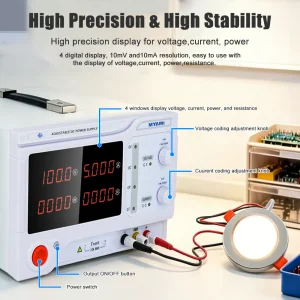
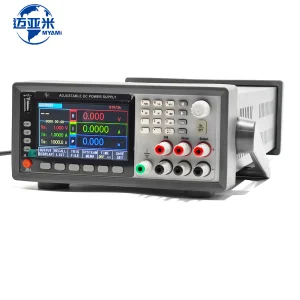
Featuring multi-digit LED displays, ultra-low ripple, and rapid transient response, engineered for precision electronic R&D, semiconductor evaluation, and PCB debugging.
Delivering high-current, high-voltage DC/AC regulated power supplies (ranging up to hundreds of volts and amperes) built for industrial motor drives, electroplating rectifiers, and heavy-duty component burn-in testing.
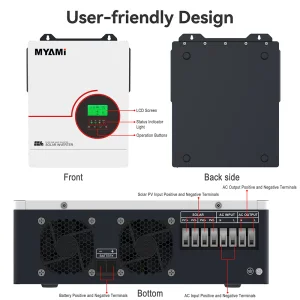
Providing specialized DC power units, battery simulators, and variable AC power sources engineered for Electric Vehicle (EV) On-Board Chargers (OBC), BMS evaluation, and solar inverter testing.
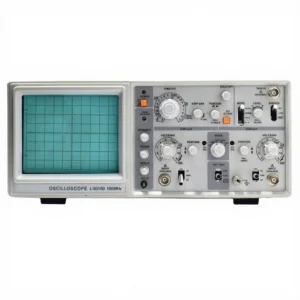
Supplying complementary test bench solutions, including digital oscilloscopes, multimeters, and specialized AC voltage regulators for global laboratories and technical institutes.
Every MYAMI system is engineered with strict multi-layer protection protocols (OVP, OCP, OTP, and short-circuit safeguards) and complies with international safety and quality standards, including CE, RoHS, and ISO9001. Integrated with standard industrial control protocols (RS485, RS232, and CAN communication), our equipment seamlessly connects to automated production lines and central PC control systems.
Today, MYAMI serves research institutions, automotive OEMs, aerospace contractors, and electronics manufacturers across North America, Europe, East Asia, and the Middle East. Whether you require a single benchtop lab power supply or a custom high-power aging system, MYAMI is your ultimate partner for precision power and uncompromised testing reliability.
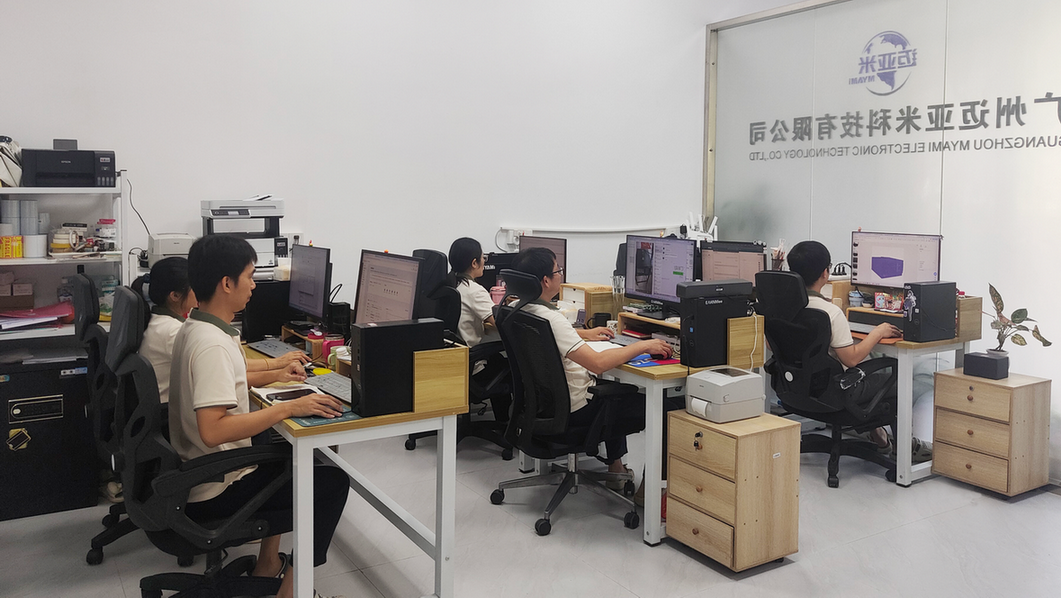
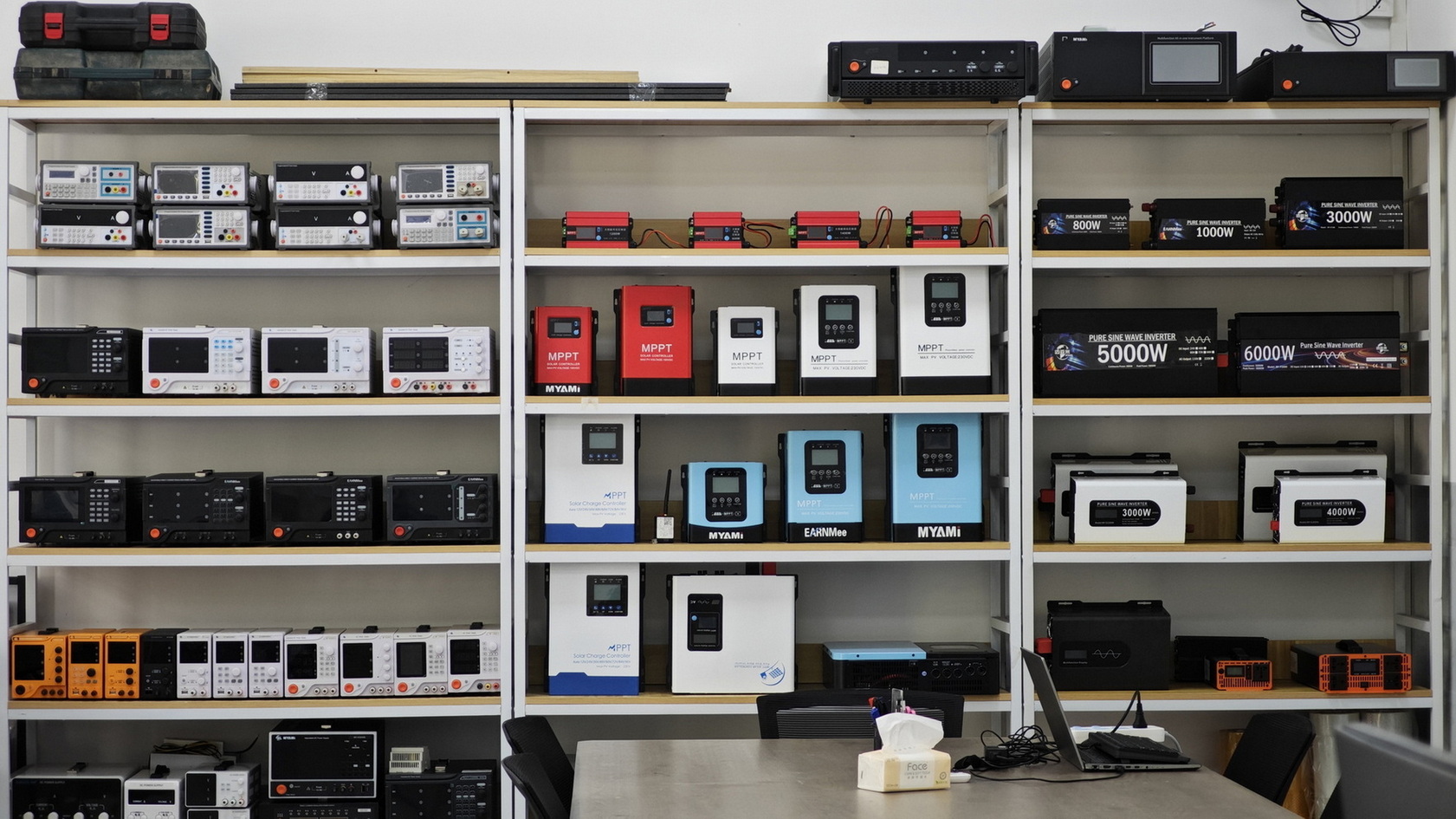
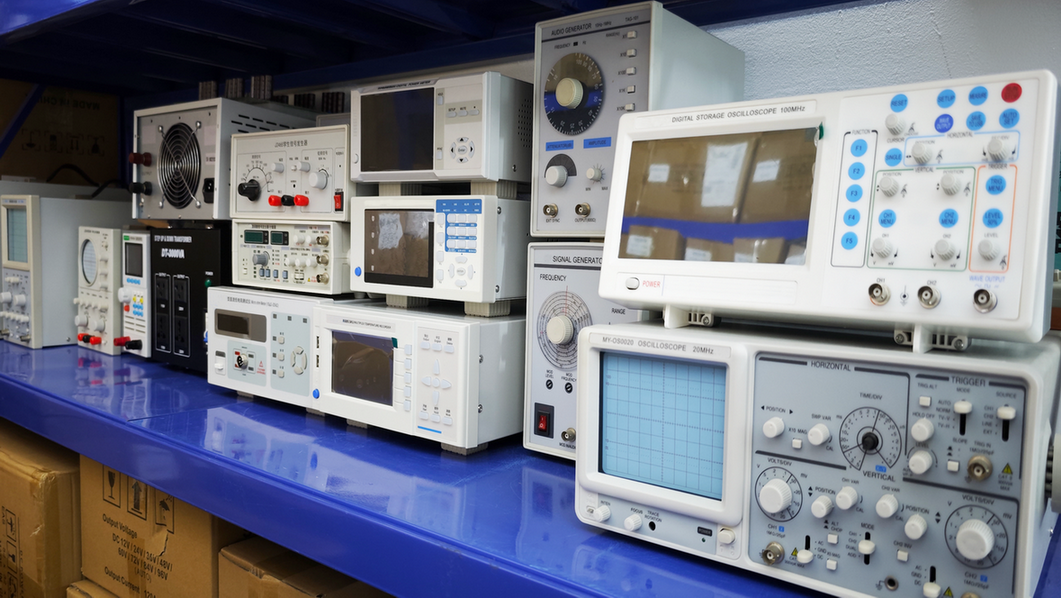
To support high-precision industries like laser cutting and advanced automation, MYAMI maintains a transparent, traceable production process. Below is the direct representation of our daily raw material sorting, circuit debugging, and calibration stages.
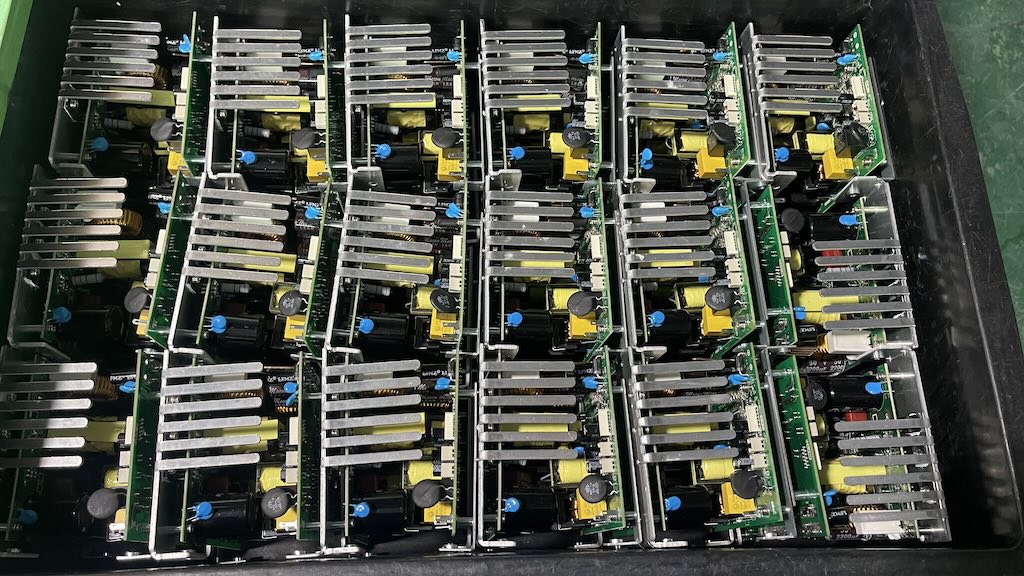 Raw Material
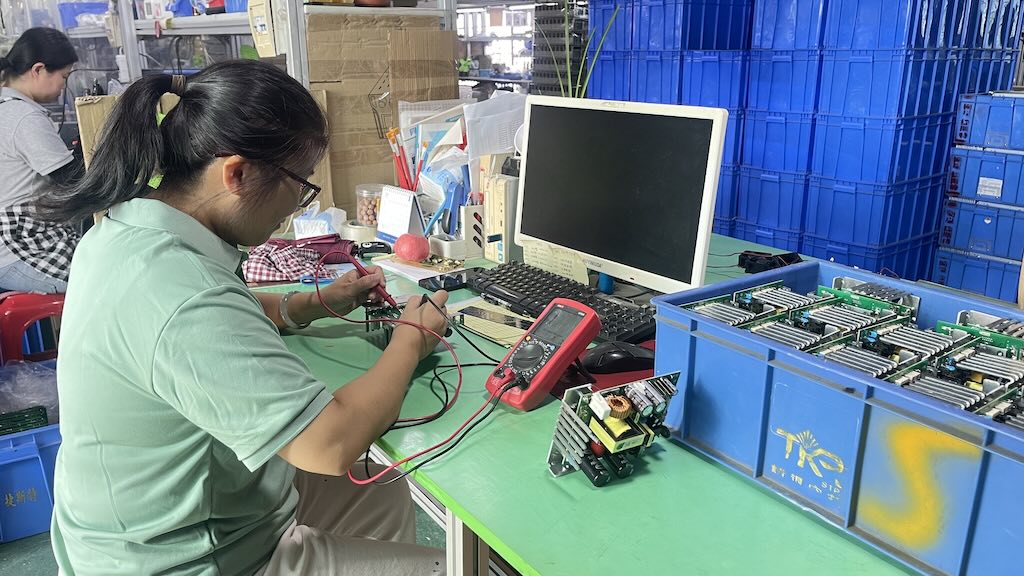 PCB Checking
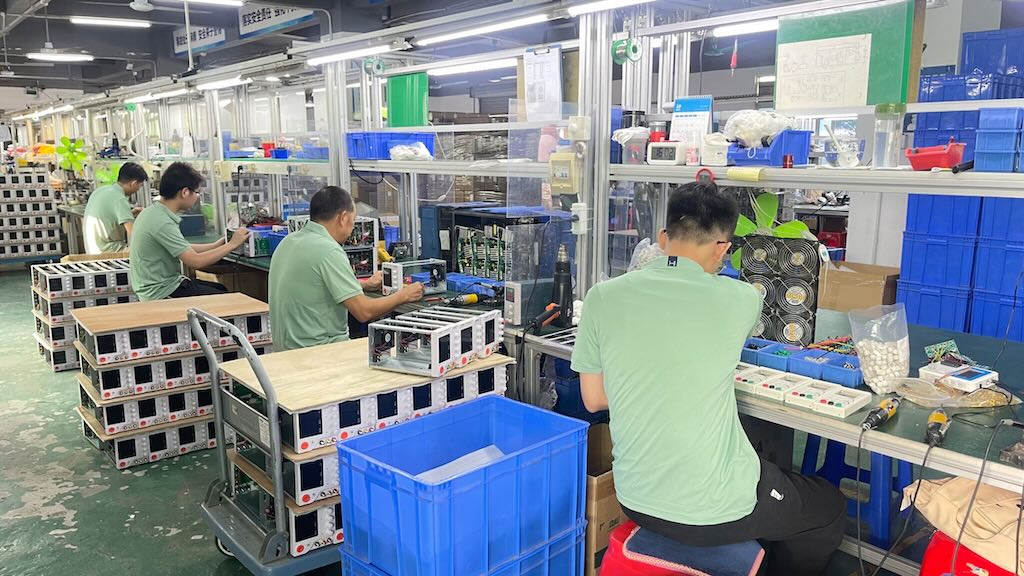 Assembling
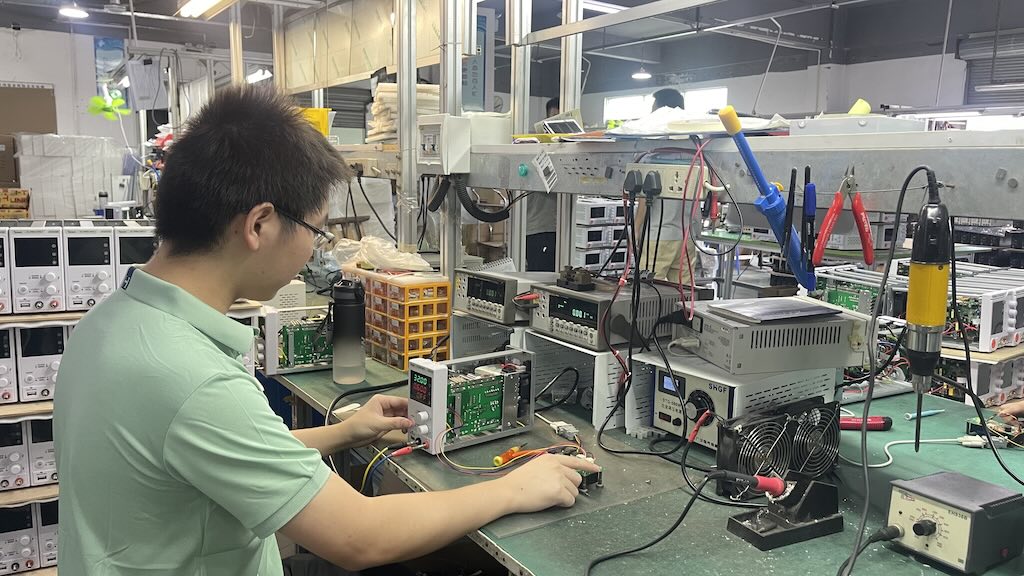 Debug
Debug
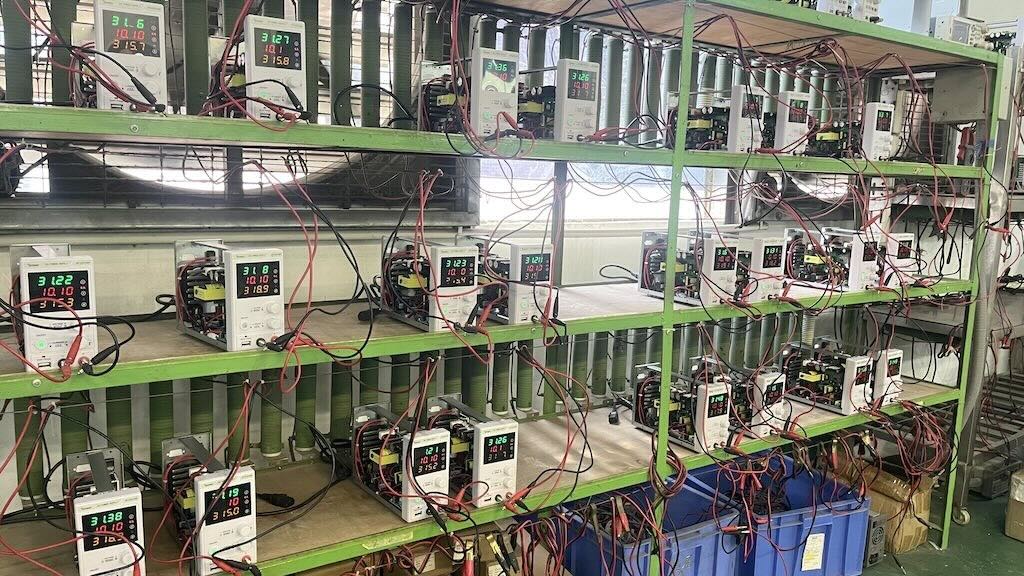 Aging
Aging
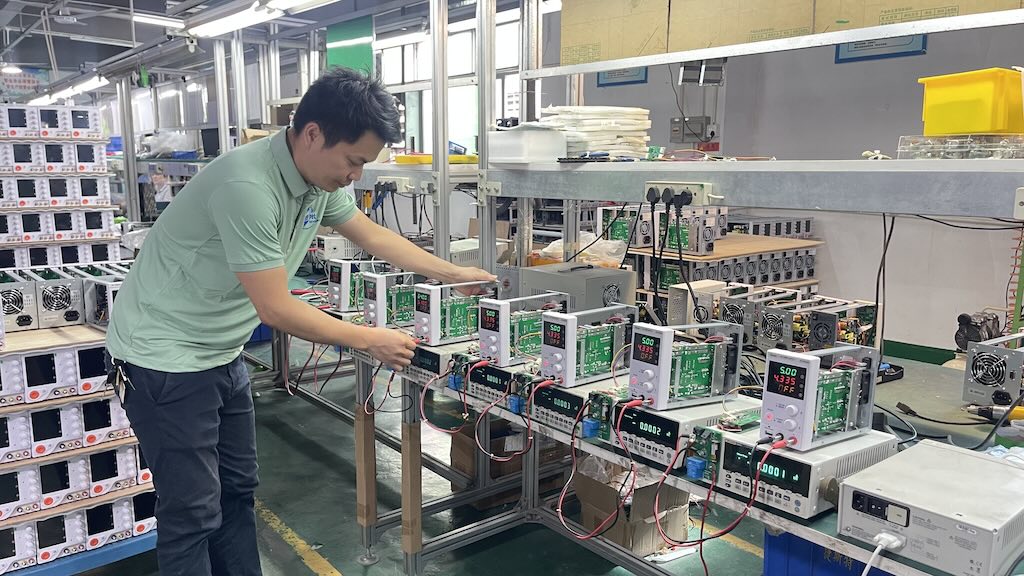 Calibration
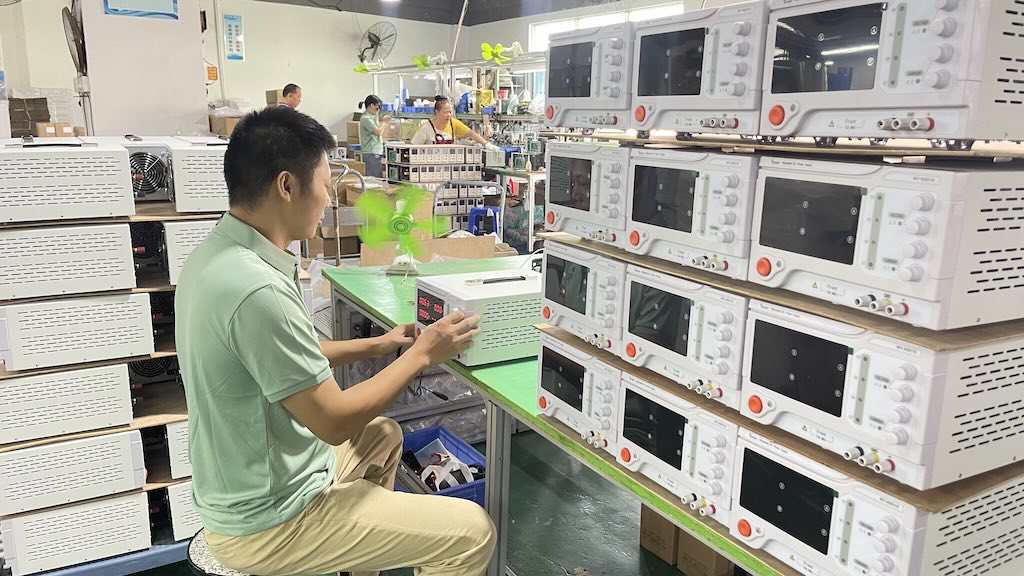 QC checking
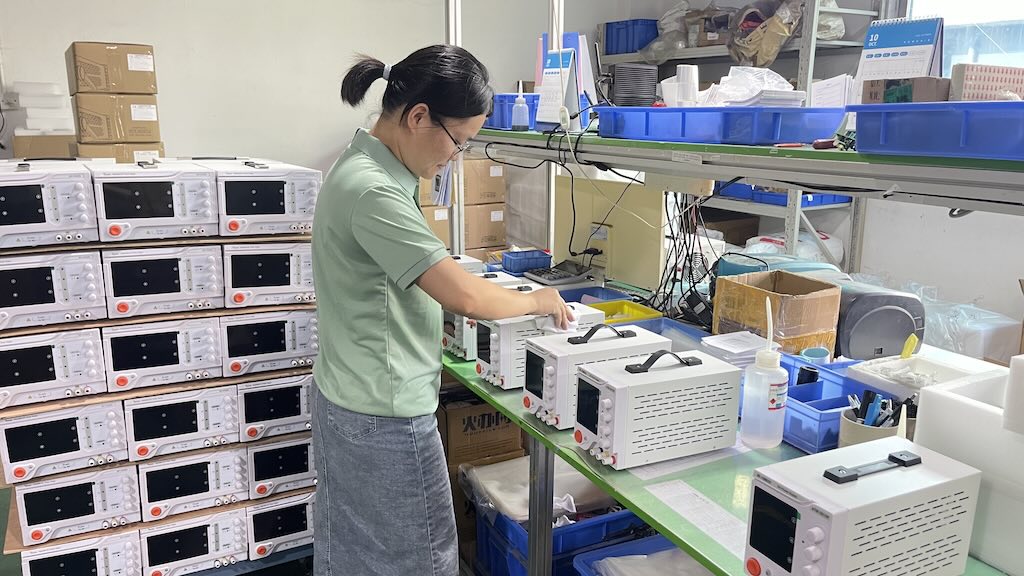 Packing
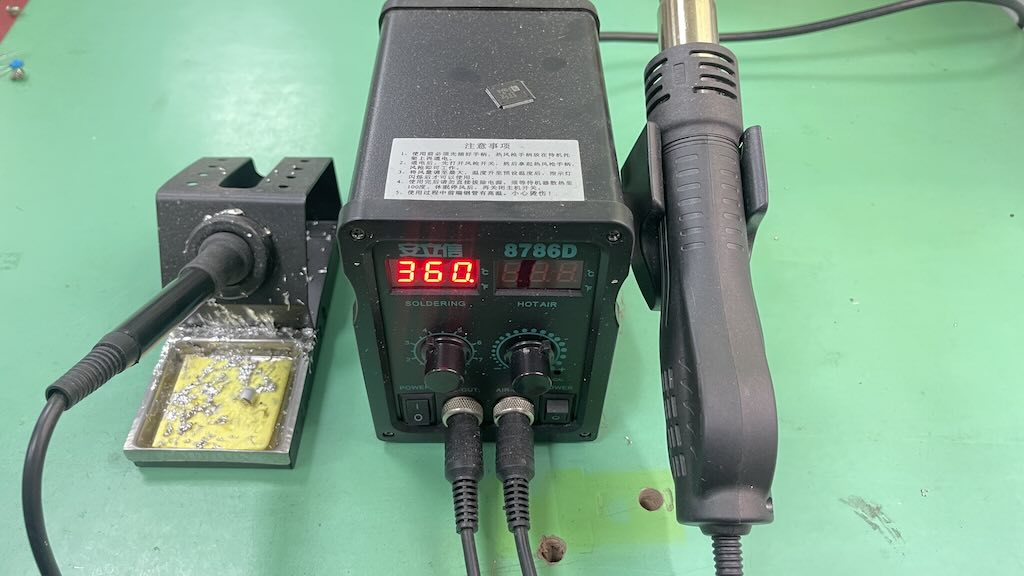 Soldering Station
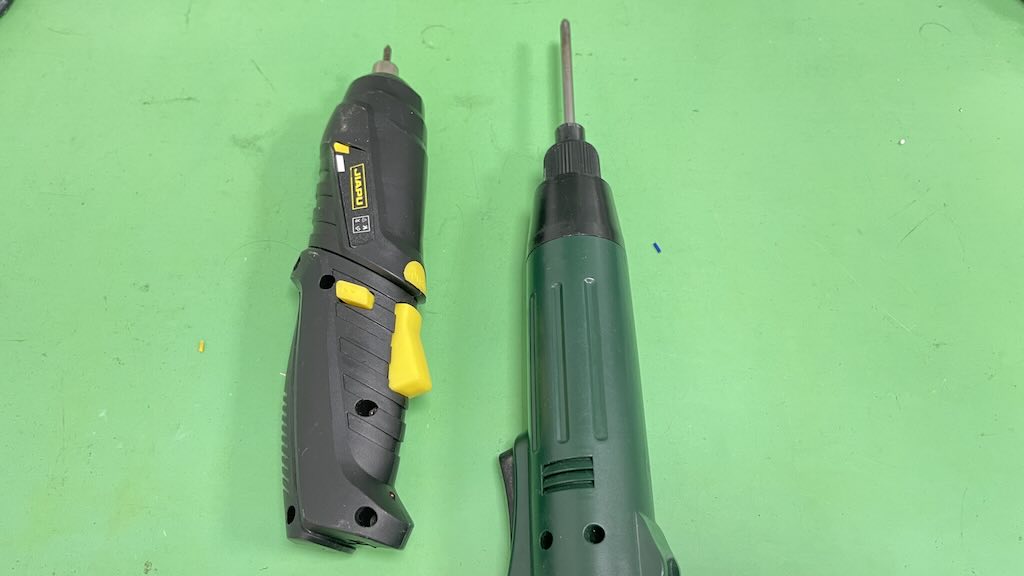 Electronic Screwdriver
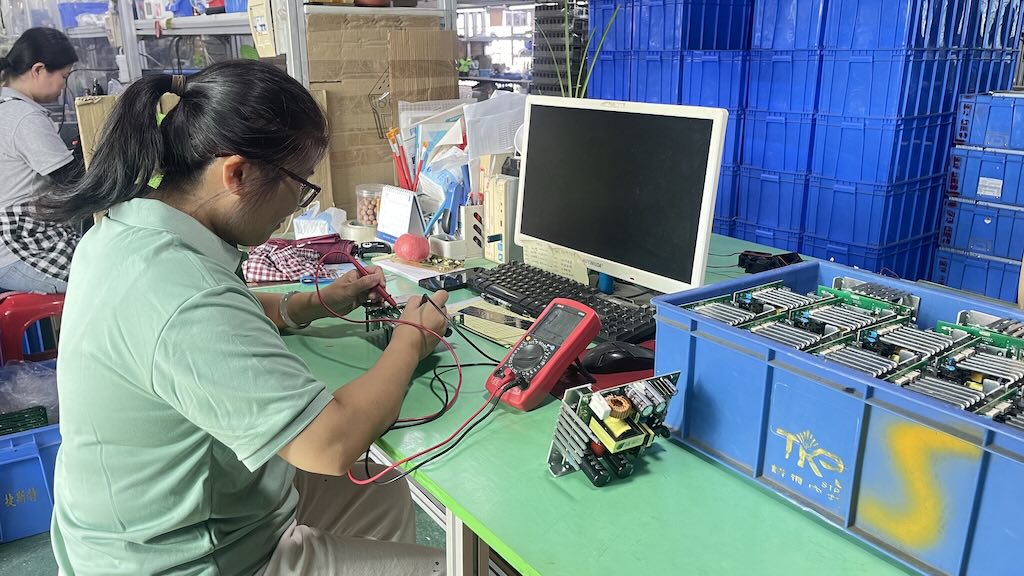 PCB Check
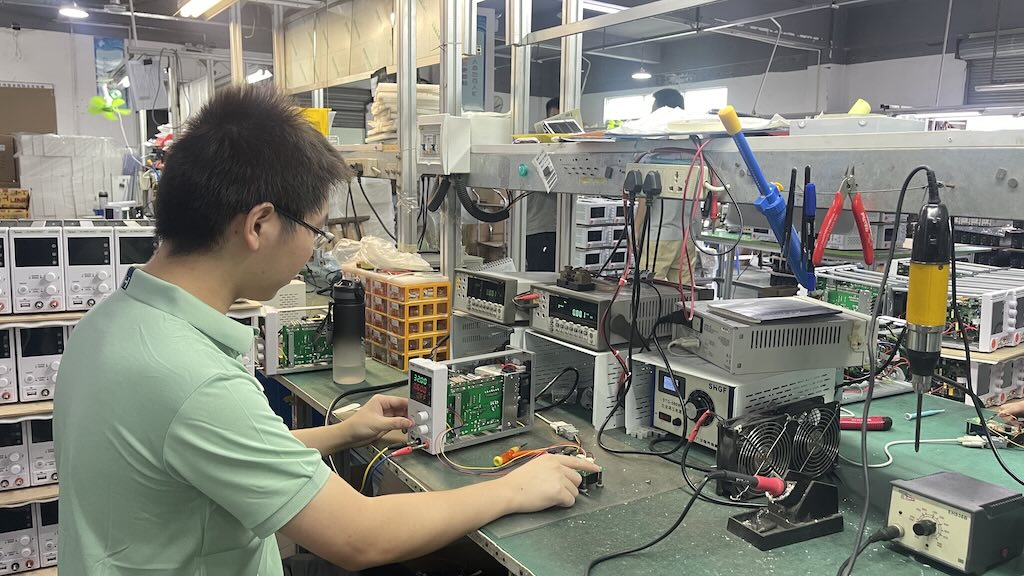 Debug
Debug
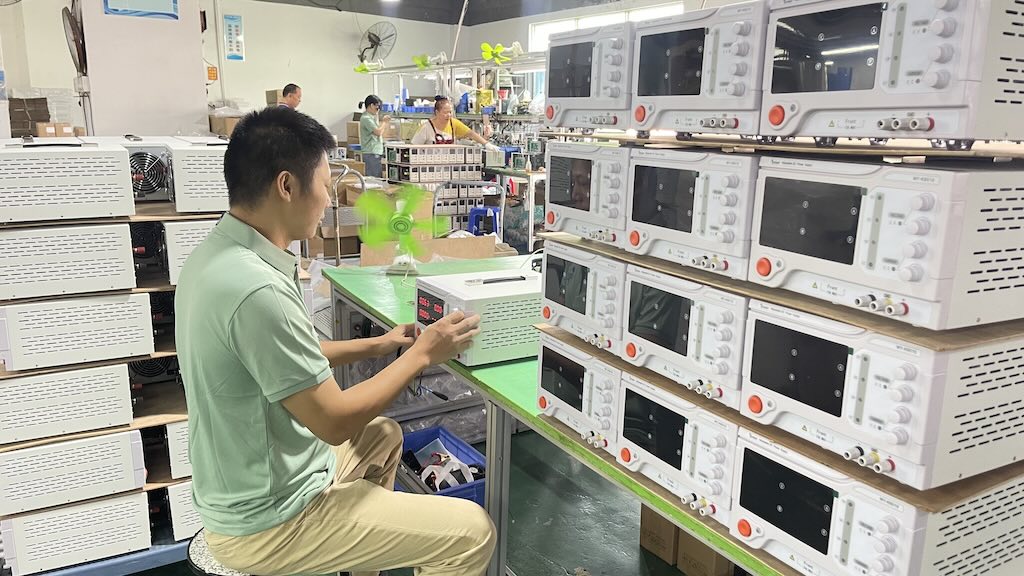 QC check
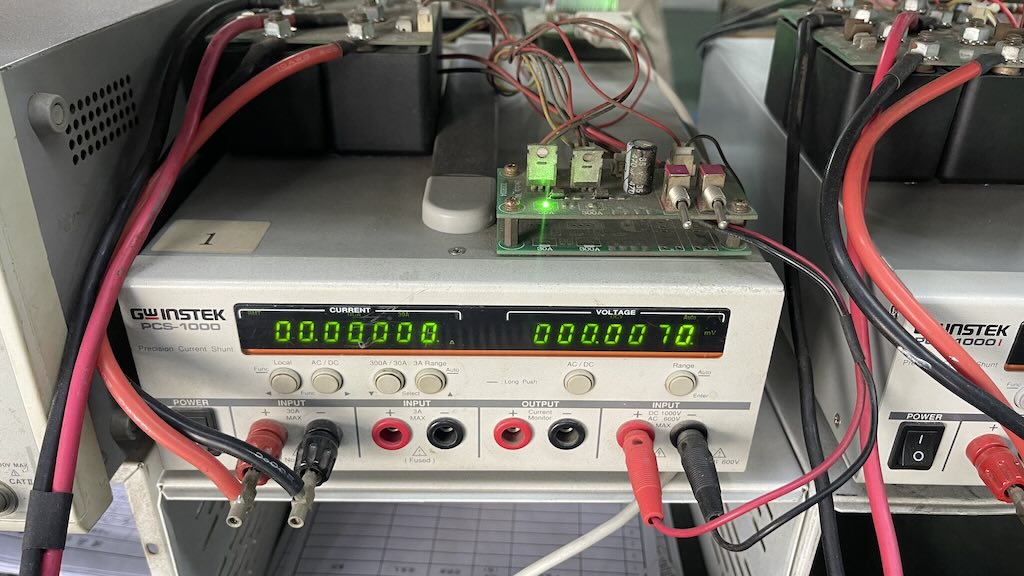 Multimeter
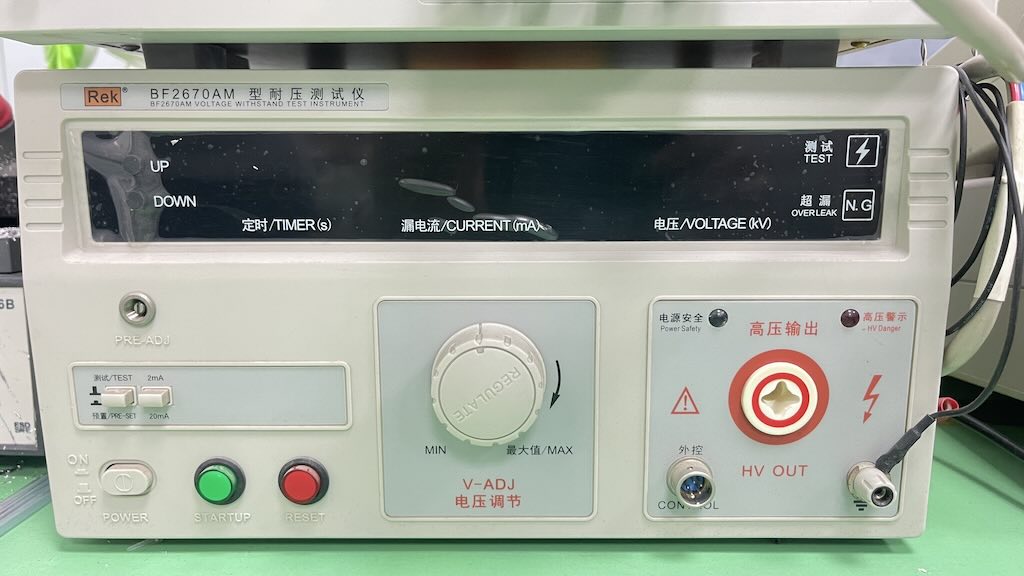 Hi-pot Tester
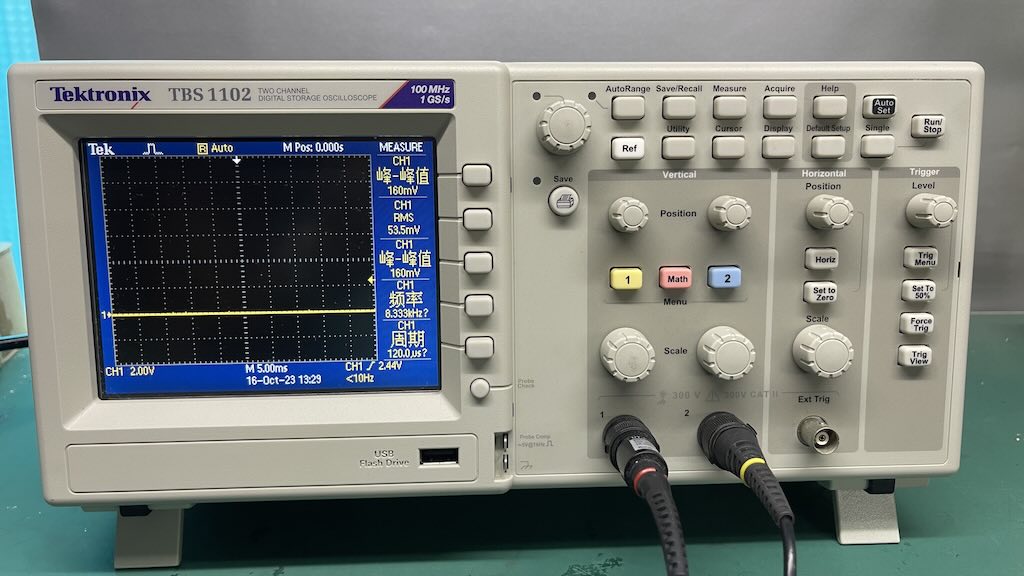 Oscilloscope
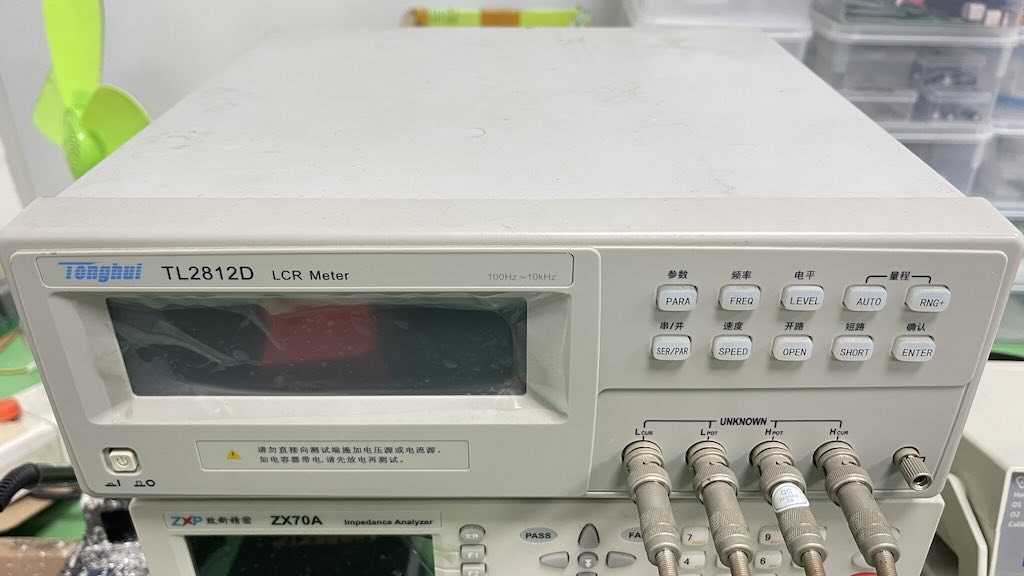 LCR Meter
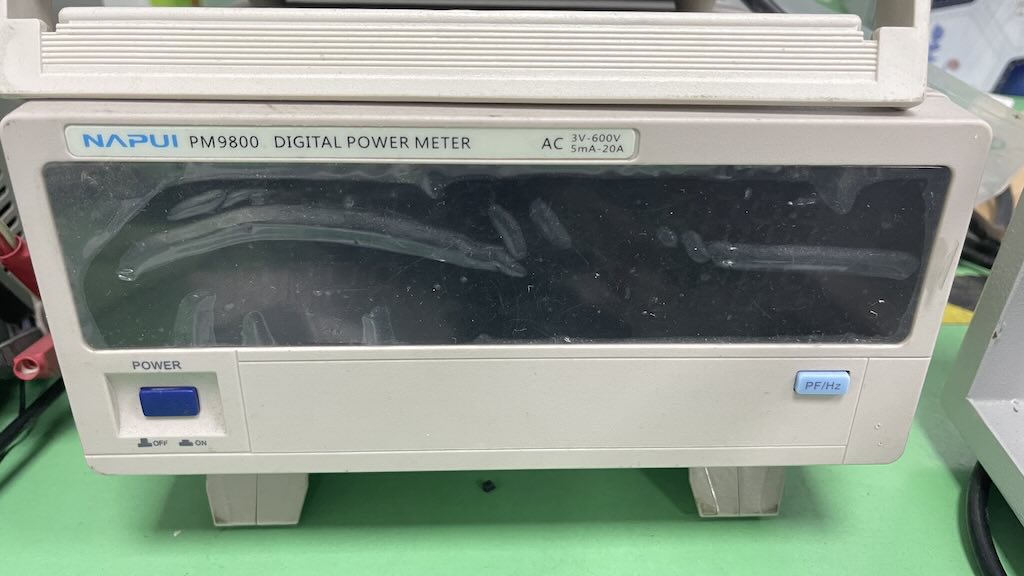 Digital power meter
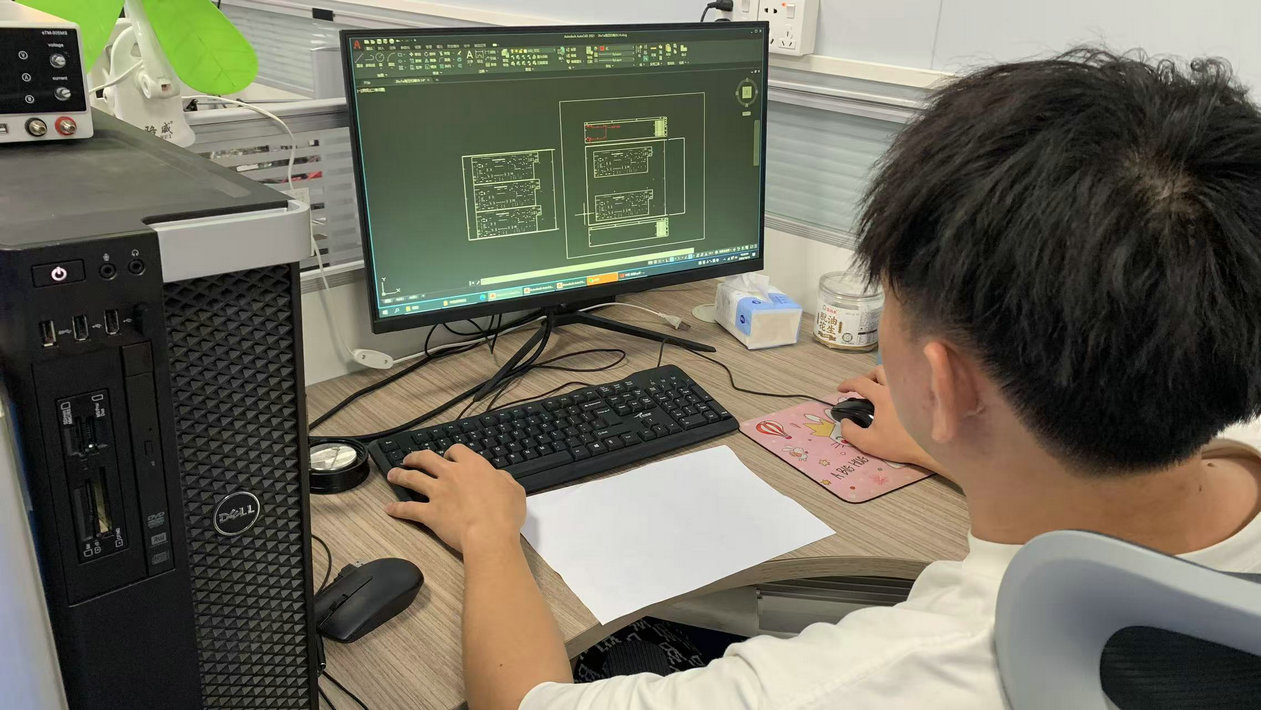 Design
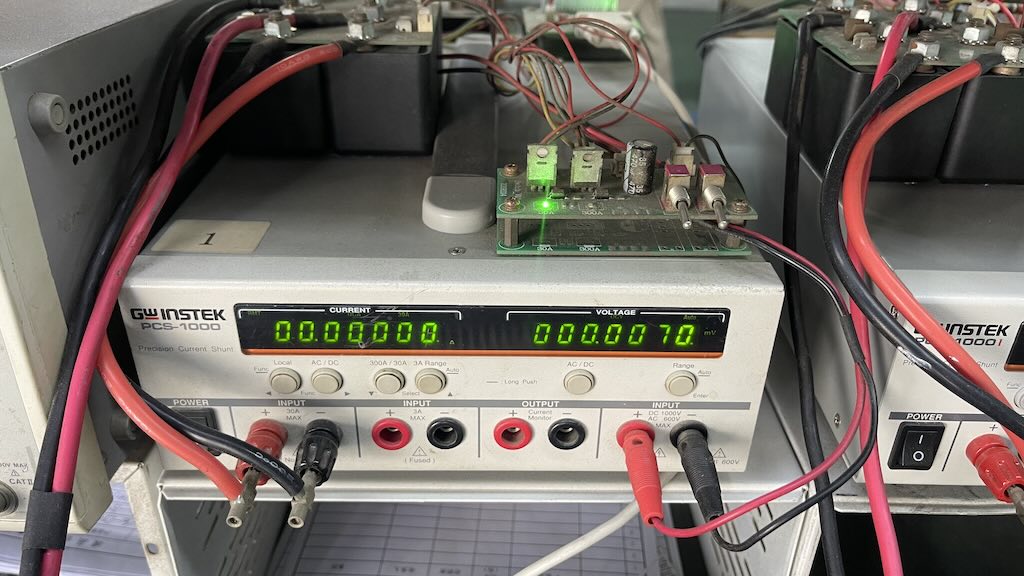 Multimeter
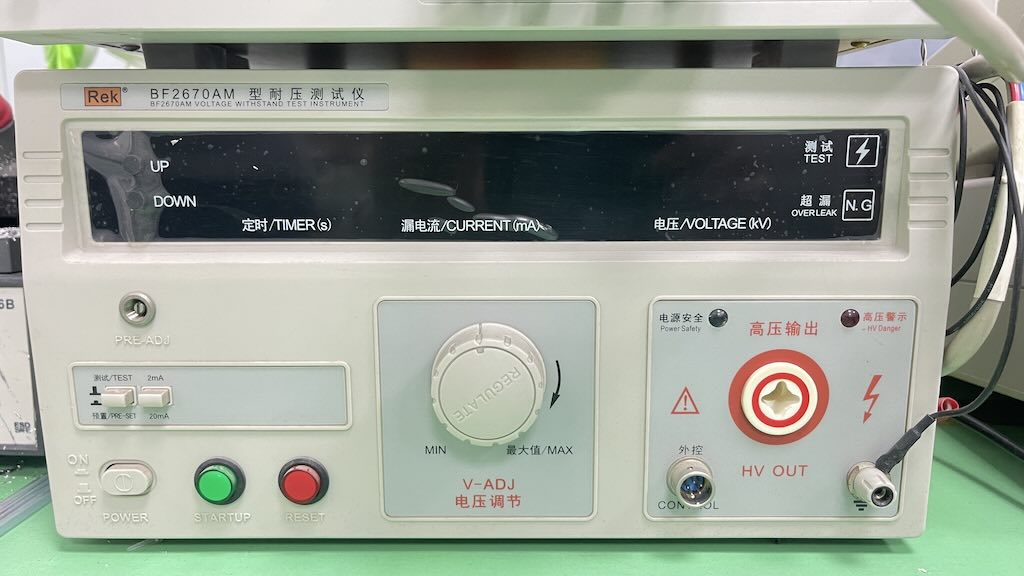 Hi-pot Tester
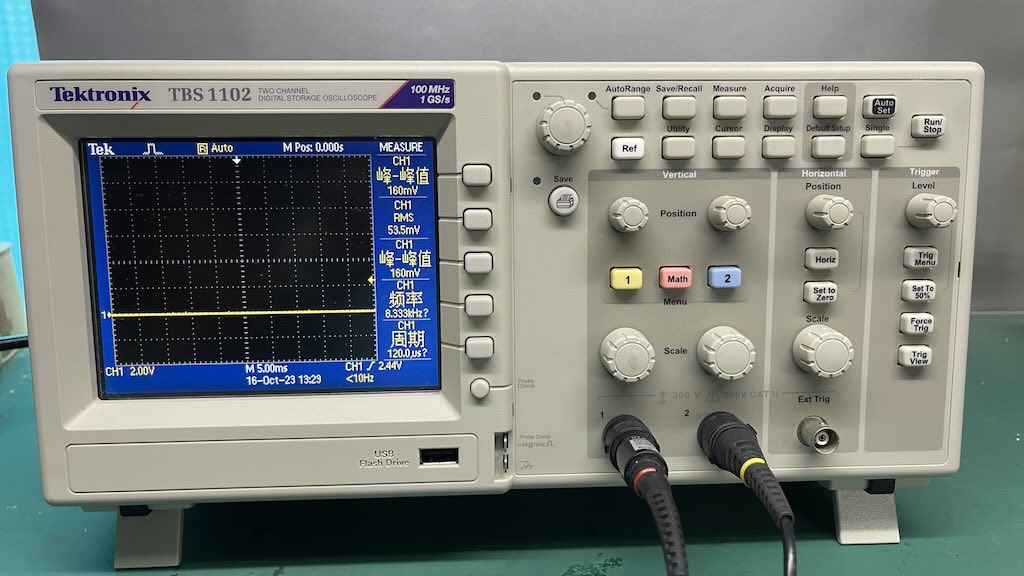 Oscilloscope
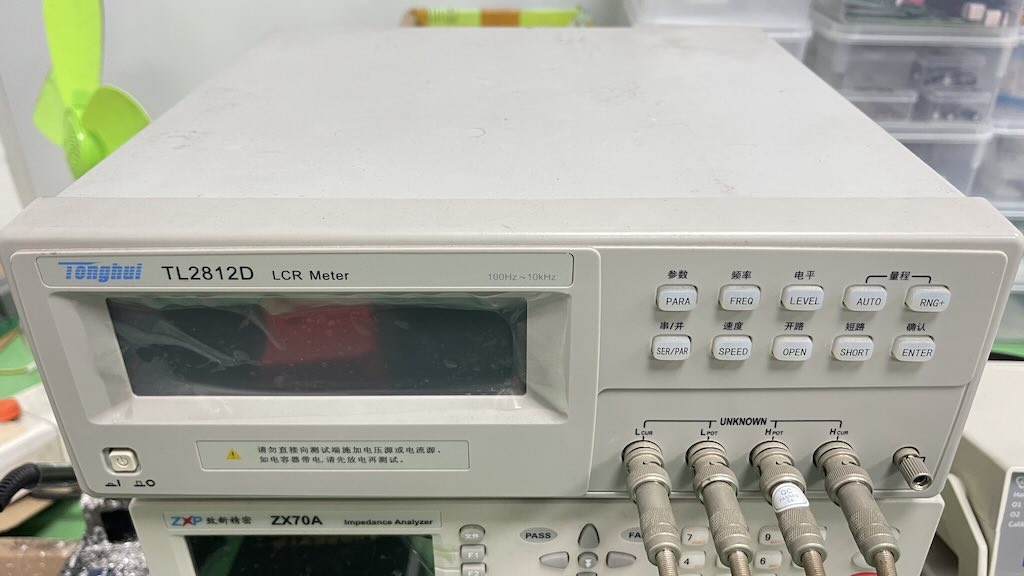 LCR Meter
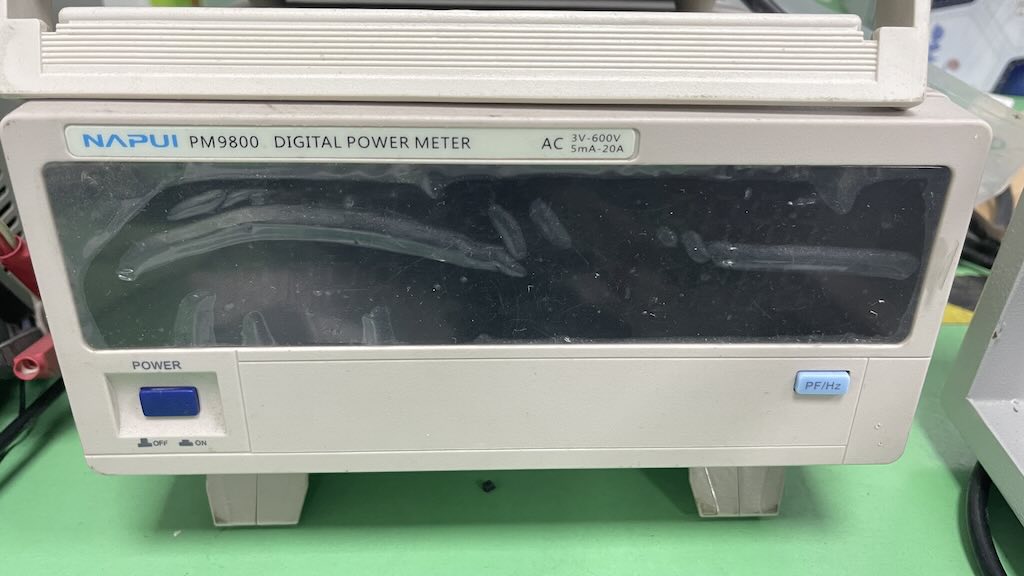 Digital power meter
Deploying heavy CNC machinery internationally presents significant challenges due to varied localized grids. For instance, a European factory operating on a three-phase 400V 50Hz grid has different requirements than a US automotive plant using a three-phase 480V 60Hz source, or a Japanese facility operating on 200V.
Industrial installations require robust UL-listed component transformers. High-current precision testing using linear sources avoids feedback noise into the local grid, ensuring compliance with IEEE harmonics standards.
CE and RoHS compliance is essential. Laser cooling pumps and auxiliary equipment must feature integrated over-voltage protection (OVP) and over-temperature safety loops, which are standard in MYAMI regulated sources.
Ensuring the longevity of automation controls requires accurate measurement and reliable back-up solar grid integration. Explore our specialized high-capacity catalog below.
 Myami Power