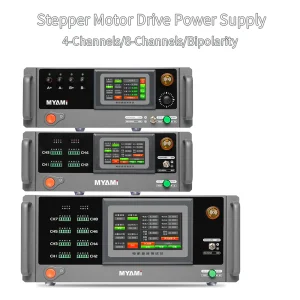
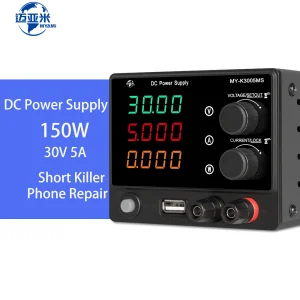
Premium hybrid inverters, regulated DC bench supplies, and utility testing equipment built to optimize global smart grid connectivity.
Insights into the rapid evolution of Advanced Metering Infrastructure (AMI) and Smart Power Grid deployment.
The global smart grid landscape is undergoing a structural transition. Utility providers are migrating from unidirectional electronic meters to intelligent, multi-dimensional Advanced Metering Infrastructure (AMI). Modern smart meters are no longer simple billing tools; they function as decentralized edge-computing nodes situated at the boundary of the consumer and the utility network.
Key global dynamics driving this segment include the expansion of cellular IoT protocols, such as NB-IoT and LTE-M, alongside standard mesh networks. These technologies ensure reliable data transmission even in dense urban or remote rural deployments. Utility enterprises demand real-time power quality analytics, immediate outage alerts, load management capabilities, and bidirectional communication pathways.
Furthermore, the exponential penetration of renewable energy generation (specifically residential solar PV arrays and electric vehicle charging infrastructure) demands smarter monitoring capabilities. The integration of local generation requires smart meters capable of net metering, precision tracking of reactive power, and handling bidirectional current profiles.
Smart meters now utilize onboard microcontrollers to process power data locally, enabling localized decision-making, harmonic identification, and real-time load profile categorization before data packet compression.
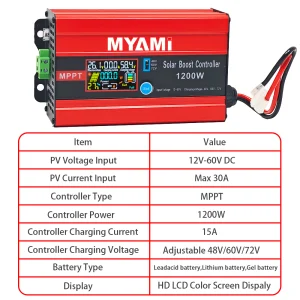
Modern setups require smart meters to coordinate dynamically with decentralized assets like hybrid inverters and MPPT battery charge controllers to balance peak loads within regional microgrids.
With meters serving as entry points to the grid, modern specifications mandate strict cryptographic security, secure bootloader chips, and encrypted DLMS/COSEM protocols to deter data manipulation and grid interference.
Key variables evaluated by technical procurement committees when sourcing AMI assets from China.
Industrial and residential smart meters operate in harsh outdoor settings, requiring a guaranteed operational lifespan of 10 to 15 years. Technical procurement teams closely analyze components like current transformers (CTs), shunt resistors, and internal Power Supply Units (PSUs). If the internal power supply unit fails due to utility voltage surges or thermal degradation, the entire AMI node disconnects.
Precision under extreme temperatures is crucial. Metrology chips must preserve accuracy classes (e.g., Class 0.5S or Class 1.0 according to IEC standards) across wide ambient spans. This requires specialized calibration testing during the manufacturing phase.
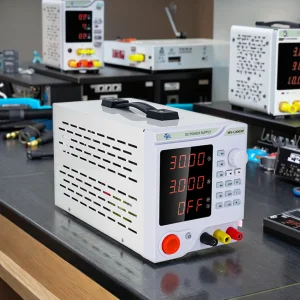
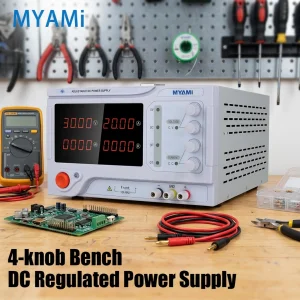
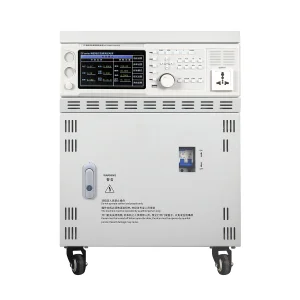
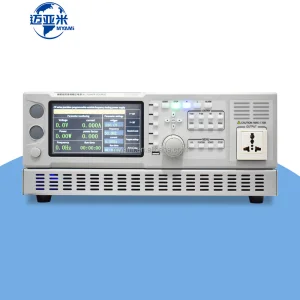
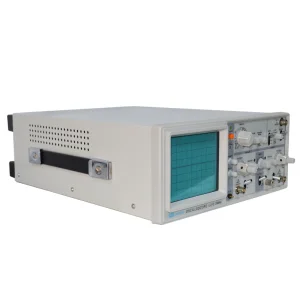
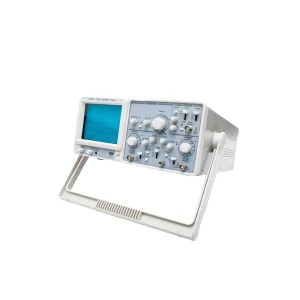
Reliable hardware developers verify their smart meter designs with variable laboratory test equipment—including programmable AC/DC power supplies, touch-screen variable frequency source simulators, and high-speed bench oscilloscopes—to simulate dynamic grid scenarios.
Aligning high-precision electronic manufacturing with smart distributed grids.
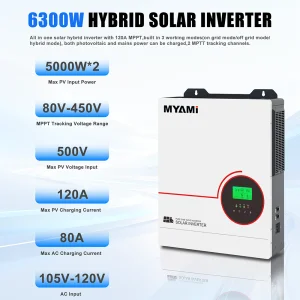
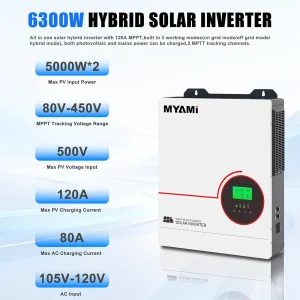
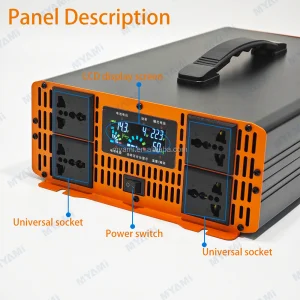
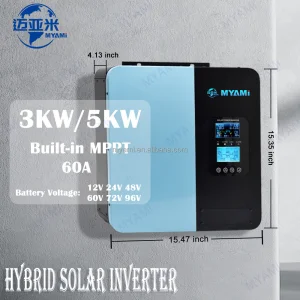
With the rapid adoption of residential and commercial solar, intelligent energy setups must coordinate with hybrid inverters to manage surplus power generation. Our advanced 6300W and 5KW Home Hybrid Solar Inverters feature MPPT controllers and RS485 communication protocols, allowing smart meters and central utility platforms to monitor energy direction, manage battery systems, and limit reverse power feed.
EV charging stations represent high, transient electric loads. Standard residential smart meters must work in tandem with dynamic EV supply equipment (EVSE). Utilizing high-voltage DC test units, programmable frequency simulators, and multi-channel power supplies ensures EV charging networks operate safely without overloading regional grid distribution transformers.
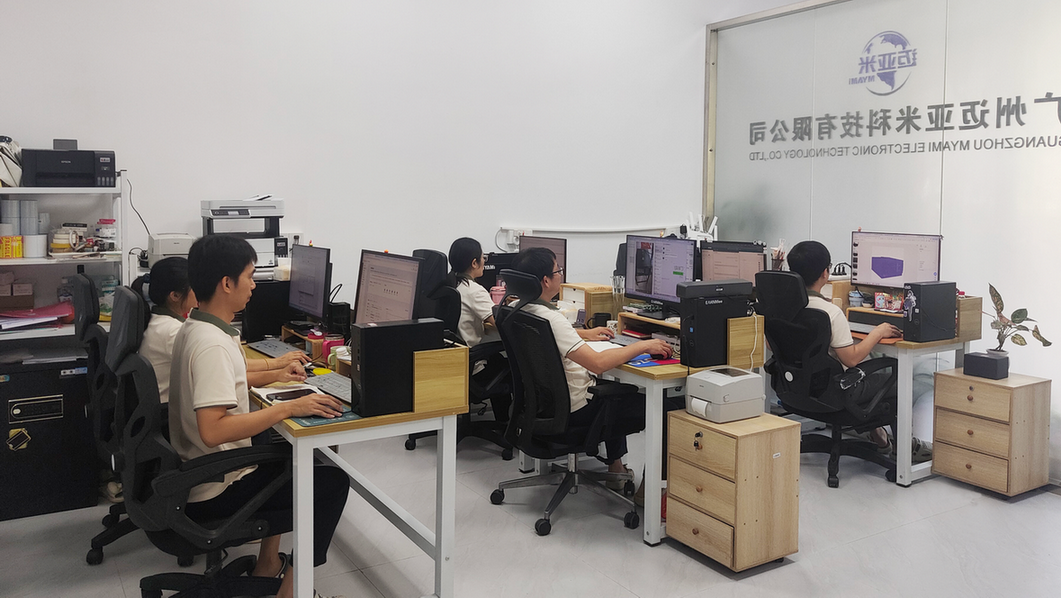
Providing the precise testing foundation, smart inverters, and power equipment powering global smart meter development.
Headquartered in Shenzhen, China, Shenzhen Myami Power Technology Co., Ltd. (MYAMI) is a technology-driven manufacturer and solution provider specializing in high-precision, industrial-grade power supplies and electrical test equipment. Designed for engineering rigor, MYAMI bridges the gap between complex electronic research, high-voltage component testing, and scalable industrial automation.
Our specialized engineering portfolio focuses on four core operational pillars:
Every MYAMI system is engineered with strict multi-layer protection protocols (OVP, OCP, OTP, and short-circuit safeguards) and complies with international safety and quality standards, including CE, RoHS, and ISO9001. Integrated with standard industrial control protocols (RS485, RS232, and CAN communication), our equipment seamlessly connects to automated production lines and central PC control systems.
Today, MYAMI serves research institutions, automotive OEMs, aerospace contractors, and electronics manufacturers across North America, Europe, East Asia, and the Middle East. Whether you require a single benchtop lab power supply or a custom high-power aging system, MYAMI is your ultimate partner for precision power and uncompromised testing reliability.
Our state-of-the-art facility uses meticulous quality-assurance processes to ensure that all smart testing instruments, inverters, and power units perform reliably in critical grid environments.
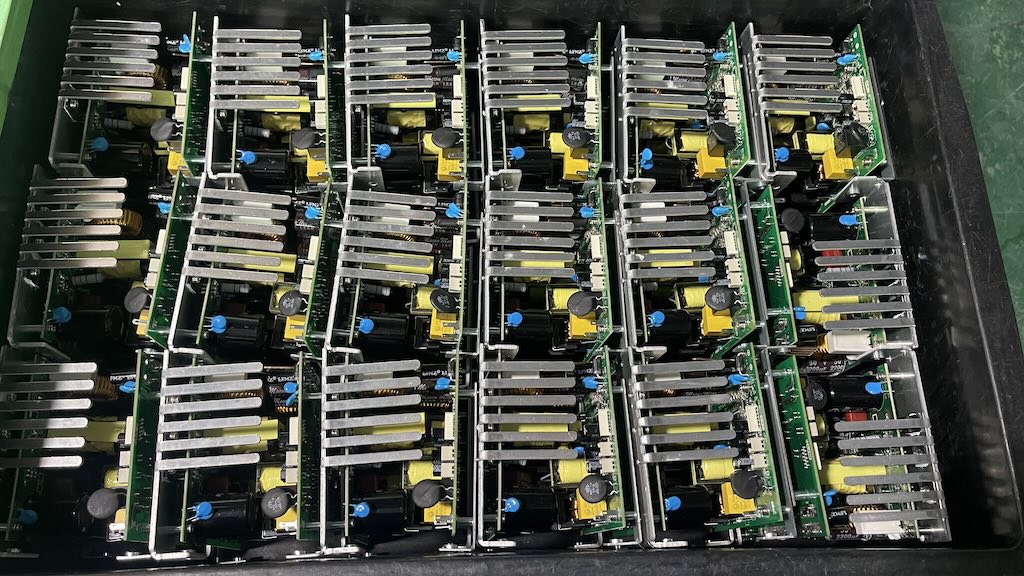 Raw Material
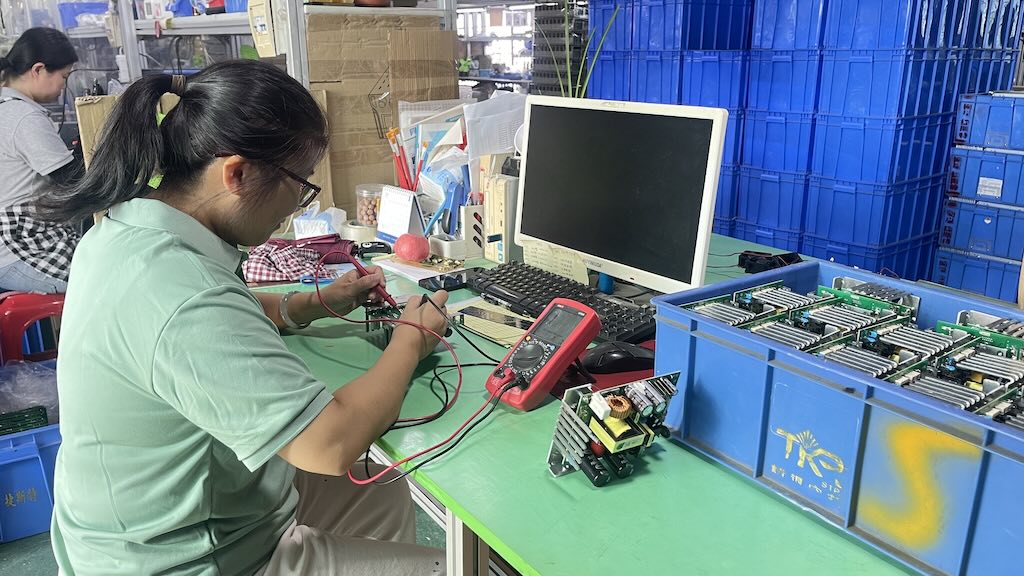 PCB Checking
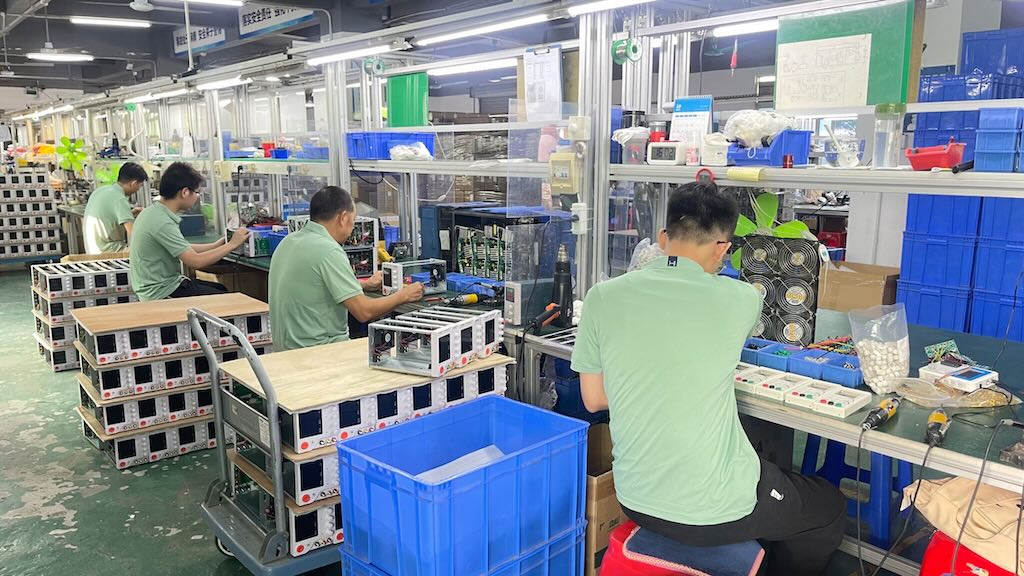 Assembling
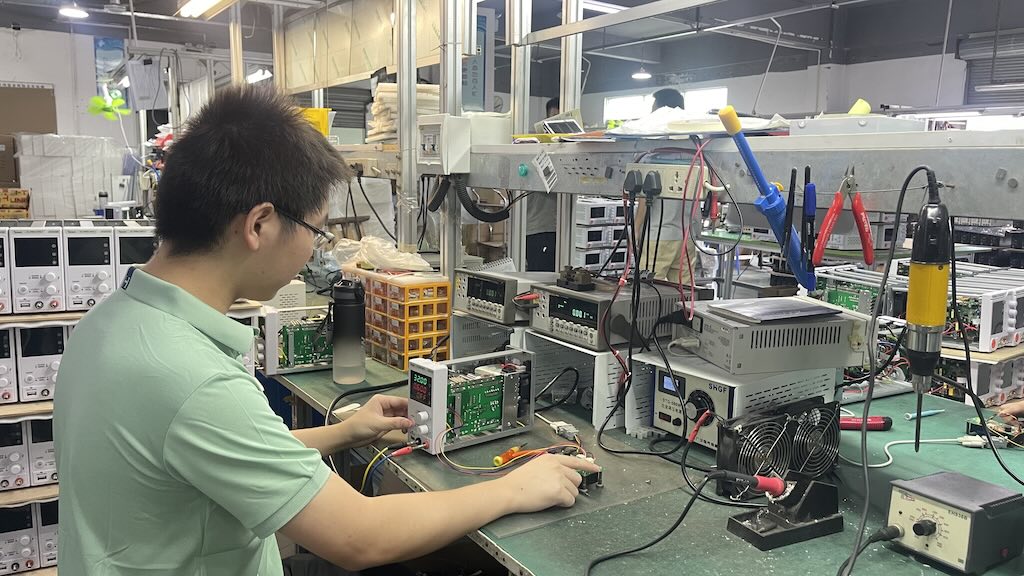 Debug
Debug
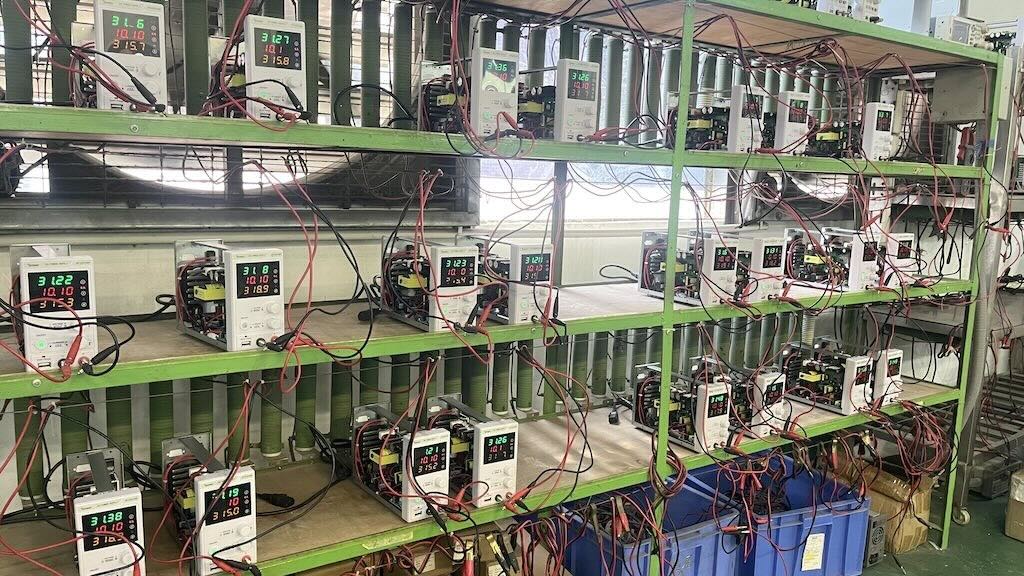 Aging
Aging
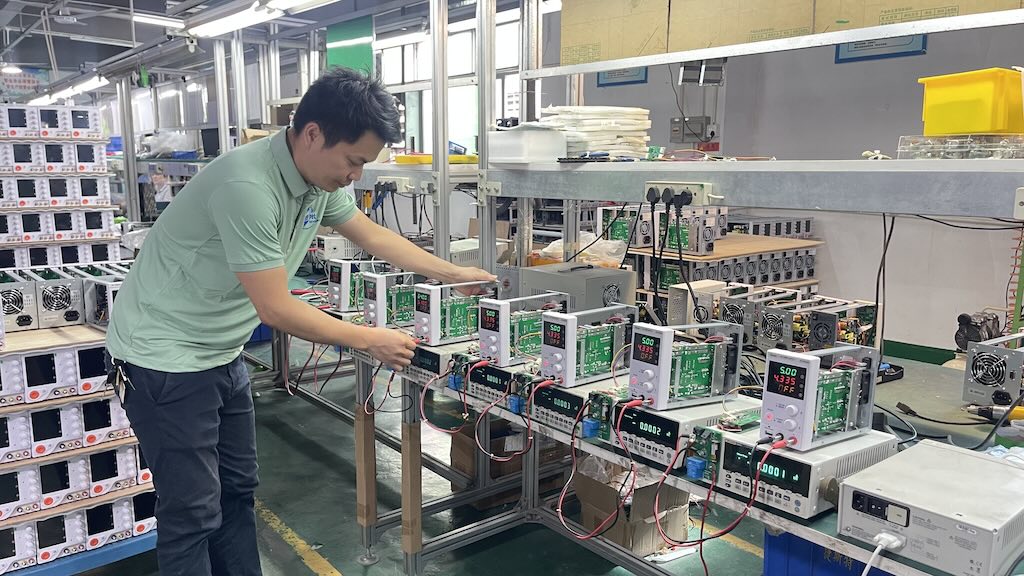 Calibration
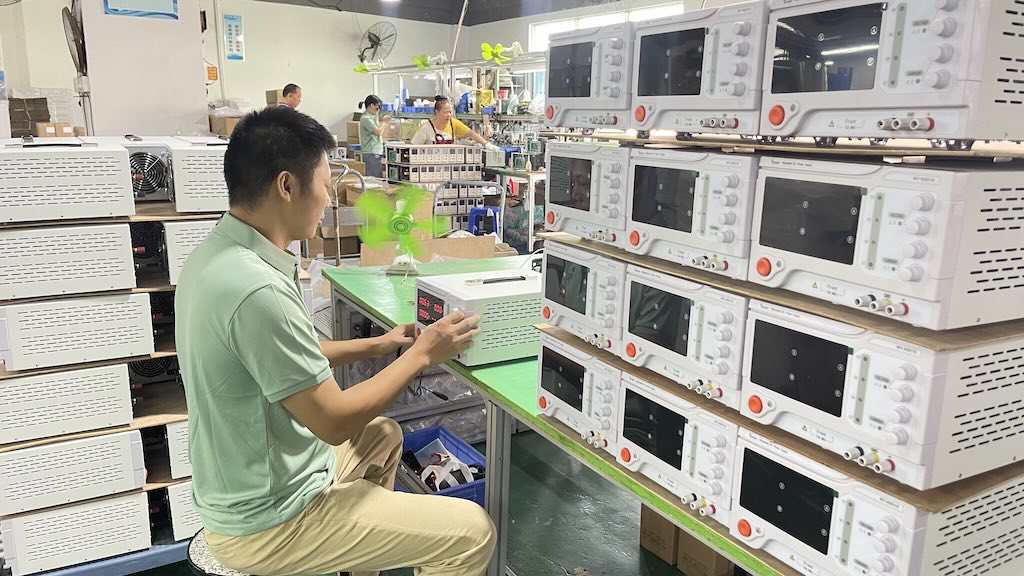 QC checking
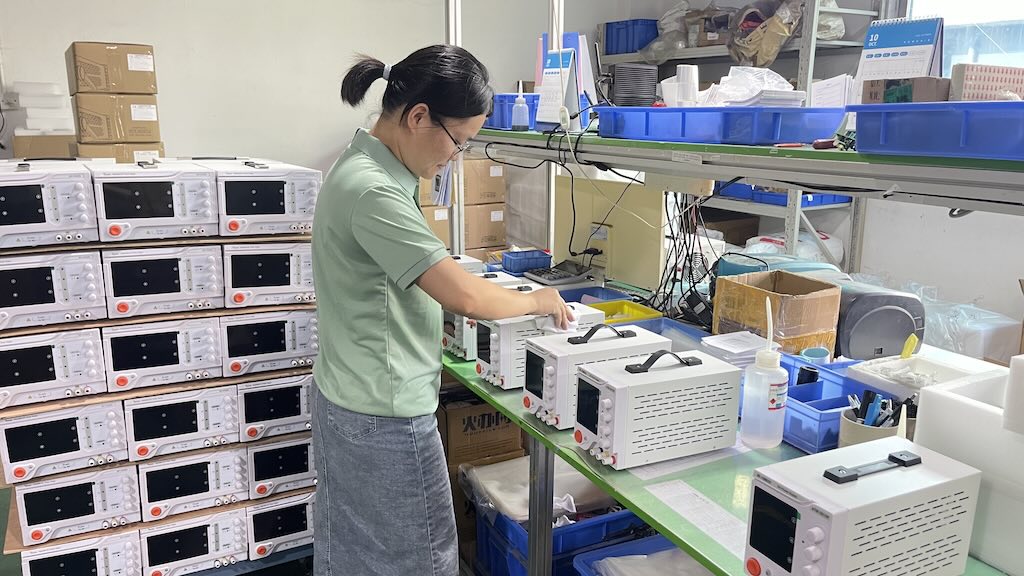 Packing
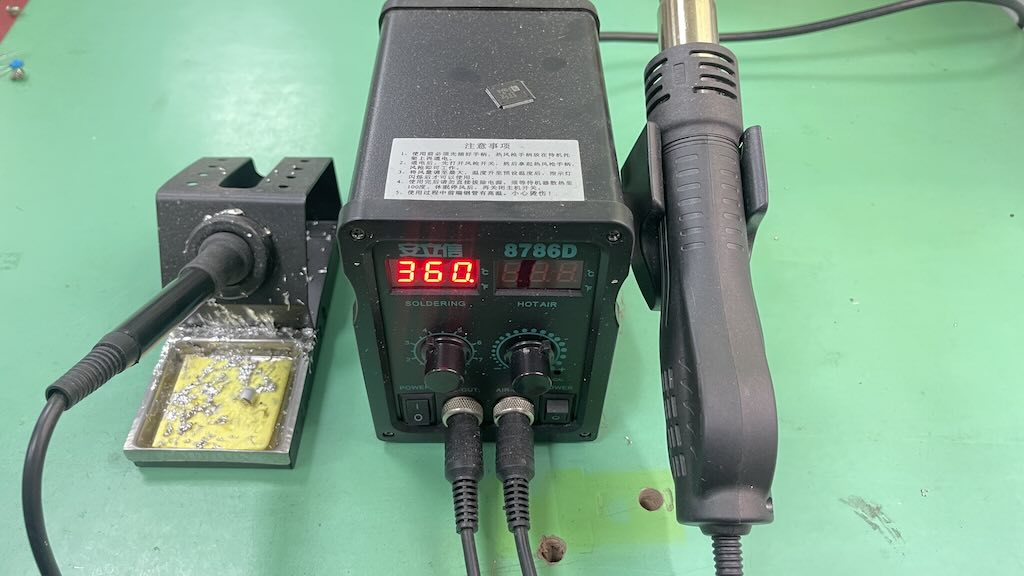 Soldering Station
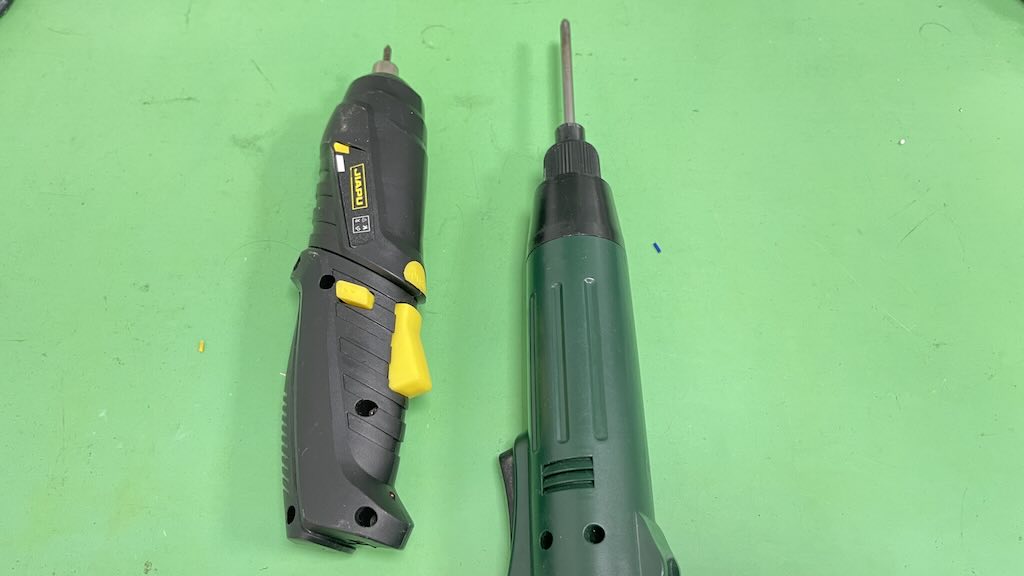 Electronic Screwdriver
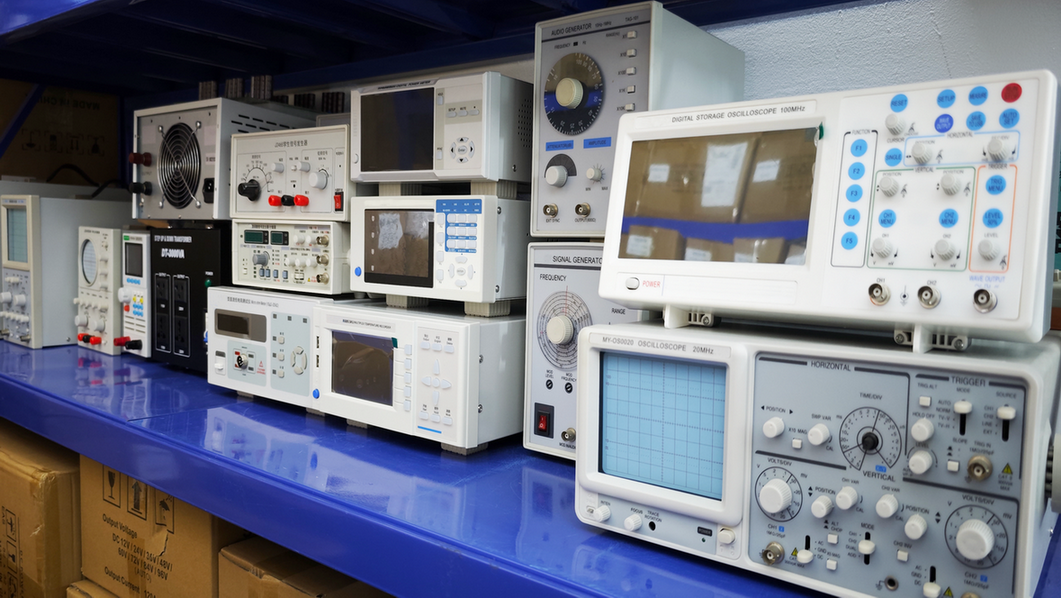
Our facilities are equipped with professional measurement instruments to check parameters, voltage curves, and heat profiles before dispatch.
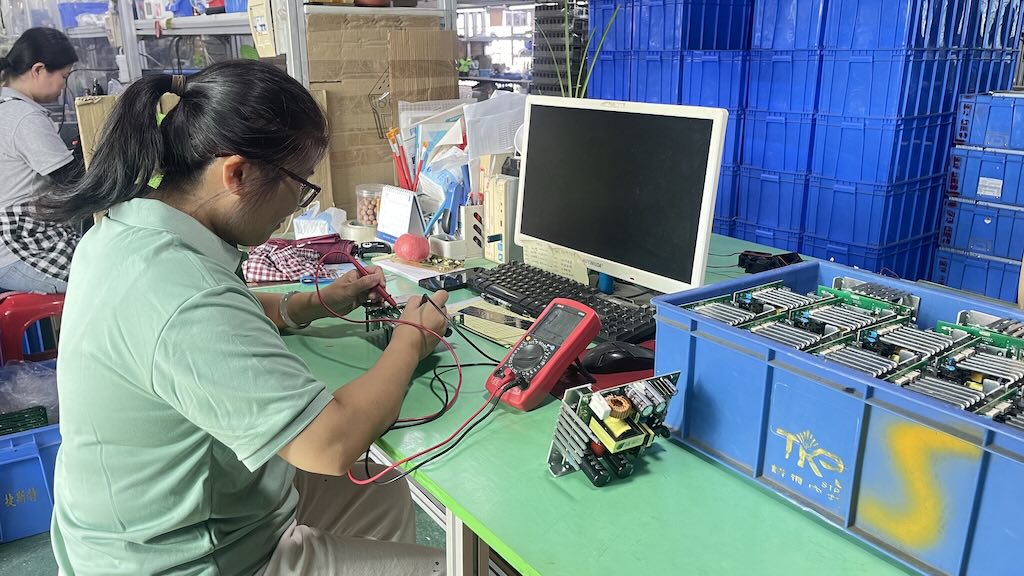 PCB Check
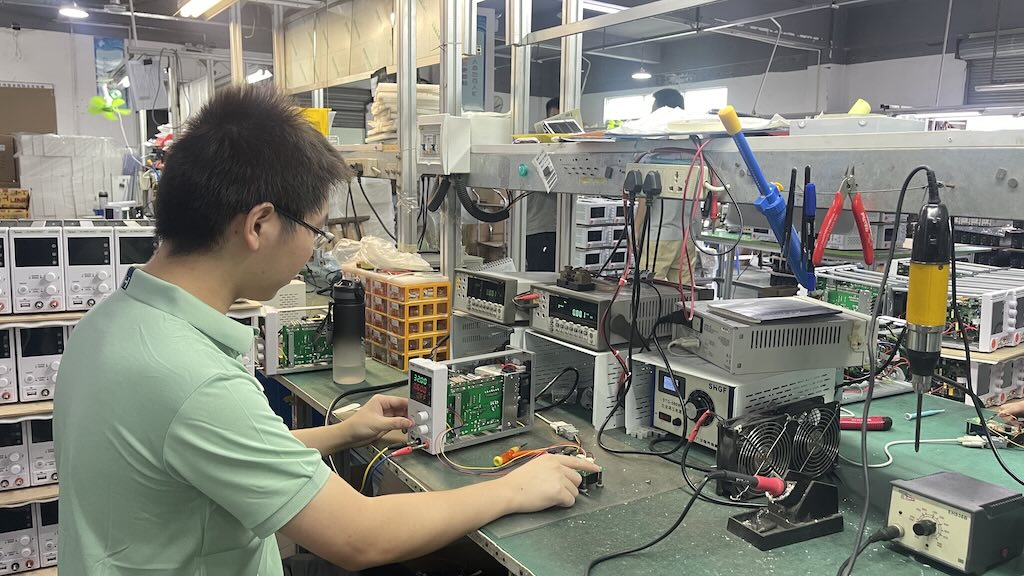 Debug
Debug
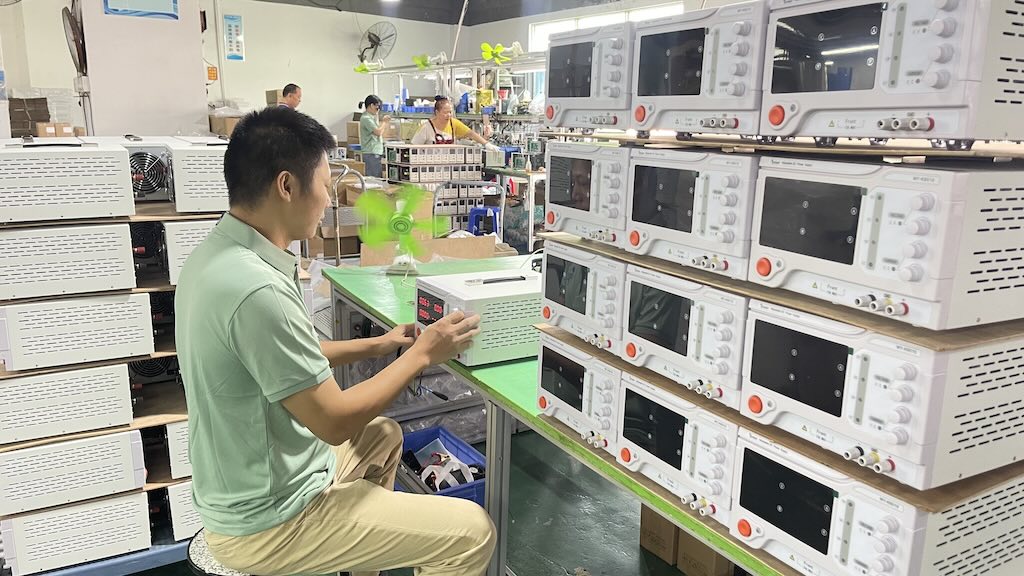 QC check
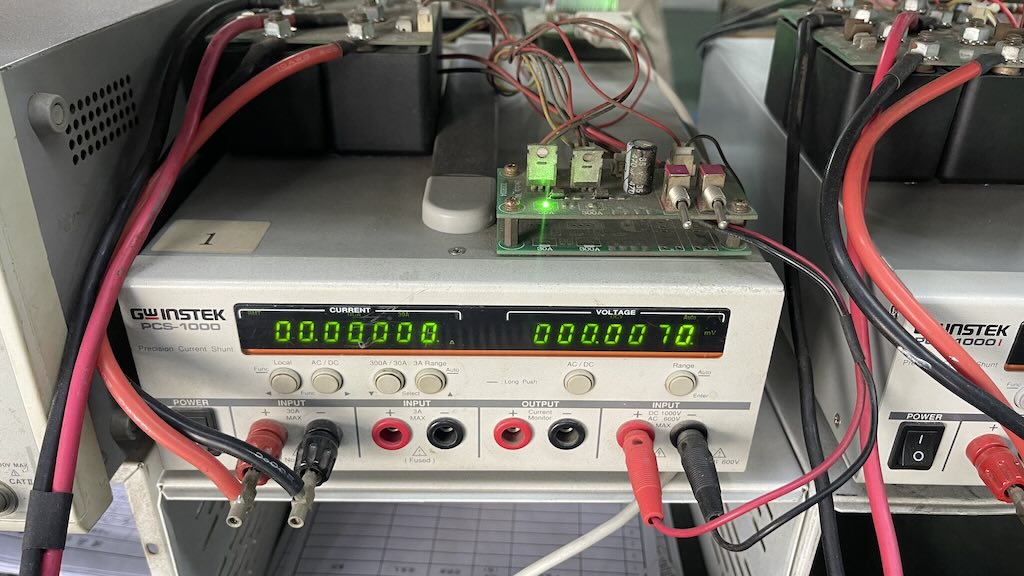 Multimeter
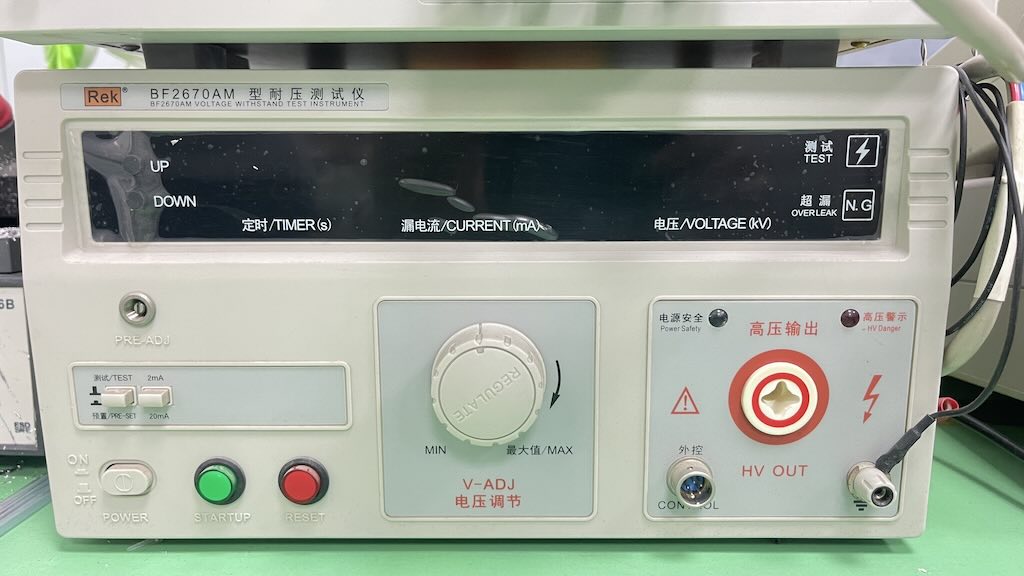 Hi-pot Tester
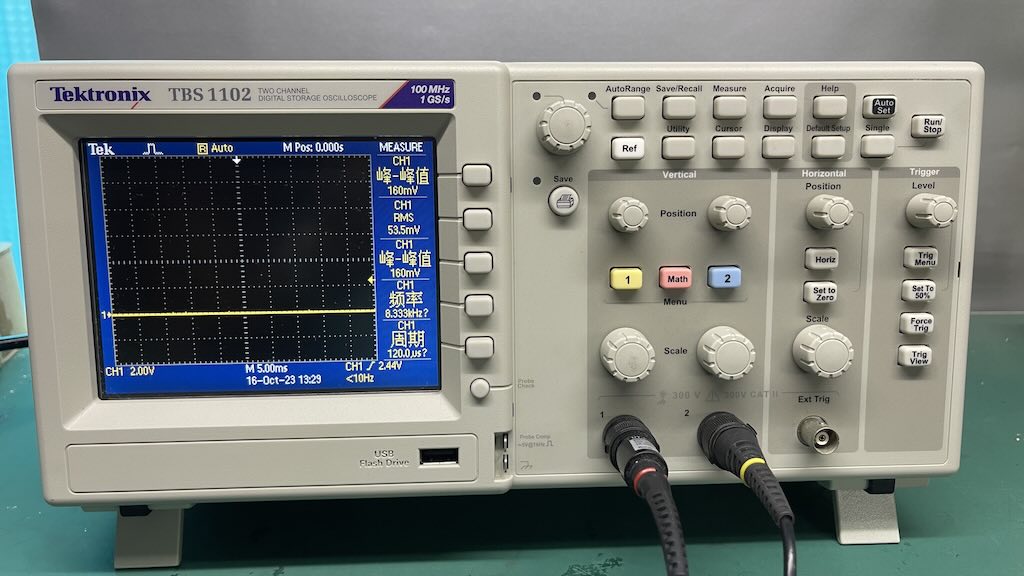 Oscilloscope
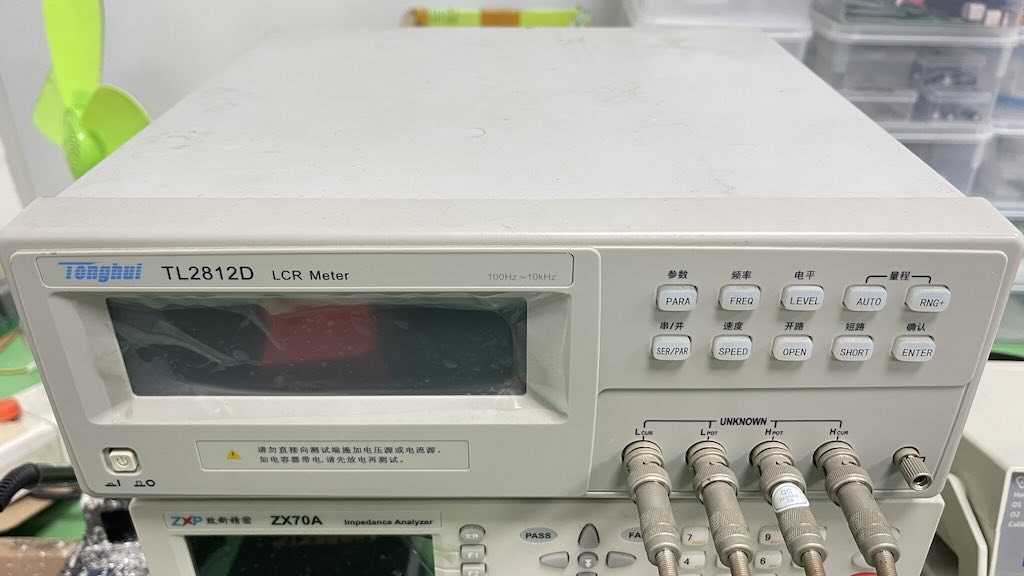 LCR Meter
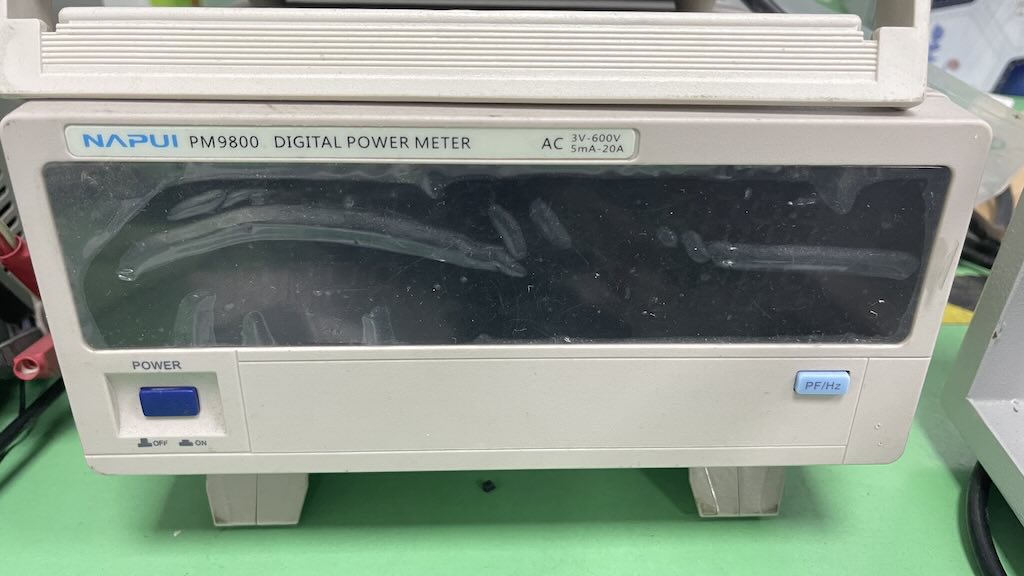 Digital power meter
Our engineering facility executes firmware programming, hardware design, and product validation protocols.
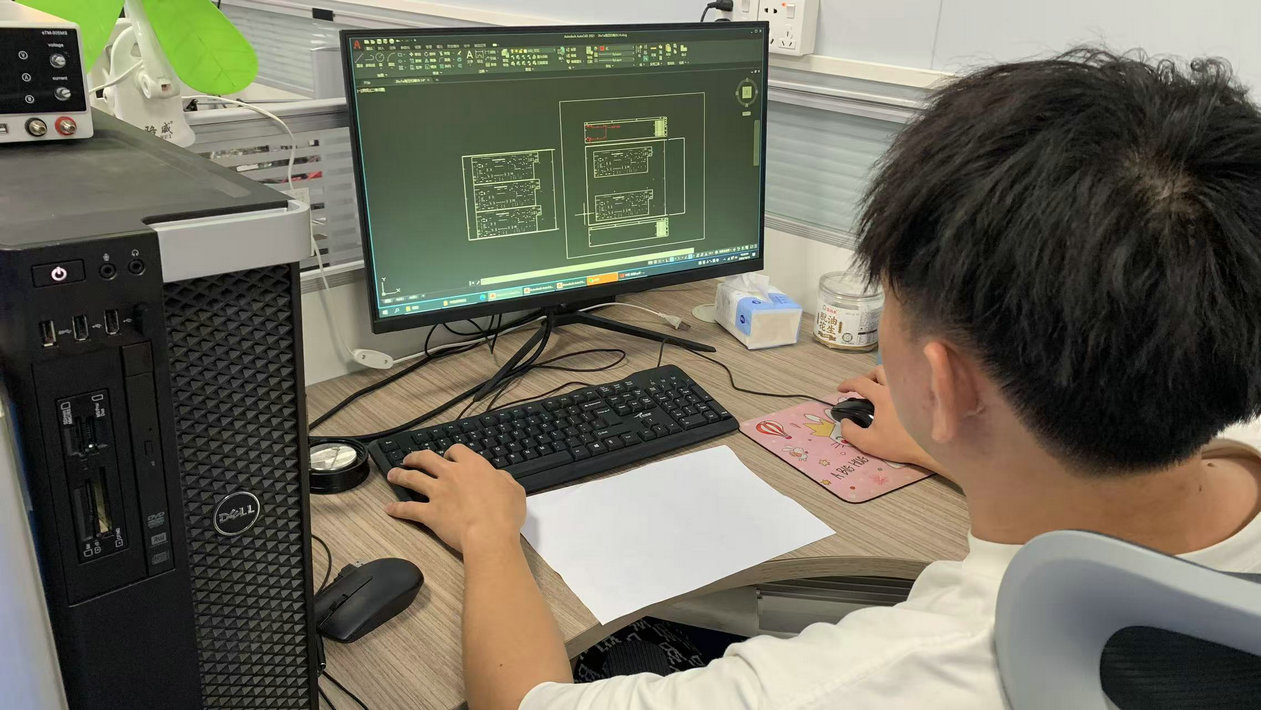 Design
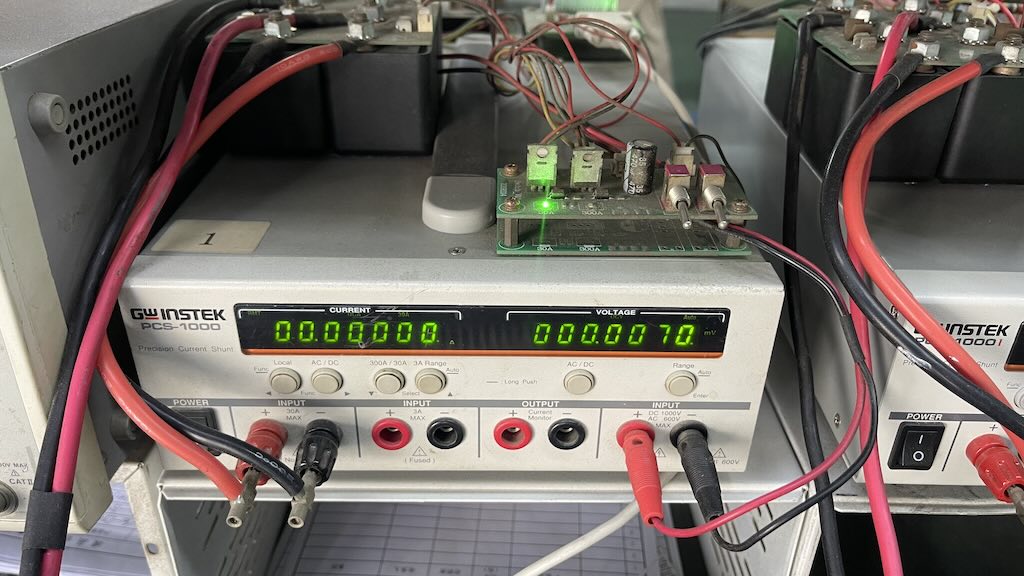 Multimeter
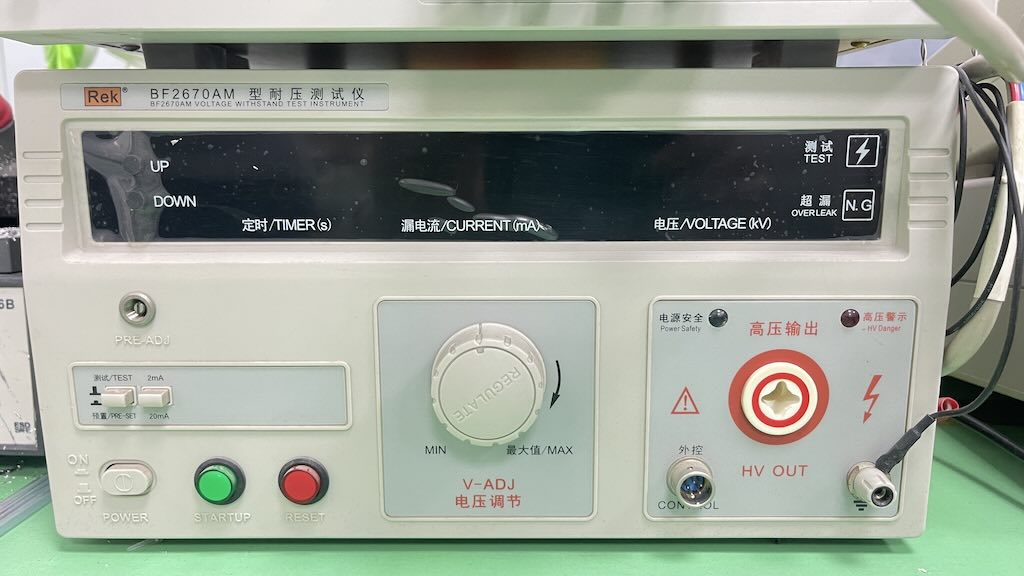 Hi-pot Tester
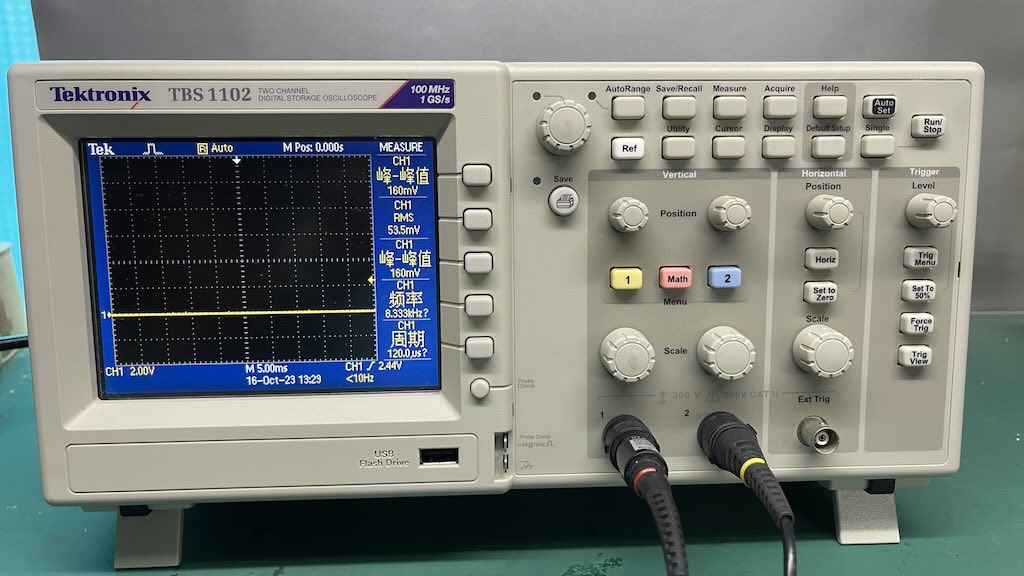 Oscilloscope
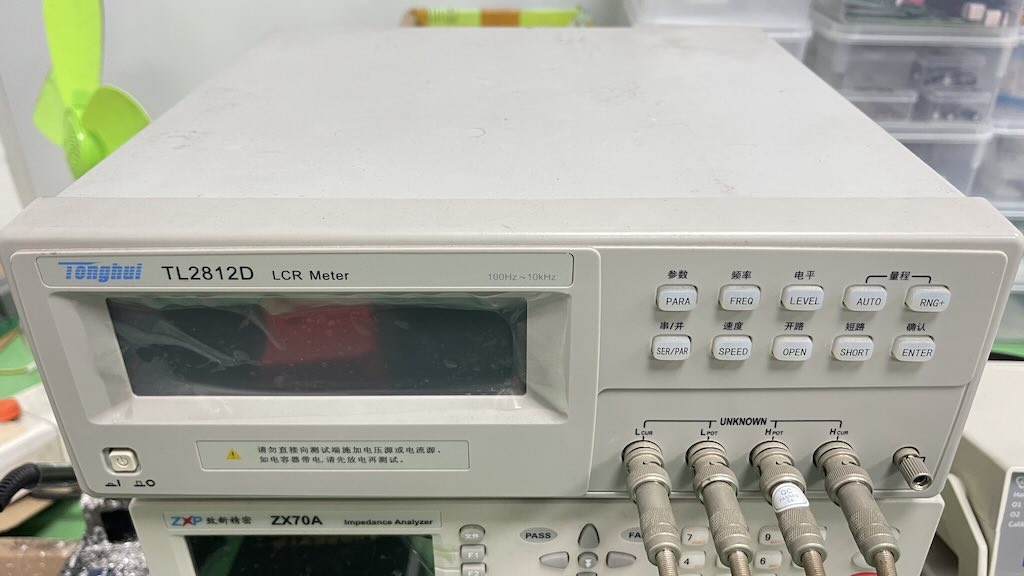 LCR Meter
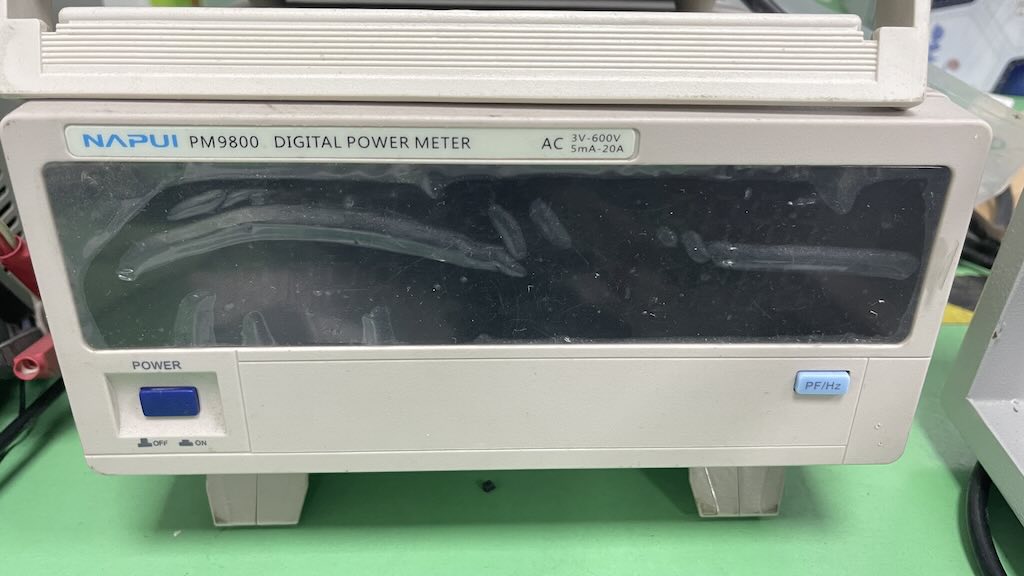 Digital power meter
The pathway toward smarter validation protocols, digital calibration systems, and dynamic grid simulators.
As grid requirements shift toward real-time telemetry, smart meter production requires high-throughput calibration platforms. Meters must be verified for accuracy under varied conditions, including voltage fluctuations, frequency variations, phase shifts, and high harmonics.
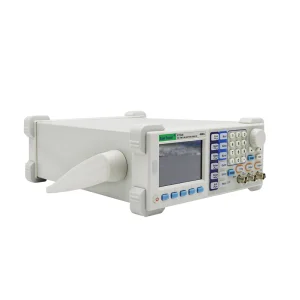
Using programmable variable-frequency AC power supplies combined with high-resolution arbitrary waveform generators, manufacturers can simulate localized grid conditions, including voltage sags and line interruptions. This ensures that smart meter metrology and communications hardware remain functional during extreme disturbances.
Additionally, integration with standard communication architectures (such as RS485, CAN bus, and Modbus RTU) is critical for smart energy infrastructure. Dynamic simulation platforms allow automated systems to program and monitor power parameters remotely, saving debugging time on the production floor.
Integrating multi-channel DC regulated power sources and digital calibration tables to verify calibration parameters across industrial shunts and current sensors.
Utilizing variable-frequency AC sources to simulate localized utility variations, ensuring power supply systems survive extreme overvoltages and grid imbalances.
Testing RS485 / CAN communication interfaces to confirm that real-time load telemetry and meter readings transfer reliably to supervisory MDM platforms.
Our engineering systems, solar controllers, and instrumentation platforms comply with strict global safety frameworks.
All MYAMI laboratory test benches and smart hybrid solar inverters adhere to CE EMC directives and RoHS standards, facilitating straightforward deployment across the European Union and North American markets.
Every step of our process—from raw material screening to soldering, high-temperature aging, digital calibration, and final packing—is tracked under an ISO 9001:2015 certified quality framework.
Equipped with integrated OVP (Over Voltage Protection), OCP (Over Current Protection), OTP (Over Temperature Protection), and short-circuit safeguards to protect your electrical testing environment.
Expert answers regarding engineering, calibration, testing, and technology integration.
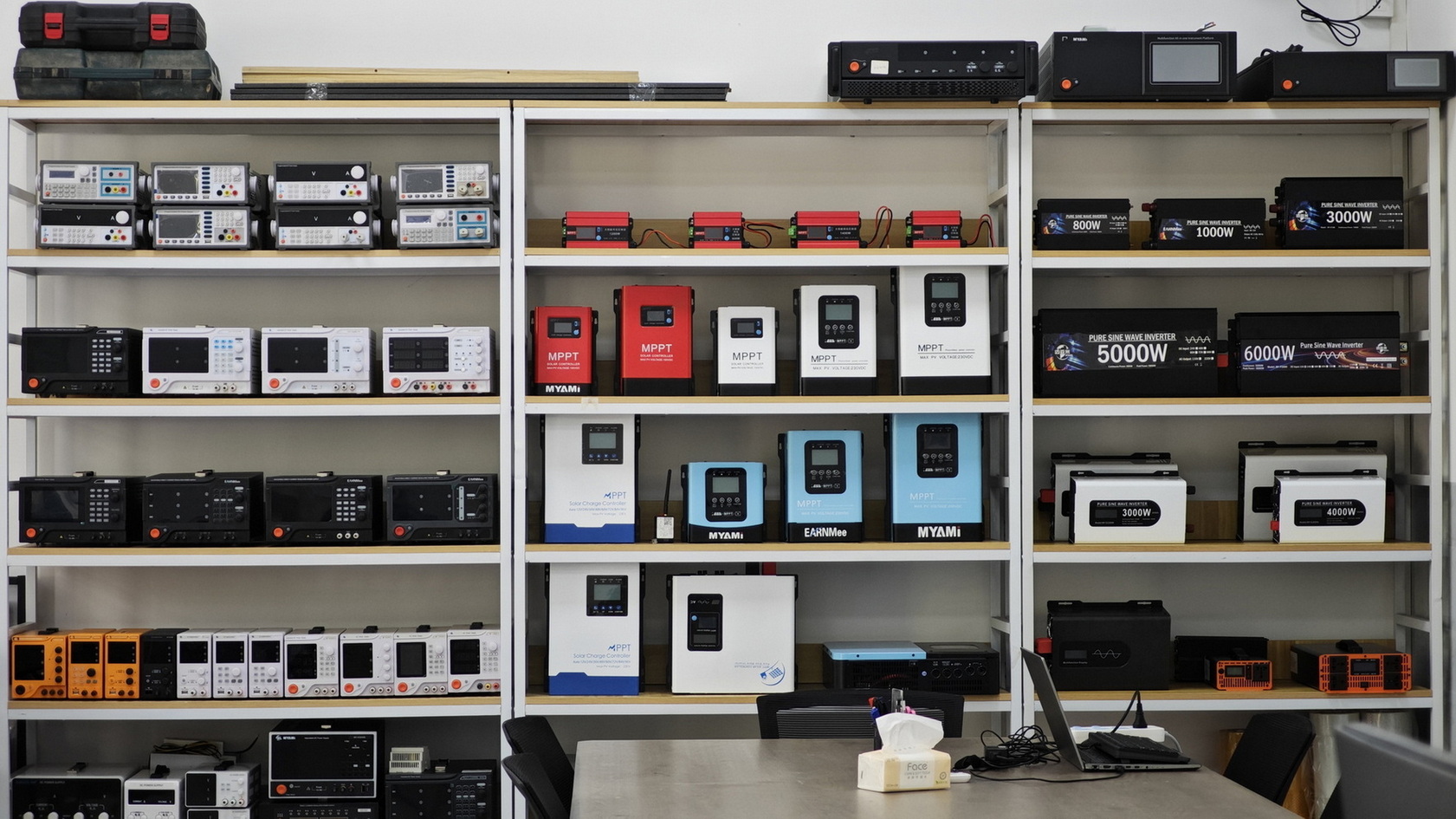
Digital oscilloscopes, waveform generators, precision data loggers, and off-grid hybrid inverters designed for engineering labs.
 Myami Power