Discover industrial-grade programmable variable DC/AC sources and premium power supply components.
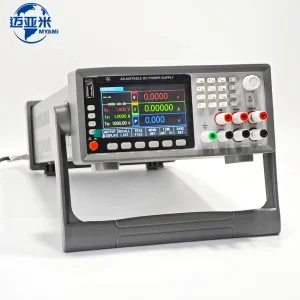
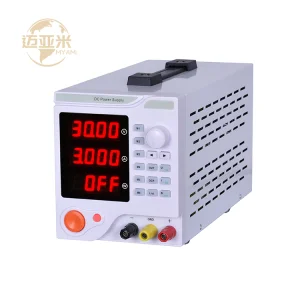
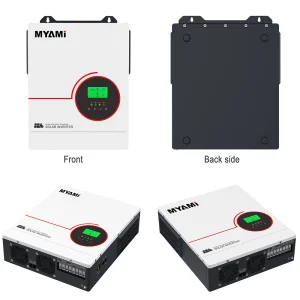
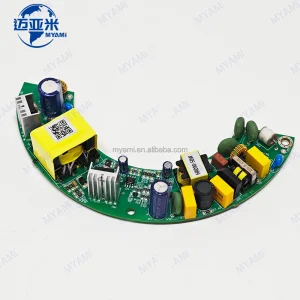
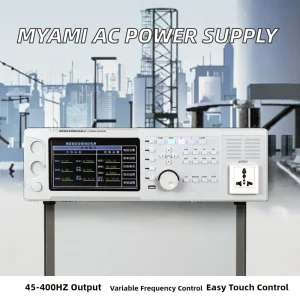
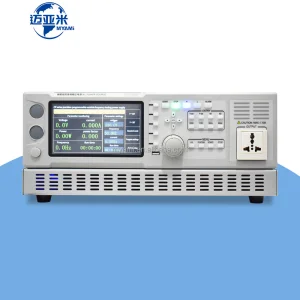

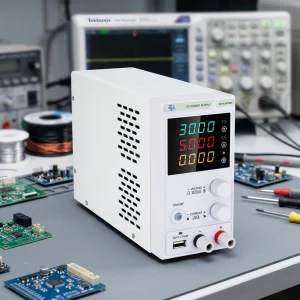
Industrial-grade precision, smart system integration, and global supply stability for large-scale architectures.
The global shift toward high-performance solid-state lighting requires absolute consistency in power regulation. At the center of every architectural, horticultural, or industrial LED installation is the LED Driver—a critical component responsible for converting alternating current (AC) to constant direct current (DC) while protecting delicate semiconductor materials. To satisfy modern performance targets, a high-efficiency driver must minimize electromagnetic interference, control harmonic distortion, and optimize thermal management.
As a leading power technology developer based in Shenzhen, China, Shenzhen Myami Power Technology Co., Ltd. (MYAMI) designs and supplies critical testing systems, programmable DC/AC power blocks, and specialized driver assemblies that establish the benchmark for modern solid-state lighting systems. From high-bay industrial illumination to smart cities, our systems ensure that high-efficiency drivers function reliably even under unstable electrical grid conditions.
Detailing our specialized engineering portfolio built to bridge electronic research and industrial automation.
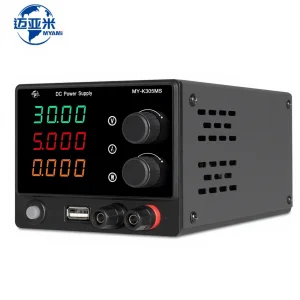
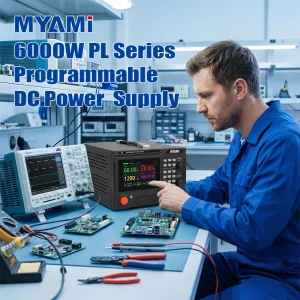
Engineered for precision electronic R&D, semiconductor evaluation, and PCB debugging. These systems feature multi-digit LED displays, ultra-low ripple outputs, and rapid transient response curves to analyze current changes down to the millisecond.
Delivering high-current, high-voltage regulated AC/DC power supplies built for heavy-duty industrial burn-in, electroplating rectifiers, and high-bay solid-state lighting array simulation systems.
Equipped with specialized DC units, battery simulators, and variable AC systems. Designed for EV On-Board Chargers (OBC), Battery Management Systems (BMS), and hybrid solar inverter configurations.
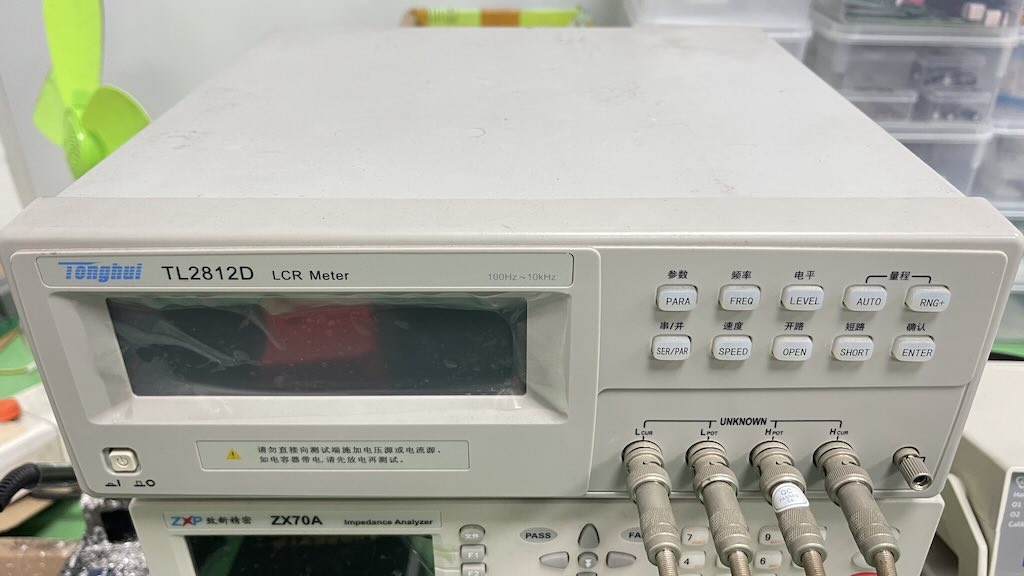
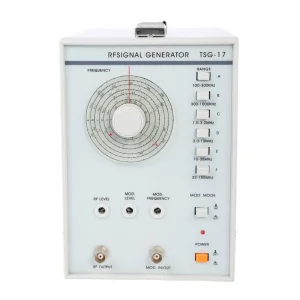
Comprehensive test bench solutions, including digital oscilloscopes, signal generators, LCR meters, and variable frequency testers. Critical for standard validation labs and global technical training centers.
How our testing equipment isolates, verifies, and optimizes LED driver efficiency globally.
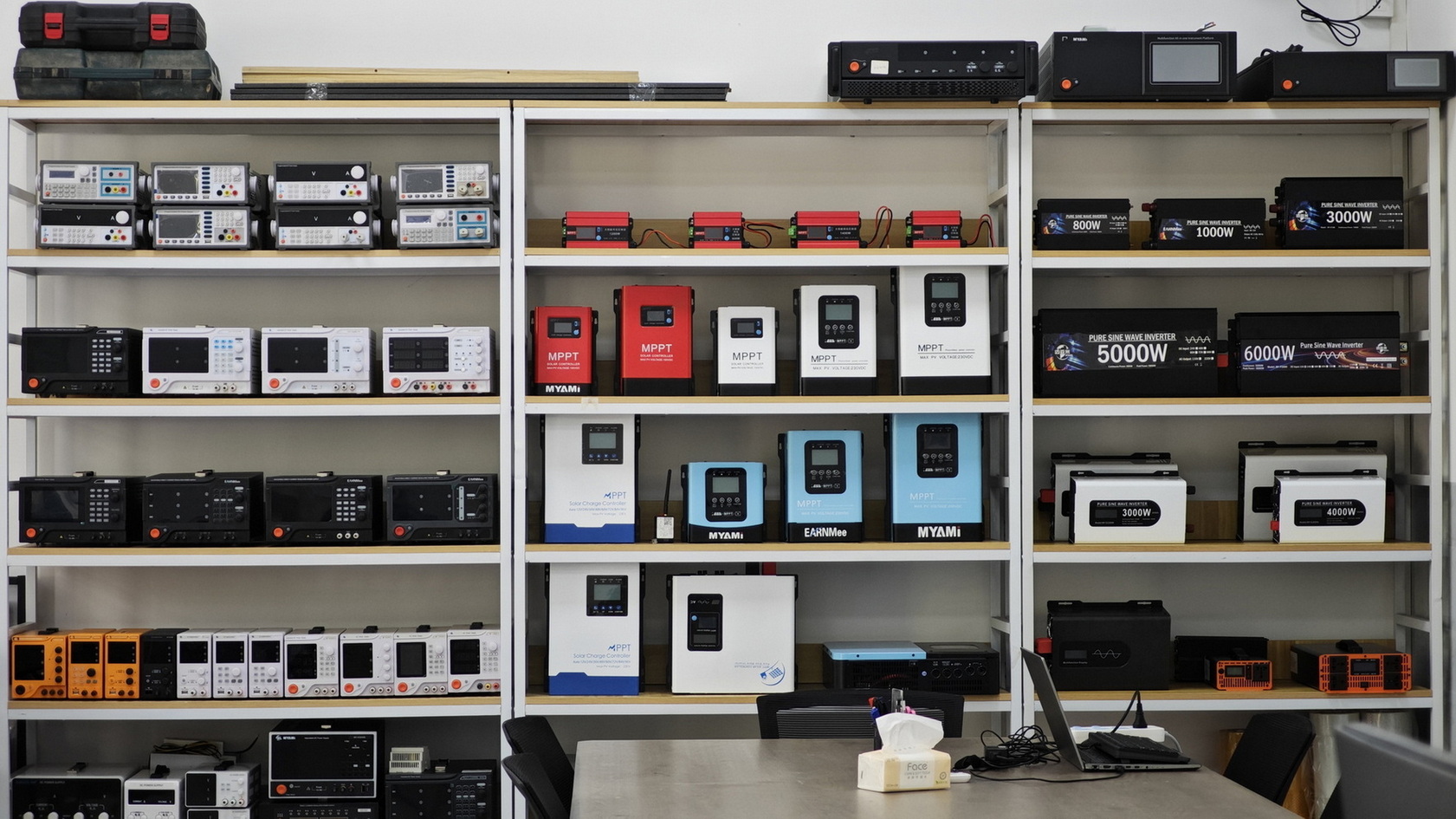
LED drivers deployed in outdoor municipal systems (like smart streetlights) or heavy industrial facilities must withstand significant grid instability. Lightning surges, line drops, and phase imbalances can degrade components and lead to premature failure. Using MYAMI’s Variable Frequency AC Power Sources, manufacturers can simulate extreme voltage shifts (0-300V) and frequency variations (45-400Hz) to confirm driver resilience in any market.
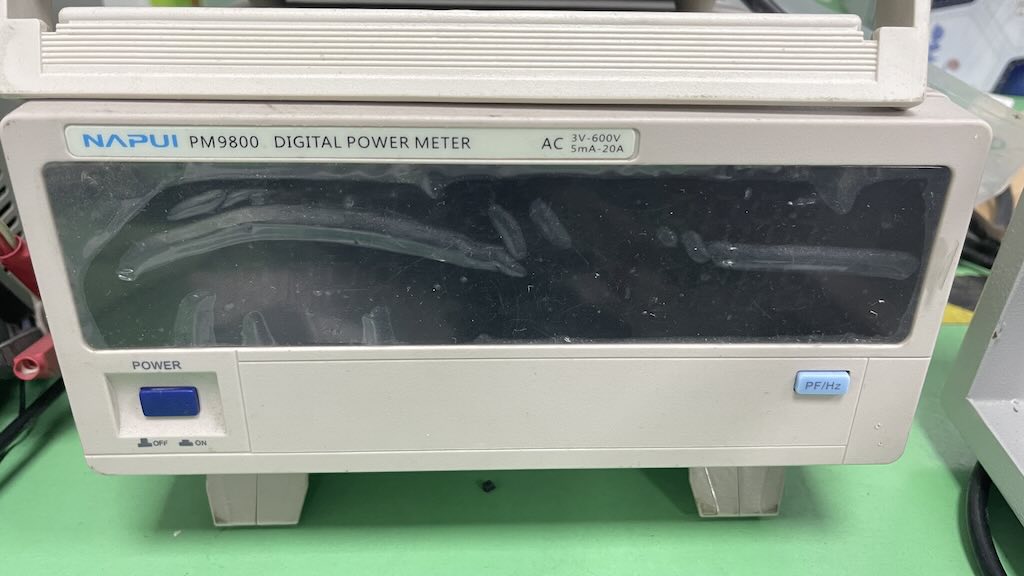
Global regulatory standards mandate strict control over Power Factor (PF > 0.9) and Total Harmonic Distortion (THD < 15%) in solid-state lighting. Using our programmable linear DC power units paired with digital power meters, QA teams can precisely analyze harmonic injection back into the simulated grid, protecting adjacent electronics from destructive high-frequency interference.
Modern indoor agriculture relies on multi-wavelength LED arrays requiring hundreds of watts. The corresponding constant-current drivers must maintain ripple-free power to prevent light flicker that could impact plant growth. MYAMI's adjustable high-voltage DC units allow engineers to test driver response profiles under prolonged load conditions, verifying stability across wide temperature ranges.
In modern factories, testing processes must be fully automated. MYAMI power systems support standard communication interfaces like RS485, RS232, and CAN protocols. This compatibility allows test stations to integrate directly with industrial software, enabling continuous, computer-driven burn-in and calibration protocols without manual oversight.
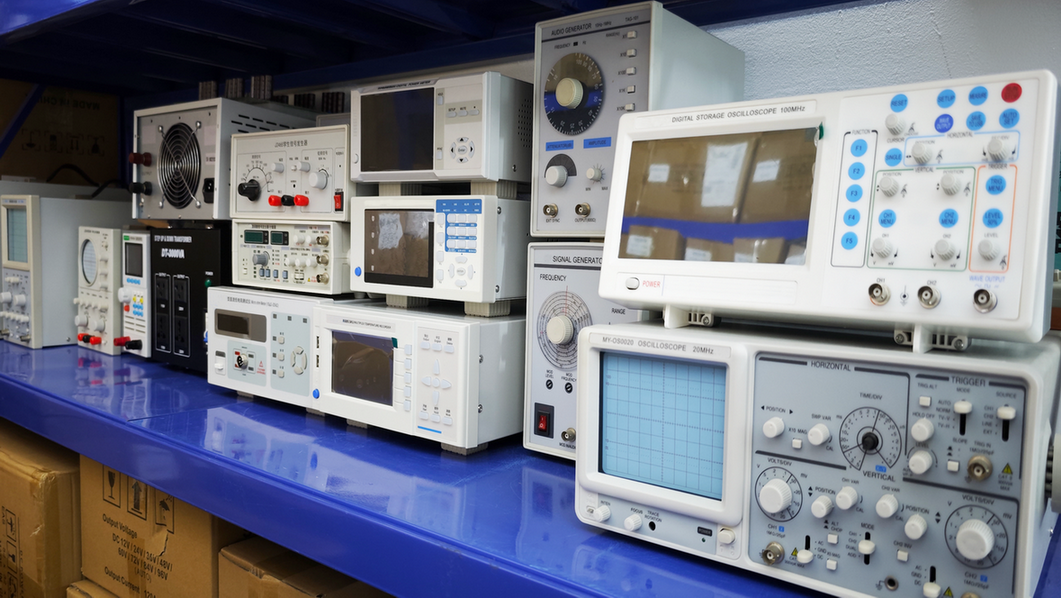
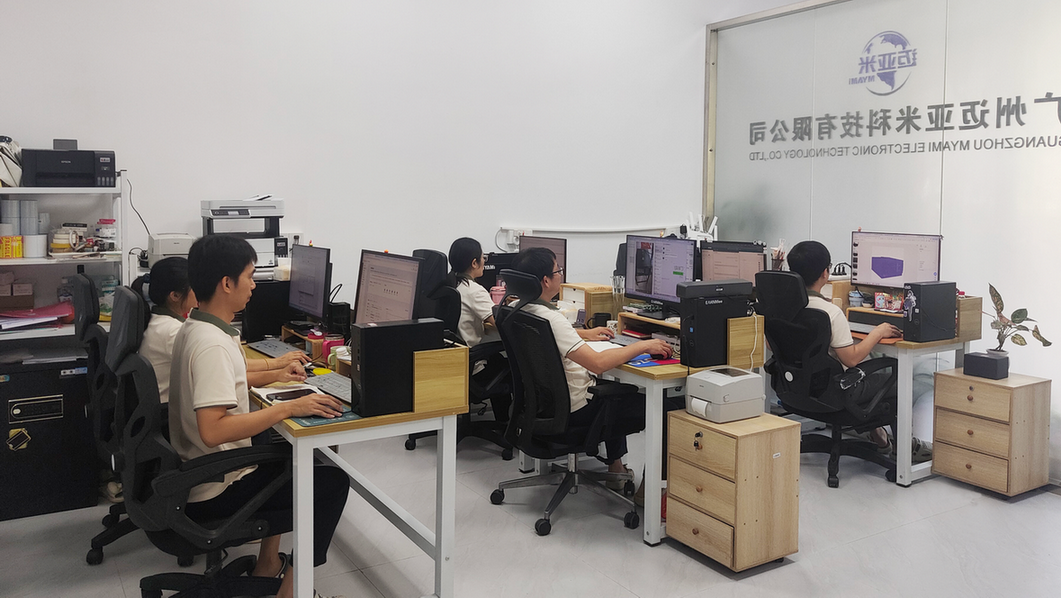
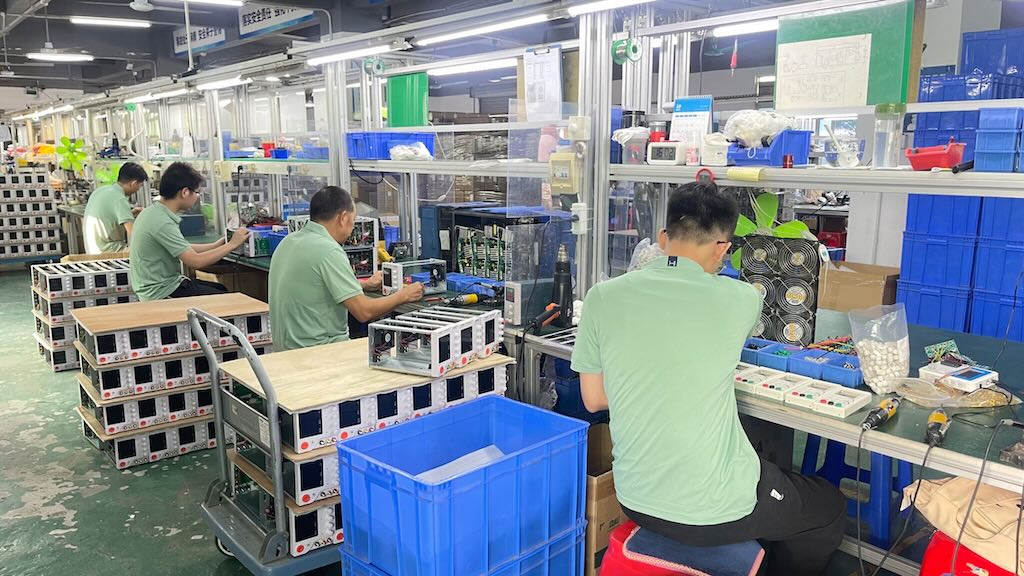
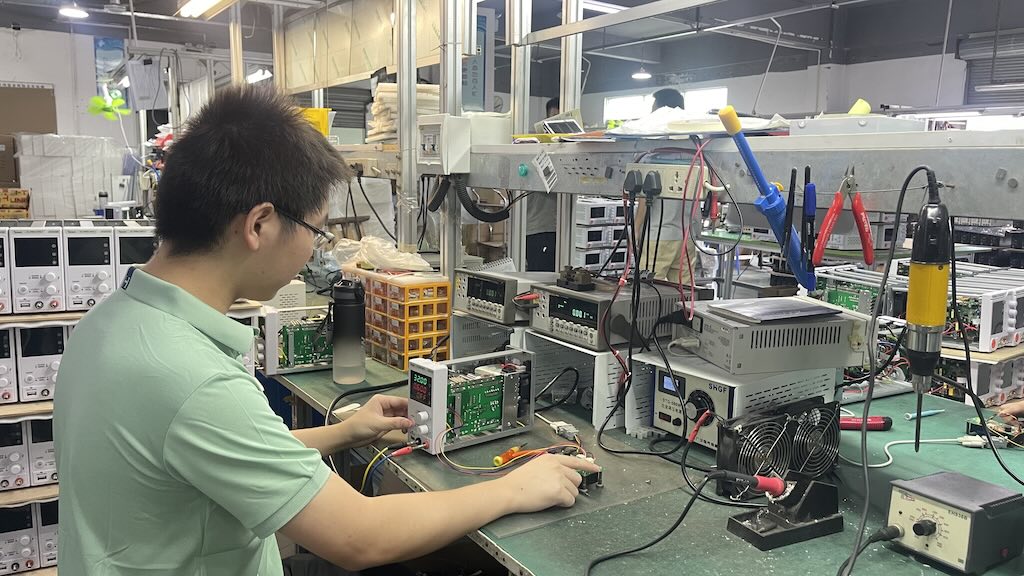
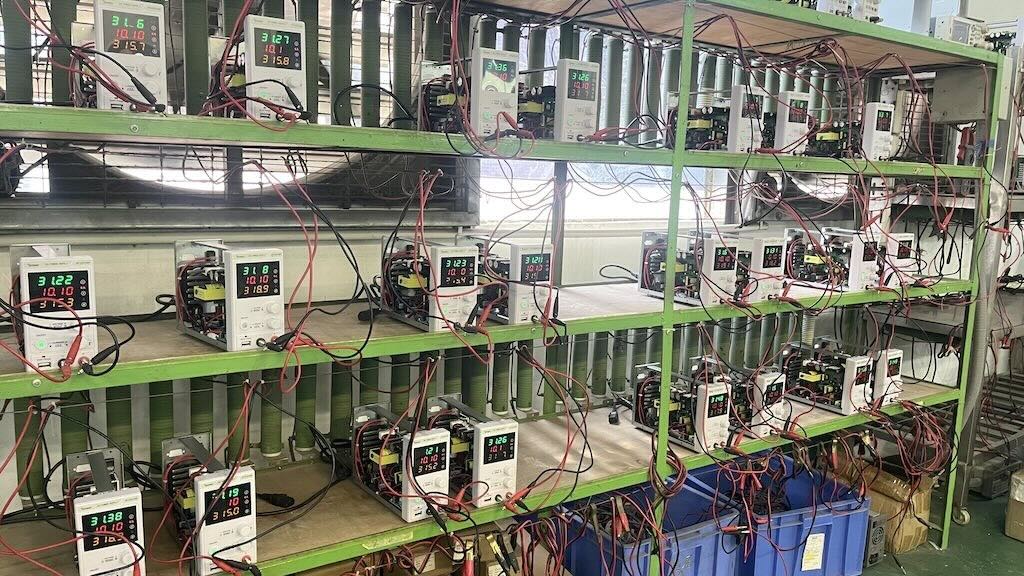
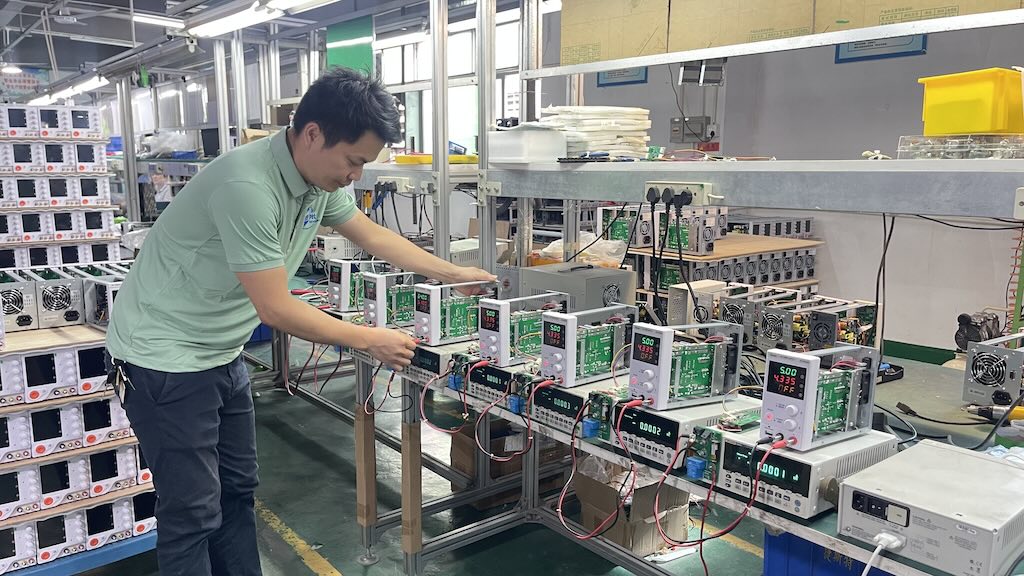
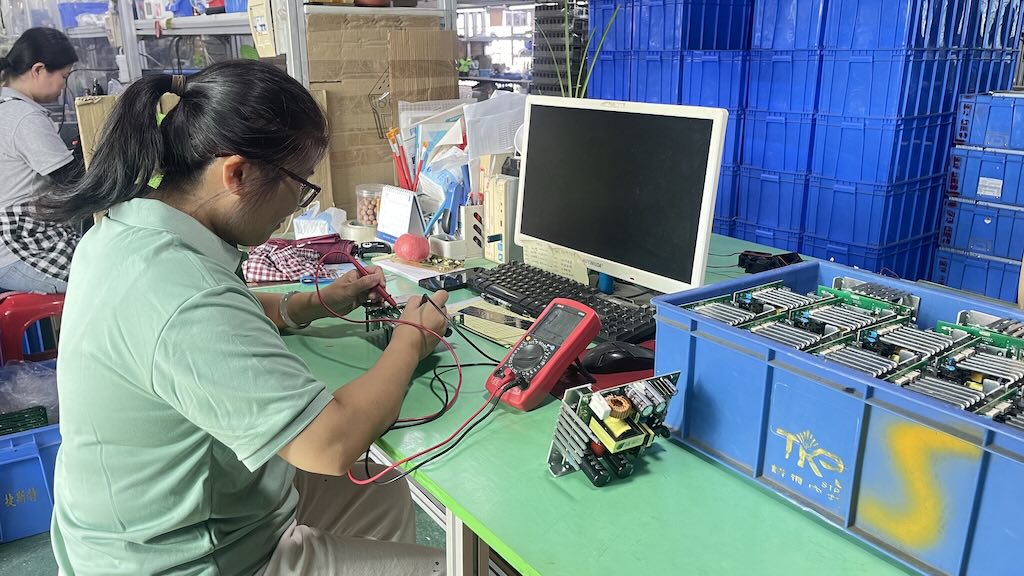
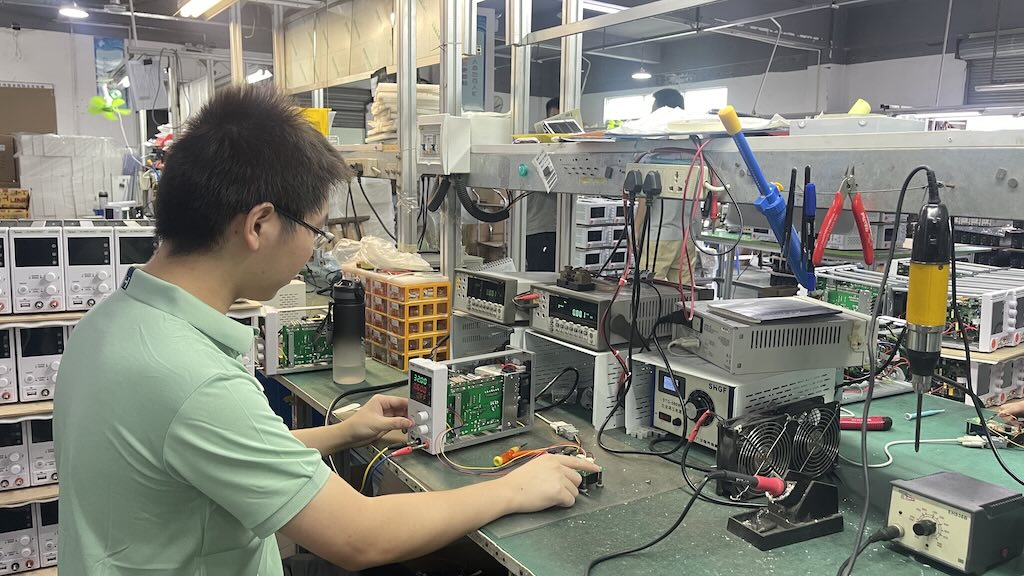
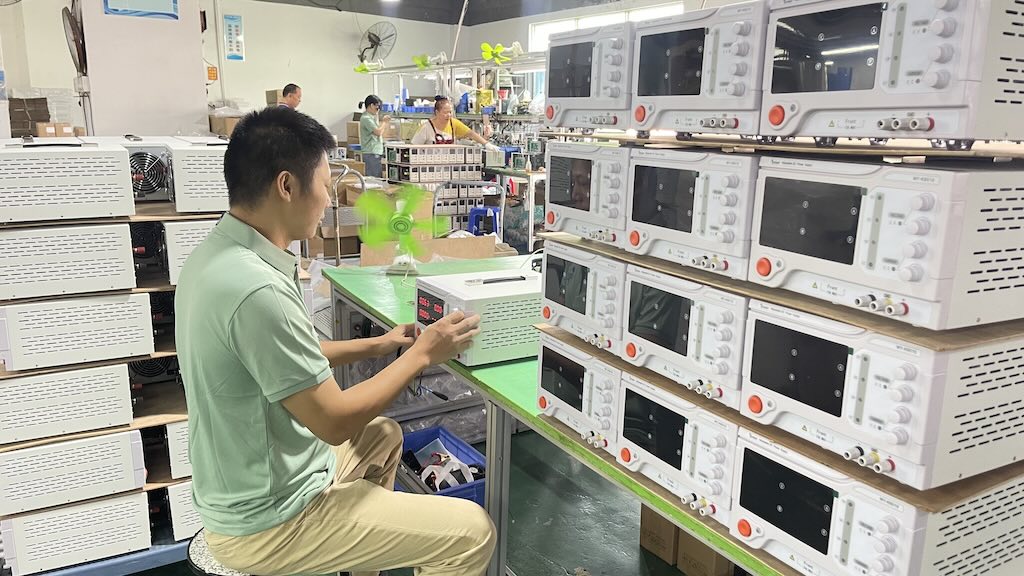
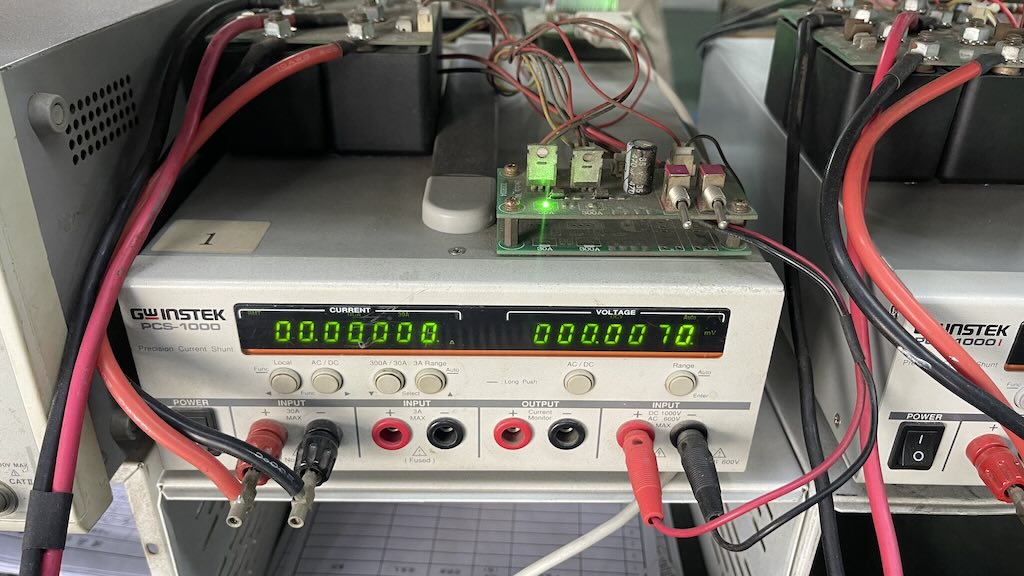
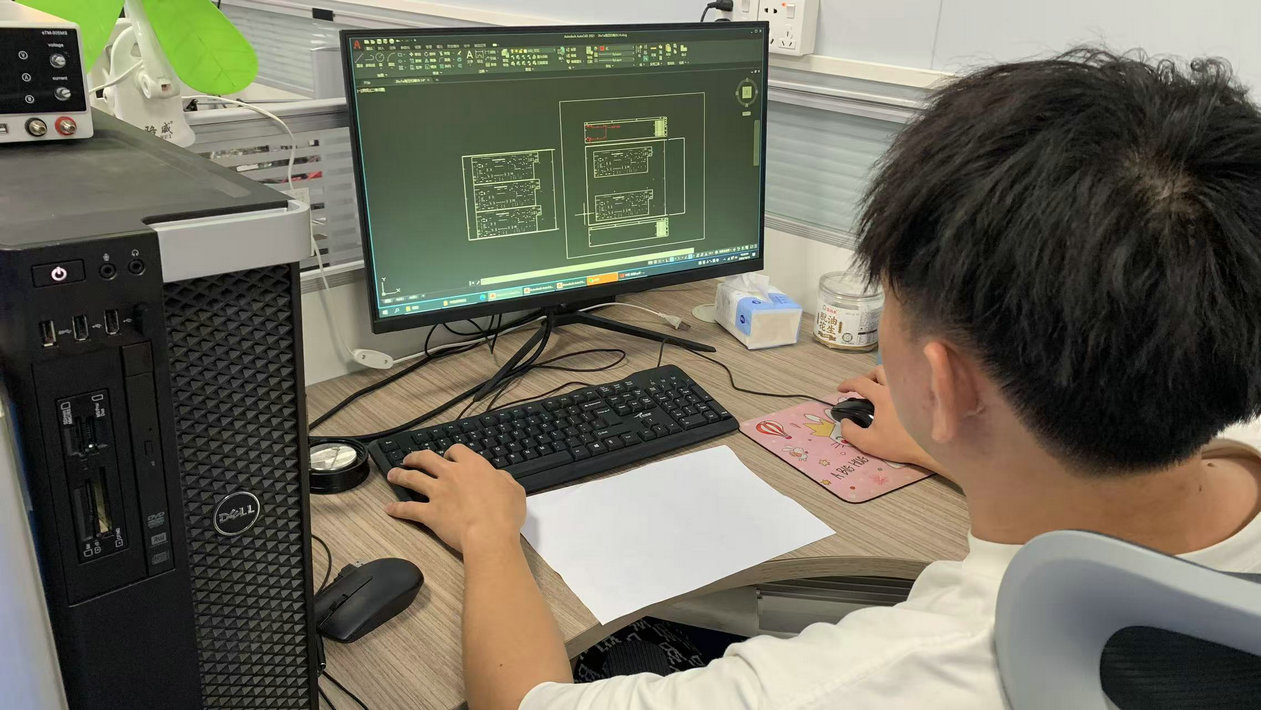
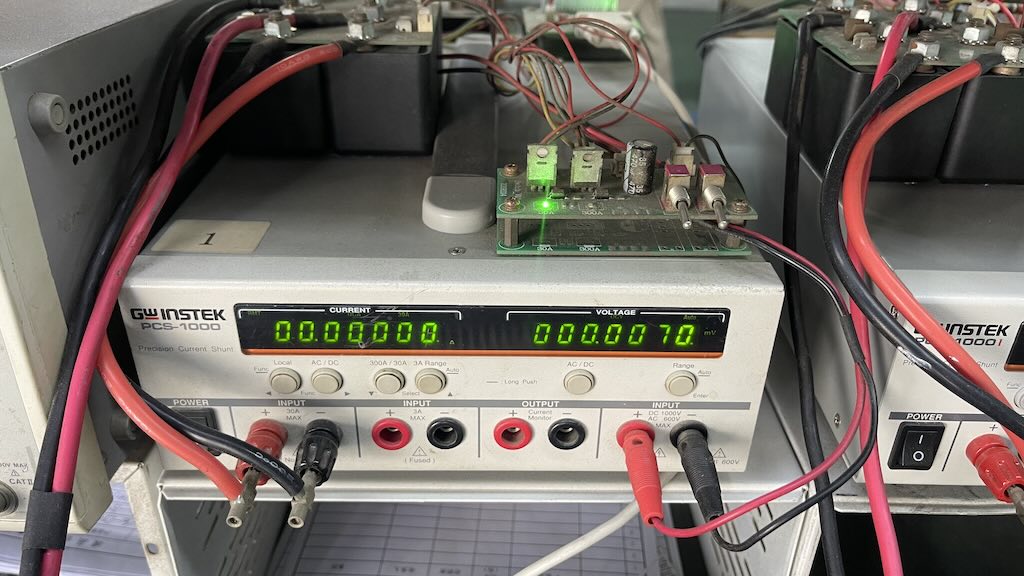
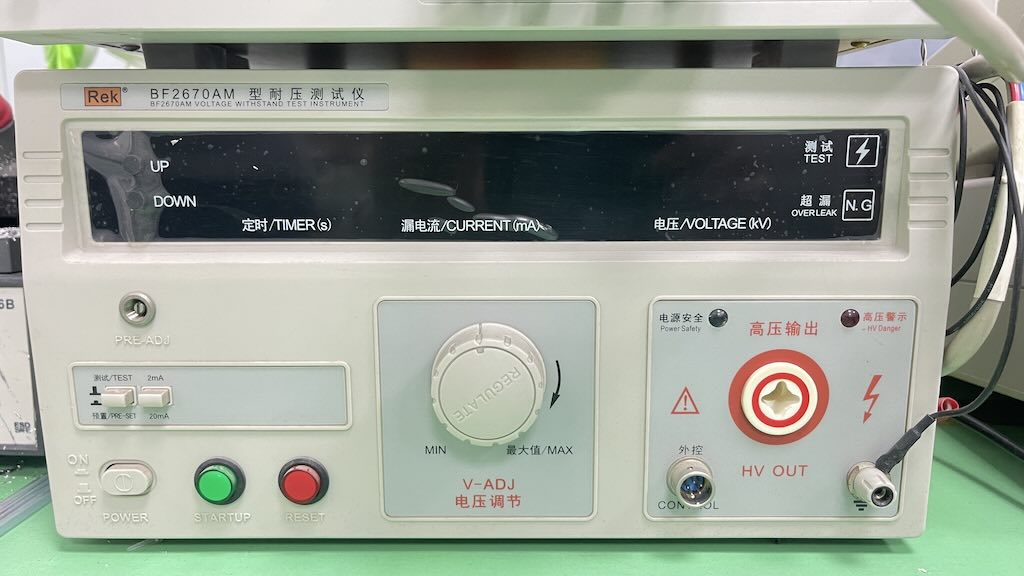
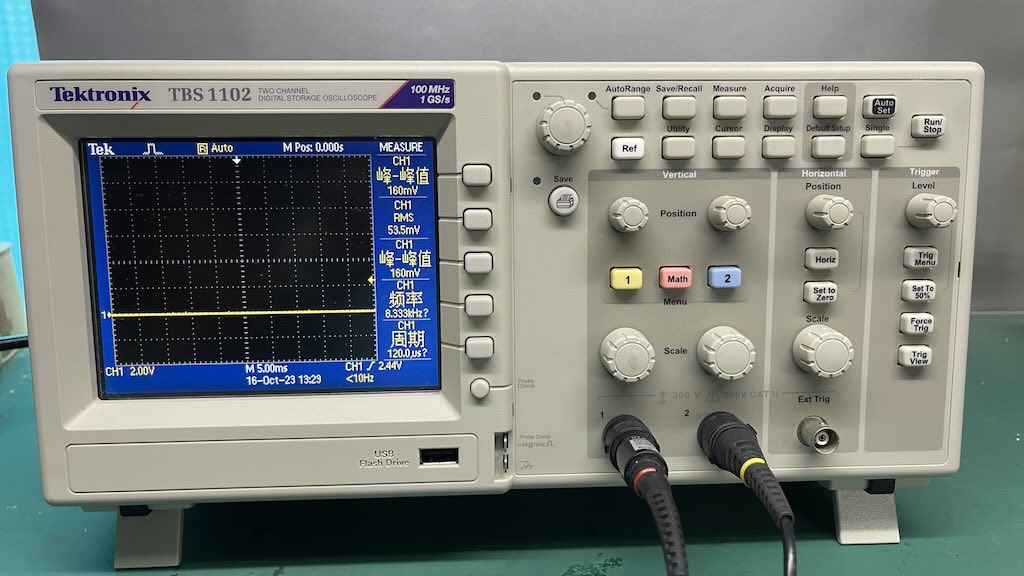
A look into MYAMI's factory control protocols, ensuring every component meets high global performance standards.
From incoming material inspection to assembly, burn-in testing, and final calibration, our production facility adheres to strict ISO9001 guidelines to maintain quality control.
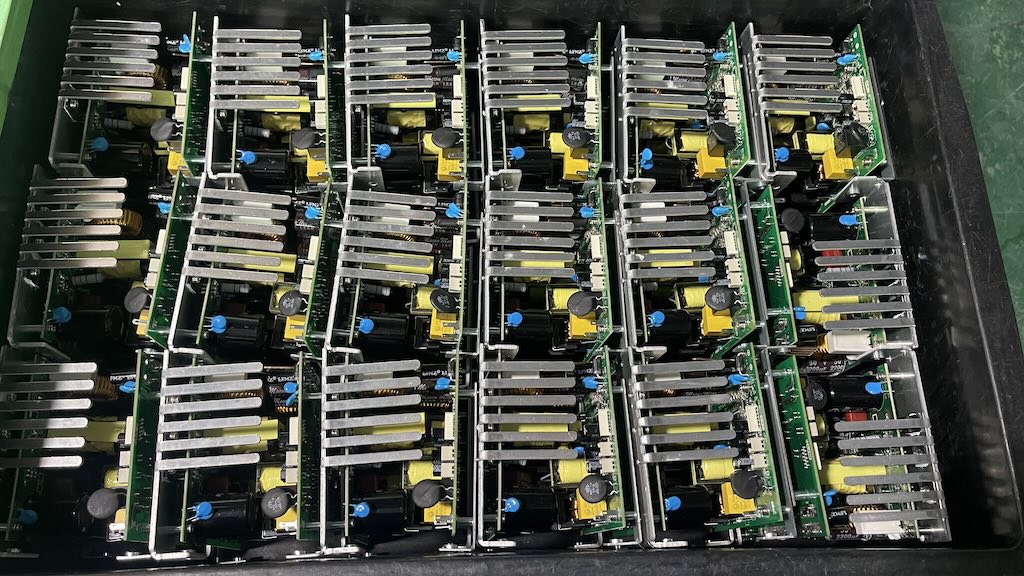
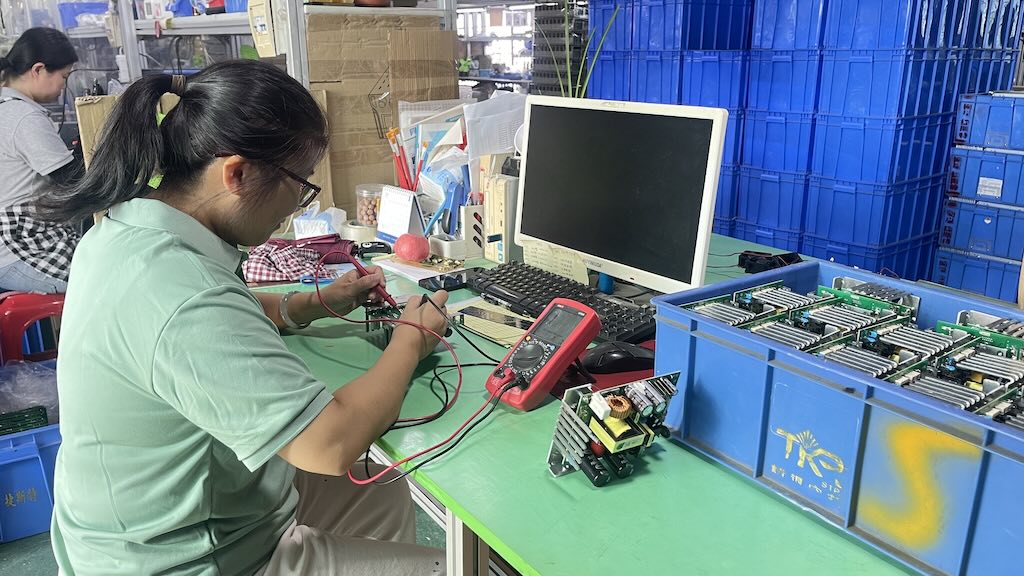
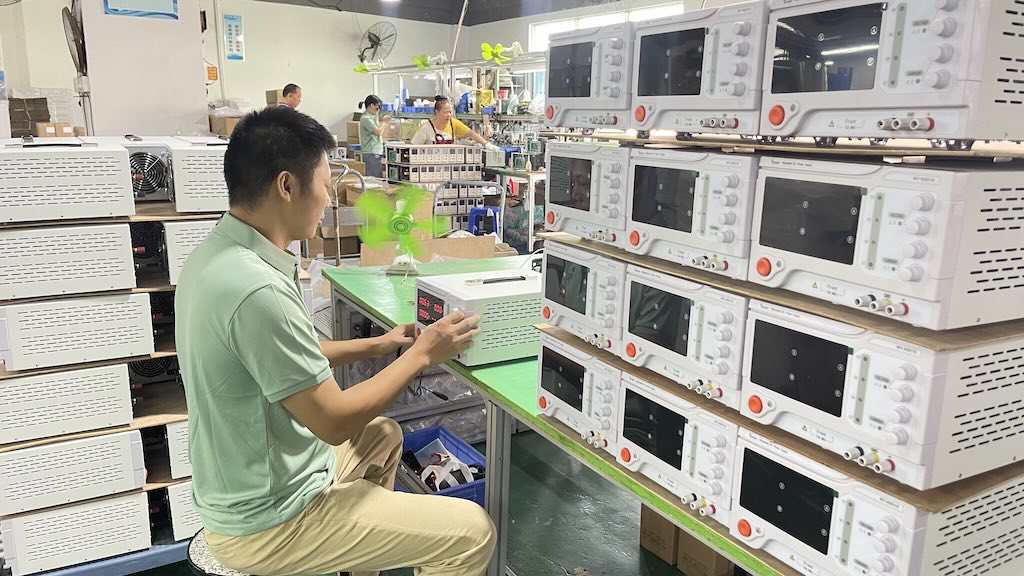
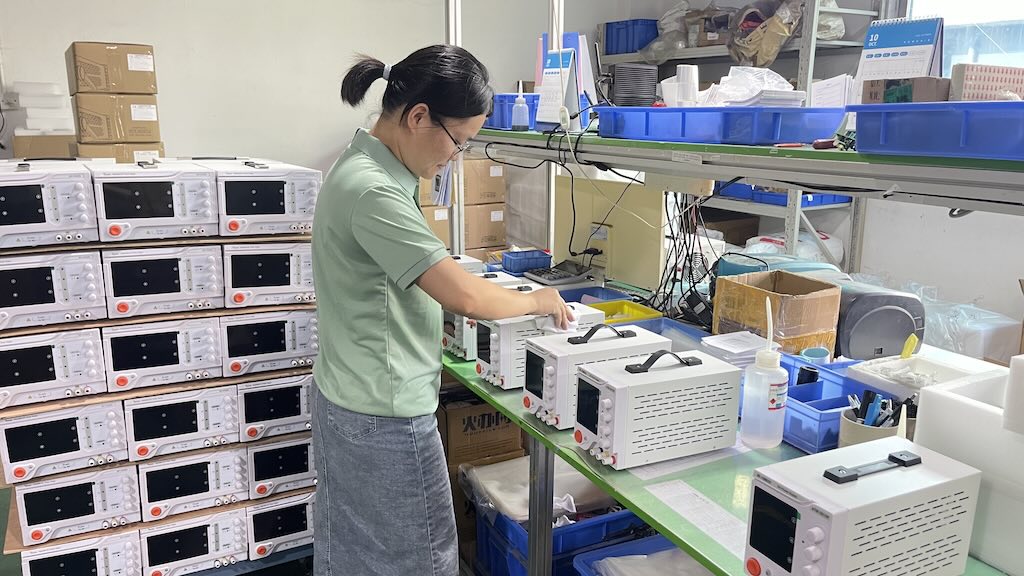
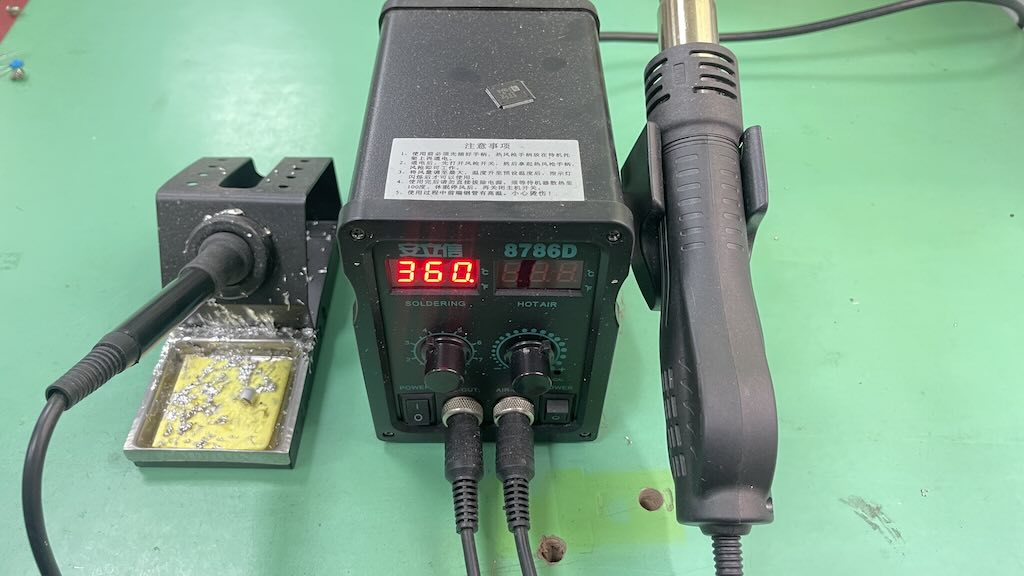
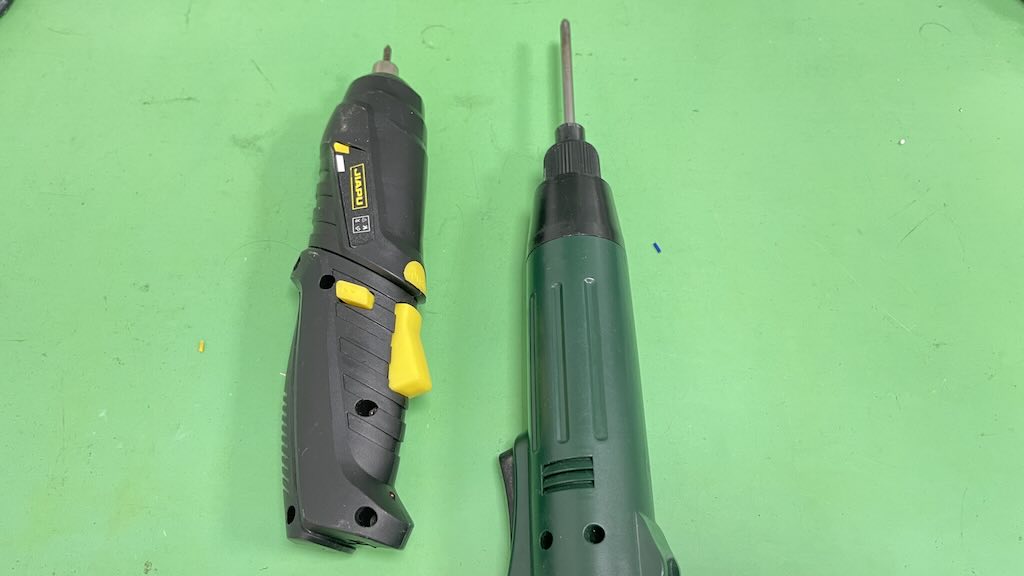
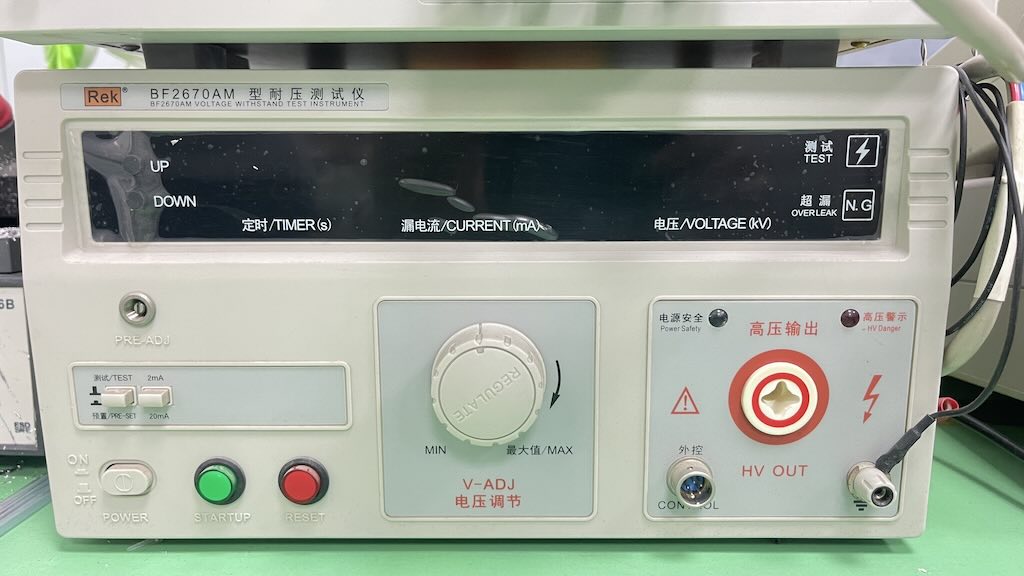
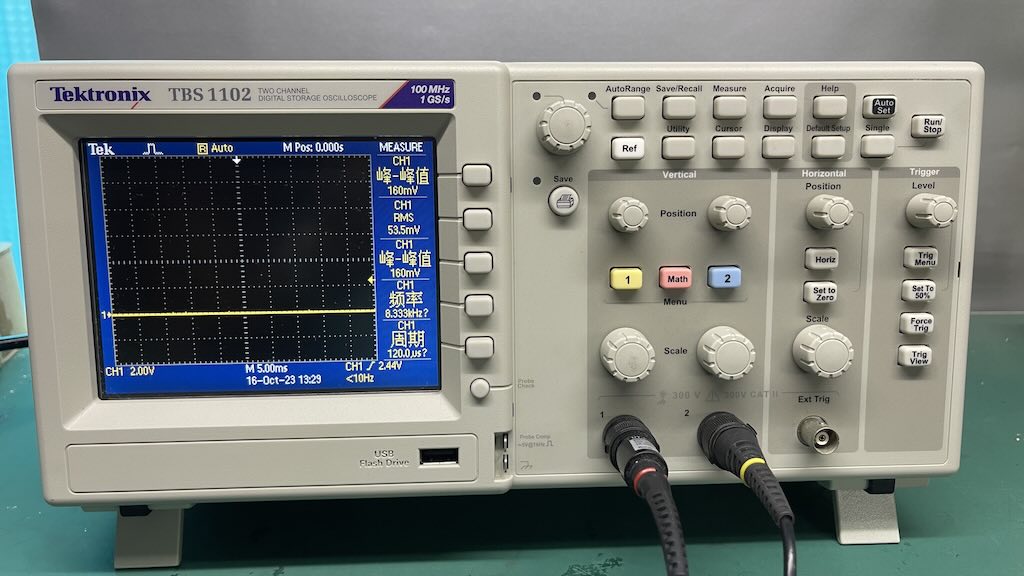
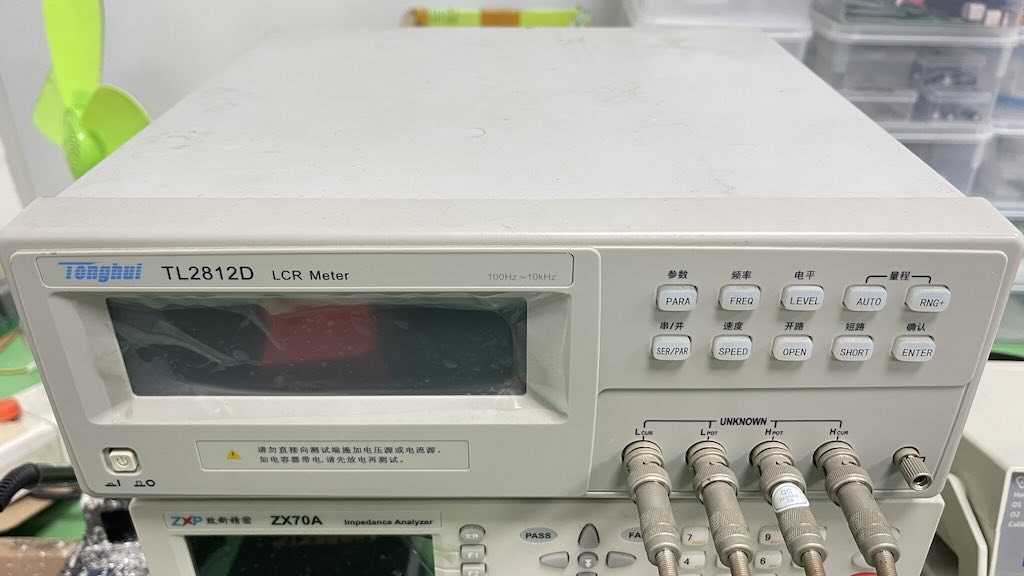
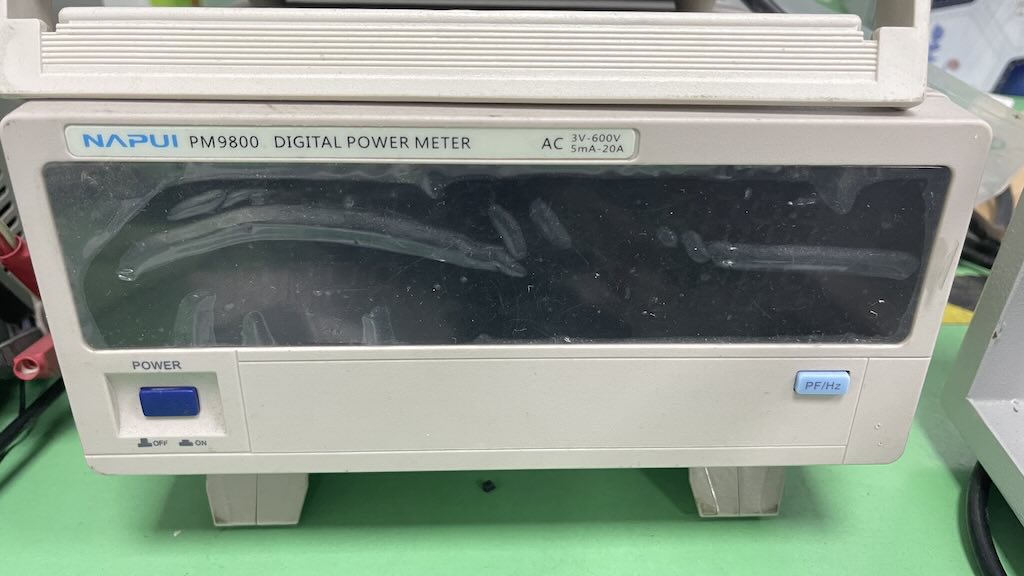
Meeting international standards to ensure seamless field operation across different regional electrical grids.
Different regions present unique challenges for power electronic setups. Systems deployed in the European Union require CE marking and RoHS compliance to restrict hazardous substances. Installations in North America often require compliance with UL/CSA standards for electrical safety. Additionally, regional grid systems vary, operating at 110V/60Hz in North America or 230V/50Hz across Europe. These variations require robust equipment that can function across multiple input parameters.
MYAMI power supplies and test instruments are engineered to address these international requirements. Standard safety features include over-voltage protection (OVP), over-current protection (OCP), over-temperature protection (OTP), and short-circuit safeguards. These features protect downstream hardware during voltage fluctuations and transient load shifts, ensuring stable operation under variable field conditions.
| Standard / Protocol | Compliance Status | Target Regional Testing Requirement | Key Safety Parameter Met |
|---|---|---|---|
| CE / RoHS | Fully Certified | European Union General Safety & Environmental Protection | Hazardous Substances Limitation, Low Voltage Directive compliance |
| ISO 9001:2015 | Active Registration | Global Manufacturing Quality Management Processes | Traceable assembly, calibrated testing stages, document control |
| RS485 & CAN Bus | Standard Interfaces | Smart Factory Automation / SCADA Interface Integration | Noise-immune differential communication, real-time command loop |
| OVP, OCP, OTP | Hardware Integrated | Critical Component Protection during Failure Modes | Fast recovery hardware protection response times under <10ms |
Adapting to modern developments in power conversion efficiency and intelligent control interfaces.
Integrating Gallium Nitride (GaN) and Silicon Carbide (SiC) switches to reduce physical driver footprint, minimize thermal dissipation losses, and support switching frequencies exceeding 500kHz.
Developing integrated digital interfaces supporting DALI-2, Zigbee, and Thread protocols. This enables cloud-based remote dimming, real-time diagnostic reporting, and active temperature monitoring.
Deploying regenerative electronic loads in the testing loop to recover electrical energy back to the grid during burn-in cycles. This energy recovery reduces manufacturing utility bills by up to 85%.
Resolving core design, testing, and operational questions from system integrators and engineers.
A Constant Current (CC) driver adjusts its output voltage dynamically to maintain a steady electrical current throughout the circuit, making it suitable for direct drive configurations to prevent thermal runaway. A Constant Voltage (CV) driver supplies a fixed voltage output (such as 12V or 24V), relying on current-limiting resistors or internal regulators built into the LED fixture itself, commonly used in flexible strip lighting.
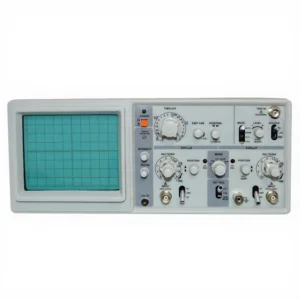
Low output ripple prevents high-frequency flicker that can cause eye strain or be captured in video recordings. It also minimizes thermal stress on the LEDs, extending their operating life. High-frequency ripple can be validated using a benchtop DC regulated source paired with a high-bandwidth digital oscilloscope to ensure clean power delivery.
Input voltage dips or surges force driver components, such as MOSFETs and internal transformers, to work harder to maintain regulated output. This increases thermal loss and decreases overall conversion efficiency. Testing drivers with a variable frequency AC source helps developers optimize efficiency curves across both 110V and 220V grid standards.
These protocols allow control software to interface directly with power supplies, enabling remote voltage adjustment, real-time telemetry logging, and automated safety shutdowns. This integration is essential for automated testing, component aging chambers, and large-scale manufacturing setups.
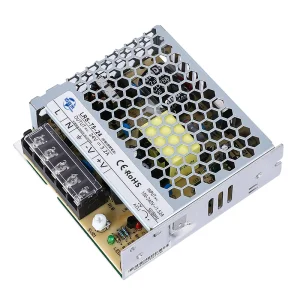
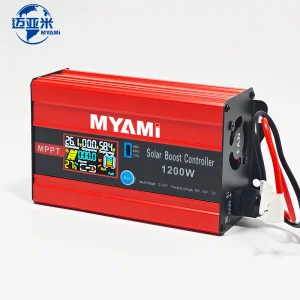
Explore additional precision devices, including benchtop linear units, SMPS modules, solar controllers, and oscilloscopes.


 Myami Power