Myami Power

1 / 5

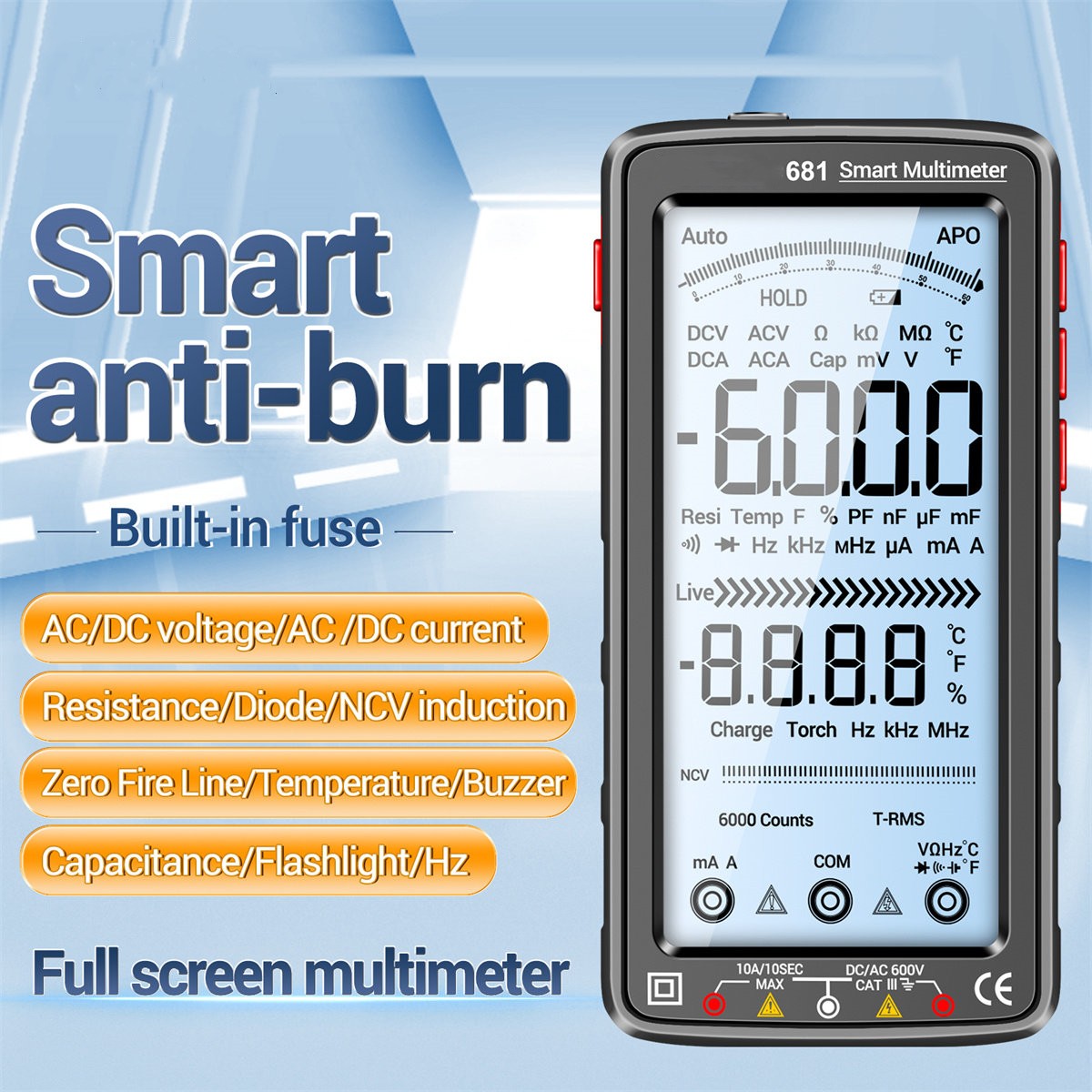
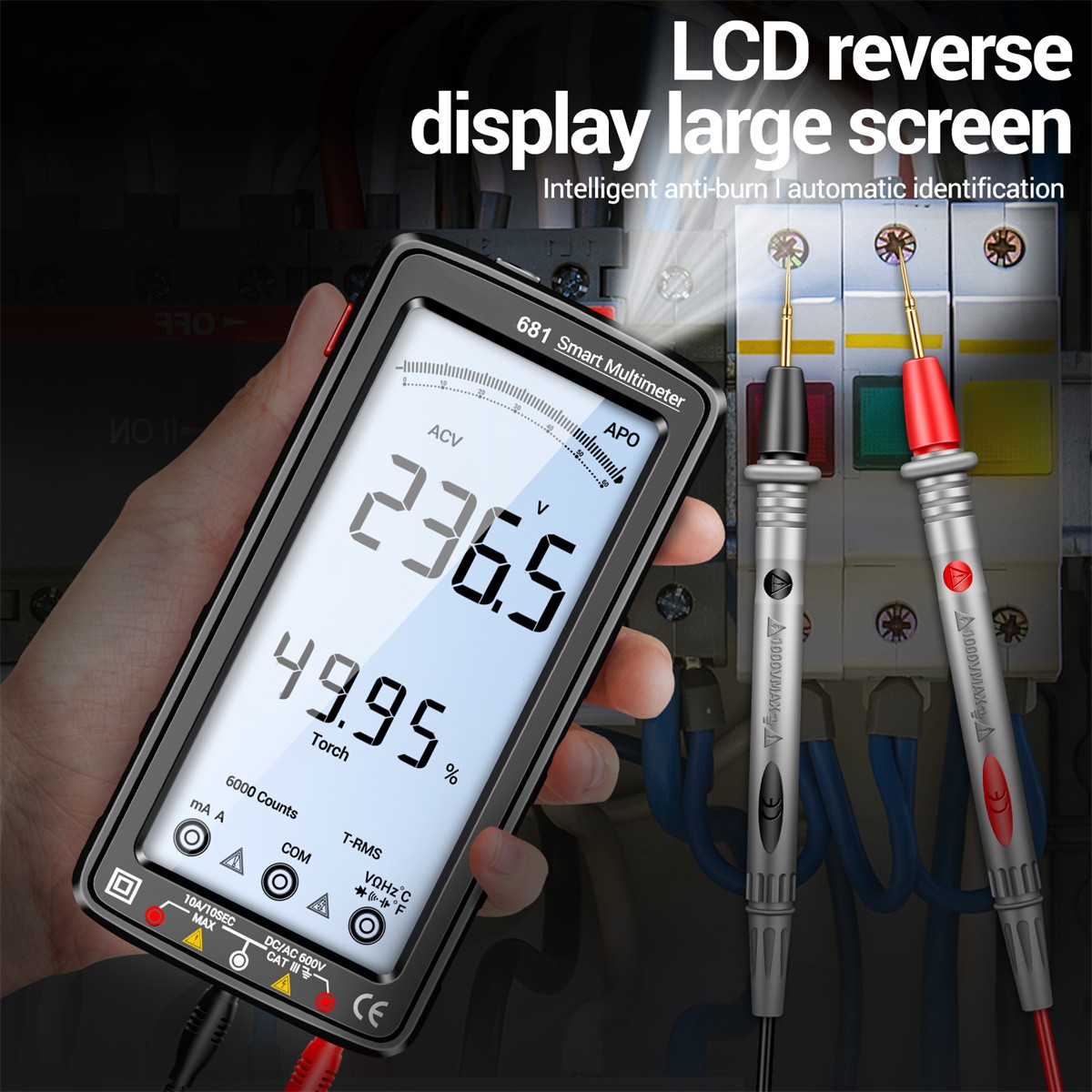
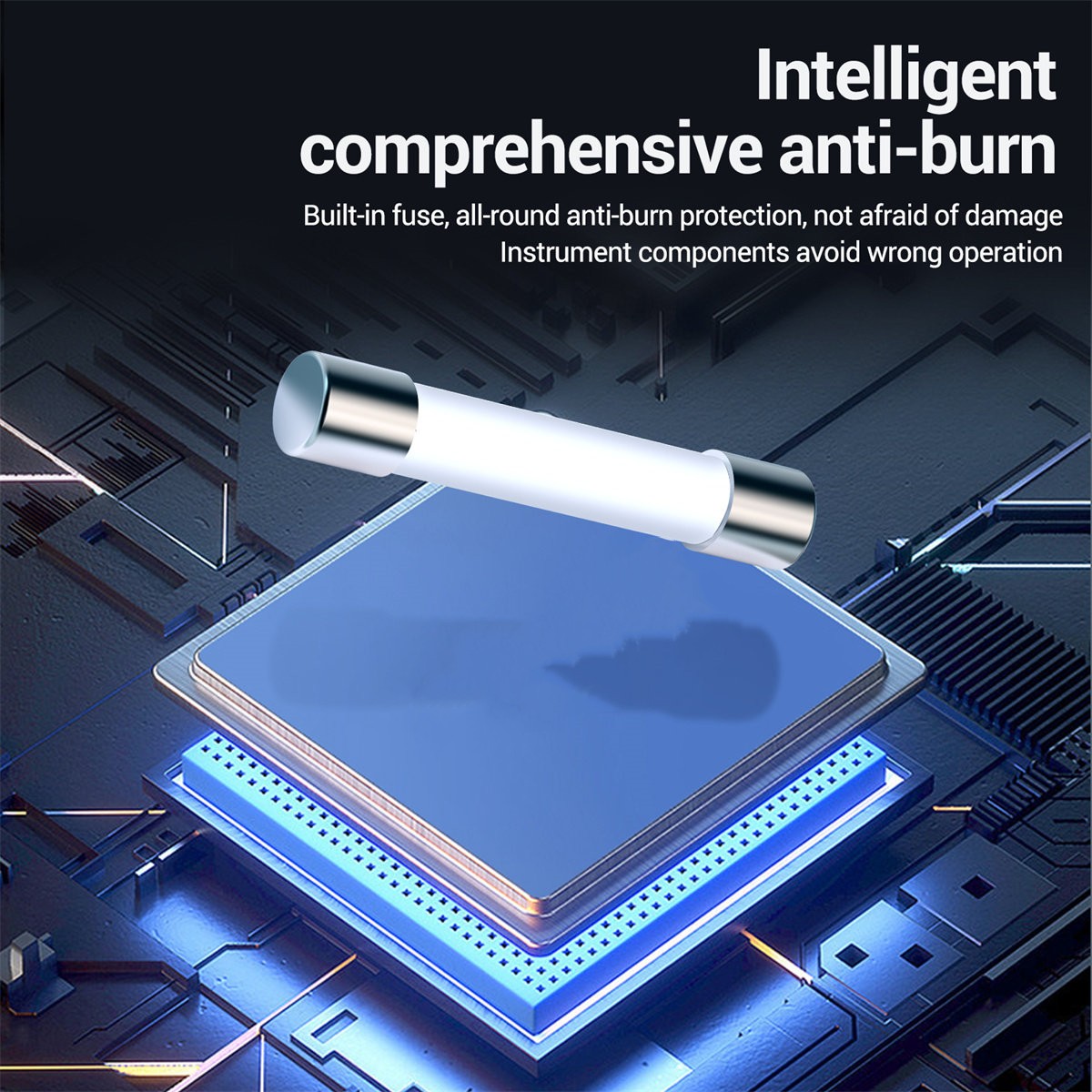



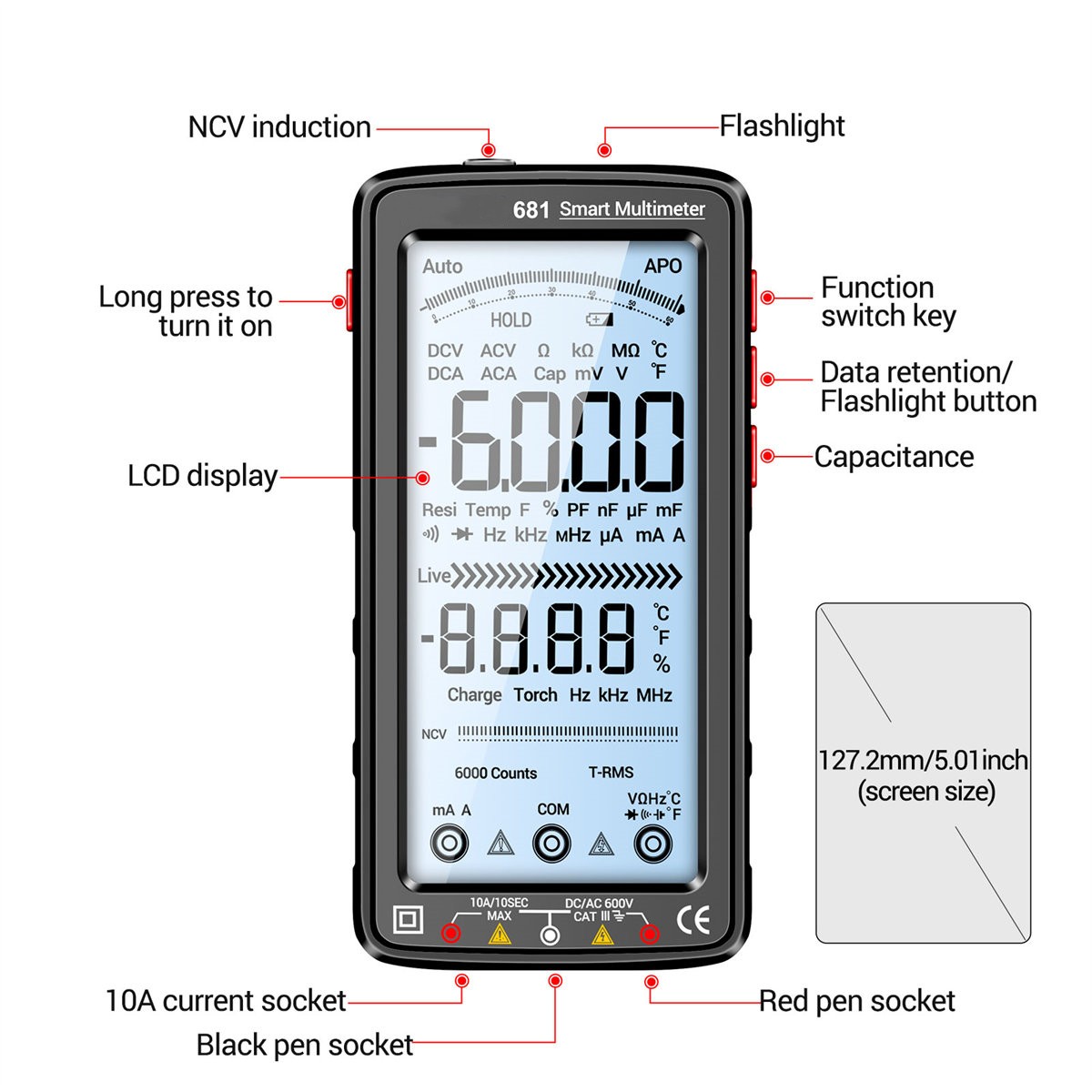
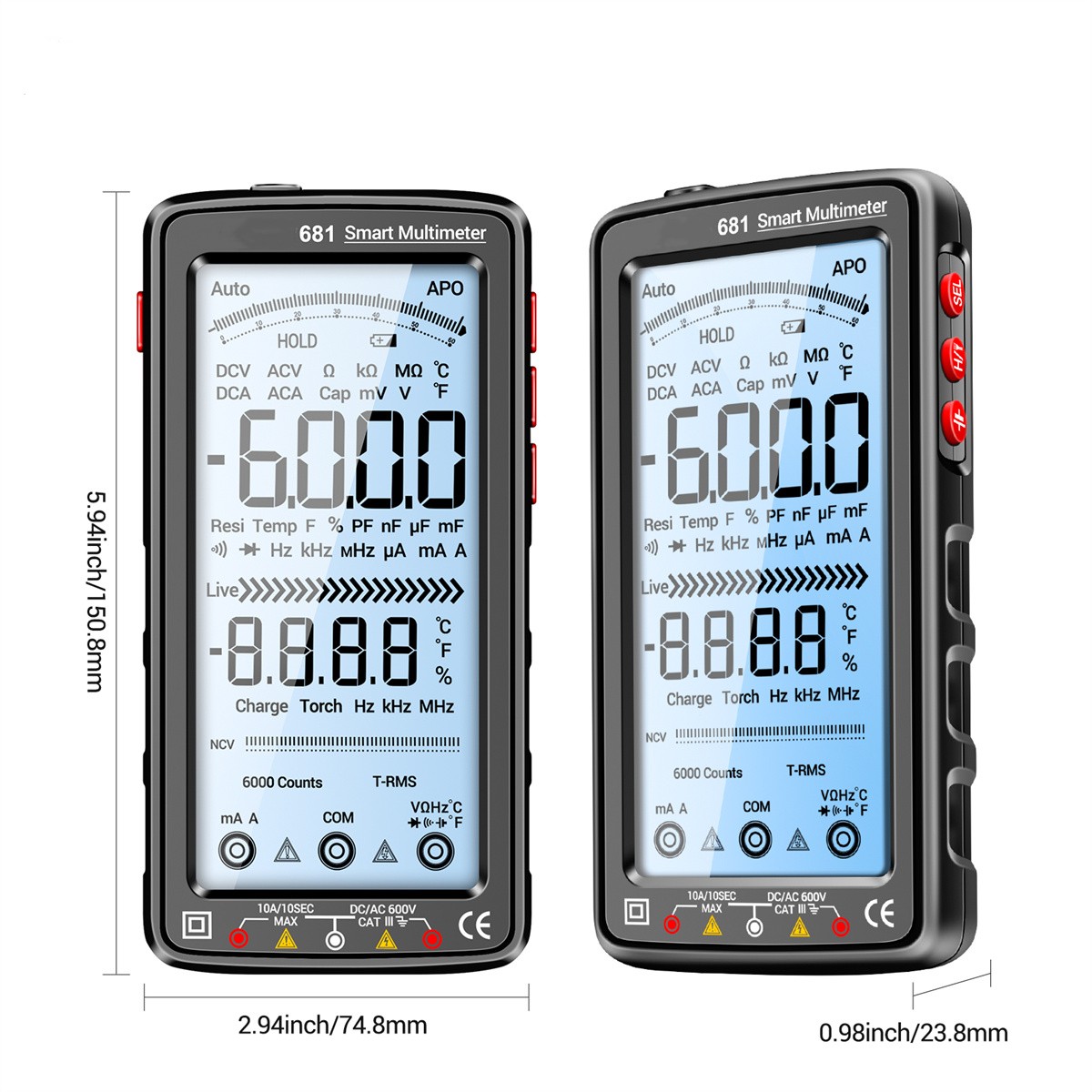
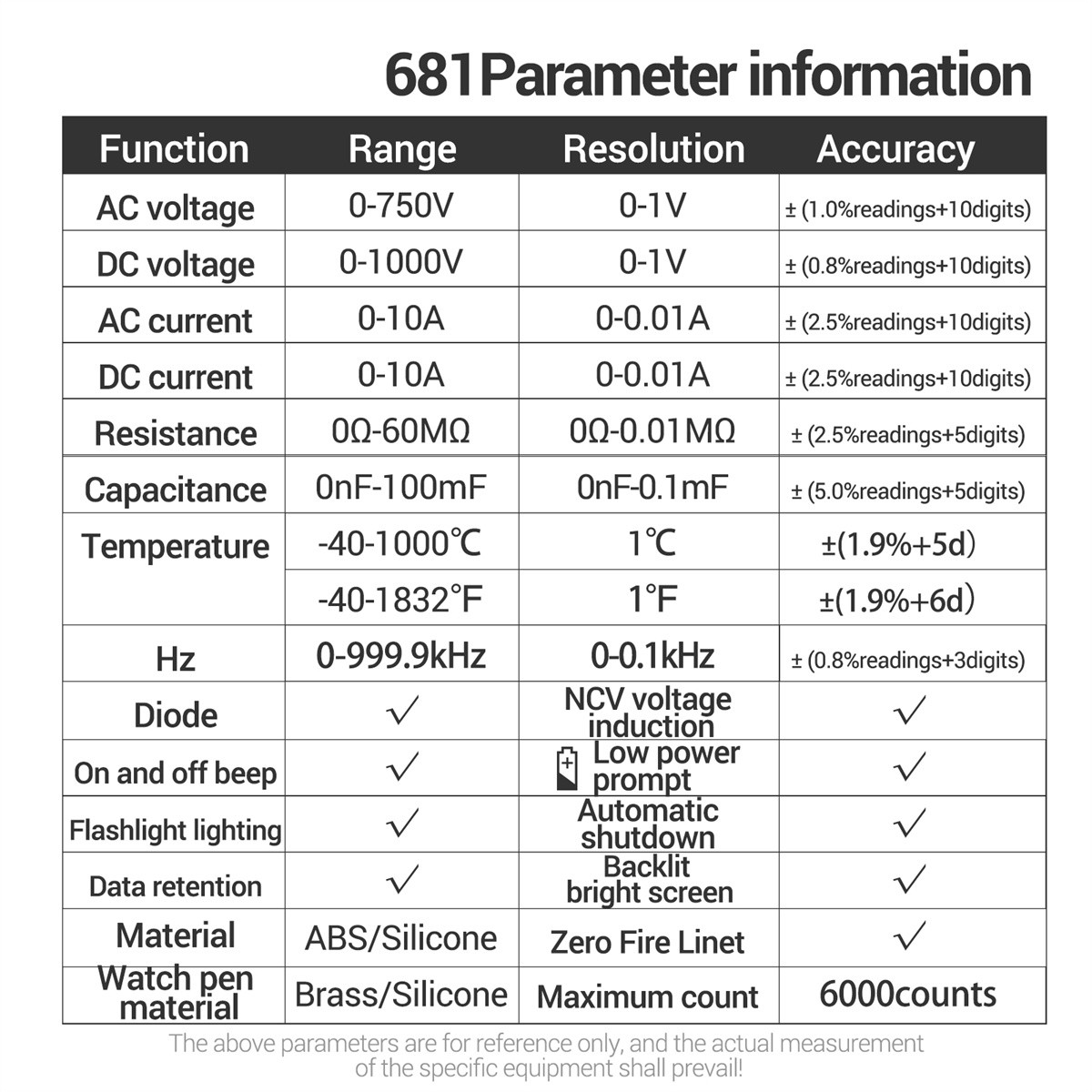
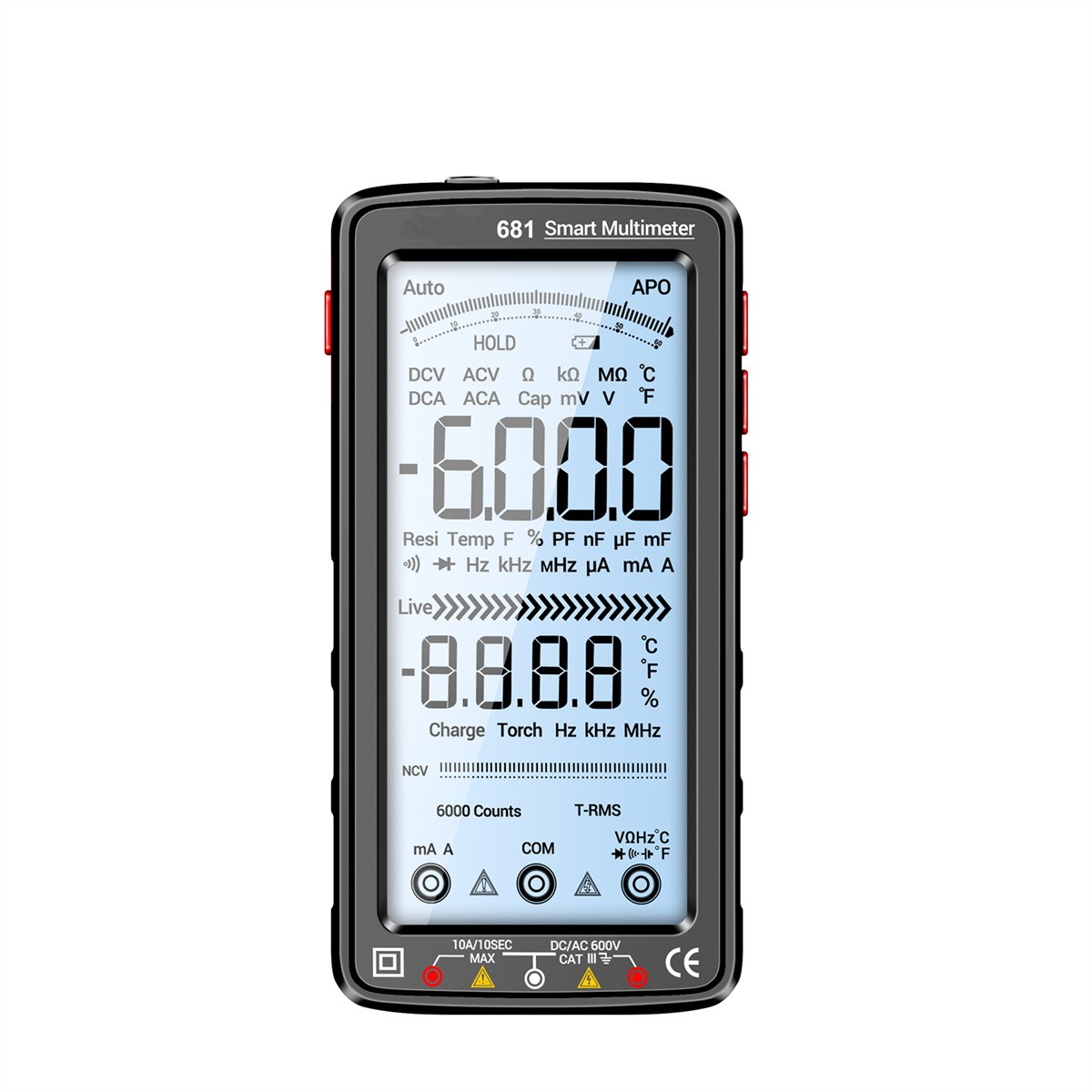
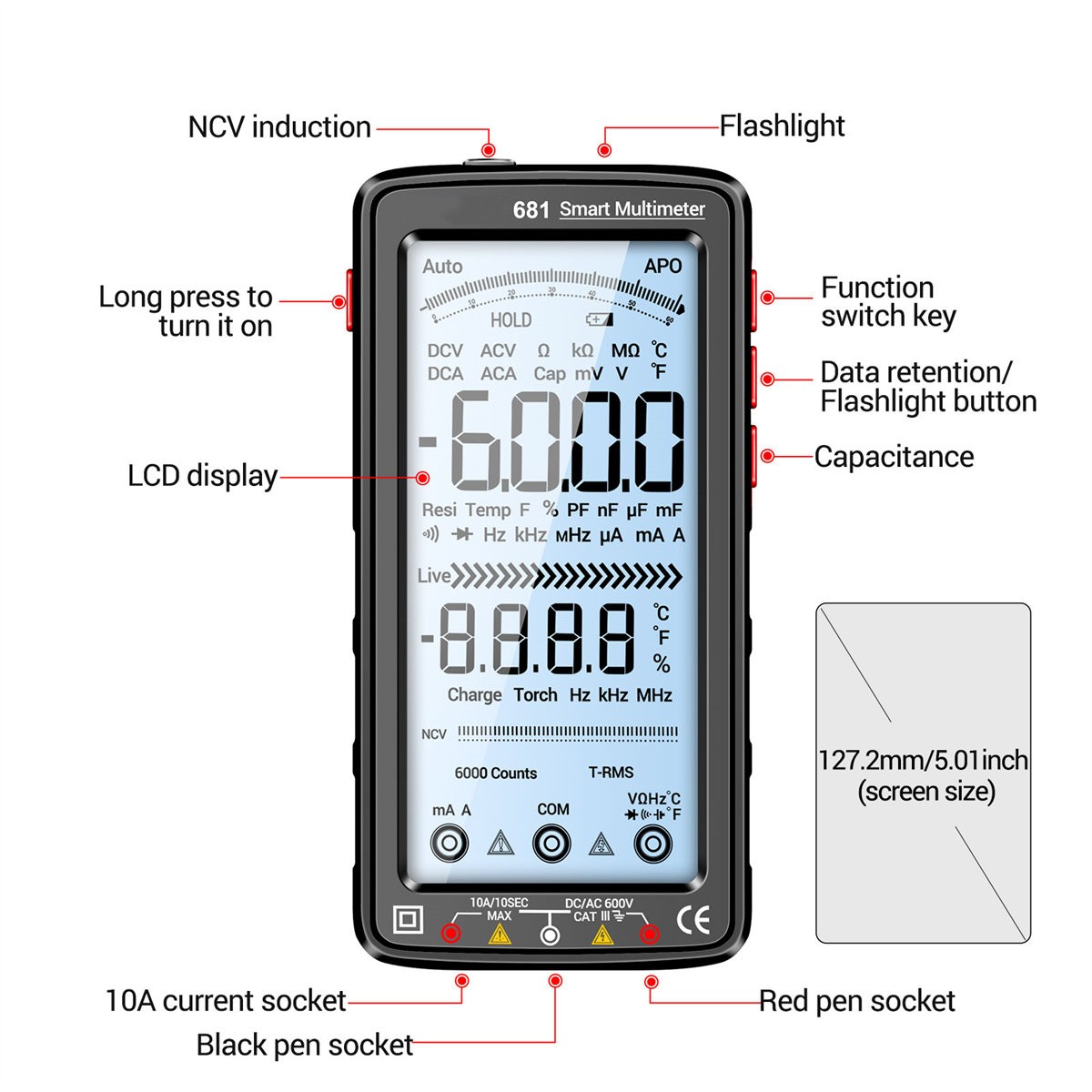
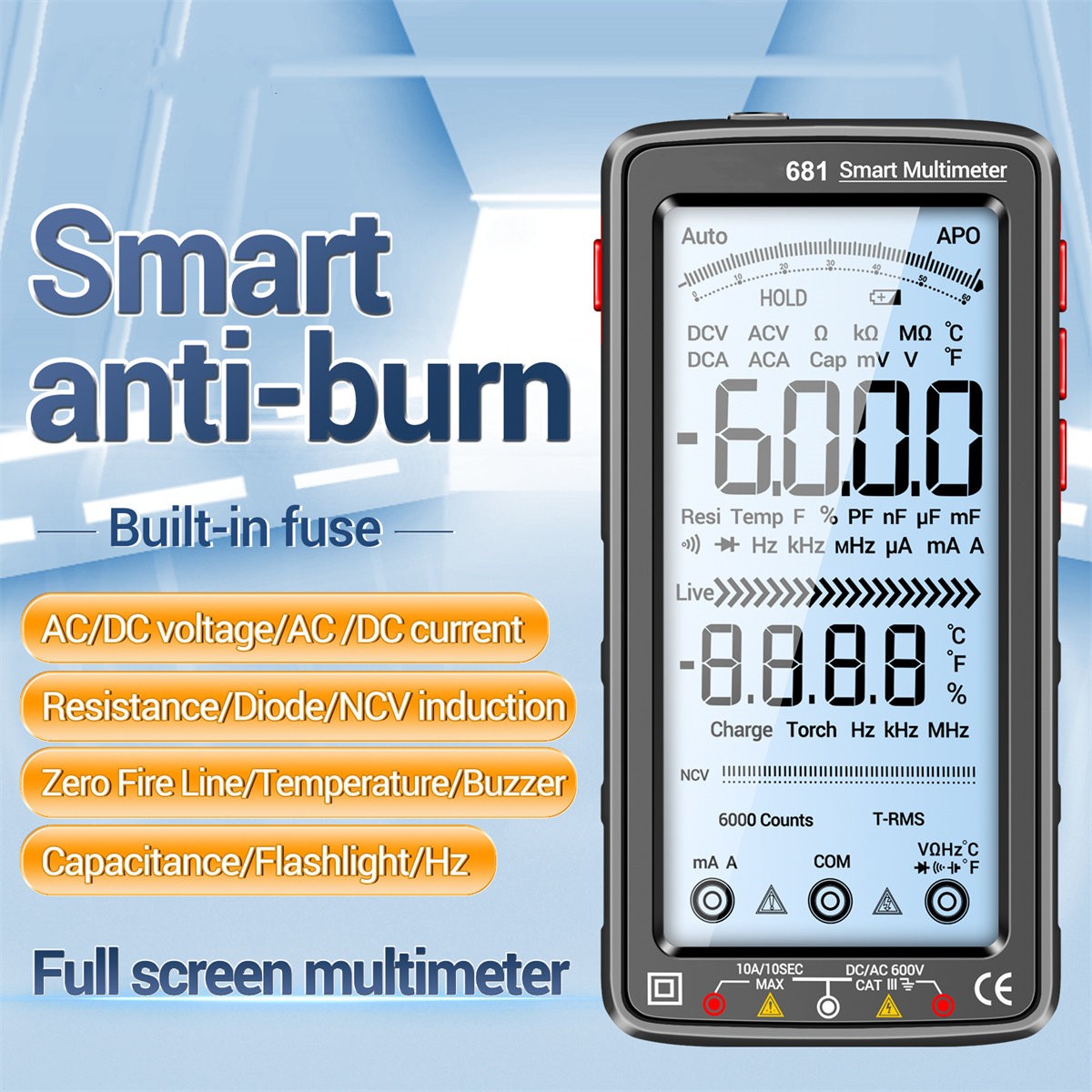
| Pen Digital Multimeter Specifications | |
|---|---|
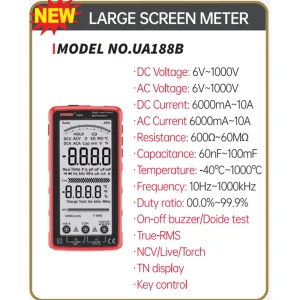
| DC Voltage | 0-1000V |
| AC Voltage | 0-750V |
| Ohms | 0-60MΩ |
| Capacitance | 0-100mF |
| DC Current | 0-10A |
| AC Current | 0-10A |
| Automatic shutdown | Yes |
| Diode | Yes |
| Buzzer | Yes |
| NCV | Yes |
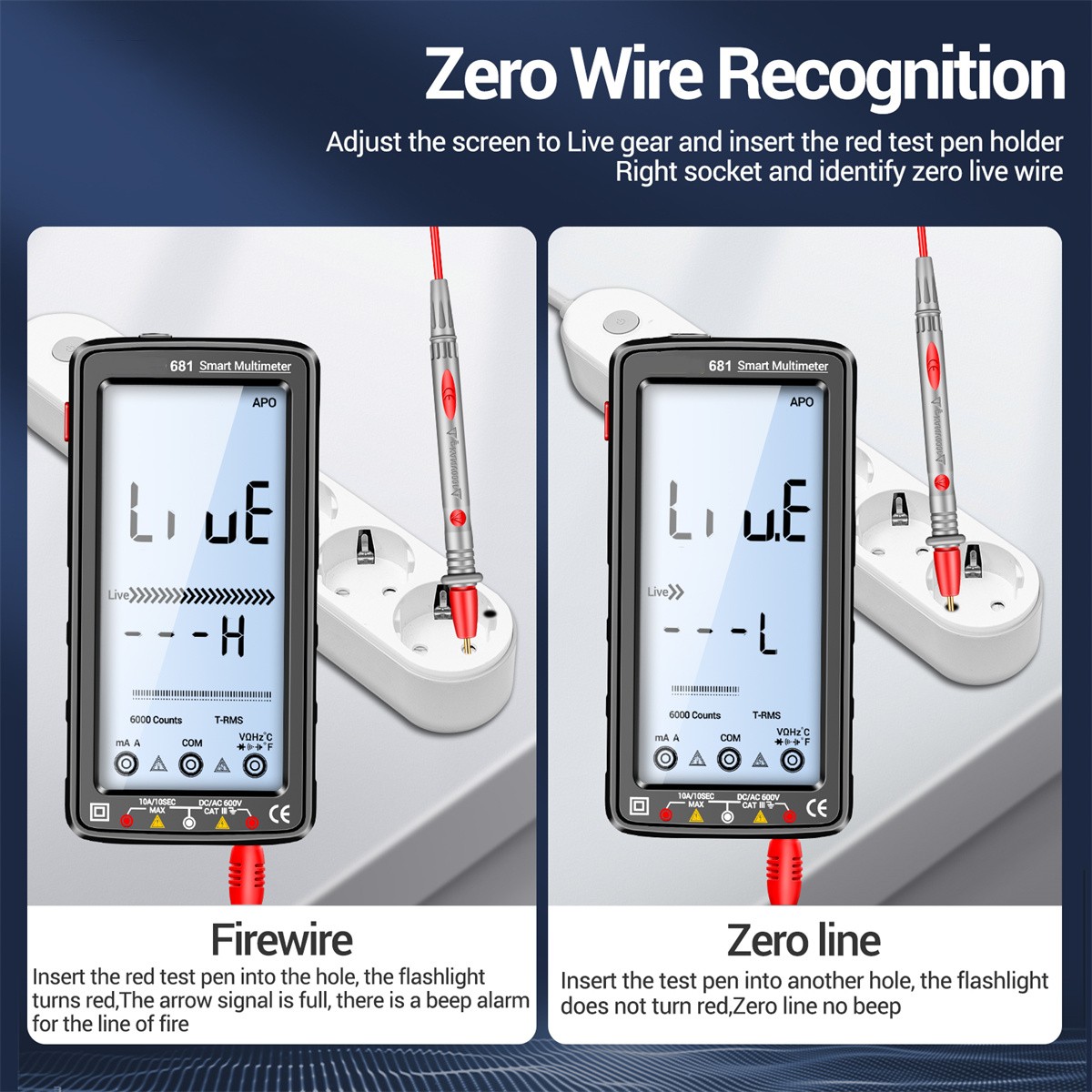
| Zero live line identification | Yes |
| Backlight | Yes |
| Data Hold | Yes |
| Flashlight | Yes |
| Max Number | 6000 |
| Power | Lithium battery |
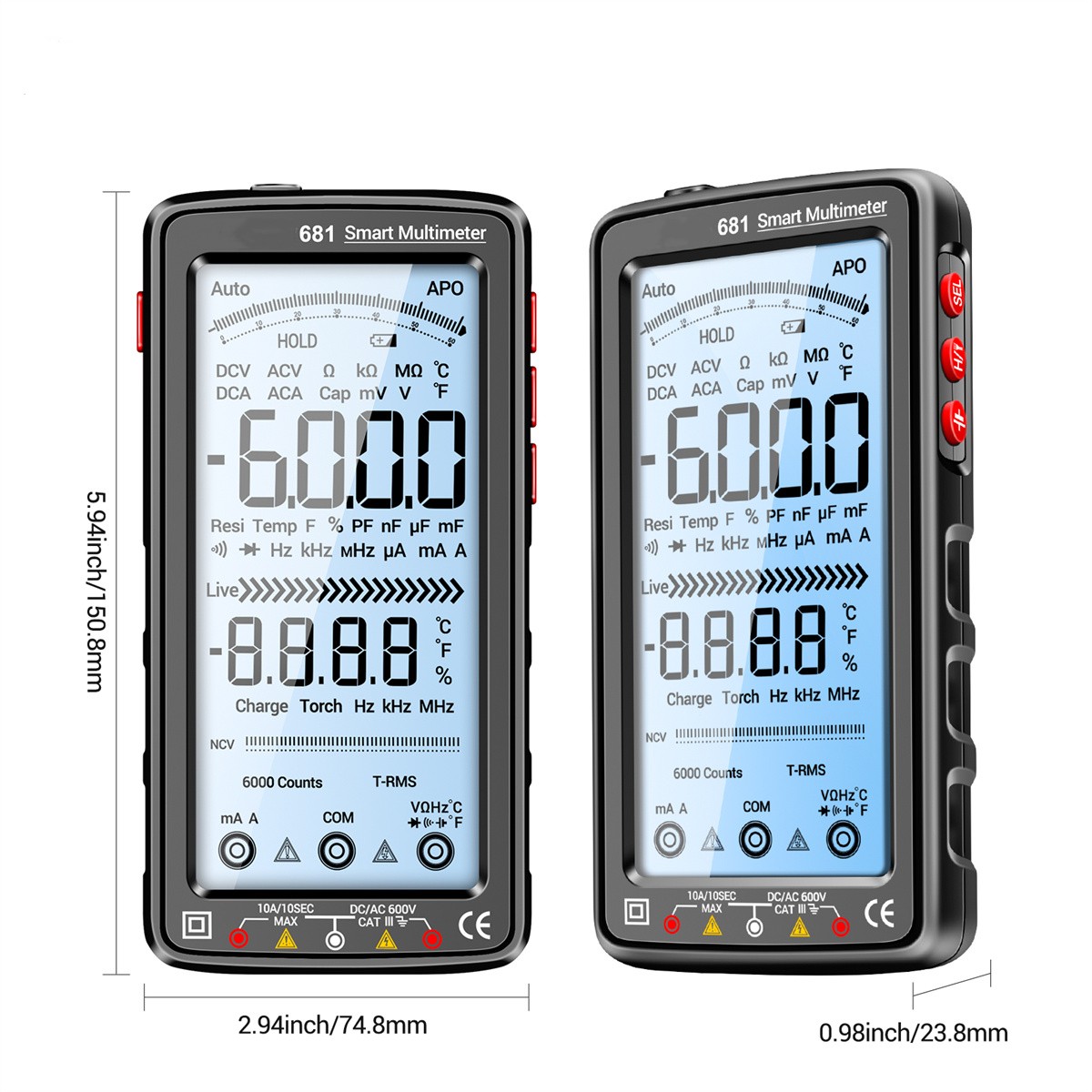
| Size | 150.8*74.8*23.5mm |
| Net weight | 206G |

Re: It is a power source with an output voltage that the user can vary. Variable DC power supplies allow you to change the voltage and the current to the DUT (Device Under Test).
Re: A DC power source provides a constant biasing voltage or current to electrical devices, components, or circuits and ensures that the DUT operates as expected.
Re: A DC power source connects to a DUT via leads that connect to the DC power supply panel. Engineers can set voltages or current levels to power the device for testing purposes.
Re: A DC power source converts alternating current (AC) power into DC power using either a linear or switching methodology. A switching power supply has higher efficiency, reduced weight, and smaller size. Linear power supplies can achieve lower noise, but modern switching supplies have minimized or eliminated this advantage.
Re: A bench DC power supply is designed to sit on an engineer’s bench. It will typically have a large, legible display and a user interface so engineers can easily control all aspects of the power supply from the front panel. Users can also control modern bench power supplies via software. In addition, the output terminals are easily accessible from the front. Bench power supplies are handy tools for testing circuits, as they allow you to adjust the voltage on the fly.
Re: NCV (Non-Contact Voltage) detection allows users to safely check for electrical voltage without physical contact, reducing safety hazards. Diode testing measures the voltage drop across diode junctions, which is essential for diagnosing circuit board components and verifying proper circuit flow.