High-precision laboratory power systems, grid-tied hybrid solar inverters, and high-resolution test diagnostic instruments for engineering environments.

Exploring advanced Maximum Power Point Tracking (MPPT) topologies, thermal dynamics, and grid stability standards in global utility and C&I deployments.
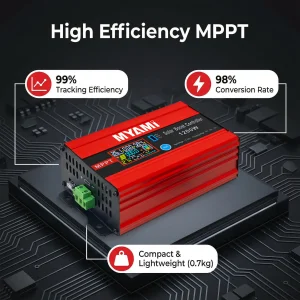
The global transition to renewable energy requires photovoltaic (PV) power systems that deliver extreme efficiency, long lifetimes, and absolute operational reliability. At the center of every high-performance off-grid and hybrid solar system is the solar charge controller. This specialized regulator is responsible for optimizing the energy extraction from highly variable solar arrays, protecting sensitive storage batteries, and maintaining stable DC bus voltages. Over the past decade, the industry has transitioned away from basic Pulse Width Modulation (PWM) topographies toward ultra-fast, intelligent Maximum Power Point Tracking (MPPT) controllers.
Modern MPPT systems operate by continuously scanning the current-voltage (I-V) curve of a solar array, calculating the exact point at which the product of voltage and current is at its peak (Pmax). This process requires high-frequency Digital Signal Processors (DSPs) executing complex algorithms such as Perturb and Observe (P&O) or Incremental Conductance. Unlike PWM controllers, which clamp the PV array voltage to the battery voltage, MPPT controllers decouple the array and battery voltages. This allows the PV array to operate at its most efficient electrical point while stepping down the voltage to the battery charging profile, achieving energy gains of up to 30% compared to legacy architectures.
Additionally, advanced power conversion topologies utilize synchronous rectification. Replacing standard freewheeling diodes with high-performance MOSFETs dramatically reduces thermal dissipation within the controller, pushing electrical conversion efficiency to 98% or higher. For commercial, industrial, and infrastructure projects, these marginal gains directly translate to reduced levelized cost of energy (LCOE) and accelerated ROI.
With the integration of wide-bandgap (WBG) semiconductors, such as Silicon Carbide (SiC) and Gallium Nitride (GaN), charge controllers are experiencing a revolution in power density and switching speeds. These materials permit higher operational switching frequencies (exceeding 100 kHz) without a significant penalty in switching losses. This allows manufacturers to drastically scale down the size of passive magnetic components, such as copper-wound inductors and output filter capacitors, reducing the overall footprint of the unit while maintaining high current capacity.
Bridging the gap between complex electronic research, high-voltage component testing, and scalable industrial automation.
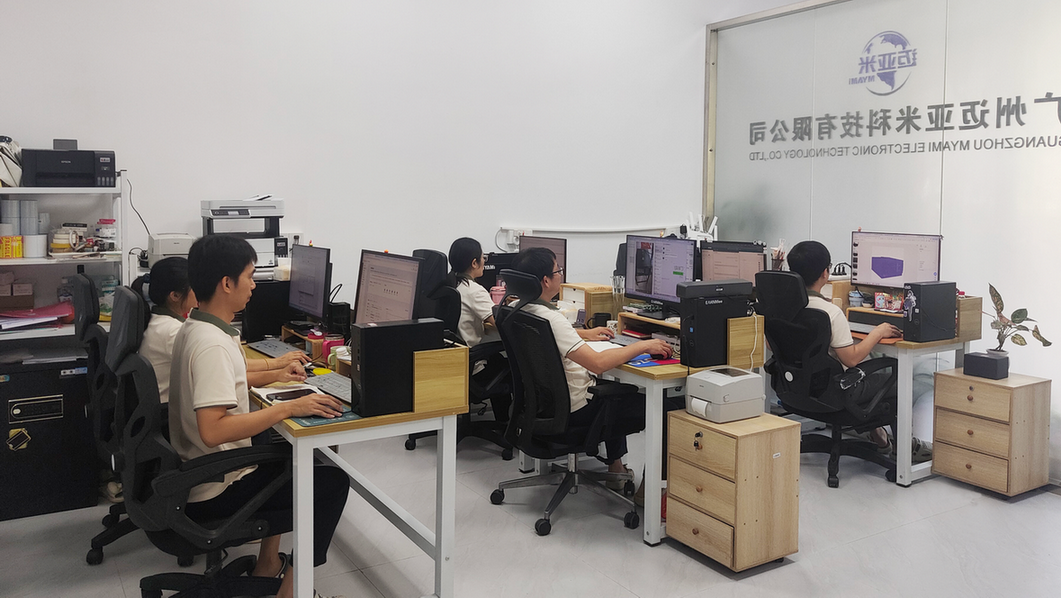
Headquartered in the global electronics capital of Shenzhen, China, Shenzhen Myami Power Technology Co., Ltd. (MYAMI) is a technology-driven manufacturer and solution provider specializing in high-precision, industrial-grade power supplies, renewable energy electronics, and advanced electrical test equipment. Built with a commitment to engineering rigor, MYAMI designs systems capable of meeting the strict demands of power grid operators, academic laboratories, automated factories, and telecom utility providers worldwide.
Every MYAMI product is designed to handle demanding electrical stresses with built-in multi-layer protection protocols, including Over-Voltage Protection (OVP), Over-Current Protection (OCP), Over-Temperature Protection (OTP), and short-circuit safeguards. Our engineering team ensures full compliance with international safety and quality standards, resulting in equipment certified under CE, RoHS, and ISO9001 frameworks. By integrating standard communication protocols such as RS485, RS232, and CAN bus, our equipment integrates seamlessly with automated production lines, central SCADA systems, and solar microgrid controllers.
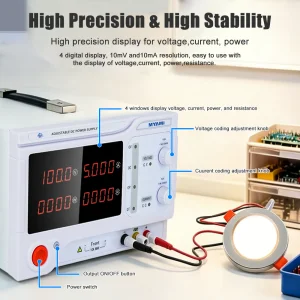
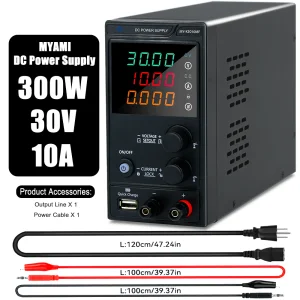
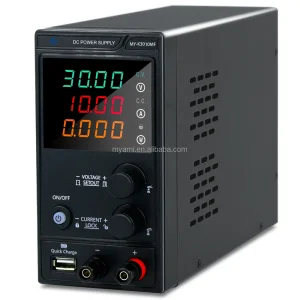
Featuring multi-digit LED displays, ultra-low ripple, and rapid transient response, engineered for precision electronic R&D, semiconductor evaluation, and PCB debugging.
Delivering high-current, high-voltage DC/AC regulated power supplies built for industrial motor drives, electroplating rectifiers, and heavy-duty component burn-in testing.
Providing specialized DC power units, battery simulators, and variable AC power sources engineered for Electric Vehicle (EV) On-Board Chargers (OBC), BMS evaluation, and solar inverter testing.
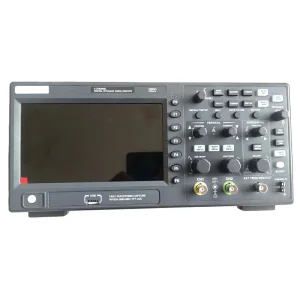
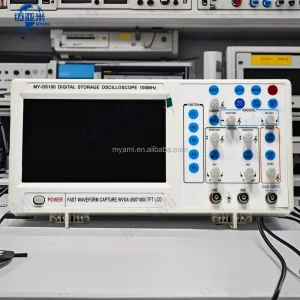
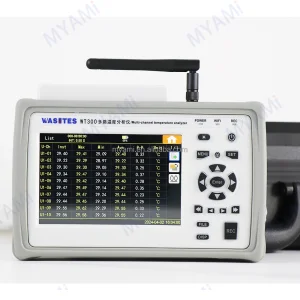
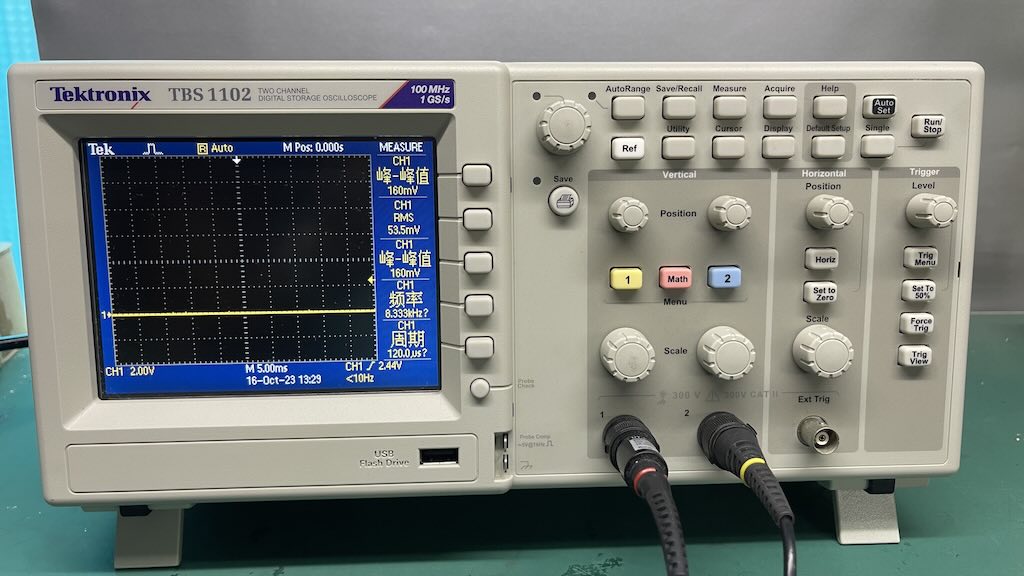
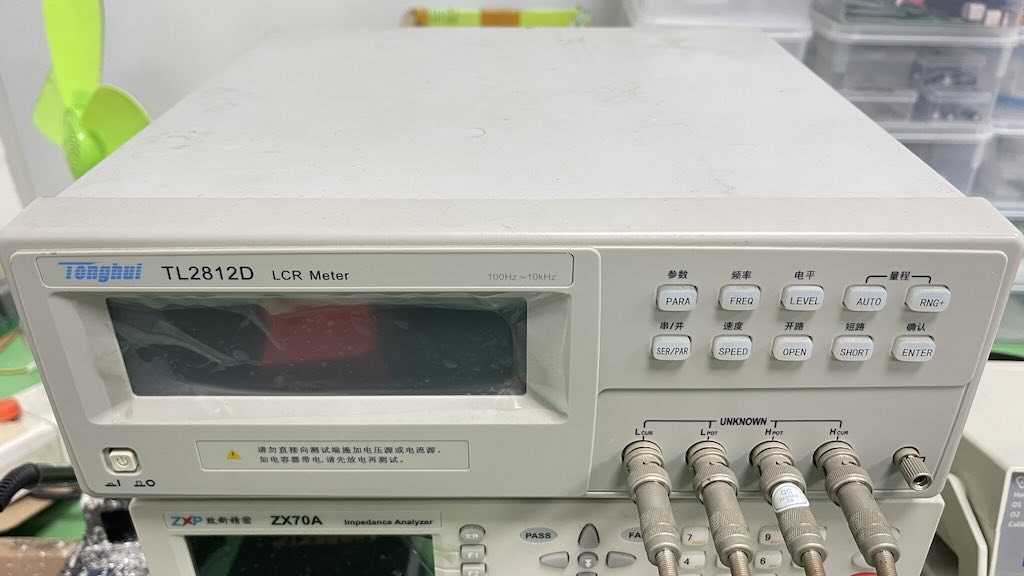
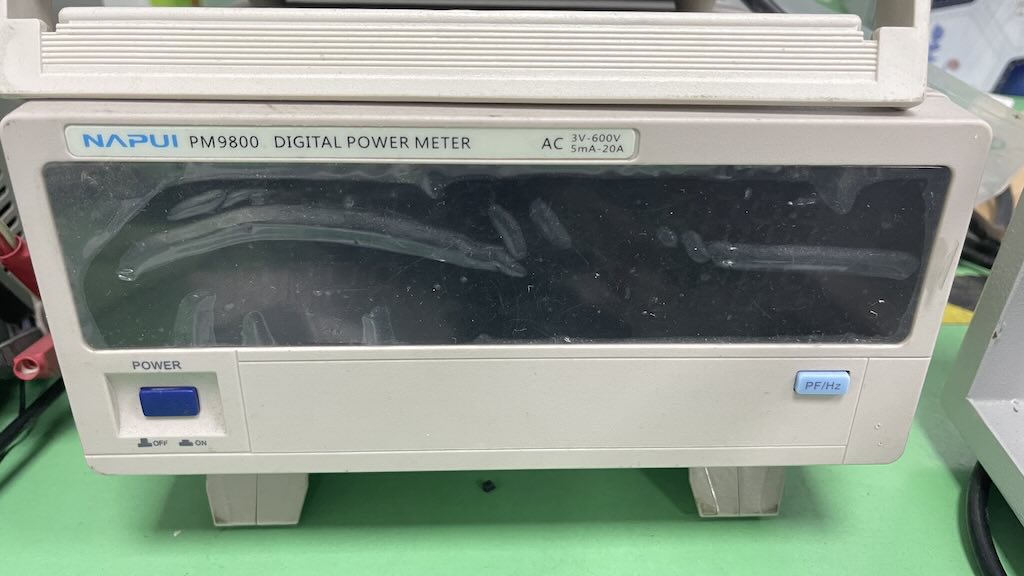
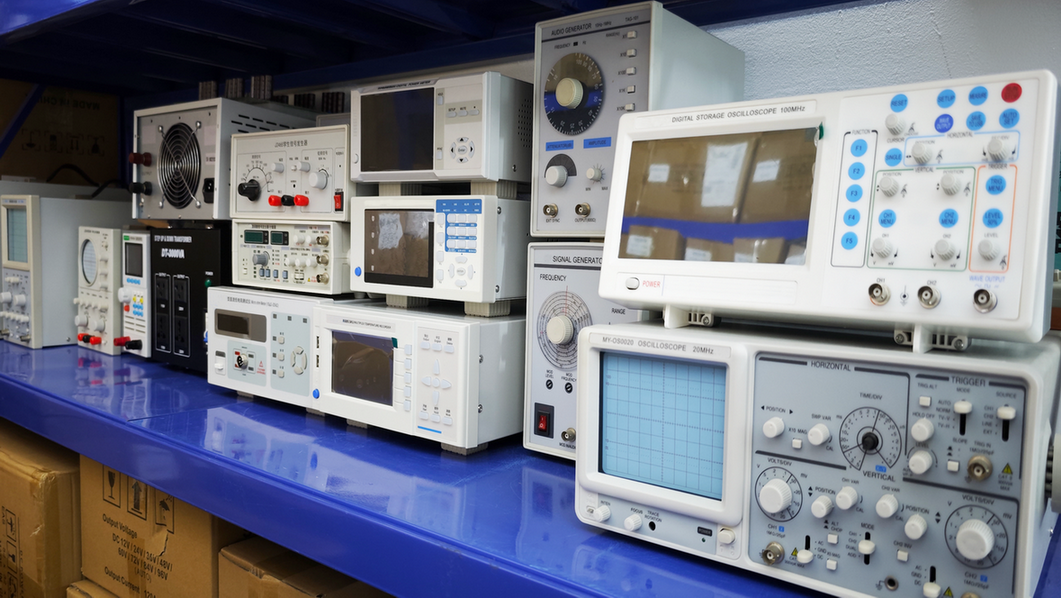
Supplying complementary test bench solutions, including digital oscilloscopes, multimeters, and specialized AC voltage regulators for global laboratories and technical institutes.
Understanding key technical benchmarks, quality verification protocols, and vendor metrics for high-volume purchasing.
For engineering, procurement, and construction (EPC) contractors, solar distributors, and industrial microgrid developers, sourcing a solar charge controller is a critical decision. In large-scale off-grid installations, the charge controller acts as the central link between the PV generation assets and the energy storage system (ESS). Selecting an unreliable controller can lead to battery degradation, premature system shutdowns, and high maintenance costs. When evaluating Chinese manufacturers, professional procurement agents focus on three main areas: component reliability, configuration flexibility, and long-term support.
A key indicator of charge controller reliability is the grade of internal components. Quality manufacturers utilize heavy-duty copper inductors, high-temperature low-ESR solid capacitors, and tier-1 MOSFETs from recognized semiconductor suppliers. Furthermore, advanced controllers feature conformal coatings on the internal printed circuit board assembly (PCBA). This protects the electronics from moisture, dust, and corrosive gases in harsh environments like desert solar farms, tropical installations, and maritime telecom sites.
Another critical aspect of B2B sourcing is firmware customization (OEM/ODM capabilities). A solar project may utilize customized lithium chemistry formulations, requiring unique voltage thresholds, charge cut-off currents, and temperature compensation slopes. Procurement managers look for suppliers that can adjust the firmware configuration at the factory level and provide custom-branded graphical user interfaces (GUIs). This level of support ensures that the charge controller operates within the exact parameters of the broader energy storage ecosystem.
Additionally, communication compatibility is crucial for modern industrial systems. Integration with SCADA networks via industrial protocols like Modbus RTU (over RS485) or CAN bus is a standard requirement. These interfaces allow operators to remotely monitor PV voltage, charging current, daily power generation, and fault diagnostics from centralized control rooms.
Tailored charging and regulation architectures designed for telecommunications, utility grids, and off-grid C&I infrastructure.
| Application Sector | Technical Challenges | System Architecture Requirement | MYAMI Engineered Solution |
|---|---|---|---|
| Remote Telecom Sites | Extreme temperature fluctuations, zero down-time tolerance, corrosive marine/dust conditions. | 48V DC bus standard, remote SNMP/Modbus telemetry, IP65 protection class, redundancy logic. | MYAMI High-Reliability MPPT Series: Fanless designs with advanced thermal cooling, IP67 enclosure options, and integrated RS485 communication. |
| C&I Microgrids | Large solar arrays, high-voltage battery banks, integration with backup diesel generators. | High Voc input (150V to 600V), scalable parallel operations, dynamic load balancing control. | MYAMI Multi-Phase Synchronous MPPTs: Capable of parallel scaling up to 16 units, working with high-voltage battery configurations. |
| Solar Irrigation Systems | High inductive starting current of water pumps, fluctuating solar radiance. | Direct motor control, rapid MPPT tracking to catch fast daylight fluctuations, variable frequency logic. | MYAMI Specialized Pump Inverter-Controllers: Smart dynamic tracking algorithms optimized for hydraulic drive motors and off-grid PV arrays. |
| Off-Grid Residential ESS | User-friendly setup, lithium battery compatibility, compliance with domestic noise regulations. | LiFePO4 communication matching, silent convection cooling, high-resolution visual interfaces. | MYAMI Smart Home Solar Series: Multi-chemistry presets, large LCD diagnostics, and modular plug-and-play accessories. |
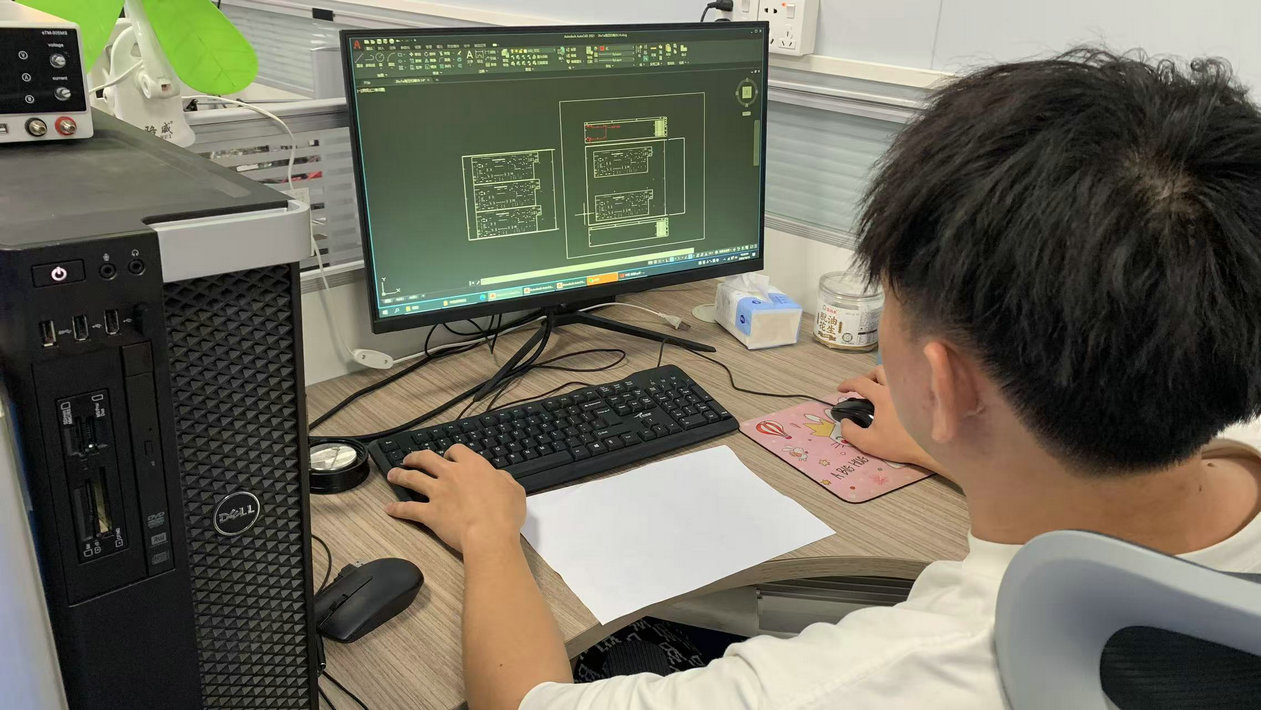
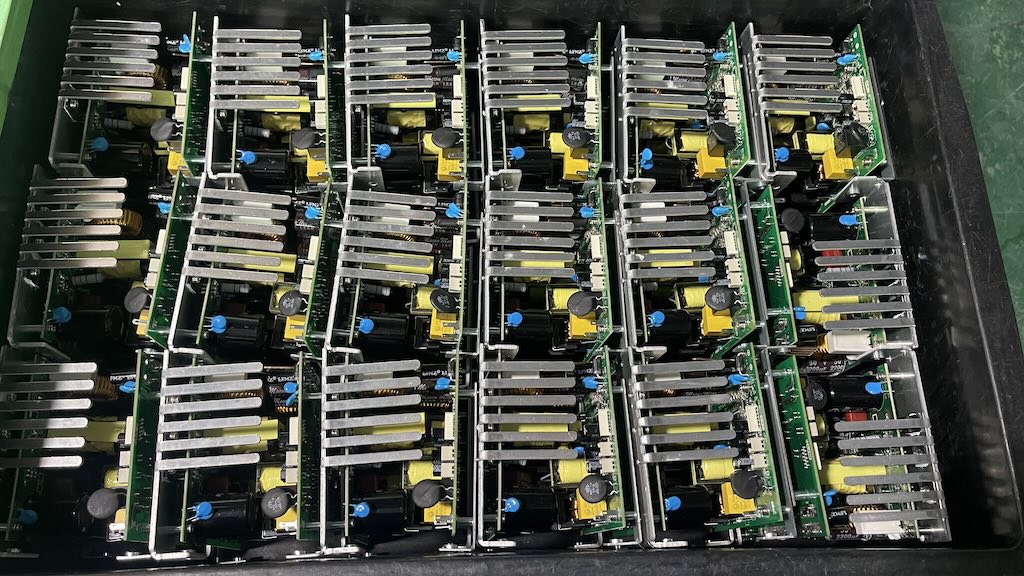
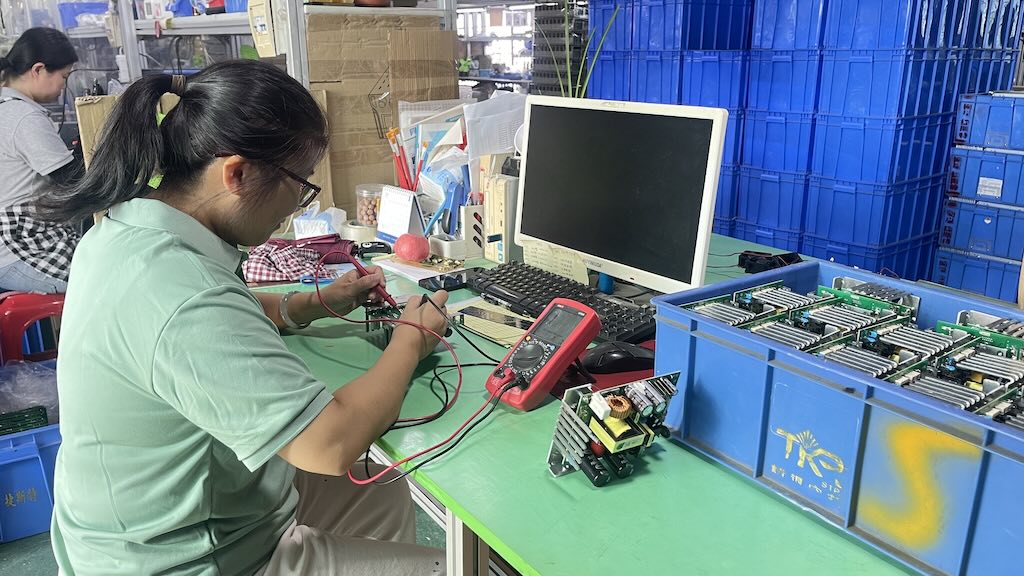
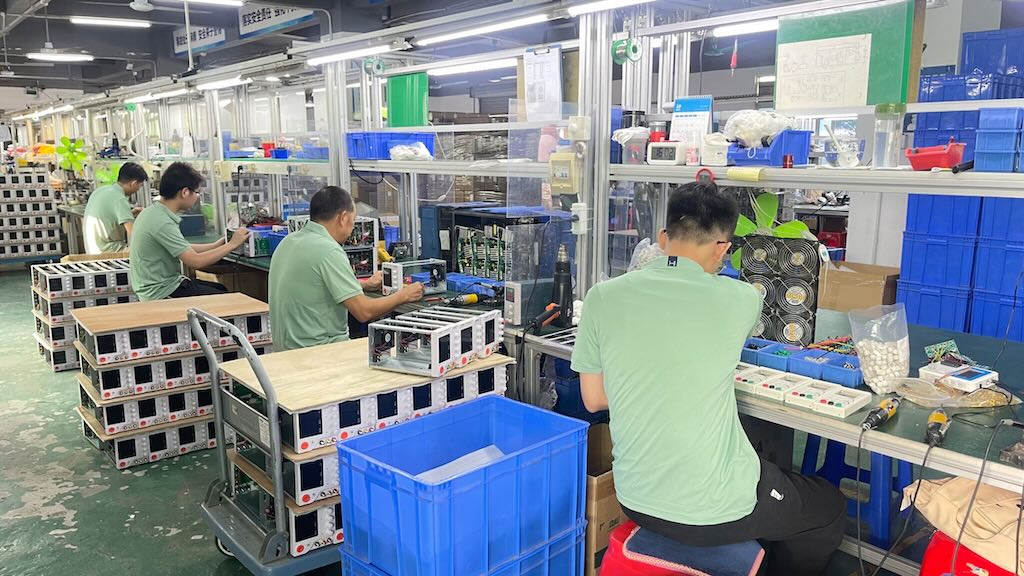
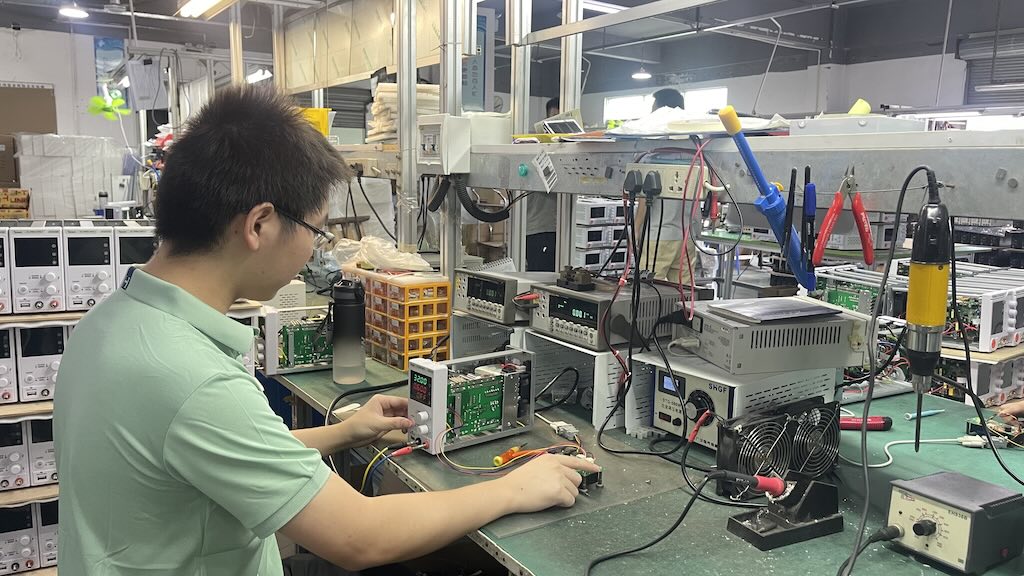
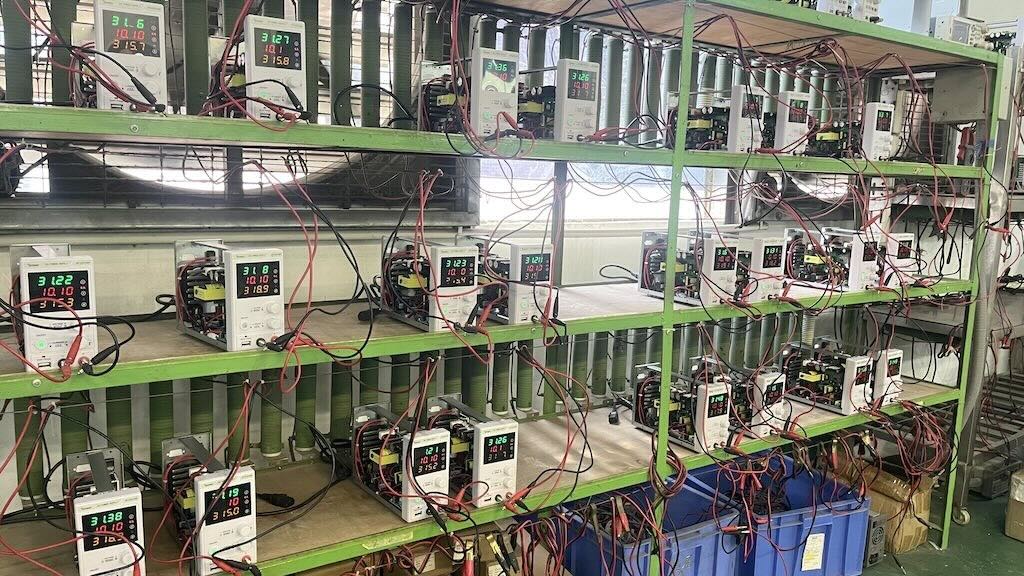
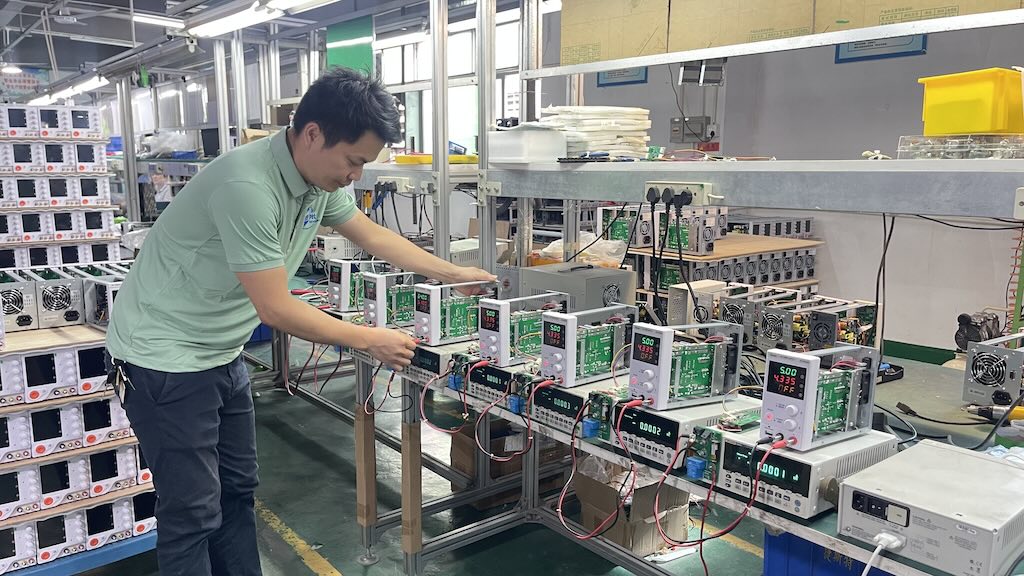
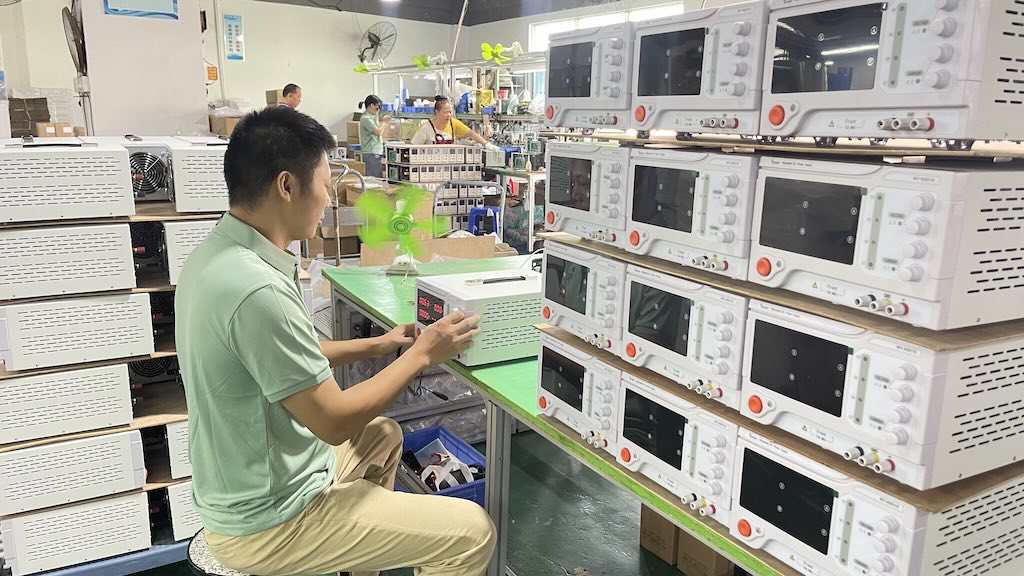
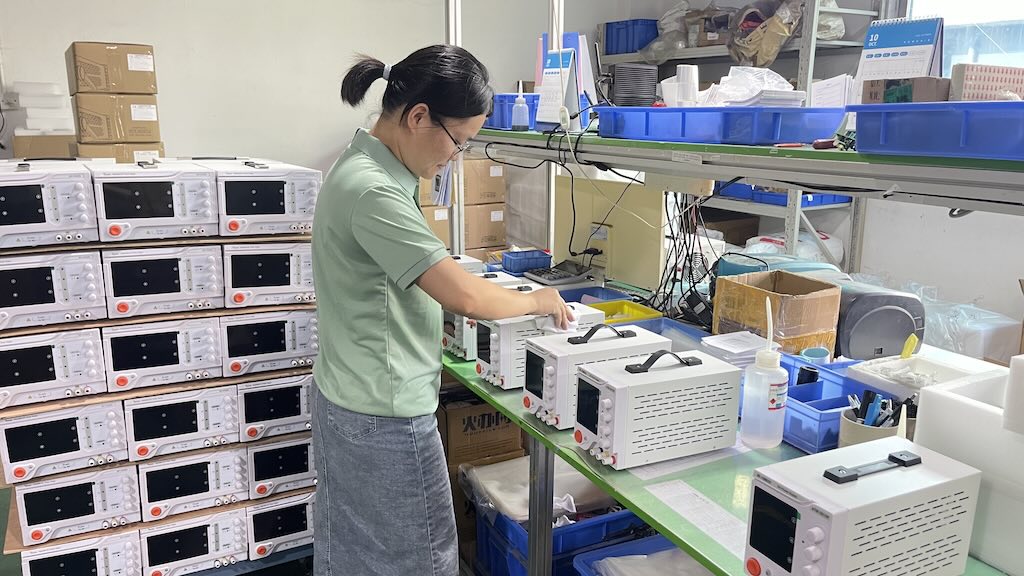
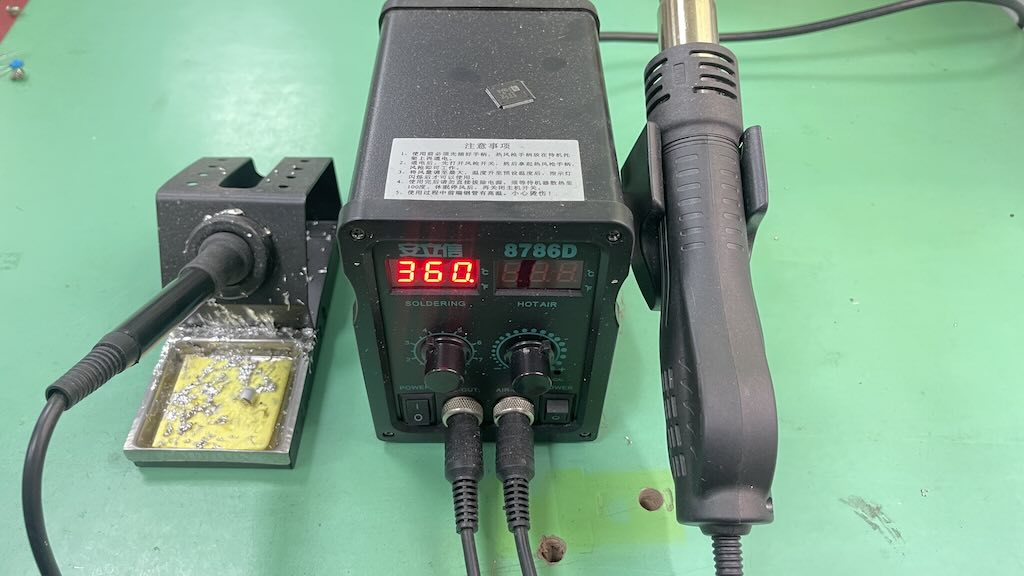
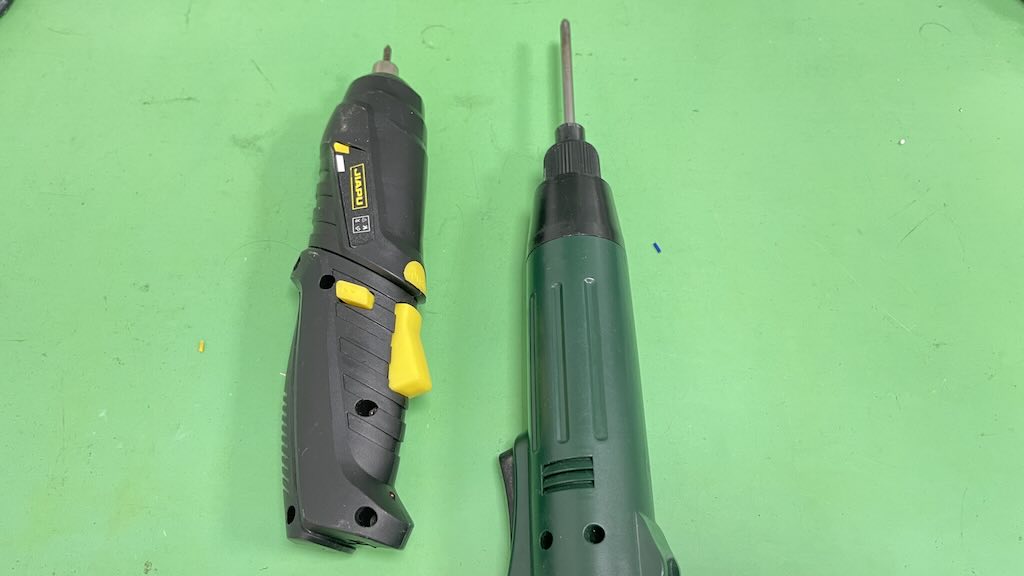
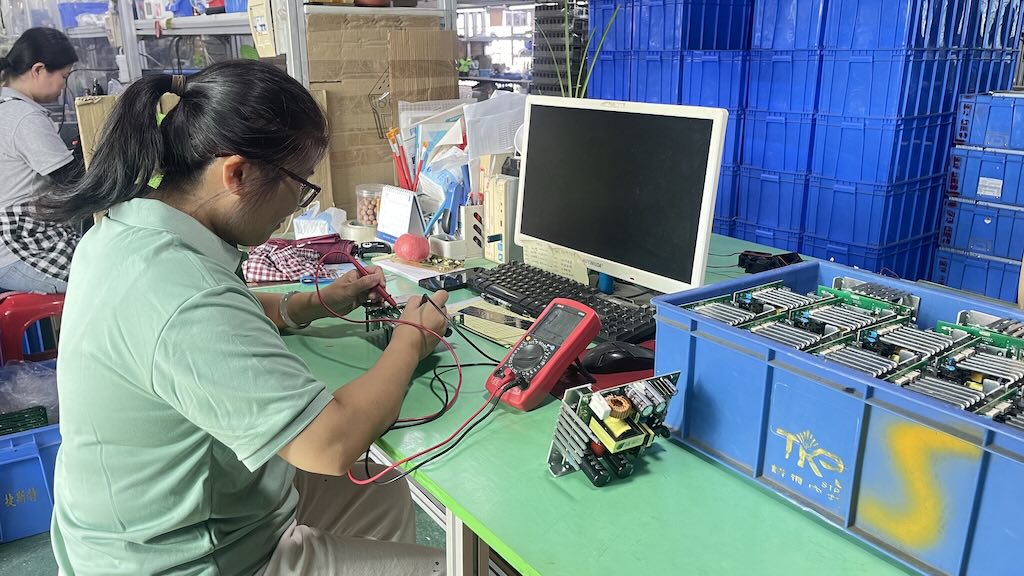
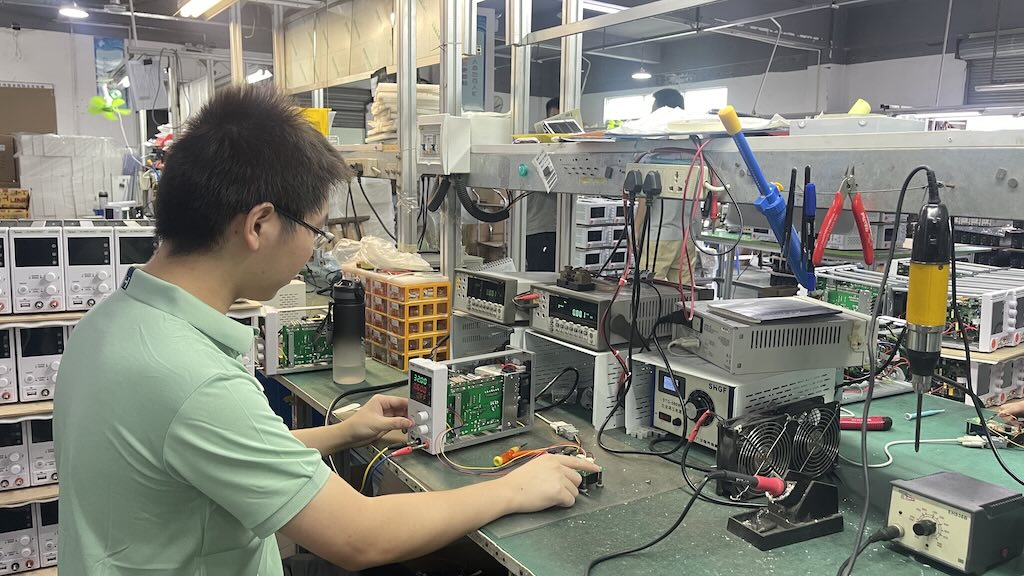
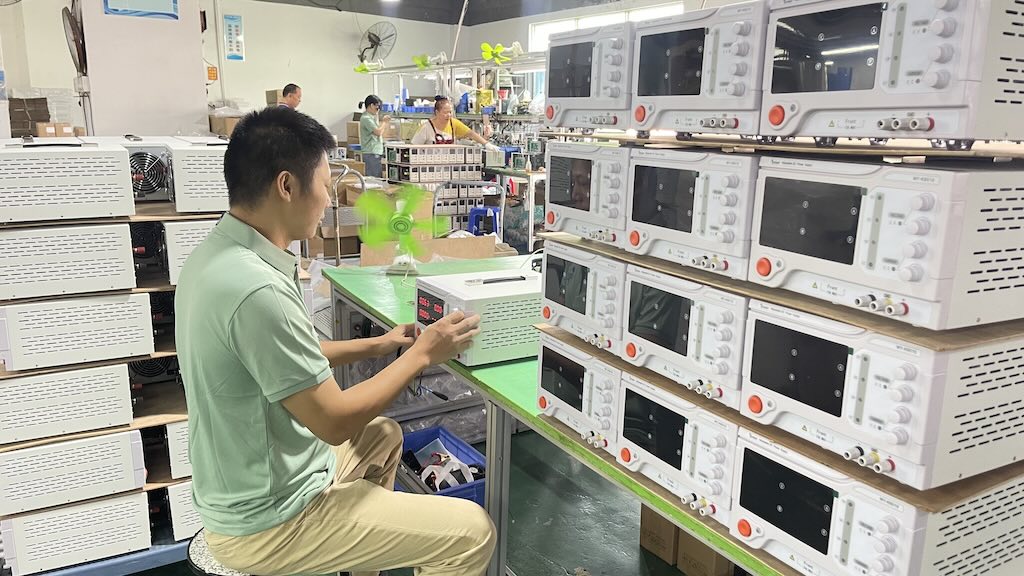
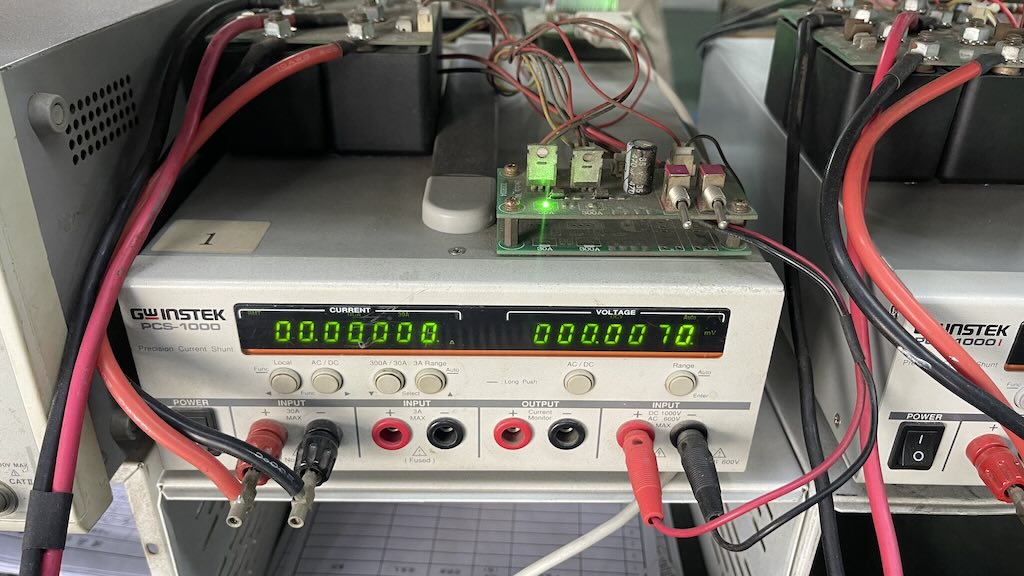
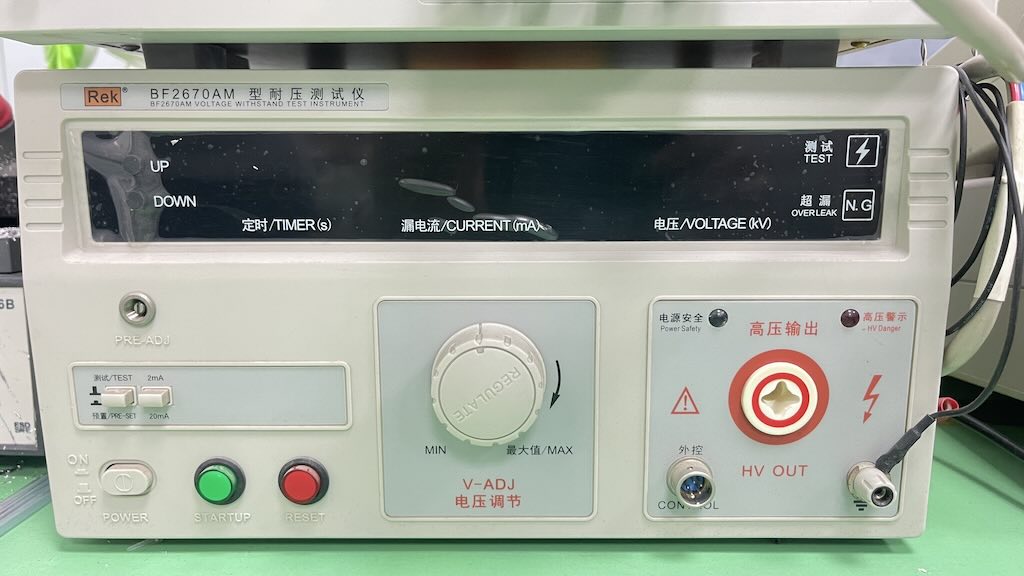
From raw material sorting to final calibration testing, MYAMI maintains traceabilty and strict quality control standards.
What lies ahead for PV regulation: Software-defined power architectures, bidirectionality, and Edge-AI diagnostics.
The solar industry is heading toward higher-voltage DC distribution networks. While traditional off-grid installations rely on 12V, 24V, or 48V battery systems, commercial microgrids are shifting to 360V, 400V, and even 800V DC topologies. Operating at these high voltages drastically reduces distribution losses and allows for thinner wiring across large installations. The next generation of solar charge controllers must adapt to these high-voltage buses, requiring advanced insulation systems and high-clearance PCB designs.
Additionally, software-defined power management is replacing traditional hardware-fixed circuits. This shift enables firmware updates to optimize charging parameters for new chemistry profiles, load priorities, and grid interactions without modifying the physical hardware. Integration with local smart grids allows controllers to dynamically adjust power profiles based on utility price signals or grid stress indicators.
Furthermore, artificial intelligence is moving to the edge of the power system. Advanced charge controllers will soon integrate on-device machine learning to analyze history and forecast future solar yields based on past weather patterns. By using predictive analytics to optimize battery state-of-charge (SoC), these controllers can reduce peak demand fees and prolong battery life. Edge diagnostic systems can also detect early wiring degradation, partial array shading, or cell leakage, sending warning alerts before system performance drops.
Navigating complex international certifications, tariff structures, and long-term service level agreements (SLAs).
Securing compliance with international standards is vital for any global solar deployment. Grid operators and insurance firms require safety verifications before certifying installations. MYAMI ensures all charge controllers meet strict criteria like CE (LVD/EMC), RoHS, and ISO9001. Additionally, our designs are optimized to align with UL 1741, IEC 62109, and IEEE 1547 standards, easing local regulatory approvals for project developers.
Navigating global logistics and tariffs also requires experienced support. MYAMI operates a dedicated export logistics team that coordinates with shipping agencies to secure optimal freight lanes and ensure tariff classification accuracy (e.g., HS Code 8504.40). We provide complete shipping documentation, including certificates of origin, safety datasheets (UN38.3 for integrated lithium batteries), and compliance records to simplify customs clearance at destination ports.
Post-installation support is managed by our field applications engineering (FAE) team. We offer detailed technical documentation, design assistance, and remote commissioning services to ensure smooth startup operations. For large-scale C&I projects, MYAMI can supply spare parts kits, on-site service training, and extended warranty programs to protect your long-term capital investments.
Get answers to critical design questions from our application engineers.
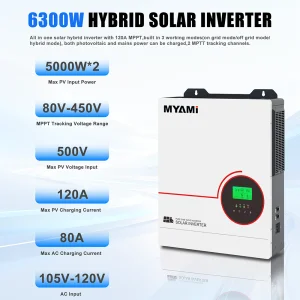
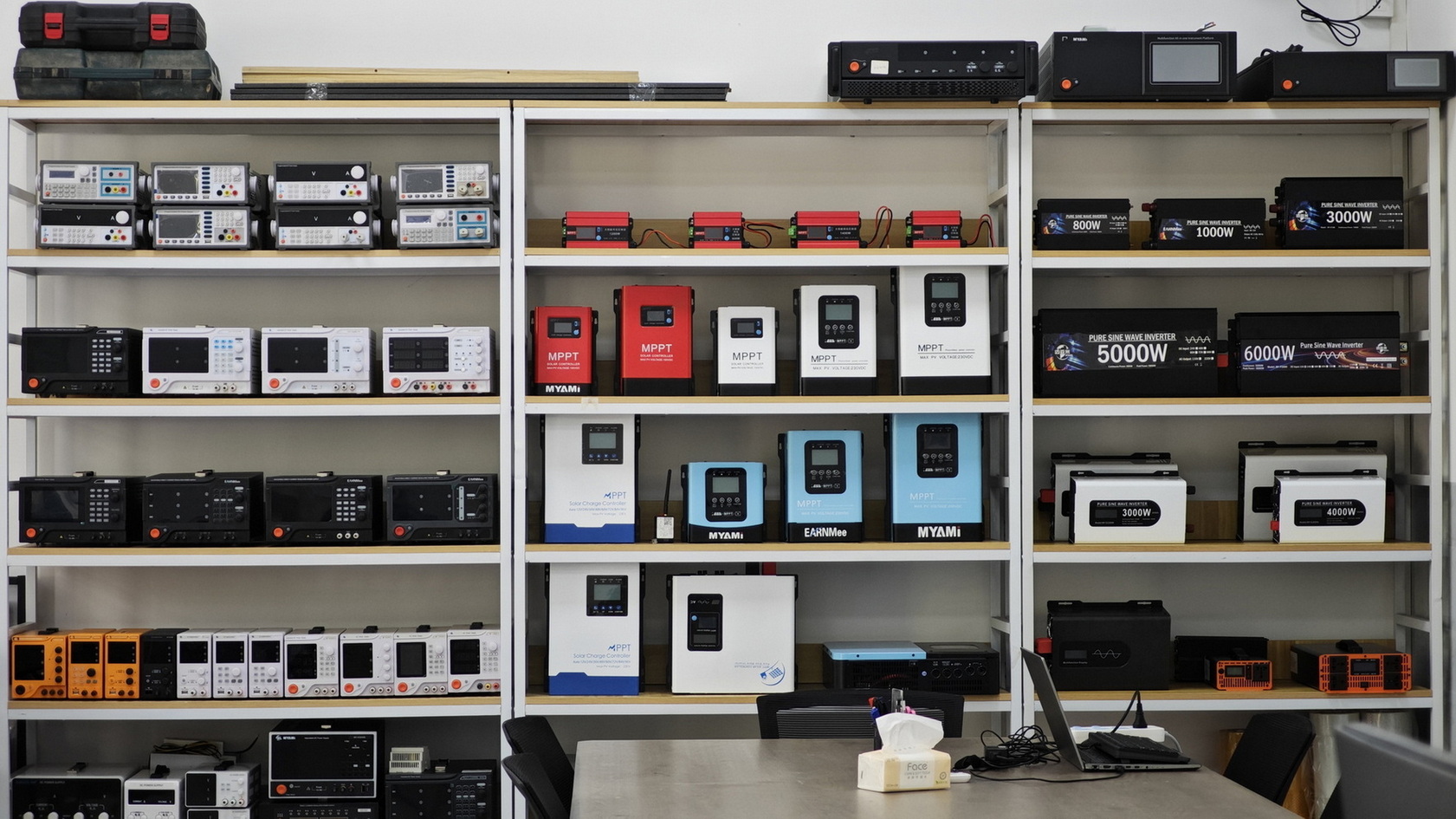
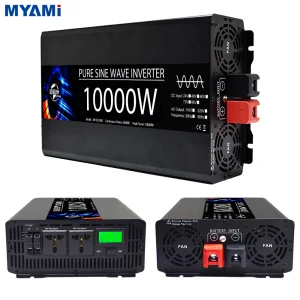
High-power solar regulators, linear DC test sources, and high-efficiency pure sine wave power conversion systems.




 Myami Power