Custom OEM Digital Multimeter Factories & Exporter

Industrial-Grade Precision Instruments, Advanced Power Controls & Specialized Measurement Engineering Solutions

Leading Custom OEM/ODM Multimeter & Test Instrumentation Factory

Shenzhen Myami Power Technology Co., Ltd. (MYAMI) combines advanced engineering, rigorous ISO-certified manufacturing, and premium materials to deliver world-class electrical testing systems.

15+
Years Technical R&D
80+
Export Destinations
0.05%
Basic DC Accuracy Limit
100%
Quality Calibrated Guarantee

Headquartered in the global electronics innovation hub of Shenzhen, China, Shenzhen Myami Power Technology Co., Ltd. (MYAMI) is a technology-driven manufacturer and solution provider specializing in high-precision, industrial-grade power supplies and electrical test equipment. Designed for engineering rigor, MYAMI bridges the gap between complex electronic research, high-voltage component testing, and scalable industrial automation. As a dominant custom OEM digital multimeter factory and global exporter, we maintain specialized manufacturing units equipped to craft customized testing instrumentation optimized to meet strict global performance and regulatory standards.

Our Four Pillars of Industrial Engineering Excellence

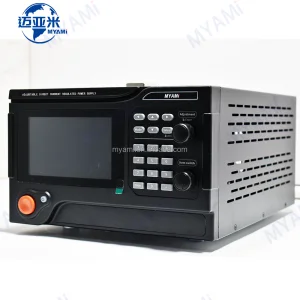
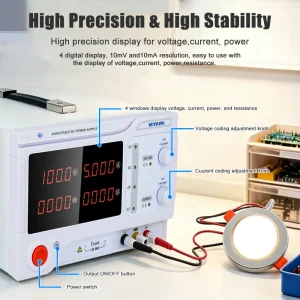
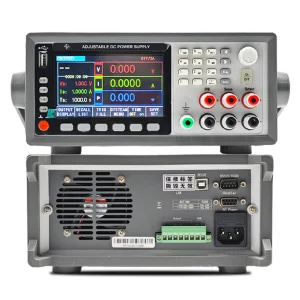
Programmable DC Power Supplies

Featuring multi-digit LED displays, ultra-low ripple, and rapid transient response, engineered for precision electronic R&D, semiconductor evaluation, and PCB debugging.

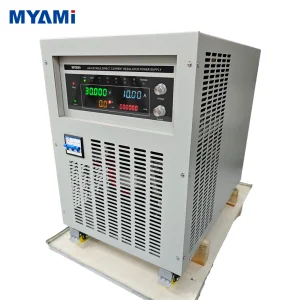
High-Power & High-Voltage Testing

Delivering high-current, high-voltage DC/AC regulated power supplies built for industrial motor drives, electroplating rectifiers, and heavy-duty component burn-in testing.

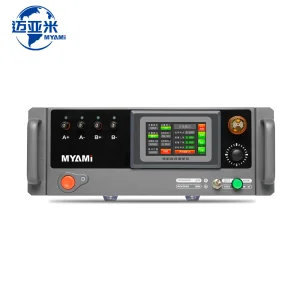
EV & Renewable Energy Testing

Providing specialized DC power units, battery simulators, and variable AC power sources engineered for Electric Vehicle (EV) On-Board Chargers (OBC), BMS evaluation, and solar inverter testing.

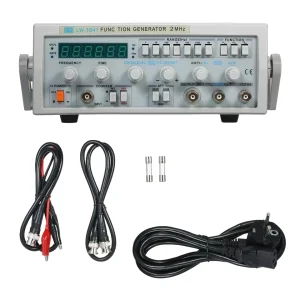
Benchtop Test & Measurement

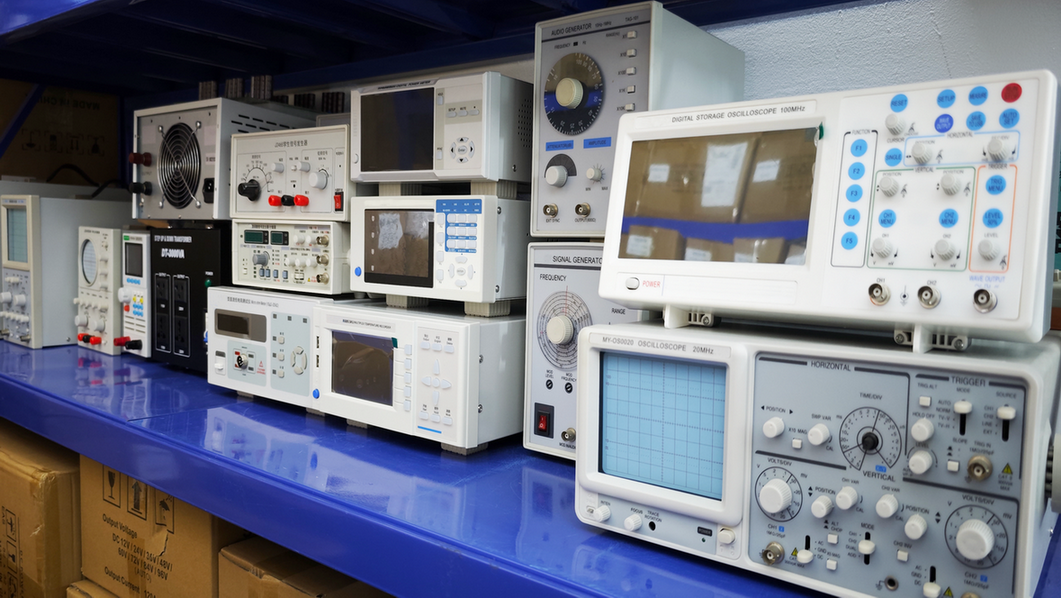
Supplying complementary test bench solutions, including digital oscilloscopes, multimeters, and specialized AC voltage regulators for global laboratories and technical institutes.

State-of-the-Art Production & Engineering Hub

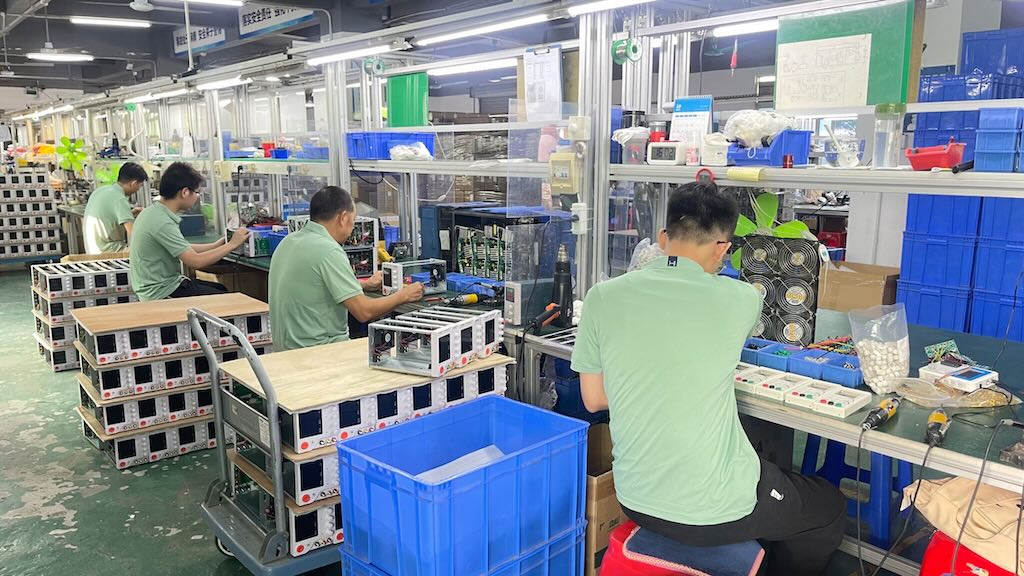
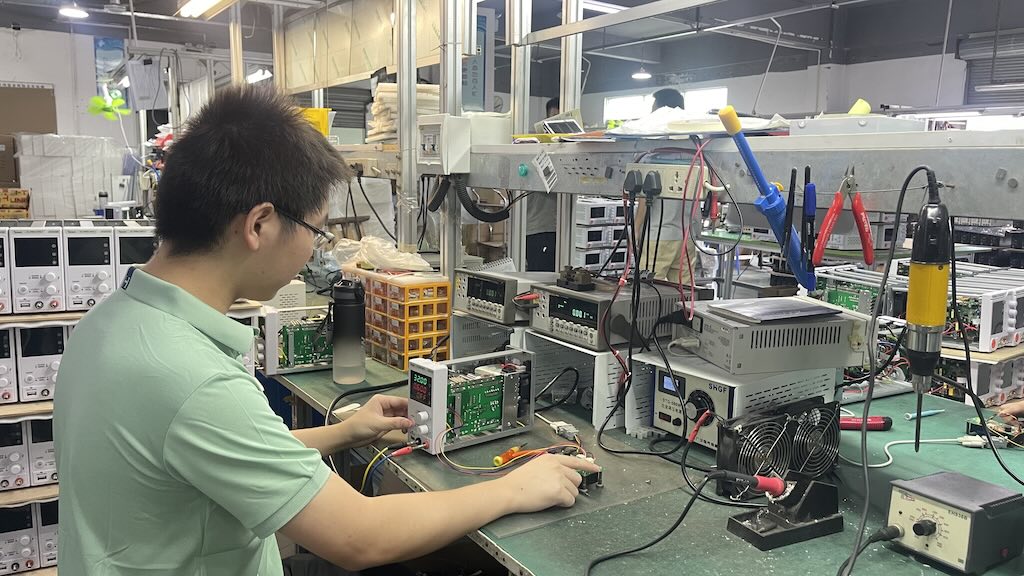
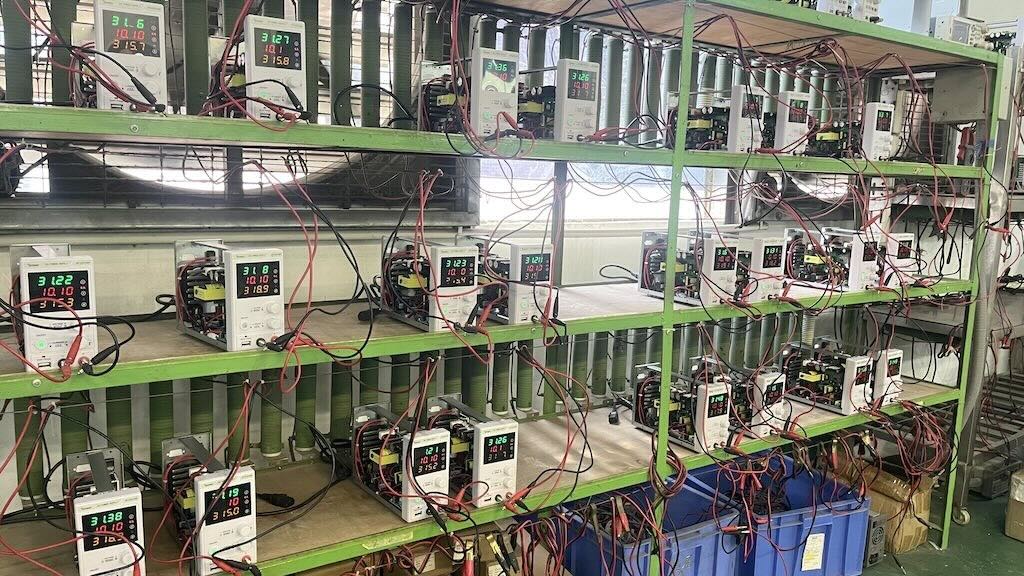
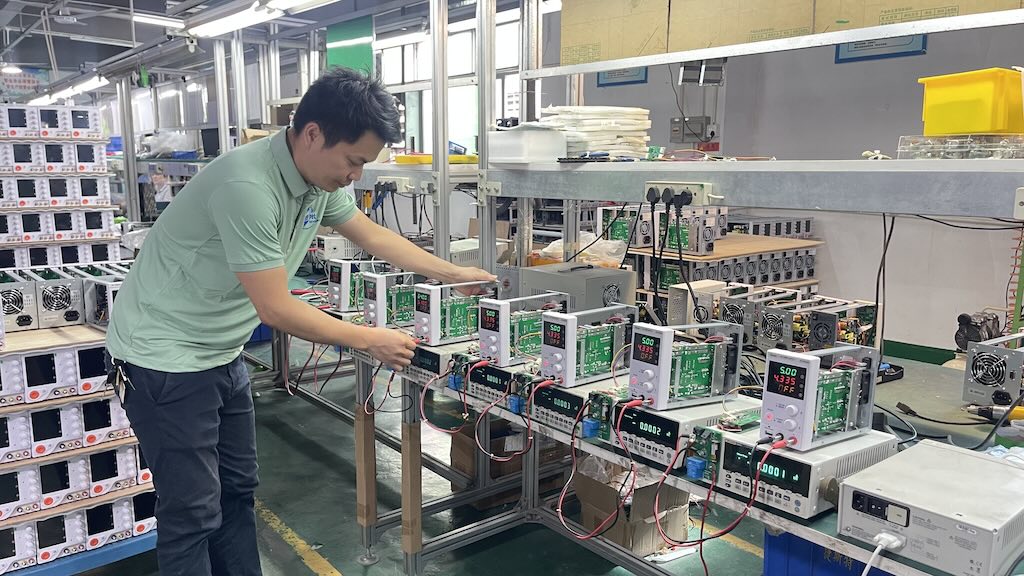
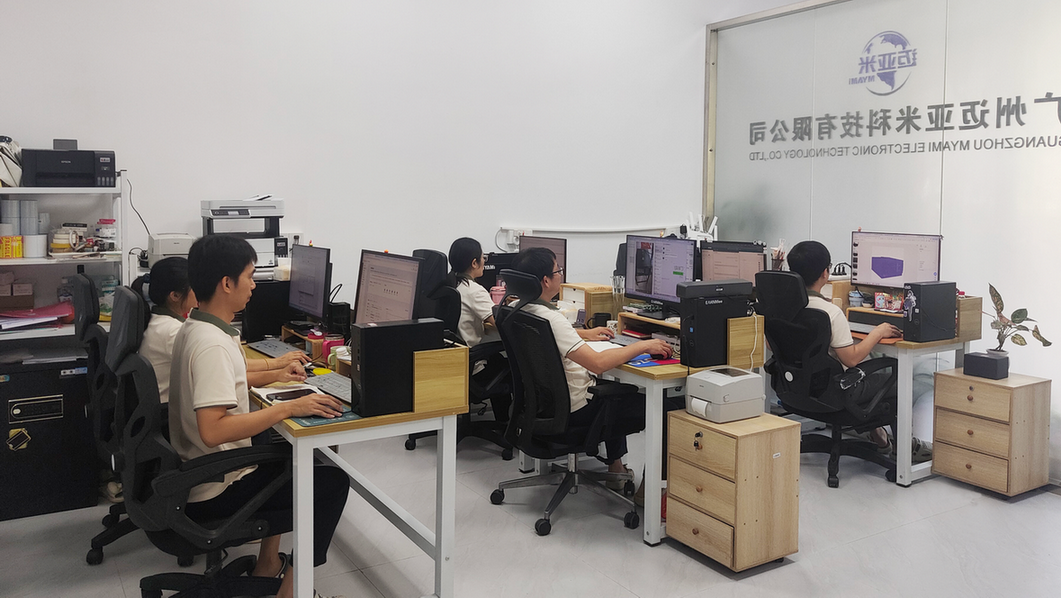
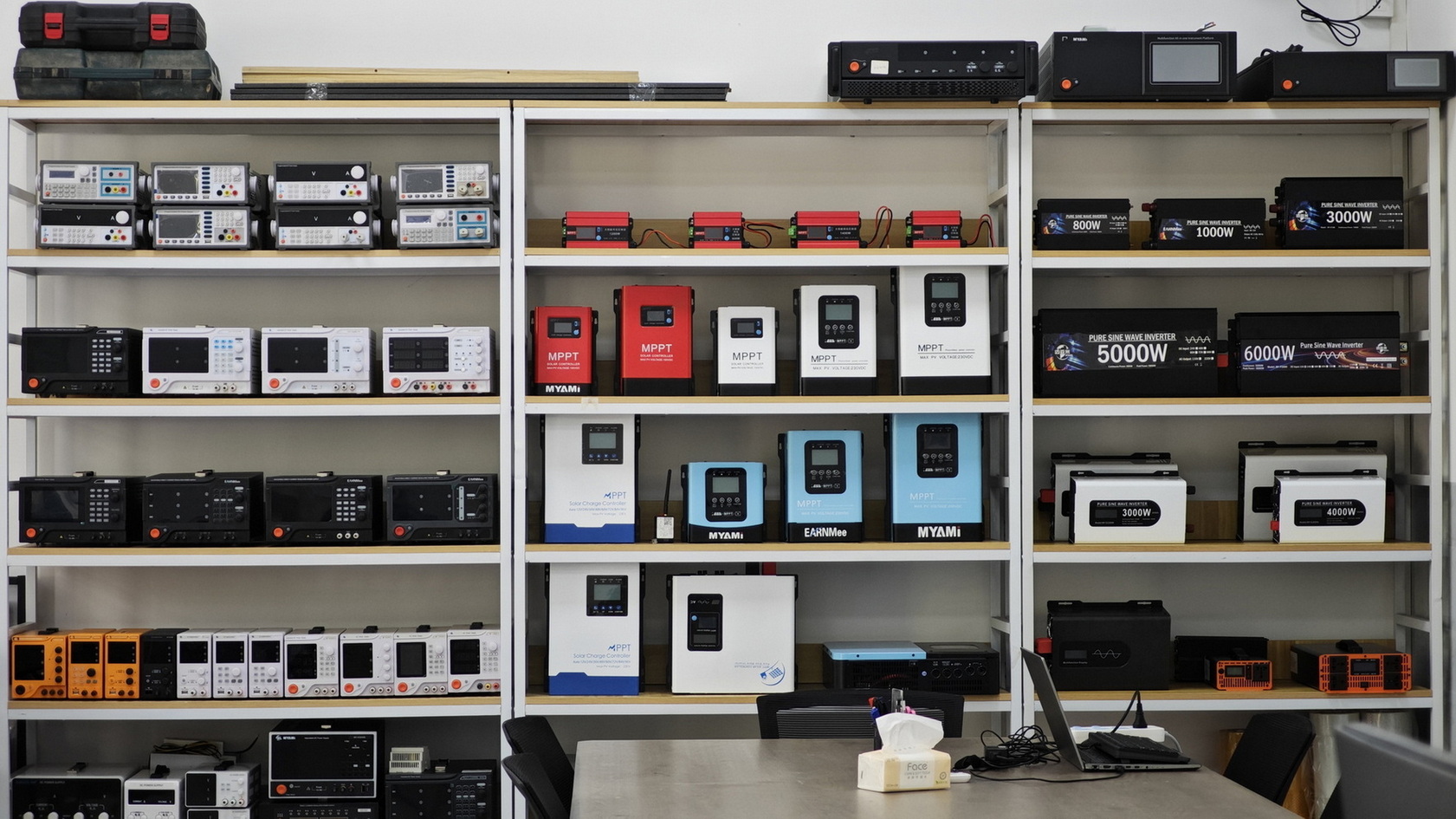
A visual tour through MYAMI's industrial headquarters and modern precision laboratories in Shenzhen.

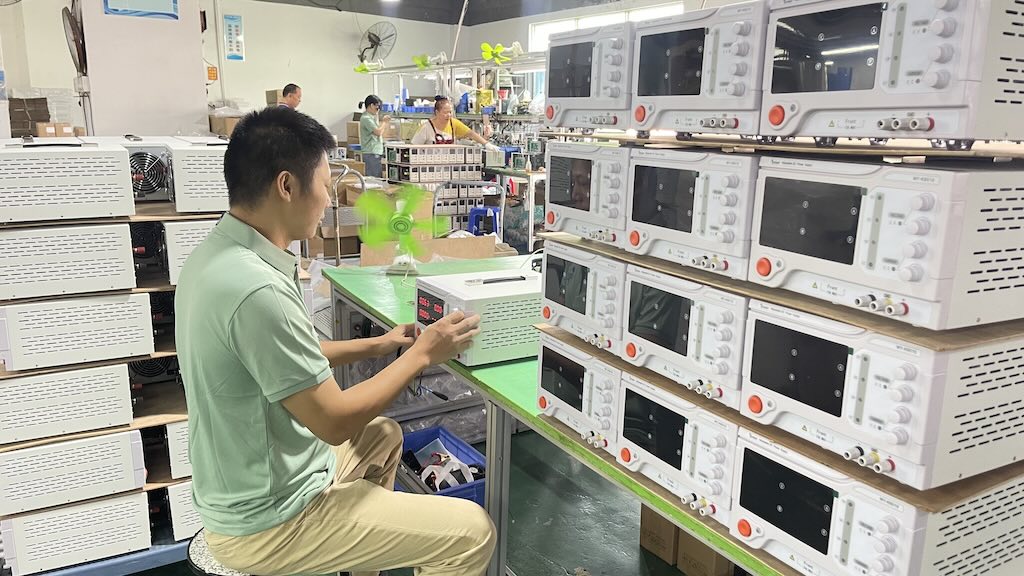
MYAMI Industrial Manufacturing Center
Precision Calibration Lab
Automated Testing R&D Unit

End-to-End OEM/ODM Manufacturing & QC Lifecycle

Every digital multimeter, power supply unit, and signal generator passes through a tightly regulated 10-stage fabrication process to ensure maximum accuracy and absolute reliability.
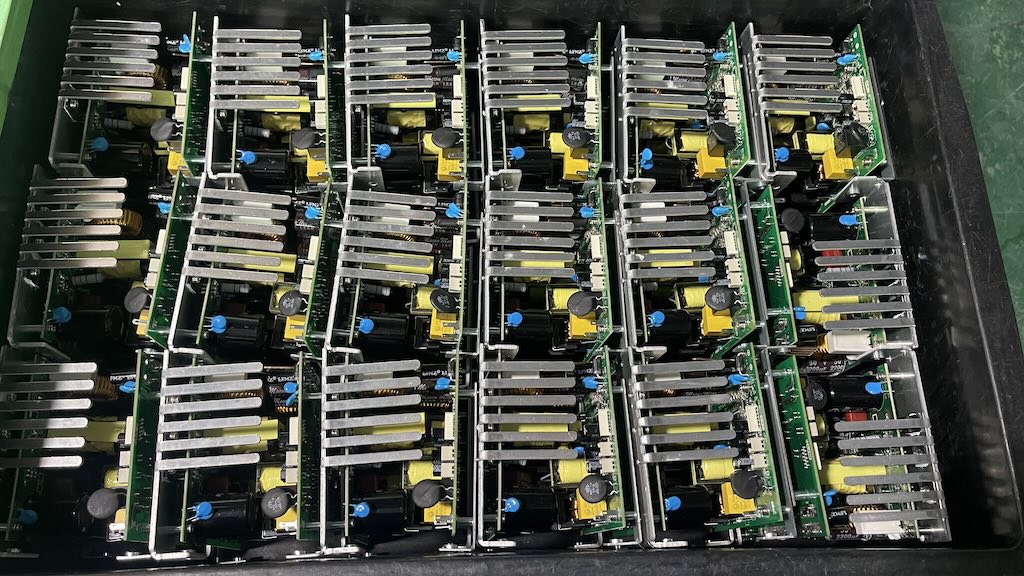
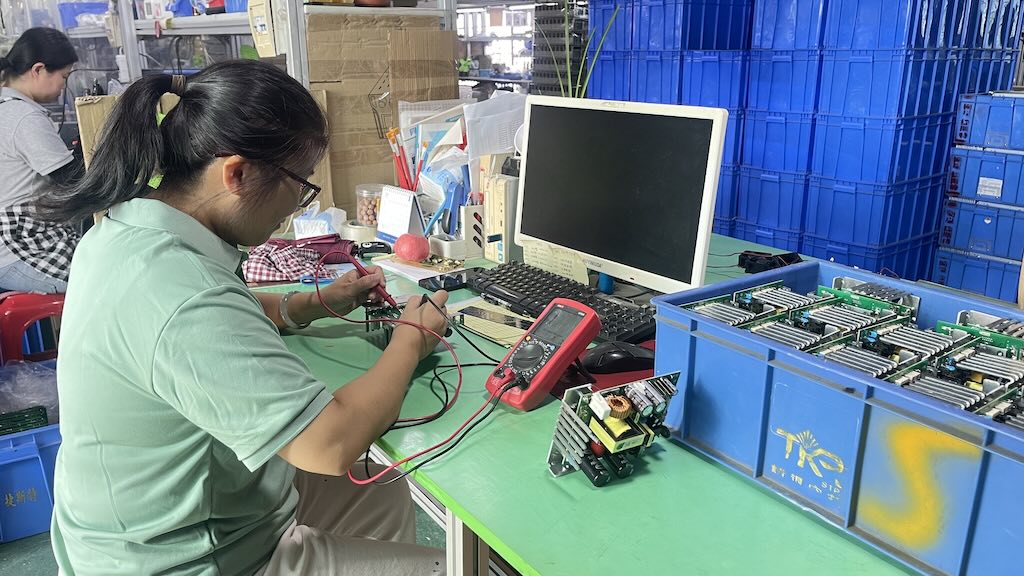
Raw Material Inspection
1. Raw Material Sourcing & IQC
PCB Checking and Verification
2. SPI & Automated PCB Checking
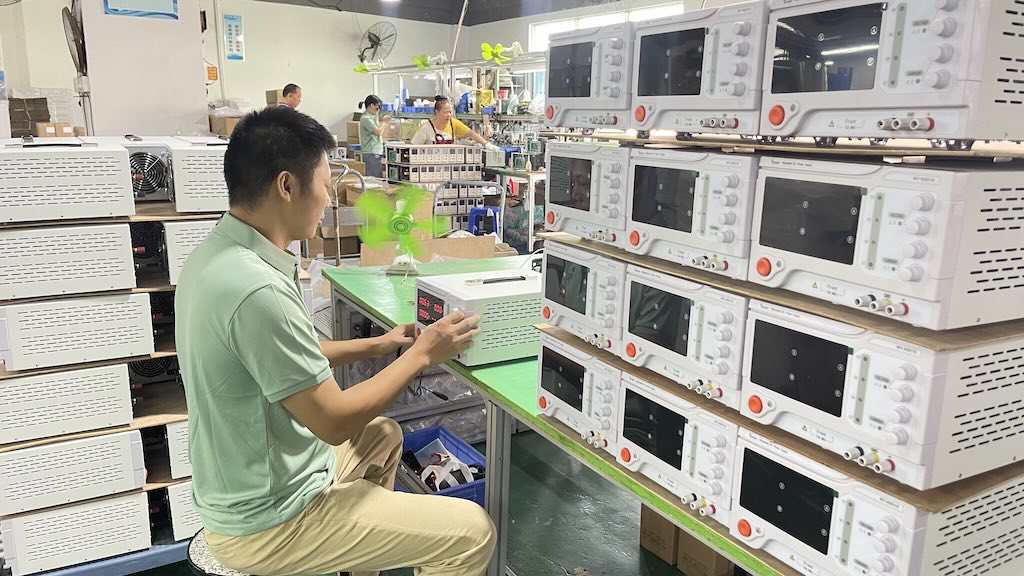
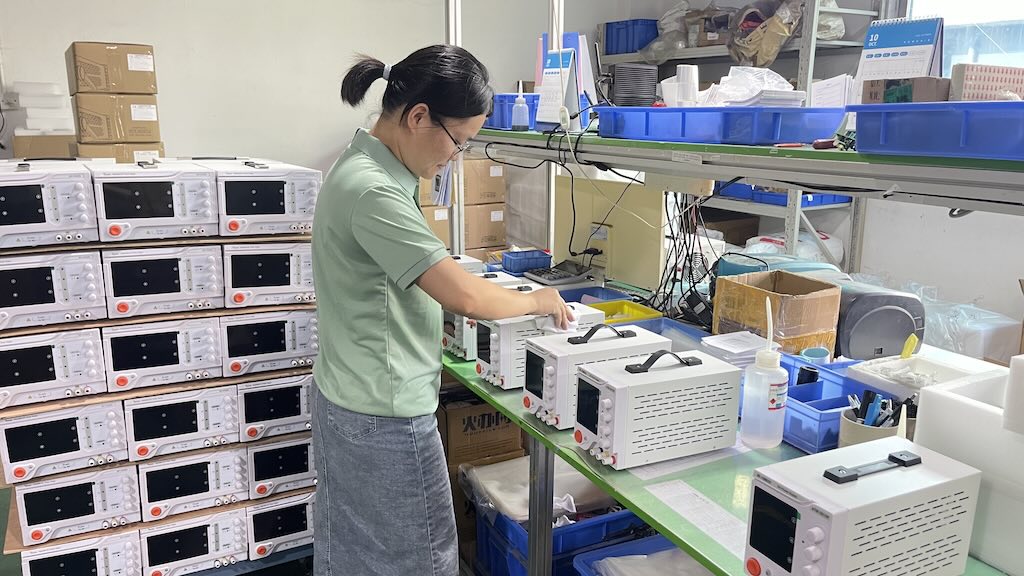
Assembling Phase
3. Precision Hand & SMT Assembly
Debugging Calibration
4. System Testing & Debugging
Thermal Aging Chambers
5. High-Temperature Stress Aging
Meter Calibration
6. Metrological Calibration
Quality Control Inspection
7. Final Outgoing QC Checking
Protective Packaging
8. Industrial Protective Packing
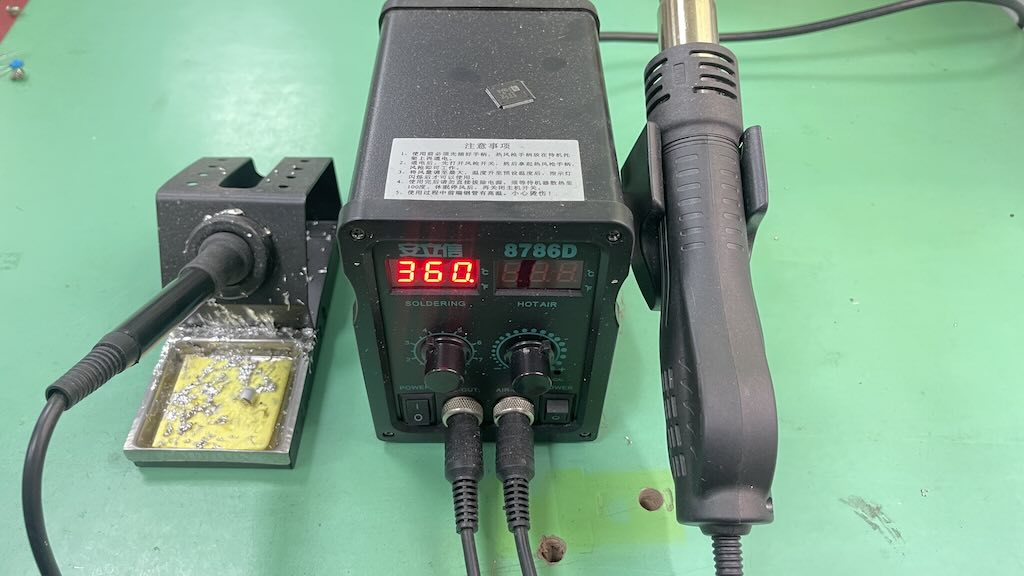
Precision Soldering Station
9. Specialized Soldering Stations
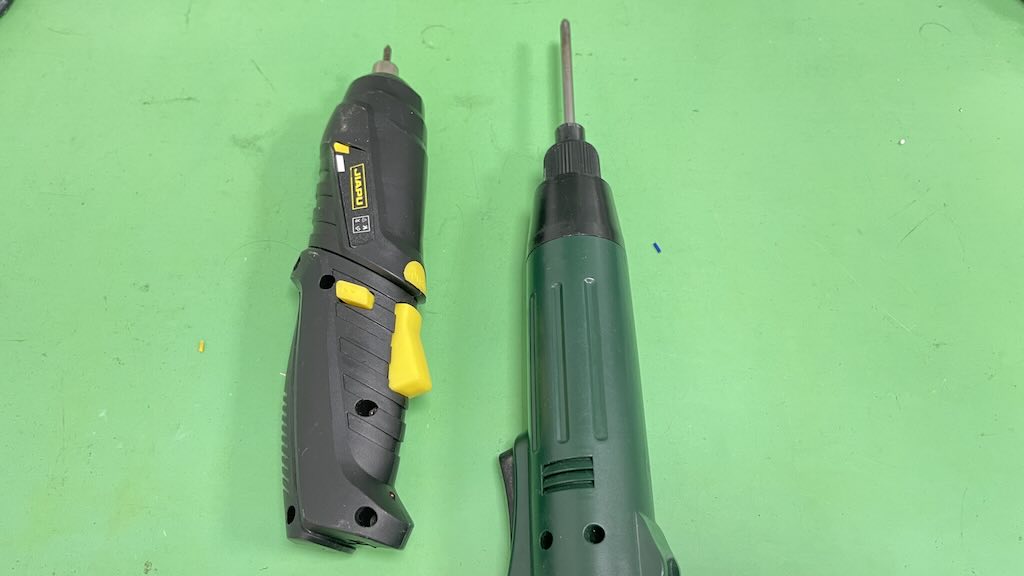
Torque Controlled Screwdriving
10. Controlled Torque Enclosure Assembly

Rigorous Metrology Laboratory & Verification Tools

Equipped with specialized reference instruments, our laboratories conduct extensive stability runs and electrical boundary checks on every customized production batch.
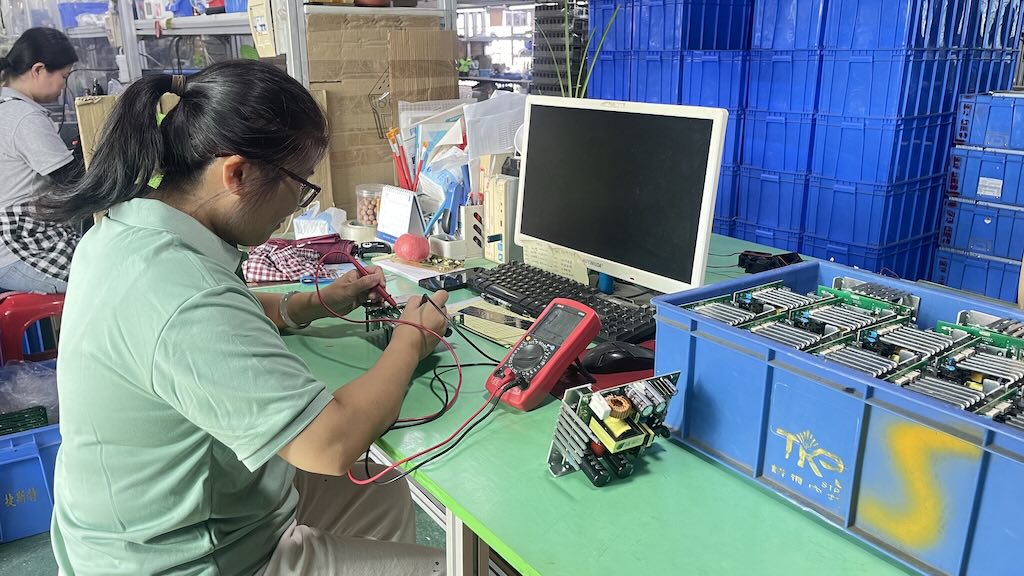
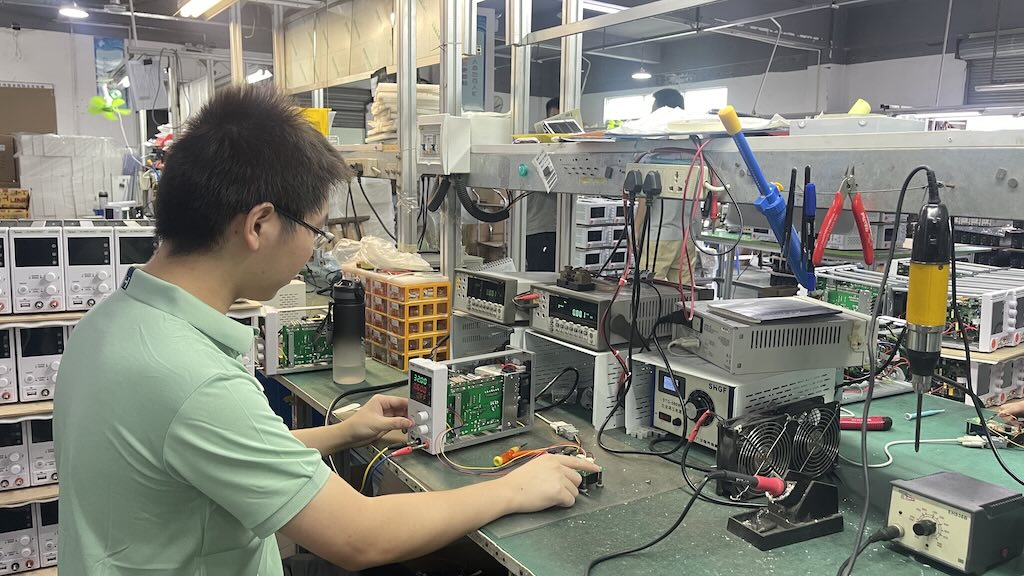
PCB Validation Inspection
PCB Micro-Trace Inspection
Firmware Debugging Station
Firmware Debug Bench
QC Parameters Check
Parametric QC Check
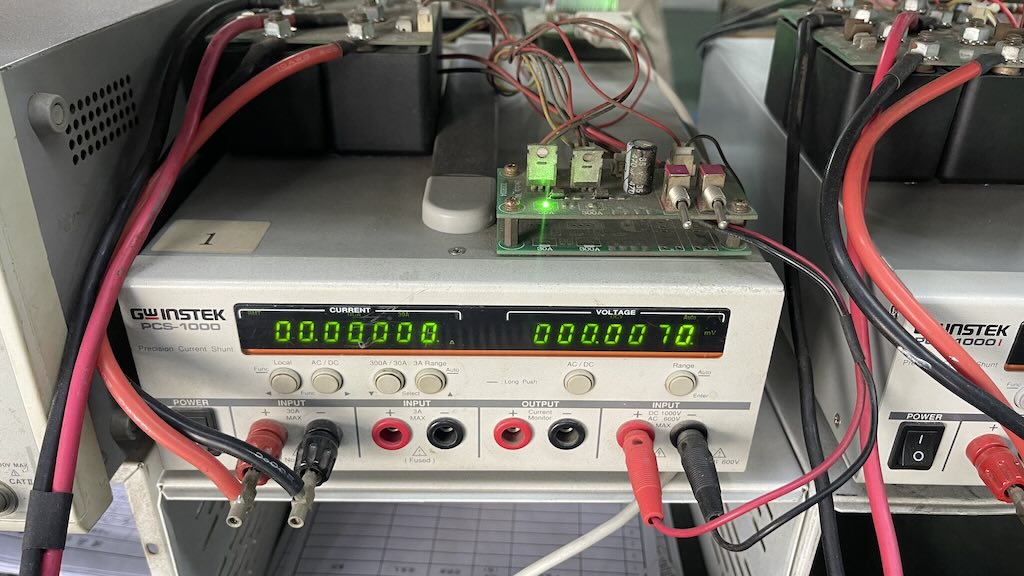
Benchtop Digital Multimeter Reference
Multimeter Voltage Calibration Reference
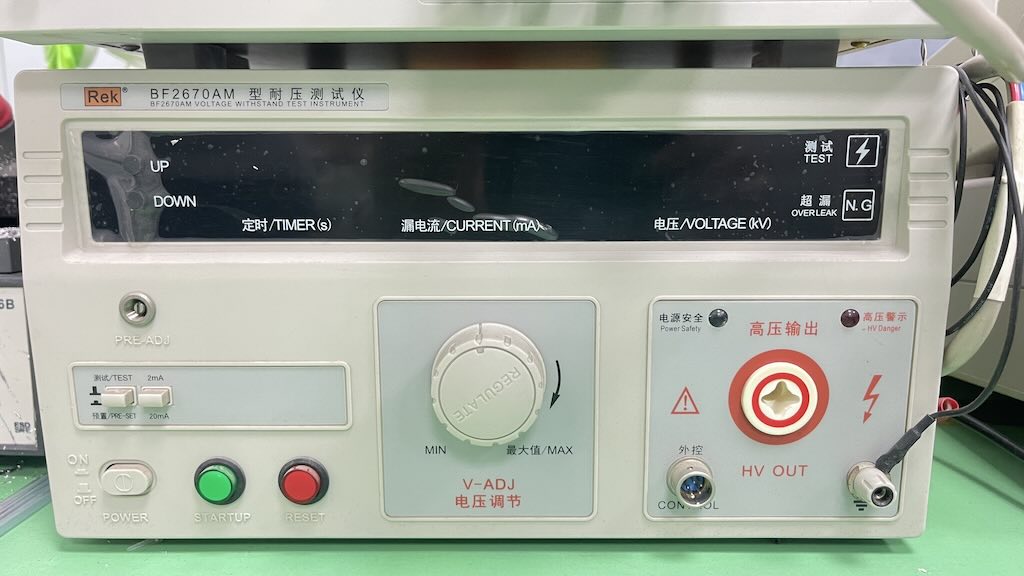
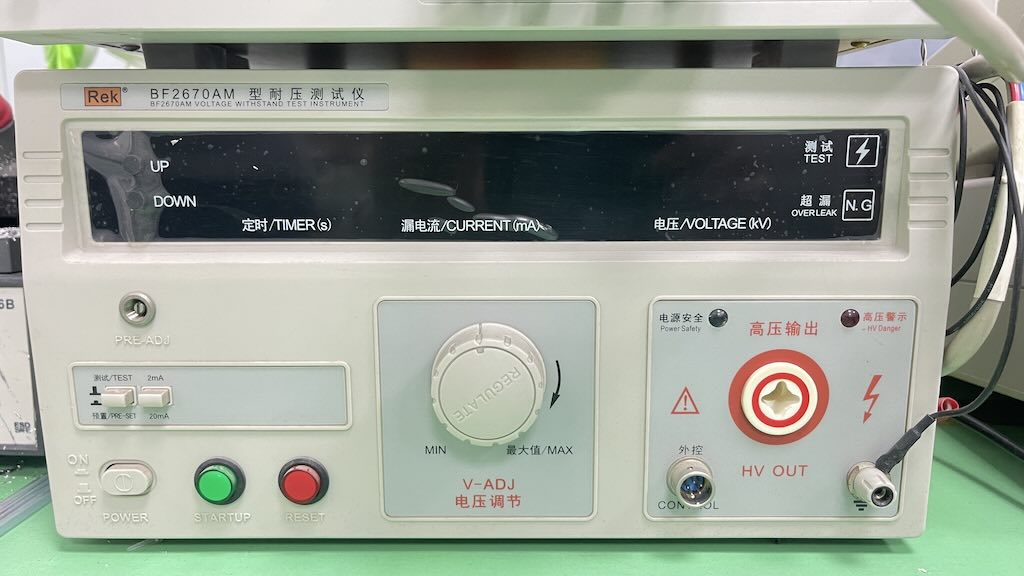
Hi-pot Insulation Tester
Hi-pot Safety Isolation Tester
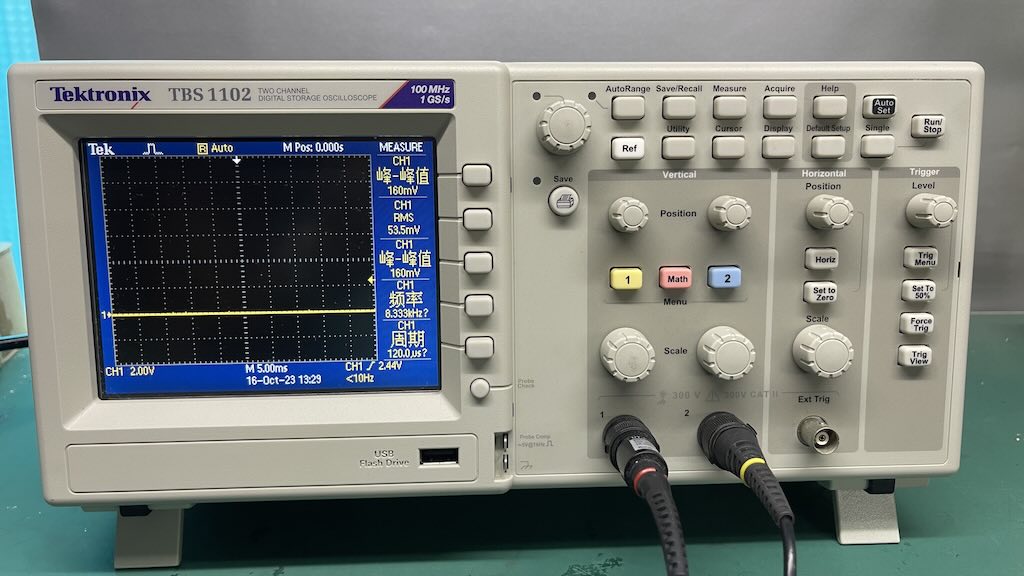
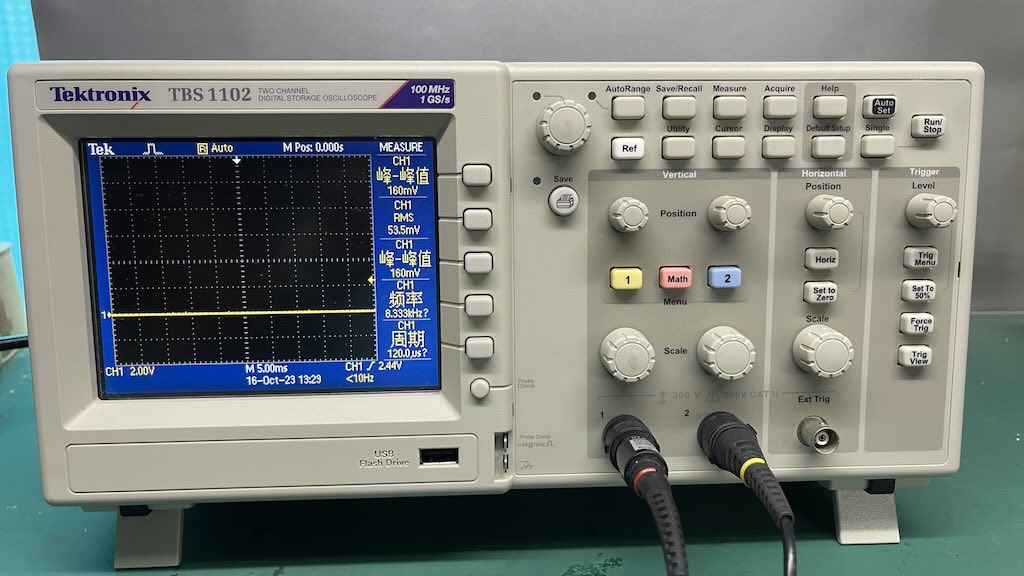
High Bandwidth Oscilloscope Trace
High-Bandwidth Ripple Oscilloscope
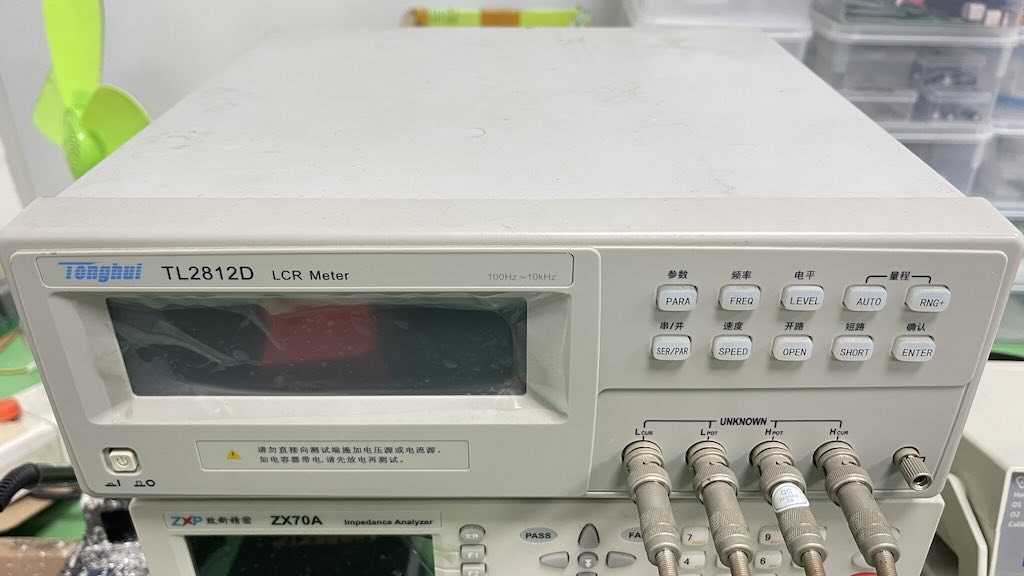
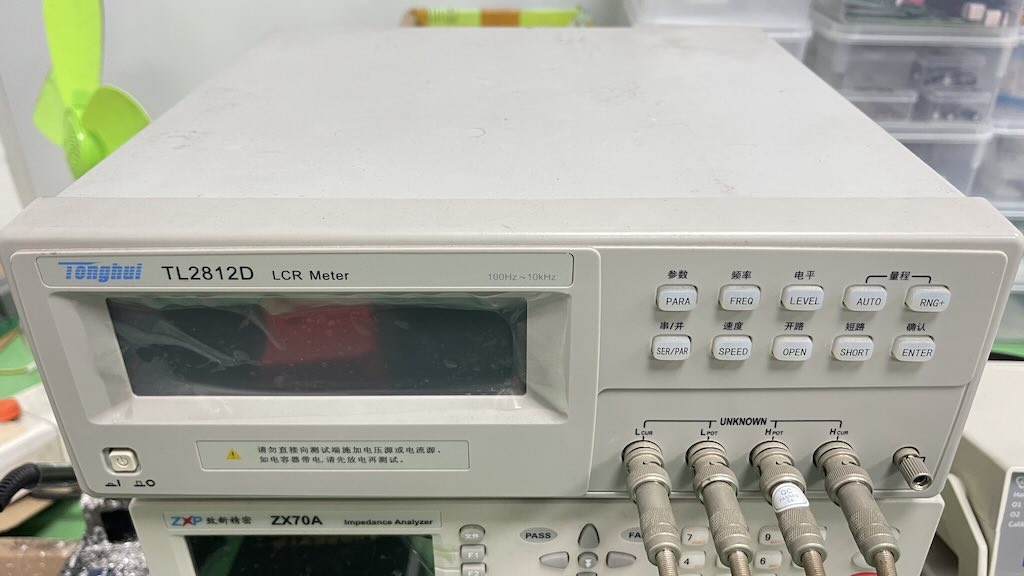
LCR Parasitic Parameter Analyzer
LCR Impedance Analysis Meter
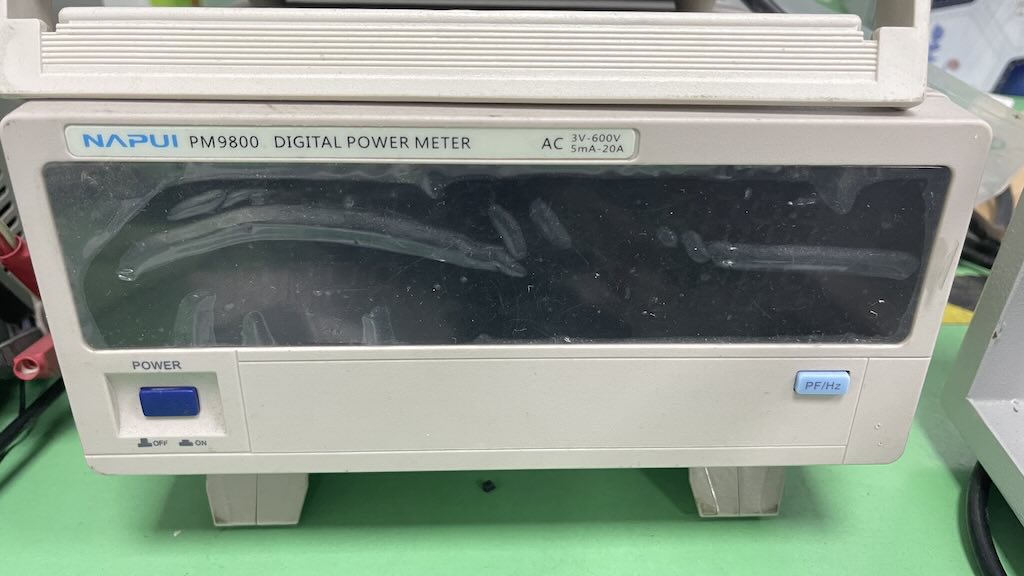
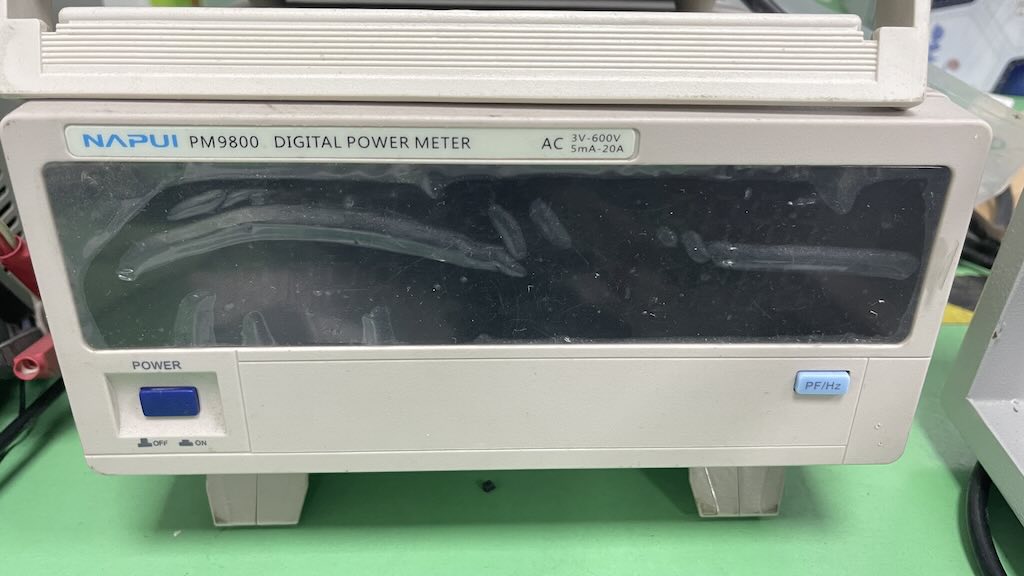
Digital Power Efficiency Meter
True-RMS Digital Power Meter

Advanced Custom R&D Design & Calibration Center

From schematics and thermal modeling to prototype verification and safety testing, our design department shapes the future of modern industrial multimeters.
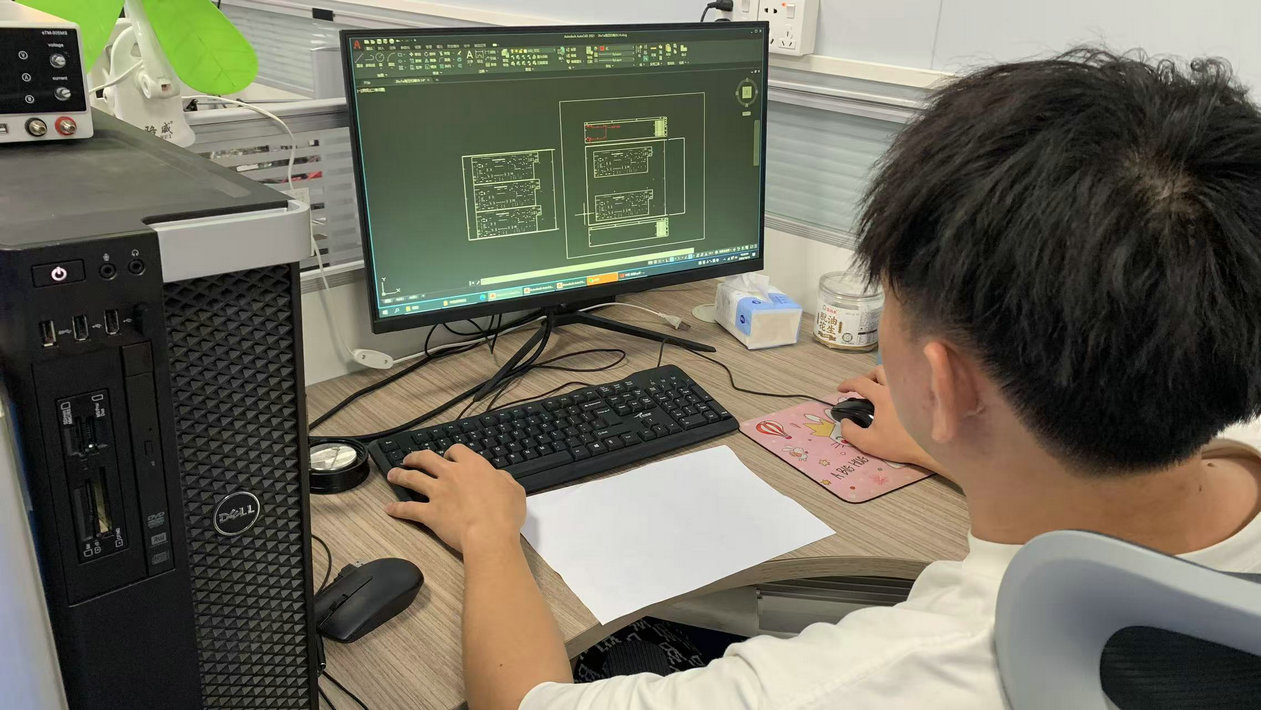
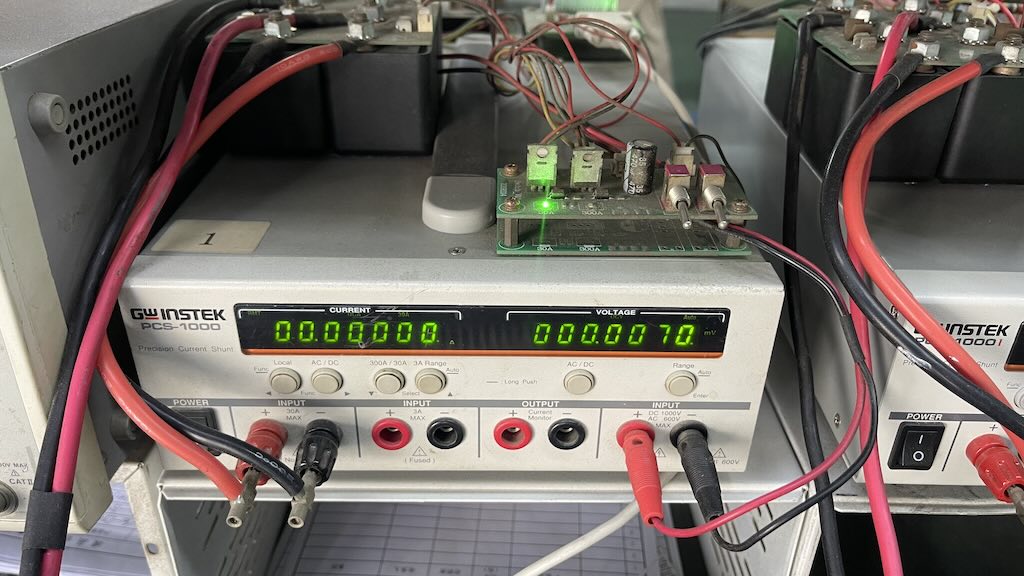
CAD Schematics Design
CAD Circuit & PCB Schematics Design
Engineering Multimeter Validation
Multimeter Precision Validation
Transient High-voltage Safety Testing
Transient High-Voltage Dielectric Testing
Signal Integrity Analysis
Oscilloscope Signal Integrity Check
Component Tolerances Check
Precision Component Tolerance LCR Metering
Harmonics Power Analysis
Harmonics & High-Frequency Power Analysis

Section 1: Macro Industrial Solutions & Modern Metrology Needs

In the modern industrial paradigm, electrical measurements form the backbone of safety, efficiency, and automated system integration. The demands on digital multimeters (DMMs) have transitioned from simple voltage verification tools to intelligent, networked telemetry nodes that feed operational data directly into central supervisory control systems (SCADA) and smart factory control networks. High-precision measurement instruments are critical across industries, including automotive electrification (testing EV batteries, drive trains, and battery management systems), solar and wind power plants, and telecom infrastructure.

Our OEM factory is designed around this paradigm. We manufacture multimeters capable of operating continuously in electromagnetic noise environments (such as near variable-frequency motor drives or high-frequency induction furnaces) without losing accuracy. We achieve this through input filter designs, differential-mode noise suppression, and high common-mode rejection ratios (CMRR) in our analog front-ends.

Section 2: Safety Standards, Regulatory Compliance & Localized Support

Industrial testing environments present significant electrical risks. As a custom OEM exporter, we design all multimeters and power testing sources with robust protection mechanisms. Our equipment is certified under rigorous international standards, including CE, RoHS, and ISO9001 guidelines, and is engineered to comply with IEC 61010-1 installation category ratings:

  • CAT III 1000V: Engineered to withstand transient overvoltage events in fixed distribution installations, load centers, switchgears, and main feeder buses.
  • CAT IV 600V: Designed for the utility connections, service entrances, electricity meters, and primary overcurrent protection devices where transient surges can be severe.

To prevent catastrophic failures, our multimeters feature double-insulated enclosures, physical blast barriers separating the internal measurement circuits, and high-energy ceramic fuses rated to handle up to 1000V and 10kA interrupting capacity. We support localized safety audits and provide regional calibration compatibility, offering metrological traceability to national standards like NIST, PTB, or NIM.

Section 3: Custom ODM and OEM Engineering Capabilities

Our production facilities in Shenzhen are structured to accommodate bespoke requirements. Our custom OEM and ODM services cover several phases:

  • PCB Optimization & Form Factor Design: Custom dimensions to fit specialized industrial machinery, din-rail mount configurations, or portable ergonomic form factors.
  • Firmware Customization & API Integration: Custom measurement algorithms, tailored averaging filters for noisy environments, and dedicated SCPI (Standard Commands for Programmable Instruments) or Modbus RTU/TCP protocols over RS485/CAN communication interfaces.
  • Enclosure & Graphic Branding: Dual-injection molding for specialized grip profiles, ruggedized protective bumpers, localized text interfaces, and custom corporate branding options.
  • Thermal and Environmental Hardening: Extended operating temperature builds (-20°C to +65°C) utilizing high-grade ceramic-packaged semiconductors, low-drift thin-film metal resistors, and conformal coatings.

Section 4: Technical Roadmap & Future Measurement Methodologies

The metrological field is evolving rapidly. Our technical roadmap incorporates emerging technologies into our test instrumentation:

  • Edge AI Telemetry: Multimeters equipped with integrated microprocessors running edge routines to automatically classify signal types, filter out high-frequency transients, and perform localized anomaly detection.
  • Next-Generation Analog-to-Digital Converters: Adopting high-speed, 24-bit Sigma-Delta ADCs paired with ultra-stable reference voltage sources to deliver 6.5-digit and 7.5-digit laboratory measurement resolutions with negligible drift.
  • Wireless & Distributed Telemetry Networks: Safe data transmission in high-voltage cells using Bluetooth Low Energy (BLE), Wi-Fi, and LoRa protocols. These allow field engineers to read parameters away from dangerous busbars.

Section 5: Technical Frequently Asked Questions (FAQ)

What is the benefit of a True-RMS multimeter compared to a mean-responding unit in industrial settings?
True-RMS (Root Mean Square) instruments calculate the exact heating value of an alternating current, regardless of the waveform shape. Mean-responding multimeters are calibrated only for perfect, pure sinusoidal waves. In industrial environments with variable speed motor drives, high-frequency switching power supplies, and ballast lighting, the current waveforms are highly distorted (non-sinusoidal). A mean-responding meter can read up to 10% to 30% lower or higher than the actual value, posing safety risks and measurement errors, whereas a True-RMS meter measures current and voltage under all wave profiles.
Why are ceramic fuses necessary instead of standard glass fuses in industrial multimeters?
Ceramic fuses are engineered with a high breaking (rupturing) capacity. They are filled with fine silica sand that melts to absorb arc energy during a high-energy short-circuit event. Glass fuses cannot handle high-energy faults; the pressure inside a glass body can cause it to rupture violently during a transient spike (such as a CAT III or CAT IV event), creating a conductive plasma arc that can cause injury to the operator.
How does the input impedance affect voltage measurements in sensitive electronic circuits?
Input impedance is the resistance that a multimeter presents to a circuit under test. Standard multimeters feature an input impedance of 10MΩ, which minimizes "circuit loading" in most general applications. For high-impedance electronics or sub-volt sensor circuits, a 10MΩ load can draw current from the circuit, dragging the measured voltage down. For these applications, we offer custom OEM multimeters with high-input impedance modes exceeding 1GΩ or 10GΩ on DC voltage ranges, ensuring accurate readings without affecting circuit operation.
What is the standard recommended calibration interval for industrial measurement systems?
To maintain traceability and specified accuracy limits, industrial multimeters and test equipment should be calibrated every 12 months. In high-reliability applications like aerospace manufacturing, military testing, or automotive safety labs, calibration intervals may be shortened to 6 months to reduce measurement uncertainty.