Precision-engineered electrical power systems, digital oscilloscopes, multimeters, and waveform generators for laboratories and automated industrial testing.
Analyzing the commercial and industrial demand for precision frequency and time interval counters in modern tech manufacturing.
Frequency counters are fundamental instruments in RF (Radio Frequency), microwave, and digital systems design. From measuring the precise clock rates of microcontrollers to testing stability limits in aerospace telemetry and optical communications, these devices resolve frequency, period, time interval, and phase differences with sub-picosecond accuracy. For global electronics procurers, sourcing counters that deliver low Allan deviation (phase-noise stability over time) is paramount to guaranteeing the performance of end products.
As 5G networks, satcom systems, and autonomous automotive radars proliferate, requirements are shifting from traditional benchtop units to ultra-precise systems referencing internal Oven Controlled Crystal Oscillators (OCXO) or Rubidium atomic references. Buyers must balance the initial cost of instrumentation with long-term calibration costs, compatibility with SCPI interface automation, and durability under varied industrial environments.
An authoritative compilation of the leading global suppliers, offering an overview of technical capabilities, brand positioning, and unique values.
| No. | Supplier Name | Core Headquarters | Typical Technology Specialties | Key Markets Served |
|---|---|---|---|---|
| 1 | Keysight Technologies | United States | Ultra-high performance universal counters, sub-picosecond jitter, microwave range. | Defense, Aerospace, Telecommunications, Semiconductors |
| 2 | Rohde & Schwarz | Germany | Precision RF analyzers, integrated frequency counter boards, ultra-low phase noise. | Telecommunications, Wireless Communications, Space Science |
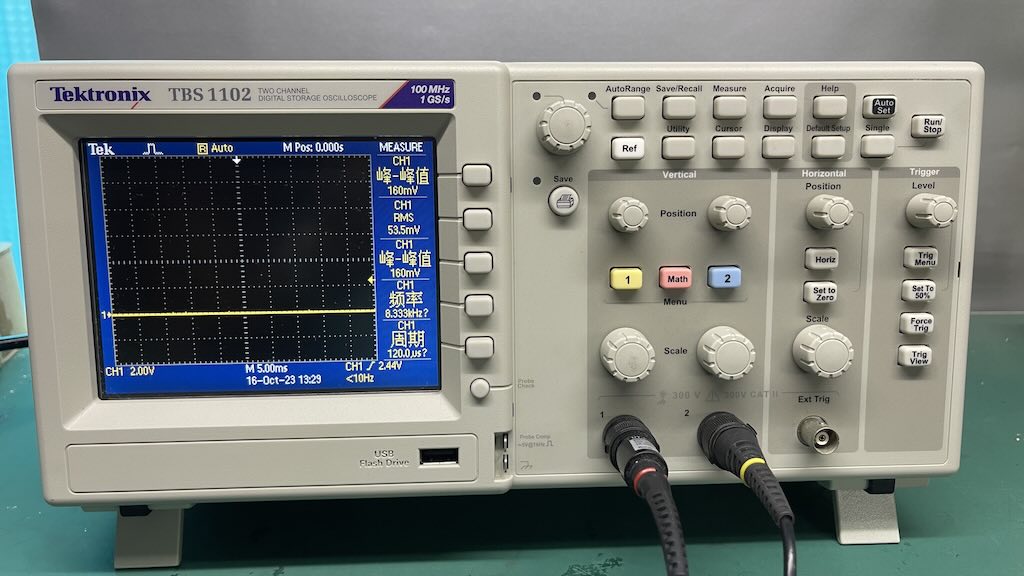
| 3 | Tektronix (incl. Keithley) | United States | Multipurpose laboratory timers, high-speed automated testing interfaces. | R&D Labs, Education, Consumer Electronics Manufacturing |
| 4 | Pendulum Instruments | Sweden | Rubidium-referenced time counters, high-resolution time-interval analyzers. | Metrology Laboratories, Industrial Quality Control |
| 5 | Anritsu Corporation | Japan | Microwave frequency counters for high-frequency optical network backbones. | Fiber Optic Transmission, High-speed Telecom R&D |
| 6 | Yokogawa Test & Measurement | Japan | Precision timing modules, industrial automation frequency analyzers. | Power Electronics, Energy Systems, Automotive Testing |
| 7 | Fluke Calibration | United States | Primary frequency reference calibration standards, high-stability GPS-disciplined sources. | Government & Private Metrology Standards Labs |
| 8 | Stanford Research Systems (SRS) | United States | Rubidium atomic frequency standards, low-noise universal counters. | Quantum Research, Astrophysics, Physics Labs |
| 9 | GW Instek (Good Will Instrument) | Taiwan, China | Cost-effective educational and general-purpose benchtop RF counters. | Academic Labs, Production Line Testing, Repair Centers |
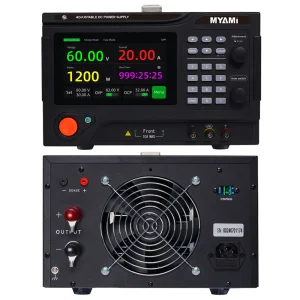
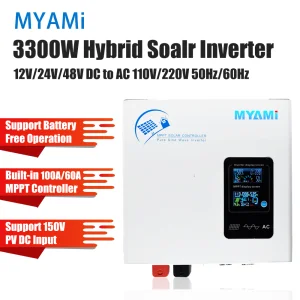
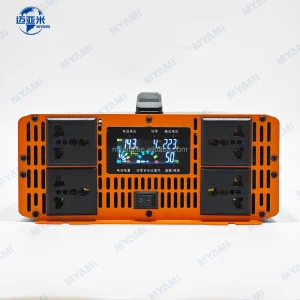
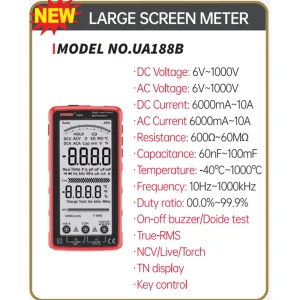
| 10 | Shenzhen MYAMI Power Technology | Shenzhen, China | Integrated laboratory benches, high-precision power and digital instrumentation. | Industrial Automation, Battery Testing, Component Evaluation |
Exploring the integration of frequency counting in manufacturing lines, future hardware technologies, and optical reference systems.
Modern manufacturing lines require high-throughput validation of electronic assemblies. Integrated frequency counters utilize automated SCPI code structures to test components within seconds. Synchronized clocks prevent errors in automated test systems, avoiding measurement drift over continuous 24/7 cycles.
The industry is shifting from discrete frequency counters to system-on-chip multi-channel timing analyzers. Future instruments will incorporate optical frequency combs directly onto silicon chips, enabling benchtop equipment to achieve high-precision measurements previously restricted to national standards labs.
Global supply chain shifts demand dual-sourcing models. Companies are validating multi-functional instruments that serve as oscilloscopes, signal generators, and frequency counters in a single footprint. This minimizes supply chain risk, reduces overall import duties, and speeds up factory deployment.
Aligning high-precision laboratory power supplies and measurement instruments with strict global QA/QC standards.
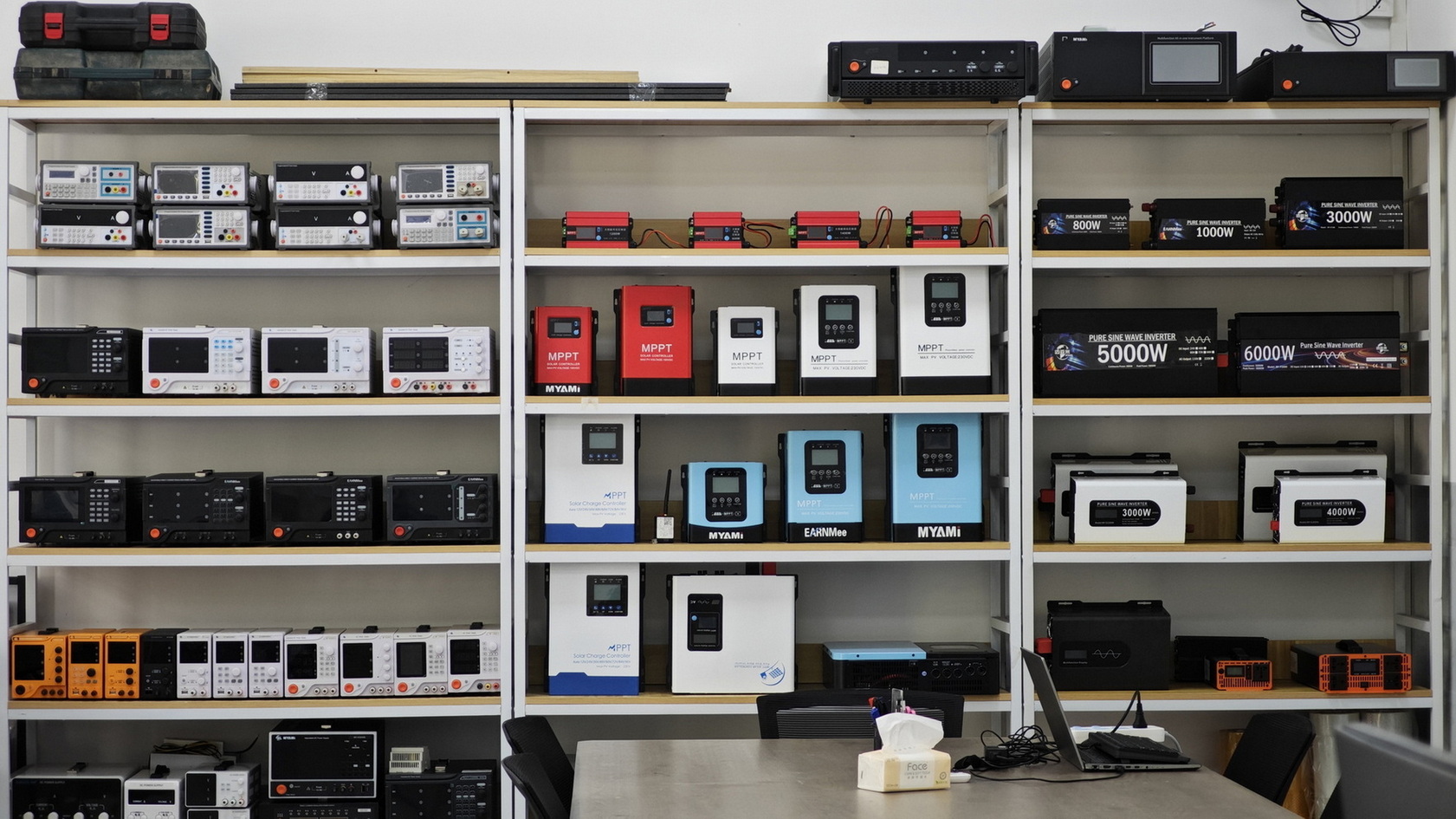
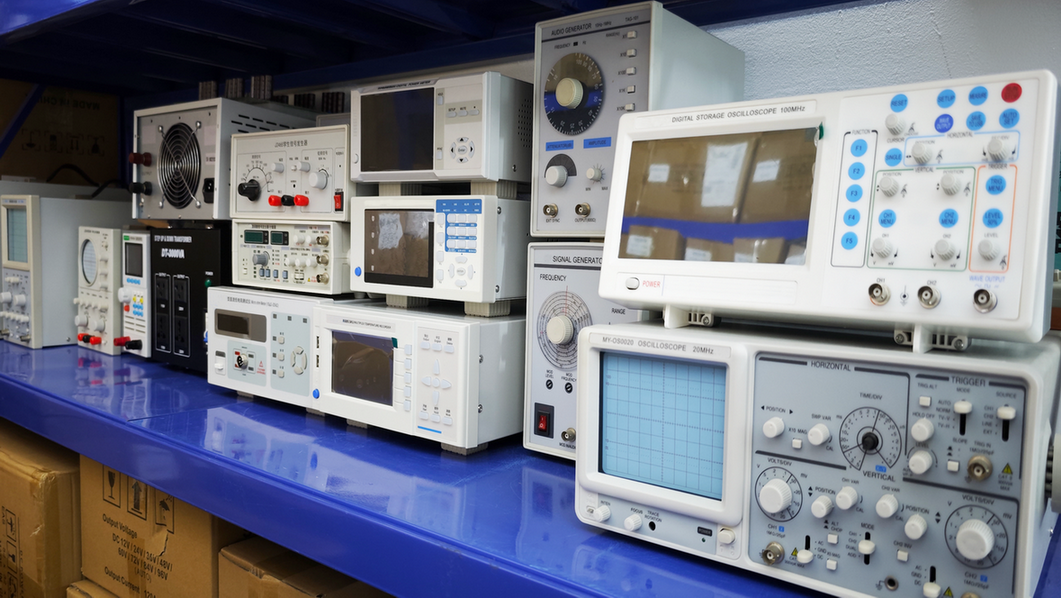
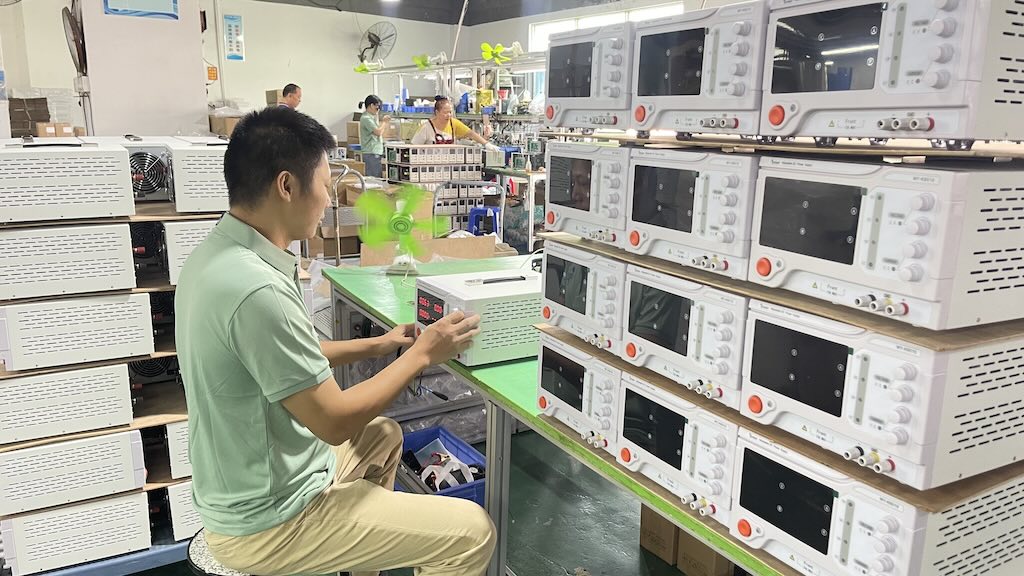
Headquartered in Shenzhen, China, Shenzhen Myami Power Technology Co., Ltd. (MYAMI) is a technology-driven manufacturer and solution provider specializing in high-precision, industrial-grade power supplies and electrical test equipment. Designed for engineering rigor, MYAMI bridges the gap between complex electronic research, high-voltage component testing, and scalable industrial automation.
Our specialized engineering portfolio focuses on four core operational pillars:
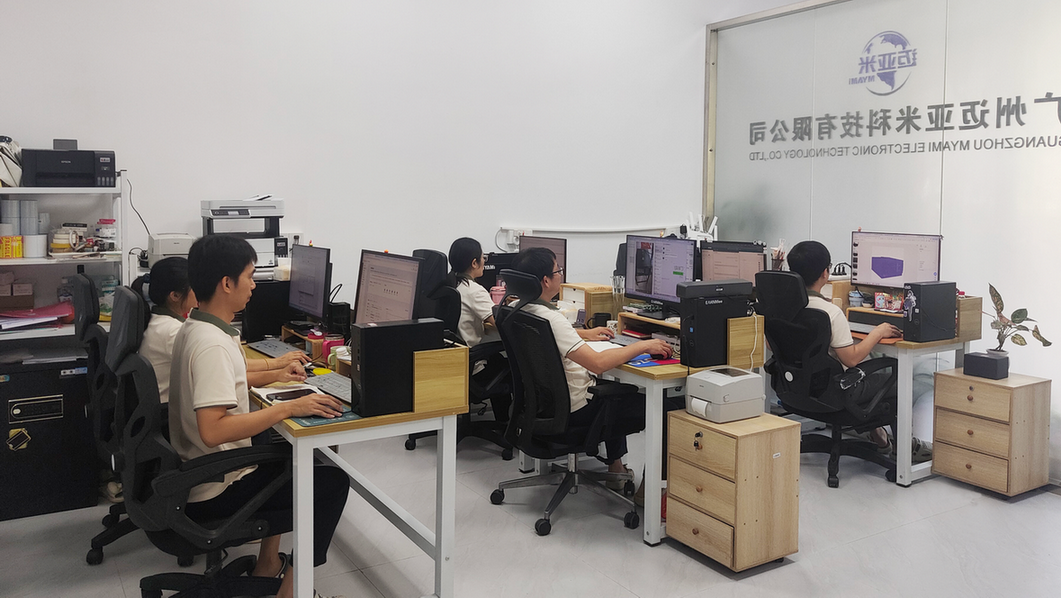
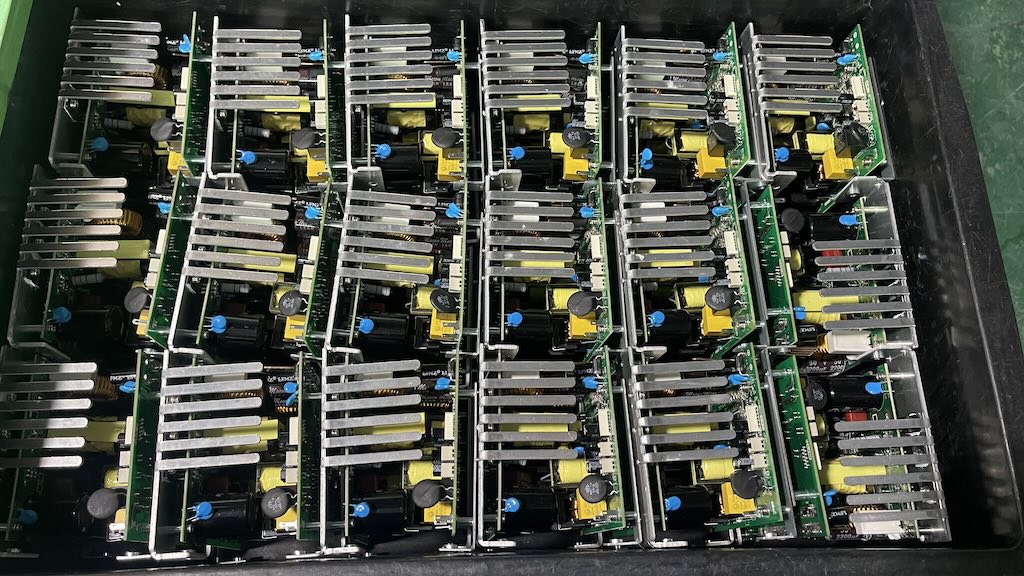
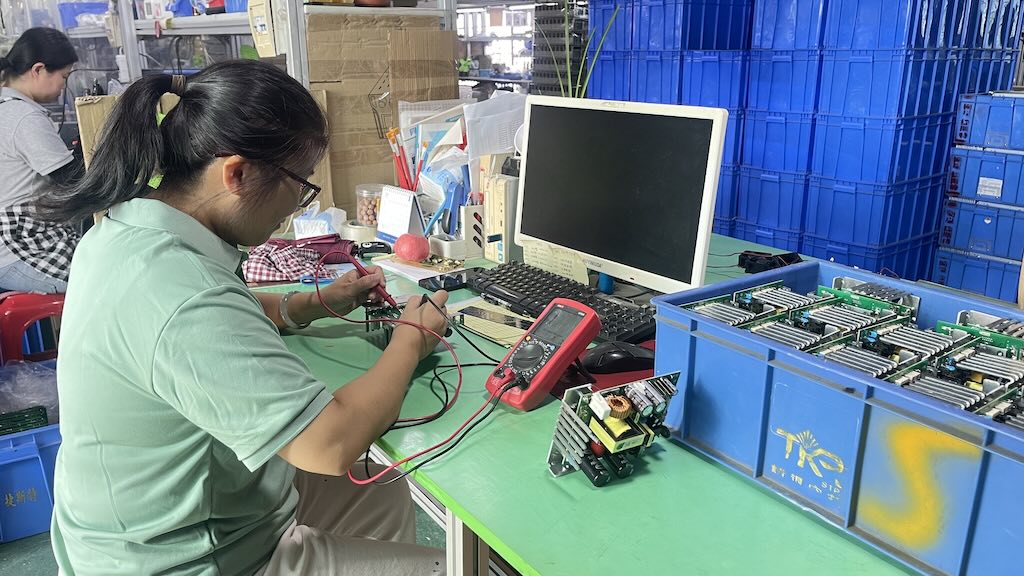
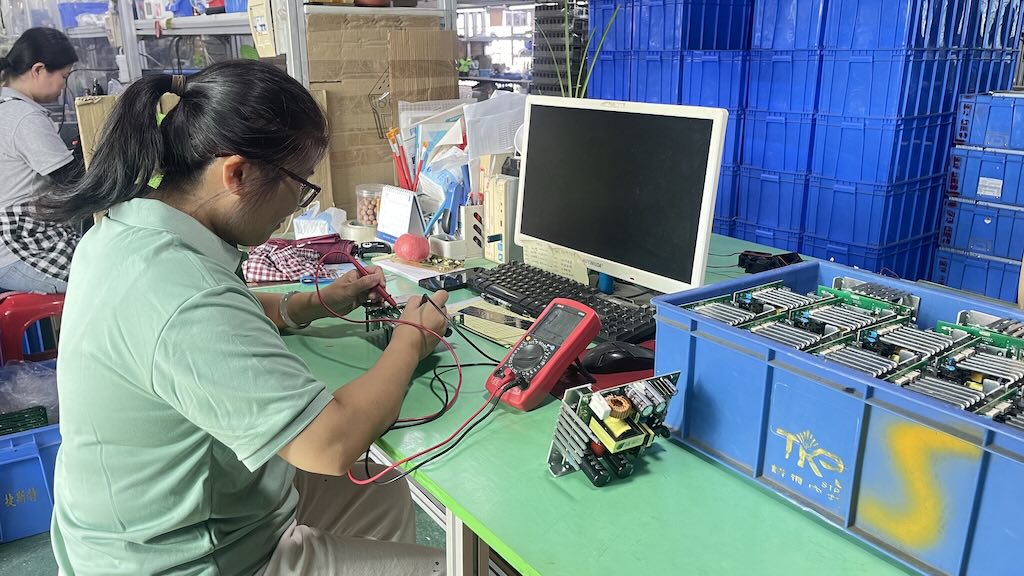
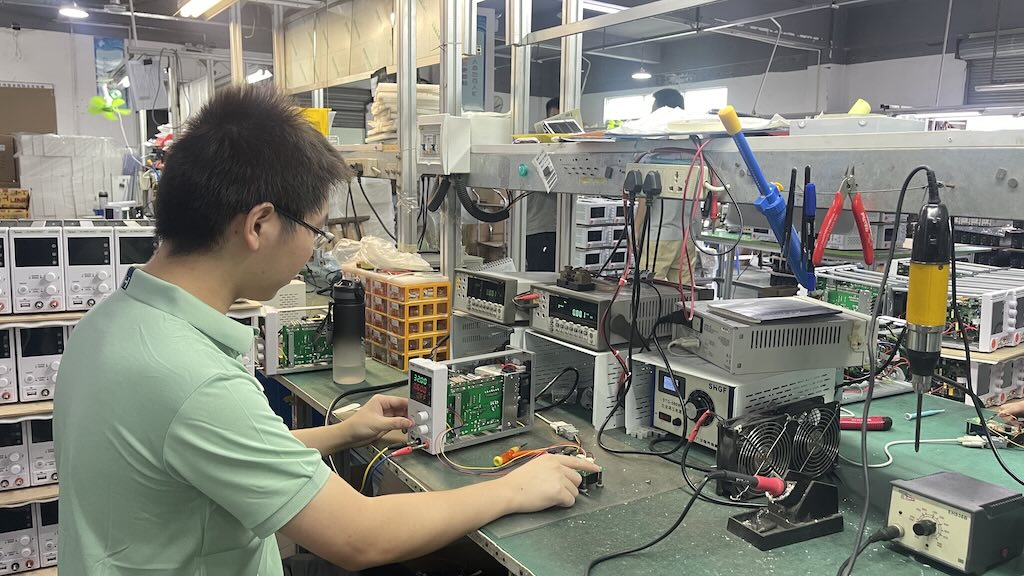
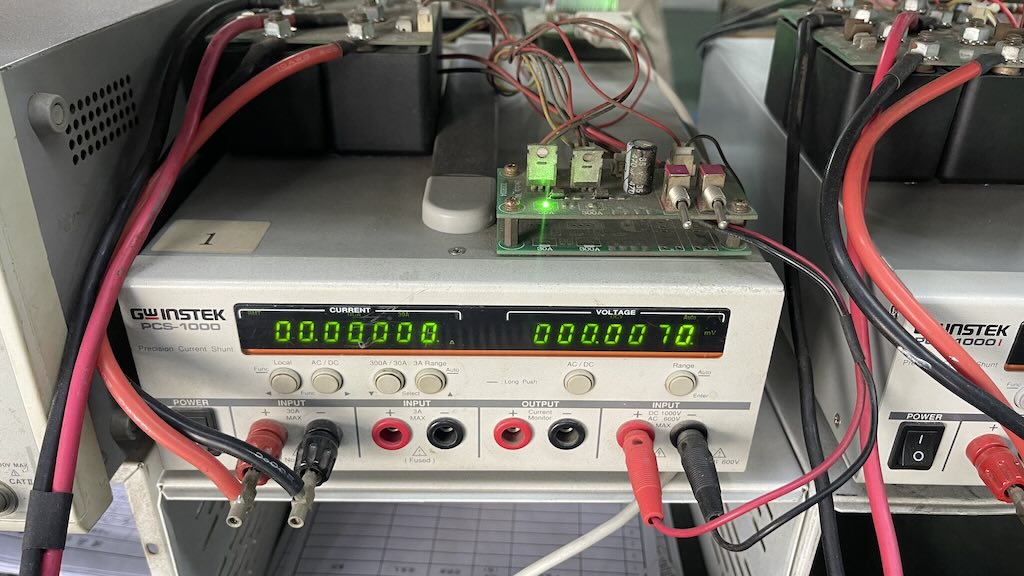
To ensure sub-millisecond control response, every MYAMI product goes through systematic raw material validation, SMD inspection, burn-in testing, and multi-stage metrological calibration.
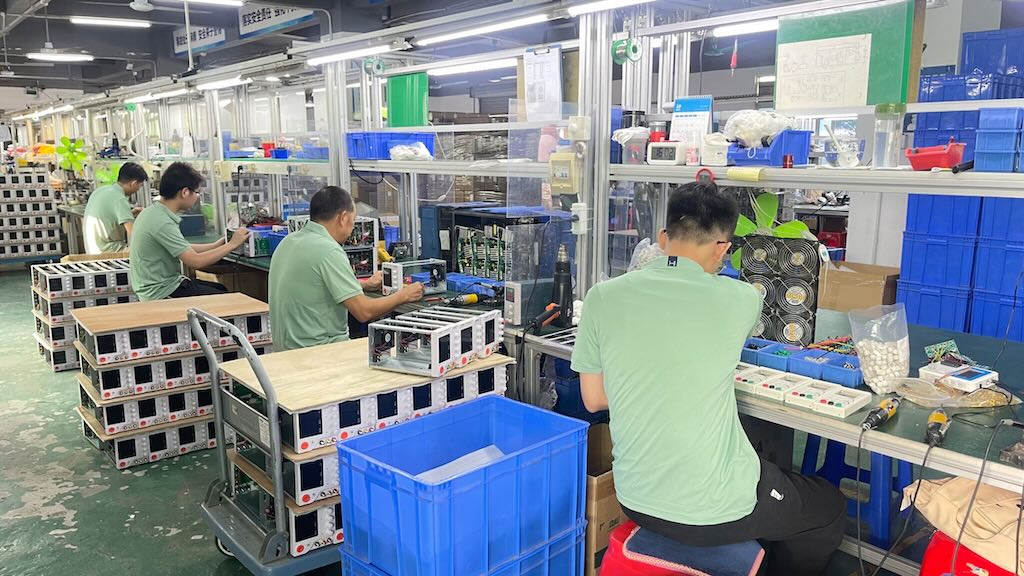
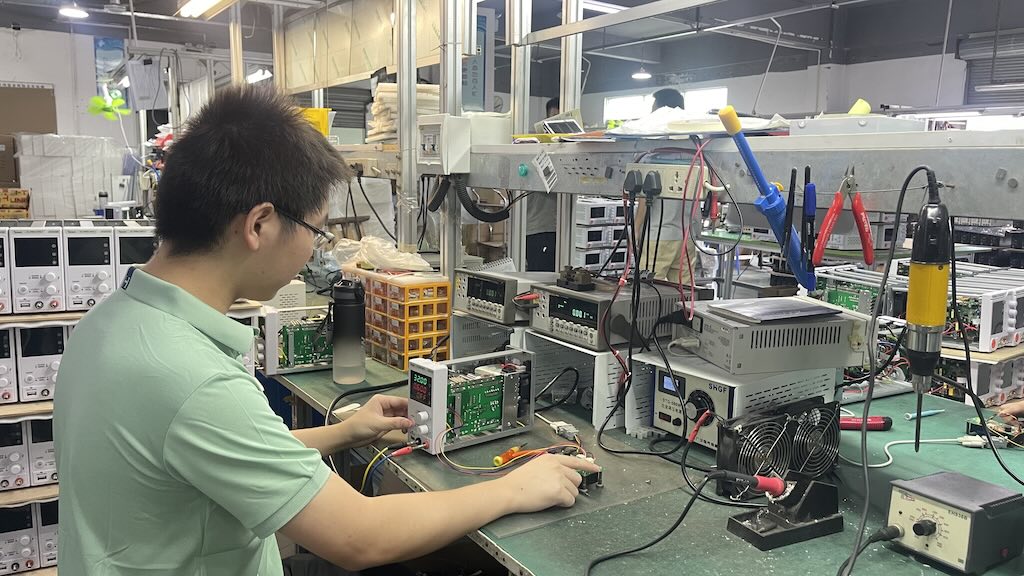
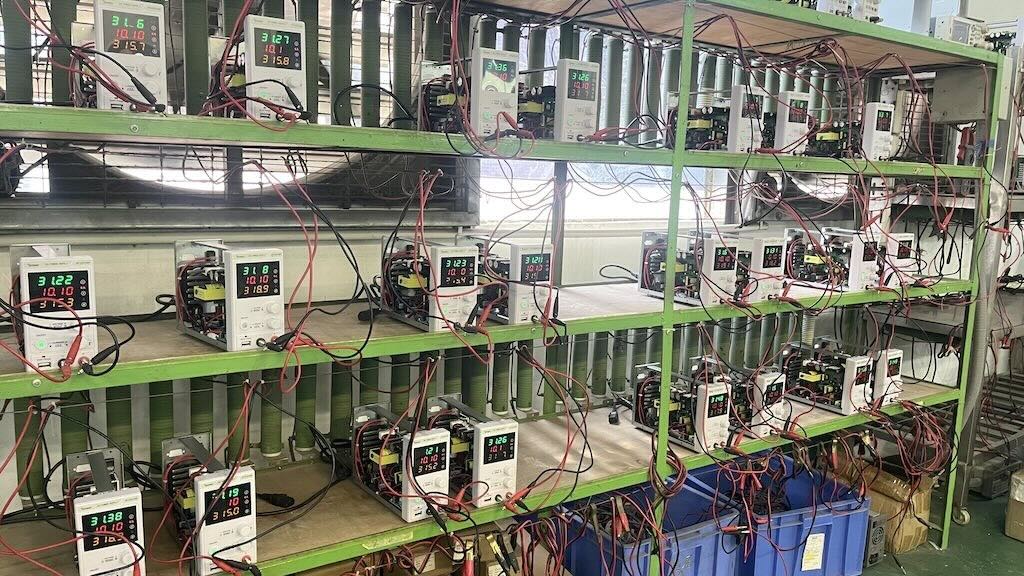
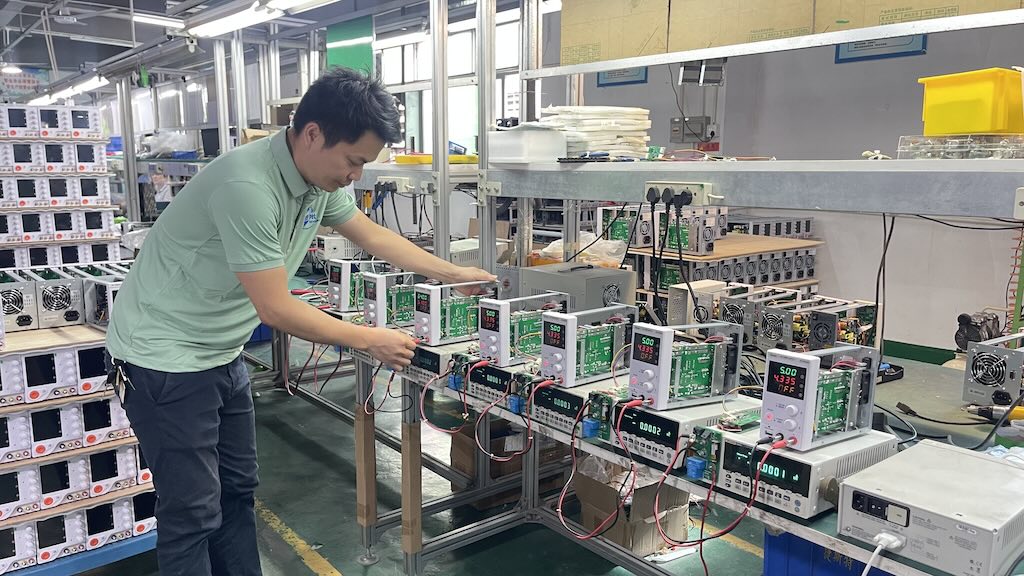
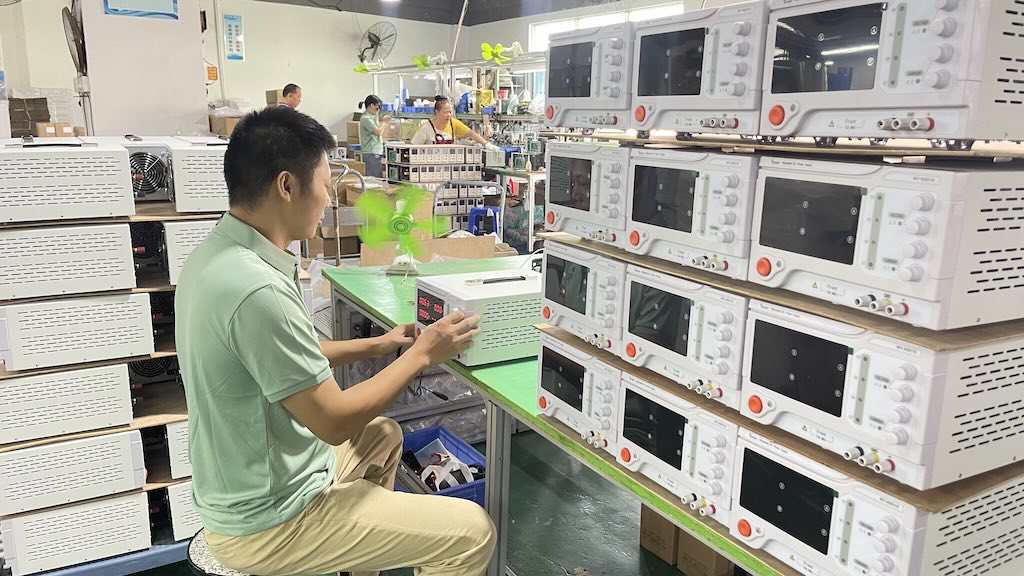


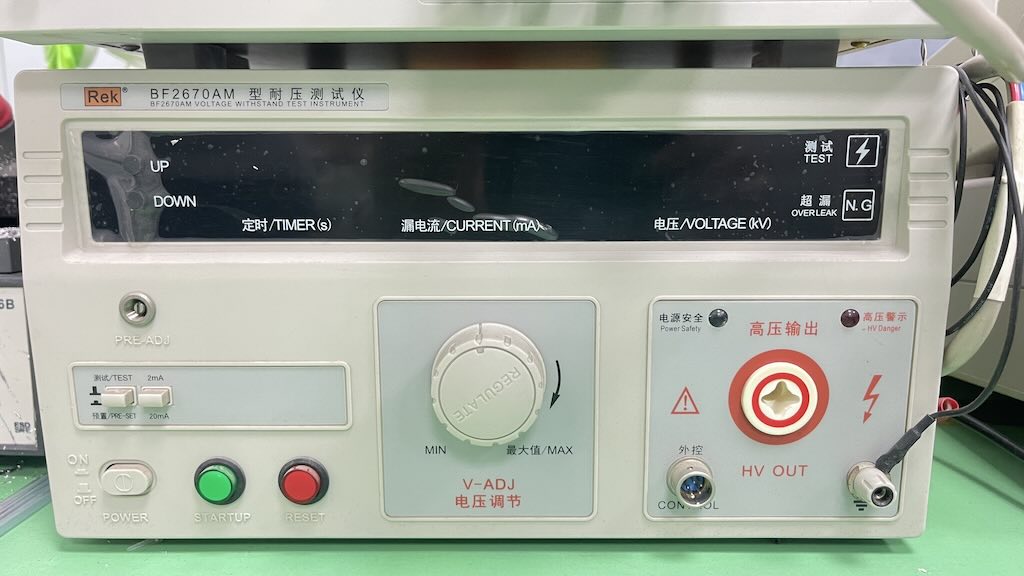
Every MYAMI system is engineered with strict multi-layer protection protocols (OVP, OCP, OTP, and short-circuit safeguards) and complies with international safety and quality standards, including CE, RoHS, and ISO9001. Integrated with standard industrial control protocols (RS485, RS232, and CAN communication), our equipment seamlessly connects to automated production lines and central PC control systems.
Today, MYAMI serves research institutions, automotive OEMs, aerospace contractors, and electronics manufacturers across North America, Europe, East Asia, and the Middle East. Whether you require a single benchtop lab power supply or a custom high-power aging system, MYAMI is your ultimate partner for precision power and uncompromised testing reliability.
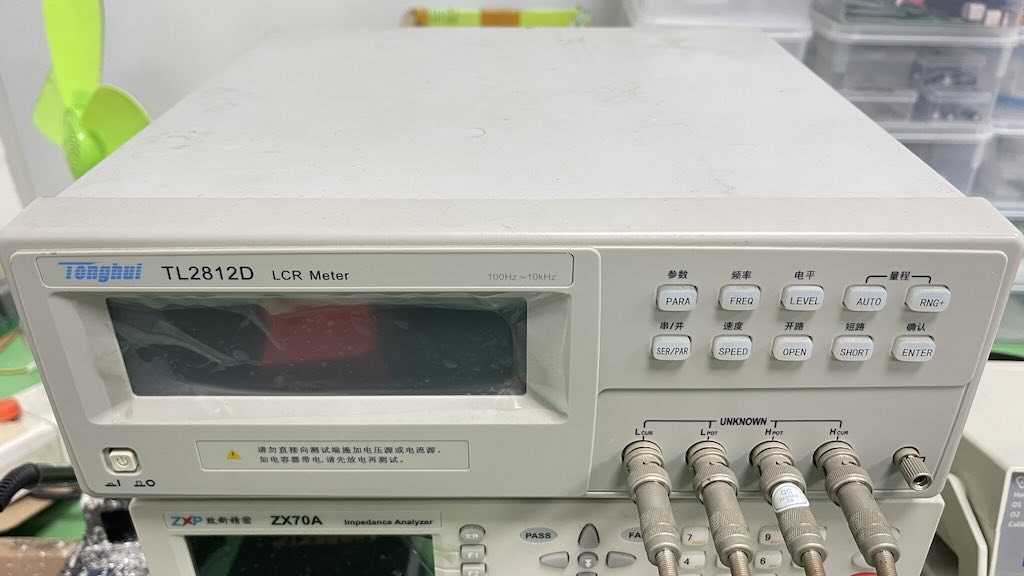
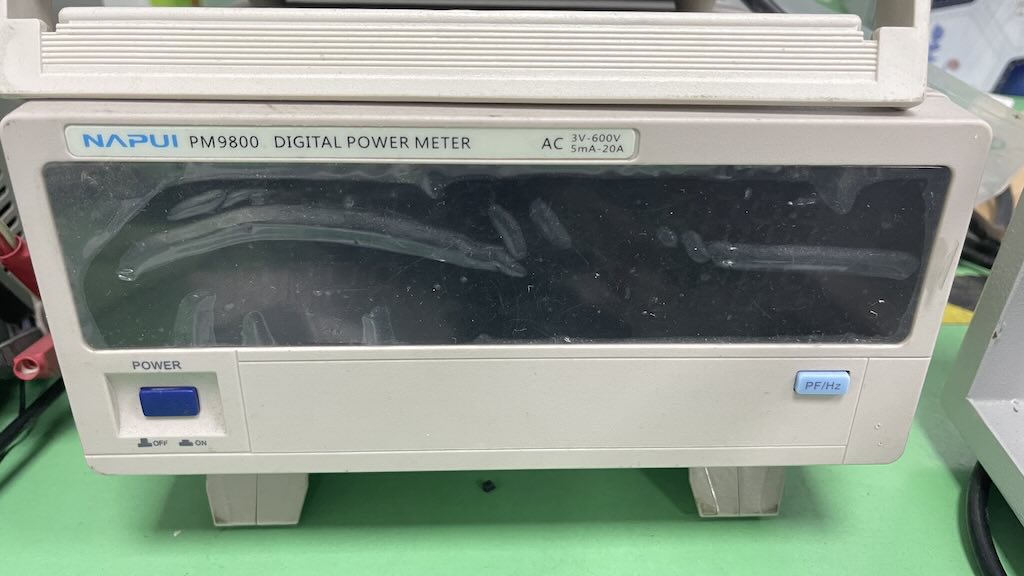
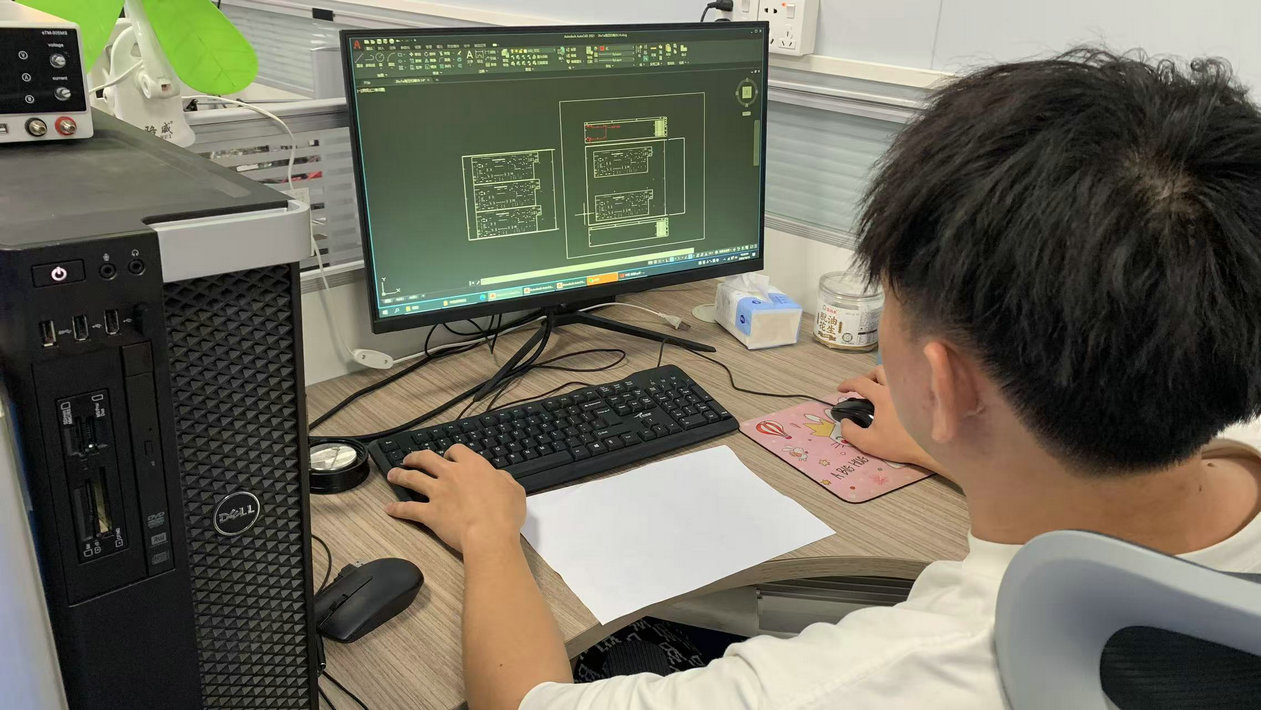
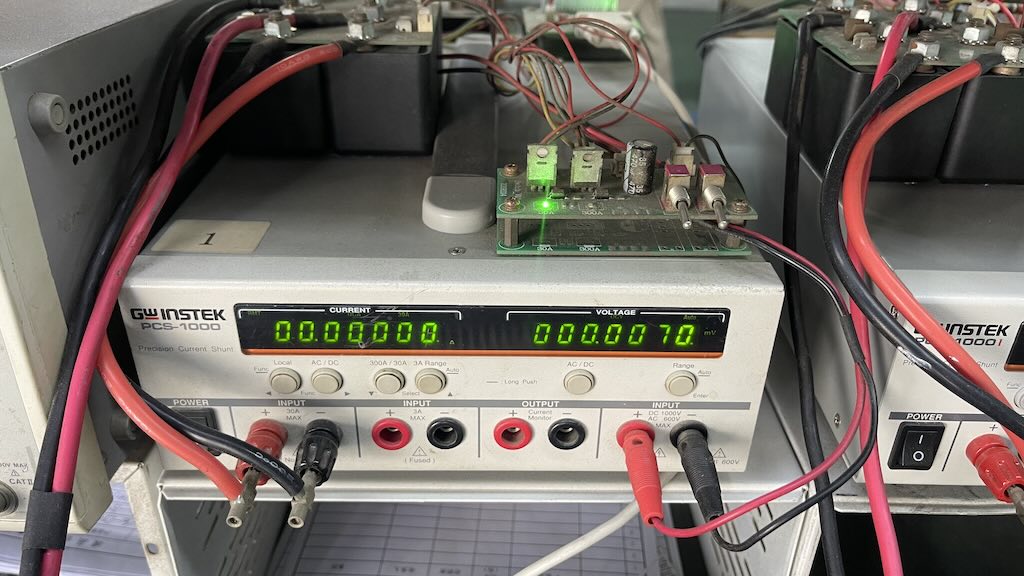
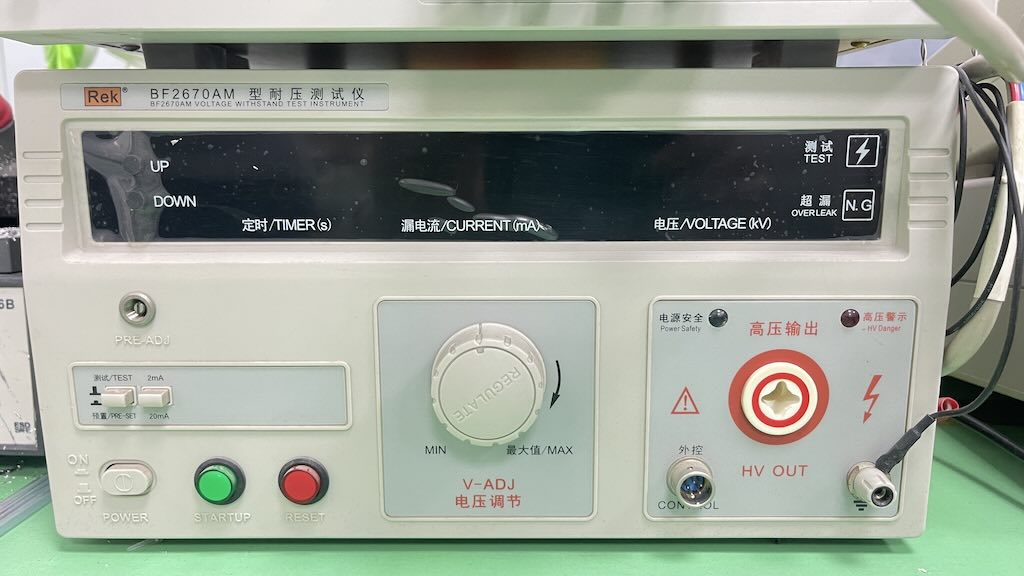
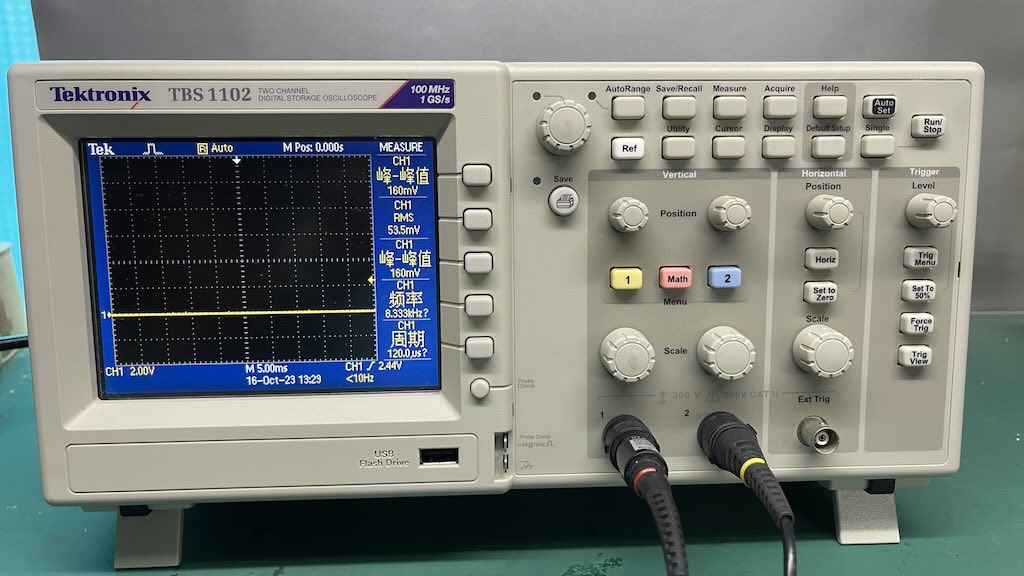
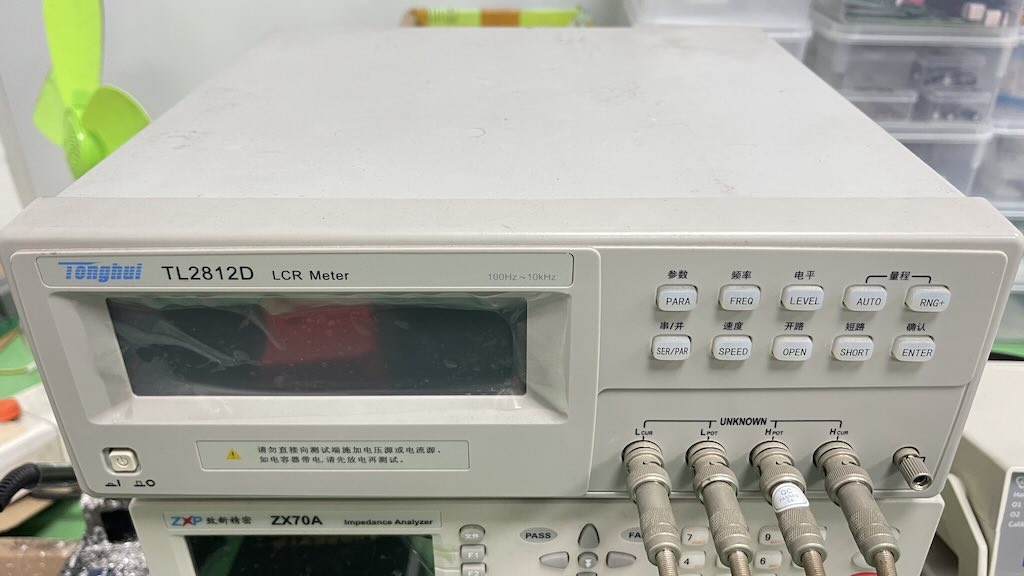
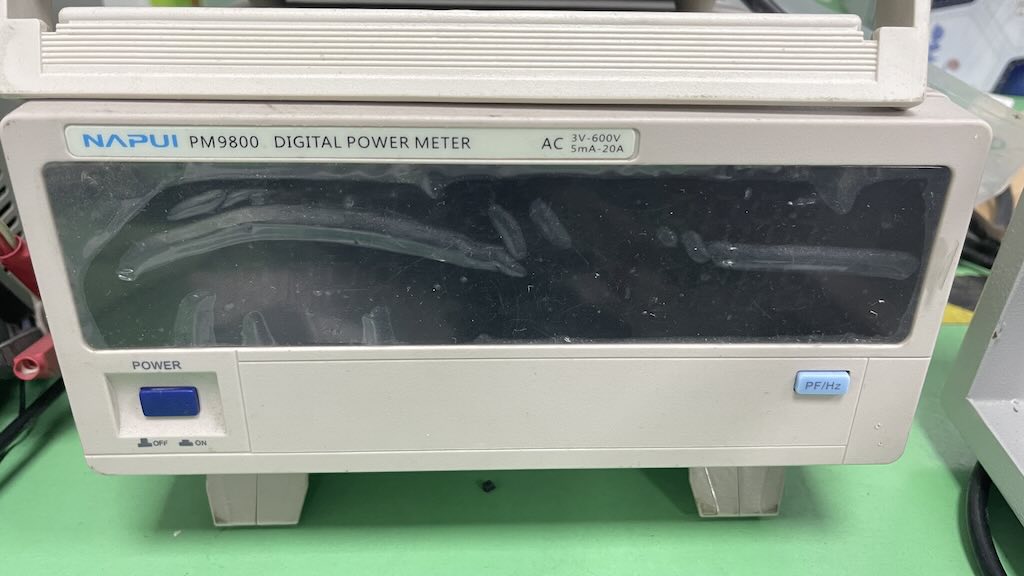
How different fields utilize high-frequency counting instruments to verify performance integrity.
Within defense electronics and missile guidance systems, time of flight and radar pulse parameters demand sub-picosecond accuracy. Universal frequency counters measure fast rise times, pulse widths, and high-speed modulation envelopes, preventing tracking errors in long-range communications systems.
Silicon IC design relies on high-speed phase-locked loops (PLLs) to generate system clocks. Engineers use high-resolution time-interval analyzers to measure cycle-to-cycle jitter and verify that drift remains within the designated boundaries of the standard interfaces.
Choosing the correct crystal oscillator type impacts cost and recalibration frequency:
Targeted answers to standard procurement and calibration inquiries, supporting buyers with direct, practical insights.
What determines the precision of a high-frequency counter?
Precision is governed by the time base stability (e.g., OCXO vs. Rubidium) and the interpolator design within the counter circuit. A high-quality time base reduces aging and temperature drift, while a high-performance interpolator minimizes single-shot time resolution errors down to the picosecond range.
How often must industrial frequency counters be calibrated?
Under normal operating conditions, calibration is recommended every 12 months. Units operating with an ultra-stable OCXO time base may extend this cycle to 24 months, provided their daily drift remains within system tolerances. Standard calibrations should trace back to ISO/IEC 17025 certified references.
What is the advantage of a universal counter/timer over a basic frequency counter?
A basic frequency counter only counts signal events over a set period. A universal counter/timer also measures time interval, pulse width, phase differences, duty cycle, and rise/fall times, which makes it a much more versatile tool for analyzing complex electronic signals.
How do I prevent impedance mismatch when connecting high-frequency signals?
For signals above 10 MHz, it is essential to match the source and cable impedance to the counter's input (typically 50 Ohms). This minimizes signal reflection and preserves edge fidelity, ensuring accurate trigger performance and preventing false counts.
Can MYAMI test equipment be integrated into existing automated test configurations?
Yes. MYAMI's programmable instruments support standard communication protocols like RS232, RS485, and CAN. This allows system developers to integrate them into centralized automation software (such as LabVIEW or Python-based scripts) alongside other test benches and frequency reference monitors.
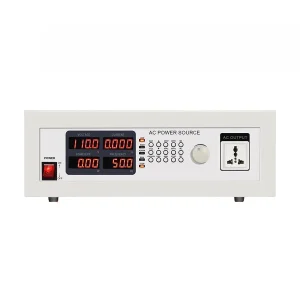
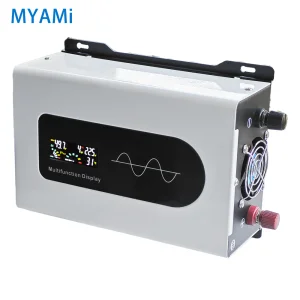
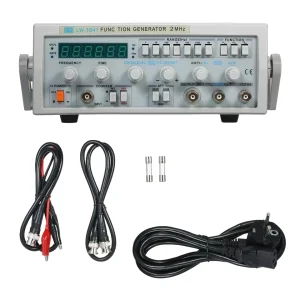
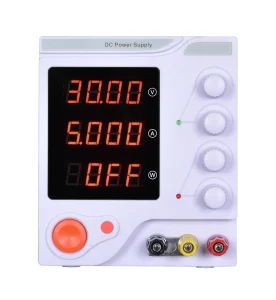
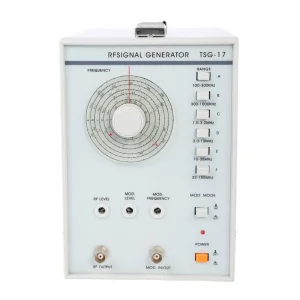
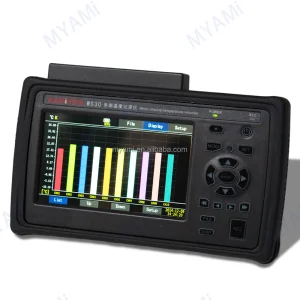
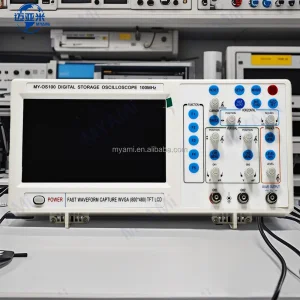
Explore our full catalog of high-efficiency pure sine wave power inverters, signal generators, AC regulators, and high-frequency wave analyzers.

 Myami Power