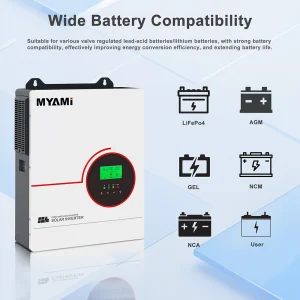
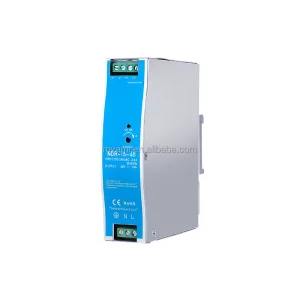
High-reliability power units, motor controllers, and testing instruments designed for robotic assembly lines, factory automation systems, and test laboratories.
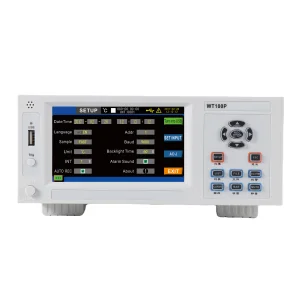
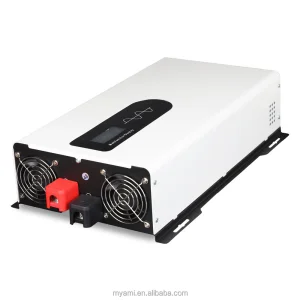
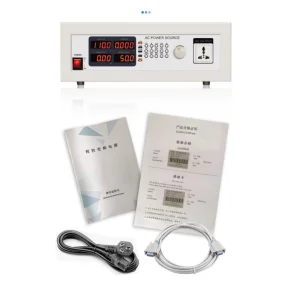
Understanding the intersection of heavy machinery, smart controllers, and precision electronics supply chains.
Industrial robotics has transformed from a futuristic manufacturing novelty into the absolute backbone of global supply chains. From automotive paint booths and semiconductor cleanrooms to dynamic logistics centers, the modern industrial robot acts as the physical agent of digital logic. However, the execution of complex 6-axis trajectories, collaborative operations (cobots), and heavy payload manipulation requires more than just intelligent software algorithms. It demands unyielding hardware stability, particularly in electrical distribution, signal integrity, and motor drive regulation.
In this comprehensive whitepaper, we evaluate the Top 10 Industrial Robotics Manufacturers & Factories driving global efficiency. We also highlight the critical underlying electrical systems—such as programmable DC power supplies, servo-grade stepping controllers, and isolation transformers—that prevent operational downtime and ensure international safety compliance.
A technical assessment of the original equipment manufacturers (OEMs) dominating factory automation.
Known worldwide by its distinctive yellow paint, FANUC is a titan in CNC systems, factory automation, and heavy articulated robotic arms. Their proprietary servo technologies and CNC controllers require exceptionally clean input power, making stabilized high-power industrial power supplies a core requirement for their installations.
A pioneer in industrial software systems and robotic arms, ABB dominates the automotive and electronics assembly sectors. Their controllers rely heavily on advanced Industrial IoT protocols and require isolation transformers to eliminate harmonic feedback on factory floors.
Specializing in automotive body shop lines and heavy payload operations, KUKA robots are famed for their engineering precision. Their systems utilize high-voltage DC-link architectures, highlighting the necessity of high-power adjustable bench-testing power supplies during factory testing.
The creator of the legendary Motoman robot line, Yaskawa is a master of motion control. Their AC servo drives (Sigma series) are industry benchmarks. Protecting these drives from voltage surges demands high-efficiency stabilizers and programmable variable-frequency AC sources during design validation.
With over five decades of industrial automation expertise, Kawasaki produces robust welding, assembly, and cleanroom robots. Their heavy-duty machinery demands highly reliable 3-phase isolation transformers to step down voltages and isolate electrical noise.
Epson is a global leader in high-precision, high-speed SCARA (Selective Compliance Assembly Robot Arm) systems used in micro-electronics assembly. These light-duty assembly arms rely on ultra-precise stepper motor drivers and low-noise DC power circuits to preserve high repeatability limits.
Renowned for cleanroom-rated, washdown, and sterile-environment robots, Stäubli serves the pharmaceutical and semiconductor markets. Their high-fidelity sensor systems and electronic boards require multi-channel temperature recorders and data loggers during initial design verification.
Nachi supplies heavy-duty spot-welding and materials handling robots to global automotive OEMs. Due to the high electrical noise created by spot welding, their control cabinets must feature isolated input power supplies and rugged DIN rail power grids.
A subsidiary of Stellantis, Comau designs highly integrated body assembly lines. Their controllers utilize extensive Fieldbus, CAN, and Ethernet-based communication arrays, requiring reliable power systems with integrated communication interfaces for continuous line status reporting.
The pioneer of Collaborative Robots (Cobots). Universal Robots focuses on safe human-robot interaction. Cobots require rapid-response electronic braking and low-voltage DC drive operations. Precise bench power supplies and multi-channel current-limiting driver units are central to their developmental testing phases.
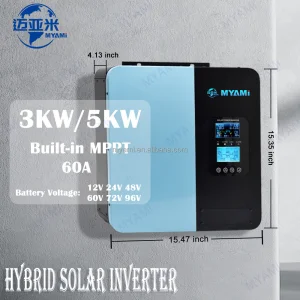
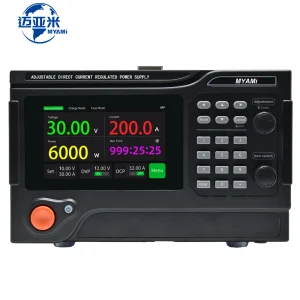
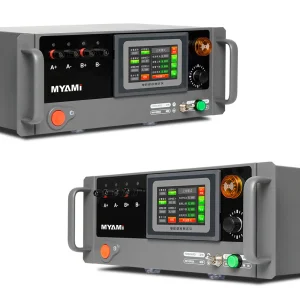
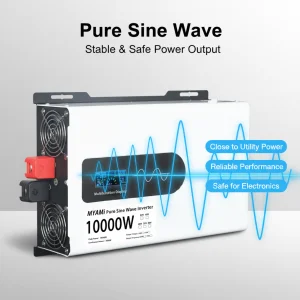
Headquartered in Shenzhen, China, Shenzhen Myami Power Technology Co., Ltd. (MYAMI) is a technology-driven manufacturer and solution provider specializing in high-precision, industrial-grade power supplies and electrical test equipment. Designed for engineering rigor, MYAMI bridges the gap between complex electronic research, high-voltage component testing, and scalable industrial automation.
Our specialized engineering portfolio focuses on four core operational pillars:
Every MYAMI system is engineered with strict multi-layer protection protocols (OVP, OCP, OTP, and short-circuit safeguards) and complies with international safety and quality standards, including CE, RoHS, and ISO9001. Integrated with standard industrial control protocols (RS485, RS232, and CAN communication), our equipment seamlessly connects to automated production lines and central PC control systems.
Today, MYAMI serves research institutions, automotive OEMs, aerospace contractors, and electronics manufacturers across North America, Europe, East Asia, and the Middle East. Whether you require a single benchtop lab power supply or a custom high-power aging system, MYAMI is your ultimate partner for precision power and uncompromised testing reliability.
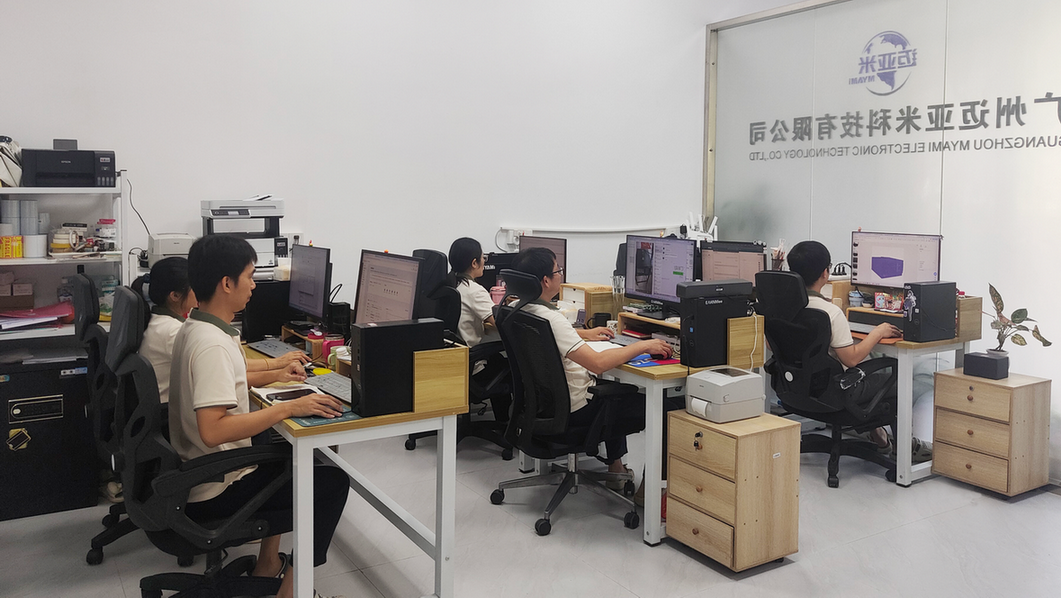
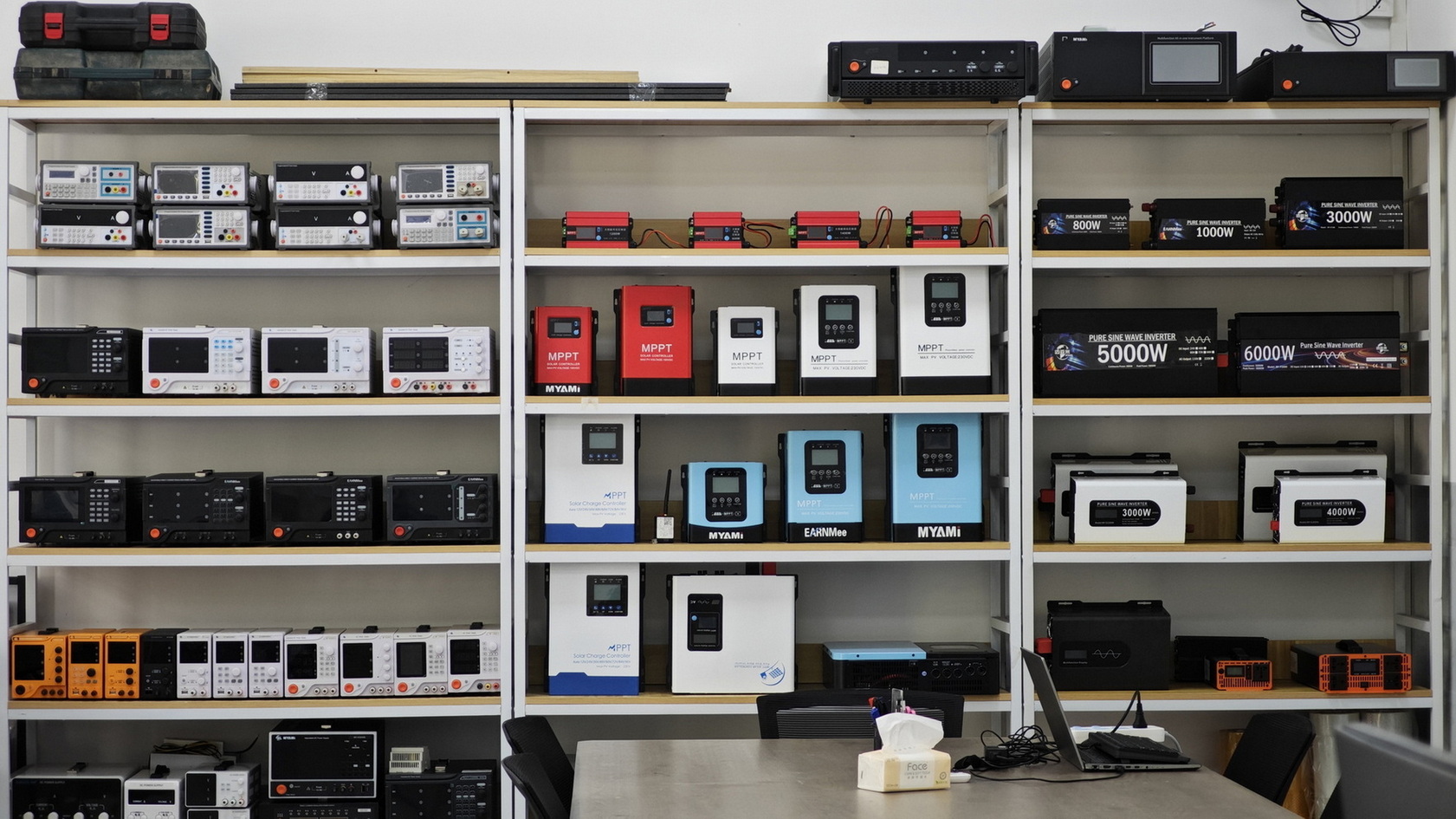
A visual step-by-step documentation of our production pipeline, safety calibration, and quality control systems.
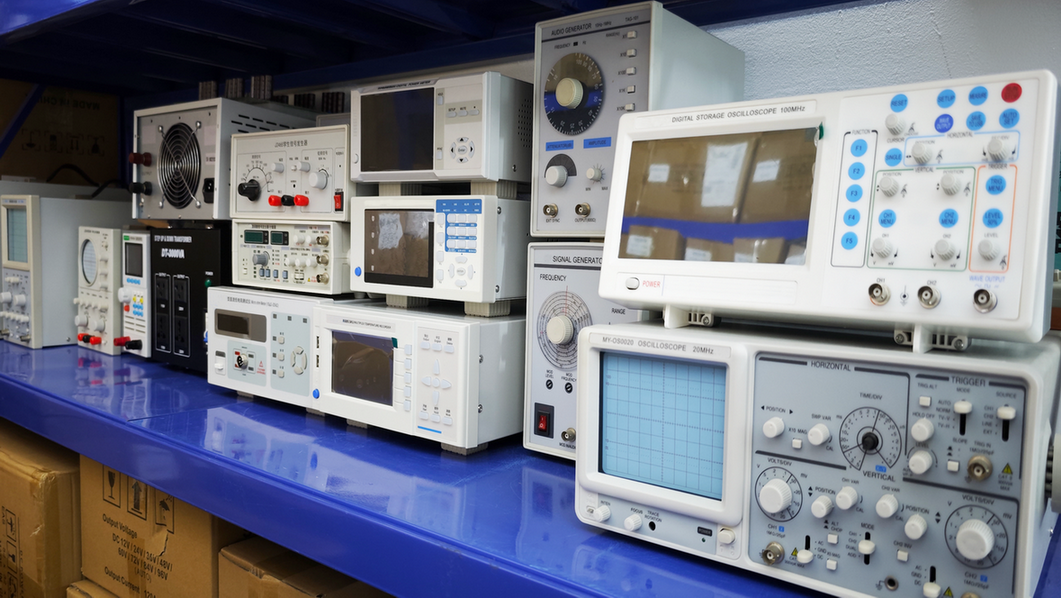
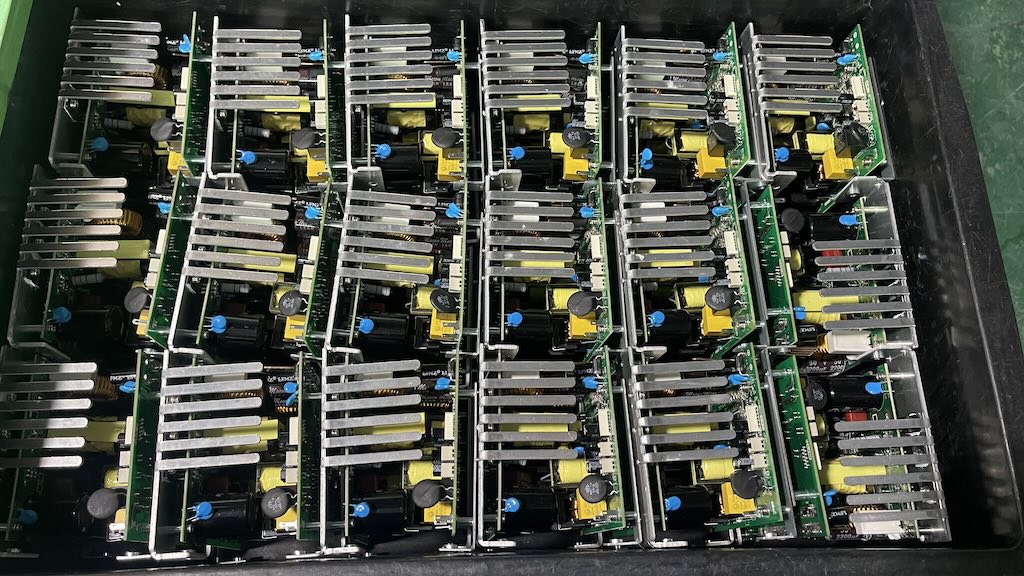 Raw Material
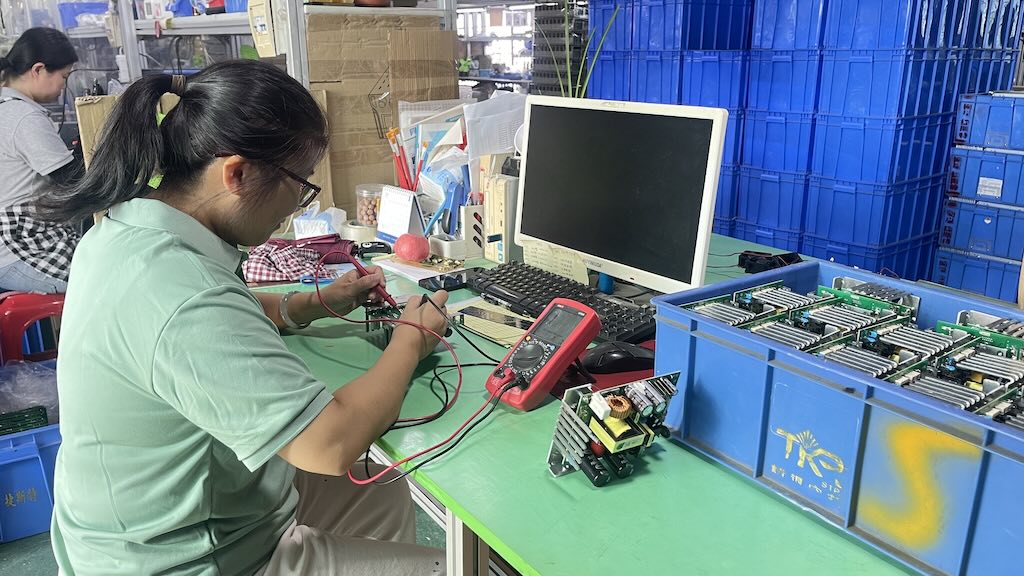 PCB Checking
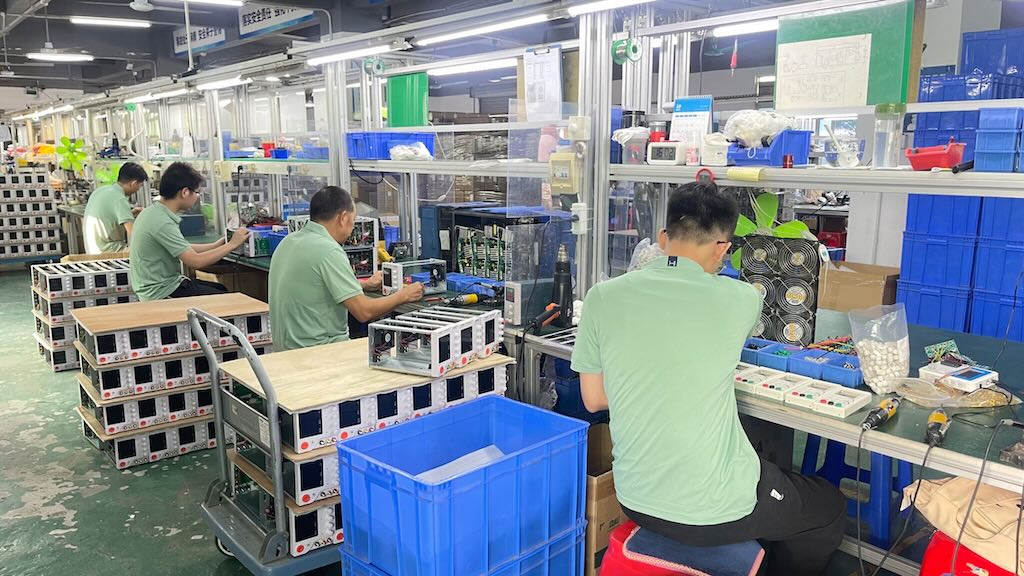 Assembling
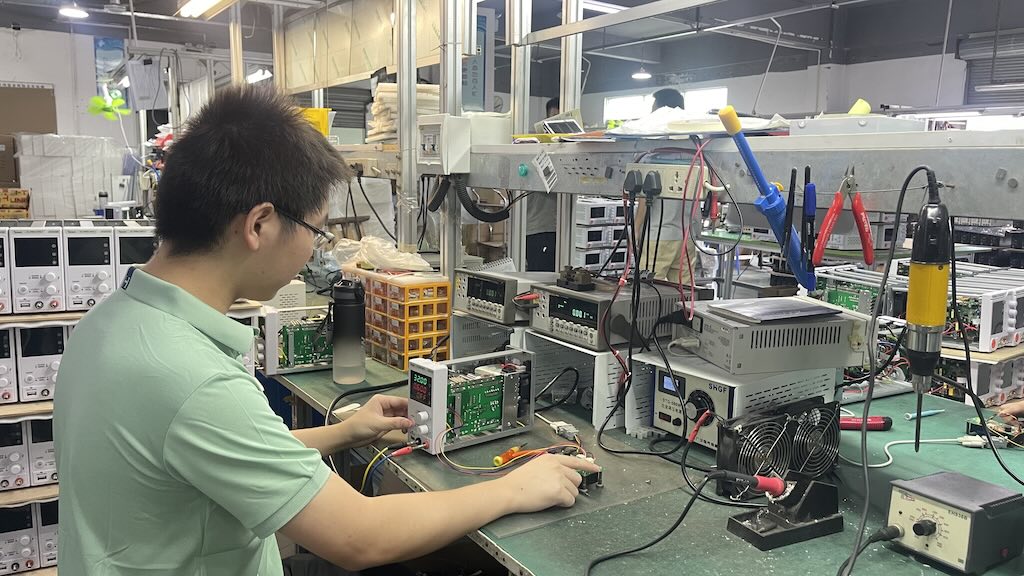 Debug
Debug
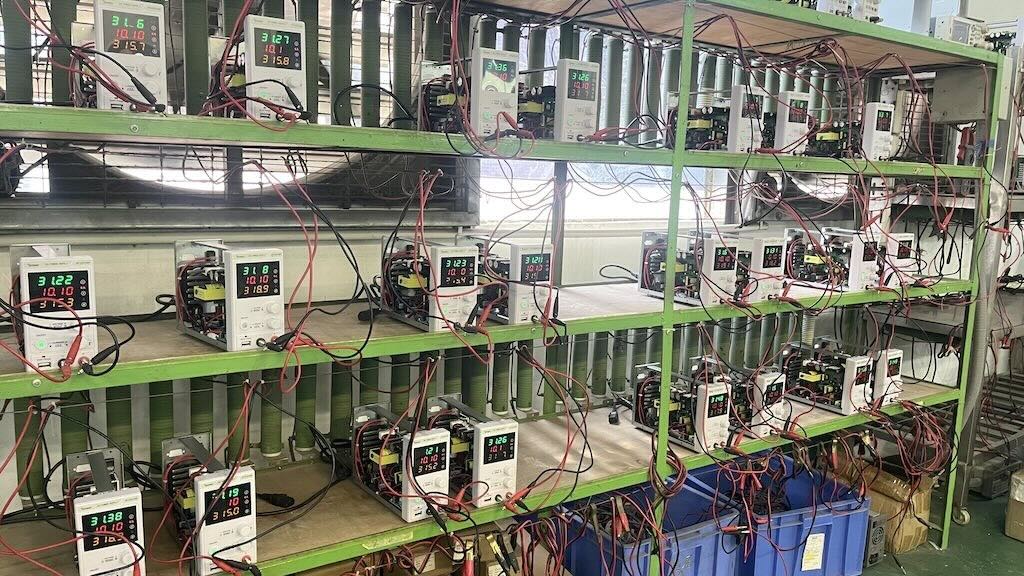 Aging
Aging
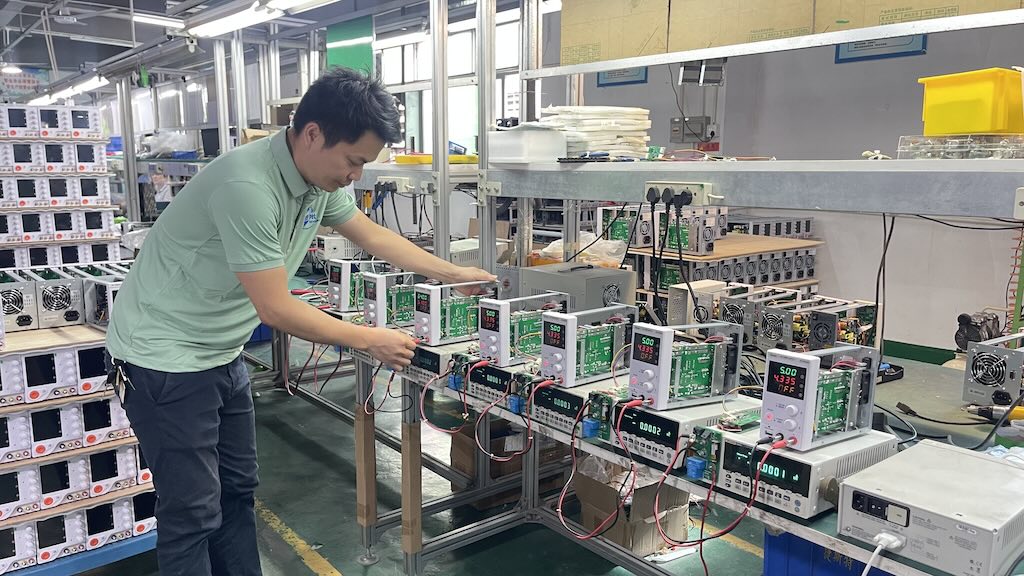 Calibration
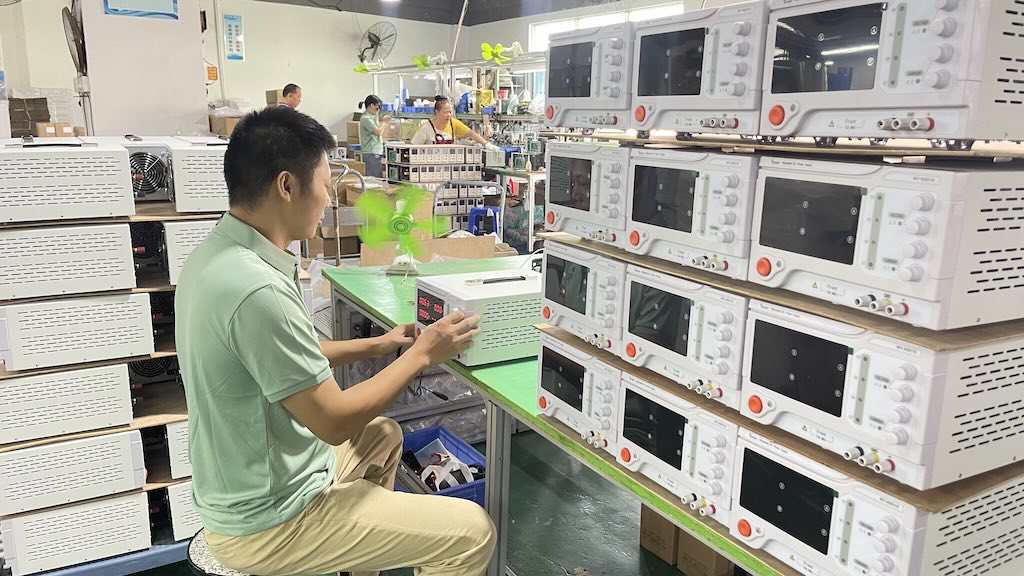 QC checking
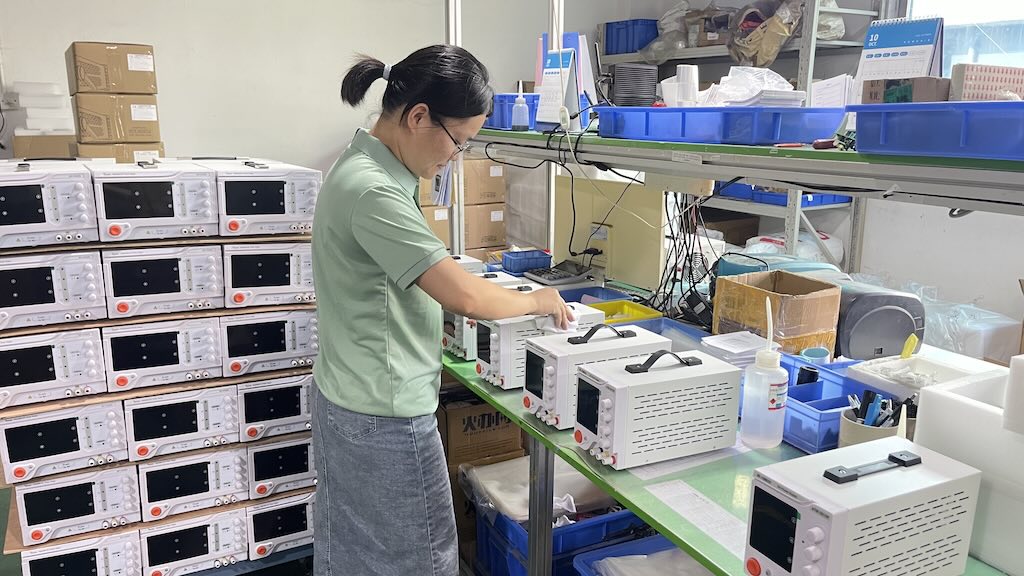 Packing
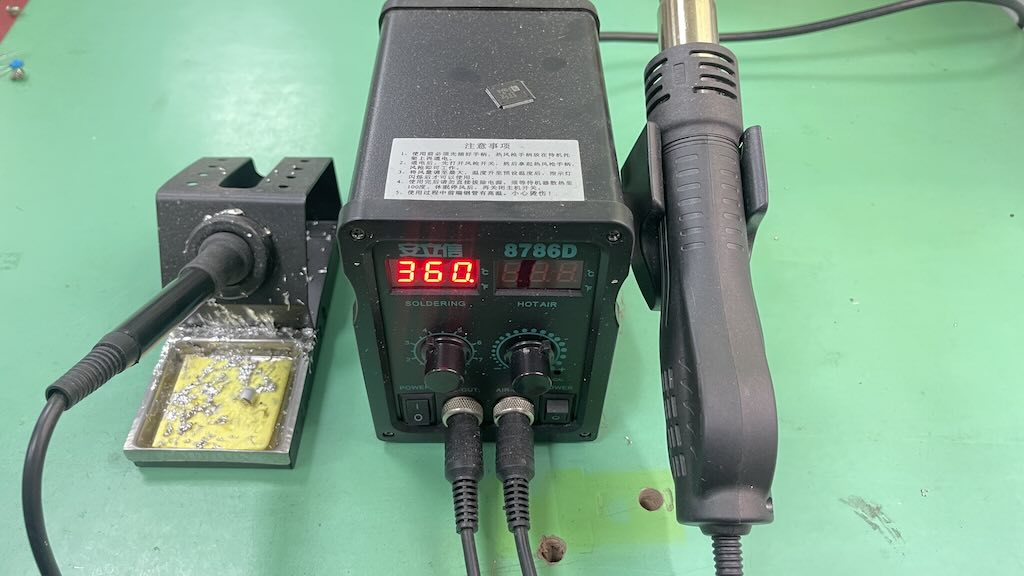 Soldering Station
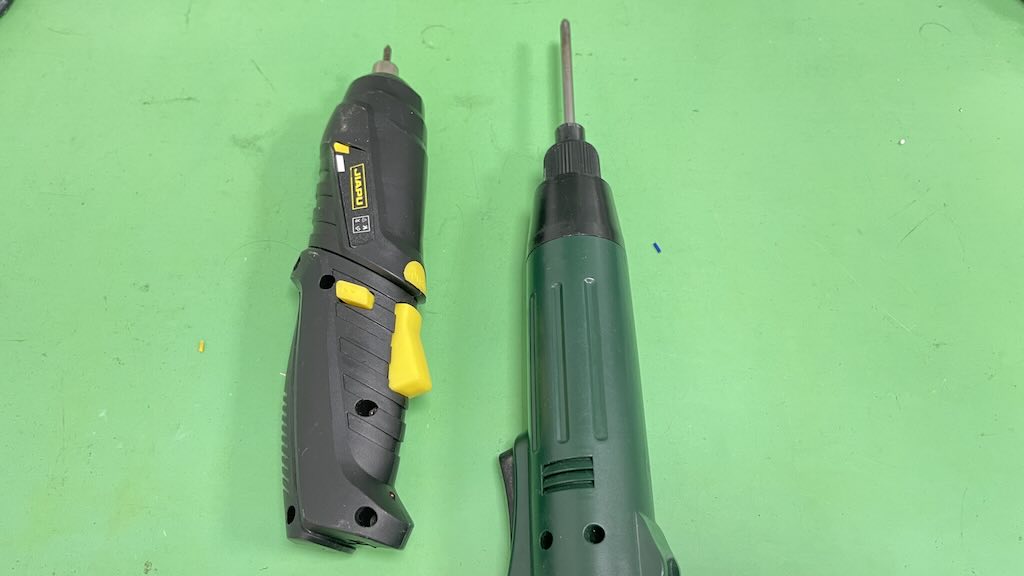 Electronic Screwdriver
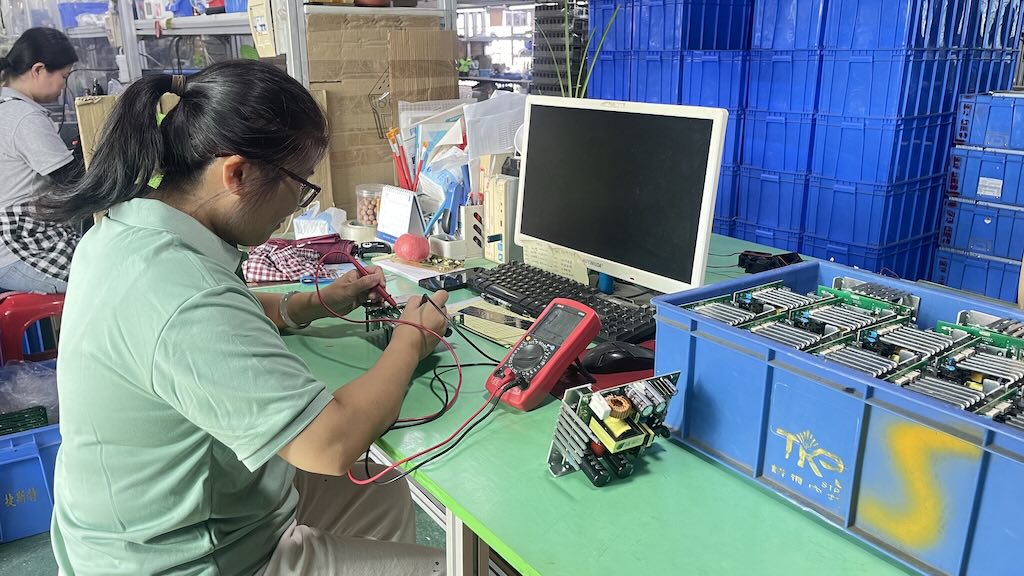 PCB Check
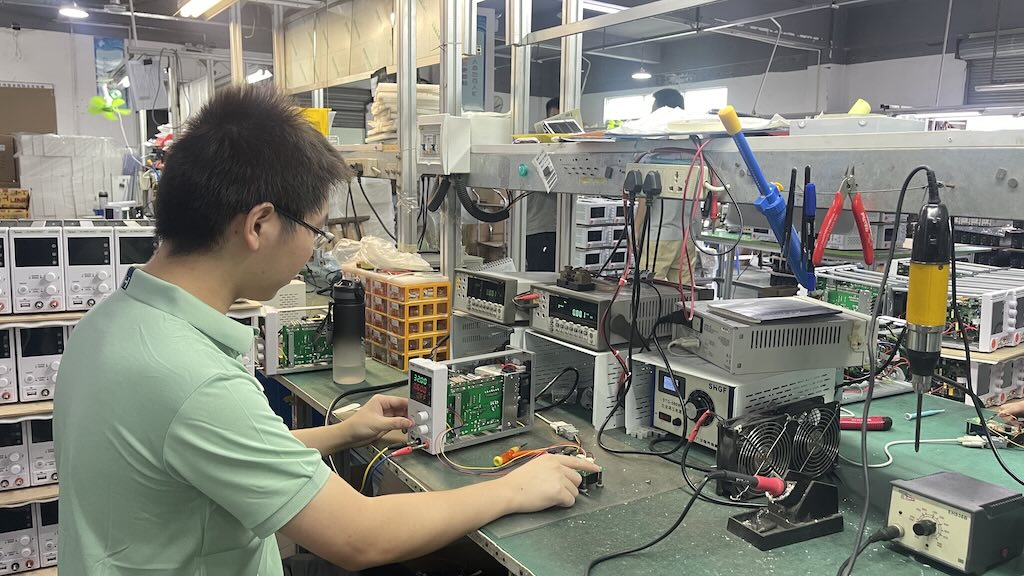 Debug
Debug
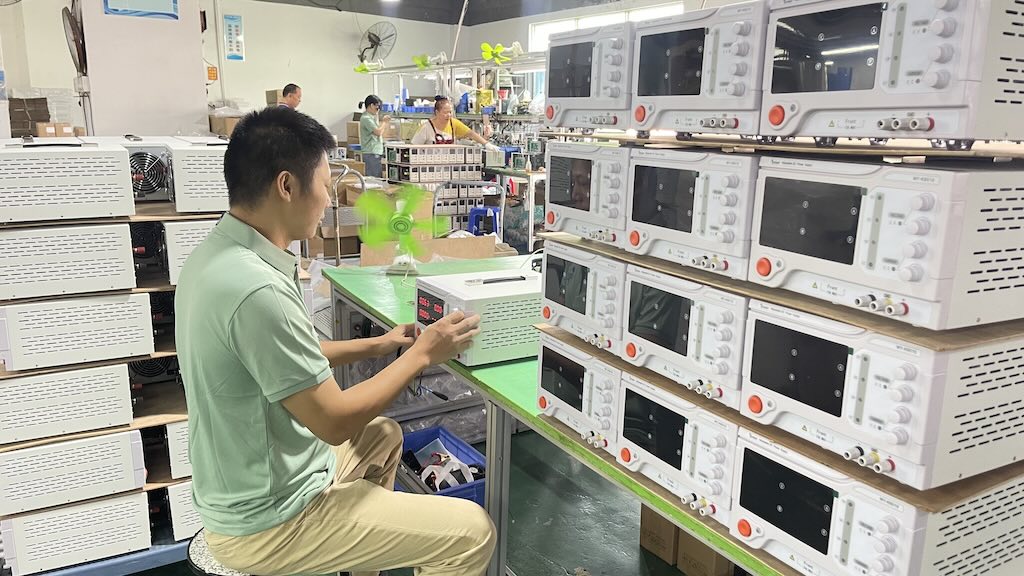 QC check
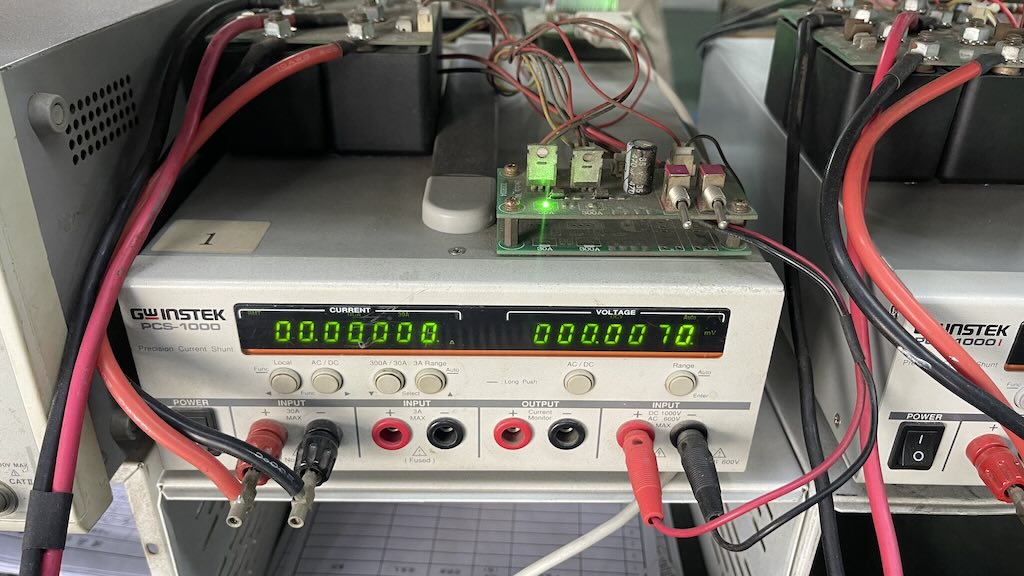 Multimeter
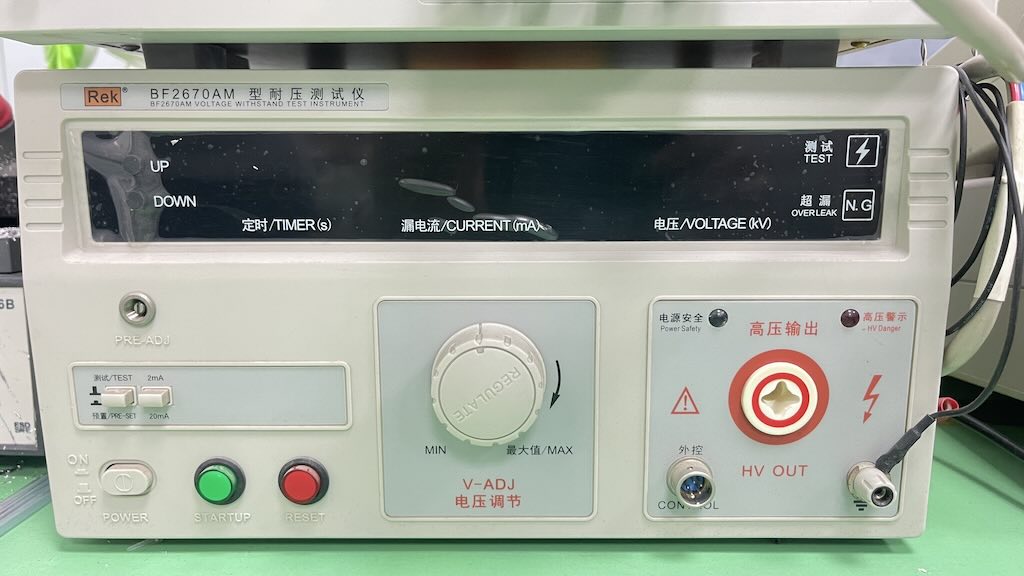 Hi-pot Tester
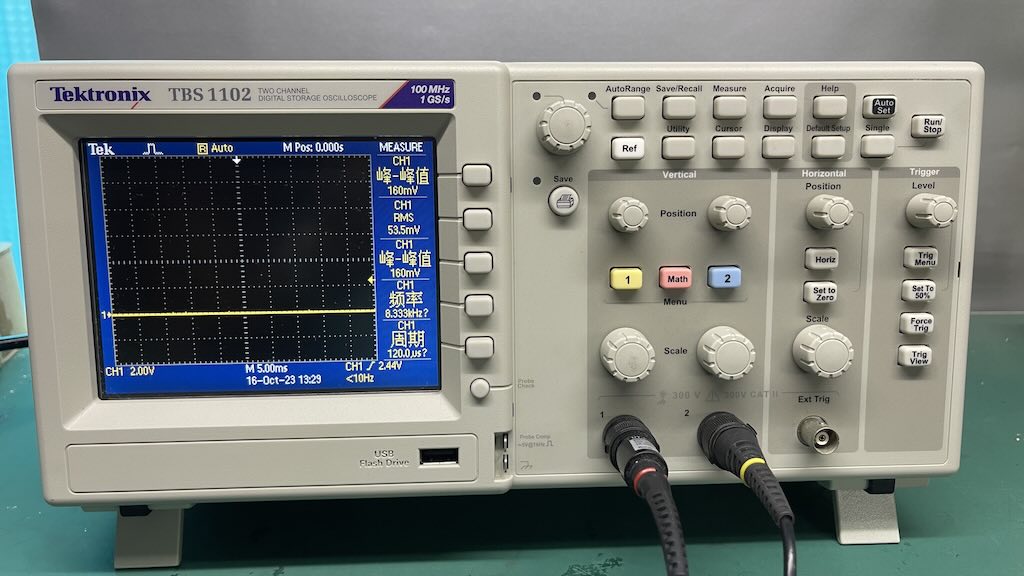 Oscilloscope
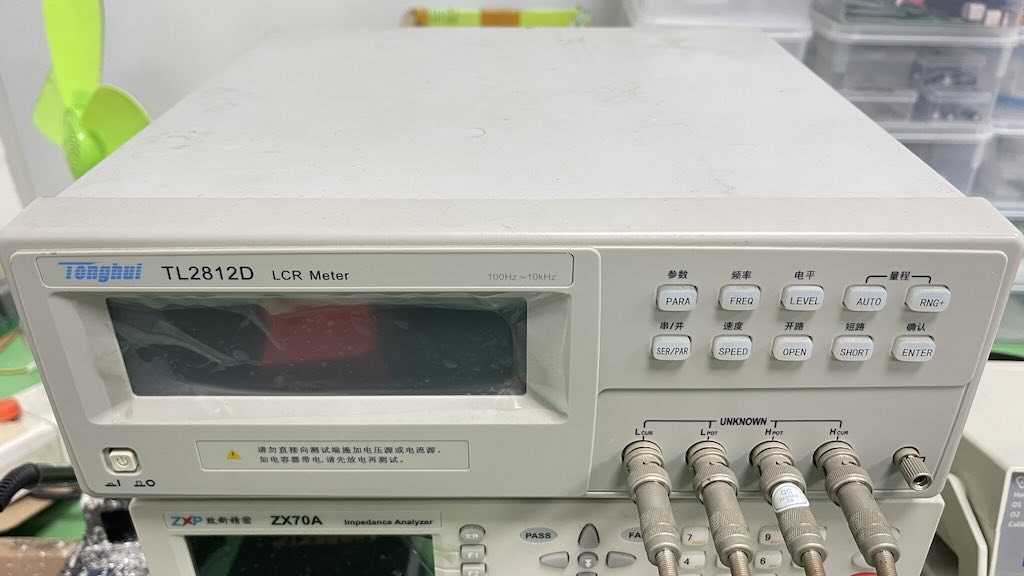 LCR Meter
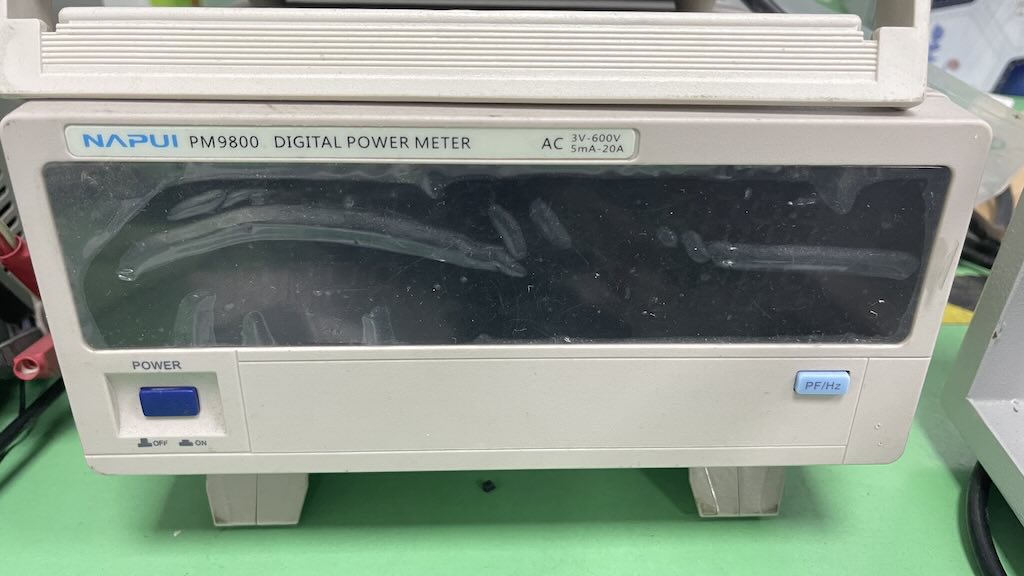 Digital power meter
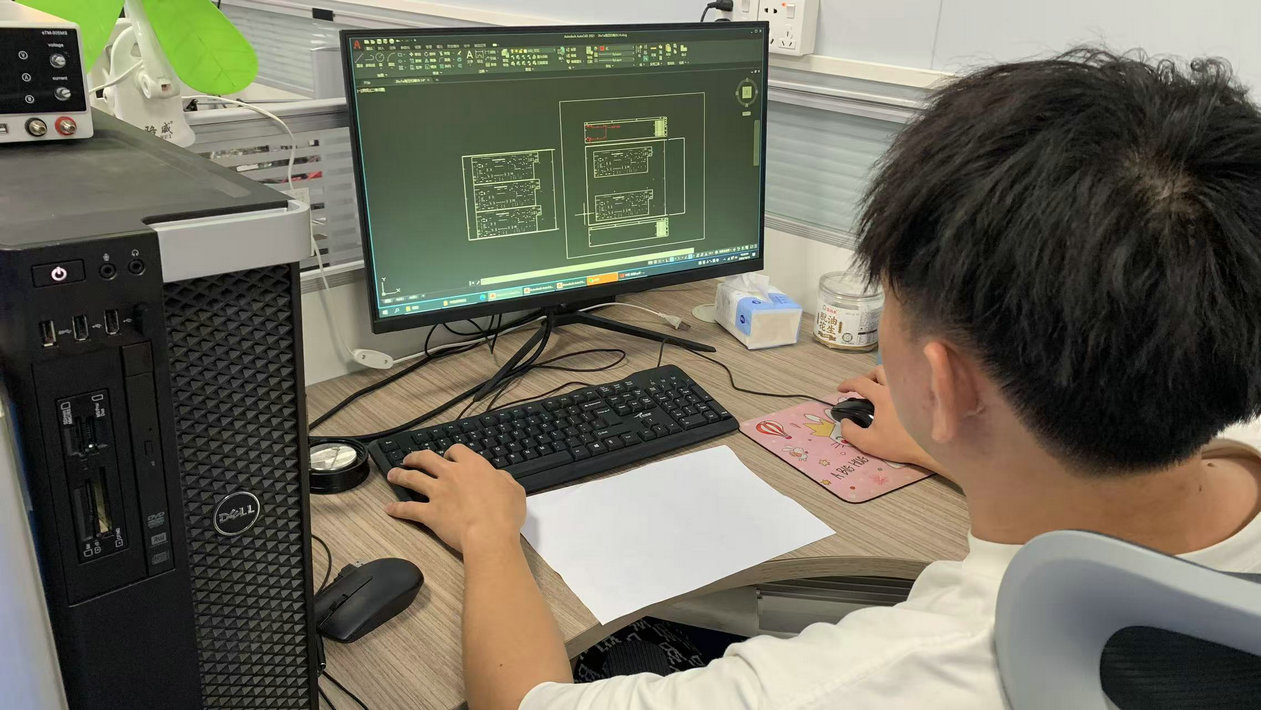 Design
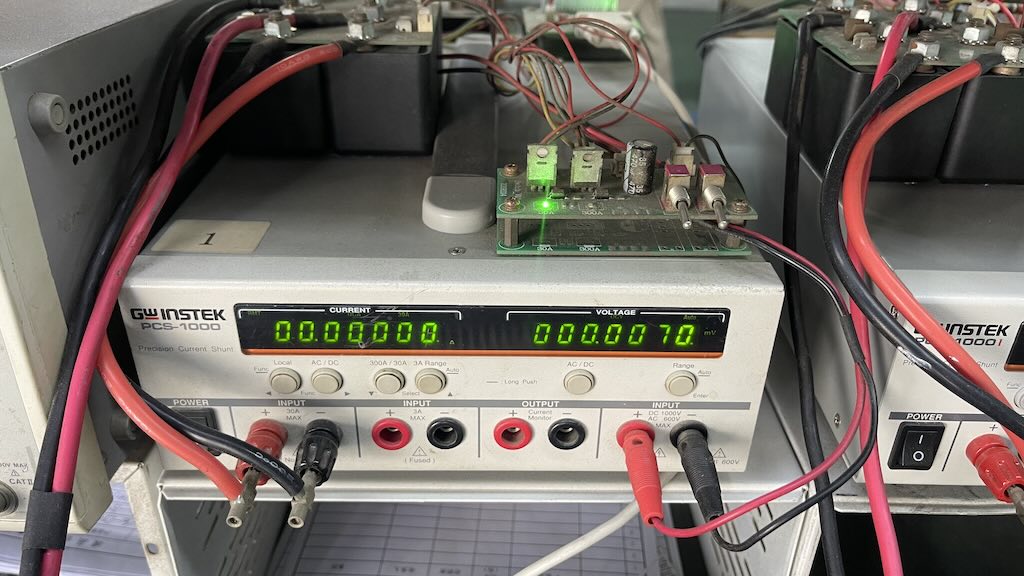 Multimeter
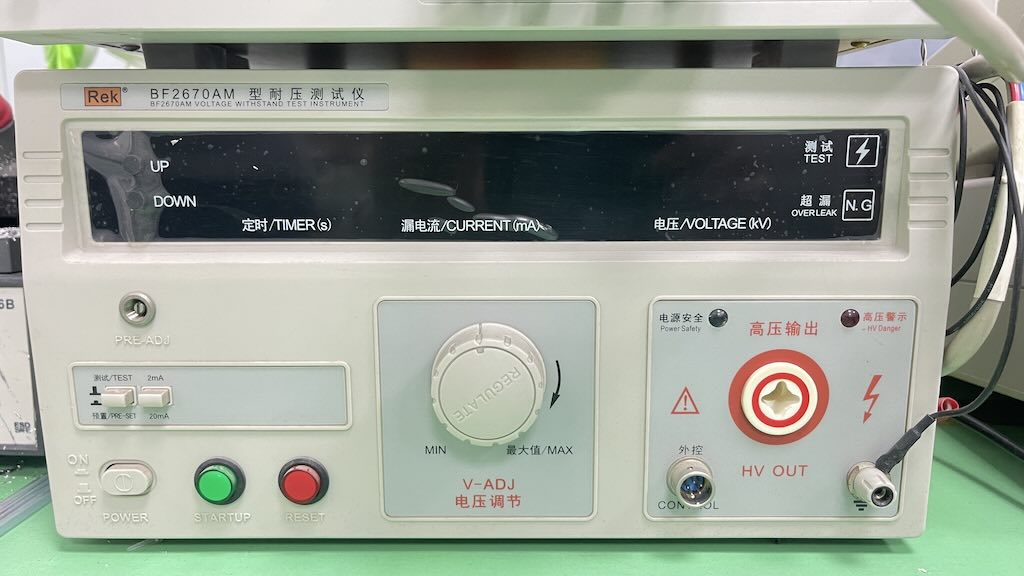 Hi-pot Tester
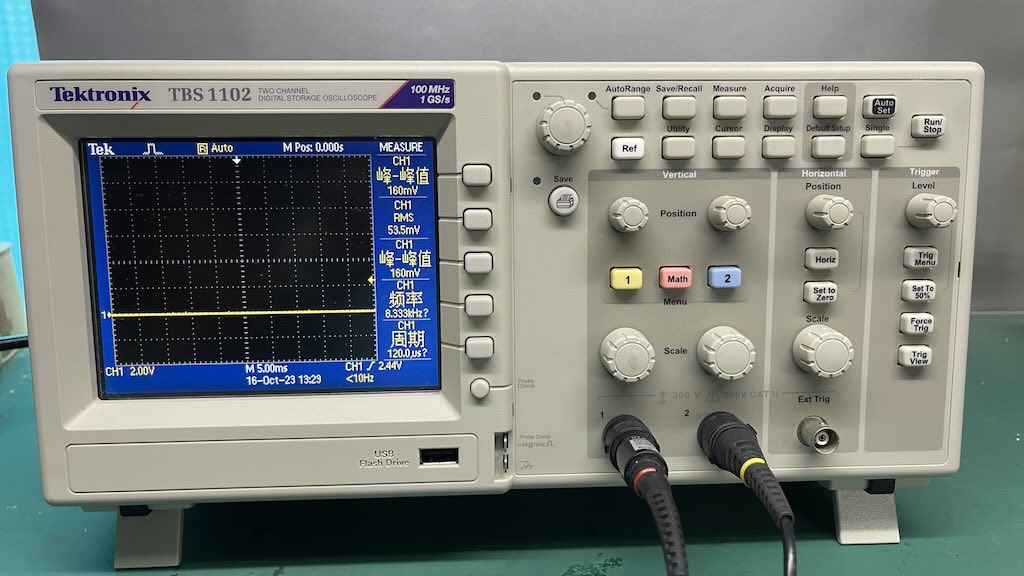 Oscilloscope
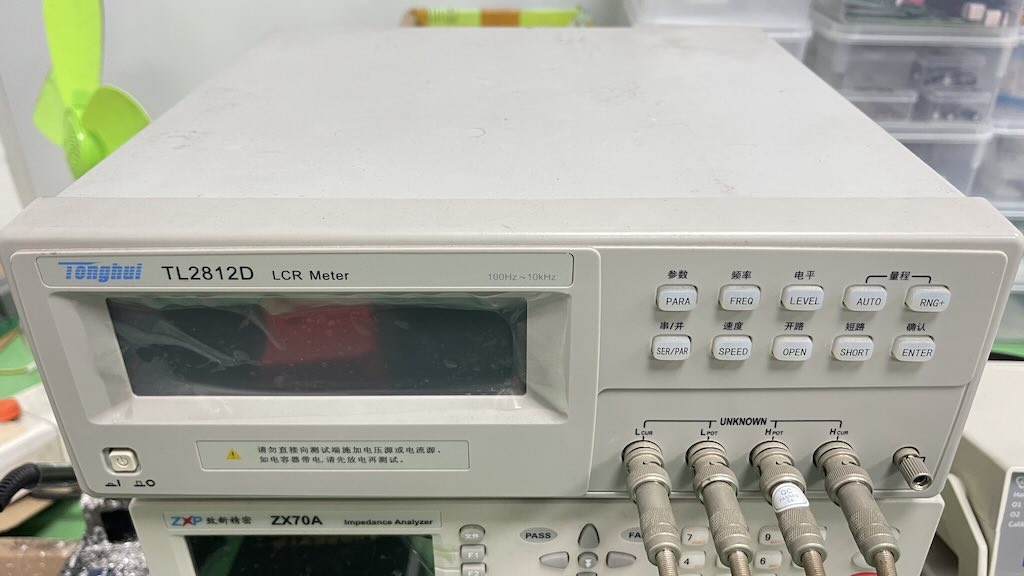 LCR Meter
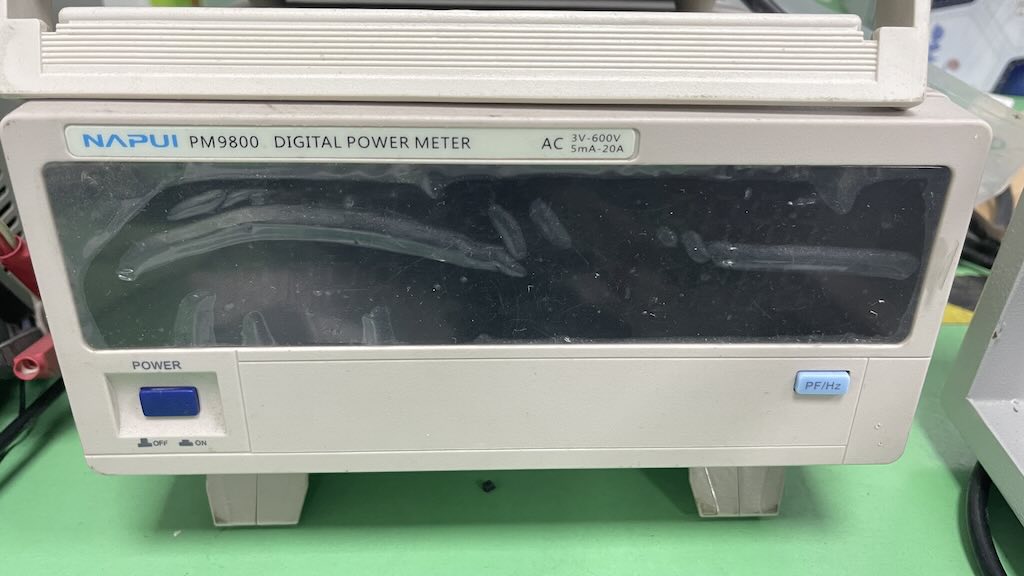 Digital Power Meter System Testing Station
How regional localization drives cost efficiencies and high-speed R&D iteration for global clients.
Shenzhen and the Pearl River Delta offer an unmatched concentration of raw electronic components, PCB manufacturing houses, metal stamping operations, and specialized engineering test facilities. This geographical proximity reduces procurement times from weeks to days.
Chinese factories are uniquely set up for agile modifications. Whether integrating a specific RS485 controller profile, modifying dynamic voltage boundaries, or upgrading step-up transformers, the turnaround time for a custom prototype is highly optimized compared to traditional Western markets.
Modern Chinese supply networks have matured past pure cost-cutting metrics. Heavy integration of automated optical inspection (AOI), high-pot testers, and rigorous thermal cycle burn-in runs ensures that components leaving the factory match the reliability ratings expected by Western industrial operations.
Enterprise purchasing agents sourcing equipment for factories in the EU or Americas look for deep regulatory conformity, high reliability, and localized integration support. A robot arm down for even 10 minutes can cascade into thousands of dollars in losses. Thus, procurement parameters demand:
Where do these systems get deployed locally? In automotive welding loops, where voltage stabilizer units prevent welder-generated sags from disrupting robot logic controllers. In medical lab arrays, where high-precision multi-channel temperature data loggers monitor vaccine storage lines. And in solar inverter arrays, where programmable benchtop systems simulate battery strings to calibrate grid-connected controllers.
Direct technical answers addressing system installation, factory sourcing, and electric parameter tuning.
Industrial robots utilize heavy servo motors that cycle on and off continuously. This creates severe electrical harmonics, power back-feed, and electromagnetic interference (EMI). Isolation transformers electrically decouple the incoming power grid from the control logic circuit, preventing logic controller lockups and protecting component lifespans.
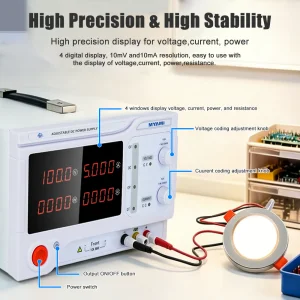
Linear power supplies offer extremely low ripple and clean signals but are large and generate significant heat. Programmable switching DC power supplies provide high power density, space-saving designs, and remote controls (via RS485/CAN bus) which are critical for integrated test benches.
Every MYAMI power solution and measuring instrument undergoes a systematic multi-step verification process. This includes high-pot insulation tests, automated PCB checks, digital power calibration, and rigorous high-temperature aging chambers. Our components are certified under CE, RoHS, and ISO9001 quality guidelines.
Yes. Our multi-channel stepper motor power drivers are optimized for factory automation environments, allowing flexible limit configurations and direct integration via common automation driver controllers.
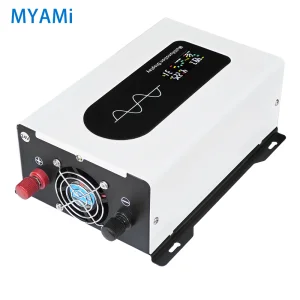
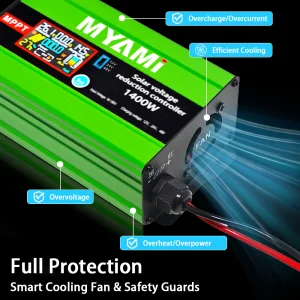
Explore the full range of voltage regulators, high-pot isolation components, and advanced solar inversion units.


 Myami Power