In the rapidly changing landscape of industrial automation, smart manufacturing, and heavy-duty structural testing, the demand for high-precision force and load measurement has grown exponentially. As modern global enterprises seek reliable, high-performance weighing solutions, identifying top China load cell factories and suppliers becomes paramount. However, sourcing a transducer is only half the battle. Precision in force measurement is entirely dependent on the calibration environment, electrical noise isolation, and stable excitation power.
This is where industrial measurement technology integrates. Bridging the gap between strain gauge physics and digital automation, Shenzhen Myami Power Technology Co., Ltd. (MYAMI) serves as a technology-driven manufacturer and solution provider. While global engineers rely on China's massive supply chain for load cell elements, they rely on MYAMI's specialized, high-precision power supplies and electrical test equipment to calibrate, power, and evaluate these complex sensors.
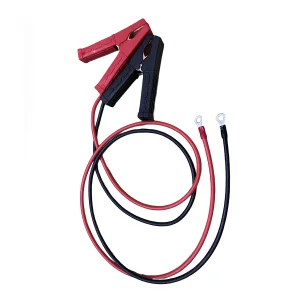
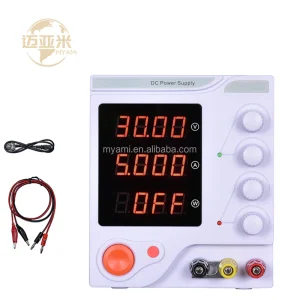
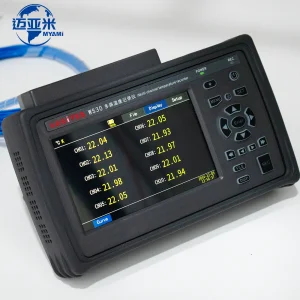
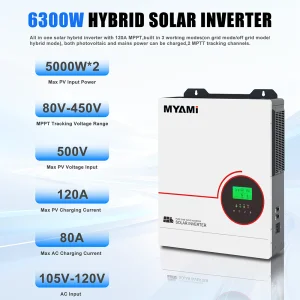
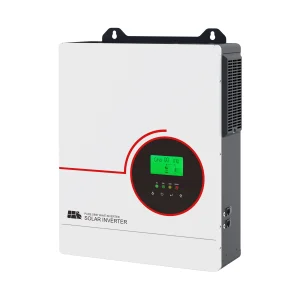
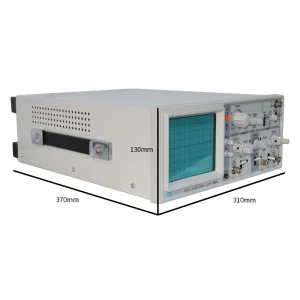
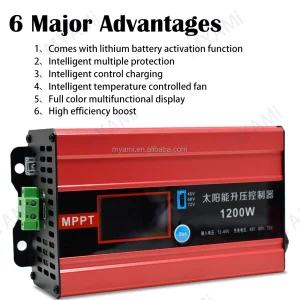
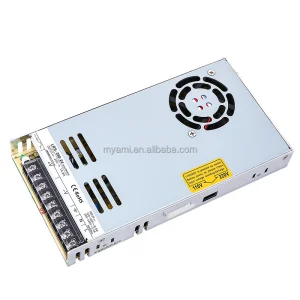
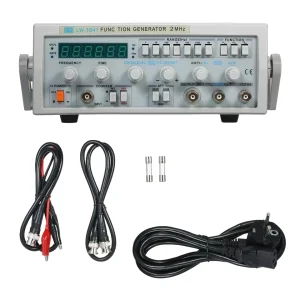
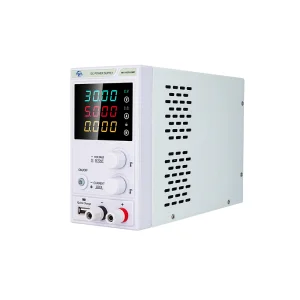
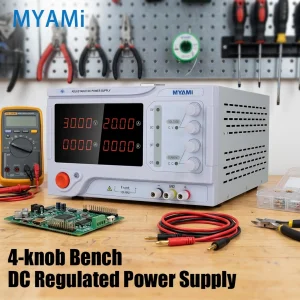
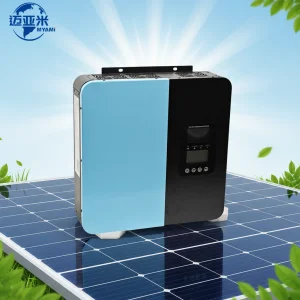
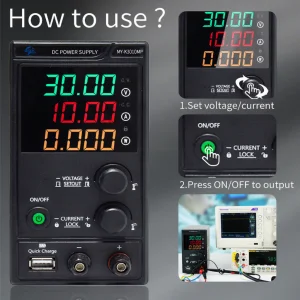
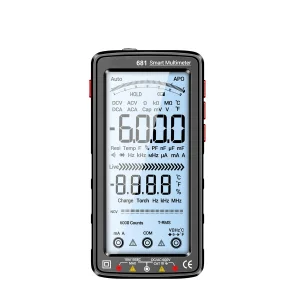
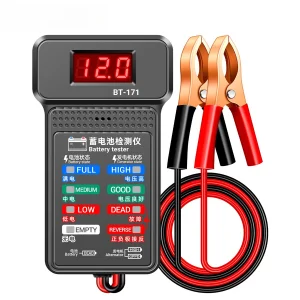
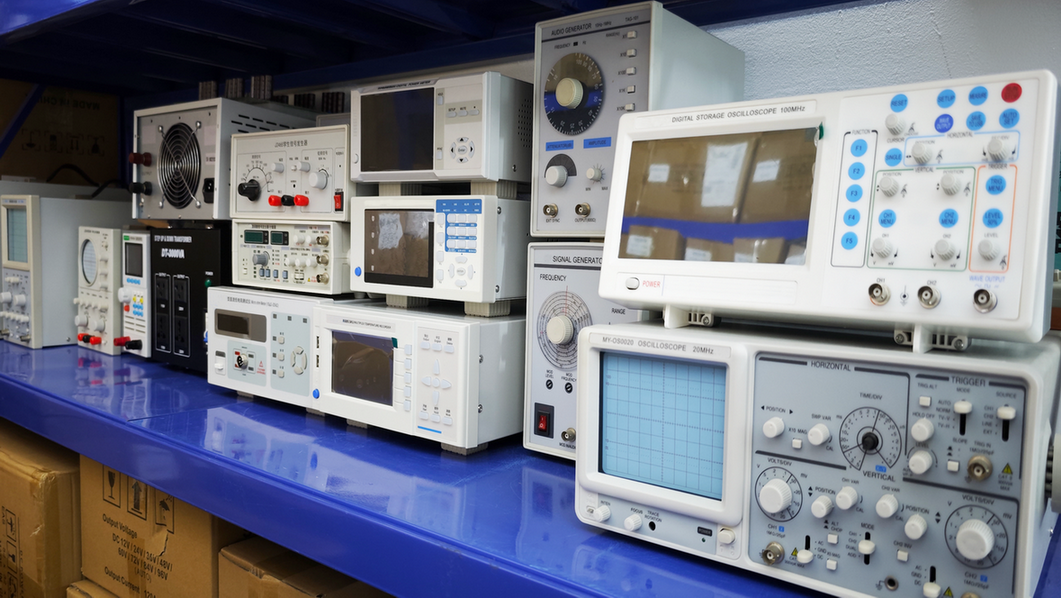
To operate or calibrate load cells within OIML R60 guidelines, precise signal input, variable DC voltage supplies, and low-ripple instrumentation are critical. Browse our top-performing electrical testing inventory:
In precision engineering, a load cell functions as a primary force transducer. By converting mechanical strain into measurable electrical output via a Wheatstone bridge circuit, these sensors determine weight, structural stress, fatigue profiles, and dynamic load distributions. Procurement managers in multinational aerospace, automotive, logistics, and pharmaceutical industries are continuously looking to China to identify cost-effective, high-accuracy suppliers.
However, selecting a reliable partner requires deep technical vetting. Sourcing agents must look past catalog specifications and analyze raw factory capabilities: the quality of the bonded foil strain gauges, environmental potting materials, temperature compensation ovens, and compliance testing structures. The integration of stabilized electrical systems in calibration ensures that a purchased load cell operates reliably in field conditions.
Top Chinese manufacturers design units to meet OIML R60 guidelines. Advanced applications necessitate C3, C4, or even C6 accuracy classifications, where creep error, hysteresis, and linearity are controlled to within hundredths of a percent.
Heavy industrial and marine washdown environments demand IP68 or hermetically sealed IP69K stainless steel housings. Sub-standard factories save costs by using simple adhesive potting, causing moisture intrusion and sensor failure.
Because load cells typically output a tiny differential signal (e.g., 2 mV/V), any voltage fluctuation from the excitation source yields direct measurement errors. Stabilizing this supply voltage is critical to maintaining overall calibration accuracy.
China produces more than 60% of the world's load cell sensors, supplying everything from micro-miniature button cells for medical apparatus to multi-hundred-ton compression columns for railway track scales. The geographic concentration of raw materials, CNC machining centers, domestic strain gauge production, and specialized research institutes creates a highly efficient manufacturing hub.
In industrial clusters like Shenzhen, Jiangsu, and Zhejiang, material suppliers specializing in high-grade 17-4 PH stainless steel, aerospace-grade 7075 aluminum, and specialty alloy steel are closely integrated with CNC operations. This proximity shortens the lead time from design to first prototype to under two weeks.
To prevent baseline drift over time, professional manufacturers conduct thermal cycles in climate chambers. Relieving residual stresses within the metal elastomer ensures that the transducer retains its calibration coefficients when subjected to heavy industrial usage.
Precision load cell calibration requires highly stable deadweight testing machines and hydraulic force reference standards. Driving these reference sensors requires stable, low-noise power supplies, ensuring that the sensor under test is calibrated against a steady force profile.
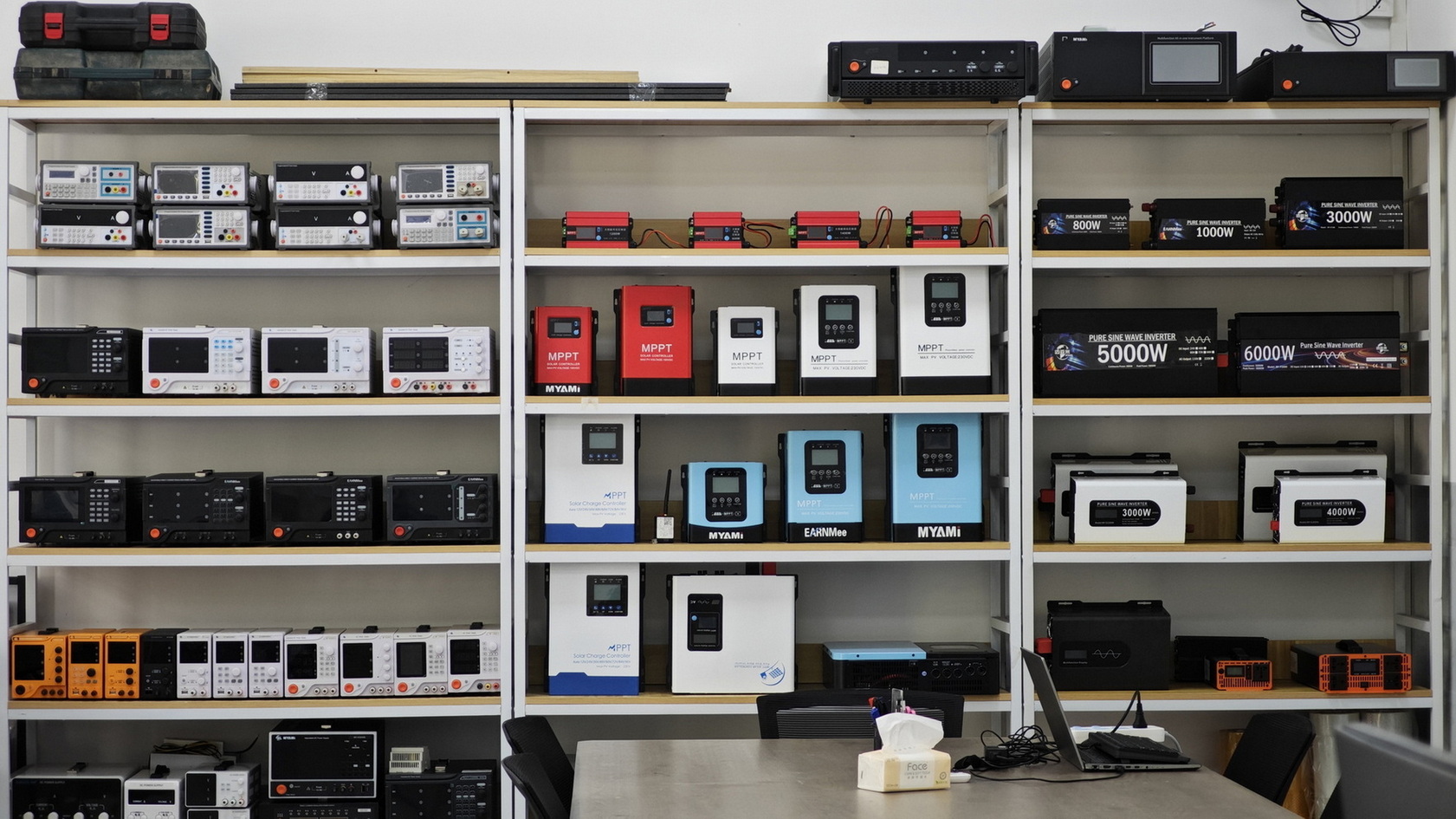
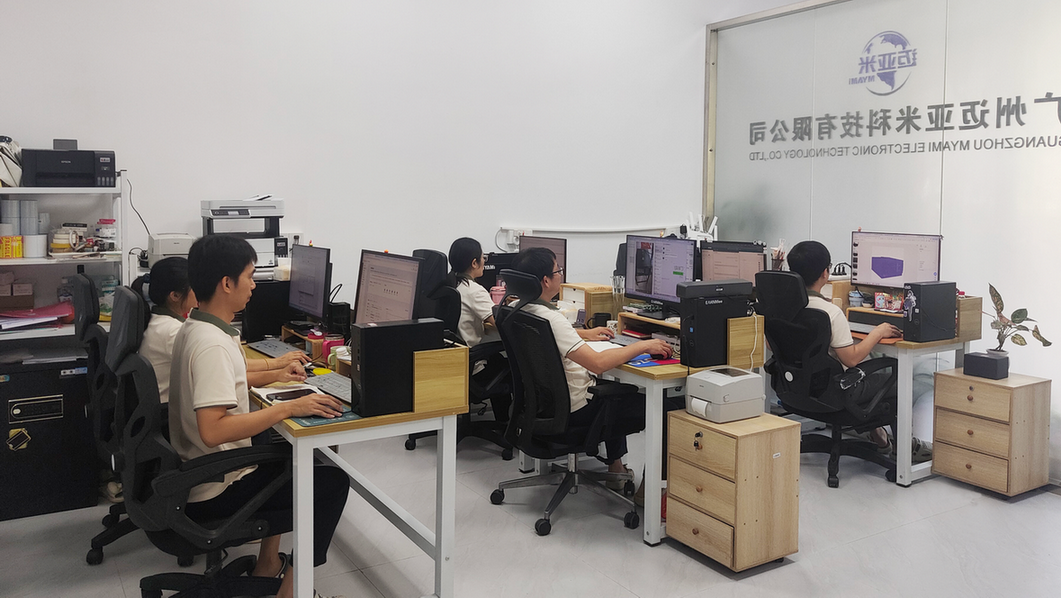
Headquartered in Shenzhen, China, Shenzhen Myami Power Technology Co., Ltd. (MYAMI) is a technology-driven manufacturer and solution provider specializing in high-precision, industrial-grade power supplies and electrical test equipment. Designed for engineering rigor, MYAMI bridges the gap between complex electronic research, high-voltage component testing, and scalable industrial automation.
Our specialized engineering portfolio focuses on four core operational pillars:
Every MYAMI system is engineered with strict multi-layer protection protocols (OVP, OCP, OTP, and short-circuit safeguards) and complies with international safety and quality standards, including CE, RoHS, and ISO9001. Integrated with standard industrial control protocols (RS485, RS232, and CAN communication), our equipment seamlessly connects to automated production lines and central PC control systems.
Today, MYAMI serves research institutions, automotive OEMs, aerospace contractors, and electronics manufacturers across North America, Europe, East Asia, and the Middle East. Whether you require a single benchtop lab power supply or a custom high-power aging system, MYAMI is your ultimate partner for precision power and uncompromised testing reliability.
Procuring load cells from a factory in China requires more than matching spec sheets. To ensure smooth deployment into North American, European, and regional industrial networks, systems must conform to localized certifications and operational environments:
Ensure your Chinese partner provides OIML (International Organization of Legal Metrology) R60 certificates for trade-approved scales, NTEP approvals for the US market, and ATEX/IECEx certifications for intrinsically safe operation in hazardous locations.
Modern factory automation relies on digital fieldbuses. Best-in-class factories offer digital load cells that communicate natively via RS485 Modbus-RTU, CANopen, EtherNet/IP, or Profibus, reducing electrical noise vulnerability relative to analog signals.
Industrial installations are plagued by voltage fluctuations. Utilizing regulated power filters or dedicated high-stability programmable DC power sources guarantees that the transducer excitation remains clear of spikes and drops.
From raw alloy steel components to finalized electrical testing calibration, observe the detailed visual flow of our advanced production steps, ensuring full traceability and high product quality.
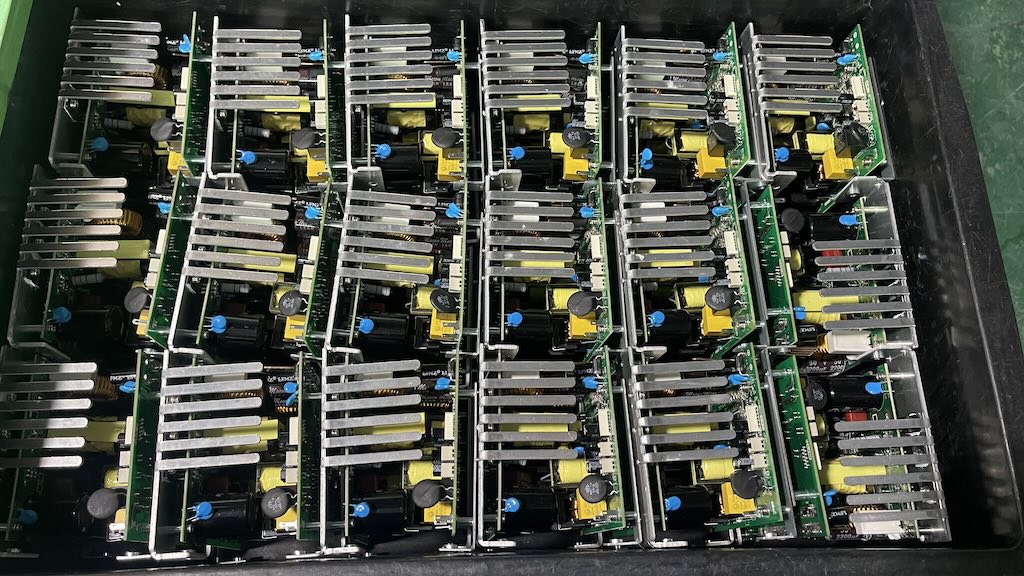 Raw Material
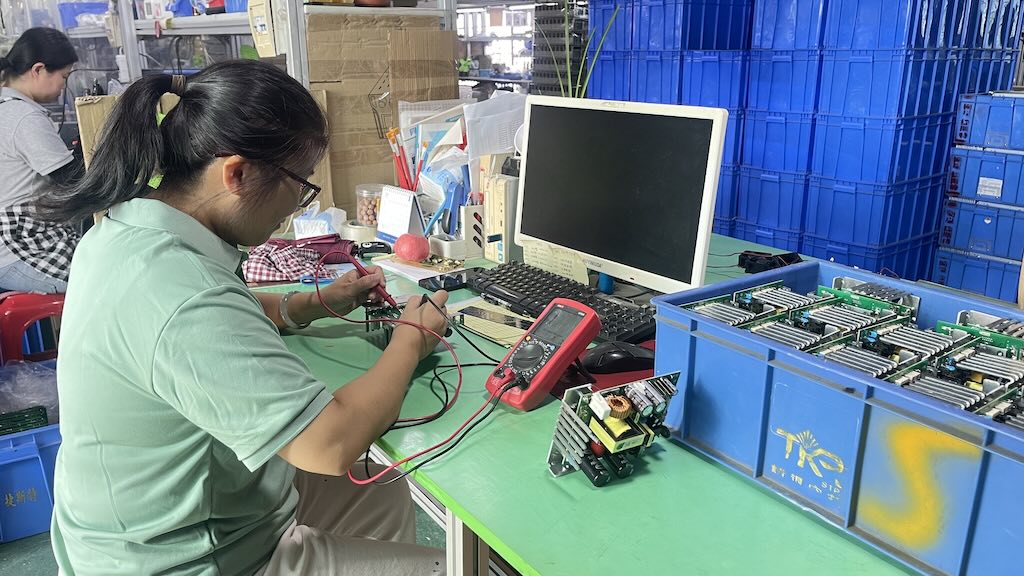 PCB Checking
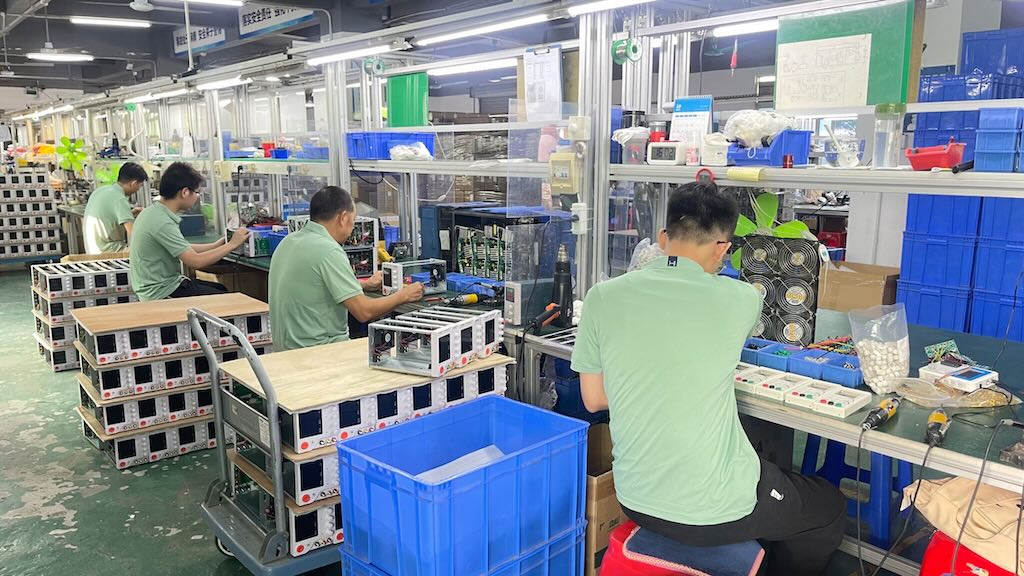 Assembling
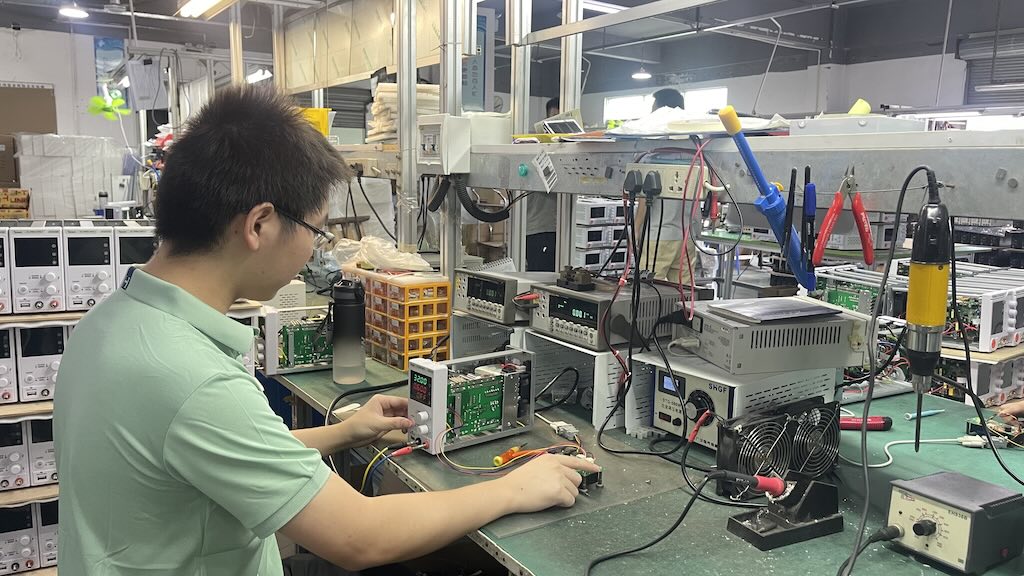 Debug
Debug
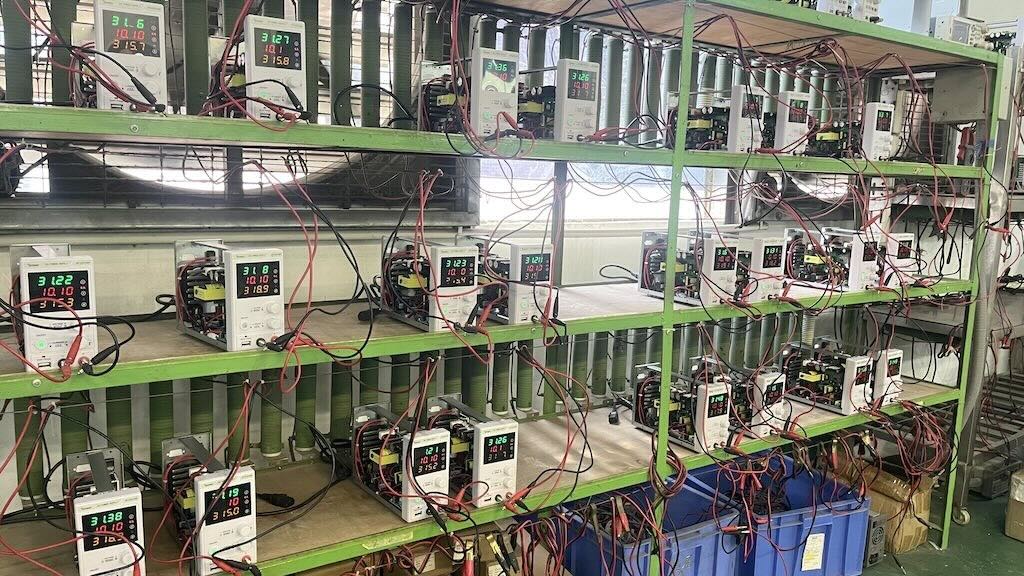 Aging
Aging
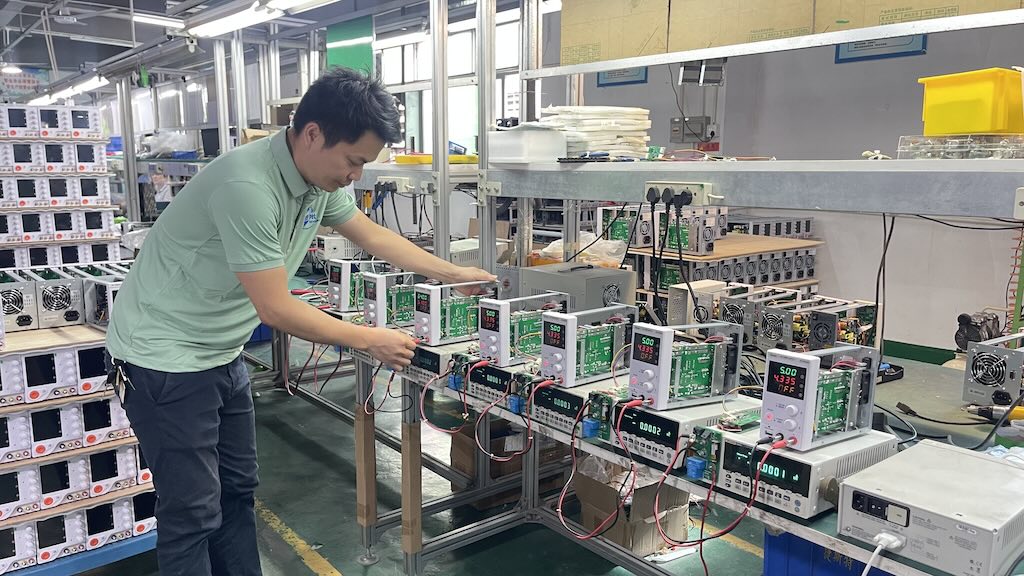 Calibration
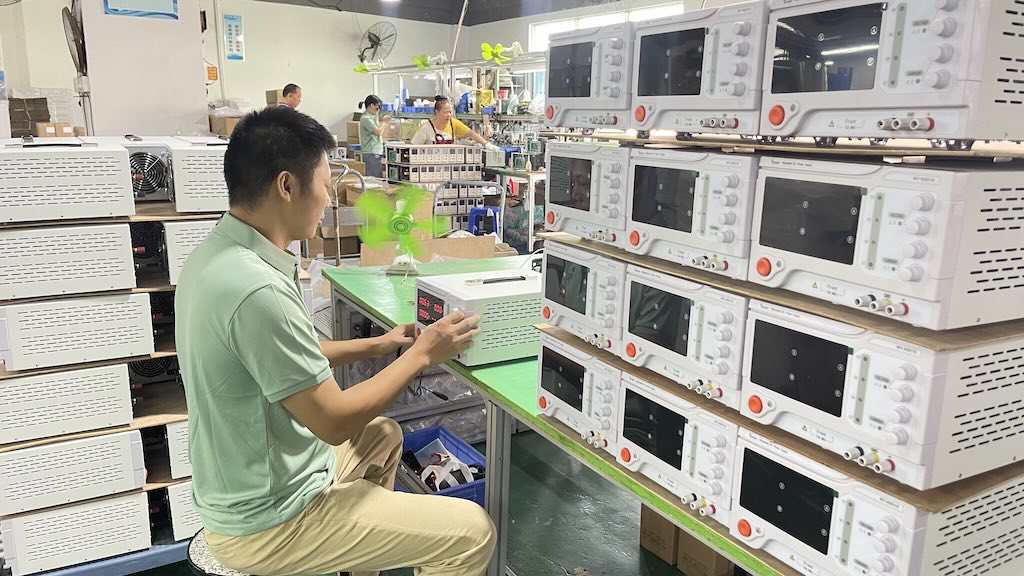 QC checking
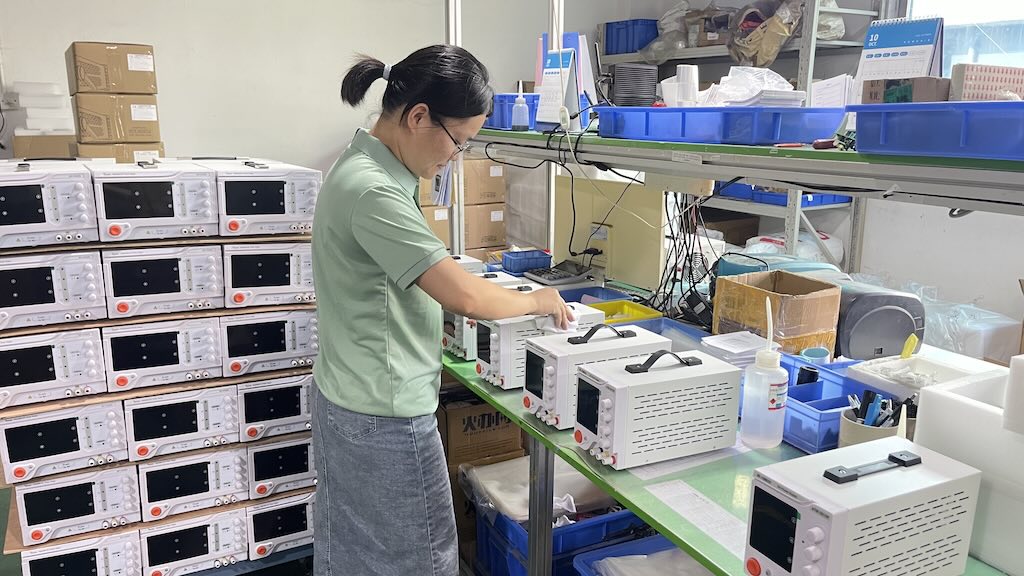 Packing
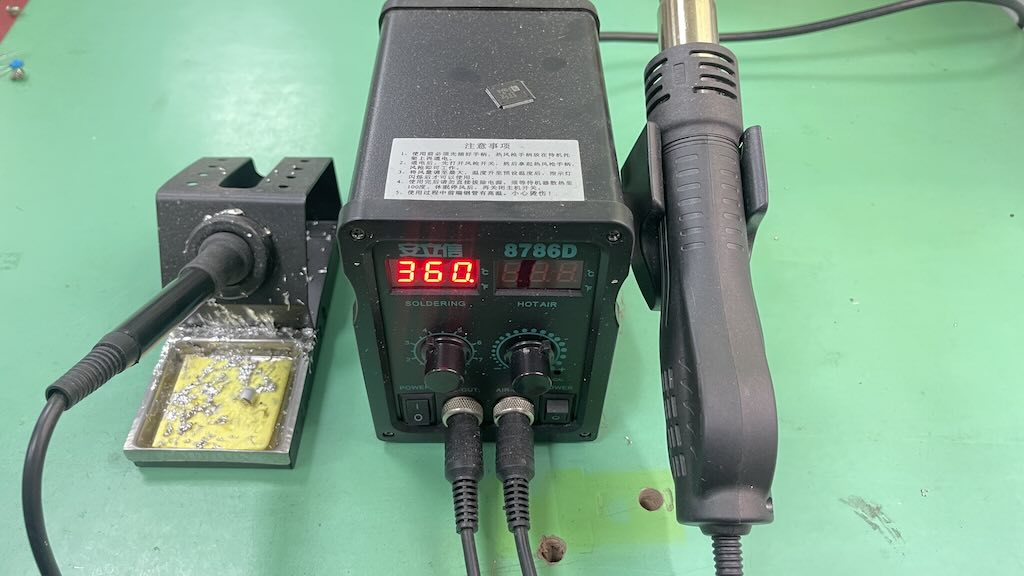 Soldering Station
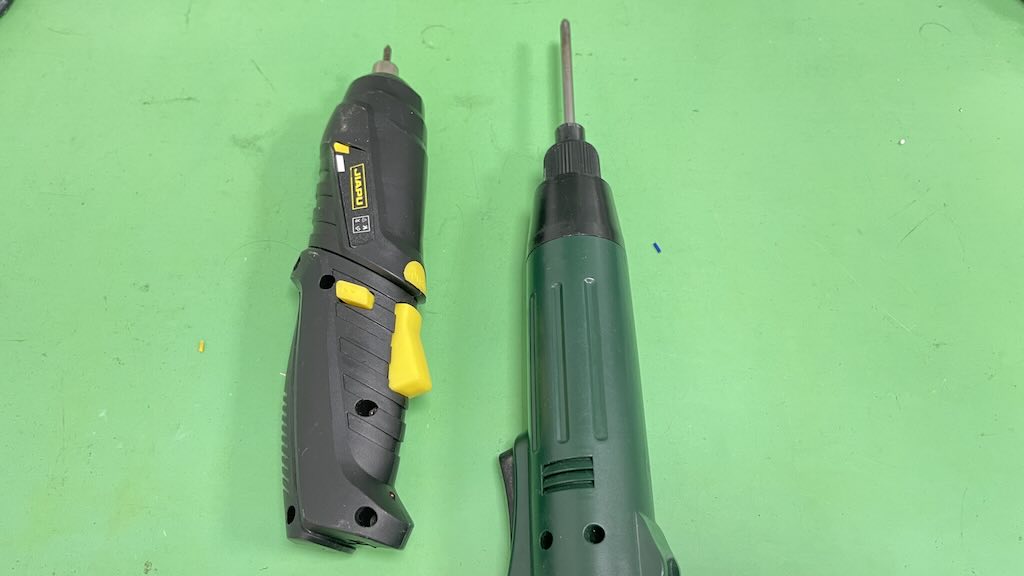 Electronic Screwdriver
The industrial weighing and structural testing markets are evolving away from simple analog load cells. Five major trends are redefining how manufacturers in China deploy, structure, and optimize their output lines:
Modern installations require transducers that monitor their own health. High-end sensors now integrate microprocessors to monitor overload events, drift parameters, and temperature limits, transmitting health reports to the PLC.
To minimize routing complexities in rotary platforms or structural monitoring sites, wireless transmitters powered by stable micro-battery systems send measurement details directly via ZigBee, Bluetooth, or cellular networks.
With the expansion of robotic surgery and advanced prosthetics, factories are producing ultra-small button cells and tension strips designed to operate on milliwatts of power while maintaining sub-gram sensitivity levels.
Modern aerospace wind tunnels and industrial robotic joints require simultaneous measurement of forces along X, Y, and Z directions, plus torsional moments, necessitating complex calibration techniques.
Our engineers run multi-point validation routines. To prevent external electrical interference from affecting the microvolt scale measurements, we deploy a suite of specialized diagnostic equipment:
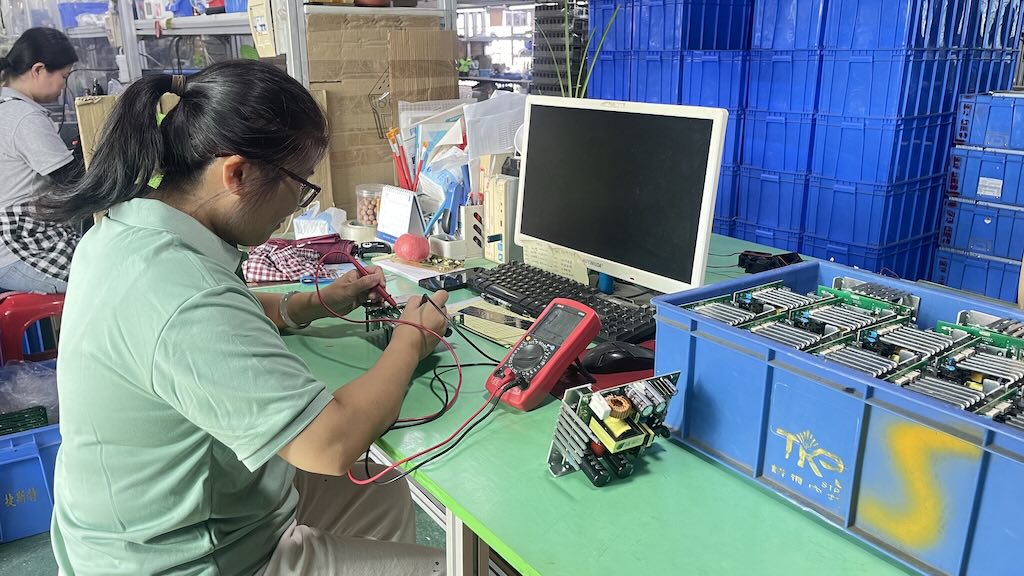 PCB Check
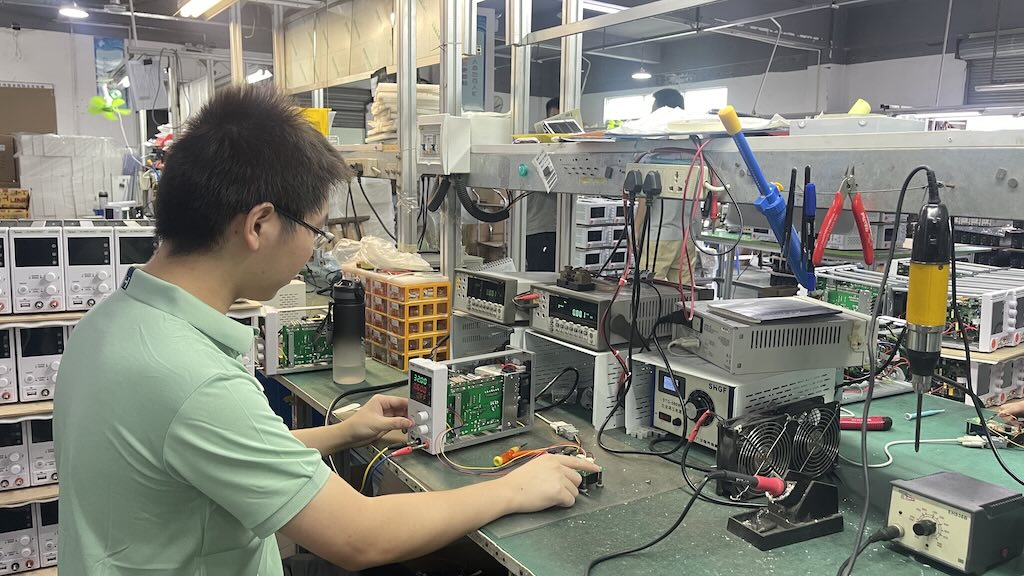 Debug
Debug
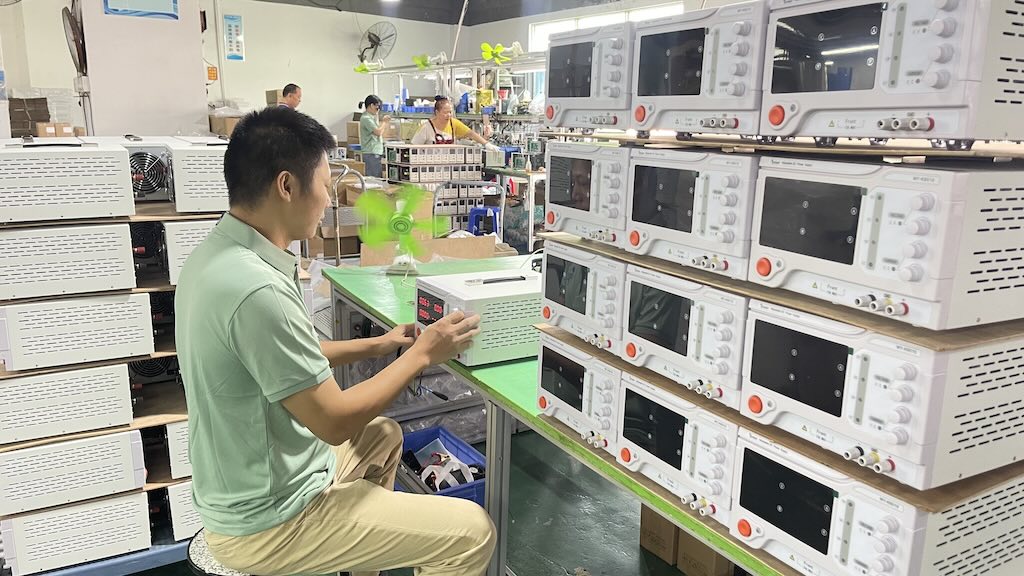 QC check
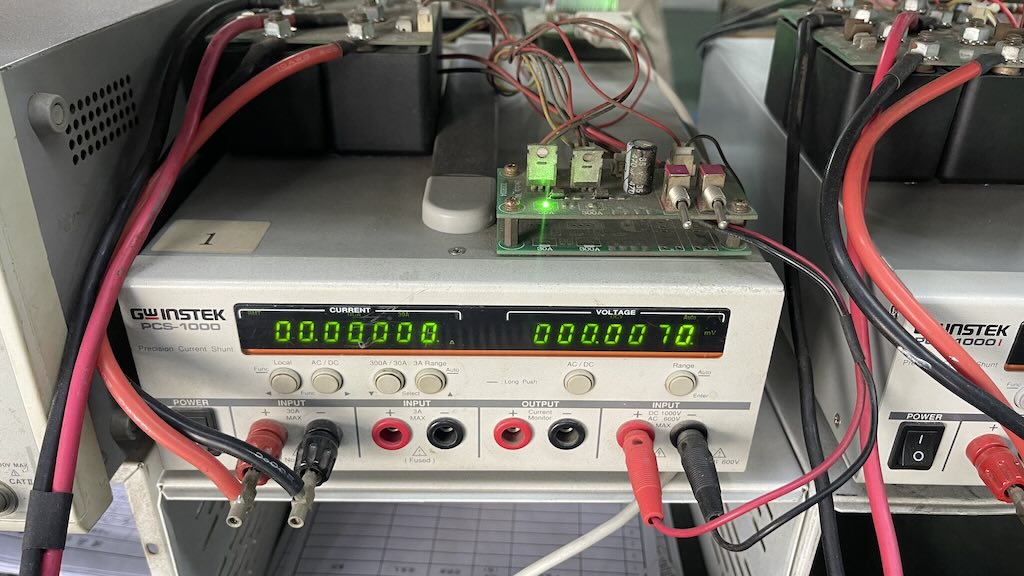 Multimeter
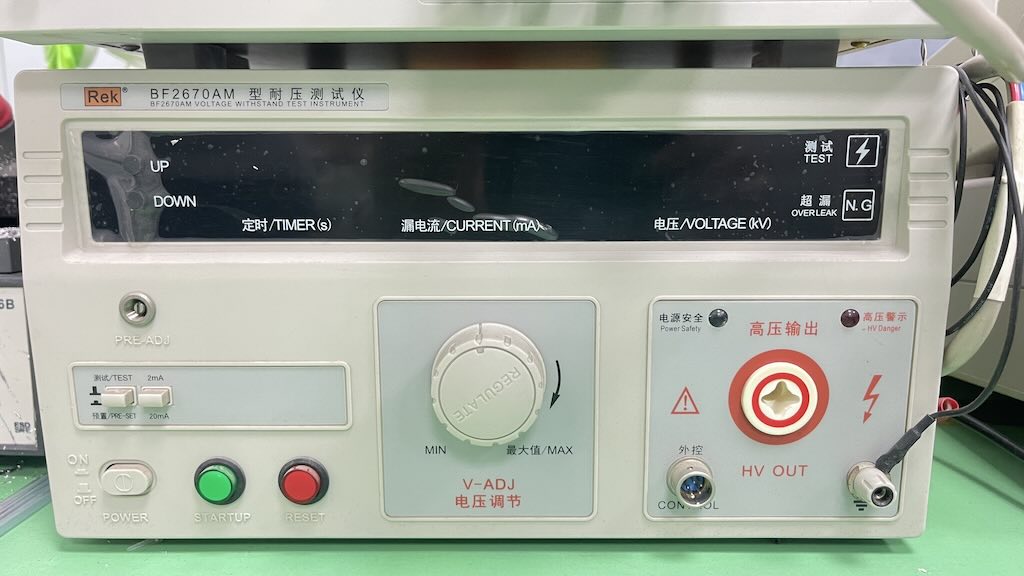 Hi-pot Tester
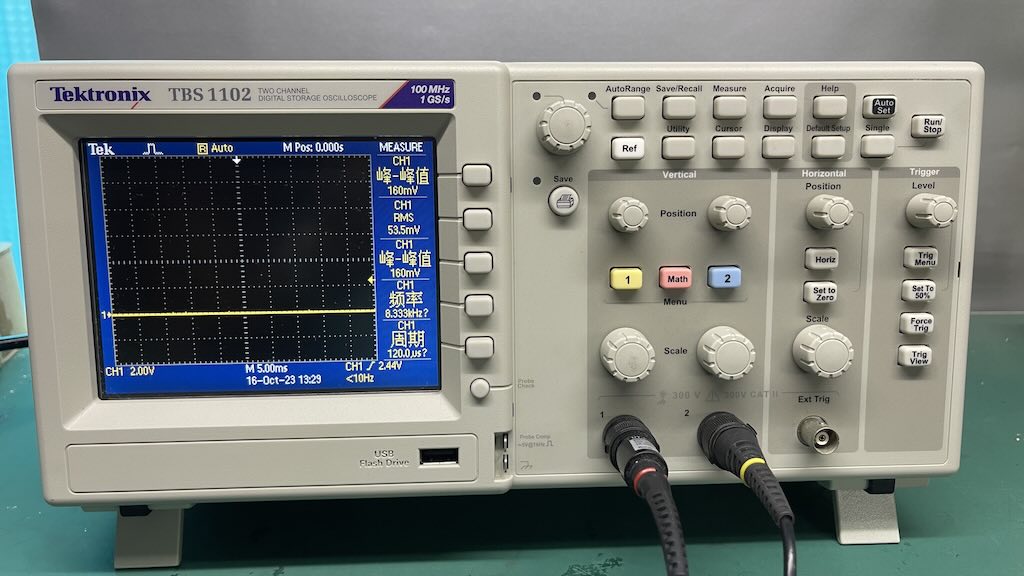 Oscilloscope
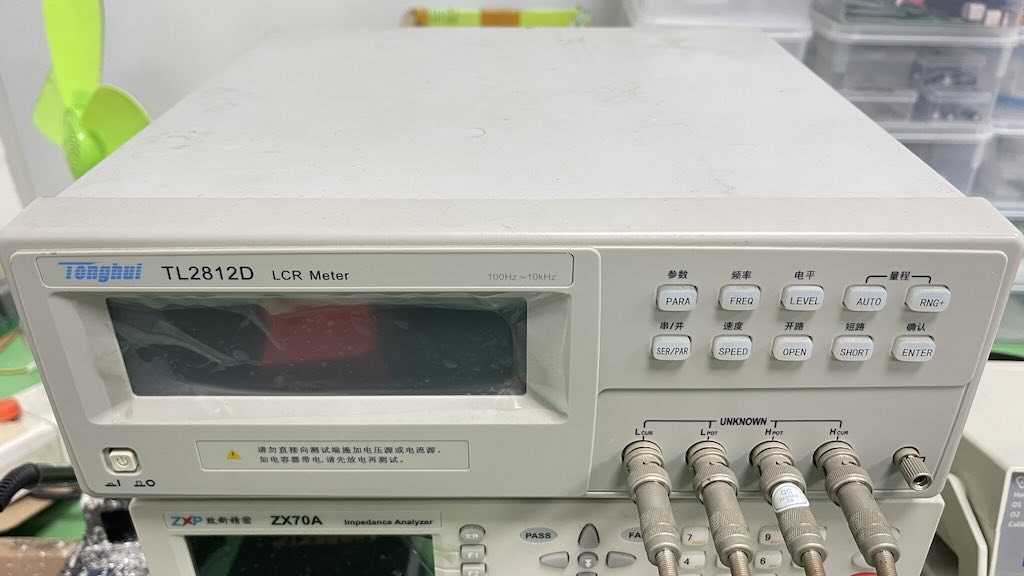 LCR Meter
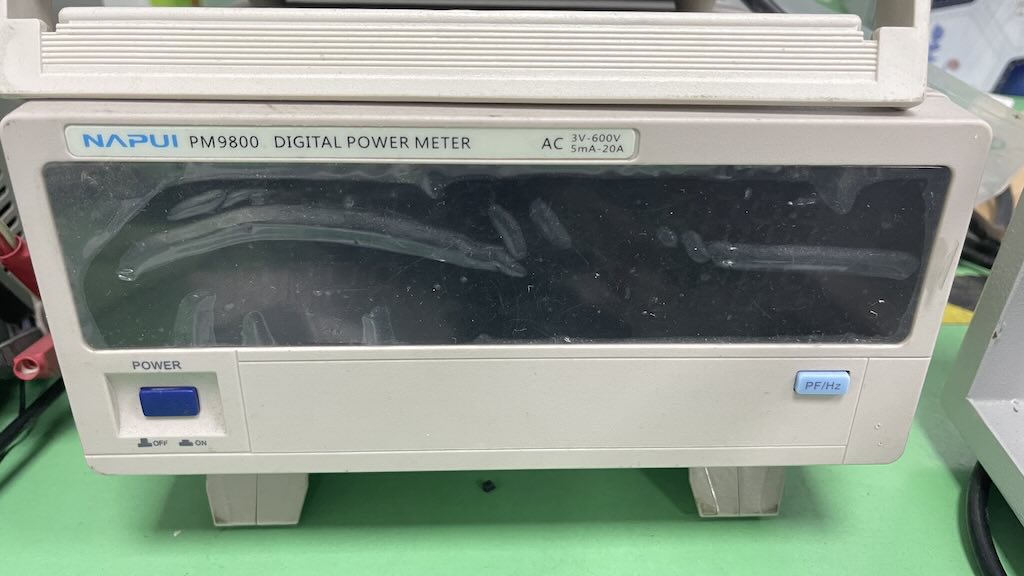 Digital power meter
In addition to production line checking, our R&D team designs long-term stability matrices. Below is our design validation process with integrated analysis instruments:
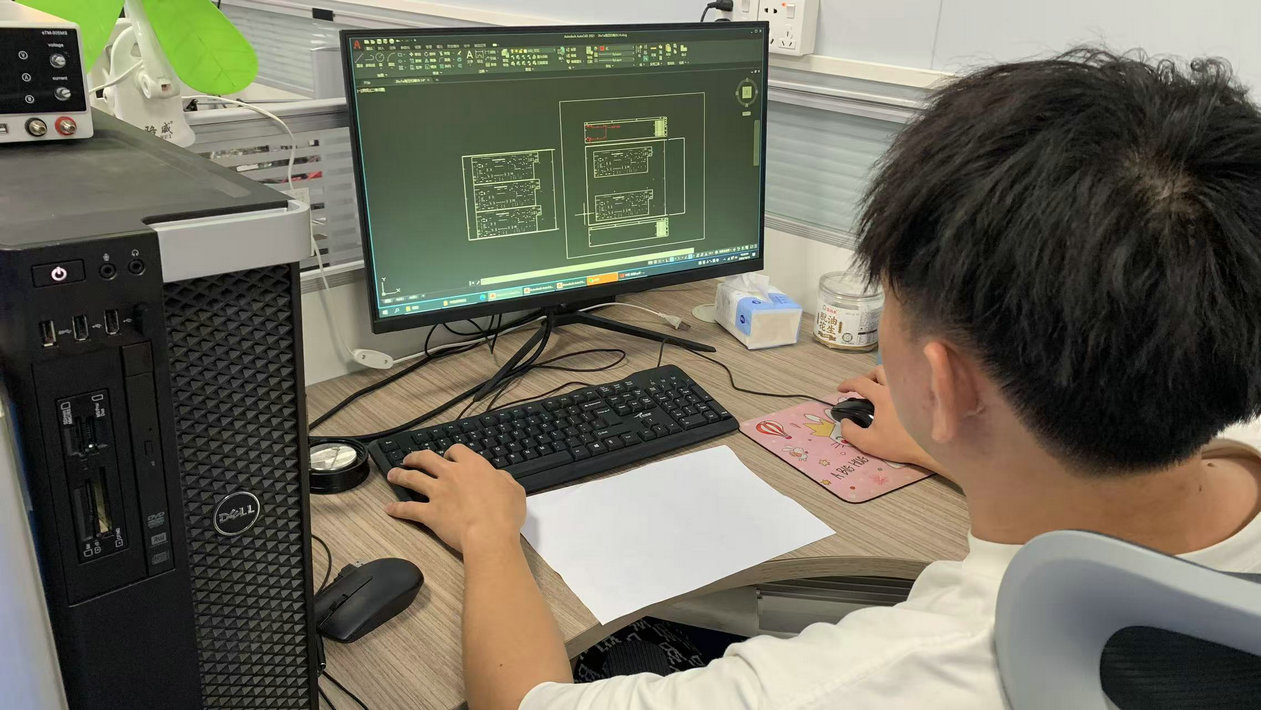 Design
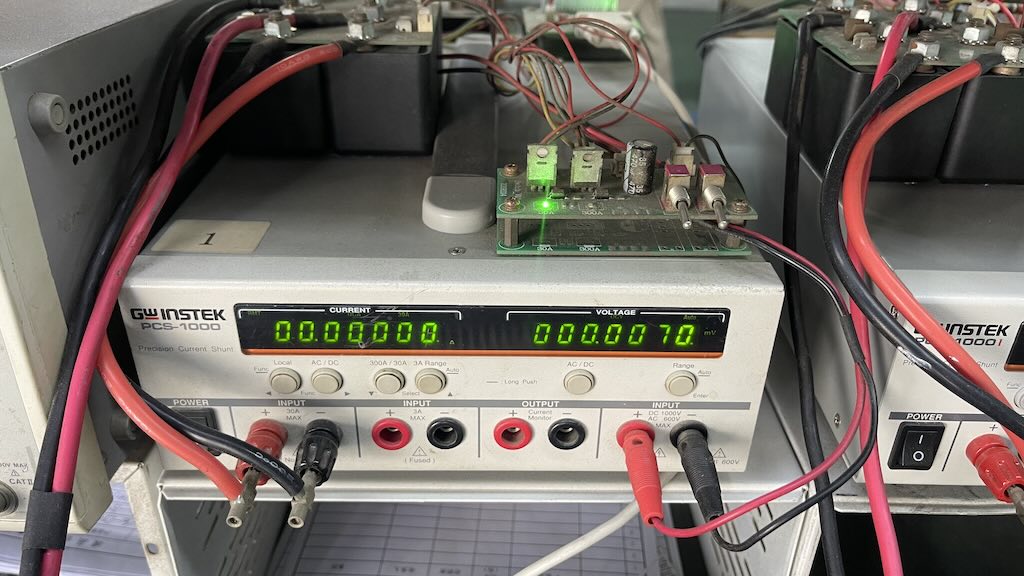 Multimeter
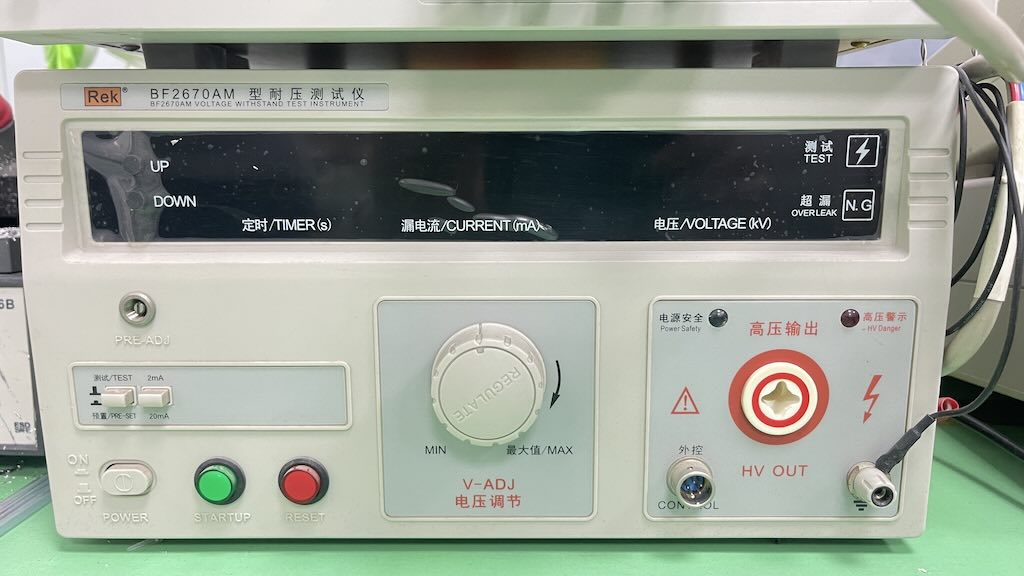 Hi-pot Tester
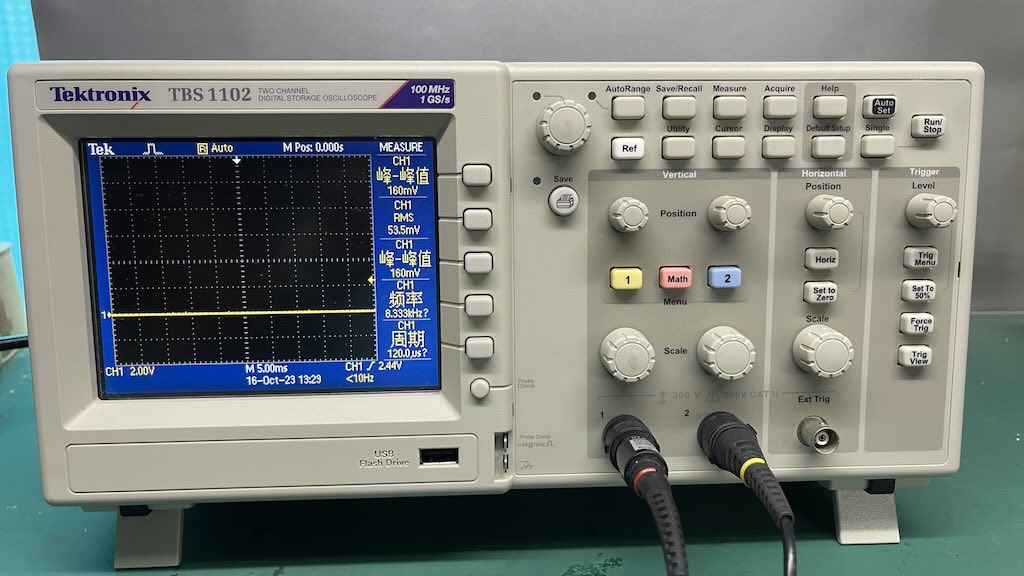 Oscilloscope
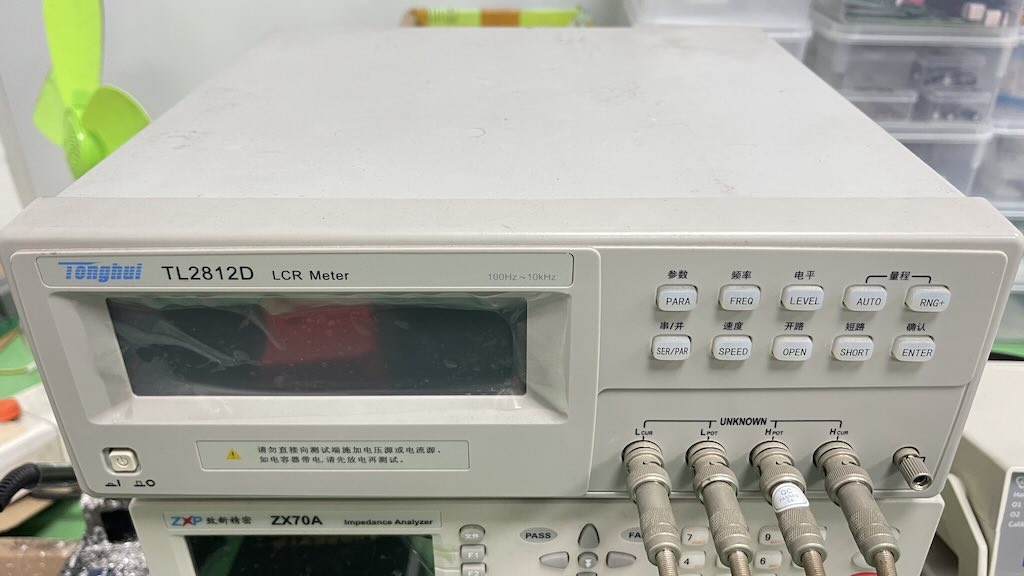 LCR Meter
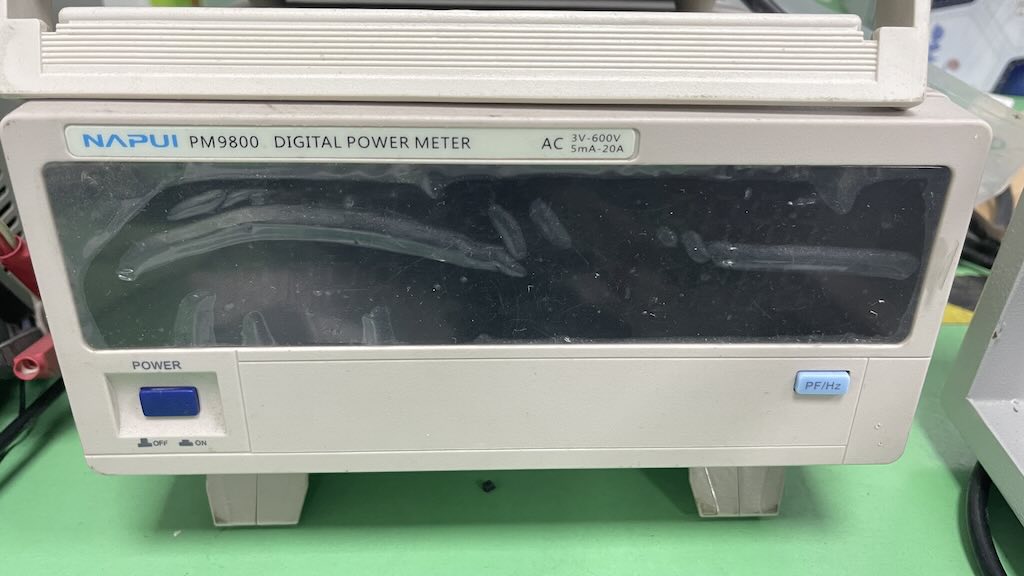 Digital power meter
To aid in your vendor evaluation and system deployment, our engineering group has addressed key procurement questions:
Shear beam load cells measure shear strain and are typically utilized for multi-sensor weighing configurations (e.g., floor scales or hopper scales). Compression load cells are configured to measure axial compression forces directly, ideal for large truck scales, silos, and materials testing machines. Higher-end models incorporate premium alloy materials, hermetic sealing, and advanced temperature-drift compensation.
Since analog strain gauge load cells operate as ratiometric transducers, the output voltage (measured in millivolts) is directly proportional to both the force applied and the excitation voltage supplied. Any ripple, drift, or noise from an unregulated power supply translates directly into erroneous reading spikes. For highly accurate OIML C3/C4 certification, using a low-noise, programmable DC supply with sense terminal capability is required to maintain zero-voltage deviation at the sensor terminals.
Changes in temperature affect both the elastomer's elasticity modulus and the electrical resistance properties of the bonded strain gauges. Reliable Chinese load cell factories perform structural temperature compensation during assembly, utilizing integrated thermal resistor paths to stabilize the sensor output over a wide temperature range, typically -10°C to +40°C.
For legal-for-trade commercial weighing applications, you must check for OIML R60 certification (for Europe and other international markets) and NTEP approvals (specifically for the United States). For industrial environments containing explosive dusts or gases, ATEX or IECEx intrinsic safety certification is required. General electrical safety compliance requires CE, FCC, and RoHS declarations.
Explore our complete range of specialized equipment engineered to provide stable electrical foundations for industrial scale networks, sensor testing, and factory calibration procedures:
 Myami Power