Explore our flagship precision power systems engineered for electronics R&D, semiconductor evaluation, and automation.
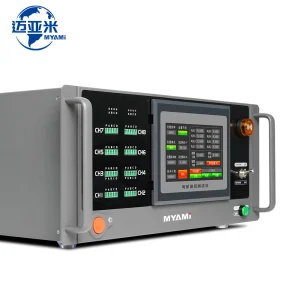

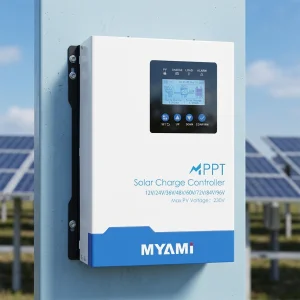

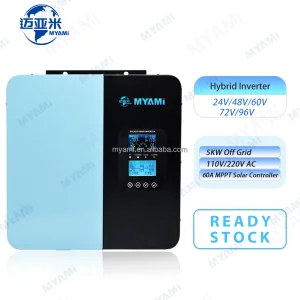
Headquartered in the global hardware capital Shenzhen, China, MYAMI is a technology-driven manufacturer and solution provider specializing in high-precision, industrial-grade power supplies and electrical test equipment. Engineered for rigorous performance, MYAMI bridges the gap between complex electronic research, high-voltage component testing, and scalable industrial automation.
By implementing advanced switching topologies, microsecond-level transient responses, and active thermal management, our engineering teams build hardware that stands up to the requirements of automotive OEMs, military-aerospace contractors, and semiconductor fabs worldwide. Every design reflects a commitment to minimizing electrical noise, maximizing efficiency, and providing stable source output.
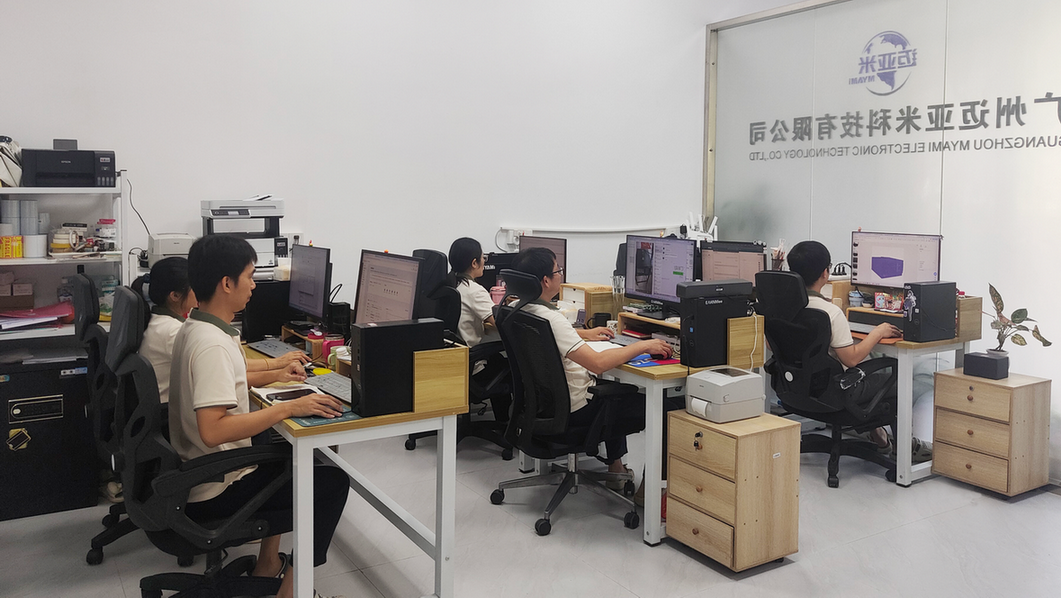
Four structural focus areas designed to address critical power challenges across the product life cycle.
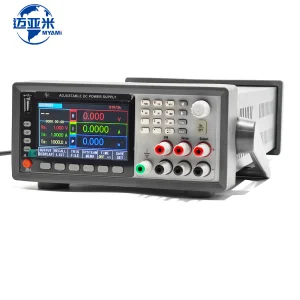
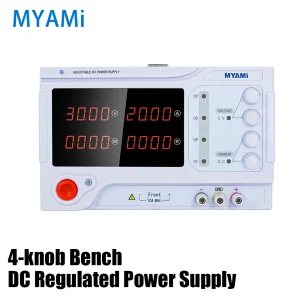
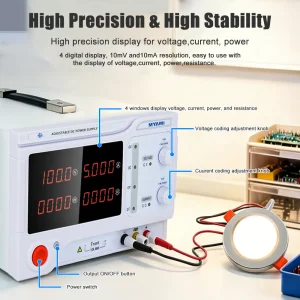
Featuring multi-digit LED/LCD displays, ultra-low ripple, and rapid transient response. Optimized for precision electronics R&D, semiconductor evaluation, and PCB debugging.
Delivering high-current, high-voltage DC/AC regulated power systems (ranging up to hundreds of volts and amperes) built for industrial motor drives, electroplating rectifiers, and heavy-duty component burn-in testing.
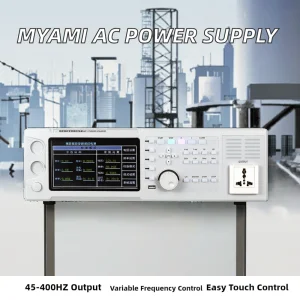
Providing specialized DC power units, battery simulators, and variable AC power sources engineered for Electric Vehicle (EV) On-Board Chargers (OBC), BMS evaluation, and solar inverter testing.
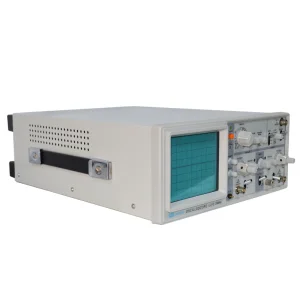
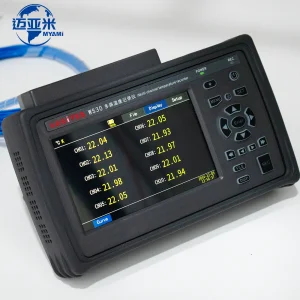
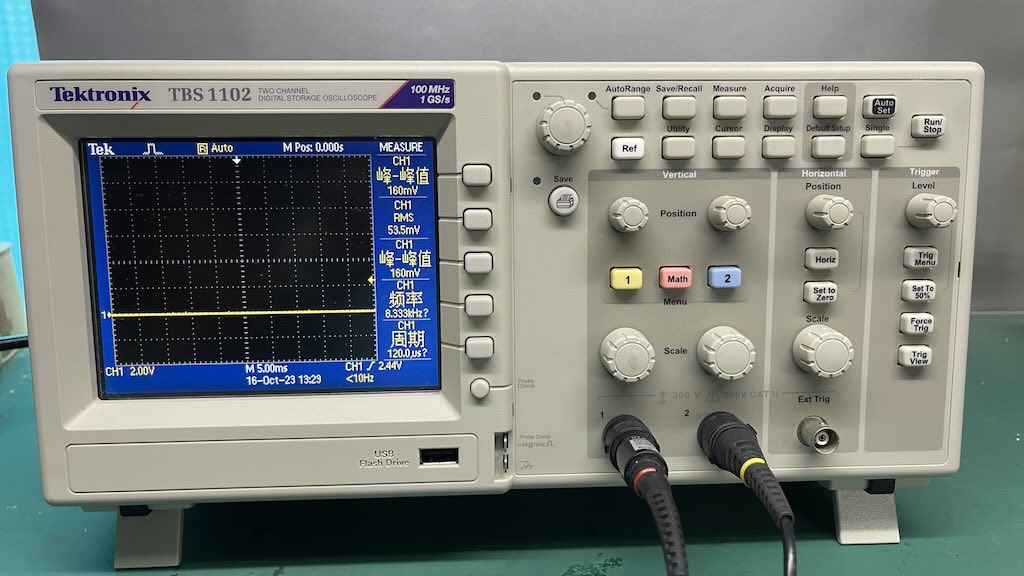
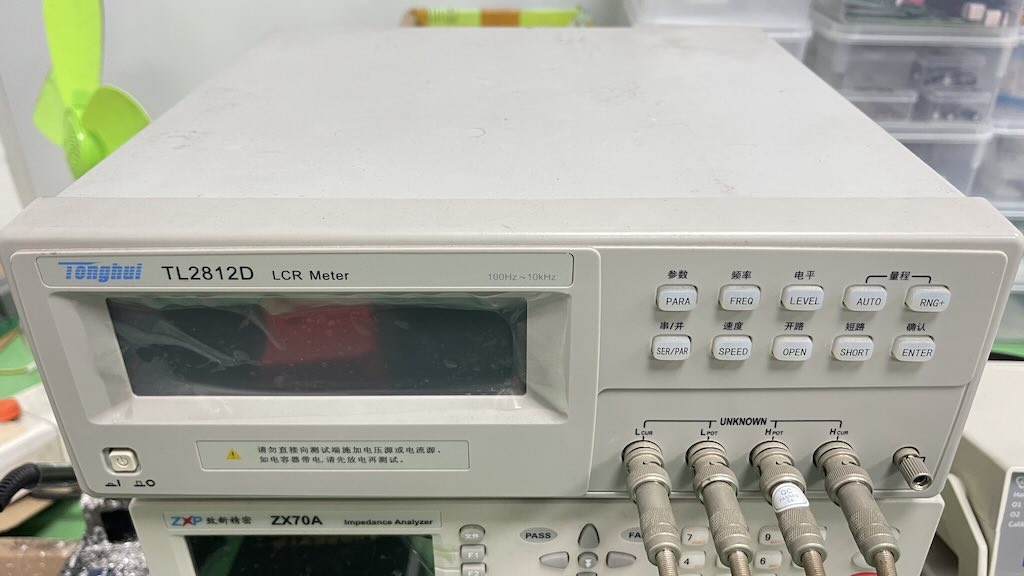
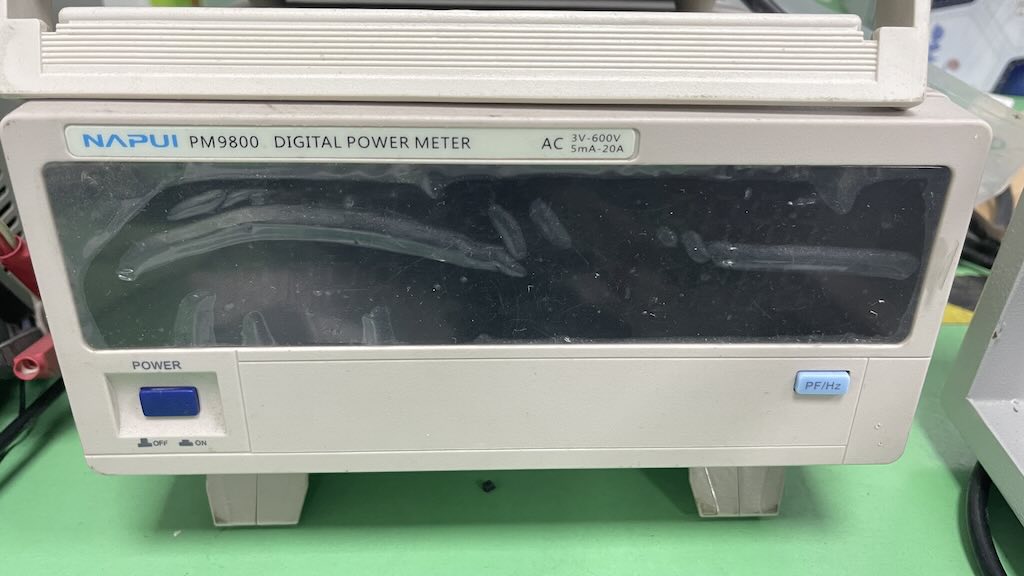
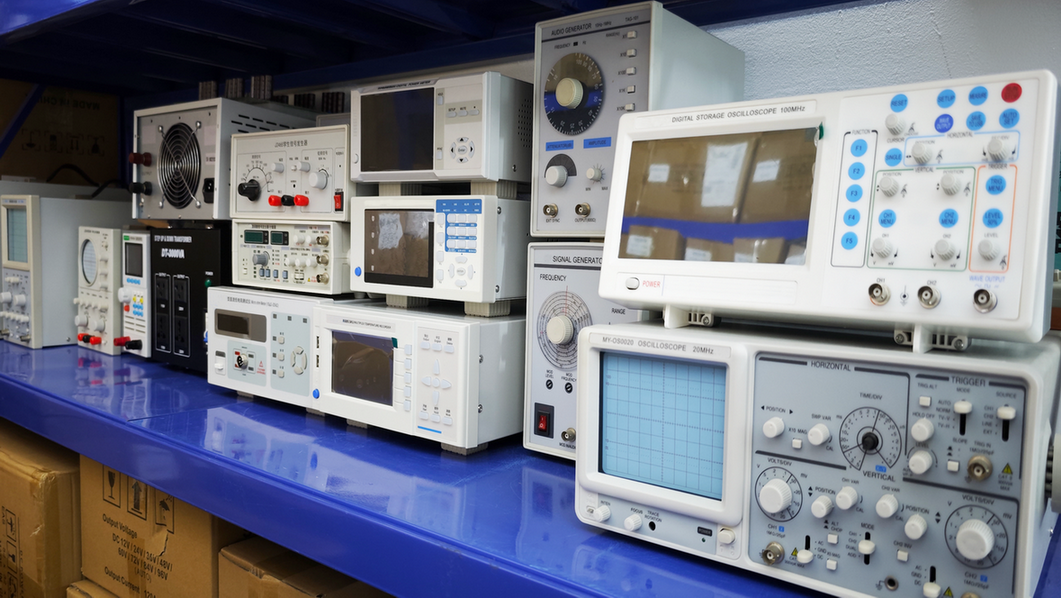
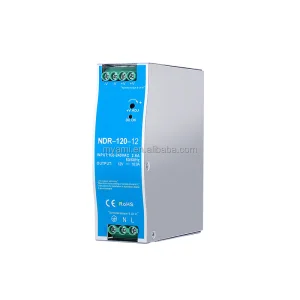
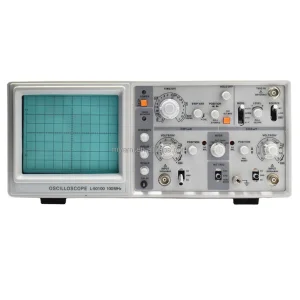
Supplying complementary benchtop engineering solutions, including digital oscilloscopes, LCR meters, multichannel temperature loggers, and specialized AC voltage regulators for global laboratories.
Every MYAMI system is built with multi-layer hardware protection safeguards, including Over-Voltage Protection (OVP), Over-Current Protection (OCP), Over-Temperature Protection (OTP), and short-circuit protection. Integrated with standard industrial control protocols (RS485, RS232, and CAN communication), our equipment connects to automated production lines and centralized PLC/PC setups to support Industry 4.0 applications.
We trace every power supply through a rigorous 10-step assembly, calibration, and validation workflow to ensure field reliability.
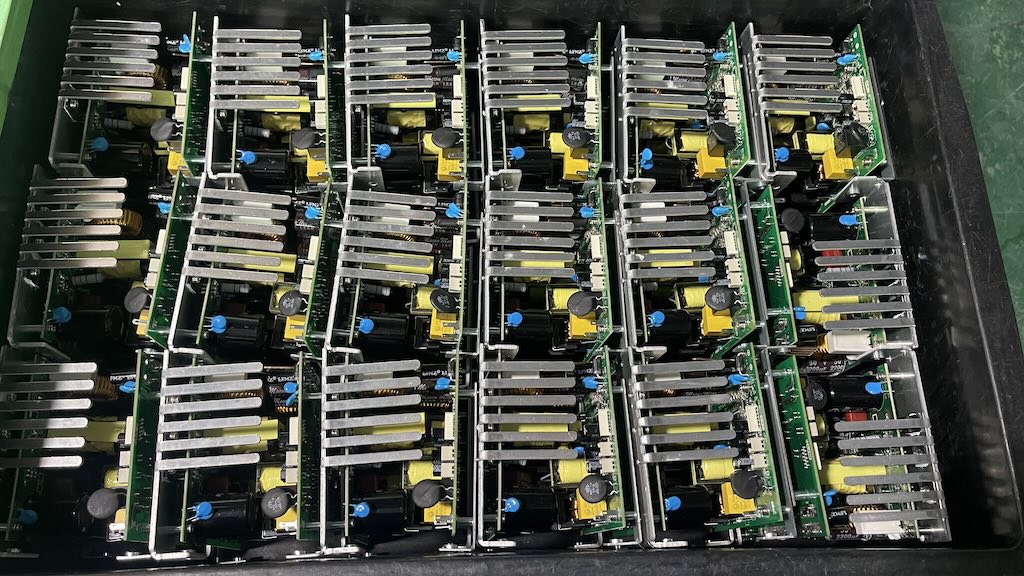
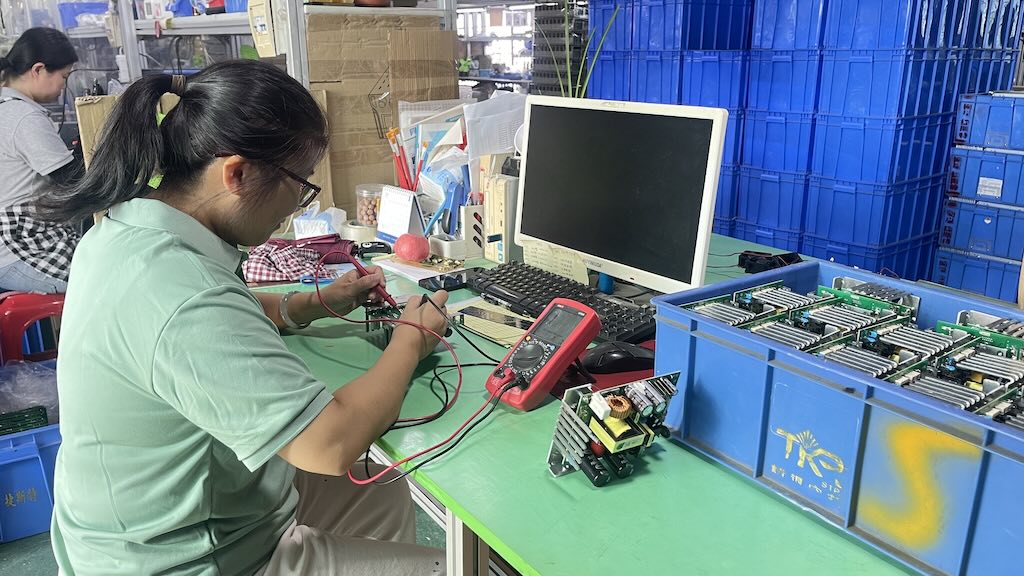
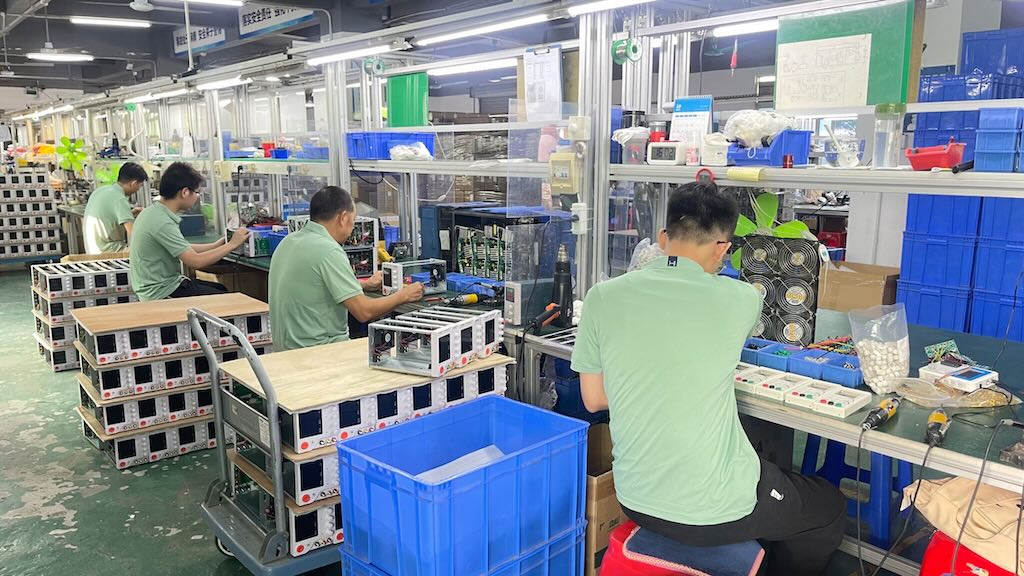
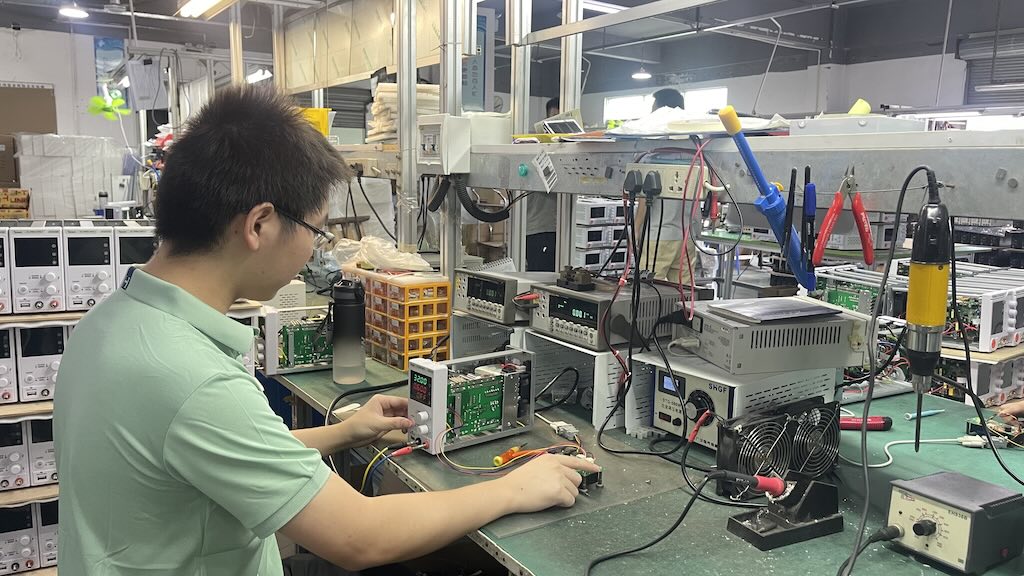
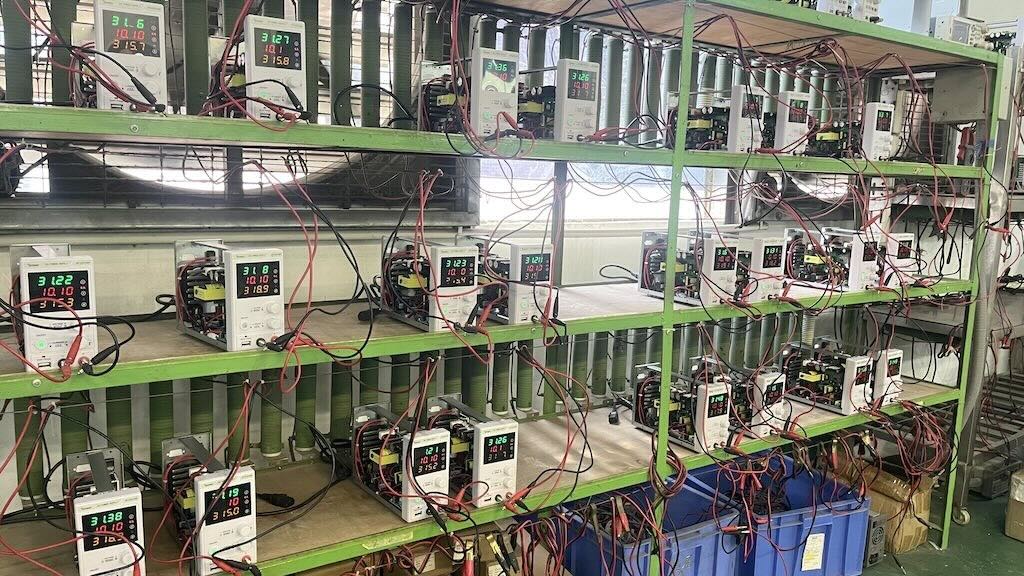
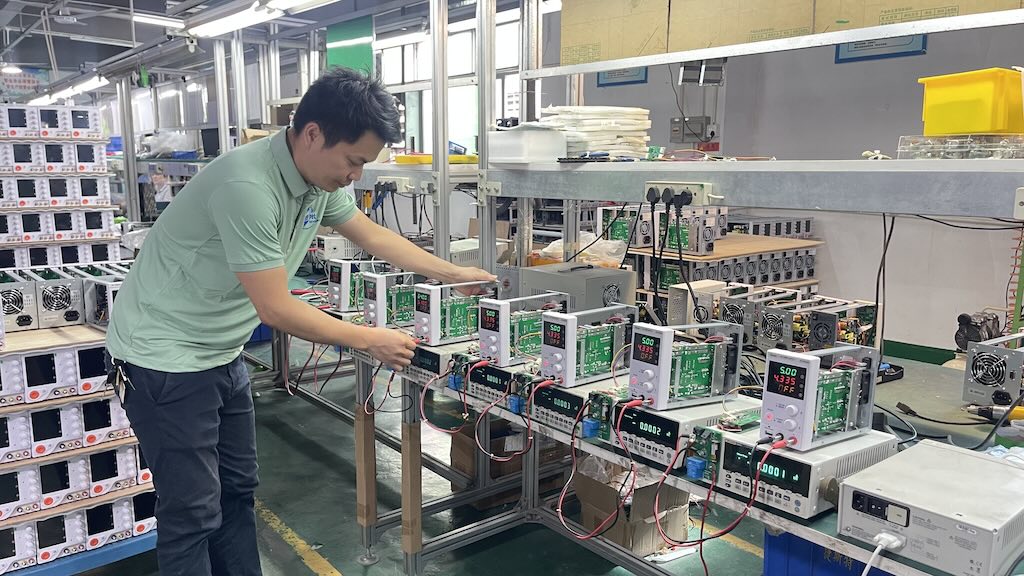
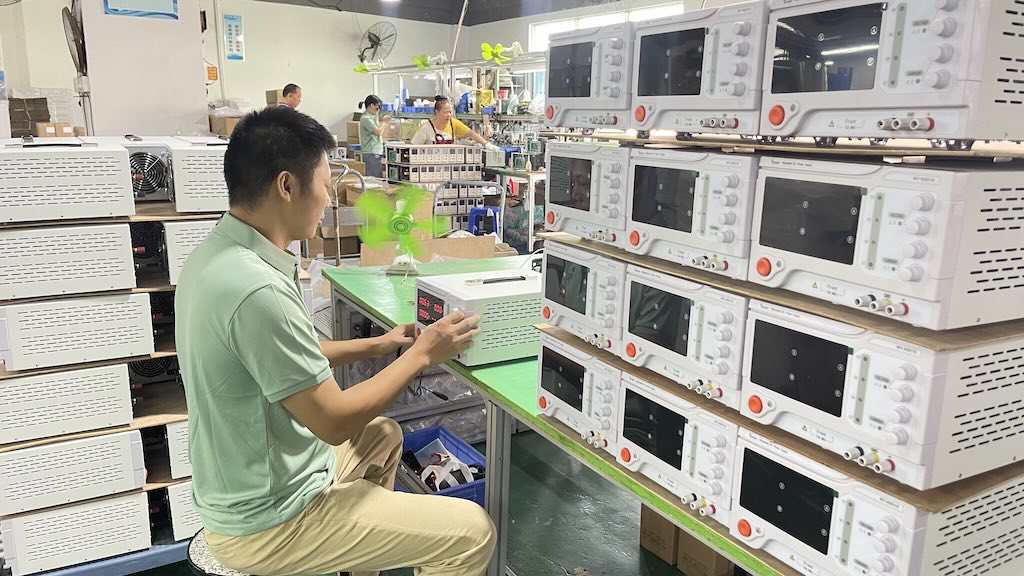
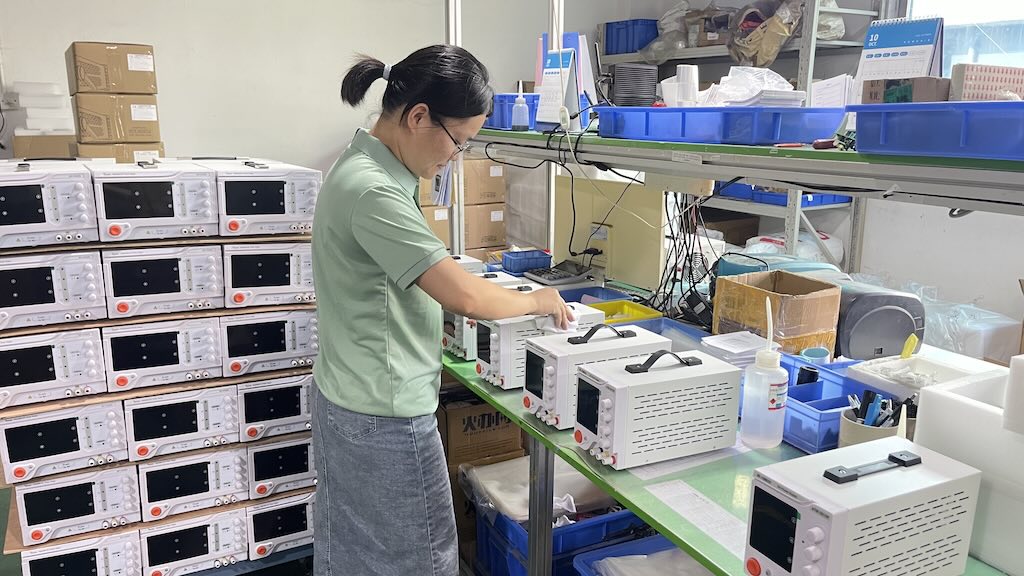
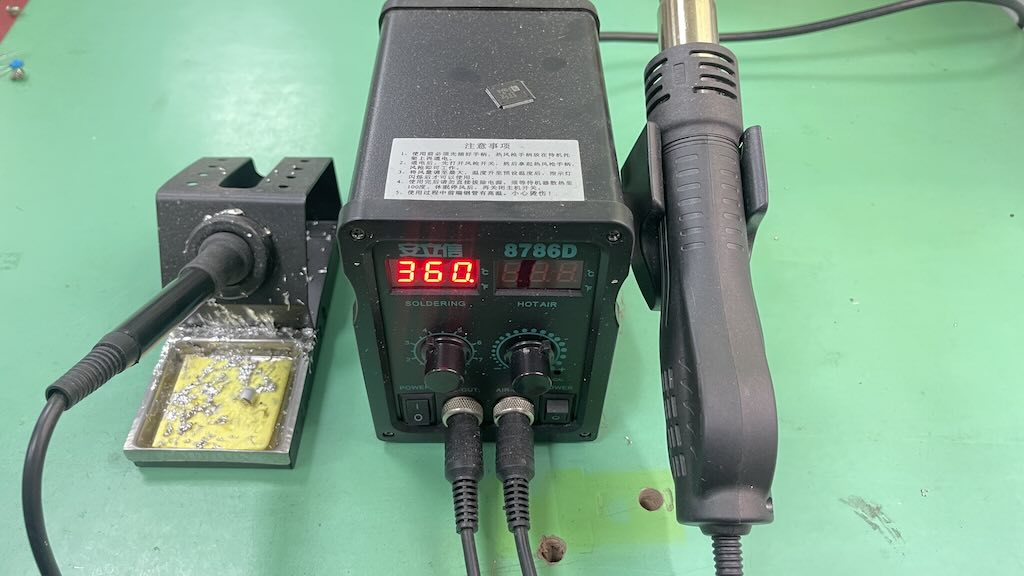
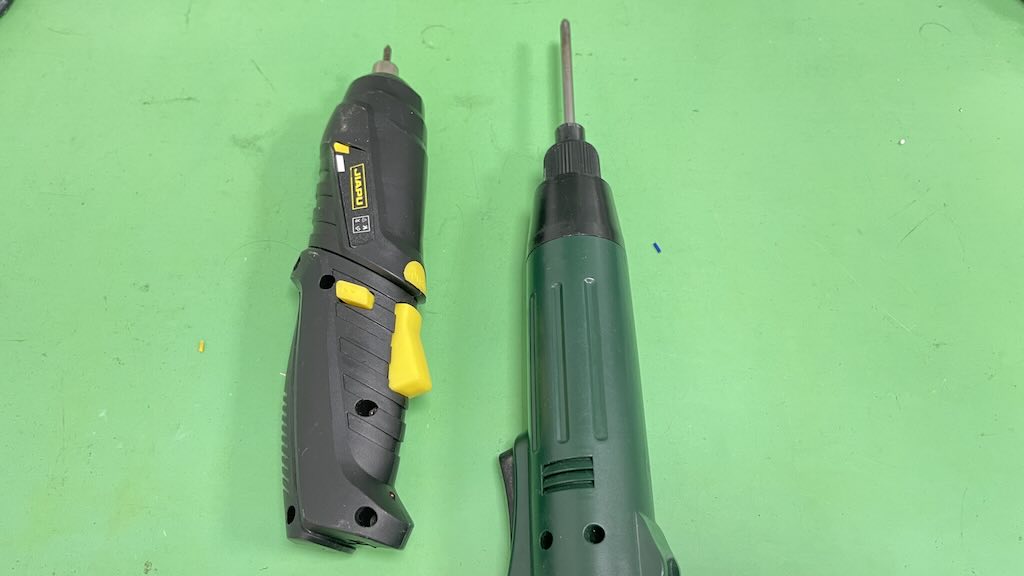
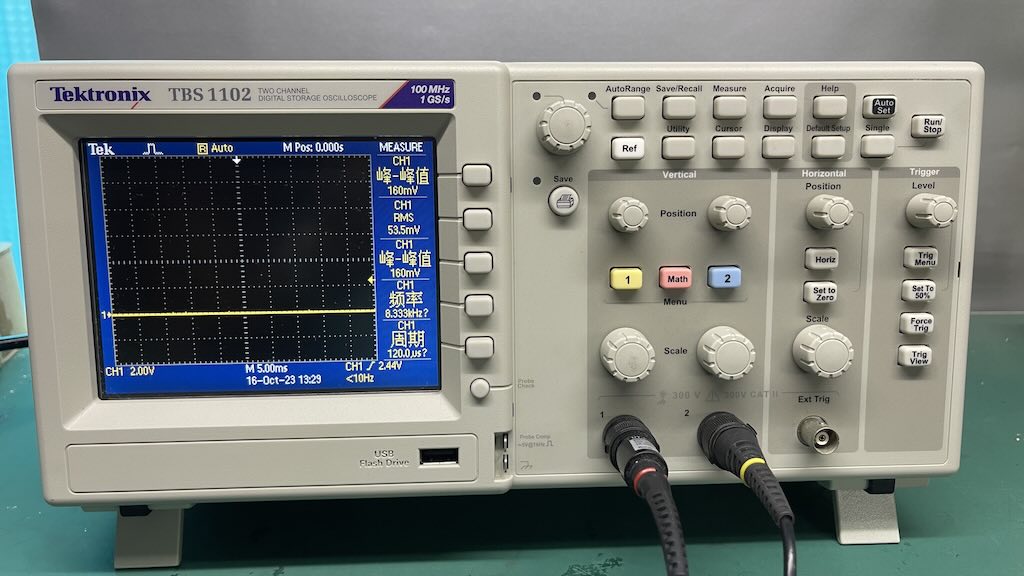
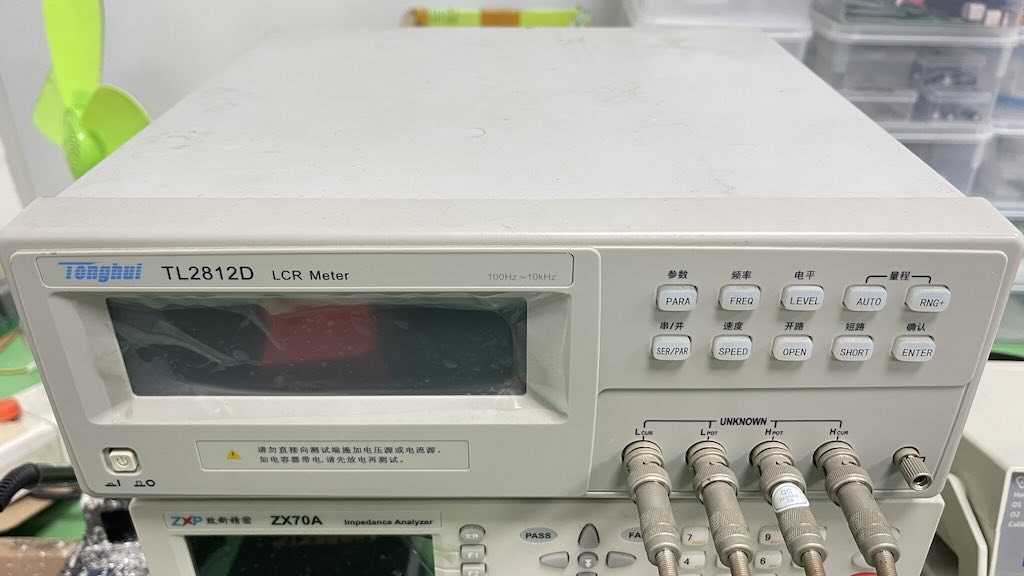
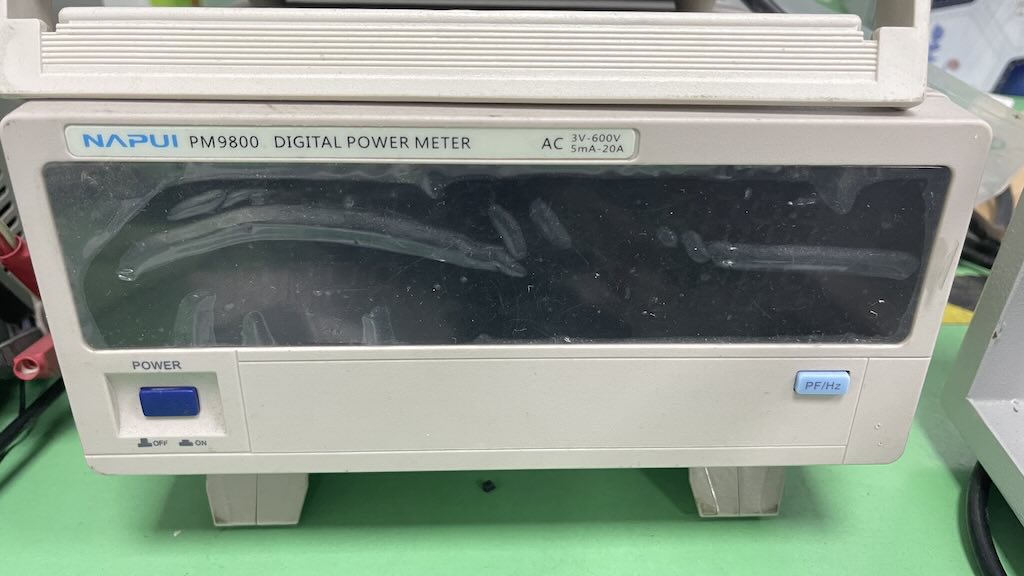
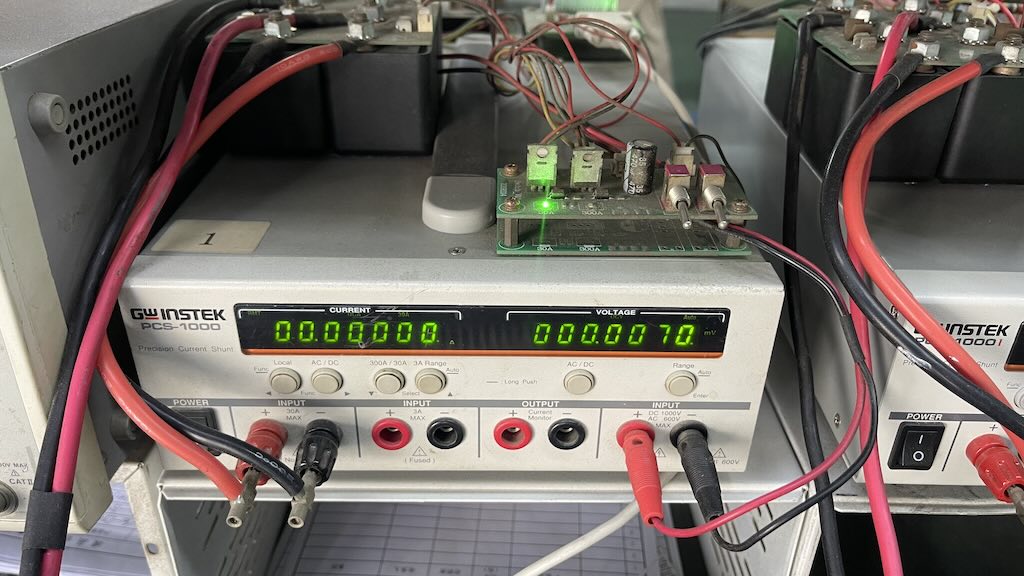
We deploy high-resolution calibration equipment to verify accuracy down to millivolt and milliampere thresholds.
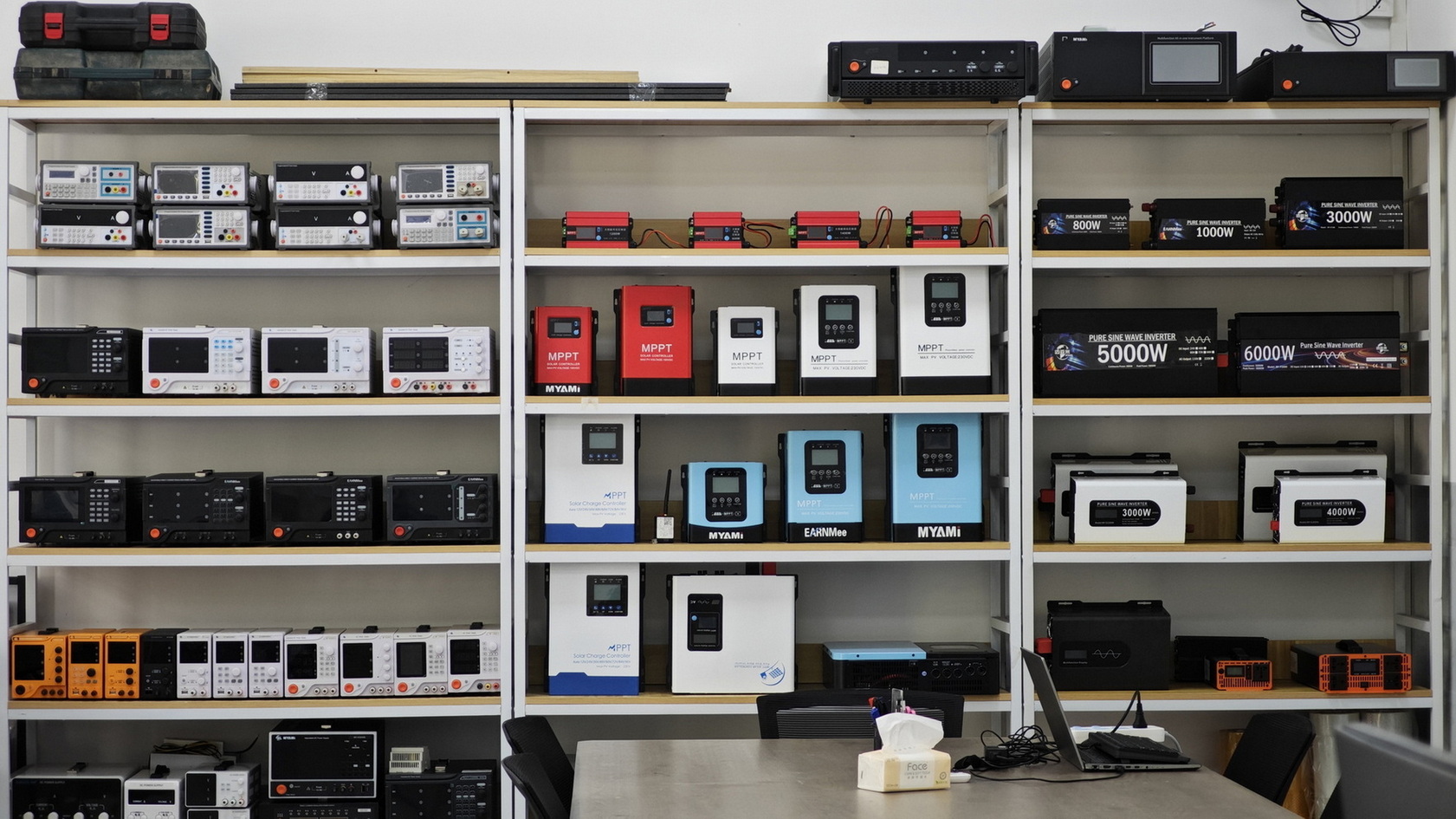
Our quality control program is built on precision testing. By utilizing automated testing systems alongside manual validation steps, we inspect every power switch and DC supply configuration under real-world load conditions.
From checking trace impedances on PCBs to performing multi-point calibration on digital voltmeters, our standard operating procedures ensure that transient response profiles and noise characteristics meet our specifications before shipment.
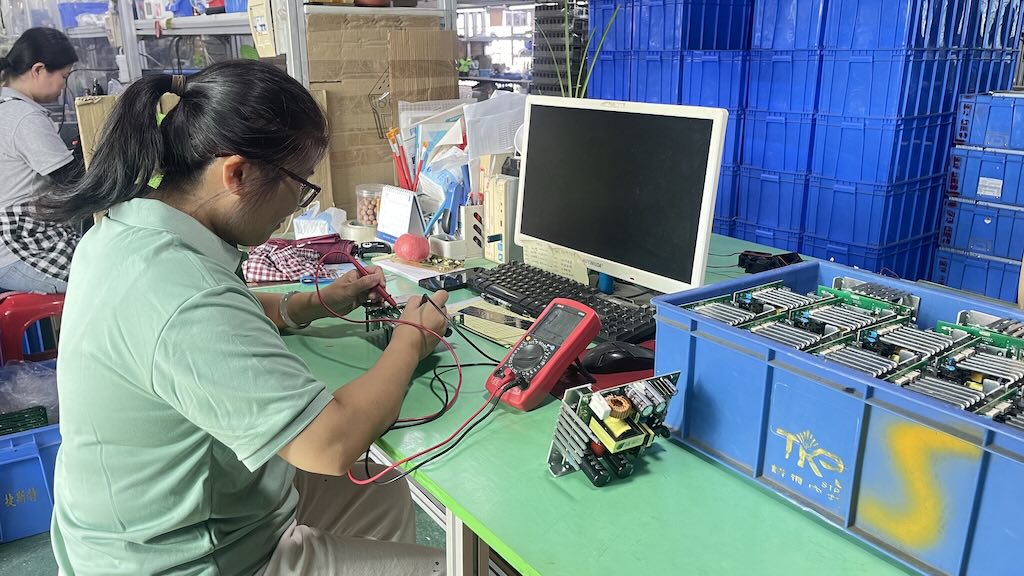
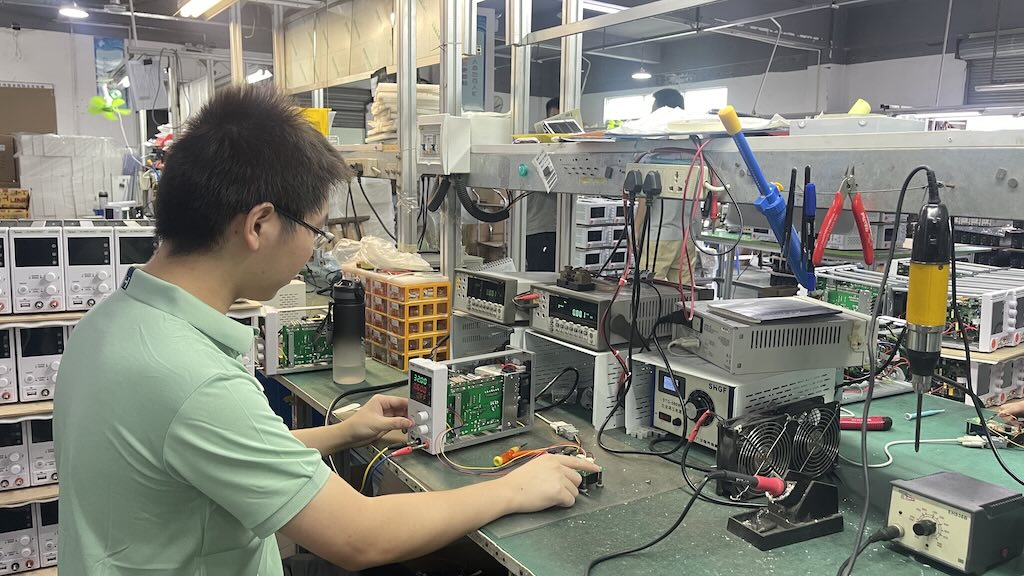
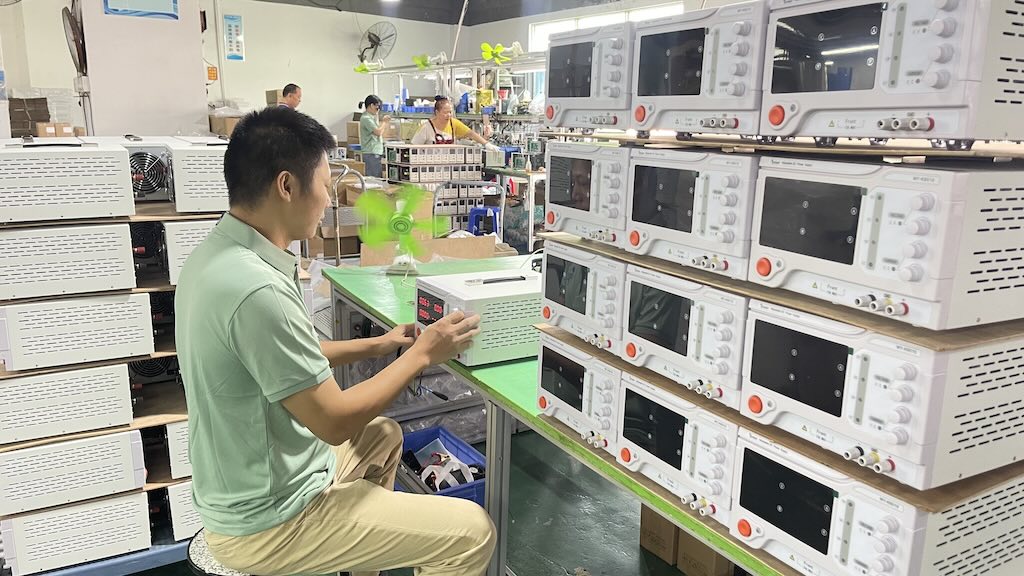
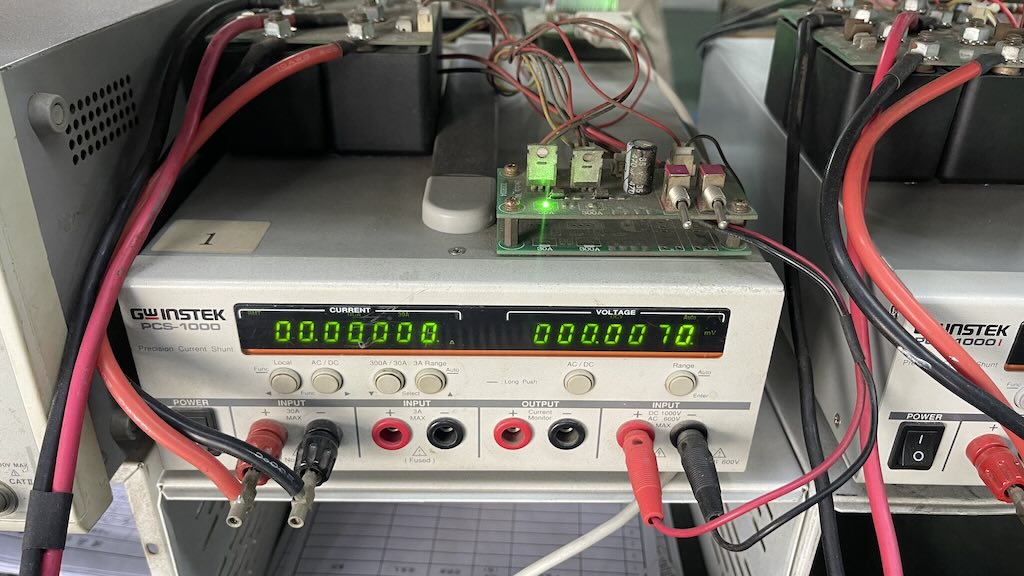
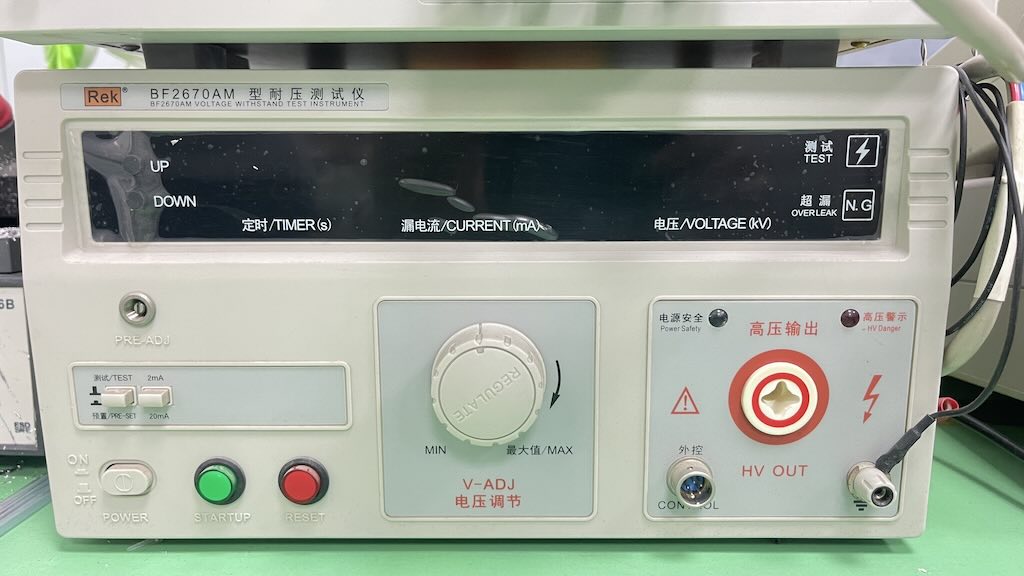
Integrating customer requirements into product designs, from structural layouts to high-density circuit routing.
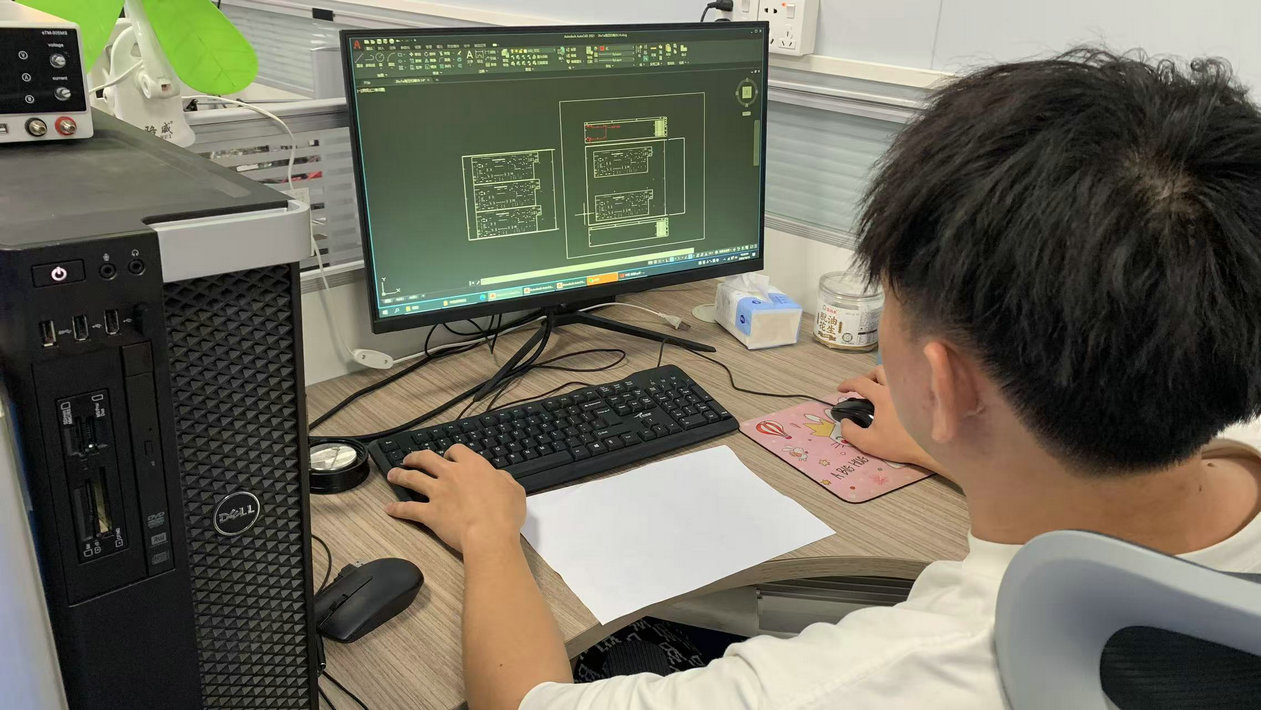
An in-depth review of switching topologies, supply chain resilience, and localized application architectures.
The global industrial power electronics market is undergoing a transition from traditional silicon-based switching architectures to Wide Bandgap (WBG) materials, primarily Gallium Nitride (GaN) and Silicon Carbide (SiC). This change is driven by the need for higher energy densities, faster switching frequencies, and reduced thermal footprints.
Traditional linear power supplies, while offering clean output profiles, struggle with efficiencies below 50% under heavy loads. Modern switching mode power supplies (SMPS) regularly achieve over 92% efficiency. By reducing switching losses, modern high-power systems can fit into compact 1U/2U rack configurations while supporting high current demands.
Allows high-voltage power switch modules to run at high temperatures and frequencies, reducing the required volume of passive filtering components and heat sinks by up to 40%.
Maintains high system power factor (PF > 0.99) across variable loads, reducing total harmonic distortion (THD) and protecting grid stability in industrial testing environments.
Modern power switches and programmable DC sources are deployed in specialized environments where power quality directly impacts yield rates and measurement accuracy:
Based in Shenzhen's electronics ecosystem, MYAMI utilizes a concentrated regional supply chain. We maintain active control over components, magnetic windings, and custom metal housings, helping protect our production timelines from external volatility.
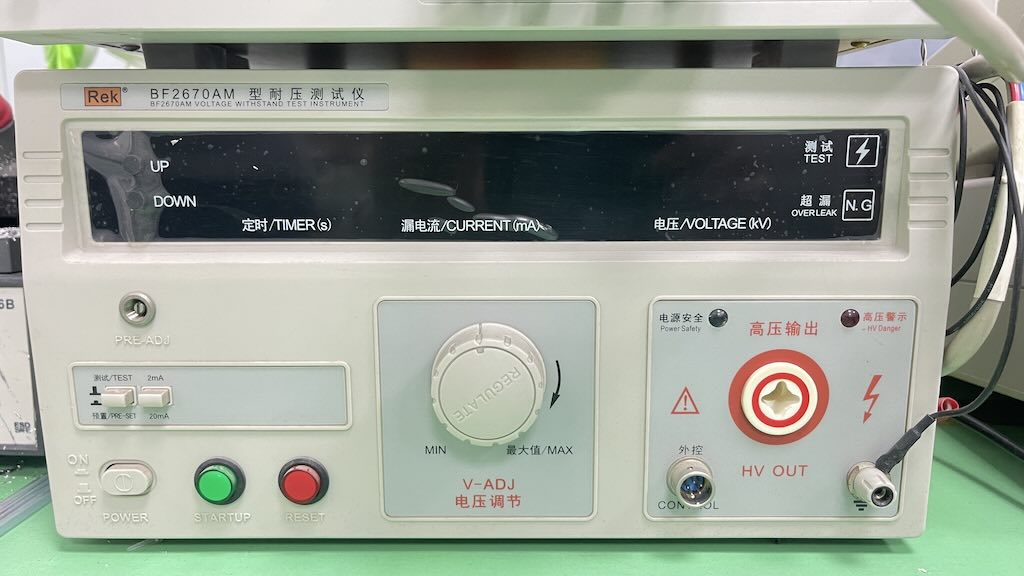
This integration allows us to build product prototypes and scale custom production runs efficiently. With key PCB fabrication, transformer winding, and high-pot testing sites located close to our primary assembly facility, we can maintain short production lead times and implement engineering design updates quickly.
The future of industrial power systems lies in software integration. Legacy analog switches are giving way to digital controllers featuring DSP (Digital Signal Processing) loops. This shift enables real-world telemetry, diagnostic alerts, and precise control updates through software APIs.
MYAMI is developing modular, communications-ready systems using Modbus-TCP, Ethernet, and CAN-FD interfaces. This connectivity allows test engineers to log voltage, current, and temperature profiles directly to cloud databases, facilitating predictive maintenance programs and automated test sequences.
Answers to common questions regarding our programmable DC/AC power supplies and manufacturing operations.
Switching power supplies utilize high-frequency pulse-width modulation (PWM) to regulate output, delivering high power efficiency, compact form factors, and reduced heat dissipation. Linear power supplies utilize heavy series-pass transistors and large linear transformers, yielding lower efficiencies but offering low electrical noise and fast transient recovery.
Our hardware includes multi-tier, processor-controlled protections: Over-Voltage Protection (OVP), Over-Current Protection (OCP), Over-Temperature Protection (OTP), and short-circuit fold-back protection. If a limit is reached, output lines are disabled in milliseconds to safeguard the connected device.
We support standard RS485 and RS232 interfaces running Modbus RTU, along with CAN bus options for automotive test applications. Many systems also include analog programming ports (0-5V or 0-10V inputs) to integrate directly into external PLC-based setups.
Our products are designed and manufactured in accordance with major global regulatory standards. Our catalog items carry CE approvals for European markets, conform to RoHS restrictions on hazardous materials, and are built under ISO9001 certified quality management systems.
Yes, our design and engineering team develops custom modifications for voltage levels, current capacities, multi-channel configurations, and specialized chassis mounting systems. Contact our technical sales office with your electrical and physical specifications.
Standard catalog configurations typically ship within 5 to 10 working days. Large-volume production or modified designs generally require 4 to 6 weeks, depending on component availability and specific testing requirements.
View our complementary range of space-efficient switching supplies and diagnostic equipment.

 Myami Power