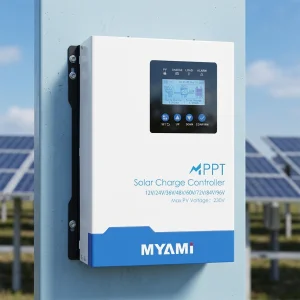
Industrial-grade hardware designed to power and calibrate modern induction, coil-based, and electronic test environments.
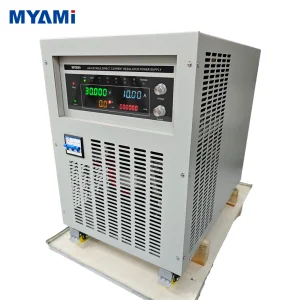
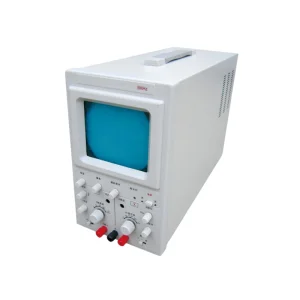
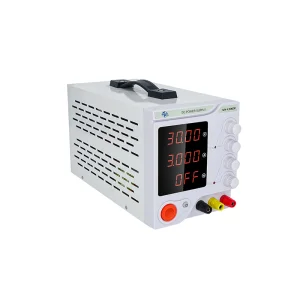
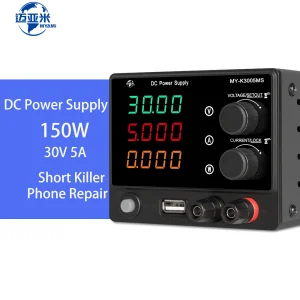
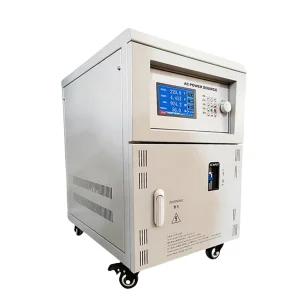
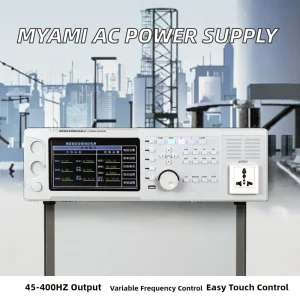
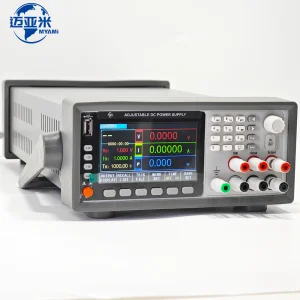
Inductance meters, which form the bedrock of LCR (Inductance, Capacitance, and Resistance) parameters auditing, are experiencing unprecedented demand changes. As power electronics trend toward faster switching speeds and lower footprint sizes, quantifying passive components has become critical to preventing unexpected product failures.
Silicon Carbide (SiC) and Gallium Nitride (GaN) devices operate at much higher frequencies than silicon legacy parts. This calls for high-frequency inductance evaluation to limit parasitic effects and preserve circuit efficiencies.
Automotive qualification programs (e.g., AEC-Q200) require components to undergo strict stress validation. Factories depend on LCR meters equipped with temperature-swept interfaces to guarantee product consistency under thermal stress.
Modern testing environments require test interfaces to feed automated sort lines with low test-cycle latency, triggering the need for high-speed multi-channel inductance scanners in factory plants.
Inductance meters are more than diagnostic bench equipment. They are vital controls used in field verification, quality control, and component design verification across various industries.
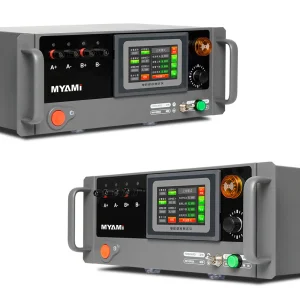
In the Electric Vehicle (EV) industry, high-power converters and onboard chargers (OBC) demand robust inductors to filter high currents. Developers employ specialized LCR hardware combined with large programmable DC Bias supplies to analyze magnetic core saturation characteristics under heavy loads.
This verification is key to ensuring that chokes, flybacks, and common-mode filters operate efficiently inside electric vehicles, preventing electromagnetic interference (EMI) issues.
Large-scale solar inverters rely heavily on power inductors to achieve optimal Maximum Power Point Tracking (MPPT). System field testers use portable, handheld inductance systems alongside insulation testers to check safety factors, winding health, and thermal degradation in harsh outdoor environments.
High-precision electrical measurement technology is evolving rapidly. Future inductance meters are moving beyond basic impedance calculations toward integrated multi-domain characterization.
Modern meters perform sweeping sweeps from millihertz up to 120 MHz, mapping the entire frequency response to locate resonant anomalies prior to PCB assembly.
Instead of using external bias units, next-generation instruments integrate small, software-driven current sources up to 100A, making real-time saturation analysis safer and easier.
Integrated Ethernet and Wi-Fi modules export real-time sweep profiles to cloud databases. This facilitates automated remote calibration and predicts component drift over time.
Shenzhen has established itself as the global hub for precision instrumentation manufacturing. The integration of component sourcing, automated SMT board stuffing, and advanced calibration routines delivers unmatched quality-to-cost ratios.
Our factory features high-level cleanrooms, multi-axis automated testing bays, and ISO-certified processes. Each device undergoes multiple quality control stages—from raw material testing to automated aging under load—to guarantee thermal stability and reliable long-term performance in demanding industrial settings.
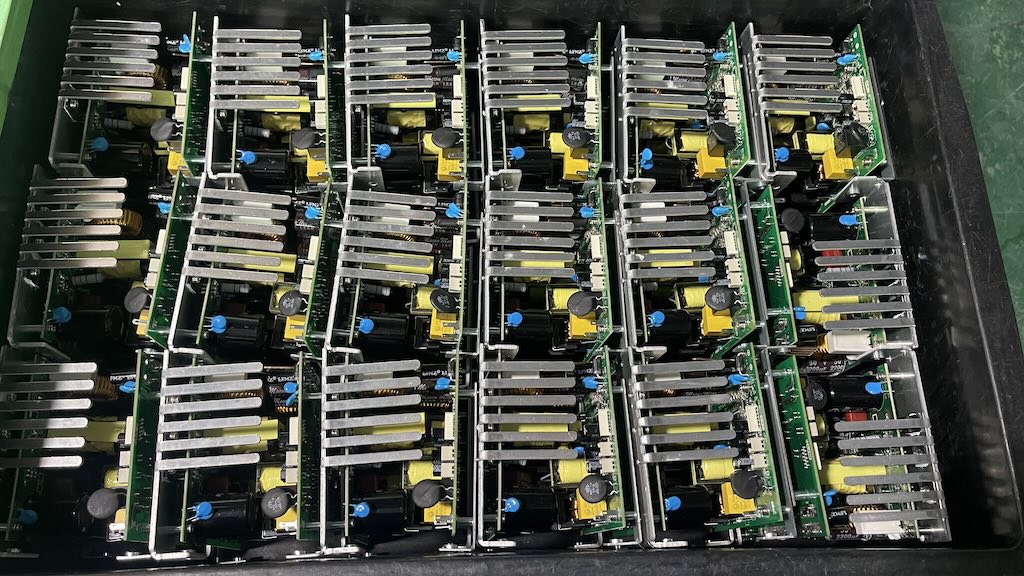 Raw Material
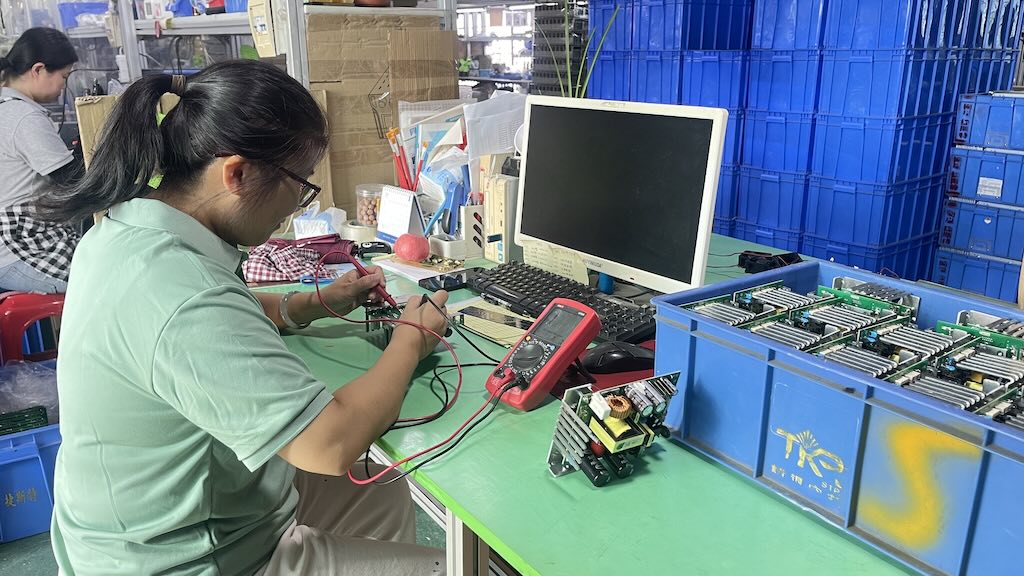 PCB Checking
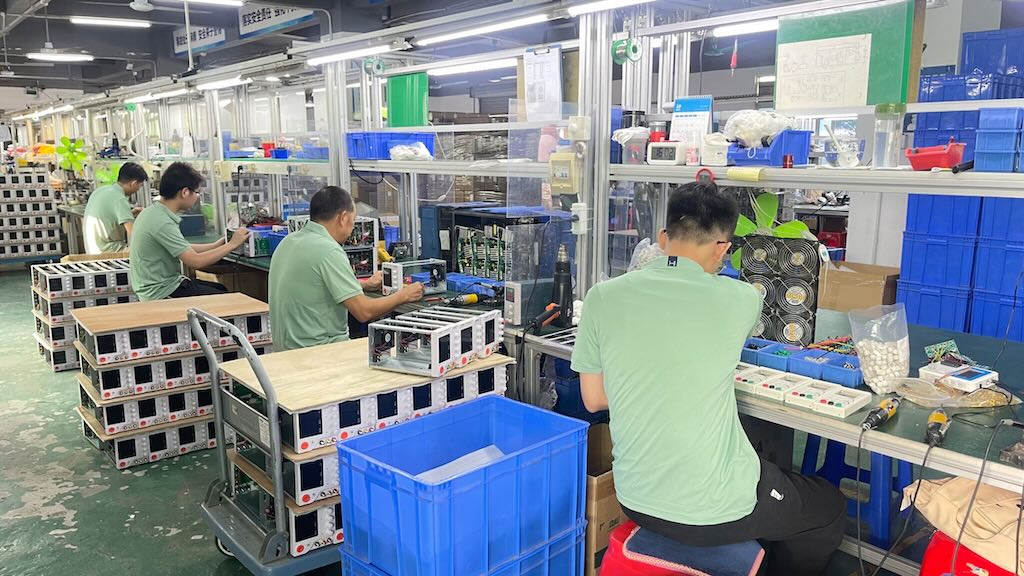 Assembling
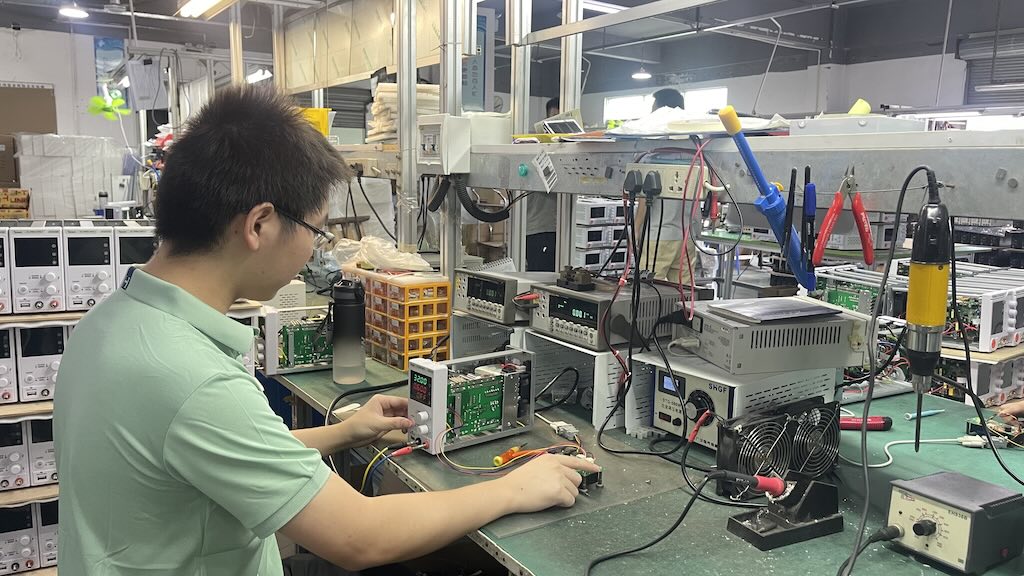 Debug
Debug
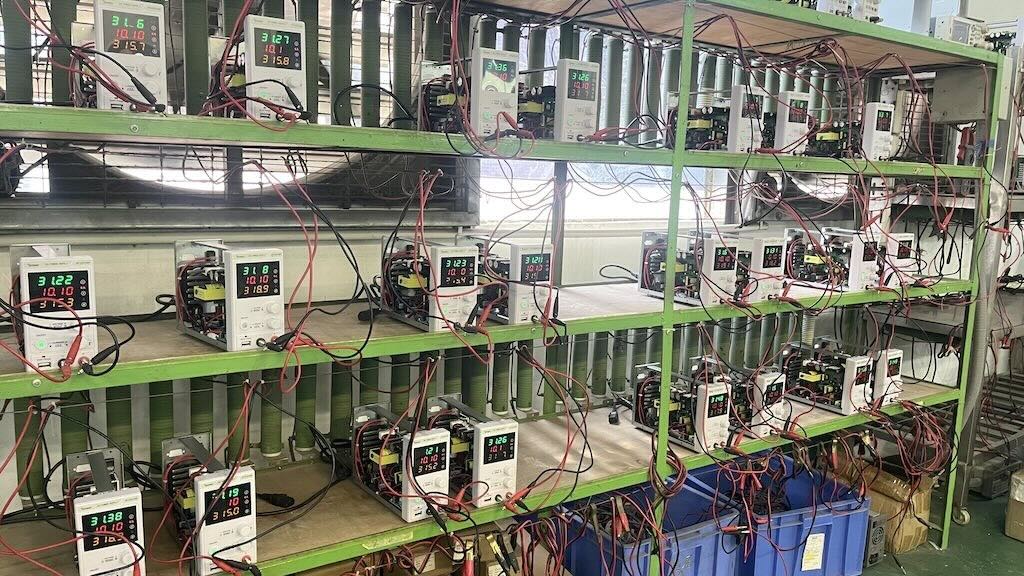 Aging
Aging
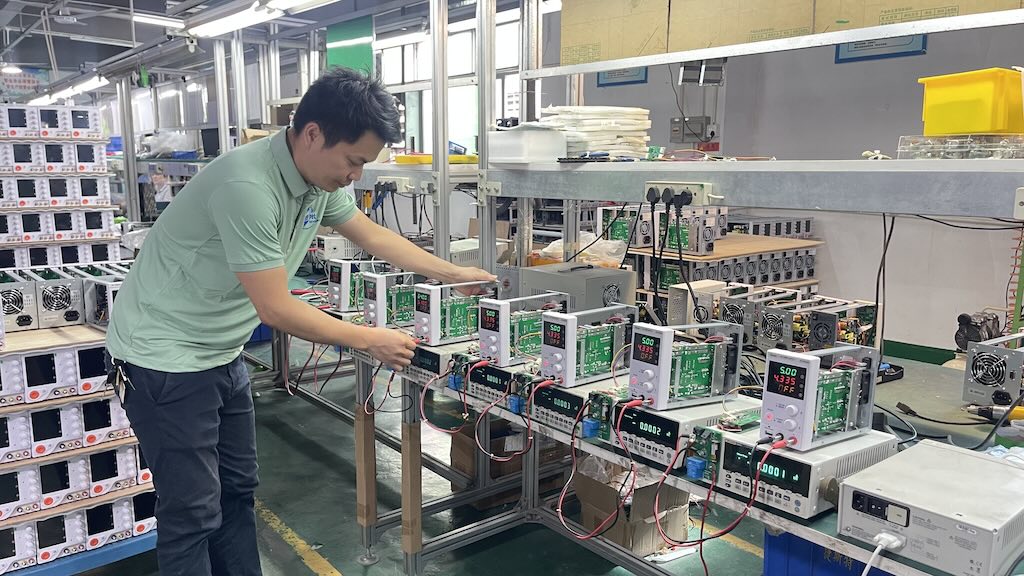 Calibration
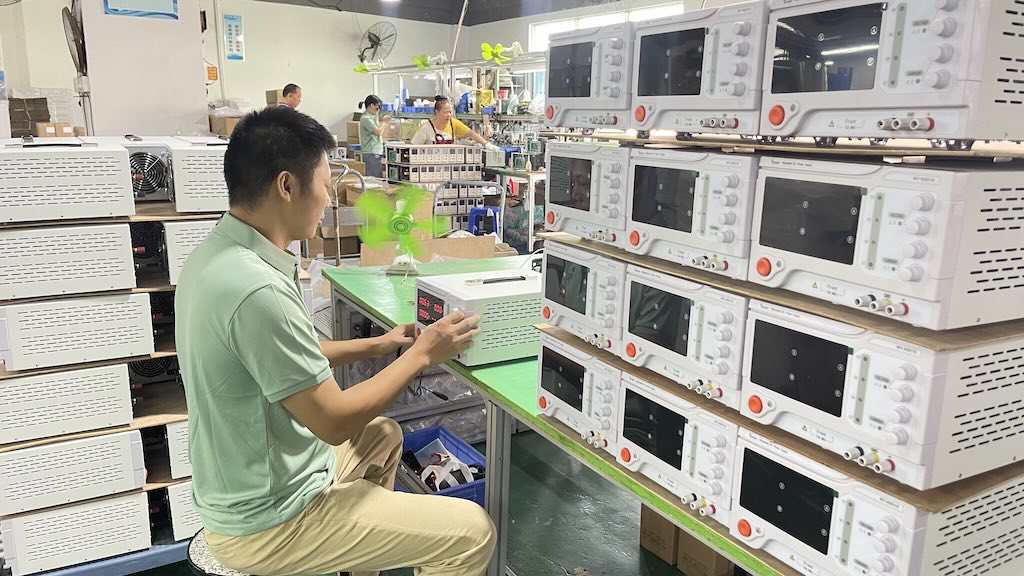 QC checking
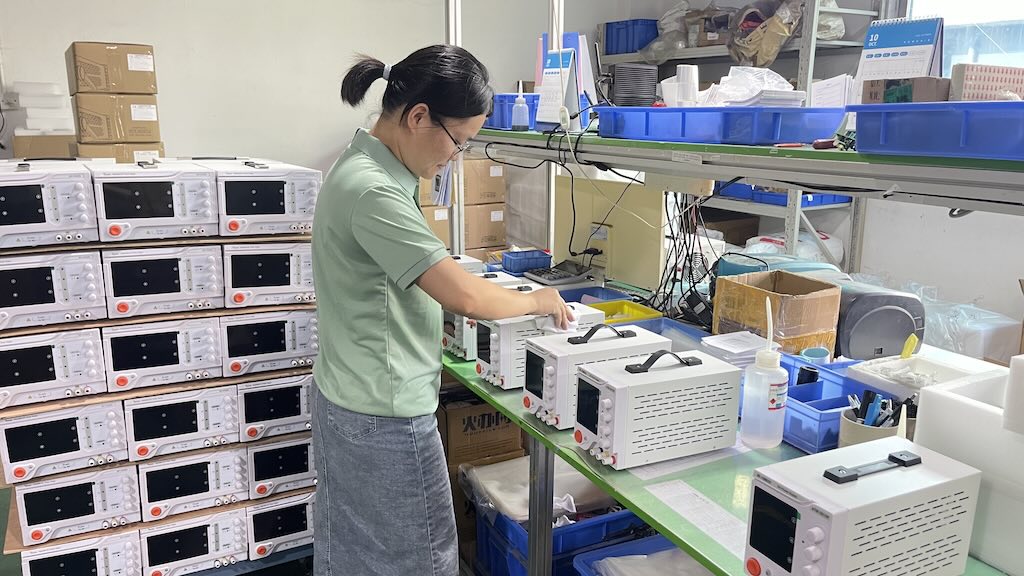 Packing
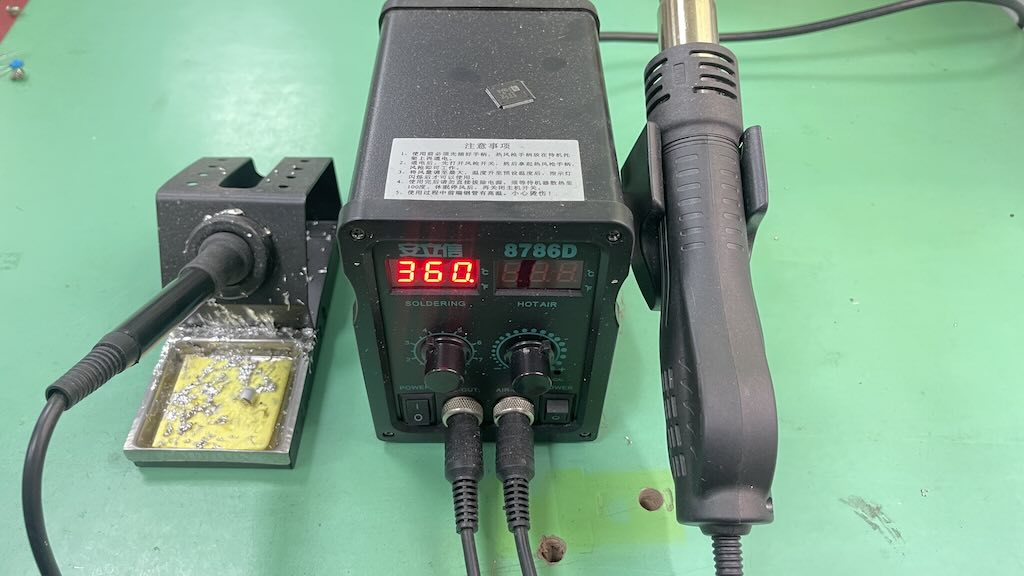 Soldering Station
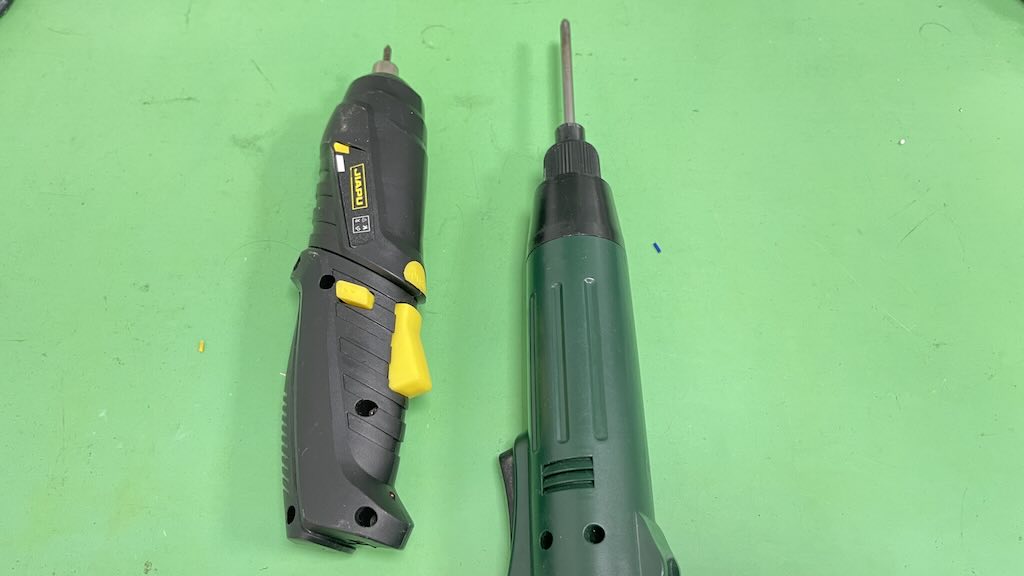 Electronic Screwdriver
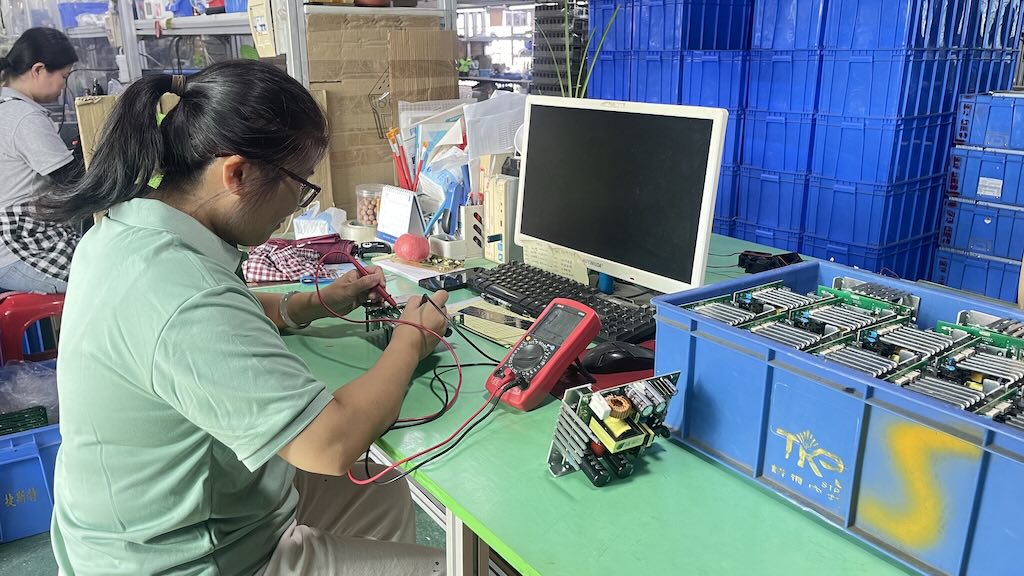 PCB Check
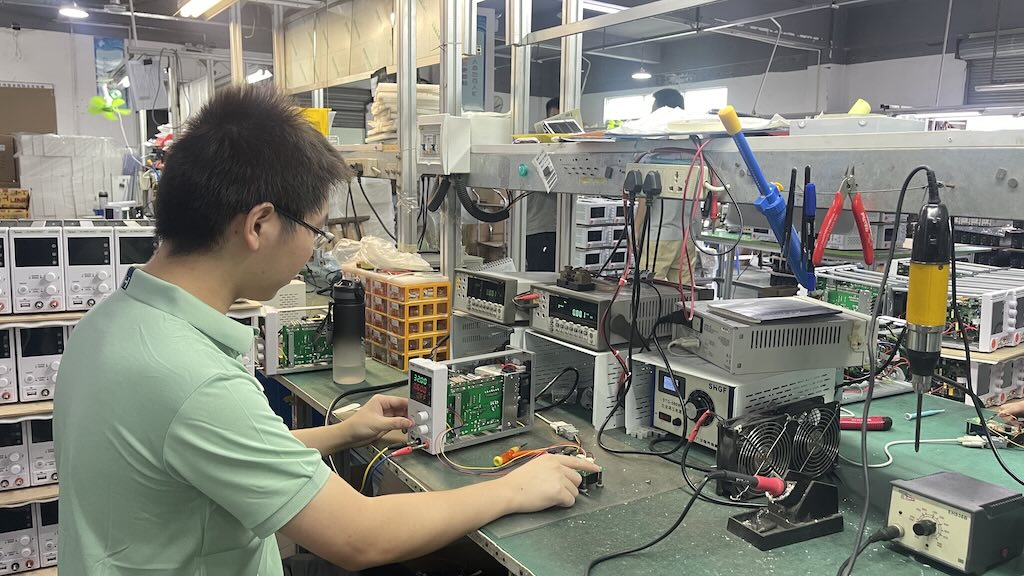 Debug
Debug
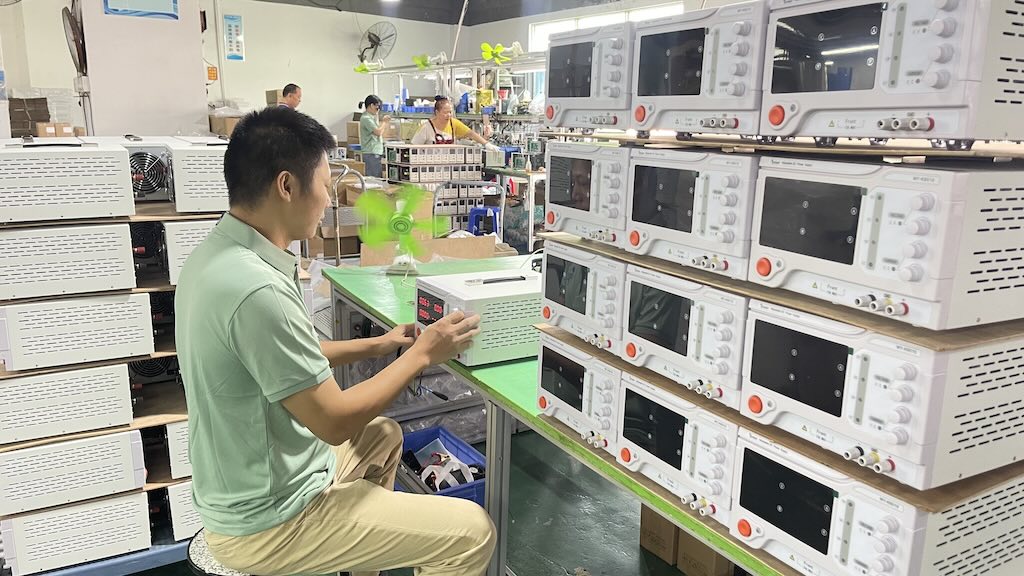 QC check
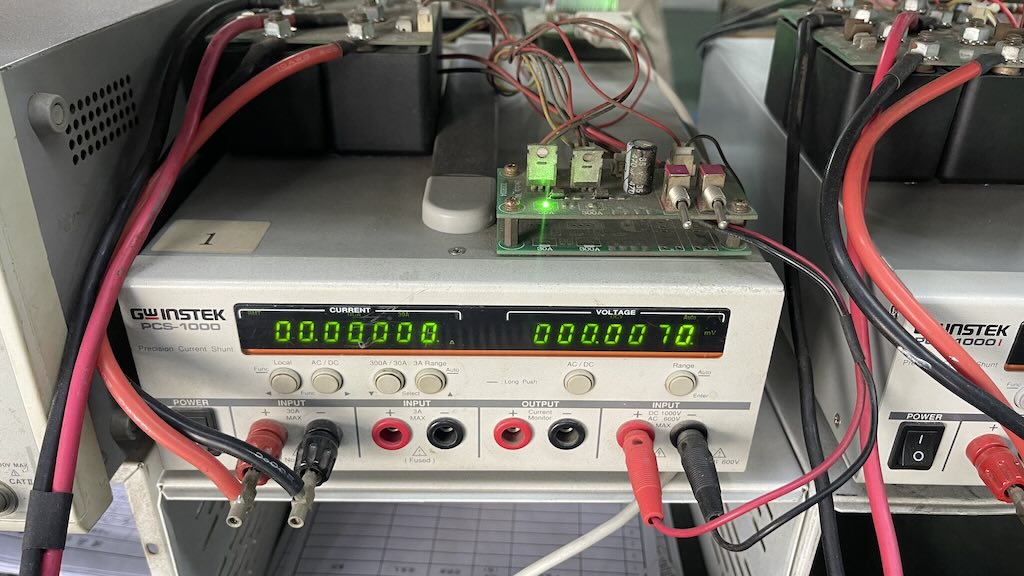 Multimeter
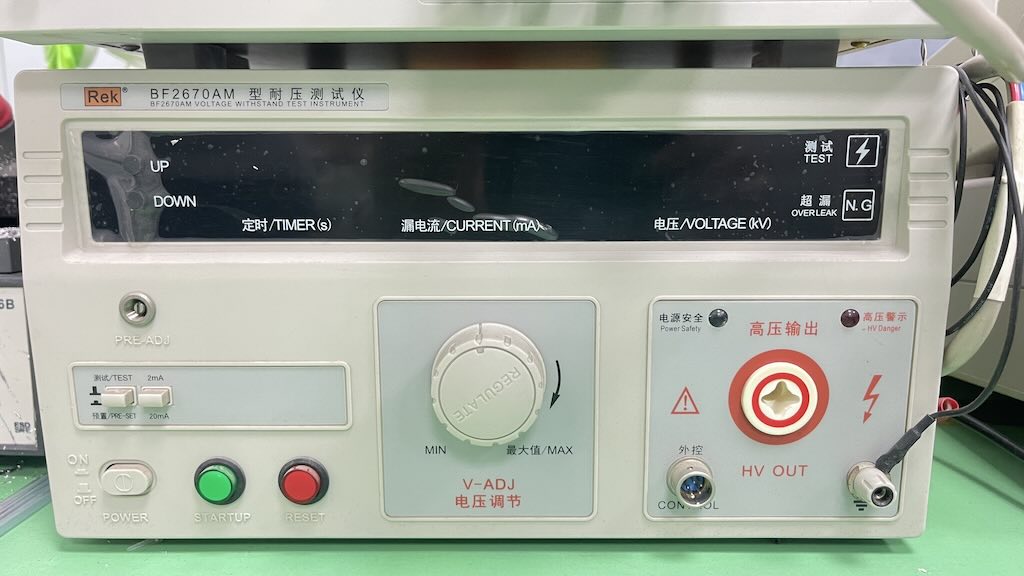 Hi-pot Tester
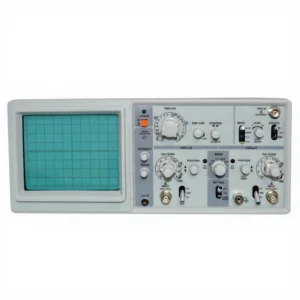
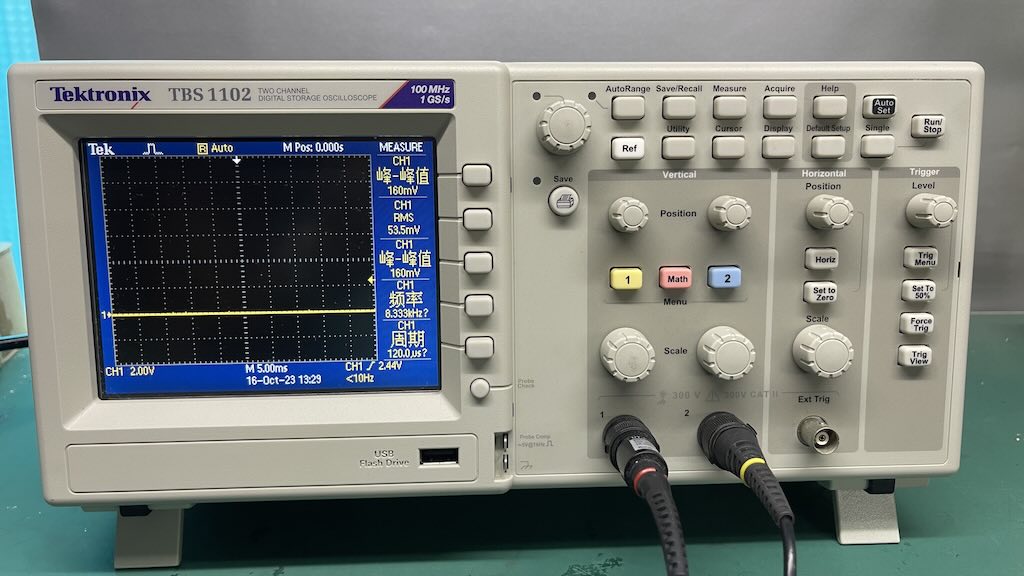 Oscilloscope
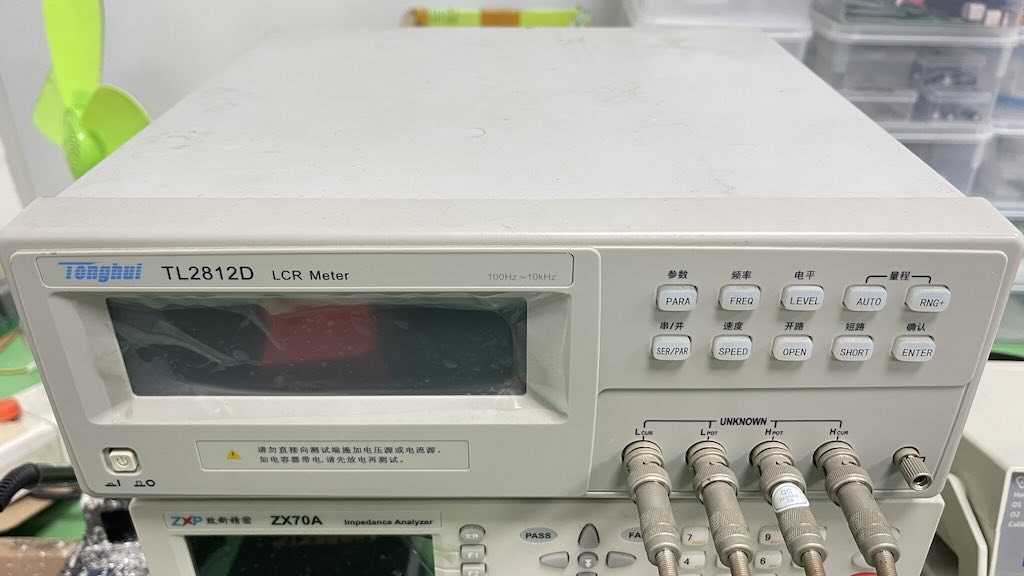 LCR Meter
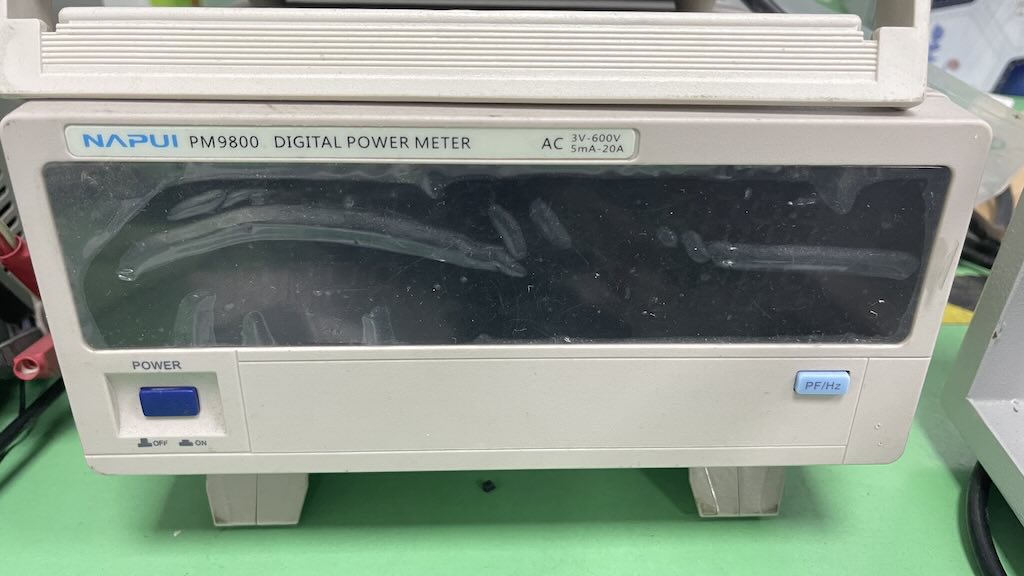 Digital power meter
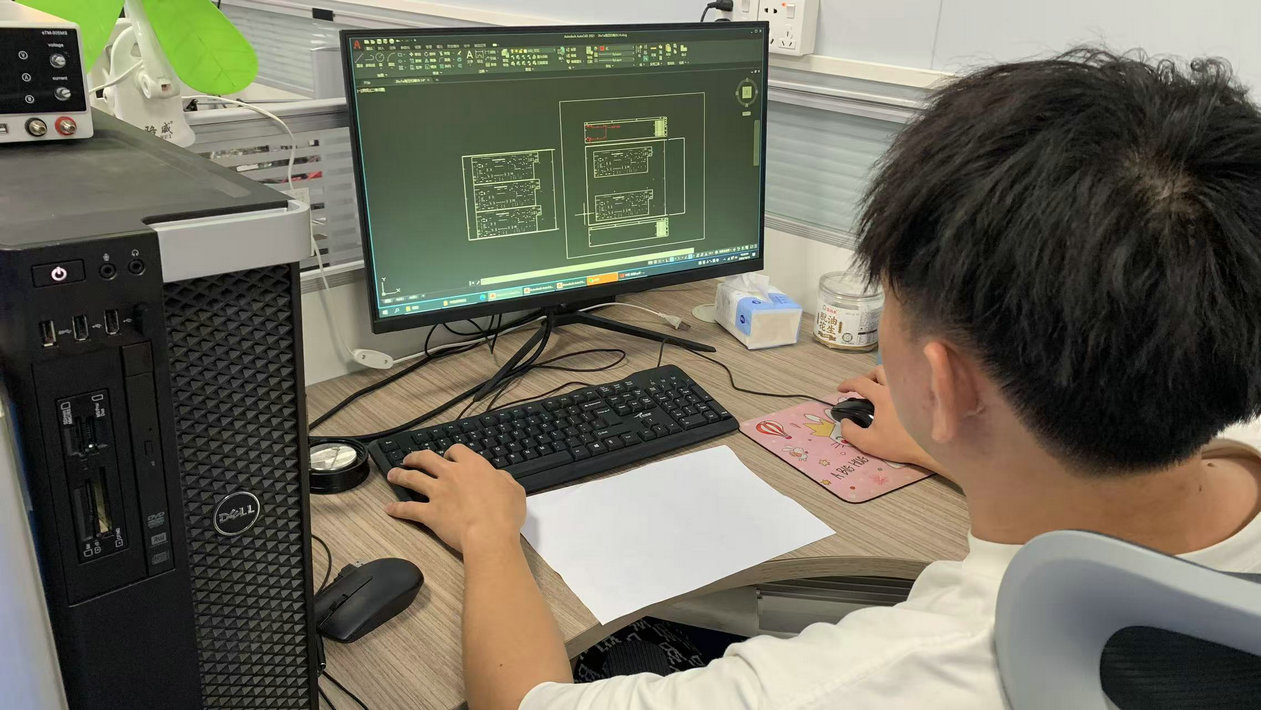 Design
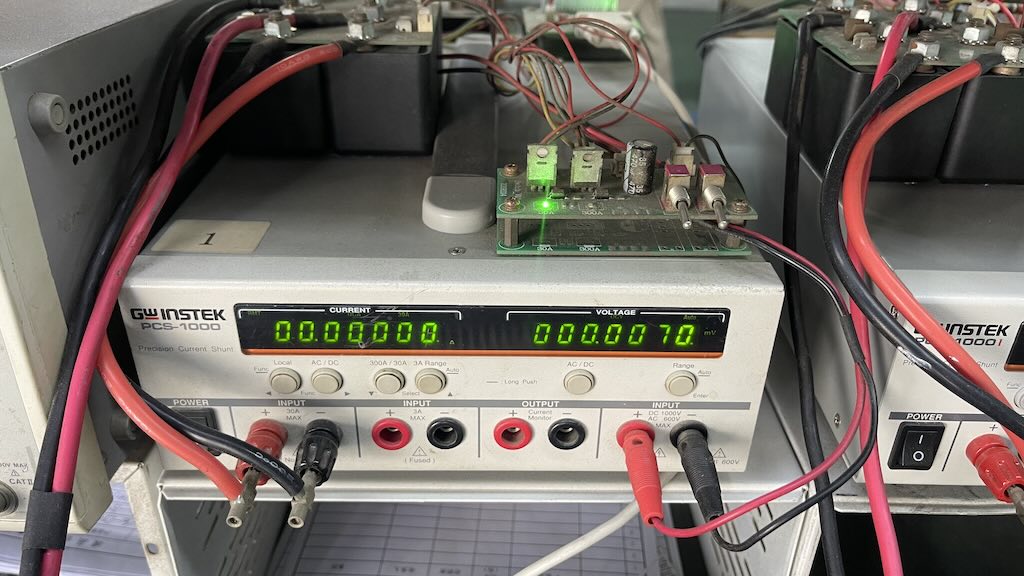 Multimeter
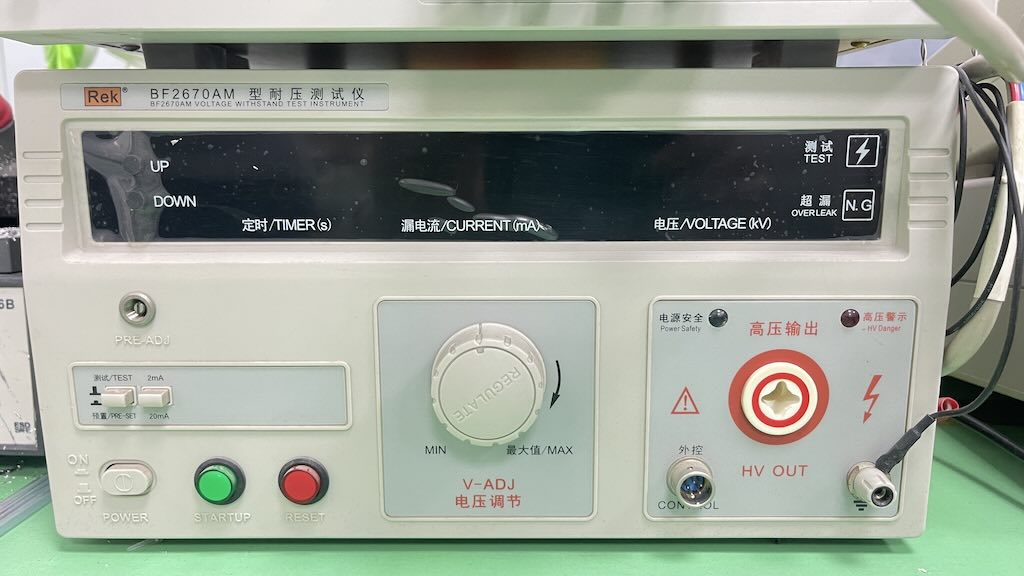 Hi-pot Tester
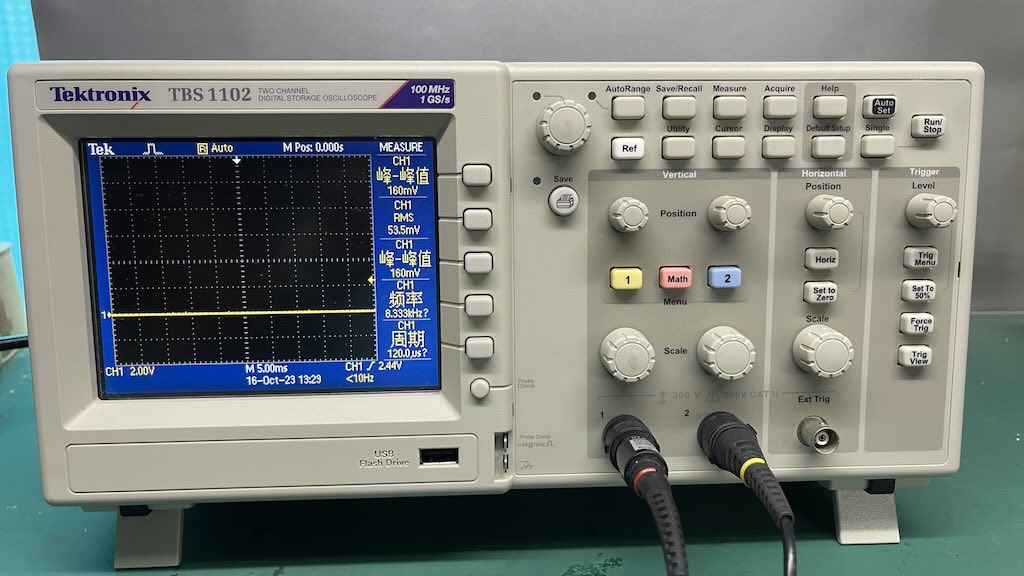 Oscilloscope
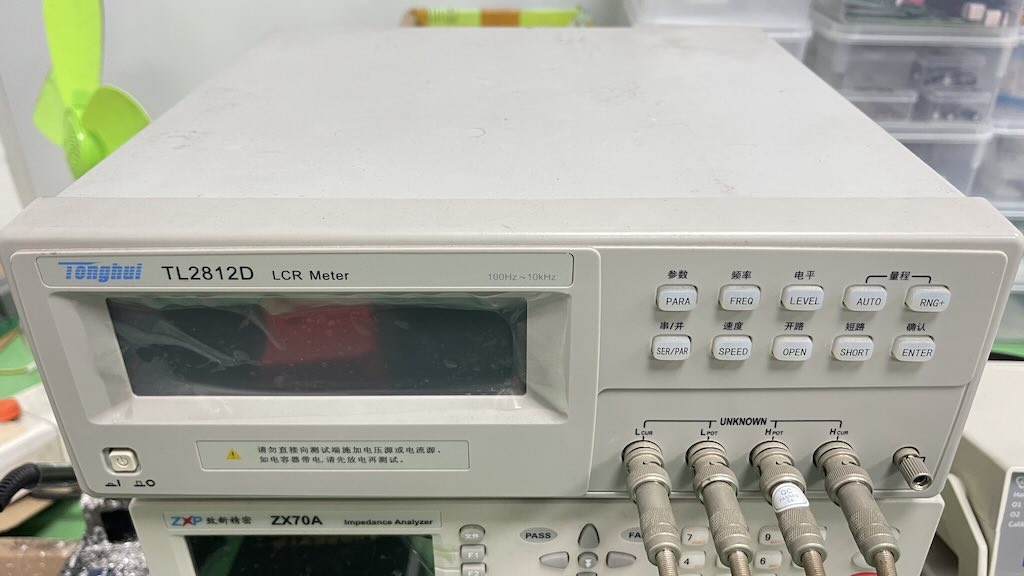 LCR Meter
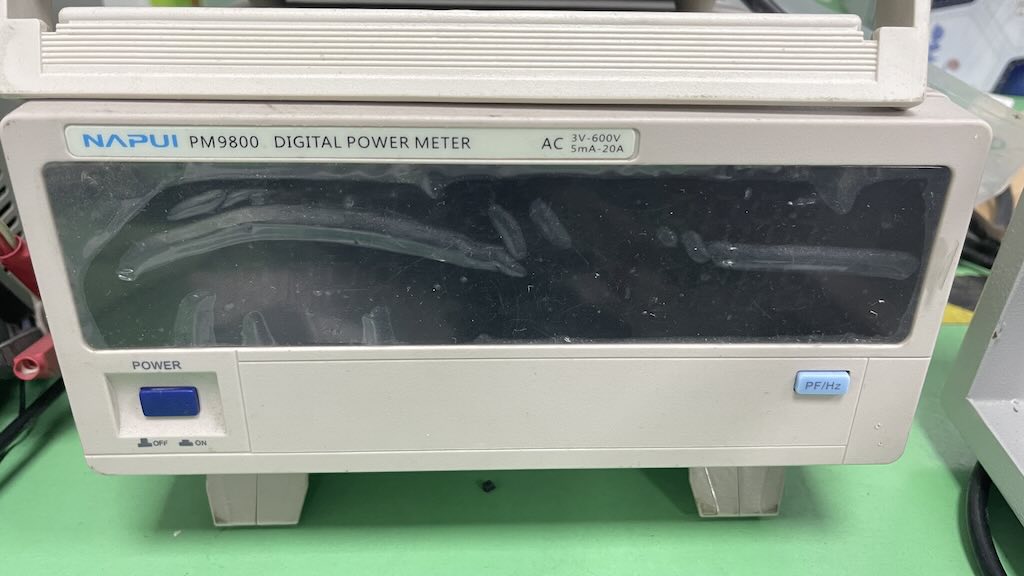 Digital power meter
Headquartered in Shenzhen, China, Shenzhen Myami Power Technology Co., Ltd. (MYAMI) is a technology-driven manufacturer and solution provider specializing in high-precision, industrial-grade power supplies and electrical test equipment. Designed for engineering rigor, MYAMI bridges the gap between complex electronic research, high-voltage component testing, and scalable industrial automation.
Our specialized engineering portfolio focuses on four core operational pillars:
Every MYAMI system is engineered with strict multi-layer protection protocols (OVP, OCP, OTP, and short-circuit safeguards) and complies with international safety and quality standards, including CE, RoHS, and ISO9001. Integrated with standard industrial control protocols (RS485, RS232, and CAN communication), our equipment seamlessly connects to automated production lines and central PC control systems.
Today, MYAMI serves research institutions, automotive OEMs, aerospace contractors, and electronics manufacturers across North America, Europe, East Asia, and the Middle East. Whether you require a single benchtop lab power supply or a custom high-power aging system, MYAMI is your ultimate partner for precision power and uncompromised testing reliability.
Deploying advanced electronics testing equipment across diverse markets requires strict compliance with regional standards and robust after-sales support frameworks.
Every inductance meter shipped can be calibrated and verified to comply with NIST or DAKKS traceabilities, ensuring reliable compliance with regional regulatory audits.
We work with regional service hubs in North America and Western Europe to provide setup support, software integration (LabVIEW/Python), and repair services.
Our complete catalog conforms to European CE regulations and international RoHS material restrictions, ensuring safe and sustainable operating standards.
Inductors do not display constant values across all frequencies. Real-world components feature parasitic capacitance, forming a self-resonant frequency (SRF). Testing at operating frequencies is essential to evaluate true impedance and prevent system instability.
Traditional two-wire test designs introduce lead resistance and contact impedances into the measurement loop. A Kelvin 4-wire configuration isolates current-source leads from voltage sensing leads, neutralizing lead resistances to allow milliohm-resolution accuracy.
Power inductors typically work under constant current loads. Since ferrite and alloy cores can saturate under high currents, testing them with zero bias current hides potential inductant roll-off. A DC bias current simulates operational realities to confirm structural limits.
MYAMI implements a multi-stage calibration sequence using high-stability reference standards. Our thermal aging chambers screen sensors and micro-controllers for drift, ensuring that every instrument operates consistently from power-on through sustained testing cycles.
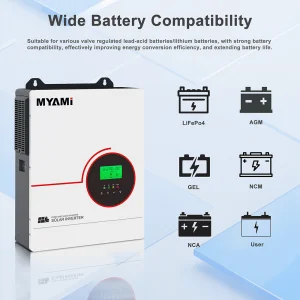
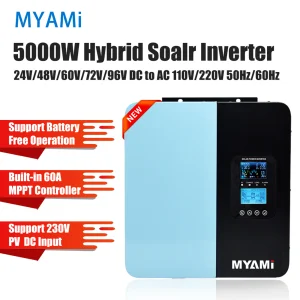
High-efficiency inverters, voltage stabilizers, and motor drivers designed to support robust electrical infrastructures.


 Myami Power