Engineered to deliver high precision, programmable sequencing, and low-ripple DC/AC outputs for rigorous development workflows
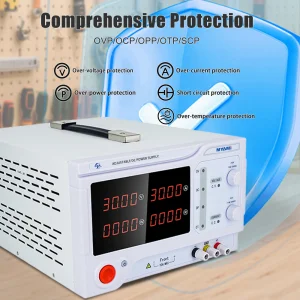

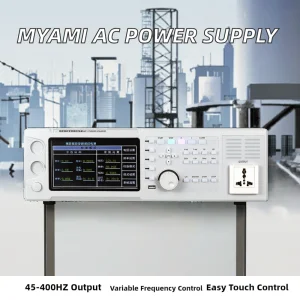
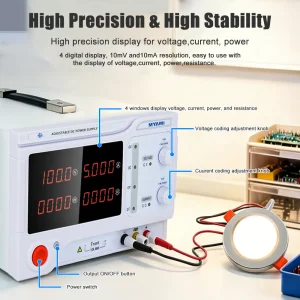
Thailand's industrial roadmap—anchored by the ambitious Thailand 4.0 framework and the growth of the Eastern Economic Corridor (EEC)—is driving a fundamental transition from low-complexity manufacturing to high-tech, precision electronics and automation. Bangkok and its surrounding provinces (Samut Prakan, Pathum Thani, and Chachoengsao) are currently serving as the nerve center for this digital manufacturing boom.
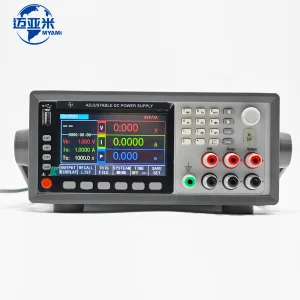
In modern industrial zones like Lat Krabang, Amata City, and Bangpoo Industrial Estate, research engineers are developing complex electronics that demand strict power integrity. Testing automotive electronic control units (ECUs), high-reliability telecommunication transceivers, and home appliance inverters requires stable power delivery. This is where Multi-Channel Programmable DC Power Supplies become an indispensable piece of test engineering infrastructure.
High temperature and relative humidity profiles in the Bangkok metro area necessitate electrical instrumentation built with high-quality cooling fans, over-temperature protection circuitry, and conformal-coated PCB assemblies. Dynamic power fluctuation on local grids also demands test equipment with high input surge immunity and excellent line regulation.
Addressing the paradigm shift toward wide bandgap semiconductors, digitally integrated test loops, and high-frequency power density
The global power supply industry is undergoing rapid disruption driven by the commercialization of Silicon Carbide (SiC) and Gallium Nitride (GaN) components. These materials enable higher switching frequencies, lower thermal dissipation, and ultra-compact form factors. Consequently, contemporary labs in Bangkok are transitioning away from bulky, inefficient analog power systems in favor of software-defined, digital power electronics.
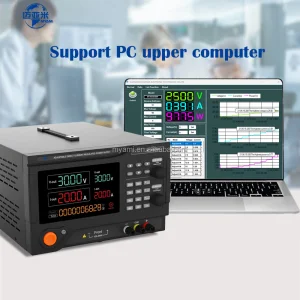
Modern test systems rely on integrated software layers using SCPI commands over standard Ethernet, CAN, RS232, or RS485 interfaces. This allows engineers to program complex voltage profiles, simulate sudden voltage sags, and execute automated lifecycle testing. For R&D centers in Pathum Thani and Lat Krabang, this integration is vital for accelerating time-to-market while guaranteeing compliance with global quality metrics.
Optimized for renewable energy integration and high-voltage component testing in the Bangkok and ASEAN marketplace
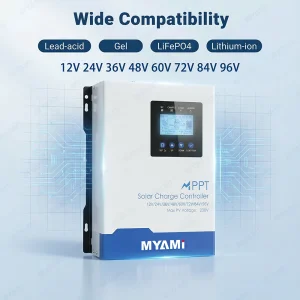
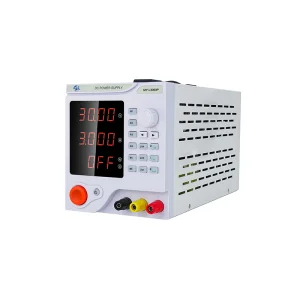
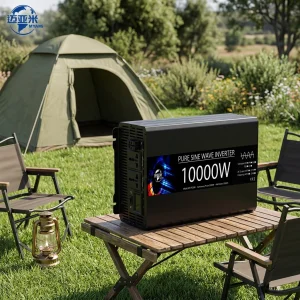
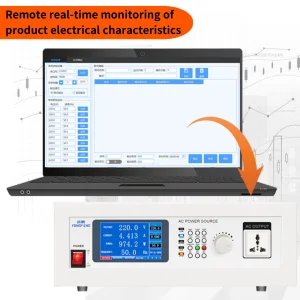
How MYAMI programmable power sources solve actual field challenges for developers and system integrators in Thailand
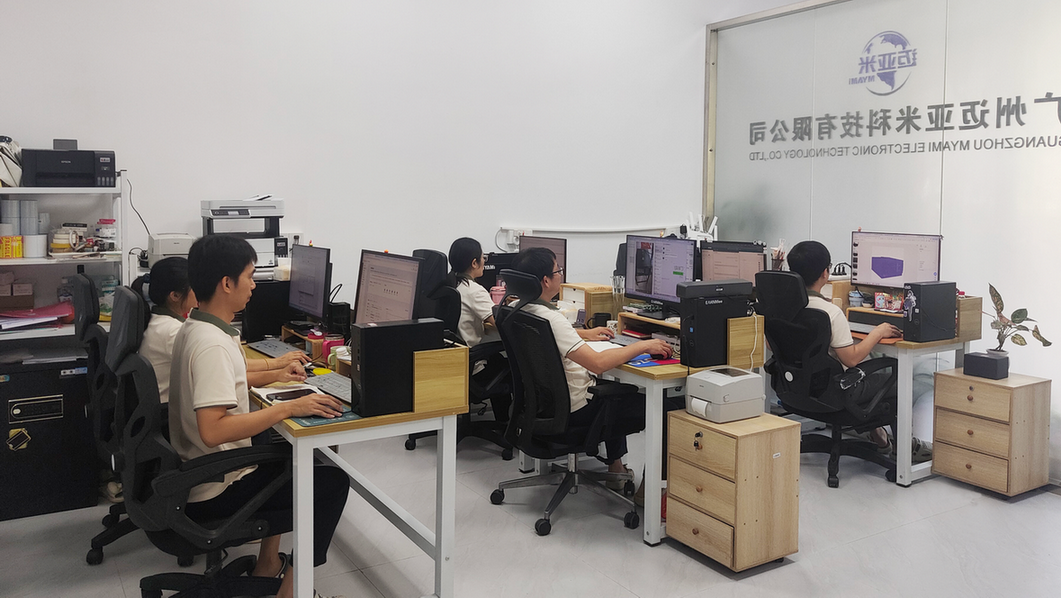
An inside look at our standardized production line ensuring precision calibration and absolute testing reliability before shipment to the Bangkok market
Every power supply shipped to Bangkok is built using the finest raw components and undergoes rigorous safety testing. Certified under CE, RoHS, and ISO9001 standards, MYAMI's proprietary manufacturing stages verify that our systems run efficiently, safely, and with minimal heat signature.
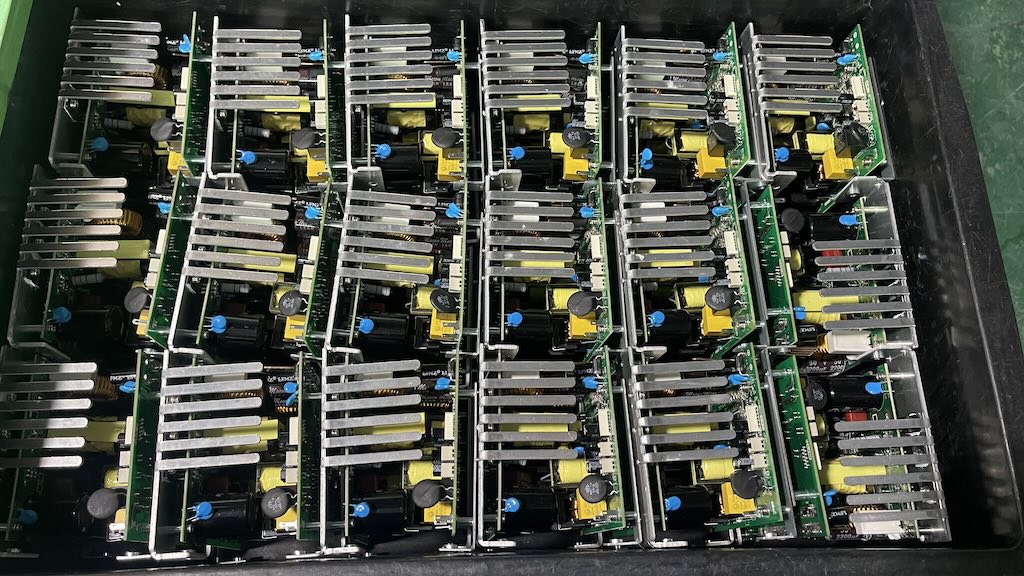 Raw Material
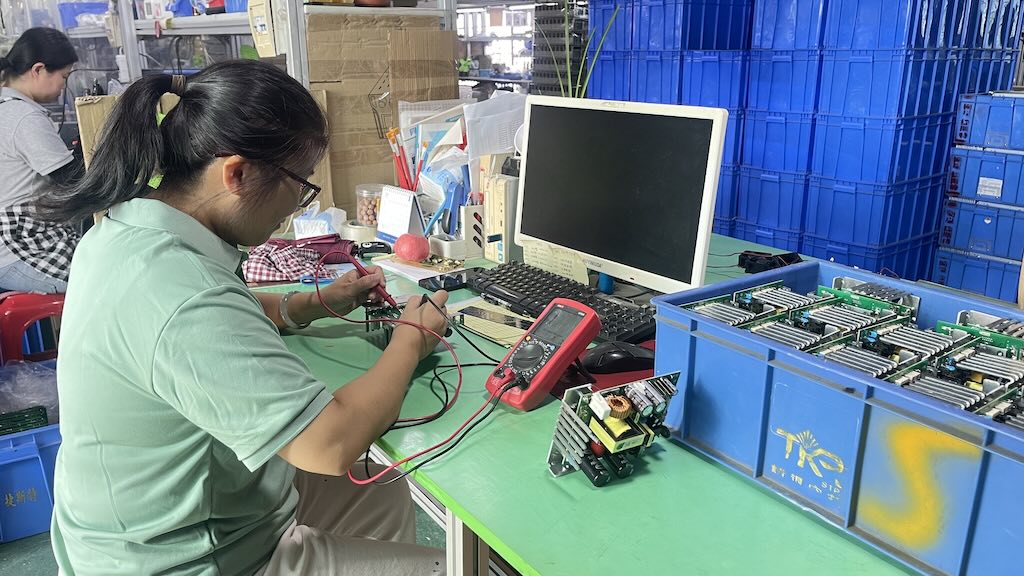 PCB Checking
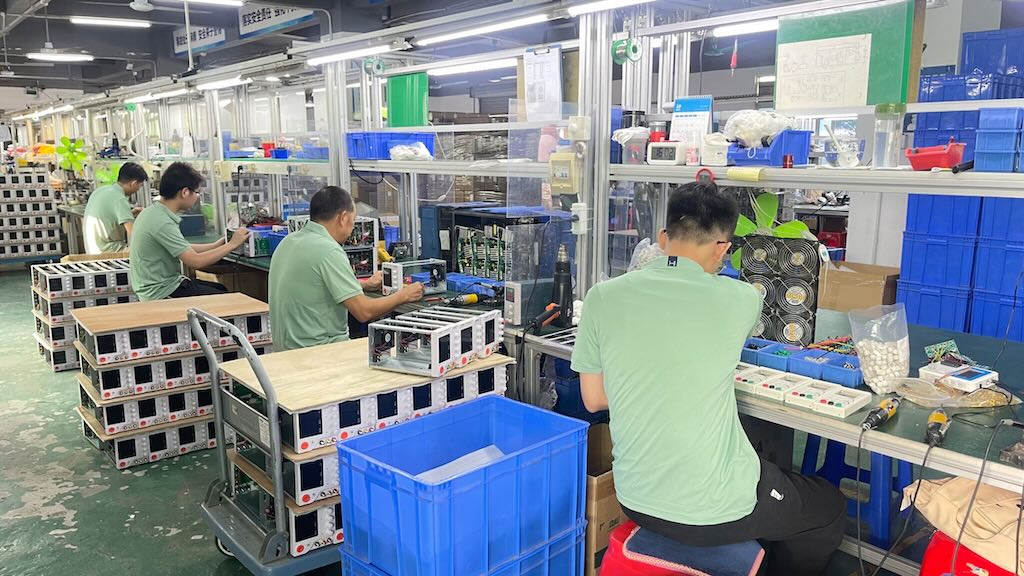 Assembling
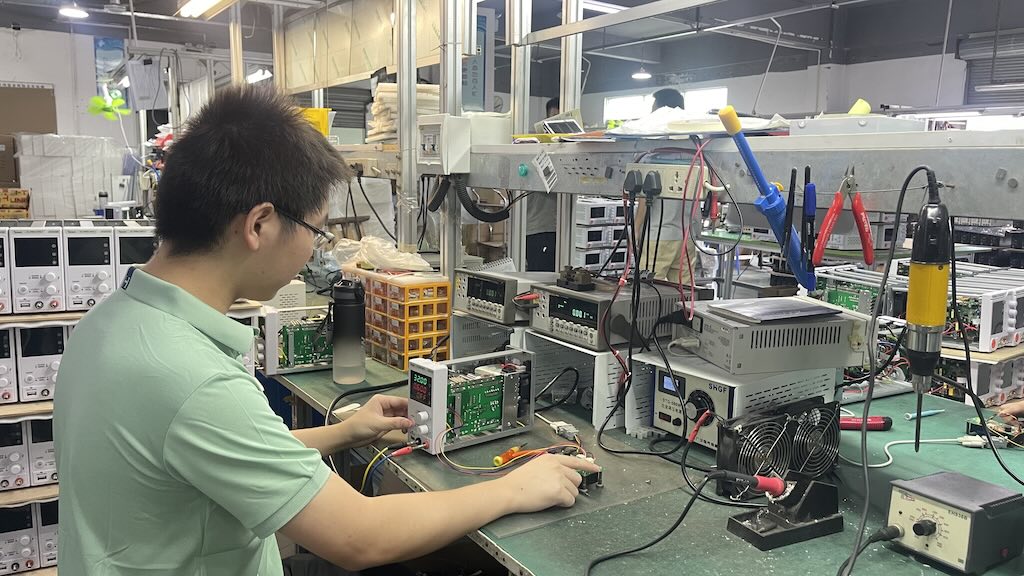 Debug
Debug
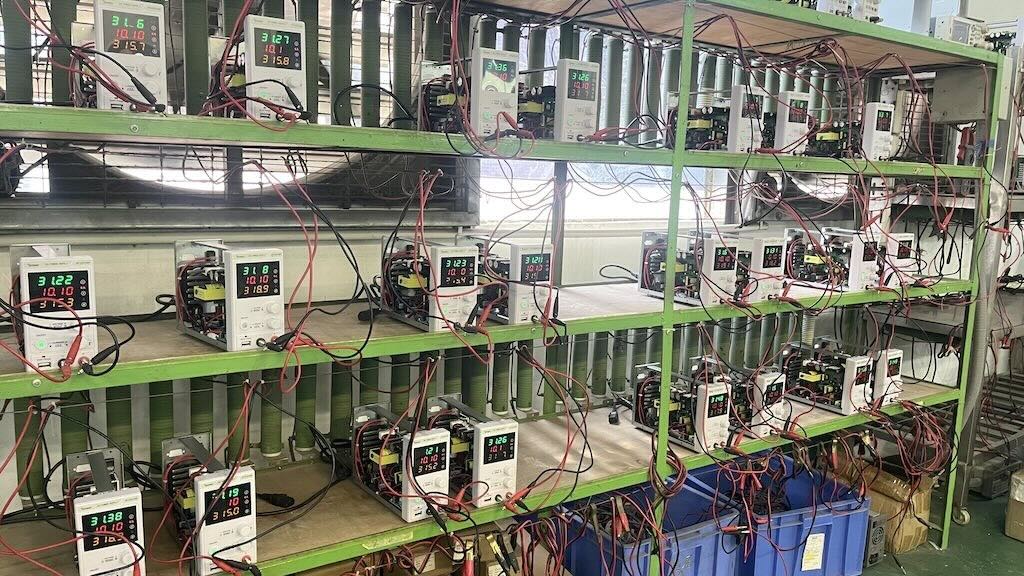 Aging
Aging
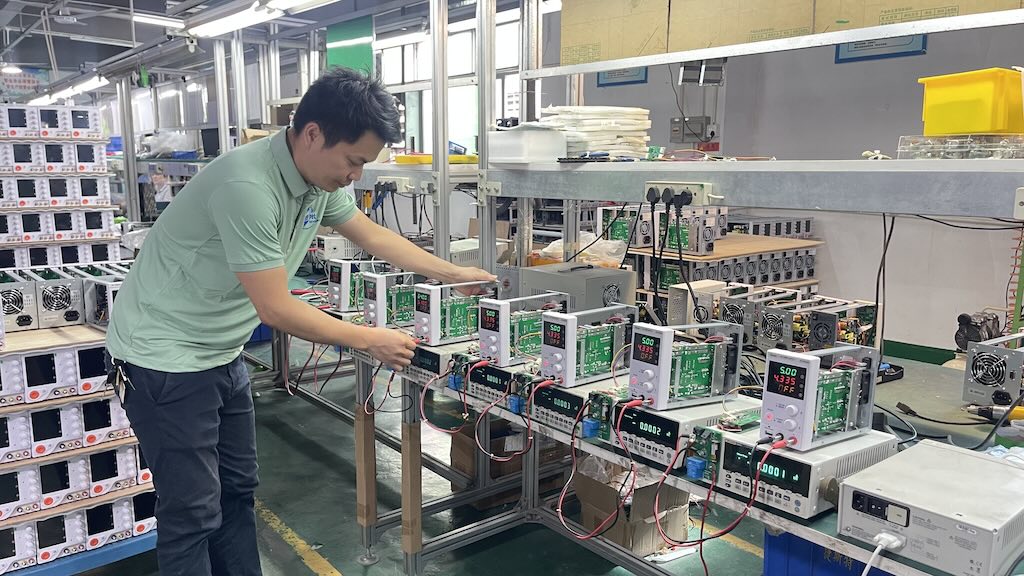 Calibration
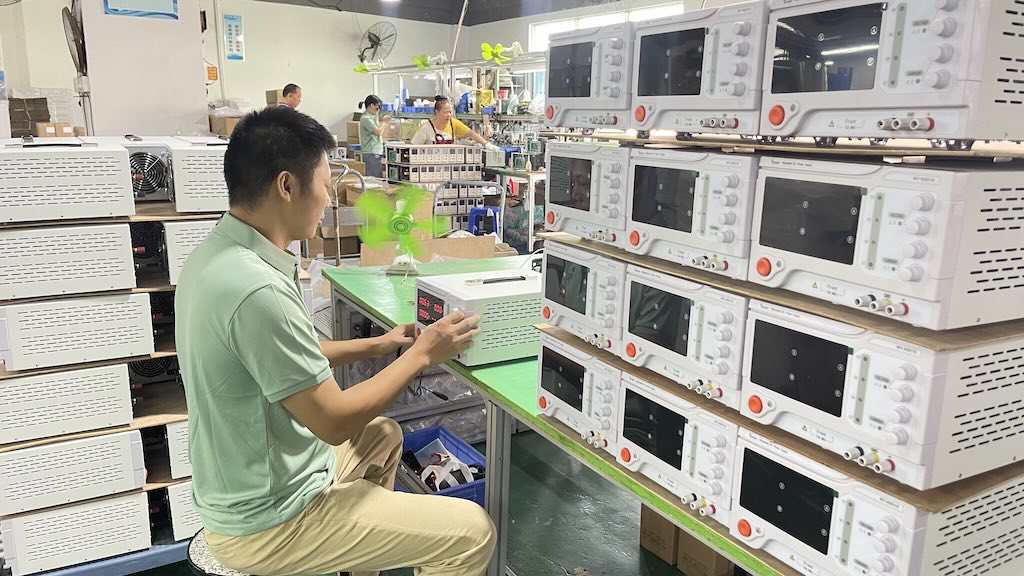 QC Checking
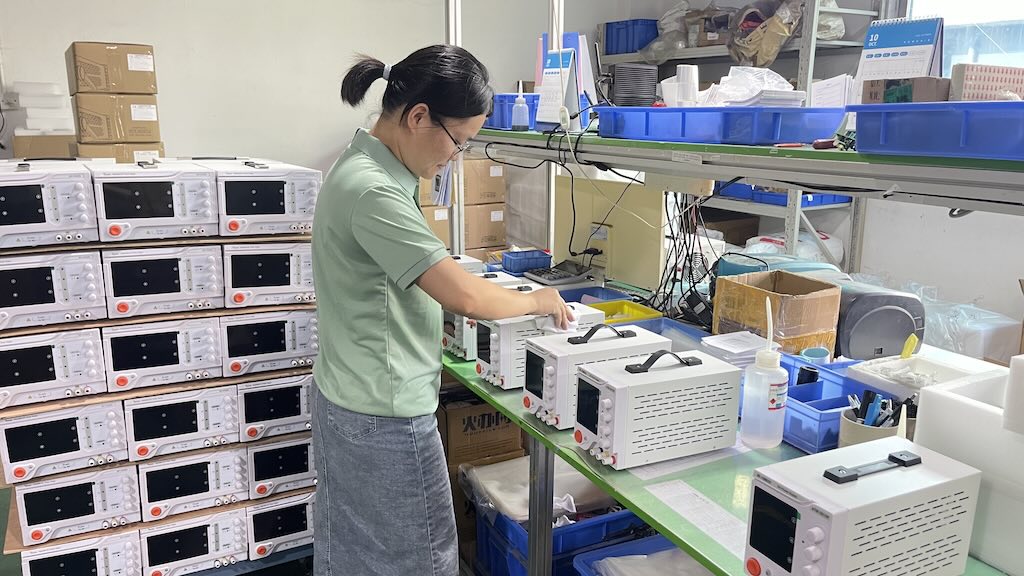 Packing
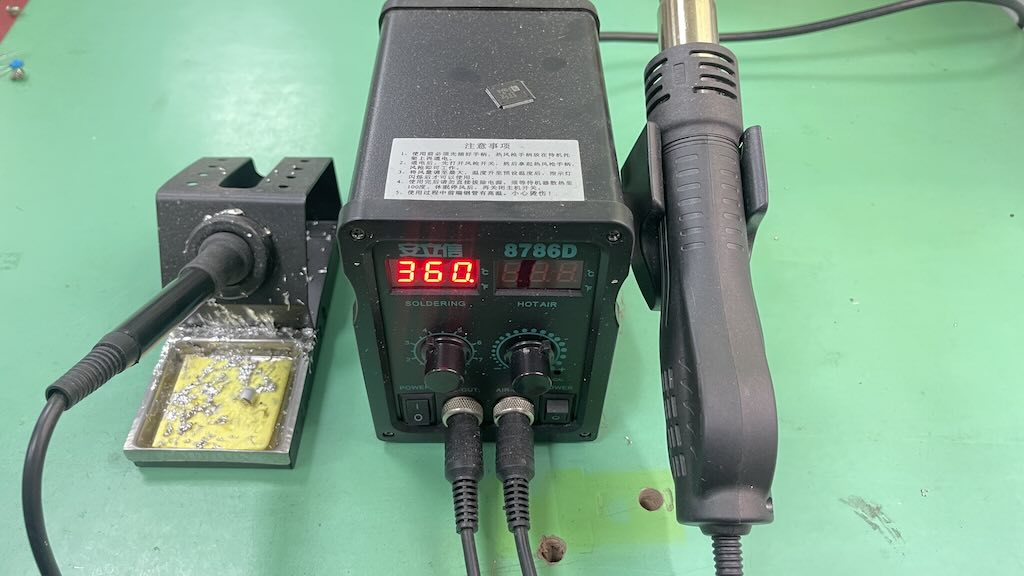 Soldering Station
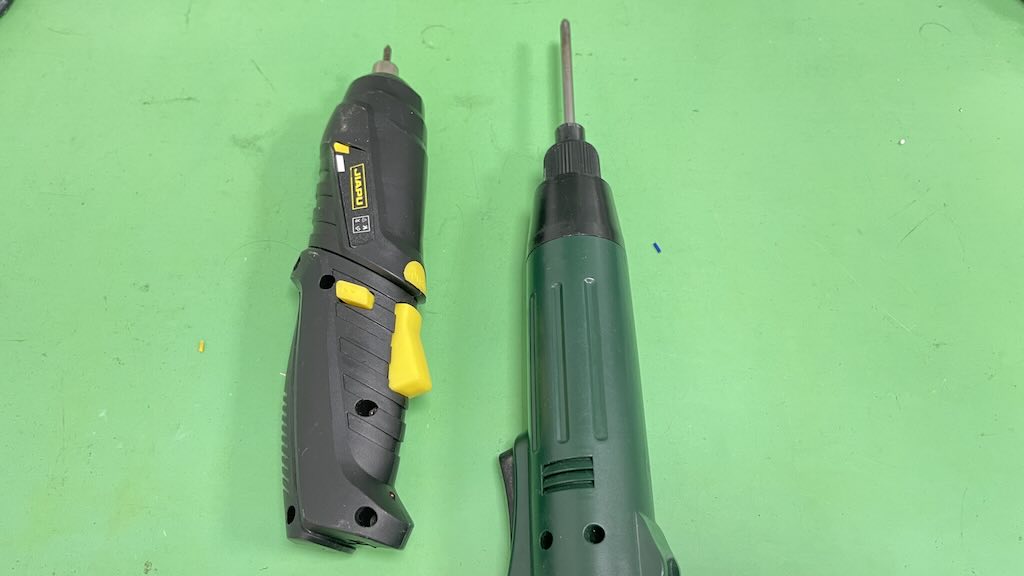 Electronic Screwdriver
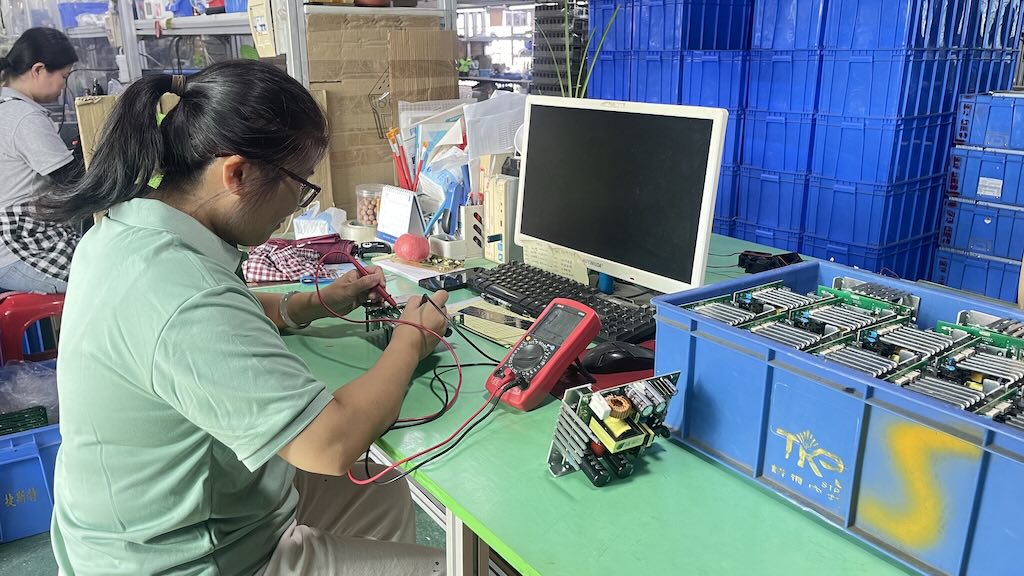 PCB Check
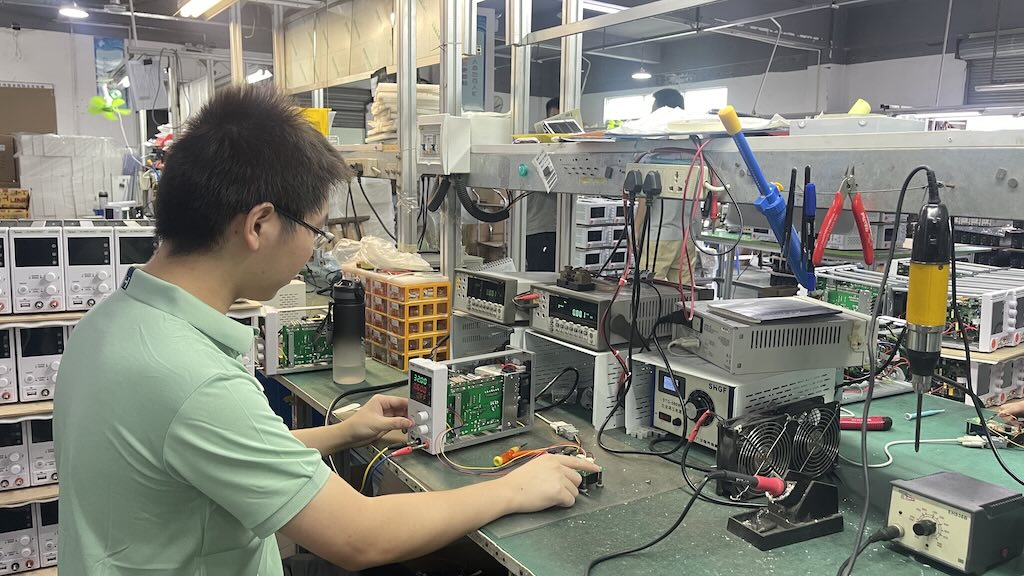 Debug
Debug
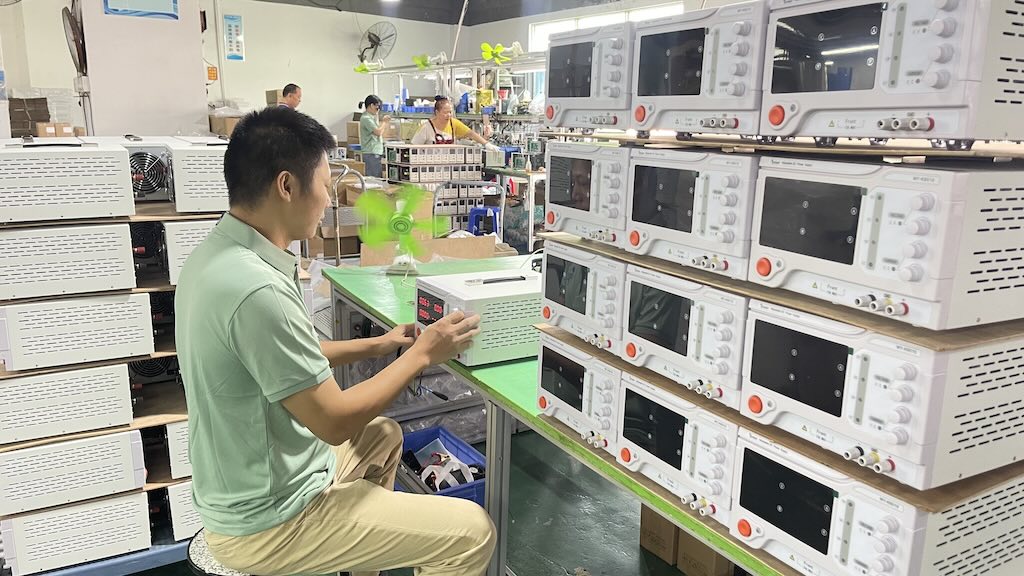 QC Check
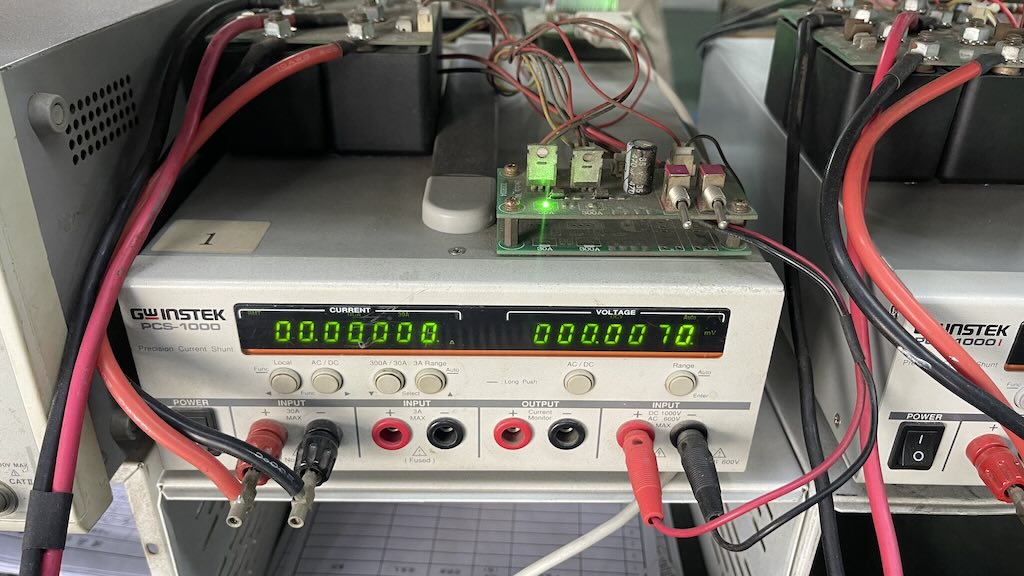 Multimeter
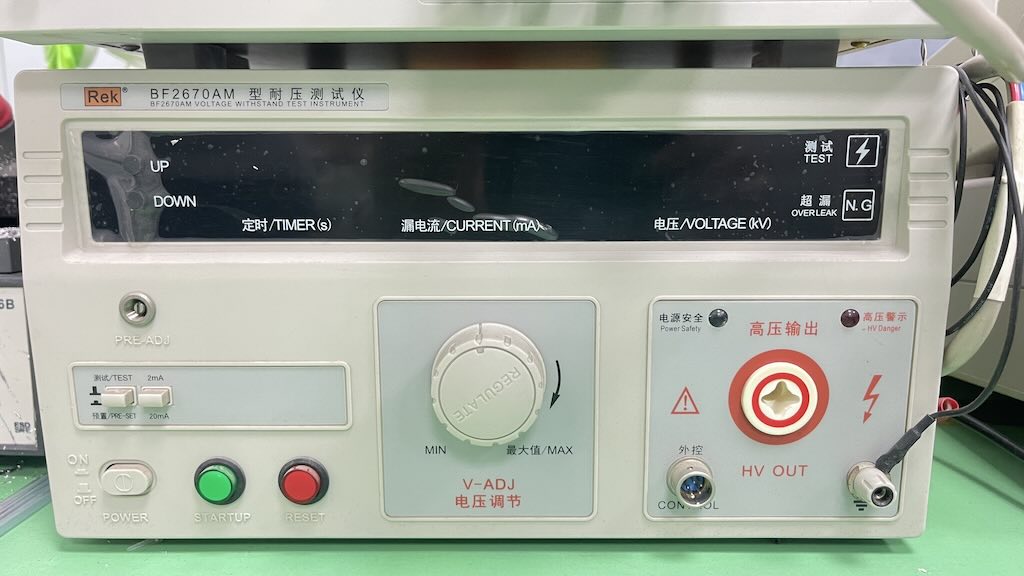 Hi-pot Tester
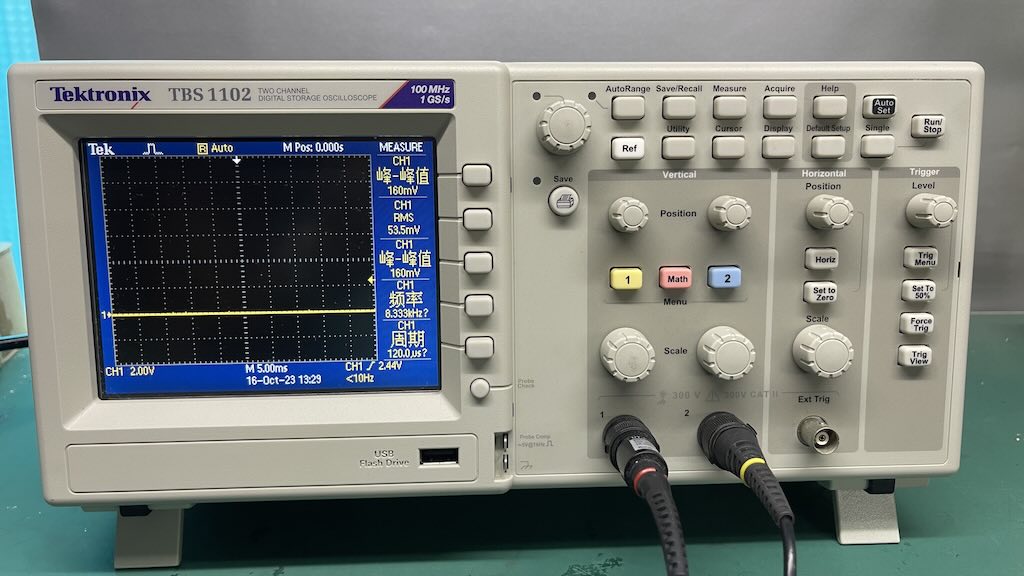 Oscilloscope
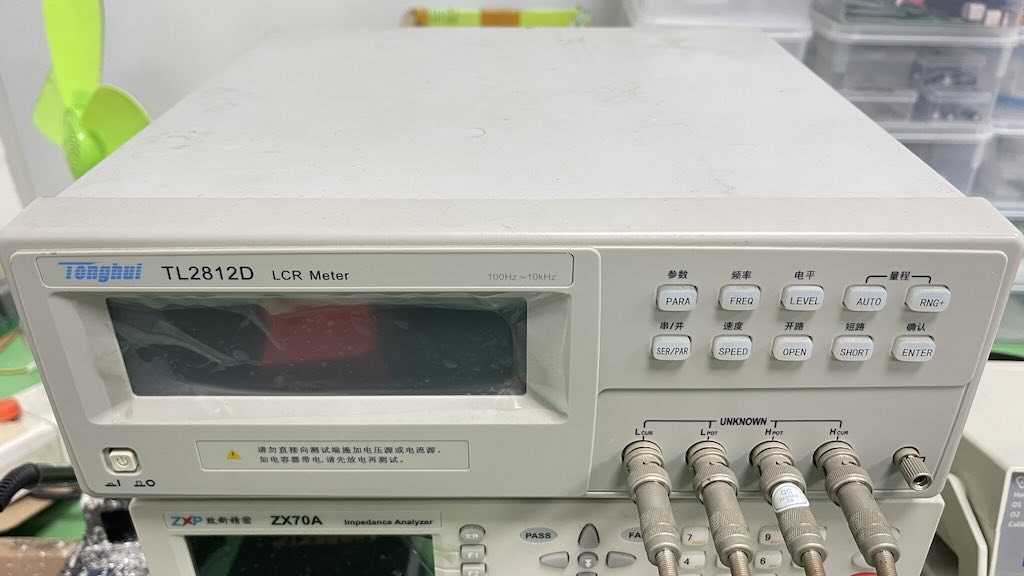 LCR Meter
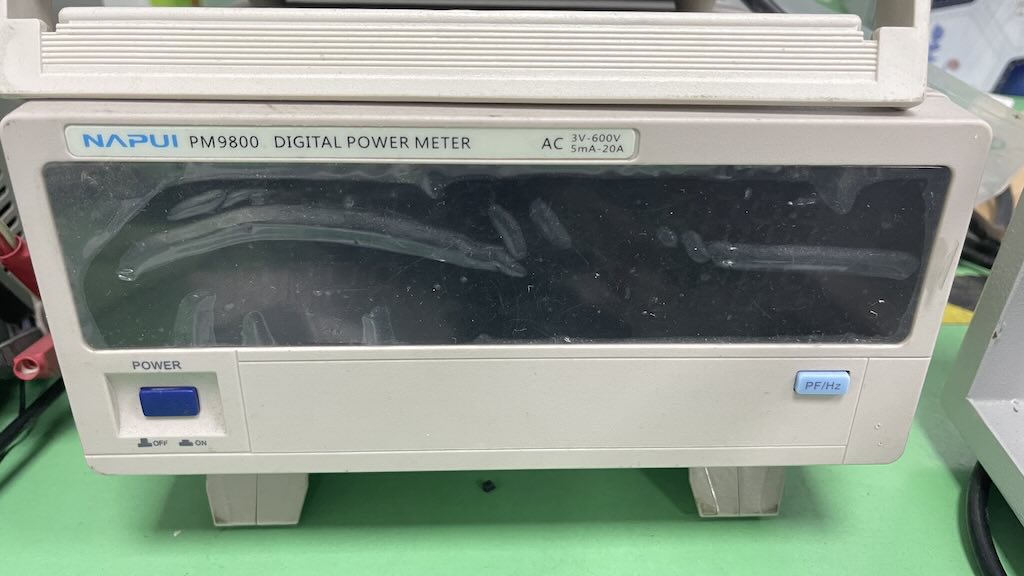 Digital Power Meter
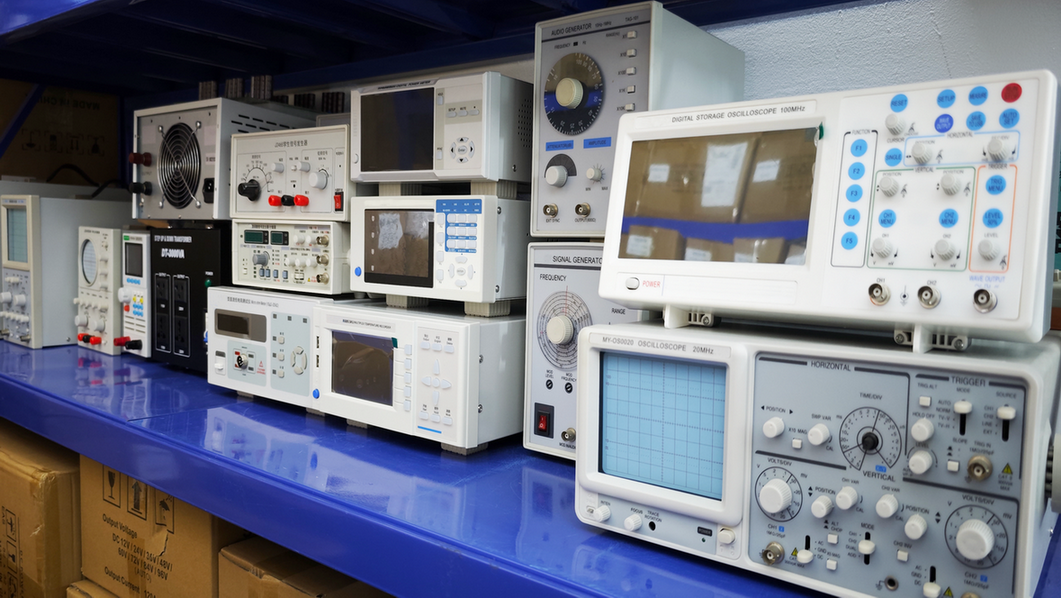
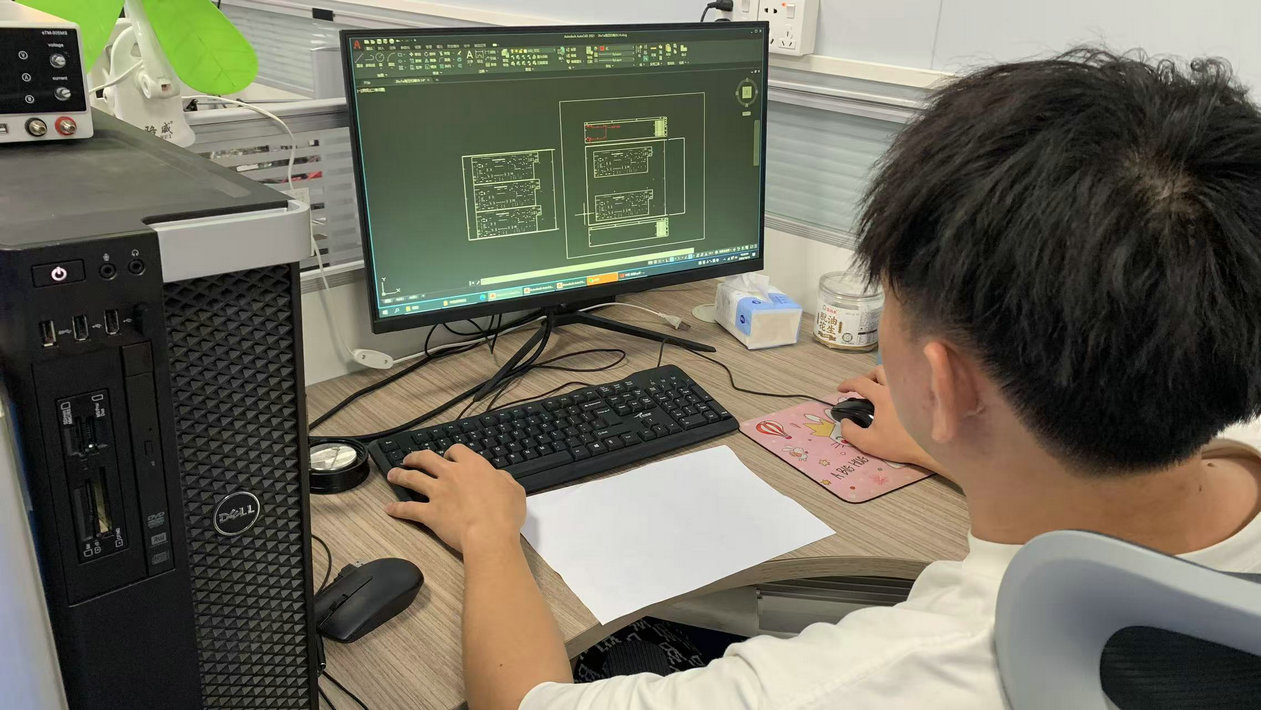 Design
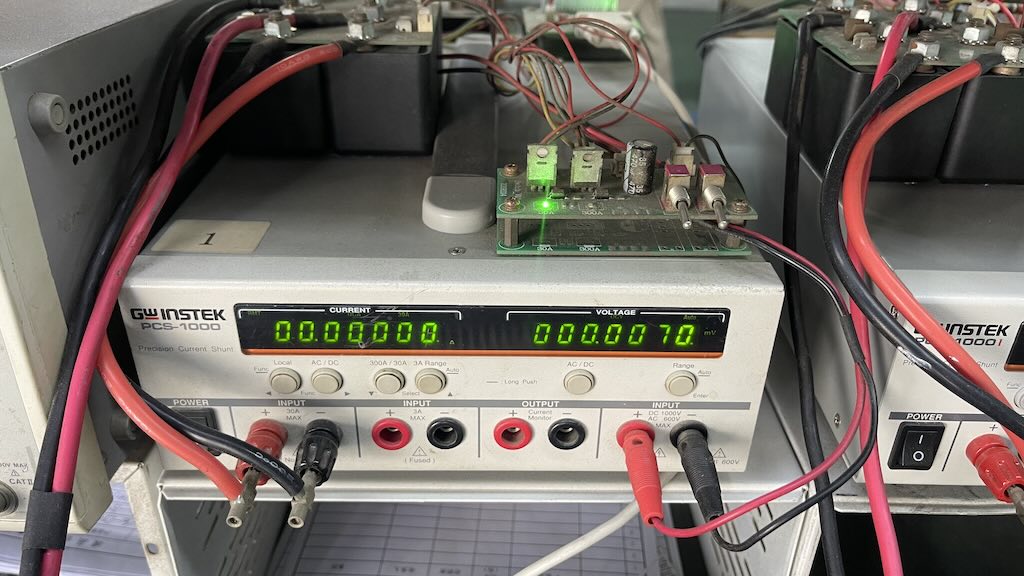 Multimeter
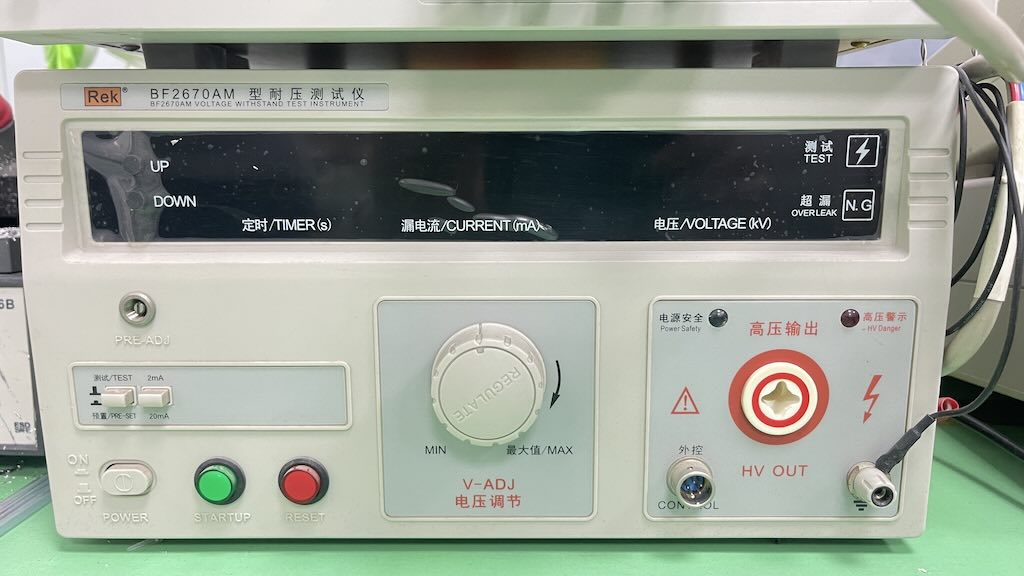 Hi-pot Tester
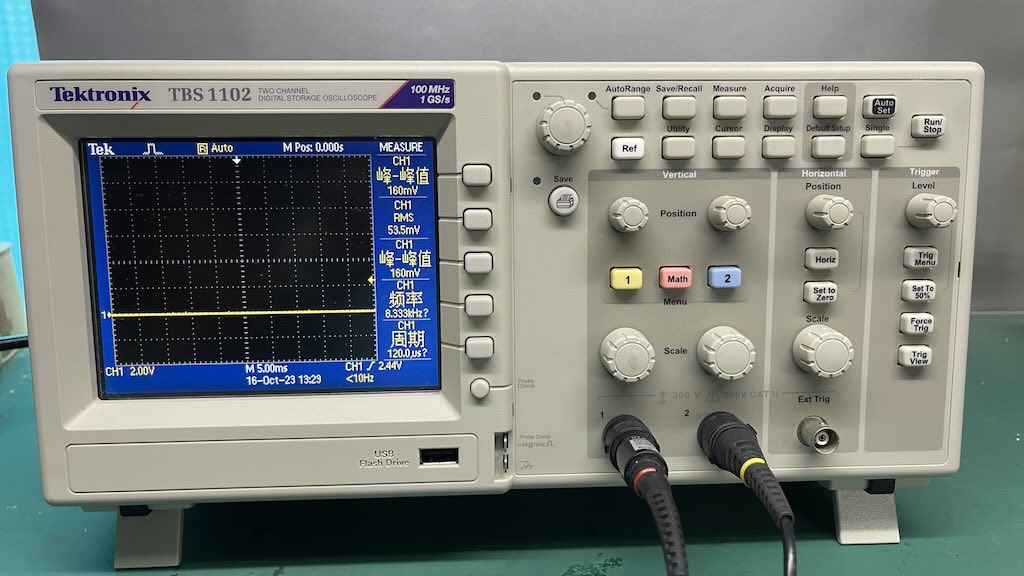 Oscilloscope
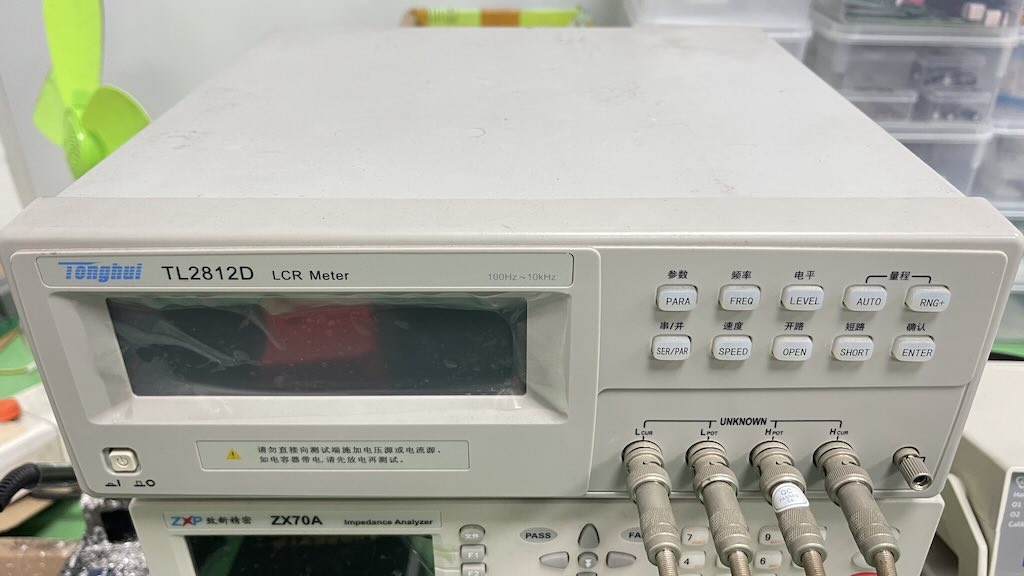 LCR Meter
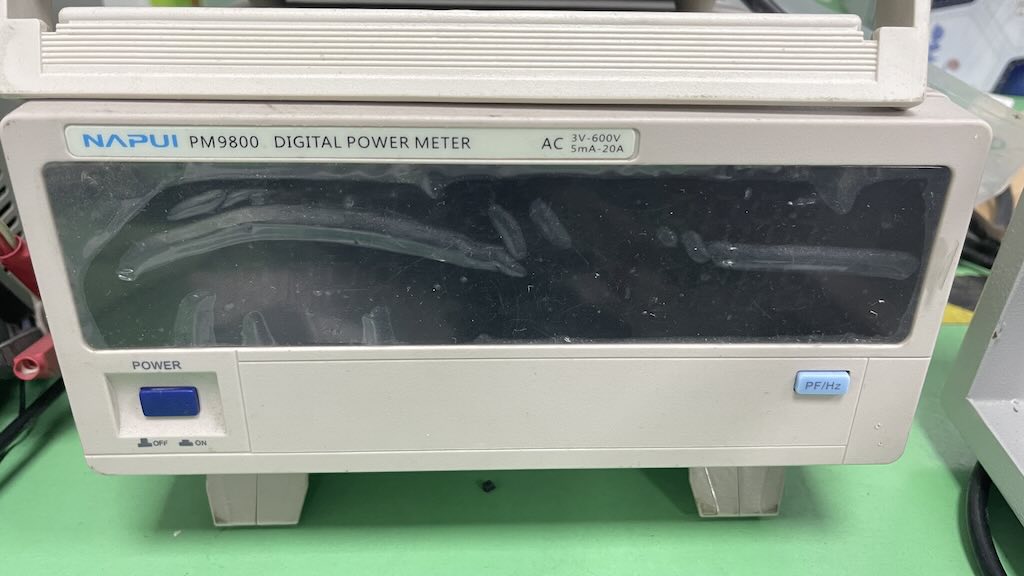 Digital Power Meter
Demystifying technical specifications, integration steps, and operating mechanisms for B2B engineering buyers in Bangkok
Linear power supplies provide exceptionally low output ripple and noise (typically <1mV RMS) and very fast transient response, making them ideal for testing sensitive RF modules, analog audio circuits, and high-frequency amplifiers. However, they are heavier and operate with low power-conversion efficiency. Switching power supplies (SMPS) are far more compact, run with high thermal efficiency (often >85%), and output high power capacities, which is ideal for heavy industrial burn-in testing or automated assembly lines.
To increase total output voltage, channels are connected in series (positive output of Channel 1 to negative output of Channel 2). To increase output current, channels are connected in parallel (positive terminal to positive terminal, negative terminal to negative terminal). For safety, the channels must be galvanically isolated, and tracking modes should be enabled on the controller so that both channels adjust synchronously, preventing backward currents that could damage the DUT (Device Under Test).
MYAMI programmable DC power units feature robust industrial interface options, including Modbus-RTU over RS485/RS232, and optional CAN communication protocols. This enables seamless connection with central PLCs, factory automation systems, and computer setups running LabVIEW or proprietary testing scripts. Standard SCPI (Standard Commands for Programmable Instruments) support allows direct software control of voltage and current parameters.
All MYAMI test equipment is engineered with multi-layer hardware and software protection protocols. This includes Over-Voltage Protection (OVP), Over-Current Protection (OCP), Over-Temperature Protection (OTP), and immediate Short-Circuit Protection (SCP). If a short circuit occurs at the load terminals, the power supply shuts down its active output stage within microseconds, illuminating an LED warning indicator to protect both the supply circuitry and the customer's expensive device under test.
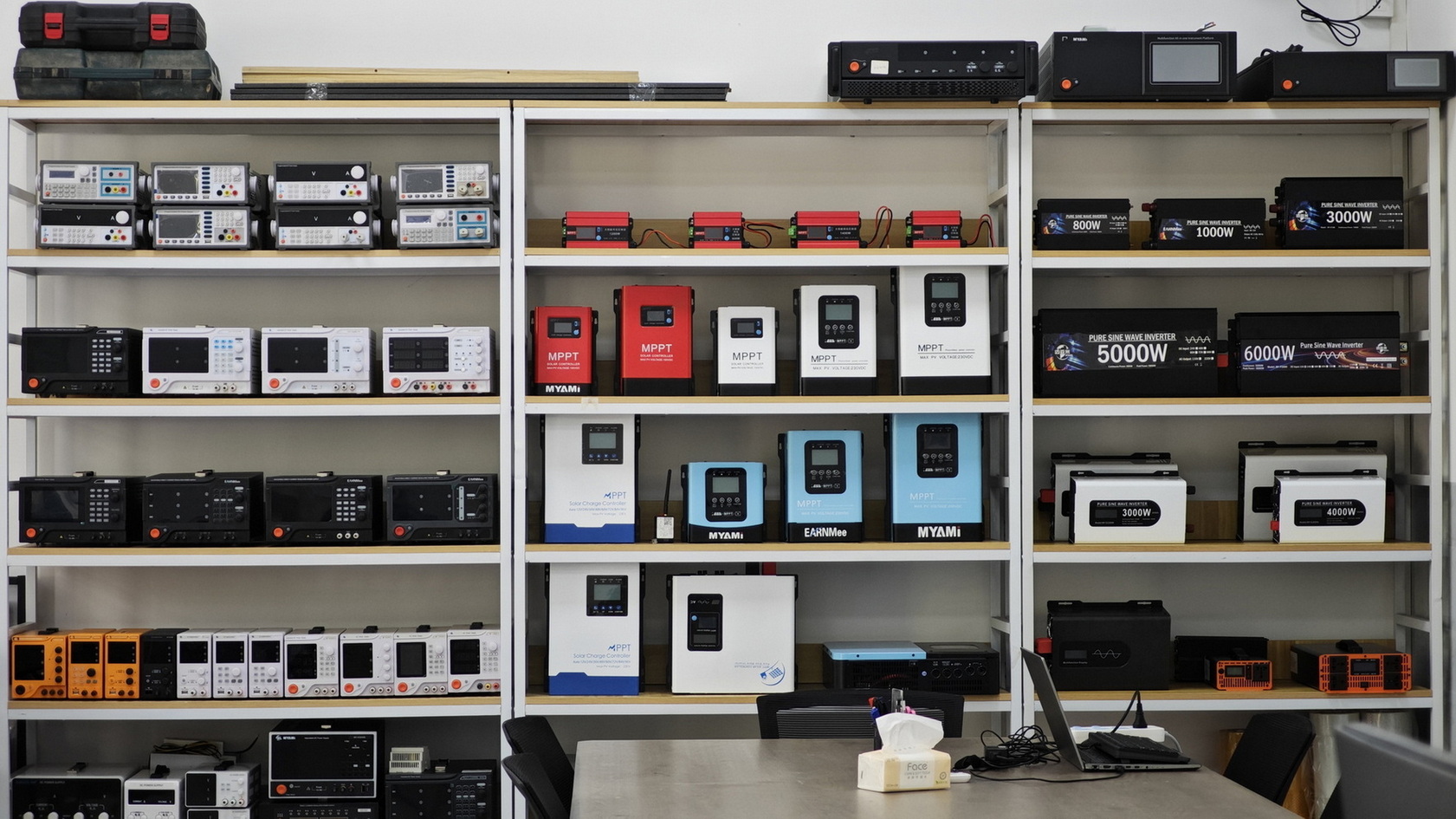
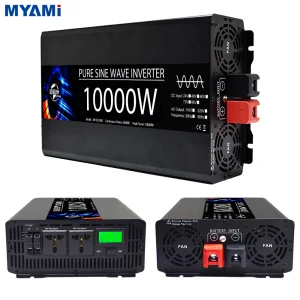
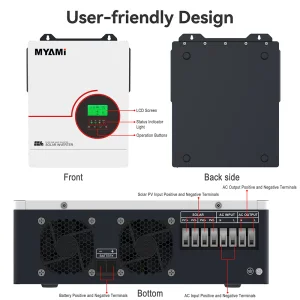
Comprehensive testing instruments, hybrid solar inverters, and high-power regulated systems built for high-performance projects
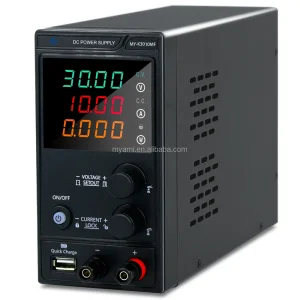
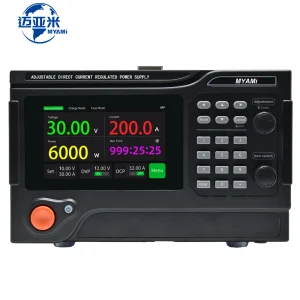
Get in touch with MYAMI's application engineering team to receive expert technical consultations, customizable configuration adjustments, and B2B pricing quotes optimized for the Bangkok and wider Thailand commercial markets.
 Myami Power