High-precision testing systems and power converters certified to meet international regulatory standards for safety, efficiency, and engineering rigor.

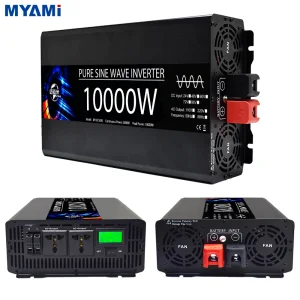
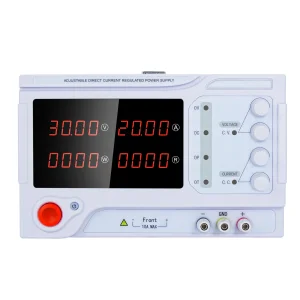
Headquartered in Shenzhen, China, Shenzhen Myami Power Technology Co., Ltd. (MYAMI) is a technology-driven manufacturer and solution provider specializing in high-precision, industrial-grade power supplies and electrical test equipment. Designed for engineering rigor, MYAMI bridges the gap between complex electronic research, high-voltage component testing, and scalable industrial automation.
Every MYAMI system is engineered with strict multi-layer protection protocols (OVP, OCP, OTP, and short-circuit safeguards) and complies with international safety and quality standards, including CE, RoHS, and ISO9001. Integrated with standard industrial control protocols (RS485, RS232, and CAN communication), our equipment seamlessly connects to automated production lines and central PC control systems.
Today, MYAMI serves research institutions, automotive OEMs, aerospace contractors, and electronics manufacturers across North America, Europe, East Asia, and the Middle East. Whether you require a single benchtop lab power supply or a custom high-power aging system, MYAMI is your ultimate partner for precision power and uncompromised testing reliability.
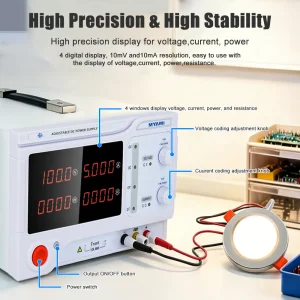
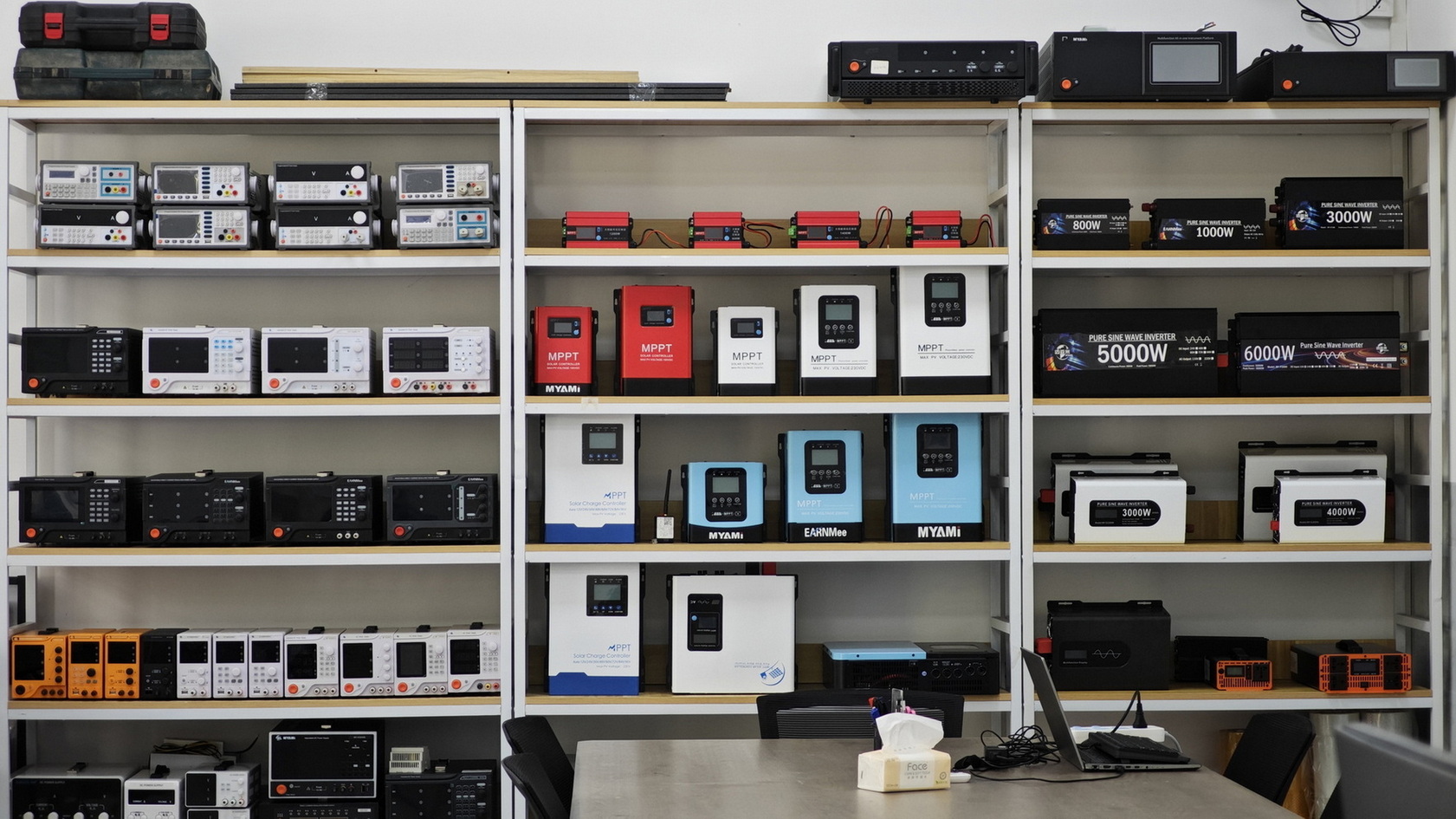
Featuring multi-digit LED displays, ultra-low ripple, and rapid transient response, engineered for precision electronic R&D, semiconductor evaluation, and PCB debugging.
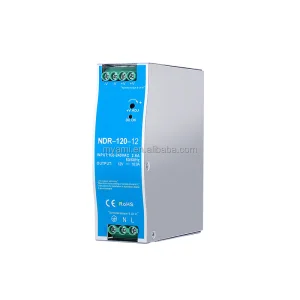
Delivering high-current, high-voltage DC/AC regulated power supplies (ranging up to hundreds of volts and amperes) built for industrial motor drives, electroplating rectifiers, and heavy-duty component burn-in testing.
Providing specialized DC power units, battery simulators, and variable AC power sources engineered for Electric Vehicle (EV) On-Board Chargers (OBC), BMS evaluation, and solar inverter testing.
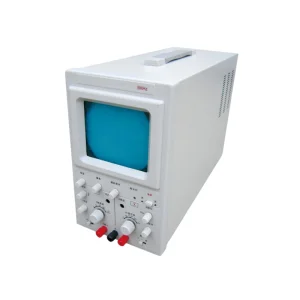
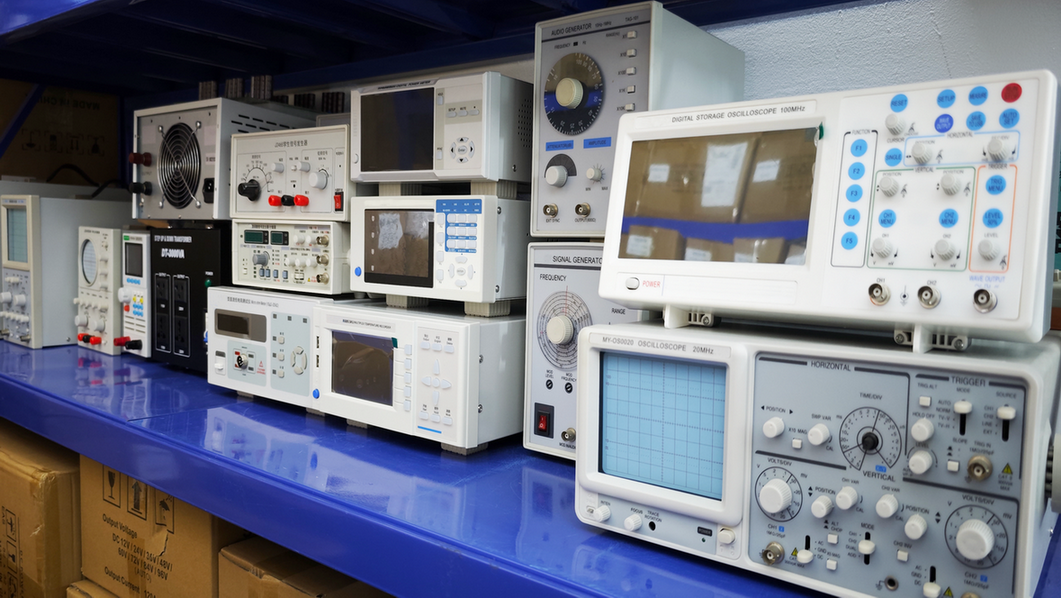
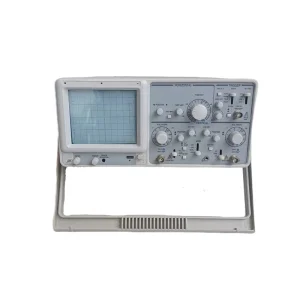
Supplying complementary test bench solutions, including digital oscilloscopes, multimeters, and specialized AC voltage regulators for global laboratories and technical institutes.
Exploring the commercial significance of regulatory compliance, product efficiency, and the critical demands of modern electronics manufacturers.
In the modern electrical engineering ecosystem, the reliability of a power supply unit (PSU) governs the performance stability of the host system—whether it is a medical diagnostic scanner, a telecom base station, or an aerospace control panel. Power supply testers serve as the primary diagnostic line of defense, validating that output parameters like load regulation, line regulation, ripple noise, and transient recovery remain within acceptable tolerance thresholds. Exporting these high-tech diagnostic systems internationally requires uncompromising compliance with global directives, where CE Certification stands as the gold standard of safety and compatibility.
CE marking guarantees that a power supply tester adheres to the strict technical prerequisites of the Low Voltage Directive (LVD) 2014/35/EU and the Electromagnetic Compatibility (EMC) Directive 2014/30/EU. For systems involving programmable control or digital processing interfaces, compliance with these directives guarantees that no electromagnetic pollution interferes with external systems, and that the equipment poses zero shock hazards to lab operators. Under EU harmonized standards, CE-certified testing apparatus must prove dynamic electrical resilience, robust galvanic isolation, and structural safety. As direct exporters, MYAMI integrates these specifications directly into the R&D cycle, providing our global clients in North America, Europe, and Asia with absolute operational peace of mind.
Every stage of production—from component sourcing to final calibration—is systematically tracked and verified for compliance.
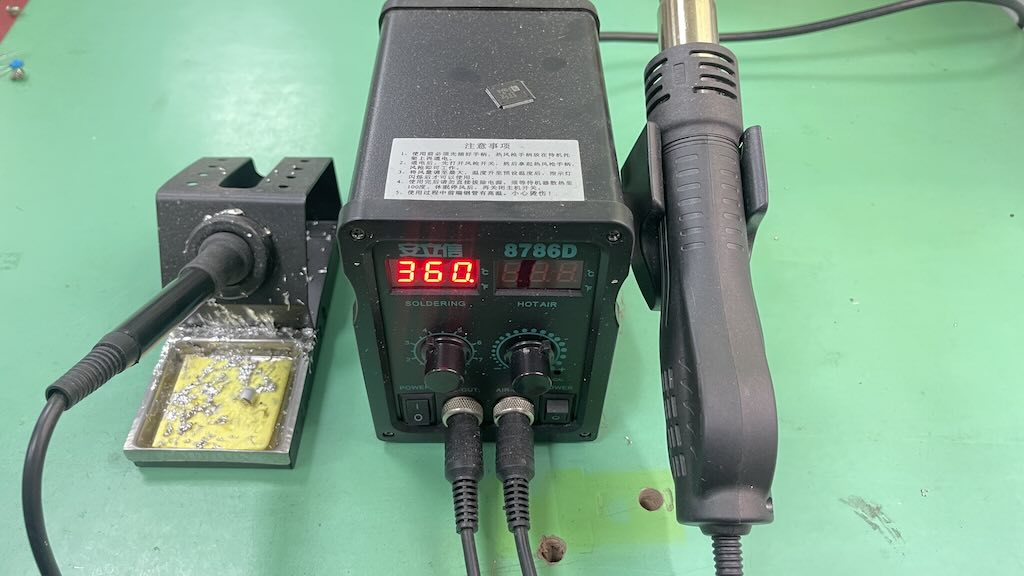
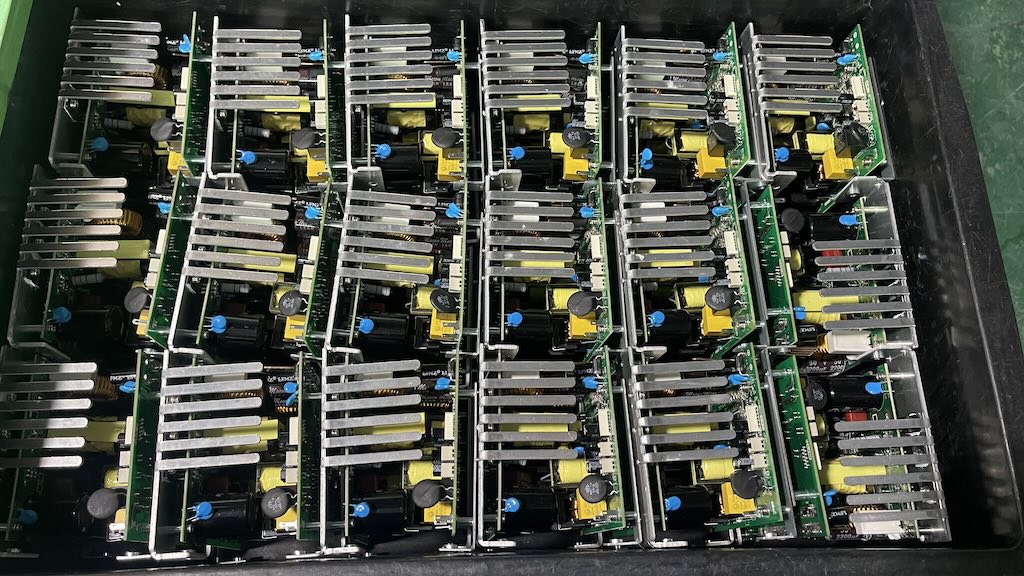 Raw Material
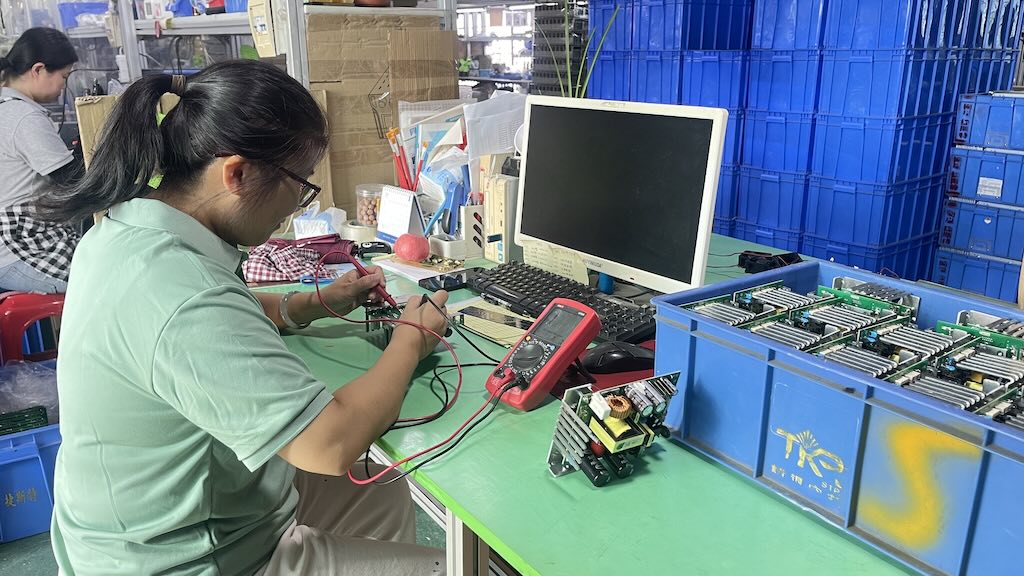 PCB Checking
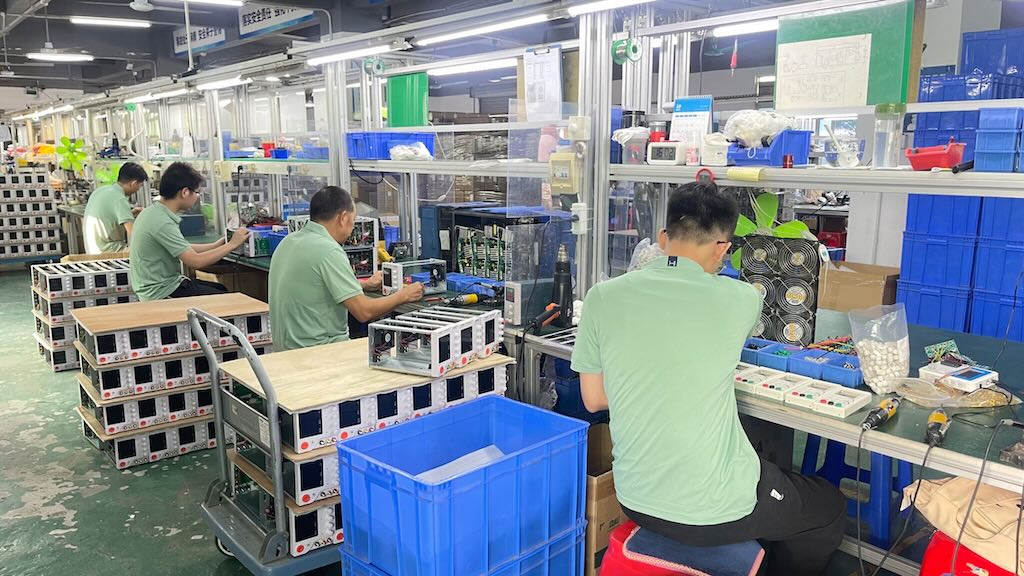 Assembling
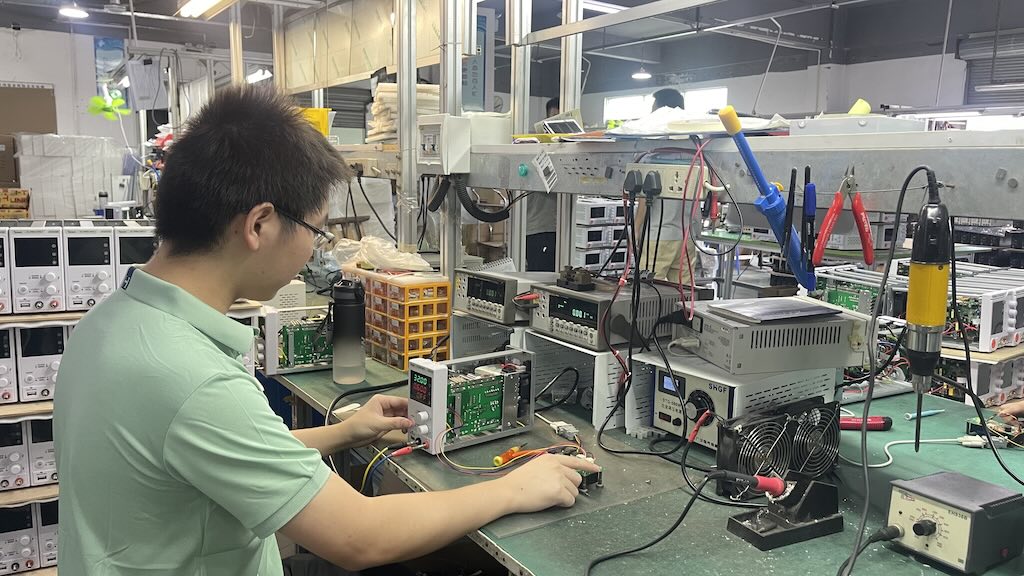 Debug
Debug
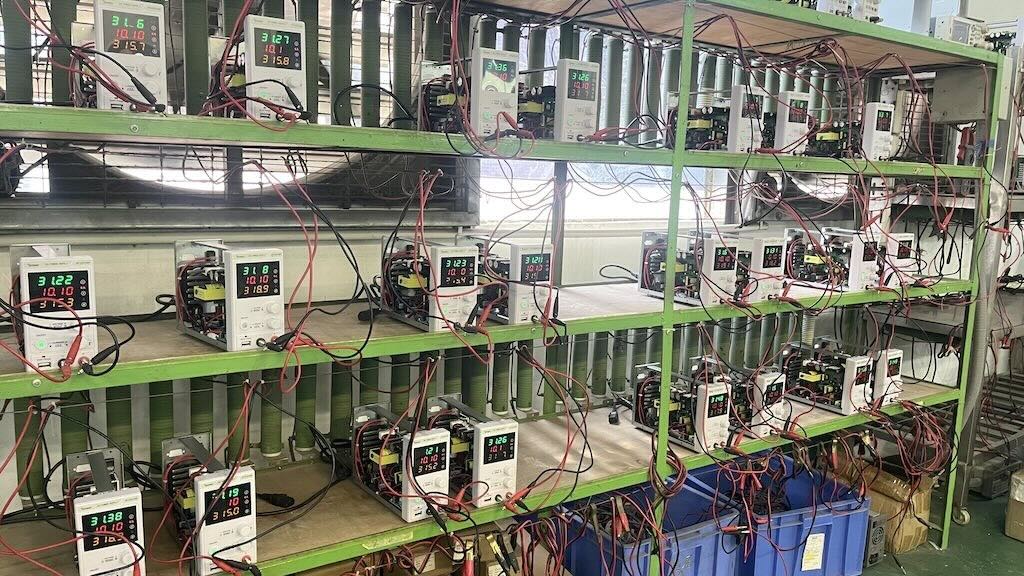 Aging
Aging
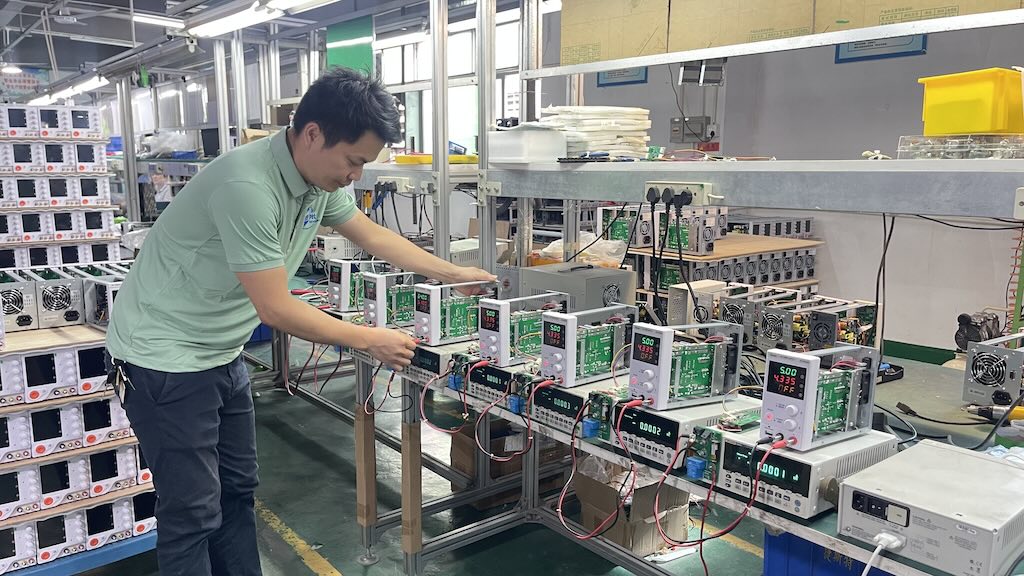 Calibration
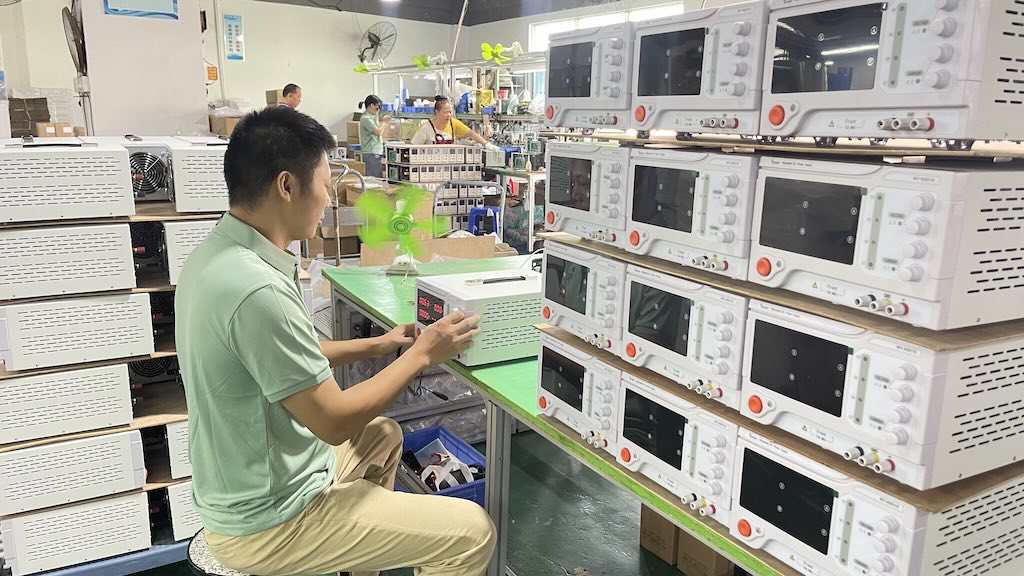 QC checking
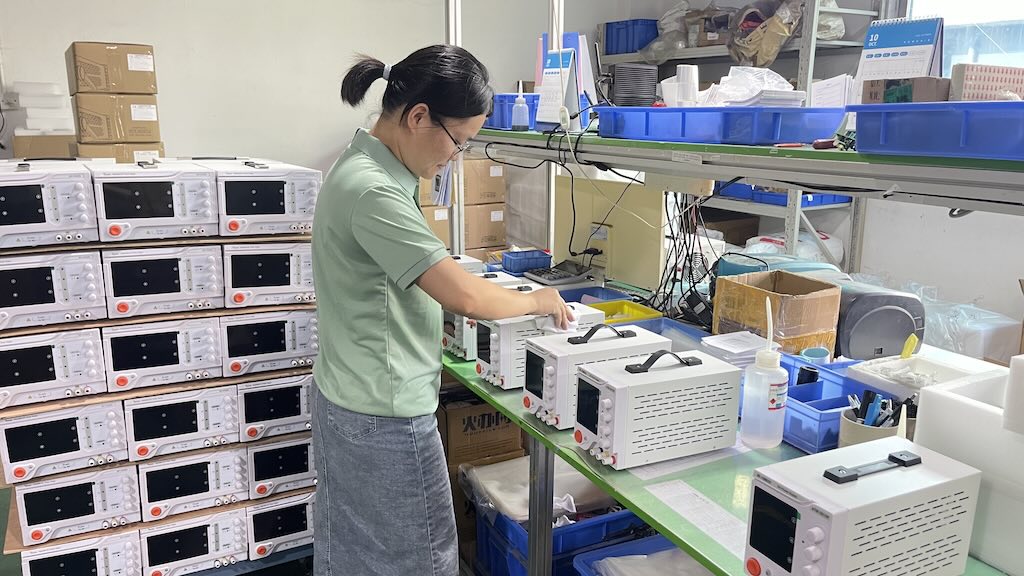 Packing
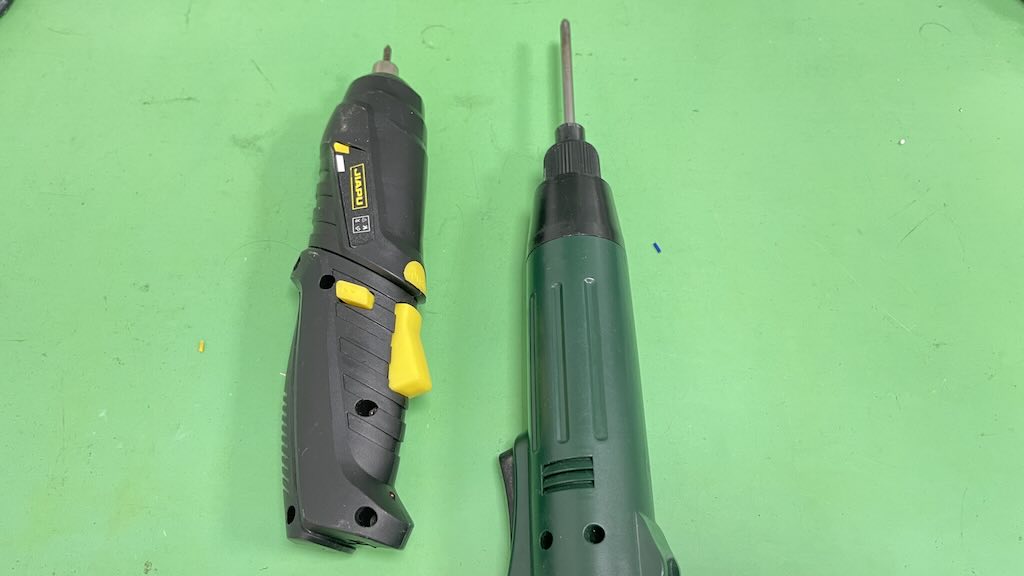 Electronic Screwdriver
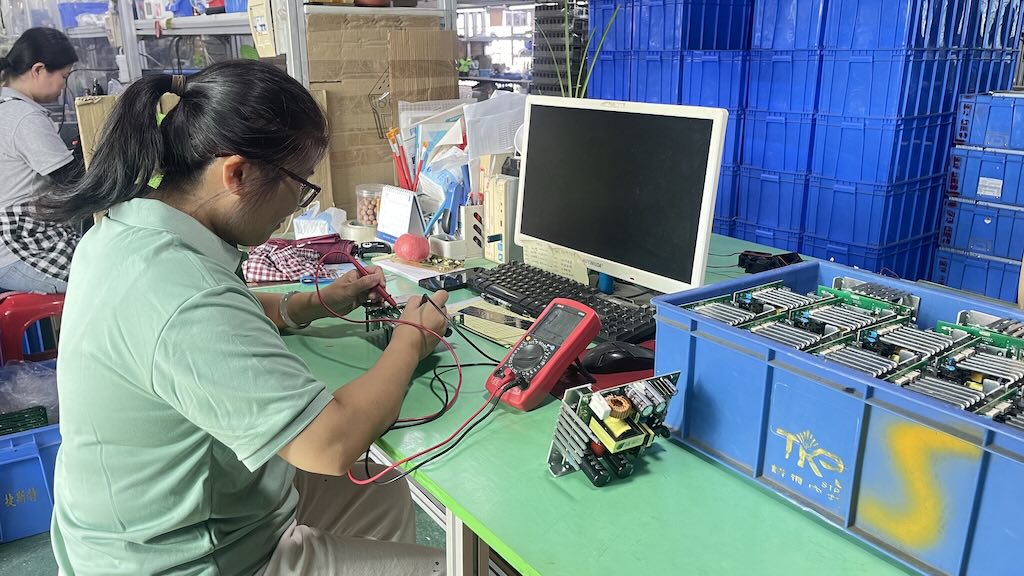 PCB Check
The technological convergence of Wide Bandgap (WBG) semiconductors, IoT controls, and software-defined testing protocols.
1. Wide-Bandgap Semiconductor Integration
The transition from silicon (Si) to Gallium Nitride (GaN) and Silicon Carbide (SiC) switches has fundamentally altered the power density profile of industrial power supplies. Modern testing units must cope with faster transient response requirements, high frequencies, and elevated thermal output. Testing setups must feature ultra-low parasitics to yield reliable results under rapid dV/dt slew rates.
2. Smart Integration and Industrial IoT (IIoT)
Manual bench testing is rapidly yielding to fully automated test equipment (ATE) environments. Today's design engineers expect test units to have native Ethernet, CAN, and RS485 communication protocols. Remote monitoring, telemetry, logging, and software-programmable scripts are standard requirements for validating power units on high-throughput assembly lines.
3. Advanced Regulatory Directives (EU & Globally)
The regulatory landscape is tightening. Safety requirements are prioritizing total leakage current suppression, complex surge protection mechanisms, and high efficiency under variable load profiles. CE-certified test instruments are expected to provide active Power Factor Correction (PFC) and mitigate grid harmonics (THD) under load testing conditions.
4. Modular & Scalable Configurations
Hardware flexibility is key to protecting testing capital. Scalable architectures allow test systems to operate in parallel to extend current capacities, or in series to simulate high-voltage systems (such as 800V EV architectures). Modern power testers must support seamless master-slave configurations without losing signal integrity.
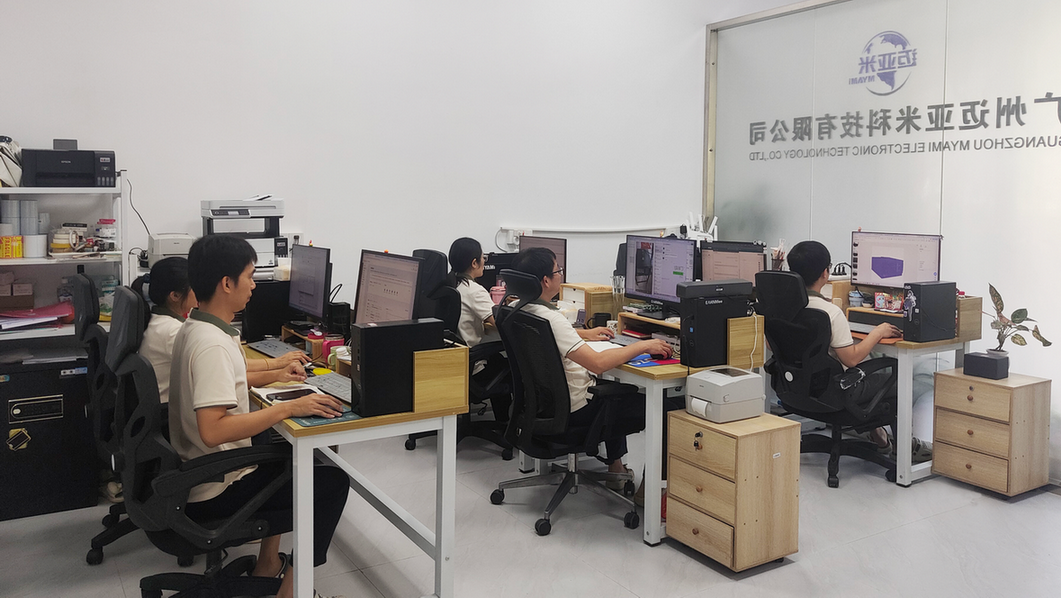
Undergoing rigorous calibration and inspection using certified lab apparatus to maintain consistent signal fidelity.
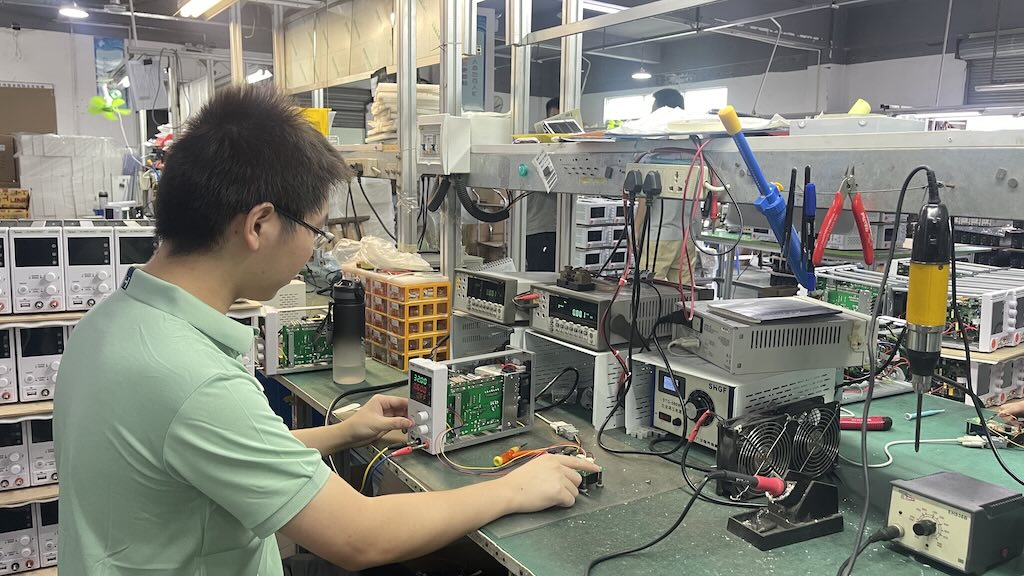 System Debugging
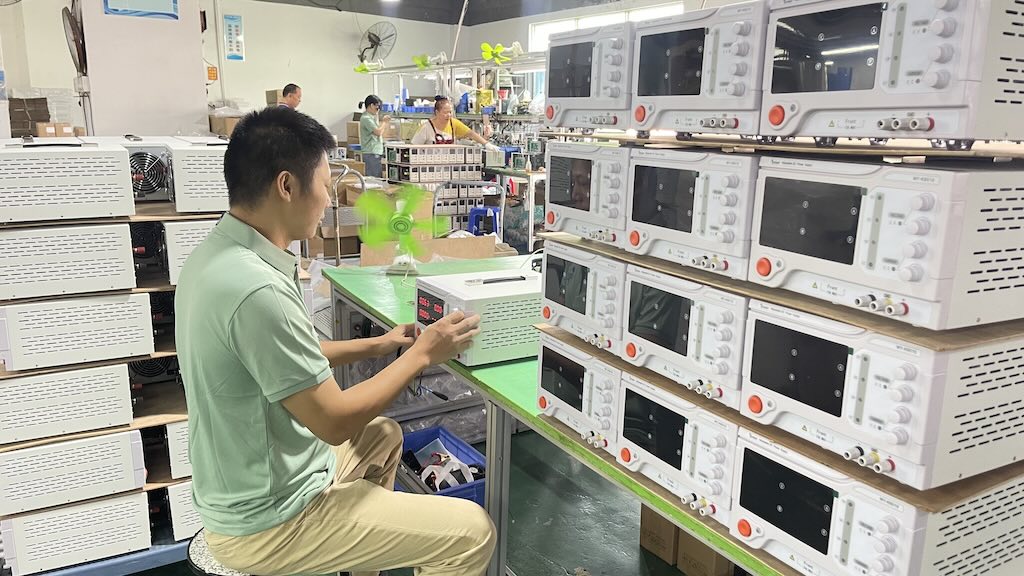 Quality Check
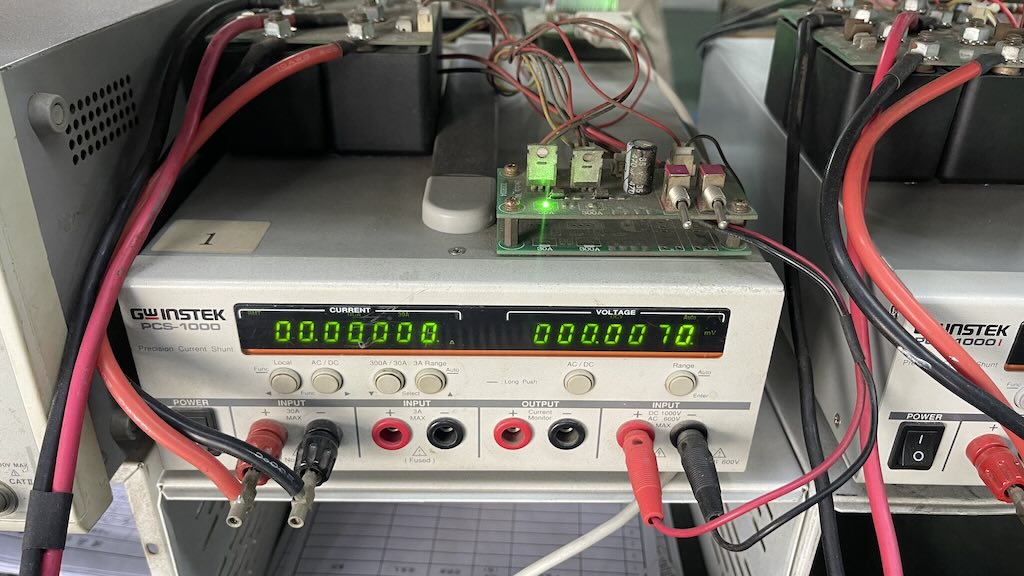 Precision Multimeter
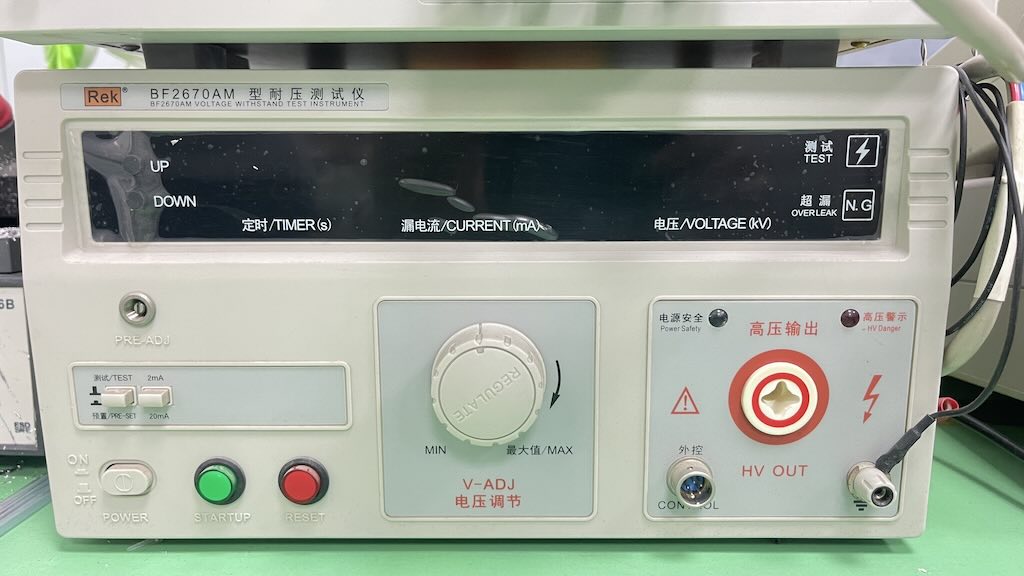 Hi-pot Dielectric Tester
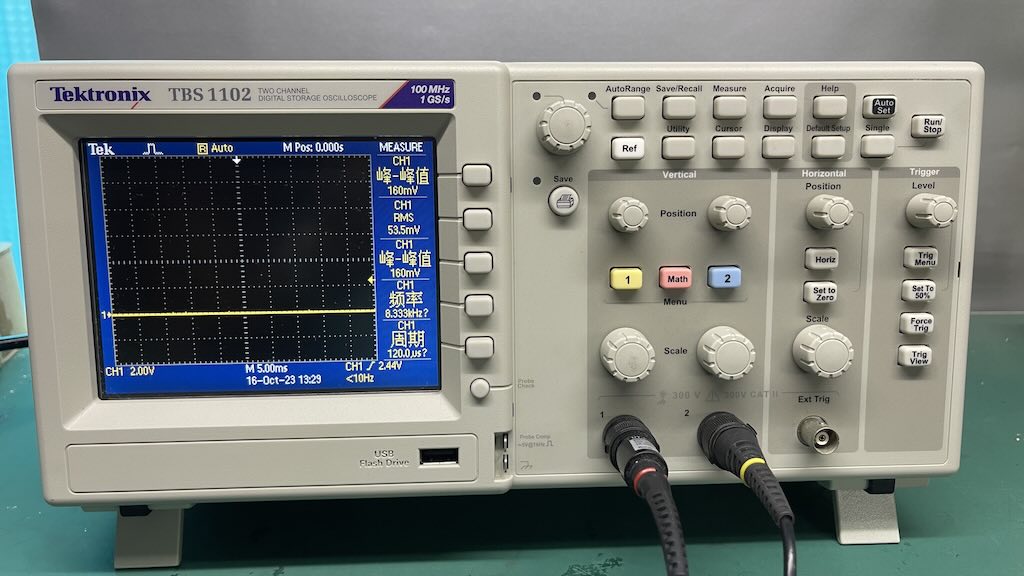 Digital Oscilloscope
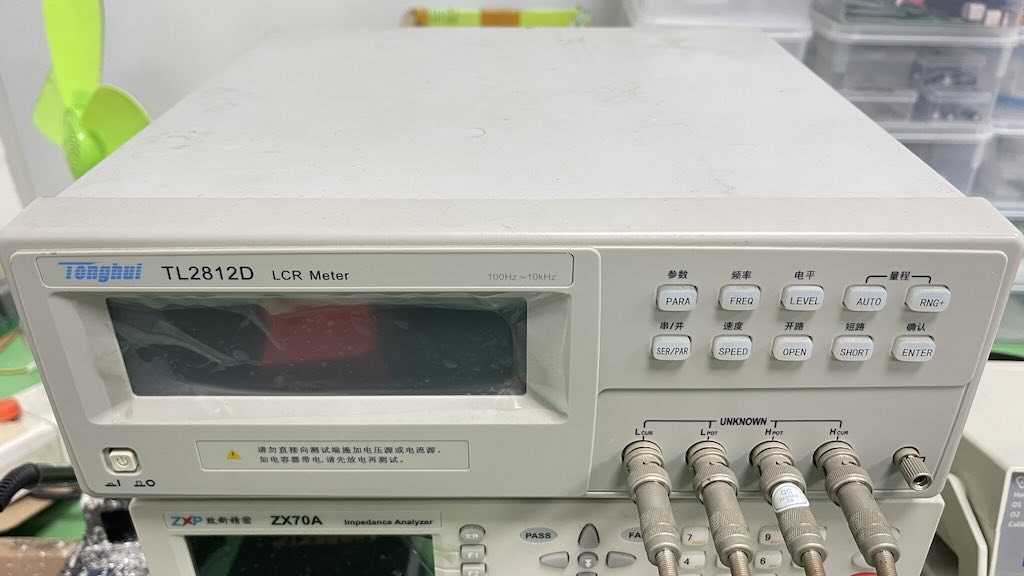 LCR Impedance Meter
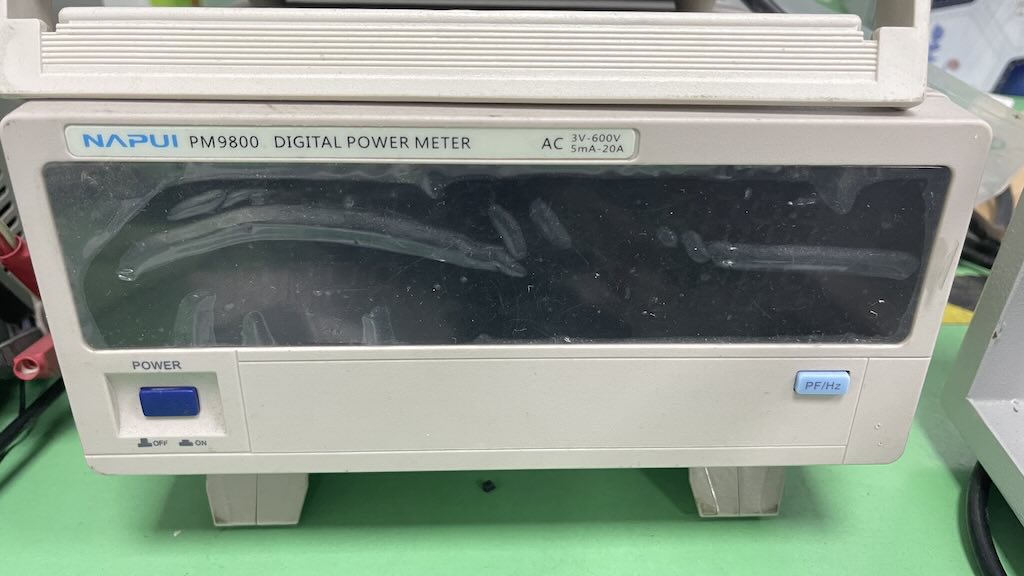 Digital Power Meter
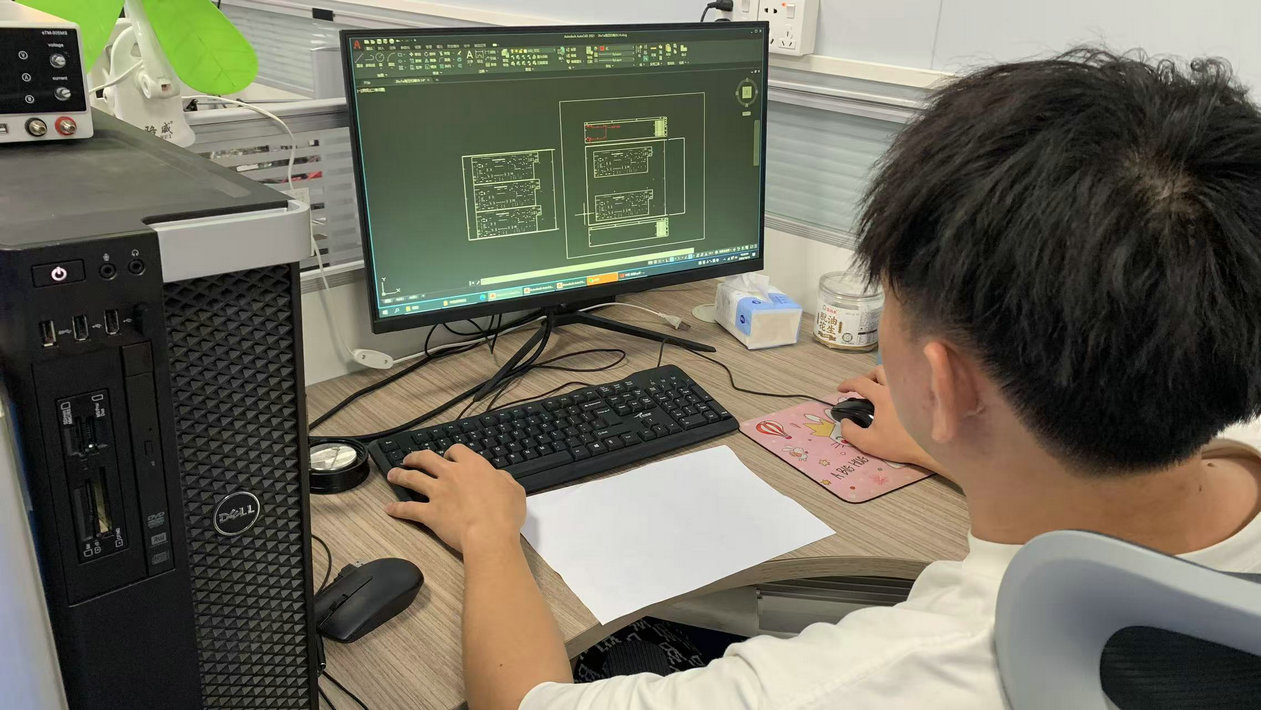 CAD Engineering Design
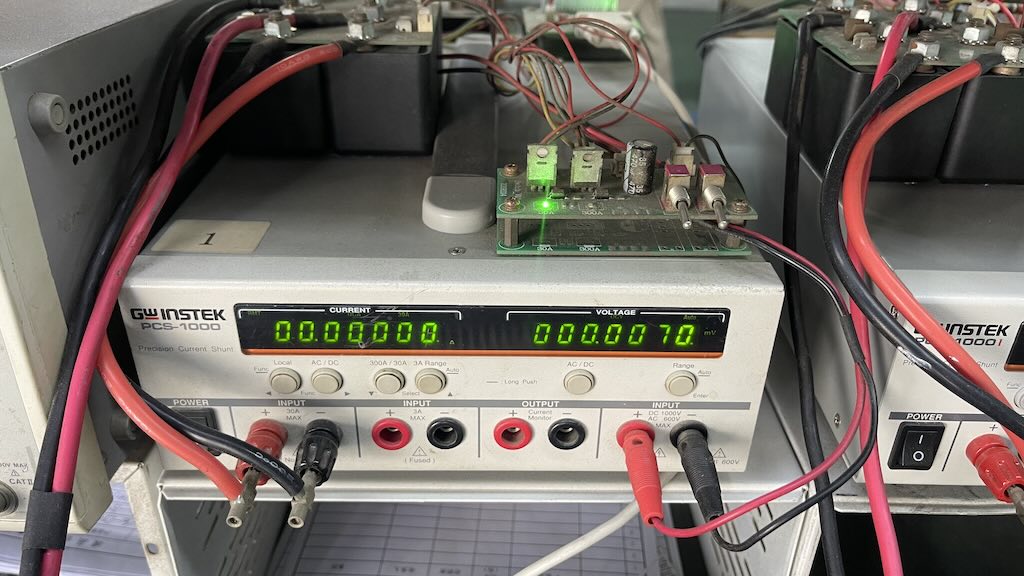 Secondary Multimeter
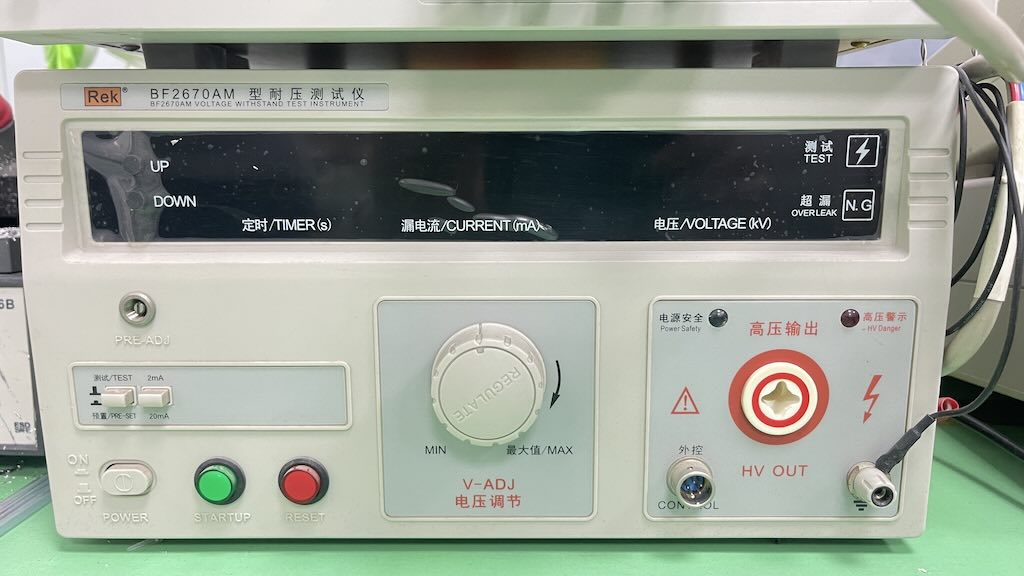 Safety Isolation Hi-pot
High-performance configurations tailored for critical applications across EV development, academic research, and aerospace networks.
Validation systems for electric vehicle On-Board Chargers (OBC), DC-DC converters, and Battery Management Systems (BMS). Capable of simulating complex vehicle battery pack voltage transients and discharge profiles up to 1000V DC.
Providing variable frequency AC supplies and regenerative electronic loads to evaluate commercial solar inverters, micro-inverters, and domestic off-grid battery energy storage systems (BESS).
Turnkey bench instrumentation solutions including high-precision programmable DC power units, arbitrary function generators, and digital oscilloscopes tailored for academic research facilities and technical institutes.
Answers to complex engineering questions regarding certification requirements, accuracy calibration, and configuration topologies.
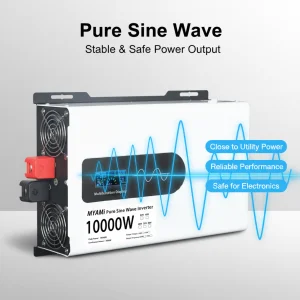
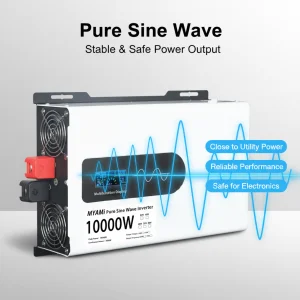
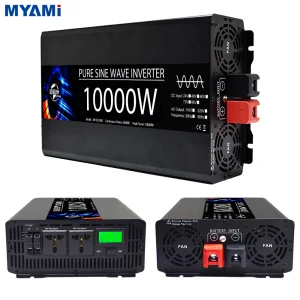
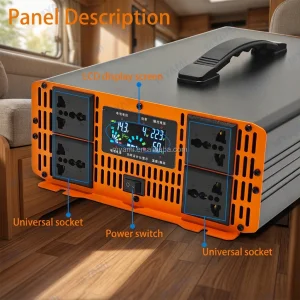
High-efficiency single-phase pure sine wave converters and laboratory signal generators for commercial, scientific, and industrial installations.

 Myami Power


