CE Certified Thermal Camera Manufacturers & Suppliers

Precision Thermal Calibration, Robust Industrial Enclosures, and Uncompromised Metrological Compliance for Global Supply Chains.

ISO 9001:2015 CE Certified RoHS Compliant

Shenzhen Myami Power Technology Co., Ltd.

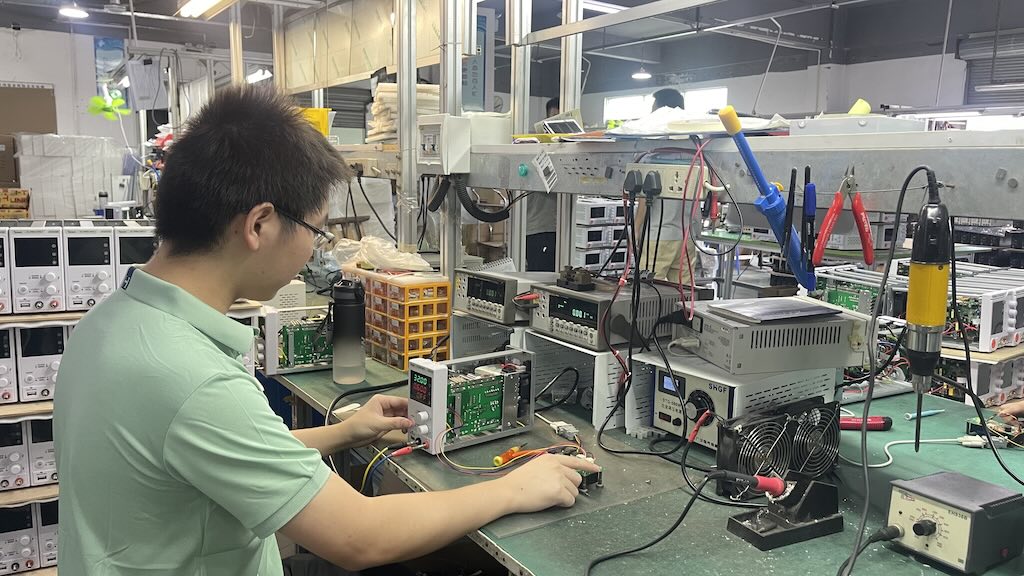
Headquartered in the global electronics manufacturing epicenter of Shenzhen, China, Shenzhen Myami Power Technology Co., Ltd. (MYAMI) is a technology-driven manufacturer and comprehensive solutions provider. We specialize in high-precision, industrial-grade power supplies and electrical test equipment. Our engineering-focused catalog is built specifically to address complex electronic R&D processes, high-voltage component validation, and automated production testing.

By leveraging robust test methodologies, our equipment empowers manufacturers to design and calibrate advanced optoelectronic instruments—including high-performance thermal cameras, infrared focal plane arrays, and environmental sensor assemblies.

Every MYAMI system integrates strict multi-layer protection protocols (OVP, OCP, OTP, and short-circuit safeguards) complying with strict international regulations. Using standardized industrial communication protocols such as RS485, RS232, and CAN, our equipment integrates directly into central SCADA systems and automated manufacturing lines.
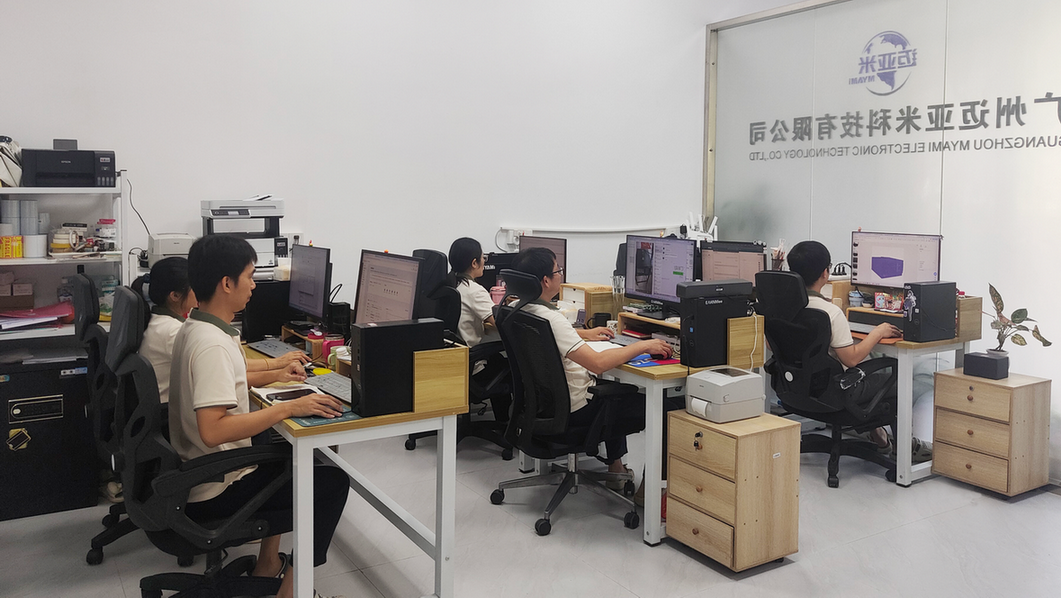
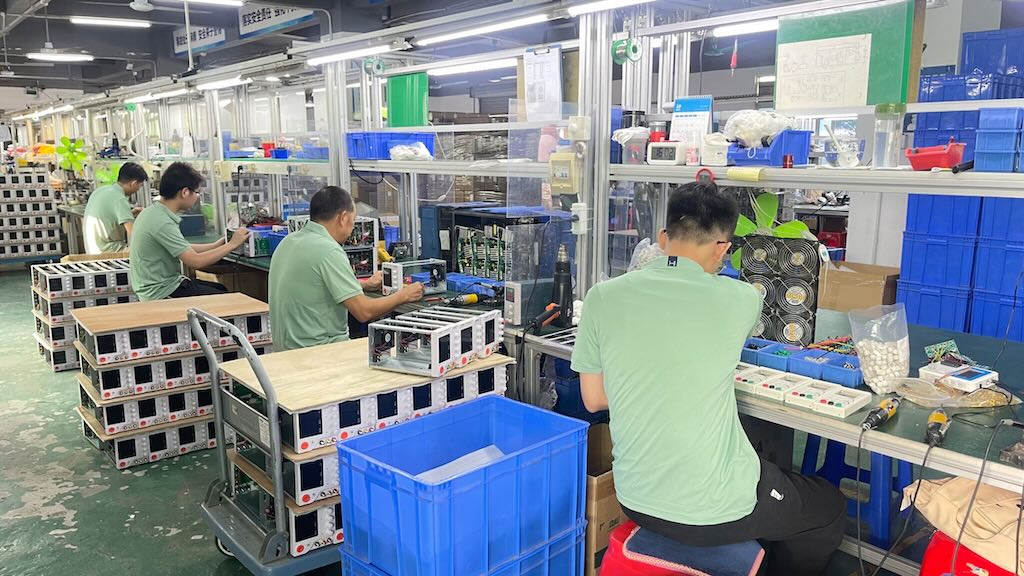
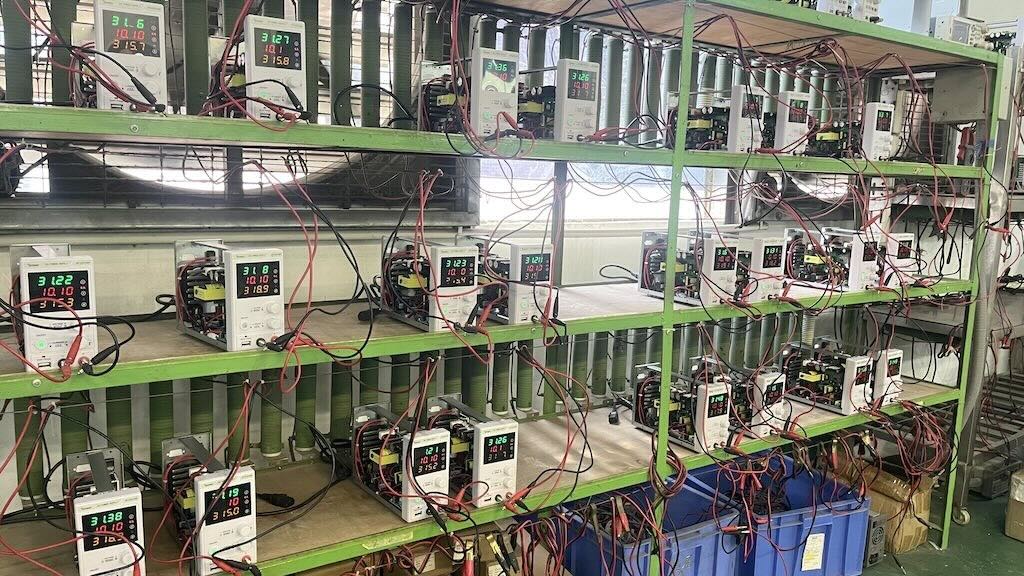
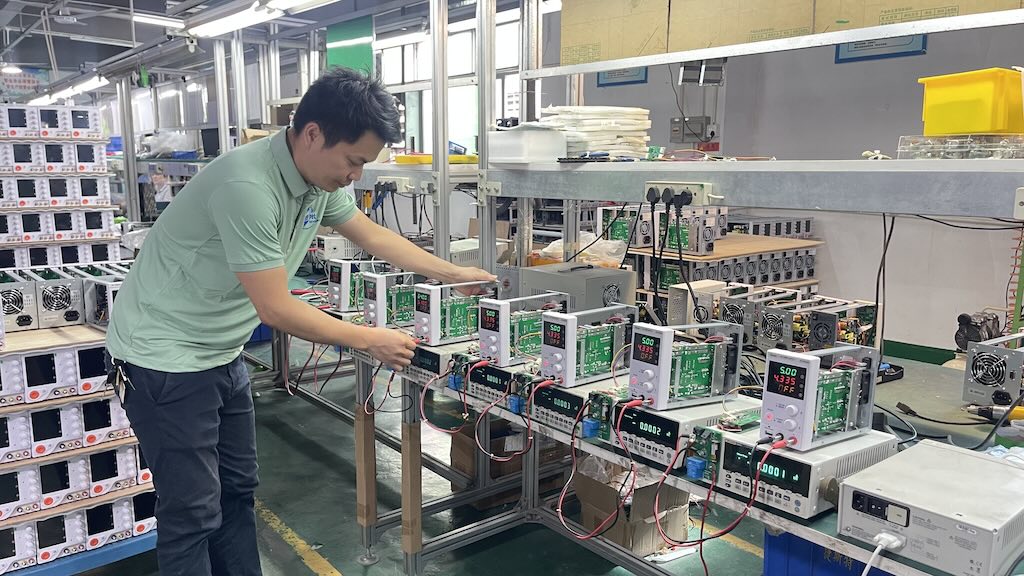
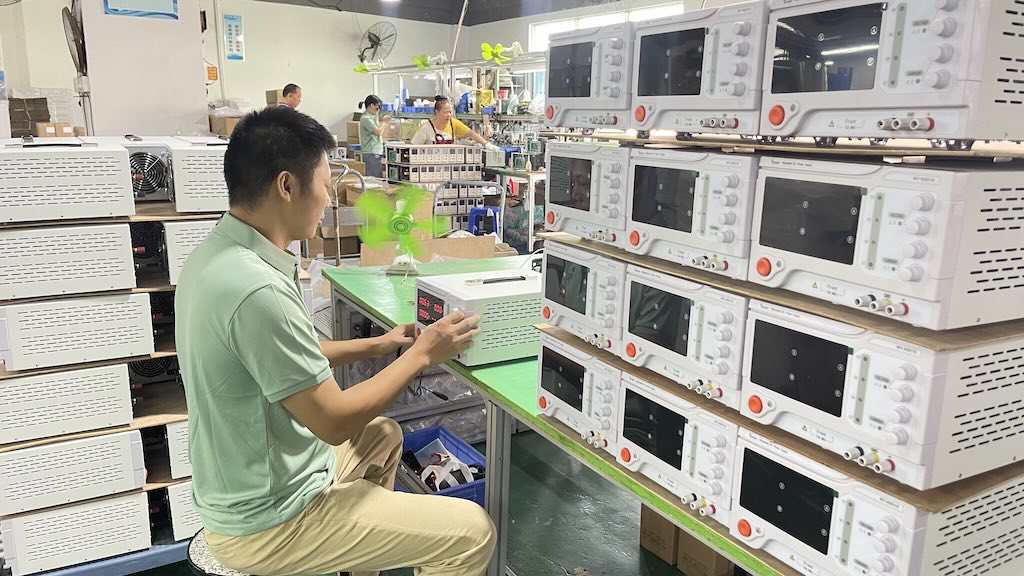
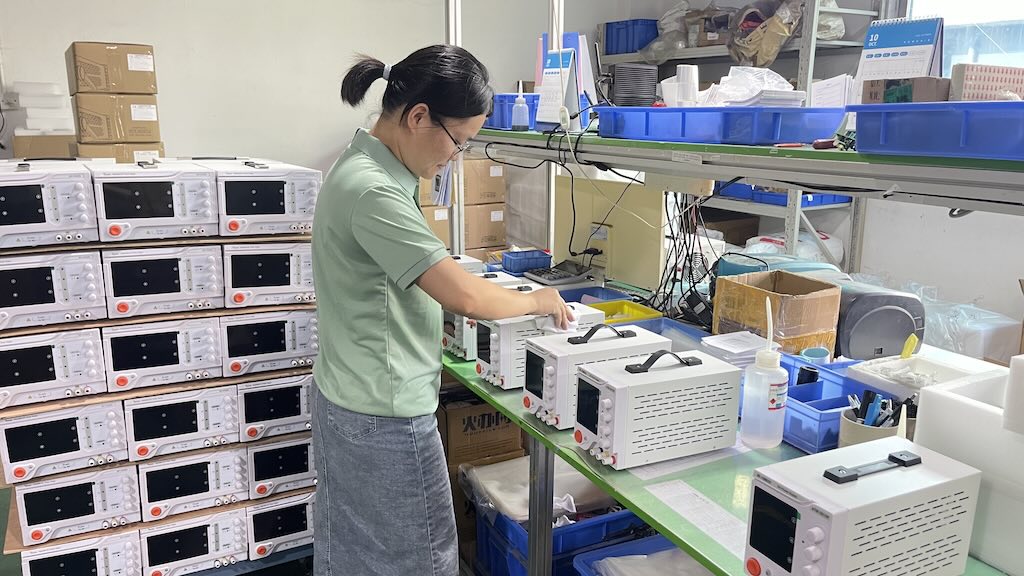
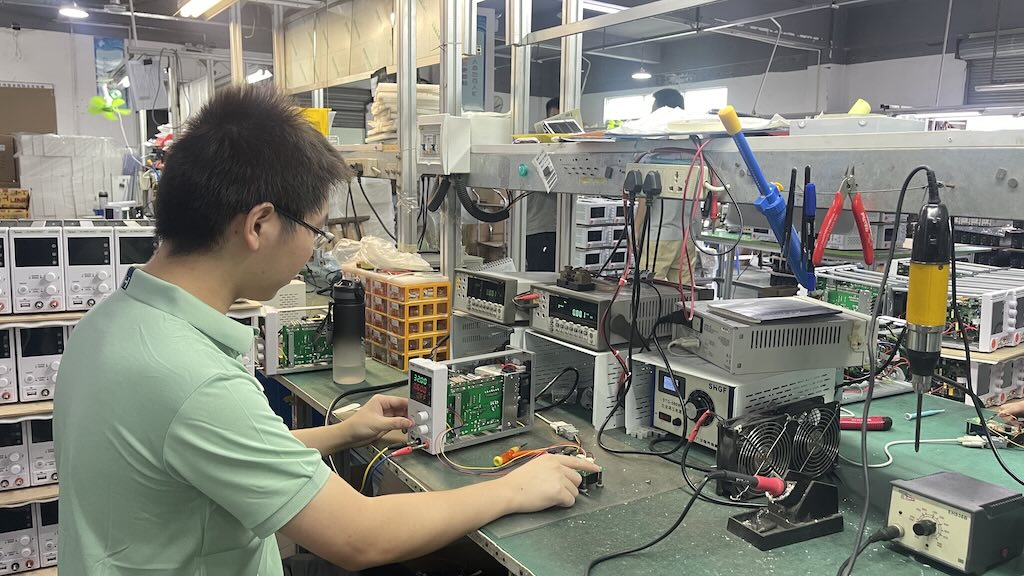
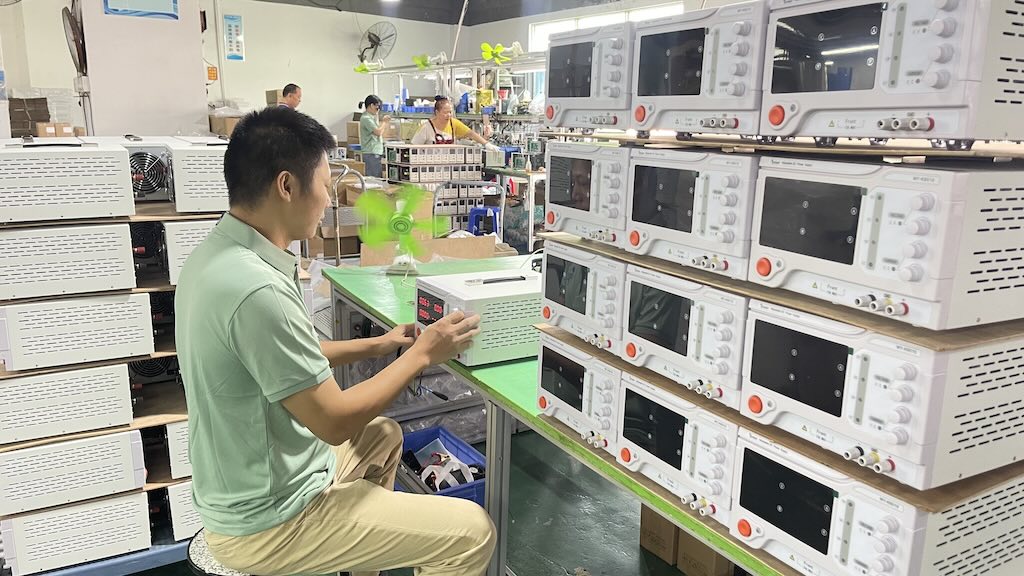
MYAMI Industrial Manufacturing Operations
50+
Export Nations
0.05%
Ripple Volts stability
100%
CE & RoHS Inspected
10ms
Transient Response Time

Four Core Operational Pillars

How our product lines support high-tech device testing, automated optoelectronics alignment, and thermal sensor calibration.
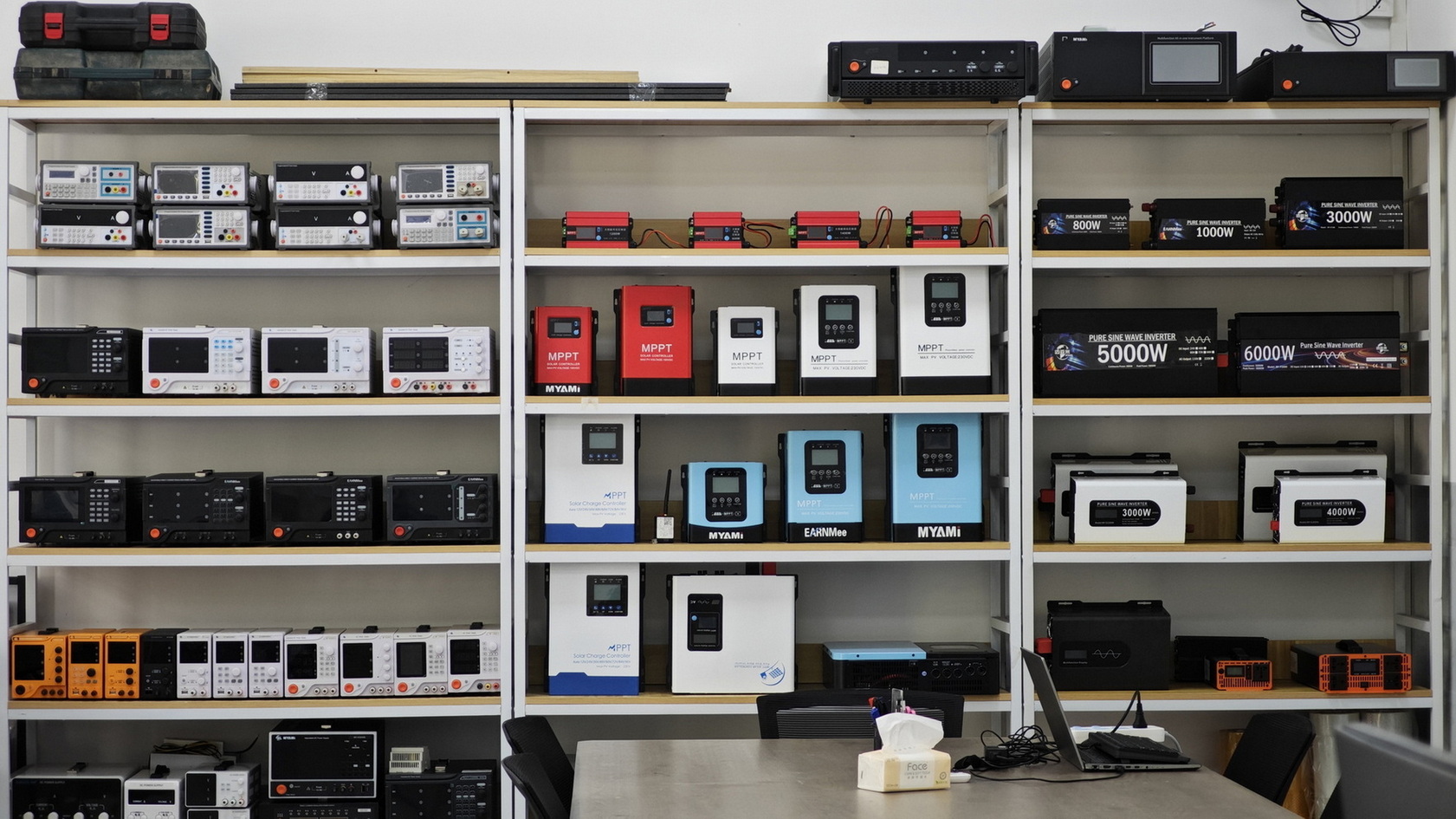
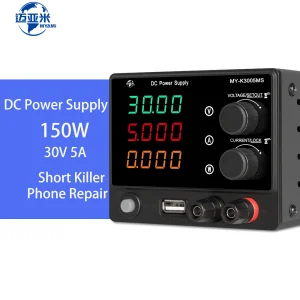
Programmable DC Power Supplies
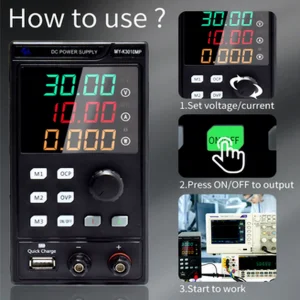
Equipped with high-resolution multi-digit LED displays, ultra-low noise levels, and rapid transient response. Crucial for semiconductor evaluation, PCB debugging, and testing thermal camera sensor arrays.
High-Power & High-Voltage Sources
Delivering high-current and high-voltage DC/AC regulated power supplies up to hundreds of volts and amperes. Designed for electroplating, industrial motor drives, and long-term burn-in tests.
EV & Renewable Energy Testing
Specialized DC battery simulators and variable AC sources engineered for EV onboard chargers (OBC), Battery Management Systems (BMS), and hybrid solar inverter validation.
Benchtop Metrology Instruments
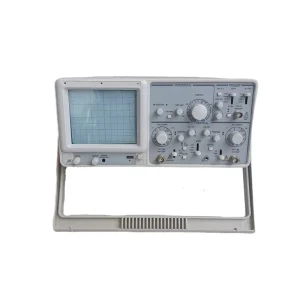
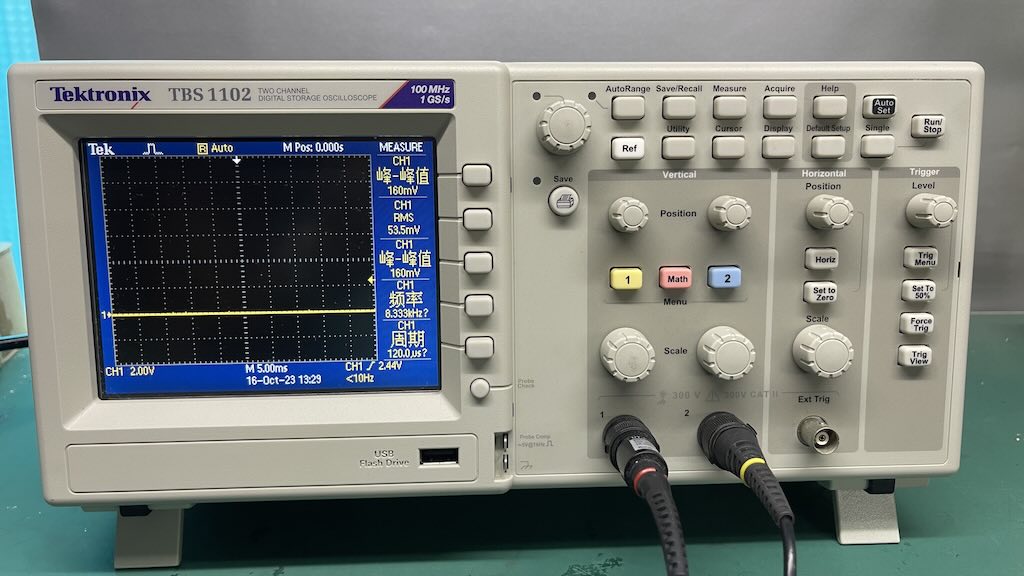
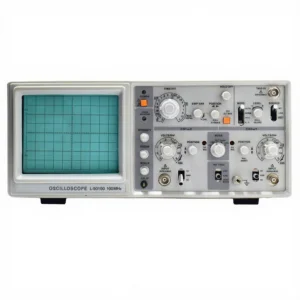
Industrial oscilloscopes, digital multimeters, signal generators, and high-precision data loggers supporting scientific verification in laboratories and manufacturing plants worldwide.
Safety & Protection Matrices
All systems operate with hardware-level OVP, OCP, OTP, and short-circuit protection, maintaining thermal and electrical safety during long duty cycles.
SCADA & Protocol Integration
Standard digital control links (MODBUS over RS485, RS232, and CAN) allow remote script execution and real-time parameter logging on automated production floors.
Advanced Electronics Laboratory

The Crucial Role of Regulatory Compliance: CE Certification

For B2B procurement officers, importing thermal imaging systems into the European Economic Area (EEA) requires absolute adherence to CE marking regulations. Thermal imaging systems are active optoelectronic instruments subject to complex safety and compatibility standards:

  • EMC Directive (2014/30/EU): Restricts electromagnetic disturbances from thermal cameras to ensure they do not interfere with radio communication equipment, industrial automation sensors, or high-precision lab power supplies.
  • Low Voltage Directive (LVD) (2014/35/EU): Mandatory for thermal camera systems utilizing external power converters, charging docks, or industrial power supplies operating within specific AC/DC limits.
  • RoHS Directive (2011/65/EU): Verifies that core electronic components, including lead-based alloys in solder, cadmium, and hexavalent chromium, do not exceed defined thresholds.

Compliance is verified during production by using ultra-stable testing platforms. High-precision power sources from MYAMI simulate standard and fault-state electrical loads, confirming the thermal camera's internal power delivery network remains safe and complies with CE electromagnetic limits.

Technological Trends in Thermal Imaging & IR Sensors

The industrial thermal imaging landscape is transitioning from qualitative thermal vision (producing simple visual heatmaps) to quantitative metrology (capable of outputting exact, pixel-by-pixel radiometric temperature measurements).

Key technological changes shape this shift:

  • Uncooled Microbolometer Development: Contemporary systems rely heavily on Vanadium Oxide (VOx) or Amorphous Silicon (a-Si) sensor arrays, yielding high thermal sensitivity (NETD < 30mK) at lower cost structures.
  • Narrowing of Pixel Pitch: The industry has moved from 17µm down to 12µm and even 10µm pixel sizes. This enables higher spatial resolution (IFOV) and increases detection ranges.
  • Edge-Computing & Onboard AI: Rather than streaming raw analog signals to server clusters, modern smart thermal cameras perform onboard frame-rate preprocessing, auto-scaling, and anomaly detection.

To run these high-frequency optical arrays and digital signal processors, stable DC power is essential. Any fluctuations in supply voltage directly degrade the signal-to-noise ratio (SNR) of uncooled sensors, leading to visual artifacts and inaccurate temperature readings. Testing labs use MYAMI's benchtop DC power supplies to provide clean power during microbolometer noise evaluation.
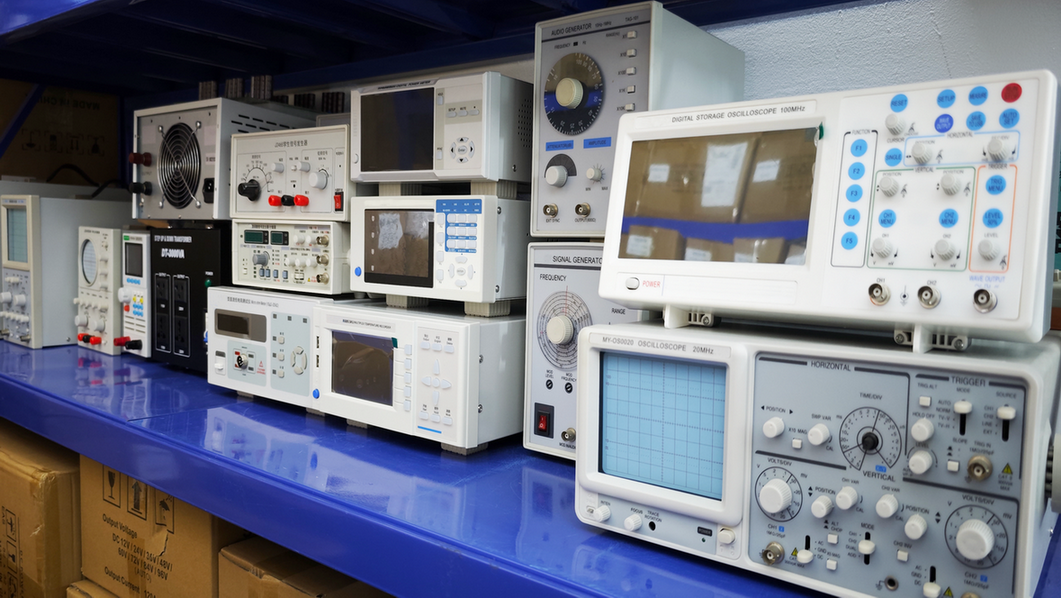
Automated Optoelectronic Diagnostics Unit

China Industry 4.0: Supply Chain Resilience & Calibration

Shenzhen's manufacturing ecosystem enables quick prototyping, rigorous QA cycles, and precise calibration validation.
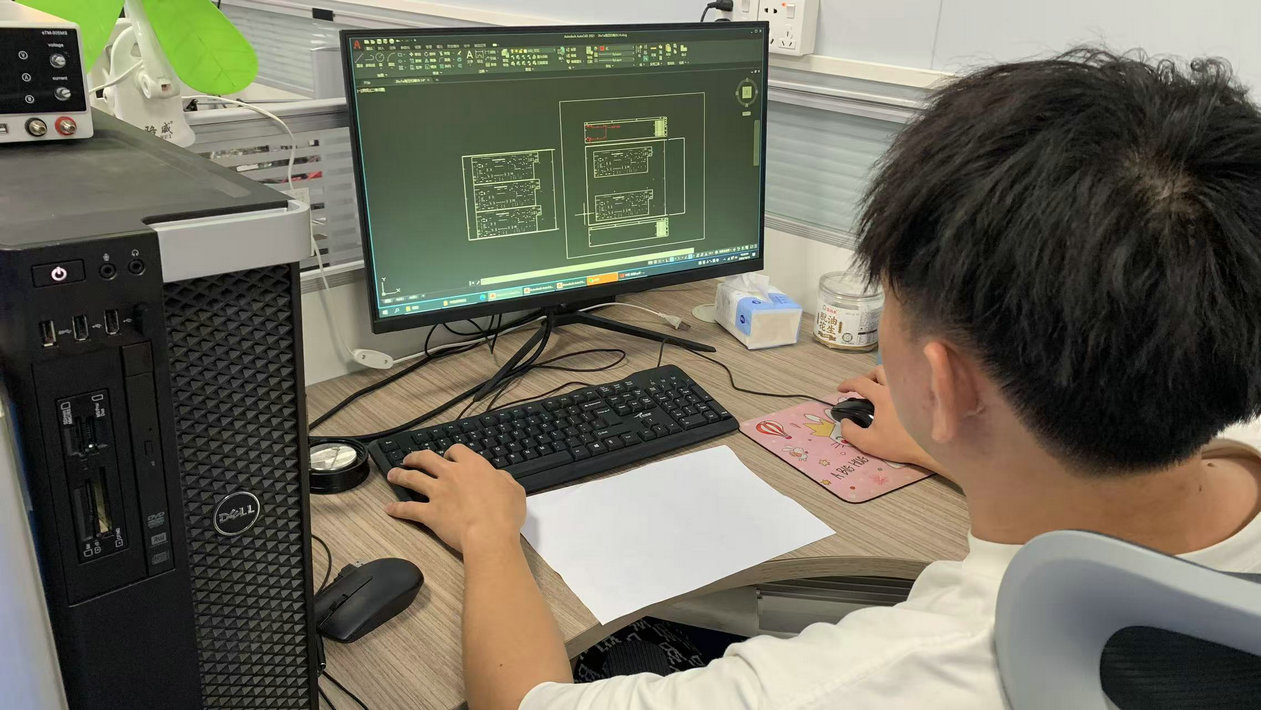
Thermal Camera Optical and Structural Design Phase
Research & Design
Sourcing of High-grade Raw Materials
Raw Material Verification
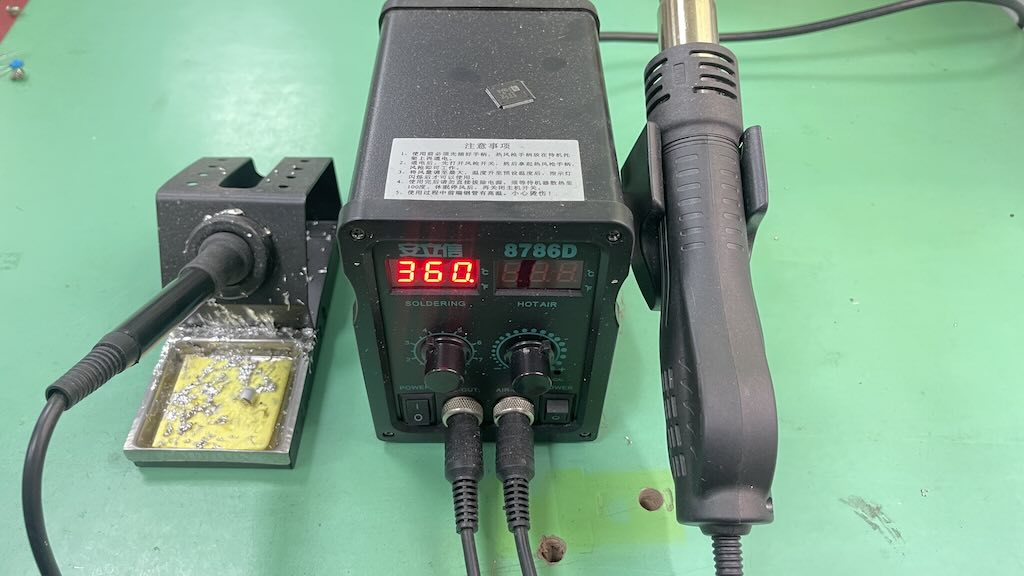
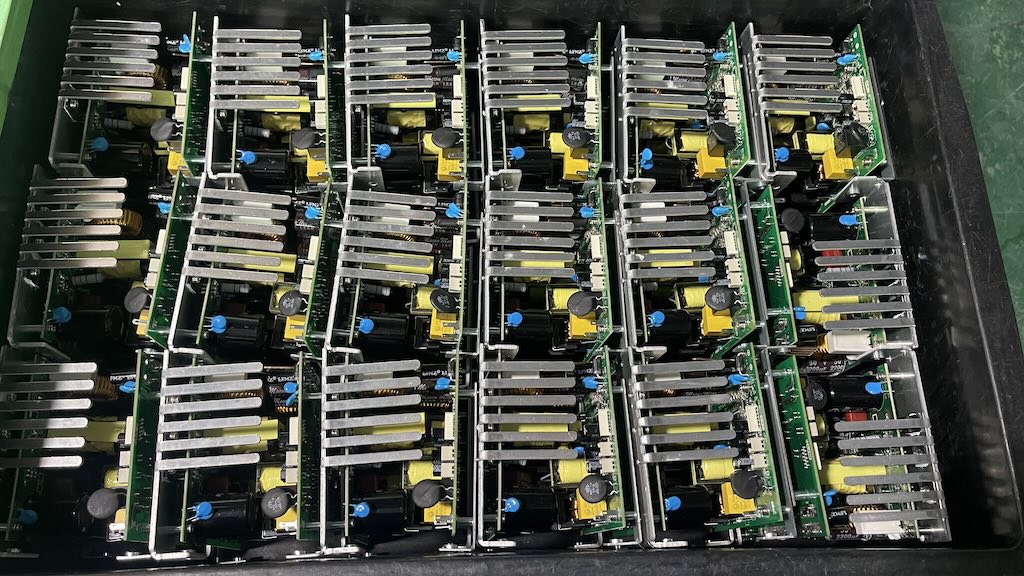
Automated PCB Testing and Visual SMT Inspection
PCB Assembly & Testing
Mechanical and Optical Component Integration
Sensor & Lens Assembly
Firmware Flashing and Diagnostic Port Debugging
Electronic Calibration & Debug
High Temperature Chambers for Thermal Burn-In Testing
Elevated Temperature Aging
Multi-point Radiometric Calibration against Blackbody sources
Radiometric Calibration
Final Quality Check on Image Quality and Enclosure seals
Post-Calibration QC
Industrial Grade Packaging for Global Shipment
Packaging & Dispatches
Controlled ESD Manual Assembly Line
ESD Assembly Bay
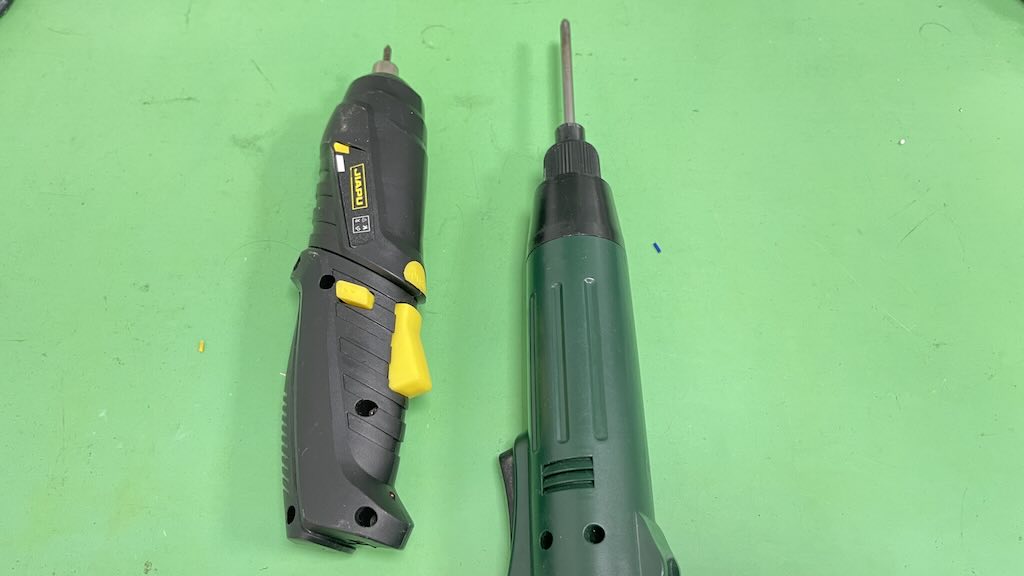
Precision Torque Screwdrivers for IP67 Enclosure Assembly
IP67 Enclosure Fastening
Optical Transmissivity Testing of Germanium Windows
Optical Check & Verification
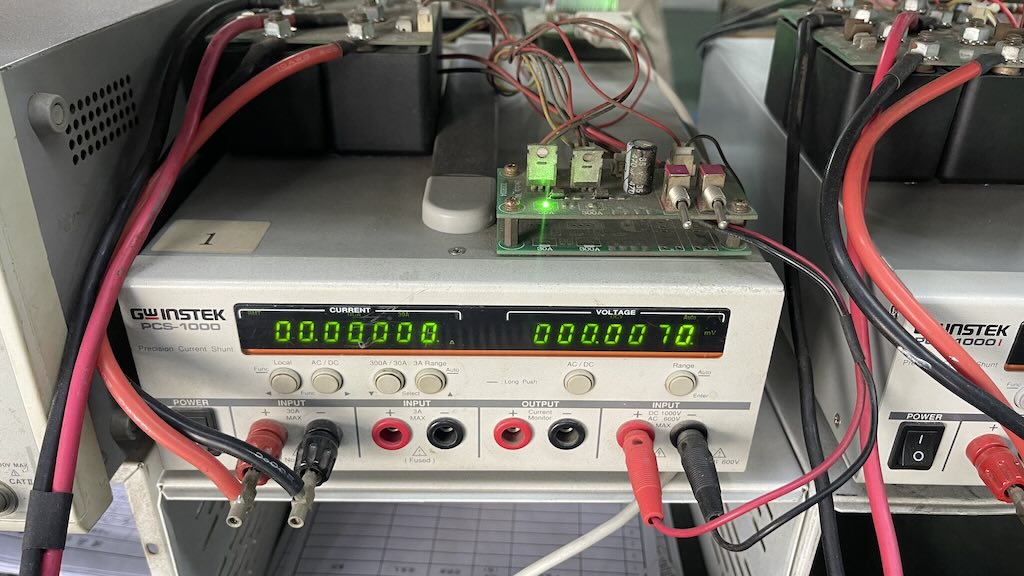
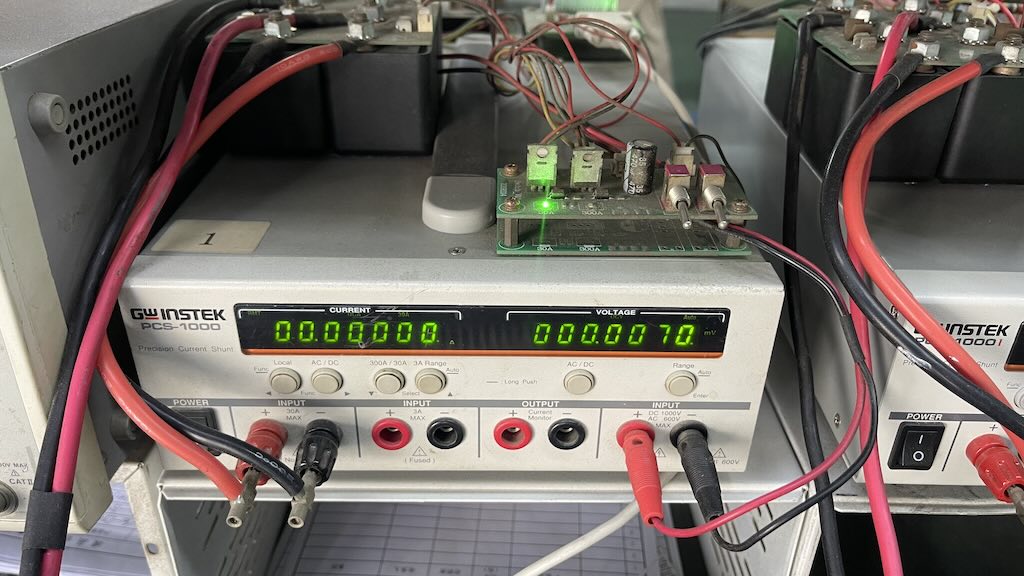
Calibration testing with DC Precision Sources
Dynamic Calibration Loop
Final Quality Control Audit
Integrated Quality Check
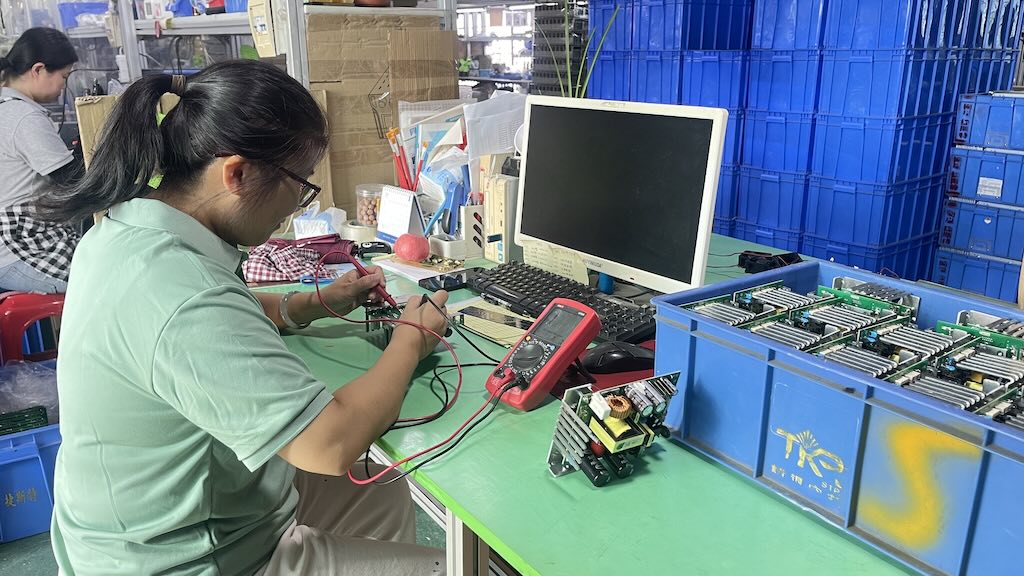
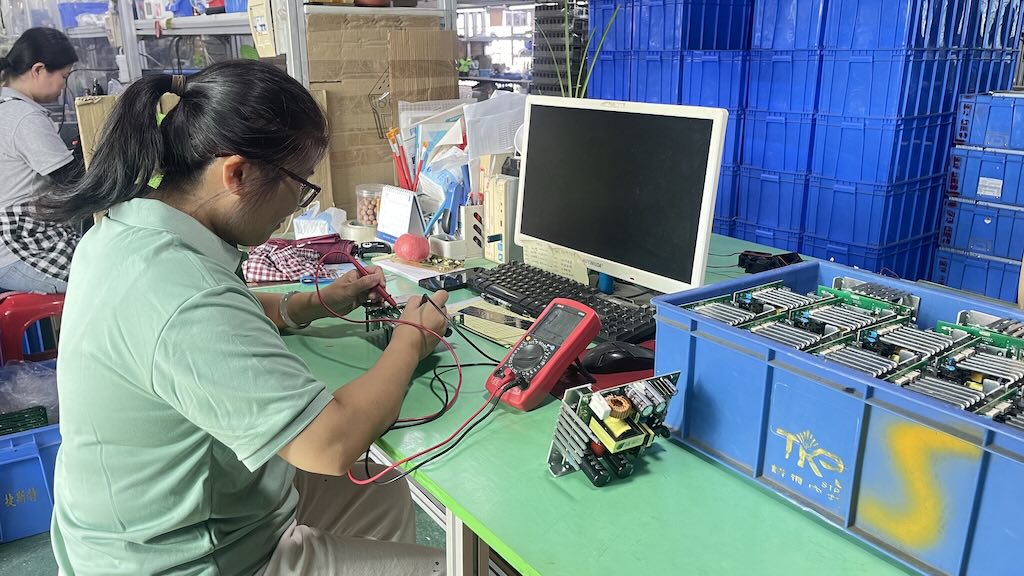
Digital Multimeter Diagnostics
Signal Analysis & DMM
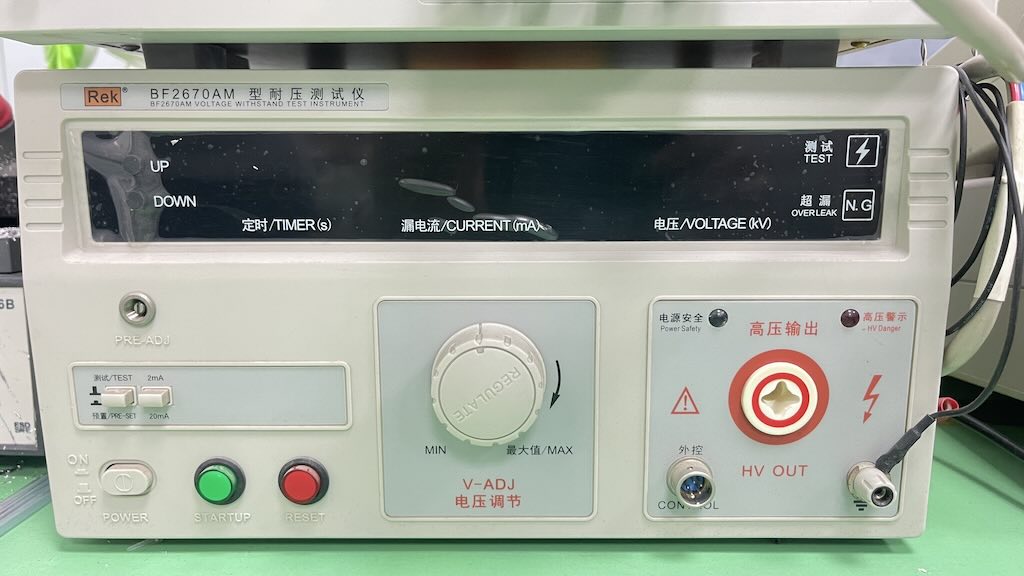
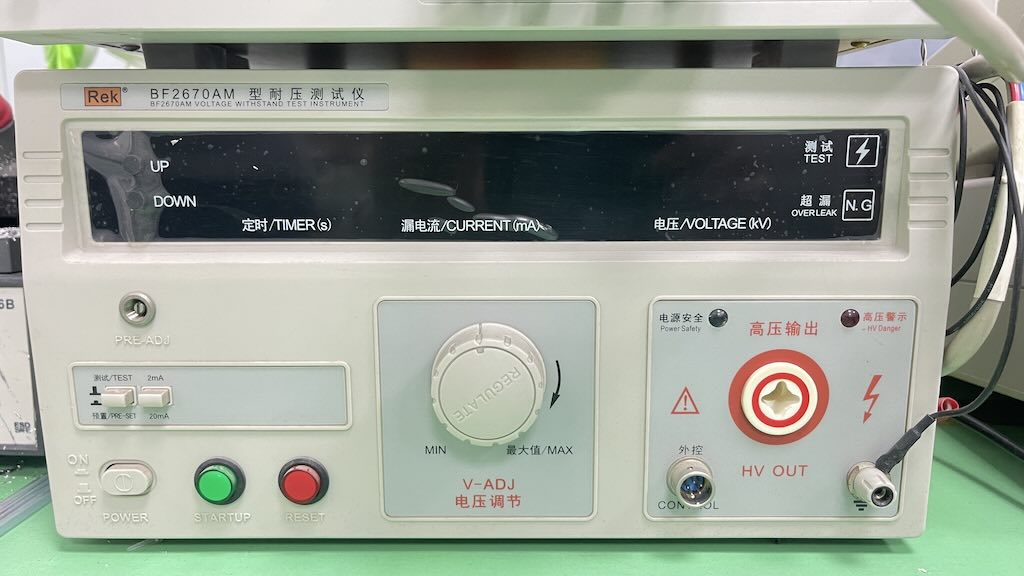
Hipot Dielectric Strength Insulation Testing
Insulation & Hi-pot Testing
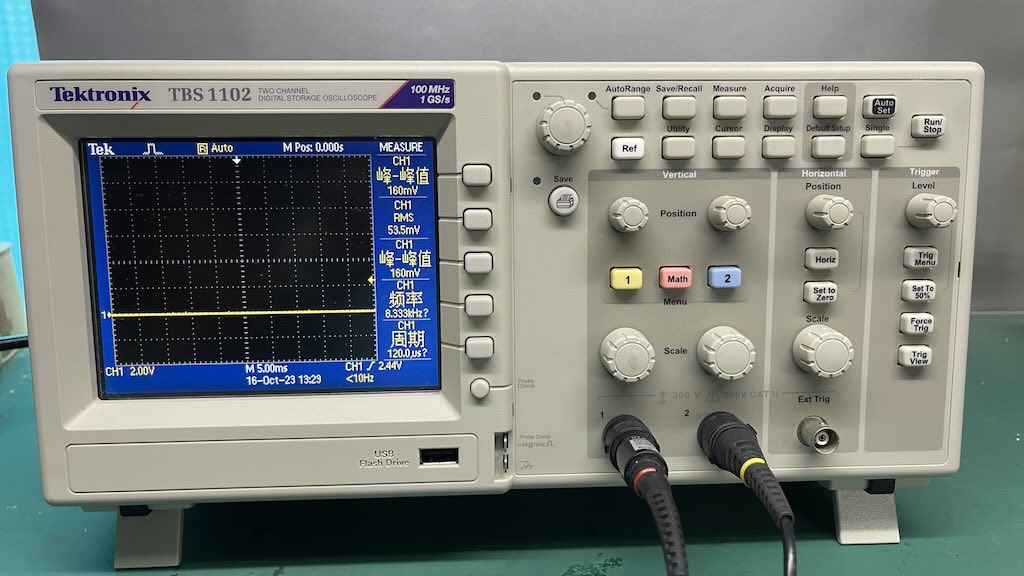
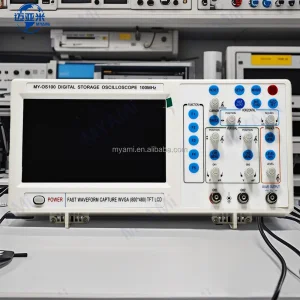
High Sensitivity Oscilloscopes capturing signal noise
Transient Oscilloscope Log
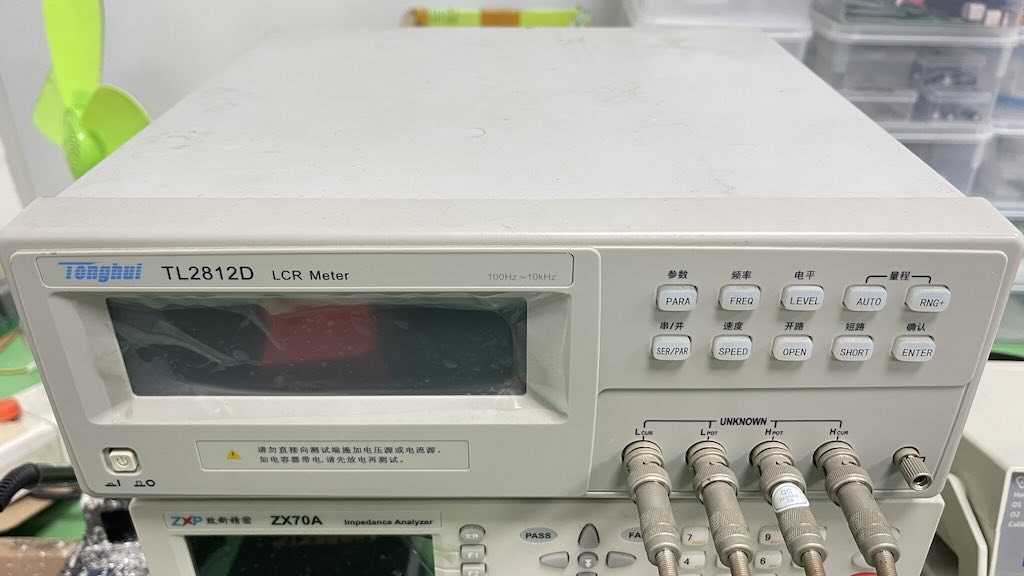
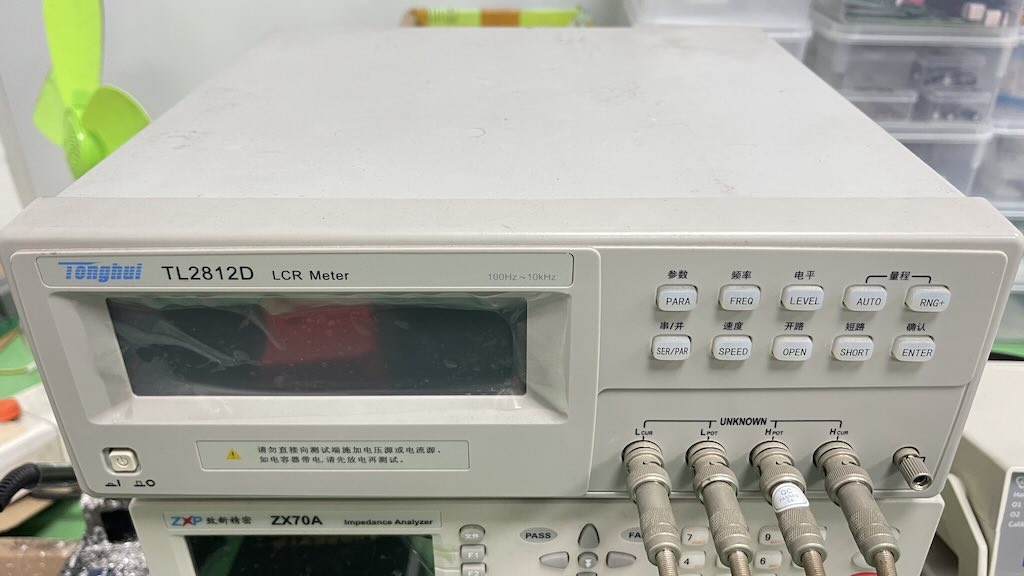
LCR Meter verifying passive board components
Inductance & Resistor Tuning
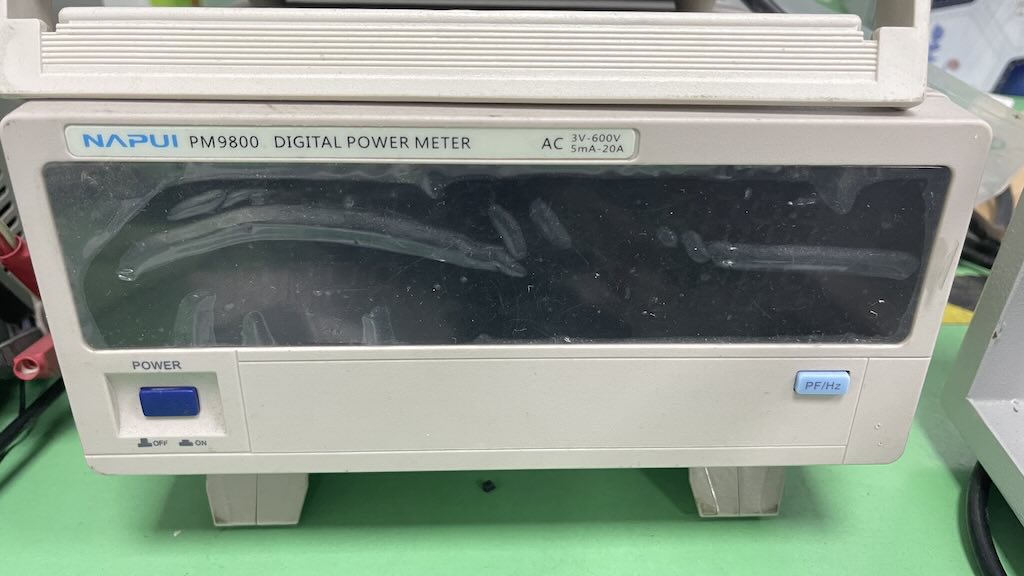
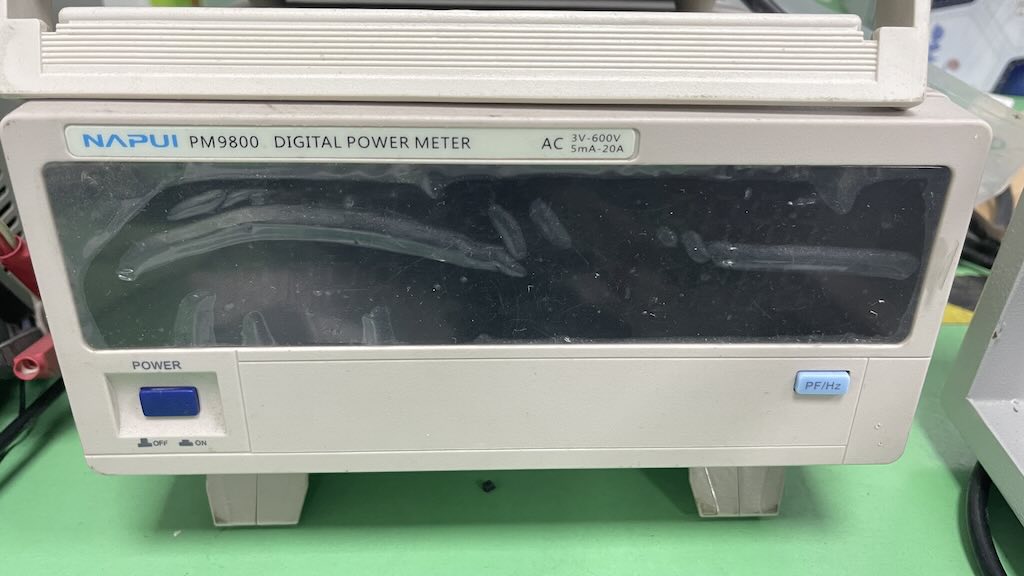
Precision Power Analysis of the Core Module
Power Consumption Profiling
Systematic Multi-meter Validation of Calibration Points
Secondary Multimeter Audit
Hi-pot Breakdown Testing of Thermal Camera External Chassis
Dielectric Safety verification
High speed waveform capture for sensor clock integrity
Waveform Quality Inspection
LCR bridge analysis for analog filter circuits
Filter Circuit Verification
Final Digital Power Draw Logging
System Load Profiling

Local Application Scenarios & Industrial Environments

How CE certified thermal imaging systems perform under critical real-world operating conditions.

Automotive R&D & BMS Integration
Monitoring thermal profiles during rapid charge/discharge cycles in lithium-ion battery packs. Spotting localized thermal runaway risks requires high spatial resolution thermal imagers, calibrated using clean, noise-free DC sources.
Heavy Industrial Smelting & Metallurgy
Tracking molten metal levels and furnace insulation degradation. These environments expose optical sensors to severe electromagnetic noise, demanding CE-marked industrial-grade shielding and highly stabilized power interfaces.
PV Solar Array Inspection
Mounted on autonomous UAV drones to scan utility-scale solar installations. Spotting defective, high-resistance solar cells (hotspots) requires robust radiometric thermal calibration and reliable internal DC converters.

B2B Technical & Sourcing Q&A

Detailed answers to common questions about sourcing, certifying, and testing industrial thermal imaging cameras.

What is the significance of CE certification when sourcing industrial thermal cameras?
CE certification indicates that the thermal camera complies with European health, safety, and environmental protection standards. It ensures the device satisfies EMC and LVD directives, preventing it from emitting excessive electromagnetic interference or posing an electrical hazard when integrated into industrial monitoring panels.
How does electrical input ripple affect thermal sensor performance?
Uncooled microbolometer thermal sensors measure minute changes in resistance caused by infrared radiation. High voltage ripple from poor power supplies introduces electrical noise into this readout, raising the Noise Equivalent Temperature Difference (NETD) and reducing image clarity. Clean power is essential for accurate thermal measurements.
What is the difference between VOx and a-Si microbolometers?
Vanadium Oxide (VOx) sensors generally offer lower thermal noise and better temperature sensitivity (lower NETD) than Amorphous Silicon (a-Si) sensors. However, a-Si sensors typically feature faster response times and more uniform pixel characteristics, making them suitable for high-speed automated testing environments.
How are thermal cameras calibrated during mass production?
Cameras undergo multi-point radiometric calibration by viewing temperature-controlled cavity blackbody sources. The camera correlates sensor output voltages to known blackbody temperatures across its operating range, building a lookup table stored directly in the camera's non-volatile memory.
Which communications protocols are standard in thermal cameras?
Industrial thermal cameras commonly support GigE Vision, RTSP, and Modbus TCP/IP. For automated settings, serial links like RS485 and CAN are used to transmit alarm signals, trigger calibration cycles, or control pan-tilt enclosures.
What role do programmable DC power supplies play in device burn-in testing?
During burn-in testing, programmable DC power supplies simulate voltage fluctuations (over-voltage, under-voltage, transient drops) while the cameras run in environmental chambers. This helps identify early component failures in the camera's internal power supply circuits before final shipment.
Why is the LVD directive critical for thermal cameras powered via PoE?
Power over Ethernet (PoE) operates between 44V DC and 57V DC. The LVD directive covers DC devices operating between 75V and 1500V, but the associated power adapters and PoE injectors running on mains power (110V/230V AC) must comply with LVD standards to prevent user shock hazards.
Can thermal cameras measure absolute temperature through glass window interfaces?
Standard glass blocks long-wave infrared radiation (LWIR). To measure absolute temperatures through an inspection window, you must install window ports made of Germanium (Ge), Zinc Selenide (ZnSe), or Sapphire, which offer high transmissivity in the infrared spectrum.
How does ambient temperature variation impact uncooled thermal sensors?
Uncooled microbolometers are sensitive to ambient temperature changes. To maintain calibration accuracy, these cameras use an internal shutter mechanism (FFC - Flat Field Correction) to periodically reset the sensor's baseline reference against a uniform target.
What is the benefit of using high-resolution 10-channel data loggers?
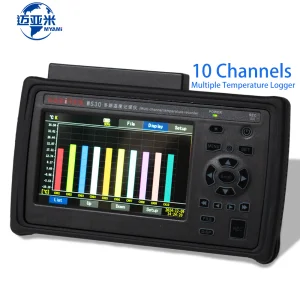
Multi-channel thermocouple data loggers monitor temperatures at multiple points on the camera chassis, sensor housing, and power components during thermal profiling. This data is used to verify the thermal dissipation design of IP67 enclosures.