High-Precision Industrial Power Conversion Systems & Multi-Layer Protected Testing Solutions
Explore our engineering-grade pure sine wave inverters, programmable AC/DC power sources, and renewable charge controllers.
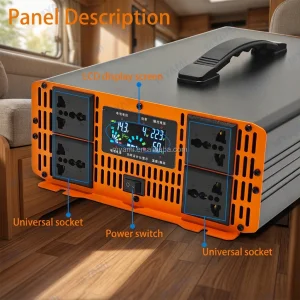
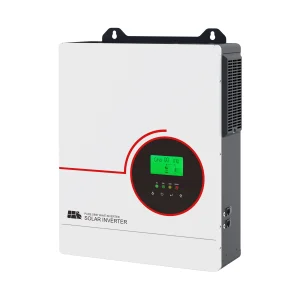
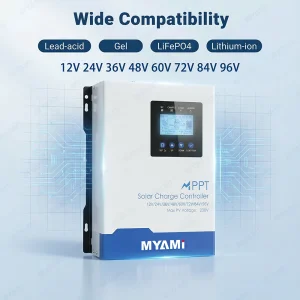
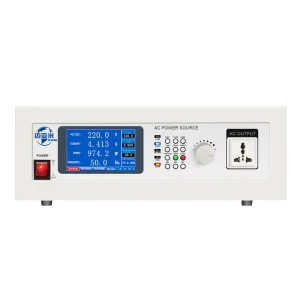
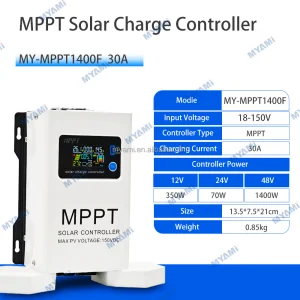
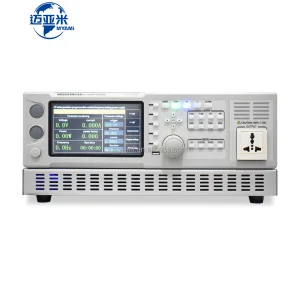
Key metrics that define high-performance pure sine wave power conversion efficiency and scalability.
In modern industrial operations, electrical supply cleanliness is no longer a luxury—it is an absolute necessity. Rapid advancements in high-frequency semiconductor switching, micro-grids, and automated manufacturing lines mandate a consistent, smooth AC waveform. Unlike modified sine wave alternatives that introduce destructive harmonics, a pure sine wave inverter provides an exact replica of utility-supplied utility grid power, characterized by negligible electromagnetic interference (EMI) and a Total Harmonic Distortion (THD) below 2-3%.
From a global macroeconomic perspective, the transition to high-efficiency power electronics is accelerated by stricter green energy mandates, the expansion of commercial-scale solar configurations, and the necessity of sustaining mission-critical payloads during utility fluctuations. Whether integrated into luxury recreational vehicle (RV) networks, agricultural irrigation controllers, telecommunication towers, or sensitive hospital equipment, pure sine wave architecture stands as the cornerstone of contemporary electrical power engineering.
Industrial equipment such as electric motors, variable speed drives, compressors, and high-frequency transformers behave as inductive loads. When powered by a square or modified wave, these devices experience significant "core losses" due to high-frequency harmonic elements. This energy is not converted to kinetic work; instead, it dissipates as excessive heat. Over time, thermal accumulation breaks down copper winding insulation, causing premature motor failure, increased operational noise, and a reduction in mechanical efficiency. Engineers sourcing custom inverters must mandate pure sine wave patterns to prevent system derating and protect heavy-duty hardware assets.
Headquartered in the global electronics capital of Shenzhen, China, Shenzhen Myami Power Technology Co., Ltd. (MYAMI) is a technology-driven manufacturer and solution provider specializing in high-precision, industrial-grade power supplies and electrical test equipment. Designed for engineering rigor, MYAMI bridges the gap between complex electronic research, high-voltage component testing, and scalable industrial automation.
Every MYAMI system is engineered with strict multi-layer protection protocols (OVP, OCP, OTP, and short-circuit safeguards) and complies with international safety and quality standards, including CE, RoHS, and ISO9001. Integrated with standard industrial control protocols (RS485, RS232, and CAN communication), our equipment seamlessly connects to automated production lines and central PC control systems.
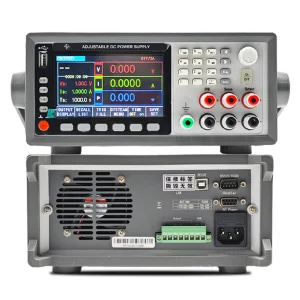
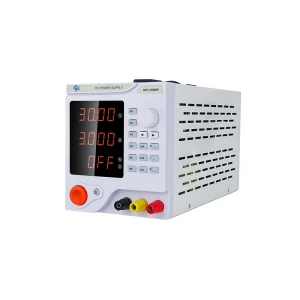
Featuring multi-digit LED displays, ultra-low ripple, and rapid transient response, engineered for precision electronic R&D, semiconductor evaluation, and PCB debugging.
Delivering high-current, high-voltage DC/AC regulated power supplies built for industrial motor drives, electroplating rectifiers, and heavy-duty component burn-in testing.
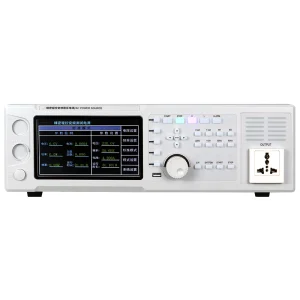
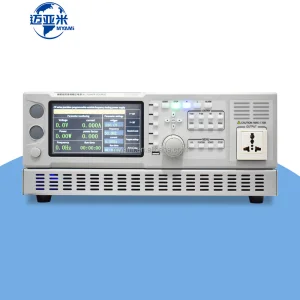
Providing specialized DC power units, battery simulators, and variable AC power sources engineered for Electric Vehicle (EV) On-Board Chargers (OBC), BMS evaluation, and solar inverter testing.
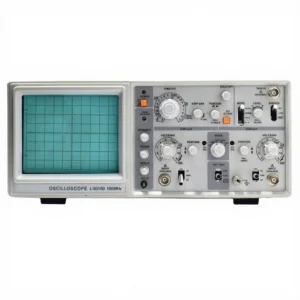
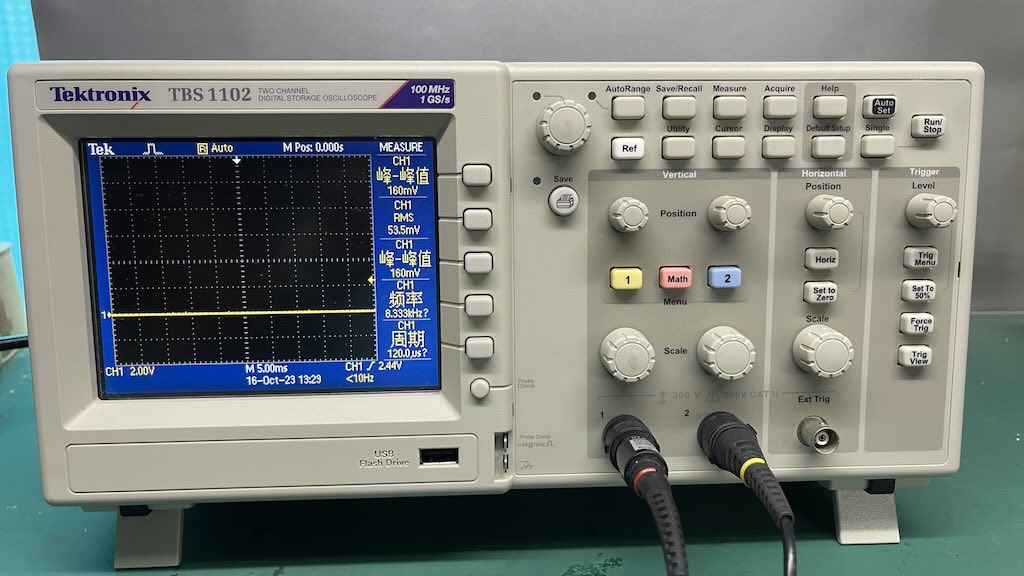
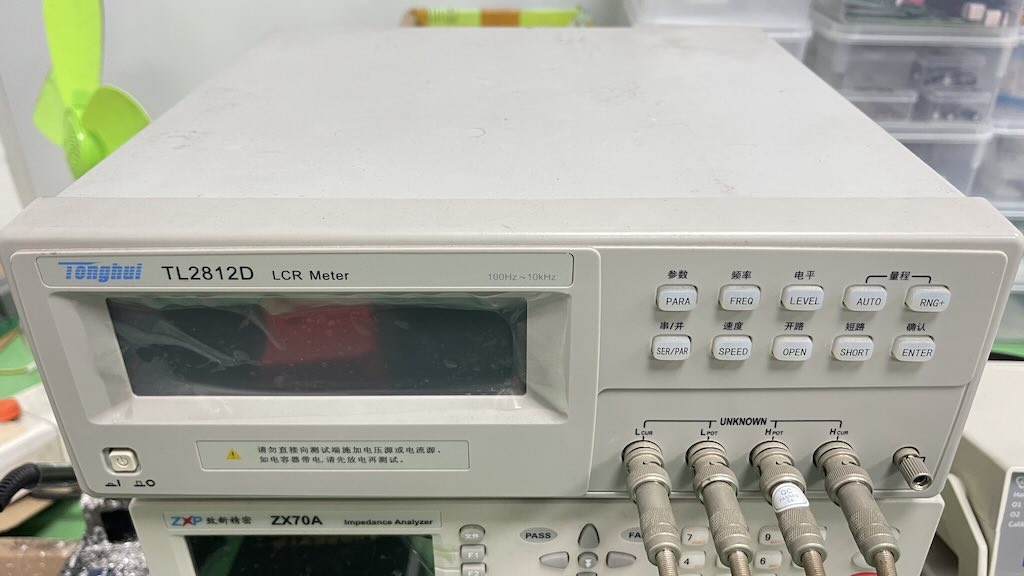
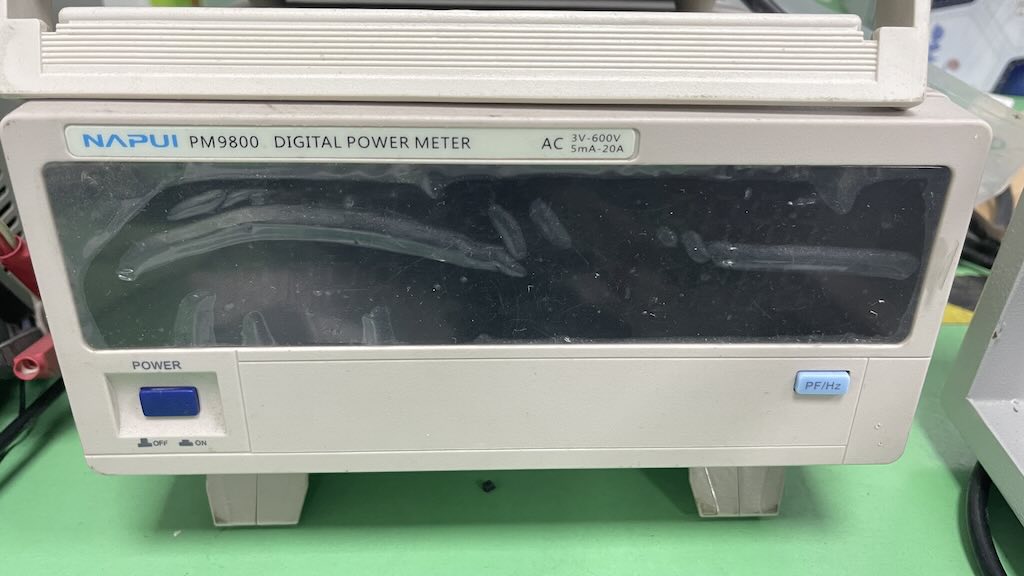
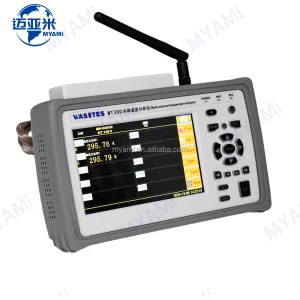
Supplying complementary test bench solutions, including digital oscilloscopes, multimeters, and specialized AC voltage regulators for global laboratories.
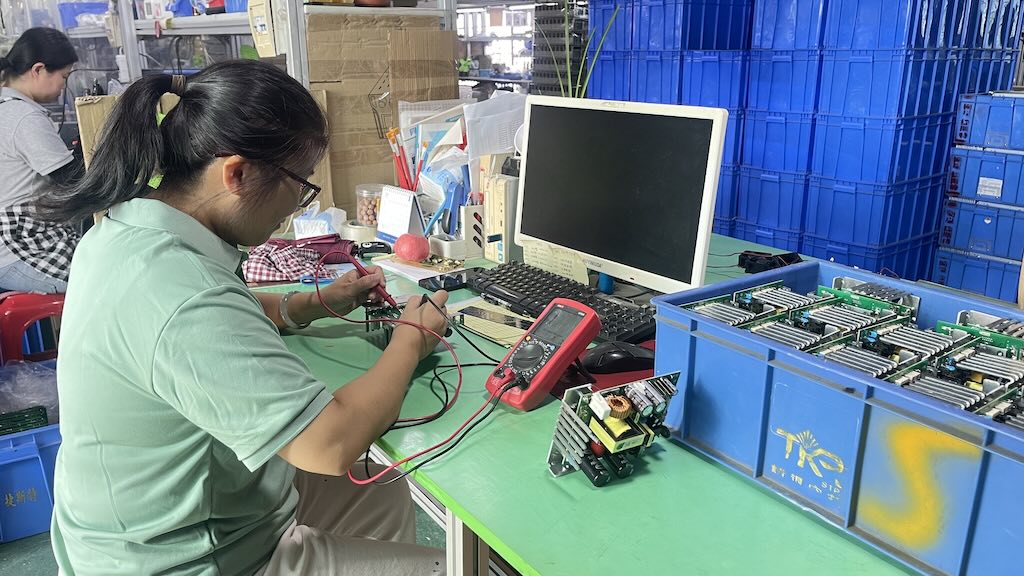
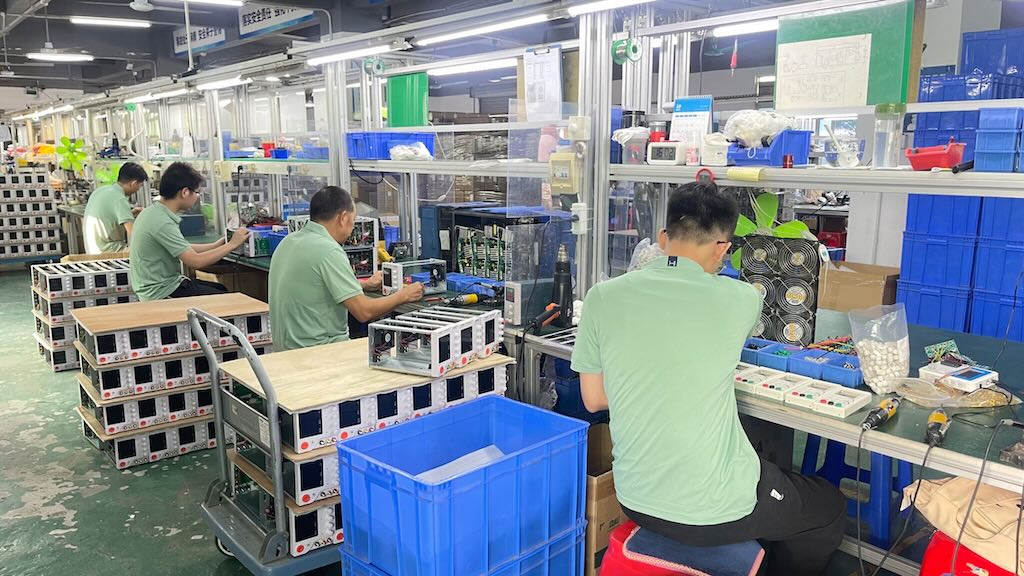
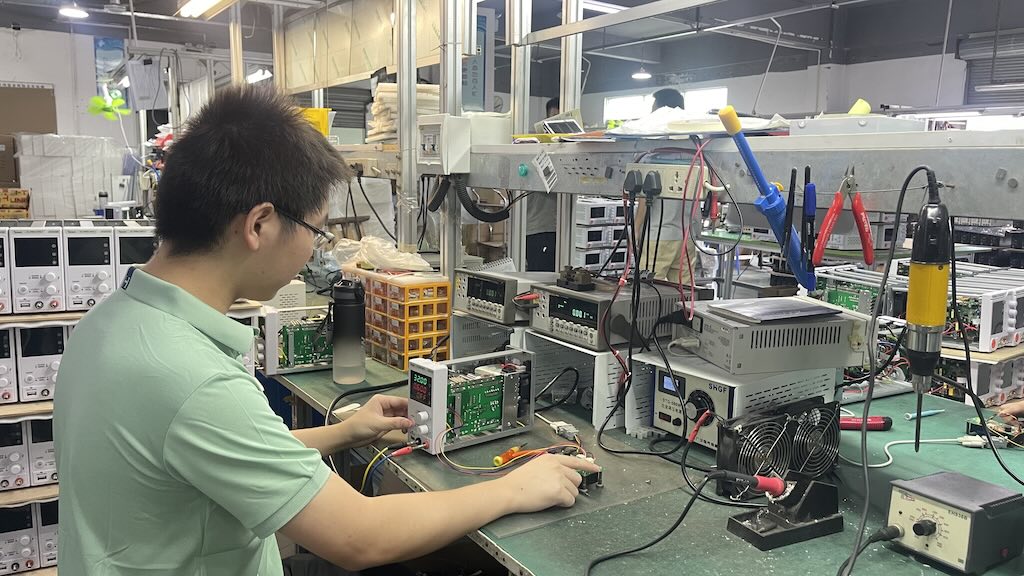
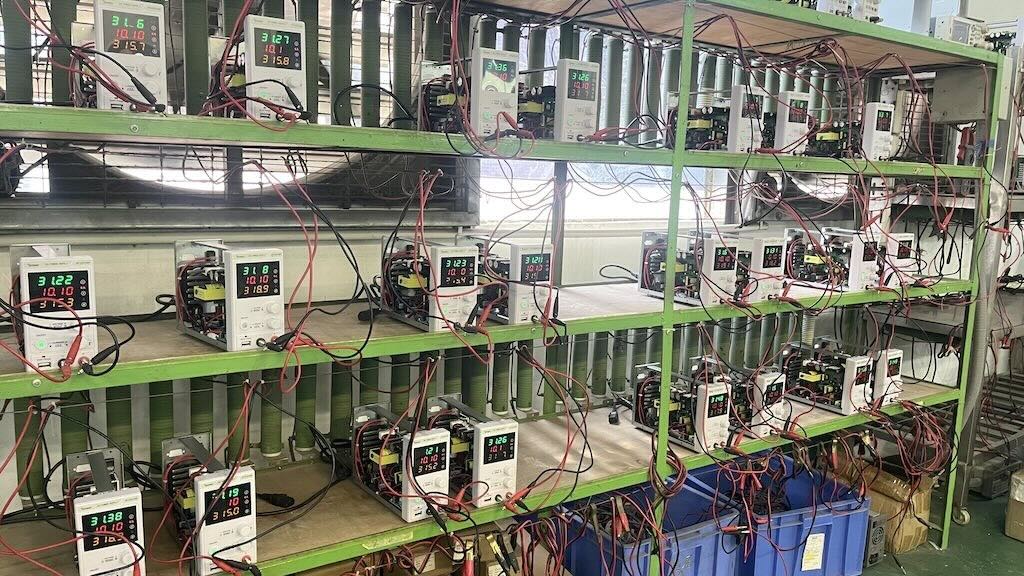
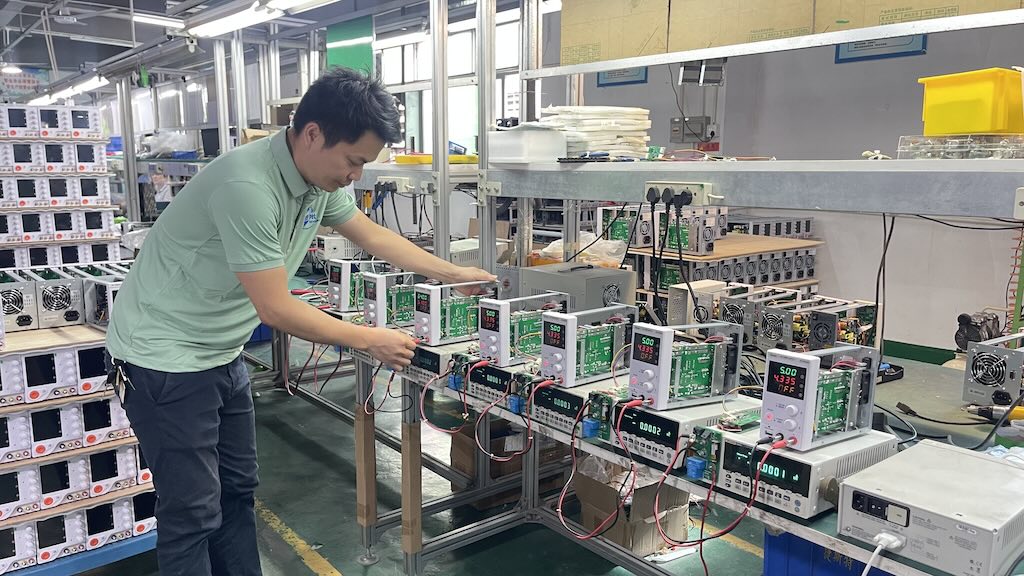
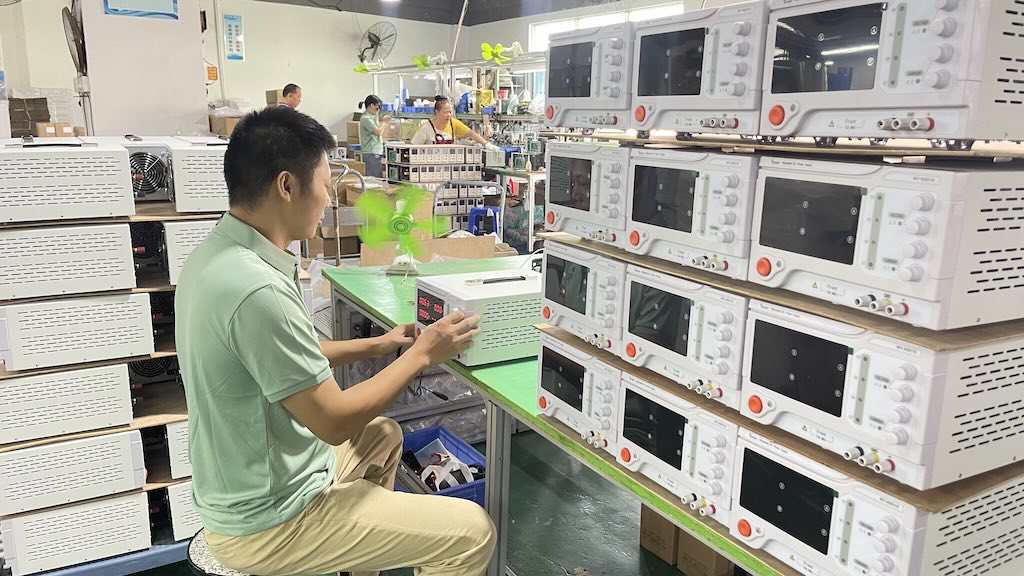
Our OEM/ODM manufacturing facility follows a strict assembly, validation, and calibration pipeline to ensure 100% unit reliability.
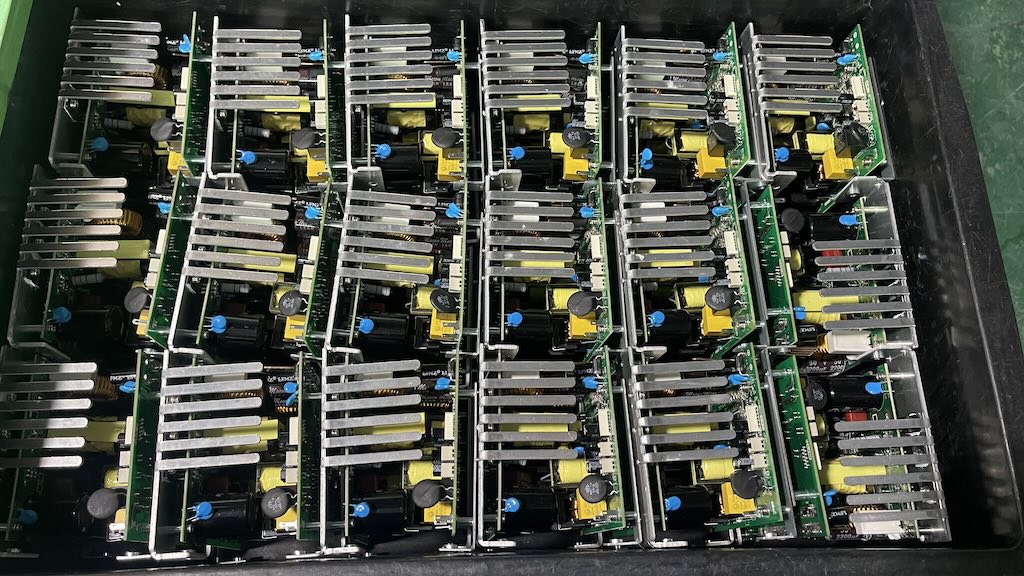
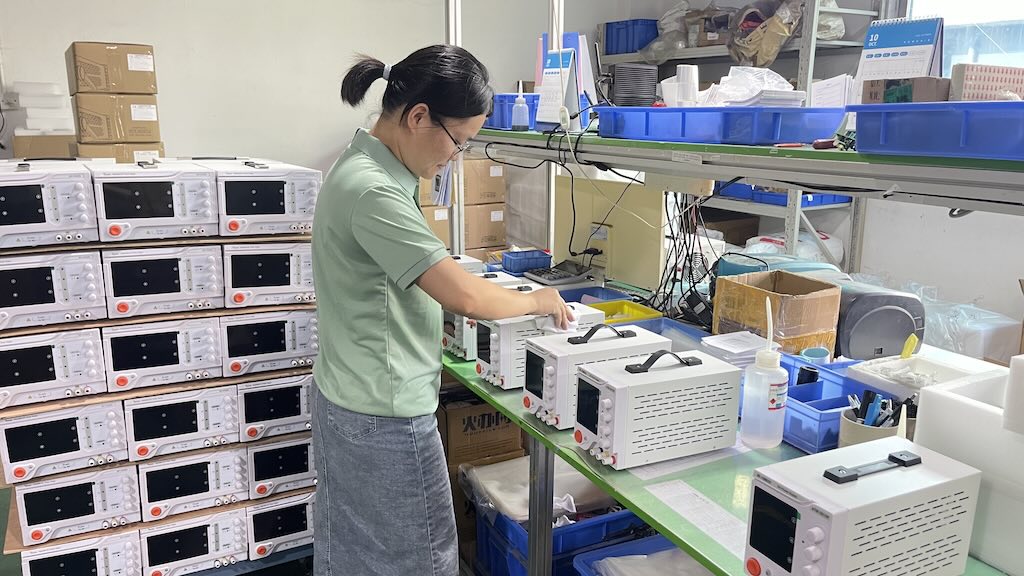
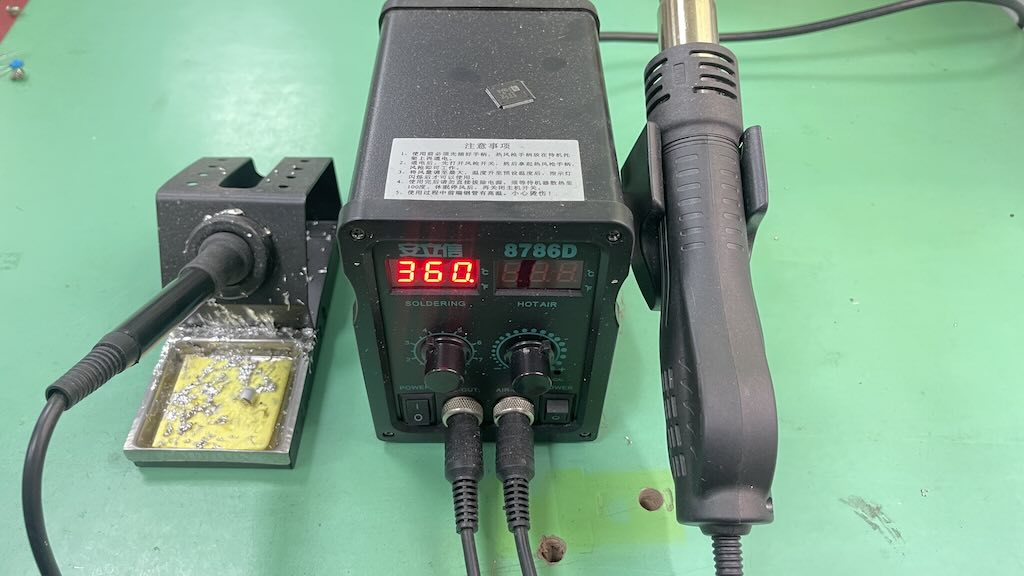
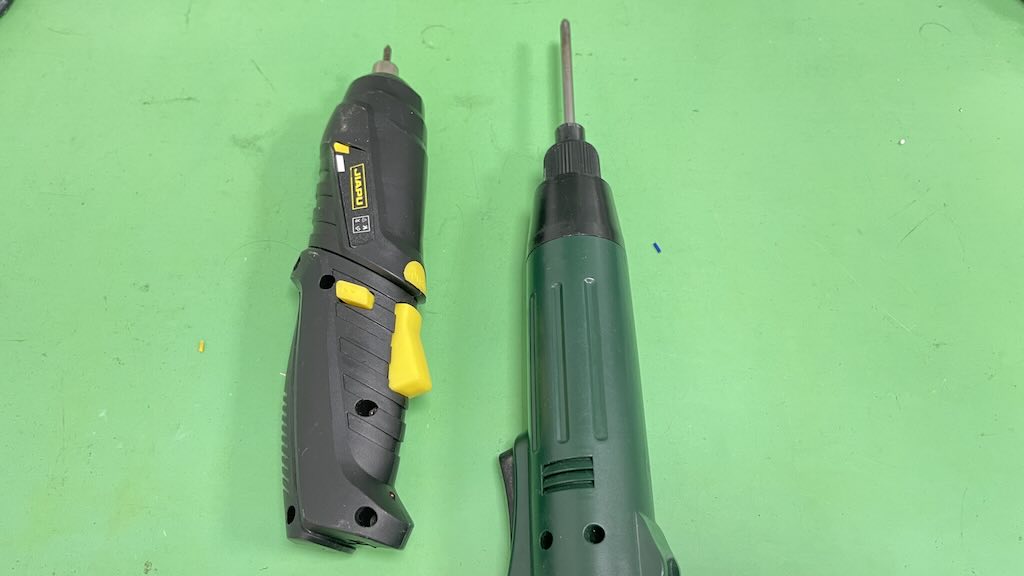
Inverter efficiency and thermal limits are dictated by internal circuit topology. Our engineering division develops solutions on two primary topologies: Low-Frequency (LF) Transformer-Based design and High-Frequency (HF) Switched-Mode configuration. Low-frequency units use massive iron core transformers to handle extremely high inductive surge currents—up to 300% of nominal rating—making them perfect for dynamic tools, motors, and commercial HVAC systems. In contrast, high-frequency topology utilizes advanced high-speed switching transistors (MOSFETs or IGBTs) and small ferrite transformers, offering highly compact dimensions, high energy density, and high efficiency under linear loads.
As a forward-looking OEM/ODM manufacturer, MYAMI integrates Silicon Carbide (SiC) and Gallium Nitride (GaN) power semiconductors into our next-generation high-power platforms. These wide-bandgap materials minimize switching losses, support higher operating temperatures, and allow switching frequencies exceeding 100 kHz. This technology directly translates to smaller cooling heat sinks, reduced footprint, and a dramatic shift in conversion efficiency—pushing past 97%.
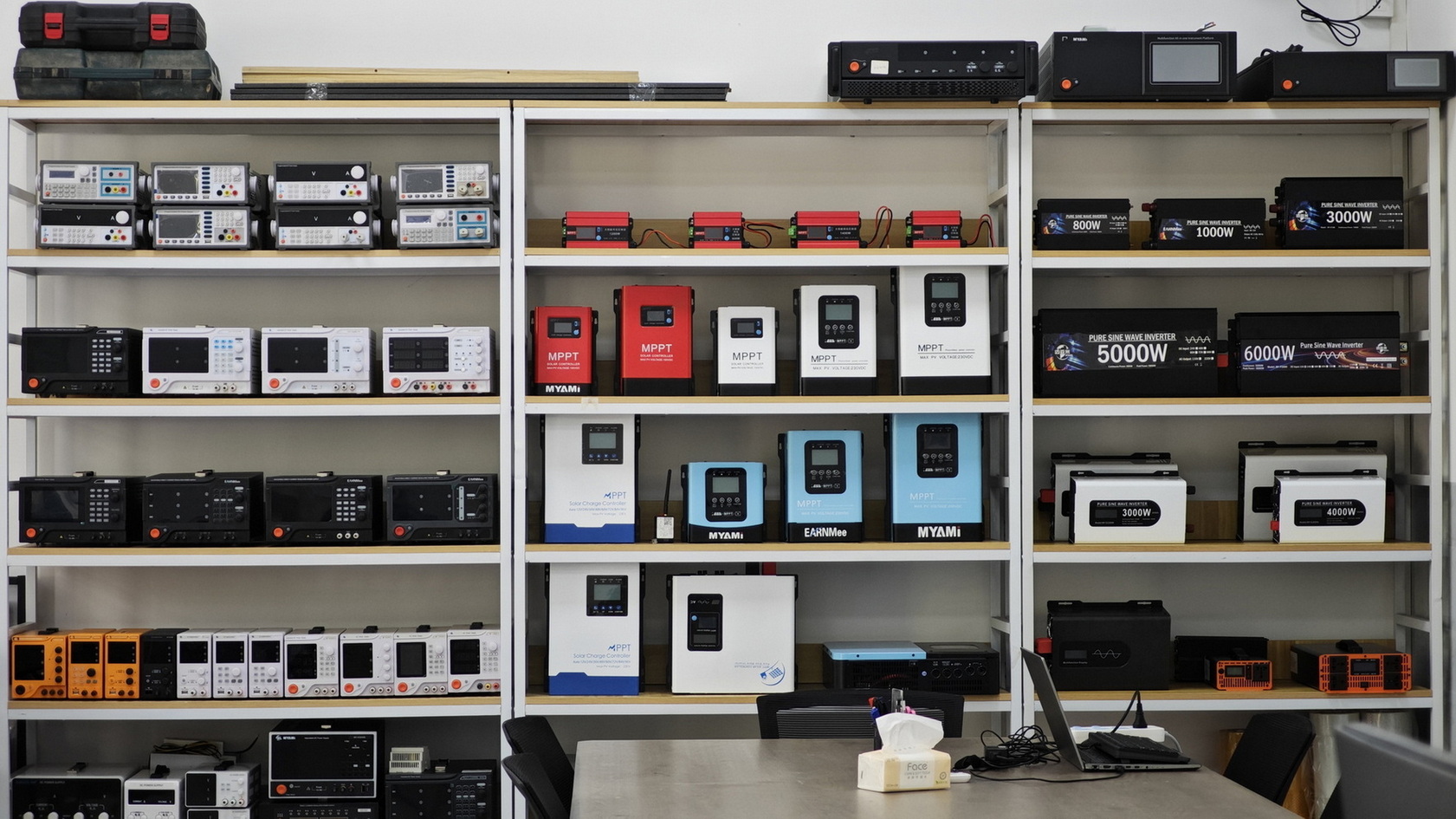
To align with modern IoT-enabled energy grids and Industry 4.0 production environments, all MYAMI inverters and programmable power supplies can be optioned with integrated communication buses. Using RS485, RS232, or CAN interface cards running Modbus protocols, engineers can monitor output parameters in real time, adjust frequency configurations dynamically, log historical performance variables, and integrate the power units into automation SCADA systems.
Before leaving the facility, every inverter undergoes dynamic electrical safety checks, high-potential stress tests, and harmonic profiling.
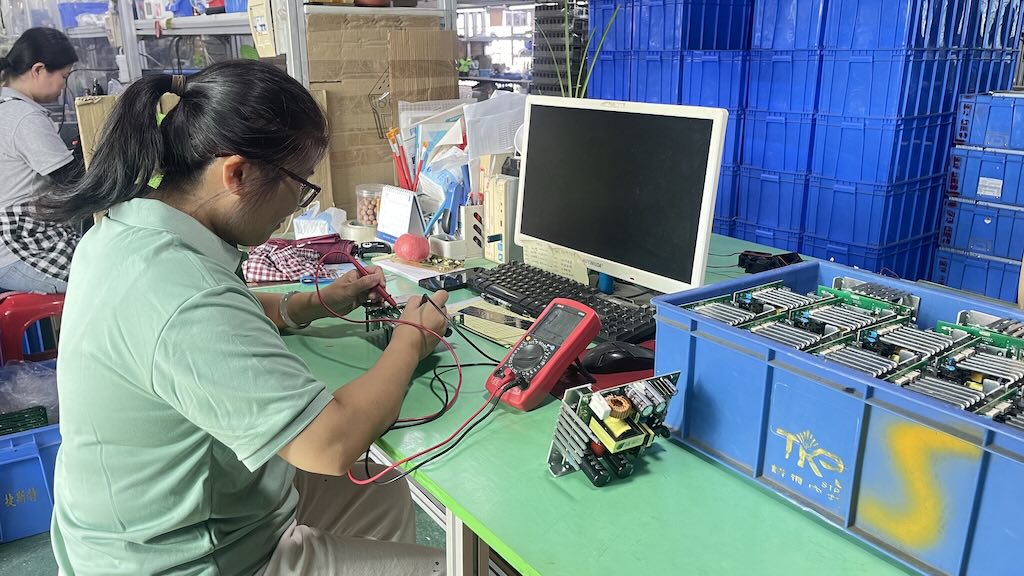
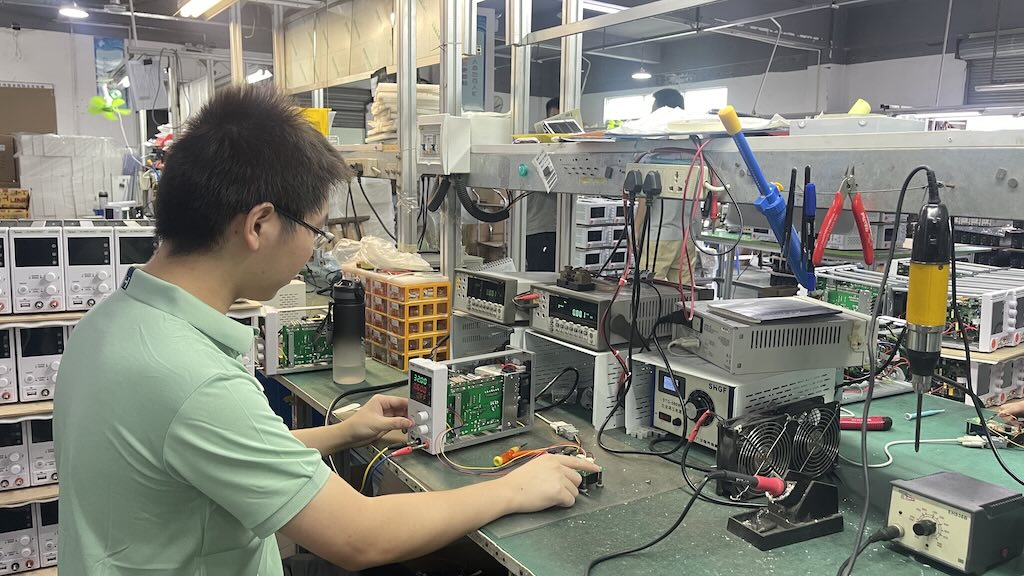
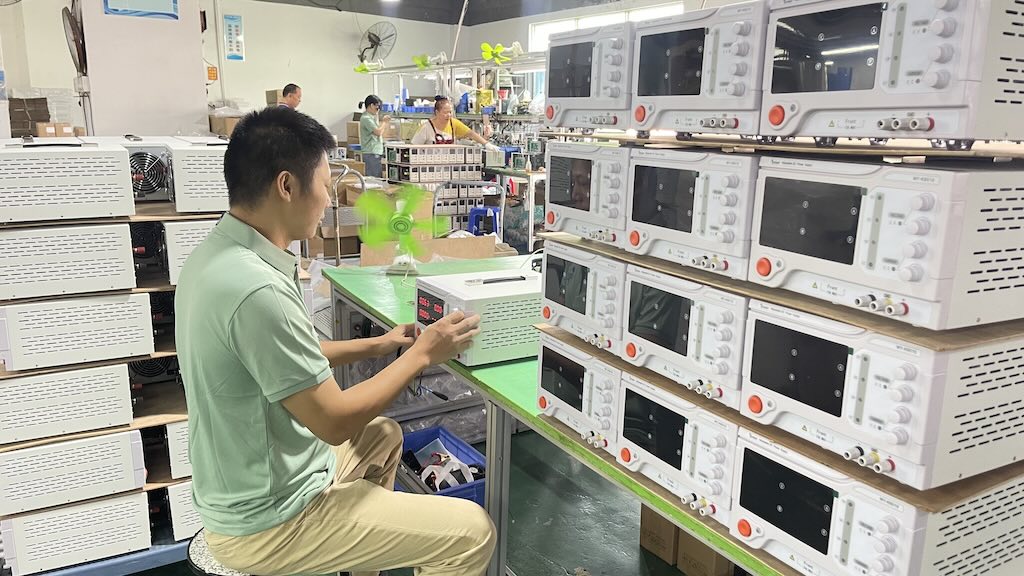
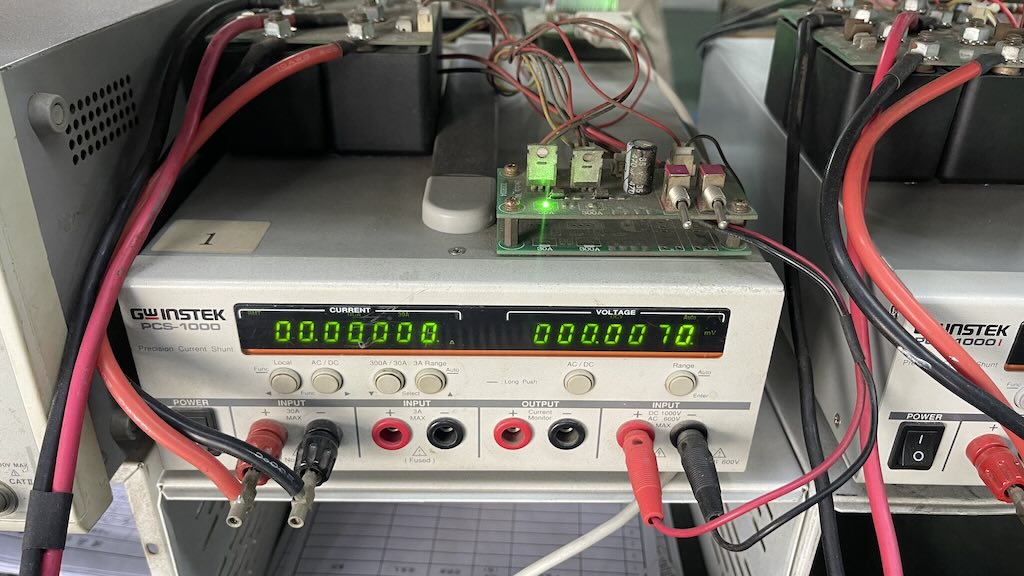
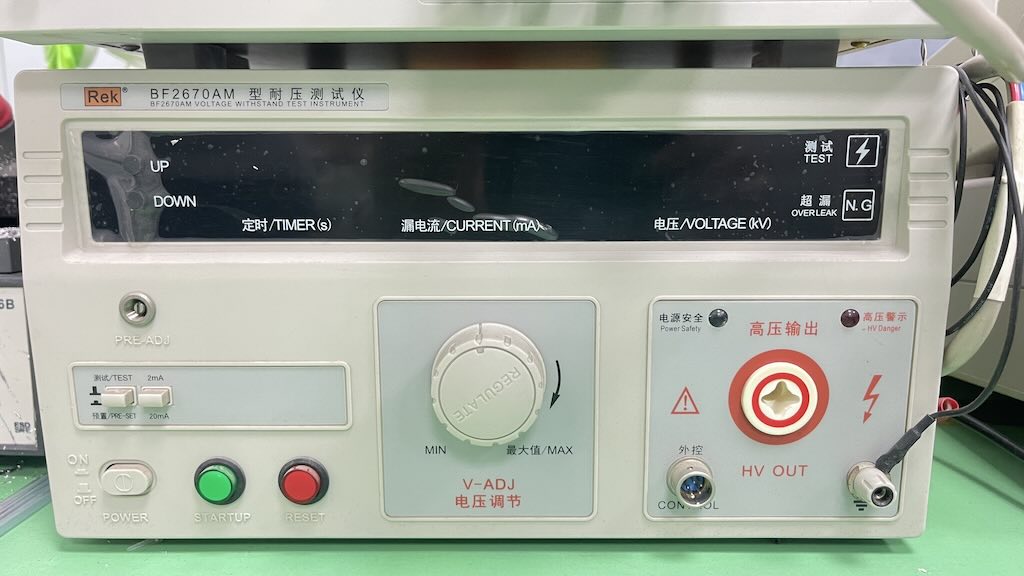
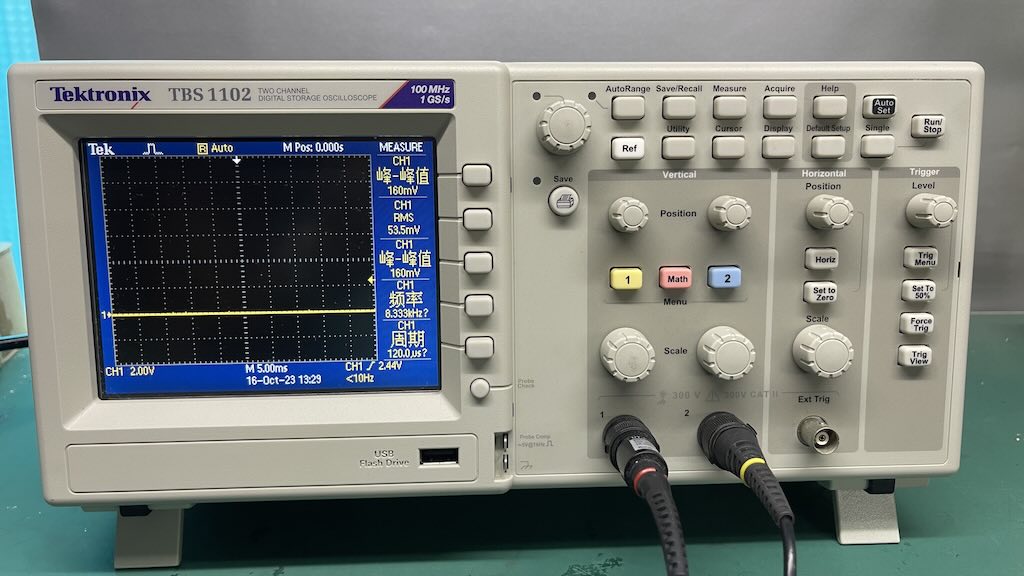
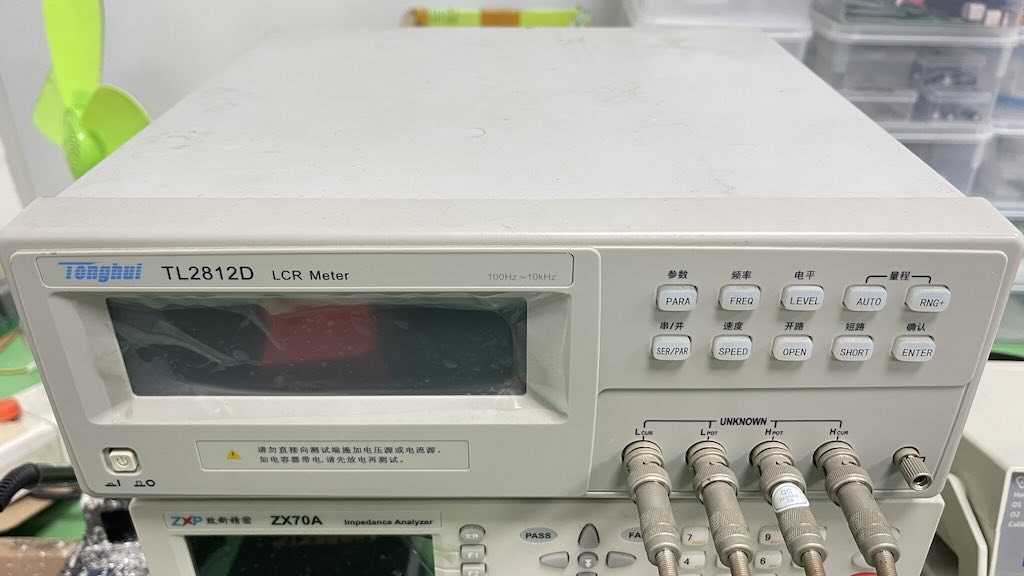
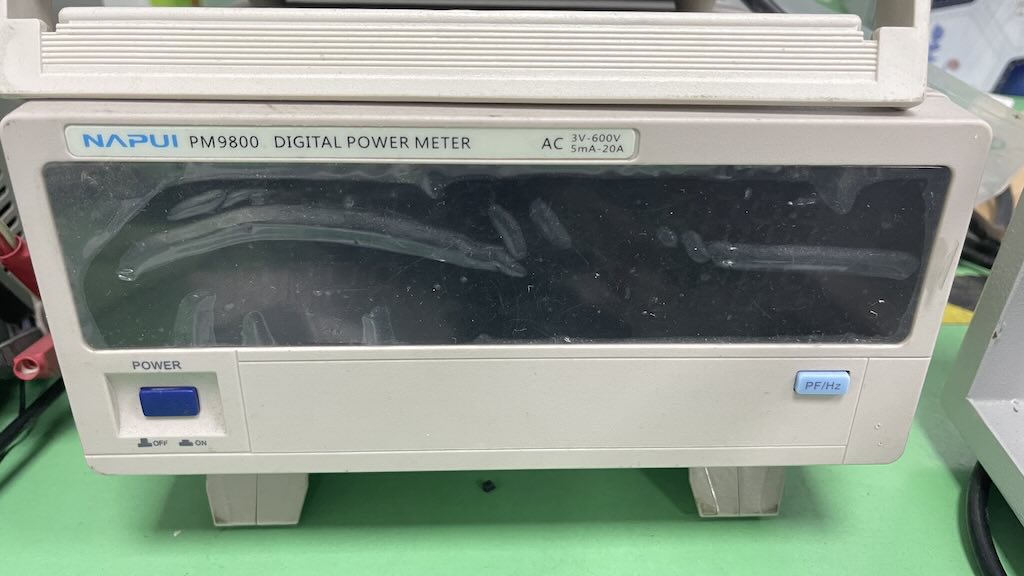
B2B procurement agents sourcing inverters must analyze several technical attributes rather than relying solely on cost-per-watt metrics. Factors such as certifications, transient thermal impedance curves, local compliance protocols, and component provenance play critical roles in evaluating reliability. A comprehensive understanding of local power regulations and grid conditions is imperative.
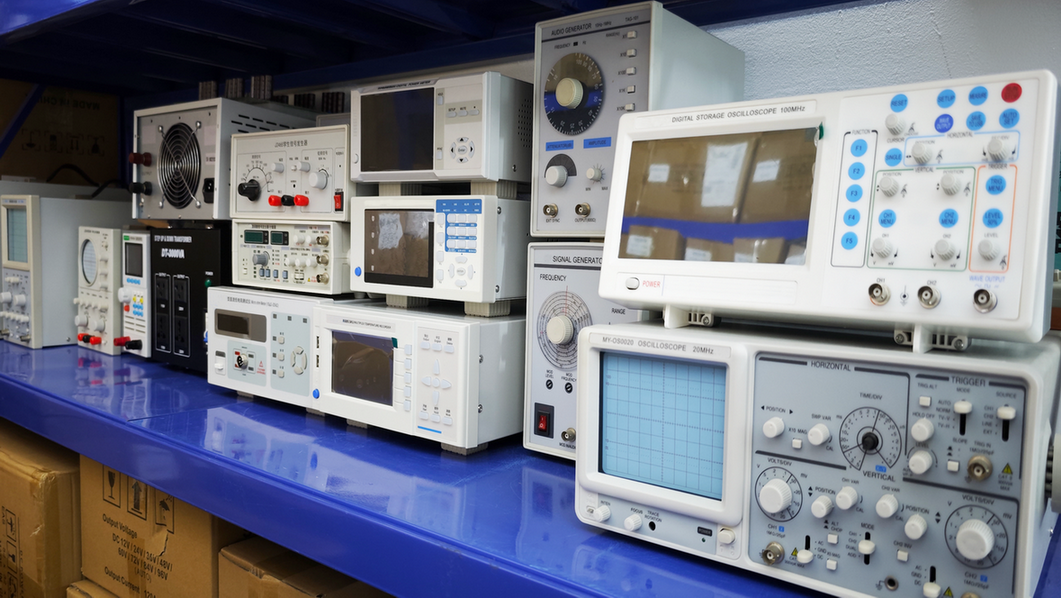
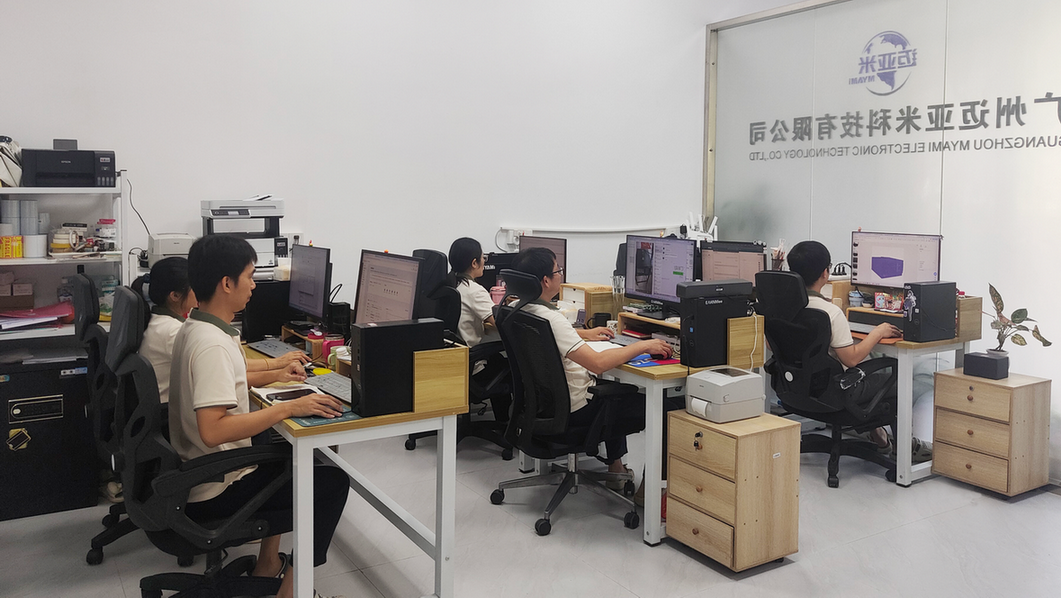
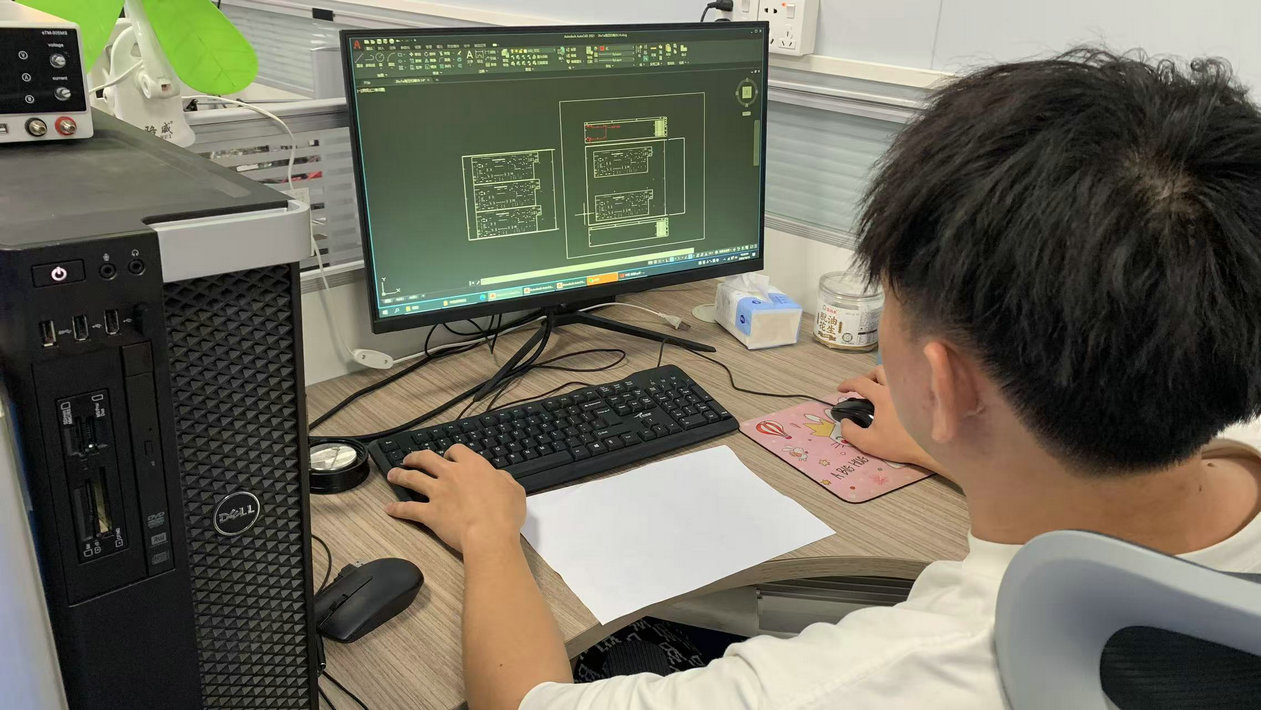
Our OEM/ODM engineering hub integrates advanced CAD modeling, component stress simulations, and comprehensive hardware testing.
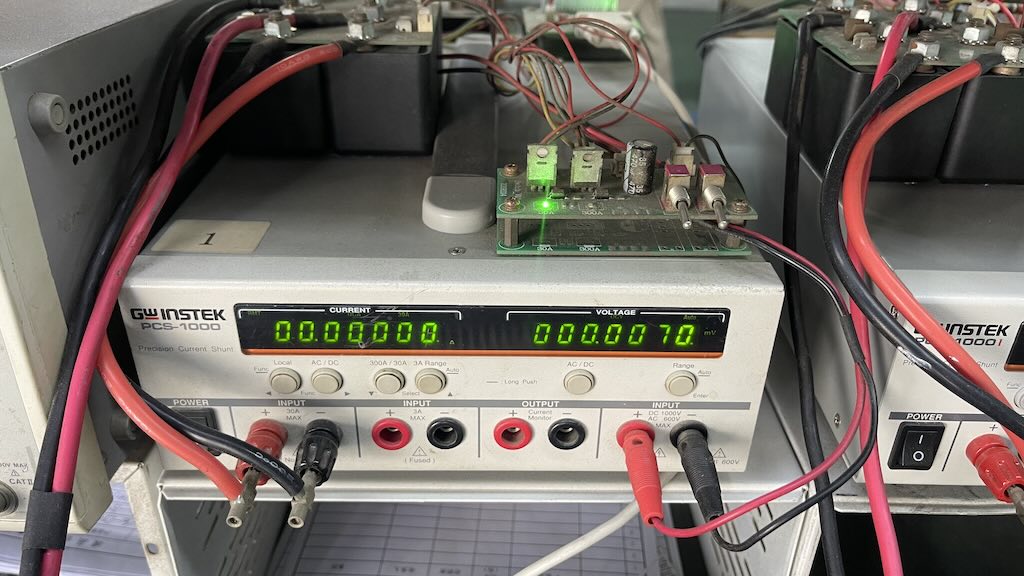
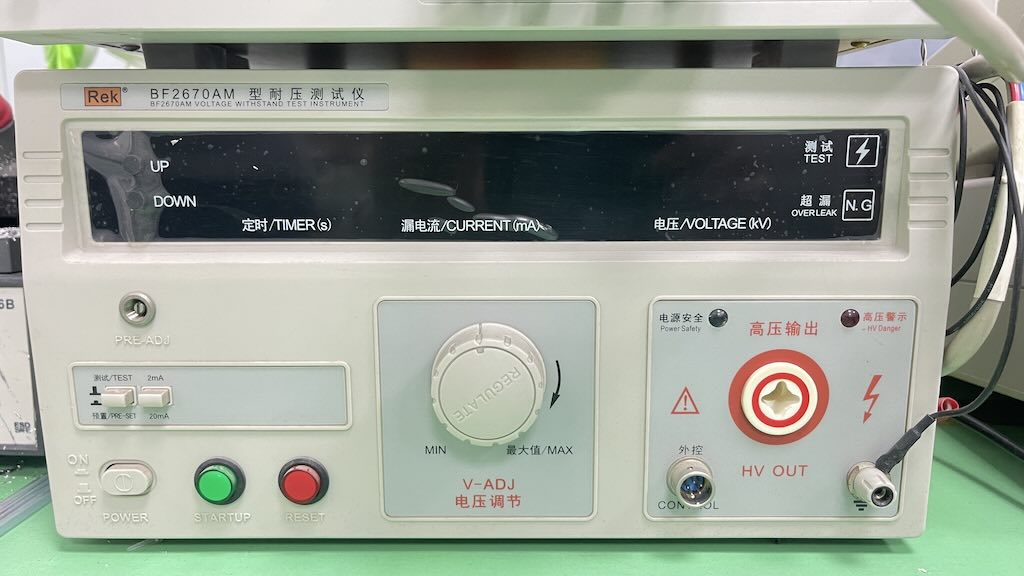
Detailed technical answers for engineering and procurement leads sourcing high-grade power electronics.
Complete your testing benches with our programmable power systems, signal generators, data loggers, and chargers.


 Myami Power