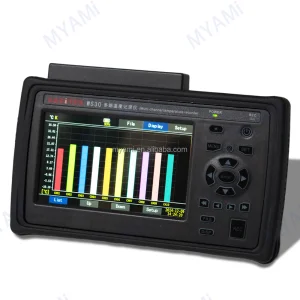
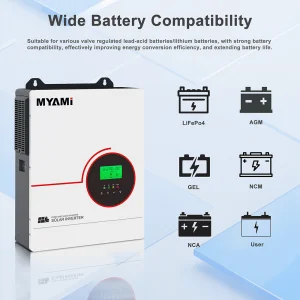
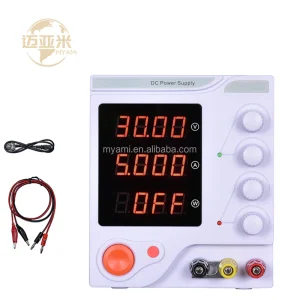
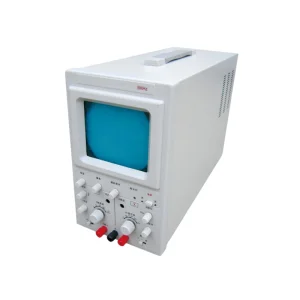
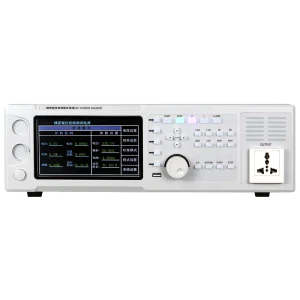
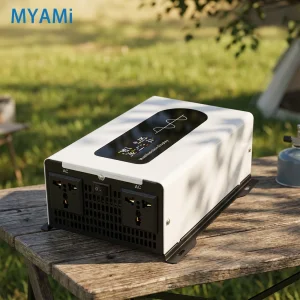
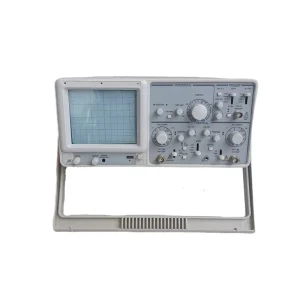
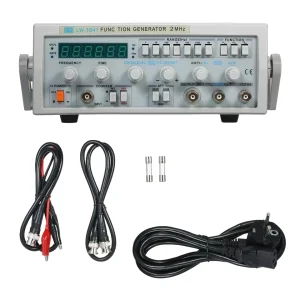
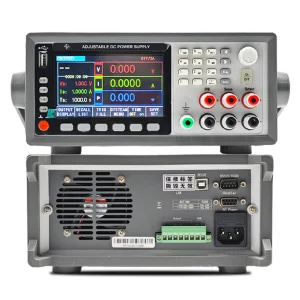
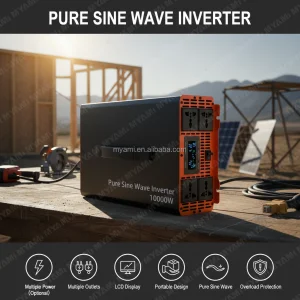
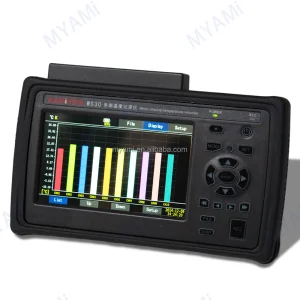
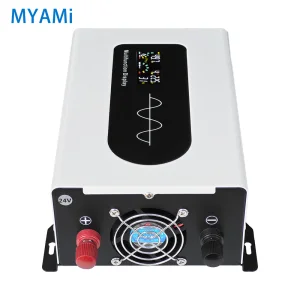
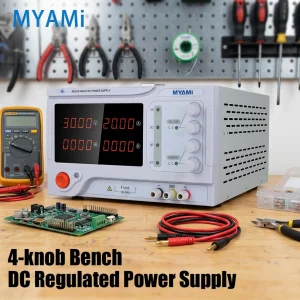
Circuit breaker performance depends entirely on absolute calibration and rigorous testing. Below is our key equipment engineered for component evaluation, thermal tripping tests, and high-voltage calibration.
In the modern era of industrial automation, electrified transportation, and renewable energy integration, the role of circuit protection systems has evolved far beyond simple thermal overcurrent switches. Today, circuit breakers act as the first line of defense for critical infrastructures, microgrids, and high-power industrial equipment.
Selecting a circuit breaker manufacturer requires evaluating more than nominal currents. Global enterprises analyze breaking capacities, digital connectivity, environmental sustainability (such as SF6-free switchgears), and compliance certifications. Reliable circuit breakers require precise, high-speed testing validation systems during manufacturing, including programmable current loads and high-precision data acquisition tools.
Based on market share, technology integration, innovation in solid-state devices, and manufacturing infrastructure, the following are the top ten leaders in the circuit breaker and switchgear industry:
Headquartered in Switzerland, ABB is a global leader in electrification, robotics, and industrial digitalization. Their circuit breaker range spans from low-voltage miniature breakers (MCBs) to advanced high-voltage gas-insulated switchgears (GIS). ABB's focus is on smart-grid optimization and digital integrations.
A French pioneer, Schneider Electric dominates low and medium-voltage electrical distribution. Known for the MasterPact and Compact lines, their breakers feature advanced IoT capabilities (EcoStruxure platform), allowing real-time monitoring and predictive maintenance analytics.
Germany's Siemens is synonymous with engineering precision. Their SENTRON family of circuit protection devices is widely used in global automation and building systems. Siemens leads in the development of low-carbon, clean-air insulated medium-voltage breakers.
With a massive footprint in North America, Eaton excels in electrical power management systems. Their Power Defense and molded case circuit breakers (MCCBs) provide reliable overload, short-circuit, and arc-flash protection in commercial, industrial, and utility networks.
As a key manufacturer in the Asia-Pacific region, Mitsubishi provides high-performance air circuit breakers (ACBs) and gas-circuit breakers (GCBs) designed for critical manufacturing setups and power transmission grids.
French multinational Legrand is a benchmark brand in digital and electrical building infrastructures. They provide specialized residential, commercial, and industrial breaker modules featuring modular installation mechanics.
Known for high reliability in heavy industrial environments, Japan's Fuji Electric manufactures low-voltage breakers, contactors, and protective relays designed for machinery, control panels, and automation lines.
A leader in Chinese electrical manufacturing, Chint delivers high-volume production capabilities for residential and industrial breakers. Their solutions are highly competitive across emerging markets and industrial applications.
Providing Allen-Bradley motor protection circuit breakers, Rockwell excels in integrated control systems, designing breakers that link directly with PLC networks and motor control centers (MCCs).
Now integrated under ABB’s electrification division in many regions, GE's industrial switchgears remain a standard in North American manufacturing plants, power generation stations, and military installations.
Modern breakers are no longer passive safety mechanisms. Integration of sensors and IoT modules enables operators to monitor line currents, harmonics, contact wear, and operational temperature. Real-time diagnostic data helps identify issues before critical failures occur.
Historically, sulfur hexafluoride (SF6) was standard for arc quenching. Because SF6 is a potent greenhouse gas, major manufacturers are transitioning to alternatives, such as vacuum insulation and synthetic clean air.
Solid-state circuit breakers (SSCBs) introduce semiconductor-based interruption, reducing response times from milliseconds to microseconds. While mechanical breakers remain standard for physical isolation, hybrid and solid-state systems are growing in DC microgrids.
Headquartered in Shenzhen, China, Shenzhen Myami Power Technology Co., Ltd. (MYAMI) is a technology-driven manufacturer and solution provider specializing in high-precision, industrial-grade power supplies and electrical test equipment. Designed for engineering rigor, MYAMI bridges the gap between complex electronic research, high-voltage component testing, and scalable industrial automation.
Our specialized engineering portfolio focuses on four core operational pillars:
Every MYAMI system is engineered with strict multi-layer protection protocols (OVP, OCP, OTP, and short-circuit safeguards) and complies with international safety and quality standards, including CE, RoHS, and ISO9001. Integrated with standard industrial control protocols (RS485, RS232, and CAN communication), our equipment seamlessly connects to automated production lines and central PC control systems.
Today, MYAMI serves research institutions, automotive OEMs, aerospace contractors, and electronics manufacturers across North America, Europe, East Asia, and the Middle East. Whether you require a single benchtop lab power supply or a custom high-power aging system, MYAMI is your partner for precision power and uncompromised testing reliability.
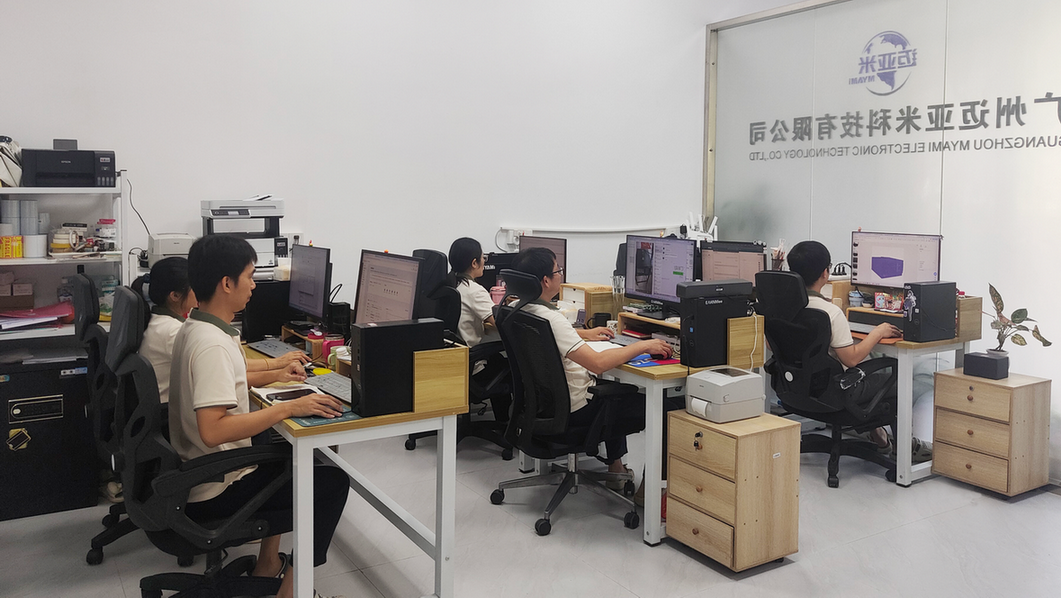
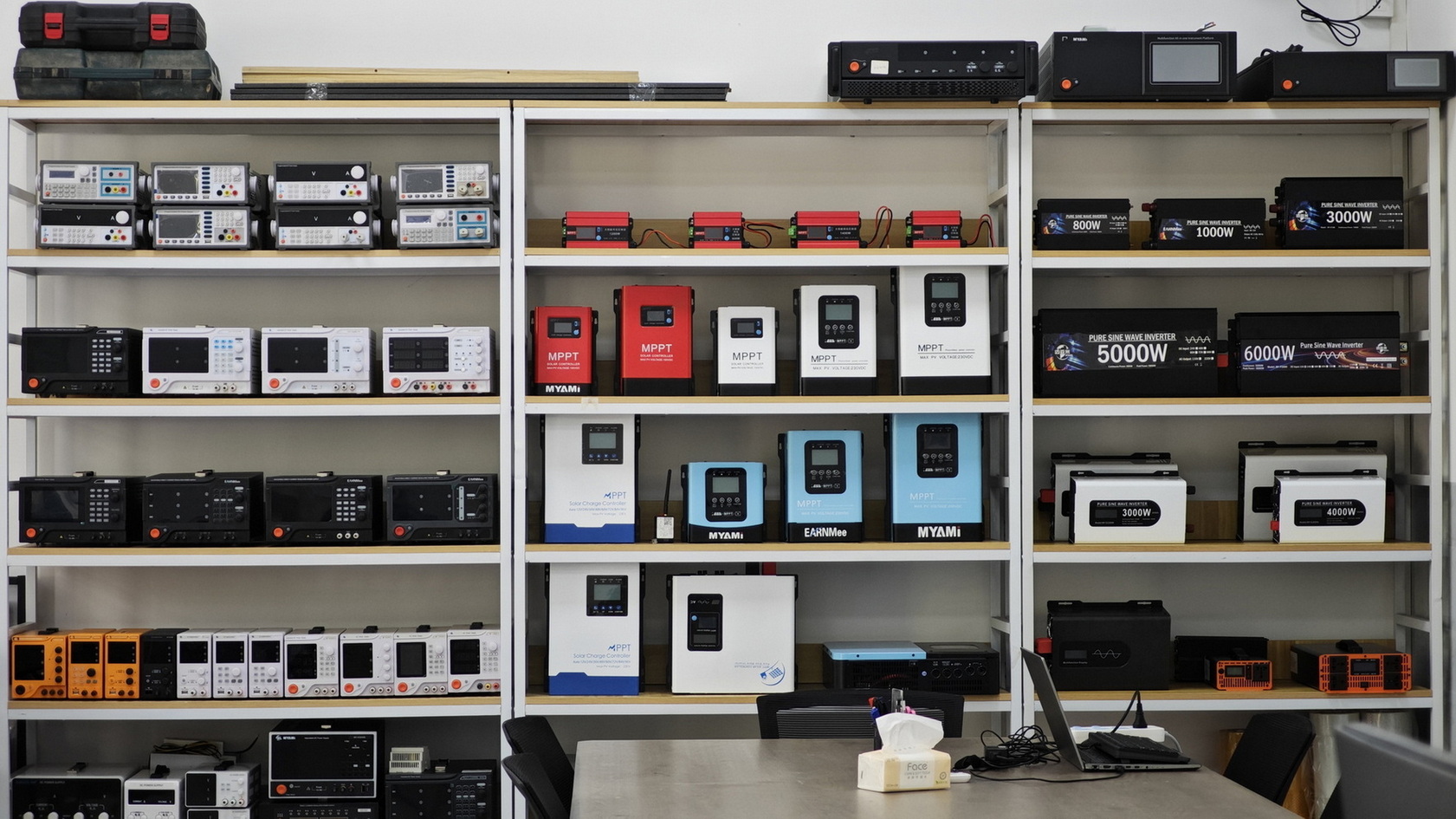
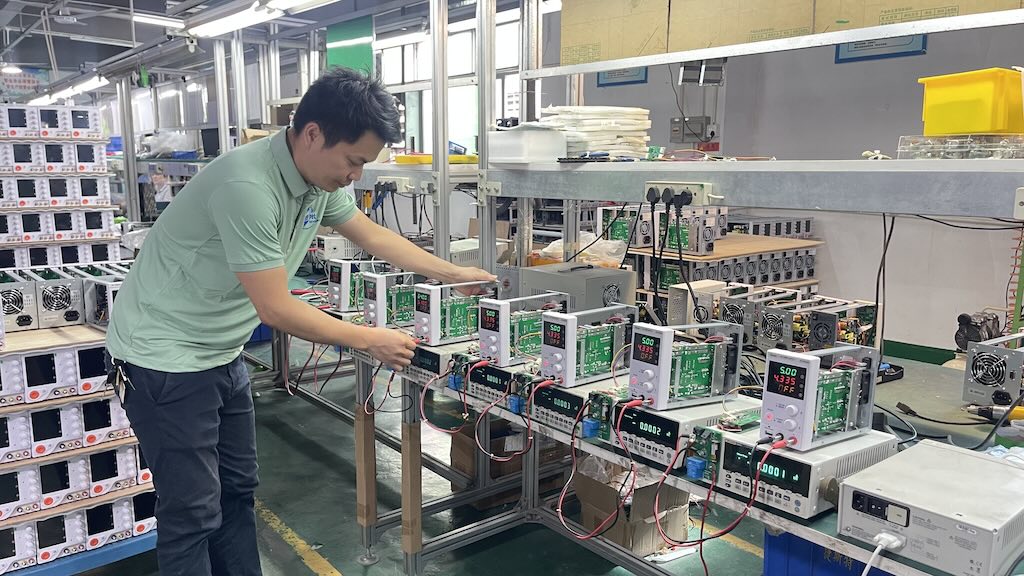
Our ISO 9001 certified production lines integrate automated checks, thermal stress profiling, and calibration steps to ensure that every instrument meets industry requirements.
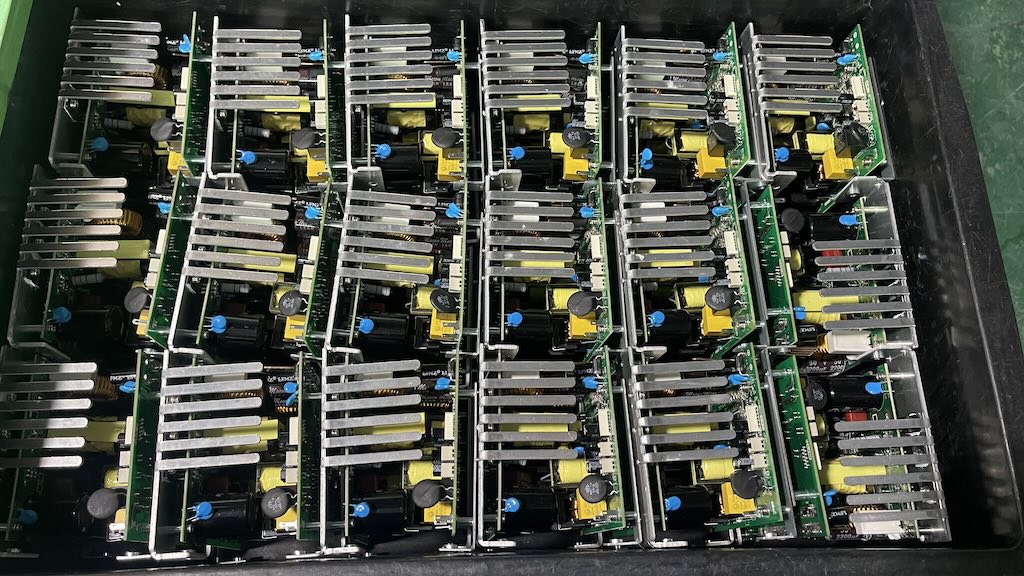 Raw Material
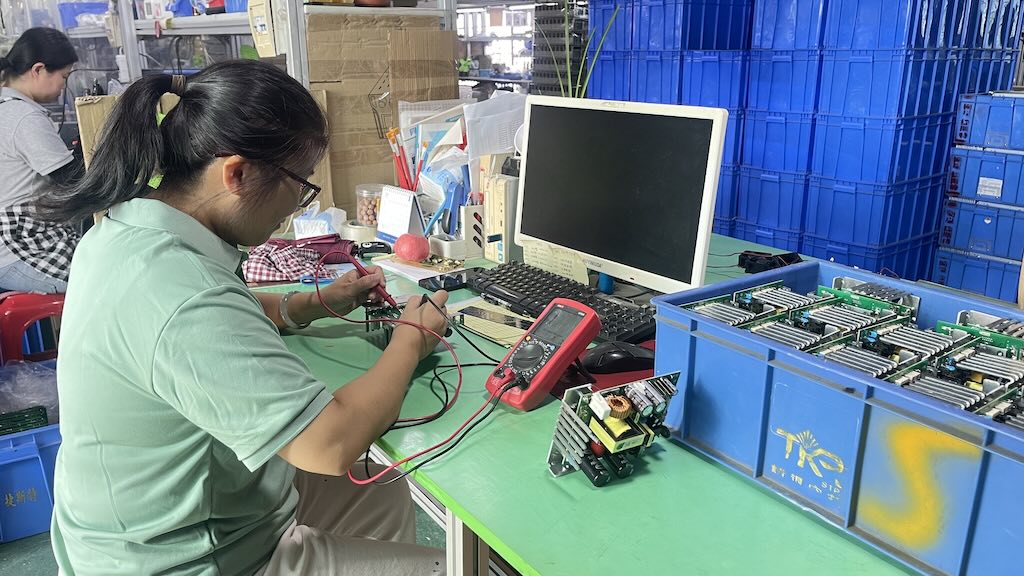 PCB Checking
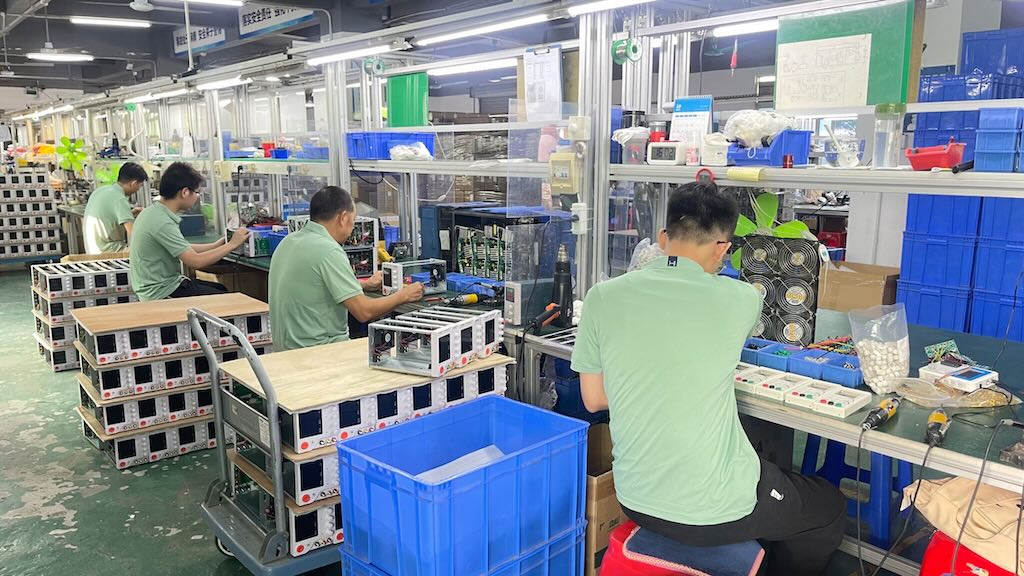 Assembling
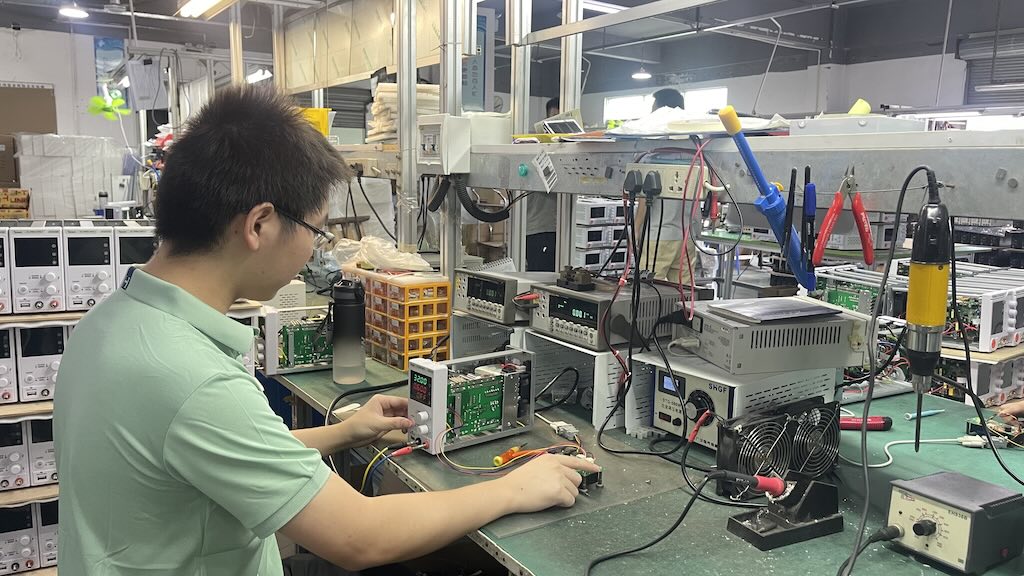 Debug
Debug
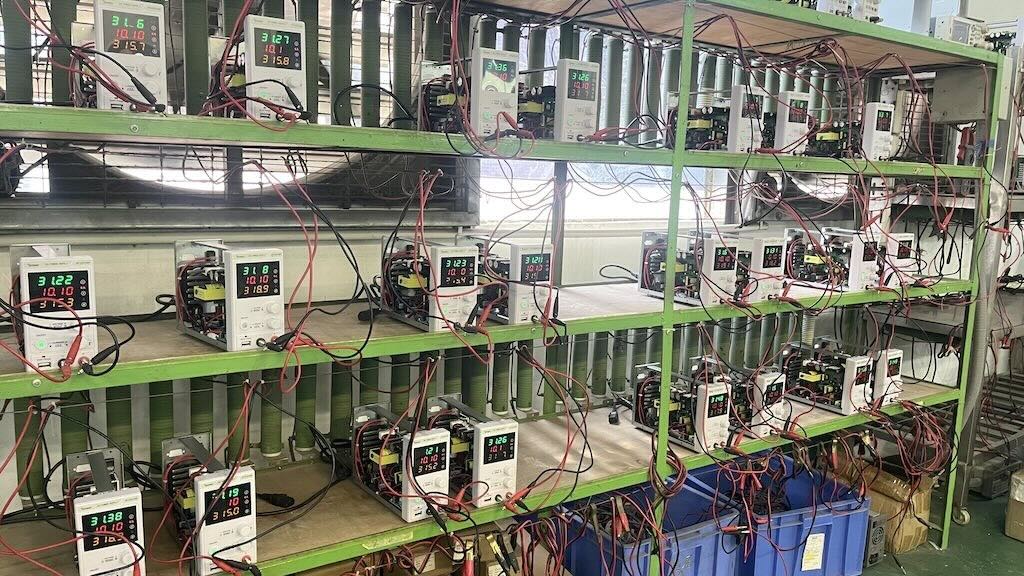 Aging
Aging
 Calibration
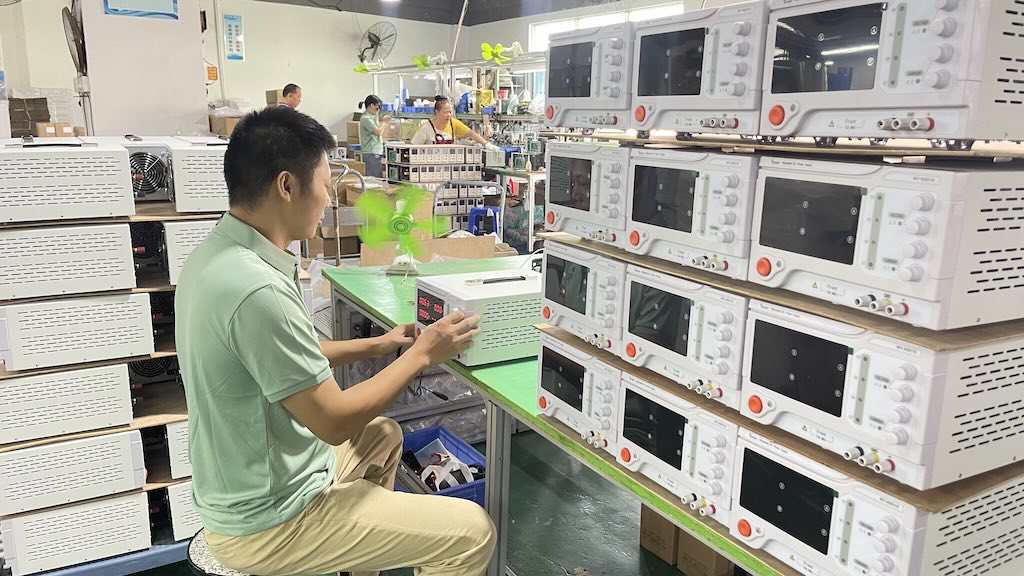 QC checking
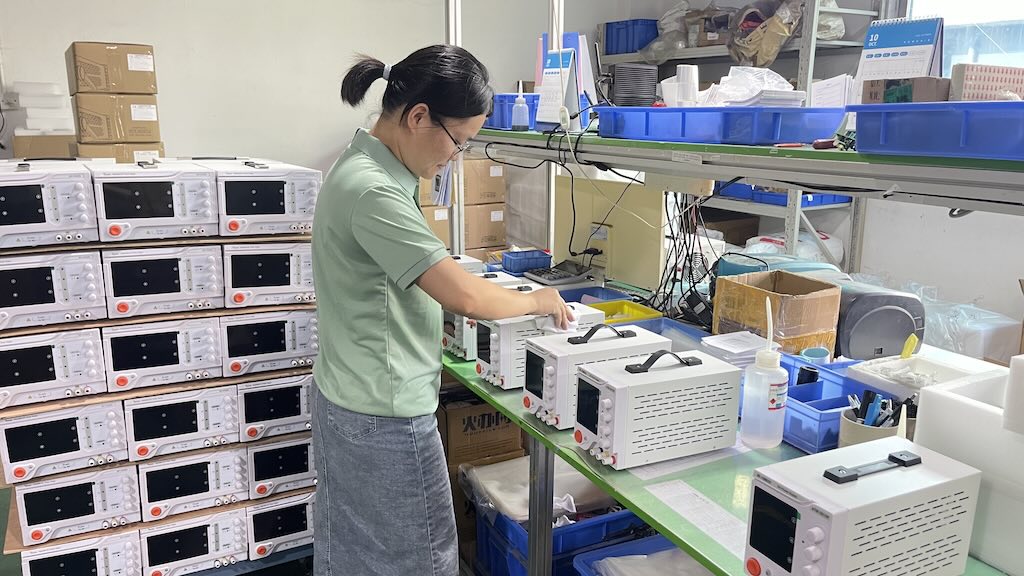 Packing
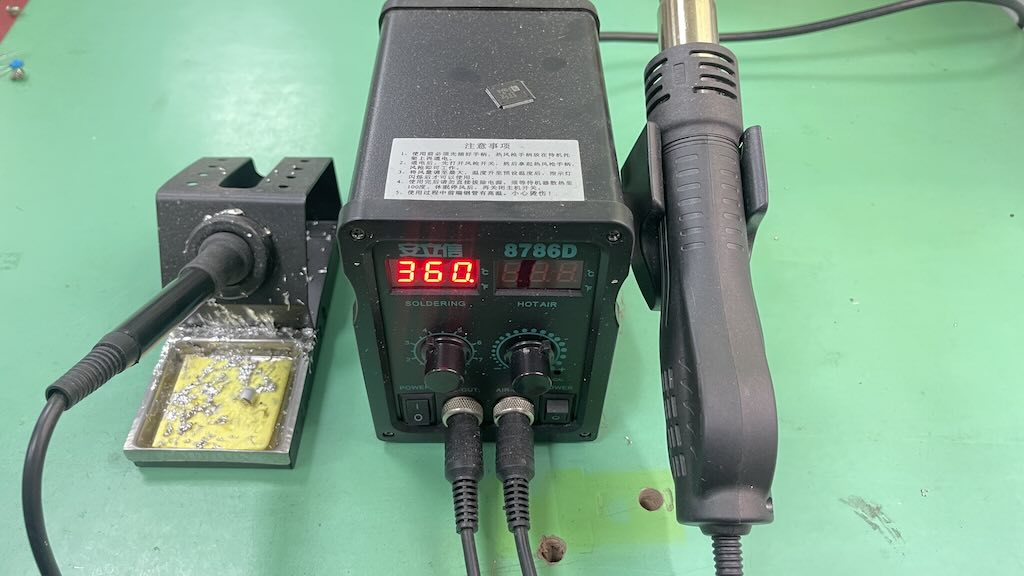 Soldering Station
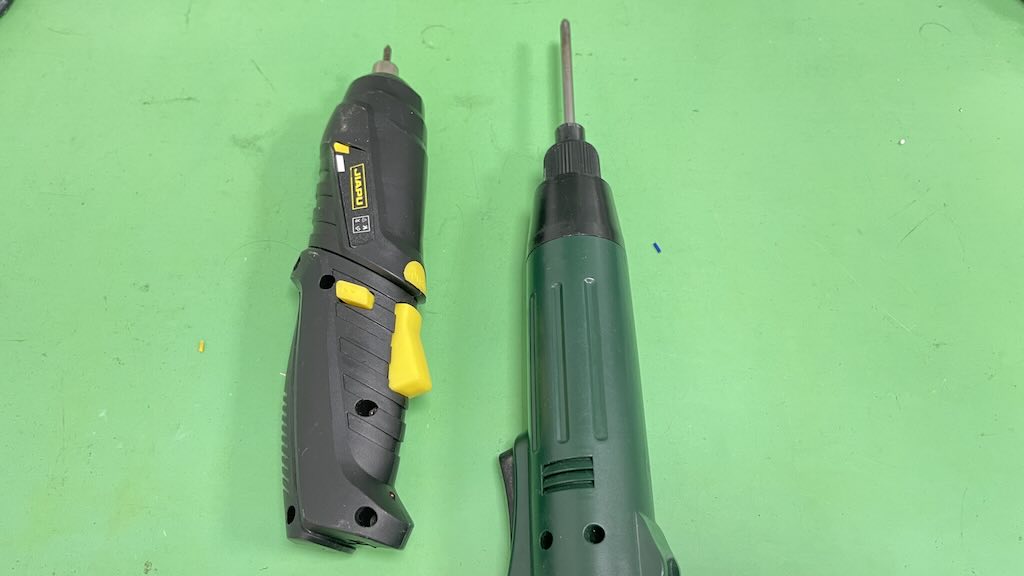 Electronic Screwdriver
Our quality assurance division relies on professional test instruments to evaluate the performance profile, dielectric boundaries, and transient response time of our power modules.
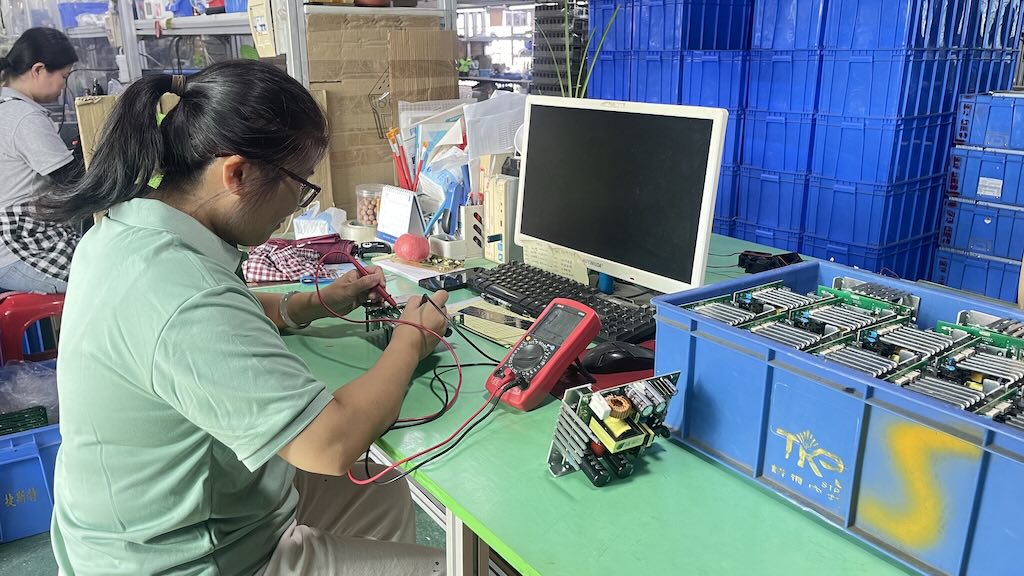 PCB Check
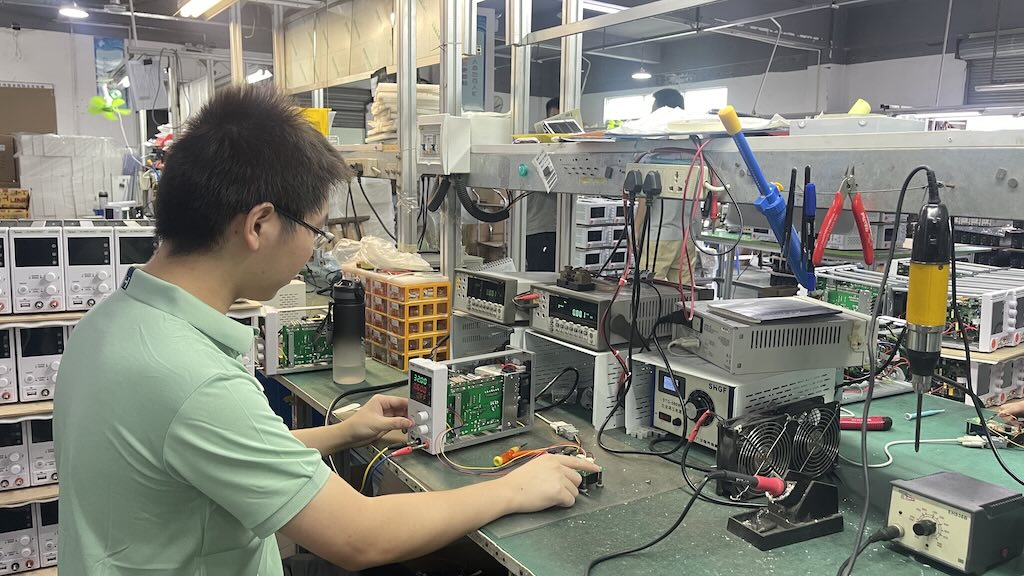 Debug
Debug
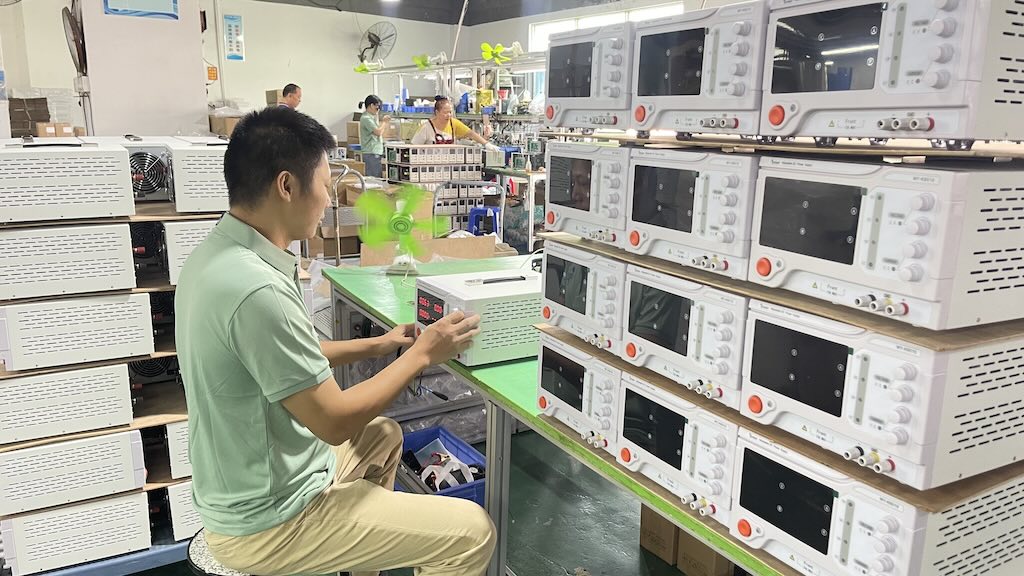 QC check
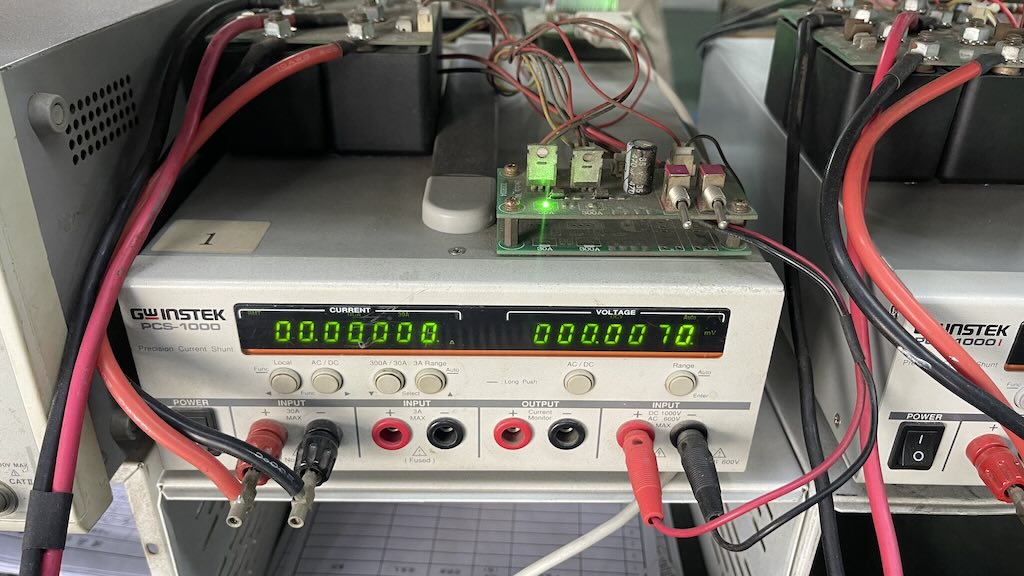 Multimeter
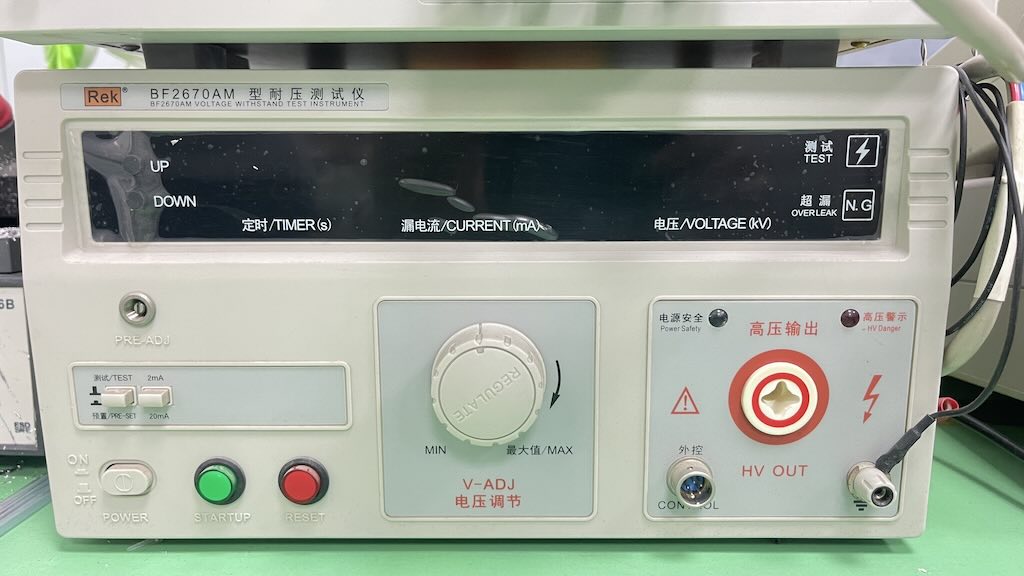 Hi-pot Tester
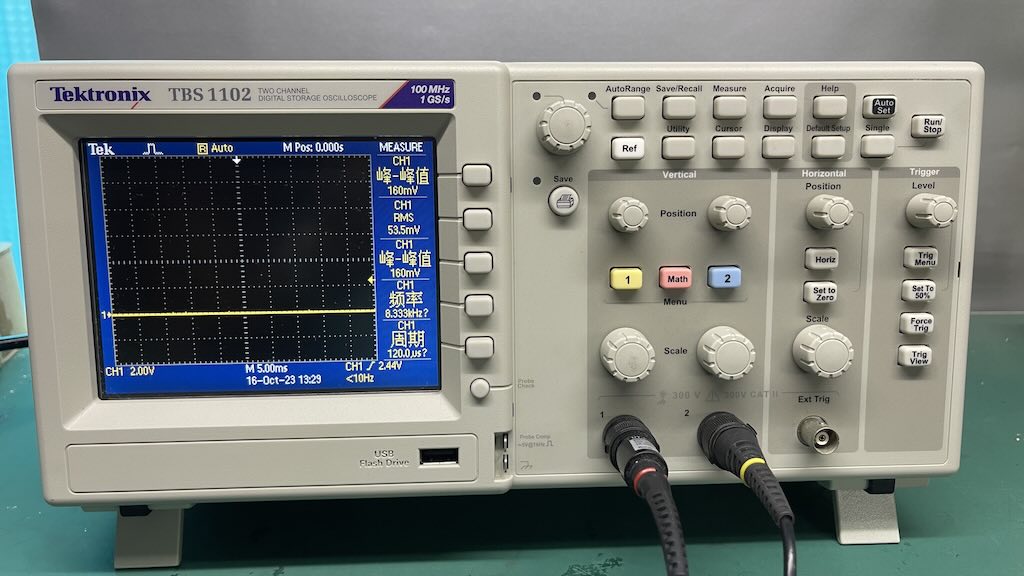 Oscilloscope
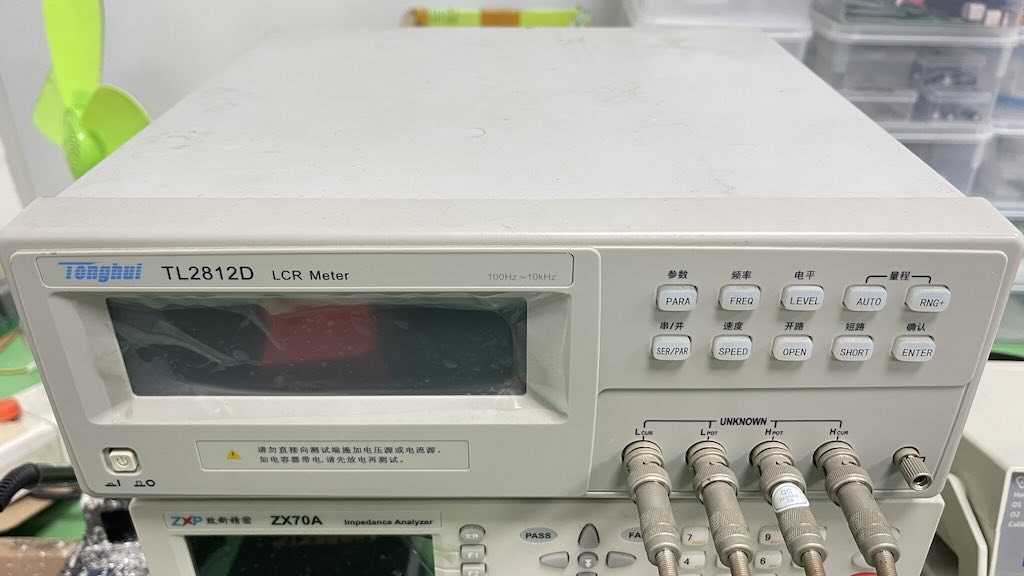 LCR Meter
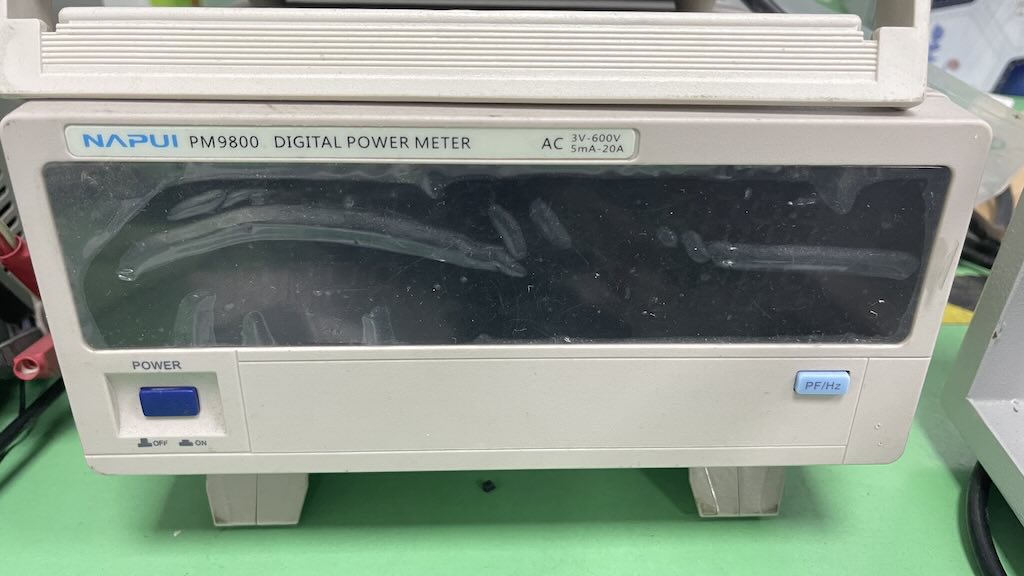 Digital power meter
Our engineers utilize specialized test equipment to verify thermal dynamics, waveform profiles, and electrical parameter stability.
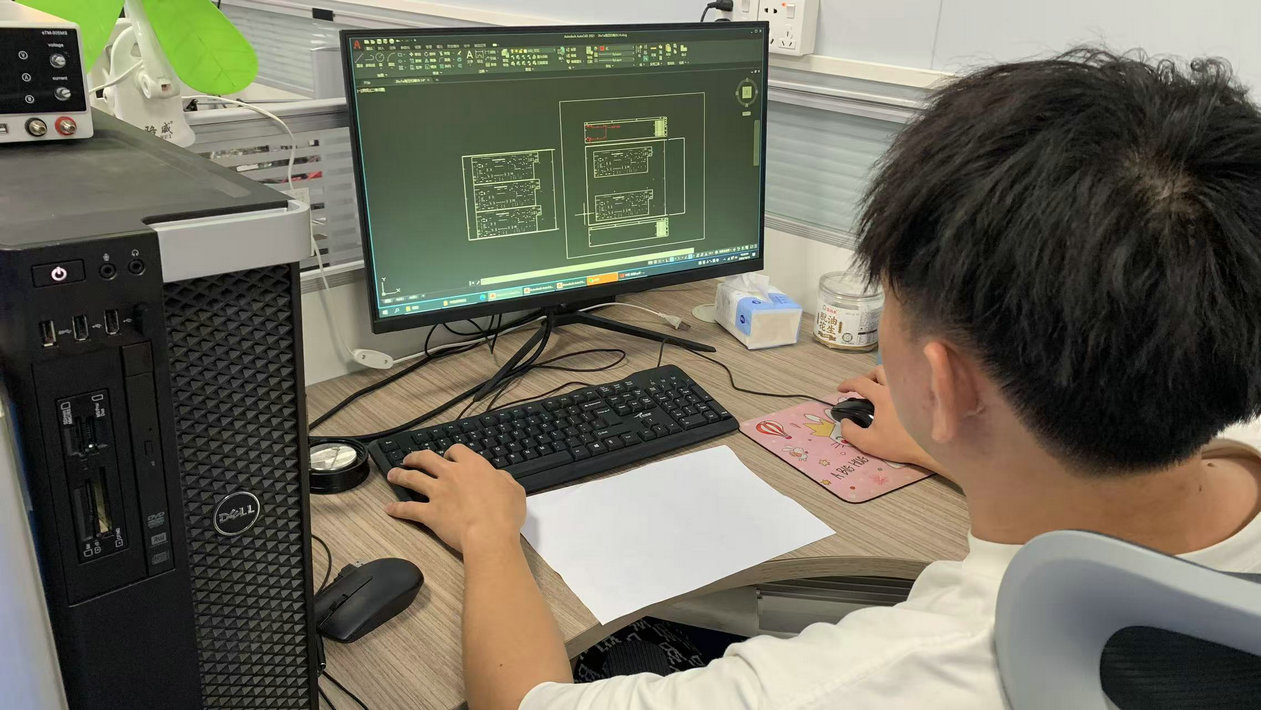 Design
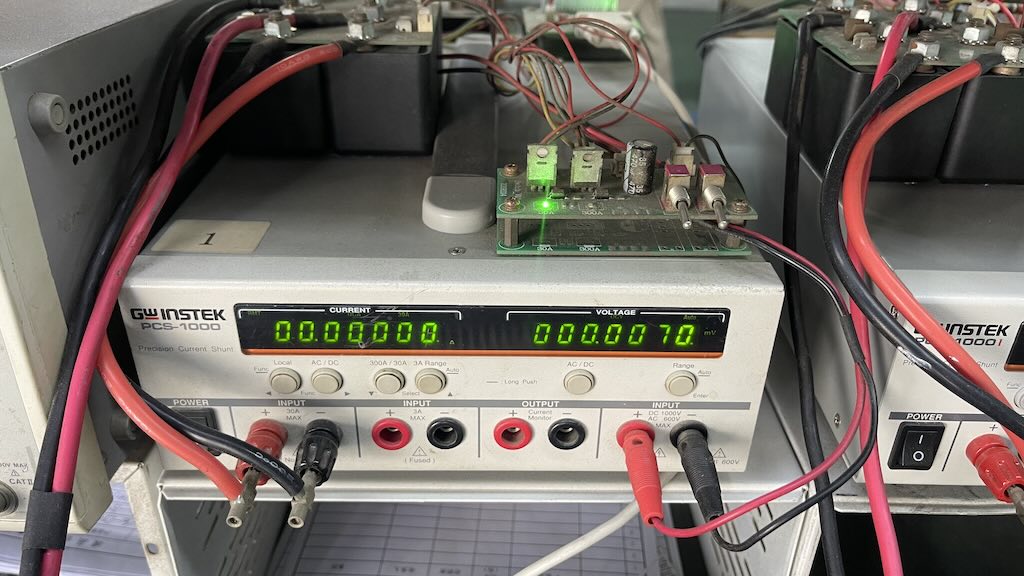 Multimeter
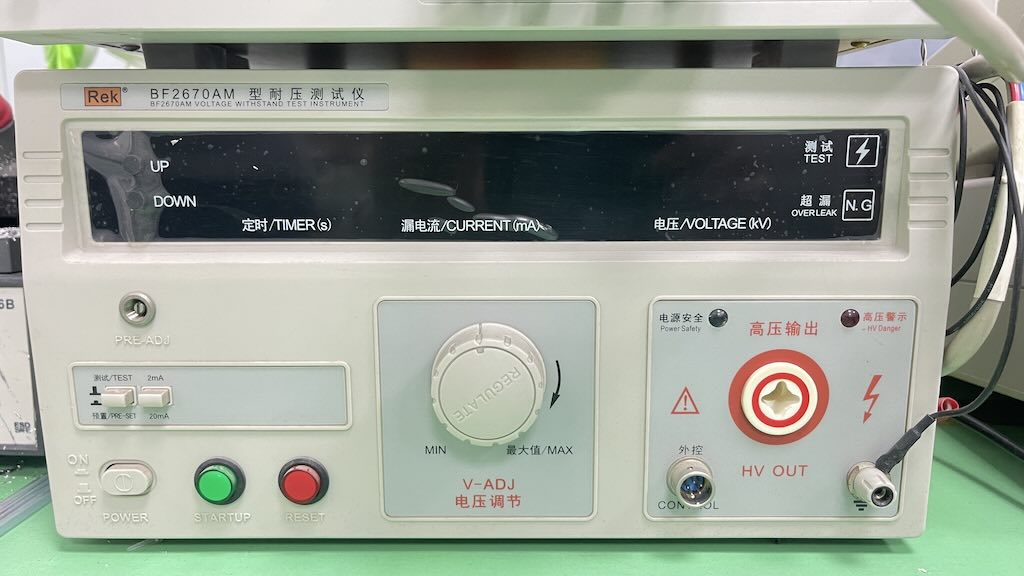 Hi-pot Tester
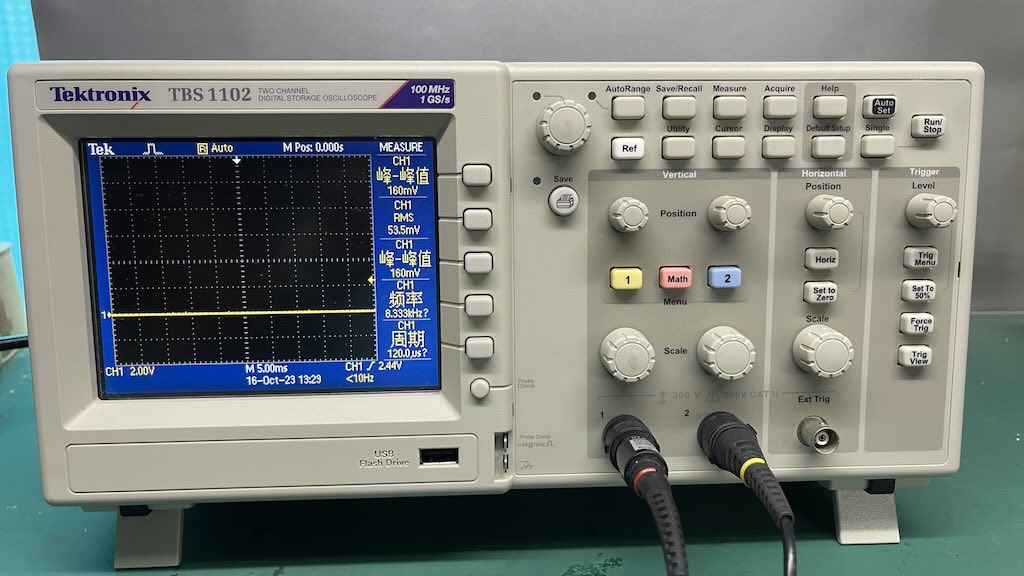 Oscilloscope
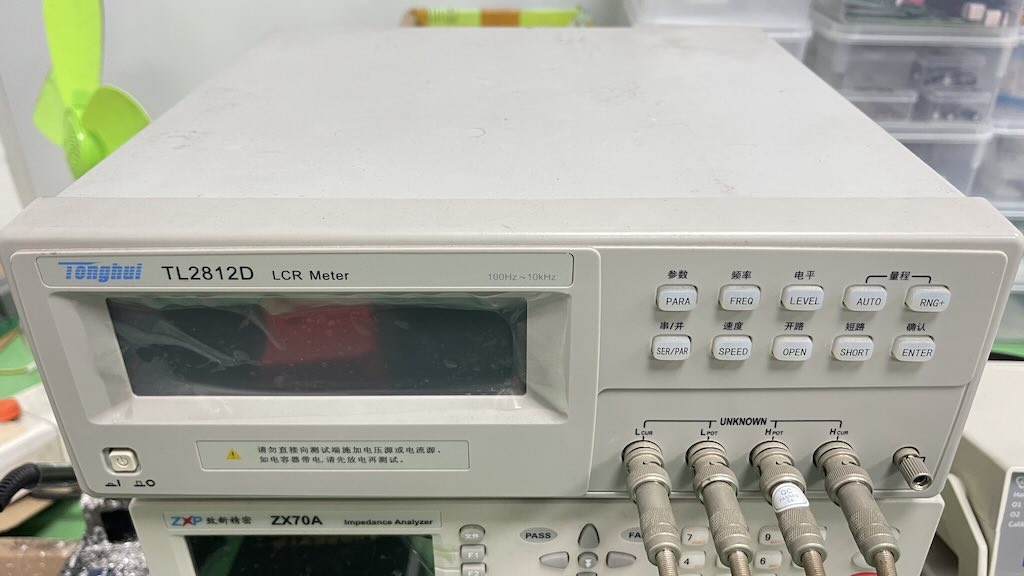 LCR Meter
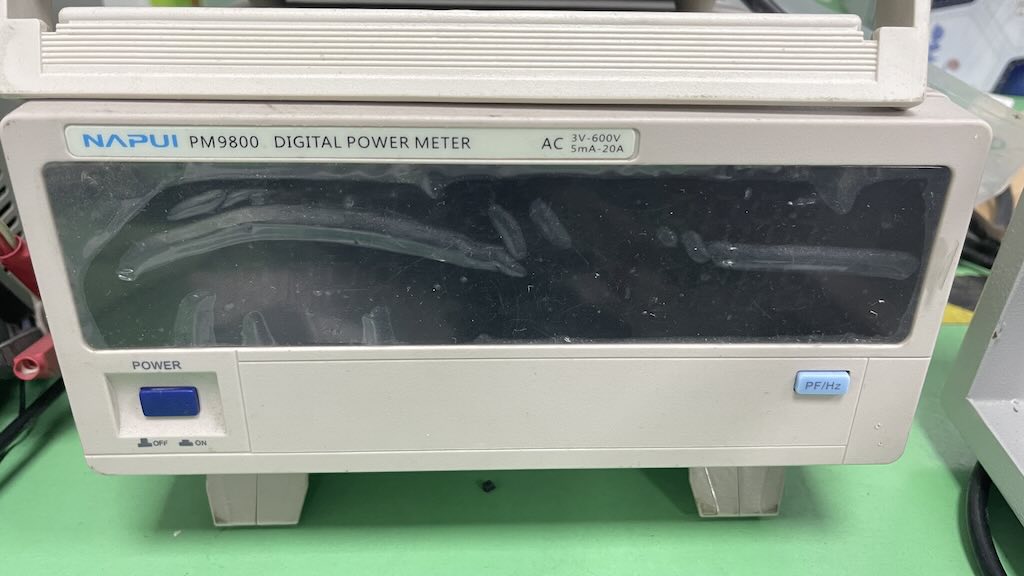 Digital power meter
When procuring switchgear and circuit protection devices globally, engineering teams must evaluate three main criteria:
Circuit breakers must comply with specific standards. Low-voltage devices for industrial use must satisfy IEC 60947-2 or UL 489. Residential systems are governed by IEC 60898-1. Verification testing requires high-precision power supplies, such as MYAMI’s variable DC units, to verify that contact trip currents fall precisely within standard parameters (Type B, C, D, or K curves).
Ambient operating temperatures affect circuit breaker trip thresholds. In regions like the Middle East or hot industrial sites, breakers must be derated. Manufacturers utilize temperature profiling tools, including the MYAMi WS30 10-Channel Logger, to monitor contact terminals during high-load tests and ensure stability under environmental stress.
Modern automated manufacturing sites require circuit breakers that interface with SCADA systems. Selecting units equipped with Modbus-RTU (RS485) or CANbus is essential for centralized control and remote resetting capabilities.
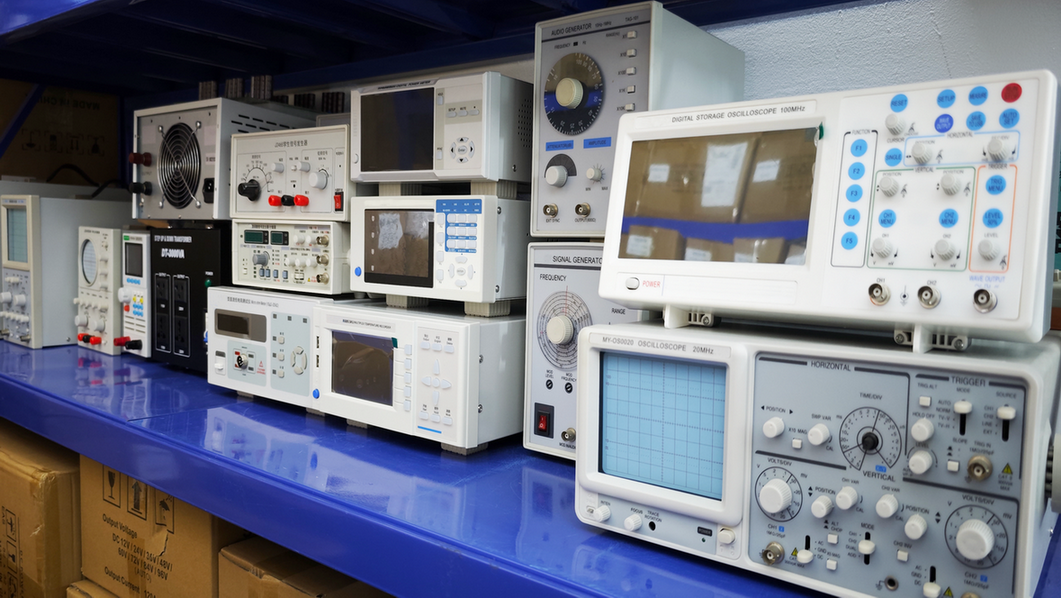
Explore our secondary product line of variable DC power units, single and multi-phase AC simulators, and diagnostic oscilloscopes designed for high-stress testing labs.
 Myami Power