Precision power profiling systems, high-speed test benches, and signal analysis devices designed to validate high-density digital architectures.
A Digital Signal Processor (DSP) is a specialized microprocessor designed specifically for performing high-speed, mathematical operations on digitized real-world signals. Unlike general-purpose CPUs, which rely heavily on complex branch-prediction logic to manage disparate multitasking threads, a DSP architecture is built from the ground up for low-latency, deterministic, real-time math execution. Central to this architecture is the single-cycle Multiply-Accumulate (MAC) unit, parallel arithmetic pipelines, and dedicated Harvard architectures that separate program instructions from data storage.
In today's global semiconductor supply chain, manufacturing and exporting high-performance DSPs requires more than just clean silicon fabrication. It demands an entire infrastructure of ultra-clean, highly regulated power profiling, high-precision thermal tracking, and rigorous transient analysis. During high-performance operation, a DSP's core switching frequency can shift dynamically from sub-milliamp sleep states to multi-amp high-density operation in nanoseconds, creating severe transient load conditions.
Without stable input voltages characterized by ultra-low ripple and high dynamic recovery rates, these switching transients can lead to timing violations, bit flips, and structural failure. This is where high-precision programmable DC and AC power solutions, alongside real-time multi-channel temperature loggers, serve as critical validation tools for semiconductor engineers worldwide.
An in-depth, expert-level evaluation of the leaders shaping global signal processing hardware, their technical architectures, and specific validation testing criteria.
Core Focus: C6000™ and C2000™ real-time control microcontrollers.
Architecture Profile: High-performance Floating-Point and Fixed-Point architectures designed for precise industrial drive loops, power grid automation, and ultra-high-speed radar processing.
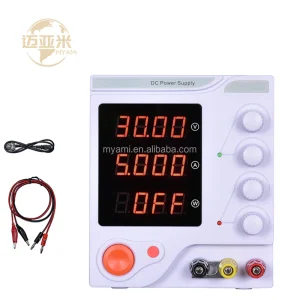
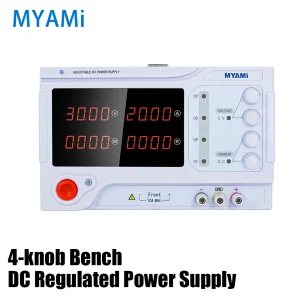
Validation Standard: Requires linear, low-noise DC power regulation (like MYAMI MY-L3005P) to maintain signal integrity on analog-to-digital converter (ADC) interfaces.
Core Focus: SHARC® and TigerSHARC® processing engines.
Architecture Profile: Famous for ultra-high dynamic range audio and radar systems, integrating high-speed Floating-Point math engines with hardware-accelerated FFT processing blocks.
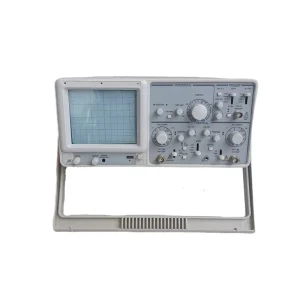
Validation Standard: Demands extreme decoupling and testing systems with high-resolution digital oscilloscopes to map phase noise and prevent jitter on internal PLLs.
Core Focus: S32V Automotive processors and MSC8xx DSP systems.
Architecture Profile: Heavy focus on functional safety (ISO 26262 ASIL-D) for Advanced Driver Assistance Systems (ADAS), engine mapping, and V2X vehicle communication.
Validation Standard: Requires multi-channel high-temperature data logging during accelerated life testing (ALT) to monitor heat dissipation inside active packaging.
Core Focus: dsPIC® Digital Signal Controllers.
Architecture Profile: A tight blend of standard microcontroller simplicity and powerful DSP hardware computation, optimized for smart sensor nodes and digital power conversions.
Validation Standard: Validated using programmable high-precision bench power sources to measure power-on-reset (POR) thresholds and active current states.
Core Focus: STM32 with DSP instructions (Cortex-M4/M7/H7).
Architecture Profile: Combines Arm® Cortex cores with advanced mathematical acceleration units (FPU, FMAC, Cordic), standardizing embedded DSP across IoT networks.
Validation Standard: Relies on rigorous variable voltage drop testing to simulate supply rail fluctuations and evaluate processing stability.
Core Focus: Audio DSPs & High-Fidelity Converters.
Architecture Profile: Specialized DSPs designed for smart codecs, active noise cancellation (ANC), and mobile spatial audio processing units.
Validation Standard: Audio signal converters require laboratory-grade linear supplies with minimal electromagnetic interference (EMI) profiles during analog validation loops.
Core Focus: Broadband and Telecommunications DSP cores.
Architecture Profile: High-bandwidth network routing DSPs designed to process multi-channel fiber optic and wireless signals in core networking backbones.
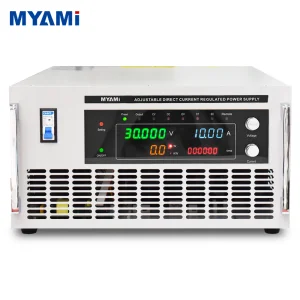
Validation Standard: Highly energy-dense chips needing high-current, rack-mounted DC supplies (like MYAMI Rack Systems) to simulate full-rate load conditions.
Core Focus: Hexagon™ DSP technology inside Snapdragon SOCs.
Architecture Profile: Multi-threaded DSP engine designed to accelerate image processing, voice assistants, and on-device AI algorithms with minimal power profiles.
Validation Standard: Rapid, real-time power dynamic tracking tools are necessary to monitor instantaneous transition patterns during AI load spikes.
Core Focus: AURIX™ Multicore TriCore™ Processors.
Architecture Profile: Real-time architectures for high-power electric vehicle motor drives, battery energy control loops, and solar inverter phase control.
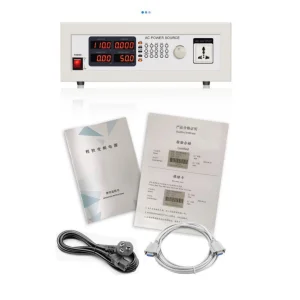
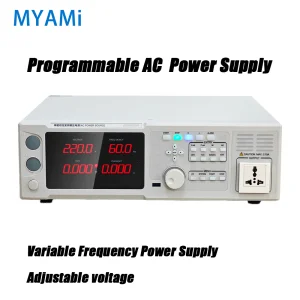
Validation Standard: Supported by programmable variable AC sources and battery simulators to evaluate high-voltage fault handling systems.
Core Focus: RX Family and RZ/G MPU series with built-in DSP.
Architecture Profile: Industrial-grade control chips featuring integrated motor control acceleration logic and safety-critical machine feedback circuits.
Validation Standard: Long-term burn-in testing requires stable multichannel thermal monitoring to prevent local thermal runaway under heavy math loads.
How the evolution of nanometer silicon scaling and algorithmic acceleration changes the design and validation matrix for electronics engineers.
Traditional digital signal processors are rapidly merging with Neural Processing Units (NPUs). While legacy DSPs excel at 1D filtering and structured frequency-domain math, modern machine learning tasks require matrix multiplications. The future lies in hybrid silicon engines where traditional DSP math routines dynamically hand over tensor math calculations to on-die AI accelerators, drastically increasing battery efficiency on edge devices.
With modern sub-5nm fabrication nodes, core operating voltages for DSPs are dipping below 0.8V. At these levels, even millivolts of electrical noise on the power rail can disrupt the logic registers. Exporters and device manufacturers are switching from traditional switched-mode power validation to ultra-low-noise linear DC sources to isolate true device behavior from utility grid interference.
As silicon blocks compress millions of gates into micro-scale areas, regional power dissipation has grown exponentially. Advanced DSPs experience dynamic, localized heat spikes under heavy algorithmic execution. Multi-channel temperature data loggers are now integrated directly into design cycles to track hot spots in real time, validating that heat dissipation matches packaging simulation.
Understanding how clean power systems enable reliable operations across critical sectors: EV drivetrains, medical systems, and green grids.
In heavy-duty power electronics such as high-voltage electric vehicle (EV) battery management, on-board charging (OBC) systems, and multi-megawatt solar inverters, the integrated DSP is the central controller managing high-speed gate drivers. If the DSP loses synchronization due to load shifts, it can trigger catastrophic short-circuits across the IGBT or Silicon Carbide (SiC) modules.
By deploying high-stability AC/DC power sources alongside dynamic regenerative load banks, test engineers can emulate grid fluctuations, voltage sags, and vehicle battery decay. Testing these extreme industrial environments guarantees that DSP-based control loops react safely to protect components and comply with global power quality codes.
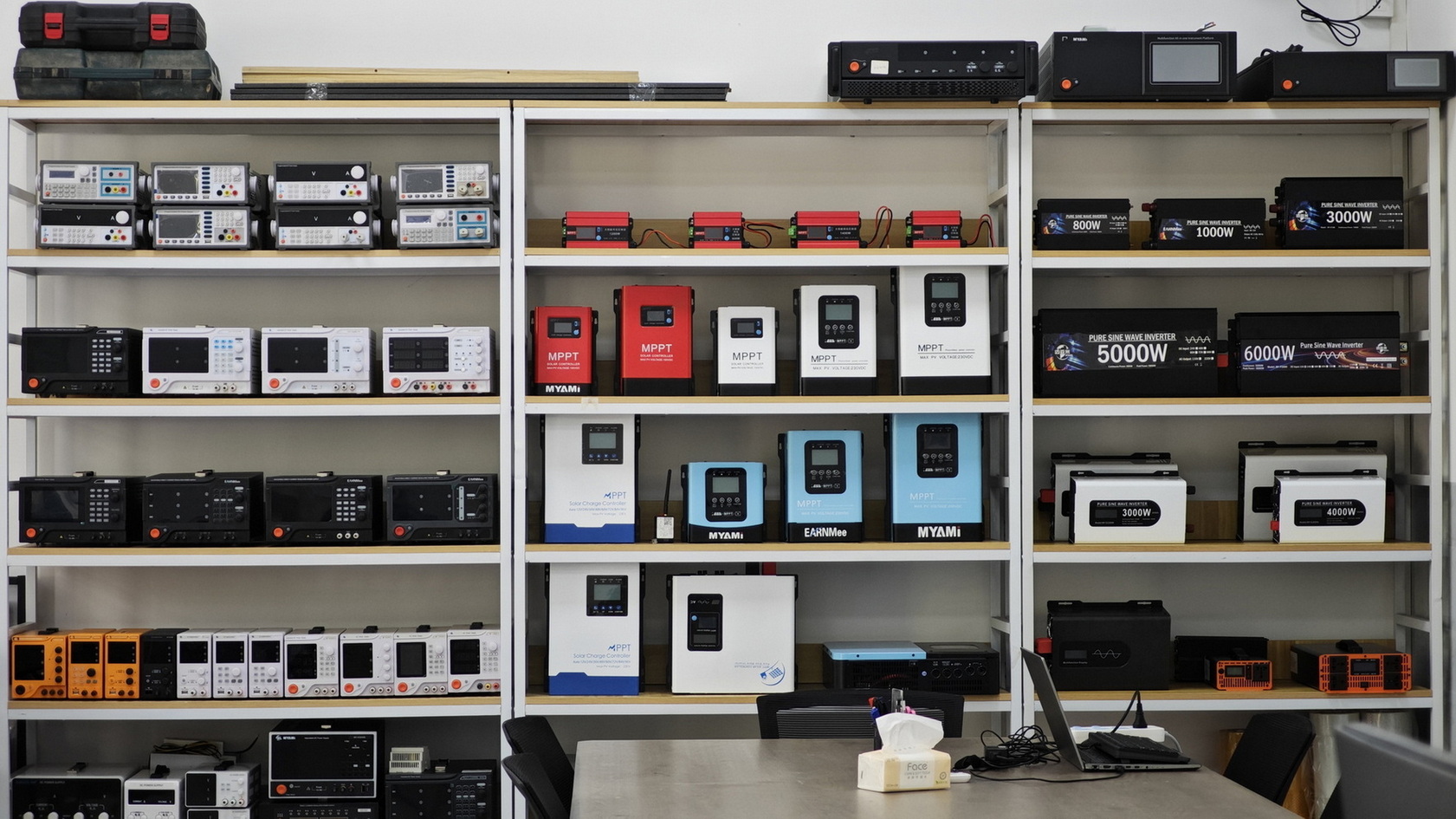
Headquartered in Shenzhen, China, Shenzhen Myami Power Technology Co., Ltd. (MYAMI) is a technology-driven manufacturer and solution provider specializing in high-precision, industrial-grade power supplies and electrical test equipment. Designed for engineering rigor, MYAMI bridges the gap between complex electronic research, high-voltage component testing, and scalable industrial automation.
Our specialized engineering portfolio focuses on four core operational pillars:
Every MYAMI system is engineered with strict multi-layer protection protocols (OVP, OCP, OTP, and short-circuit safeguards) and complies with international safety and quality standards, including CE, RoHS, and ISO9001. Integrated with standard industrial control protocols (RS485, RS232, and CAN communication), our equipment seamlessly connects to automated production lines and central PC control systems.
Today, MYAMI serves research institutions, automotive OEMs, aerospace contractors, and electronics manufacturers across North America, Europe, East Asia, and the Middle East. Whether you require a single benchtop lab power supply or a custom high-power aging system, MYAMI is your ultimate partner for precision power and uncompromised testing reliability.
How we control quality at every step, from bare components to calibrated industrial instruments.
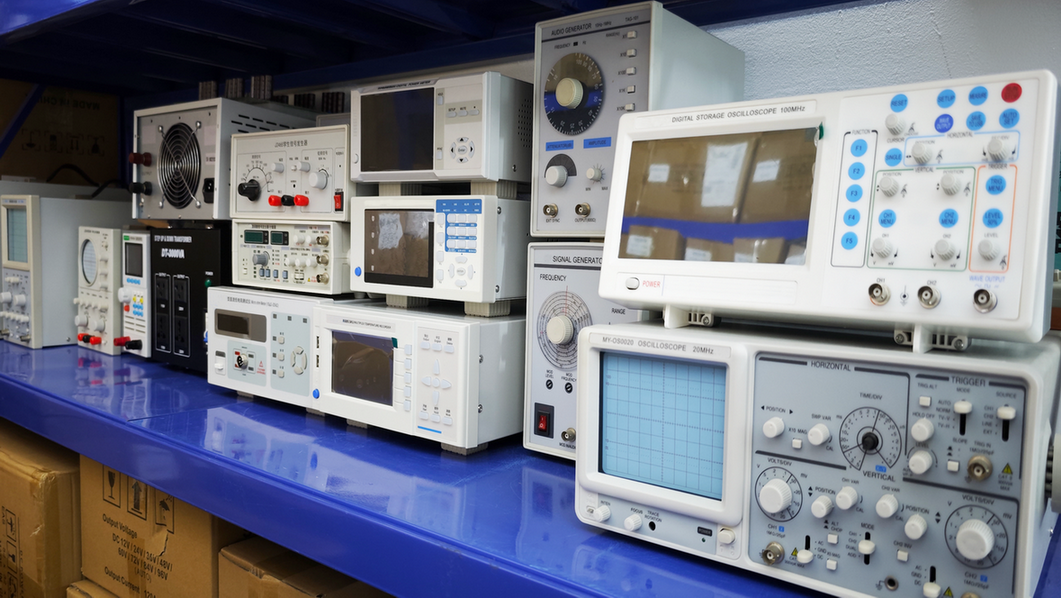
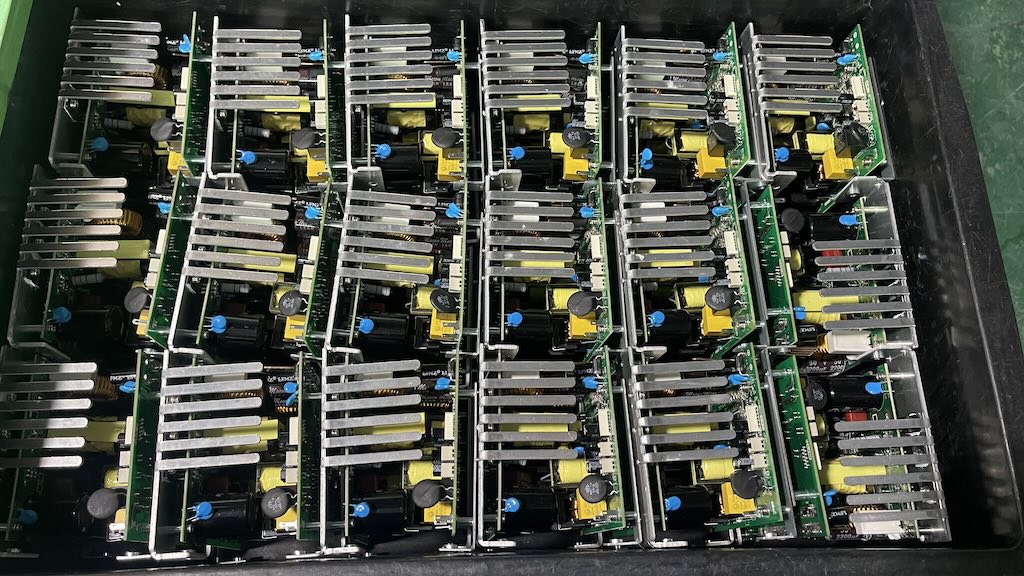 Raw Material
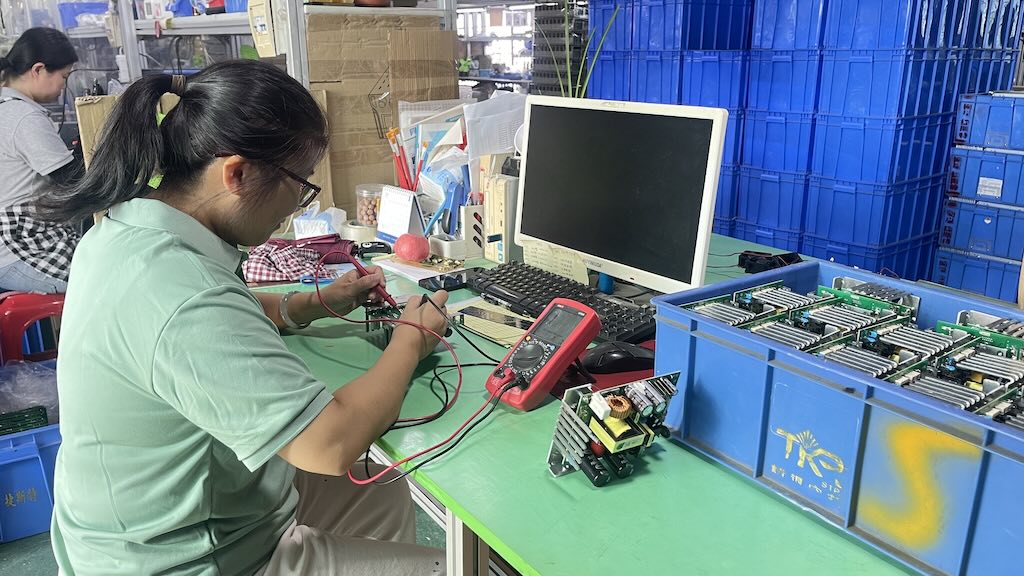 PCB Checking
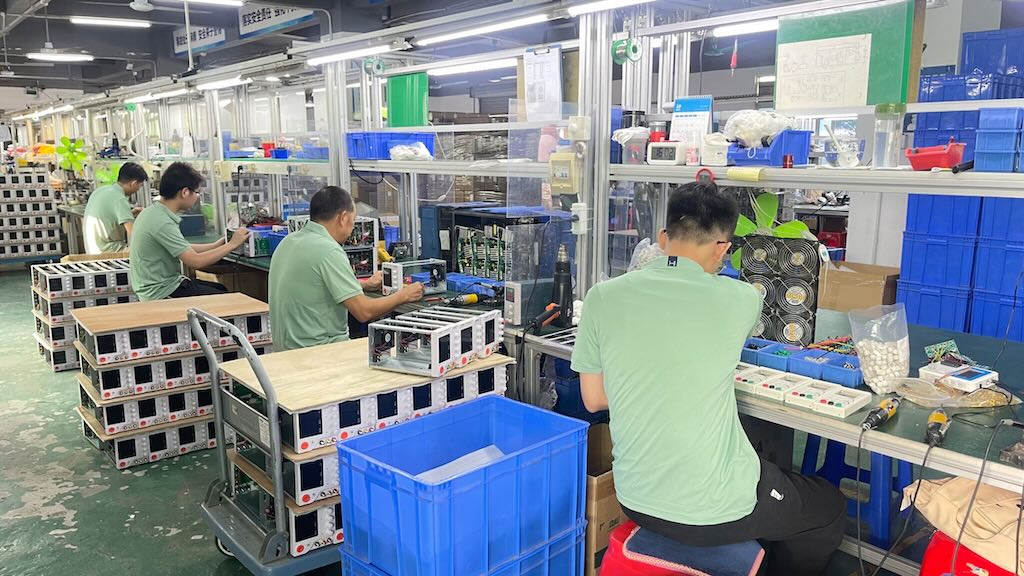 Assembling
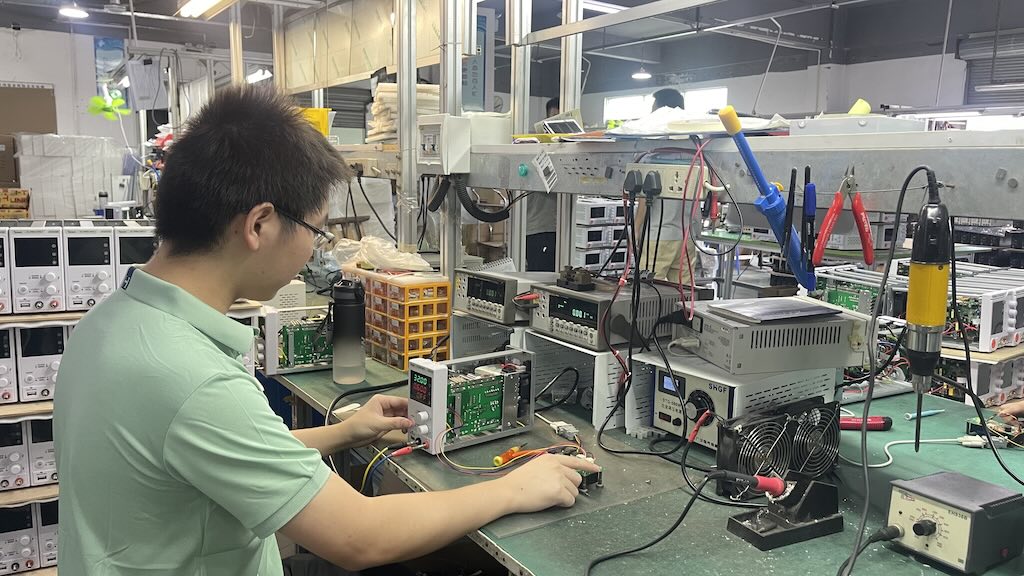 Debug
Debug
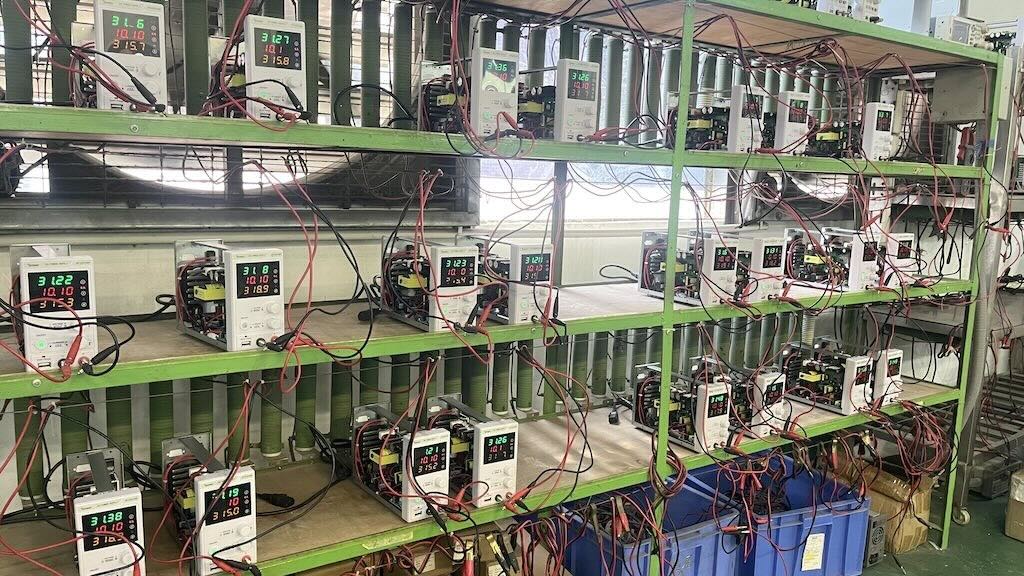 Aging
Aging
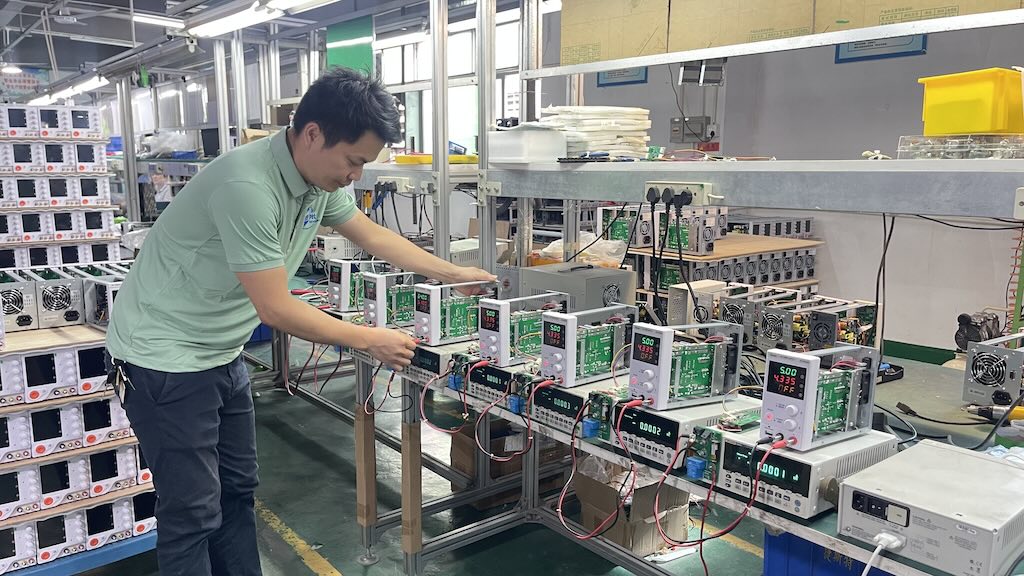 Calibration
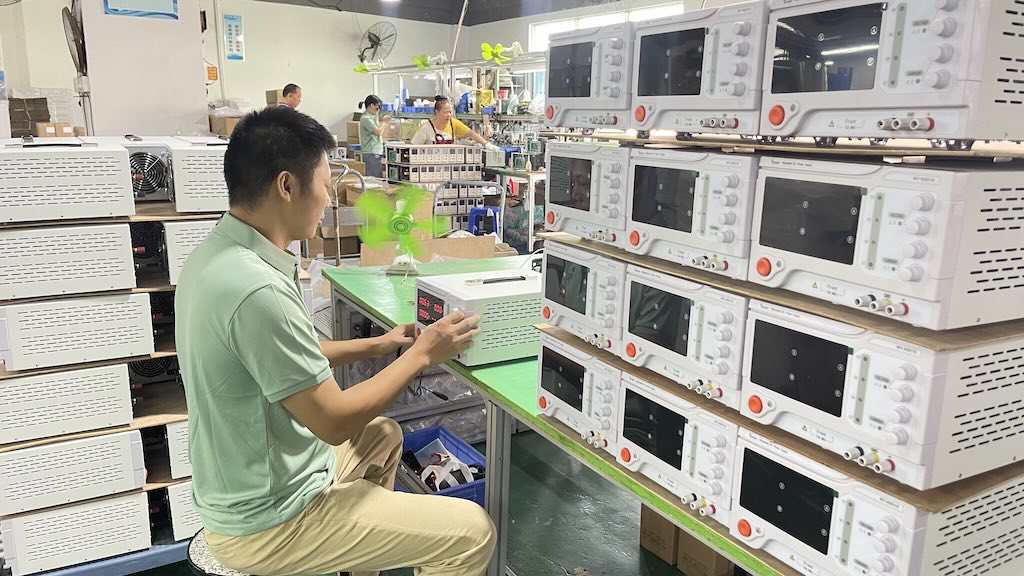 QC checking
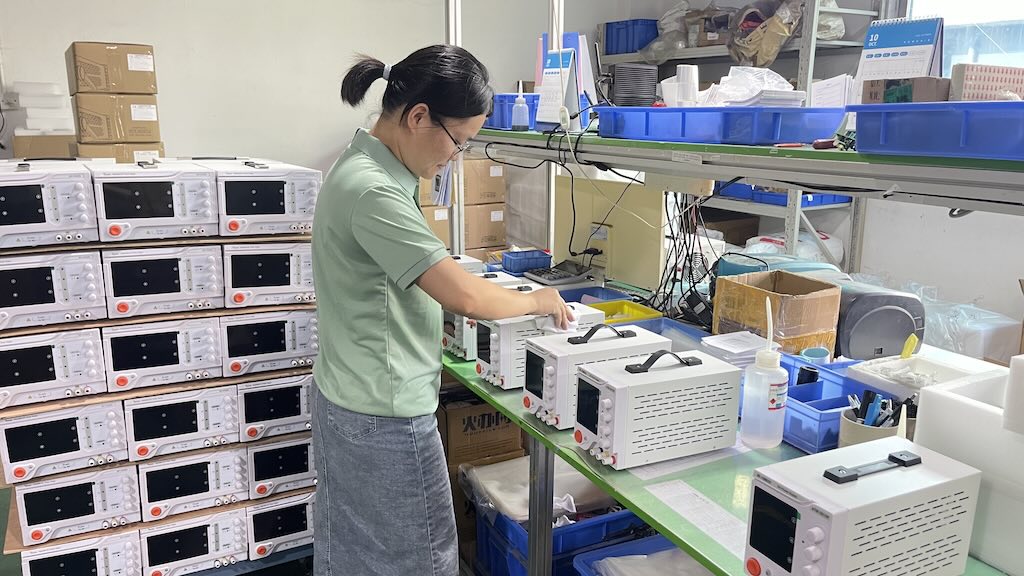 Packing
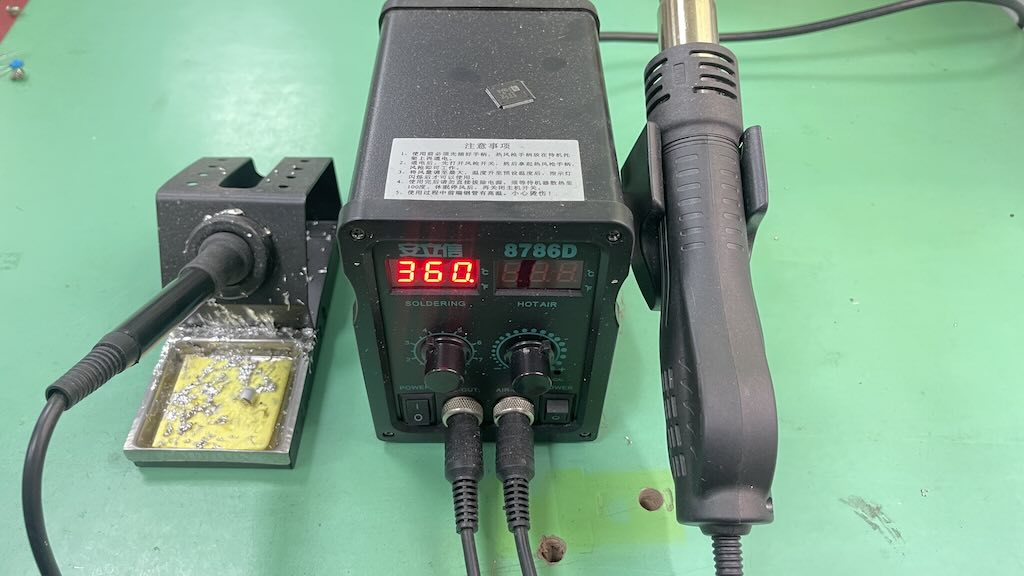 Soldering Station
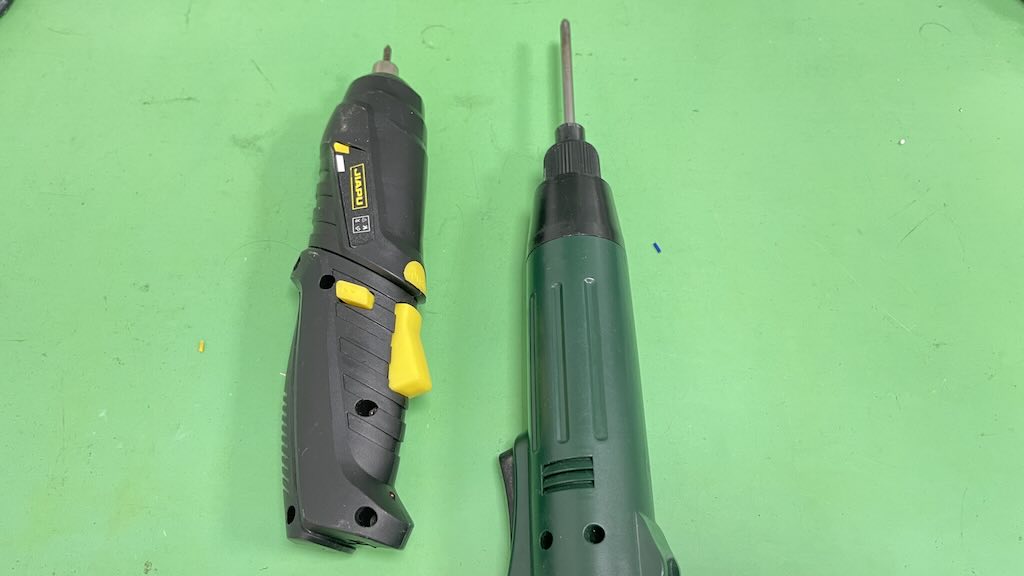 Electronic Screwdriver
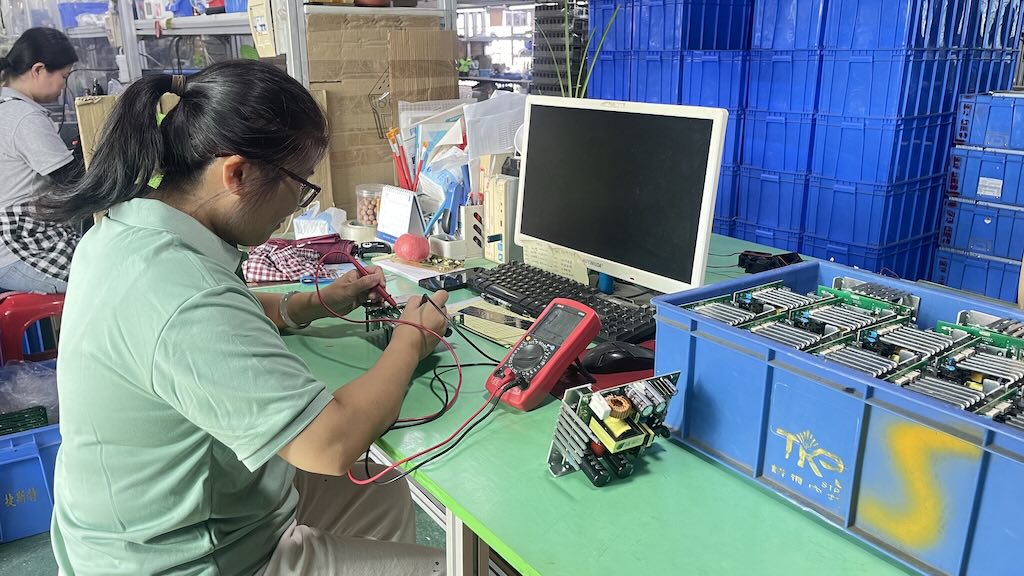 PCB Check
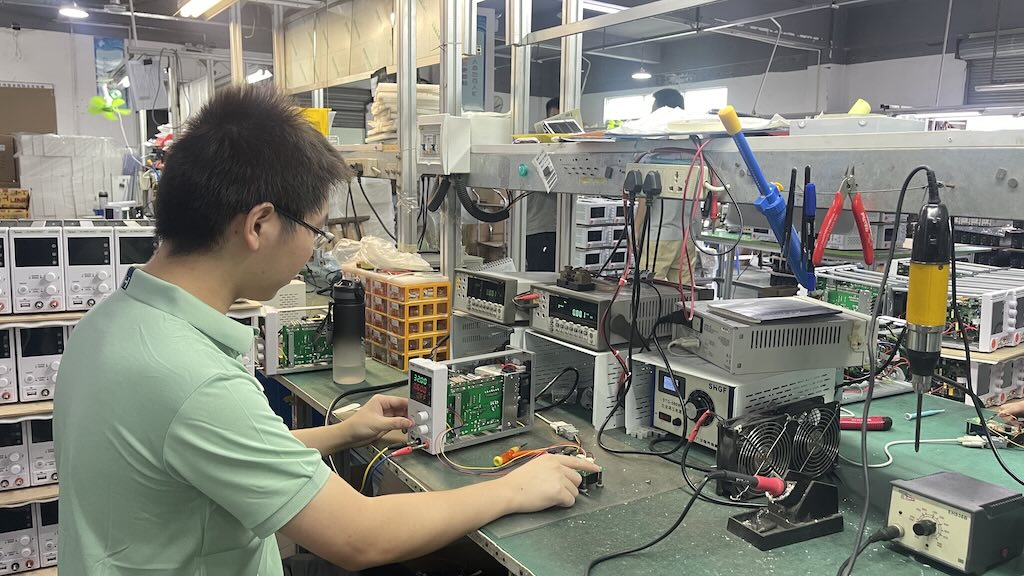 Debug
Debug
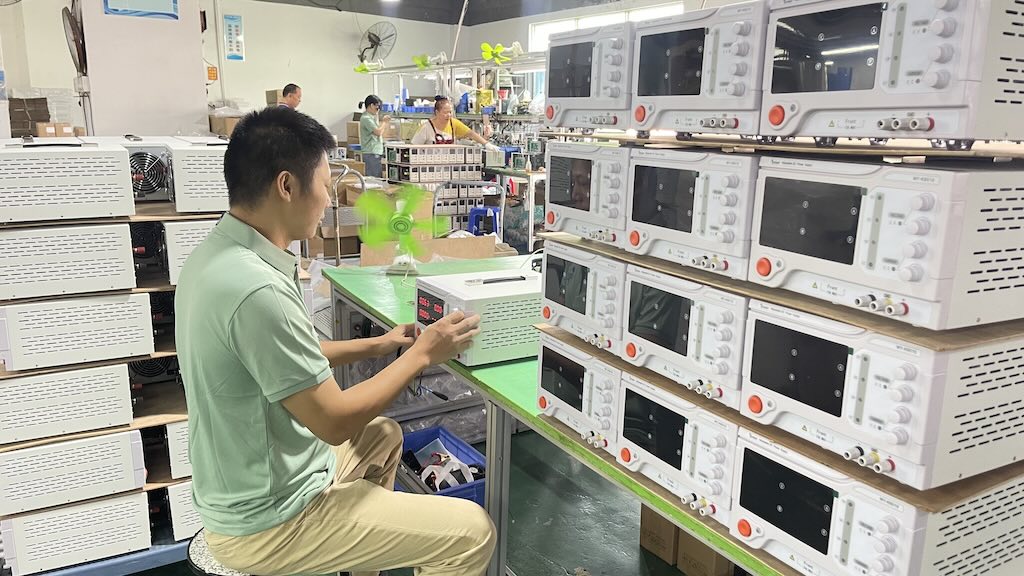 QC check
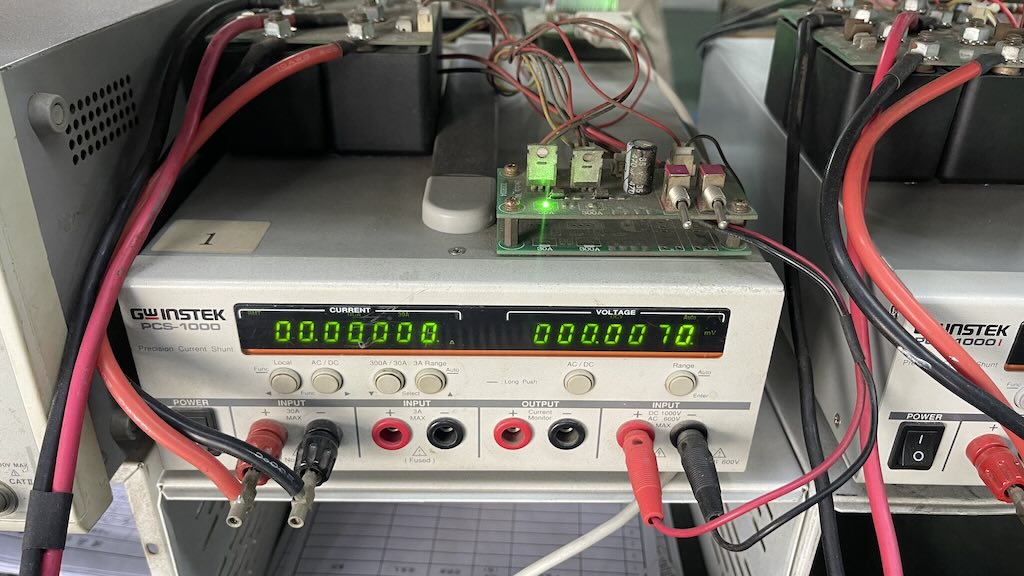 Multimeter
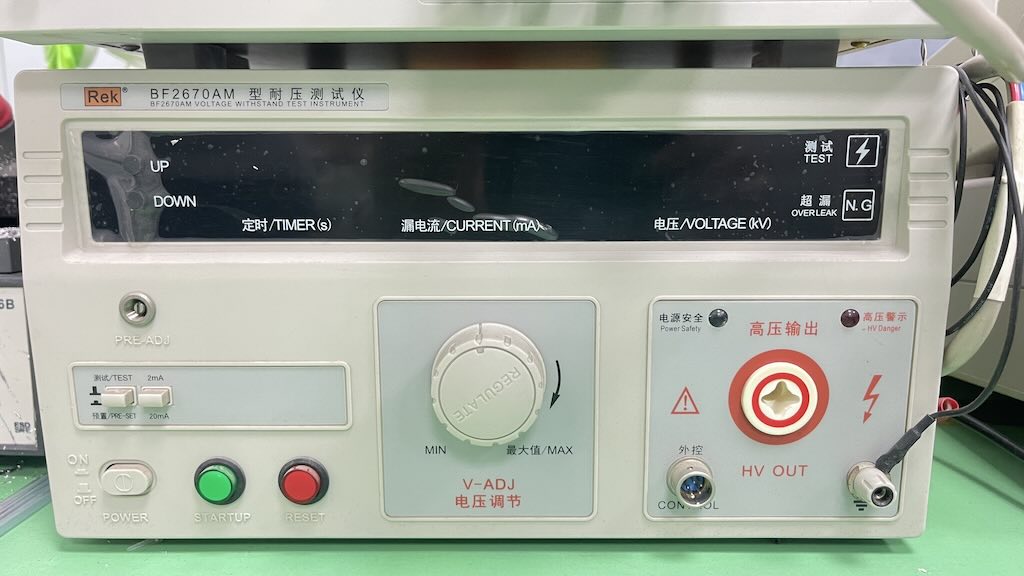 Hi-pot Tester
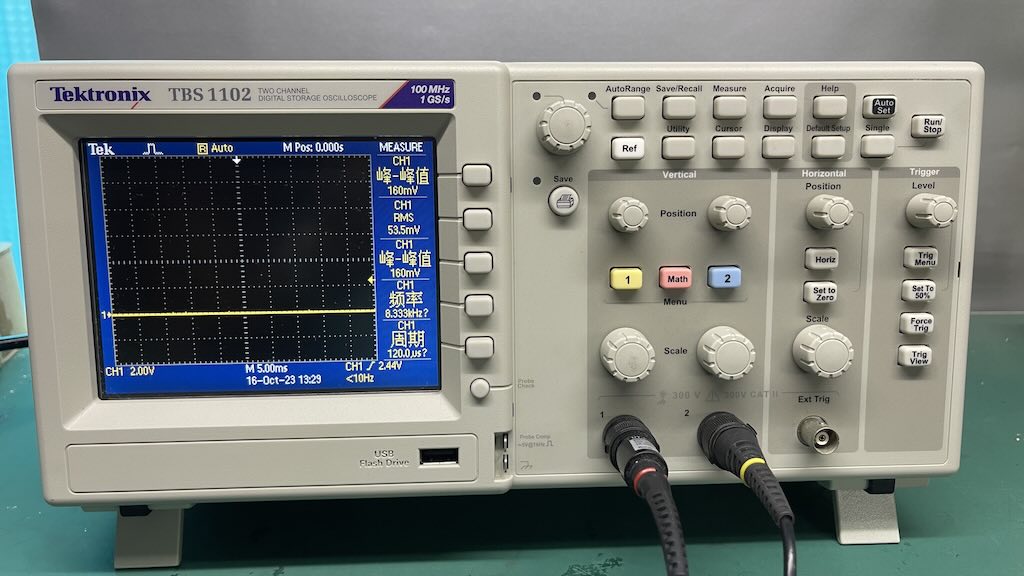 Oscilloscope
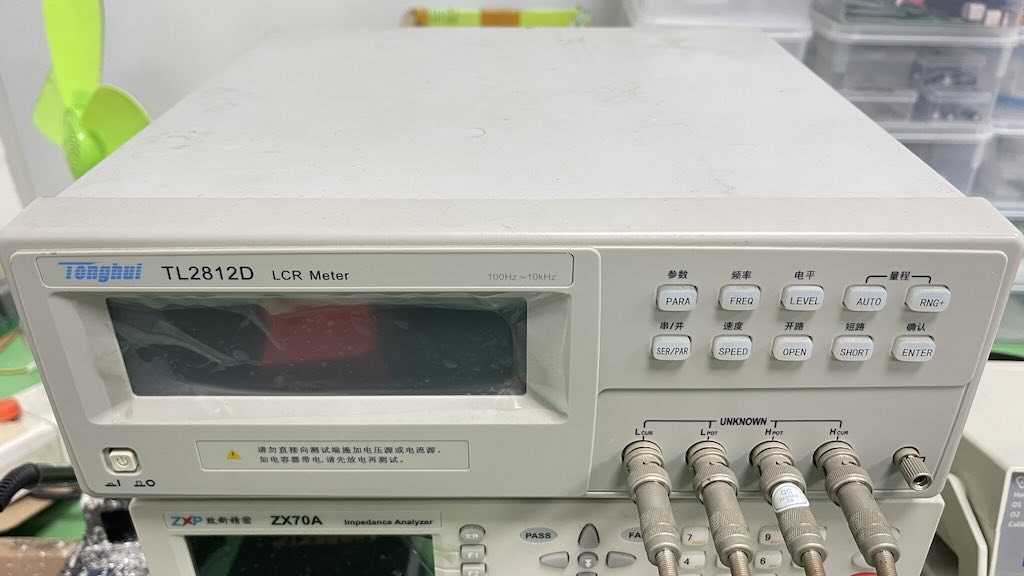 LCR Meter
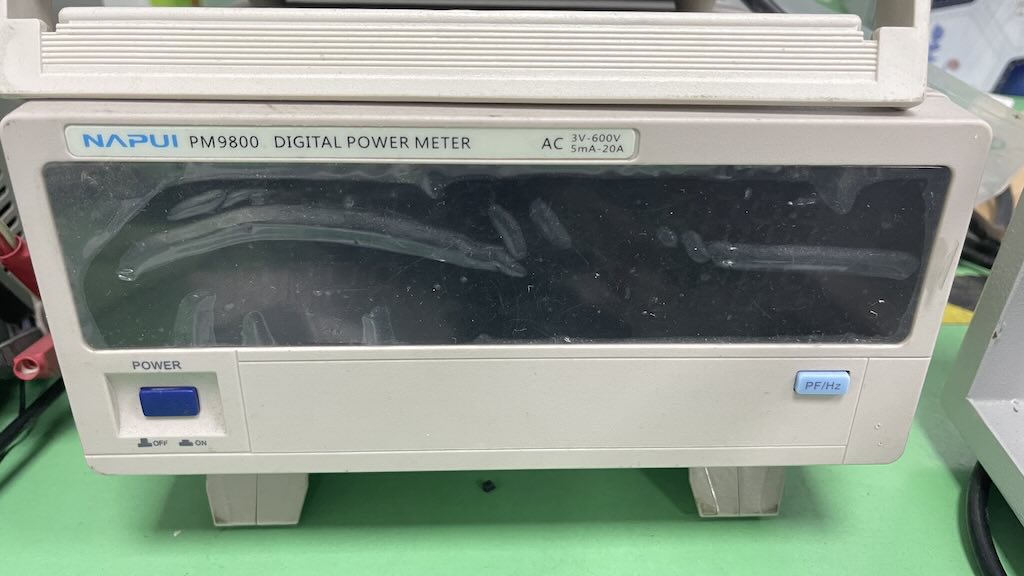 Digital power meter
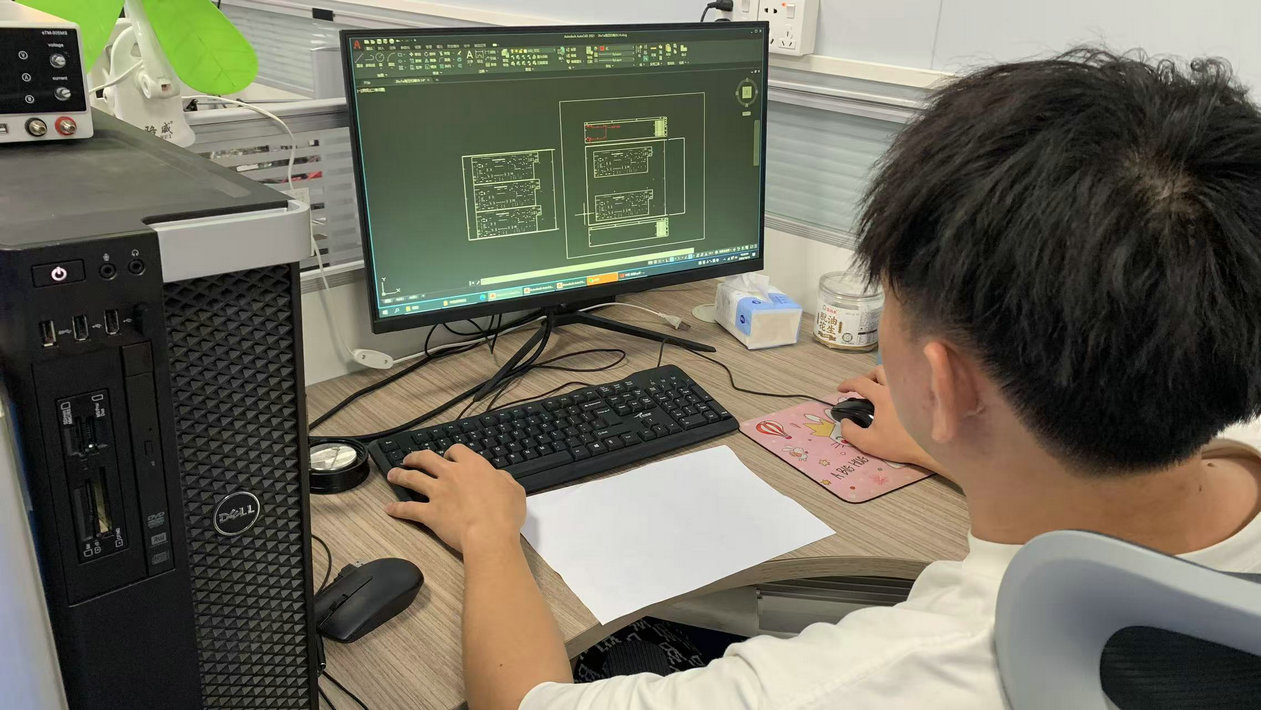 Design
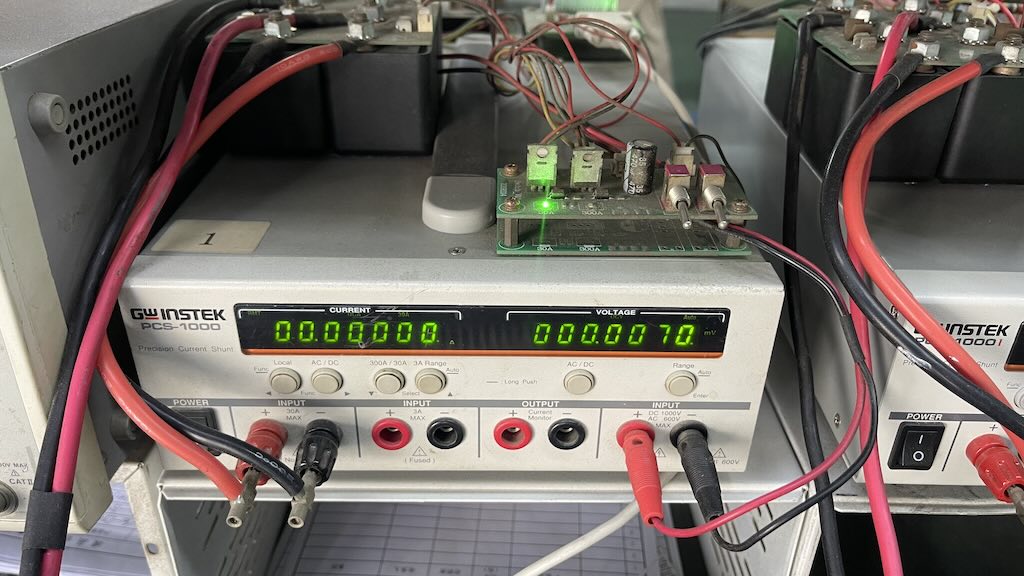 Multimeter
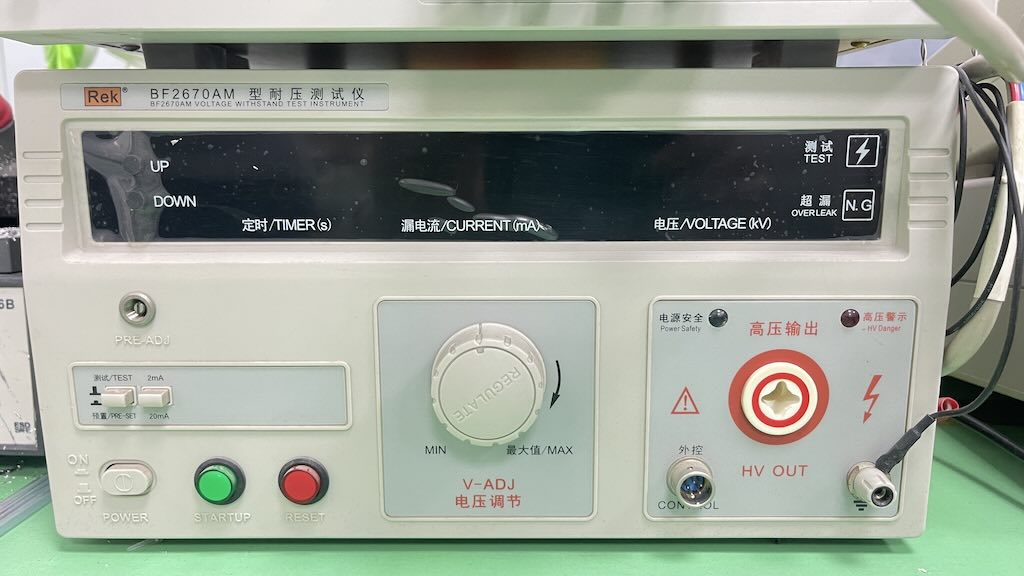 Hi-pot Tester
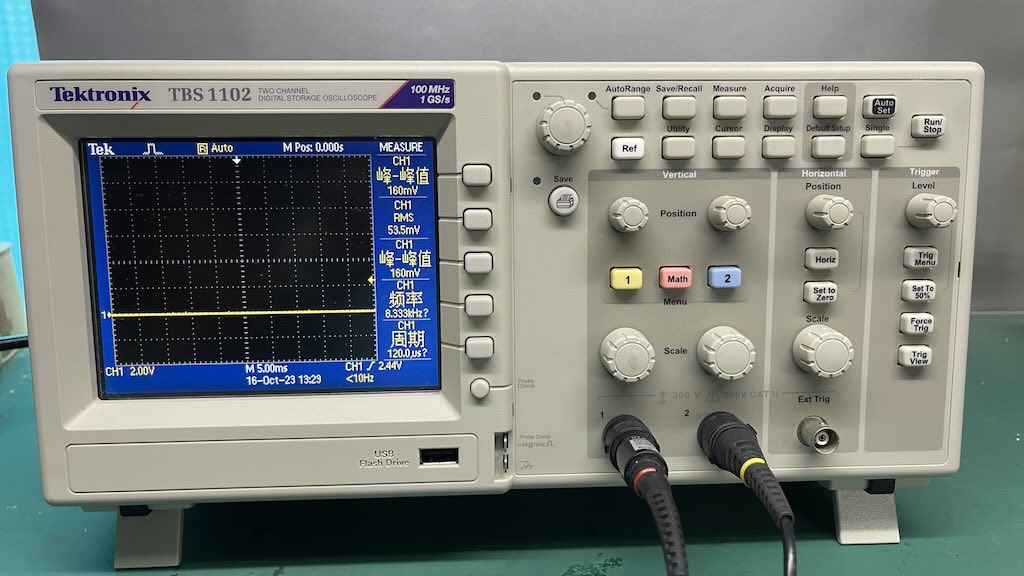 Oscilloscope
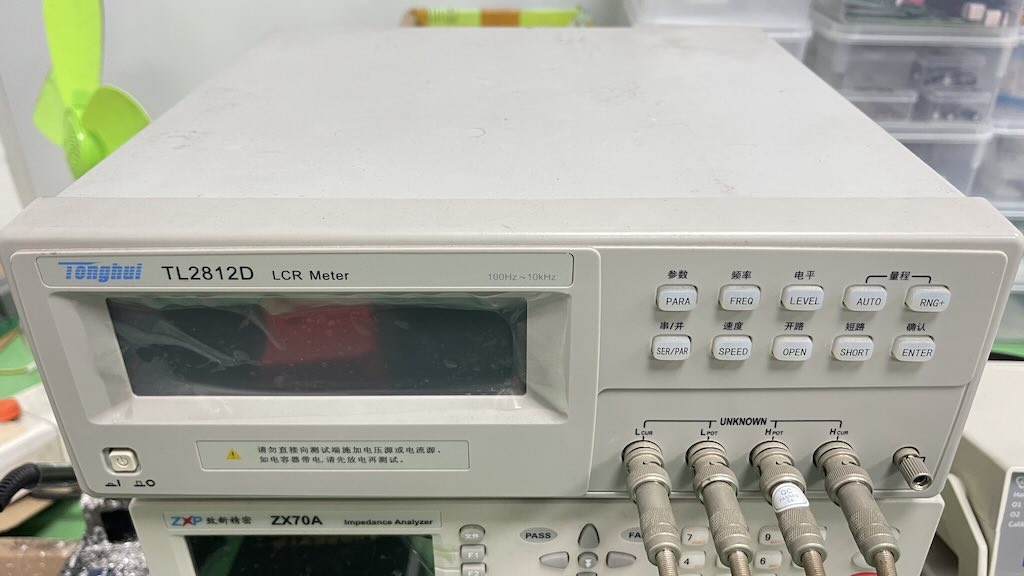 LCR Meter
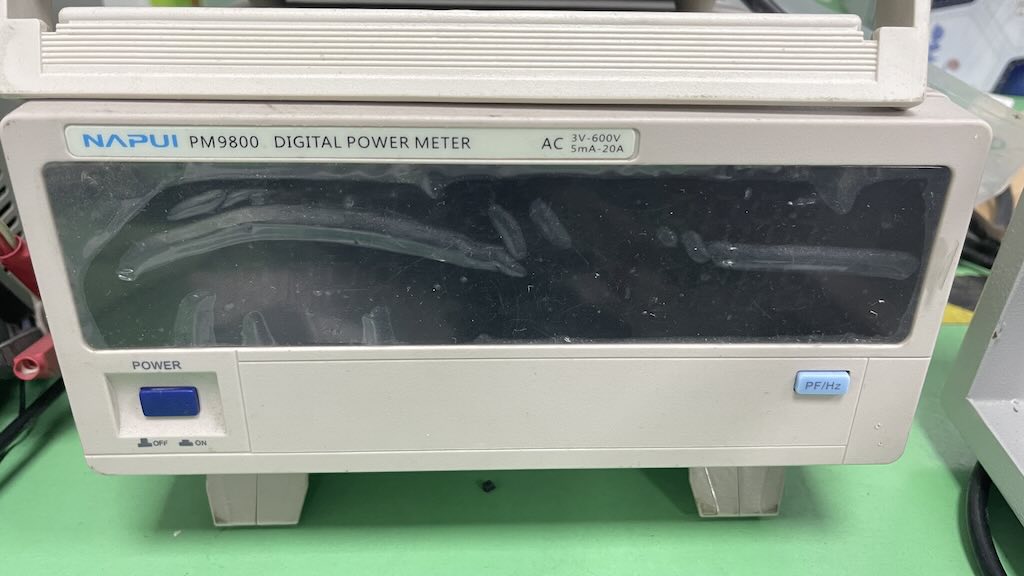 Digital power meter
Ensuring smooth customs integration and industrial compatibility for global electronic design laboratories.
SCPI / Modbus Protocols: Modern lab managers require instruments that integrate with automated test systems (ATE). Our hardware utilizes RS485, RS232, and CAN interfaces to connect to standard control packages.
Remote Bus OptimizedRegulatory Alignment: Crucial for importing into the European Union and North America. Every system is fully certified under CE mark standards, RoHS guidelines, and manufactured in ISO9001 factories.
CE, RoHS, & ISO9001 CertifiedMulti-Layer Hardware Protection: Industrial operations demand absolute runtime safety. Fast-acting OVP (Over-Voltage), OCP (Over-Current), OTP (Over-Temperature), and short-circuit protections run independently at the hardware level.
Automated Hardware InterlockAddressing the common questions raised by electrical engineers, quality auditors, and global component buyers during system selection.
High-speed Digital Signal Processors operate with very narrow noise margins at high switching frequencies. Ripple voltage on the power line mixes with high-frequency clocks inside the PLL (Phase Locked Loop), causing phase jitter. This jitter can lead to calculation errors and data corruption in serial communication channels. For reliable validation, power supplies with less than 1mV of ripple are highly recommended.
By allowing engineers to program internal resistance values and configure voltage curves, a programmable DC supply can simulate voltage drops, sudden load shifts, and noise patterns typical of lead-acid or lithium battery systems. This is essential for validating that a DSP's safety logic and regulation algorithms remain stable under erratic power conditions.
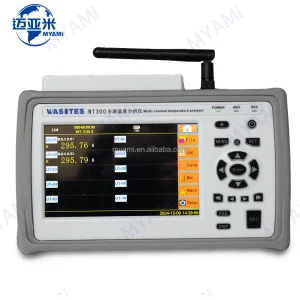
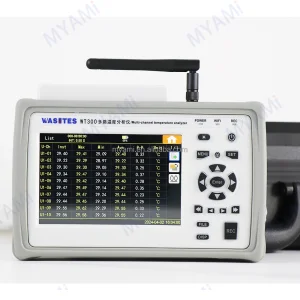
Advanced DSPs generate uneven heat across the silicon package. Standard single-probe monitors can miss high-temperature pockets. A multi-channel temperature logger tracks up to 40 points simultaneously, giving engineers a clear view of thermal behavior across the entire PCB, which is critical for preventing heat-related component failures.
SCPI (Standard Commands for Programmable Instruments) provides a unified command language across different test systems. This consistency allows lab engineers to integrate multiple devices—like DC sources, variable loads, and data loggers—into a single automated testing software loop, accelerating production times and reducing human error.
High-capacity variable units, temperature trackers, and energy integration systems supporting global hardware manufacturing lines.

 Myami Power