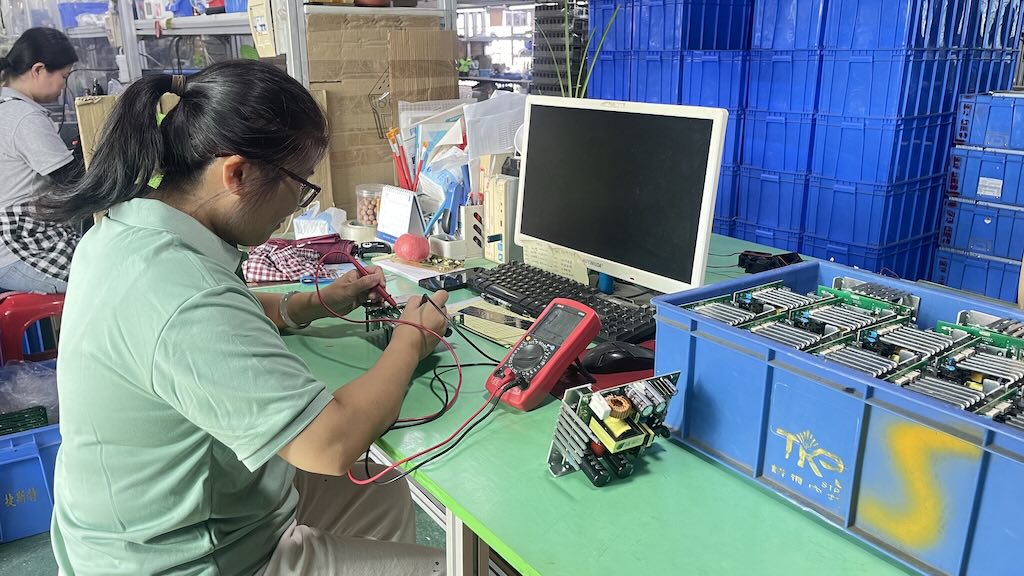
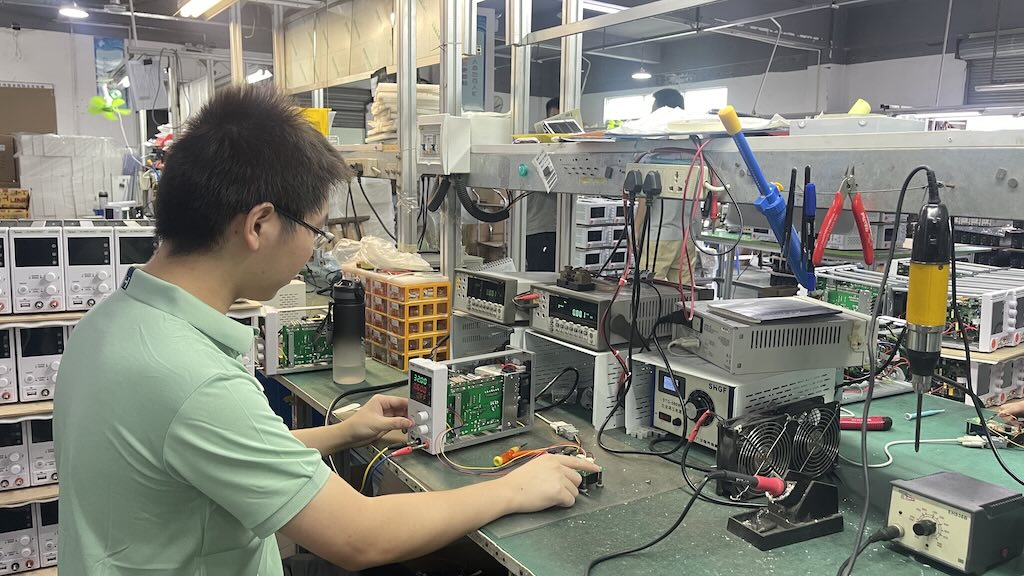
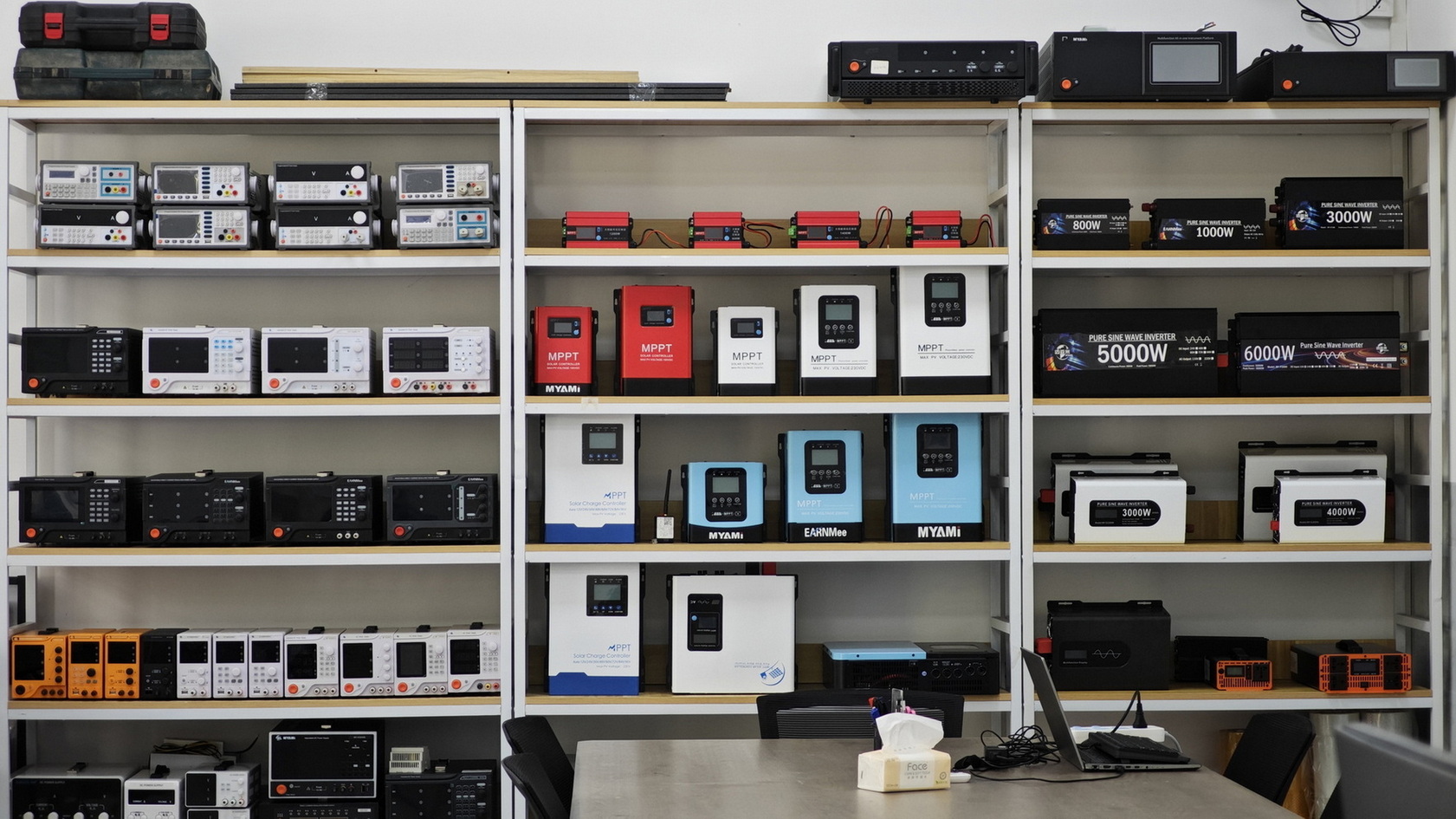
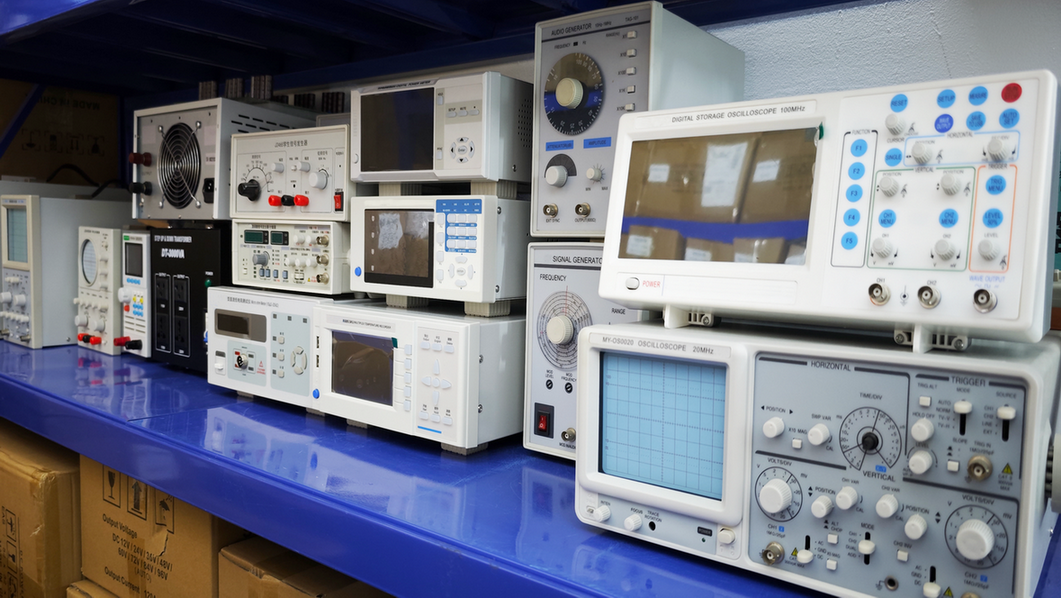
High-precision electrical instruments deployed in HMI stress-testing and production calibration
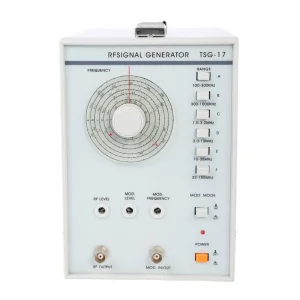
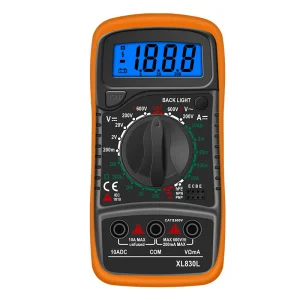

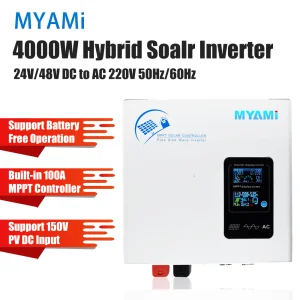
Human-Machine Interface (HMI) touchscreens are no longer just simple display terminals; they are the cognitive centers of Industrial Automation, Edge Computing, and Smart Manufacturing (Industry 4.0). With the rapid integration of Internet of Things (IoT) technologies and industrial machinery, modern HMIs must process real-time fieldbus data while delivering intuitive user experiences. The evolution from traditional resistive touchscreens to ruggedized multi-touch capacitive (PCAP) panels has drastically altered the technical demands placed on manufacturers worldwide.
SEO Insights & Market Dynamics: The global industrial HMI market is projected to reach USD 8.5 Billion by 2028, growing at a CAGR of 7.2%. The key drivers include the rising demand for factory automation, IoT adoption in oil & gas, pharmaceuticals, and EV battery production, alongside strict regulatory standards like FDA 21 CFR Part 11 for software audit trails.
Hardware developers and procurement teams now prioritize features such as high-temperature operation, sunlight readability, IP66-rated front panels, and advanced communication capabilities (e.g., Modbus TCP/IP, OPC UA, EtherCAT, and CAN bus). Furthermore, HMI stability is deeply linked to the quality of the underlying electronic components and the stability of the power supplies that energize their mainboard circuitry. Voltage sags, electrostatic discharges, and poor calibration can degrade touchscreen sensitivity and lead to catastrophic assembly line shutdowns.
The definitive list of global market leaders shaping industrial control interfaces, software ecosystems, and hardware configurations.
Siemens is the absolute benchmark in industrial automation. Based in Germany, their SIMATIC HMI series (ranging from Basic to Comfort and Unified Comfort Panels) features exceptional hardware engineering. They integrate seamlessly with the TIA Portal engineering framework, offering high-level security features and robust, vibration-resistant architectures for process industries.
Serving as the industrial backbone of North America, Rockwell Automation's Allen-Bradley PanelView™ Plus and PanelView 5000 series are standard options in heavy industrial applications. They offer high-performance screen refresh rates, extreme temperature tolerance, and native communication protocols for EtherNet/IP systems.
Schneider Electric's Harmony HMI lineup is recognized globally for its energy efficiency, flexible design, and cybersecurity compliance. These touchscreens are widely adopted in building automation, water treatment, and packaging lines, backed by EcoStruxure Operator Terminal Expert software.
As Asia's powerhouse, Mitsubishi Electric offers the GOT2000 and GOT Simple series. Known for their extreme structural longevity and high noise immunity, these HMIs are heavily integrated with MELSEC controllers. They feature multi-touch operation, gesture controls, and diagnostic capabilities directly from the screen.
Omron's NA and NB series HMIs focus heavily on high-speed data integration. Their Sysmac controllers and HMIs run on unified automation software, minimizing screen design overheads. These systems are highly popular in robotic assembly cells, pharmaceutical packaging, and high-speed pick-and-place lines.
Advantech dominates the Industrial PC (IPC) and modular HMI sectors. Their WebOP and TPC series offer modular systems with scalable processors, stainless steel chassis, and wide operating temperature ranges (-20 to 60°C). They are ideal for smart city infrastructure and chemical processing plants.
Often considered the pioneer of modern touch screen HMIs, Pro-face specializes in flexible software compatibility (GP-Pro EX). Their hardware acts as a translation bridge between different PLC manufacturers, allowing a single HMI to communicate with varied protocols on the factory floor.
Beijer Electronics excels in specialized and marine environments. The X2 series (including marine, extreme, and control options) features rugged aluminum housings and certificates from major maritime registries (DNV GL, ABS, Lloyd's Register), making them standard in offshore oil rigs and marine vessels.
Weintek is highly valued for offering exceptional value without compromising software capabilities. Their cMT series supports Cloud IoT integration, allowing remote monitoring via smart devices. Their EasyBuilder Pro editing software supports over 300 PLC drivers, making them highly popular for system integrators.
Kinco is a prominent high-volume industrial HMI manufacturer in mainland China. Their Green Series and Future Series HMIs feature high-performance ARM processors and Linux-based platforms. They are heavily utilized in OEM machinery, CNC devices, and textile manufacturing machinery worldwide.
Modern industrial HMI production is no longer just about assembly; it requires complete supply chain coordination. China's advanced manufacturing clusters, particularly in Shenzhen and the Greater Bay Area, offer unparalleled vertical integration. From display drivers, optical bonding technologies, and PCB assemblies (PCBA) to high-precision structural metals, every tier of the component supply chain is physically co-located.
This geographic concentration reduces manufacturing lead times and allows rapid engineering prototyping. However, speed must be paired with strict quality control. High-quality HMI panels require precise input voltages and complete immunity to electromagnetic interference (EMI). This is where companies like Shenzhen Myami Power Technology Co., Ltd. (MYAMI) play a critical role in the automation supply chain.
Headquartered in Shenzhen, China, Shenzhen Myami Power Technology Co., Ltd. (MYAMI) is a technology-driven manufacturer and solution provider specializing in high-precision, industrial-grade power supplies and electrical test equipment. Designed for engineering rigor, MYAMI bridges the gap between complex electronic research, high-voltage component testing, and scalable industrial automation.
Every MYAMI system is engineered with strict multi-layer protection protocols (OVP, OCP, OTP, and short-circuit safeguards) and complies with international safety and quality standards, including CE, RoHS, and ISO9001. Integrated with standard industrial control protocols (RS485, RS232, and CAN communication), our equipment seamlessly connects to automated production lines and central PC control systems.
Our specialized engineering portfolio focuses on four core operational pillars:
Today, MYAMI serves research institutions, automotive OEMs, aerospace contractors, and electronics manufacturers across North America, Europe, East Asia, and the Middle East. Whether you require a single benchtop lab power supply or a custom high-power aging system, MYAMI is your ultimate partner for precision power and uncompromised testing reliability.
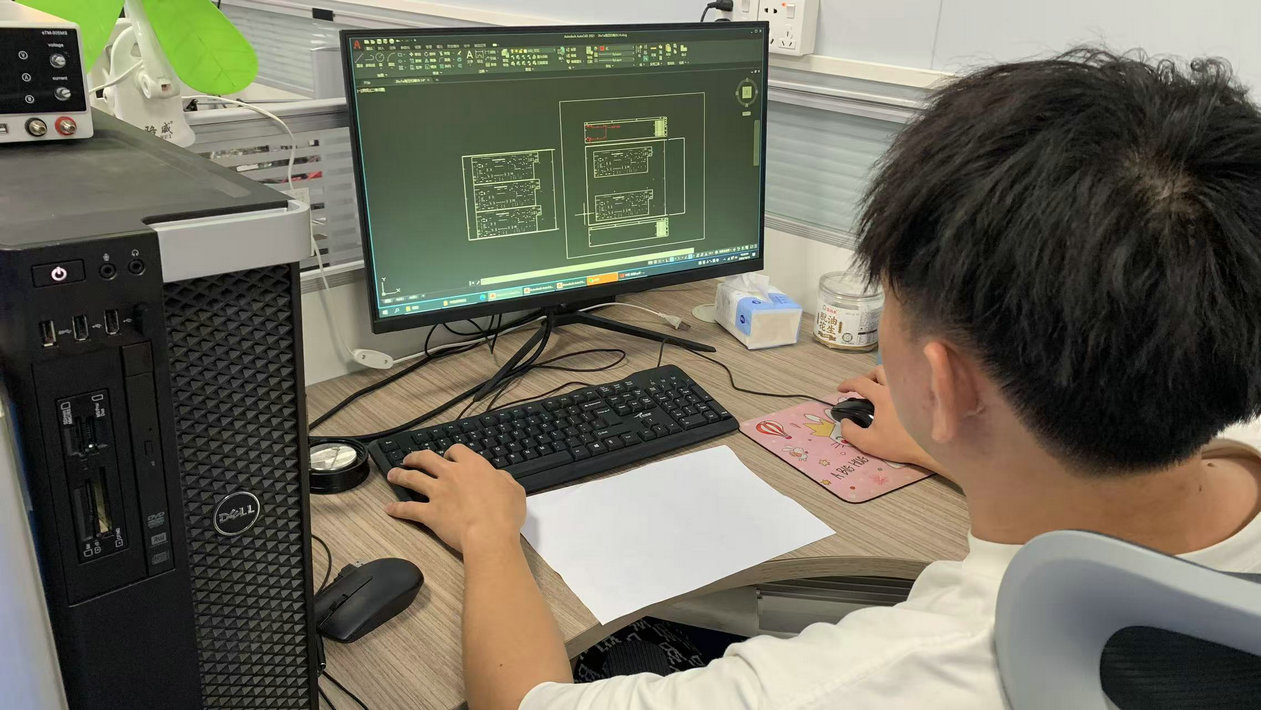
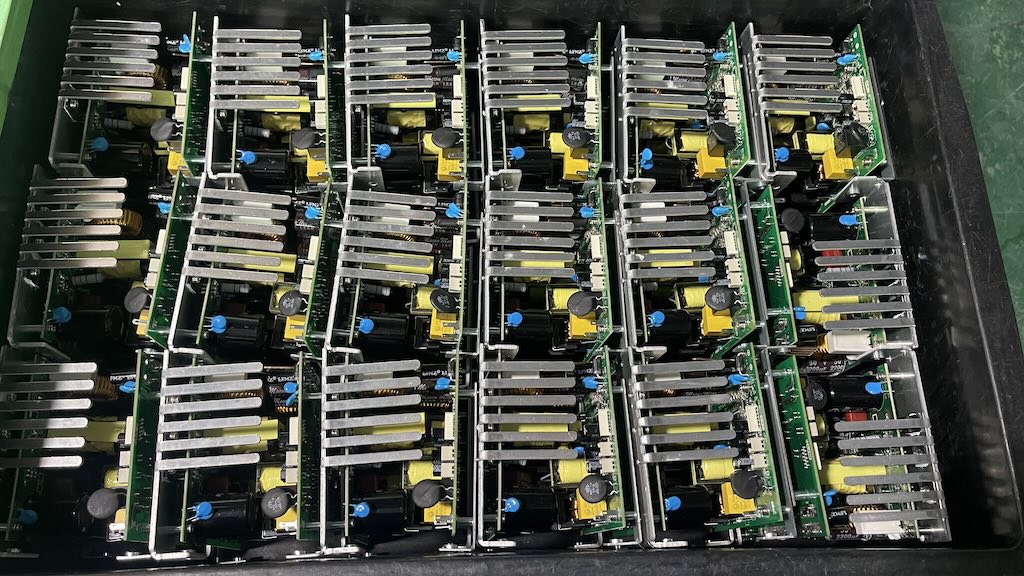
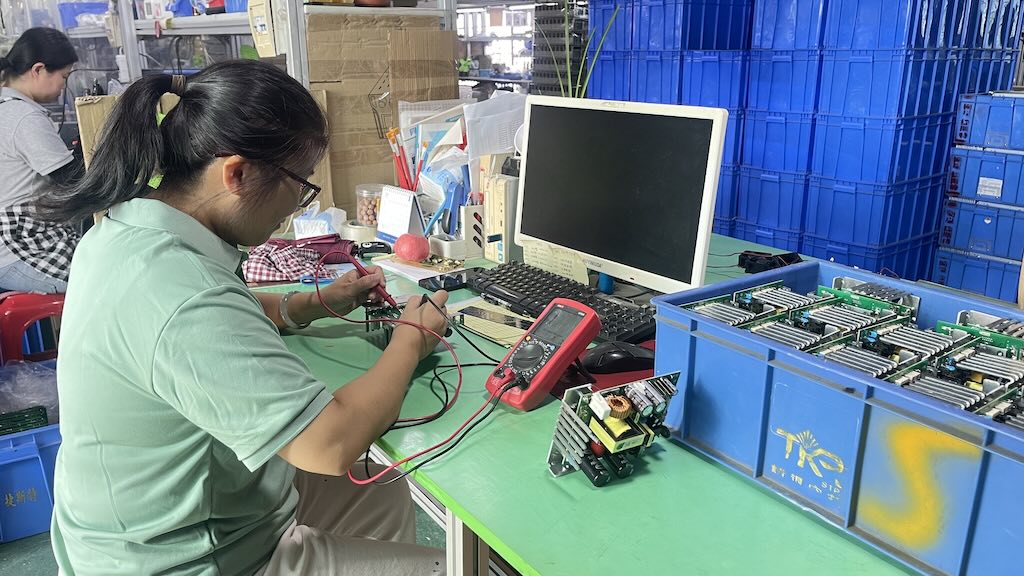
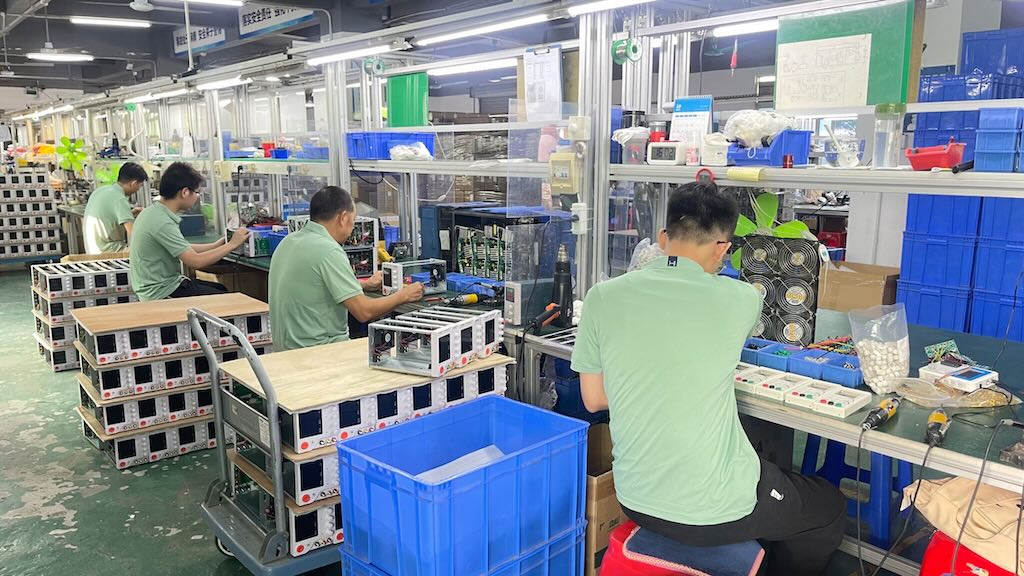
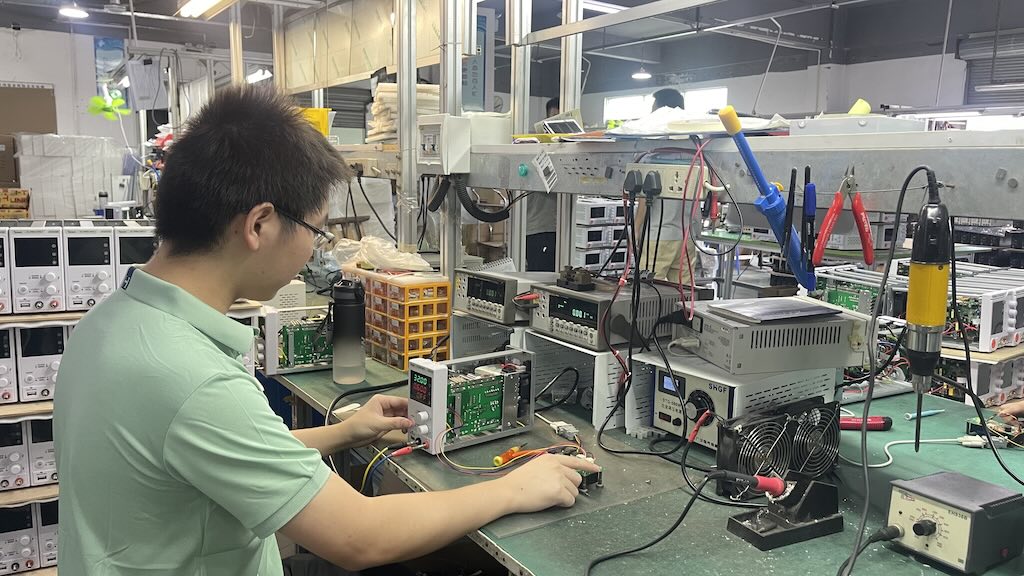
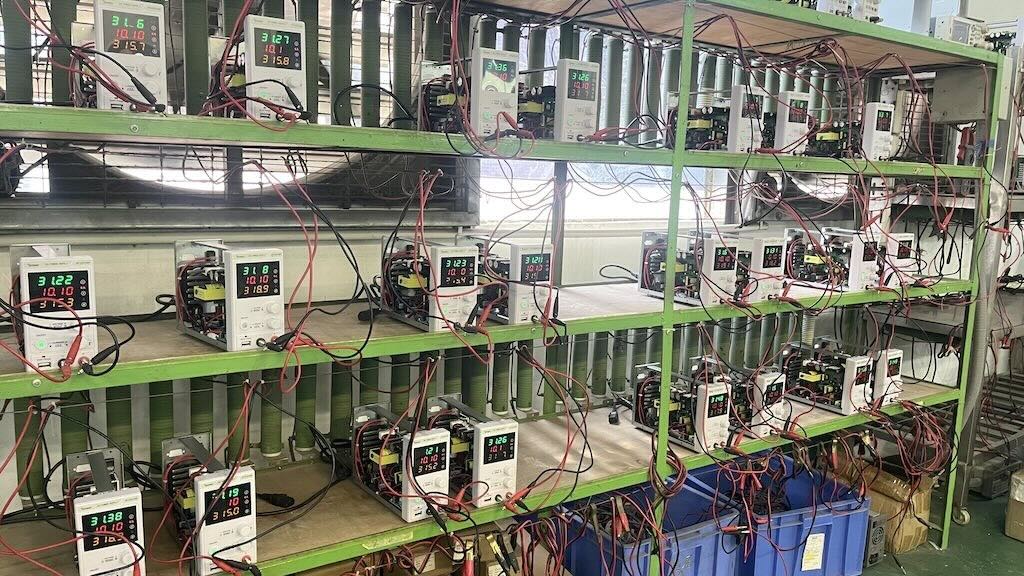
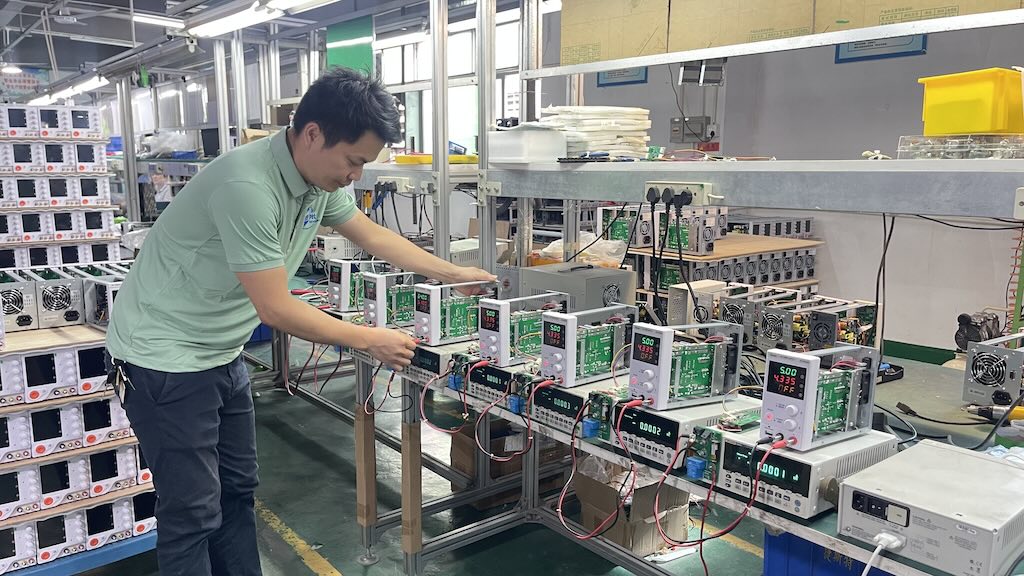
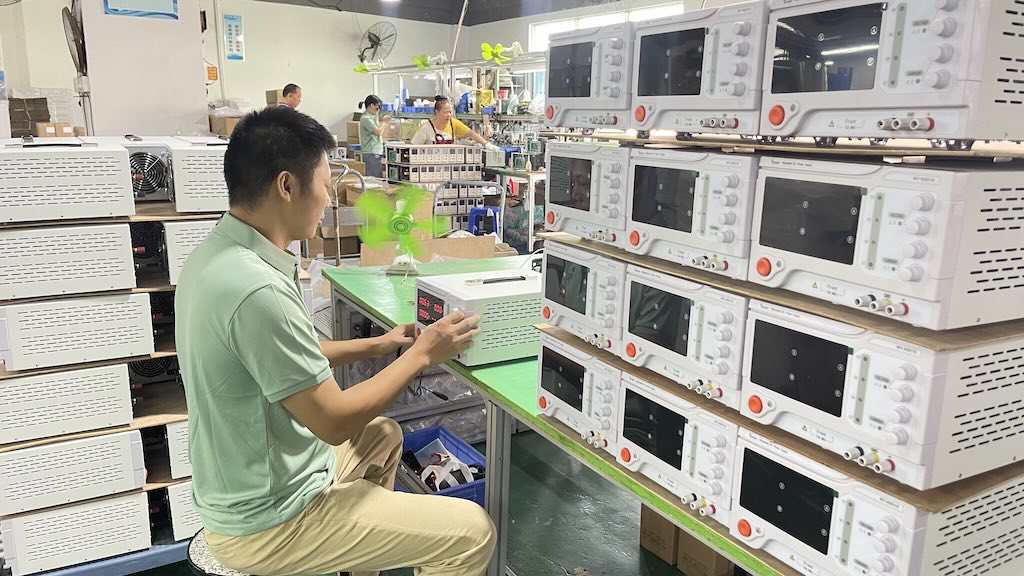
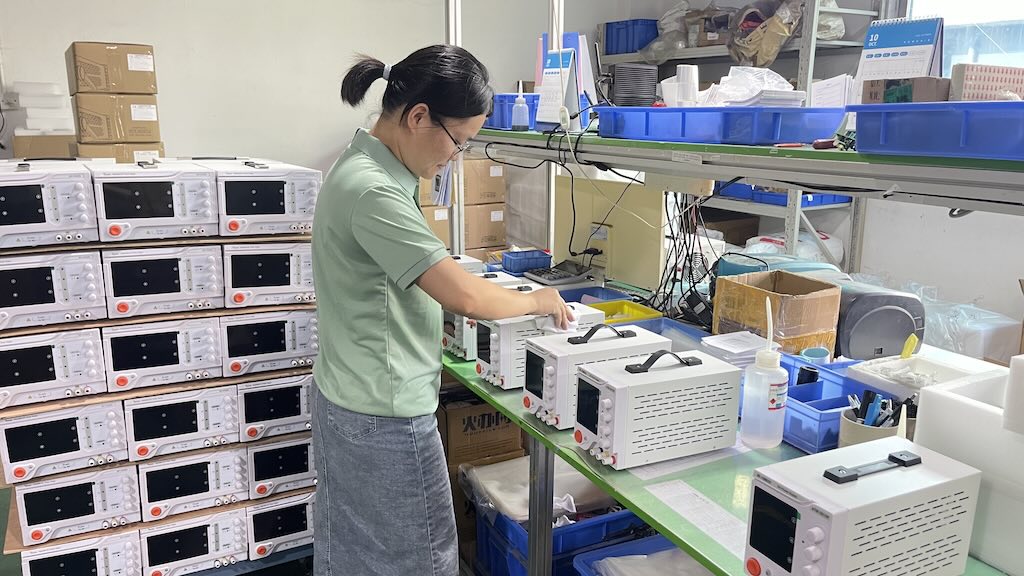
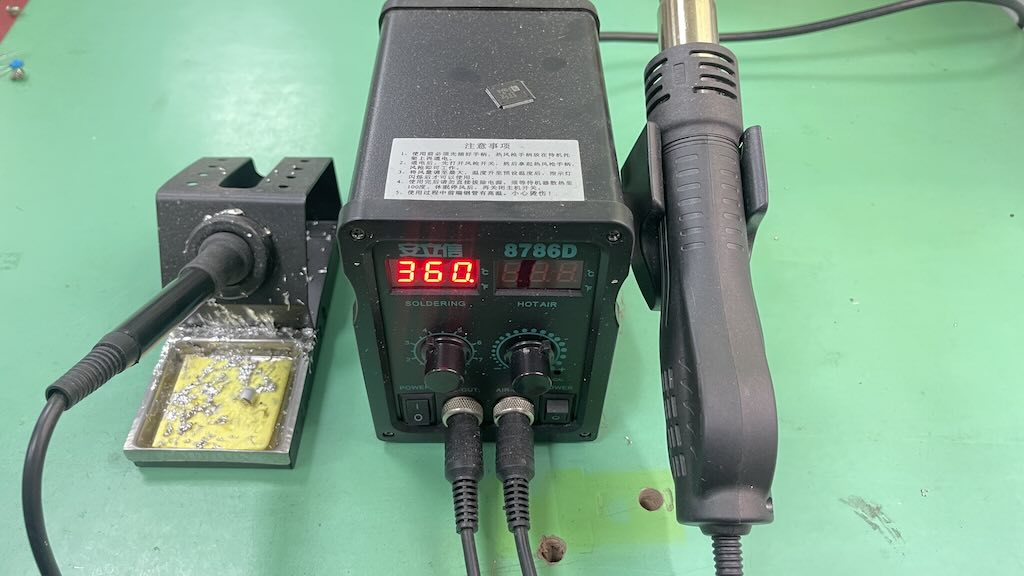
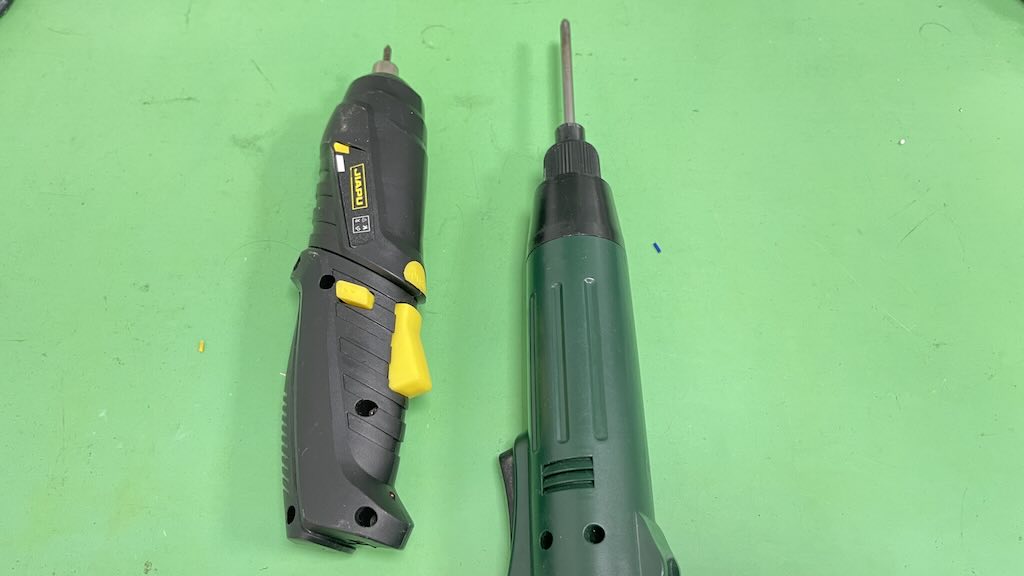
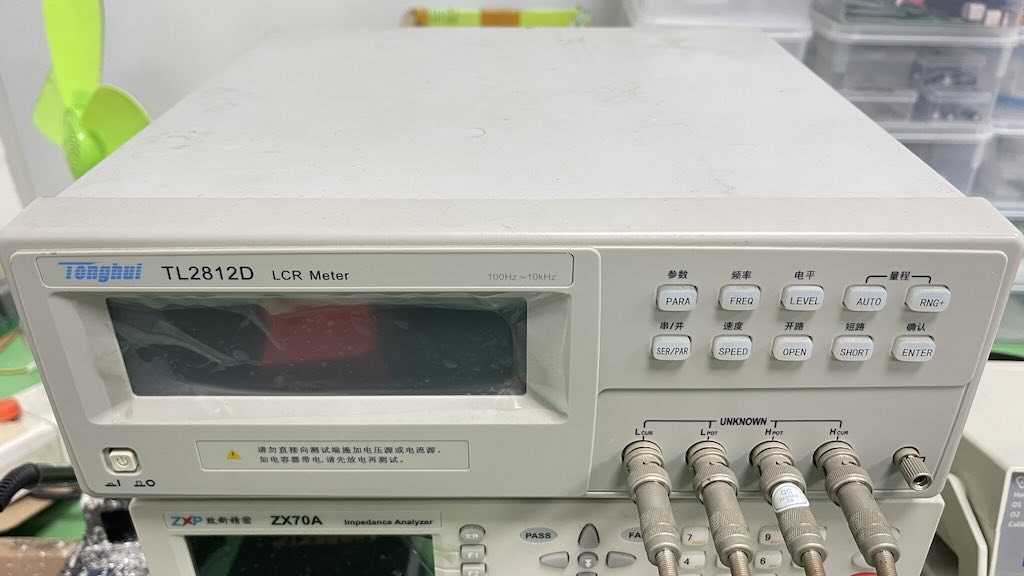
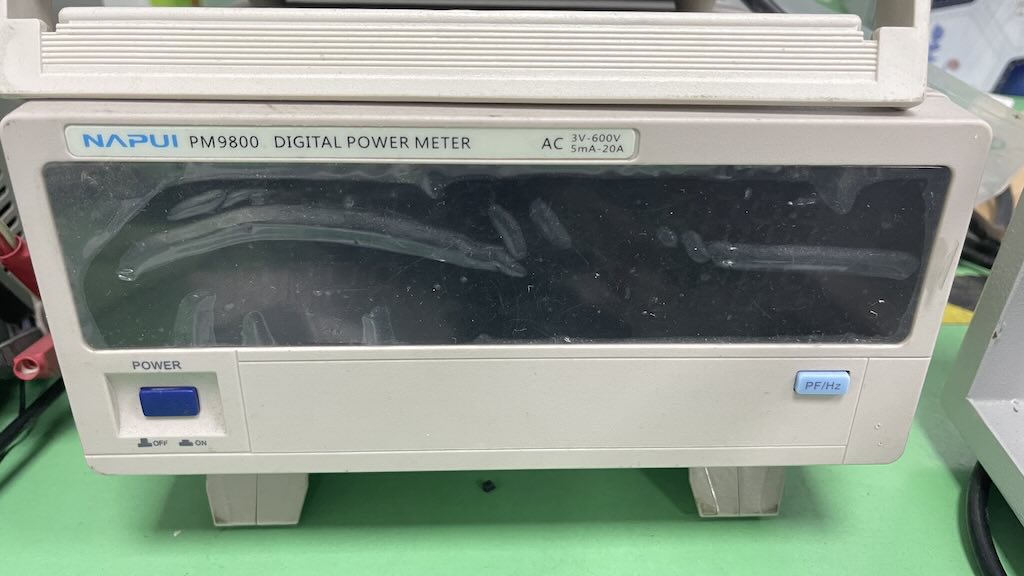
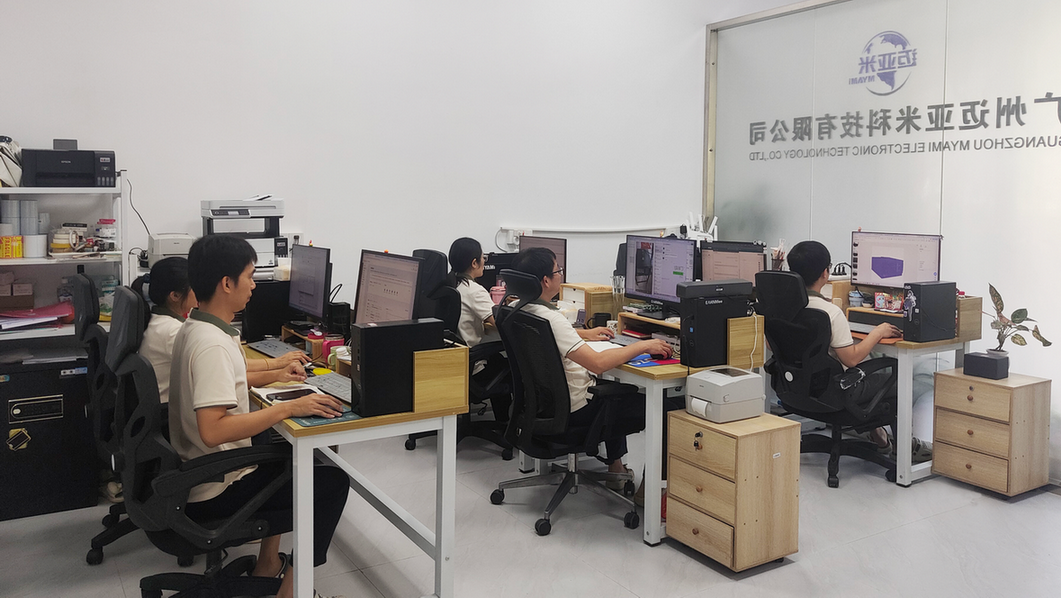
To produce ruggedized HMI displays and power electronics that survive extreme environments, the manufacturing facility must execute step-by-step assembly, calibration, and QC checks. Below is a detailed view of our production and quality control pipeline:
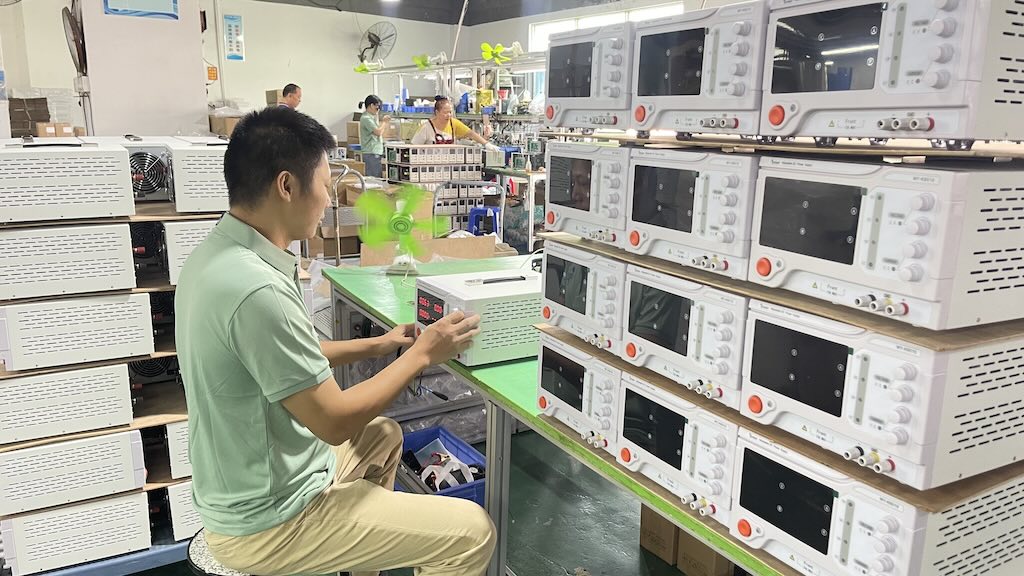
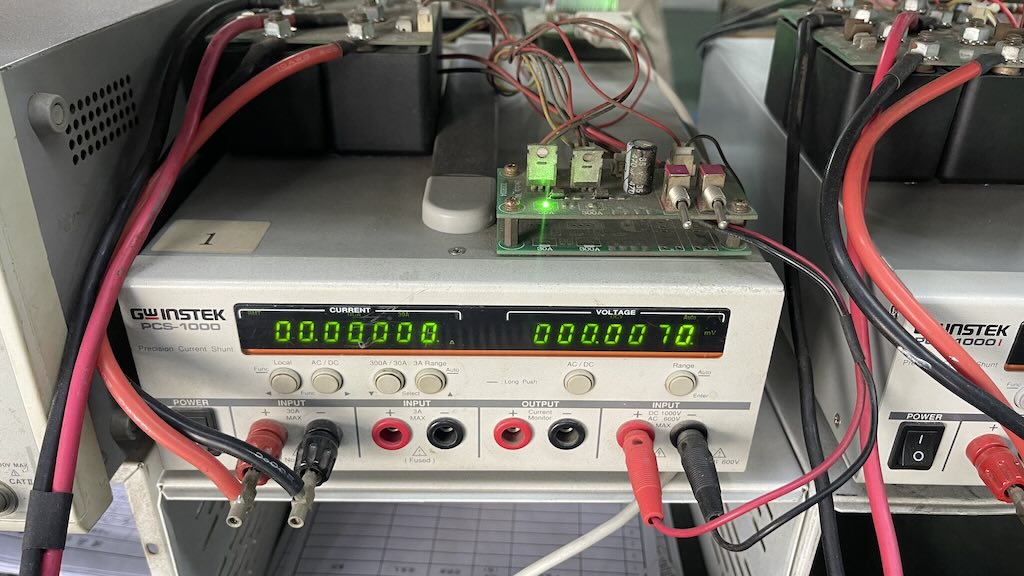
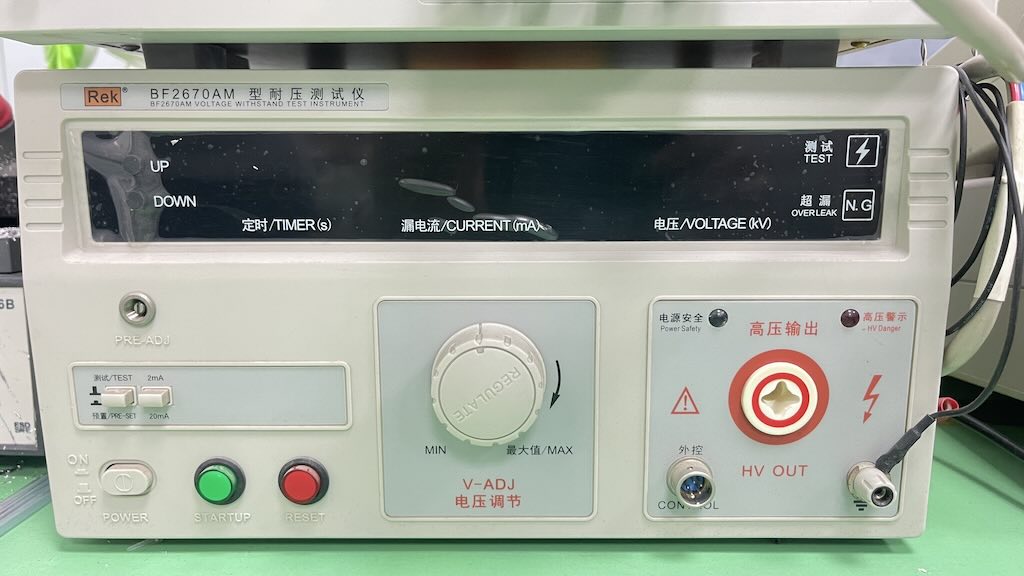
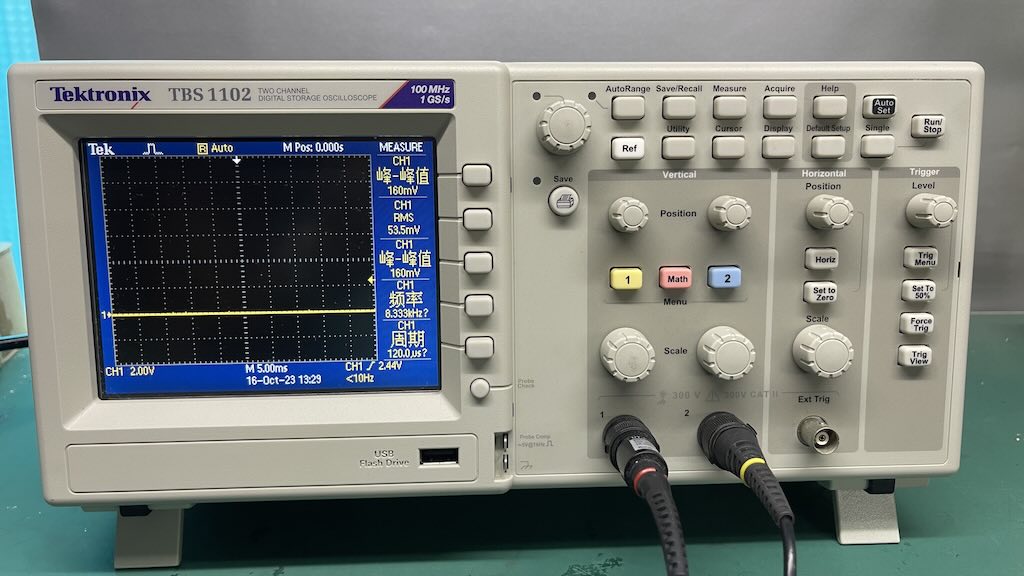
When engineering departments select HMI panels or DC power sources for their production testing facilities, they evaluate several operational parameters. The table below lists these considerations according to localized industrial sectors:
| Industrial Sector | Key Technical Requirements | Primary Challenge | Testing Protocol Required |
|---|---|---|---|
| Oil & Gas / Petrochemical | Class I Div 2, ATEX explosion-proof certification, ultra-thick PCAP touch screens. | Volatile atmospheres and extreme temperatures (-40°C to +70°C). | Environmental chamber thermal stress testing and high-voltage isolation. |
| Food & Beverage Processing | IP69K high-pressure washdown rating, 316L stainless steel bezels, optical bonding. | Corrosion from caustic cleaning agents and internal fogging. | Ingress protection rating certification and humidity cycling tests. |
| EV Battery Production | OPC UA/MQTT data protocols, high electromagnetic compatibility (EMC) shielding. | High electrical noise from massive rectifiers and motor drives. | High-power surge simulation and programmable DC power diagnostic testing. |
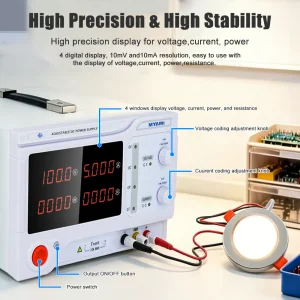
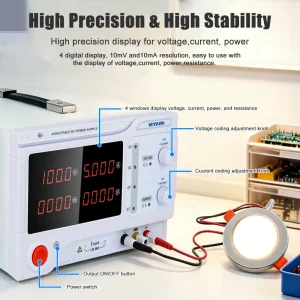
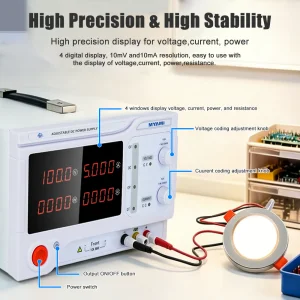
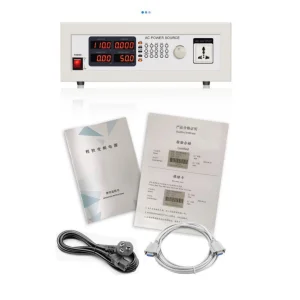
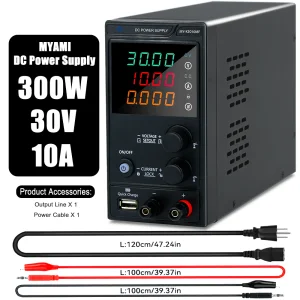
HMIs operate with sensitive, low-voltage microprocessors (typically 5V, 3.3V, or 1.2V DC rails internally converted from a 24V DC input). If the main 24V supply line experiences voltage ripples, noise spikes, or drops during heavy machinery startups, the HMI's internal DC-DC converters can become unstable. This often manifests as ghost touches, calibration shifts, display flickers, or system resets. Therefore, deploying programmable DC power supplies like the MYAMI K-Series during the HMI design, debugging, and aging phases is critical to verify performance under voltage fluctuations.
Addressing technical queries related to HMI procurement, touchscreen construction, and safety regulations.
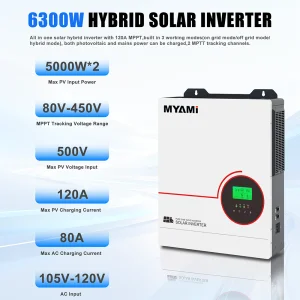
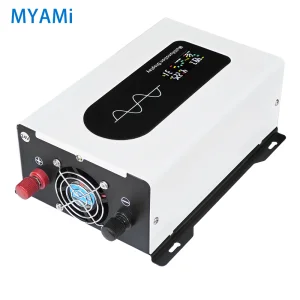
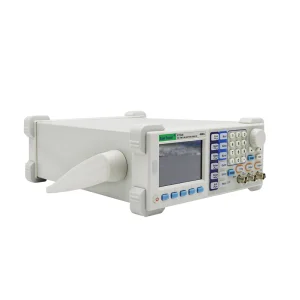
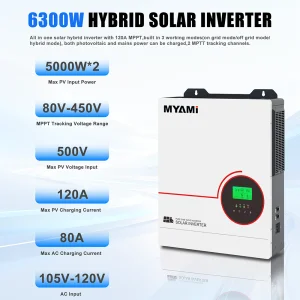
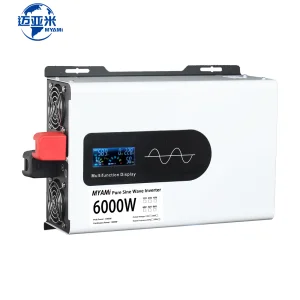
Advanced solar controllers, high-fidelity inverters, and wave generators for industrial setups

 Myami Power