Critical electronic instrumentation engineered for transducer stimulation, voltage verification, and continuous-duty ultrasonic wave alignment.
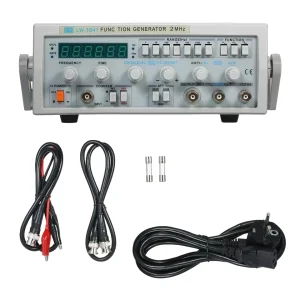
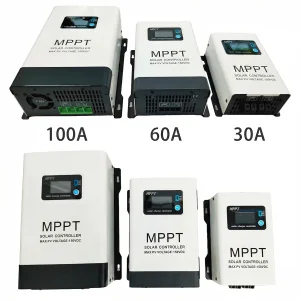
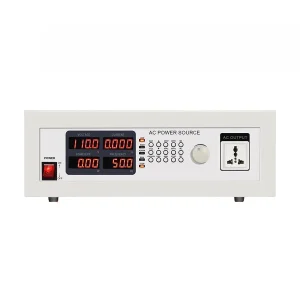
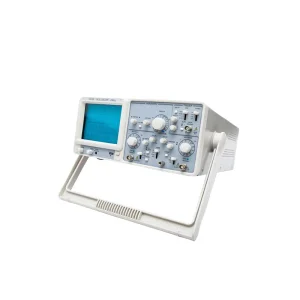
Ultrasonic cleaning represents a core technology in high-precision surface engineering, relying on acoustic wave-induced cavitation. By propagating high-frequency pressure waves through a liquid medium, microscopic vacuum bubbles are created. When these bubbles collapse, they release intense micro-jets of fluid, reaching velocities up to 400 km/h and localized temperatures up to 5,000 Kelvin. This process removes sub-micron contaminants without damaging complex substrates.
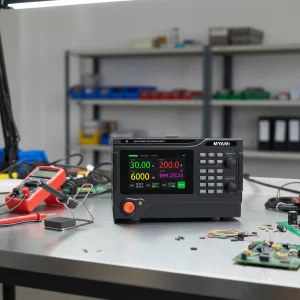
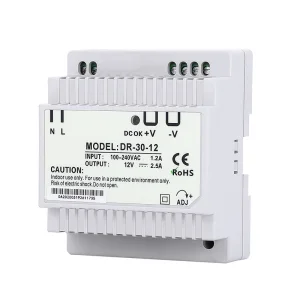
Selecting the right OEM partner requires looking beyond simple container fabrication. True industrial reliability requires stable piezoelectric materials, automated impedance matching, and high-purity electrical power control. MYAMI bridges the gap by engineering programmable, ultra-low ripple DC/AC power supplies and testing apparatus. These systems allow ultrasonic manufacturers to fine-tune transducers for peak acoustic output, ensuring consistent performance over long production runs.
A technical assessment framework for industrial buyers evaluating Tier-1 production facilities.
Top-tier suppliers utilize proprietary Lead Zirconate Titanate (PZT) formulations to minimize heat generation and maintain stable mechanical properties over long runs.
Advanced digital generators dynamically monitor impedance and adjust output frequency (e.g., 28kHz, 40kHz, or 120kHz) to match changing tank temperatures and fluid levels.
By modulating frequencies across a set range, premium units prevent destructive standing waves, ensuring even cavitation and protecting delicate parts from damage.
| Parameter | Medical / Laboratory Grade | Industrial Precision Grade | Heavy Industrial Grade |
|---|---|---|---|
| Typical Frequencies | 40 kHz - 120 kHz | 28 kHz - 40 kHz | 20 kHz - 28 kHz |
| Generator Topology | Microprocessor Digital Auto-Tracking | Sweep Frequency & Pulse Mode | Analog Robust / High-current IGBT |
| Cavitation Density | Ultra-fine bubbles, low impact | Medium bubble size, balanced | Coarse bubbles, high shear force |
| Typical Applications | Silicon wafers, surgical tools, jewelry | PCB assembly, injection molds, aerospace | Engine blocks, castings, mining valves |
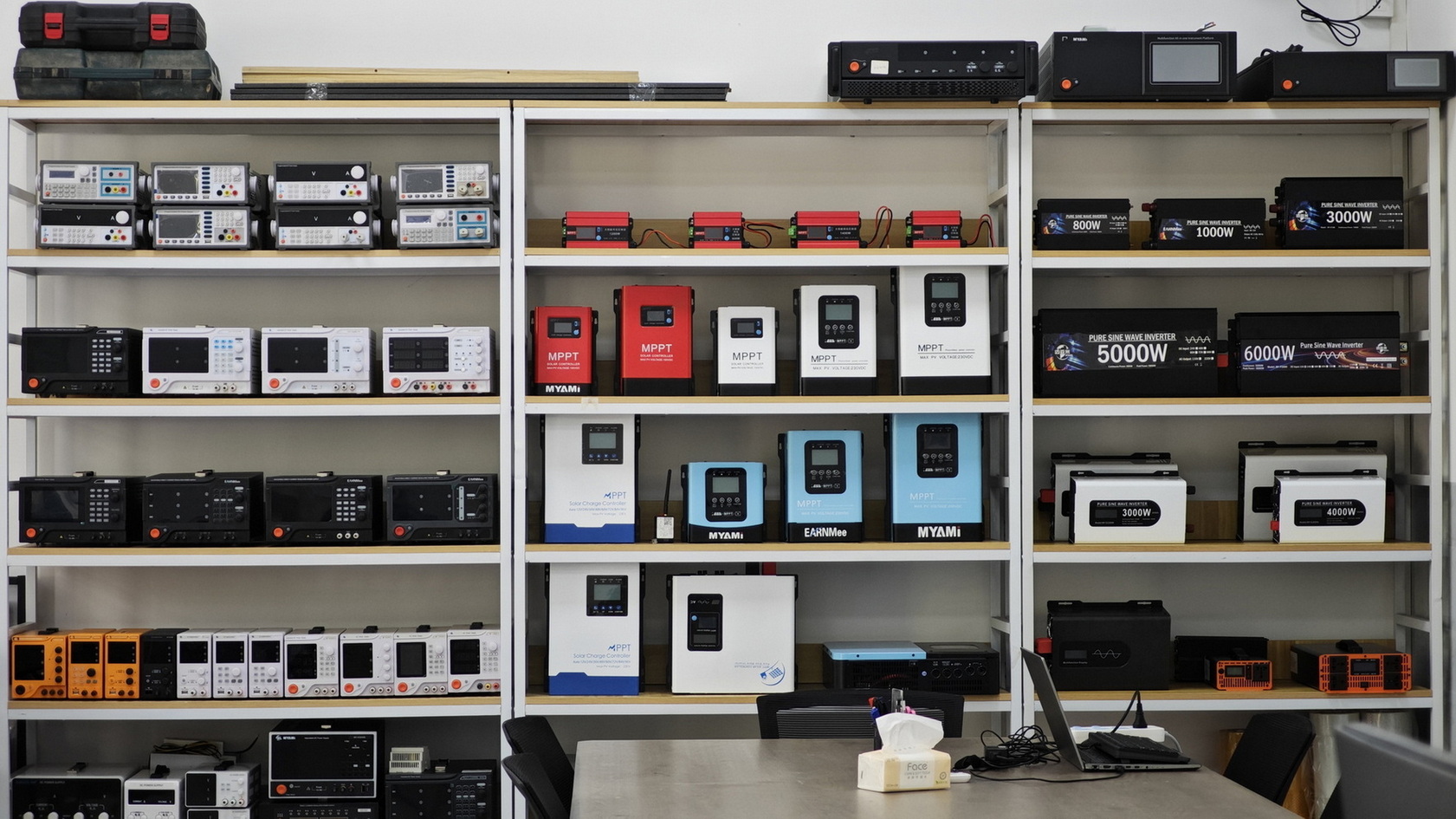
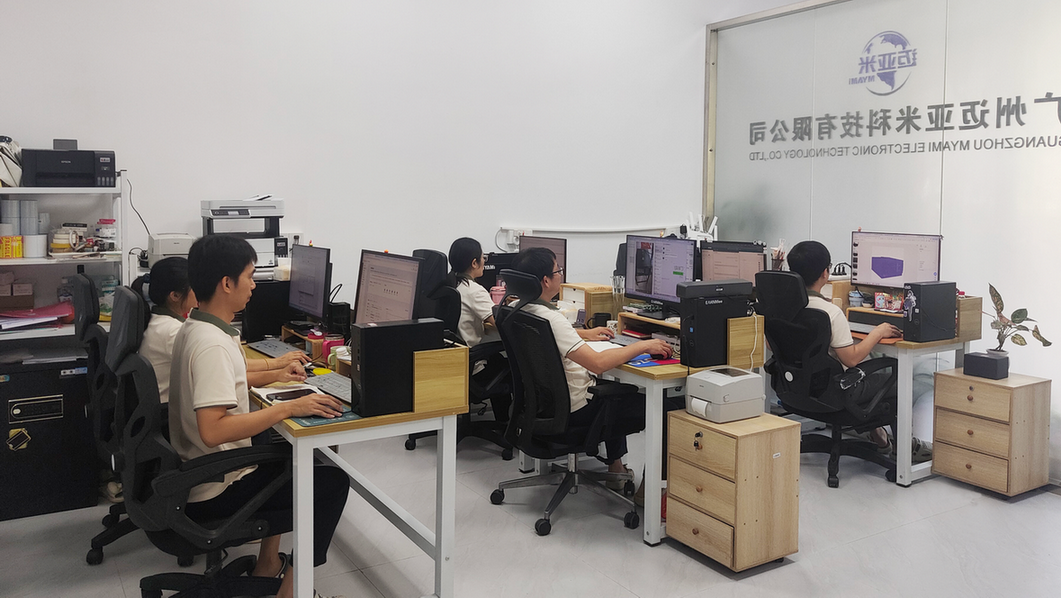
Headquartered in Shenzhen, China, Shenzhen Myami Power Technology Co., Ltd. (MYAMI) is a technology-driven manufacturer and solution provider specializing in high-precision, industrial-grade power supplies and electrical test equipment. Designed for engineering rigor, MYAMI bridges the gap between complex electronic research, high-voltage component testing, and scalable industrial automation.
Our specialized engineering portfolio focuses on four core operational pillars:
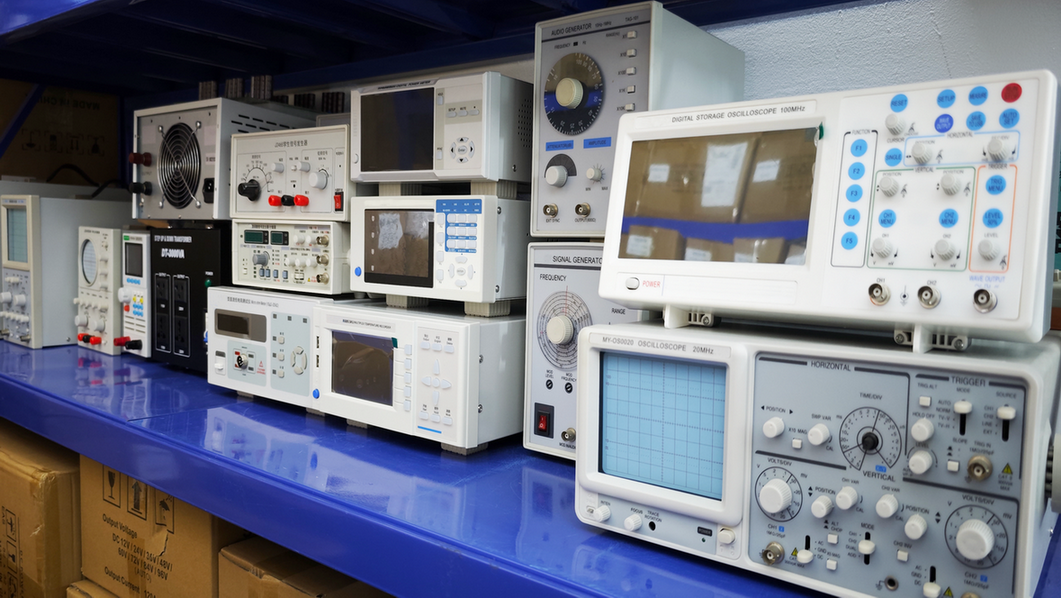
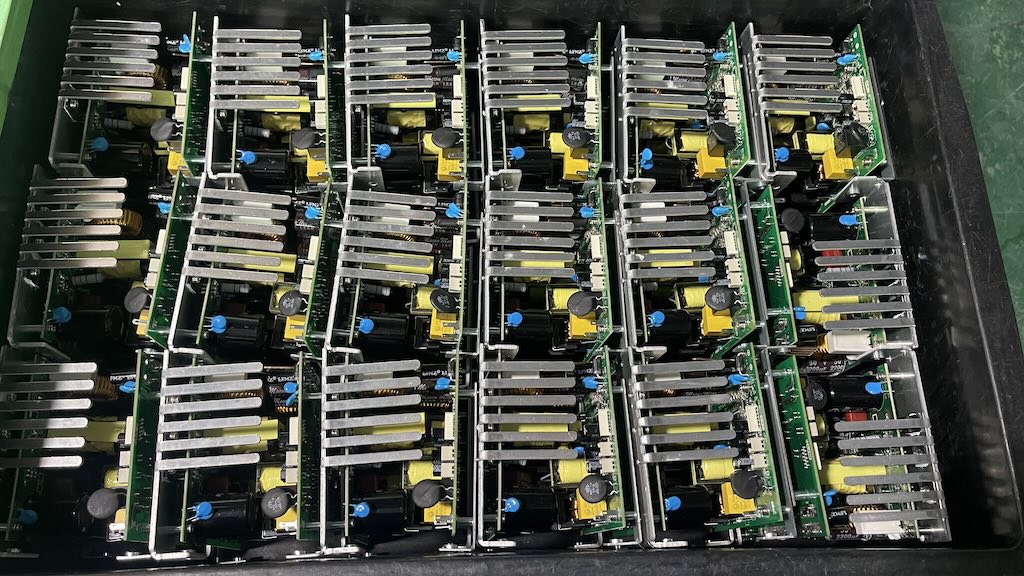
Take a look inside our ISO9001-certified manufacturing ecosystem. We combine automated PCB assembly with meticulous multi-step testing to build highly durable industrial electronics.
 Raw Material
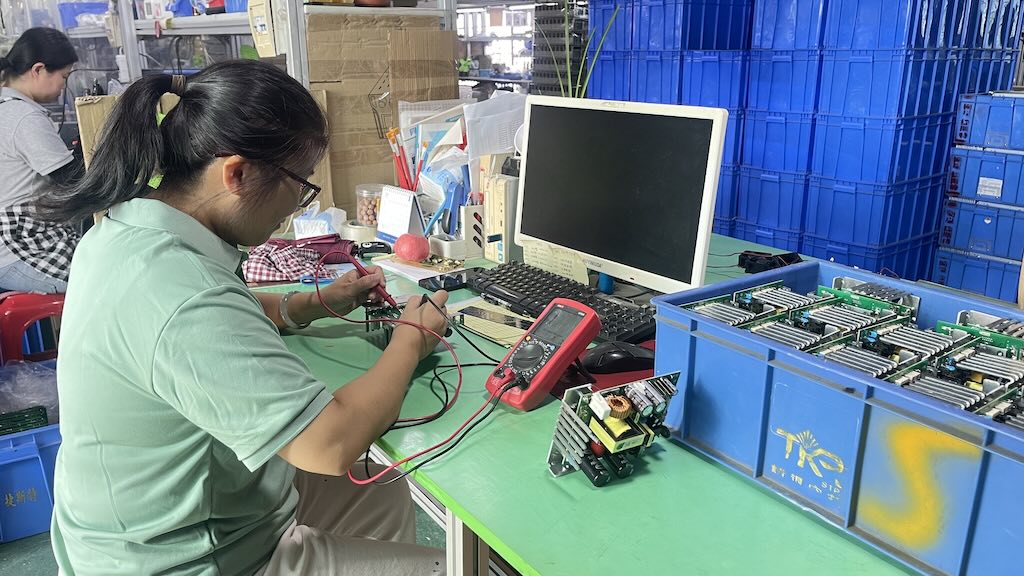 PCB Checking
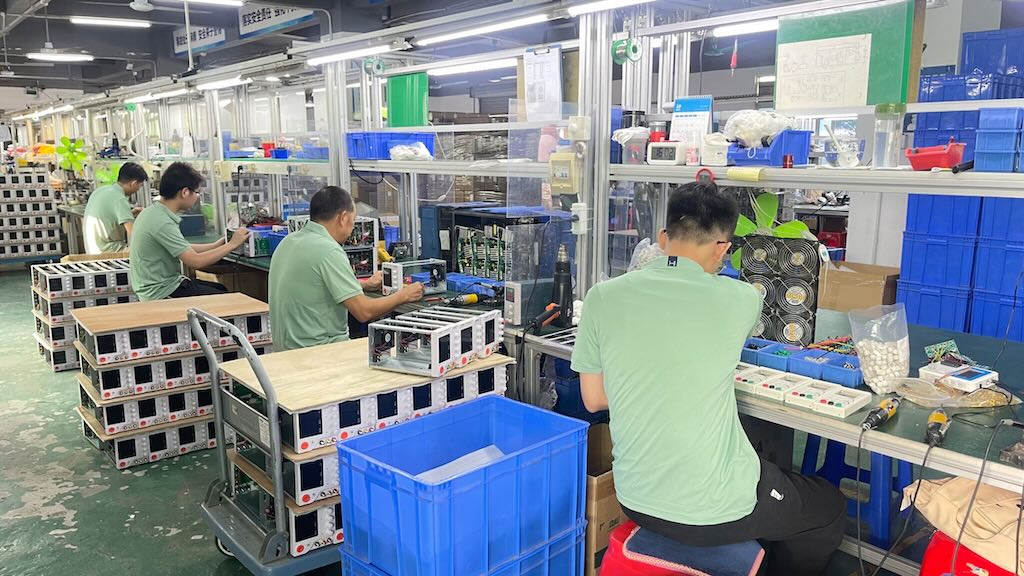 Assembling
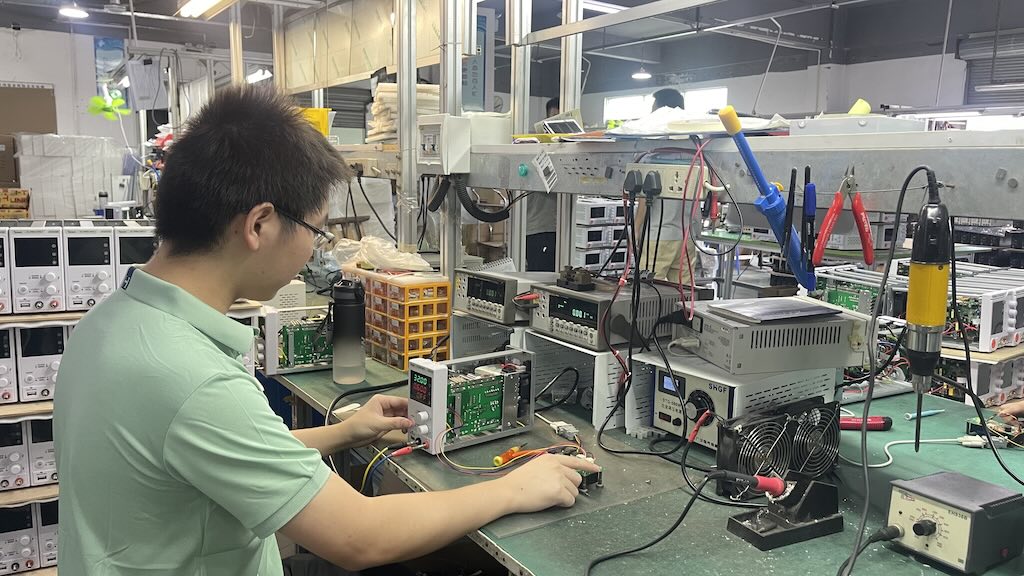 Debug
Debug
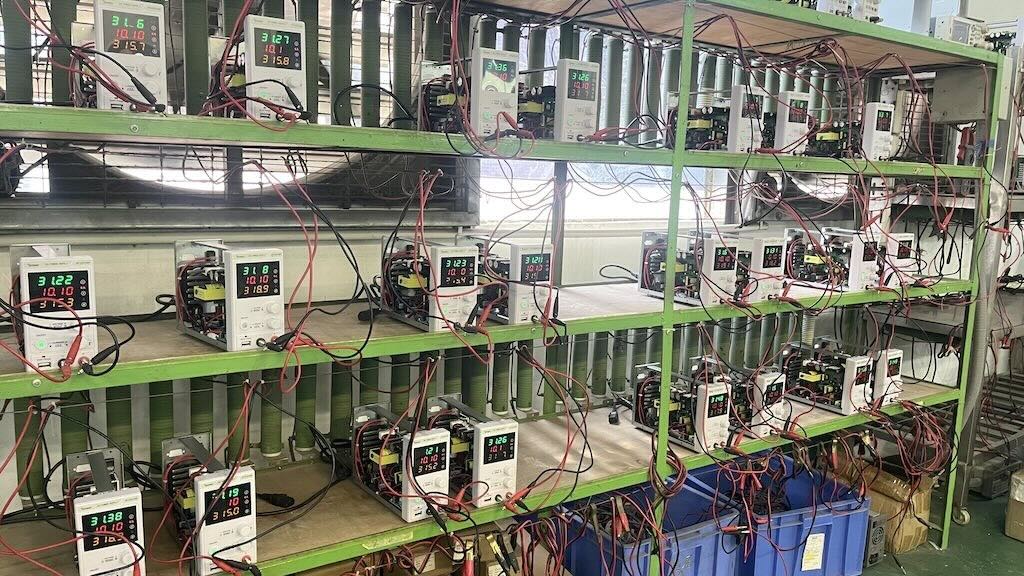 Aging
Aging
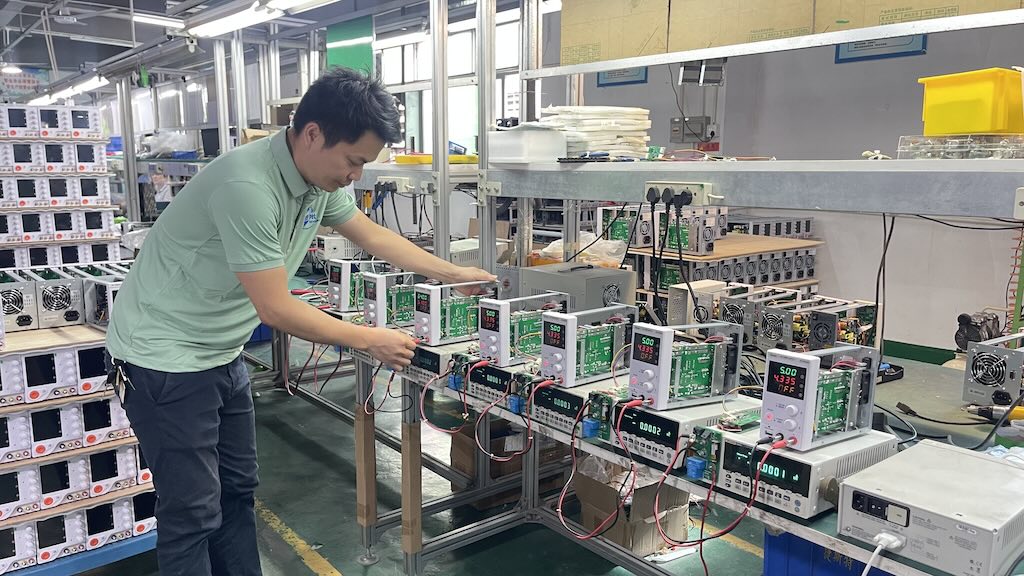 Calibration
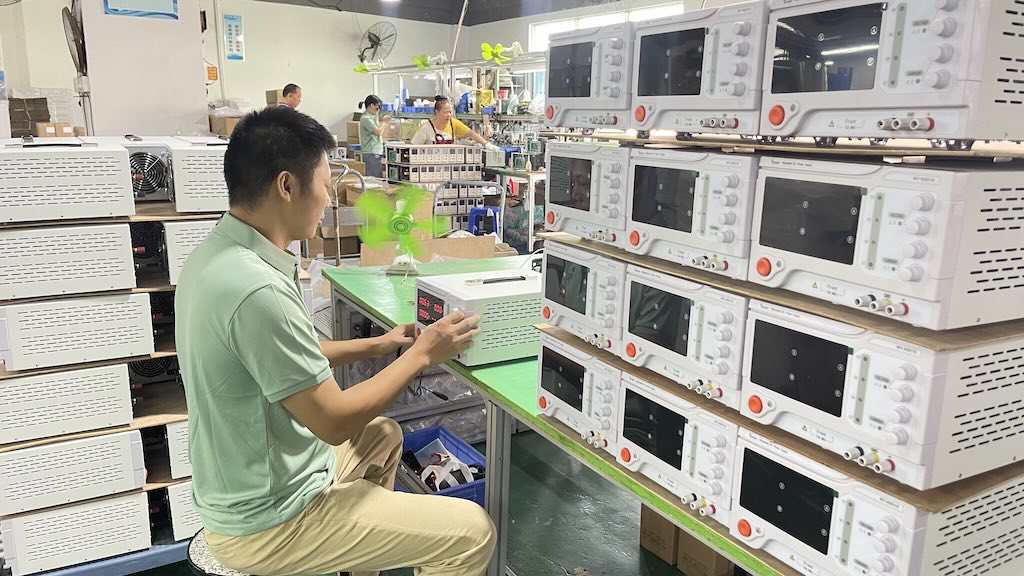 QC checking
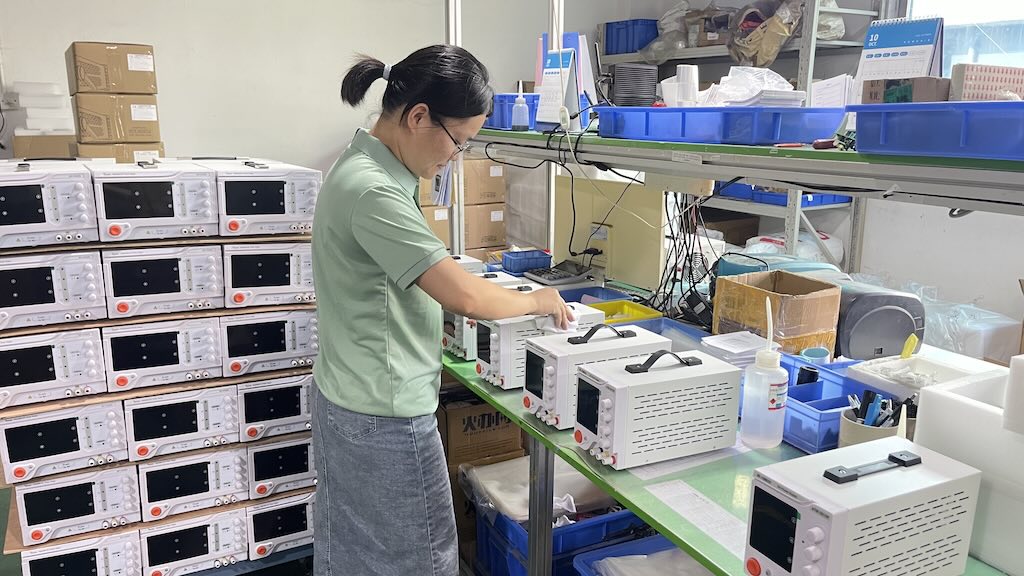 Packing
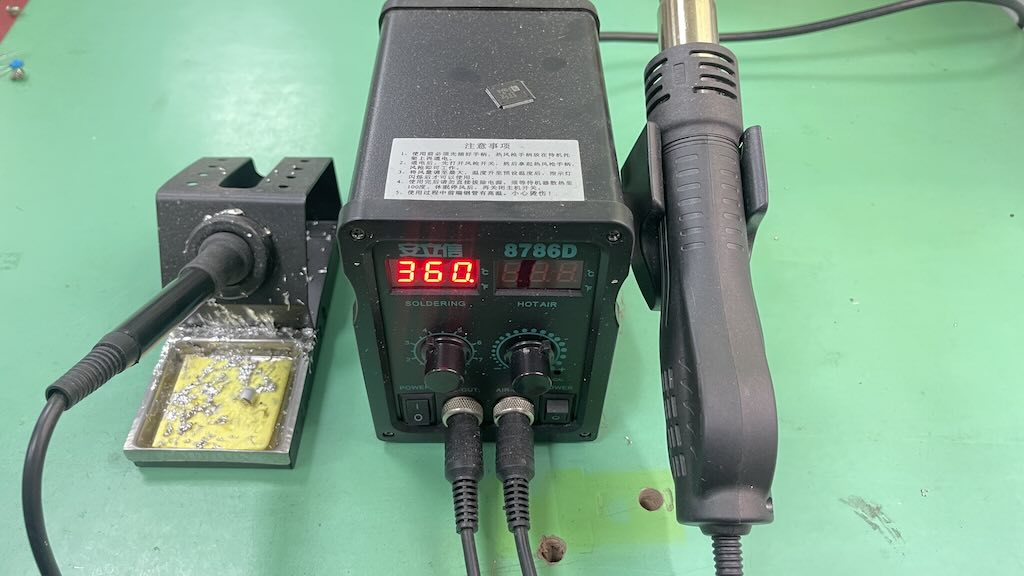 Soldering Station
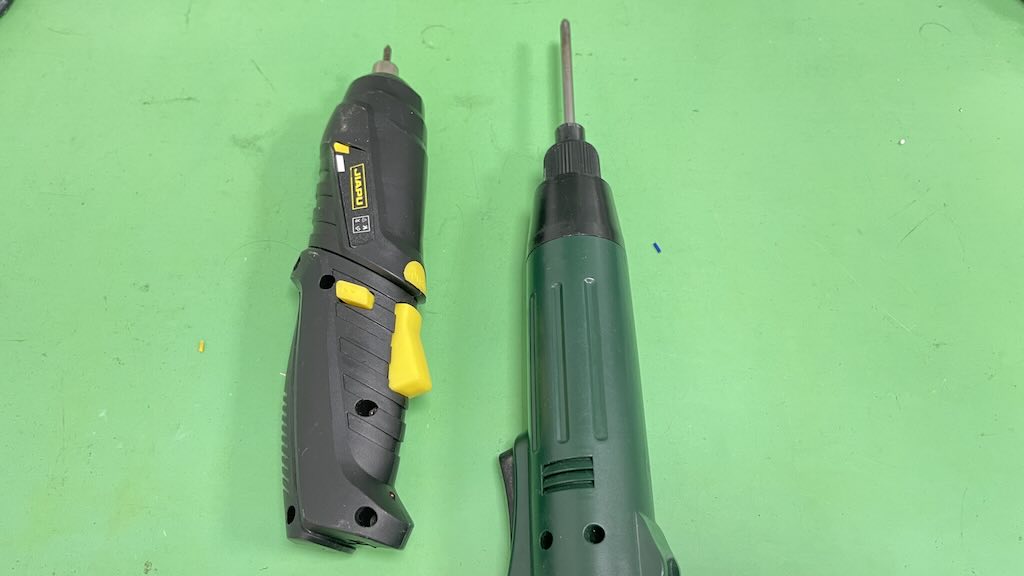 Electronic Screwdriver
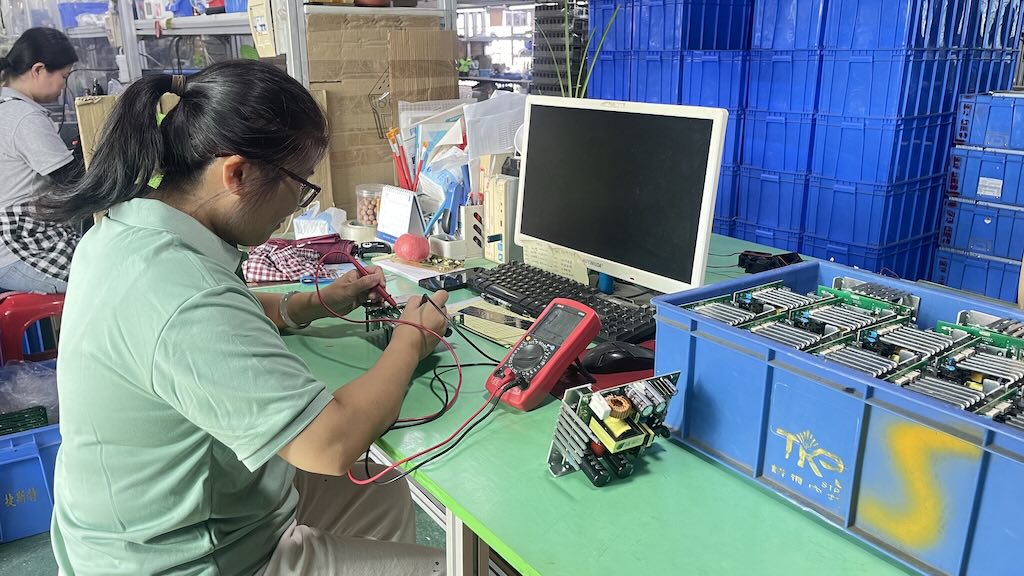 PCB Check
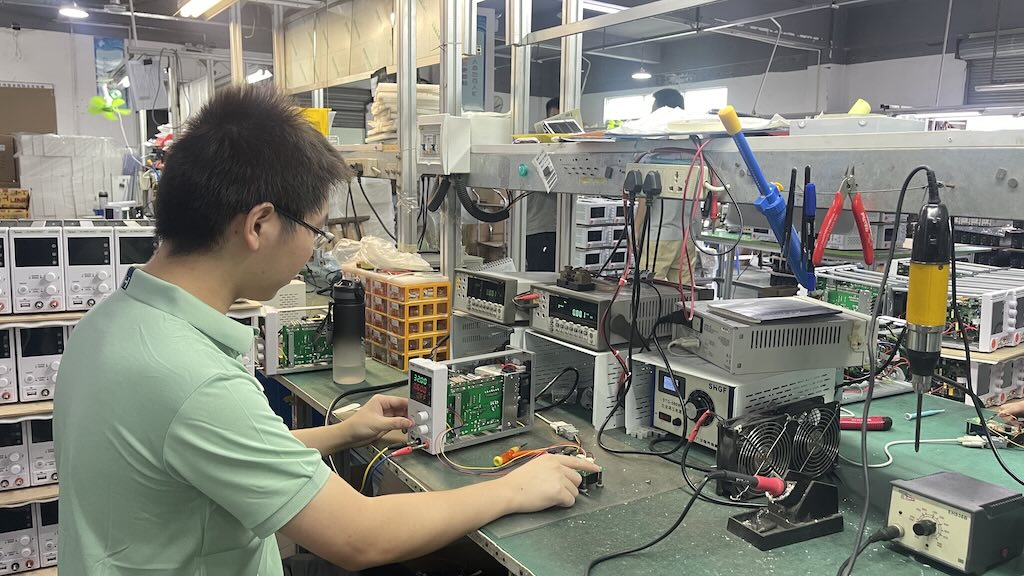 Debug
Debug
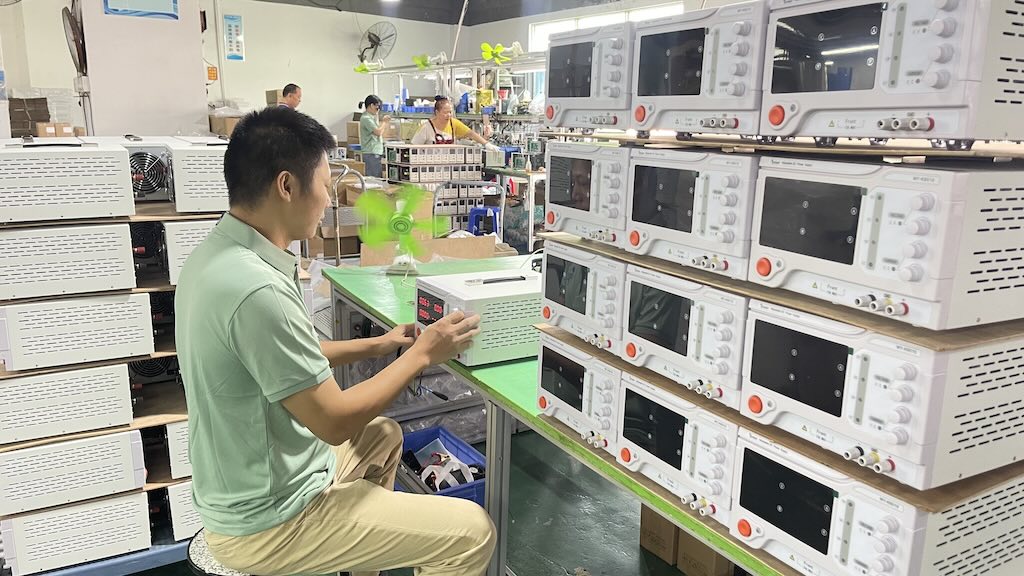 QC check
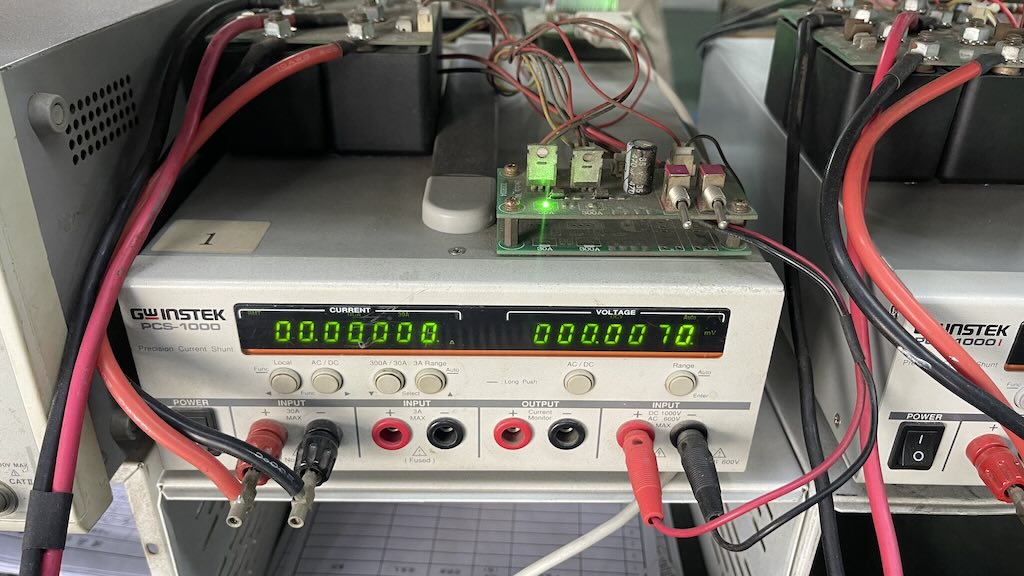 Multimeter
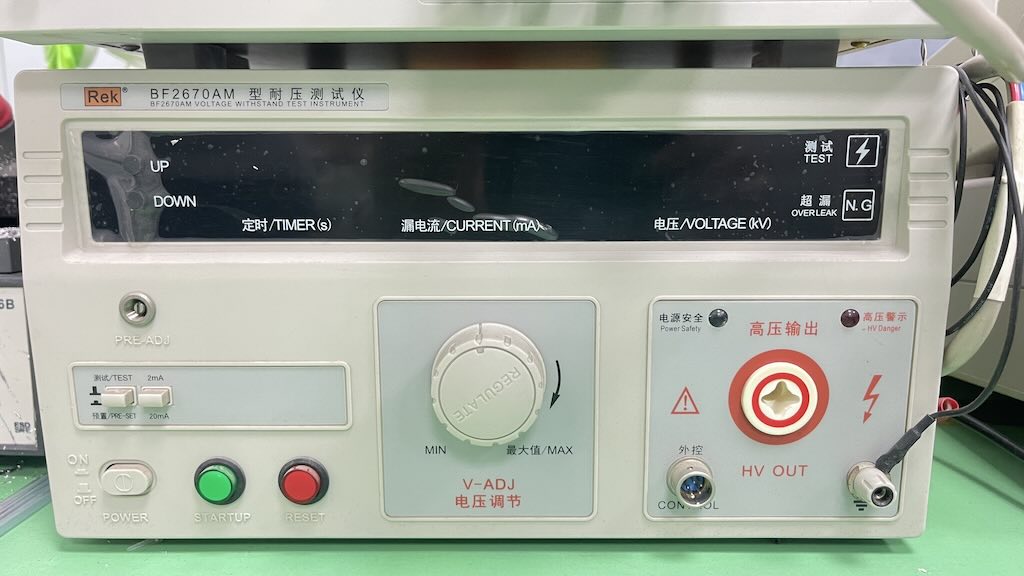 Hi-pot Tester
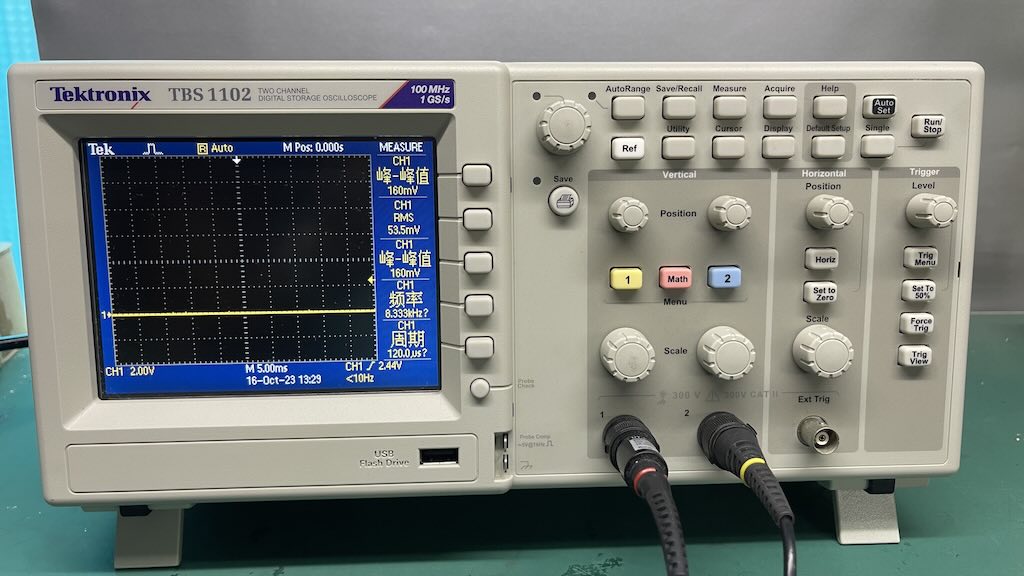 Oscilloscope
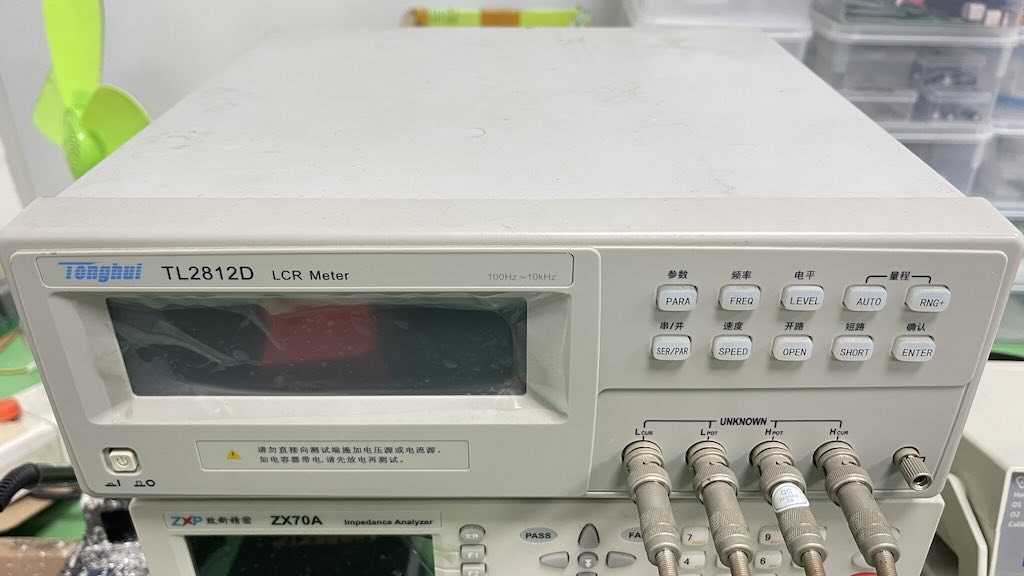 LCR Meter
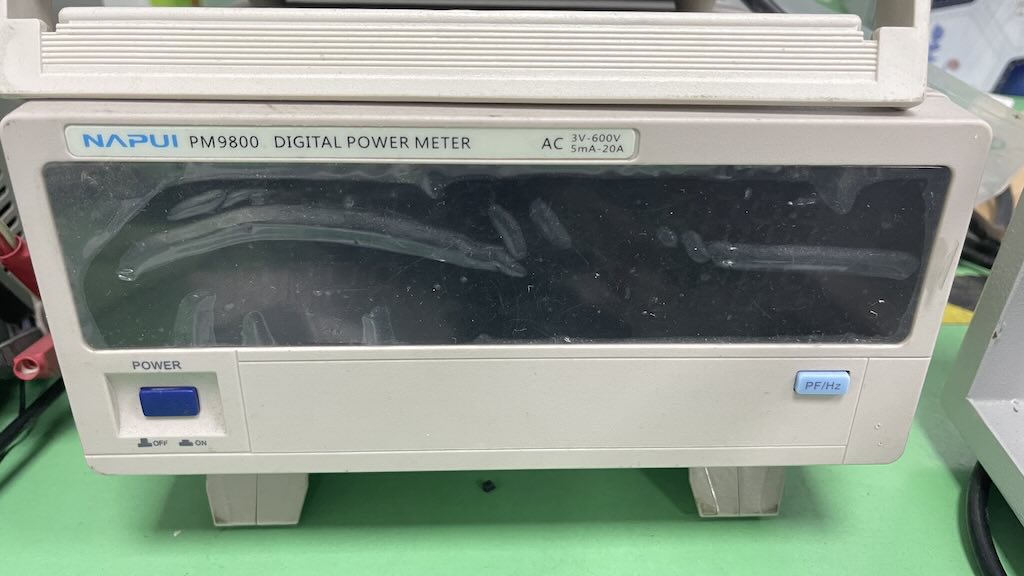 Digital power meter
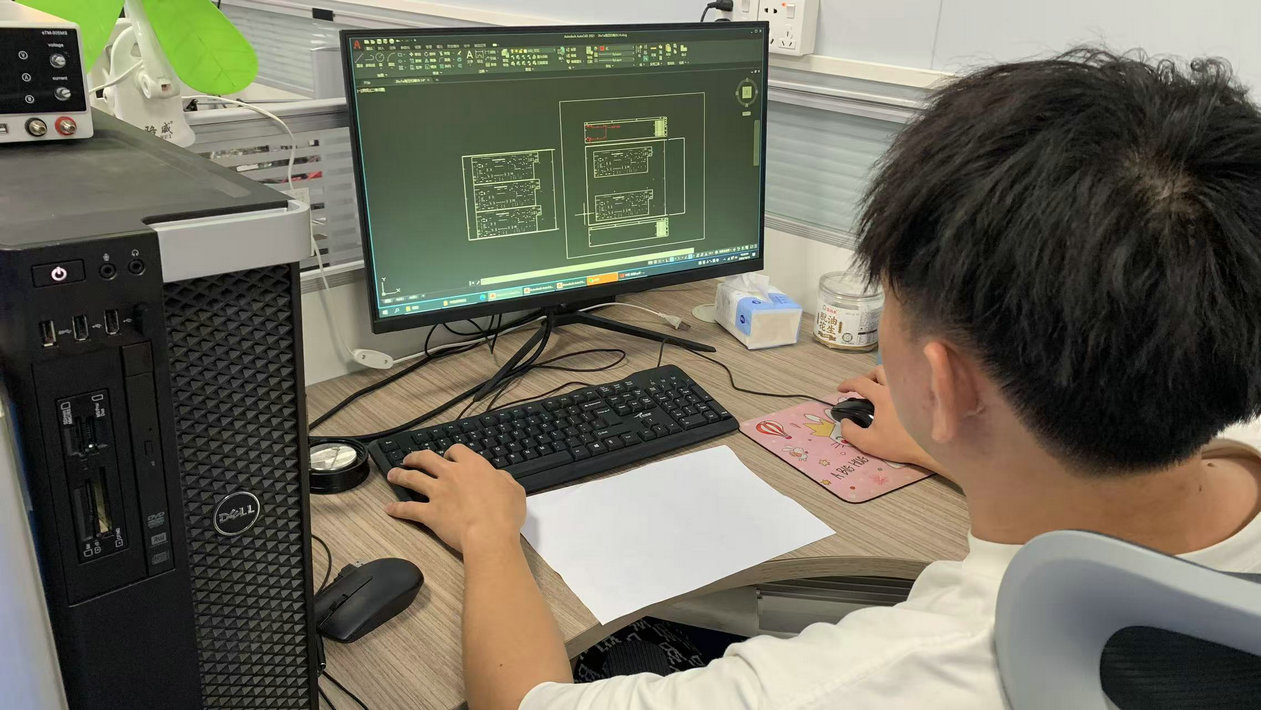 Design
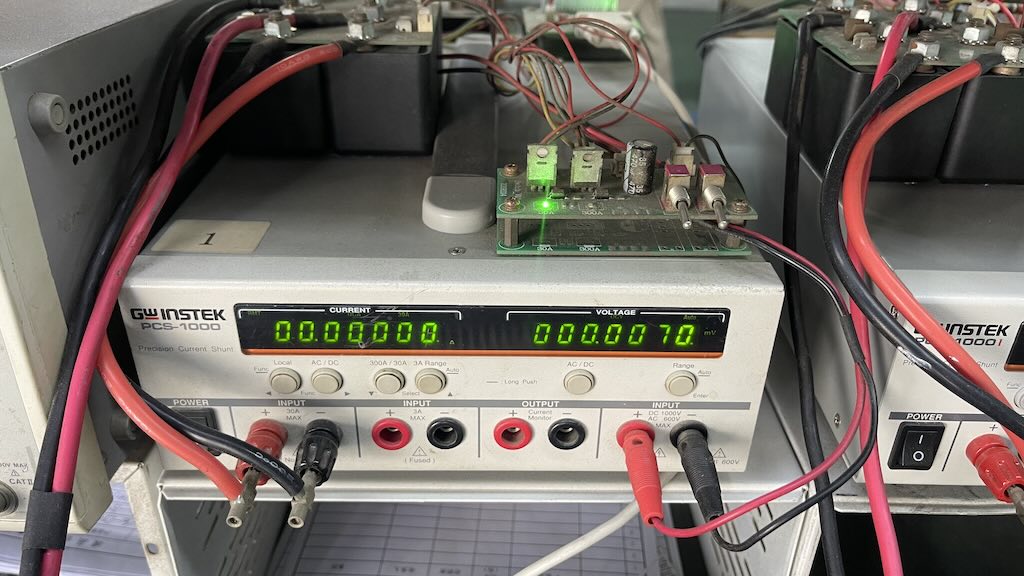 Multimeter
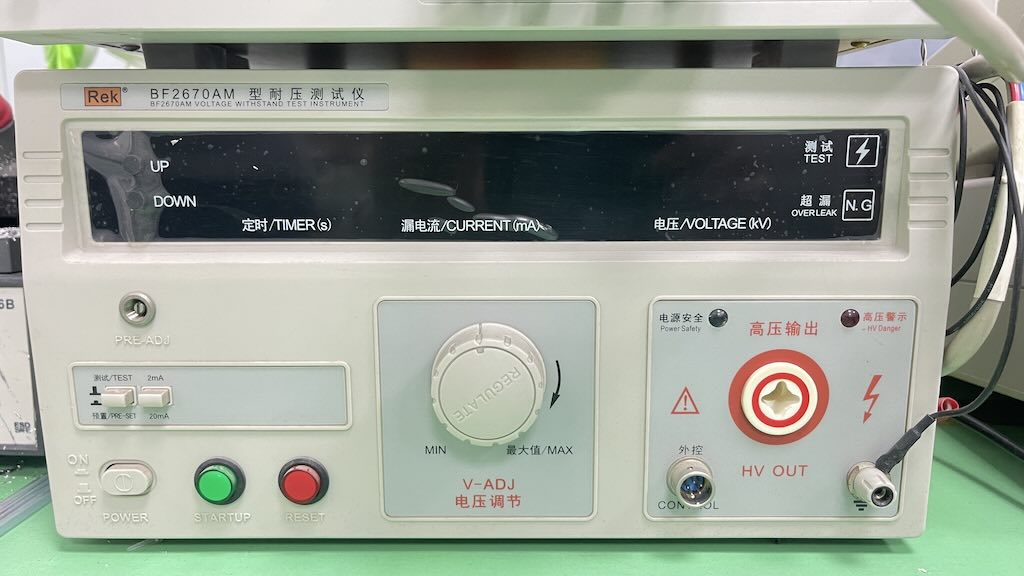 Hi-pot Tester
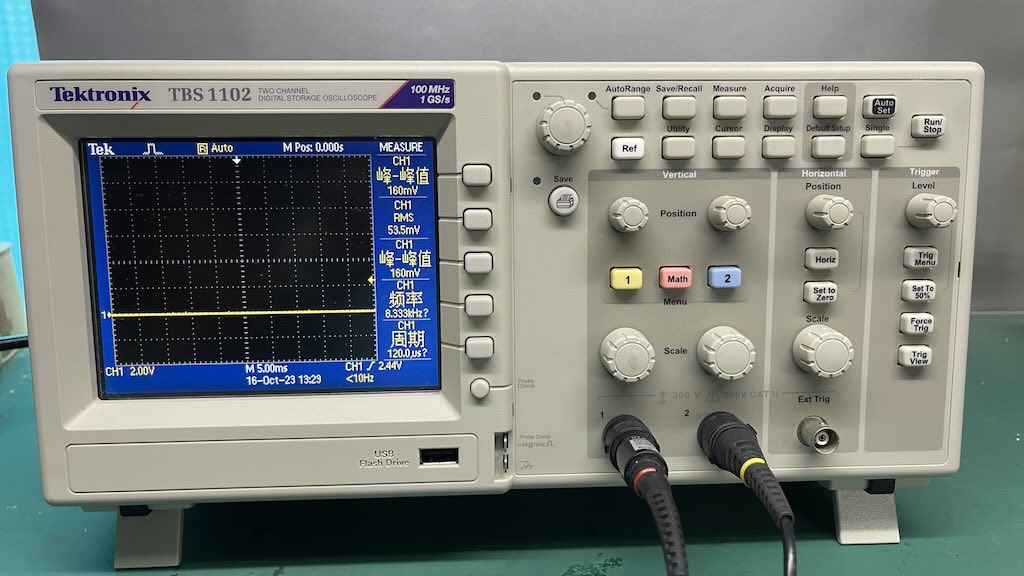 Oscilloscope
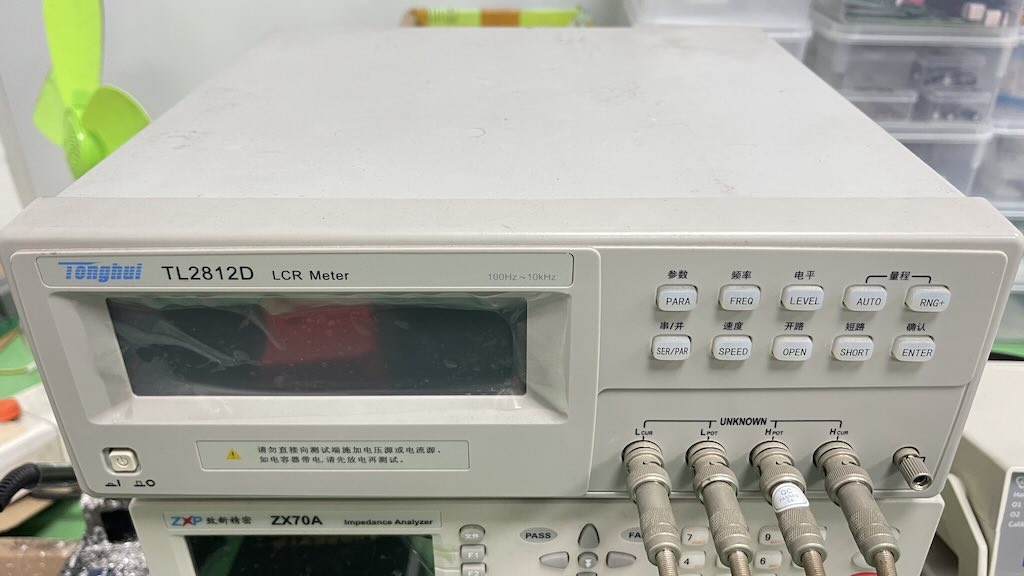 LCR Meter
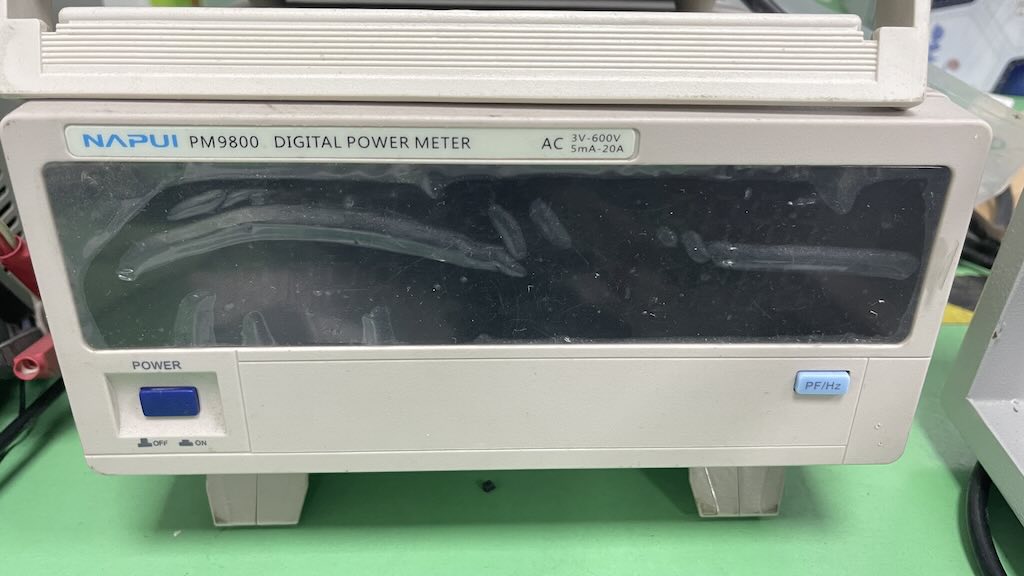 Digital power meter
How precision power modulation enables modern, contamination-free manufacturing across key industrial sectors.
Removing sub-micron residues from silicon wafers requires high-frequency megasonic waves (800 kHz - 2 MHz). This relies on highly stable, high-speed switching power supplies to prevent transient spikes, protecting delicate nano-structures from micro-cracking.
Clean surgical implants and surgical equipment must meet strict microbiological standards. Continuous sweep frequency operation ensures that complex internal channels are thoroughly cleaned, preventing cold spots in the cleaning tank.
Cleaning heavy engine components or testing lithium-ion battery casings requires low-frequency energy (25 kHz - 40 kHz) driven by rugged high-voltage systems. This allows for deep cavitation that lifts heavy oils, lubricants, and carbon deposits.
The next generation of ultrasonic cleaning relies on real-time feedback systems. As cleaning fluid densities change with soil accumulation, transducer resonance shifts. Future-proof generators use predictive AI models and high-frequency digital signal processors (DSPs) to dynamically track impedance, ensuring optimal power transfer.
Additionally, the transition to eco-friendly, water-based cleaning agents requires adjustable gas degassing cycles. Integrated RS485 and CAN communication protocols allow these generators to connect directly with smart factory PLC networks. This enables remote diagnostics, energy tracking, and preventive maintenance alerts for large-scale operations.
Every MYAMI system is built with multi-layer protection protocols, including Over-Voltage Protection (OVP), Over-Current Protection (OCP), Over-Temperature Protection (OTP), and short-circuit safeguards. Our equipment complies with major international safety and quality standards, including CE, RoHS, and ISO9001.
By using standard industrial communication protocols like RS485, RS232, and CAN, our power controllers and testing instruments integrate easily with automated assembly lines and centralized control networks, helping you build a smarter, more efficient production process.
Technical guidance for engineers, procurement managers, and systems integrators.
Stable voltage and low ripple are key to keeping transducer arrays at their resonant frequency. Voltage fluctuations can cause frequency drift, leading to uneven cavitation and potentially damaging sensitive parts or leaving dirt behind. Using programmable power sources like the MYAMI benchtop line ensures consistent energy delivery.
Fixed frequencies can create "standing waves," leading to hot spots with intense cavitation and dead zones with no cleaning action. Frequency sweeping modulates the acoustic signal to distribute energy evenly throughout the tank, ensuring thorough cleaning and protecting delicate parts from erosion.
It depends on the application. Lower frequencies (25-28 kHz) create larger cavitation bubbles with high impact force, perfect for heavy industrial parts like engine blocks. Higher frequencies (40-120 kHz) produce smaller, gentler bubbles, making them ideal for delicate items like electronics, medical devices, and optics.
We use a comprehensive 8-step testing process. This includes raw material inspection, automated optical PCB checks, active high-temperature aging tests, safety isolation testing, and LCR impedance analysis to ensure every system meets our high standards for reliability.
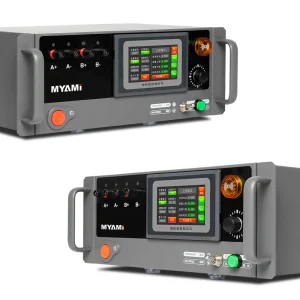
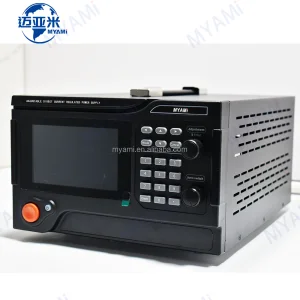
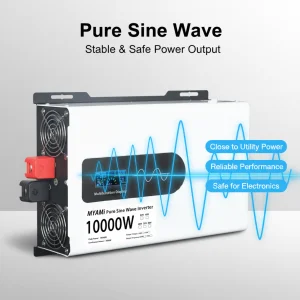
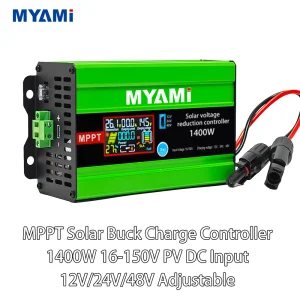
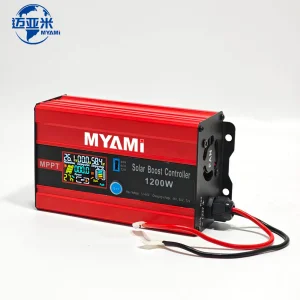
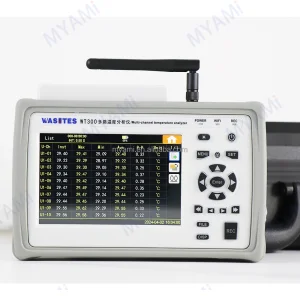
Explore our industrial power supplies, step drivers, and multi-channel measurement logging instruments designed for demanding environments.

 Myami Power