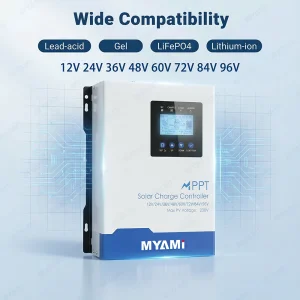
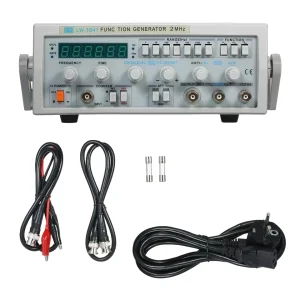
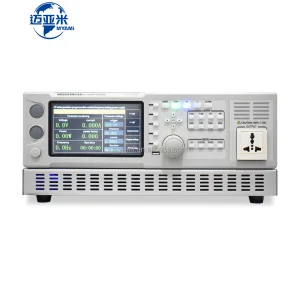
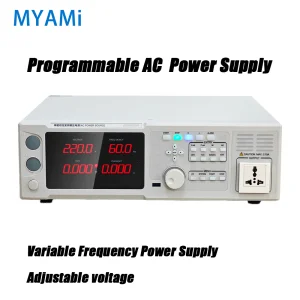
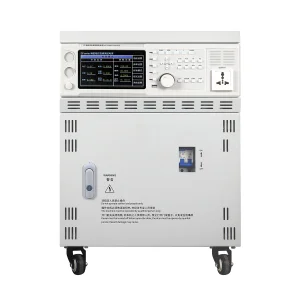
Select industrial-grade power regulators, solar controllers, and diagnostic scopes optimized for advanced labs and high-throughput production lines.
In modern scientific research and electronic engineering, the requirement for robust testing architectures has transitioned from basic analog signals to complex, highly synchronized multi-domain waveforms. Waveform generators (often classified as Arbitrary Function Generators - AFGs, or Arbitrary Waveform Generators - AWGs) serve as the foundation of stimulus-response validation.
By executing precise digital-to-analog conversion (DAC) architectures at gigasample-per-second (GSa/s) rates, state-of-the-art generators enable engineers to simulate complex environments. From RF communication channels and automotive radar simulation to quantum computing pulse sequencing, the necessity for high resolution (up to 16-bit vertical depth) and minimal jitter has never been more pronounced.
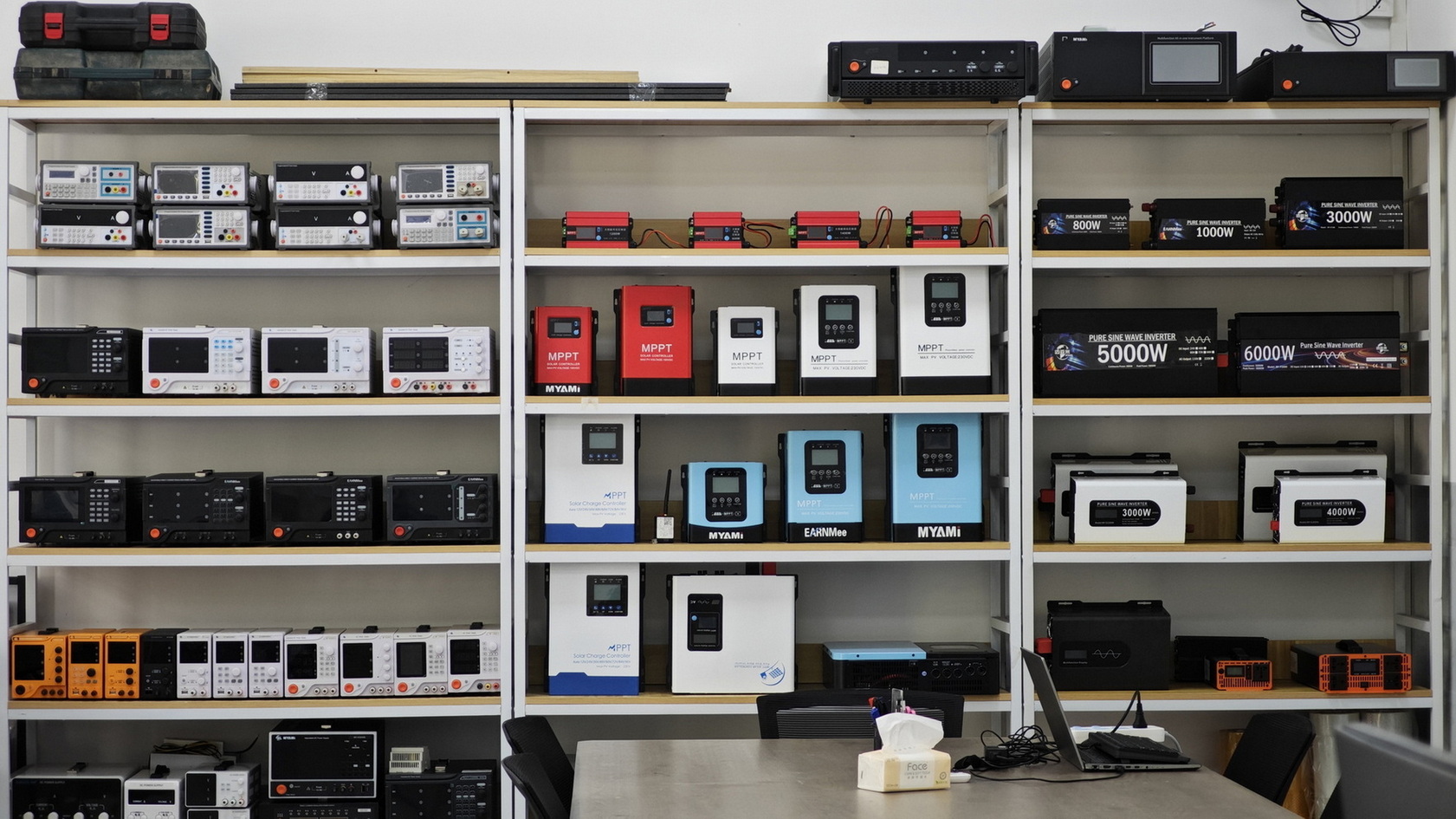
Evaluating the macro shift in instrument architecture and how leading suppliers are adapting to complex validation profiles.
DDS technology allows rapid, micro-second frequency switching and phase continuity, serving as the core engine for modern function generators. The integration of 14-bit to 16-bit digital-to-analog converters ensures ultra-low phase noise and minimum harmonic distortion.
As green grid infrastructures and automotive EV testing ramp up, waveform generators are no longer confined to low-voltage signals. They are now directly coupled with high-precision variable frequency AC sources and high-power DC systems to simulate real-world disturbances.
Modern labs demand absolute phase-coherent synchronization across multiple channels (often 8 to 32 parallel paths). Sourcing modular architectures allows scaling of test setups for quantum computing and MIMO communications.
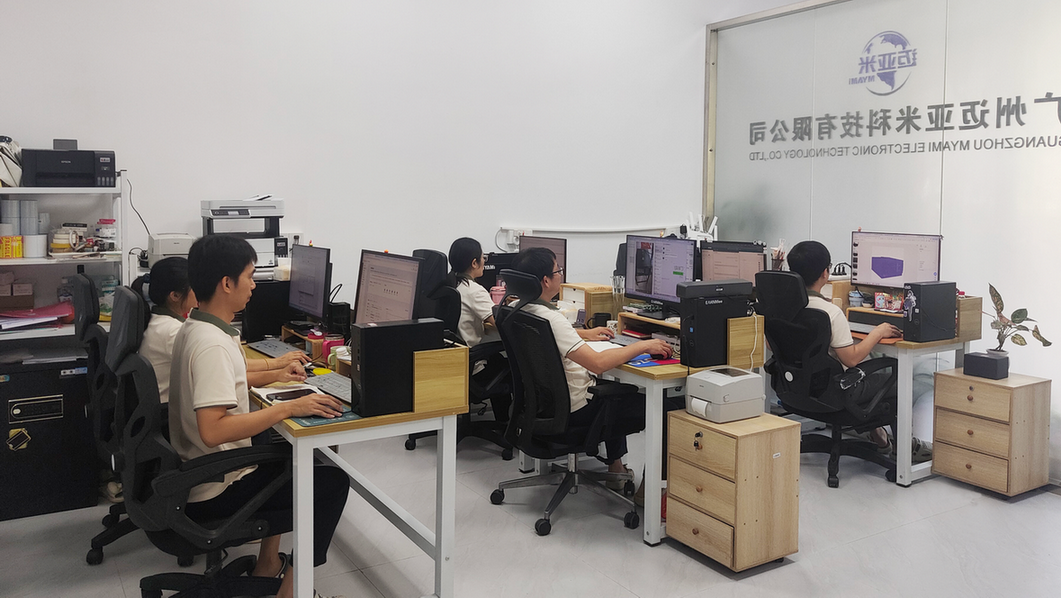
Headquartered in Shenzhen, China, Shenzhen Myami Power Technology Co., Ltd. (MYAMI) is a technology-driven manufacturer and solution provider specializing in high-precision, industrial-grade power supplies and electrical test equipment. Designed for engineering rigor, MYAMI bridges the gap between complex electronic research, high-voltage component testing, and scalable industrial automation.
Every MYAMI system is engineered with strict multi-layer protection protocols (OVP, OCP, OTP, and short-circuit safeguards) and complies with international safety and quality standards, including CE, RoHS, and ISO9001. Integrated with standard industrial control protocols (RS485, RS232, and CAN communication), our equipment seamlessly connects to automated production lines and central PC control systems.
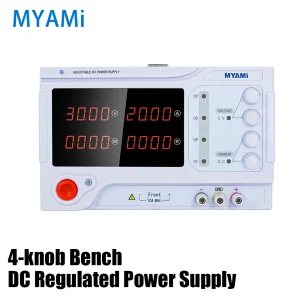
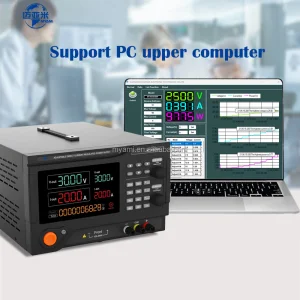
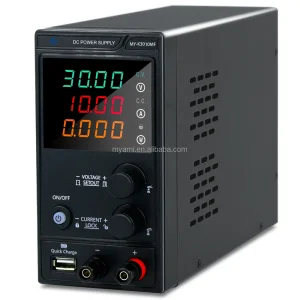
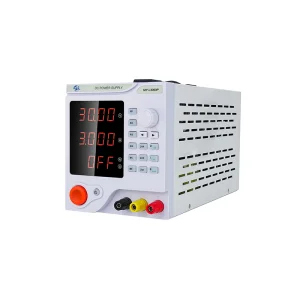
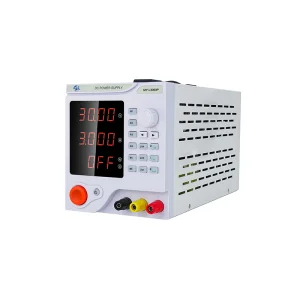
Featuring multi-digit LED displays, ultra-low ripple, and rapid transient response, engineered for precision electronic R&D, semiconductor evaluation, and PCB debugging.
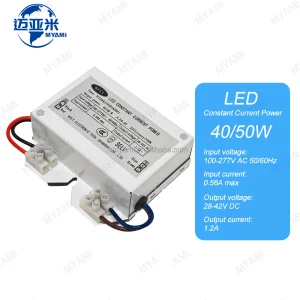
Delivering high-current, high-voltage DC/AC regulated power supplies built for industrial motor drives, electroplating rectifiers, and heavy-duty component burn-in testing.
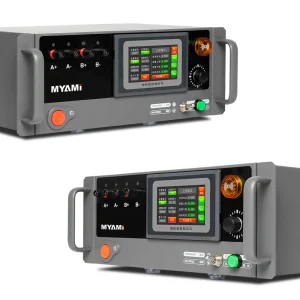
Providing specialized DC power units, battery simulators, and variable AC power sources engineered for Electric Vehicle (EV) On-Board Chargers (OBC), BMS evaluation, and solar inverter testing.
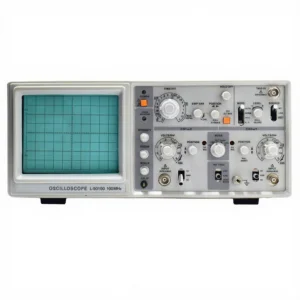
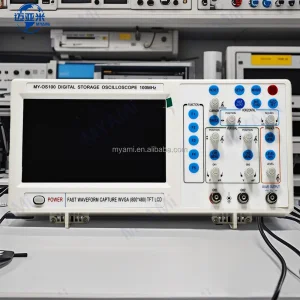
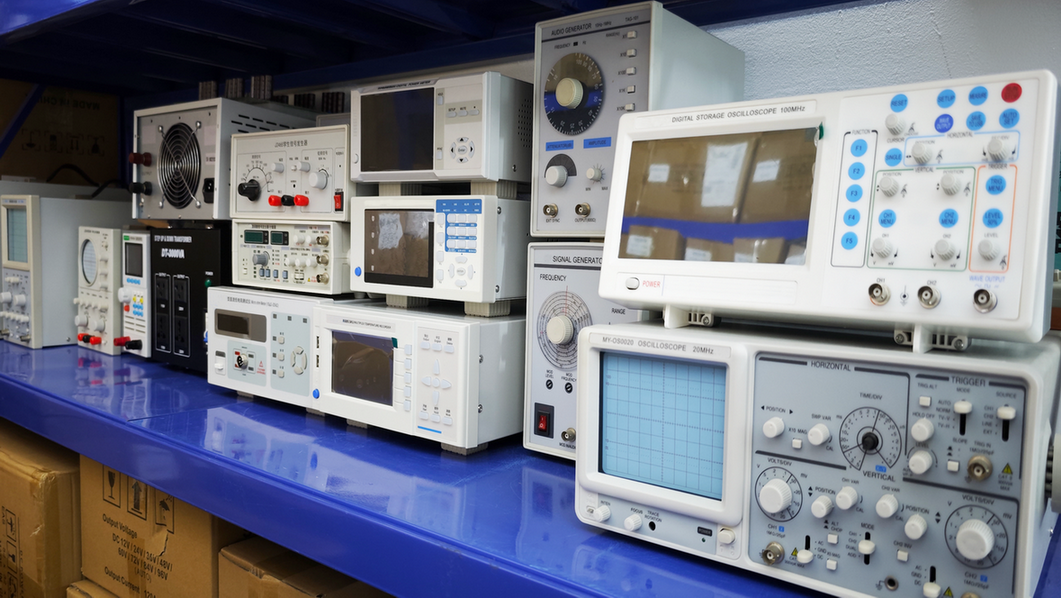
Supplying complementary test bench solutions, including digital oscilloscopes, multimeters, and specialized AC voltage regulators for global laboratories and technical institutes.
Evaluating suppliers based on rigorous engineering parameters, quality verification systems, and hardware scalability.
| Procurement Factor | Technical Benchmark Requirement | Impact on QA & Verification |
|---|---|---|
| Vertical Resolution (DAC) | 14-bit minimum; 16-bit preferred for high-fidelity signal playback. | Minimizes quantization noise, ensuring clean outputs for sensitive analog components. |
| Frequency Range & Stability | 0.1Hz up to 500 MHz (application dependent); stability < ±1 ppm. | Prevents clock drift during multi-day environmental aging and reliability testing. |
| Communication Protocols | SCPI compliance; Ethernet (LXI), USB-TMC, RS485/CAN/RS232. | Enables absolute compatibility with automated test equipment (ATE) environments like LabVIEW. |
| Output Distortion (THD) | < 0.1% across the entire audio-frequency spectrum. | Ensures high-fidelity validation of audio systems and premium medical-grade transducers. |
| Channel Isolation | > 80 dB crosstalk rejection. | Ensures multiple output phases can operate at peak amplitude without cross-channel interference. |
How advanced waveform generation and variable AC/DC power sources collaborate to drive modern industrial validation.
Military aviation relies on highly specialized 400Hz single and three-phase power grids. Using systems like the MYAMI MY-70D30 3000VA Adjustable Programmable AC Power Supply allows testing labs to replicate severe voltage transients, harmonics, and dropouts defined under MIL-STD-704 standards.
Electric vehicles demand strict stress-testing of On-Board Chargers (OBC) and Battery Management Systems (BMS). High-power variable DC supplies integrated with arbitrary waveform functions allow engineers to simulate battery charging profiles, cell imbalance, and high-voltage line spikes.
Validating microchip gate drivers and switching regulators requires high-speed pulse inputs paired with ultra-stable bench DC supplies. High-resolution waveforms ensure fast edge rates (down to < 2ns rise time) to check component switching losses and thermal management thresholds.
Our factory workflow encompasses strict quality check gates to guarantee structural integrity, long-term stability, and absolute instrument accuracy.
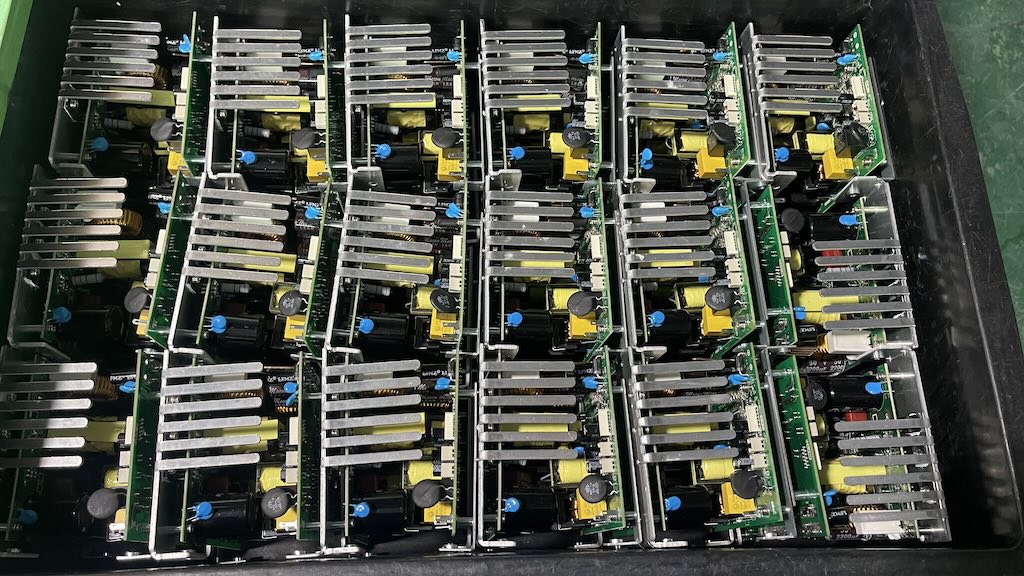 Raw Material
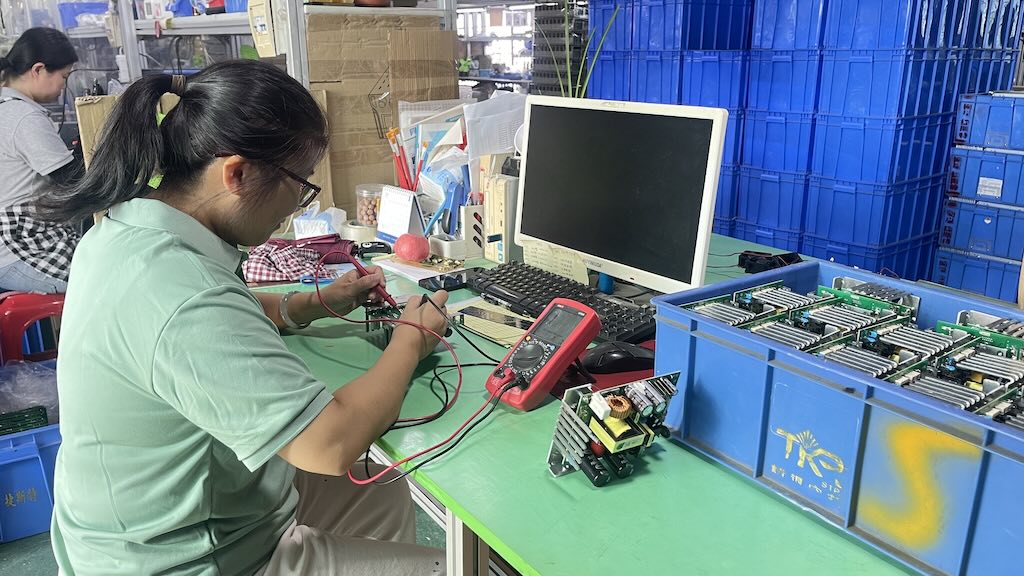 PCB Checking
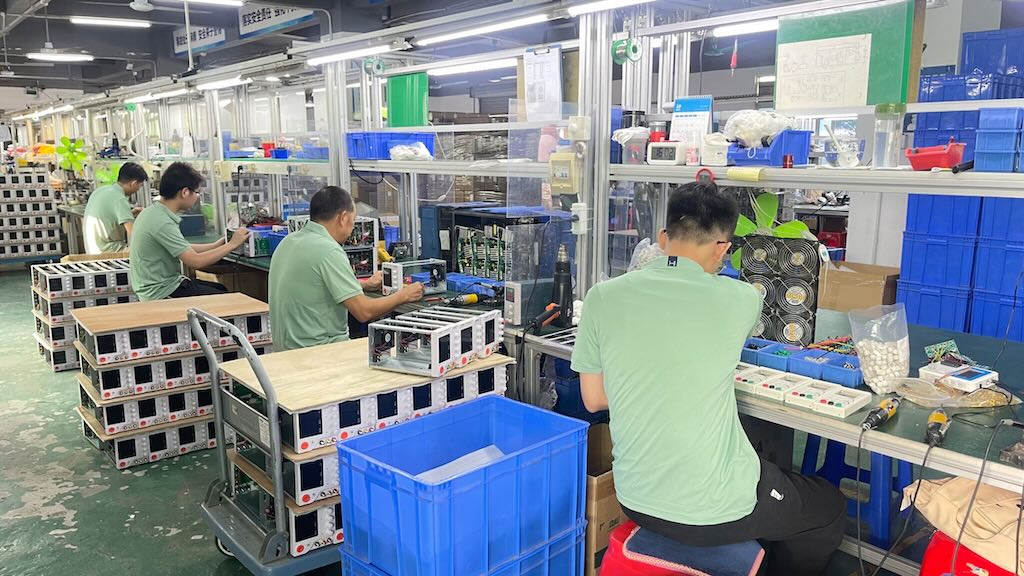 Assembling
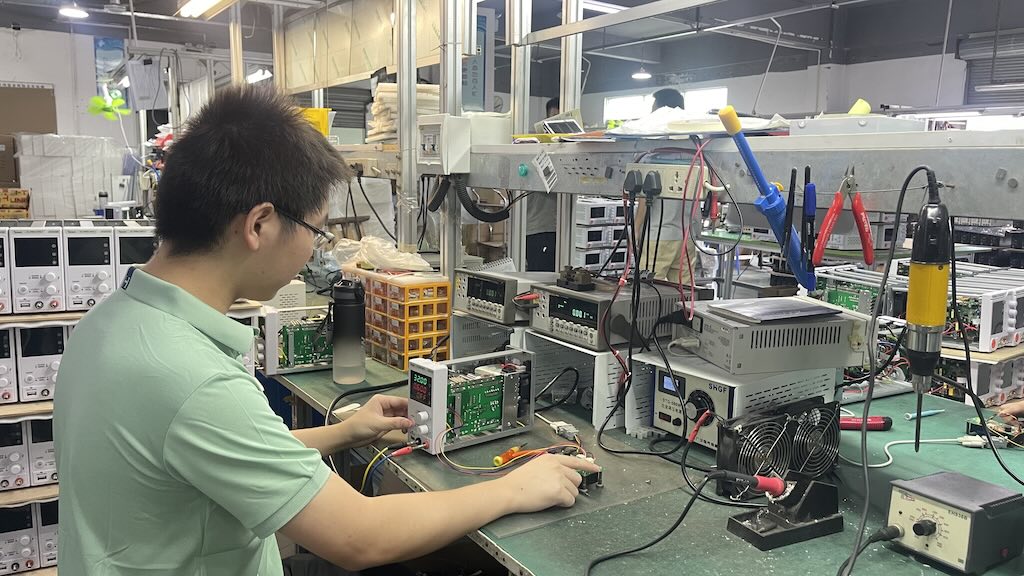 Debug
Debug
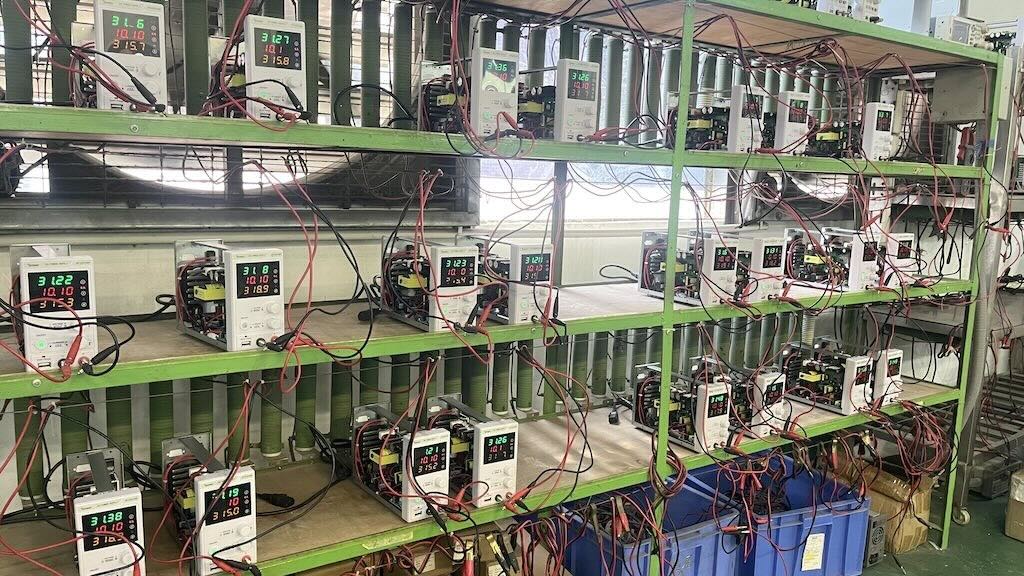 Aging
Aging
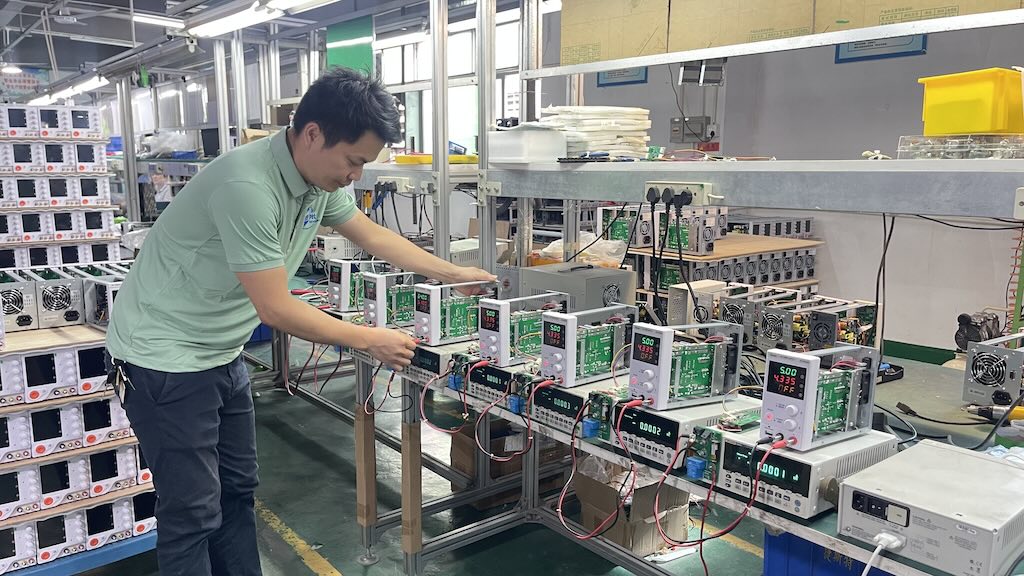 Calibration
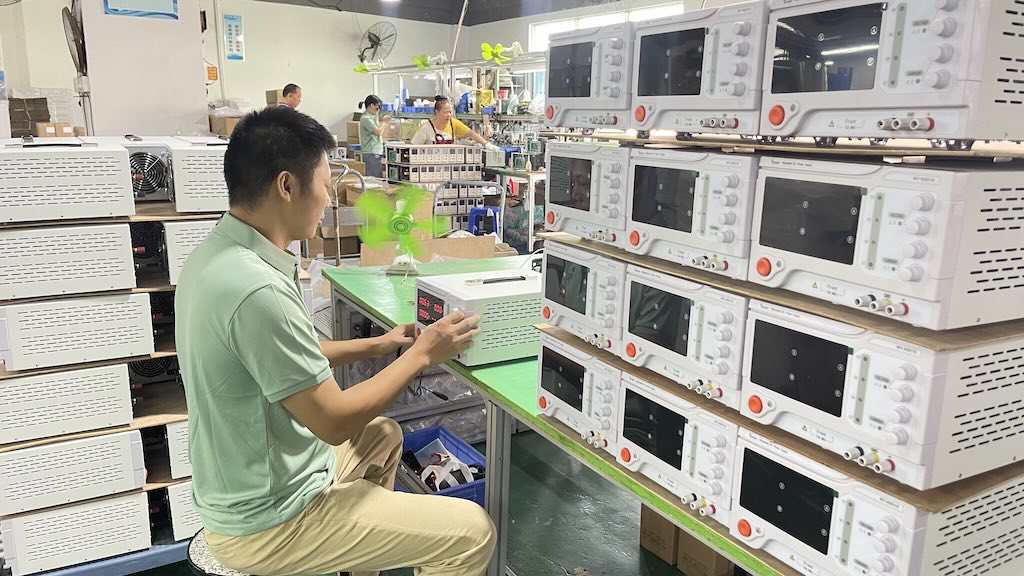 QC checking
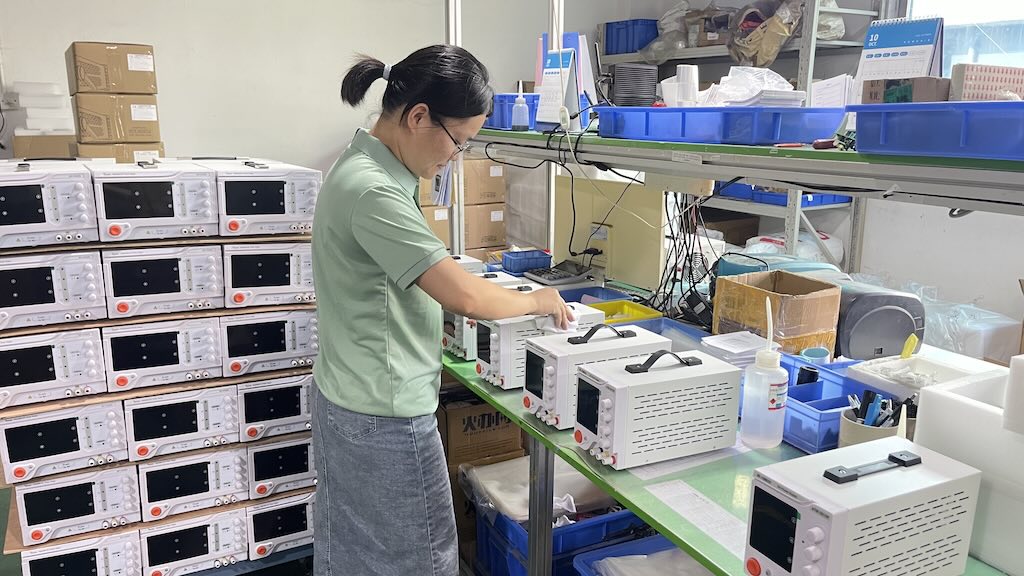 Packing
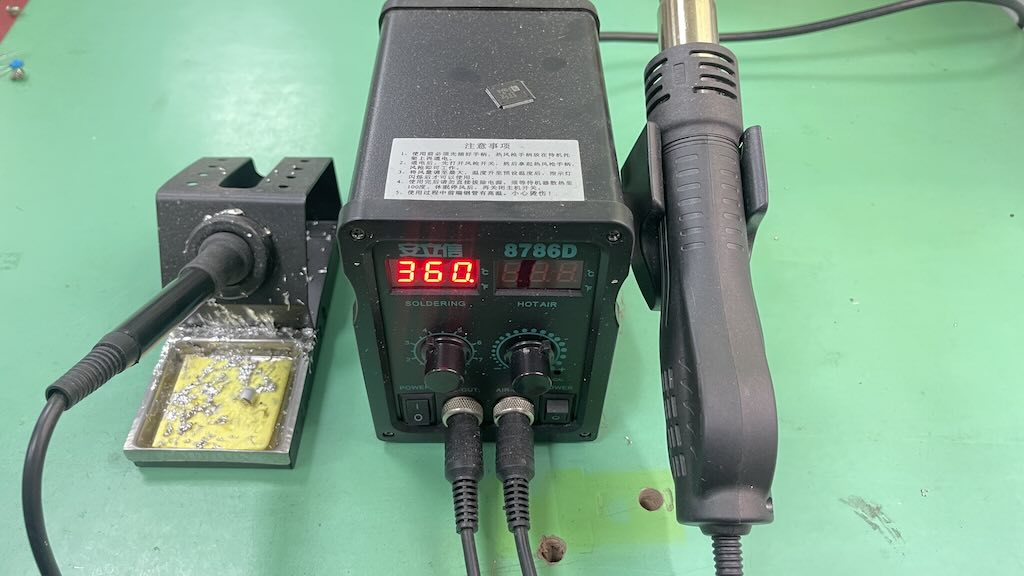 Soldering Station
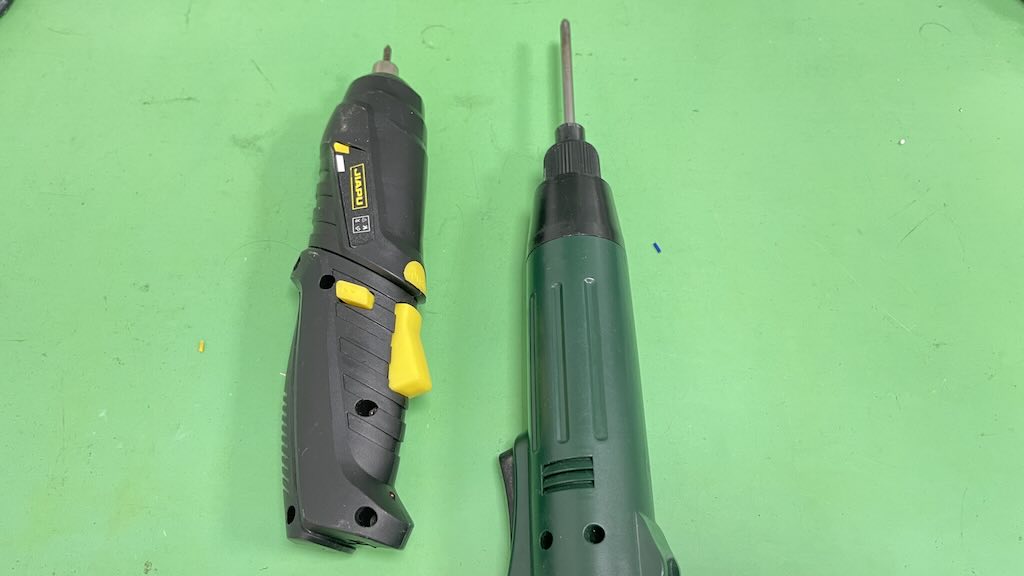 Electronic Screwdriver
Our manufacturing line integrates secondary validation checkpoints utilizing state-of-the-art diagnostic instruments:
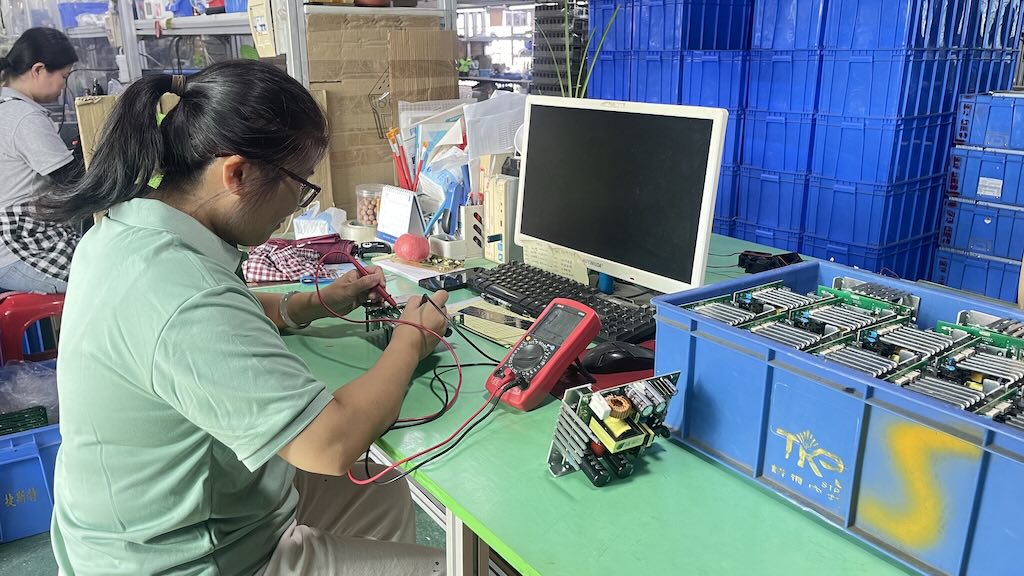 PCB Check
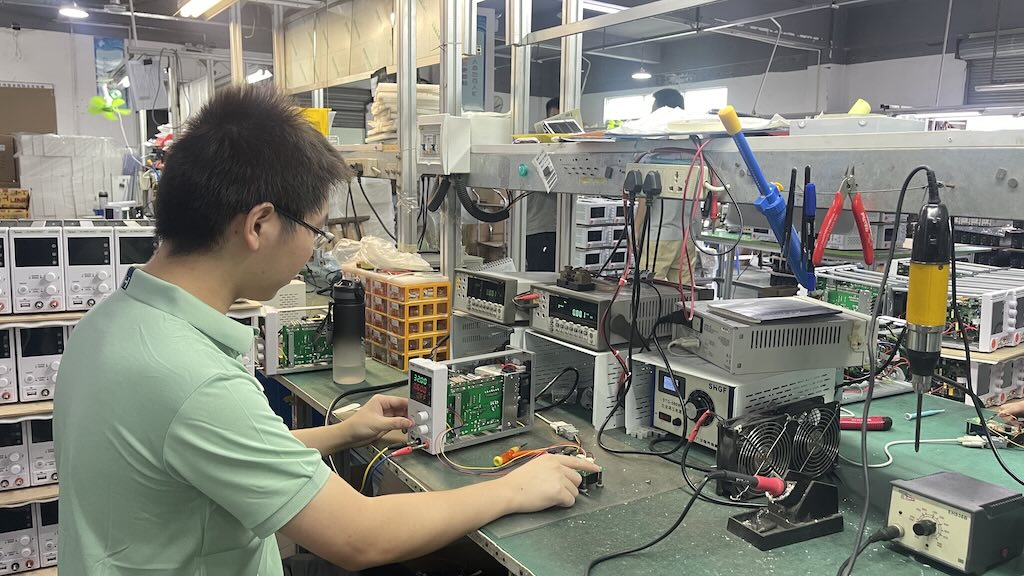 Debug
Debug
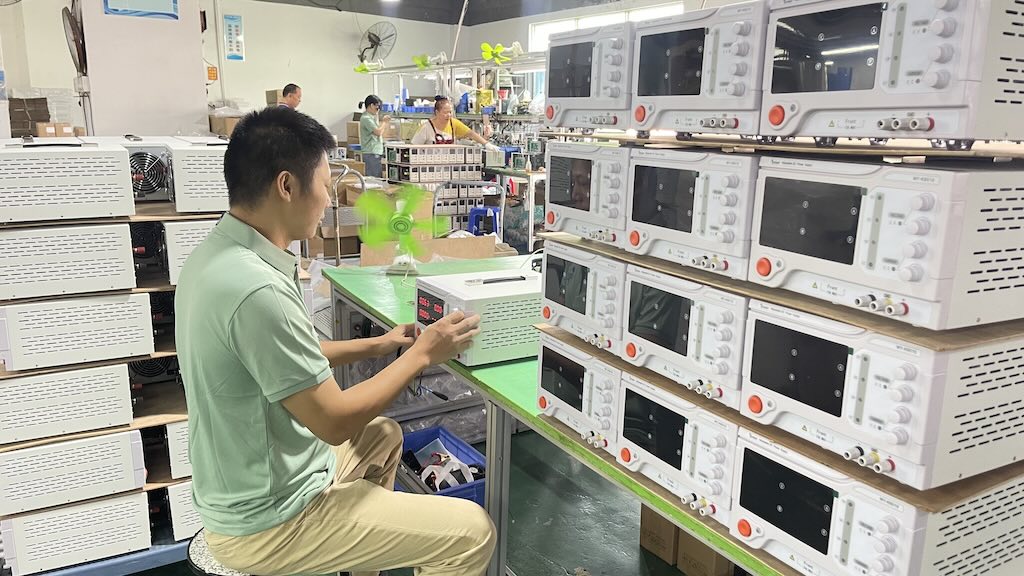 QC check
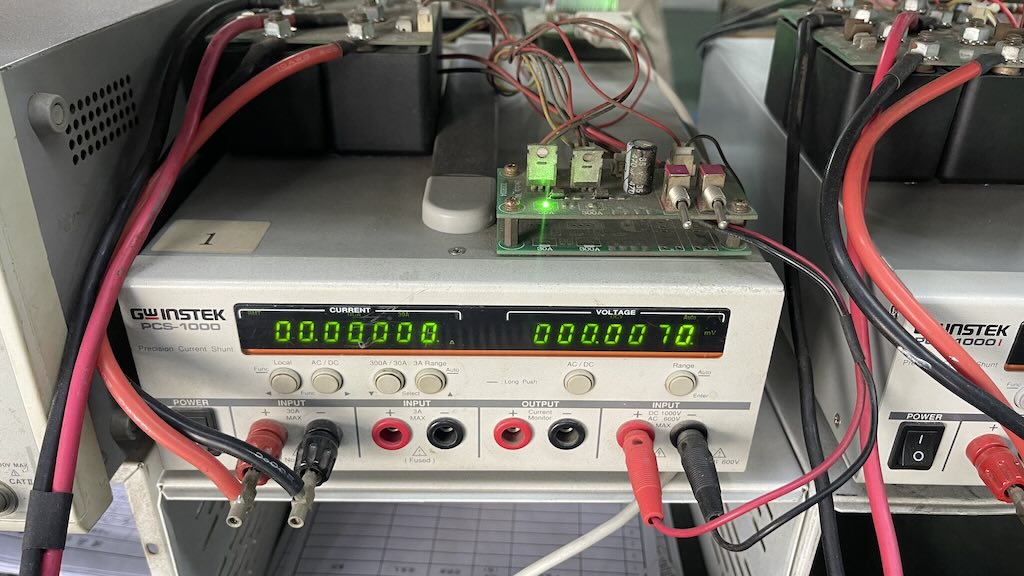 Multimeter
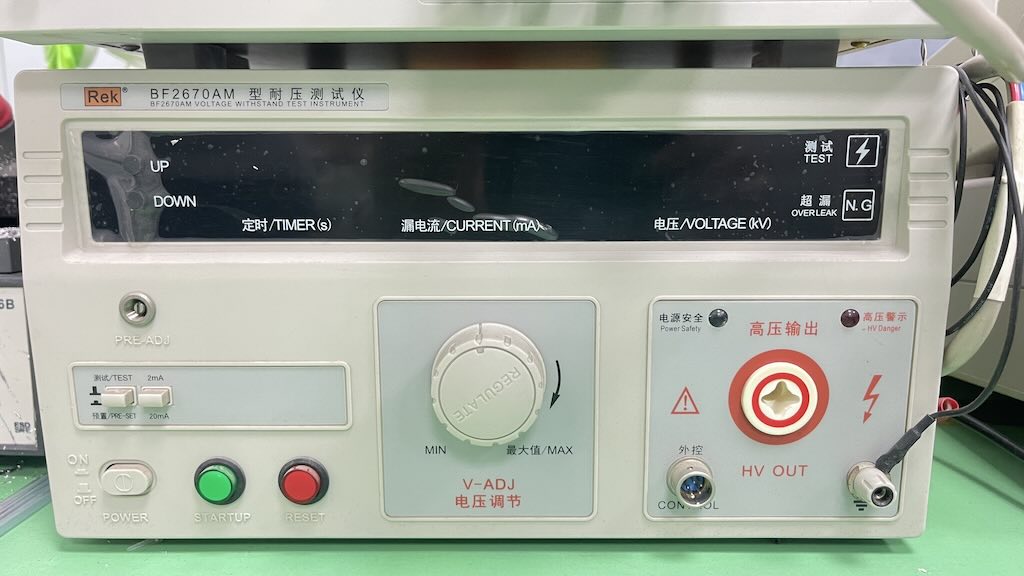 Hi-pot Tester
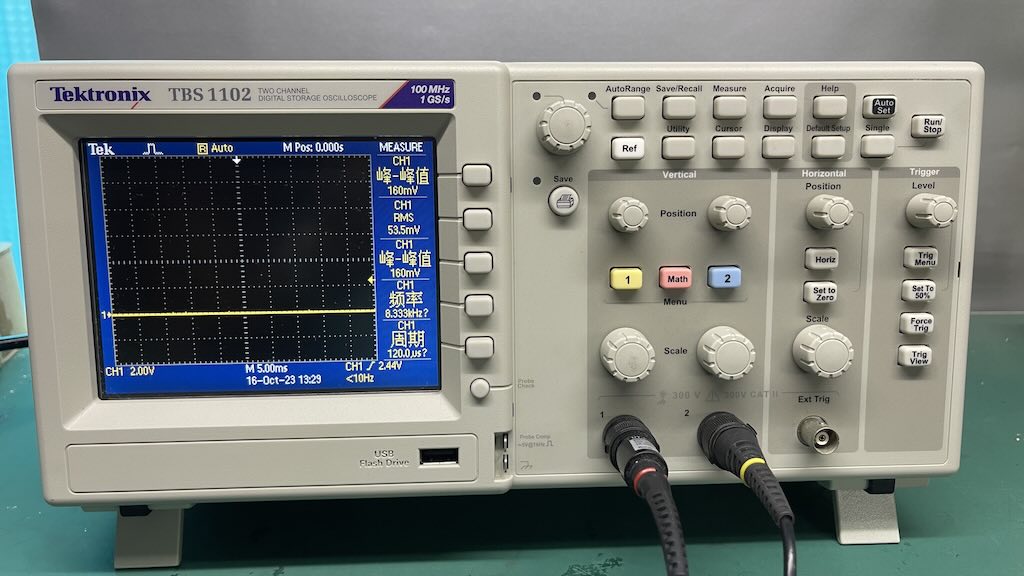 Oscilloscope
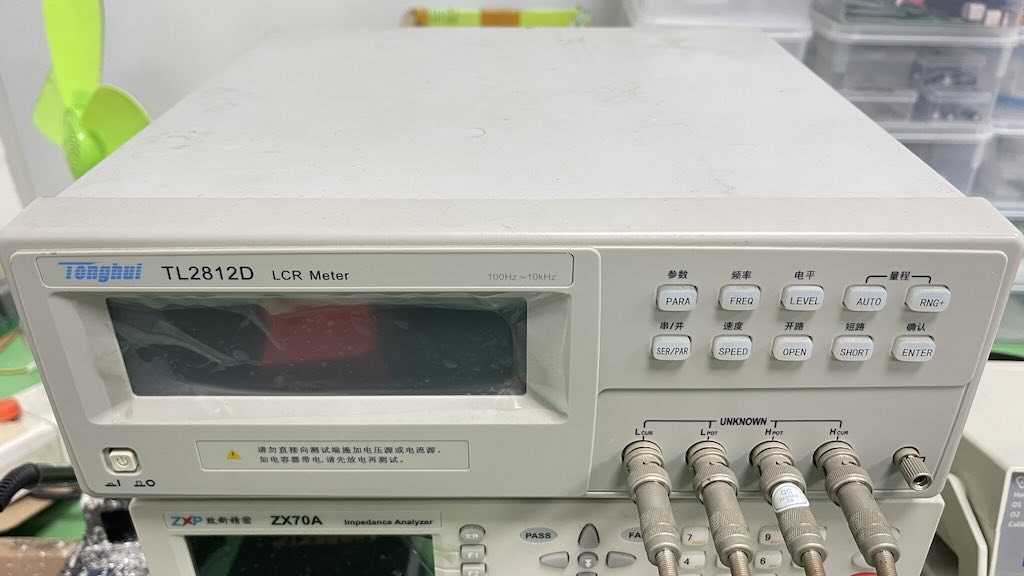 LCR Meter
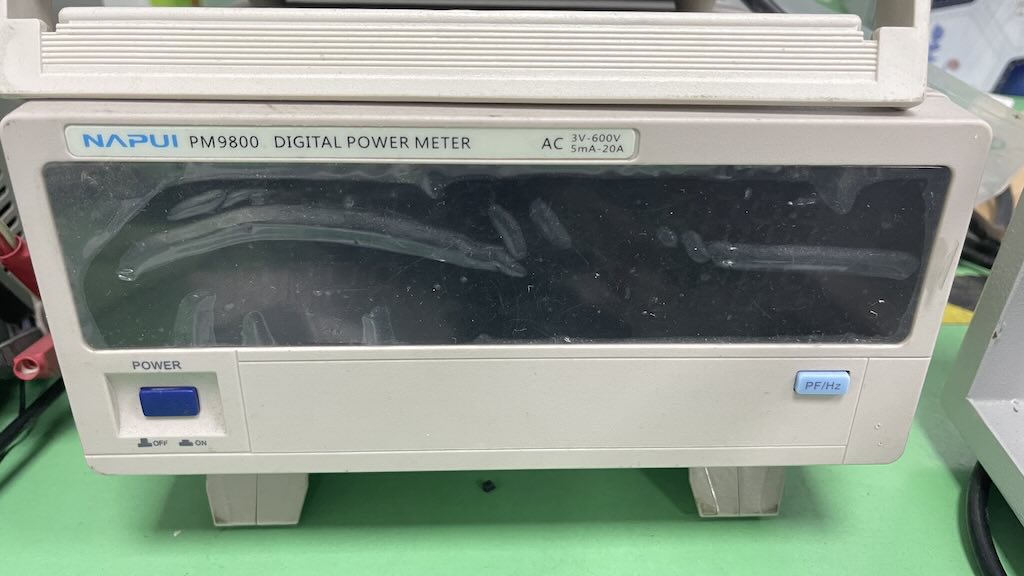 Digital power meter
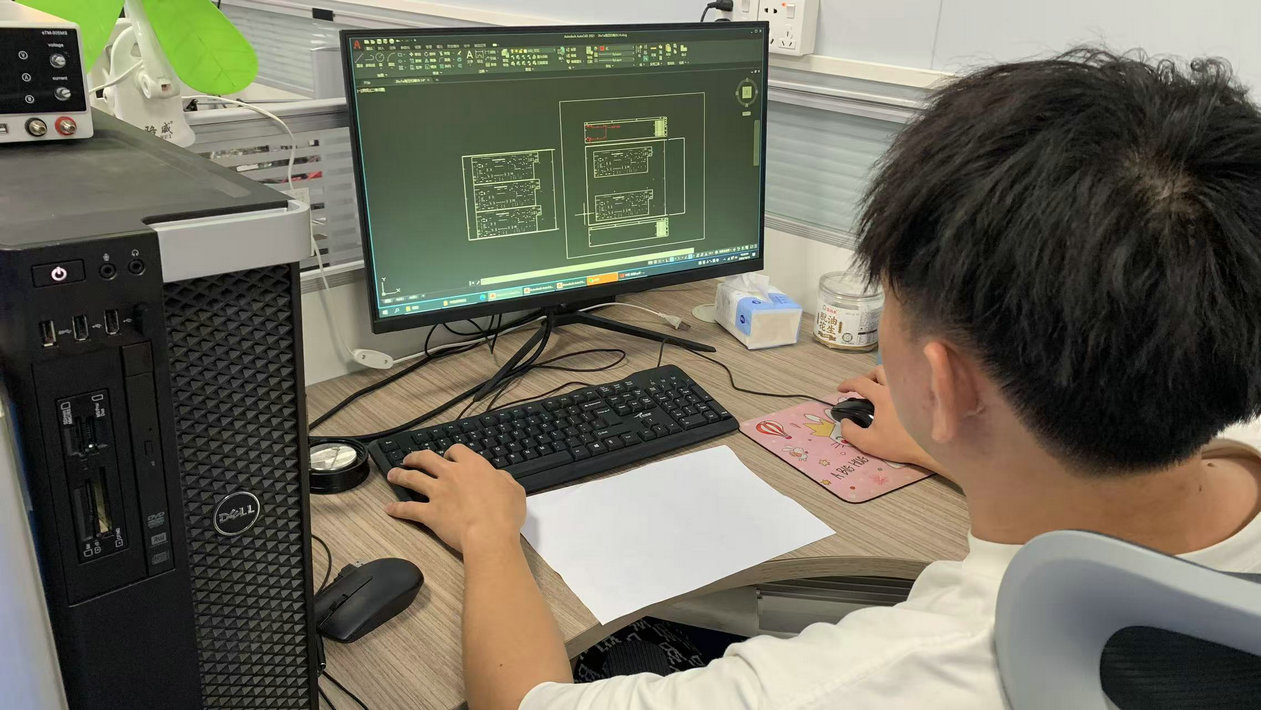 Design
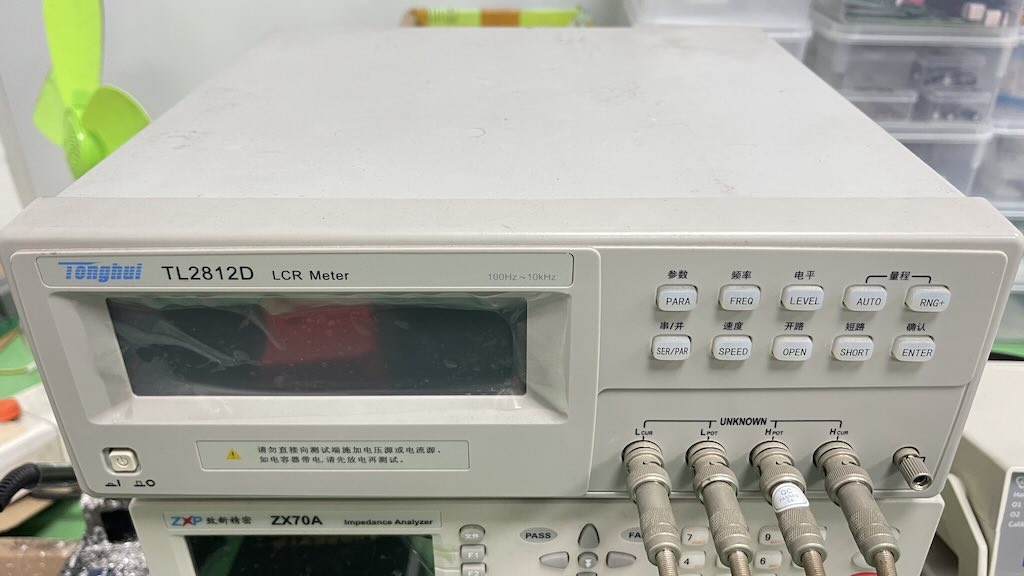 LCR Meter
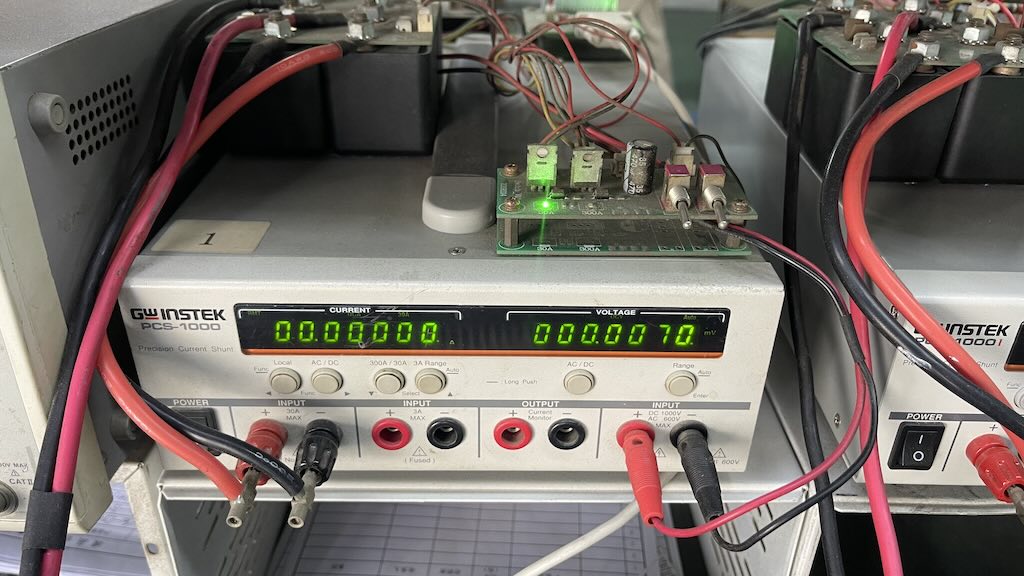 Multimeter
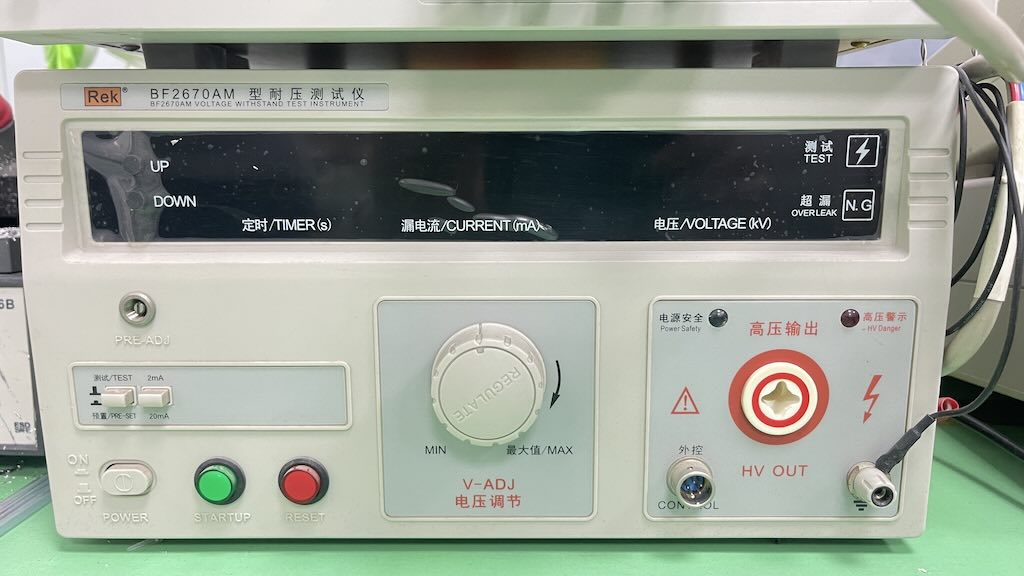 Hi-pot Tester
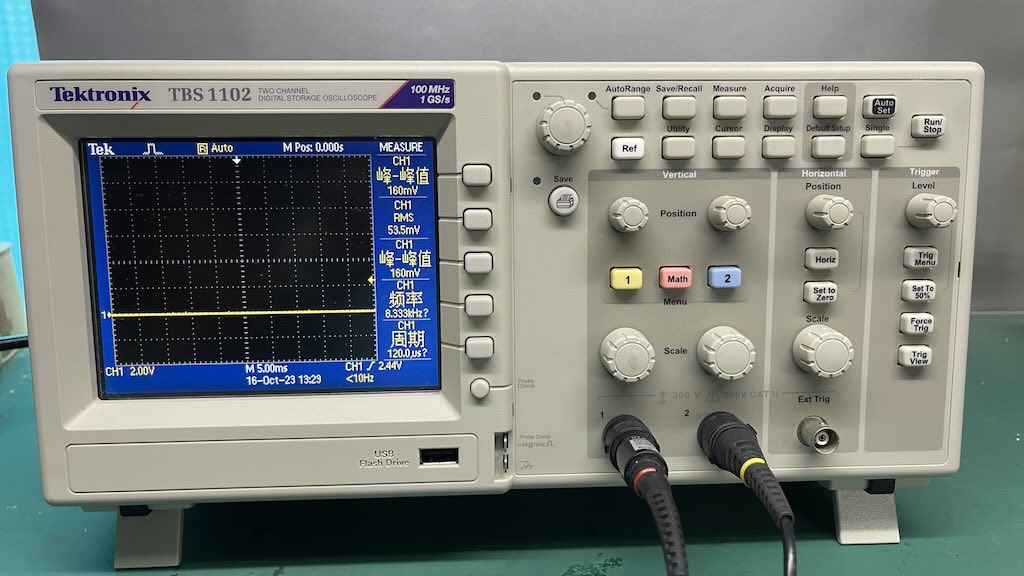 Oscilloscope
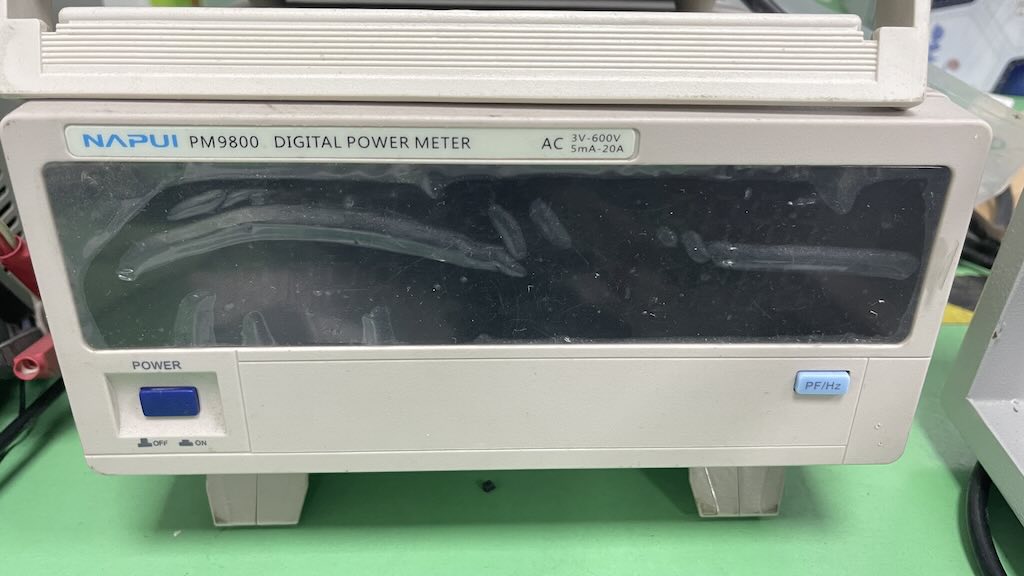 Digital power meter
Enterprise procurers must navigate strict compliance codes depending on the geographical location of their facilities. Sourcing waveform generators or programmable power infrastructure requires verified compliance labels.
European Market (CE & RoHS): Electromechanical test instruments must carry verified CE markings. RoHS compliance certifies the absence of toxic elements (like lead and cadmium) in the electronic assemblies, a prerequisite for EU distribution.
North America (FCC & UL): R&D instruments emit high-frequency signals. Verification under FCC Title 47 Part 15 ensures the devices do not cause electromagnetic interference. UL/CSA compliance guarantees the physical power supplies meet severe spark and electrical shock limits under load.
Technical answers to crucial questions asked by sourcing managers and electrical R&D engineers.
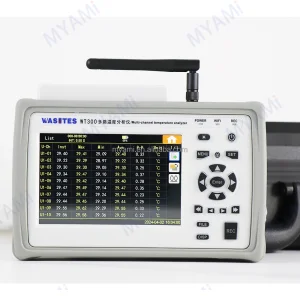
Complementary testing systems including high-power programmable AC sources, high-resolution loggers, and digital oscilloscopes.
 Myami Power