Engineered for extreme reliability, our primary product lineup delivers optimized regulation, minimal ripple noise, and seamless system integration.
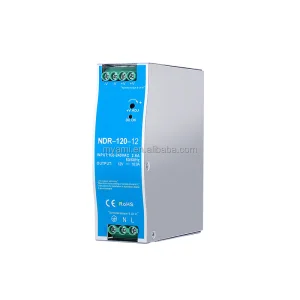
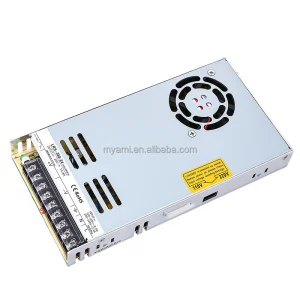
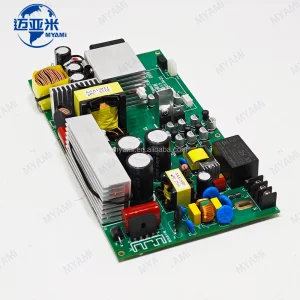
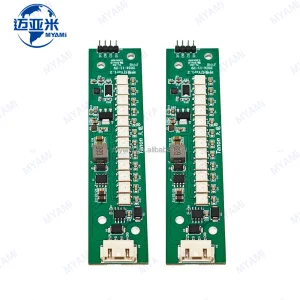
As the energy capital of the world, the greater Houston area—including the massive Port of Houston, the Texas Medical Center (TMC), and the booming automation corridors of Sugar Land and Pasadena—requires power infrastructure that cannot fail. From offshore drilling instrumentation to automated downstream petrochemical refining lines, the demand for high-reliability switching power supplies (SMPS) is growing exponentially.
Modern industrial control cabinets across Texas are rapidly transitioning to high-efficiency DIN-Rail and modular chassis units. With standard operating environments in the Gulf Coast region experiencing high humidity, soaring summer temperatures, and potential chemical vapor exposure, generic commercial-grade power supplies quickly succumb to premature component failure. Local system integrators and engineers require ruggedized, conformal-coated, and thermally optimized systems that satisfy strict UL 508, UL 62368-1, and Class I Division 2 safety standards.
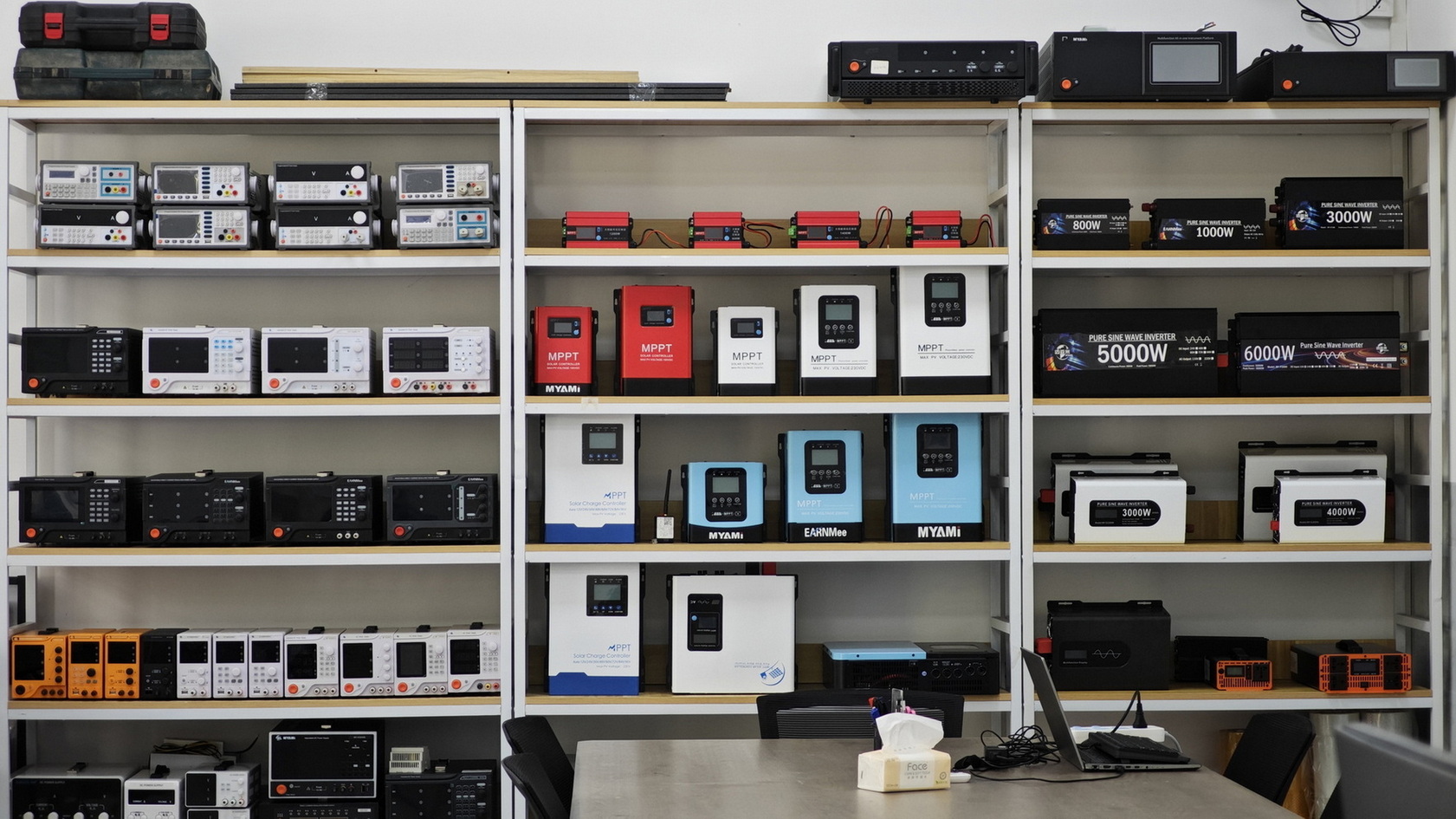
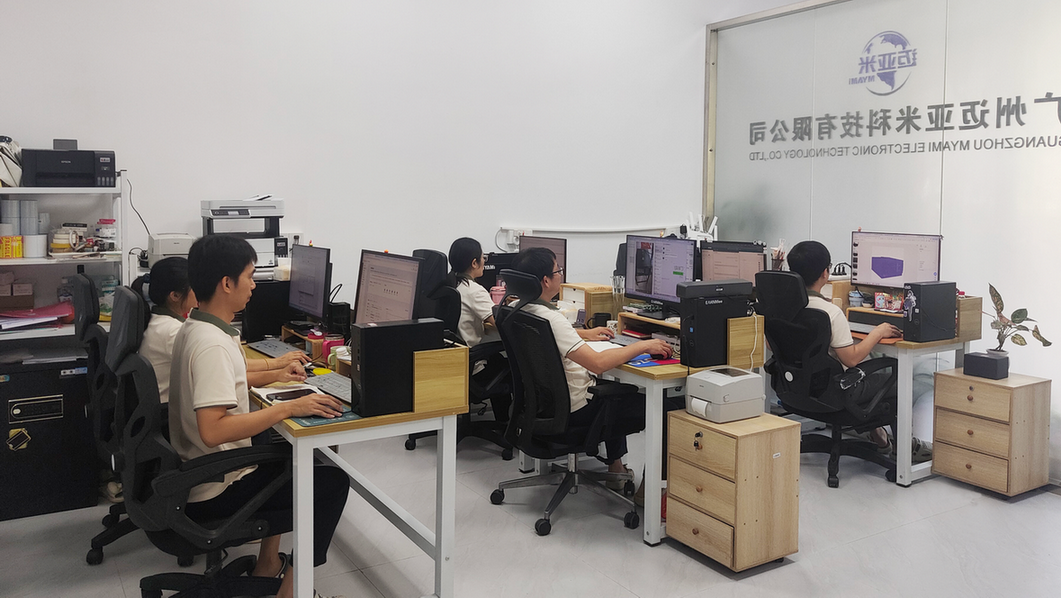
Headquartered in the global electronics capital of Shenzhen, China, MYAMI is a technology-driven manufacturer and solution provider specializing in high-precision, industrial-grade power supplies and electrical test equipment. Designed for engineering rigor, MYAMI bridges the gap between complex electronic research, high-voltage component testing, and scalable industrial automation.
Every MYAMI system is engineered with strict multi-layer protection protocols (OVP, OCP, OTP, and short-circuit safeguards) and complies with international safety and quality standards, including CE, RoHS, and ISO9001. Integrated with standard industrial control protocols (RS485, RS232, and CAN communication), our equipment seamlessly connects to automated production lines and central PC control systems.
From raw material selection to automated aging tests, our factory utilizes state-of-the-art testing environments to ensure long-term stability and high MTBF values.
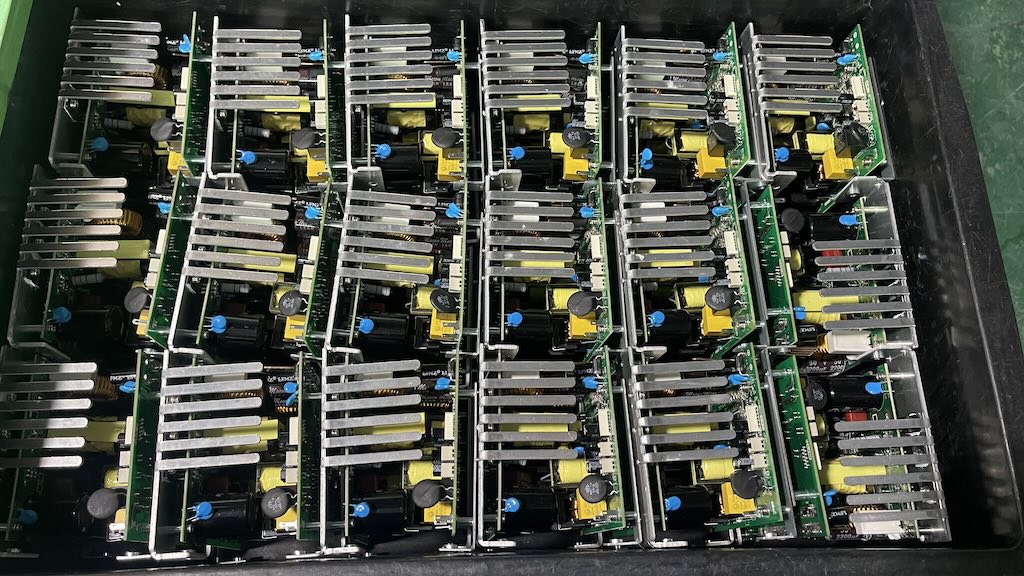 Raw Material
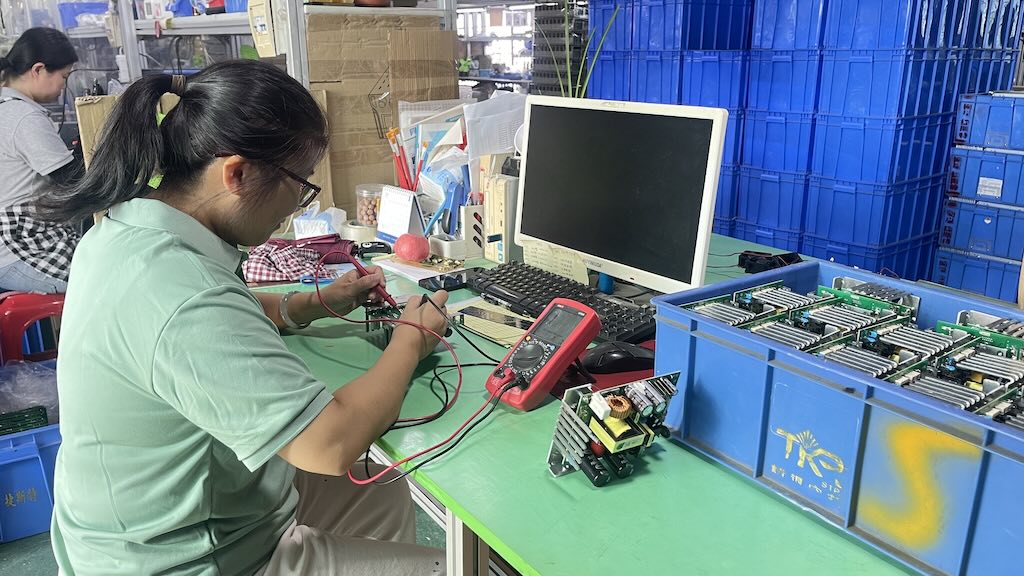 PCB Checking
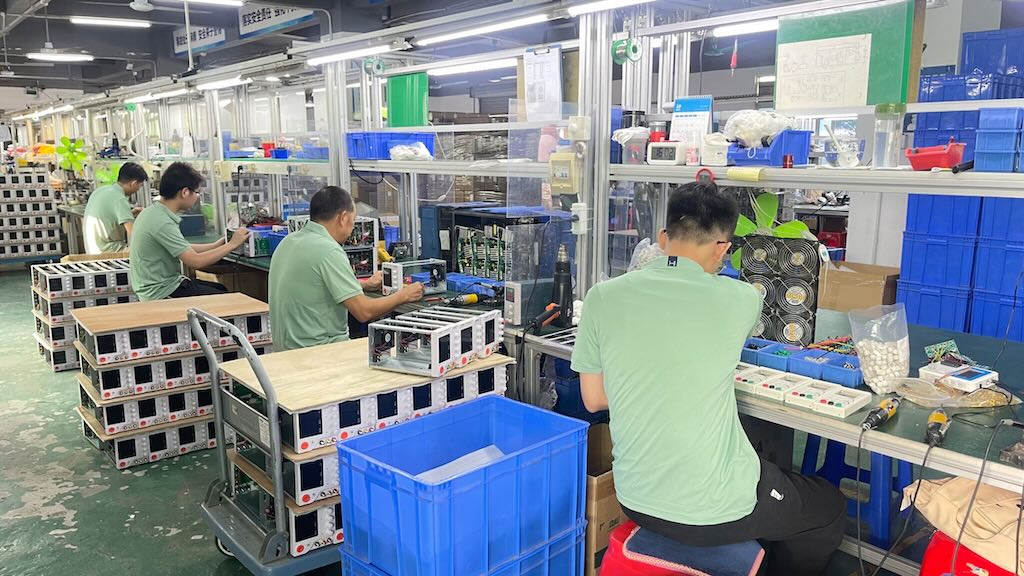 Assembling
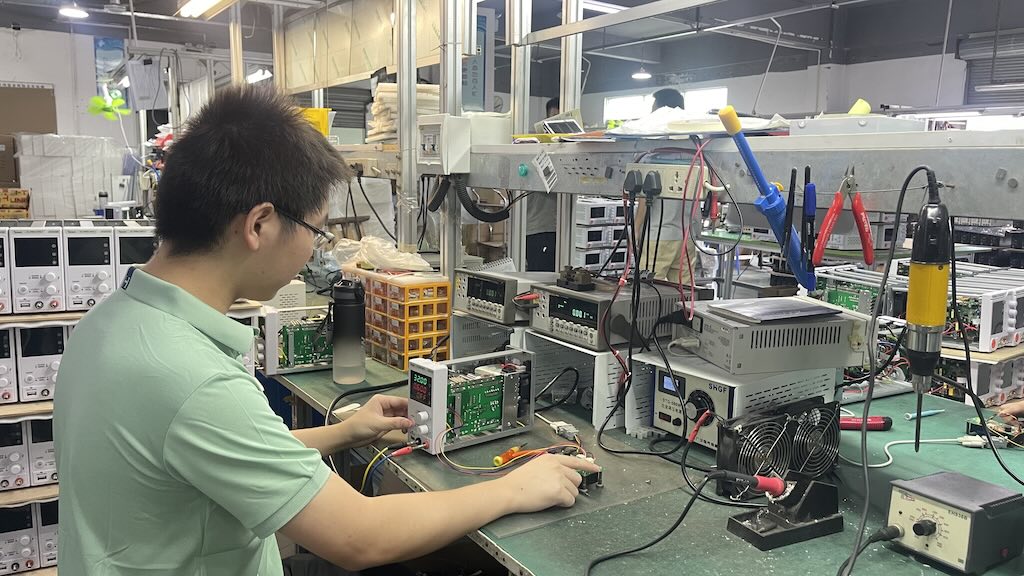 Debug
Debug
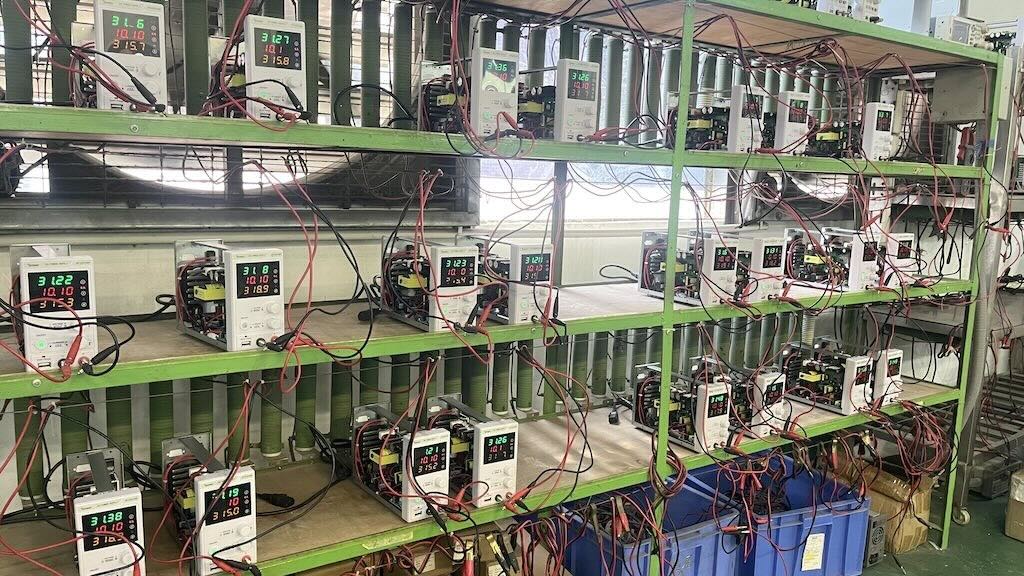 Aging Test
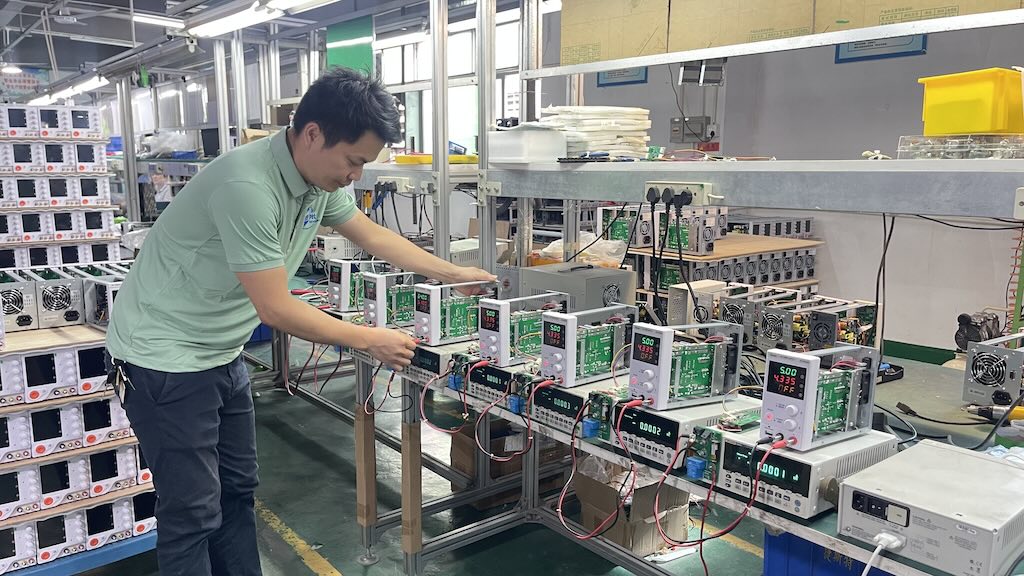 Calibration
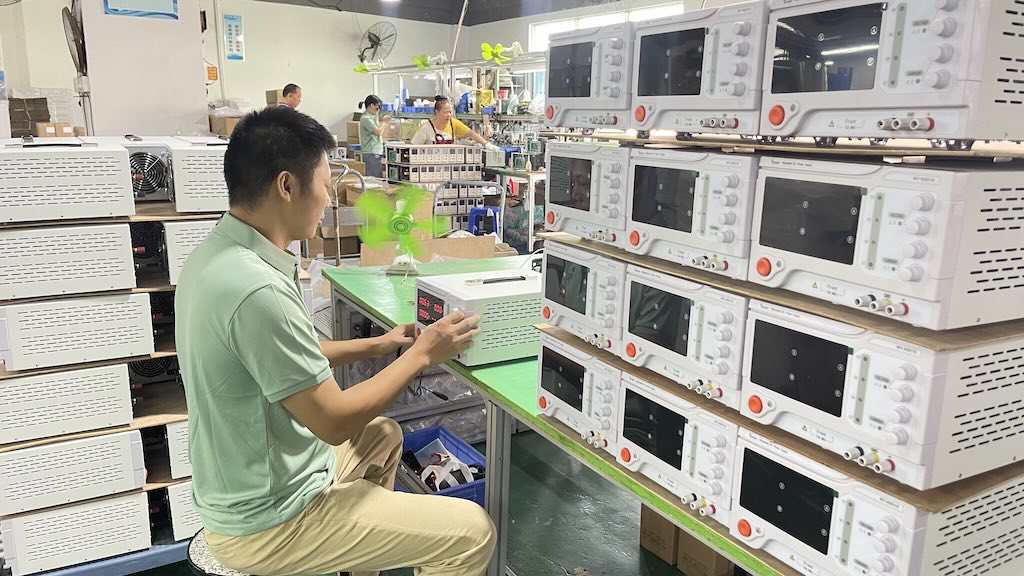 QC Checking
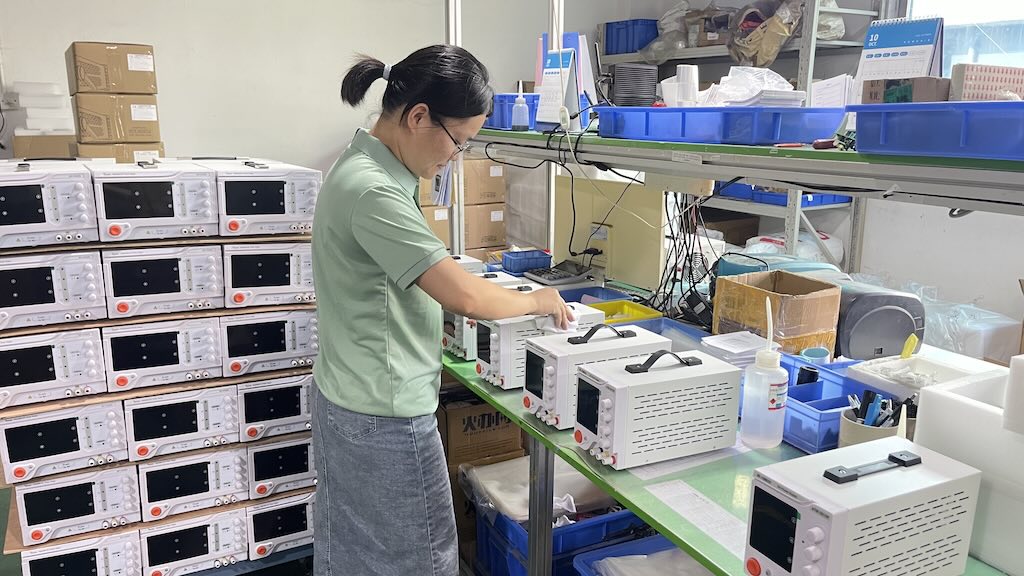 Packing
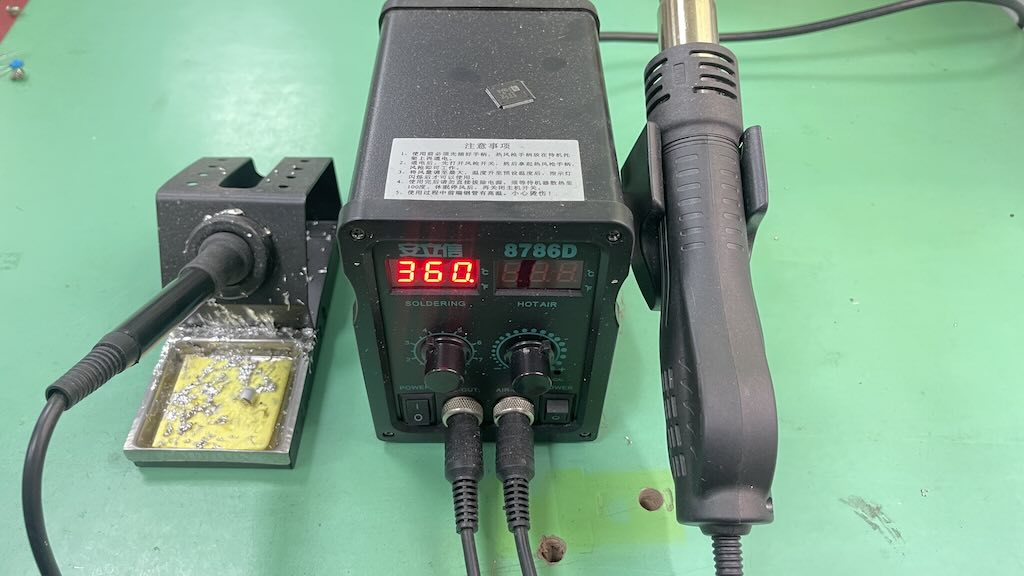 Soldering Station
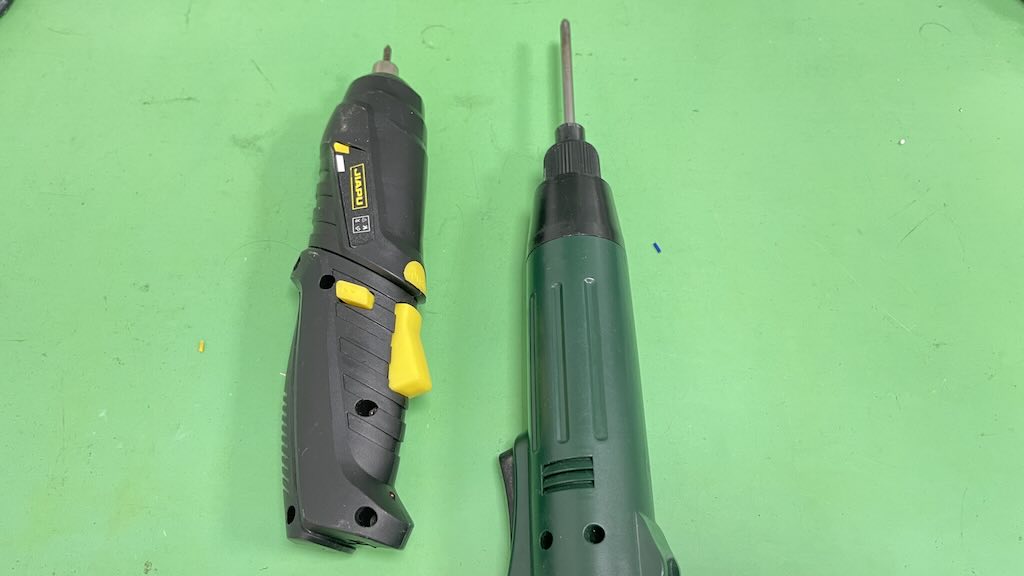 Precision Assembly
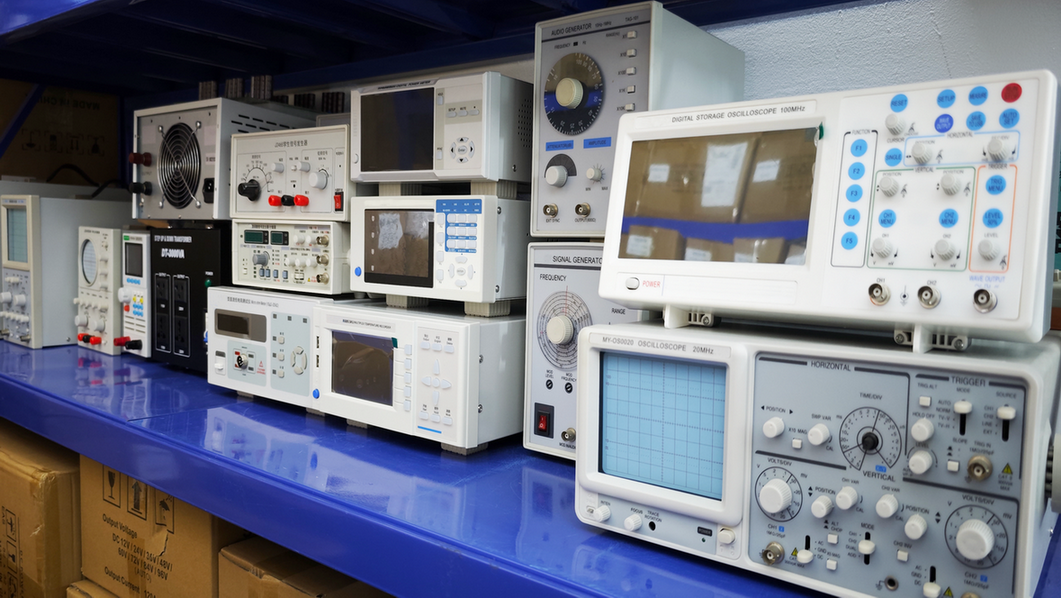
Quality assurance is not a secondary phase; it is embedded in the design cycle. Our Shenzhen-based production facilities utilize an array of high-precision benchtop instruments to stress-test every power circuit board and system chassis.
By simulating severe operating parameters—such as over-voltage surges, transient load steps, and localized hot-spot thermal testing—we assure our Houston partners that their systems will run continuously under full load. Whether testing isolation resistance up to several kilovolts or verifying the electromagnetic signature of an LED driver board, our technical labs are equipped with calibrated digital power meters, LCR bridges, and digital storage oscilloscopes.
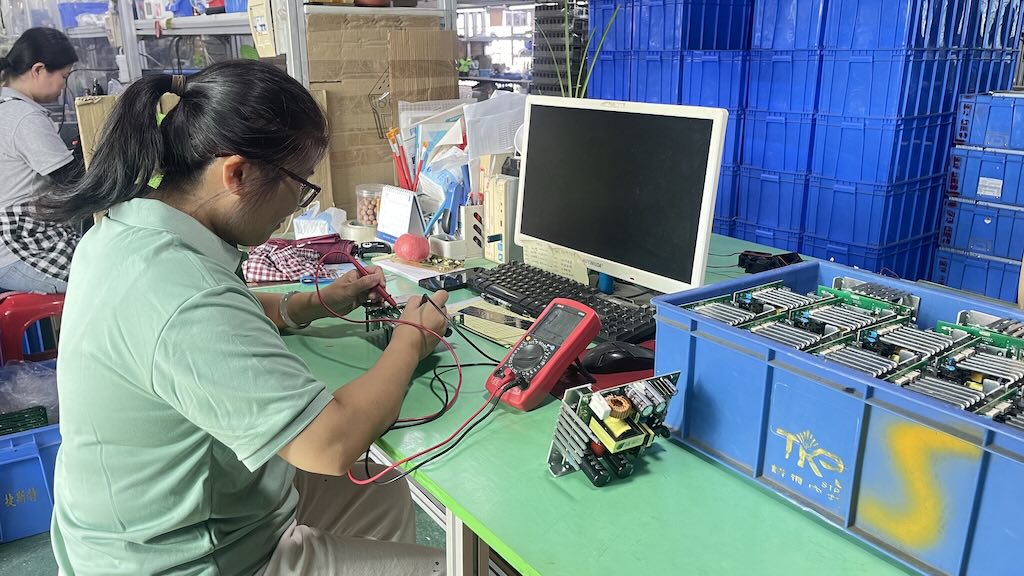 PCB Check
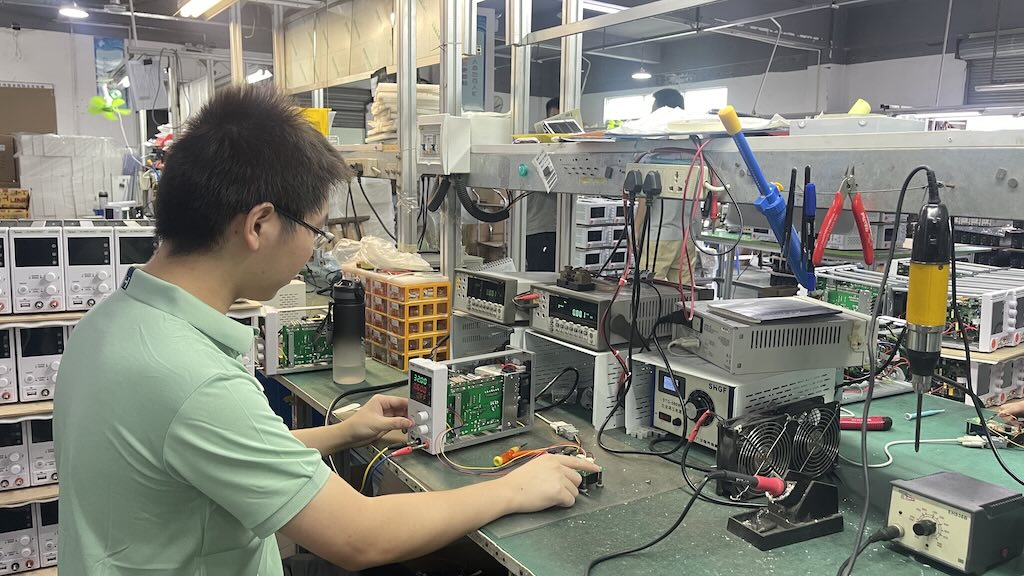 Debug System
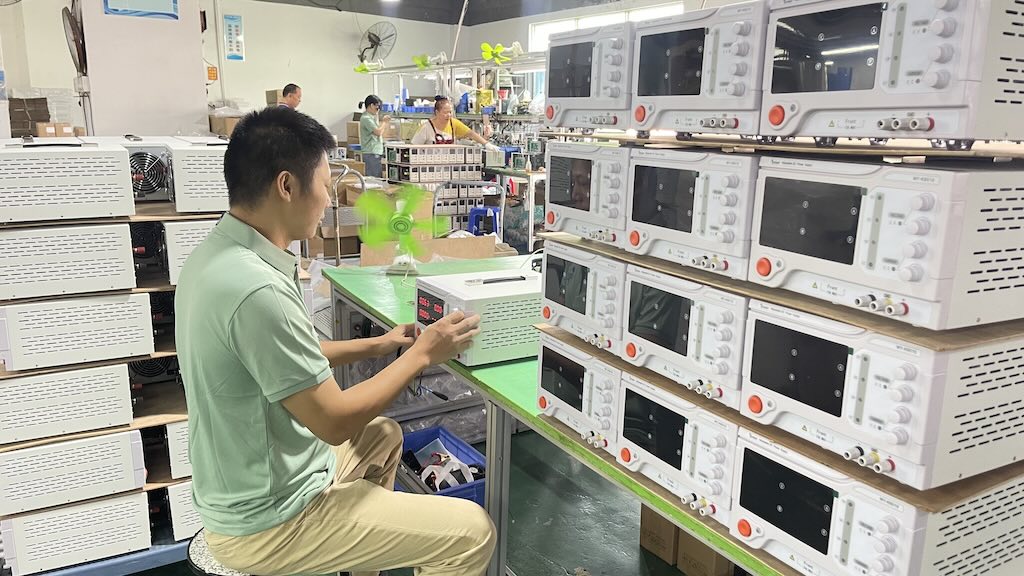 QC Check
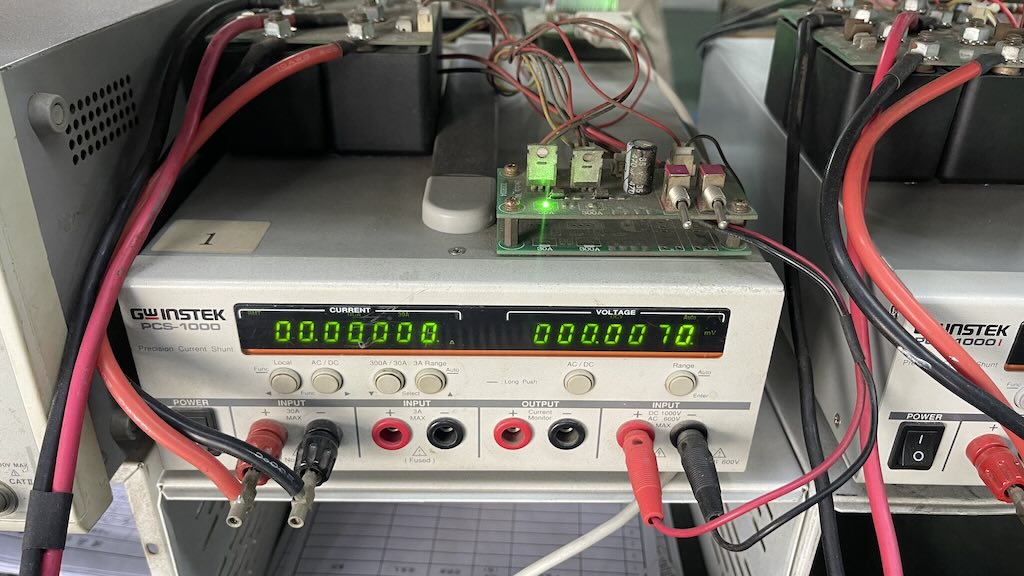 Multimeter
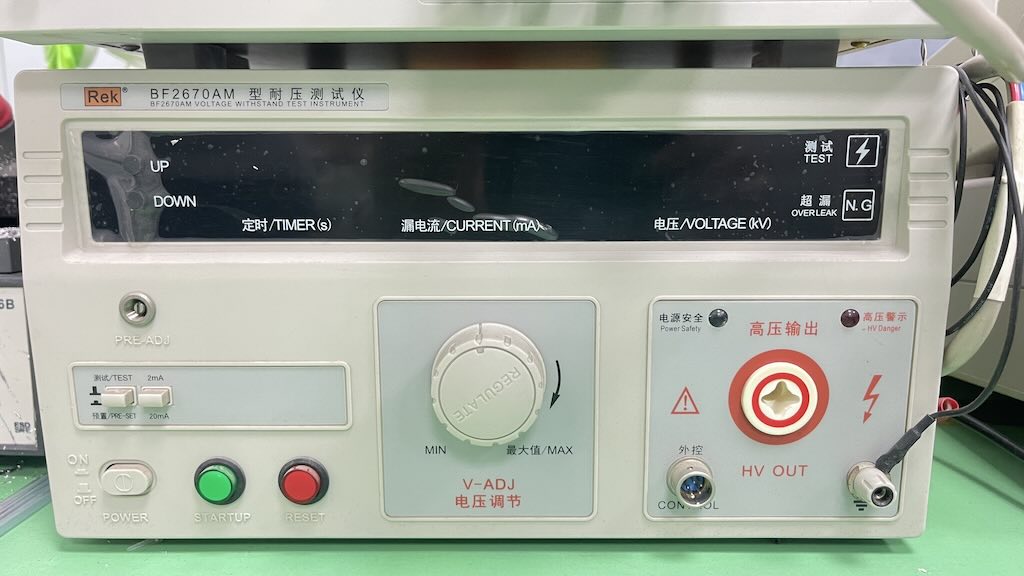 Hi-pot Tester
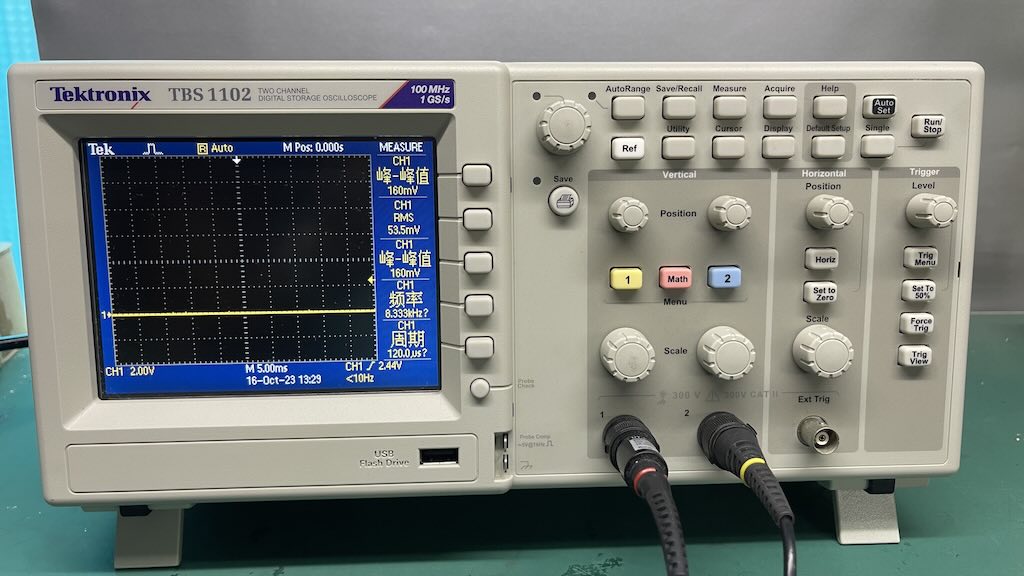 Oscilloscope
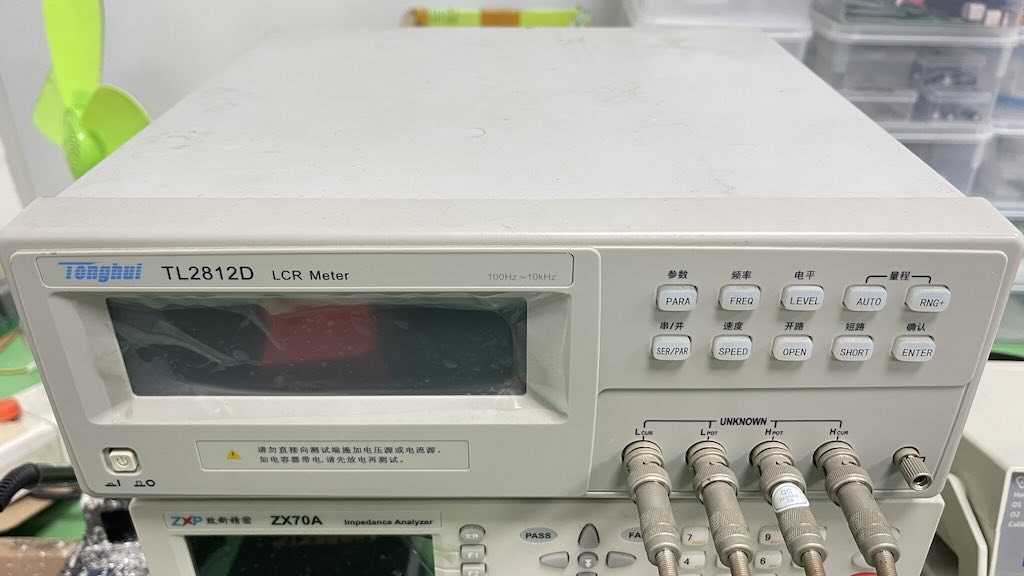 LCR Meter
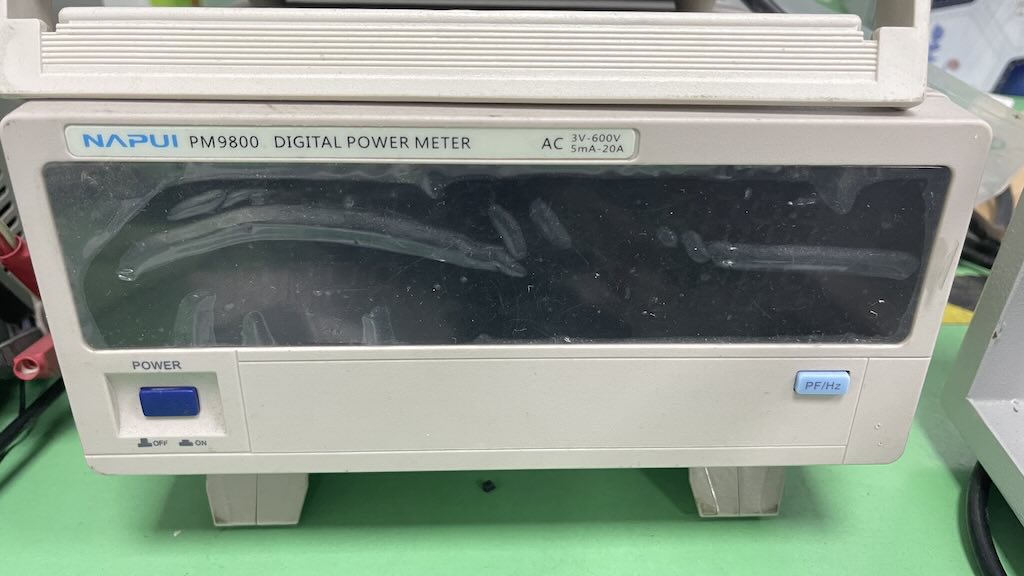 Digital Power Meter
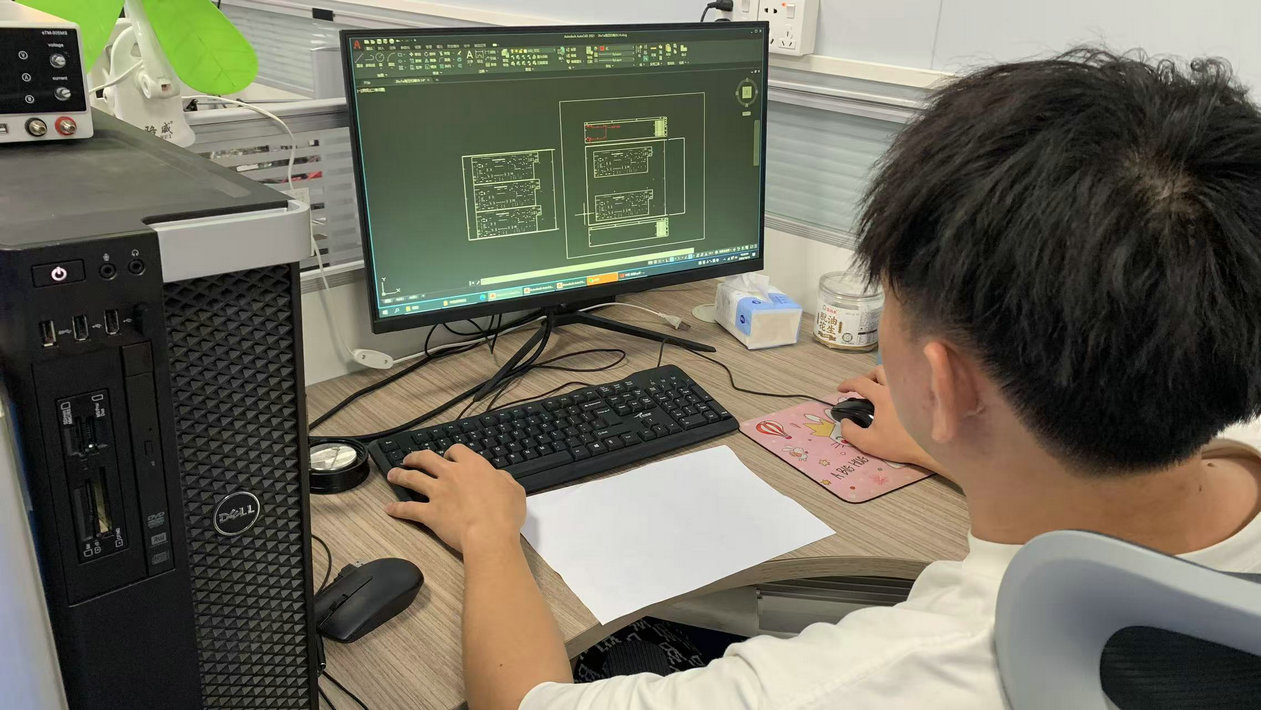 R&D Schematic Design
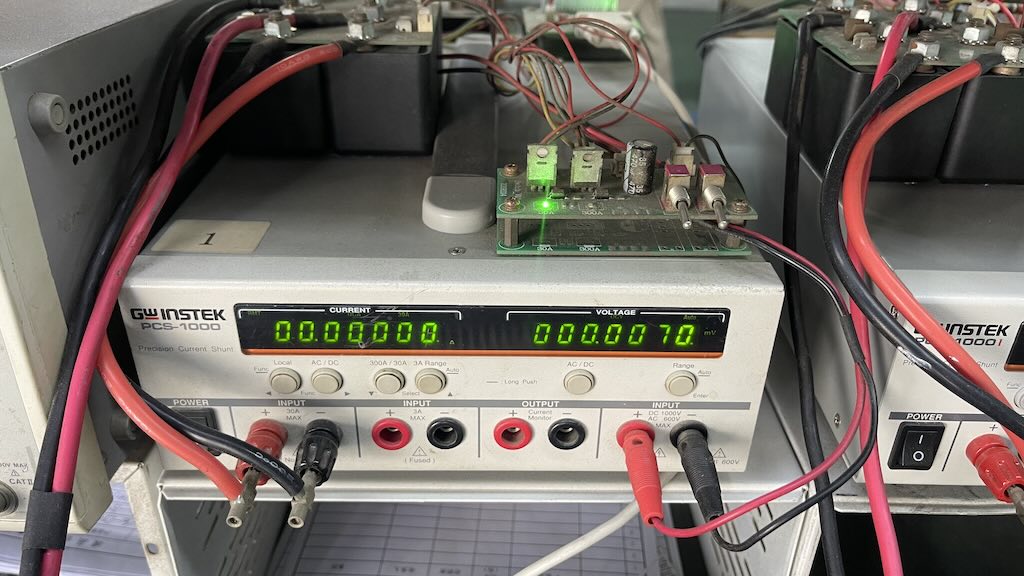 R&D Verification Multimeter
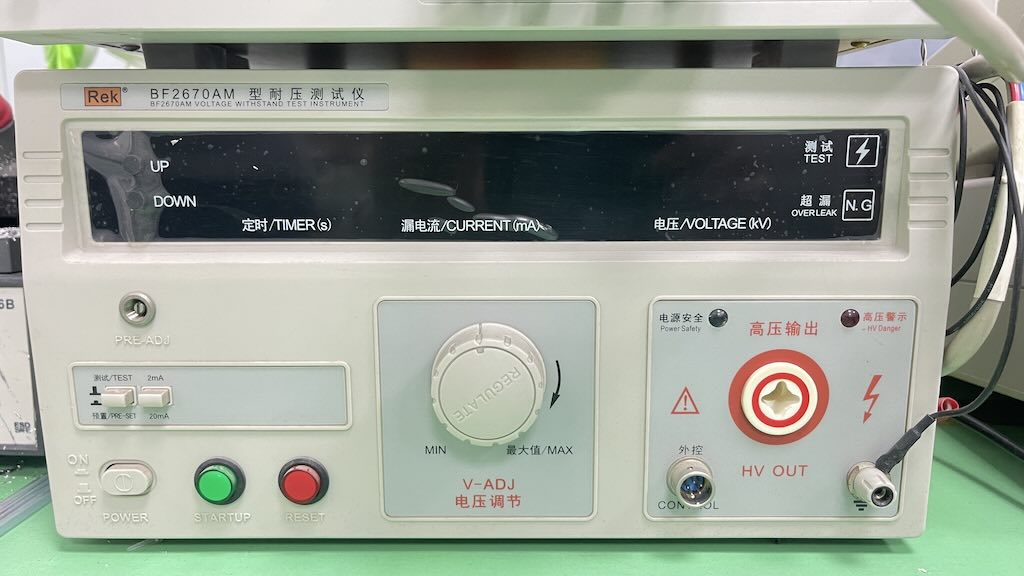 Hi-pot Safety Validation
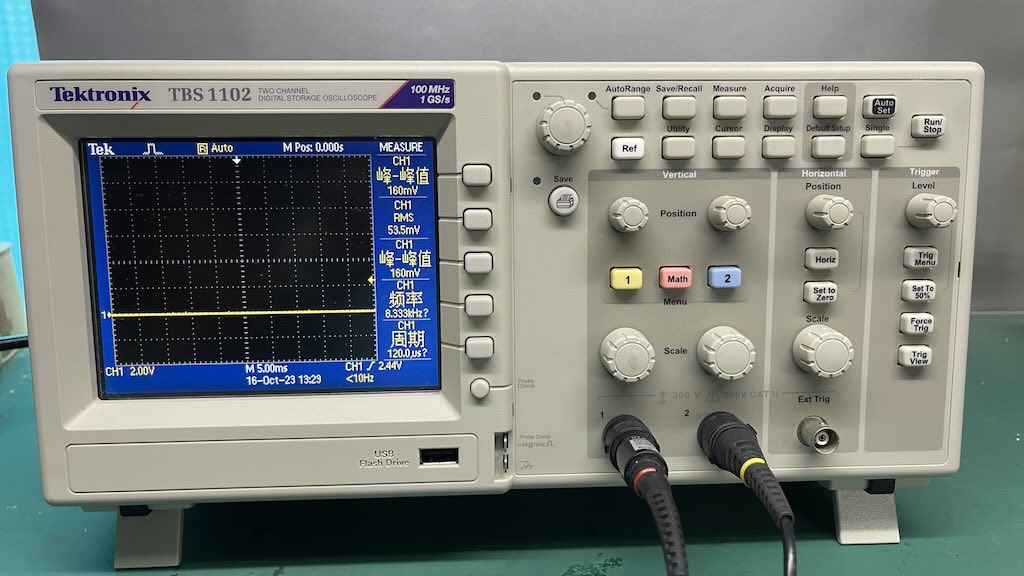 Switching Frequency Analysis
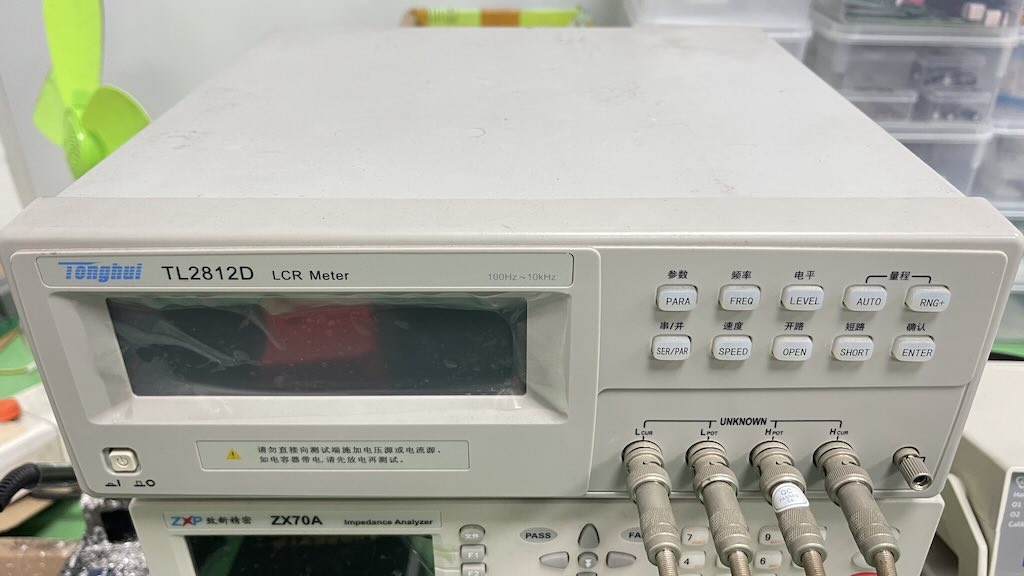 Inductor & Transformer Tuning
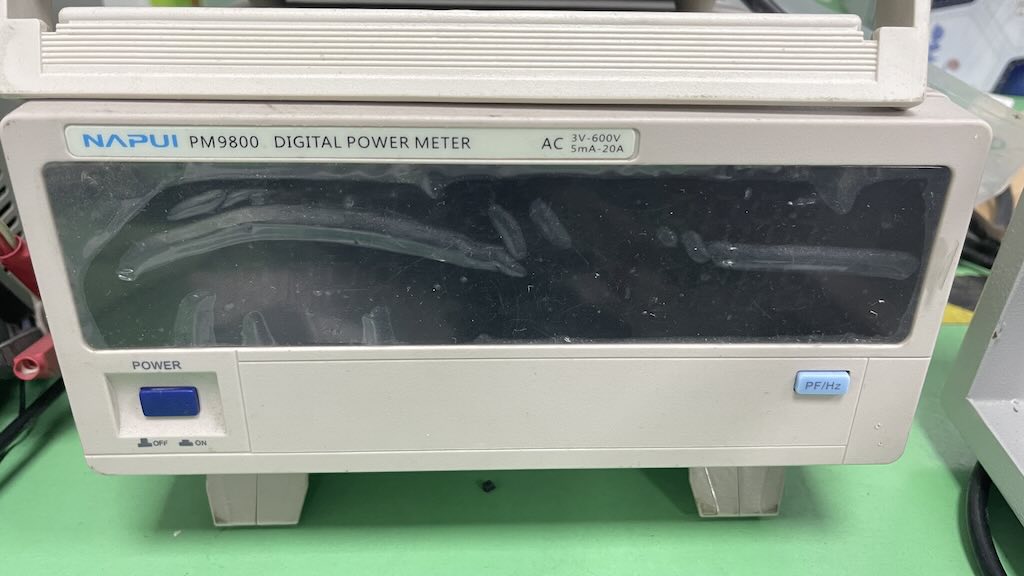 Efficiency Analysis
We leverage our highly integrated manufacturing footprint to support bespoke customer requirements. Our engineering team routinely collaborates with US-based firms to customize power topologies, modifying trace physical constraints, heat sink dimensions, connector styles, and communication microchips.
Whether you require a highly specific duty cycle for light animation, variable constant current curves for municipal LED illumination projects, or a unique open-frame transformer winding designed to withstand heavy vibration, our R&D cycle is built to respond quickly.
Explore our extensive range of high-efficiency switching power supplies, LED drivers, and DIN Rail modules designed to power modern industrial applications.
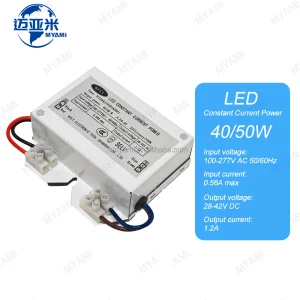
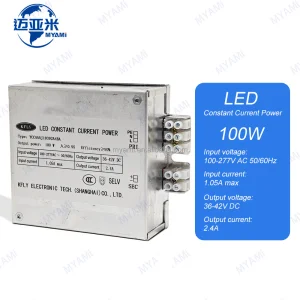
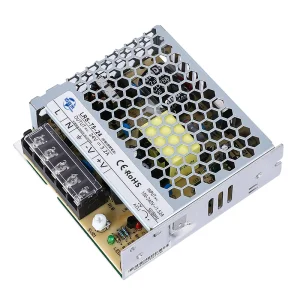
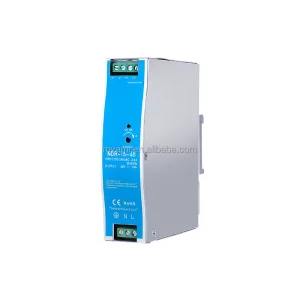
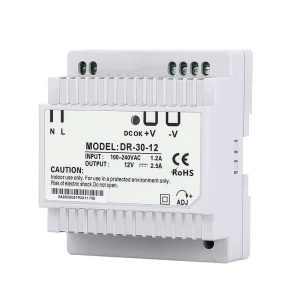
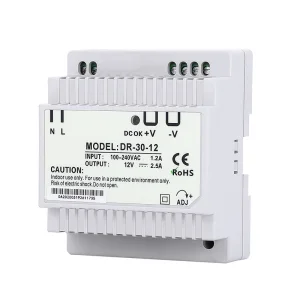
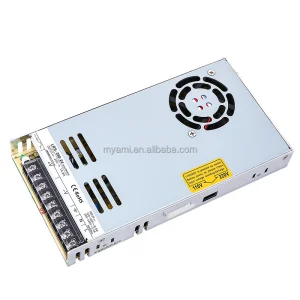
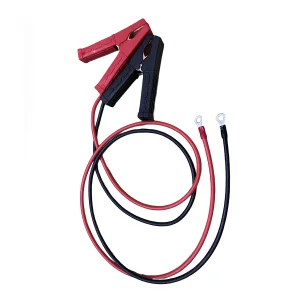
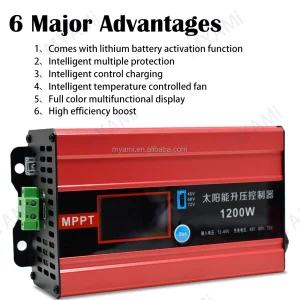
Complete your power cabinet configurations and lab setups with high-quality connecting hardware, solar control systems, and modular SMPS components.
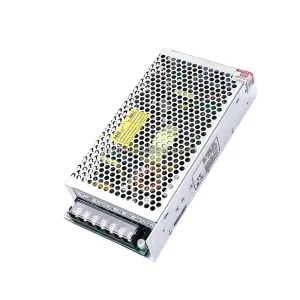
Crucial design insights and technical explanations for power integration engineers deploying equipment in North America and global markets.
 Myami Power