
In the modern industrial landscape, electricity serves as the foundational lifeblood of production lines, data infrastructure, and communication arrays. However, high-voltage dynamics present inherent operational risks. Electrical surges, lightning strikes, and harmonic feedback pose direct threats to safety, logic circuits, and structural integrity. At the heart of safety mitigation lies the grounding network—a system whose effectiveness is determined solely by the precision of its resistance measurements.
As a premier CE Certified Ground Resistance Tester Exporter, we recognize that ground system testing is not merely a box-checking exercise for regional code compliance; it is a critical process in modern power engineering. Ground resistance testers are designed to verify that the path to the earth offers a sufficiently low impedance to prevent hazardous voltages from building up on exposed metallic components. The ultimate goal is to facilitate the rapid operation of overcurrent protection devices under fault conditions.
Ensuring measurement repeatability in low-ohm regions (under 0.1Ω) to guarantee protection loops act instantaneously during major fault paths.
Equipped with active noise filtering to neutralize electromagnetic interference (EMI) and high ground currents common in substation yards.
Strict adherence to CE EN 61557-5 standards, guaranteeing safety for testing personnel operating in high transient environments.
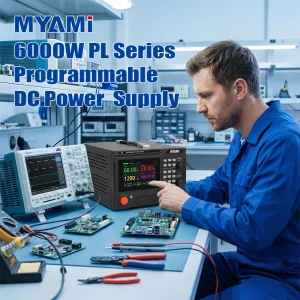
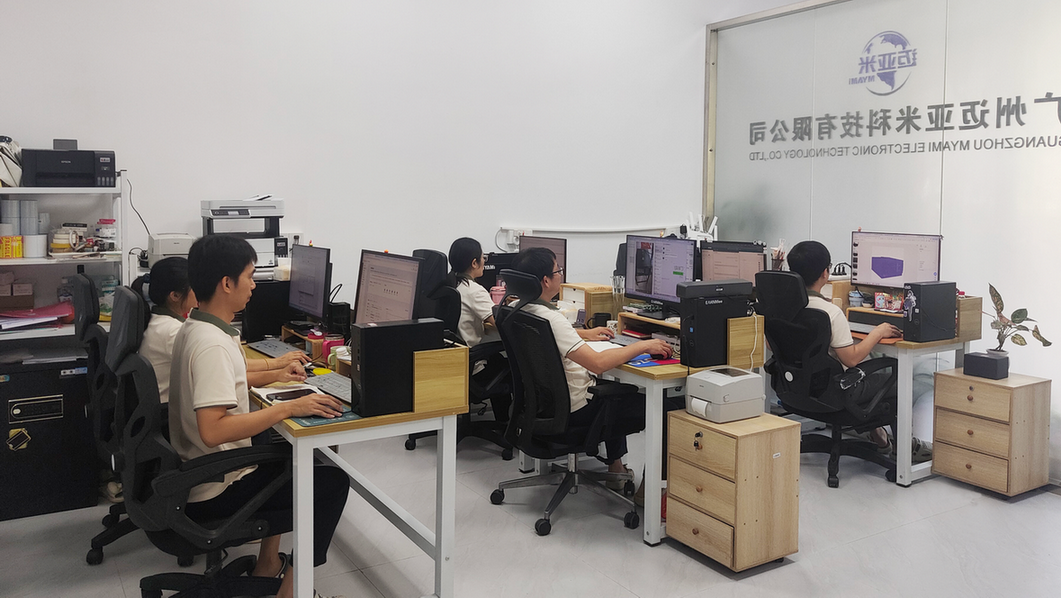
Headquartered in Shenzhen, China, Shenzhen Myami Power Technology Co., Ltd. (MYAMI) is a technology-driven manufacturer and solution provider specializing in high-precision, industrial-grade power supplies and electrical test equipment. Designed for engineering rigor, MYAMI bridges the gap between complex electronic research, high-voltage component testing, and scalable industrial automation.
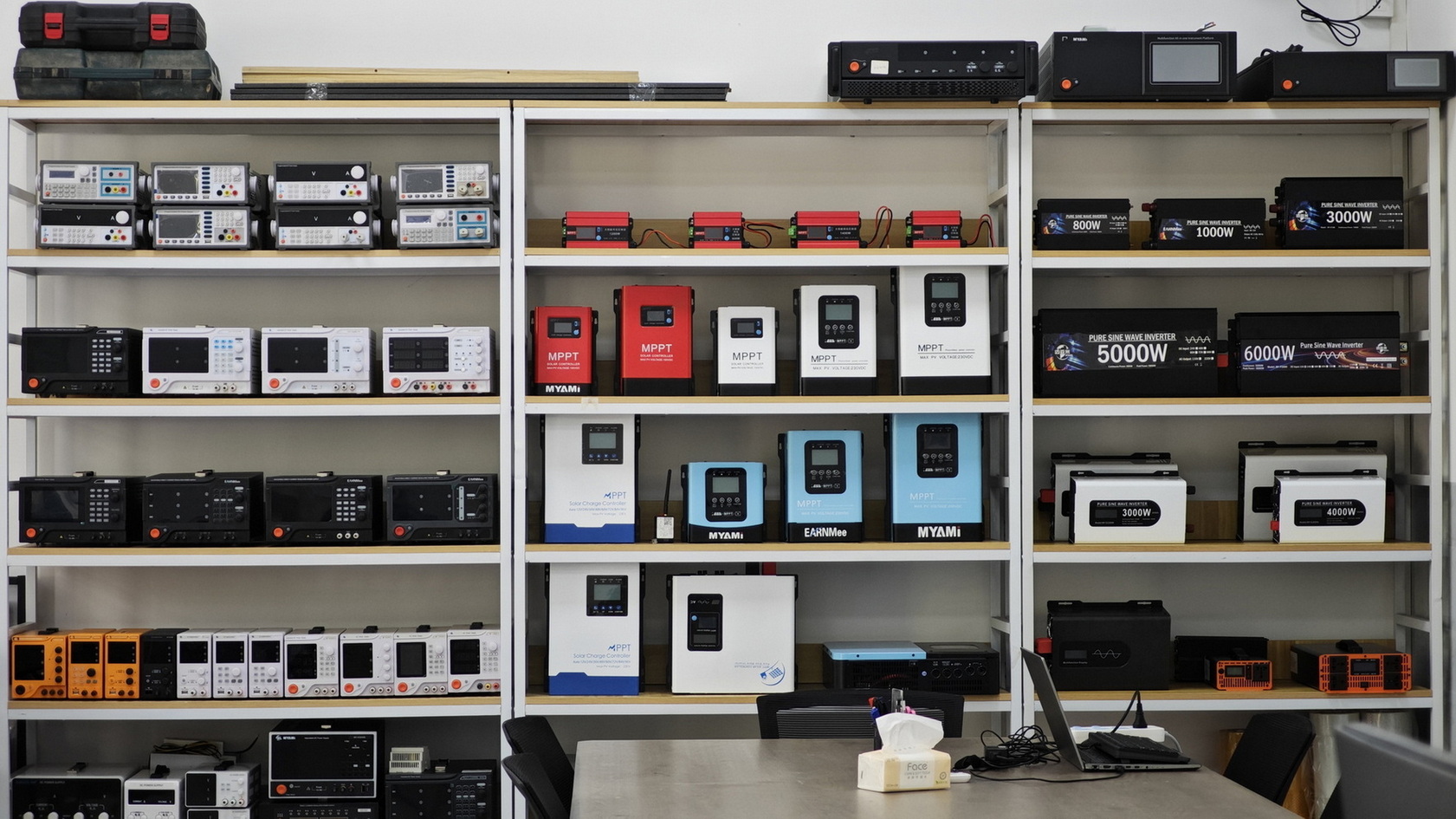
Our specialized engineering portfolio focuses on four core operational pillars:
Every MYAMI system is engineered with strict multi-layer protection protocols (OVP, OCP, OTP, and short-circuit safeguards) and complies with international safety and quality standards, including CE, RoHS, and ISO9001. Integrated with standard industrial control protocols (RS485, RS232, and CAN communication), our equipment seamlessly connects to automated production lines and central PC control systems.
Today, MYAMI serves research institutions, automotive OEMs, aerospace contractors, and electronics manufacturers across North America, Europe, East Asia, and the Middle East. Whether you require a single benchtop lab power supply or a custom high-power aging system, MYAMI is your ultimate partner for precision power and uncompromised testing reliability.
To maintain absolute reliability in high-voltage environments, we trace and control every step of our production workflow. Below is our end-to-end manufacturing process flow:
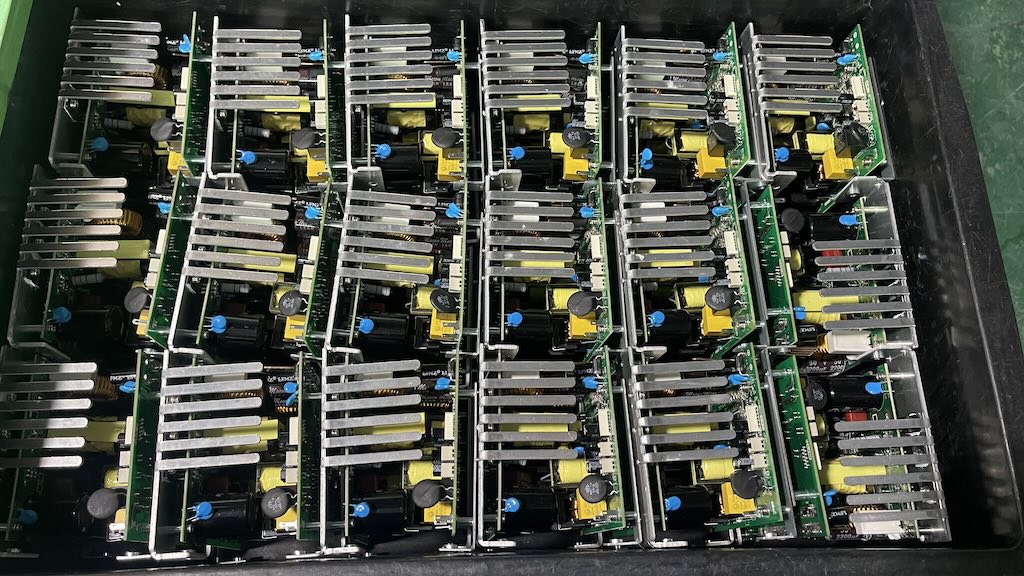 Raw Material
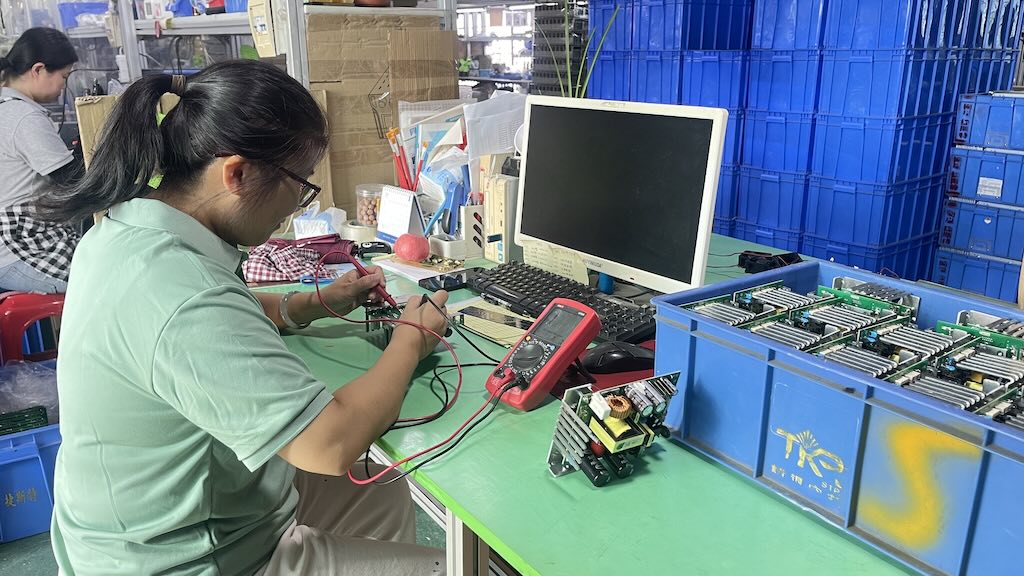 PCB Checking
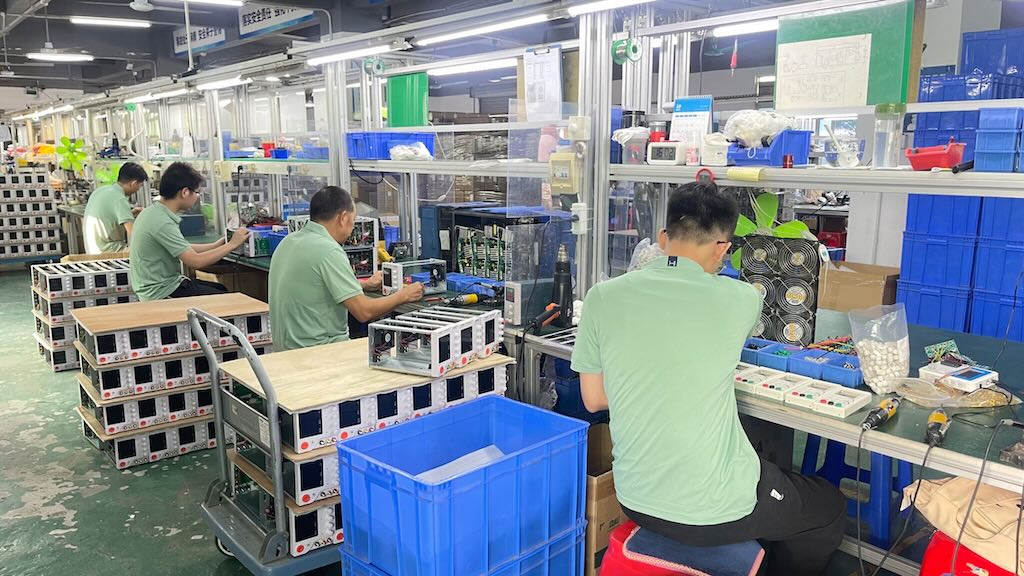 Assembling
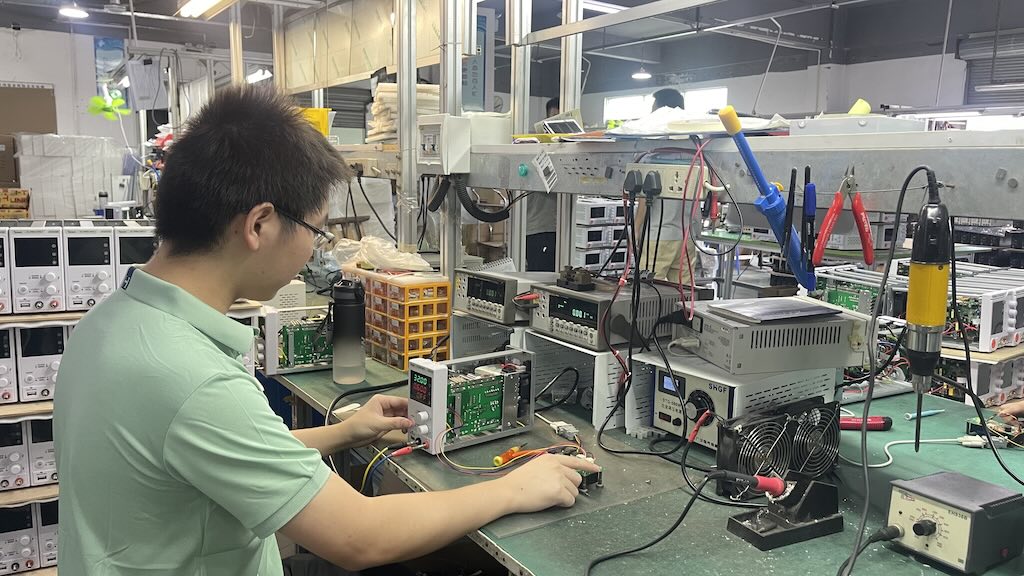 Debug
Debug
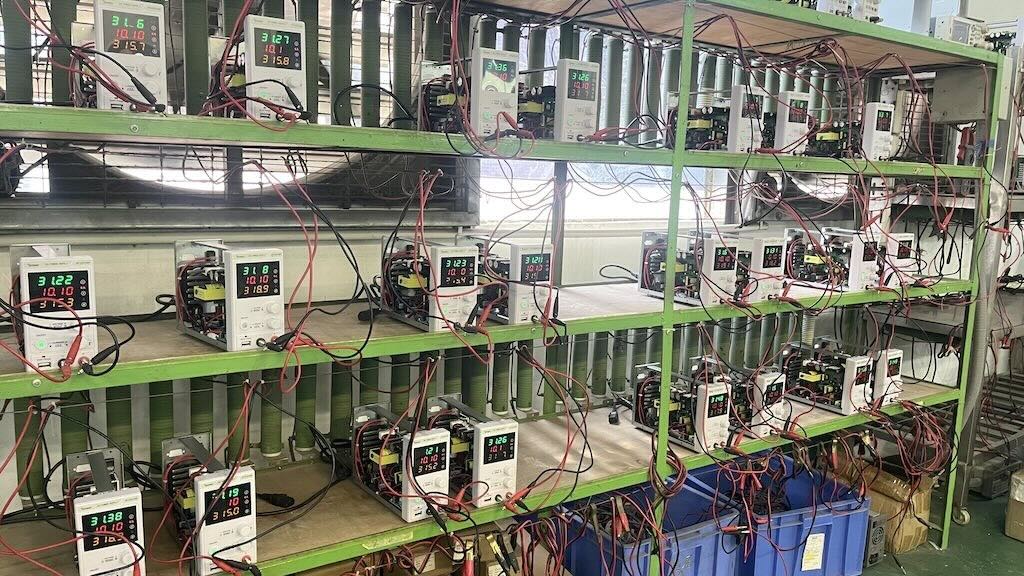 Aging
Aging
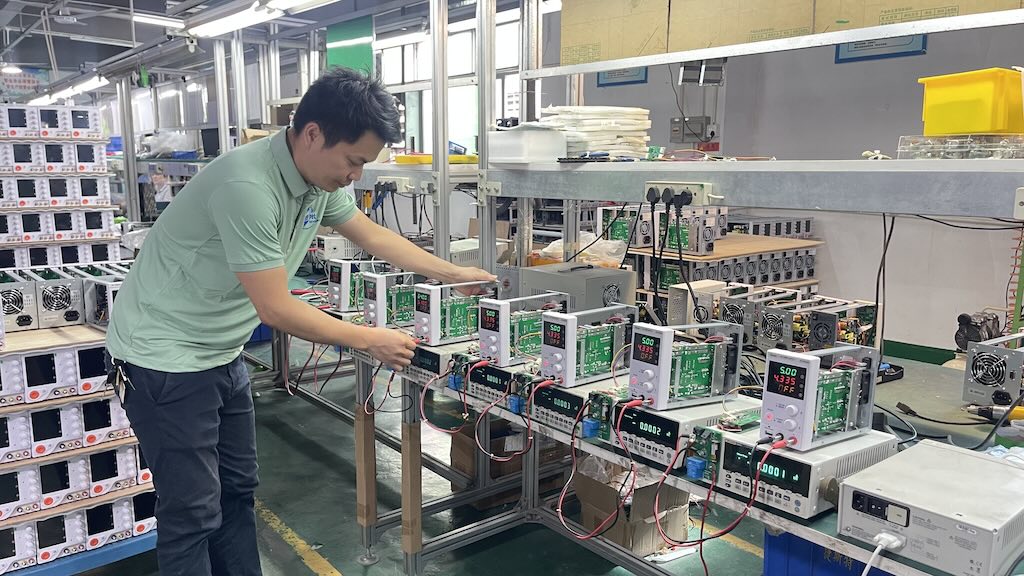 Calibration
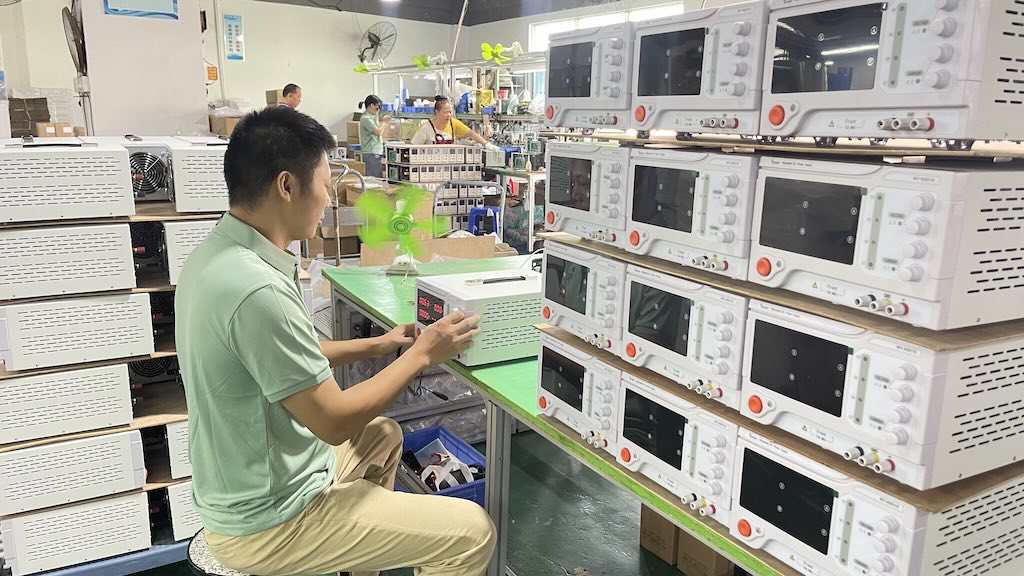 QC checking
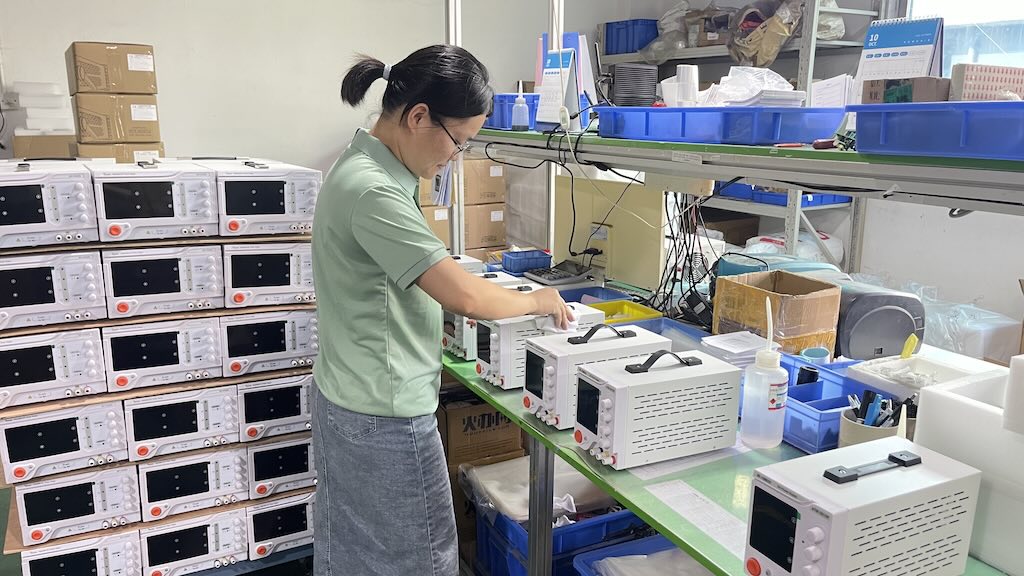 Packing
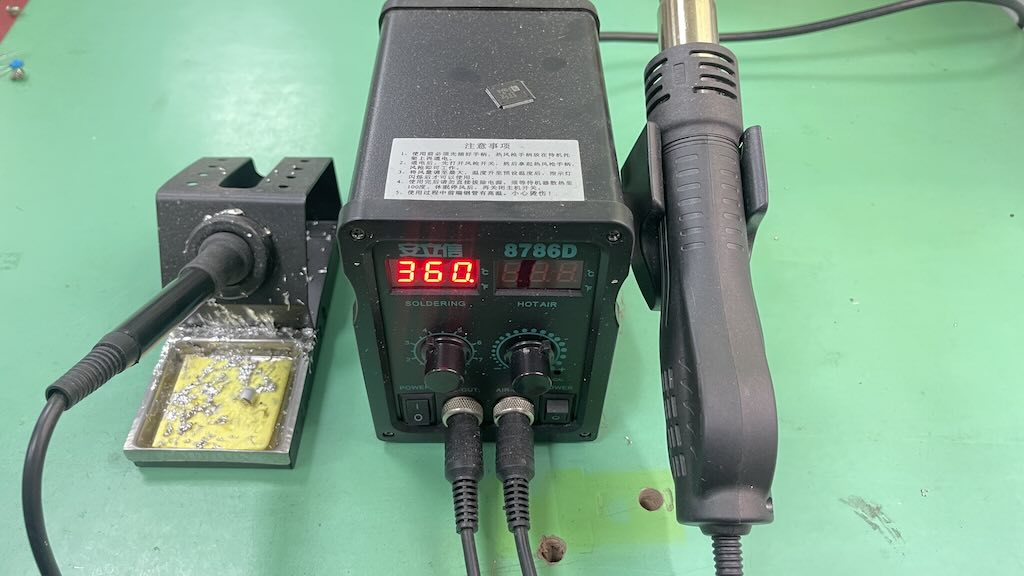 Soldering Station
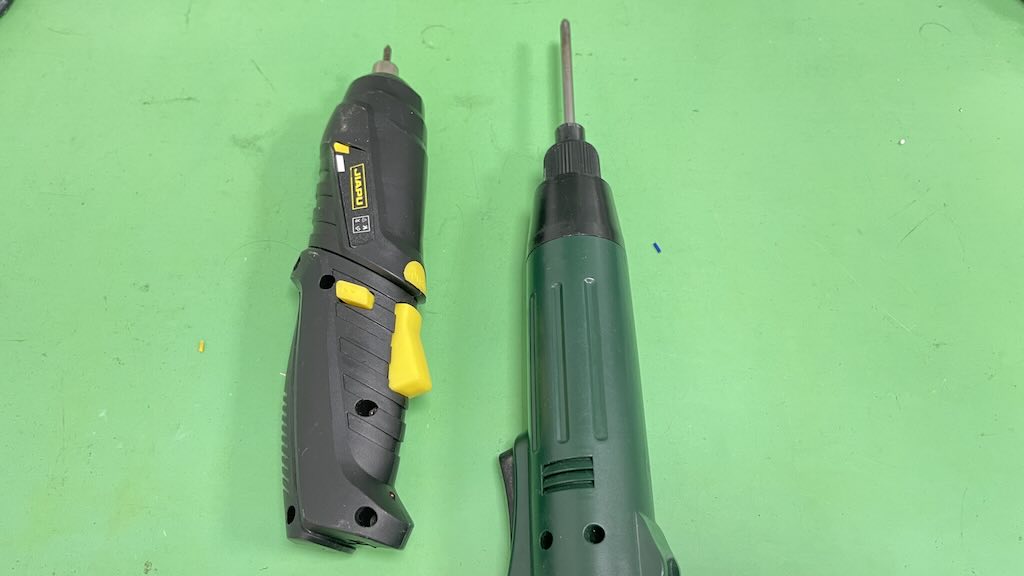 Electronic Screwdriver
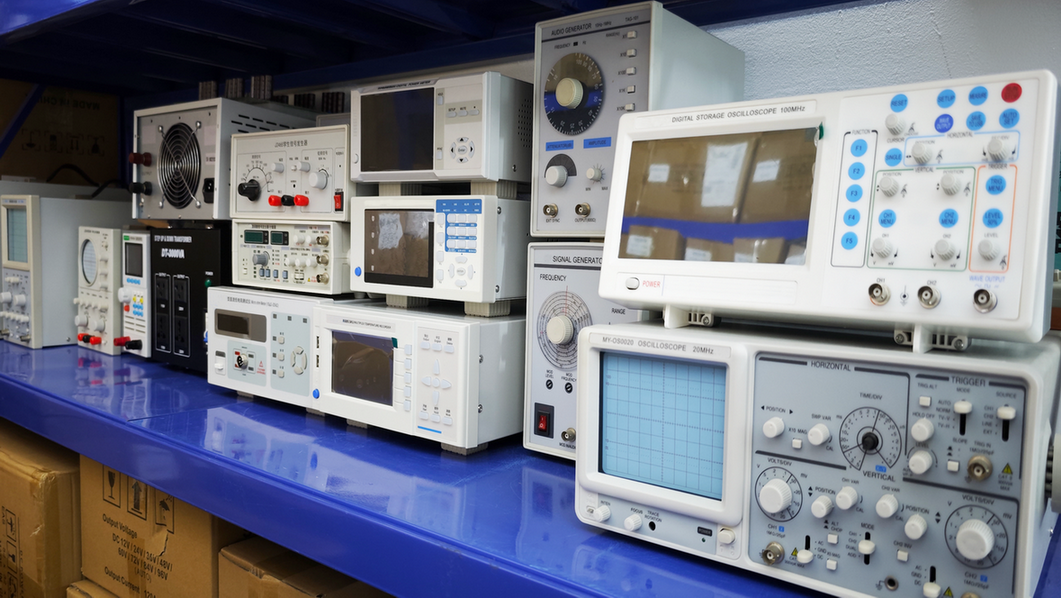
Our diagnostics and quality control rooms house state-of-the-art instruments to certify every ground resistance tester and power supply before shipment.
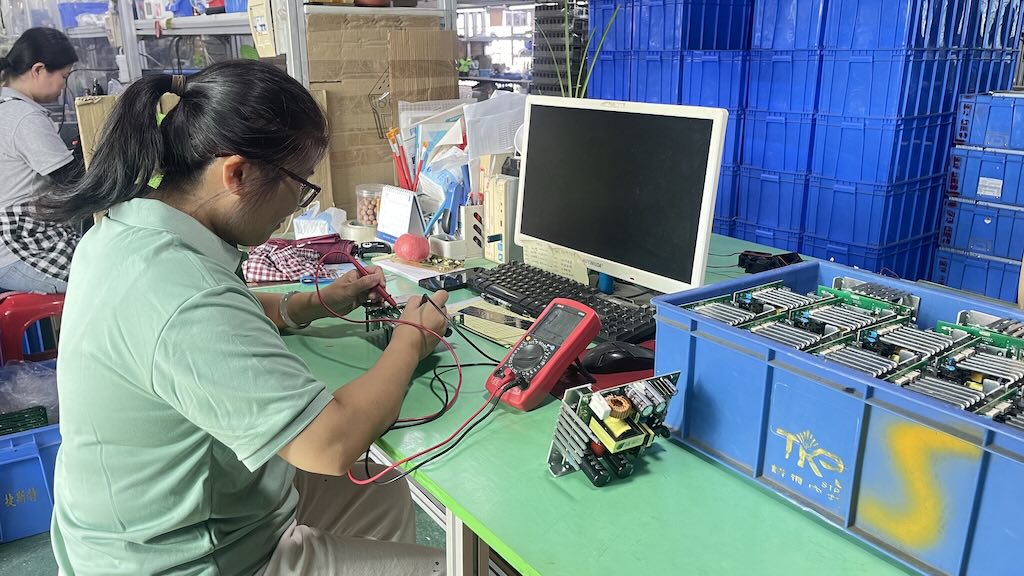 PCB Check
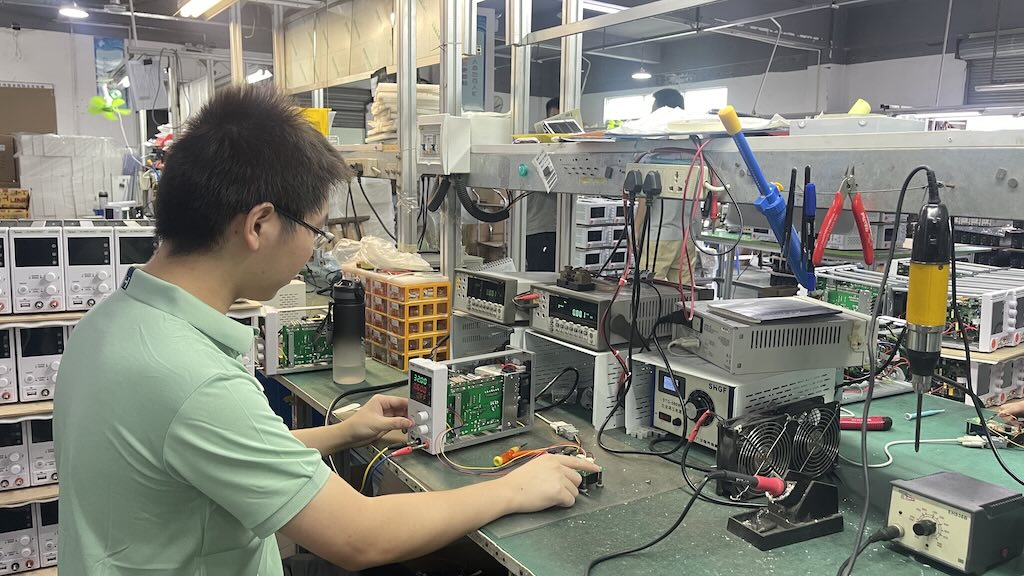 Debug
Debug
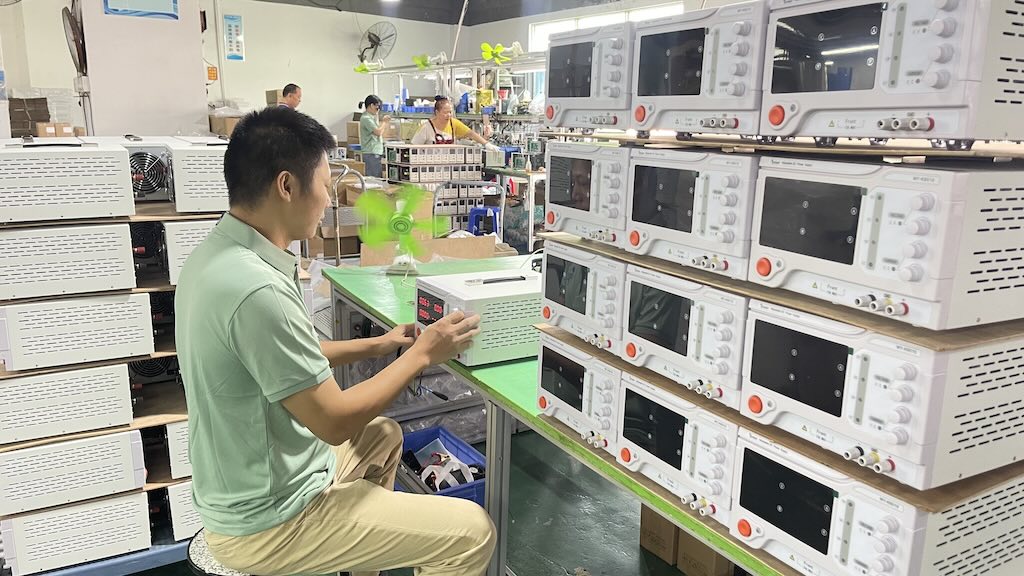 QC check
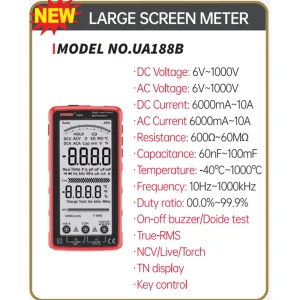
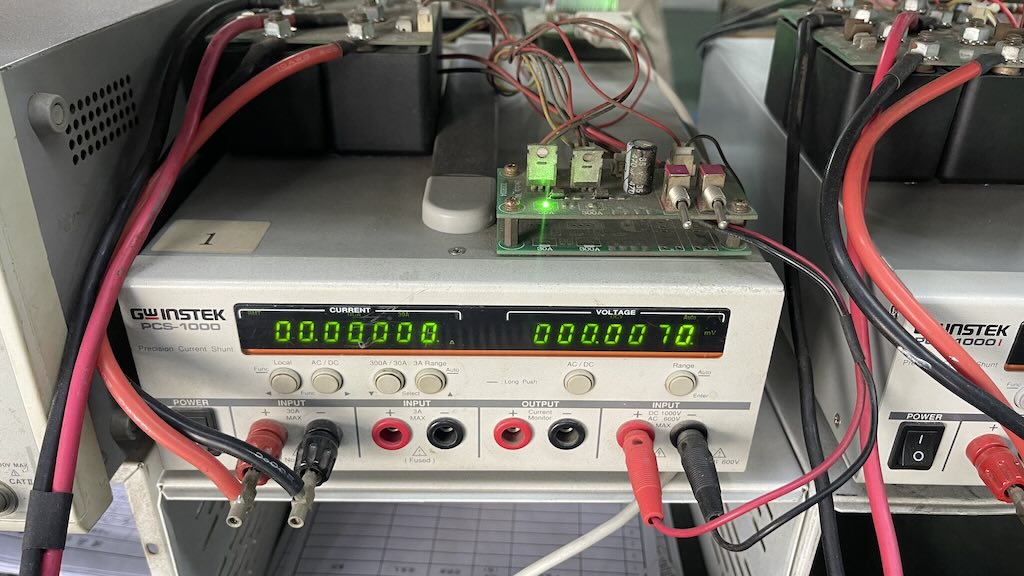 Multimeter
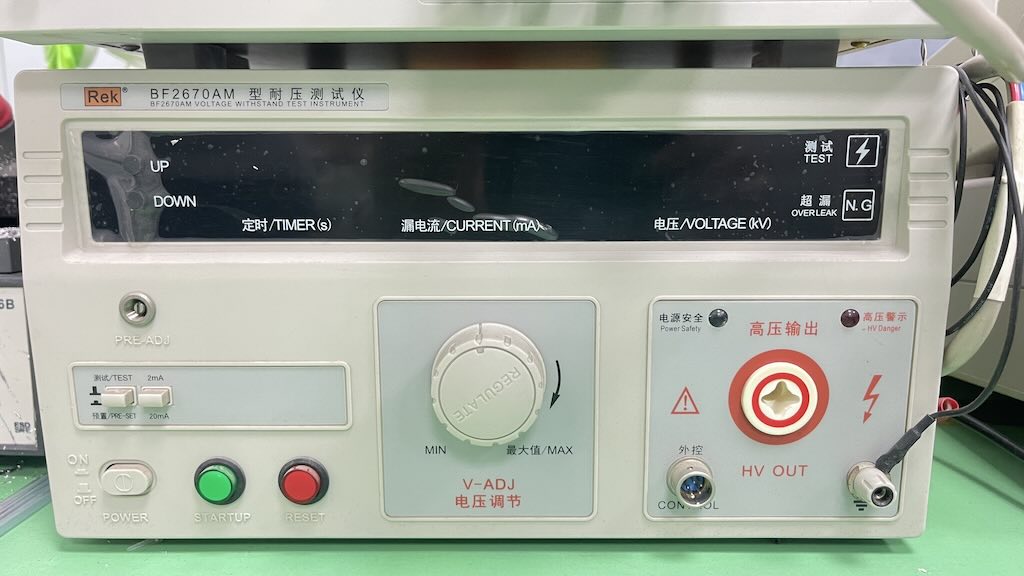 Hi-pot Tester
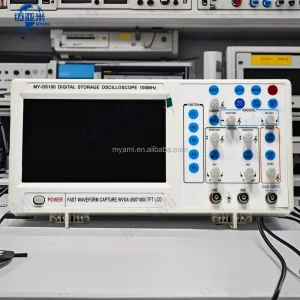
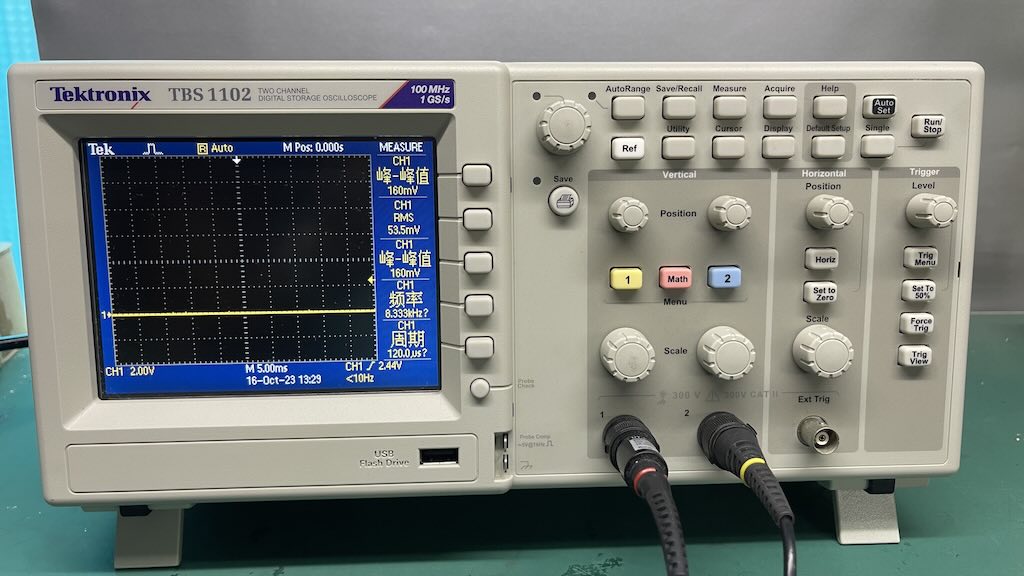 Oscilloscope
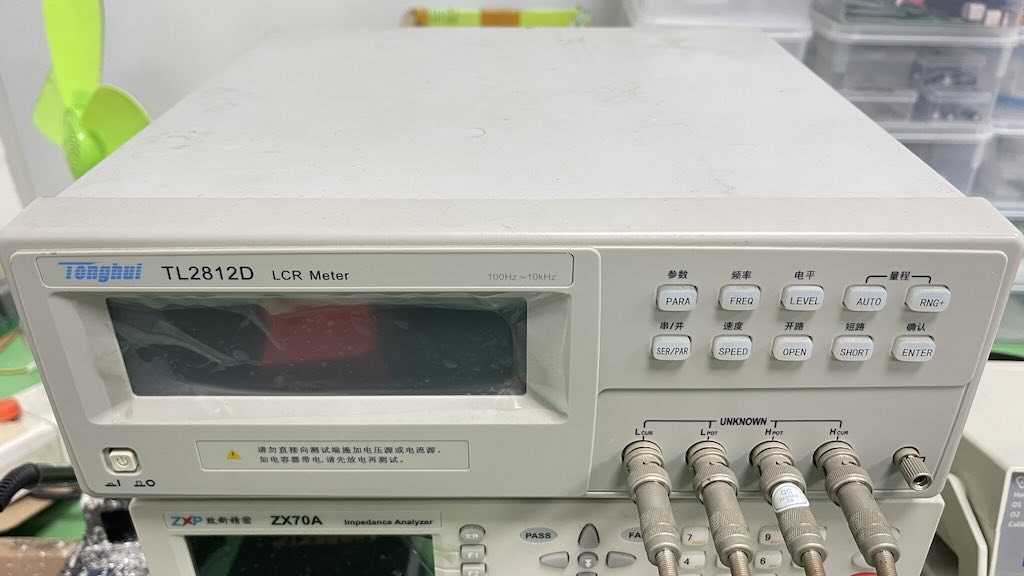 LCR Meter
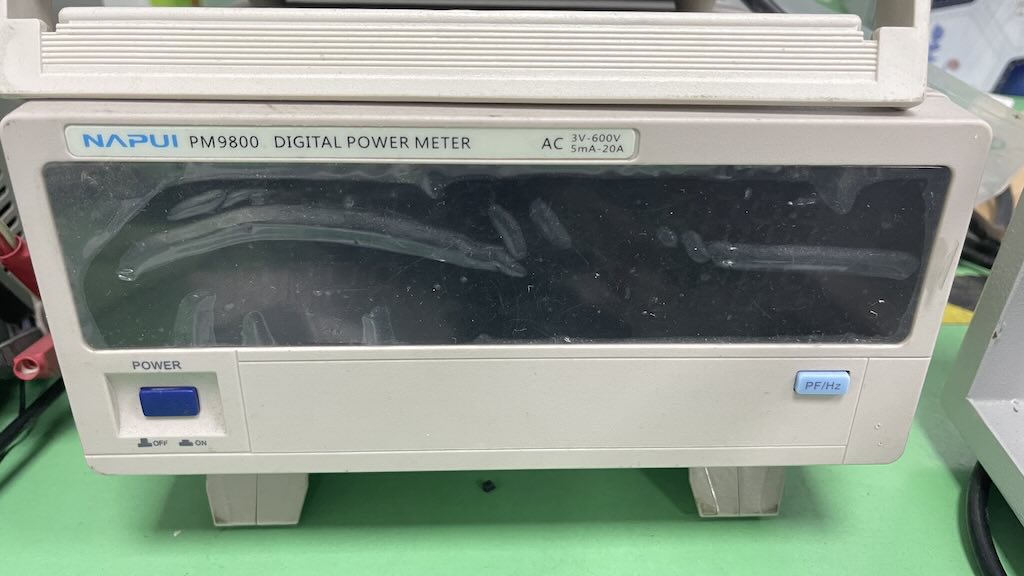 Digital power meter
Our research and development team integrates system schematics and subjects them to accelerated aging routines, guaranteeing a long lifecycle in tough outdoor field conditions.
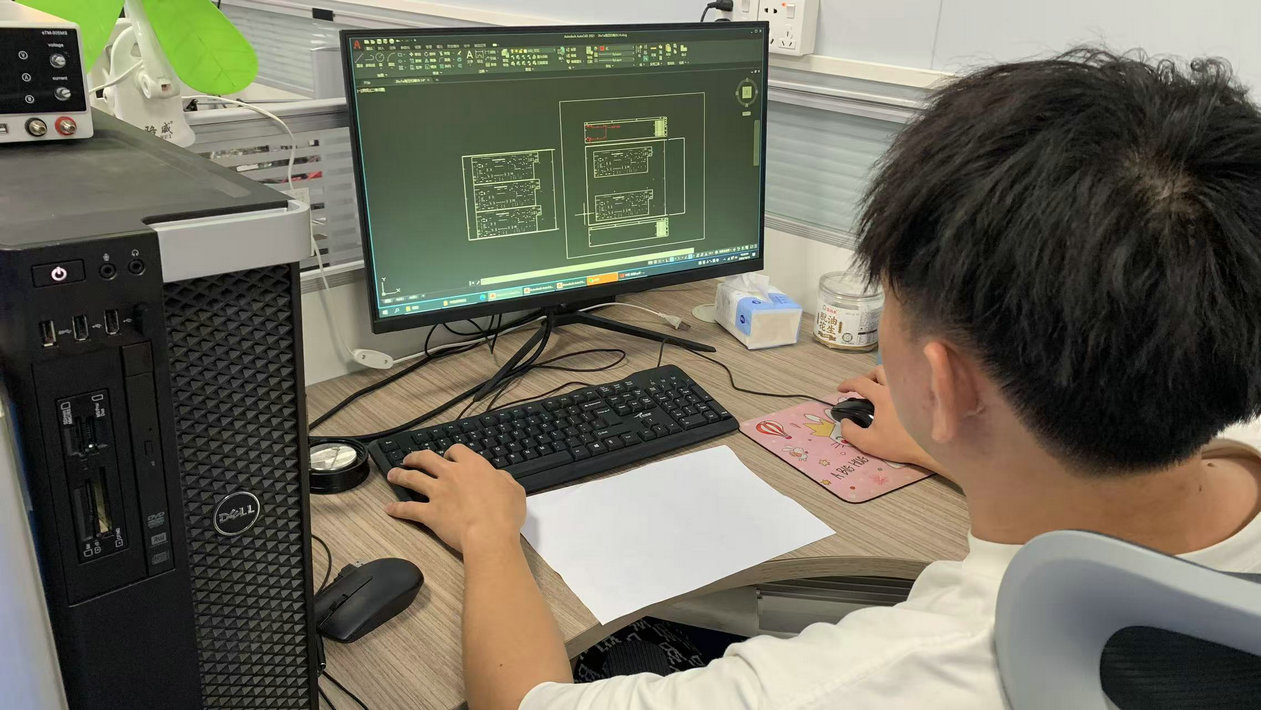 Design
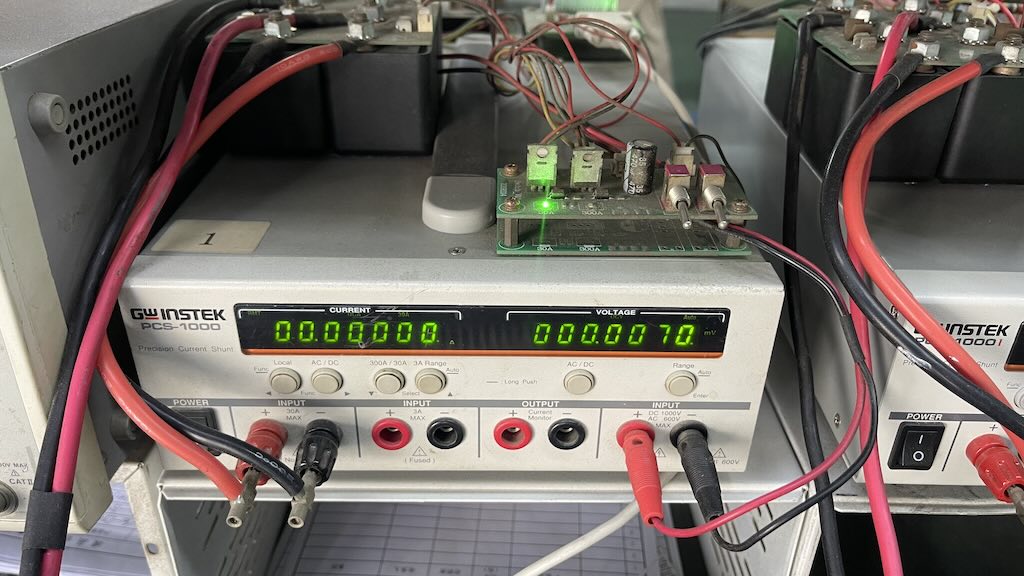 Multimeter
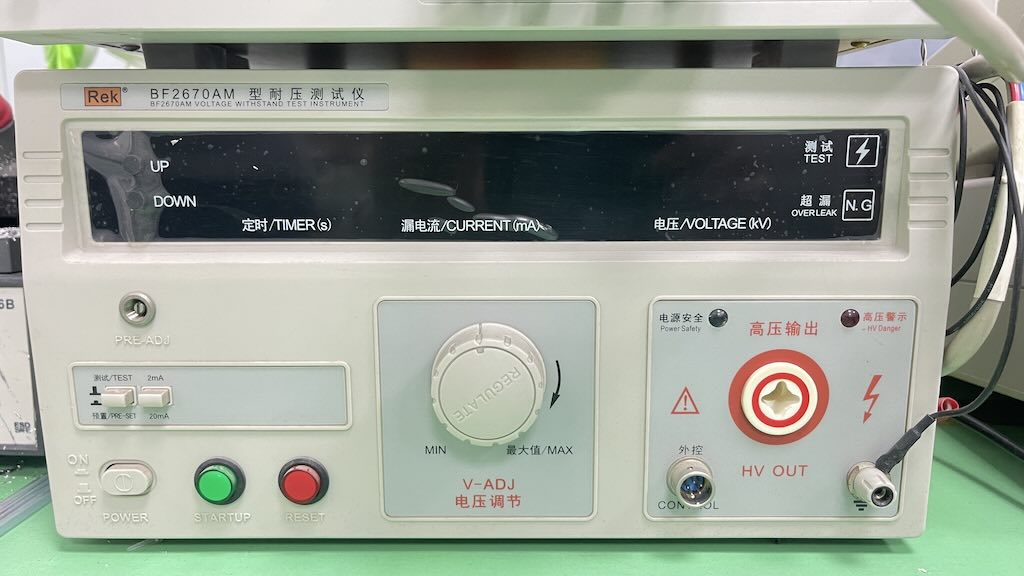 Hi-pot Tester
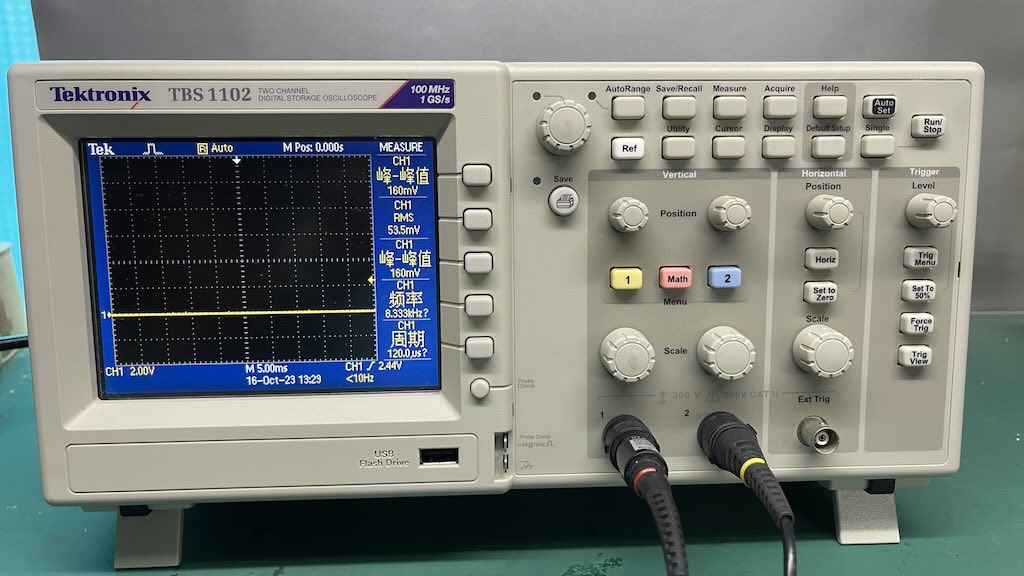 Oscilloscope
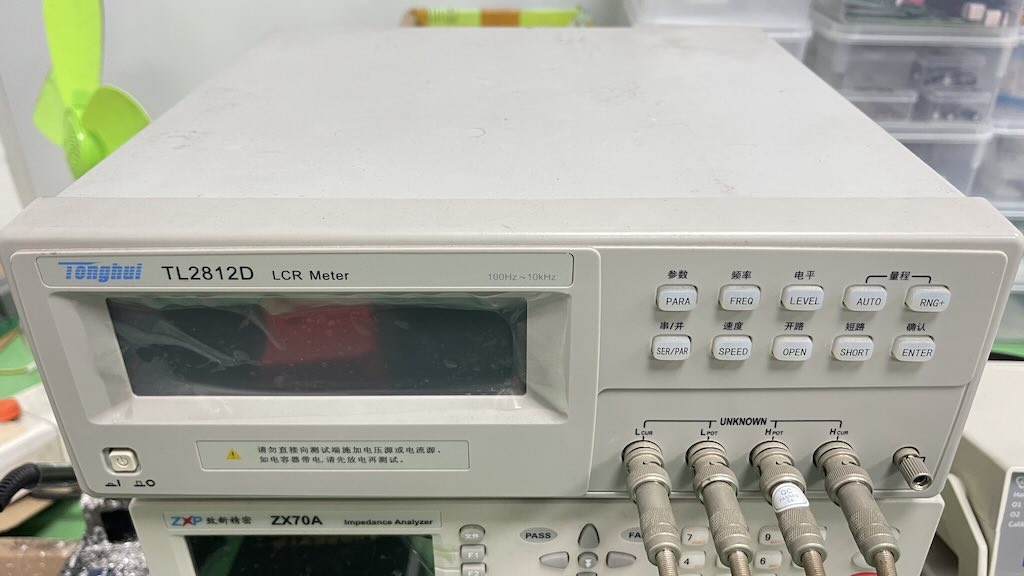 LCR Meter
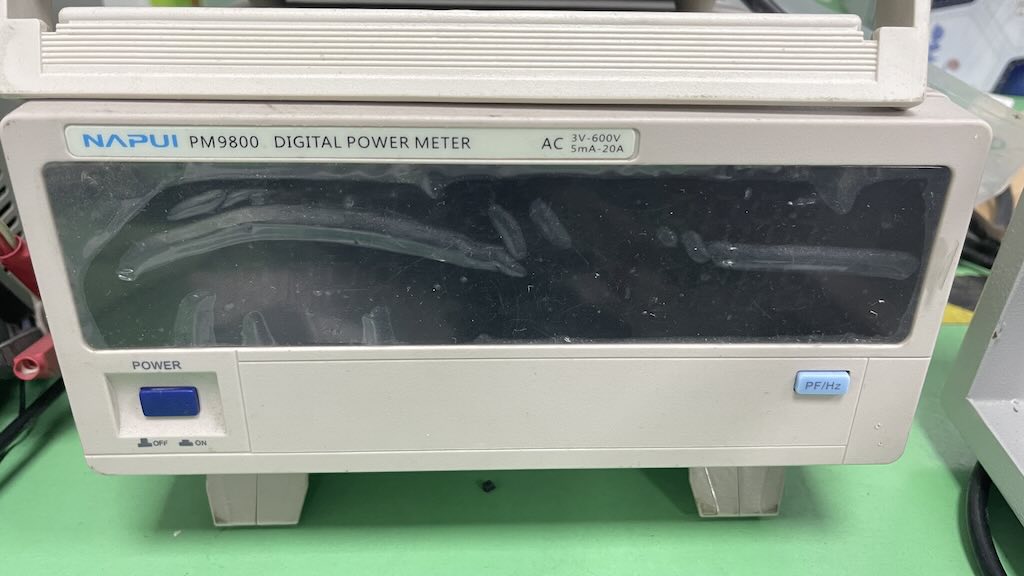 Digital power meter
Industrial safety parameters are expanding rapidly. Modern power grids are transforming with renewable integrations like solar arrays and wind installations. High-density telecommunications towers and hyperscale data centers require strict grounding protocols. The integration of high-sensitivity microelectronics with heavy power components highlights the critical need for a low-impedance connection to the earth.
Our CE certified ground resistance testers address these global needs. In high-density settings, common earth electrodes are subjected to varying soil resistivities and high electromagnetic fields. Our advanced instrumentation features automated frequency sweep algorithms to bypass noise, delivering precise readings to technicians across Europe, the Americas, and the Asia-Pacific.
Different regions present unique challenges, including varying geological configurations, soil moisture levels, and distinct electrical code variations (such as IEEE 81, NEC, and European IEC norms). Grounding networks must adjust to these factors to ensure continuous structural safety.
High fault currents in grid substations demand ultra-low earth grid resistance. Our systems support Wenner four-point tests, helping EPC contractors map out soil resistivity profiles before constructing major substations.
Servers and telecom systems are vulnerable to high transient currents. Our testers verify auxiliary earth paths without requiring offline system isolation, maintaining data continuity during testing routines.
Distributed generation assets span wide geographical zones, often with varying soil conditions. Our portable, high-durability, battery-operated ground resistance testers allow commissioning engineers to perform assessments efficiently across remote locations.
As an established global exporter, compliance is central to our quality assurance. CE certification indicates that our ground resistance testers meet European economic area requirements, including EMC (Electromagnetic Compatibility) and LVD (Low Voltage Directive) guidelines.
Our instruments comply with IEC/EN 61557-5, which dictates the strict parameters for instruments evaluating earth resistance. To ensure reliability for high-voltage utilities, our products feature:
The future of grounding measurement is shifting from periodic manual checks to integrated, real-time monitoring and smart field systems. As industrial automation grows, test and measurement systems must interface with SCADA networks, industrial computers, and cloud engines.
Future ground testers will stream measurement data directly to cloud dashboards via LoRaWAN, NB-IoT, or 5G, allowing remote safety managers to track grounding stability across global nodes.
By processing temporal data—such as temperature variations, seasonal precipitation, and past records—on-board chips will predict the degradation curve of grounding rods.
Dual-clamp testing systems are evolving. Next-generation induction coils will capture loop impedance in tight spatial arrays without using auxiliary spikes.


 Myami Power