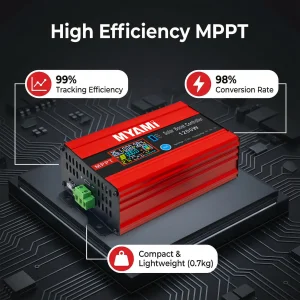
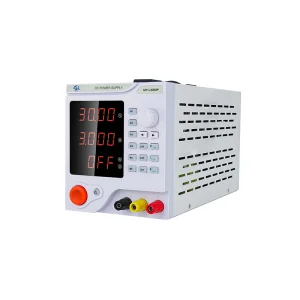

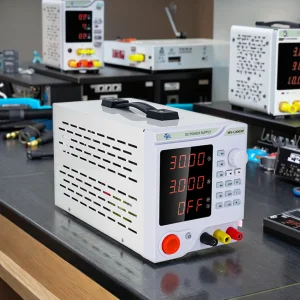

Headquartered in Shenzhen, China, Shenzhen Myami Power Technology Co., Ltd. (MYAMI) is a technology-driven manufacturer and solution provider specializing in high-precision, industrial-grade power supplies and electrical test equipment. Designed for engineering rigor, MYAMI bridges the gap between complex electronic research, high-voltage component testing, and scalable industrial automation.
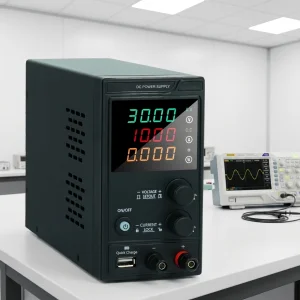
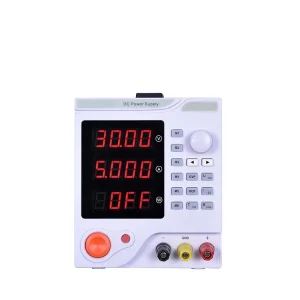
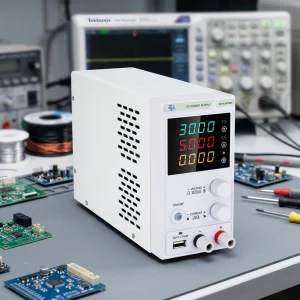
Featuring multi-digit LED displays, ultra-low ripple, and rapid transient response, engineered for precision electronic R&D, semiconductor evaluation, and PCB debugging.
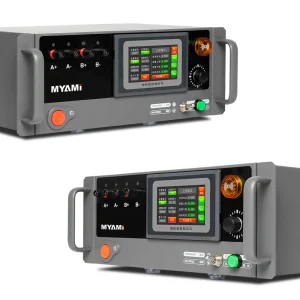
Delivering high-current, high-voltage DC/AC regulated power supplies (ranging up to hundreds of volts and amperes) built for industrial motor drives, electroplating rectifiers, and heavy-duty component burn-in testing.
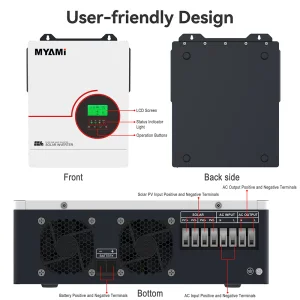
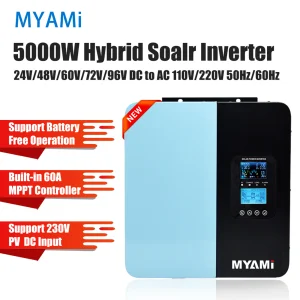
Providing specialized DC power units, battery simulators, and variable AC power sources engineered for Electric Vehicle (EV) On-Board Chargers (OBC), BMS evaluation, and solar inverter testing.
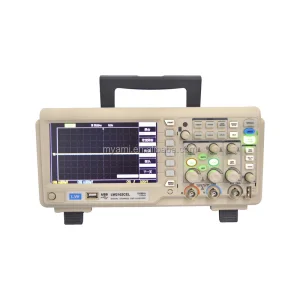
Supplying complementary test bench solutions, including digital oscilloscopes, multimeters, and specialized AC voltage regulators for global laboratories and technical institutes.
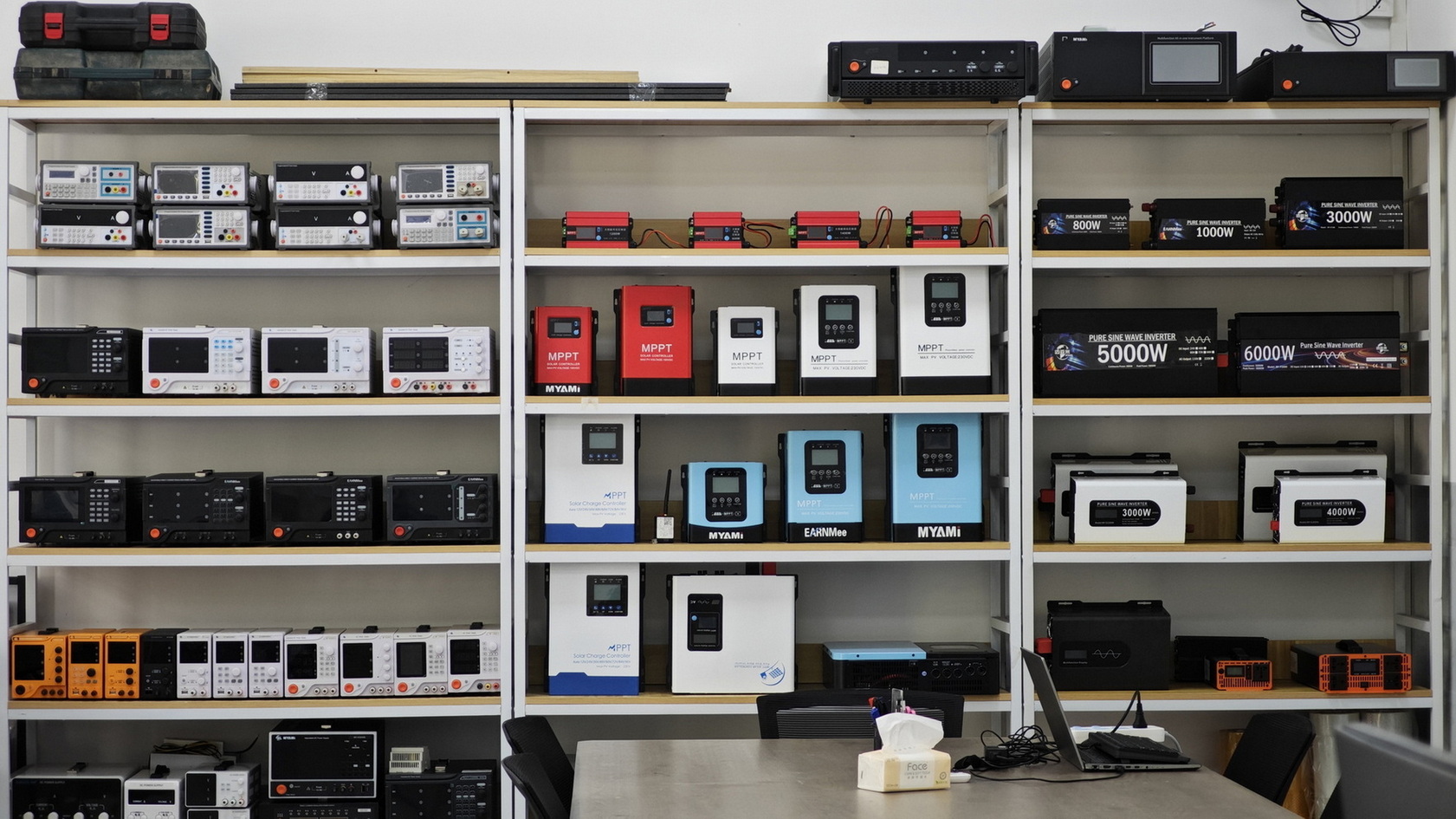
Insulation resistance (IR) measurement is a fundamental diagnostic technique used to determine the health of electrical systems, components, and cable assemblies. An insulation tester—historically referred to as a Megohmmeter—applies a stable, non-destructive high DC voltage across dielectric barriers to measure the resultant leakage current. By utilizing Ohm's Law (R = V / I), the device displays resistance values in Megohms (MΩ), Gigohms (GΩ), or Teraohms (TΩ).
Modern electrical grids, battery systems, and automated production floors run on increasingly high voltages. The application of insulation testers is no longer restricted to simple utility cables; it has expanded to several highly specialized industrial sectors:
As EV battery packs shift from 400V architectures to 800V and 1000V levels, preventing thermal runaway is critical. Insulation tester modules monitor the isolation resistance between high-voltage buses (HV+) and the vehicle chassis (GND). This testing is mandatory during battery module packaging, battery management system (BMS) validation, and end-of-line (EOL) vehicle assembly testing.
Renewable power electronics operate under harsh, variable outdoor conditions. Solar inverters utilize high-voltage MPPT controllers (often exceeding 1200V-1500V DC input) which must remain isolated from structural framework grounding. Insulation testers verify that dust, relative humidity, and temperature variations have not compromised the internal transformer and switching circuitry.
Within Smart Factories, electrical drives, high-frequency stepper motors, and PLCs run continuously. Cable fatigue, vibration-induced micro-fractures, and chemical oil exposure can break down electrical barriers. Periodic insulation monitoring ensures predictive maintenance cycles can be planned, minimizing unexpected factory downtime.
High-altitude electronics must resist insulation tracking and low-pressure dielectric breakdown. Test rigs and high-precision DC sources simulate environmental stress to verify that critical power lines inside aerospace controls meet standard MIL-spec parameters.
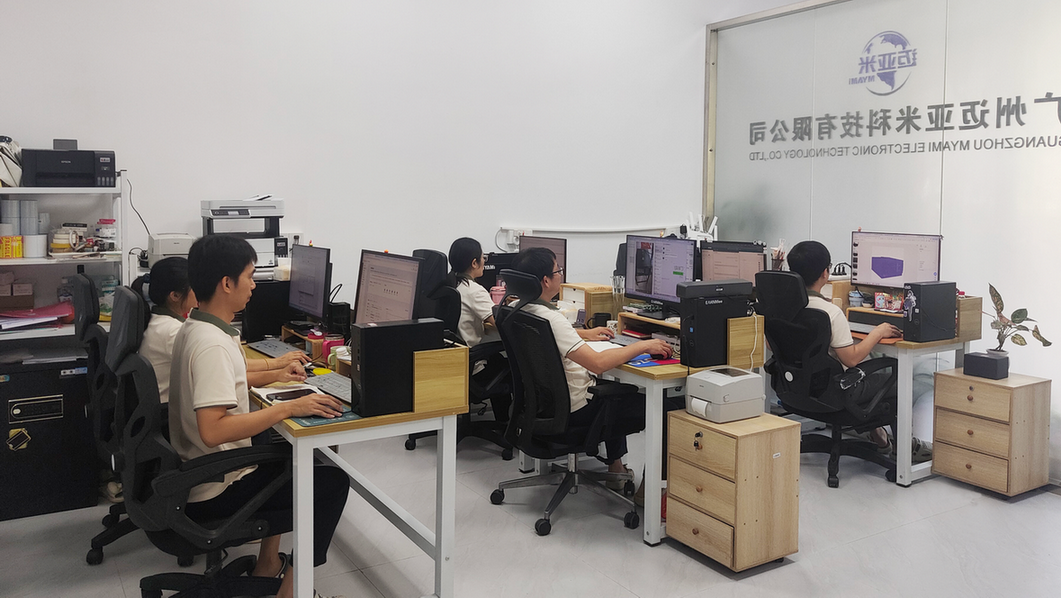
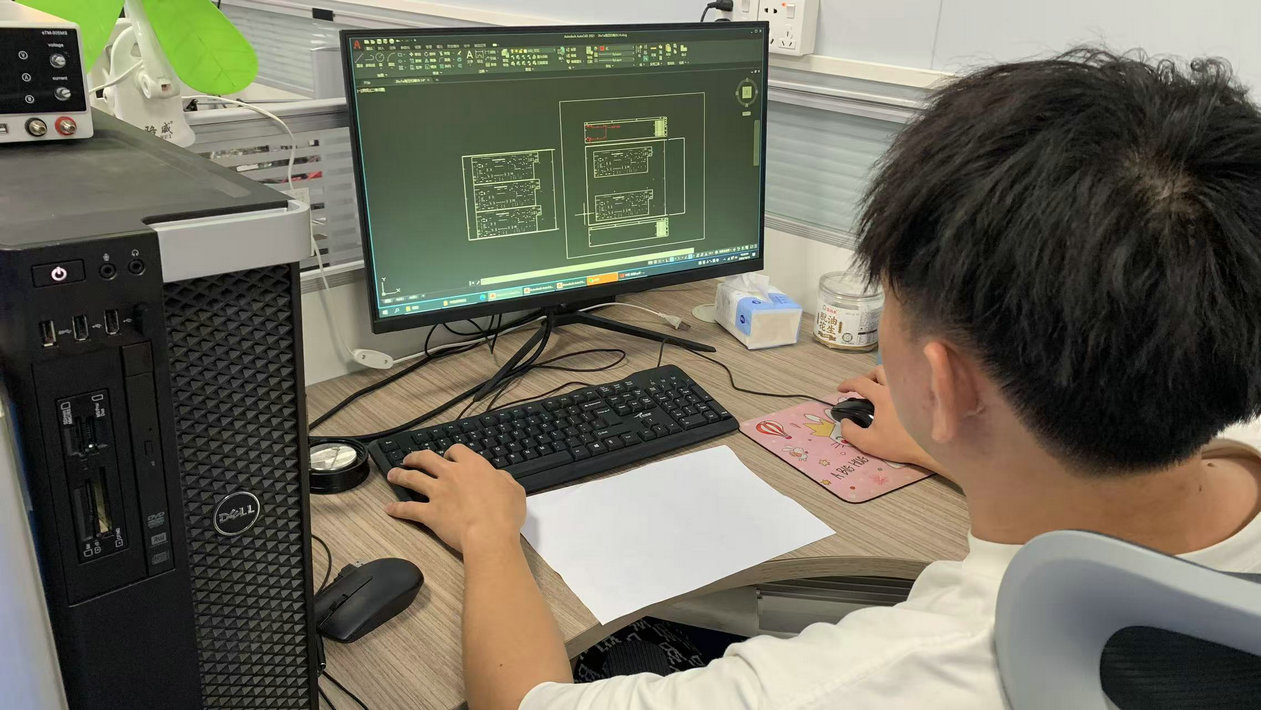
Located in Shenzhen, the absolute heart of the global electronics supply chain, MYAMI integrates design, raw material procurement, precision PCB manufacturing, state-of-the-art calibration, and multi-tier quality inspections in a single, high-efficiency ecosystem.
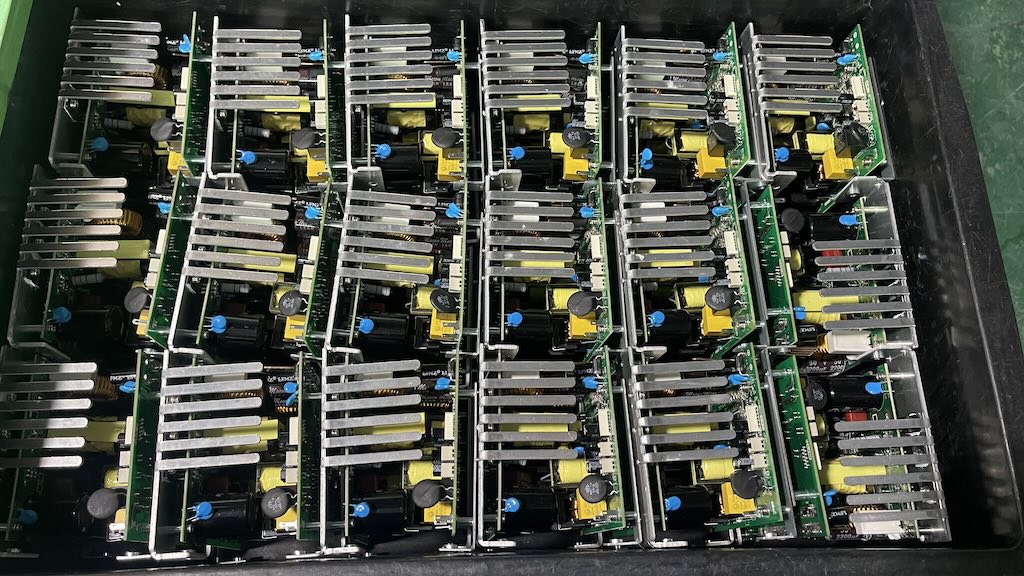 Raw Material
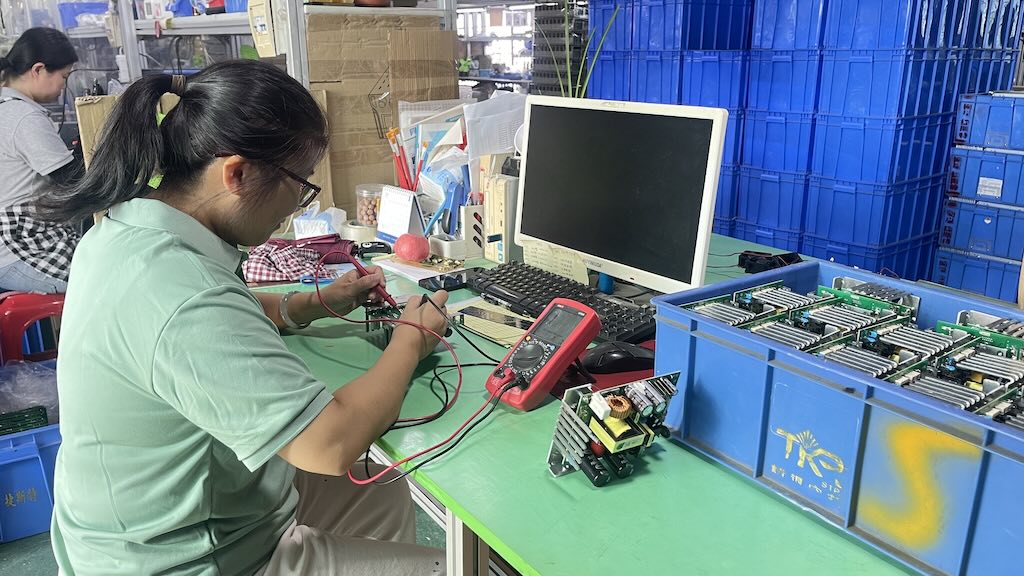 PCB Checking
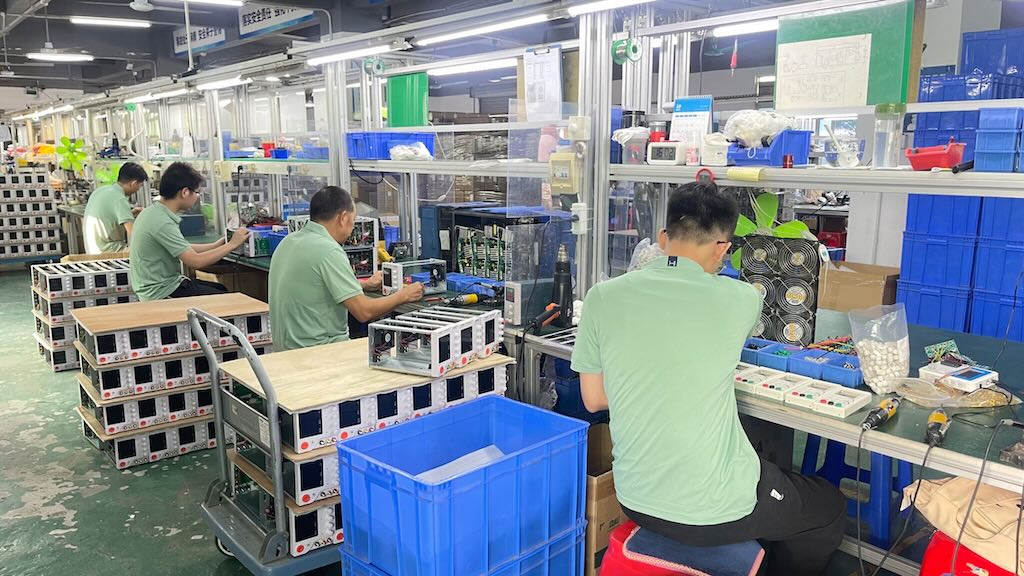 Assembling
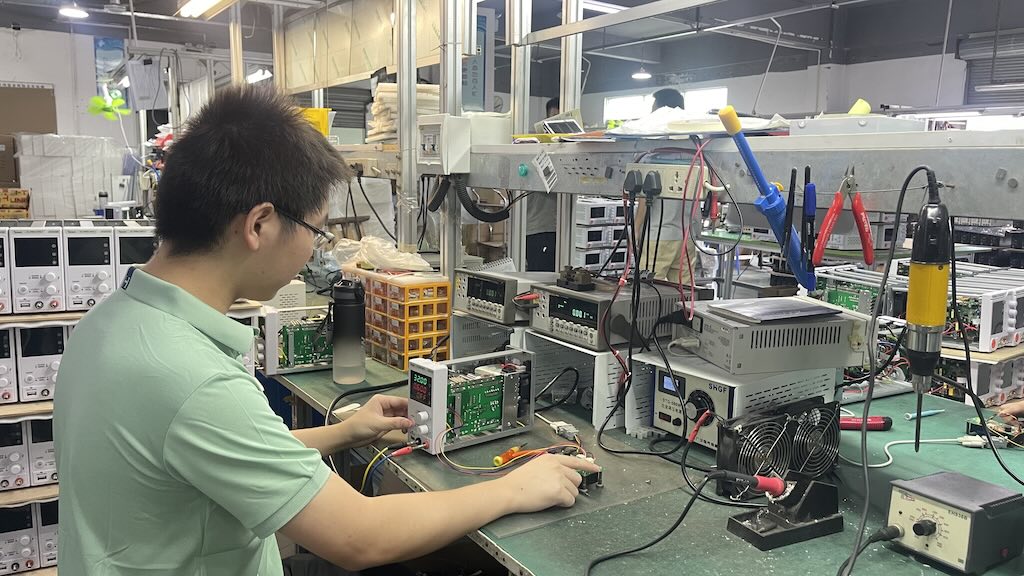 Debug
Debug
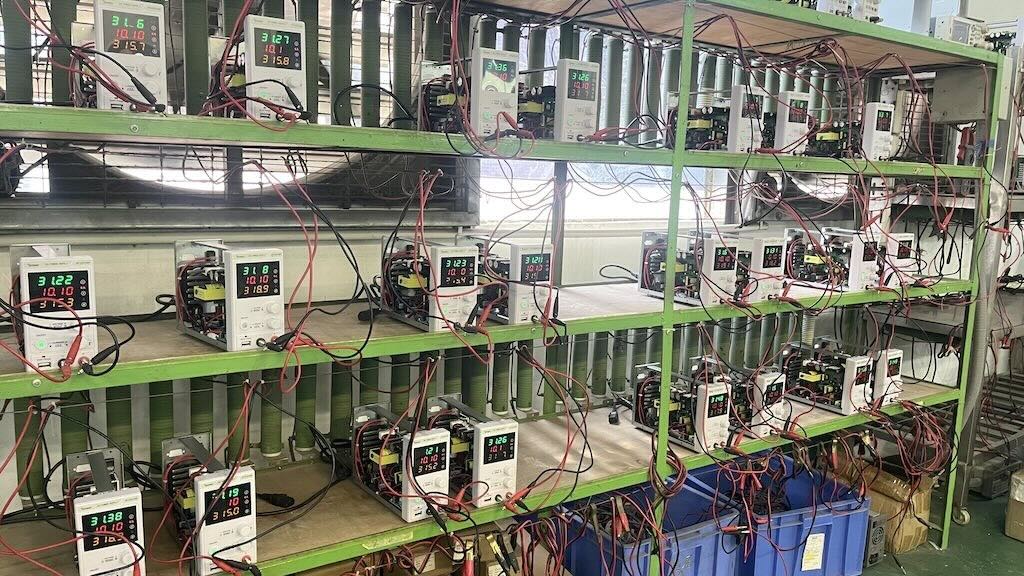 Aging
Aging
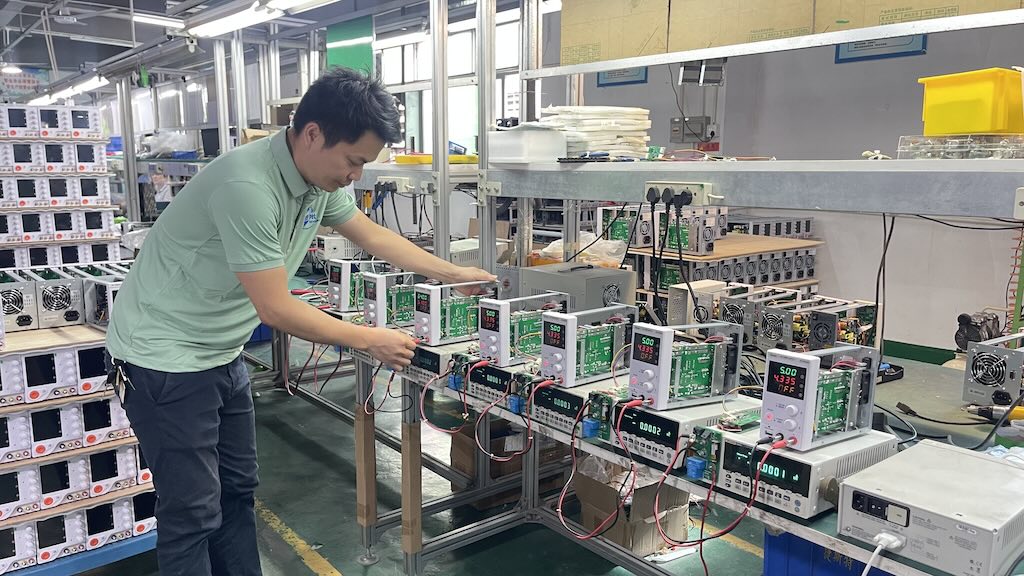 Calibration
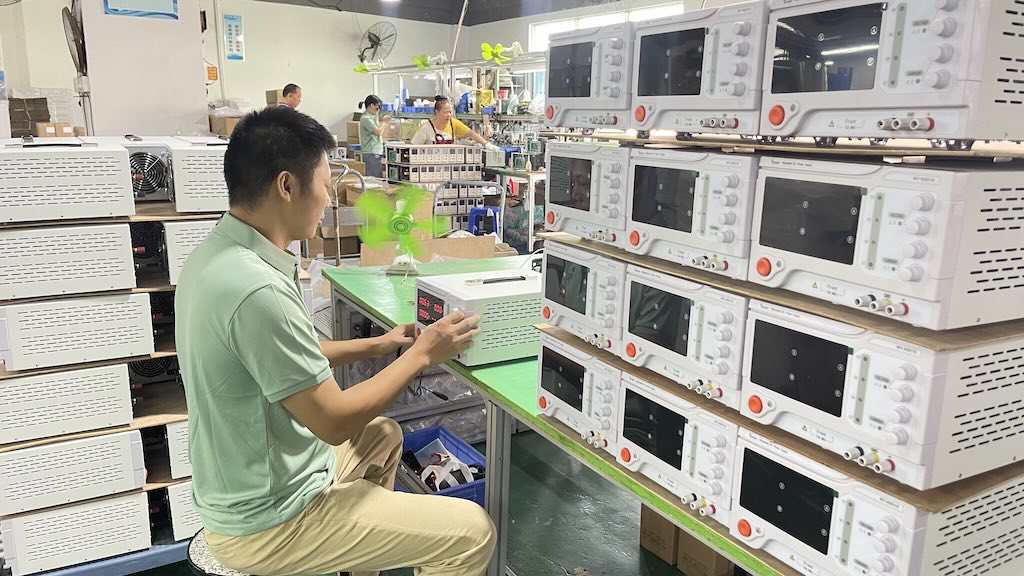 QC checking
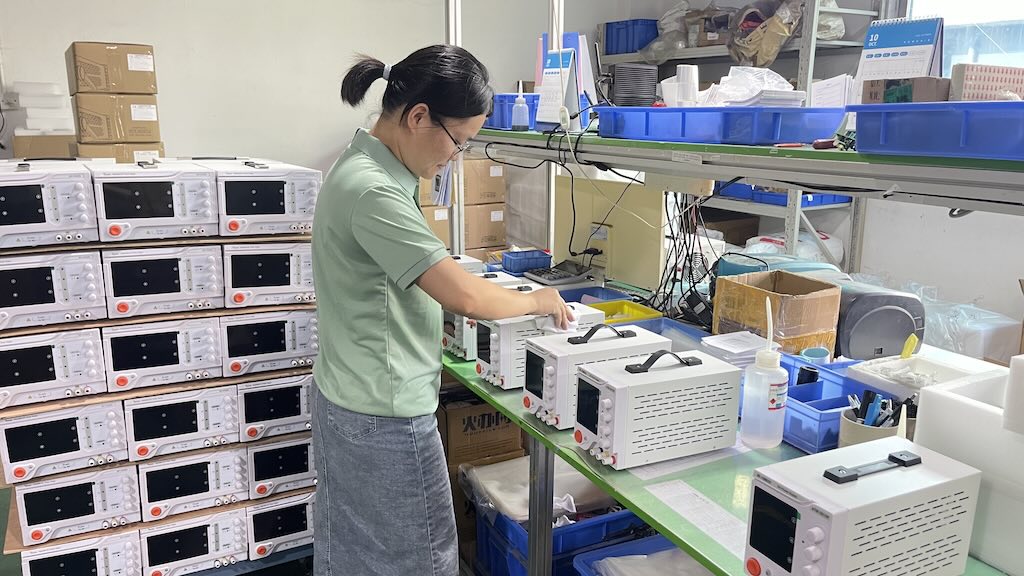 Packing
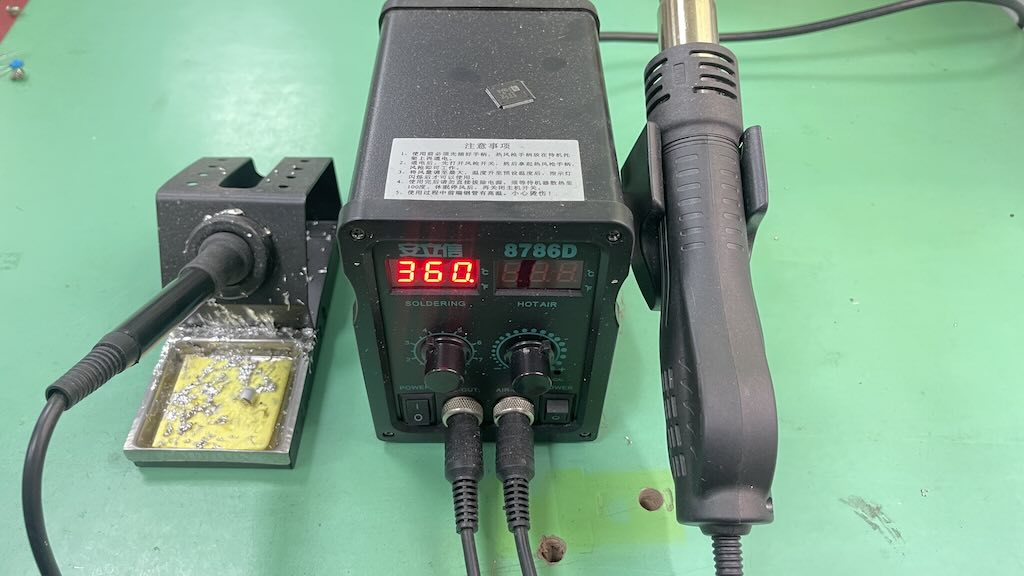 Soldering Station
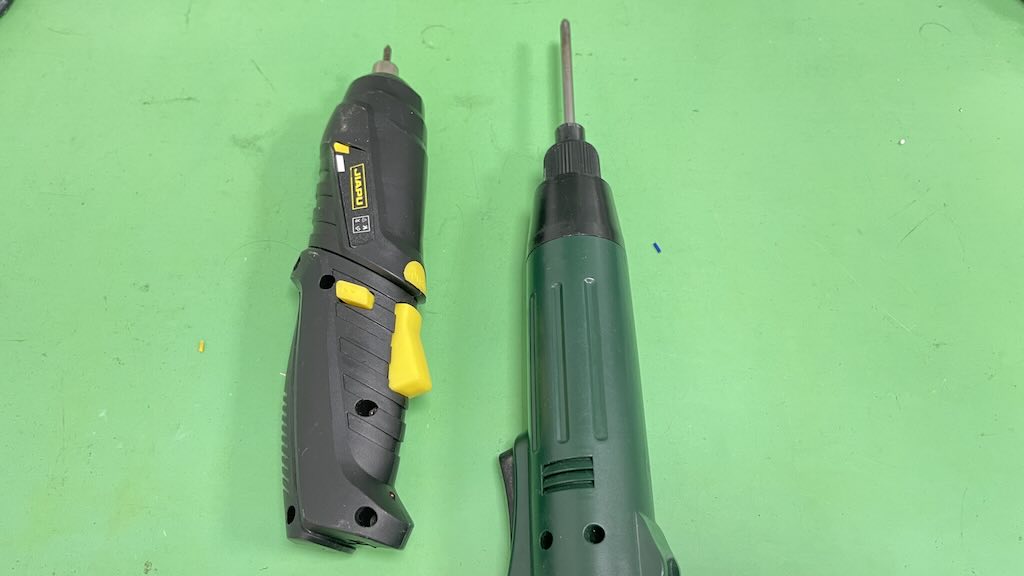 Electronic Screwdriver
Shenzhen's component ecosystem offers rapid prototyping cycles and component sourcing for microcontrollers, isolation transformers, and optical isolators. This speed allows us to refine power supply architectures and design configurations with a fraction of the traditional lead time. Every subsystem, from the primary copper windings to the external chassis shield, undergoes thorough multi-stage burn-in tests to reduce field returns to near-zero levels.
Every MYAMI system is engineered with strict multi-layer protection protocols (OVP, OCP, OTP, and short-circuit safeguards) and complies with international safety and quality standards, including CE, RoHS, and ISO9001. Integrated with standard industrial control protocols (RS485, RS232, and CAN communication), our equipment seamlessly connects to automated production lines and central PC control systems.
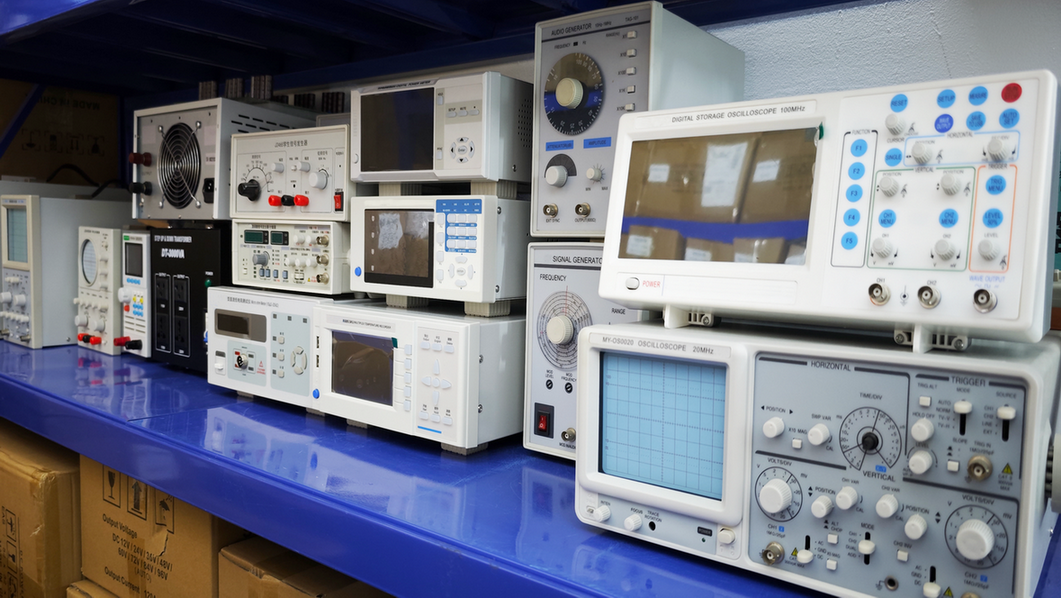
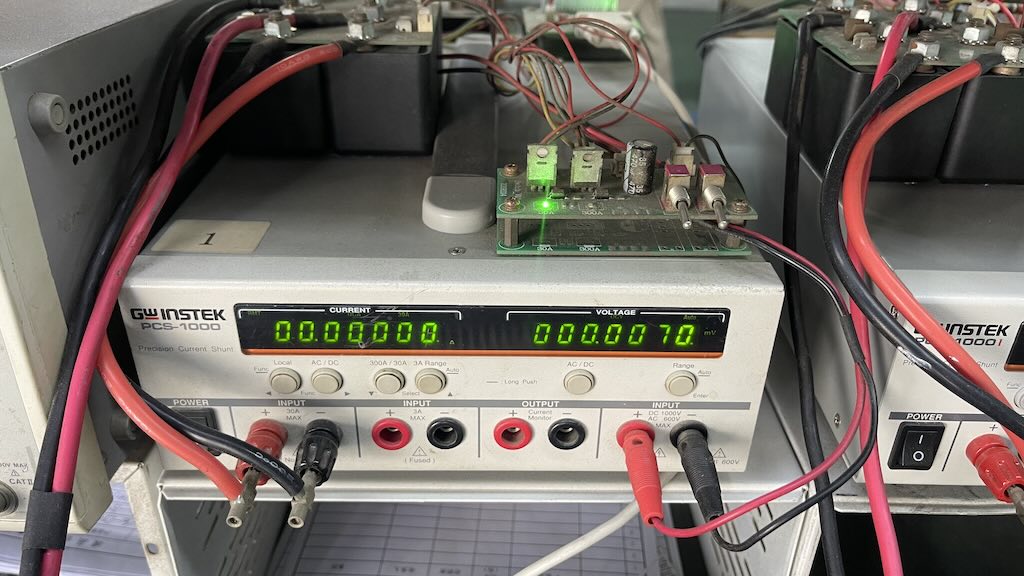
To ensure high reliability, MYAMI employs premium calibration and testing equipment. Each high-voltage source, programmable regulator, and insulation measurement subsystem is calibrated against laboratory reference standards, checking voltage accuracy, current stability, and ripple profiles.
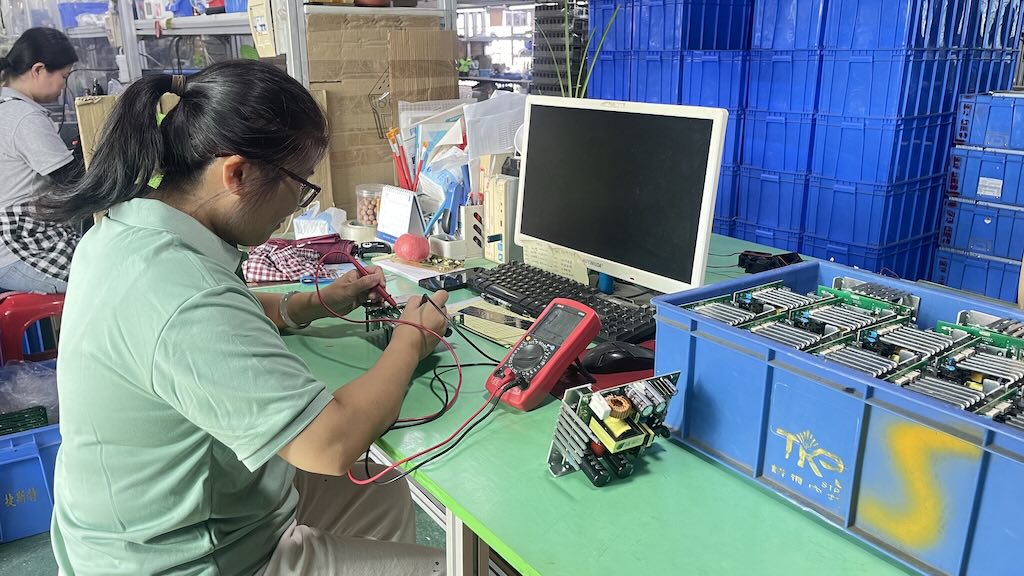 PCB Check
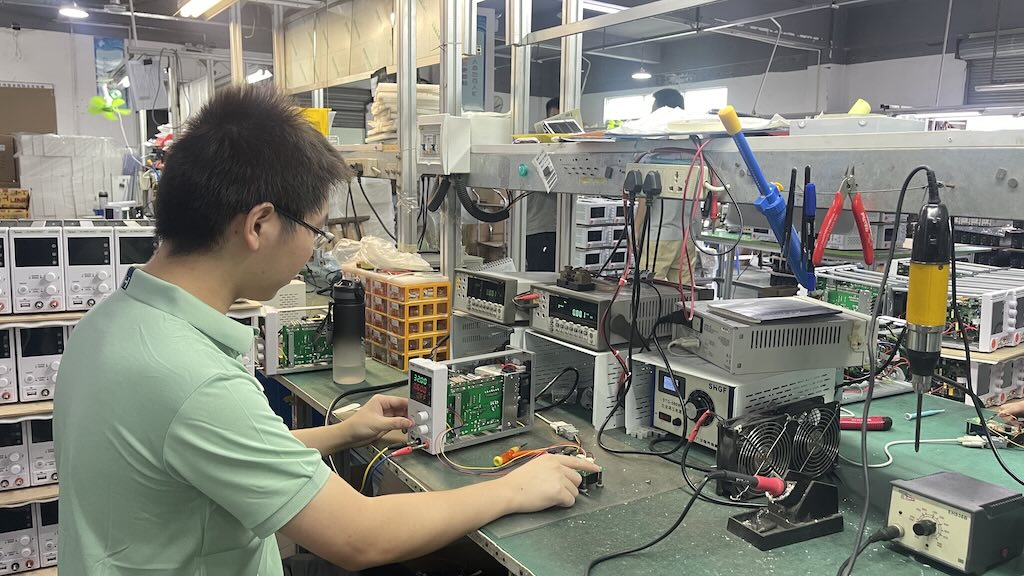 Debug Station
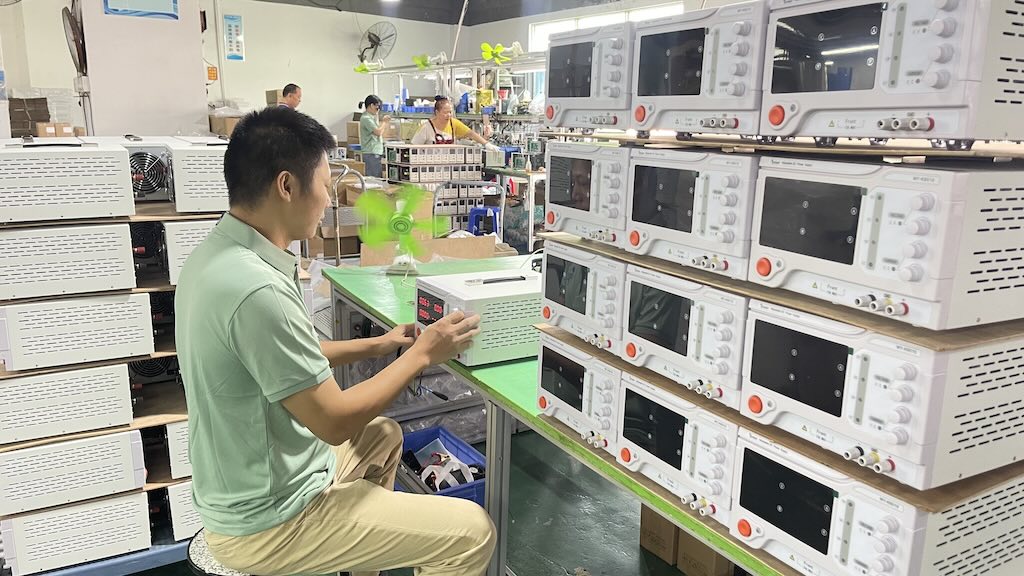 QC Check
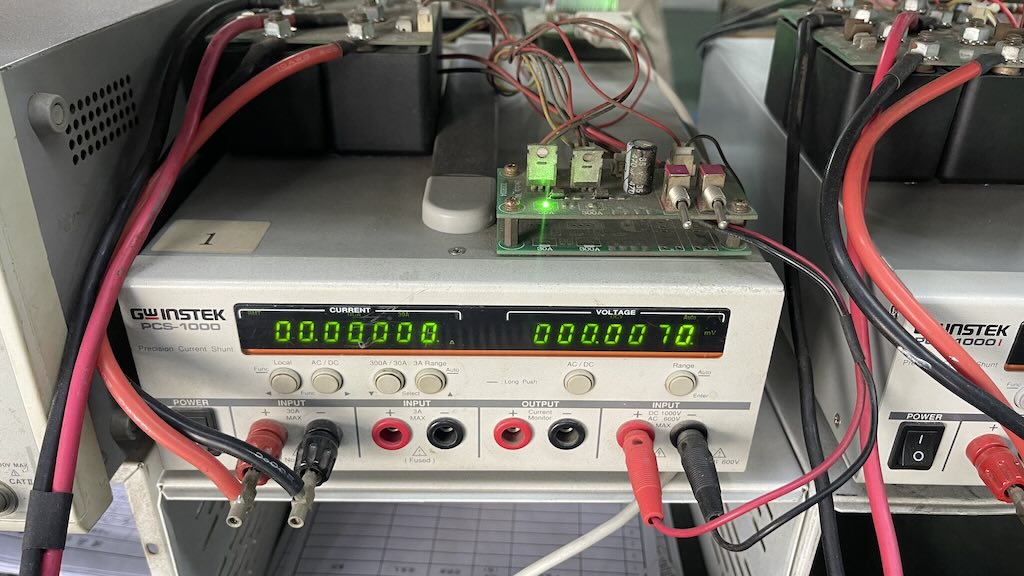 Multimeter
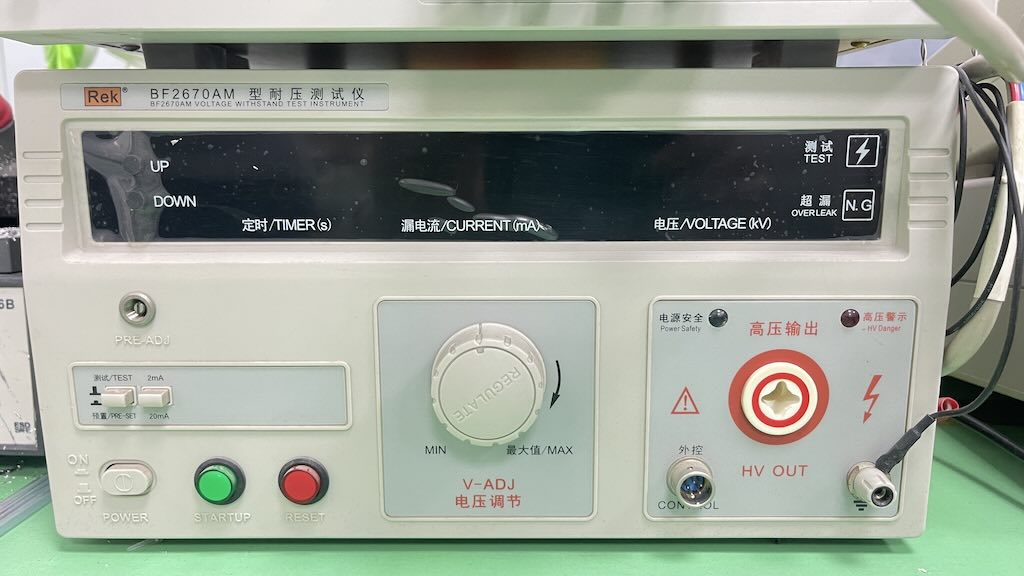
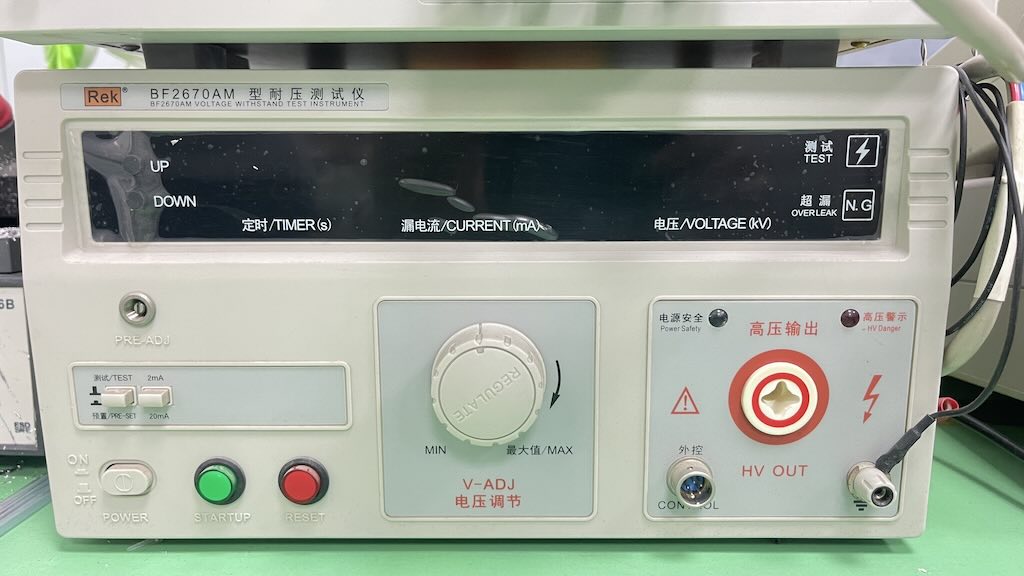 Hi-pot Tester
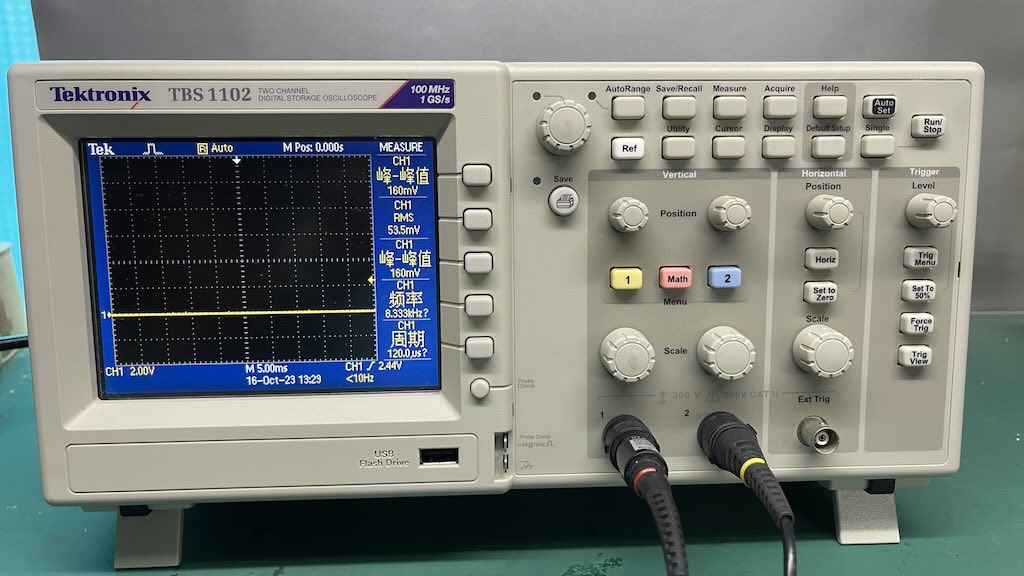
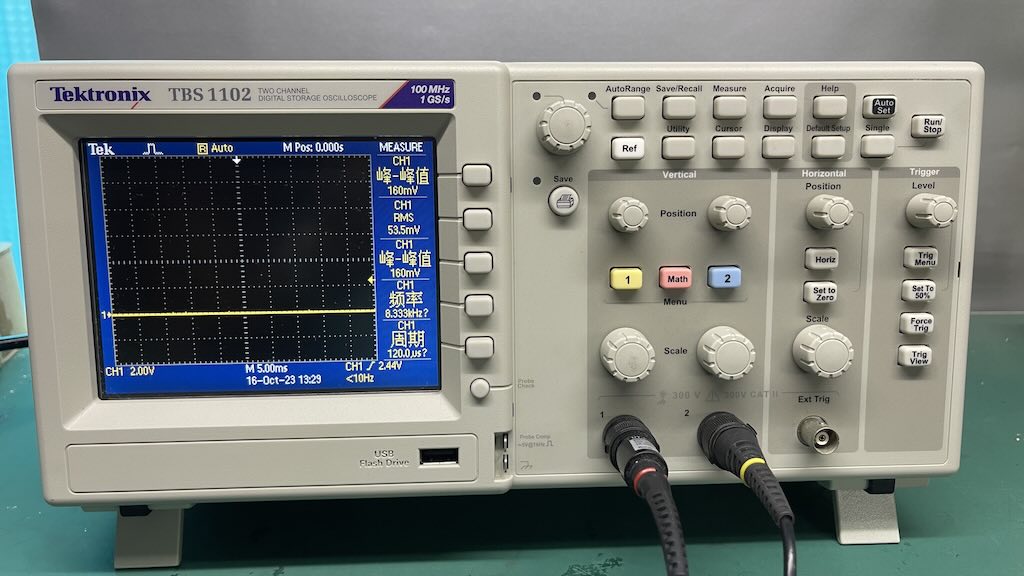 Oscilloscope
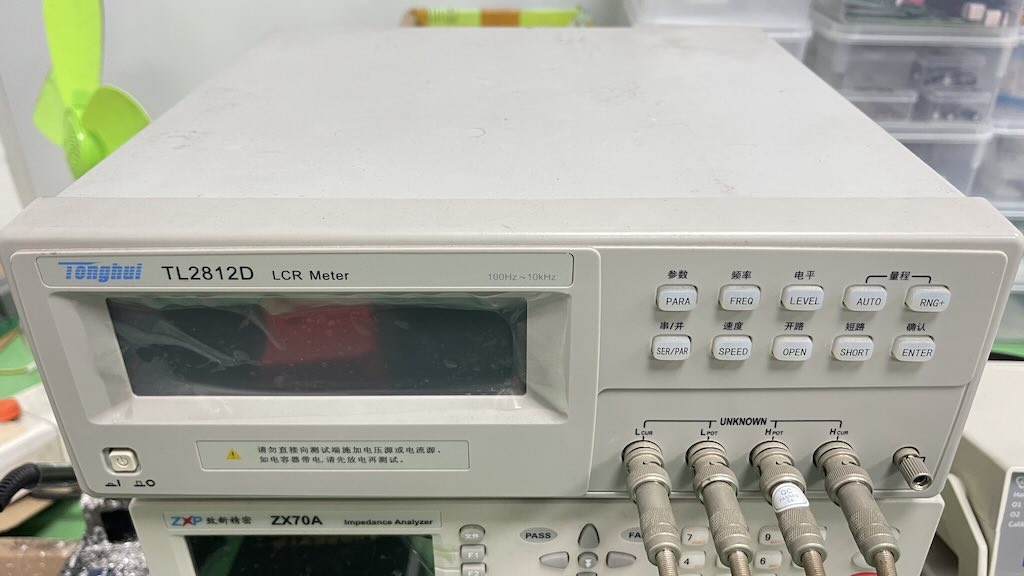
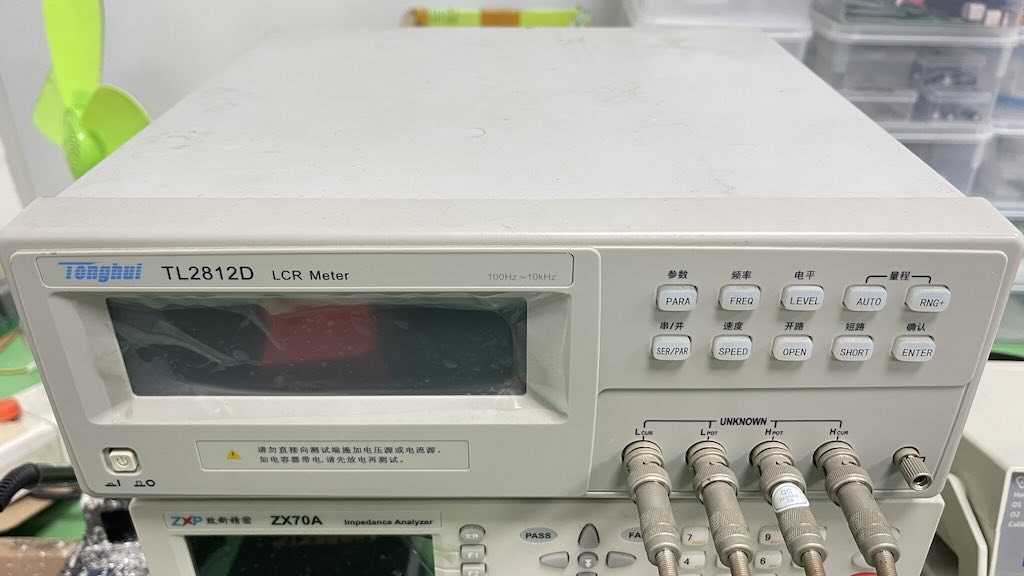 LCR Meter
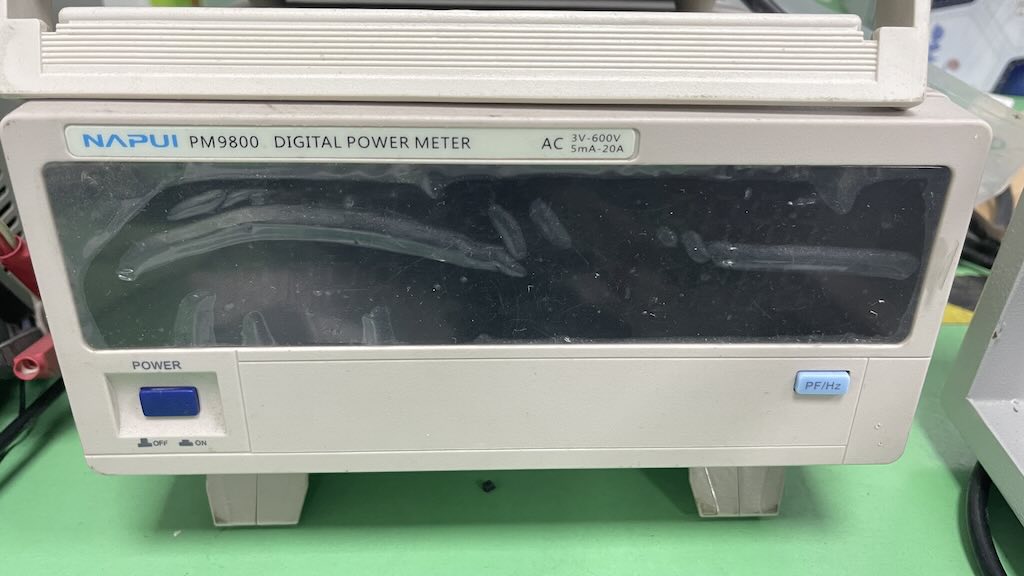
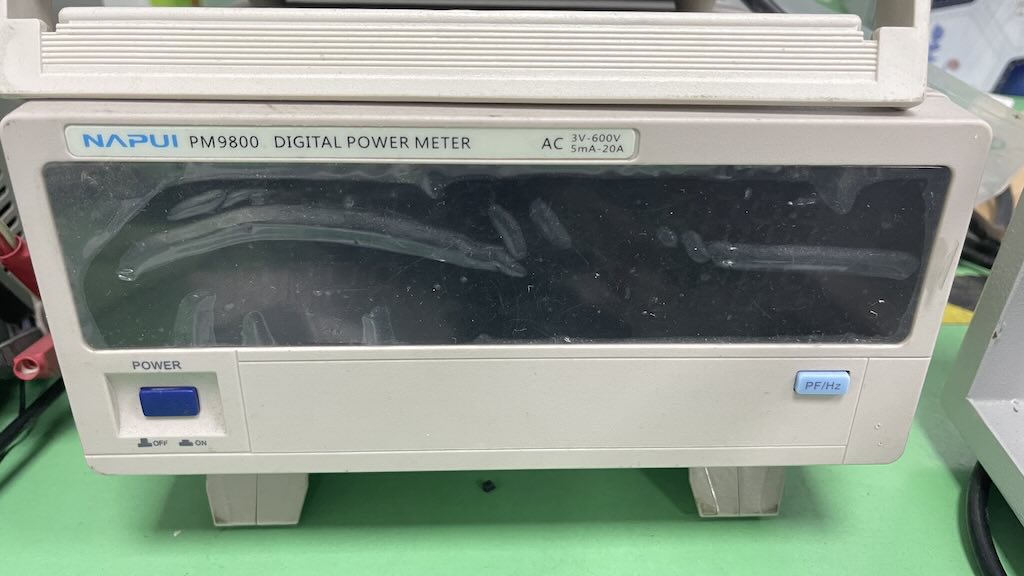 Digital Power Meter
Operating in modern research facilities requires a broad testing toolkit. Below is a breakdown of our measurement systems utilized during the development, testing, and shipping phases.
As grid modernizations continue, insulation tester systems must evolve. At MYAMI, our engineering department focuses on several key advancements:
Rather than simply generating static resistance numbers, future platforms will compile realtime waveforms of charging leakage currents, utilizing machine learning models to identify insulation tracking paths, surface contamination, and local ionization points prior to breakdown.
By integrating cloud synchronization and dual Wi-Fi/Bluetooth connections, site engineers can automatically correlate environmental variables (such as ambient humidity and operating temperature) with insulation resistance trends, meeting modern industrial standards.
When applying continuous high voltage to winding insulation, capacitive charging and polarization currents drop to near-zero over ten minutes. The remaining stable factor is current leakage. A polarization index ratio below 1.5 indicates significant insulation contamination (dust or moisture absorption), whereas ratios above 2.0 point to clean, dry insulation.
Our electrical architectures feature multi-layer safety mechanisms. Over-Voltage Protection (OVP) and Over-Current Protection (OCP) trigger within microseconds of detecting feedback. Additionally, galvanic isolation techniques separate low-voltage digital controls from high-voltage output terminals, protecting operators and preventing equipment damage.
We natively support standard RS485 and RS232 interfaces running Modbus RTU, as well as CAN communication for automotive subsystem integration. This allows factory automation lines to remotely trigger insulation tests, set target voltages, and pull leakage metrics directly to SCADA systems.
An insulation resistance (IR) test measures the precise resistance value under non-destructive conditions (showing whether the insulation is degradation-free). A Hipot test evaluates if the material can withstand a high-voltage stress test without electrical breakdown, typically running as a pass/fail compliance standard.
Humidity creates micro-current leakage paths across the surface of the tester probes and the tested material, artificially lowering the measured resistance. High-precision insulation testers utilize a specialized Guard Terminal (often marked as G) to bypass surface currents, directing only bulk volume leakage through the measuring circuit.

 Myami Power