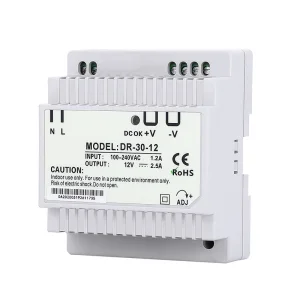
The global battery charger market is undergoing a seismic shift. No longer limited to simple AC-to-DC converters for low-power consumer electronics, modern charging solutions are critical backbones of industrial systems, transportation infrastructures, and renewable utility grids. Fueled by the exponential rise of Electric Vehicles (EVs), Automated Guided Vehicles (AGVs), solar-plus-storage frameworks, and aerospace electrification, industrial battery charger suppliers are tasked with engineering highly complex, high-power systems that offer dynamic control and robust efficiency.
According to current market intelligence, the global battery charger market size is projected to expand significantly, driven by stringent energy-efficiency regulations (such as Energy Star and EU Ecodesign directives) and the transition toward lithium-ion, solid-state, and high-voltage battery chemistries. Suppliers must now balance peak power density with advanced thermal management, communication interface capabilities, and multi-tier electronic safety safeguards.
Industrial battery packs require precise Constant Current (CC) and Constant Voltage (CV) transitions. High-precision programming ensures battery longevity and prevents thermal runaway during peak-rate cycles.
Active PFC (typically >0.99) minimizes harmonic distortion injected into the AC grid. This optimization prevents power quality degradation in large-scale laboratory and manufacturing environments.
Robust protection topologies are mandatory. Equipment must possess built-in Over-Voltage (OVP), Over-Current (OCP), Over-Temperature (OTP), and Short-Circuit protections to secure critical infrastructure.
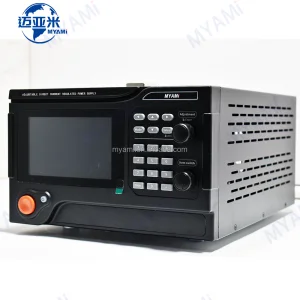
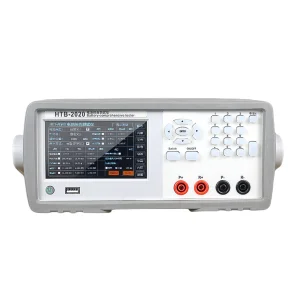
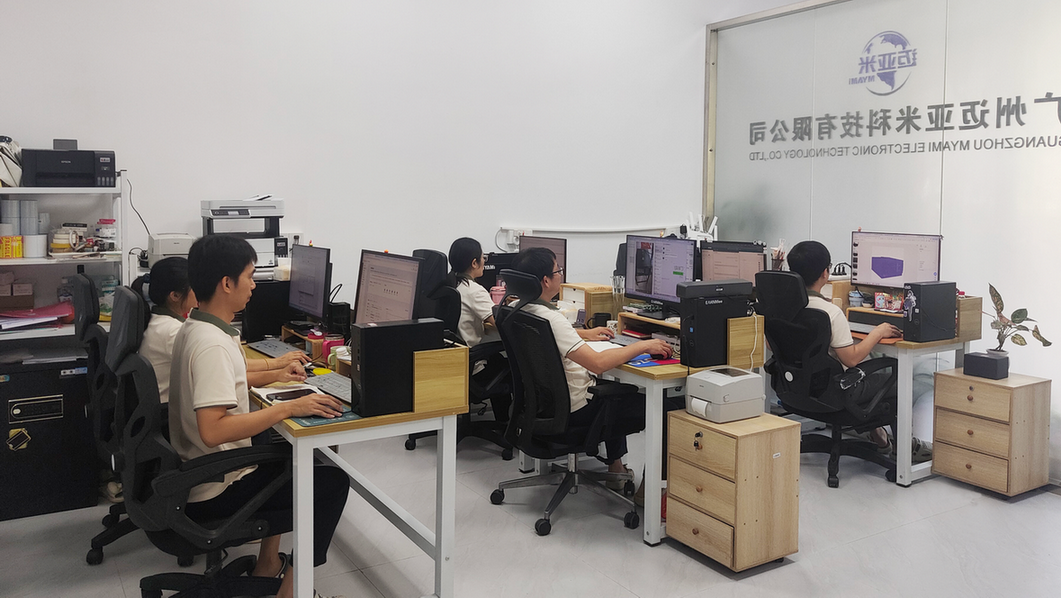
Headquartered in Shenzhen, China, Shenzhen Myami Power Technology Co., Ltd. (MYAMI) is a technology-driven manufacturer and solution provider specializing in high-precision, industrial-grade power supplies and electrical test equipment. Designed for engineering rigor, MYAMI bridges the gap between complex electronic research, high-voltage component testing, and scalable industrial automation.
Our specialized engineering portfolio focuses on four core operational pillars:
Every MYAMI system is engineered with strict multi-layer protection protocols (OVP, OCP, OTP, and short-circuit safeguards) and complies with international safety and quality standards, including CE, RoHS, and ISO9001. Integrated with standard industrial control protocols (RS485, RS232, and CAN communication), our equipment seamlessly connects to automated production lines and central PC control systems.
Today, MYAMI serves research institutions, automotive OEMs, aerospace contractors, and electronics manufacturers across North America, Europe, East Asia, and the Middle East. Whether you require a single benchtop lab power supply or a custom high-power aging system, MYAMI is your ultimate partner for precision power and uncompromised testing reliability.
The core technology inside battery chargers is moving away from traditional silicon MOSFETs. The integration of Wide Bandgap (WBG) semiconductors, such as Silicon Carbide (SiC) and Gallium Nitride (GaN), has enabled power supplies to switch at much higher frequencies while dramatically reducing thermal losses. This translates to smaller form factors, lower cooling demands, and higher power densities.
By employing LLC resonant topologies, modern battery chargers achieve Zero Voltage Switching (ZVS) across the entire load spectrum. This drastically reduces electromagnetic interference (EMI) emissions and electrical stress on components, ensuring highly clean DC outputs with low ripple voltage—critical for high-precision EV testing and laboratory emulation.
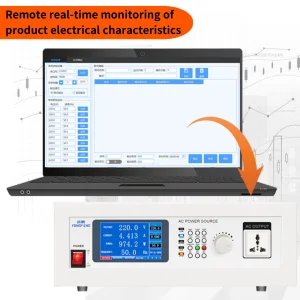
The future of energy grids relies on smart energy distribution. Modern industrial battery chargers are incorporating bidirectional power conversion, allowing energy to flow from the grid to the battery pack, and back to the grid. MYAMI is at the forefront of this shift, designing programmable power supplies that function both as a source (charger) and a load (regenerative electronic load).
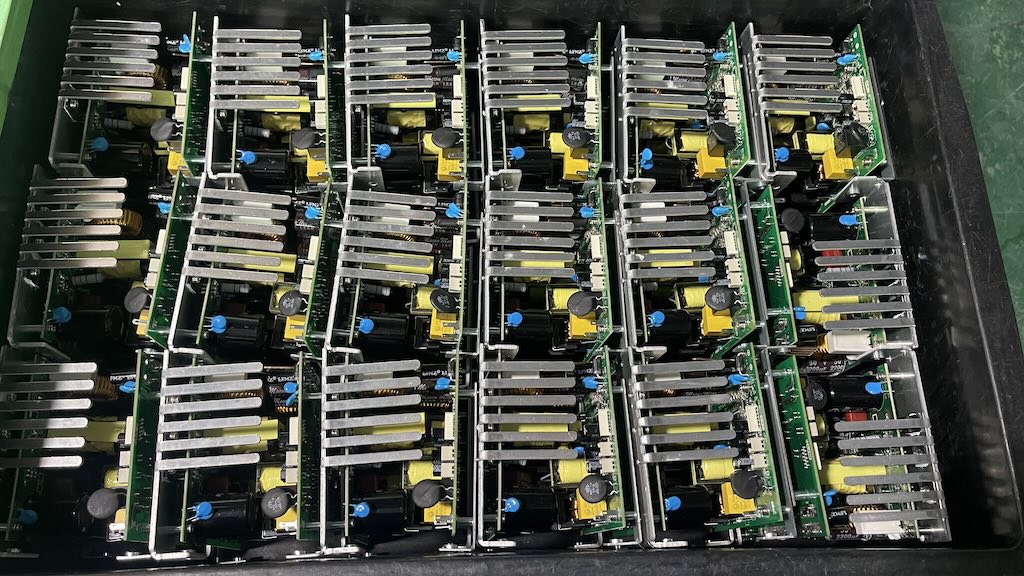 Raw Material
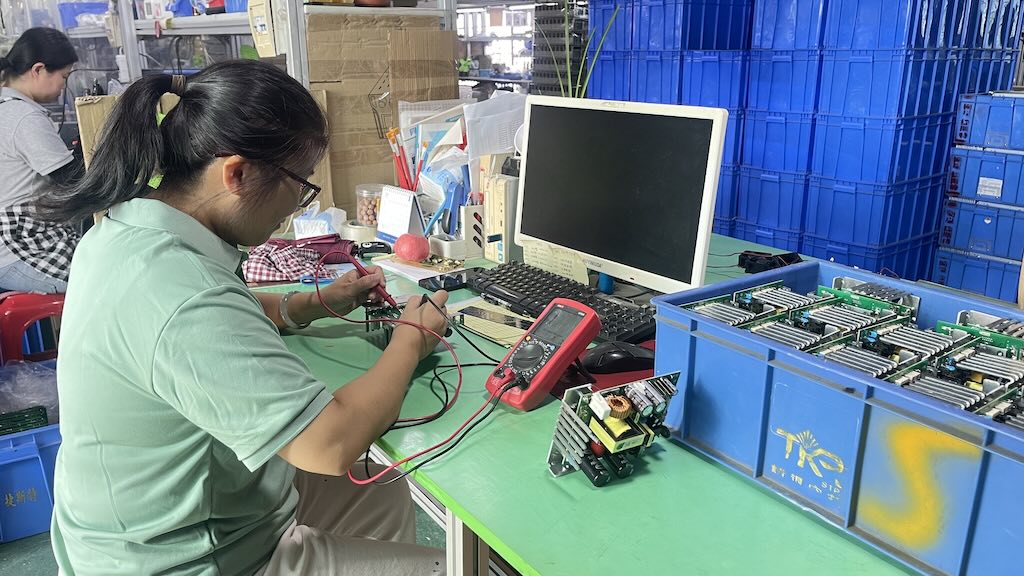 PCB Checking
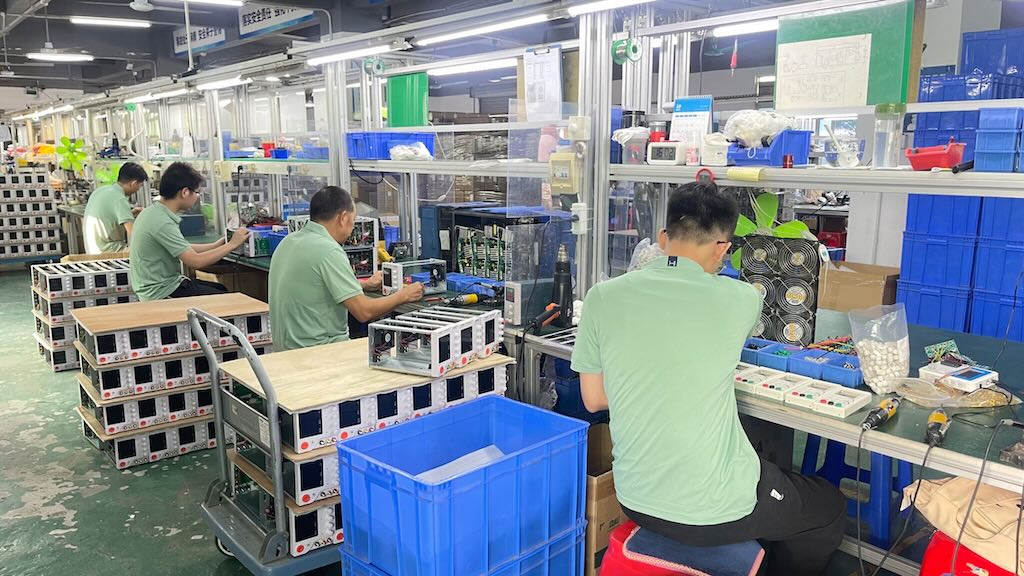 Assembling
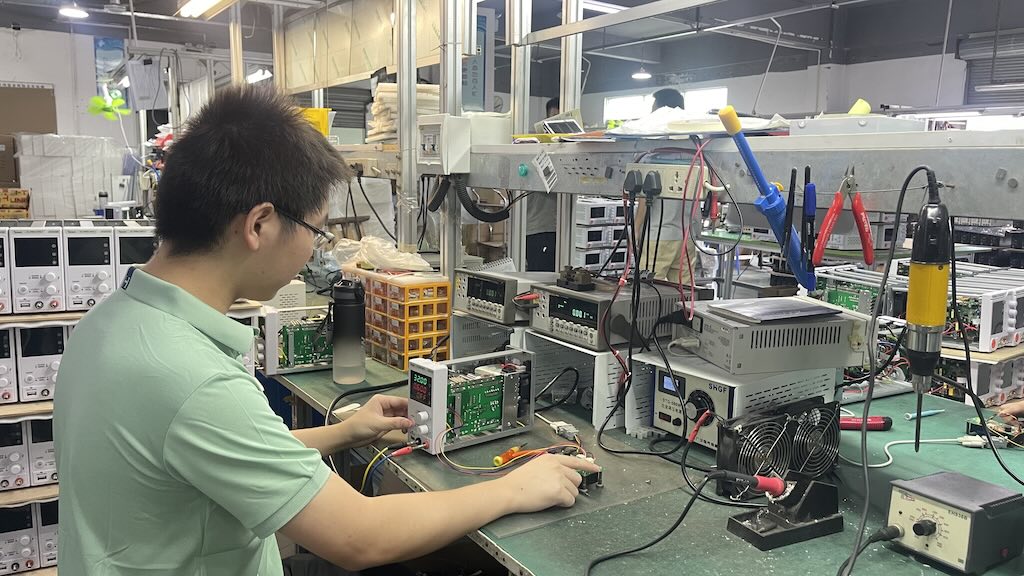 Debug
Debug
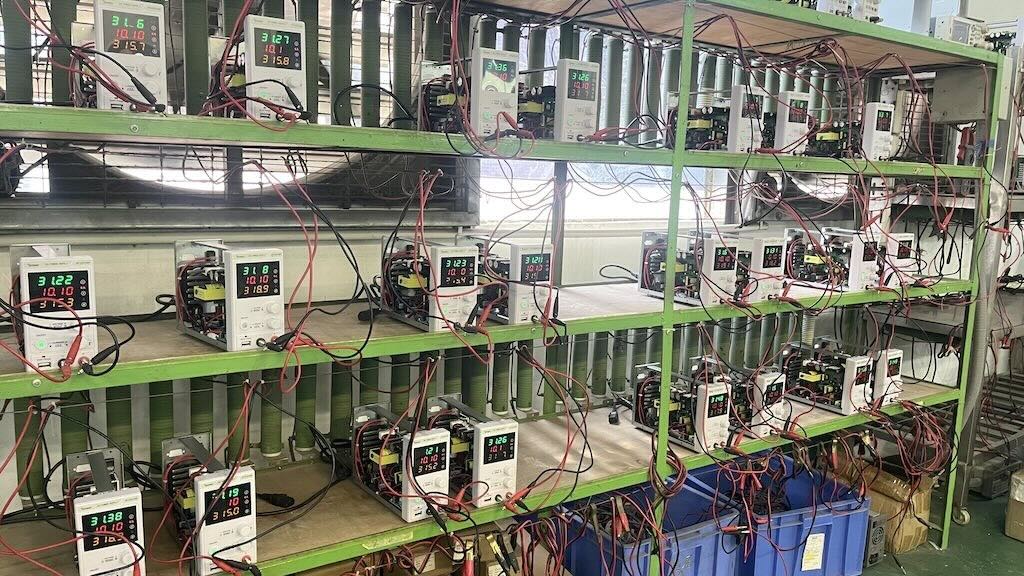 Aging
Aging
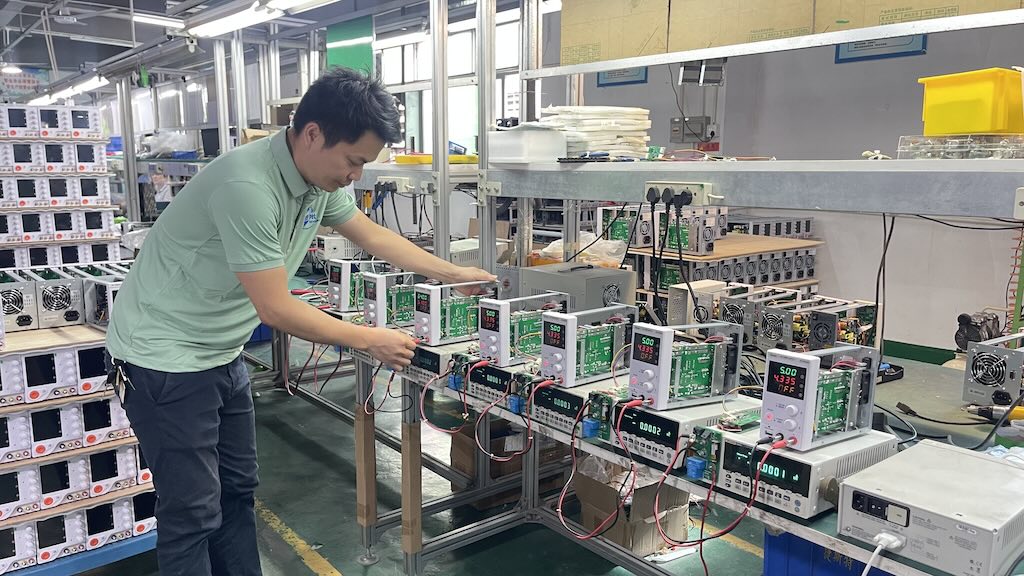 Calibration
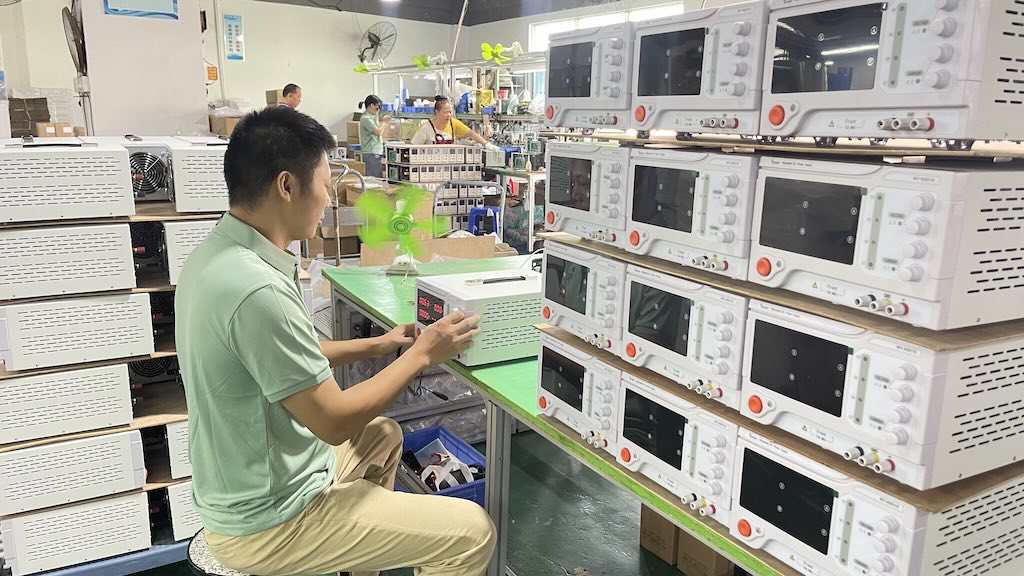 QC checking
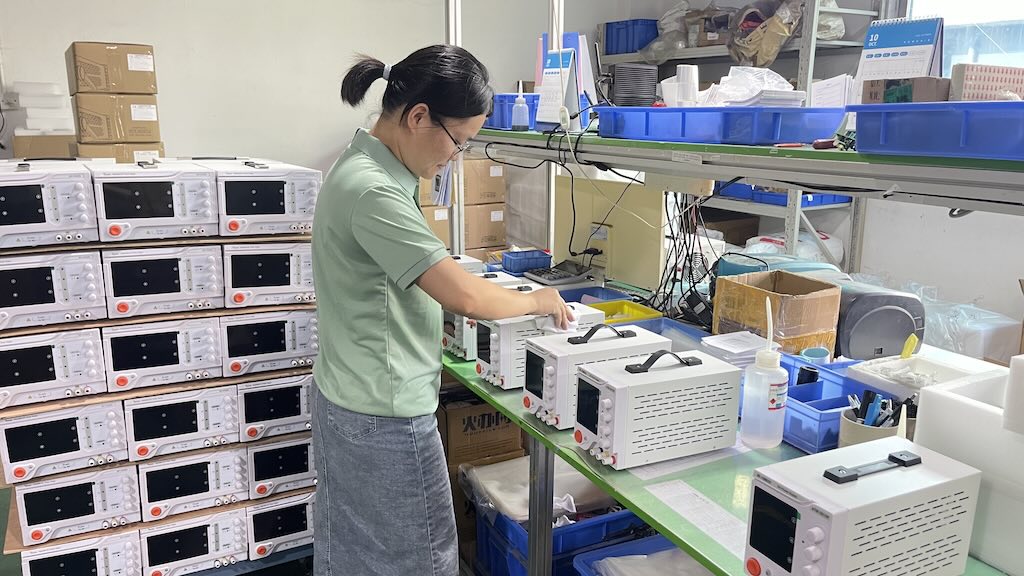 Packing
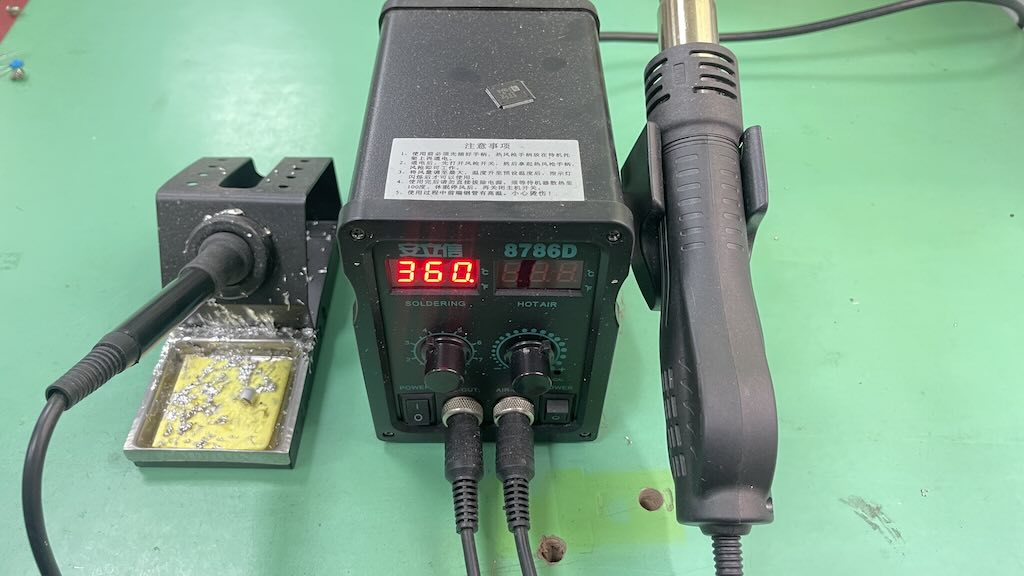 Soldering Station
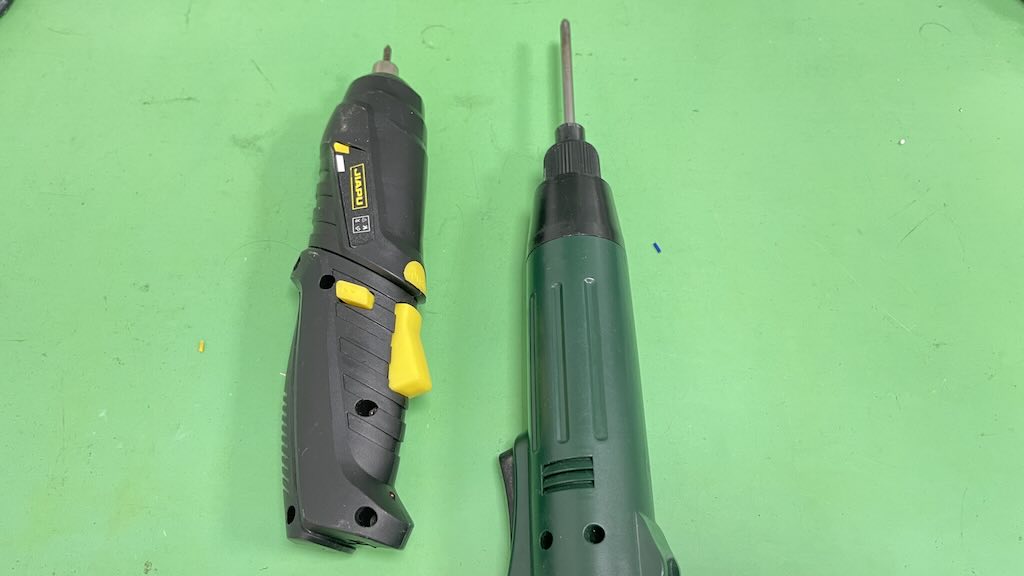 Electronic Screwdriver
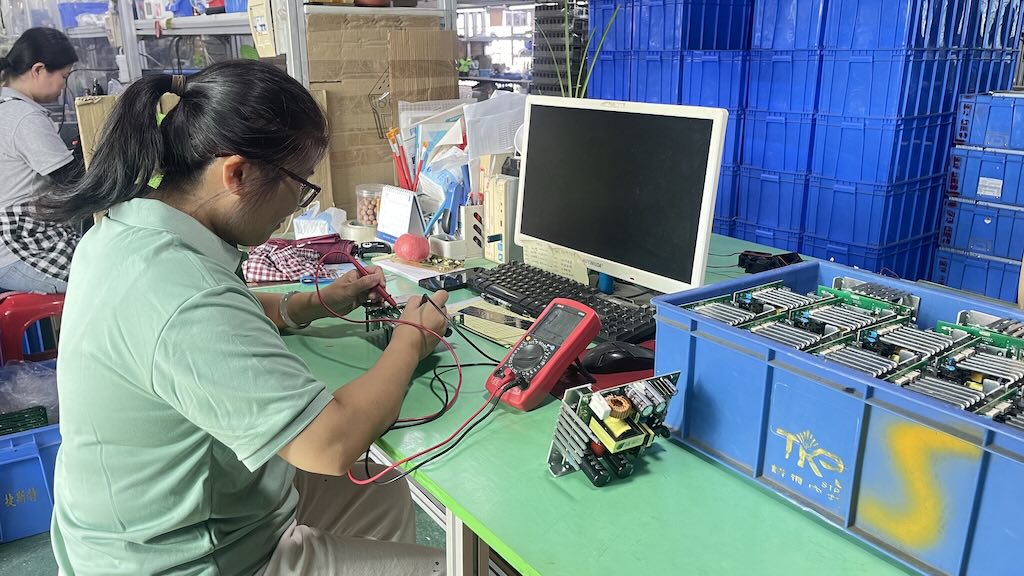 PCB Check
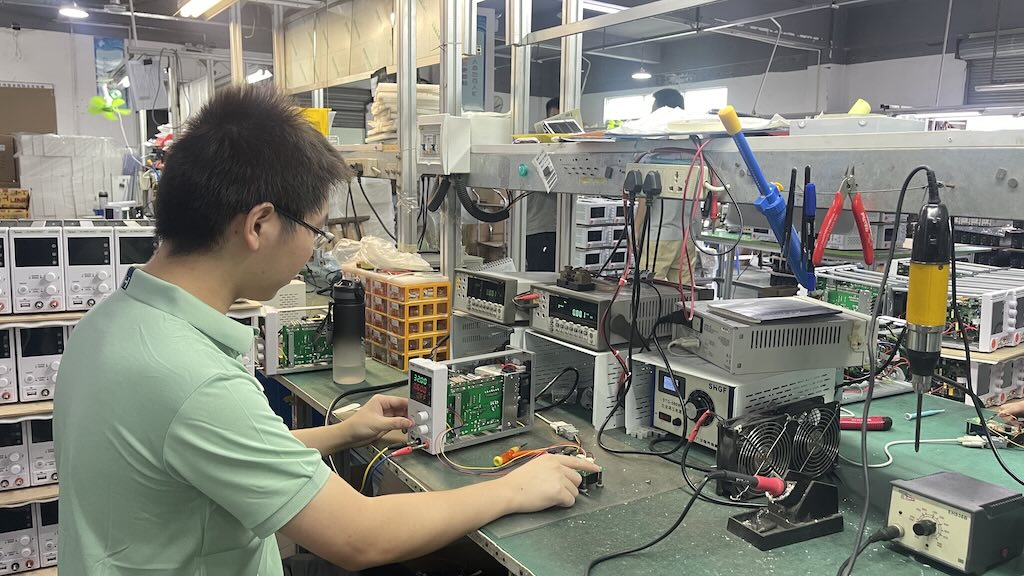 Debug
Debug
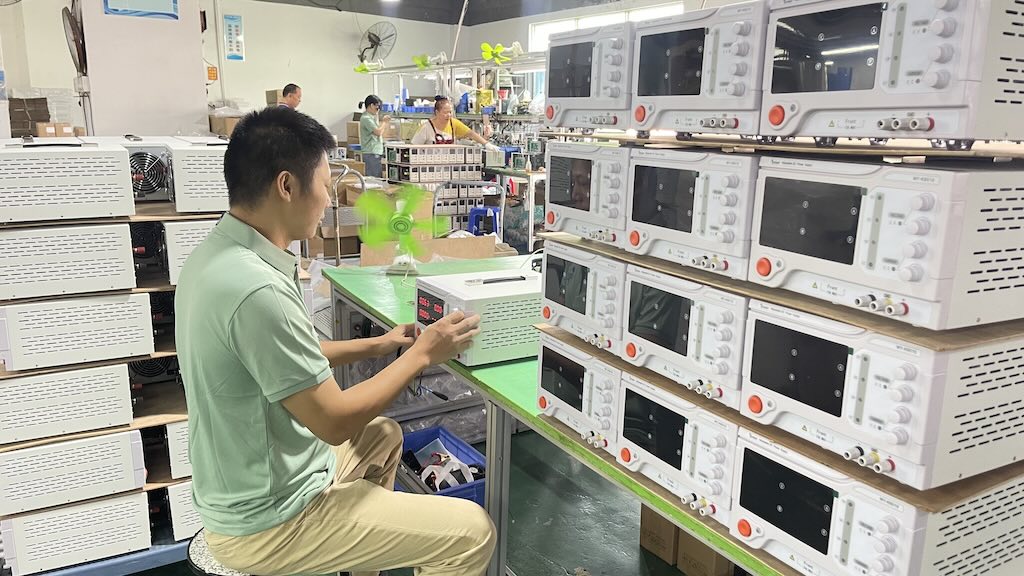 QC check
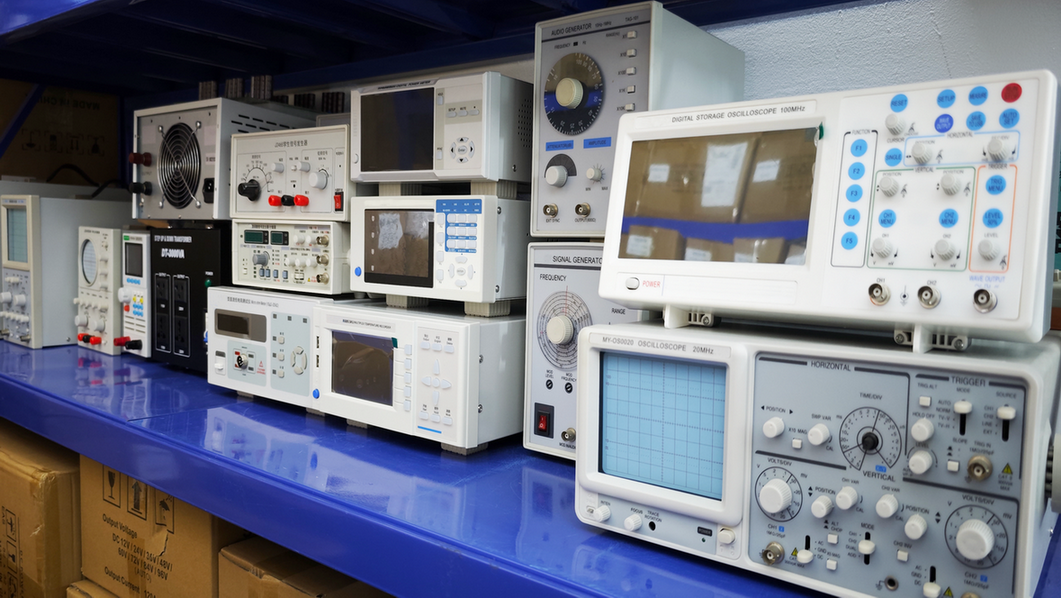
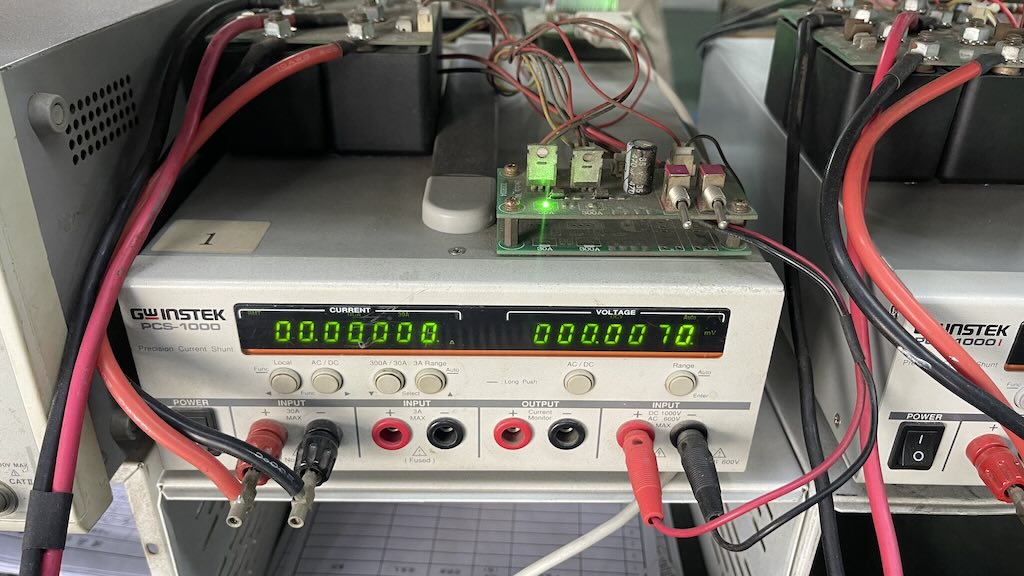 Multimeter
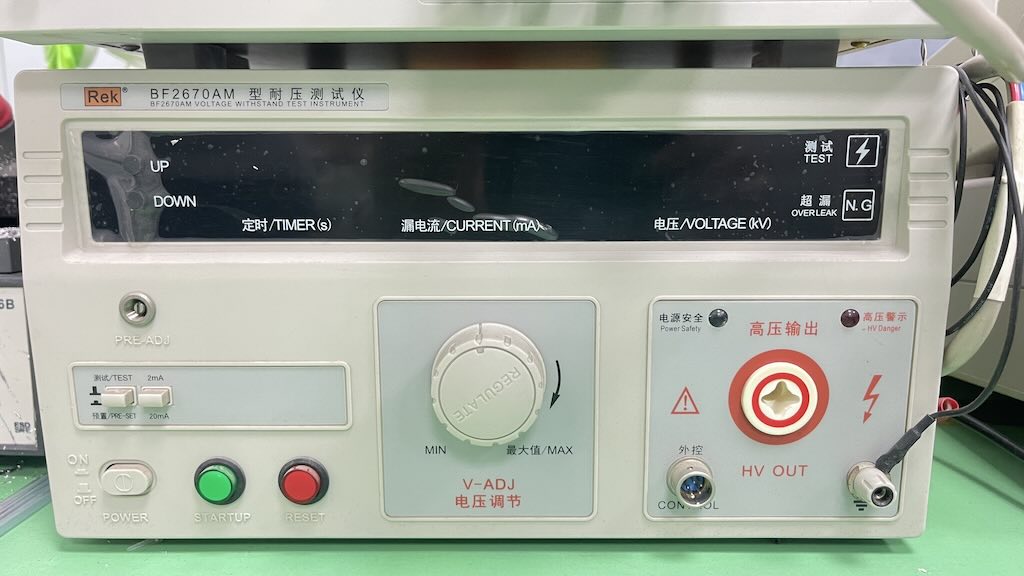 Hi-pot Tester
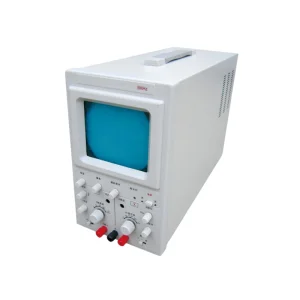
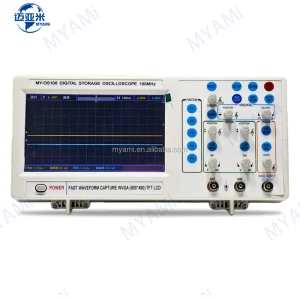
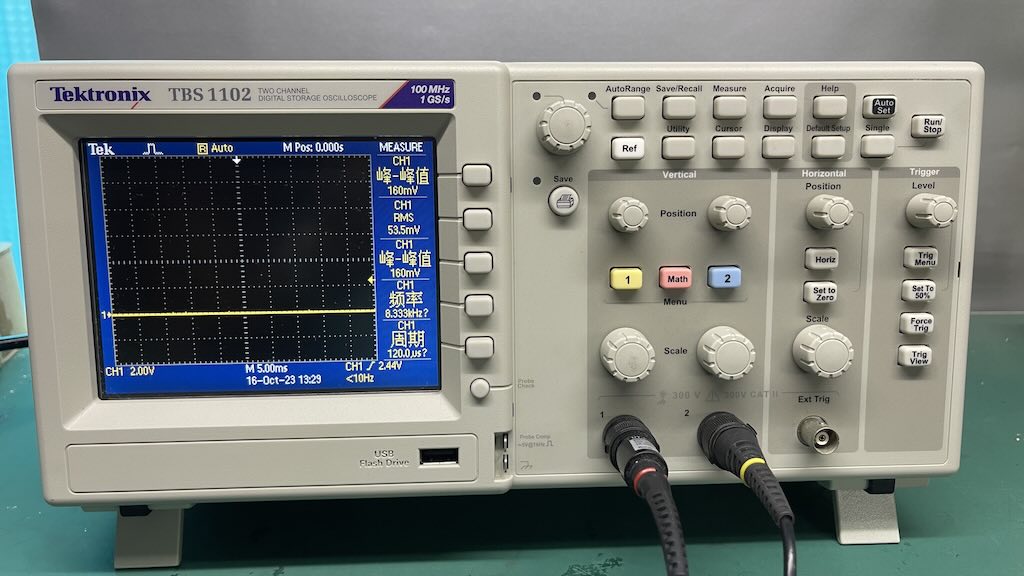 Oscilloscope
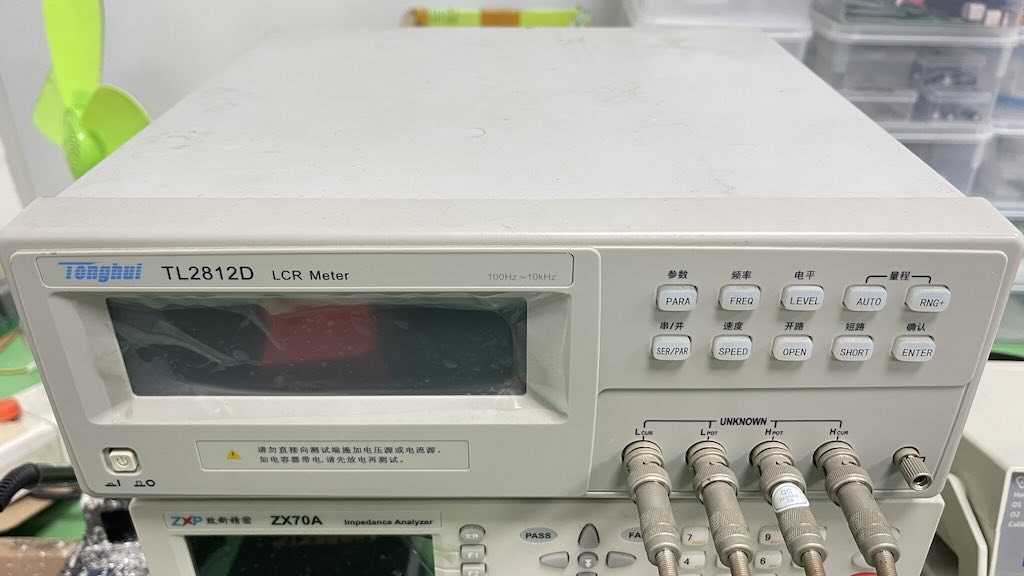 LCR Meter
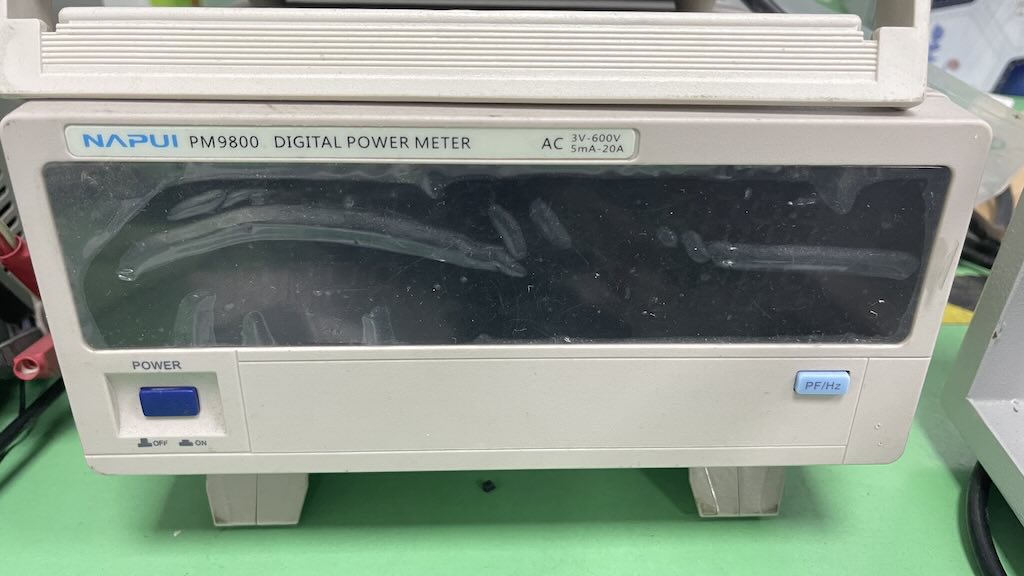 Digital power meter
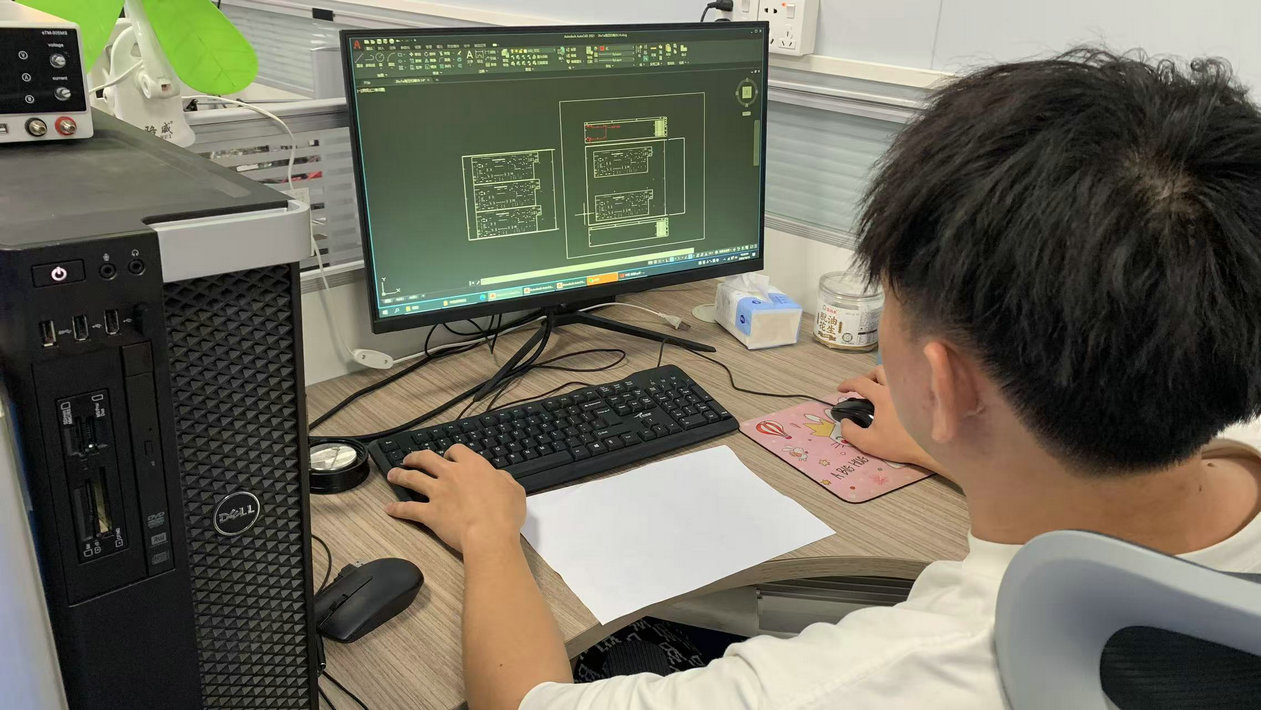 Design
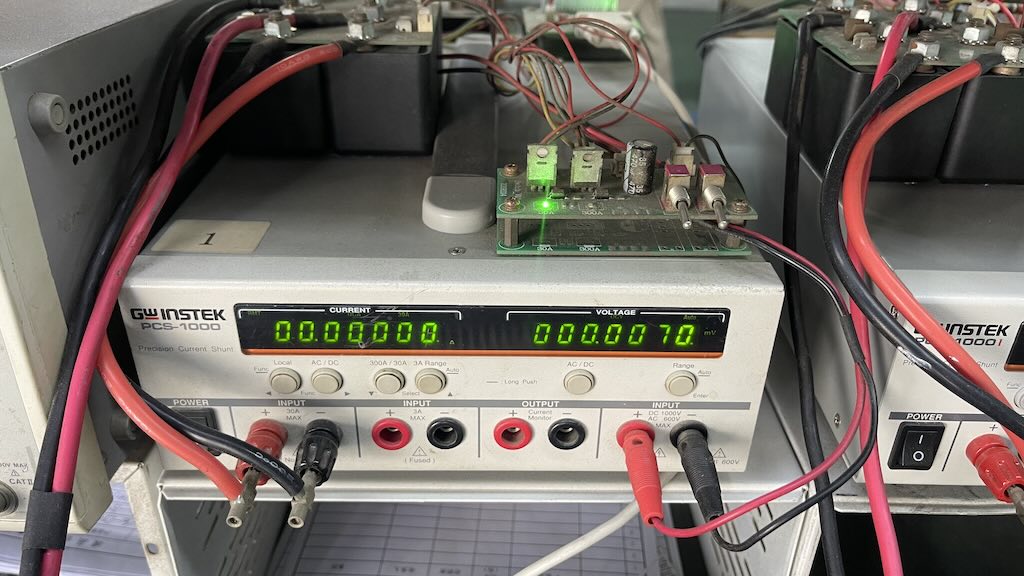 Multimeter
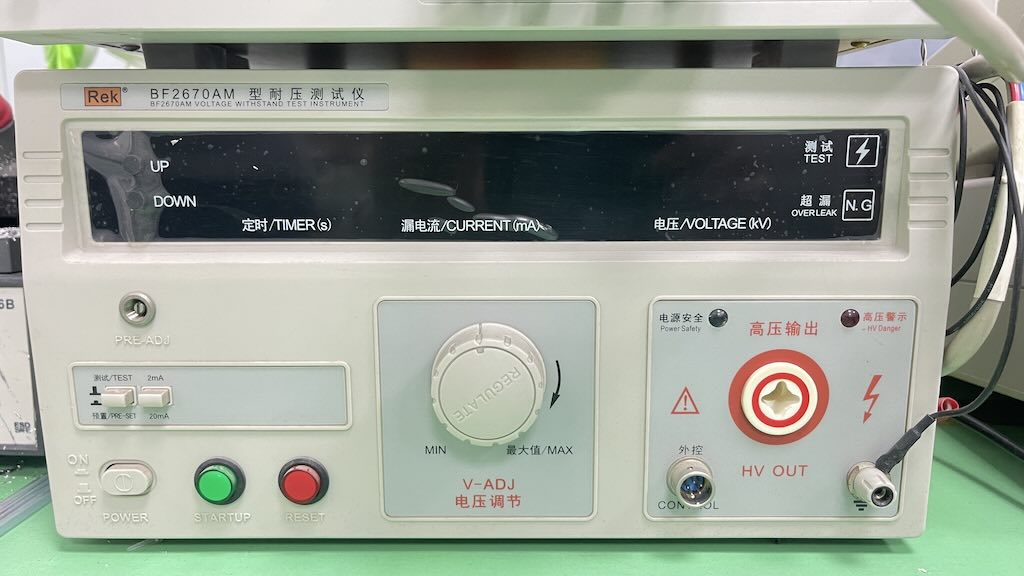 Hi-pot Tester
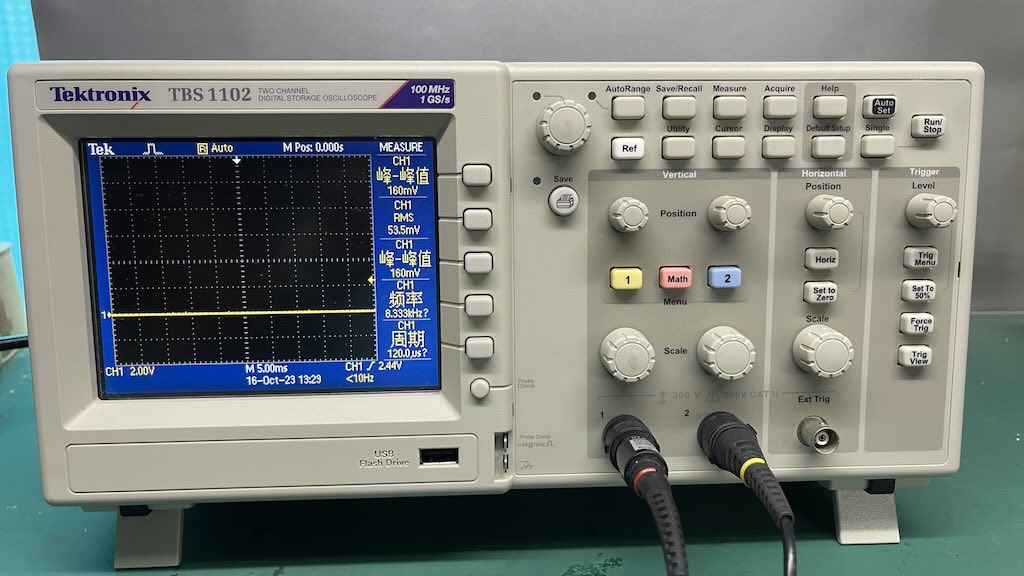 Oscilloscope
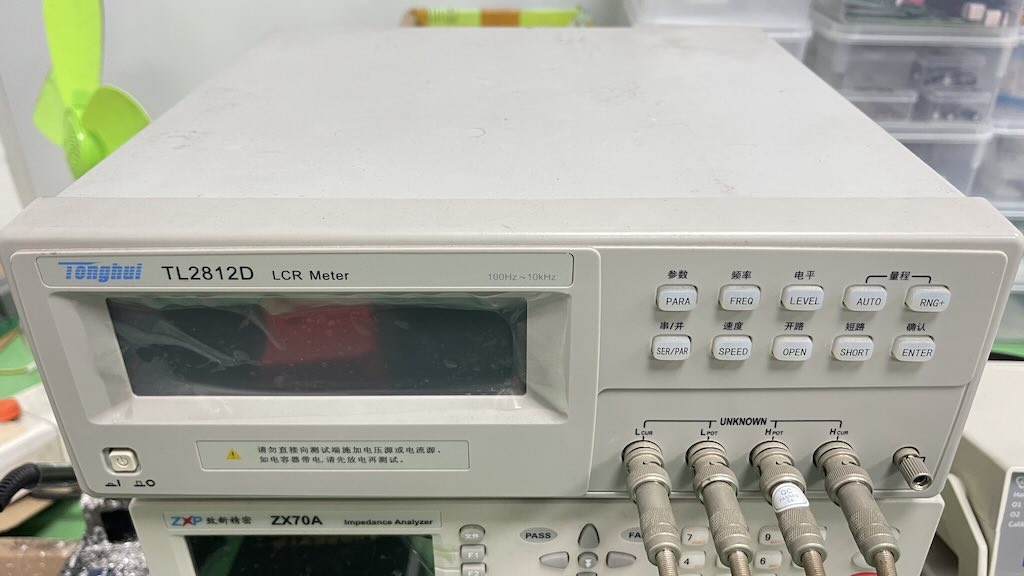 LCR Meter
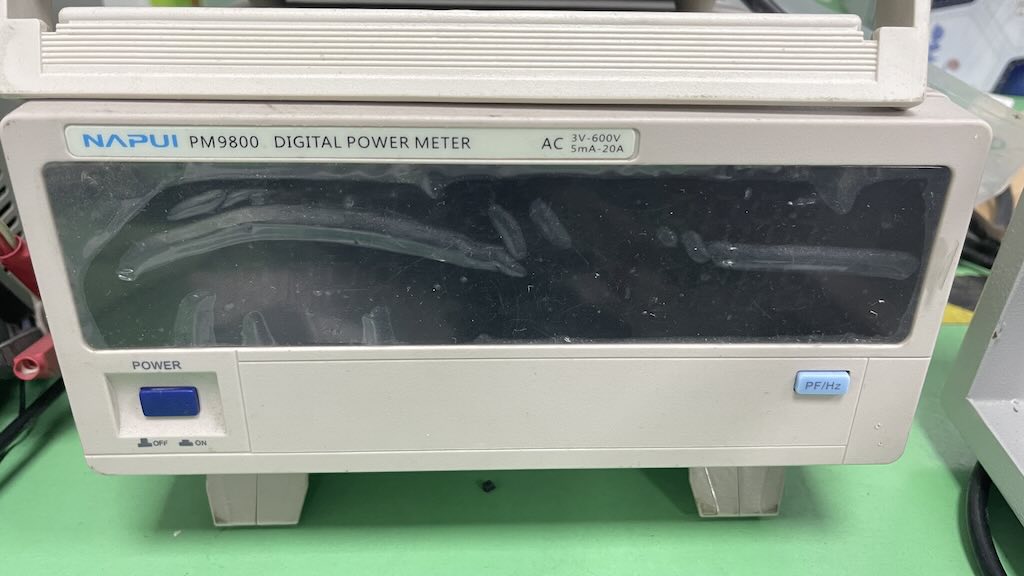 Digital power meter
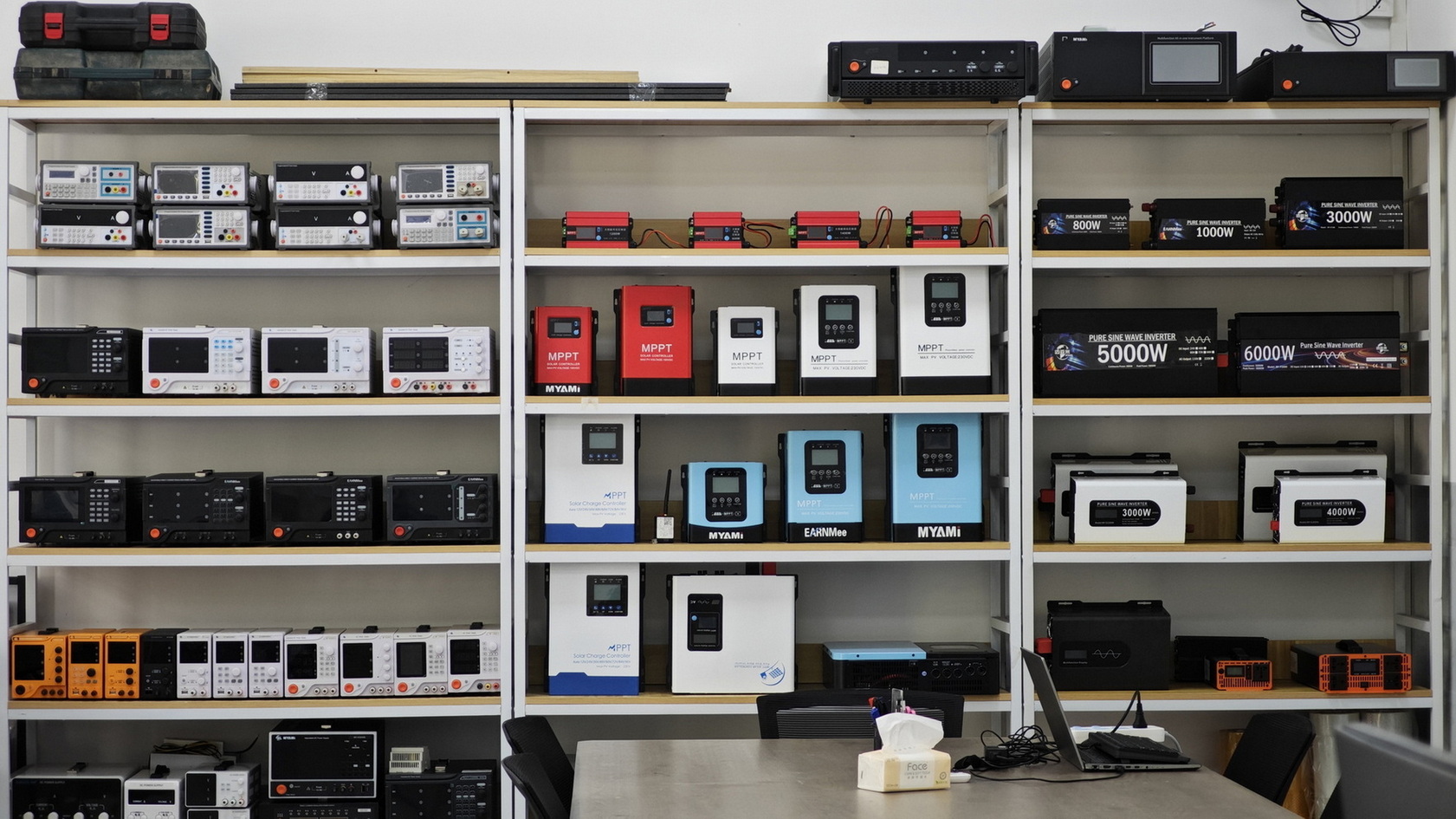
In addition to modular bench instruments, modern industrial buyers look for comprehensive macro-level power architectures. MYAMI's solution engineers customize rack-mounted setups configured for specific geographic and systemic environments:
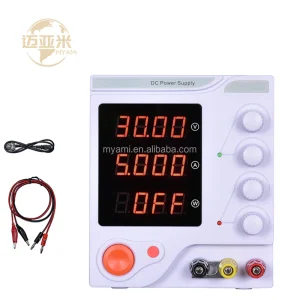
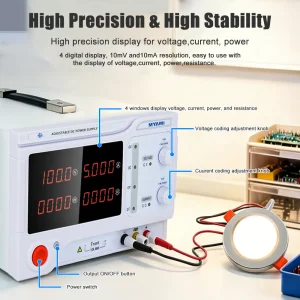
Simulating dynamic high-voltage battery charging cycles requires stable DC sources that communicate in real-time. By utilizing programmable bench power supplies configured to emulate lead-acid and lithium curves, automotive engineers in European and North American laboratories analyze BMS protection thresholds, thermal runaway points, and fast-charging parameters under extreme climatic simulations.
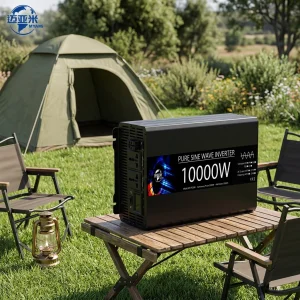
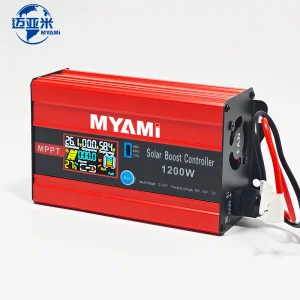
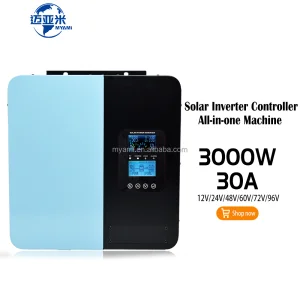
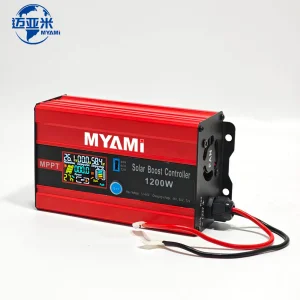
In regions experiencing massive photovoltaic infrastructure expansion, such as the Middle East and Australia, solar system performance under volatile grid conditions is paramount. The integration of high-precision MPPT solar controllers and pure sine wave hybrid inverters ensures that power grid fluctuations are mitigated. Using programmable AC frequency regulators, engineers simulate complex grid anomalies, testing solar inverter reactions to voltage sags, phase shifts, and frequency variations.
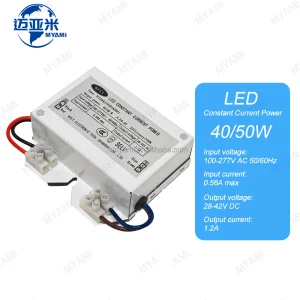
In large distribution warehouses across East Asia, rapid charging networks keep autonomous robotics fleets functioning 24/7. High-efficiency, din-rail mount power supplies and constant-current drivers are integrated directly into compact charging docking stations, maximizing MTBF and optimizing space allocation on the assembly floor.
 Myami Power