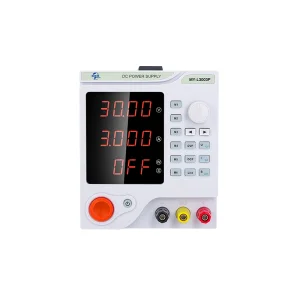
Ensuring stable RF transmitter outputs and strict CE compliance through precision testing instrumentation.
In the era of Industrial Internet of Things (IIoT), automated manufacturing, and smart energy grids, the deployment of wireless transmitters has transitioned from a standard telemetry upgrade to a critical infrastructural demand. Broadly defined, a wireless transmitter is a device that generates and modulates radio frequency (RF) carrier signals to convey telemetry, control, or environmental data over distance. However, in industrial plants, petrochemical refineries, and electronic R&D facilities, the reliability of these transmitters rests entirely on the quality of their underlying power components and testing methodologies. Achieving CE Certification is the baseline threshold for European market entry, indicating compliance with the Radio Equipment Directive (RED) 2014/53/EU and EMC regulations. Without rigorous voltage control and precise environmental logging, transmitter signal drift and structural failure are inevitable.
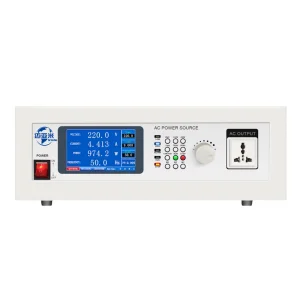
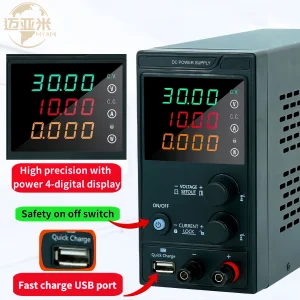
Radio frequency circuitry is highly susceptible to electrical noise and voltage fluctuations. Industrial wireless transmitters, whether utilizing LoRa, NB-IoT, Zigbee, or proprietary microwave protocols, demand ultra-low ripple DC power inputs to prevent phase noise and signal degradation. A fluctuation of mere millivolts on a transmitter's power amplifier stage can lead to spectral splatter, violating CE regulatory thresholds for spurious emissions. For this reason, modern wireless transmitter factories do not merely manufacture transmitter boards; they must run advanced validation suites using programmable power supplies and high-accuracy data loggers. The design process requires simulated brownouts, thermal aging tests, and precise power profiling—ensuring the device remains safe, compliant, and operational under extreme field conditions.
Take an inside look at our advanced manufacturing steps, rigorous PCB inspection, automated calibration, and comprehensive quality assurance workflow.
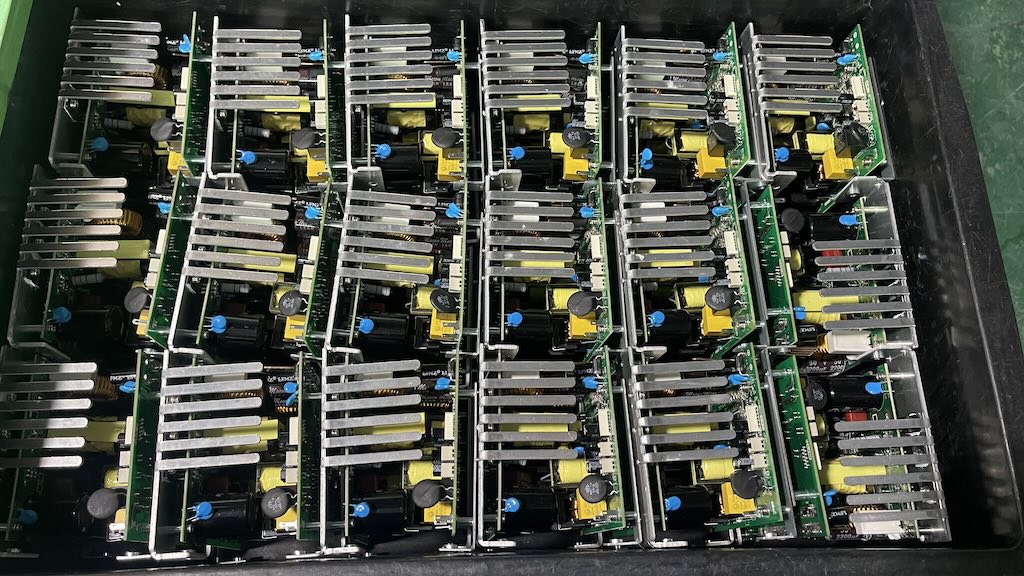 Raw Material
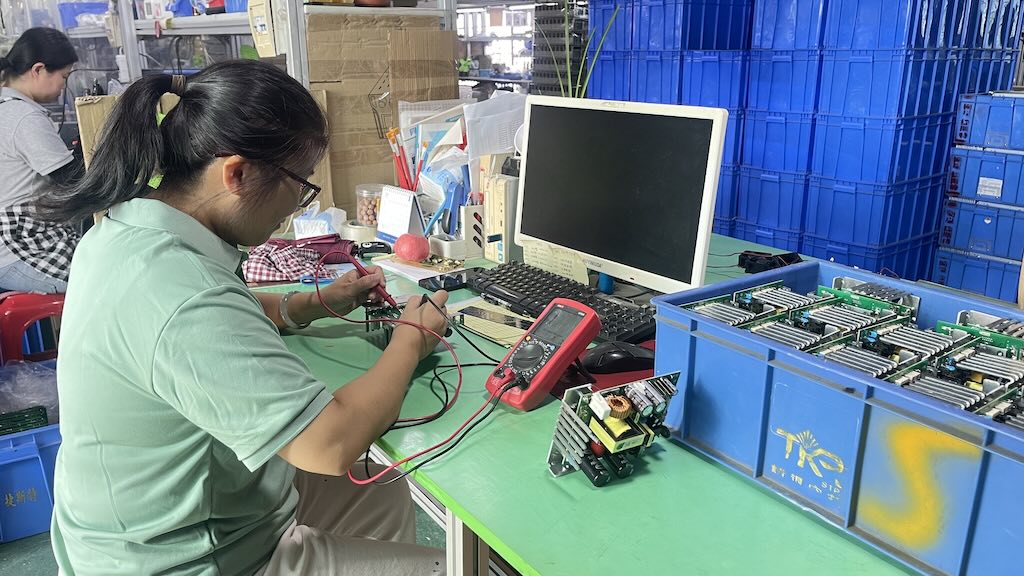 PCB Checking
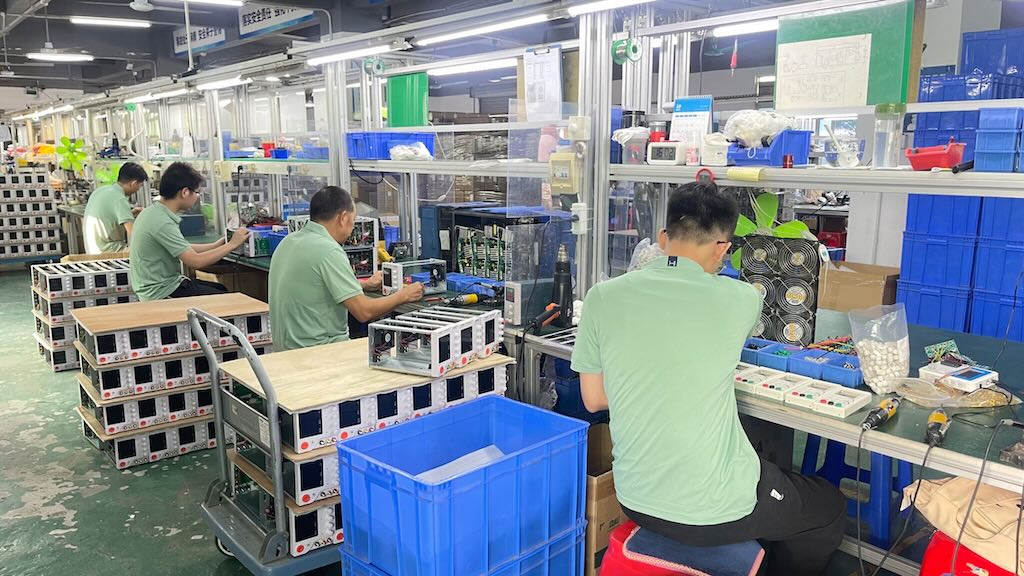 Assembling
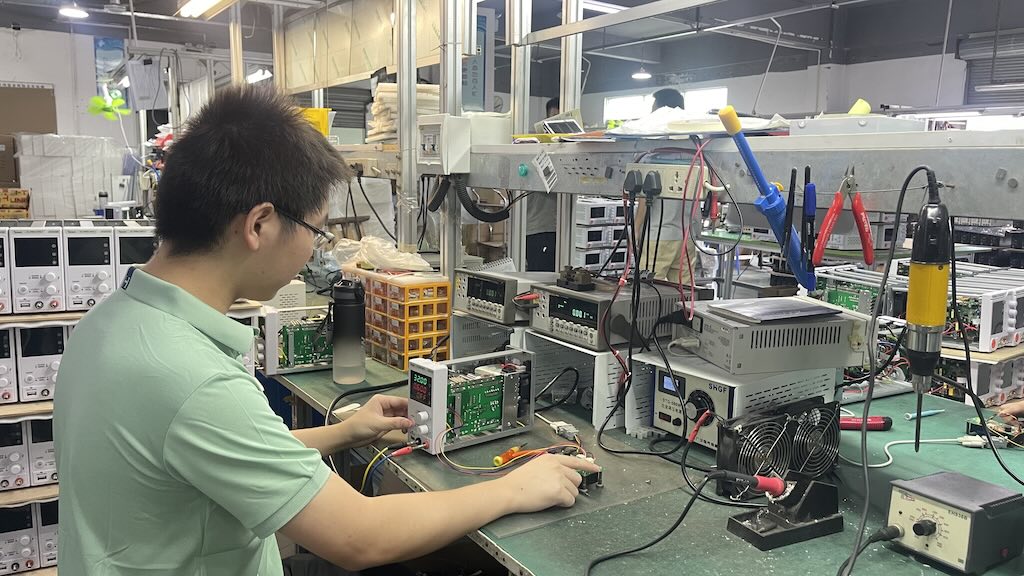 Debug
Debug
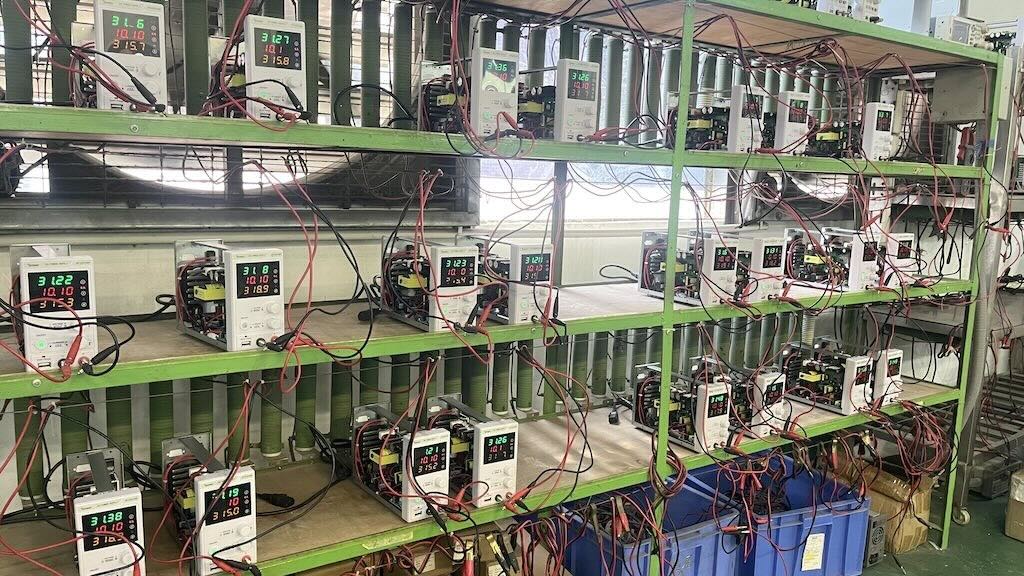 Aging
Aging
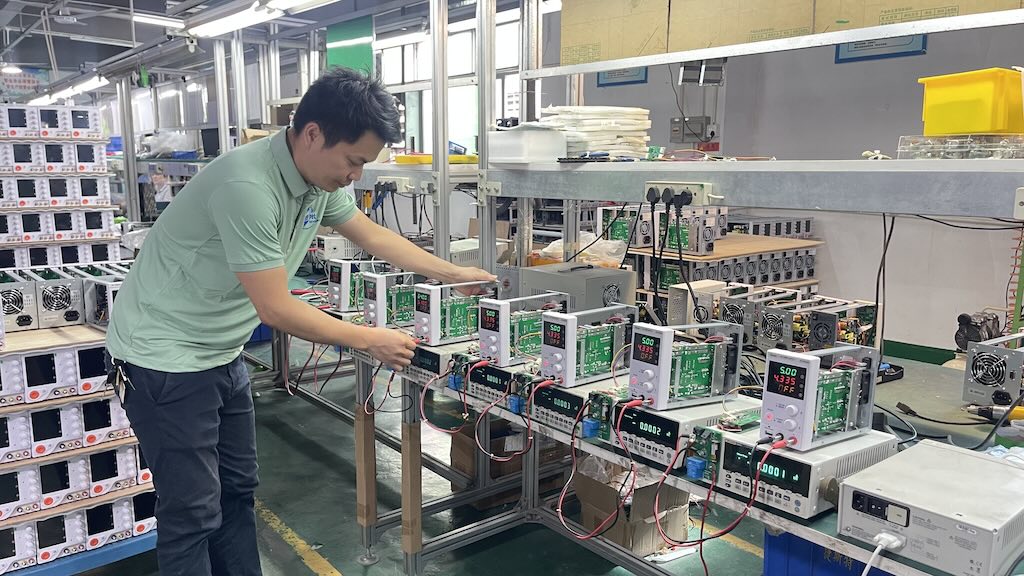 Calibration
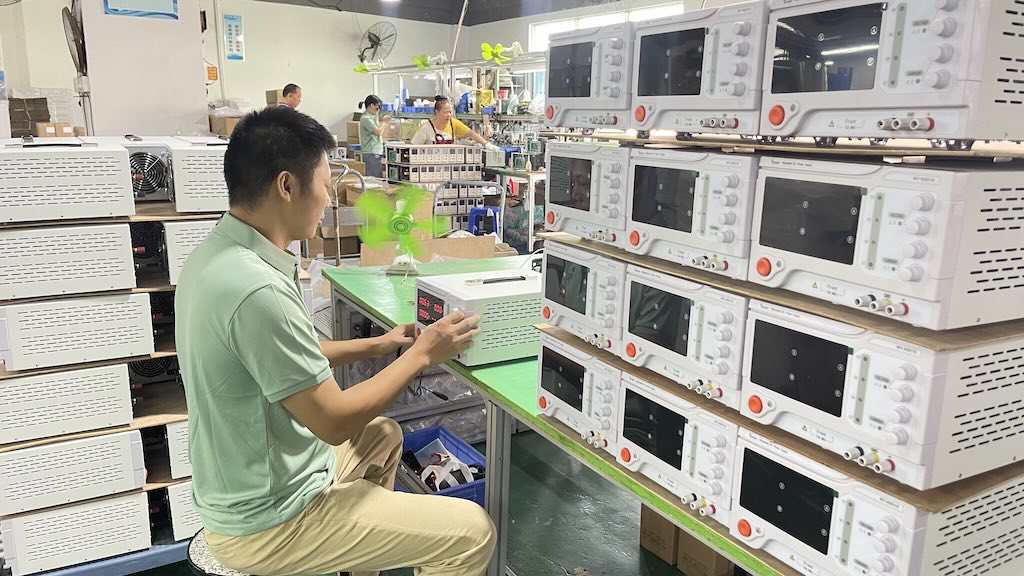 QC checking
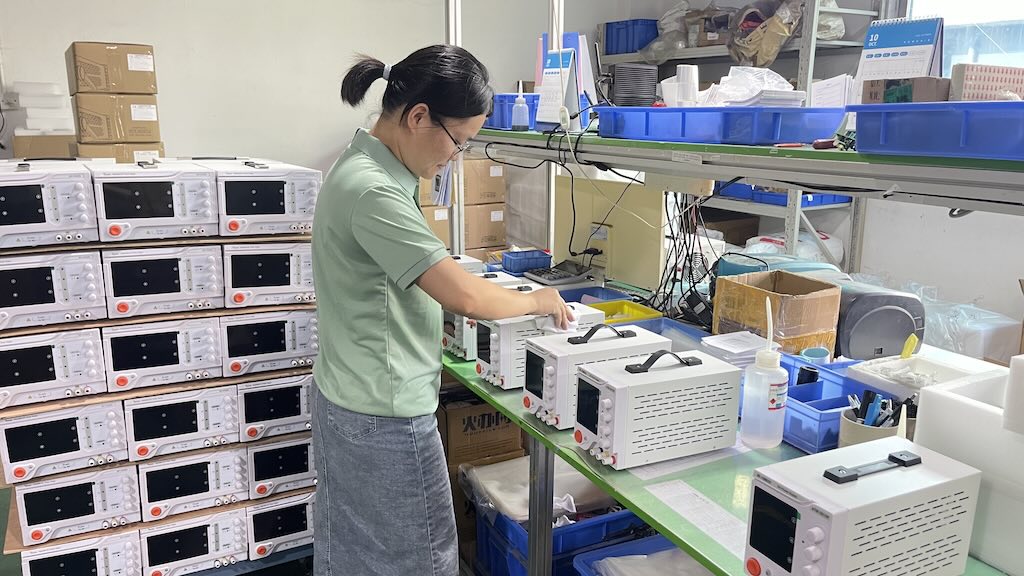 Packing
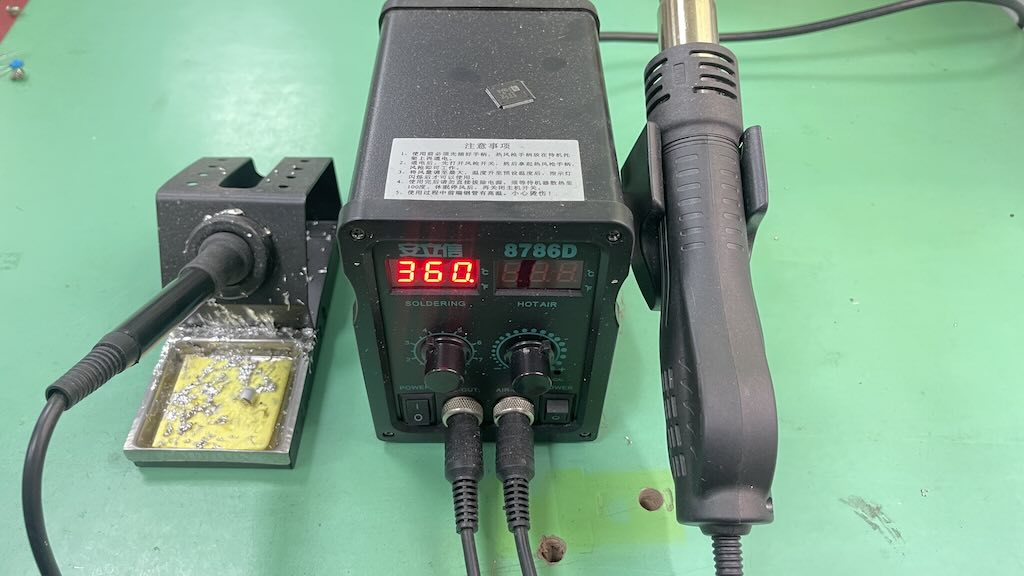 Soldering Station
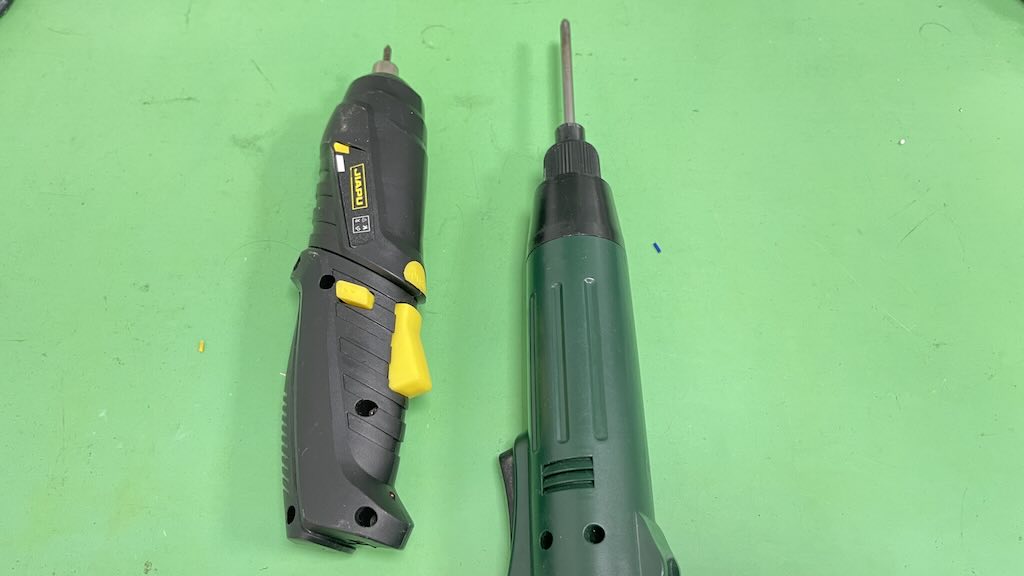 Electronic Screwdriver
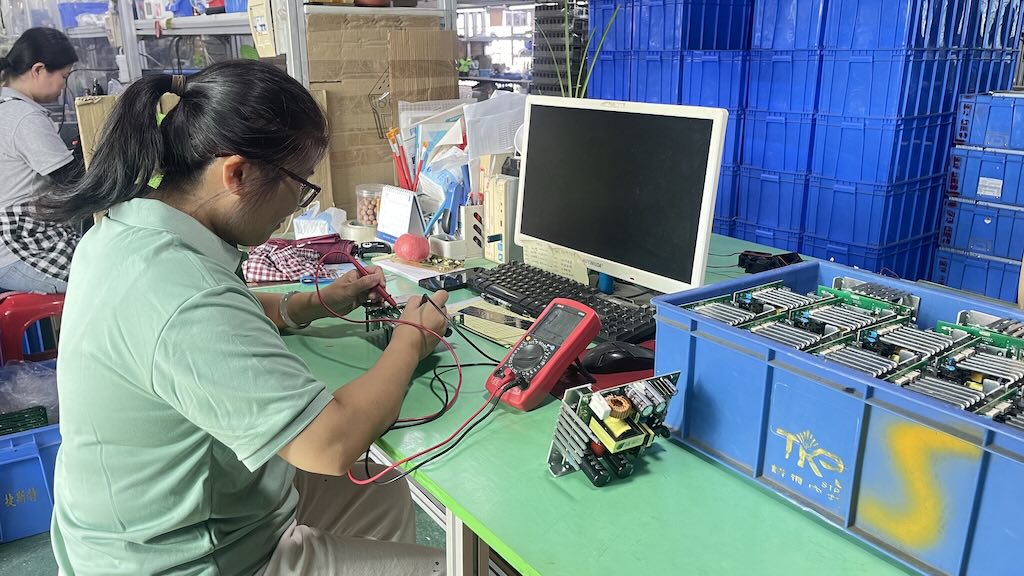 PCB Check
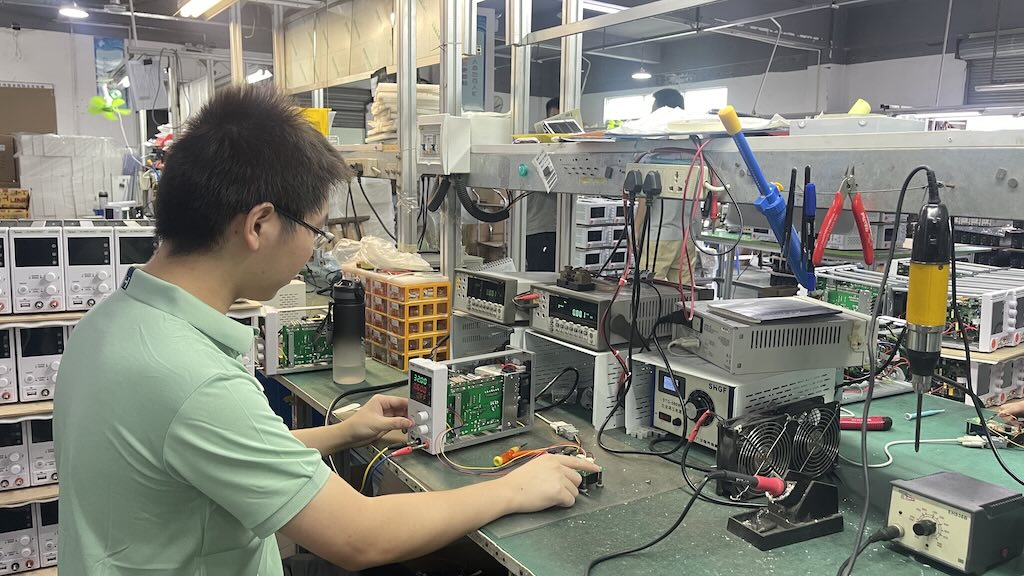 Debug
Debug
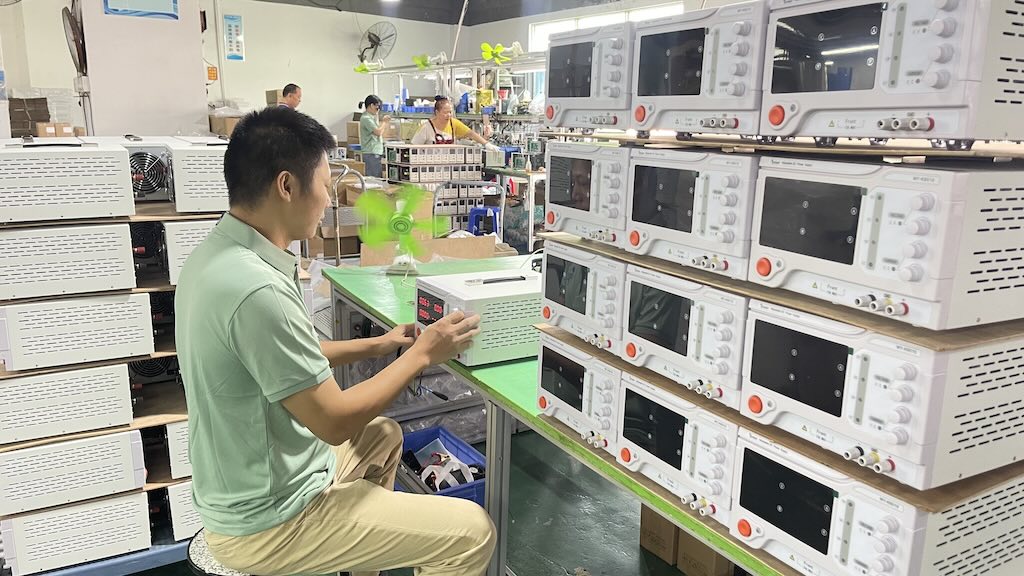 QC check
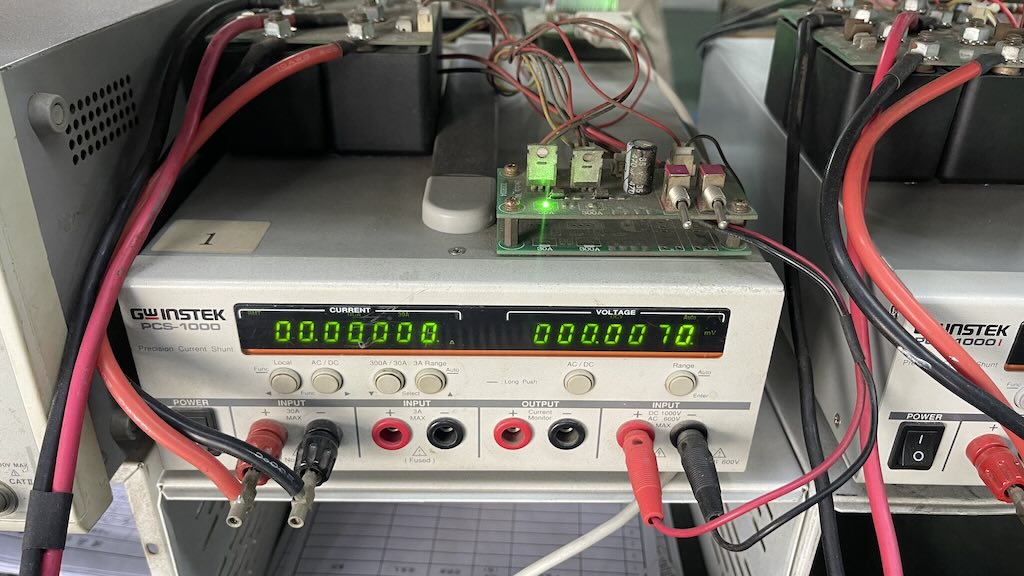 Multimeter
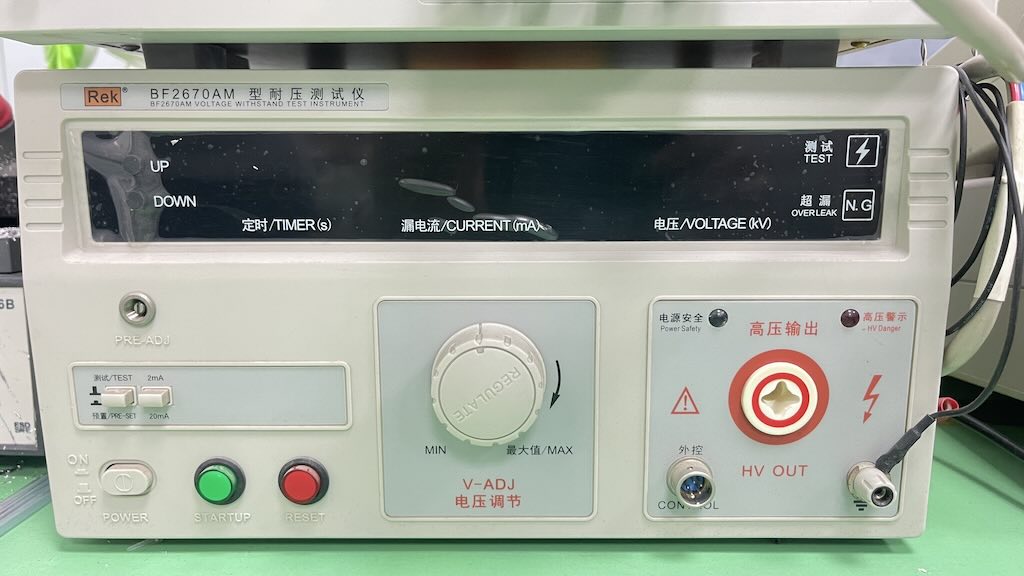 Hi-pot Tester
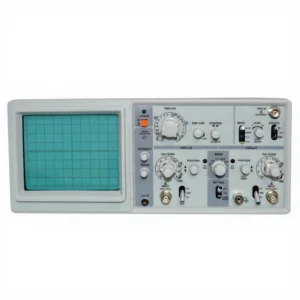
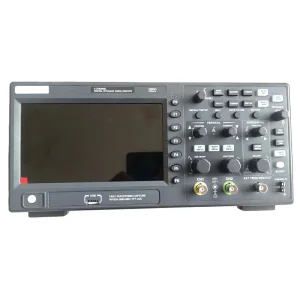
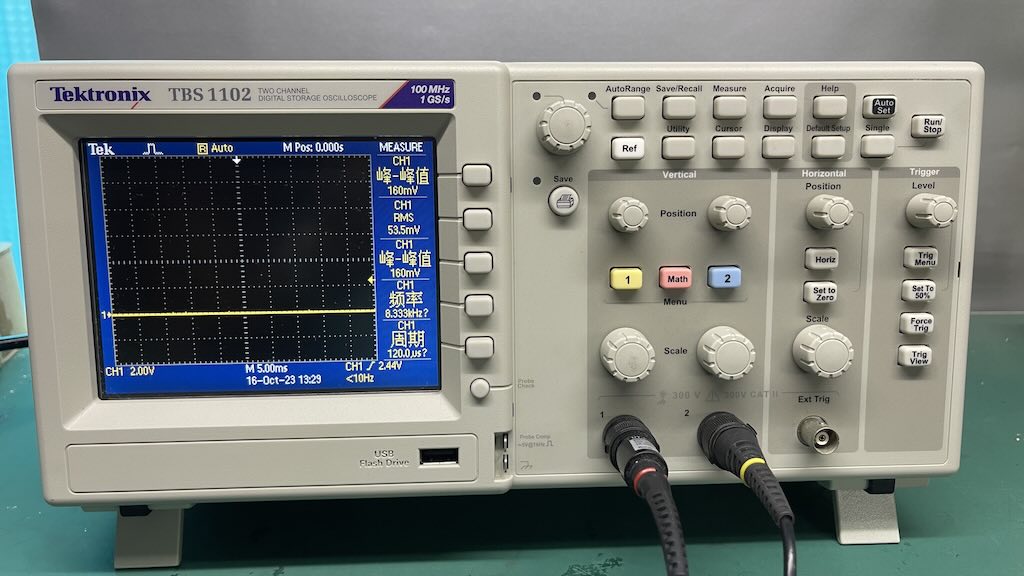 Oscilloscope
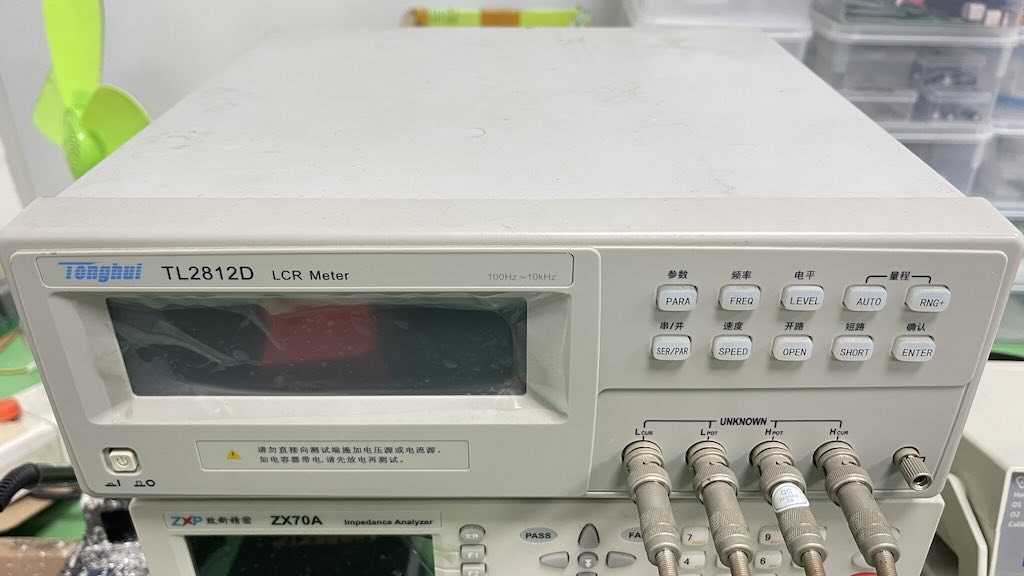 LCR Meter
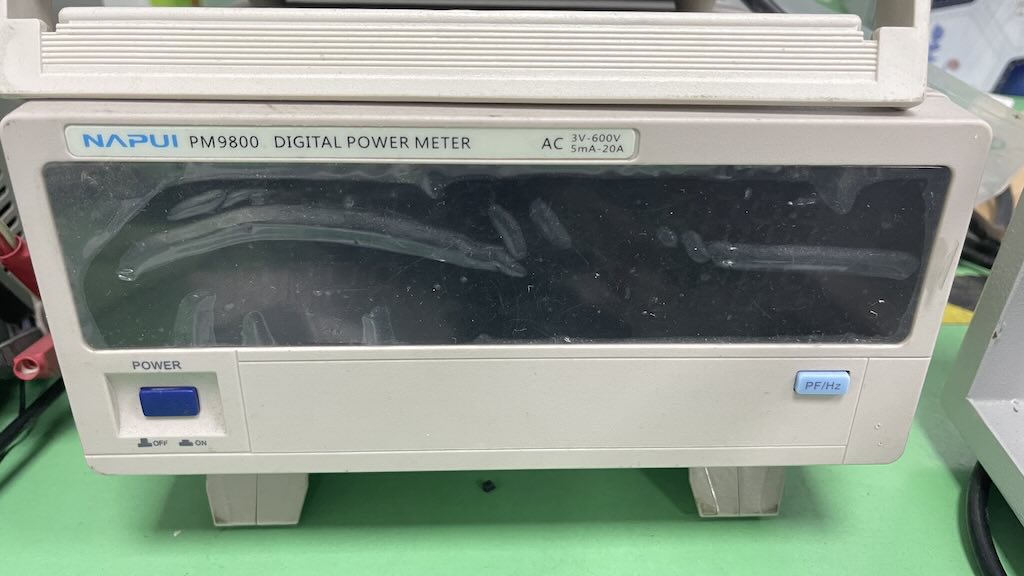 Digital power meter
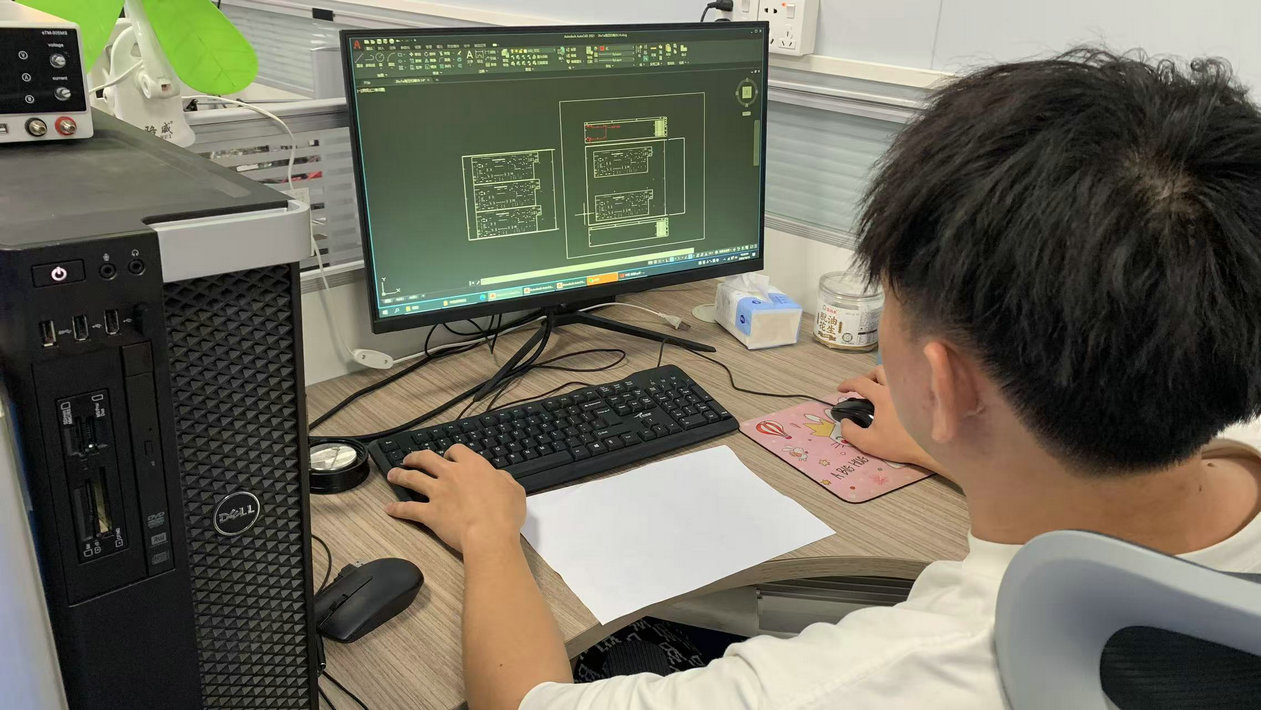 Design
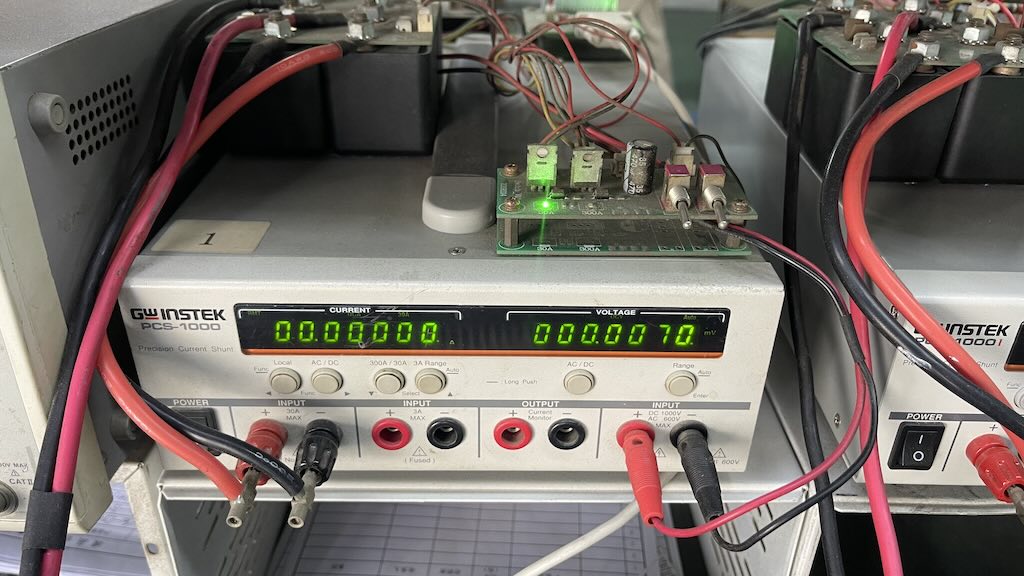 Multimeter
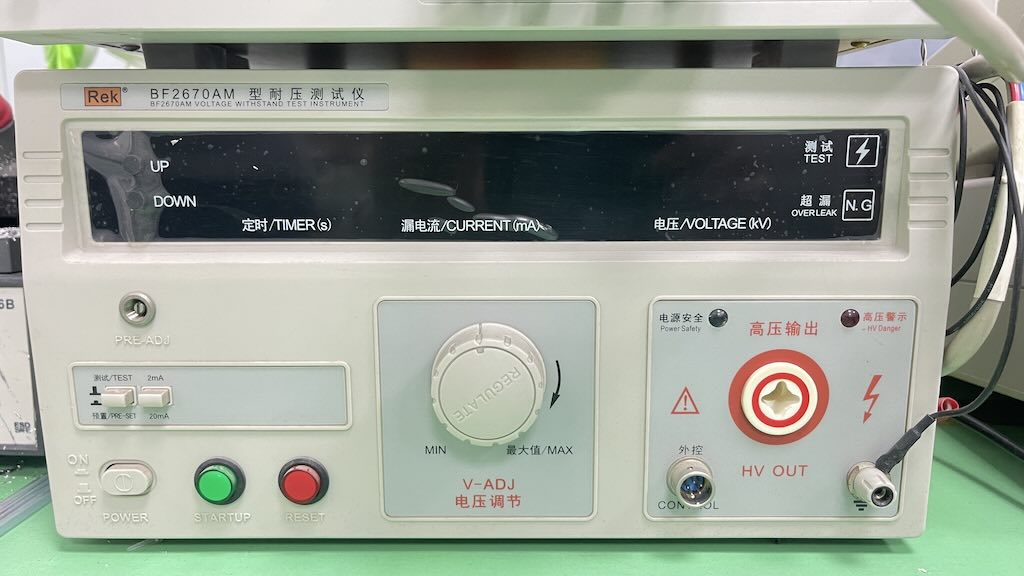 Hi-pot Tester
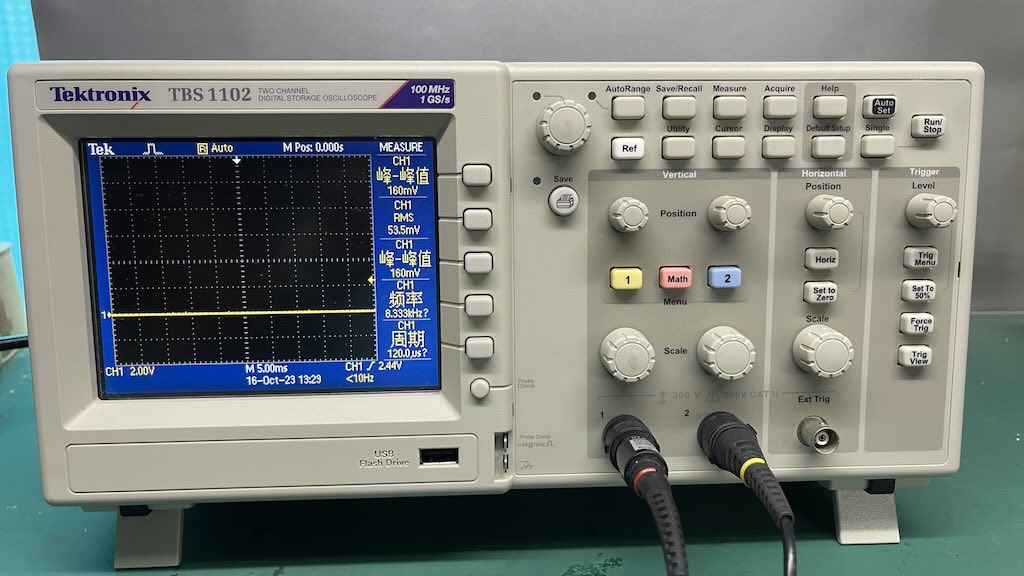 Oscilloscope
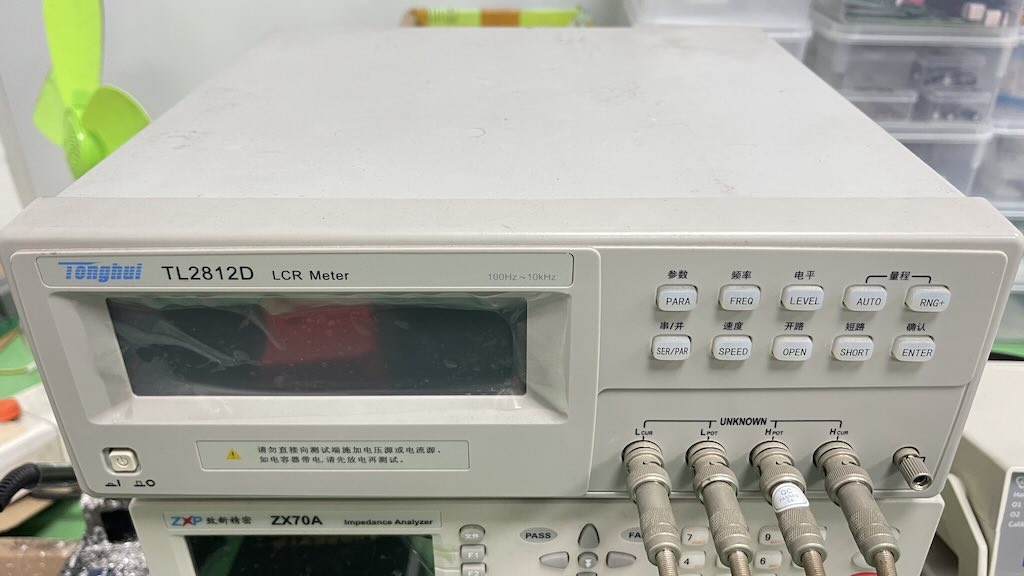 LCR Meter
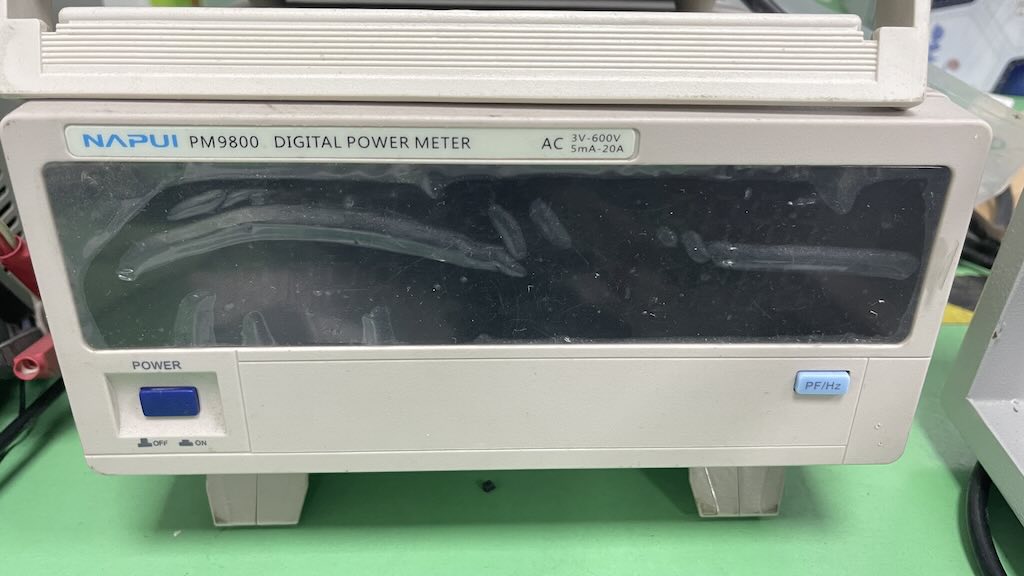 Digital power meter
Understanding the future of smart transmitter design and the testing infrastructure that keeps global facilities operational.
The transition toward WiFi 7, cellular IoT (LTE-M/NB-IoT), and sub-GHz mesh networking requires transmitters that operate on minimal energy footprints. Future transmitters will integrate energy harvesting and dynamic power management. To support this roadmap, factories must employ highly specialized low-power testing grids to profile sub-microamp sleeping currents alongside transient transmission peaks.
Modern wireless transmitters operate as the nerve endings of critical infrastructure. In smart grids, they transmit real-time substation harmonics. In oil and gas, they send pressure and thermal parameters over several kilometers. These hazardous environments require explosion-proof transmitter housings and galvanic isolation modules built to withstand high common-mode surges.
Navigating global compliance frameworks like CE, FCC, and UKCA involves intense electromagnetic compatibility (EMC) testing. By maintaining ISO9001-certified assembly plants in China, we leverage integrated component supply channels to conduct preliminary EMI and thermal testing locally. This speeds up compliance audits for international distributors.
When procurement departments source wireless transmitters for telemetry or process automation, they often analyze unit cost versus range statistics. However, the most critical vulnerability lies in the long-term reliability of the system's power stage and its ability to handle hostile electromagnetic environments. A poorly designed power circuit will fail prematurely when exposed to the high-voltage spikes typical of heavy industrial setups. Developing a resilient production infrastructure requires integrating the testing process directly into the assembly line.
To secure a valid CE mark, the wireless transmitter factory must demonstrate compliance across three critical pathways:
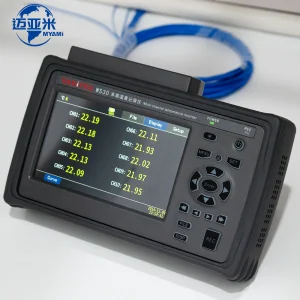
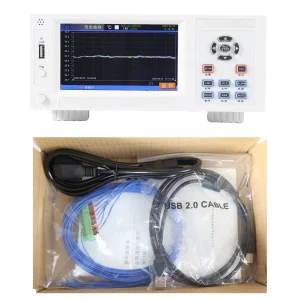
Enterprise clients require comprehensive quality verification, not just basic datasheets. A robust procurement package must include full trace documentation of components, calibration logs from multi-channel temperature recorders, and certificate copies for CE, RoHS, and ISO9001. By keeping validation equipment in-house—such as precision LCR meters, digital power meters, and environmental aging chambers—factories can supply comprehensive quality reports for every production run, giving global buyers peace of mind.
Technical answers to crucial questions about power regulation, CE compliance, and RF transmission testing.
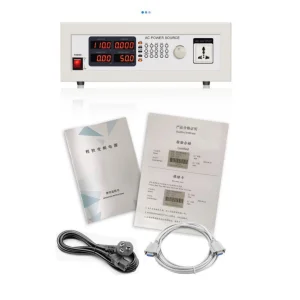
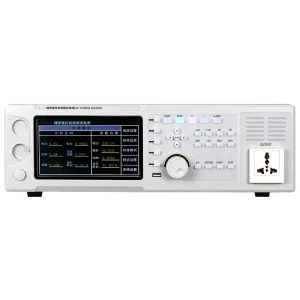
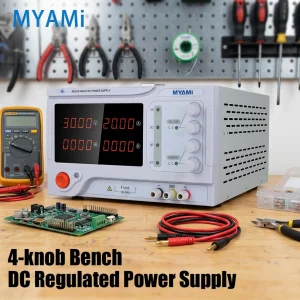
High-power variable sources, linear power systems, and oscilloscopes for quality assurance testing.
Learn more about Shenzhen Myami Power Technology Co., Ltd. and our commitment to high-precision engineering.
Headquartered in Shenzhen, China, Shenzhen Myami Power Technology Co., Ltd. (MYAMI) is a technology-driven manufacturer and solution provider specializing in high-precision, industrial-grade power supplies and electrical test equipment. Designed for engineering rigor, MYAMI bridges the gap between complex electronic research, high-voltage component testing, and scalable industrial automation.
Our specialized engineering portfolio focuses on four core operational pillars:
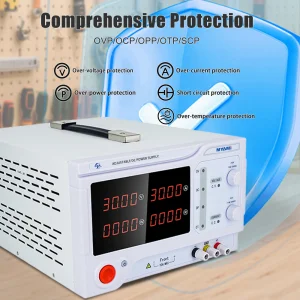
Every MYAMI system is engineered with strict multi-layer protection protocols (OVP, OCP, OTP, and short-circuit safeguards) and complies with international safety and quality standards, including CE, RoHS, and ISO9001. Integrated with standard industrial control protocols (RS485, RS232, and CAN communication), our equipment seamlessly connects to automated production lines and central PC control systems.
Today, MYAMI serves research institutions, automotive OEMs, aerospace contractors, and electronics manufacturers across North America, Europe, East Asia, and the Middle East. Whether you require a single benchtop lab power supply or a custom high-power aging system, MYAMI is your ultimate partner for precision power and uncompromised testing reliability.
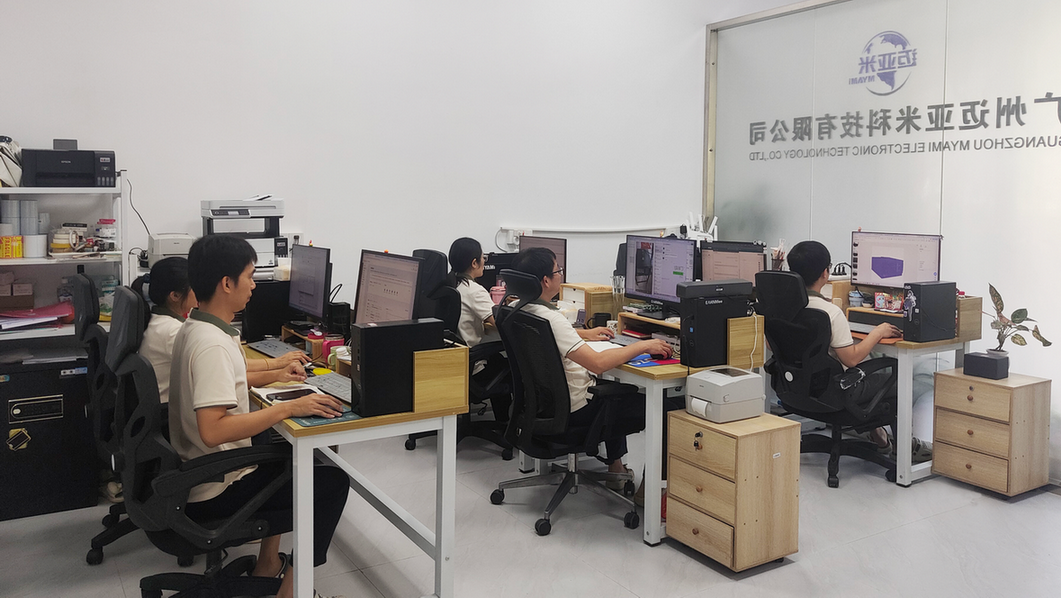
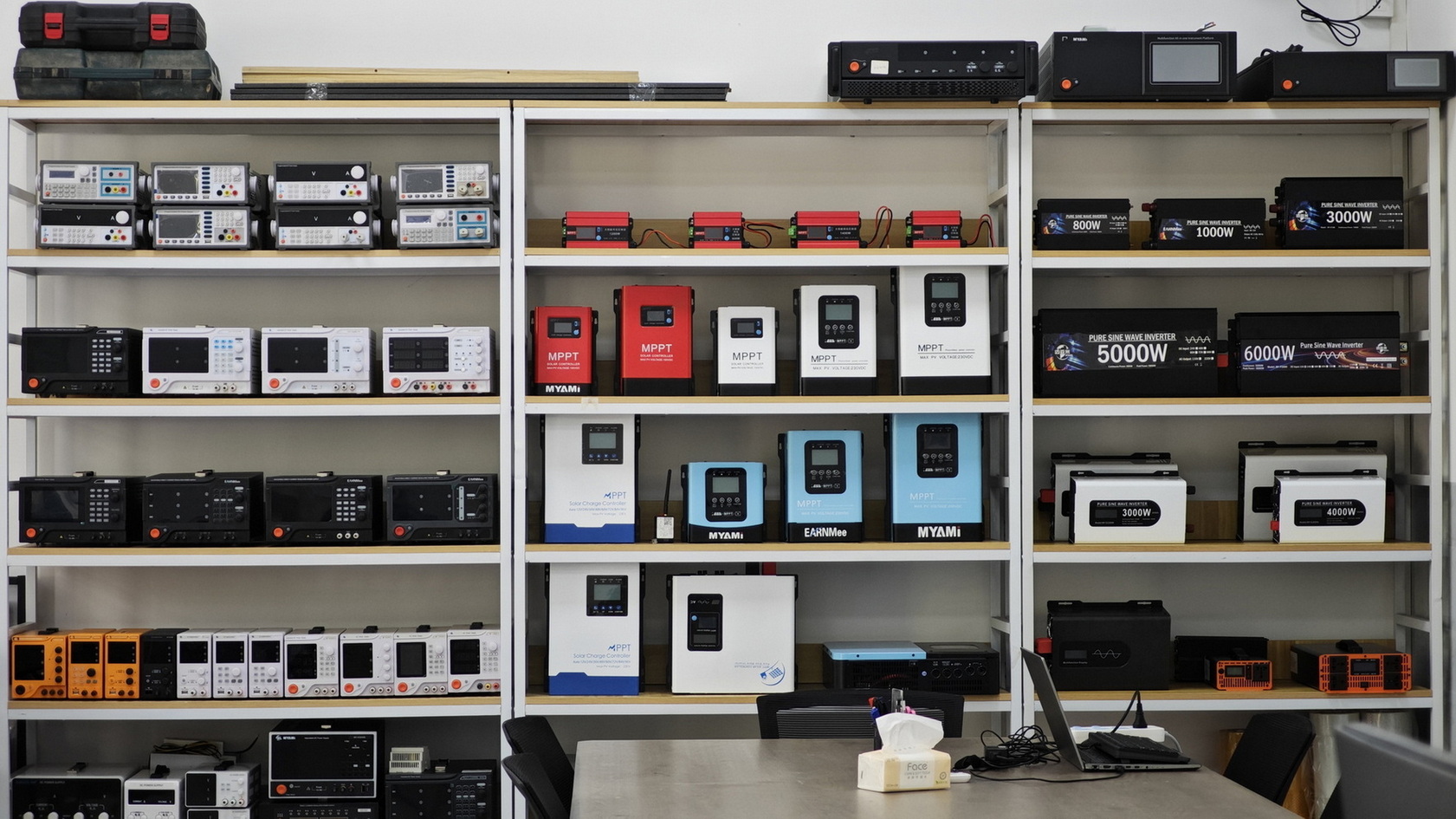
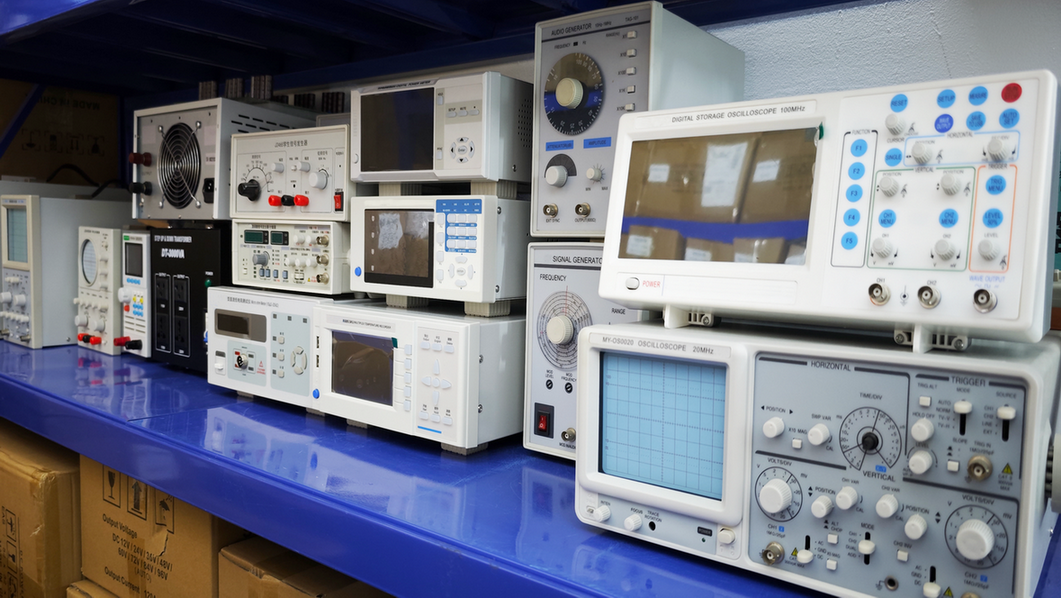
 Myami Power