China Best Wide Range DC Power Supply Factories & Supplier

Precision Engineering, Superior Reliability, and Flexible System Integration for Global Industrial Testing Operations

Factory Introduction

A Technology-Driven Partner for Advanced Power Instrumentation

Headquartered in Shenzhen, China, Shenzhen Myami Power Technology Co., Ltd.(MYAMI) is a technology-driven manufacturer and solution provider specializing in high-precision, industrial-grade power supplies and electrical test equipment. Designed for engineering rigor, MYAMI bridges the gap between complex electronic research, high-voltage component testing, and scalable industrial automation.

By executing custom development protocols, our research division has enabled international laboratories, defense subcontractors, and automated factories to run critical validation setups with optimized footprint configurations. Our integration of multi-tier system topology achieves rapid transition times, high switching frequencies, and optimal heat management for sustained operational continuity.
15+
Years of Power R&D Excellence
50+
Export Markets Worldwide
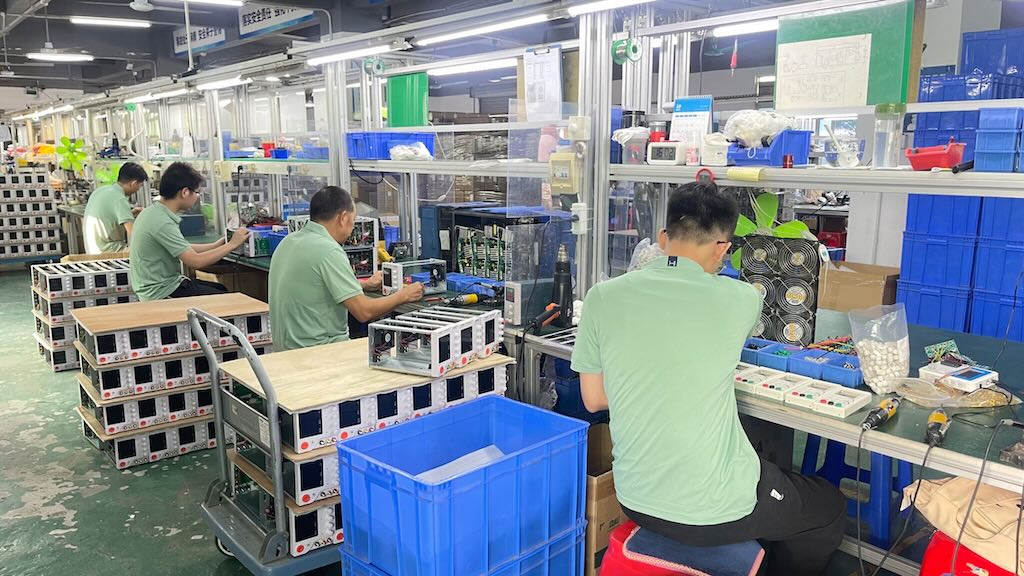
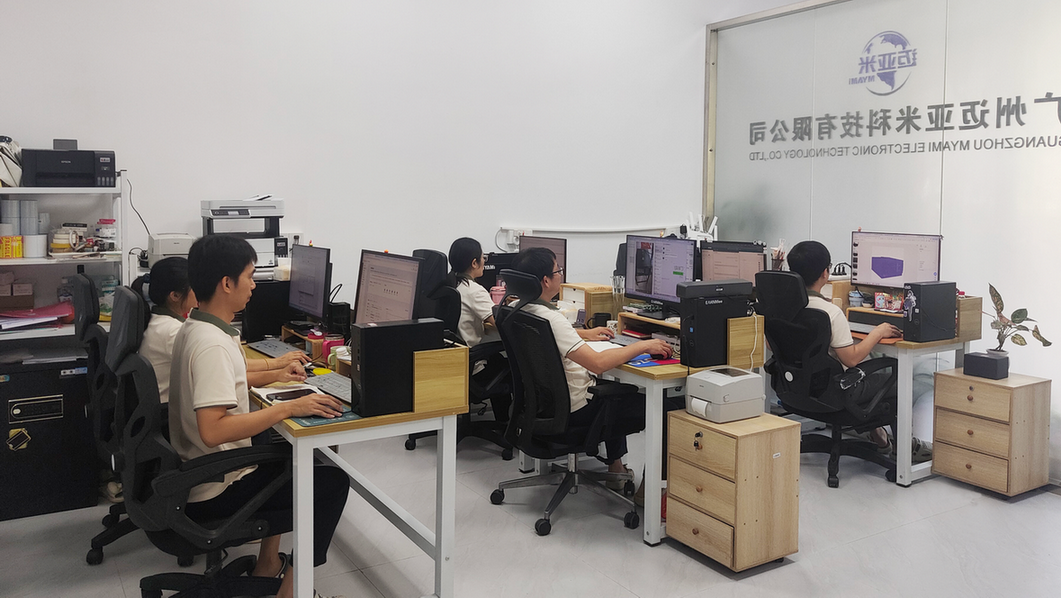
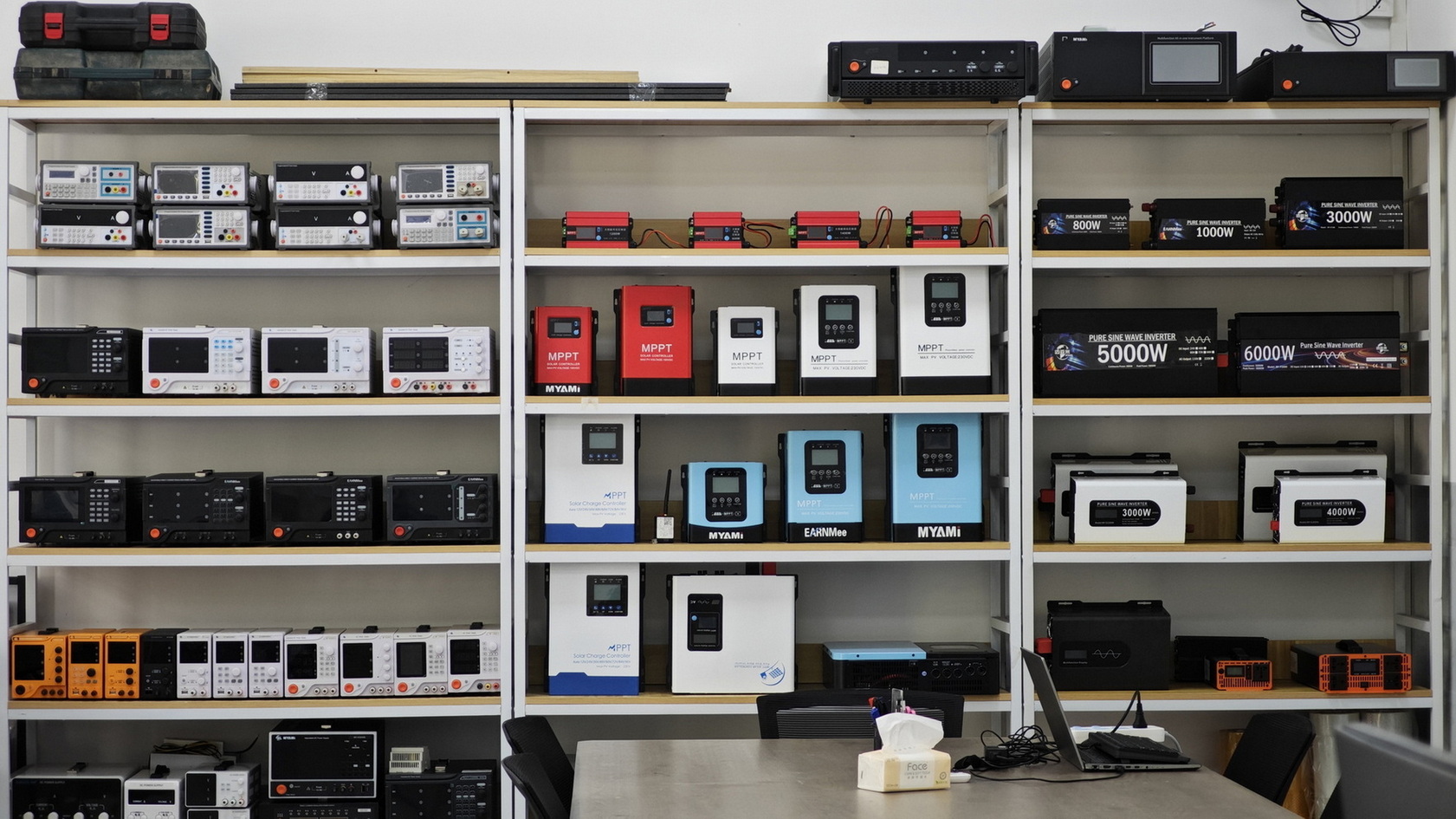
MYAMI Industrial Manufacturing Operations Facility Automated Testing Interface Integration Lab
Our Core Operational Pillars
Industrial instrumentation systems engineered for precision electronic R&D, high-power automation systems, and renewable energy conversion grids.

Programmable DC Power Supplies

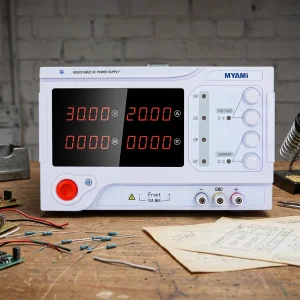
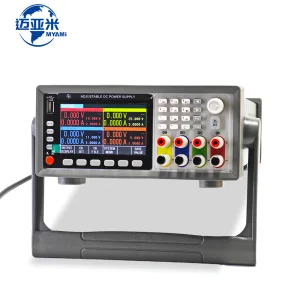
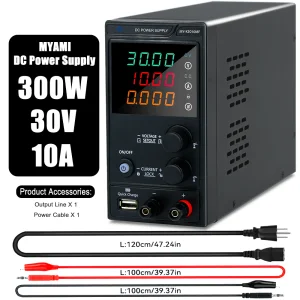
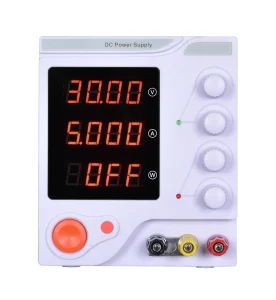
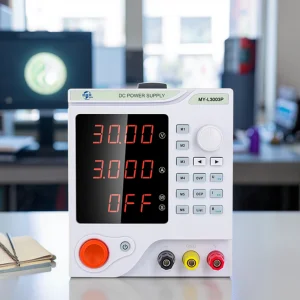
Featuring multi-digit LED displays, ultra-low ripple, and rapid transient response, engineered for precision electronic R&D, semiconductor evaluation, and PCB debugging.

High-Power Testing Sources

Delivering high-current, high-voltage DC/AC regulated power supplies (ranging up to hundreds of volts and amperes) built for industrial motor drives, electroplating rectifiers, and heavy-duty component burn-in testing.

EV & Renewable Energy Testing

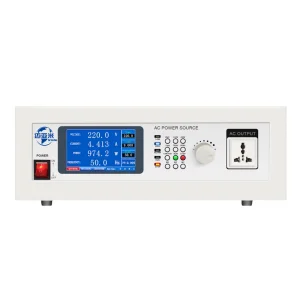
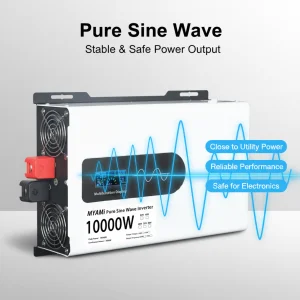
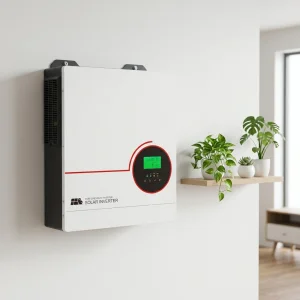
Providing specialized DC power units, battery simulators, and variable AC power sources engineered for Electric Vehicle (EV) On-Board Chargers (OBC), BMS evaluation, and solar inverter testing.

Benchtop Test & Measurement

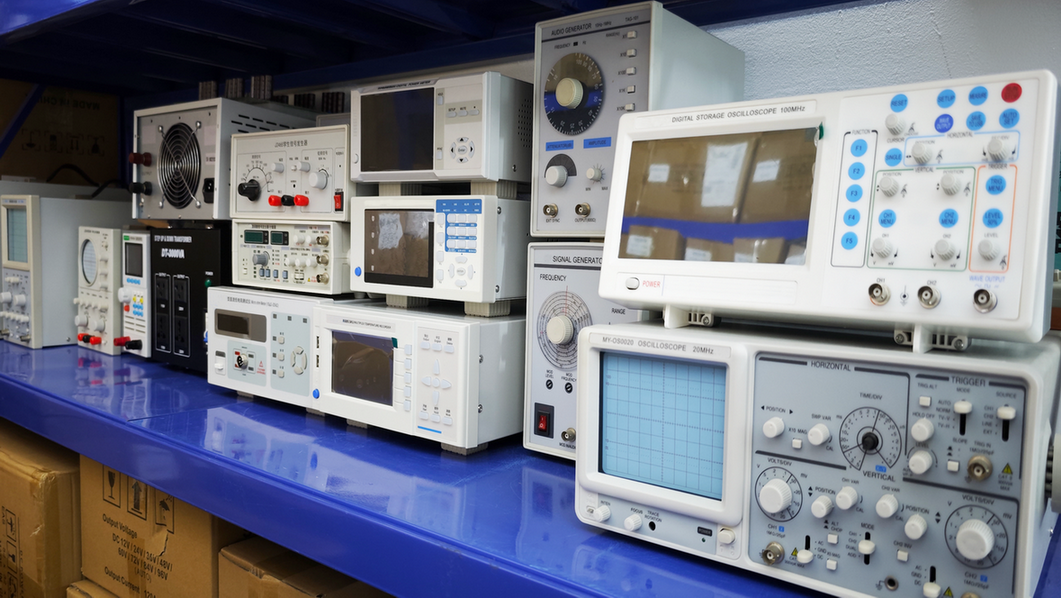
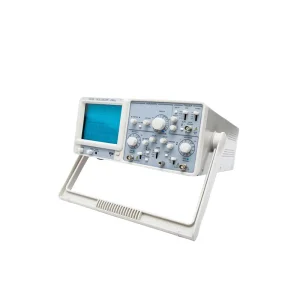
Supplying complementary test bench solutions, including digital oscilloscopes, multimeters, and specialized AC voltage regulators for global laboratories and technical institutes.

Whitepaper: Industrial Wide Range DC Power Supply Trends & System Architectures

In modern electrical systems evaluation, the adoption of Wide-Range (Auto-Ranging) DC power supplies has revolutionized test architectures. Traditional DC power supplies operate within a square-operating curve where max voltage and current are fixed limits. This design restricts operational capability when testing devices across divergent impedance characteristics. Modern industrial ecosystems demand dynamic power profiling, leading to the development of auto-ranging architectures.

The Shift from Square to Auto-Ranging Boundaries

Auto-ranging technology allows the output stage of a programmable DC power supply to dynamically adjust its current limits in response to voltage variations, offering full-power capability over a wider spectrum. This capability significantly reduces the hardware footprints in test benches. Instead of utilizing separate units for high-voltage/low-current setups and low-voltage/high-current setups, test engineers can deploy a single auto-ranging system. This consolidation minimizes overall capital expenditures (CAPEX) while optimizing overall line utilization.

Emerging Trends in Global Procurement & Testing Verification

  • High-Frequency Silicon Carbide (SiC) Conversion: Integration of third-generation semiconductors allows MYAMI to produce power supplies with superior power densities, reducing ambient heat dissipation while improving system conversion efficiency to over 93%.
  • Regenerative Energy Recovery: Modern test benches for EV battery packs and electric motors utilize bi-directional DC systems. These platforms act as active electronic loads, absorbing simulated battery discharges and feeding up to 95% of that energy back into the local grid to lower utility operating expenses.
  • Low Transient Latencies: Dynamic load testing for microprocessors and digital RF subsystems demands switching response speeds below 50 microseconds to prevent voltage sags or spikes that compromise DUT (Device Under Test) integrity.

Comprehensive Industrial Safety Integration

Every MYAMI system is engineered with strict multi-layer protection protocols (OVP, OCP, OTP, and short-circuit safeguards) and complies with international safety and quality standards, including CE, RoHS, and ISO9001. Integrated with standard industrial control protocols (RS485, RS232, and CAN communication), our equipment seamlessly connects to automated production lines and central PC control systems.
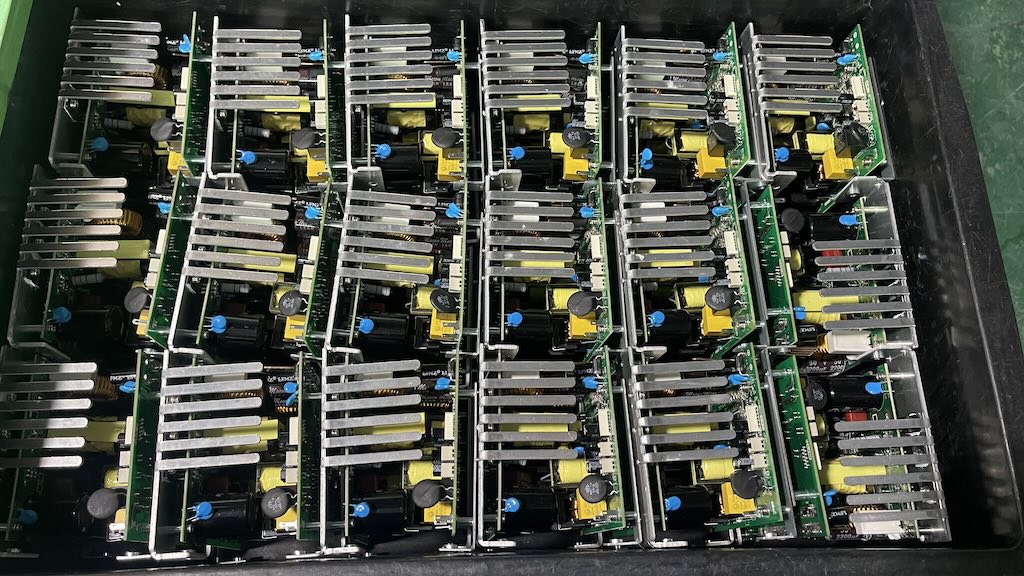
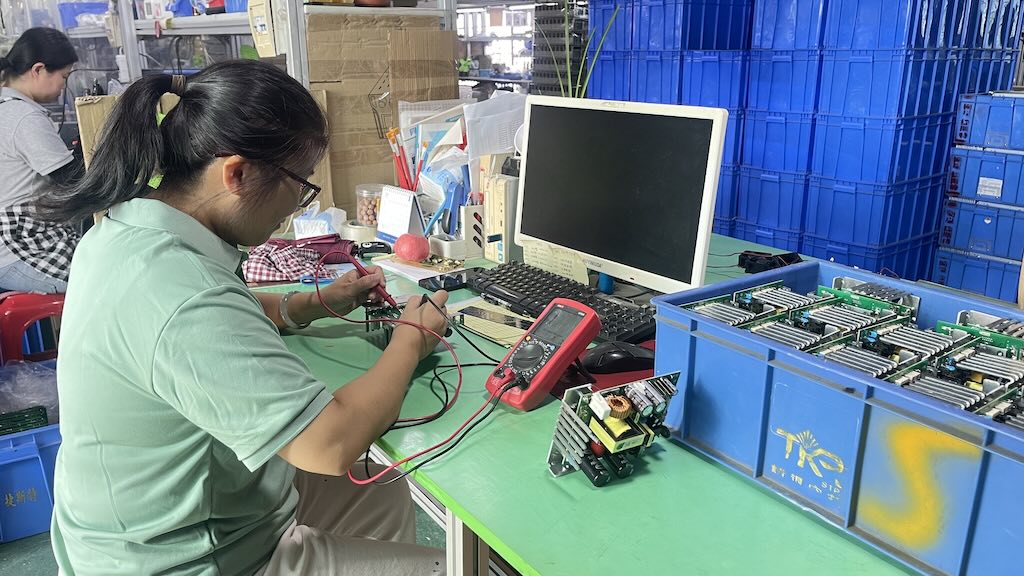
Advanced Assembly, Calibration & Verification Line
Under strict adherence to ISO9001 guidelines, we maintain high standards across all manufacturing phases to guarantee system stability and transient performance accuracy.

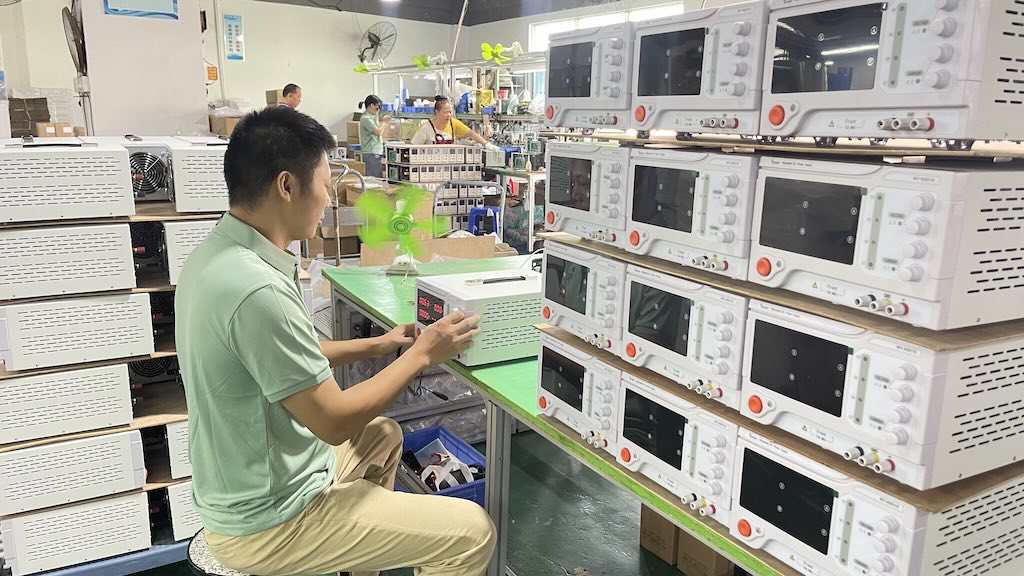
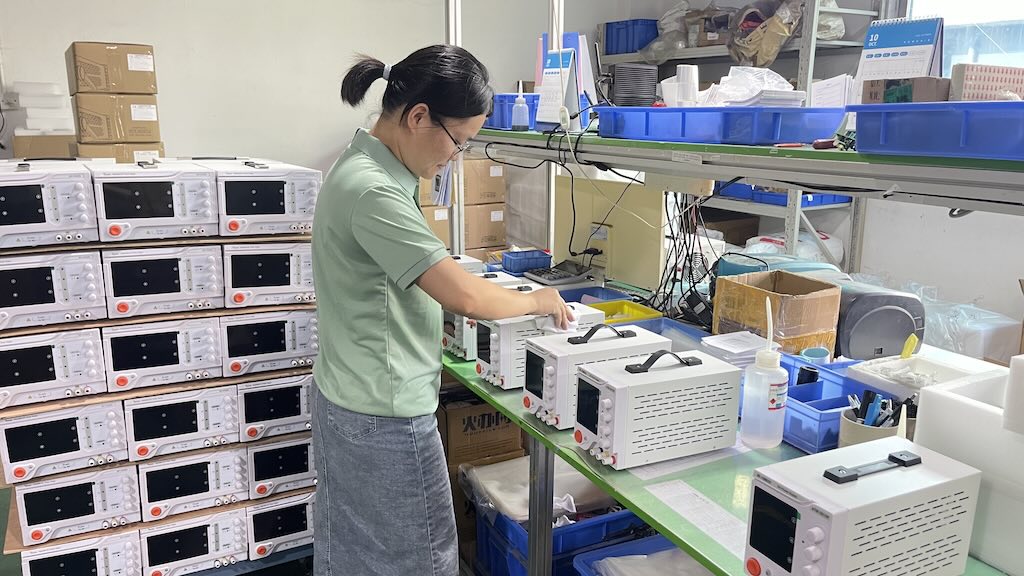
Assembly & Inspection Flow

Raw Material Inspection Stage
Raw Material
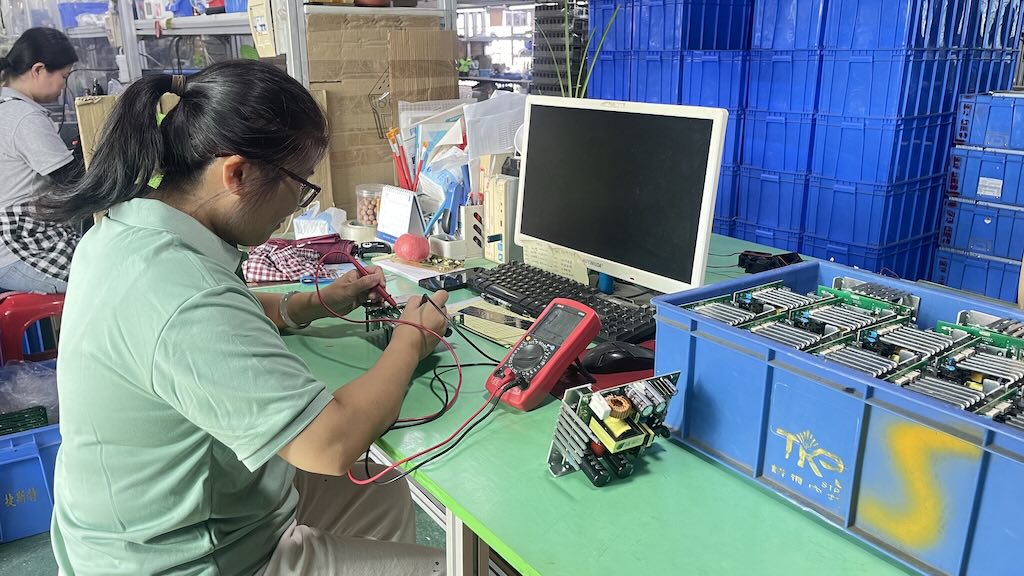
PCB Checking Stage
PCB Checking
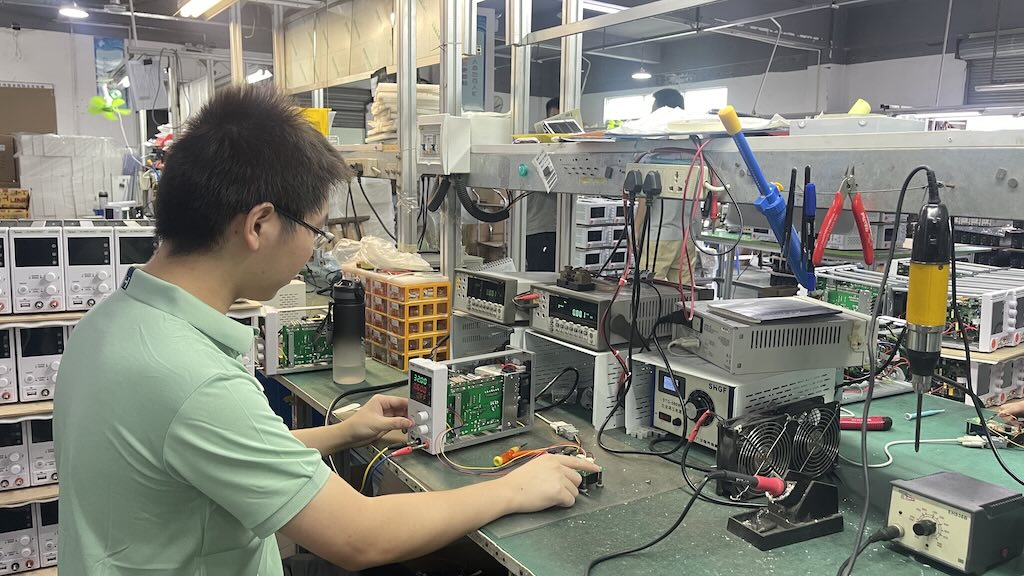
Assembly Process Stage
Assembling
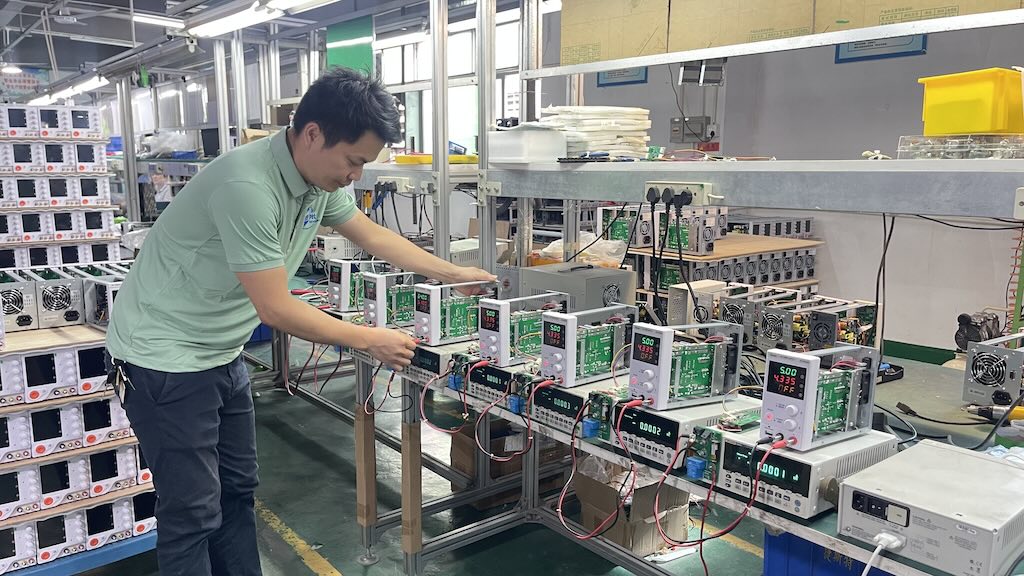
System Debugging Stage
Debug
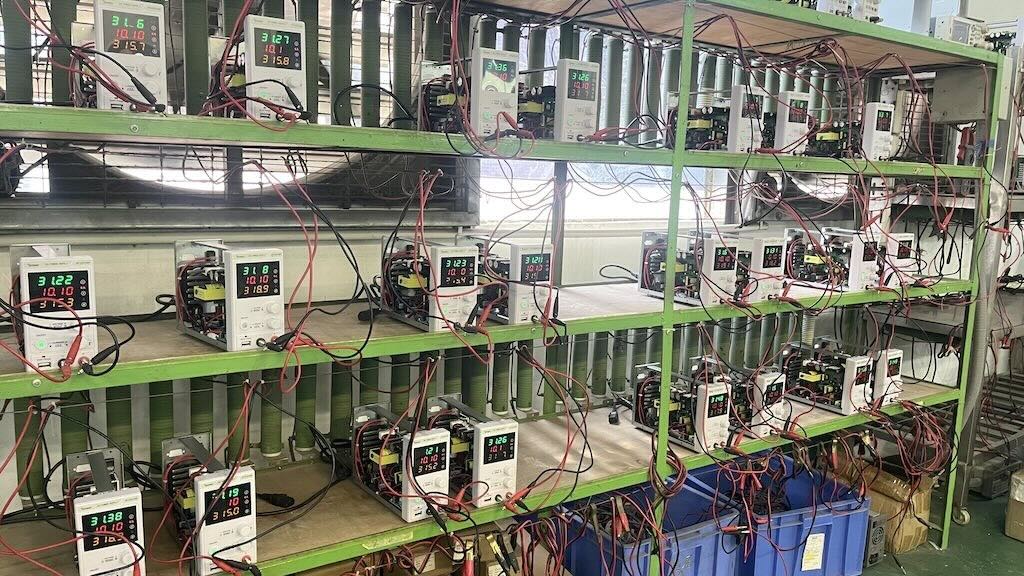
Full-load Burn-in Aging Stage
Aging
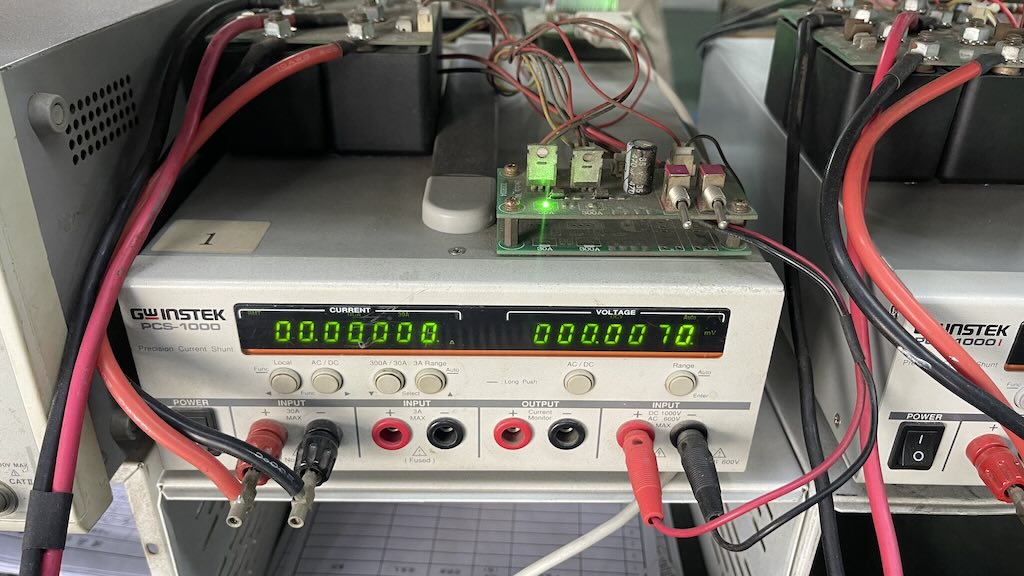
Measurement Calibration Stage
Calibration
QA Verification Stage
QC checking
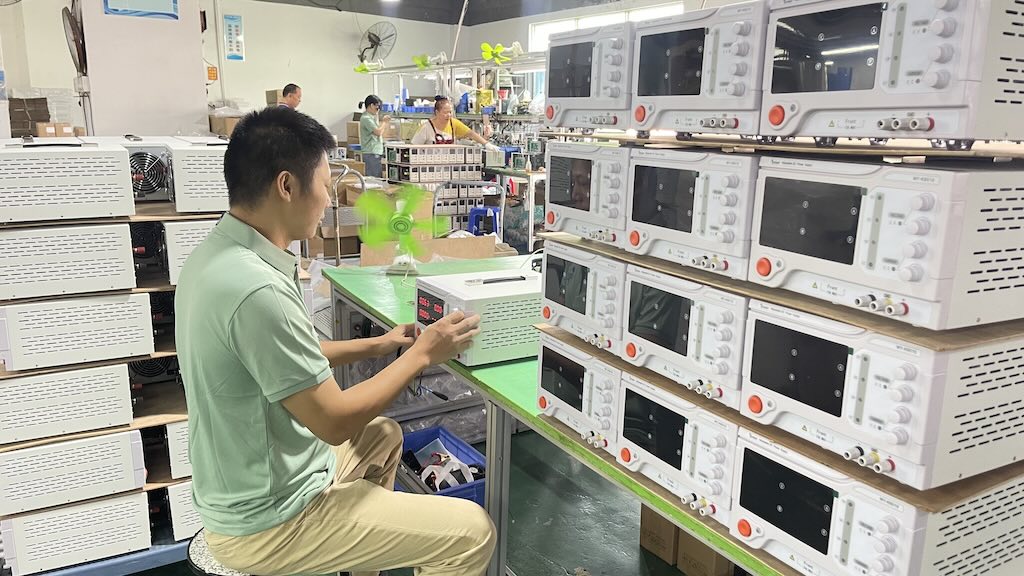
Logistical Packing Stage
Packing
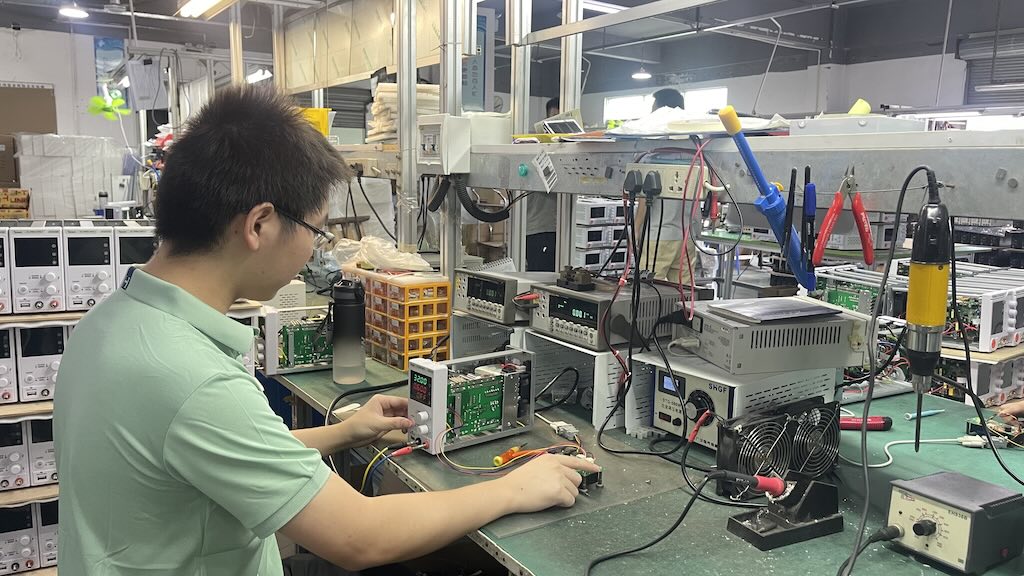
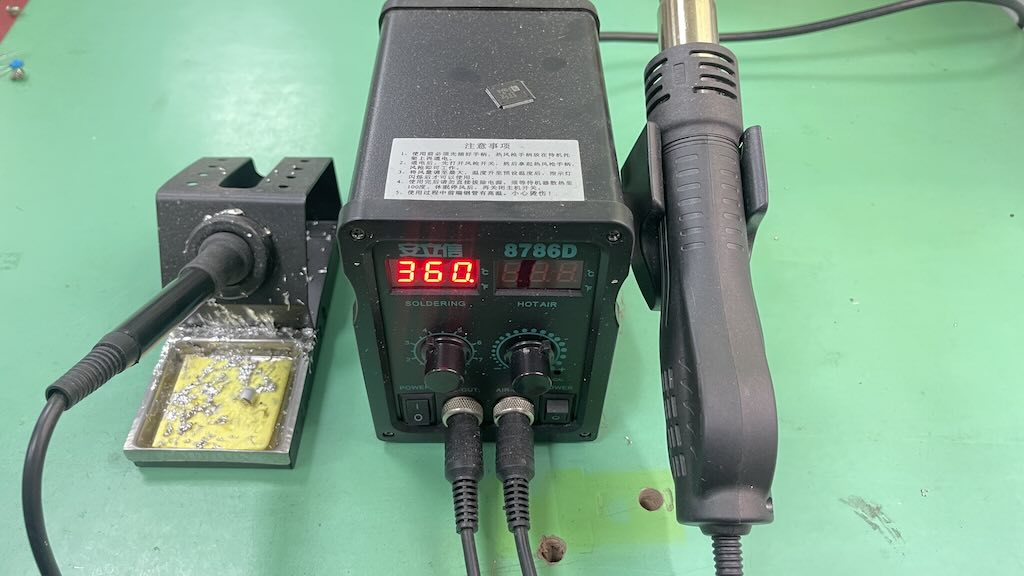
Soldering Station Stage
Soldering Station
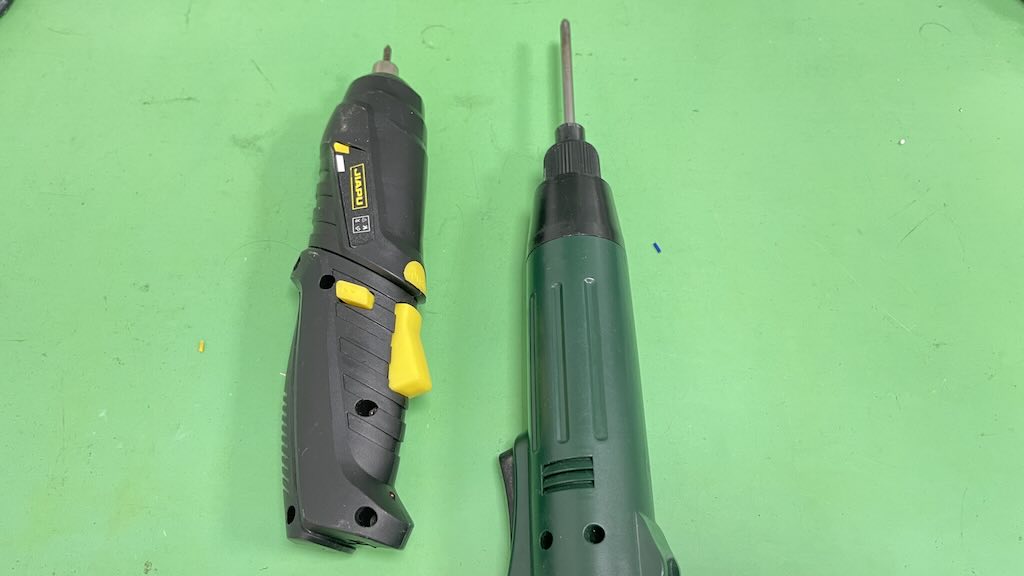
Electronic Assembly Station
Electronic Screwdriver

Laboratory Verification & Design Tools

PCB Defect Scanning
PCB Check
Circuit Loop Debug
Debug
Final QA Audit Station
QC check
High-accuracy Digital Multimeter calibration
Multimeter
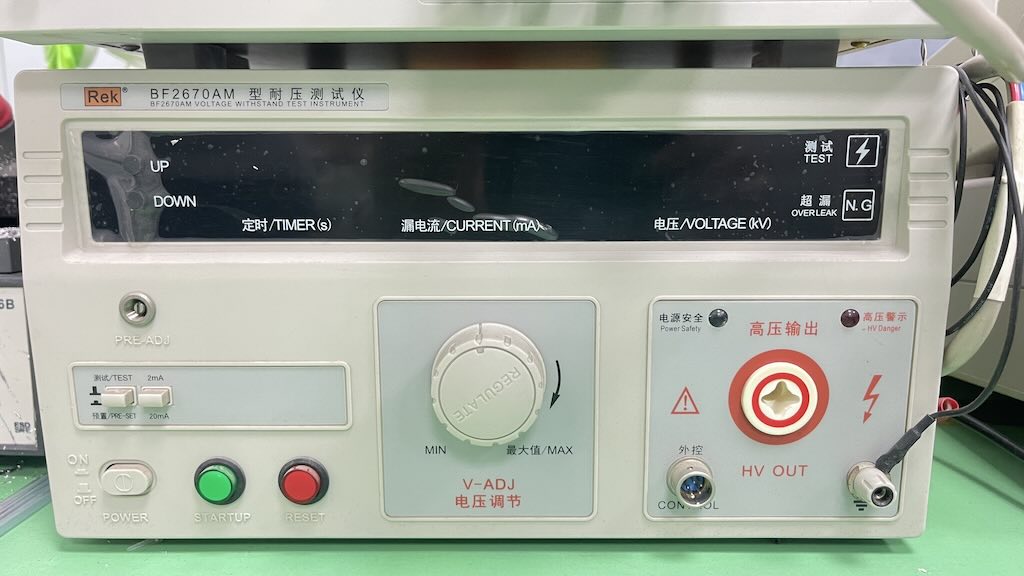
Insulation Resistance Hi-pot Tester
Hi-pot Tester
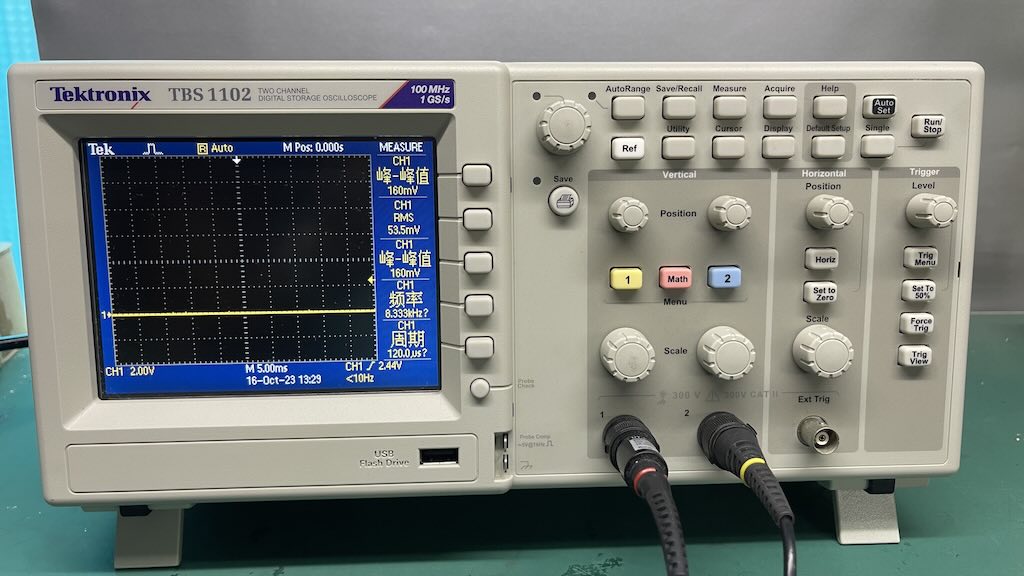
Oscilloscope Ripple Analysis
Oscilloscope
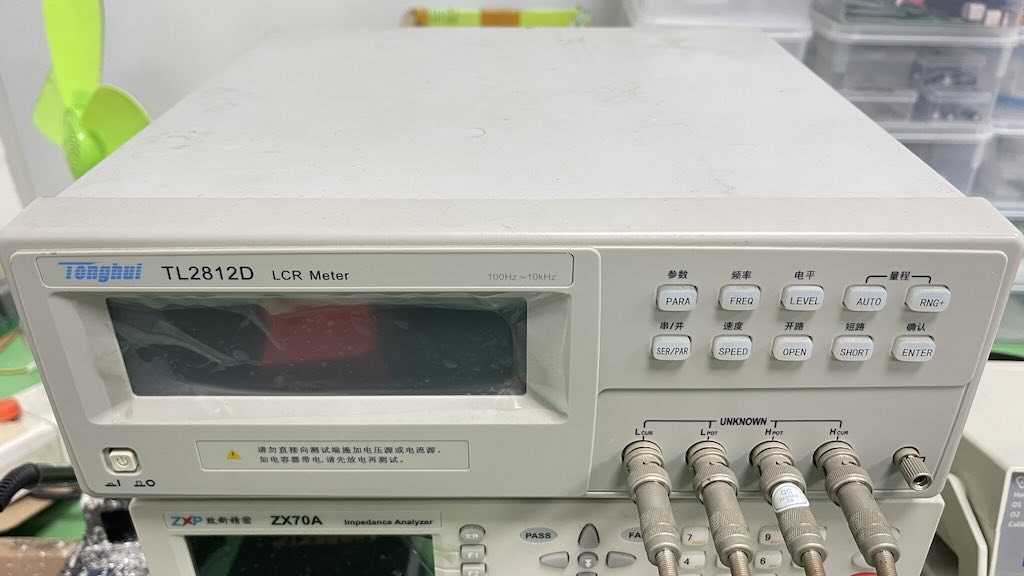
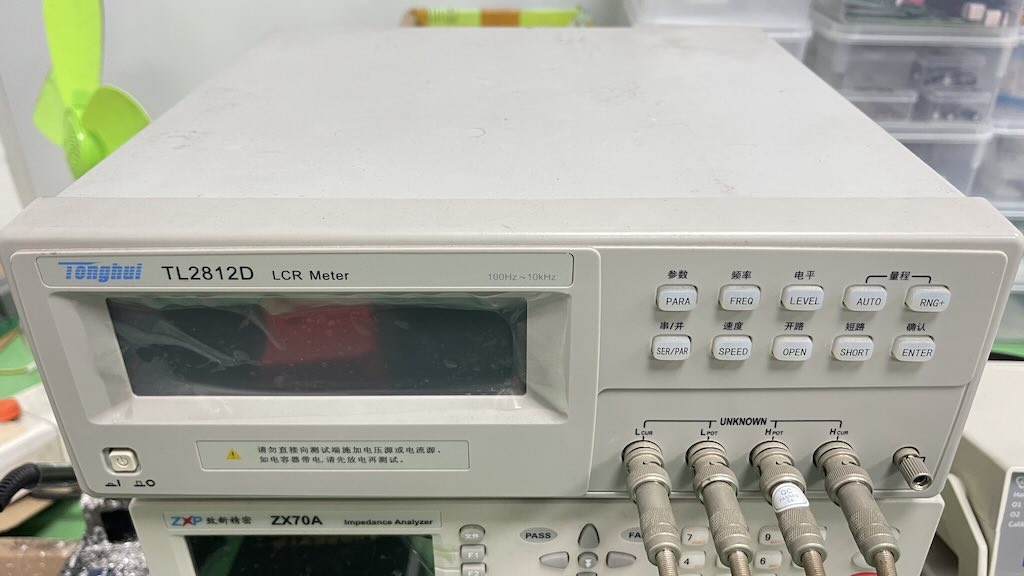
LCR Meter Component Analysis
LCR Meter
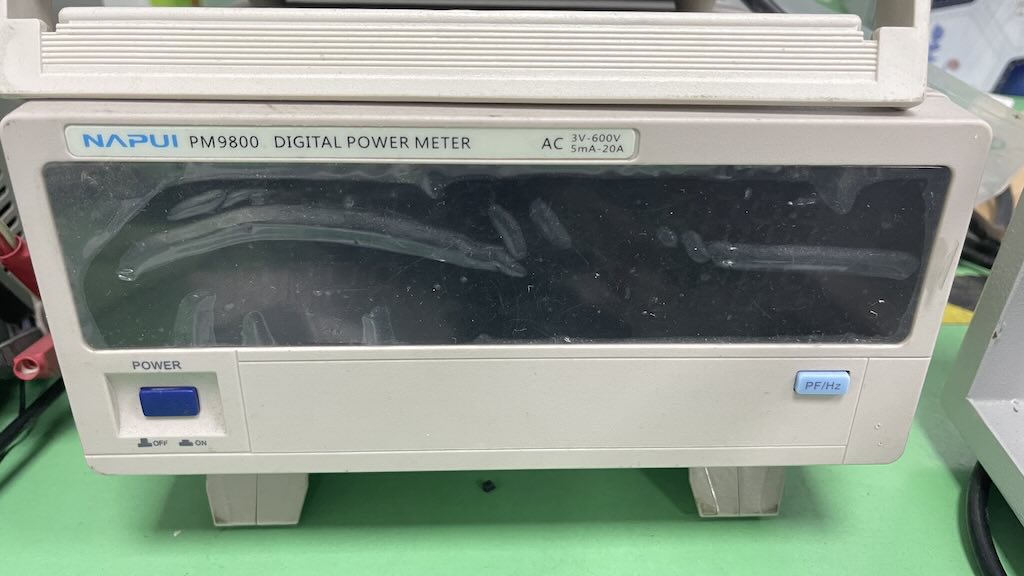
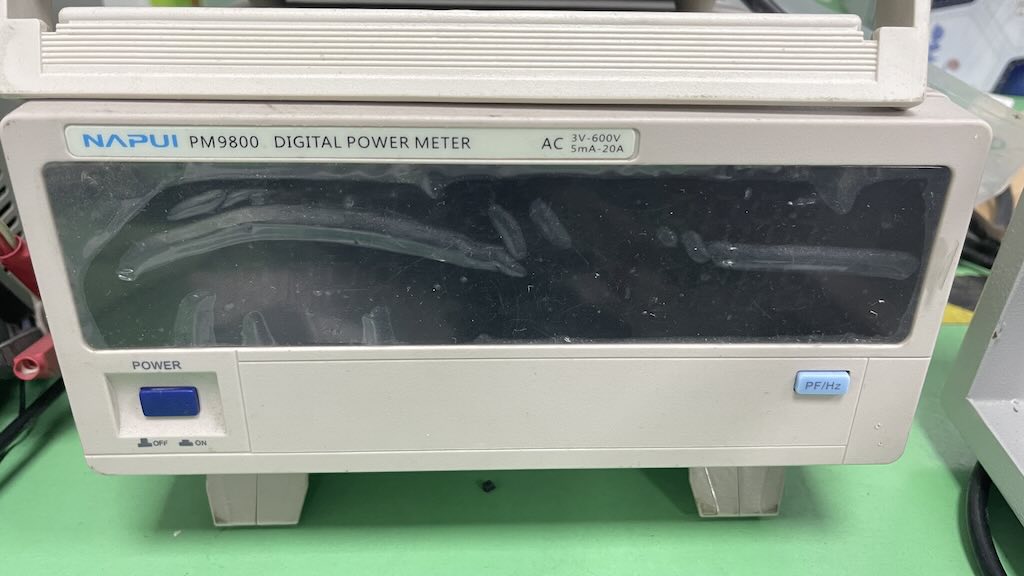
Digital Power Consumption Profiler
Digital Power Meter

System Design & Verification Tools

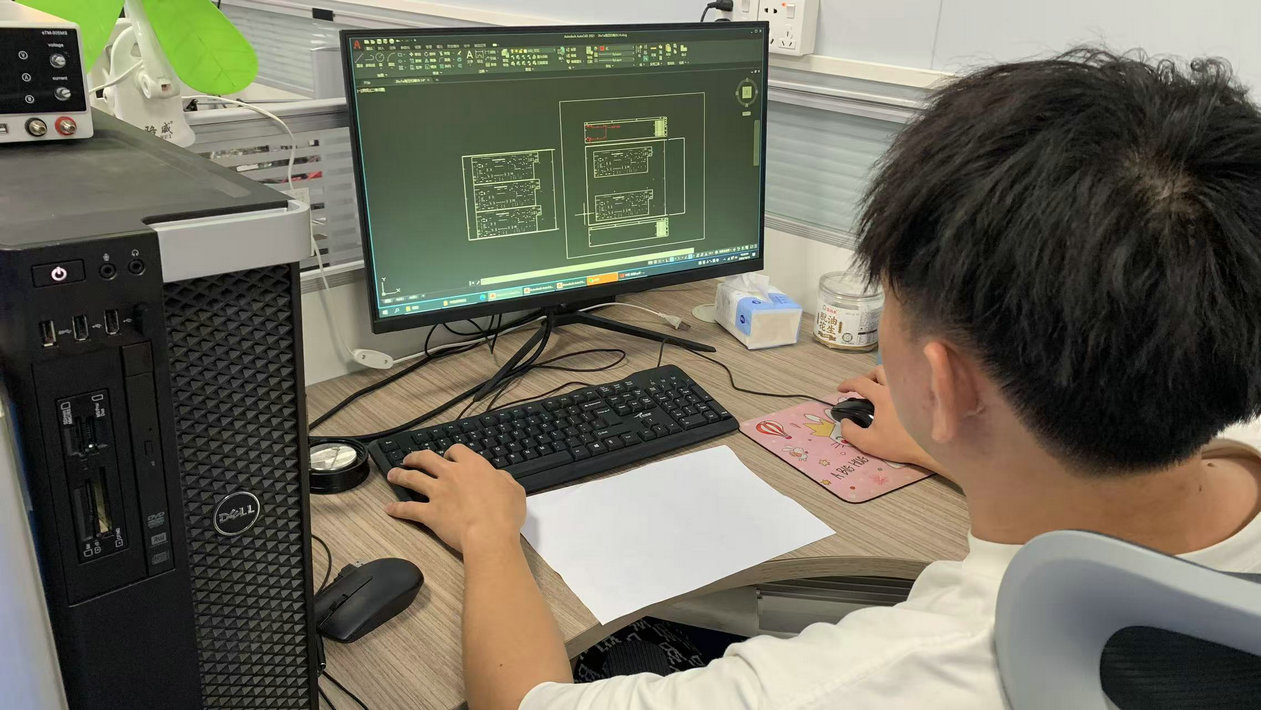
CAD/EDA Circuit Topology Design
Design
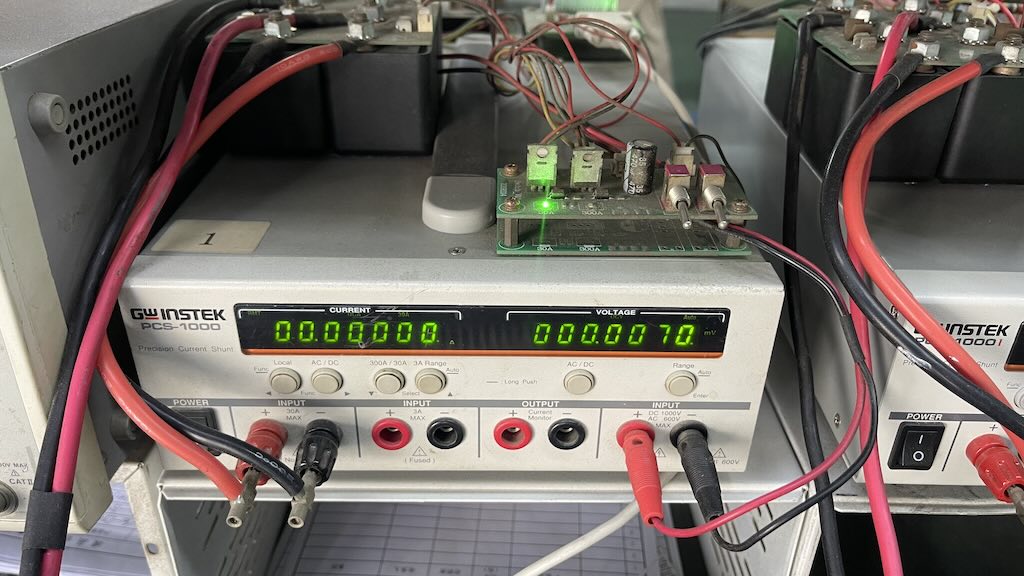
Precision Calibration Multimeter
Multimeter
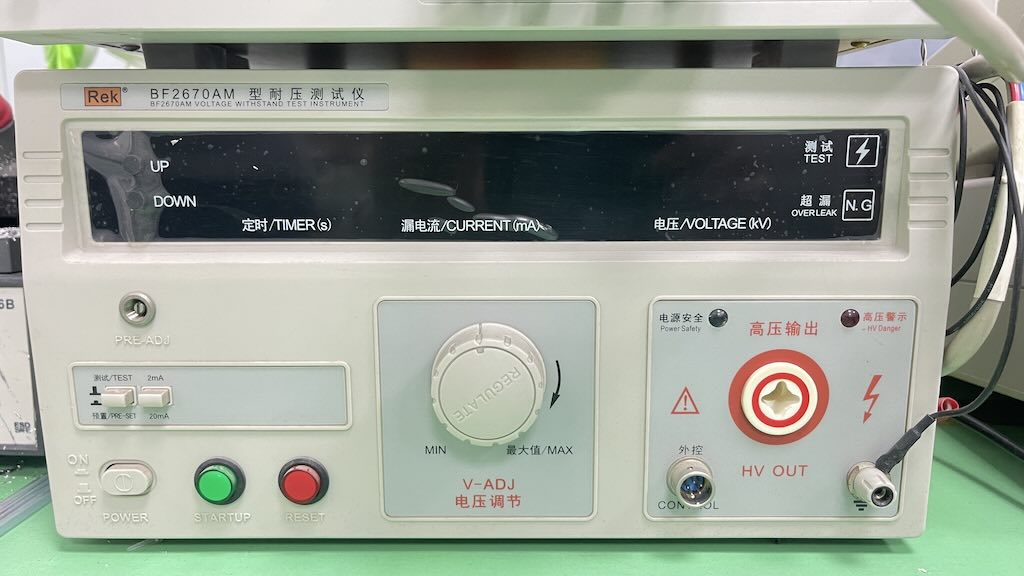
High Voltage Isolation Testing
Hi-pot Tester
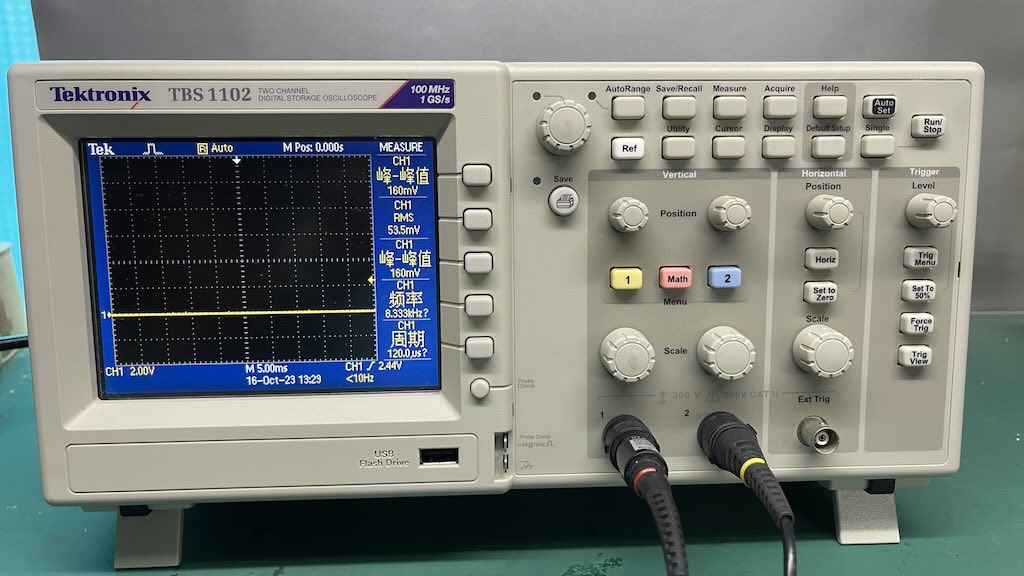
Transient Behavior Oscilloscope
Oscilloscope
High Precision LCR Meter
LCR Meter
Digital Power Measurement
Digital Power Meter
MYAMI Automated Production Environment

Strategic Implementations Across Industrial Frontiers

Our solutions bridge the operational gap between laboratory-scale development and complex manufacturing environments. By delivering optimized power architectures, we enable engineering segments to validate next-generation platforms under worst-case transient profiles.

1. EV Powertrain & BMS Validation

Simulating standard battery profiles during rapid acceleration and deceleration requires fast current shifts. Our programmable systems enable battery simulation to test on-board chargers, motor controllers, and battery management systems under safe, simulated conditions.

2. Photovoltaic Inverter MPPT Auditing

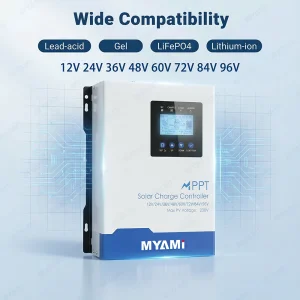
Verifying solar inverter performance requires recreating the fluctuating IV curves caused by cloud movement and changing temperatures. MYAMI solar simulator software allows engineers to input precise IV coordinates to verify solar charger and inverter tracking performance.

3. Aerospace and Avionics Component Burn-in

Military and avionics projects demand stable power. Our low-ripple, regulated systems ensure that electronic components undergoing long-term thermal aging are protected from high-frequency noise interference.

Localization Support and Compliance Guarantee

Today, MYAMI serves research institutions, automotive OEMs, aerospace contractors, and electronics manufacturers across North America, Europe, East Asia, and the Middle East. Whether you require a single benchtop lab power supply or a custom high-power aging system, MYAMI is your ultimate partner for precision power and uncompromised testing reliability.

We work closely with global distribution partners to provide regional technical support, swift component logistics, and system calibration services. All models ship with standardized calibration certificates traceable to global metrology requirements, simplifying safety and operational approvals.
Industrial DC Power Supply Q&A
Expert technical answers to common integration, selection, and operational questions for wide-range programmable power supplies.
Q1: What is the primary difference between a wide-range and standard DC power supply?
A standard DC power supply delivers its maximum output power only at its single maximum rated voltage and current. In contrast, a wide-range (auto-ranging) DC supply dynamically alters its maximum current output based on the output voltage setpoint, delivering maximum power across a much broader range. This versatility allows one wide-range supply to perform the work of multiple standard units, saving space and cost.
Q2: How does a linear power supply compare with a switching power supply for lab testing?
Linear power supplies offer clean DC output with low ripple and high noise suppression (ideal for RF testing, sensor validation, and precision analog components), but they are larger and less efficient. Switching power supplies are lighter, more efficient, and support higher power outputs, but introduce high-frequency switching noise. Choosing the right design depends on the noise sensitivity of your device under test.
Q3: Why are transient response times critical when testing dynamic electronic loads?
Transient response time represents the speed at which the power supply output recovers to its set value after a sudden step change in load current. Microprocessors and automotive ECUs fluctuate rapidly between low standby states and high active states. Slow transient response times lead to temporary voltage drops, which can cause the device under test to reset or fail verification.
Q4: How do CAN bus and Modbus interfaces aid in automated factory testing?
These industrial communication interfaces enable remote programming, monitoring, and data logging. Standardized protocols like CAN bus (common in EV/automotive environments) and Modbus/RS485 allow power supplies to integrate with PLC architectures, automated test environments (ATE), and central SCADA systems to streamline mass assembly lines.
Q5: What are the benefits of multi-channel programmable DC power supplies?
Multi-channel supplies feature multiple independent, isolated outputs within a single enclosure. This allows engineers to power different sections of a PCB (e.g., analog circuits, digital chips, and driver stages) at various voltages concurrently, using a single instrument.
Q6: What safety mechanisms are most critical for unattended high-power burn-in testing?
Over-Voltage Protection (OVP), Over-Current Protection (OCP), Over-Temperature Protection (OTP), and Short-Circuit Protection. Unattended tests require fast-acting hardware protections to quickly cut power if a fault is detected, protecting expensive developmental prototypes from damage.